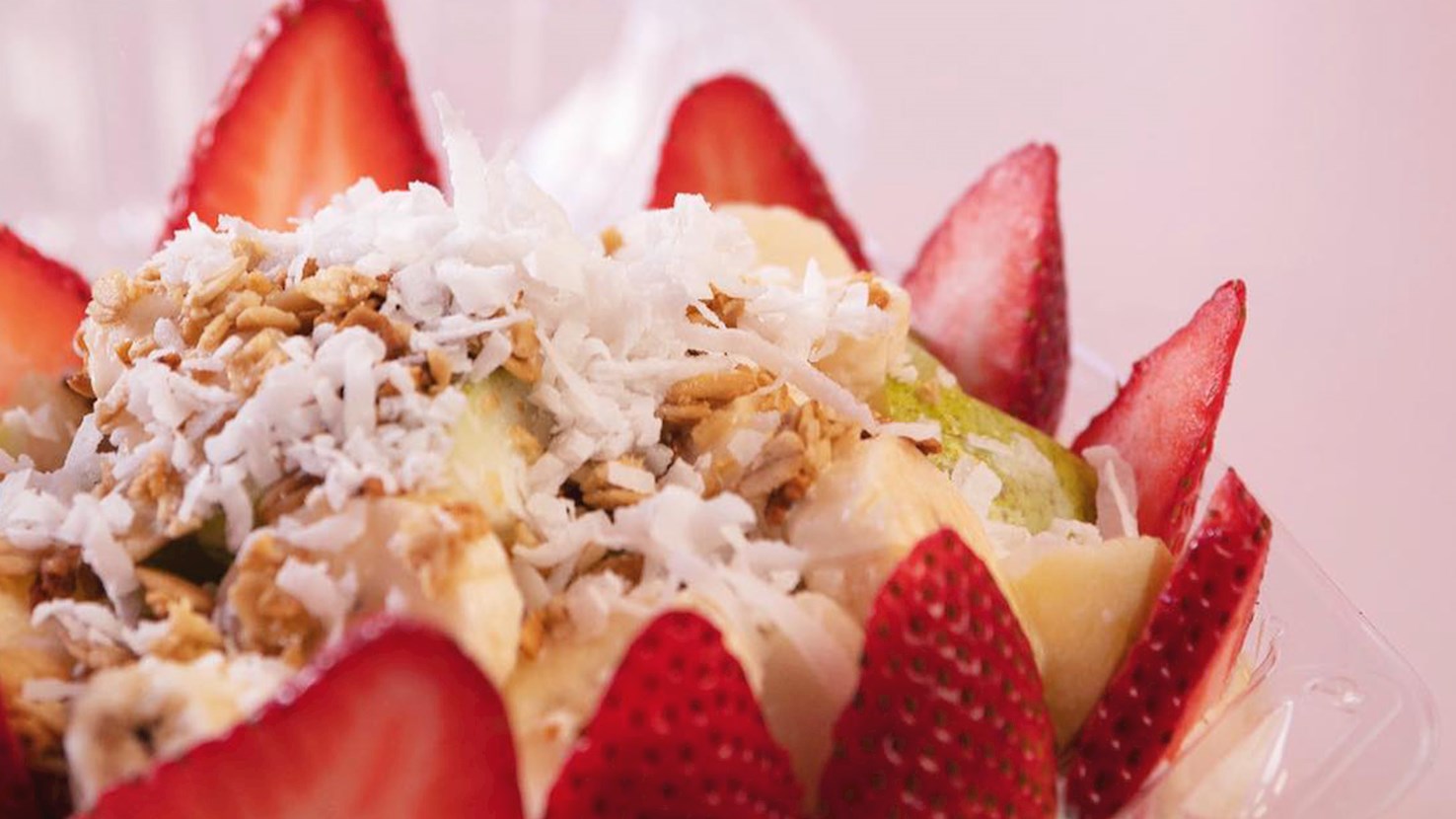
Bionico is a popular Mexican street food item in the form of a fruit cocktail, originating from Guadalajara. Chopped fruits such as papaya, strawberries, cantaloupe, apples, and bananas are topped with a sweet cream mixture, granola, pecans, raisins, and desiccated coconut. The dish was invented in the early 1990s as a healthy breakfast meal. As its popularity grew, the dessert spread throughout Mexico and even to some parts of the United States. Today, bionico is mostly served by street vendors or it can be bought at numerous juice bars and ice cream shops.
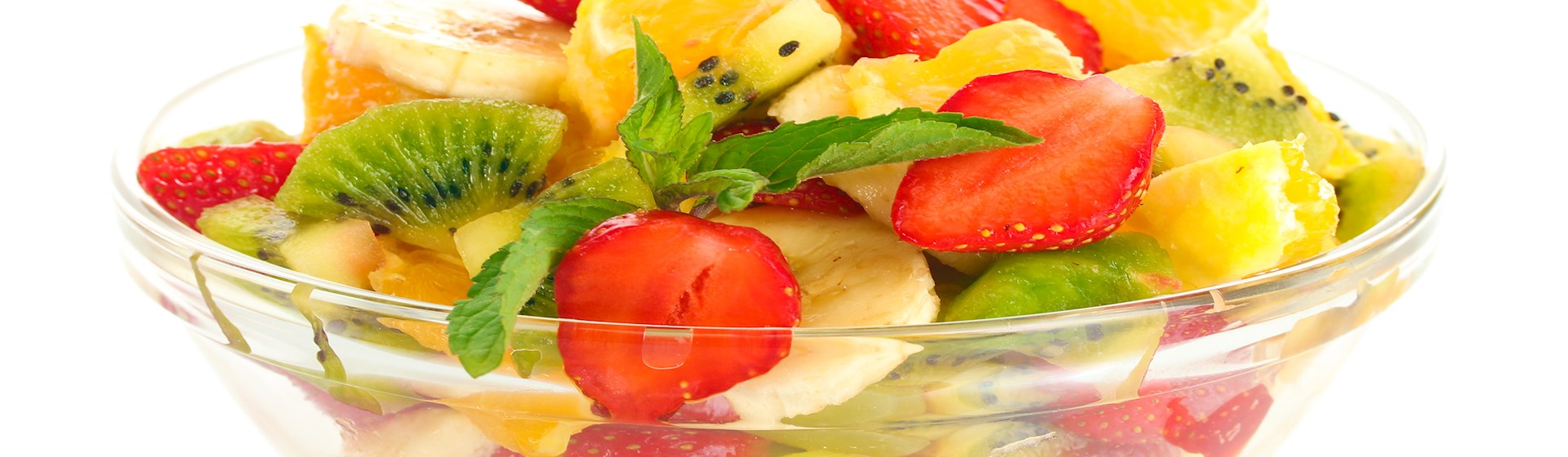
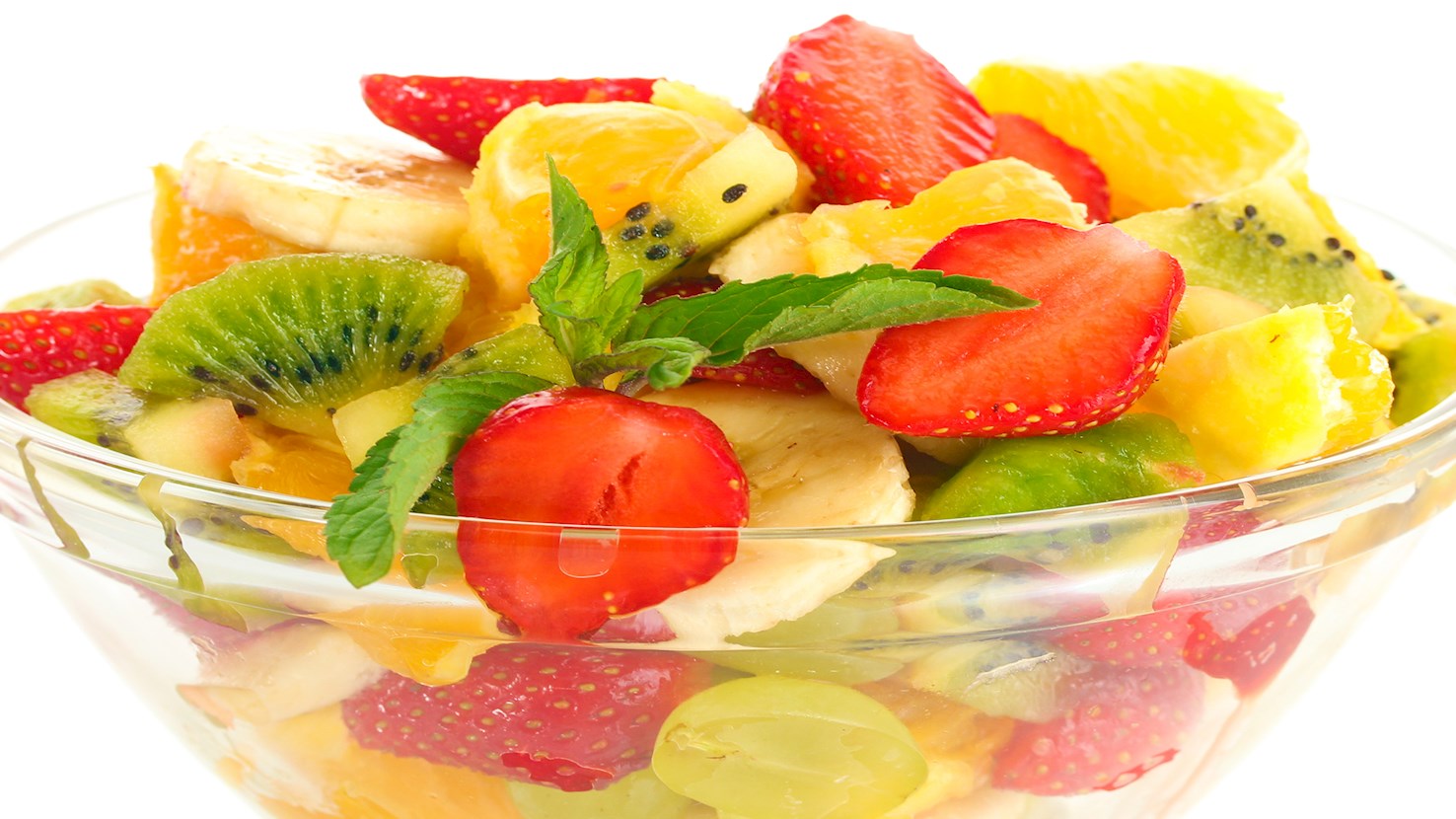
Ensalada fruta is a Mexican version of the classic fruit salad. What makes it unique is the addition of lime juice, tequila (optional), and anchiote chili powder, giving it an unusual, spicy kick when combined with chopped pieces of fruit such as pineapple, mango, and strawberries. Although it can be served fresh, it is recommended to chill it for an hour before consumption, making it an ideal refreshment for a hot summer day.
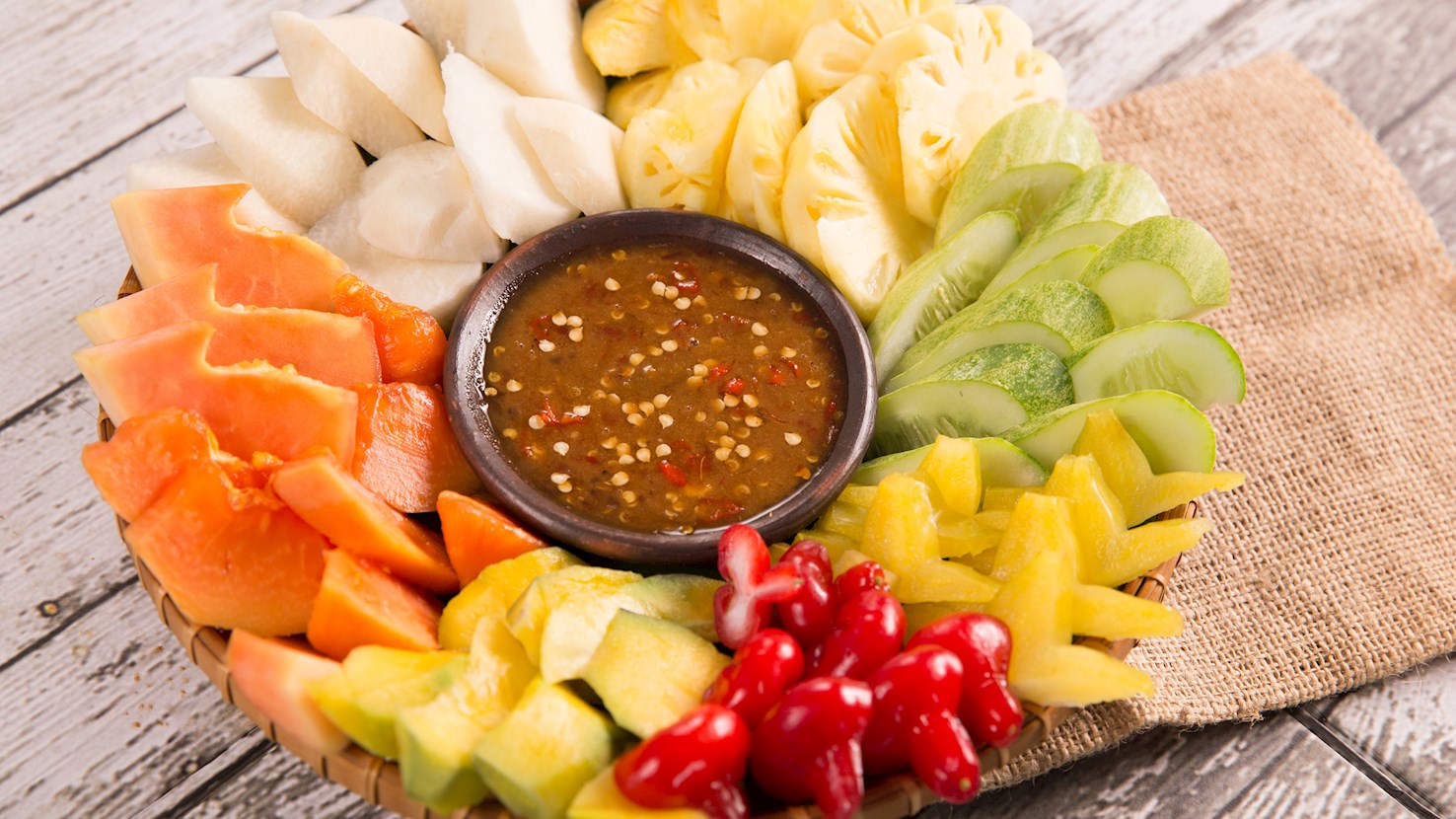
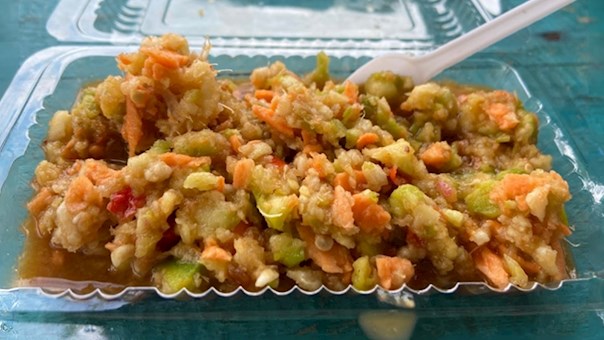
Rujak is a traditional Indonesian fruit and vegetable salad, known for its bold combination of sweet, spicy, sour, and savory flavors. A beloved street food and household dish across Indonesia, Malaysia, and Singapore, rujak typically consists of fresh tropical fruits and raw vegetables, tossed or dipped in a thick, spicy palm sugar and tamarind dressing. Unlike Western fruit salads, rujak is distinct for its complex flavor balance, with the dressing often made from palm sugar (gula Jawa), tamarind paste, peanuts, salt, shrimp paste (terasi), and bird’s eye chilies, creating a deeply umami, tangy, and fiery sauce. The fruits commonly used include pineapple, mango (ripe or unripe), jicama, cucumber, papaya, water apple, and starfruit, while some variations also add boiled sweet potatoes or tofu for extra texture. There are many regional variations of rujak, each with its unique twist. Rujak buah is the most common, featuring assorted fresh fruits with a thick, sticky dressing. Rujak cingur, a specialty from East Java, incorporates boiled beef snout (cingur), vegetables, and tofu, dressed with a more pungent shrimp paste-based sauce. Rujak ulek from West Java involves pounding the sauce and fruits together, intensifying the flavors. Rujak serut features grated fruits for a more refreshing, spoonable version, while rujak kuah pindang from Bali uses a dressing infused with fish broth for a savory depth. Rujak is typically served fresh, either as a snack or a light meal, and is often enjoyed with kerupuk (crispy crackers) for added crunch.
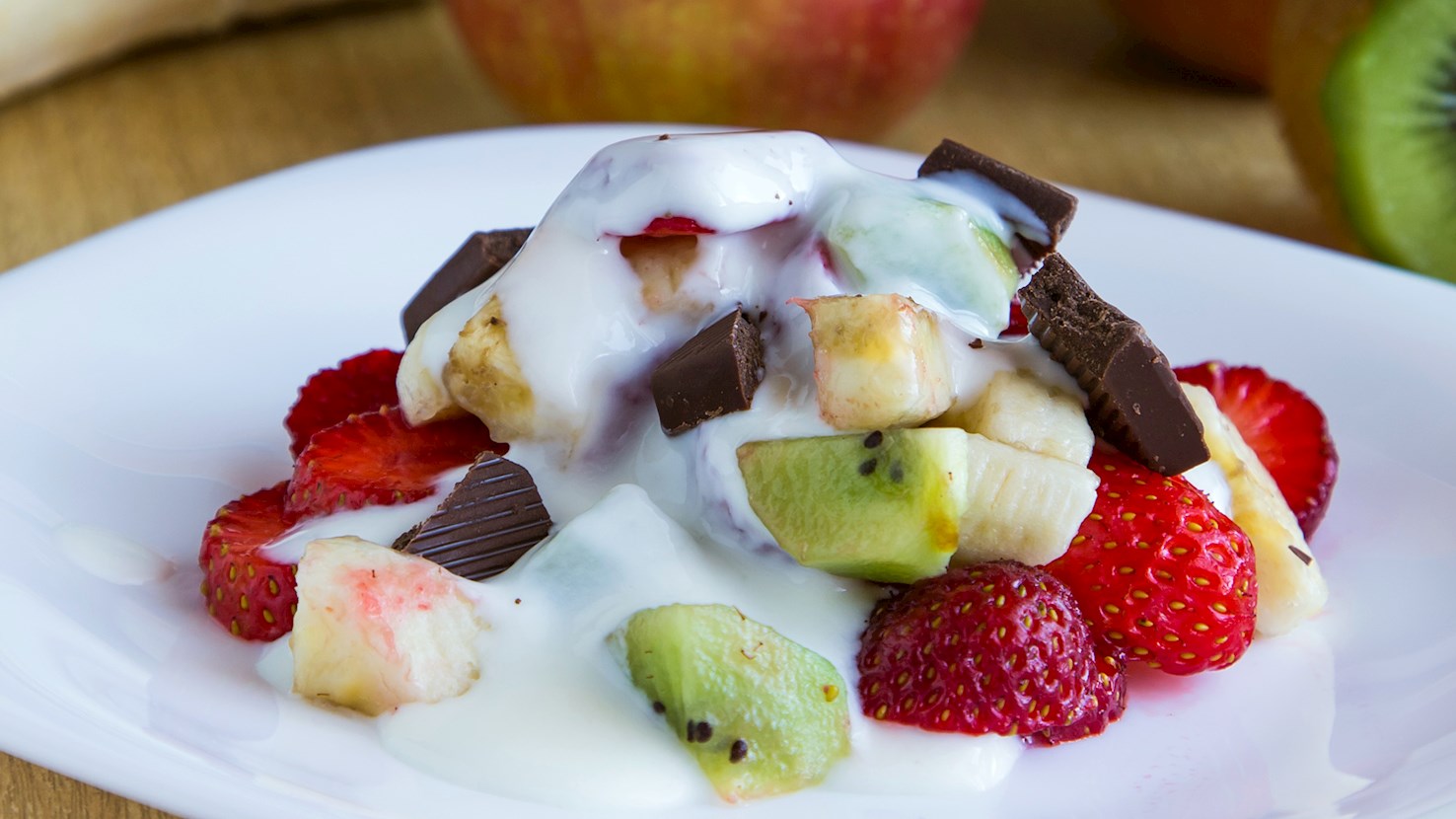
Frugtsalat is a slightly sweet and highly versatile Danish fruit salad. It consists of various fruits, nuts, chocolate, and marzipan, but it is easily adjusted to any taste and preference. The ingredients are commonly topped with whipped cream or vanilla custard, garnished with chocolate, and served in decorative serving bowls. Danes prefer to enjoy frugtsalat as a refreshing summer dessert.
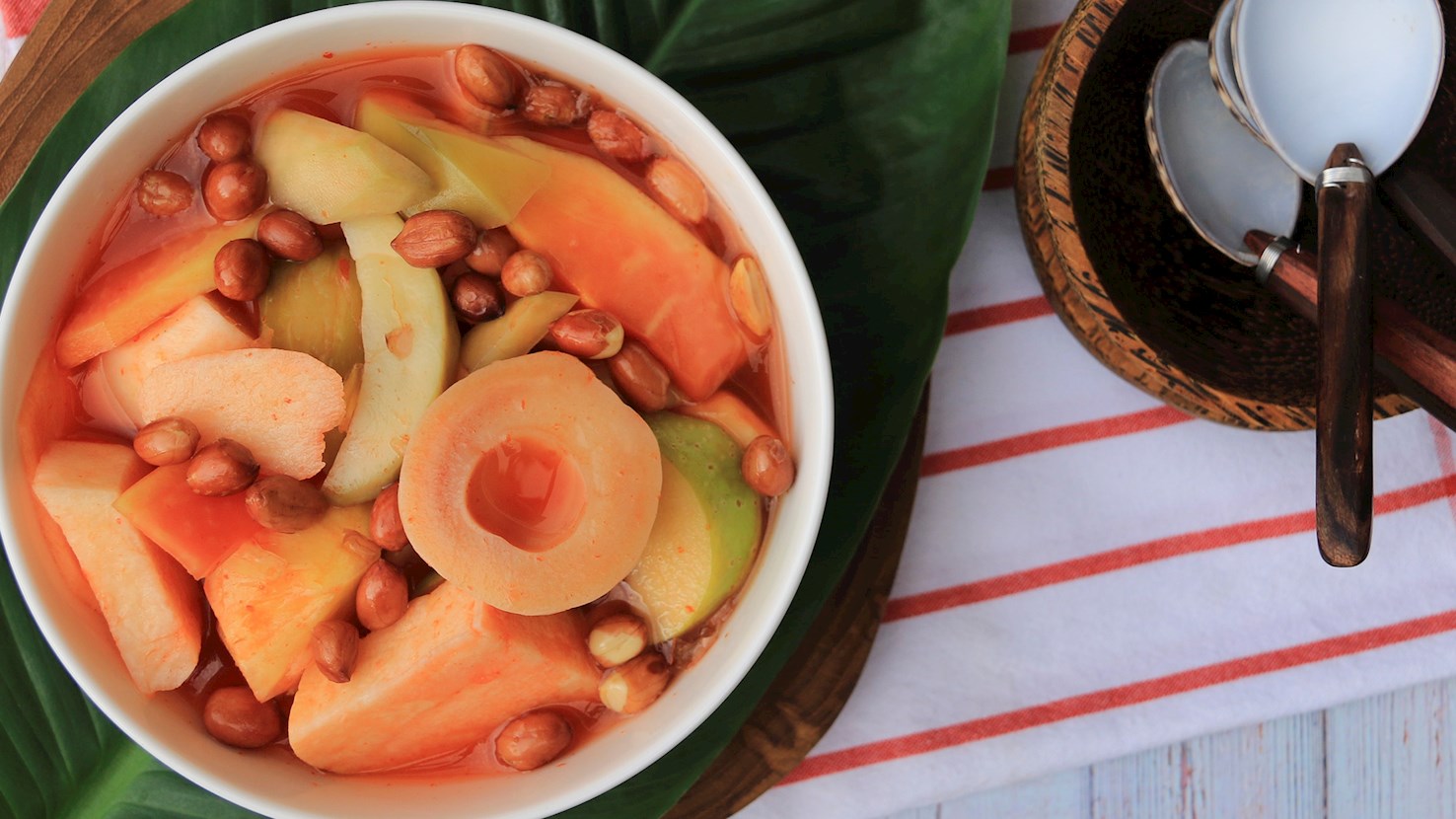
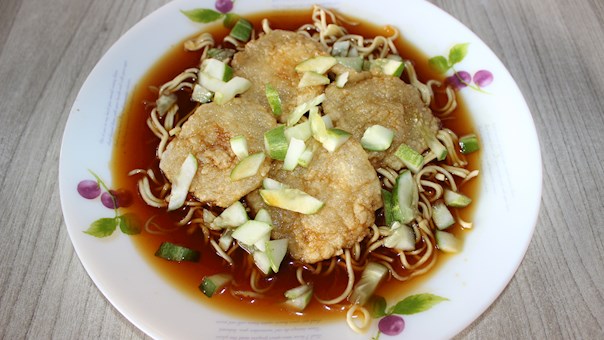
The name asinan refers to traditional Indonesian salads made with pickled fruit or vegetables. It is believed that the fruit variety originates from Jakarta and the vegetable variety from the city of Bogor. The dish was developed under numerous cultural influences, and it is a true representative of Indonesian multicultural heritage. Asinan is a typical street dish in Indonesia, and it is usually sold by street vendors or at local eateries. However, it is also a common dish in many traditional Indonesian restaurants. Although asinan can be made with any fruits or vegetables, cabbage and cucumbers are the most common ingredients. Both vegetable asinan and fruit asinan are usually served with sweet, sour, and spicy peanut sauce, and they are typically topped with rice crackers or noodles.
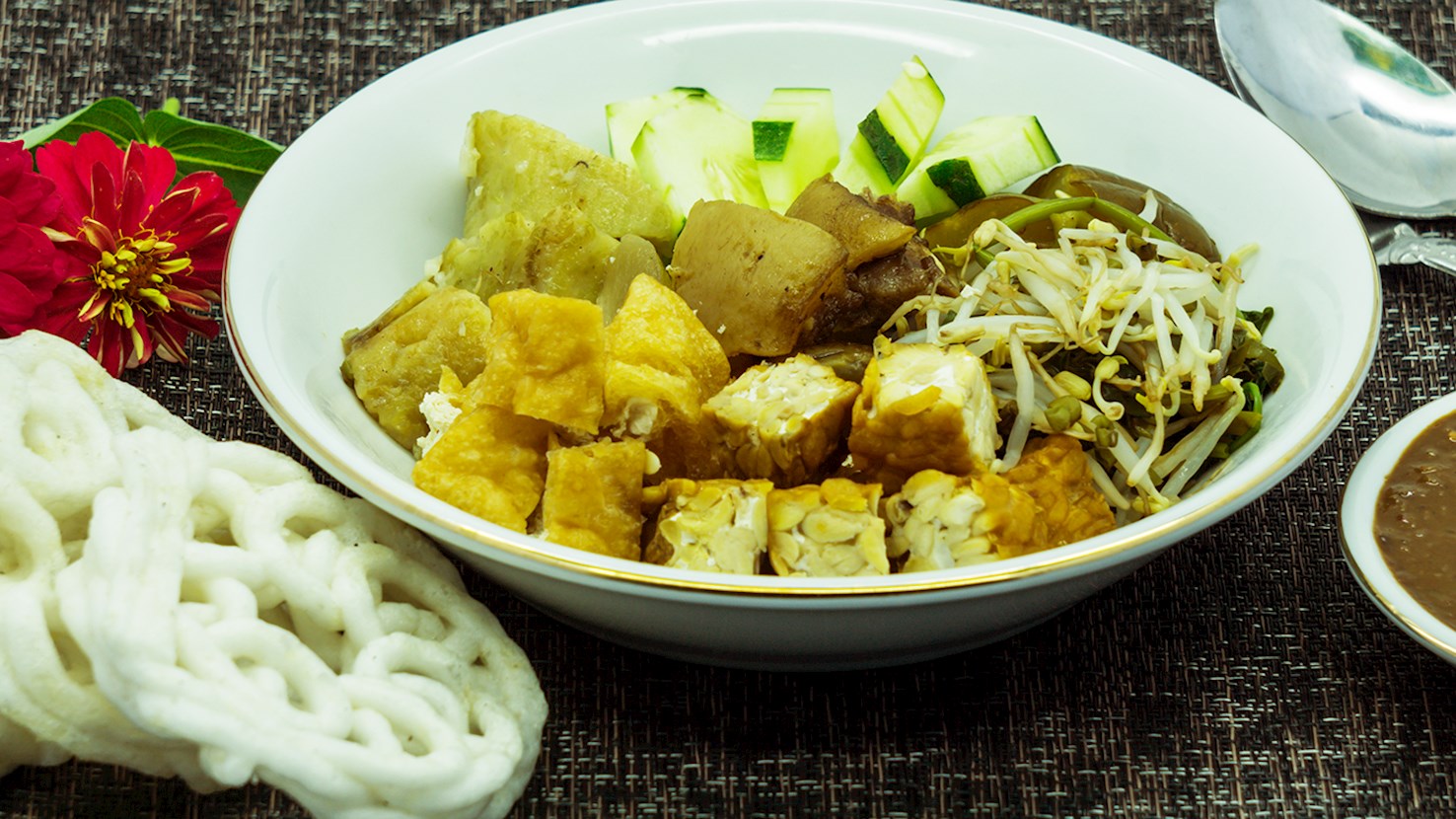
Rujak petis is a savory fruit and vegetable salad that comes from Ponorogo, East Java. The dish is recognized by its distinctive dark sauce made with petis, a thick, sweet fermented shrimp paste that gives it a rich umami flavor. Unlike many other rujak varieties that lean toward sour and sweet profiles, rujak petis is characterized by a pronounced salty depth balanced with palm sugar and tamarind. The base of the salad typically includes slices of cucumber, jicama, unripe mango, water spinach stems, bean sprouts, and sometimes steamed vegetables like long beans. These fresh, crisp ingredients are combined with the sauce just before serving to preserve their texture. Preparation of rujak petis begins by pounding roasted peanuts, bird’s eye chilies, and garlic into a coarse paste. Palm sugar is added along with tamarind water, salt, and a generous portion of petis udang. The mixture is stirred until smooth, forming a thick, sticky dressing that clings to every piece of fruit and vegetable. In many households and street stalls, vendors keep the sauce ready in large bowls and assemble each portion to order by mixing the sauce with freshly cut produce. The final result is a complex combination of crunchy, refreshing bites coated with a concentrated sweet-salty dressing. Rujak petis is widely enjoyed as a snack or light meal, especially during the afternoon. It is often served on banana leaves or small paper wrappers, and sometimes accompanied by krupuk crackers for additional crunch. While it is closely associated with Surabaya and other cities in East Java, variations of rujak petis are found throughout the province, with slight differences in the ratio of petis to palm sugar or in the kinds of vegetables used. The sauce itself is also used in other dishes such as tahu tek and lontong balap, reflecting its importance in East Javanese cooking. Vendors often prepare the petis themselves by simmering shrimp stock and reducing it to a syrupy paste, ensuring a more robust and complex flavor than factory-made versions. In recent years, packaged rujak petis sauce has become popular among people living outside Java, helping spread the dish beyond its original region.
Considered to be both a salad and a dessert, ambrosia is a staple of numerous potlucks and a Christmas tradition in the Southern United States. It typically consists of pineapples, mandarin oranges, coconut, and mini marshmallows, but it can also be enriched with ingredients such as bananas, strawberries, pecans, cherries, whipped cream, yogurt, or cottage cheese. The name of the salad means fragrant or delicious, and it was also the magical fruit of Greek gods. In American cookbooks, ambrosia first started to appear in the late 19th century, when citrus fruit became more available, and today it is regularly prepared during the Christmas festivities in the American South due to ingredients which were once thought of as luxurious and exotic.
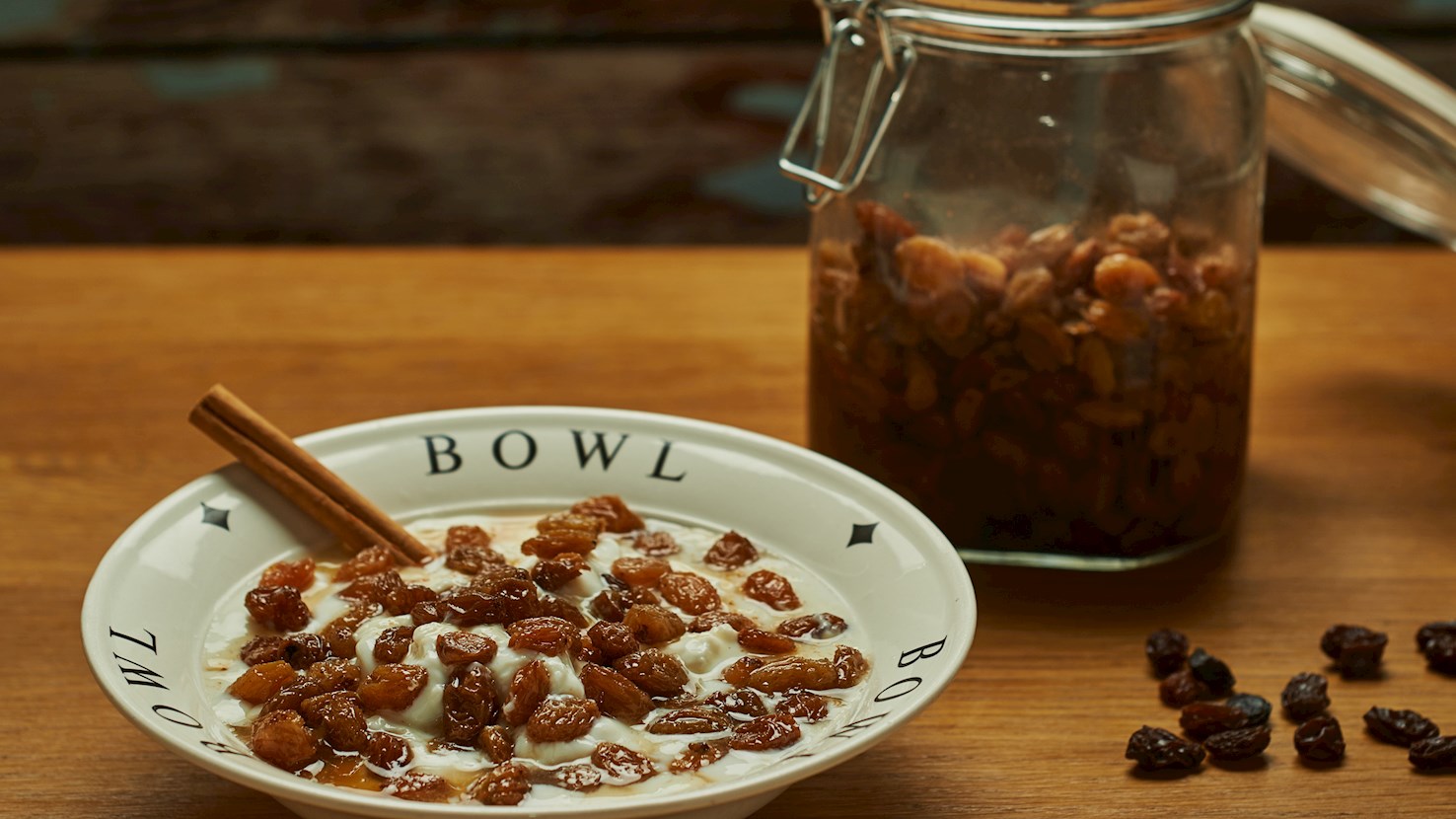
Boerenjongens is a sweet alcoholic preserve served as a dish, consisting of plump raisins soaked in brandewijn, sugar syrup, and warm spices. The raisins become soft and swollen as they absorb the alcohol and syrup, while the liquid develops concentrated notes of dried fruit, cinnamon, and caramelized sugar. The name literally means “farm boys.” Boerenjongens is especially associated with Groningen, Friesland, and the northeastern Netherlands. Raisins preserved in brandy were closely linked with celebrations, particularly weddings, birthdays, and winter holidays. Seventeenth-century silver brandewijnkommen, or brandy bowls, survive from Groningen and Friesland and show that brandy with raisins was already being served ceremonially at festive gatherings at that time. Small silver spoons were used to lift the alcohol-soaked raisins from the communal bowl. The term boerenjongens itself is documented by 1885, when it was defined as raisins in brandewijn. An 1899 dictionary described it as especially popular at rural weddings in the northeastern part of the country. The recipe begins with raisins, often pale sultanas, which are washed and drained. Sugar and water are heated into a syrup with cinnamon and cloves. Brown sugar gives the syrup a deeper caramel flavor, while white sugar produces a cleaner sweetness. Lemon peel, vanilla, star anise, or a small amount of honey may also be added. The raisins are briefly simmered in the syrup until they soften and begin to swell without falling apart. The mixture is then left to cool before the brandewijn is added. Adding the alcohol after cooling preserves more of its aroma and strength. The raisins, syrup, and alcohol are transferred to clean glass jars and sealed tightly. They need several weeks to mature before serving. Six weeks is a common minimum, although some versions rest for two or three months. During this period, the raisins absorb the alcohol and spices while releasing concentrated fruit flavor into the surrounding liquid. The jars are kept in a cool, dark place while the flavors develop. Boerenjongens is commonly served in a small glass or bowl with enough syrup to surround the fruit. A teaspoon or small silver spoon is used to eat the raisins, followed by small sips of the aromatic brandy syrup. This serving style has a particularly strong historical association with weddings and other celebrations. Boerenjongens is also widely used as a topping. Spoonfuls of raisins and syrup work well over vanilla ice cream, pancakes, crêpes, custard, pudding, pound cake, or other cakes. The concentrated fruit and alcohol provide a strong contrast to creamy or buttery desserts. Boerenjongens can also be folded into cake fillings, served alongside cheese, or used to flavor ice cream. A closely related dish is boerenmeisjes, meaning “farm girls.” Instead of raisins, it uses dried apricots soaked in brandewijn with sugar and spices. The larger fruit gives it a softer, more substantial texture, while the basic method remains the same. The alcohol can also vary. Brandewijn remains the defining choice, but some modern versions use dark rum, which adds deeper molasses, vanilla, and caramel notes. Rum-based versions are variations rather than the standard form.
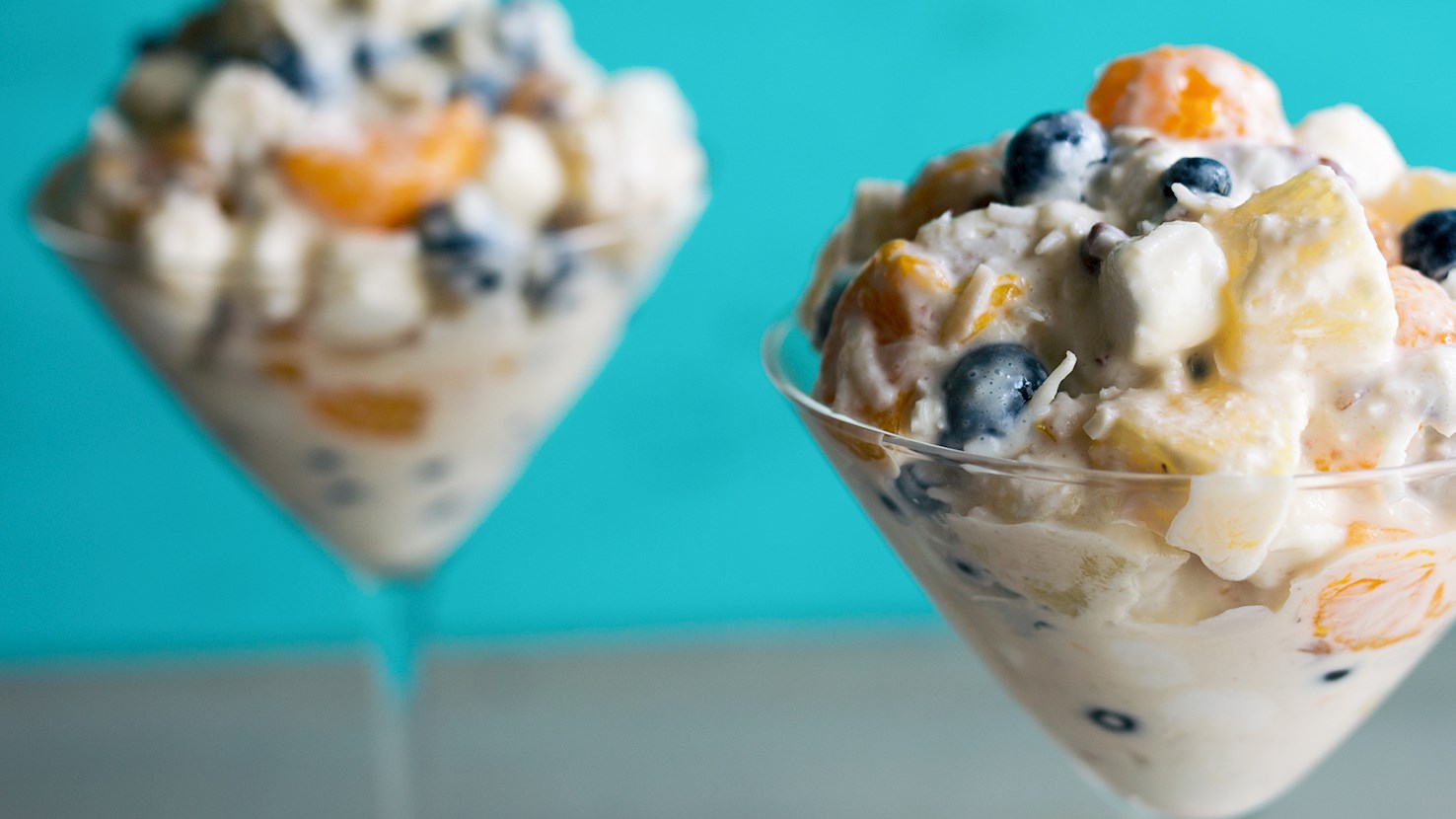
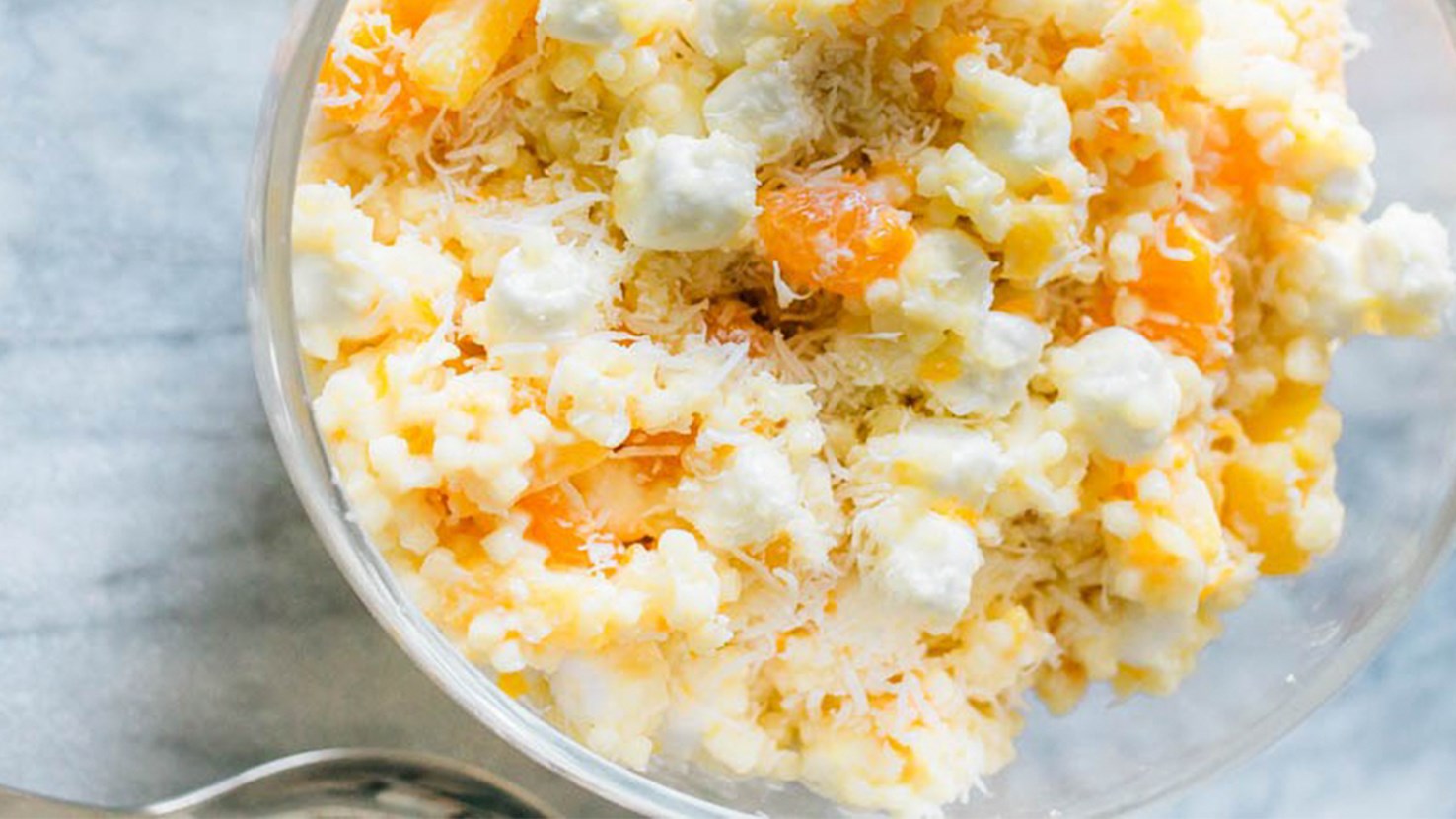
Frog eye salad is a flavorful concoction made with the ball-shaped acini di pepe pasta, egg yolks, and a whipped cream topping that can sometimes be enriched with the addition of pineapple pieces, shredded coconut, mandarin oranges, or marshmallows. This crossover between a pasta salad and a fruit salad is especially popular in Utah, where it is a staple at potlucks.
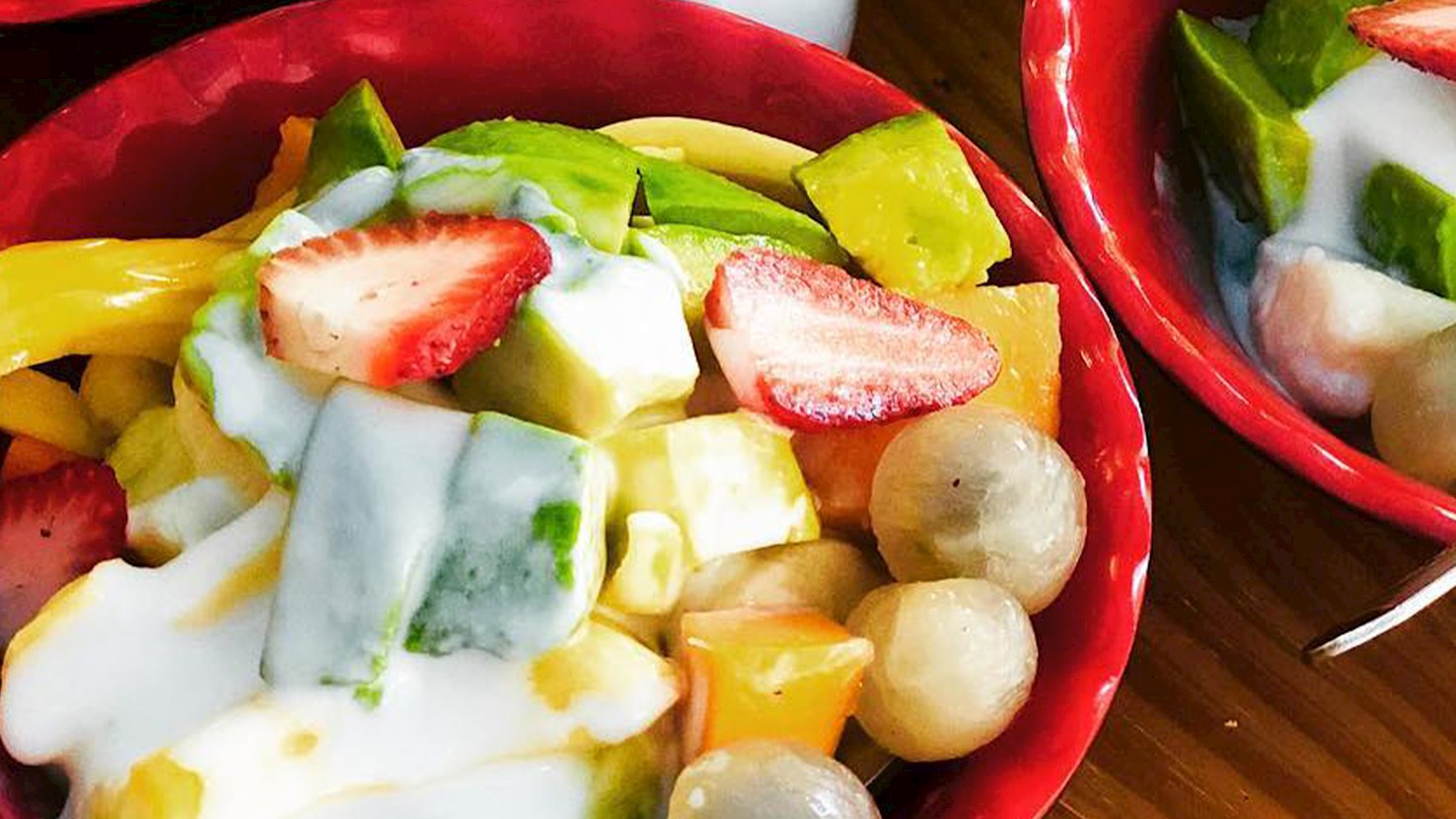
Hoa quả dầm is a traditional fruit salad originating from Vietnam. The fruit salad is made with the freshest possible summer fruits such as lychees, jackfruit, papaya, pineapple, mango, dragon fruit, longan, watermelon, Asian pear, bananas, plums, strawberries, and mangosteen. The fruit is cut into bite-sized pieces and spooned into a tall glass, which is then topped with crushed ice and a combination of coconut cream, condensed milk, and yogurt. The fruit salad is simply mixed with a spoon and enjoyed as it is. This fruit salad is immensely popular in Vietnam as it has every part of the country in it, with fruit from the north, south, and center of the country.
TasteAtlas food rankings are based on the ratings of the TasteAtlas audience, with a series of mechanisms that recognize real users and that ignore bot,
nationalist or local patriotic ratings, and give additional value to the ratings of users that the system recognizes as knowledgeable.
TasteAtlas Rankings should not be seen as the final global conclusion about food. Their purpose is to promote excellent local foods,
instill pride in traditional dishes, and arouse curiosity about dishes you haven’t tried.












What People Say