shutterstock

Top 8 Malaysian Fruits

Last updated on June 01, 2026
01

Mangosteen

4.3 ·

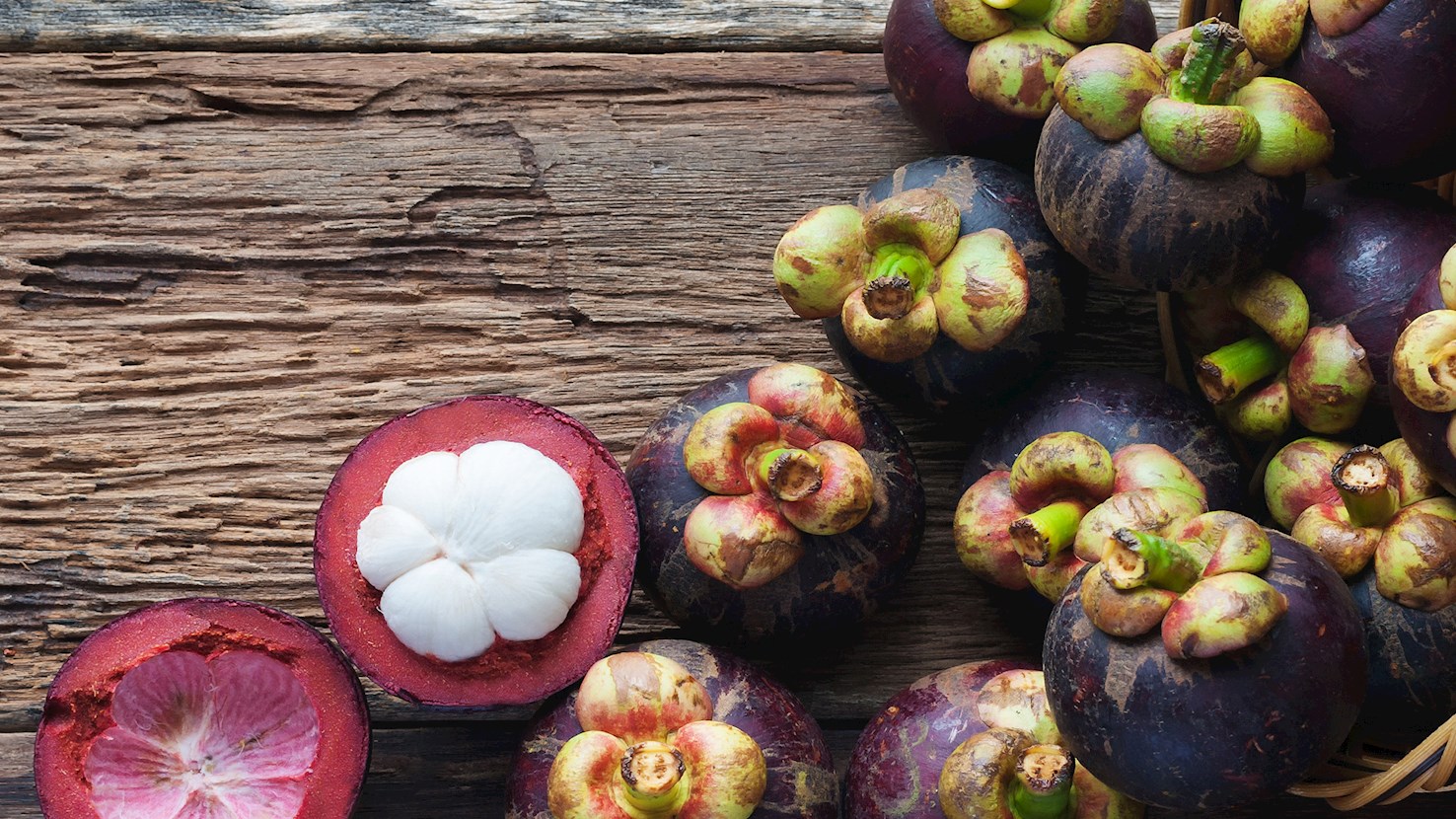
Mangosteen, also known as purple mangosteen, is a tropical plant grown for its sweet fruit. Its origin is believed be on the Sunda Islands, now divided between Indonesia, Malaysia, Brunei, and East Timor. Mangosteen is characterized by its dark purple, firm shell which covers and protects the edible white fruit. The texture of the fruit is soft, juicy, and delicate, while the flavor is sweet with slight hints of tartness. The fruit is usually enjoyed plain, but it can also be incorporated in various baked desserts, mixed salads, custards, smoothies, teas, or ice creams. Mangosteen is found throughout Southeast Asia, and it is available in many markets around the world. It's especially popular in Vietnam.

02

Pisang mas (Lady Finger banana)

4.2 ·

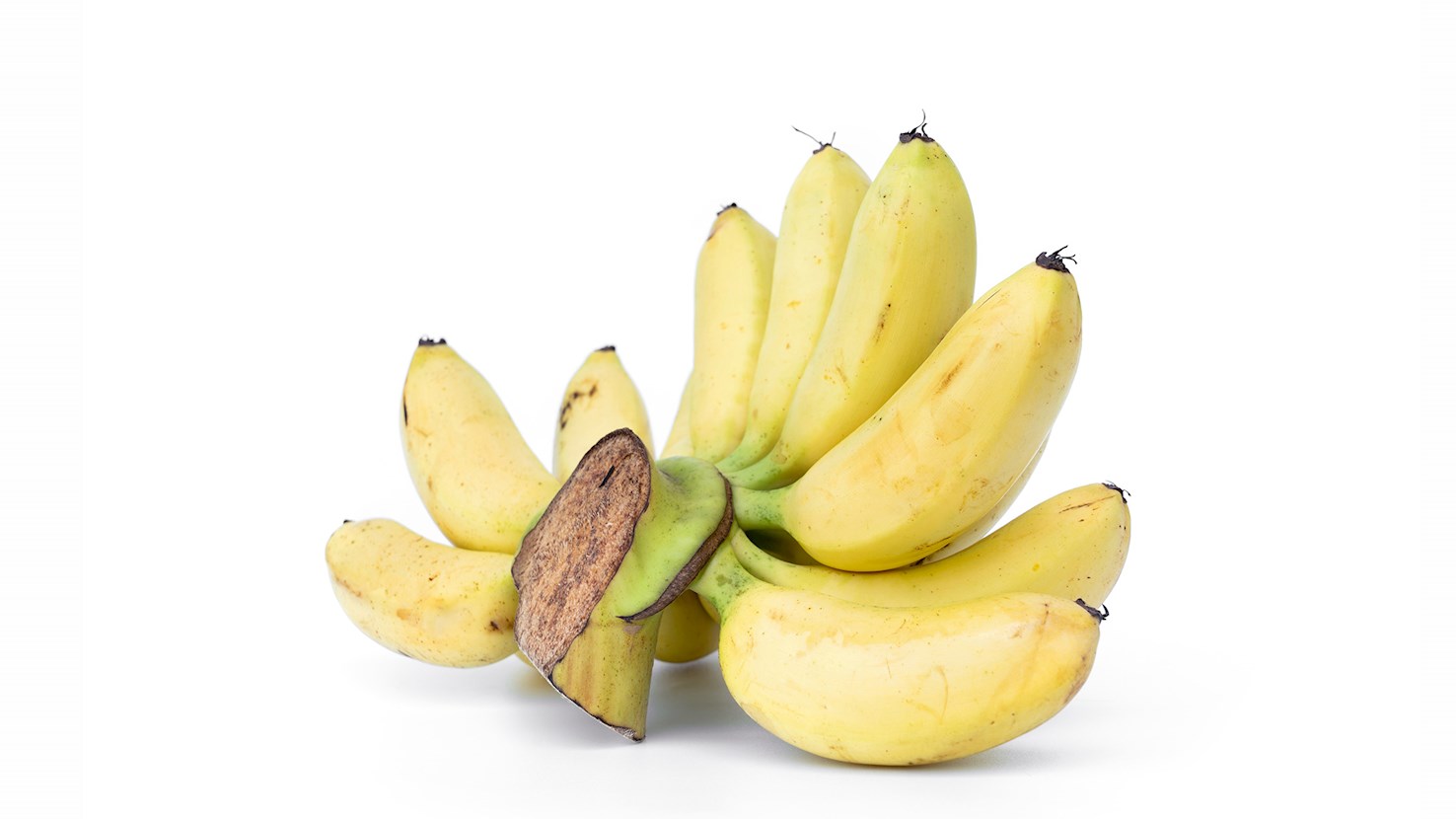
Lady Finger banana is a small, sweet variety of banana distinguished from others by its size, taste, and texture. It is significantly smaller and thinner than the more commonly known Cavendish banana, typically measuring about 4 to 6 inches (10 to 15 centimeters) in length. What sets the Lady Finger banana apart is its exceptionally sweet flavor and creamy texture, making it a favorite for fresh eating. Its sweetness is often compared to that of honey, and it has a delicate, almost floral flavor profile. The skin of the Lady Finger banana is thin and the flesh is less dense compared to larger banana varieties, contributing to its unique texture. Cultivated in tropical and subtropical regions around the world, the Lady Finger banana is a popular variety in its native Southeast Asia, as well as in Australia, Thailand, and the Philippines. Despite its delicious flavor and nutritional benefits, including being a good source of vitamins C and B6, potassium, and dietary fiber, it is less commonly found in global markets. This scarcity is due to its greater sensitivity to damage during transportation and its shorter shelf life compared to the more robust Cavendish bananas. Lady Finger bananas are often enjoyed fresh, but they can also be used in a variety of culinary applications, from desserts and baked goods to smoothies.

03

Rambutan

4 ·

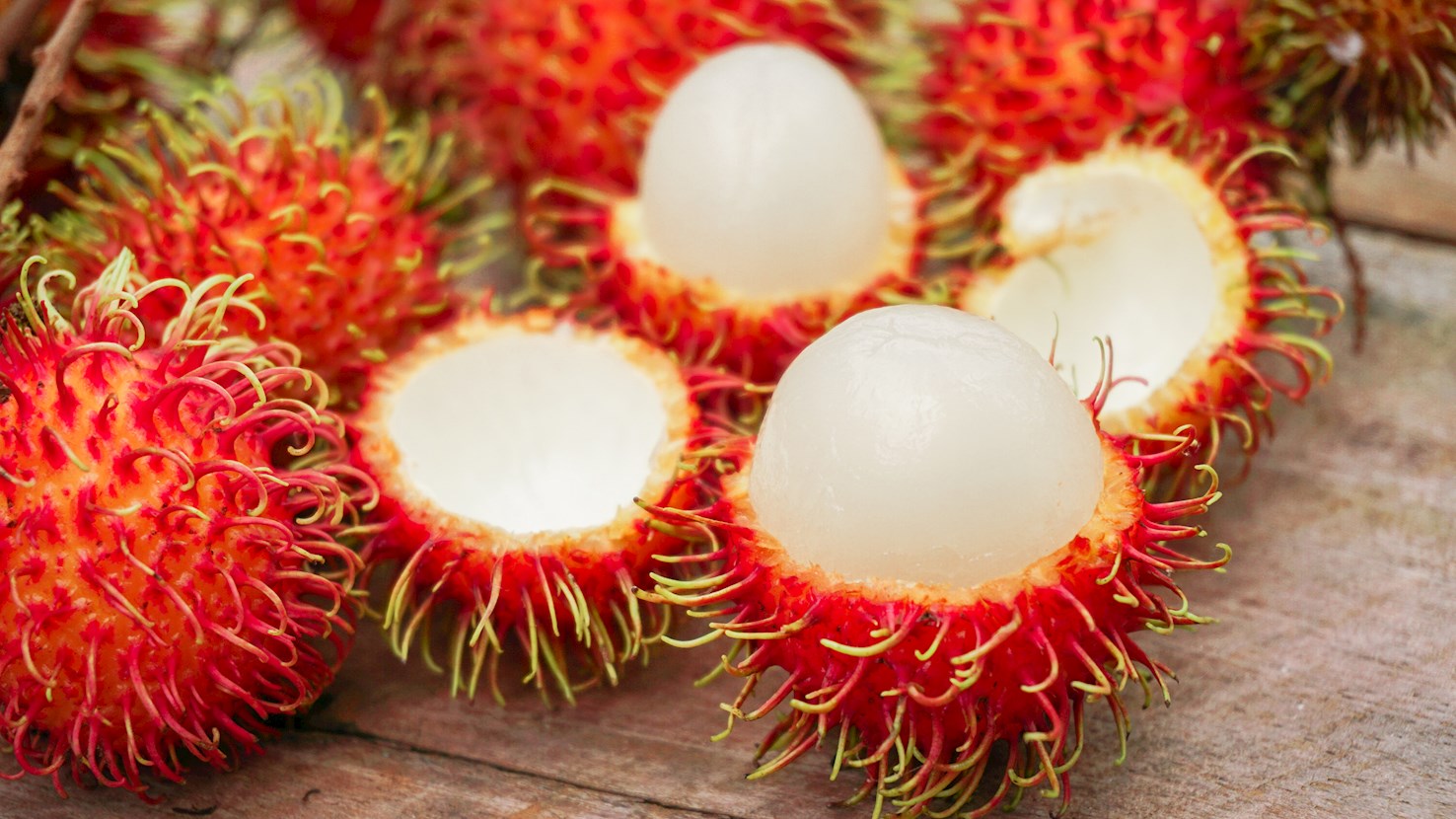
Rambutan is a medium-sized evergreen tree originating from the rainforests of western Malaysia and Singapore. The trees produce fruits that are round with leathery skin that’s covered in soft hairlike spines. The colors range from dark red to yellow. The pulp is subacid to sweet and it contains a single seed. The seeds contain up to 40% fat, which is extracted and used for making soap. In the Philippines, people sometimes roast the seeds and eat them as a snack. The fruits are usually eaten out of hand and they are sold fresh or canned. People use rambutan in jams, jellies, preserves, fruit salads, and savory dishes (in Southeast Asia). There are many cultivars of rambutan, such as red, yellow, orange, clingstone, and freestone. Although rambutan is mostly cultivated in Southeast Asia, the fruit is also gaining popularity in Central America.

04

Jambu bol (Water apple)

3.6 ·

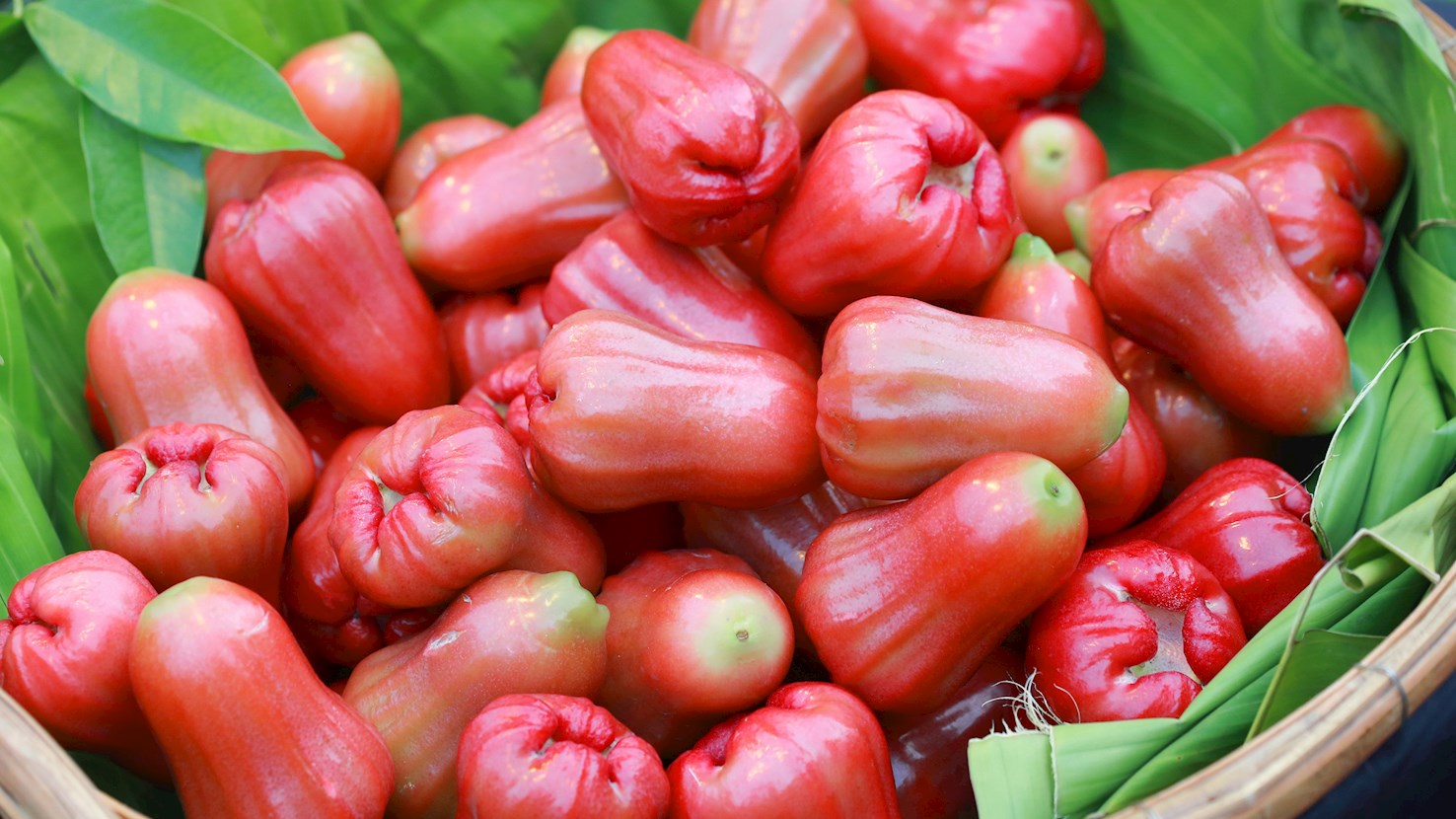
Water apple is a tropical fruit native to Southeast Asia and the Malay Archipelago, produced by the evergreen tree Syzygium malaccense and widely cultivated in regions such as Malaysia, where it is known locally as jambu bol and consumed primarily for its high water content and crisp flesh rather than for sweetness or acidity. Its spread beyond its native range followed maritime trade and botanical exchange during the late eighteenth century, and plants were later introduced to the Caribbean, including Jamaica, where it became known as Otaheite apple after its route of introduction from the Pacific rather than its place of origin. Preparation in its native region is minimal, as the fruit is most often eaten fresh, washed and consumed whole or sliced, with the thin skin left intact and the central seed removed, and it may also be used in light preserves, juices, or briefly cooked preparations that emphasize moisture and texture. The flesh is firm and watery when just ripe and softens quickly, which limits storage and favors immediate consumption close to harvest. Water apple is typically served at ambient temperature or lightly chilled and eaten casually as a snack rather than as part of a structured meal. It is commonly sold in markets and eaten at home, often paired with salt, chili, or light sugar, and accompanied by water or mild fruit drinks that reinforce its clean, hydrating character without competing with it.

05

Pulasan

3.5 ·

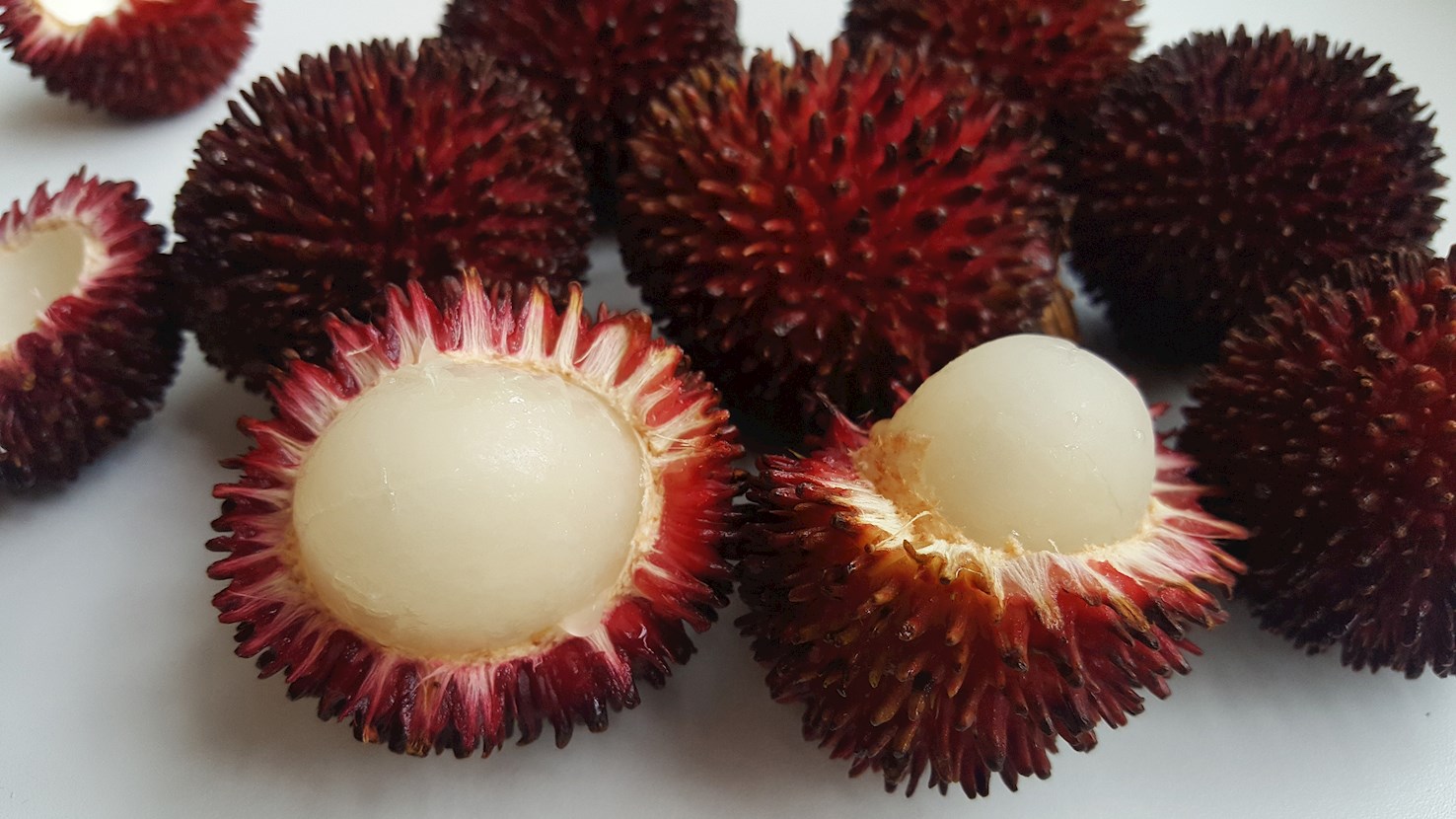
Pulasan is an evergreen tree with a short trunk that’s native to western Malaysia and Singapore. The tree produced fruits that are ovoid, dark red to red or rarely yellow in color, with a thick leathery exterior that’s covered in short and soft spines. The pulp is sweet and juicy with a single seed. The fruits are usually eaten fresh or used for preparing fruit jam. They‘re a great source of calcium, vitamin C, and carbohydrates. The seeds are edible when raw and their flavor is reminiscent of almonds. Once roasted or boiled, the seeds can be transformed into a beverage similar to cocoa.

06

Musang King

3.4 ·

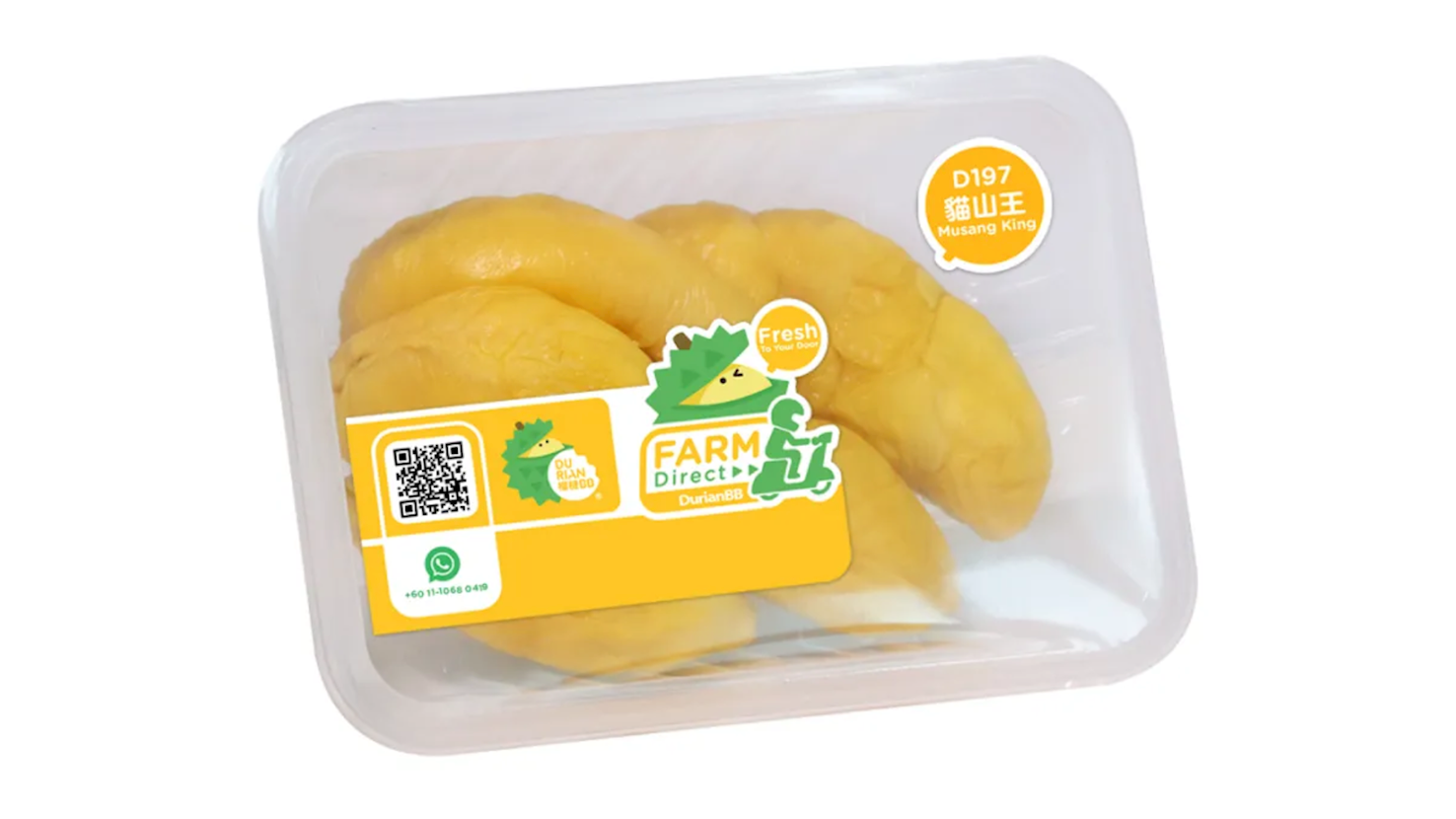
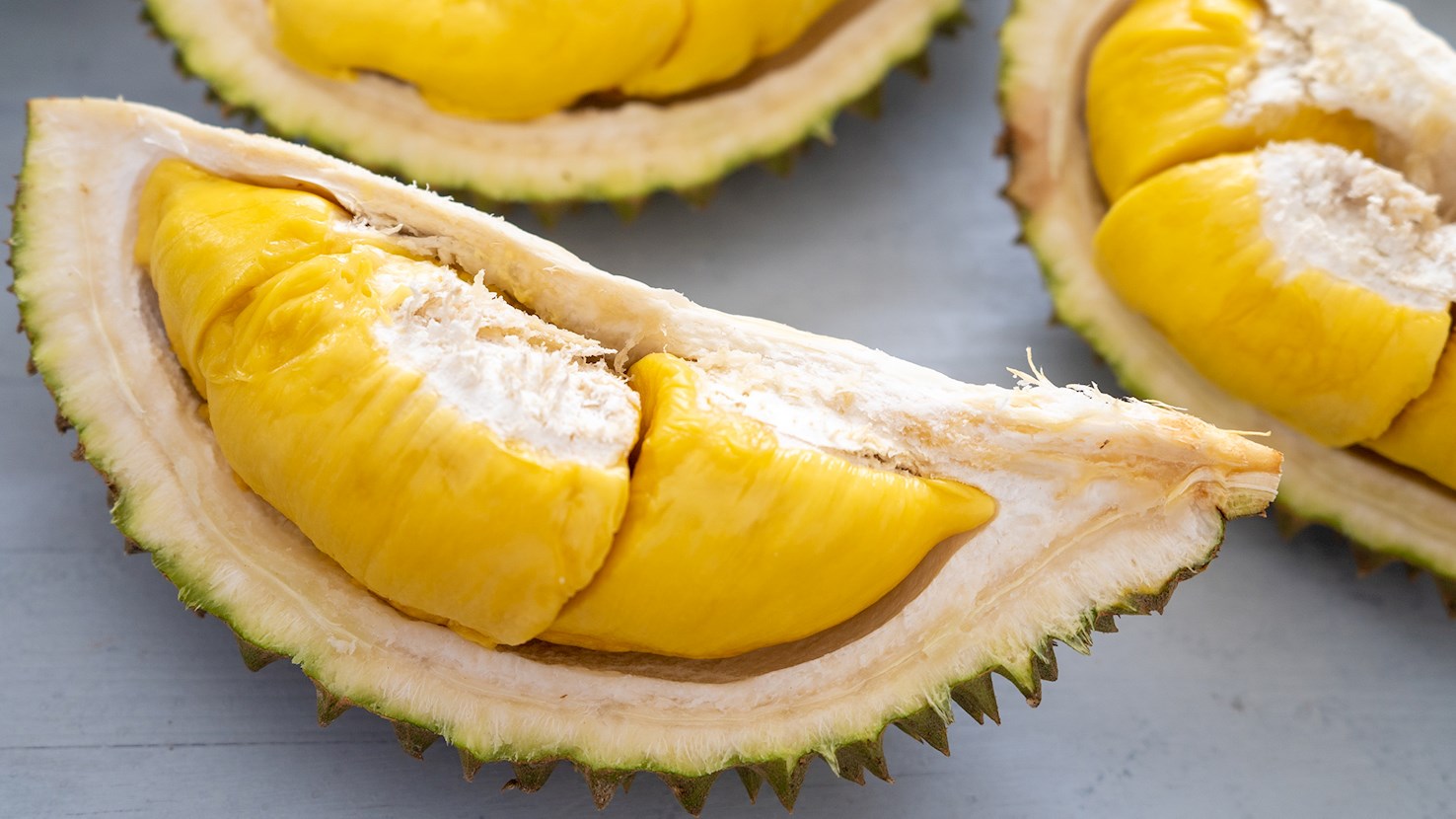
Malaysian Musang King, also known as Mao Shan Wang, is considered one of the best durian varieties and is highly sought after for its rich, creamy texture and intense taste. It has a bright yellow flesh that is thick and custard-like, with a complex flavor profile that combines sweetness with a hint of bitterness. The fruit is large and has a distinctive spiky husk. Although this cultivar was known as Raja Kunyit for at least 200 years, it only gained popularity in the 1980s, when its consistency was stabilized, and the fruit was registered with MARDI (The Malaysian Agricultural and Research Development Institute). Today, Musang King durians are primarily cultivated in Malaysia, particularly in the region of Pahang. The fruit is praised for its premium quality and is also enjoyed in other Asian countries, most notably Singapore and China. It is commonly consumed fresh or used in various desserts, such as ice cream, cakes, and pastries.

07

Breadfruit

3.1 ·

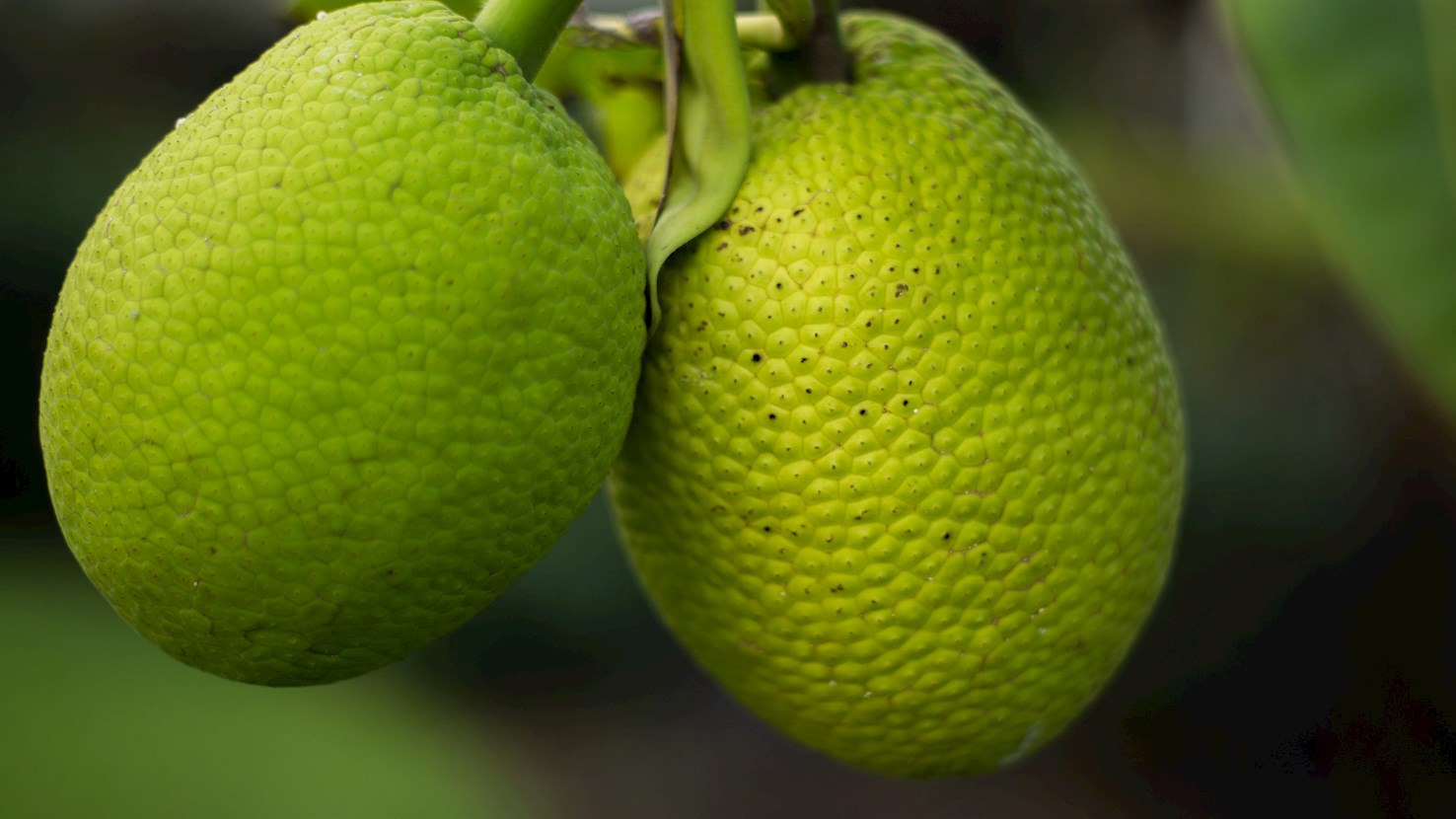
Breadfruit is an evergreen tree that’s probably native to New Guinea and the Malay Archipelago. The fruits have a warty light green exterior, while the flesh is cream-colored and starchy. When ripe, the pulp of the breadfruit turns soft. It can be baked, stuffed, mashed, and roasted. When unripe, the fruit can be used like a potato and it has a similar flavor, which is why it’s often used cooked in Asian curries. Ripe breadfruits have a sweet flavor and they’re often used in desserts or cut into slices and dried in the sun for preservation. They can also be buried in the ground and fermented, also for preservation purposes, and the result is a soft and sour paste that’s sometimes mixed with coconut milk and cooked in banana leaves. In Africa, baked slices of breadfruit are usually seasoned with salt and pepper and served as an accompaniment to staple meals.

08

Namnam

n/a ·

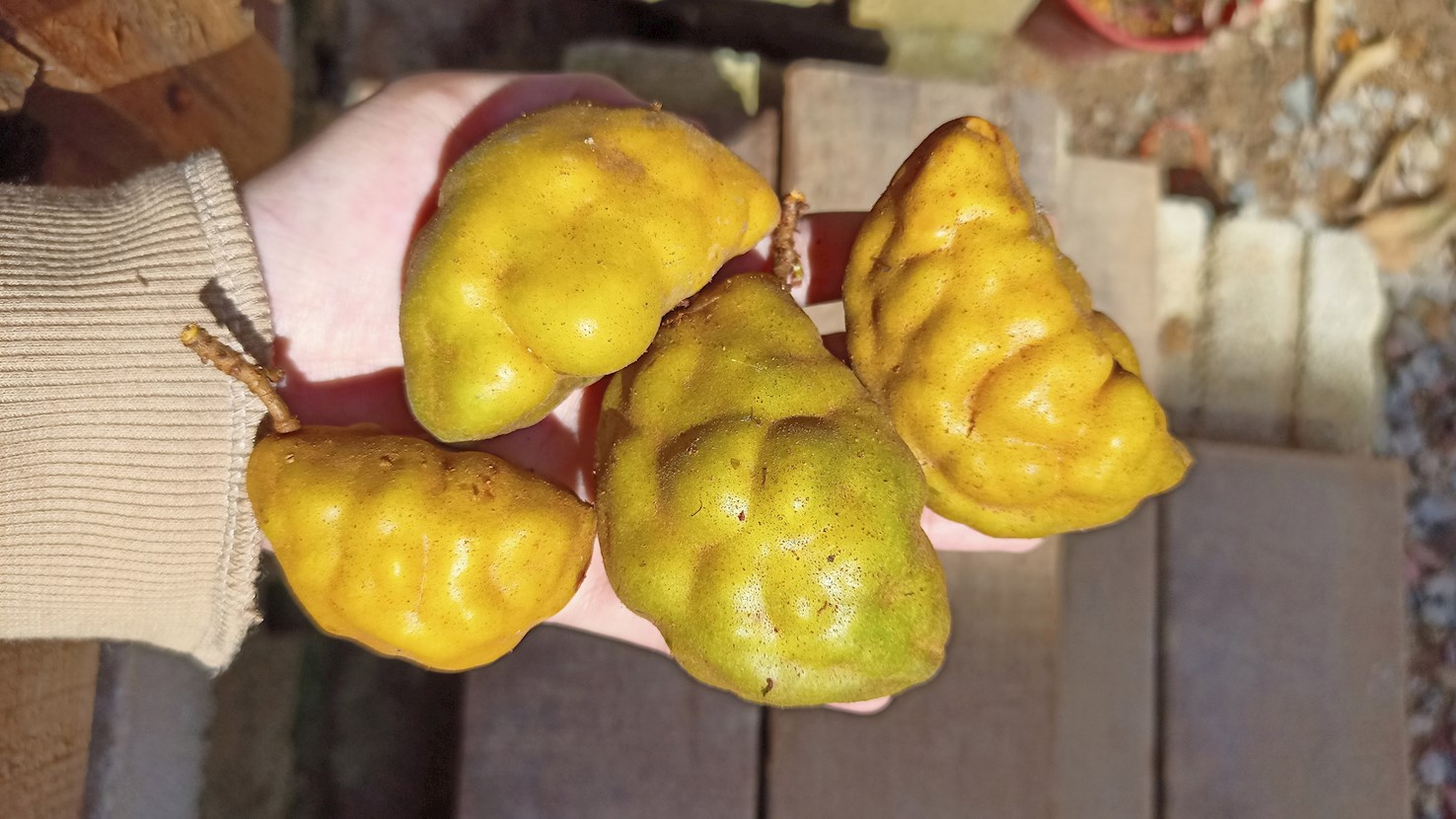
Namnam is a small evergreen tree that’s native to the Malay Peninsula. The tree produced fruits with a rough surface and crips and juicy flesh that contains one kidney-shaped seed. When ripe, the fruits have a texture that’s reminiscent of apples, while the flavor is aromatic and sweet to subacid. The fruits are eaten out of hand or boiled in order to make pickles and chutneys. They can also be cooked with sugar to make desserts and sweets, while slightly underripe fruits are used in curries and some meat dishes. Interestingly, it is believed that the seed oil helps cure skin diseases.

Read more
View all
View map
About this ranking

TasteAtlas food rankings are based on the ratings of the TasteAtlas audience, with a series of mechanisms that recognize real users and that ignore bot, nationalist or local patriotic ratings, and give additional value to the ratings of users that the system recognizes as knowledgeable. For the “Top 8 Malaysian Fruits” list until June 01, 2026, 640 ratings were recorded, of which 523 were recognized by the system as legitimate. TasteAtlas Rankings should not be seen as the final global conclusion about food. Their purpose is to promote excellent local foods, instill pride in traditional dishes, and arouse curiosity about dishes you haven’t tried.

Similar lists