shutterstock

Top 11 Asian Herbal Infusions

Last updated on June 04, 2026

Best Asian Herbal Infusions
01

Vahdam

4.9 ·
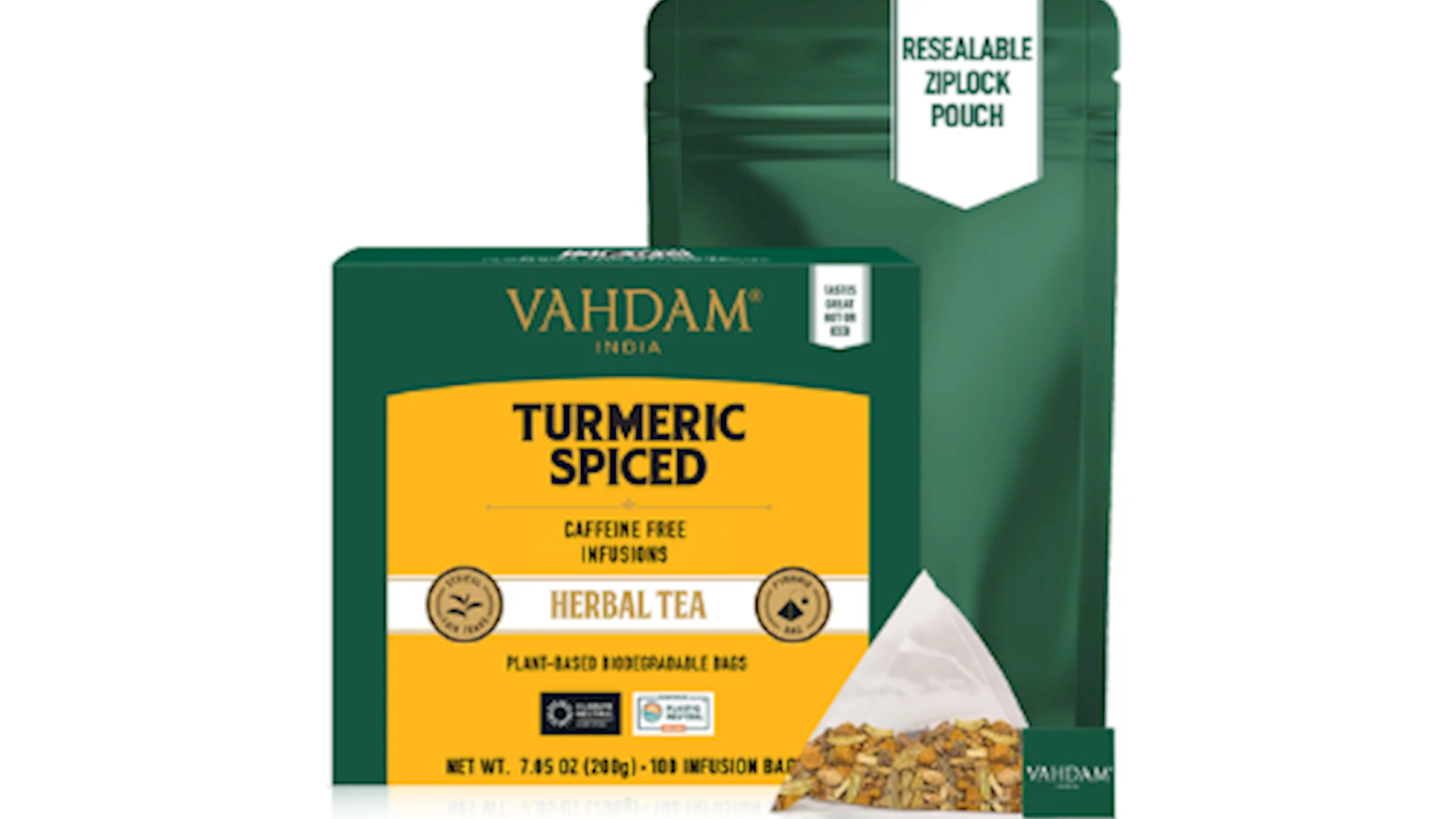
Vahdam Teas is a premium brand that brings the finest teas from India directly to your cup. Known for their commitment to quality, sustainability, and innovation, Vahdam offers a wide selection of handpicked teas that range from classic black and green teas to vibrant herbal infusions and chai blends. Their teas are sourced from the top tea estates in India, ensuring freshness and exceptional flavor. Vahdam also places a strong emphasis on ethical sourcing, fair trade practices, and environmental responsibility, making every cup a mindful choice. Whether you're a connoisseur or new to tea, Vahdam’s offerings are perfect for those who seek both indulgence and wellness in every sip.
Awards
Great Taste Awards - 2 Stars (2022, 2021)
02

Tily Tea

4 ·
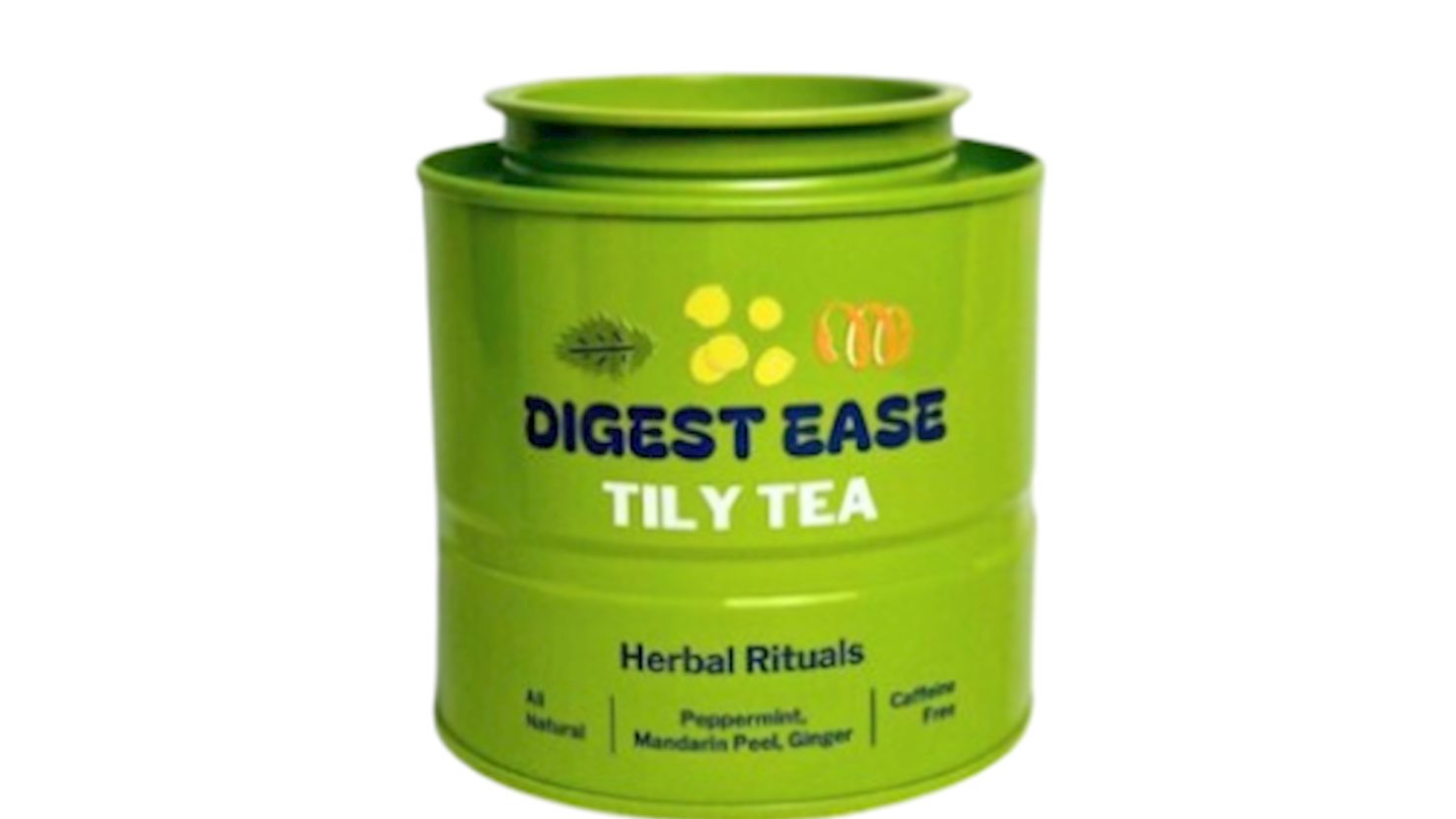
Tily Tea is a specialized herbal tea brand from Singapore, known for its thoughtfully crafted blends that combine functionality, tradition, and a modern approach to daily wellness. The brand carefully selects ingredients that complement and enhance one another - bringing together familiar herbs like chamomile, peppermint, ginger, and rooibos with traditional Eastern botanicals such as astragalus, codonopsis, red dates and calendula. Their most well-known blend, Digest Ease - featuring peppermint, mandarin, and ginger - was awarded the prestigious Great Taste Award in 2025, further affirming its therapeutic value and popularity among consumers. Tily Tea successfully bridges ancient herbal wisdom with the contemporary needs of urban lifestyles, offering teas that are simultaneously therapeutic, flavorful, and visually appealing.
Awards
Great Taste Awards - 1 Star (2025)

Best Asian Herbal Infusion Types

01

Yuja-cha

3.9 ·

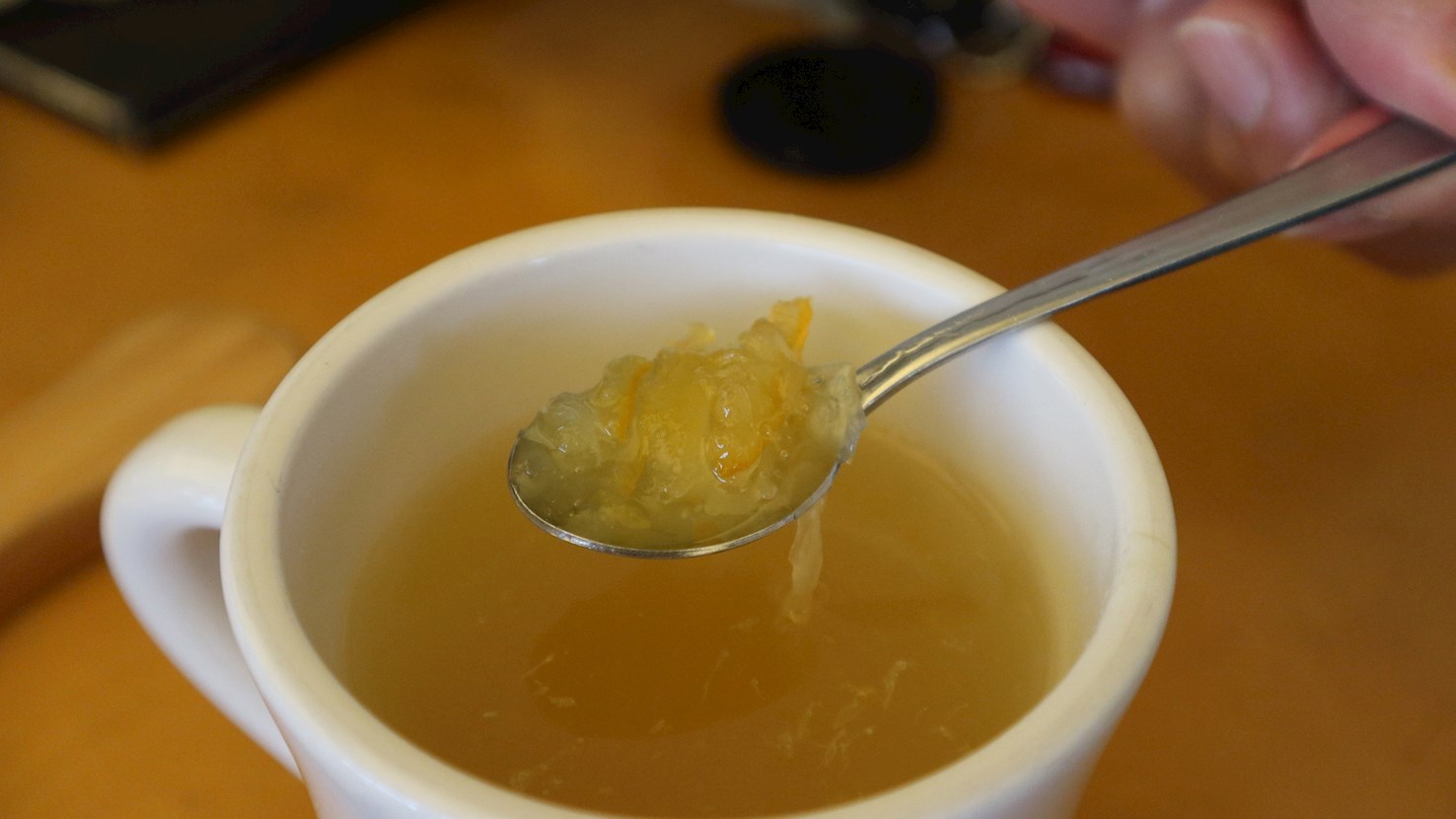
Yuja-cha is a Korean citrus infusion that is mostly enjoyed during winter. It is made with yuya—a lemon-like citrus fruit native to China that was brought to South Korea during Tang dynasty. The tea can be prepared by mixing fresh sliced fruit with sugar and then combining it with warm water. The other way is to make a fruit preserve (yuja-cheong), which usually consists of sliced yuya, honey or sugar, and water. The tea is then prepared by dissolving the preserve in water. This warming tea should be enjoyed warm and is often claimed to be a soothing health remedy.

02

Mugicha (Barley Tea)

3.8 ·

Mugicha is a Japanese name for barley tea—an infusion made by steeping roasted barley grains in hot or cold water. Technically, barley tea is a tisane, and nowadays, it is often made by using teabags consisting of roasted and ground barley. The drink has ancient origins and is enjoyed in many Asian countries. When brewed, barley tea has a light brown color and a savor, nutty and earthy flavor. It can be sweetened to preference, while the chilled, summer version is often served over ice. In China, barley tea is called dàmài-chá, and in Korea, it goes by the name boricha.

03

Wedang jahe

3.6 ·

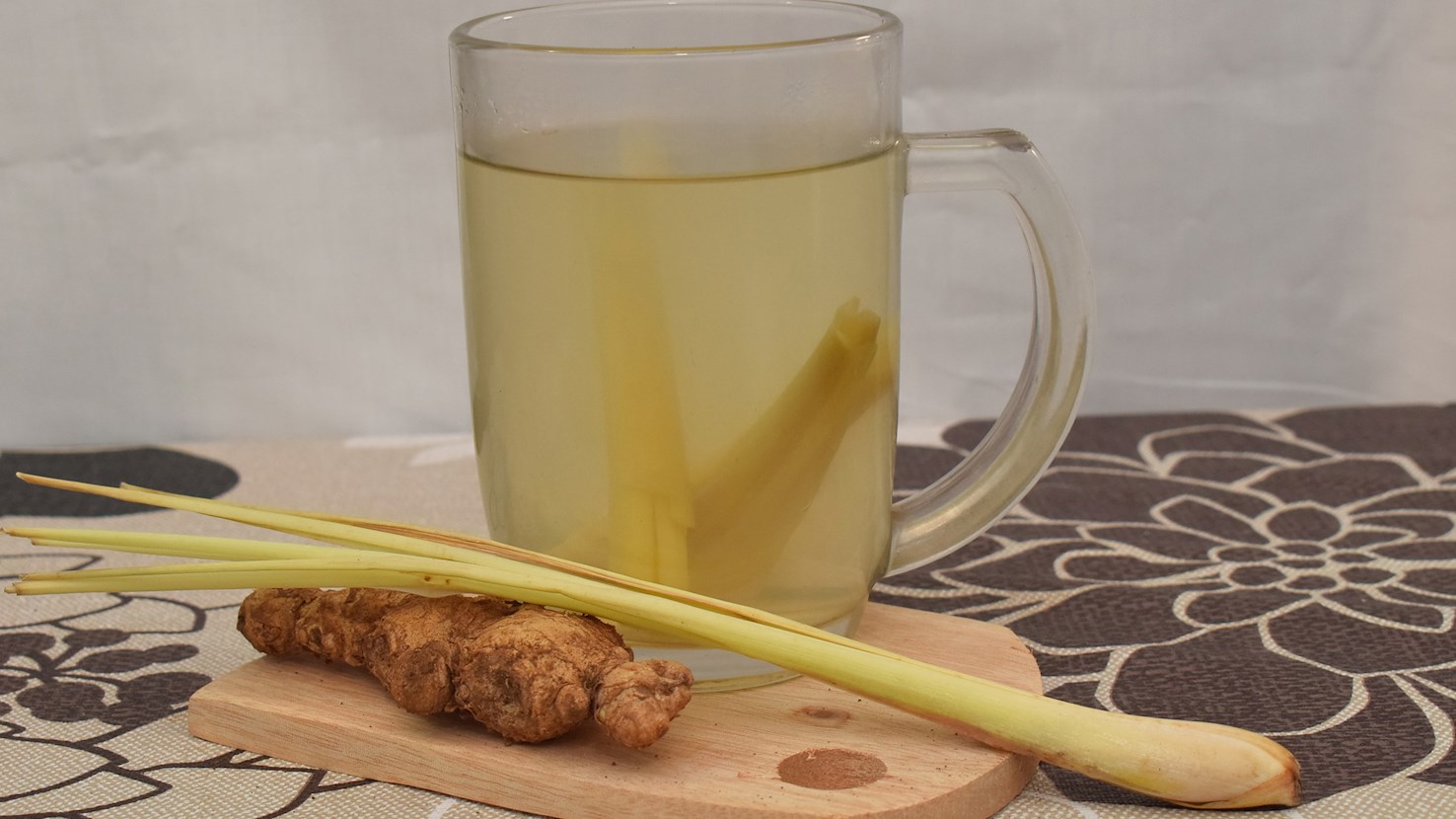
Wedang jahe is a spiced ginger drink from Indonesia, commonly enjoyed across Java and other parts of the archipelago as a warming and soothing beverage. The name comes from the Javanese word “wedang”, meaning a hot drink, and “jahe”, meaning ginger, highlighting its key ingredient and primary function. Made by boiling slices of fresh ginger root with palm sugar and occasionally enhanced with additional spices like cinnamon, cloves, pandan leaves, or lemongrass, wedang jahe is known for its bold, aromatic flavor and mild spiciness. It is typically served hot and is appreciated for both its taste and its comforting properties, particularly in the evening or during cooler weather. This drink is deeply rooted in Javanese culinary culture, where it is associated with hospitality and everyday well-being. It is commonly served in homes, warungs, and street stalls, sometimes as part of a larger offering of jamu, Indonesia’s herbal drink tradition. The ginger used in wedang jahe is often crushed or thinly sliced to maximize the release of its pungent oils, while palm sugar provides a rich, caramel-like sweetness that balances the heat. The result is a drink that is both invigorating and relaxing, often sipped slowly and valued for its ability to promote digestion, ease cold symptoms, and warm the body.

04

Omija-cha

3.5 ·

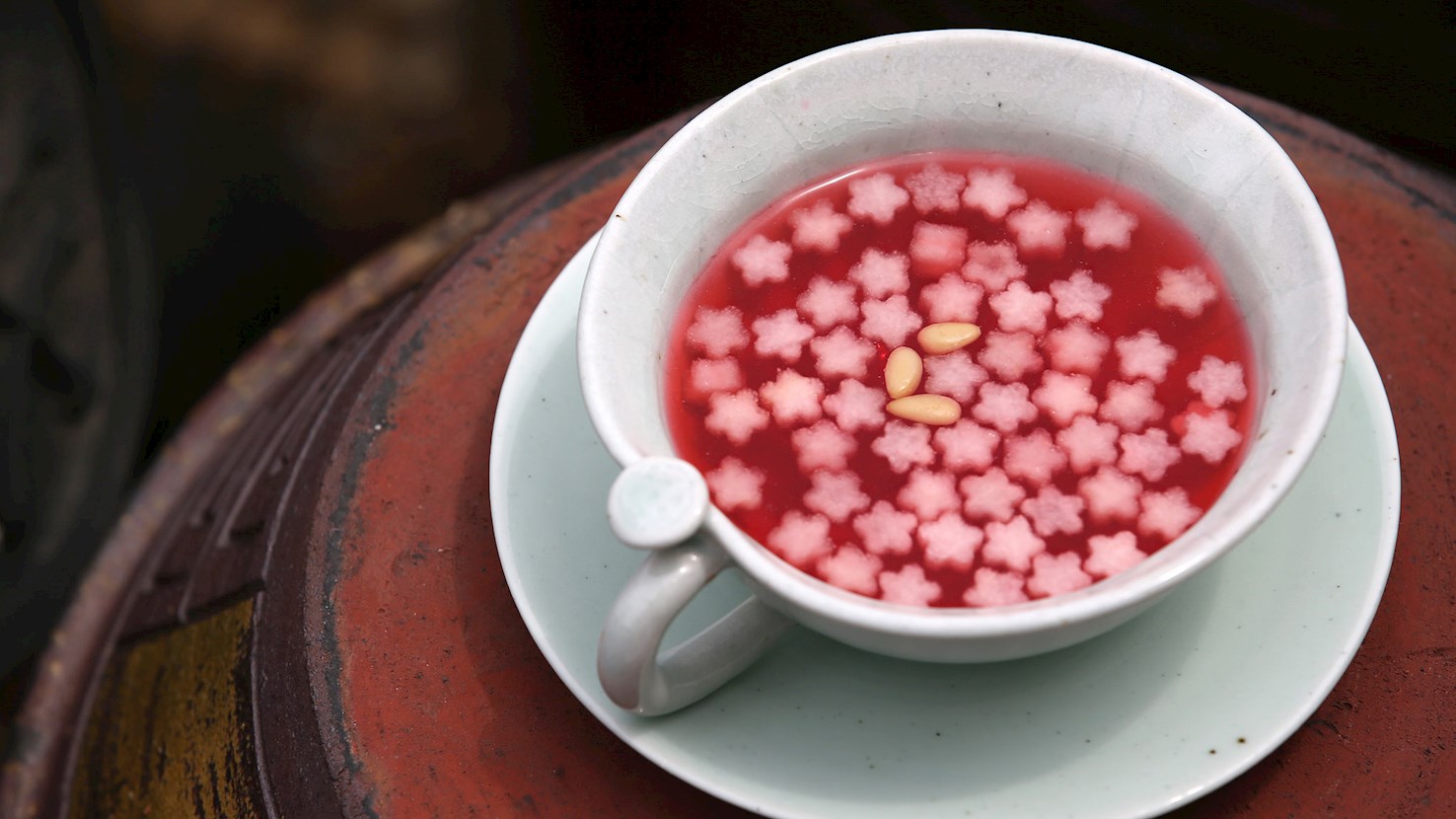
Omija-cha is a Korean infusion made with omija—five-flavor berry. Also known as schisandra or magnolia berry, these small red berries are dried before they are used to make omija tea. The berries can be boiled in hot water, which will bring out bitter flavors, but traditionally they are merely steeped in cold water. The tea is usually sweetened with sugar and honey, and it can be enjoyed warm or cold. The berries will give the drink its distinctive red hue, and they will also provide five omija flavors—hence the name of the fruit—which include saltiness, sweetness, sourness, bitterness, and pungency. Omija-cha is also promoted for its various health benefits.

05

Yulmu-cha

3.2 ·

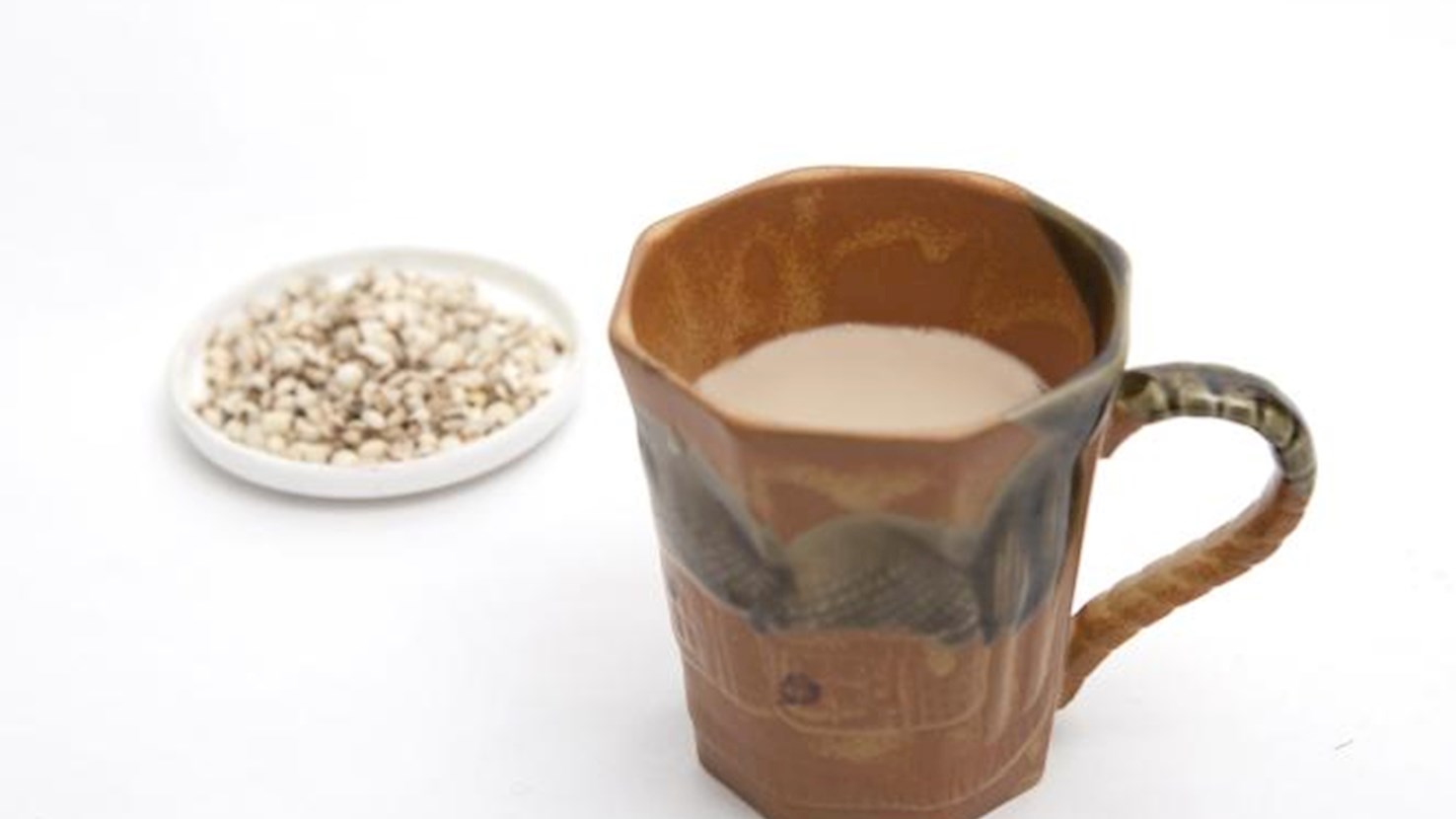
Yulmu-cha is a Korean tea that is made with yulmu—the seeds that are gathered from yulmu plant (also known as Job’s tears). The seeds are roasted and ground into a powder, which is then dissolved in warm water to make the tea. Optionally, yulmu powder can also incorporate other seeds, grains, or nuts. The tea is opaque and creamy with a distinctive nutty flavor. It is usually available as a pre-packed powdered mix, and it is sometimes sold from vending machines.

06

Sobacha (Buckwheat Tea)

3.2 ·

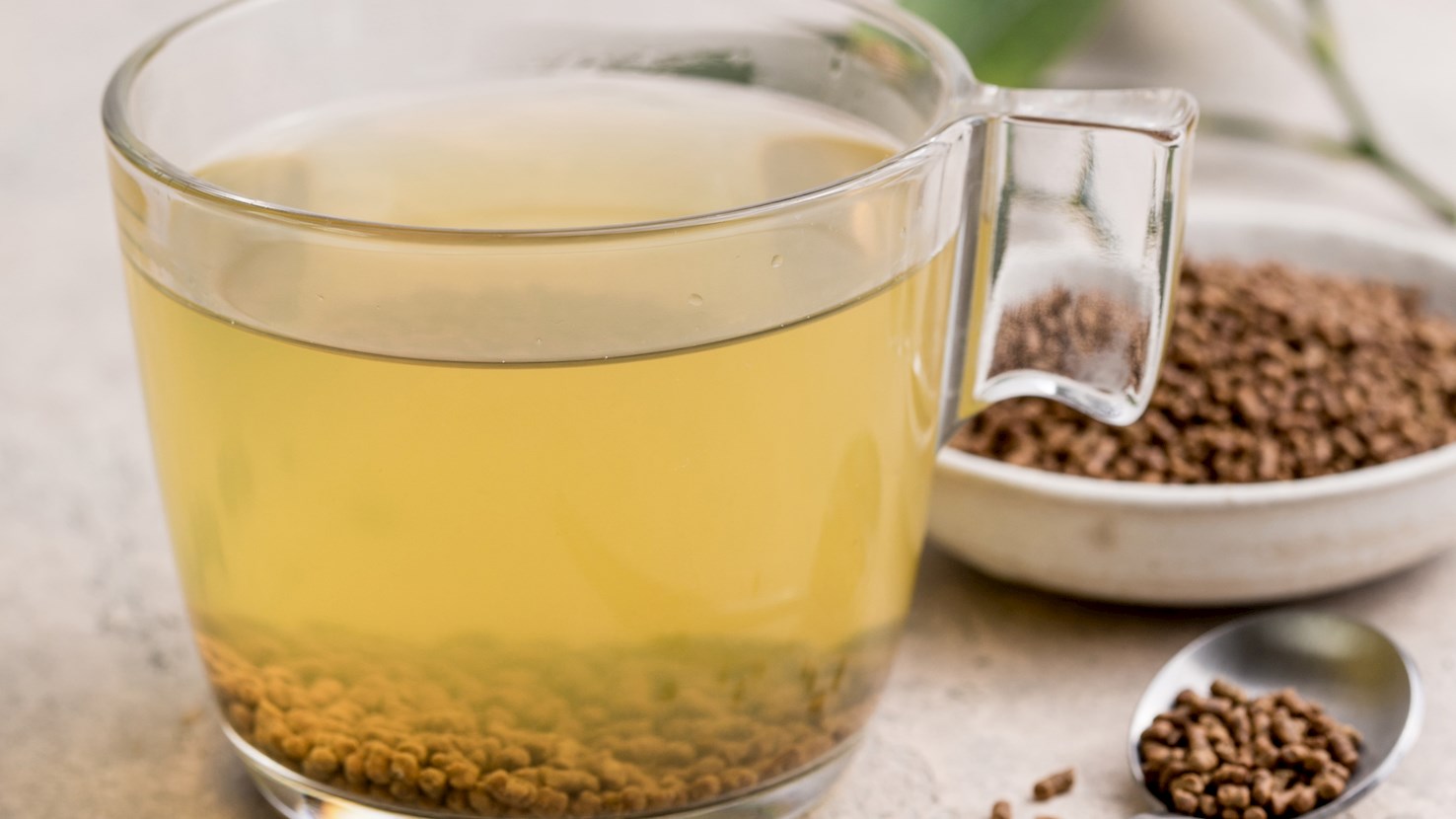
Although it is often labeled as tea, sobacha is an infusion or a tisane made with roasted barley. The blend can include grains, leaves, or flowers. Apart from Japan, the drink is popular in several Asian countries, including China (kuqiaocha) and South Korea (memil-cha). To prepare it, roasted kernels are simply steeped in hot or cold water. Alternatively, it can be made with teabags. The resulting drink has a yellow or a light brown hue, with an earthy and nutty flavor, subtle bitterness, and hints of sweetness. Buckwheat tea is a nutritious drink, and many believe that it has numerous health benefits.

07

Daechu-cha

3 ·

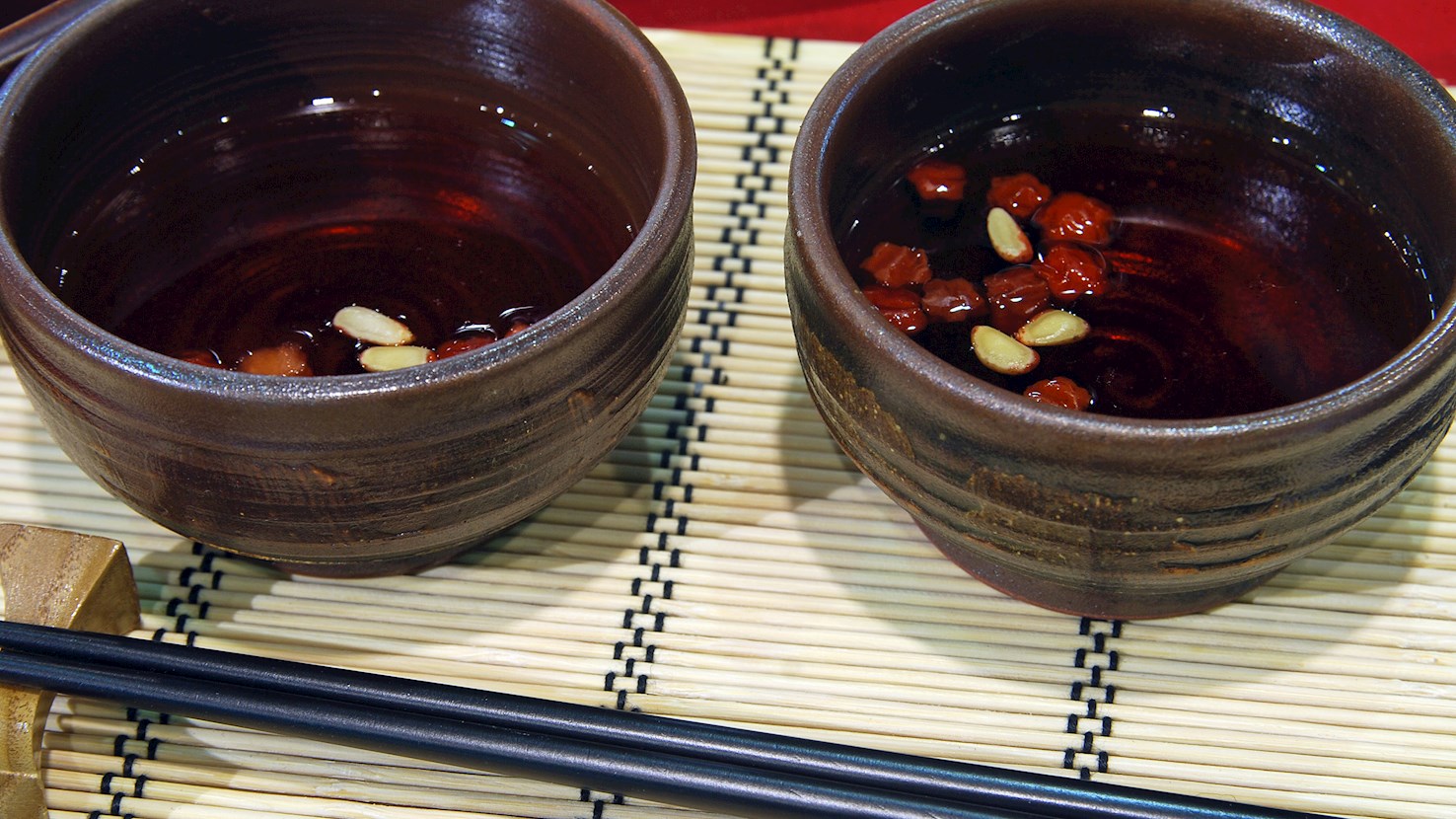
Daechu-cha is a South Korean tea made from jujubes. This tea can be made from dried jujubes, which are boiled in water, or with a jujube preserve, which is diluted in warm water. The tea is usually dark red or brown and is often praised for its health properties. When served, daechu-cha is usually garnished with pine nuts.

08

Lohusa şerbeti

2.4 ·

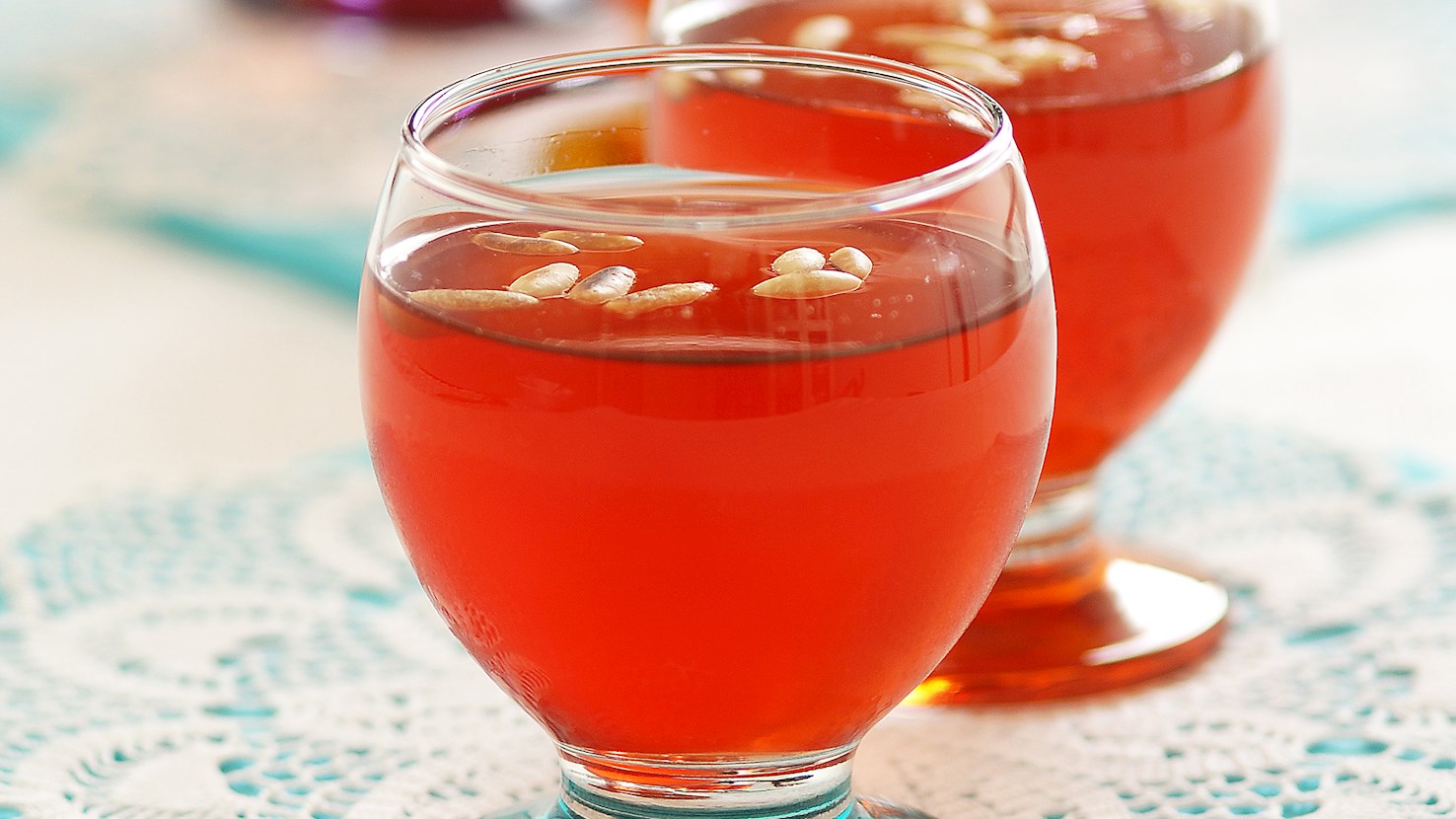
Lohusa şerbeti is a type of non-alcoholic beverage that hails from Turkey. It is made by boiling lohusa sugar, granulated sugar, water, cloves, and cinnamon. Lohusa sugar is a specific type of sugar that is sold in blocks. It has a distinctive pink-red color, and it helps the drink attain its unique red hue. The name translates as postpartum sherbet, and as it is evident, it is usually prepared for women after giving birth. Traditionally, it is also offered to guests who come to visit during the same period.

09

Sakurayu

n/a ·

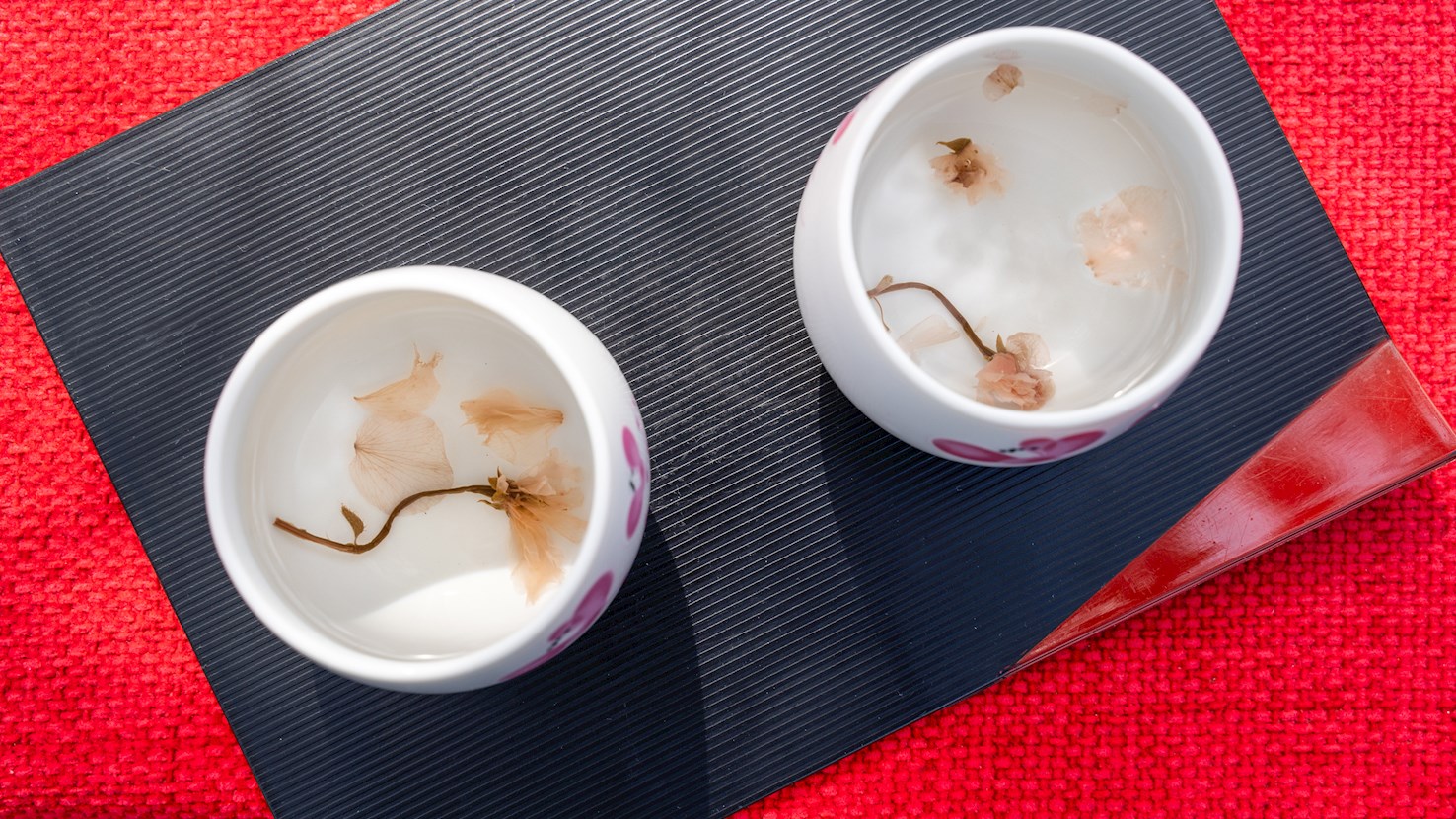
Sakurayu is an infusion made with preserved cherry blossom. When brewed, the petals open and float on top, while the brew attains a pale pink hue and a subtly sweet and mildly salty flavor. If the tea is made with salt-preserved blossoms, they are usually first steeped in water to remove the excess salt. Sakurayu is traditionally enjoyed on special occasions, such as engagements and weddings, as it symbolizes new beginnings.

10

Chai noomi basra (Dried lime tea)

n/a ·

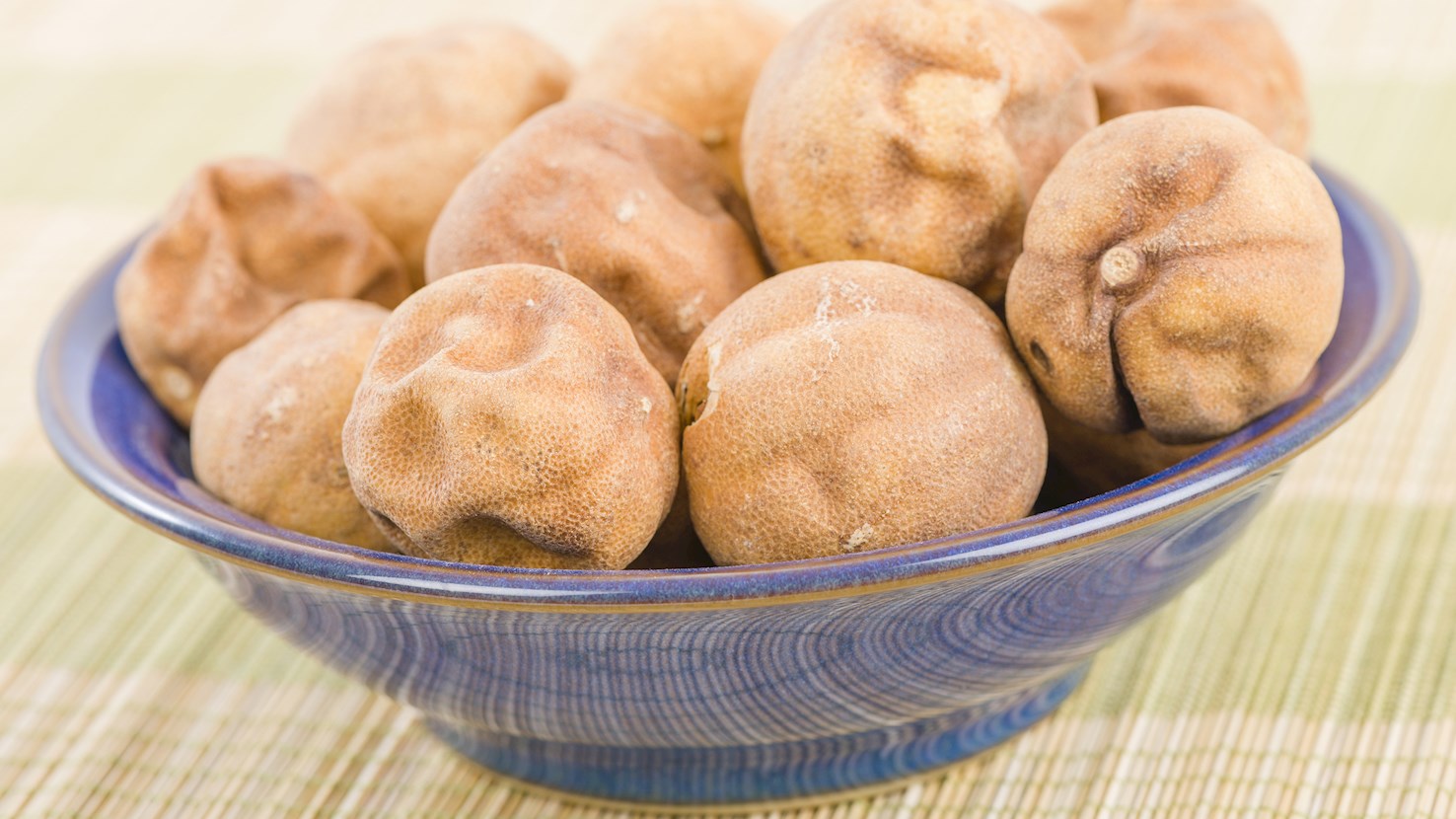
Chai noomi basra is a sour herbal tea made with dried limes, known locally as noomi basra, which are strongly associated with the southern Iraqi city of Basra. The drink, however, is not limited to Iraq; it is also found across the Persian Gulf region, particularly in Oman, Kuwait, and Iran, where dried limes are a common pantry item. Its origins lie in the movement of goods and flavors through Basra’s historic trade routes, where citrus fruits from Oman and the Gulf were processed into the dried form that gave the city its name. Over time, the limes became a defining ingredient in Iraqi cooking and eventually a base for this distinctive tea. The preparation of chai noomi basra begins with whole dried limes, usually pierced or cracked to allow water to penetrate. They are simmered gently in water until the liquid takes on a deep amber color and a sharp, aromatic aroma. Sometimes sugar is added to soften the intensity of the sourness, while in other versions honey or spices such as cinnamon or cardamom may be included. The balance of sour, smoky, and slightly bitter notes makes the tea unlike other citrus infusions, with a depth that reflects the slow transformation of the lime during its drying process. Chai noomi basra is usually consumed hot, often in the evenings or after meals, and is served plain or sweetened depending on personal preference. In Iraq, it is a common home beverage, but it is also offered in teahouses where it stands alongside black tea as an everyday drink. In the Gulf, it can be found as part of social gatherings and is often served to guests as a sign of hospitality. Pairings typically include light snacks such as nuts, dates, or simple pastries, which allow the tea’s sharp flavor to stand out without being overwhelming.

11

Qishr

n/a ·
Read more
View all
View map
About this ranking

TasteAtlas food rankings are based on the ratings of the TasteAtlas audience, with a series of mechanisms that recognize real users and that ignore bot, nationalist or local patriotic ratings, and give additional value to the ratings of users that the system recognizes as knowledgeable. For the “Top 11 Asian Herbal Infusions” list until June 04, 2026, 248 ratings were recorded, of which 184 were recognized by the system as legitimate. TasteAtlas Rankings should not be seen as the final global conclusion about food. Their purpose is to promote excellent local foods, instill pride in traditional dishes, and arouse curiosity about dishes you haven’t tried.

The initial list of top producers was compiled based on available reviews, awards, local recommendations, media and blog coverage, and consumer reviews. The list will be updated with ratings from TasteAtlas local ambassadors and TasteAtlas users.

Similar lists