shutterstock

Top 7 French Herbs and Spices

Last updated on June 02, 2026

Best French Herbs and Spices
01

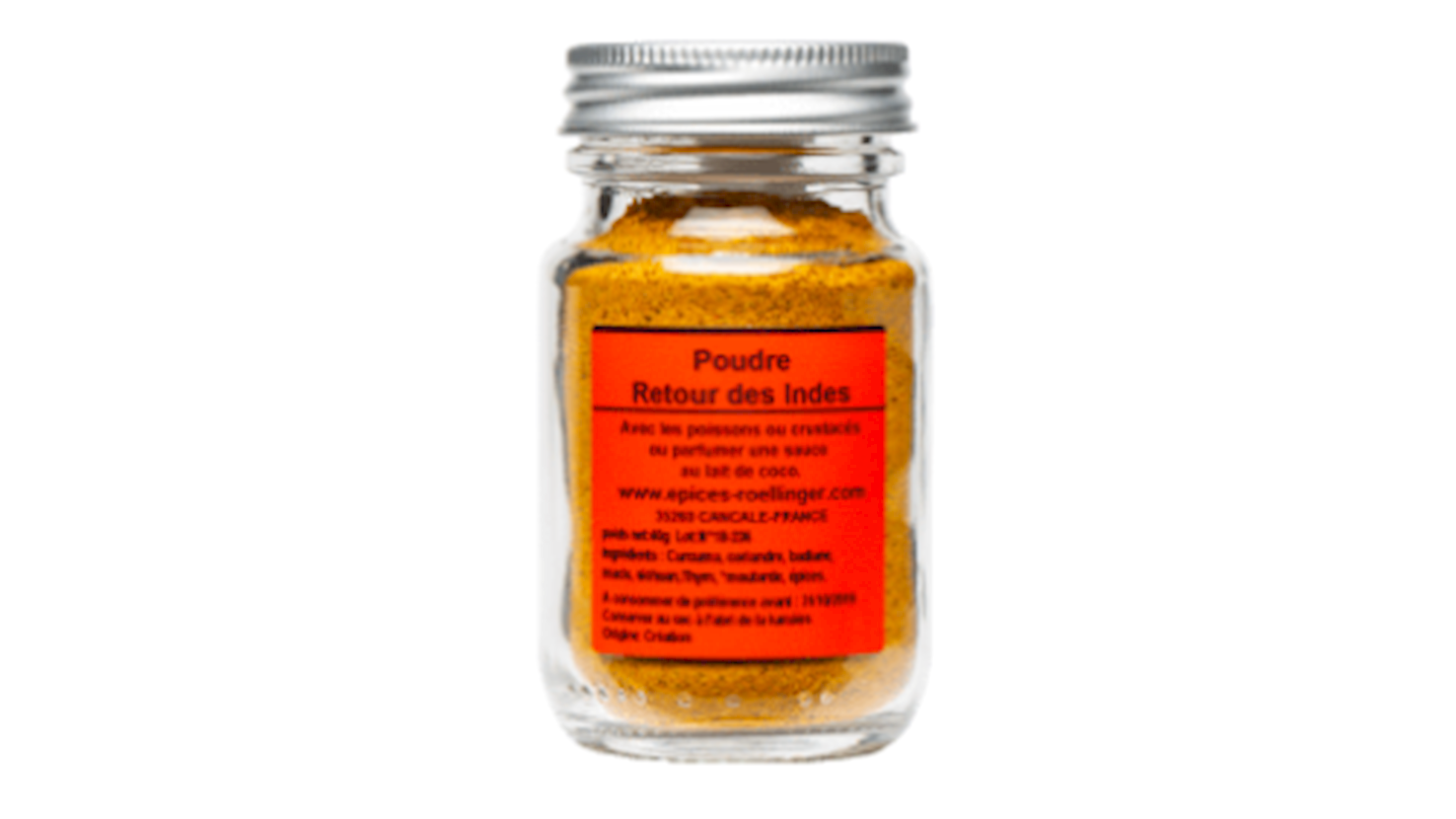
Épices Roellinger

4.9 ·

Épices Roellinger is a French gourmet spice house founded by chef Olivier Roellinger, closely linked to the maritime heritage of Saint-Malo and Cancale in Brittany. The brand grew out of Roellinger’s culinary work, where he began using spices as an aromatic language in 1984, inspired by the historic spice routes and the old trading culture of Saint-Malo. Today, Épices Roellinger offers rare spices, peppers, salts, oils, vinegars, vanilla, seaweeds and original spice blends created with a distinctly French culinary sensibility. Its philosophy is based on direct sourcing from selected producers, freshness of harvest, and a strong preference for organic, sustainable, wild or agroecological ingredients. The house is especially known for its original spice blends, designed not as generic seasonings but as precise culinary compositions connected to memories, journeys, places and dishes. Production and blending are associated with the Maison du Voyageur in Cancale, while the brand also operates boutiques in Cancale, Saint-Malo and Paris. Épices Roellinger is regarded as one of the reference names in the French gourmet spice world, valued for traceability, craftsmanship and its ability to translate the history of spices into contemporary cuisine.

Best French Herb/Spice Types

01

Fines herbes

4.2 ·

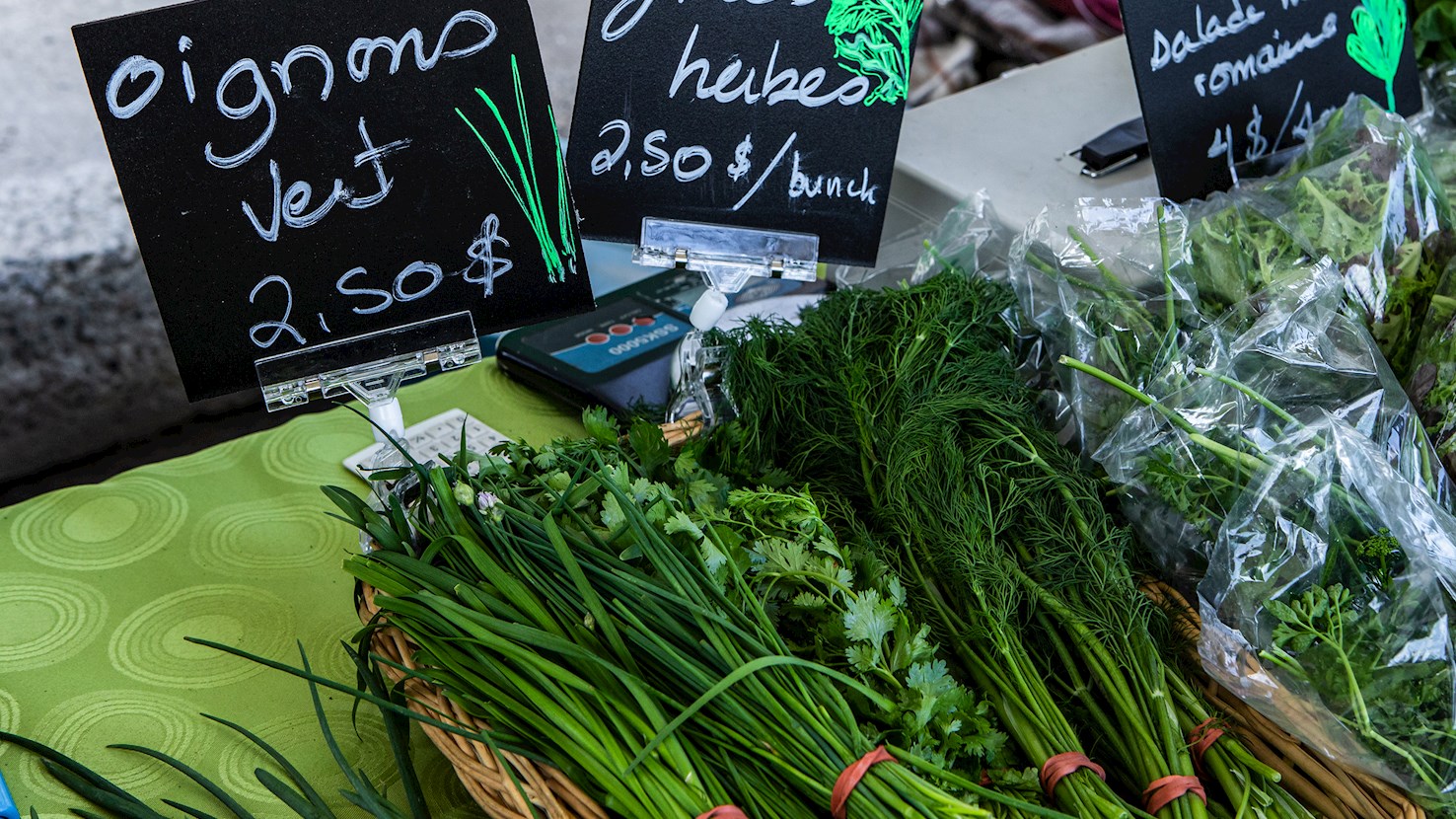
Fines herbes is a traditional blend of herbs, including parsley, chives, chervil, and tarragon. Thyme is often added to the four classic ingredients, while savory, watercress, and marjoram are sometimes also included in the mix, but not as often as thyme. This mild and subtle blend of herbs is especially well suited for poultry, salads, and egg-based dishes. What's important is that all of the herbs should be fresh and not dried for the best possible flavor.

02

Thym de Provence

4.2 ·

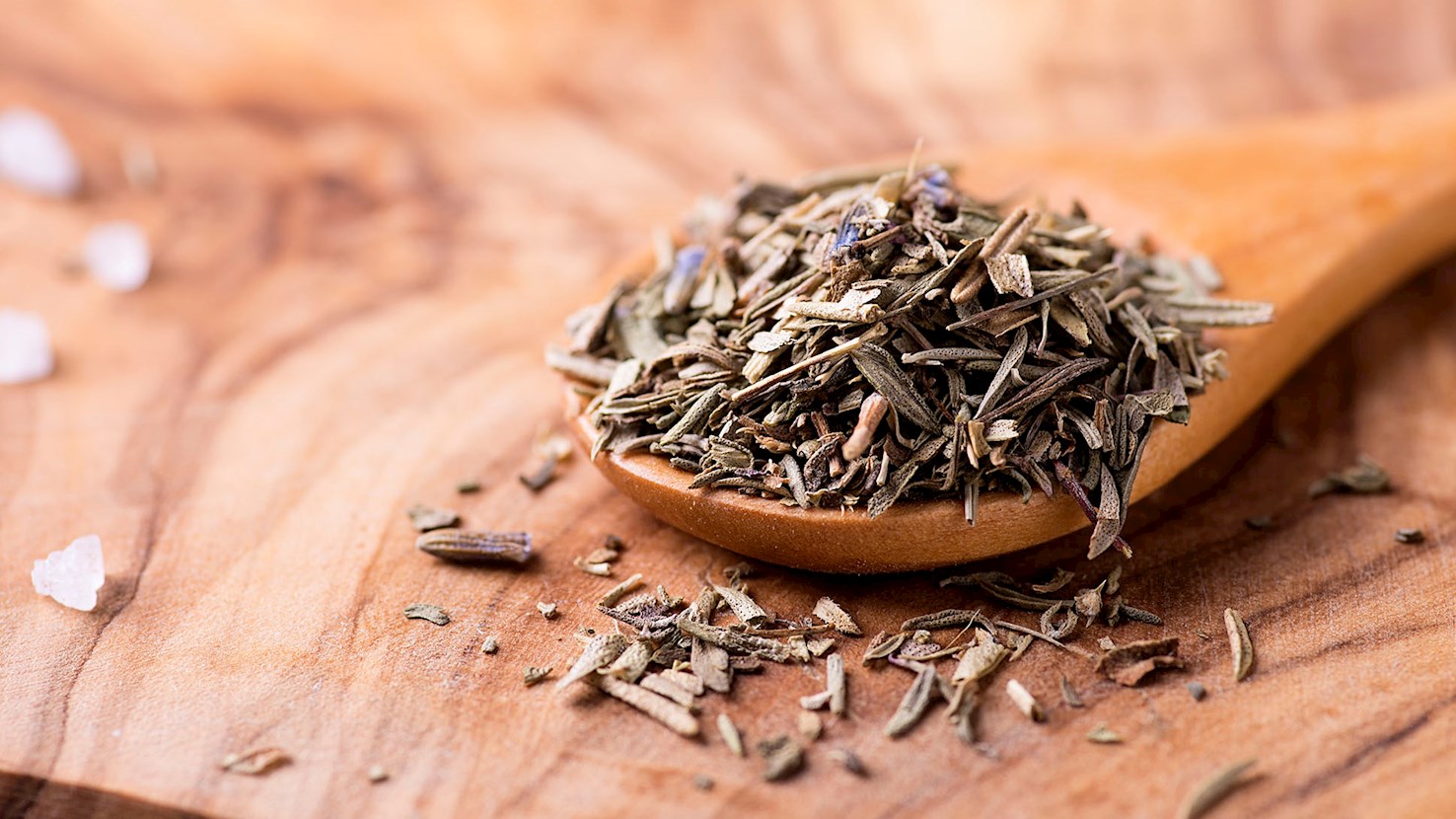
Thym de Provence is an evergreen herb with culinary, medicinal and ornamental uses. It is called Farigoule in Provence and best known as one of the basic components in a classic Bouquet garni or in a spice mixture known as Herbes de Provence. One of the most fragrant herbs one can grow, Thym de Provence has a lemony aftertaste giving freshness to various stews, marinades, sauces, soups and salads. It blends perfectly with tomatoes, either fresh or processed, fried vegetables, grilled goat cheese or roasted poultry. Thyme is also used in various desserts, fruit salads, jams, pies, muffins, sorbets etc. When used in infusion, thyme is an excellent digestif, it helps the body assimilate the high iron content of certain food and regulates circulatory problems. Together with lavender and rosemary, thyme is among the most popular aromatic plants of Provence.

03

Herbes de Provence

4.1 ·

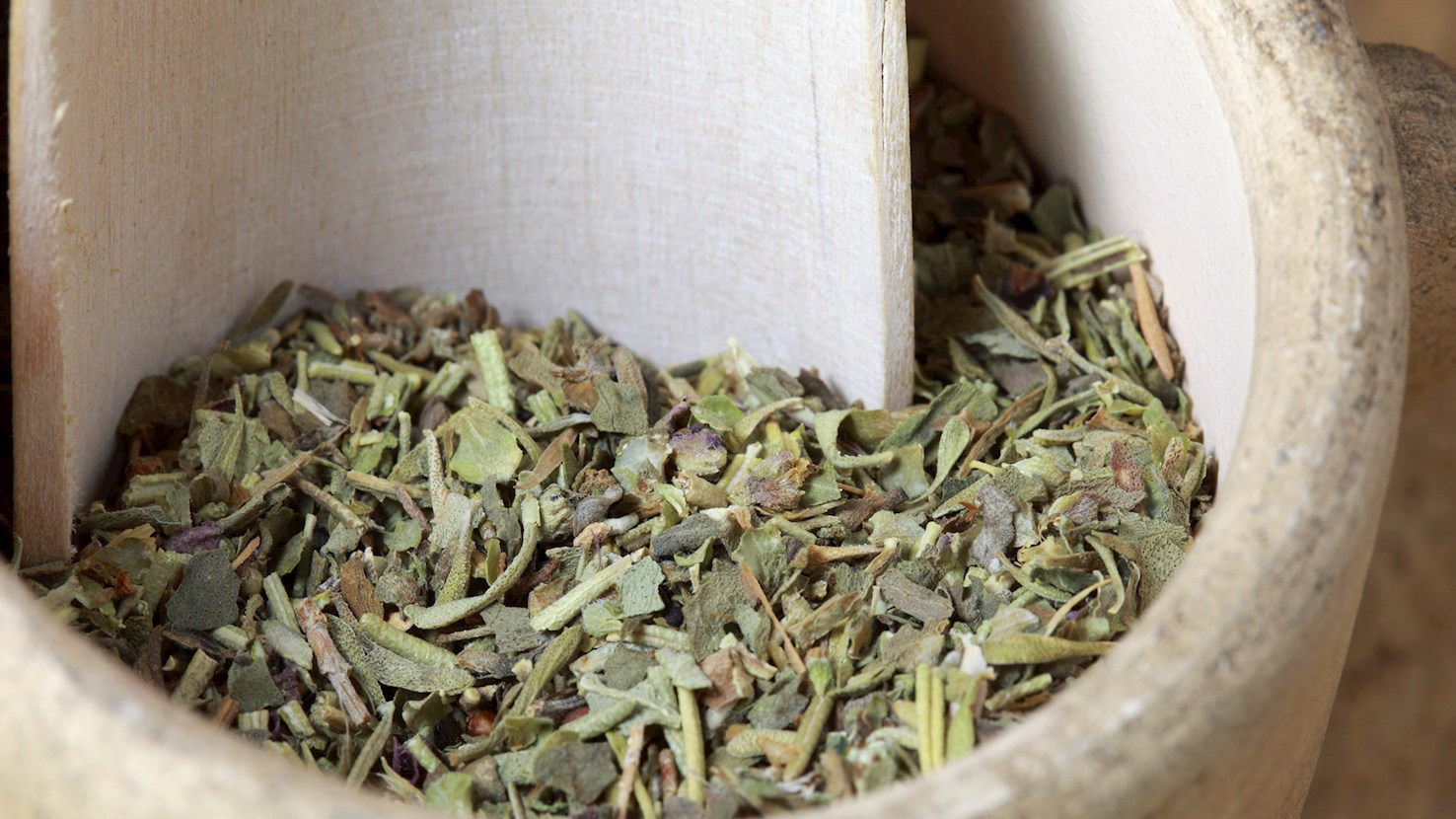
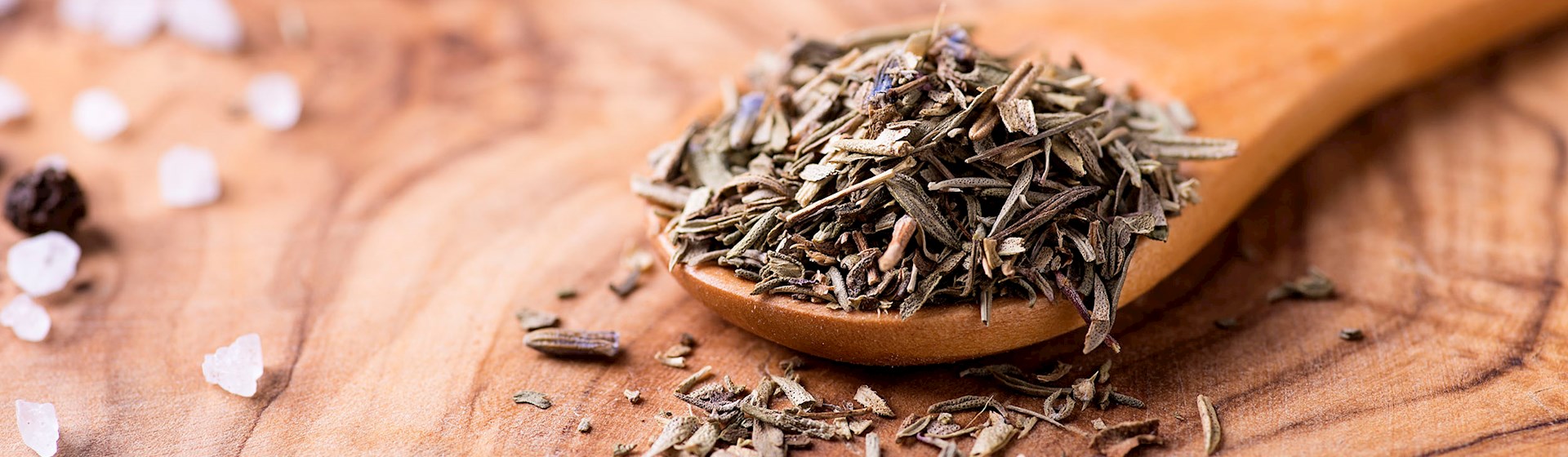
This world-famous blend of herbs and spices originated in France’s region of Provence, and contains ingredients such as lavender, basil, oregano, fennel, dill, rosemary, thyme, bay leaf, and sage. Herbes de Provence are traditionally sold in small clay pots. The mixture is commonly used as a rub or seasoning for various meat dishes, especially for grilled meats, and it can also be used as a seasoning in soups or stews. When cooked, the herbs soften and release their natural, aromatic flavors. Although these herbs have been used in various combinations in Provence for centuries, the blend that's known today as Herbes de Provence has been marketed under this name since the 1970s.

04

Bouquet garni

3.9 ·

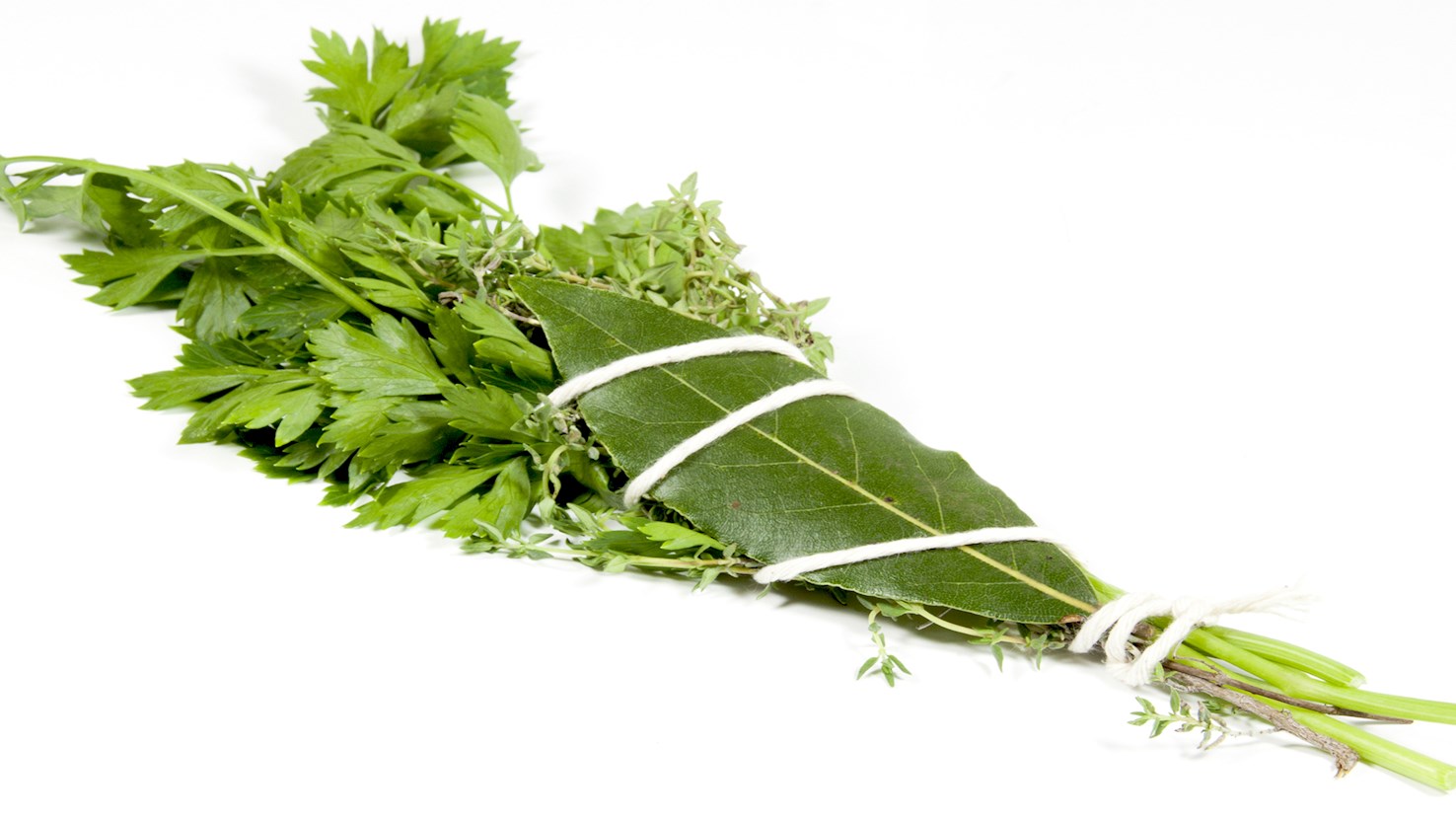
This small French bundle of herbs is traditionally tied together with butcher’s string to keep the herbs together after they are added to a pot for cooking. This quaint bouquet of fresh herbs usually contains thyme, parsley, and bay leaf, and it lends a bold, herby layer of flavor to any soup, sauce, stock, or casseroles it is added to. Tying the herbs together in a bundle makes it easy to remove the stems and leaves from the dish, leaving nothing behind except the flavor.

05

Quatre épices

3.2 ·

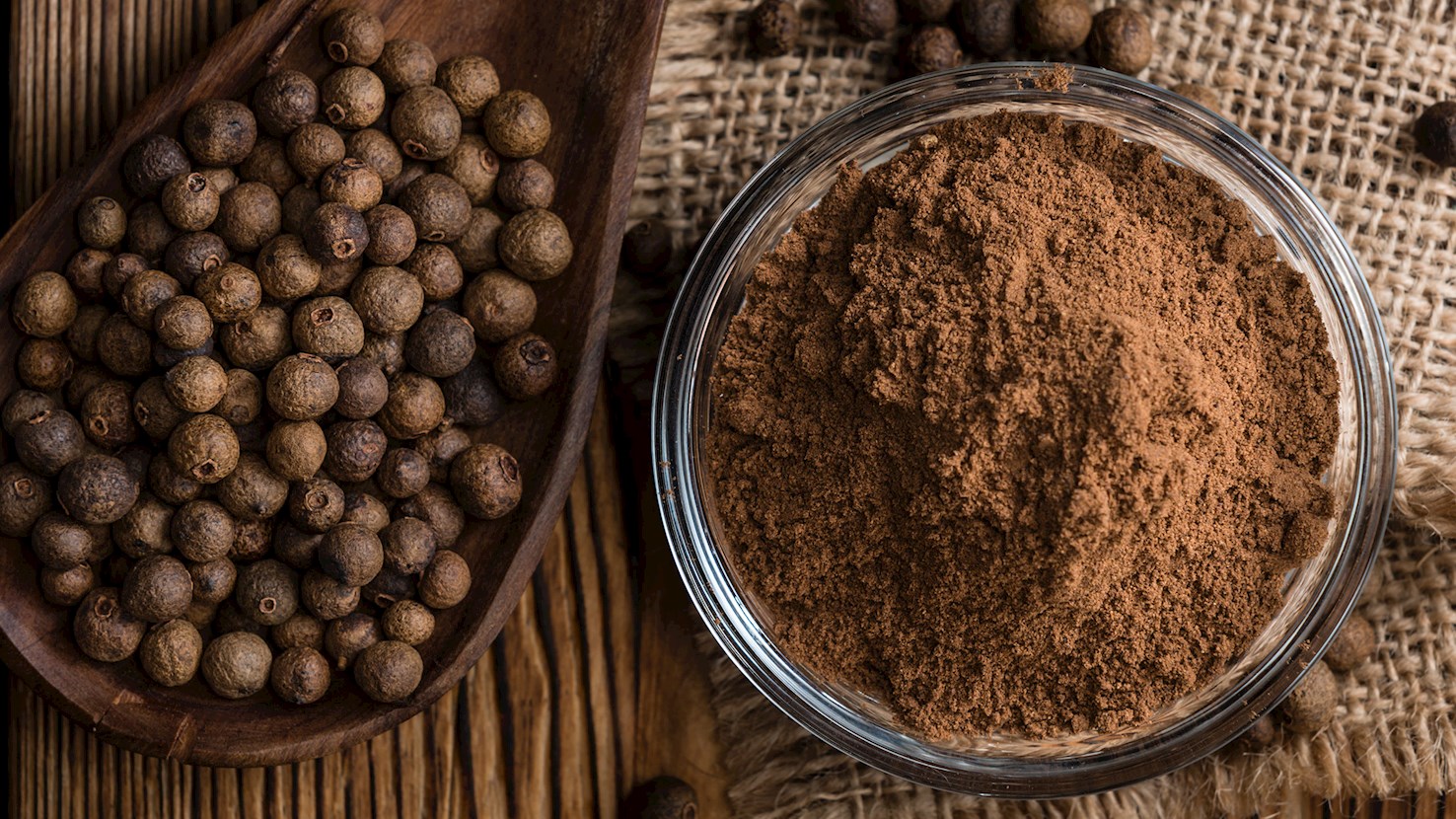
Quatre épices is a traditional spice blend that's used to season and flavor a wide variety of foods such as roulades, soups, terrines, stews, gratins, and even sausages. The name of the blend means four spices, and those are black or white pepper, cloves, nutmeg, and ginger. Some spices may be replaced or added in the mix, including allspice and cinnamon. The most common versions of the blend focus on the pepper, and those peppery notes are backed up by the pungency and sweetness of the other spices.

06

Vadouvan

3.1 ·

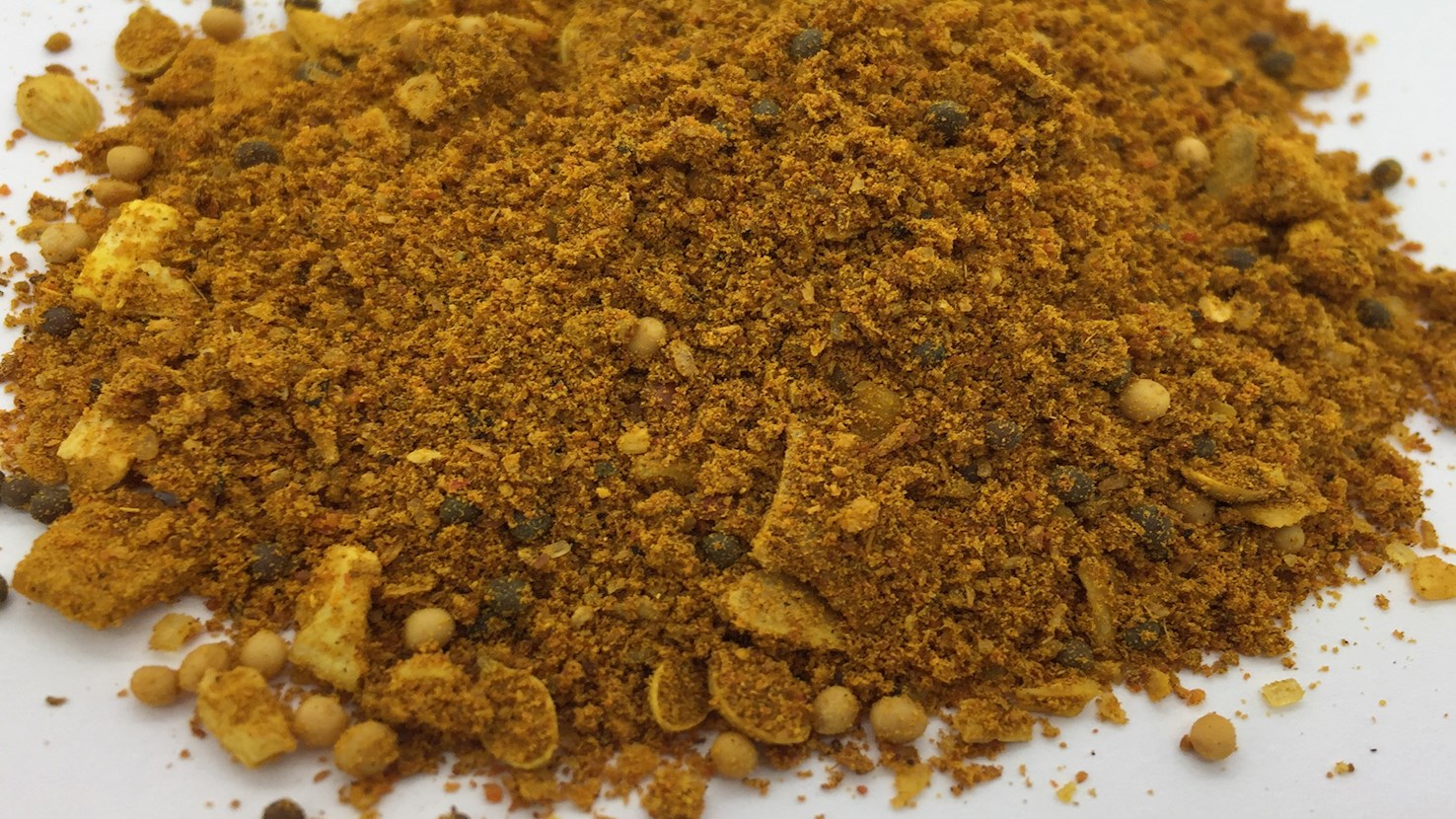
Vadouvan is a French-style curry mix consisting of ingredients such as shallots, onion, cumin, garlic, turmeric, cardamom, curry leaves, black mustard, black pepper, and fenugreek. All of the ingredients are traditionally dried and pounded into a coarse spice blend. Vadouvan is used in a variety of dishes featuring poultry, seafood, and vegetables, but it can also be added to salads. This spice blend is sometimes made into a paste by mixing it with oil and water.

07

Safran de l’Aveyron

n/a ·

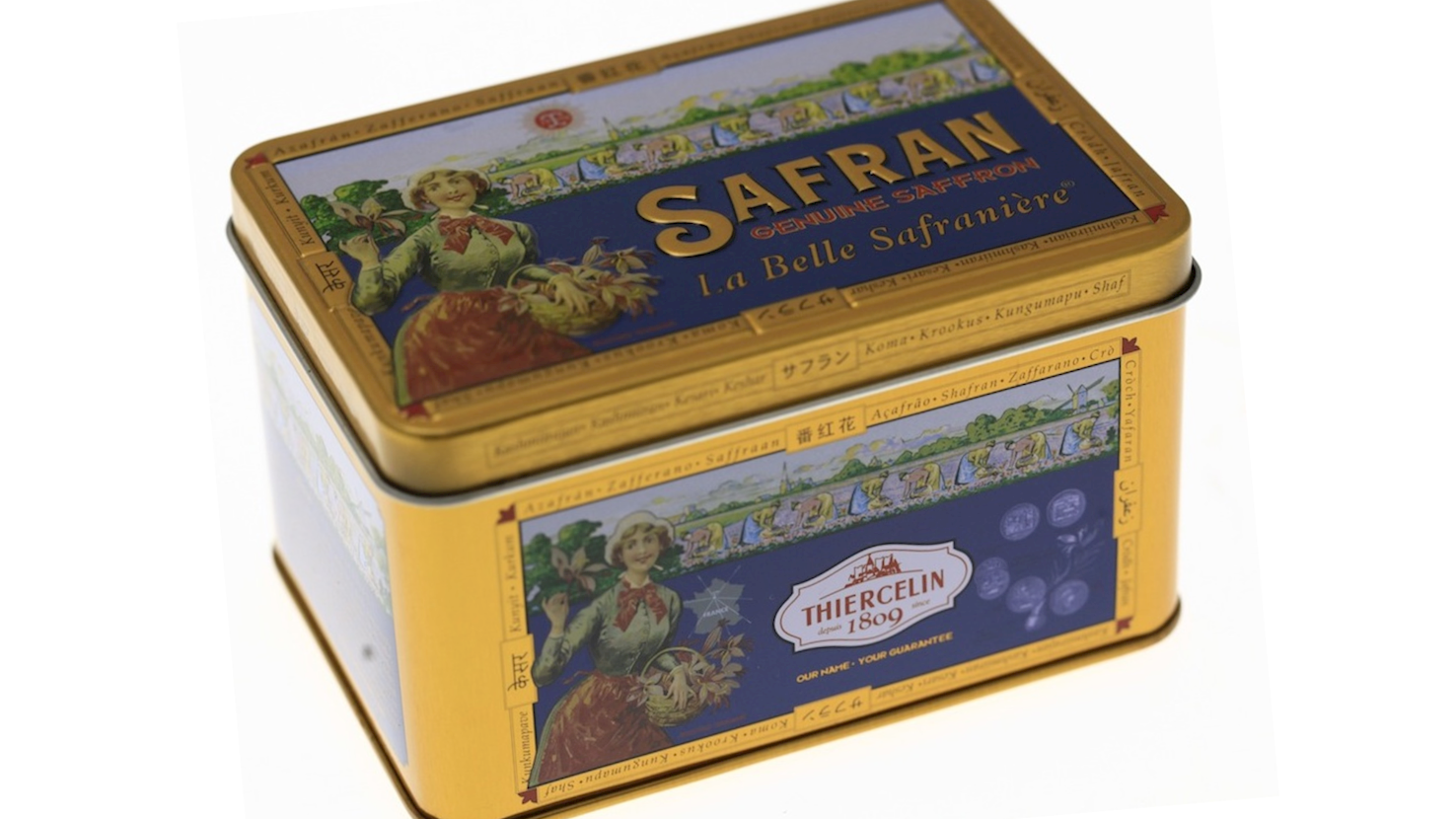
Safran de l’Aveyron is a saffron spice produced in the département of Aveyron in France. Cultivation in that area dates back to the Middle Ages when fields of the autumn-flowering crocus blossomed and pilgrims, monks or farmers began harvesting the vivid stigmas. Over time the crop waned, but in recent decades small-scale growers have revived the cultivation on carefully prepared plots especially suited to the local climate and soils. Production begins in autumn when the crocus flowers emerge; each flower must be picked by hand early in the morning when the blooms are open, then the three red stigmas are separated immediately and carefully dried at controlled temperature so as to preserve both colour and aroma — about 150 to 200 flowers are needed to produce a single gram of dried saffron in this region. Common variations concern drying methods (some growers use a slow-dry process in electric dryers, others rely on wood-fired cabinets), cropping scale (micro-plots versus slightly larger fields) and the way the saffron is graded (length of threads, colour intensity, moisture content). A distinctive feature of safran de l’Aveyron is its extremely small yield per hectare and its requirement for manual work throughout — even the planting of corms and their uplift must be done without heavy machinery in many farms due to terrain and spacing. The spice is used in kitchens typically as an infusion in a little hot water or broth before being added to rice, soups, stews or creams, but in this region it is often paired with regional meats or fish, light pasta or risotto dishes, and serves well alongside a crisp white wine or mild rosé that complements rather than overwhelms the saffron’s delicate floral-hay fragrance and golden-yellow color.

Read more
View all
View map
About this ranking

TasteAtlas food rankings are based on the ratings of the TasteAtlas audience, with a series of mechanisms that recognize real users and that ignore bot, nationalist or local patriotic ratings, and give additional value to the ratings of users that the system recognizes as knowledgeable. For the “Top 7 French Herbs and Spices” list until June 02, 2026, 276 ratings were recorded, of which 244 were recognized by the system as legitimate. TasteAtlas Rankings should not be seen as the final global conclusion about food. Their purpose is to promote excellent local foods, instill pride in traditional dishes, and arouse curiosity about dishes you haven’t tried.

The initial list of top producers was compiled based on available reviews, awards, local recommendations, media and blog coverage, and consumer reviews. The list will be updated with ratings from TasteAtlas local ambassadors and TasteAtlas users.

Similar lists