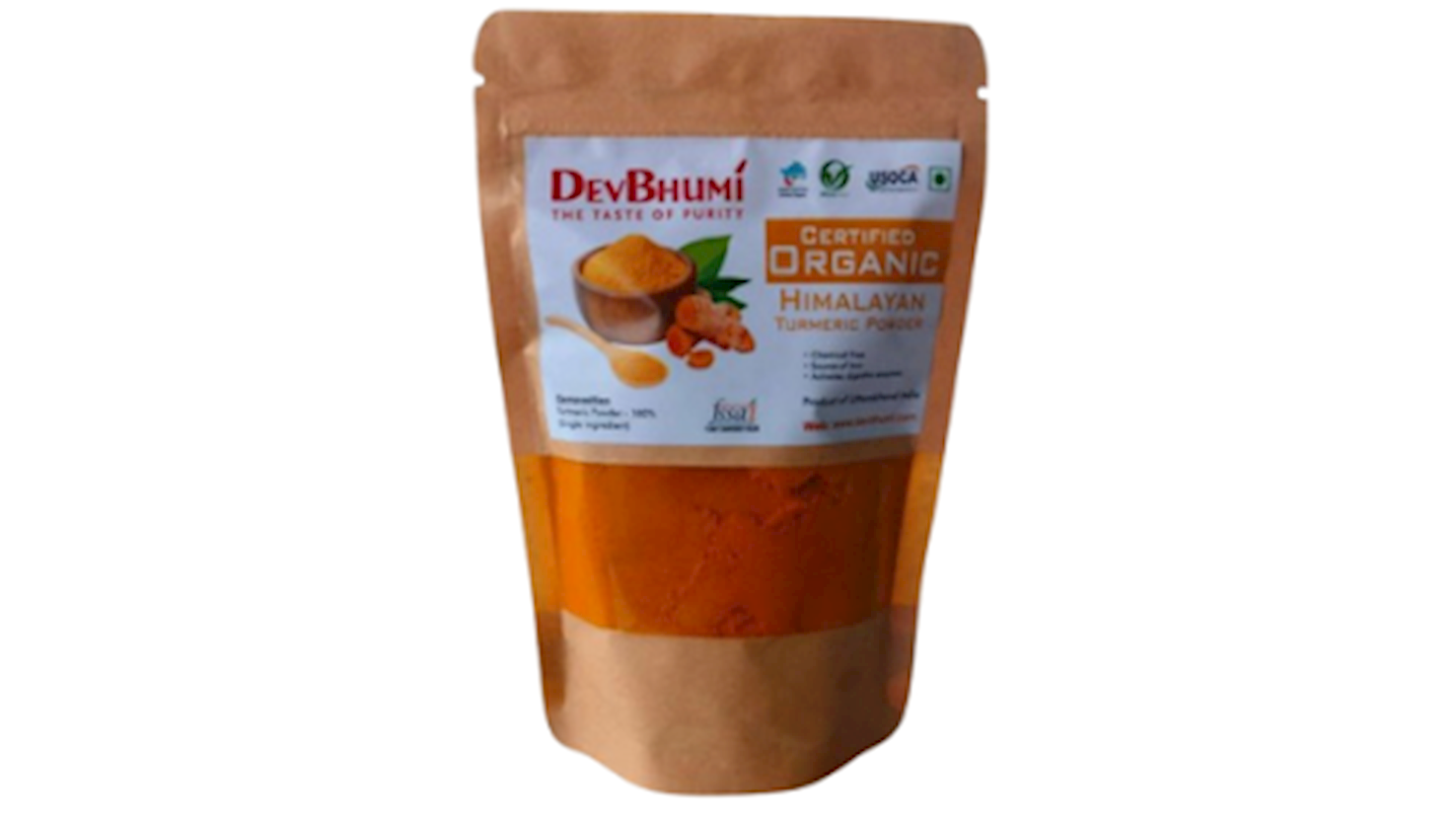
Devbhumi is a producer organization from the Indian state of Uttarakhand that brings together local beekeepers and small farmers to market natural, minimally processed products characteristic of the Himalayan region. Their range includes high-purity honey, traditional spices, ghee and herbal products, with a strong emphasis on preserving authentic origin and traditional production methods.
Devbhumi operates as a farmer-producer collective, meaning the producers themselves are the owners, ensuring fair pricing, transparency and direct support for the local rural economy. Thanks to the mountain terroir and diverse Himalayan flora, their honeys and spices carry distinctive aromatic profiles and natural purity, free from additives or industrial processing.
Devbhumi represents a sustainable model that combines traditional practices, social responsibility and high-quality products for consumers seeking authentic, natural and organically produced items.
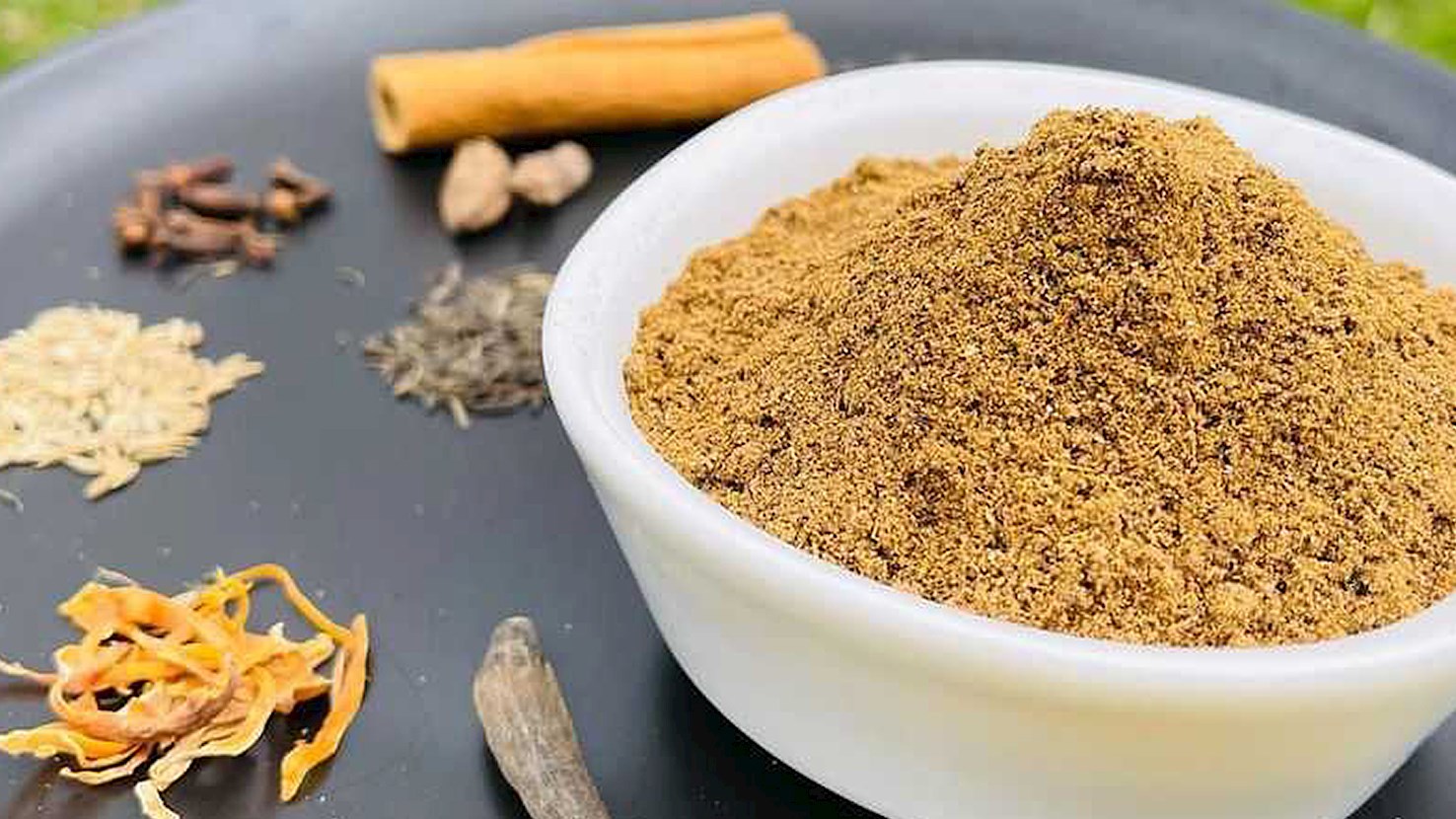
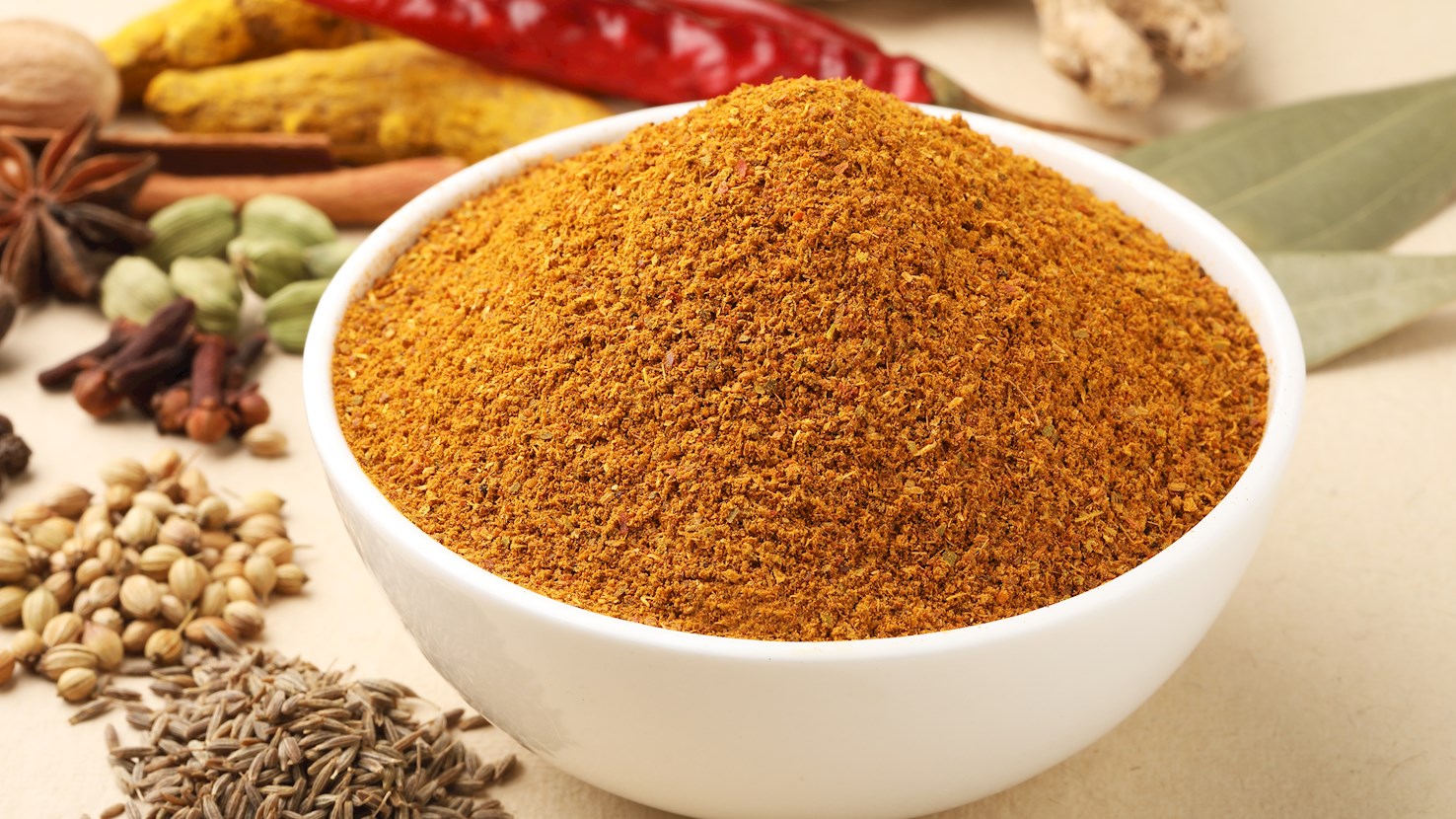
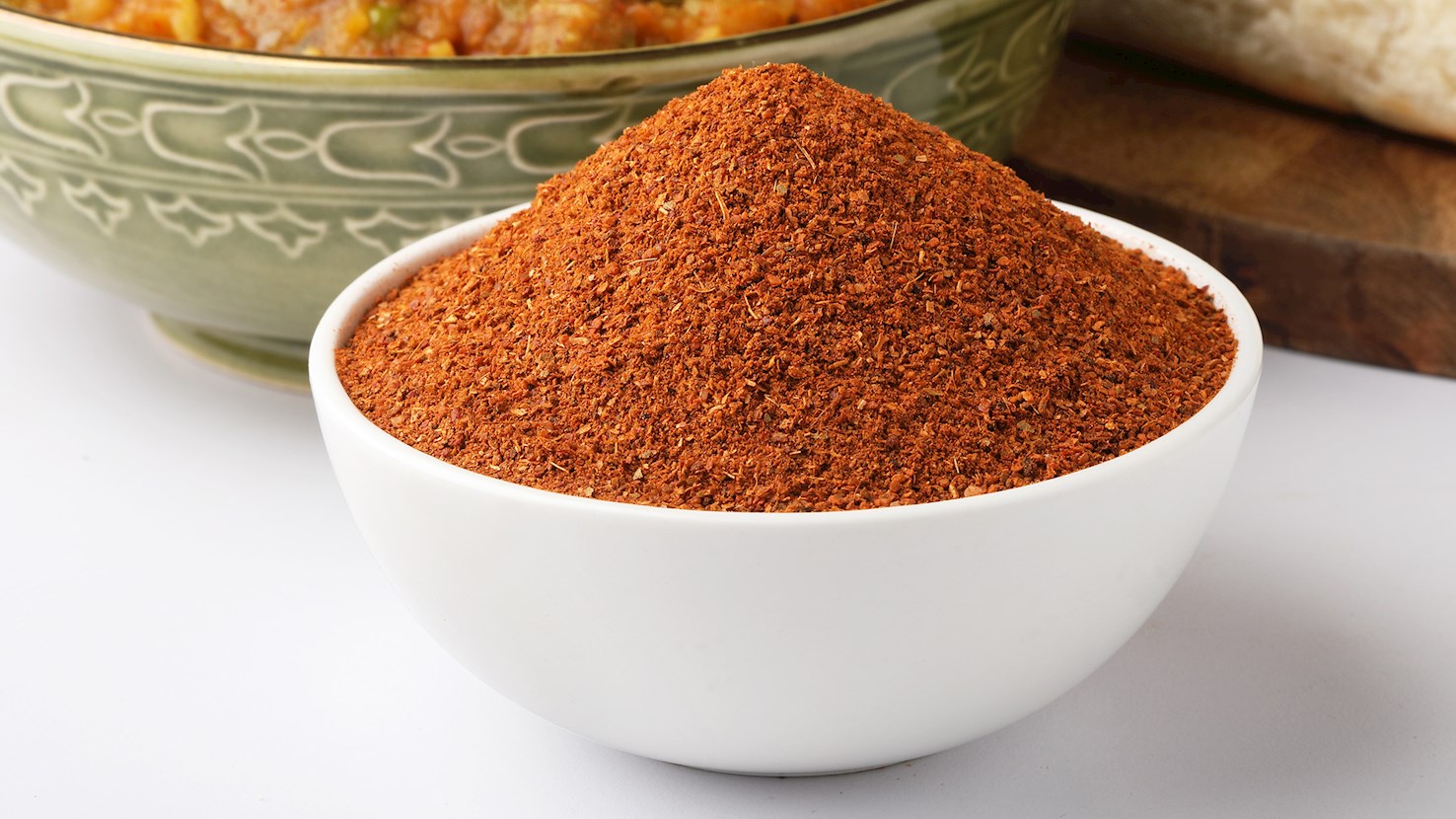
Garam masala is an intensely aromatic blend of ground spices such as cinnamon, cumin, cardamom, cloves, and peppercorns. Its name can be literally translated as hot ingredients, and is sometimes described as an aromatic blend that is meant to heat the body. This spice blend has origins in Northern India, where winters are typically colder than in the rest of the country. The spices used in garam masala vary from region to region, but no combination of spices is believed to be more authentic than another. It is recommended to use the spice blend at the end of the cooking process in order to achieve the best flavor, although it can also be used at the beginning of cooking, when it's usually added to ghee or cooking oil in order to provide a more pungent flavor. Garam masala is often used in the preparation of popular dishes such as rogan josh, a Kashmiri specialty, pulao, a Pakistani pilaf, or murgh kari.
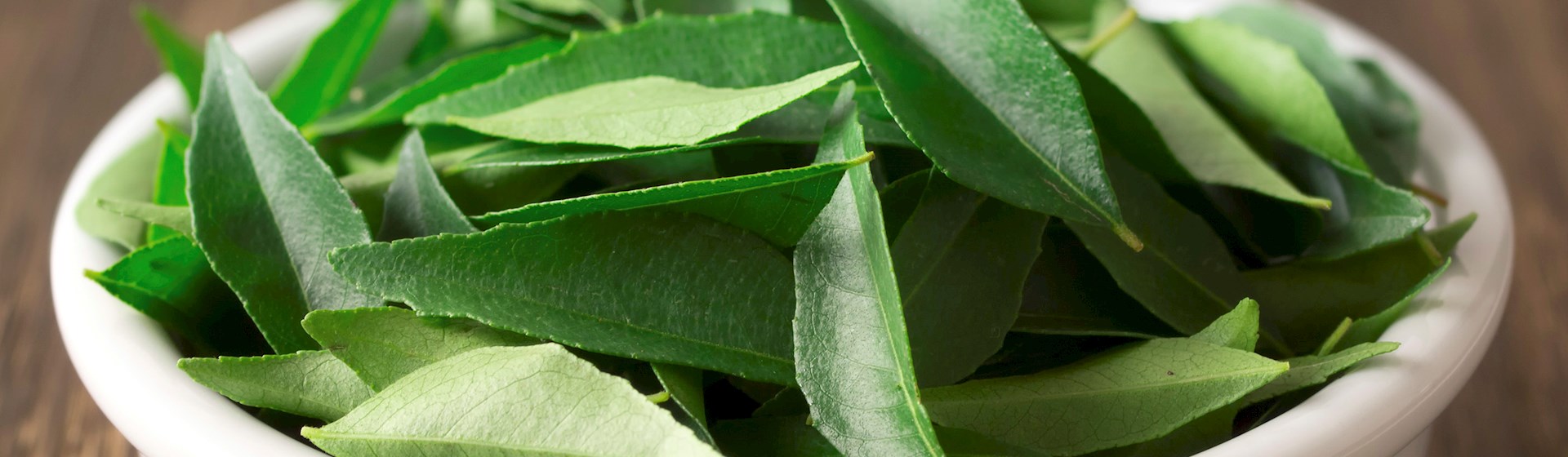
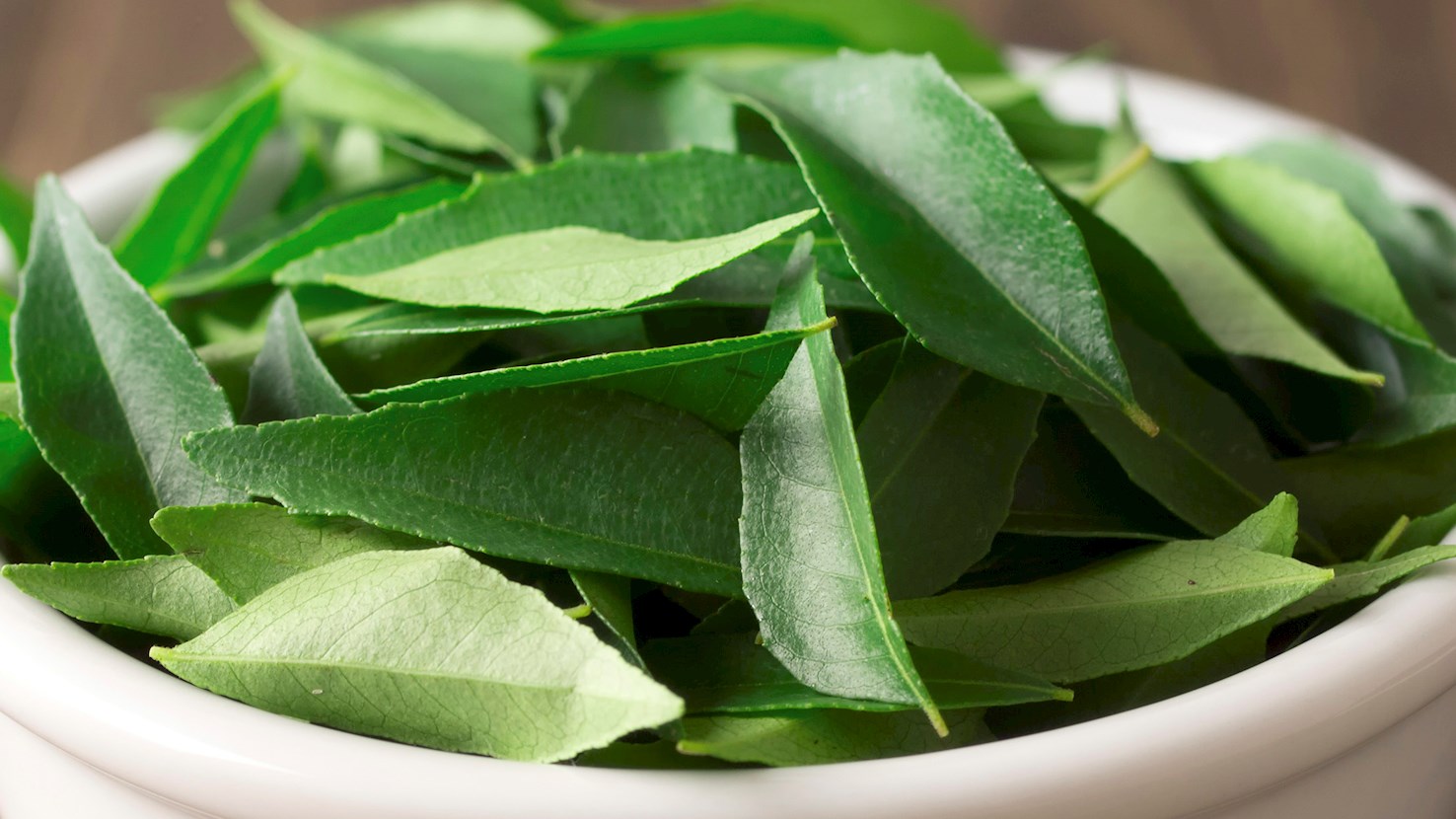
Curry leaves are leaves of the curry tree, which is native to India and Sri Lanka. The leaves are dark green in color, shiny, and aromatic, releasing a unique, nutty aroma when fried in oil. They are a staple of South Indian cuisine, used in the same way as bay leaves are used in Western cuisines. The leaves soften significantly when cooked and are usually used as a flavoring to rice, chutneys, dals, soups, and stews. They are such a staple of Indian cuisine that the Tamil word for them is karibeppilai, which is literally translated to the leaf that is used to make curry. Found in most Indian groceries, the leaves can be frozen or kept in an airtight container to keep their flavors for a longer period of time.
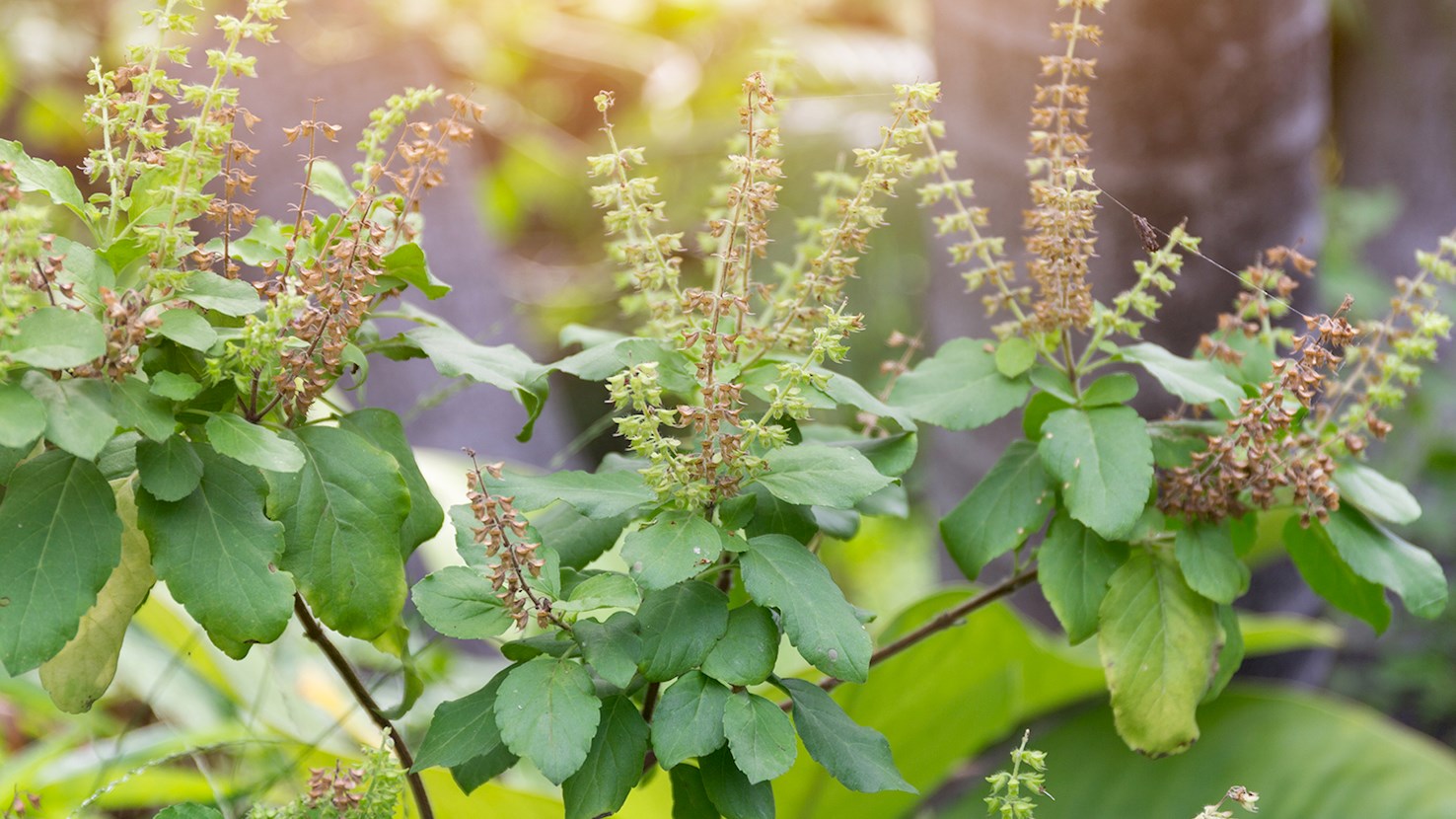
Holy basil or tulsi is one of the varieties of basil originating from India. This plant has violet flowers and blossoms, while the stems are green with a purple tinge. It is much spicier than the other varieties of basil, so it's often called hot basil. The leaves, seeds, and stems are often used for medicinal preparations, while the leaves are a staple of many Thai dishes due to their spicy flavor. Holy basil has numerous health benefits and it's used to treat stress, common cold, asthma, heart disease, fever, headache, and diabetes. The plant balances cortisol, lowers inflammation, improves energy levels, boosts the immune system, and improves brain functions. In cooking, holy basil is used in stir-fry dishes and with meat, fish, or chicken. It's recommended to use fresh holy basil as the leaves don't maintain the aroma after a few days in the fridge.
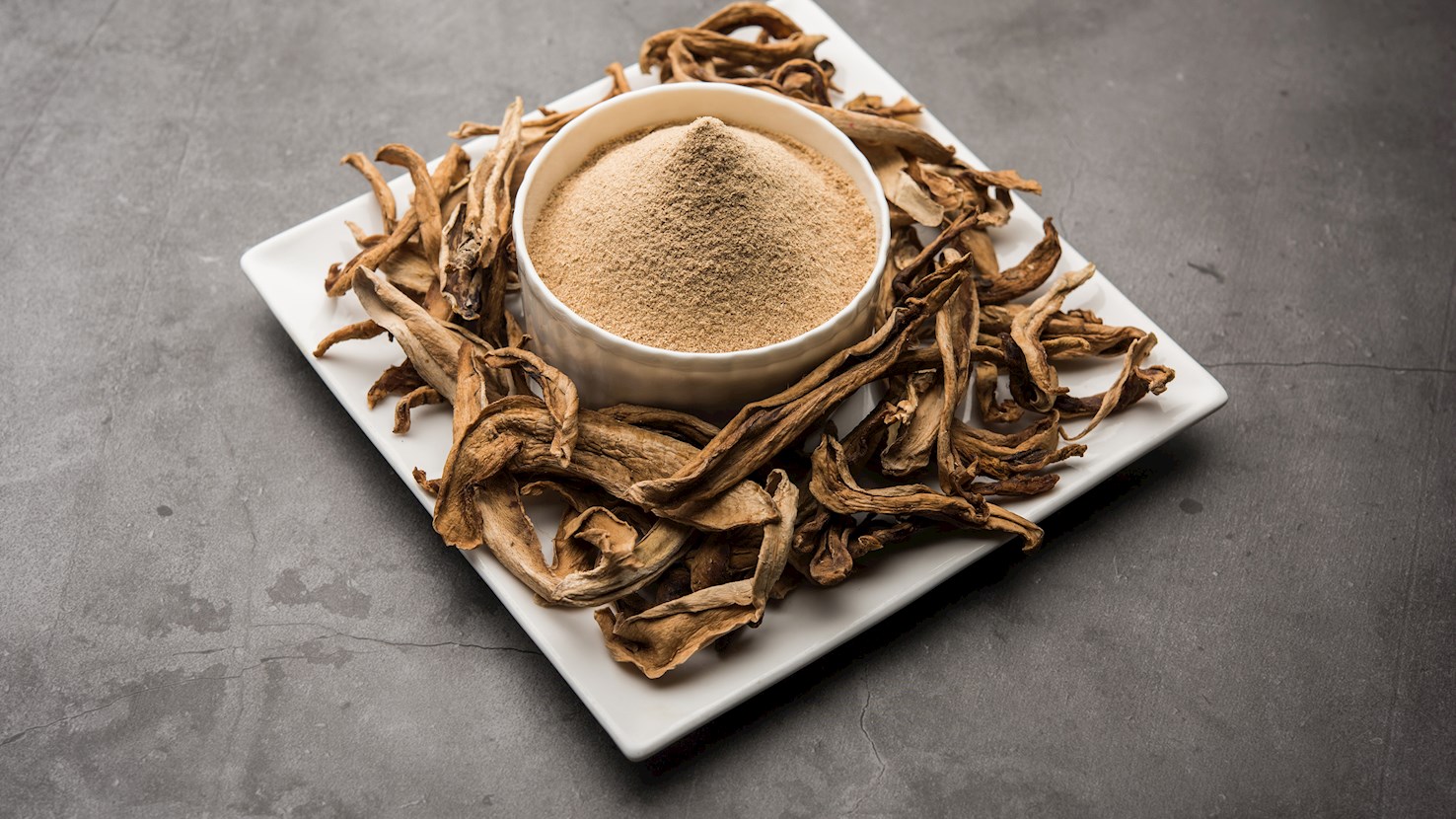
Chettinad masala is a traditional spice blend originating from Tamil Nadu, India. The spice blend consists of 16 or more spices including cinnamon, green cardamom, mace, star anise, cloves, fenugreek seeds, black pepper, kapok buds, cumin seeds, coriander seeds, fennel seeds, mustard seeds, dry red chili peppers, curry leaves, poppy seeds, turmeric powder, grated coconut, and the key ingredient called stone flower. Also known as kalpasi or dagad phool, stone flower is a unique spice that releases an intense aroma when tempered. The spices are dry-roasted in a particular order, then left to cool and pounded in a mortar with a pestle. Chettinad masala is usually used in various Chettinad curries, both non-vegetarian and vegetarian.
Amchur is a spice and condiment originating from India, but it's also often used in Pakistan. It's made from unripe mangoes that have been sliced, dried in the sun, then ground into a powder. The resulting powder has an intense aroma and tangy flavor. It adds a nice level of acidity to a vast number of vegetarian dishes, especially in Northern India, where it's used in the same way as lemon juice or vinegar are used in other parts of the world. It's recommended to add amchur to curries, dals, pickles, and chutneys due to its fruity and tangy flavors. Meat is also an option – try using amchur in a marinade to tenderize poultry or fish.
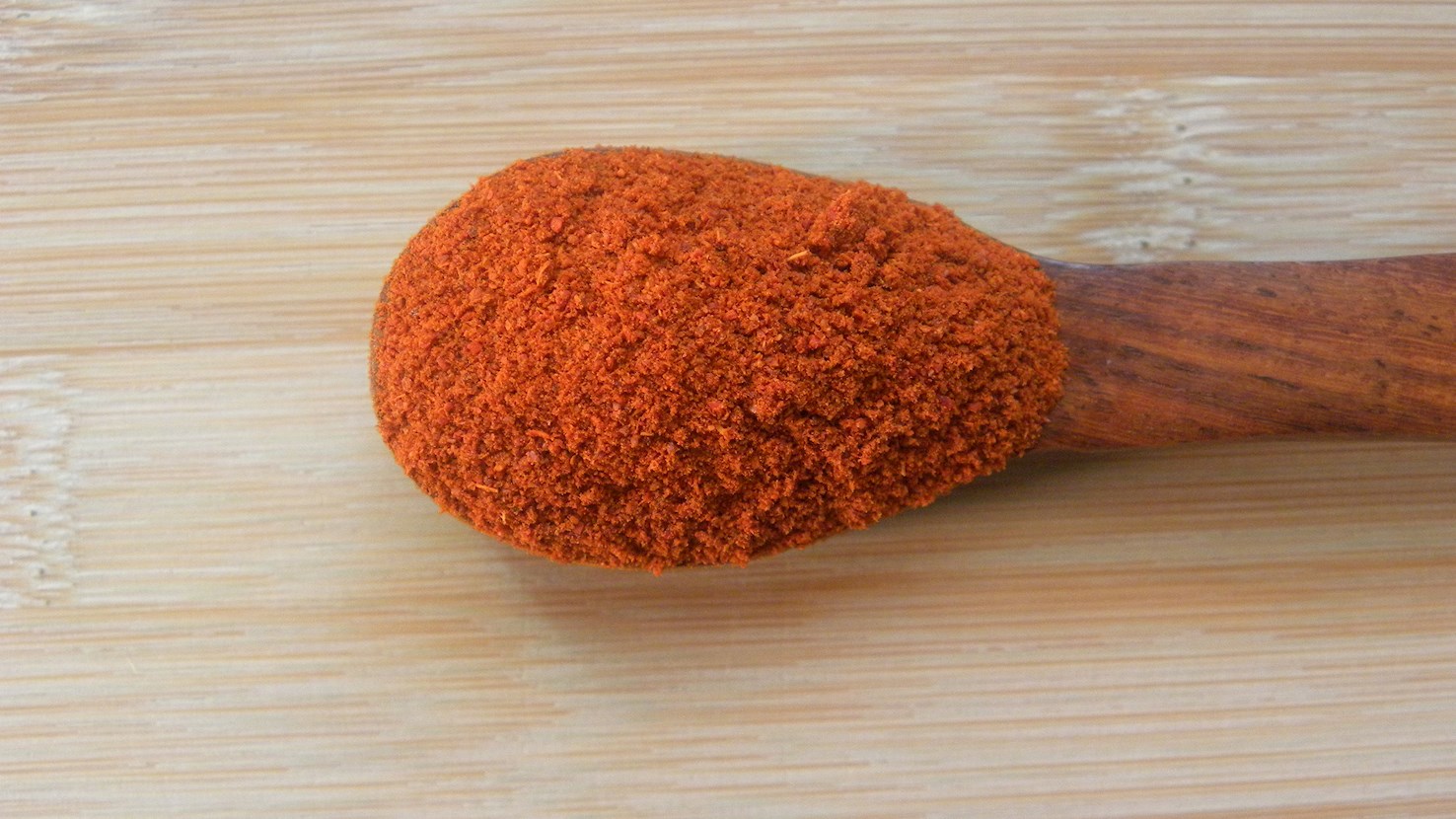
Chaat masala is a spice mixture that's widely used in Indian, Pakistani, and Bangladeshi cuisine. It often consists of coriander, asafoetida, red chili powder, tamarind powder, cumin, amchoor (dry mango powder), and kala namak (black salt). The origins are somewhat murky, but it is believed that the spice blend was invented in the 17th century by Mogal emperor Shah Jahan's kitchen staff. The flavors of chaat masala are best the day after it's been prepared, but it keeps for up to 3 months in airtight containers. Although it has an unusual aroma (mostly due to kala namak), people love it for its complexity and perfect flavors. It's recommended to use chaat masala on different Indian snacks called chaat, such as papri chaat, but it's also worth trying it over vegetables, salads, curries, dals, and fruit.
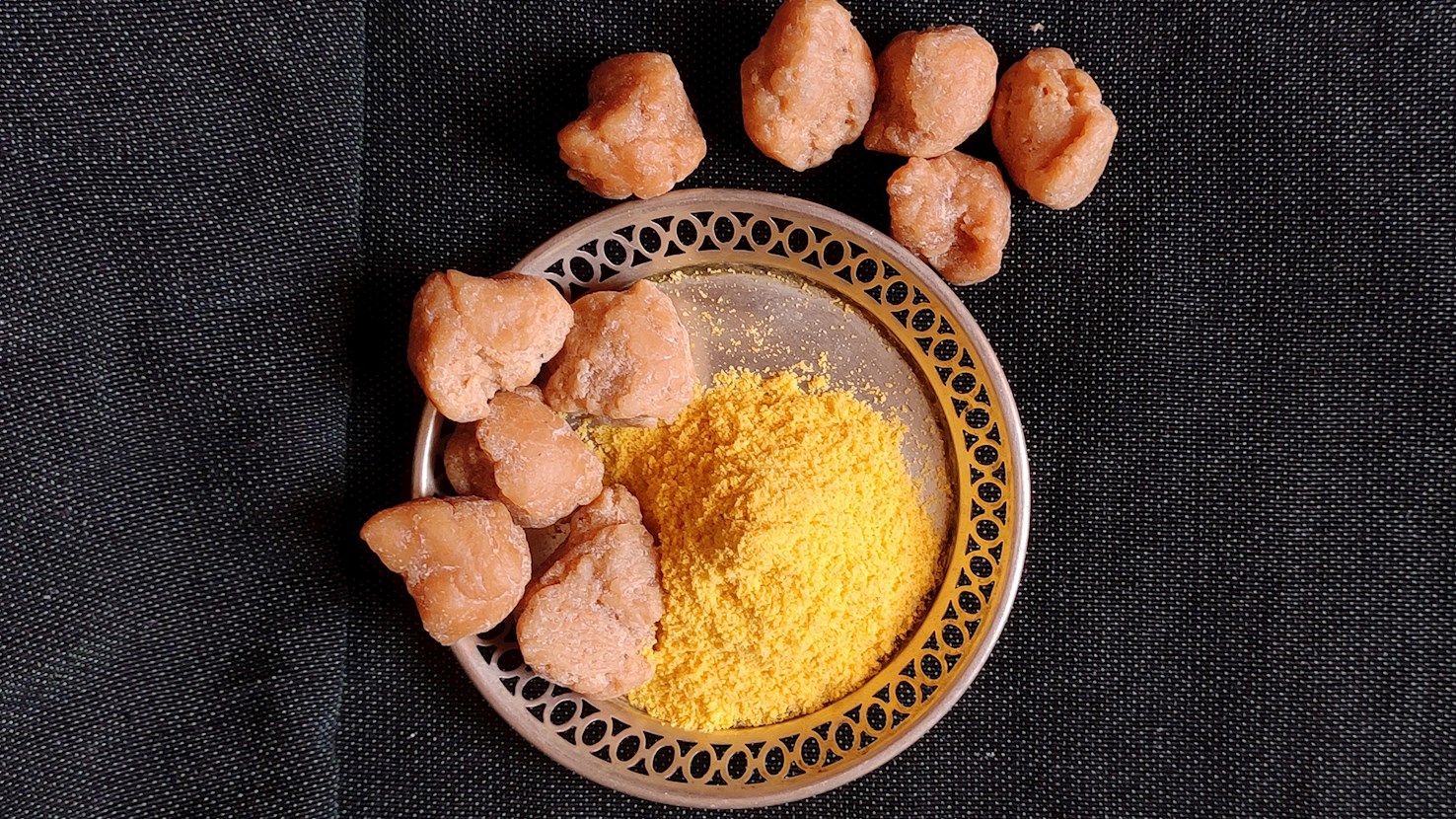
Asafoetida, also known as hing, is a pungent, resin-based spice obtained from the roots of Ferula plants native to the deserts of Iran and Afghanistan. It is widely used in Indian cooking as a seasoning and digestive aid, lending depth to vegetarian dishes and balancing rich or starchy preparations. Recognized by its strong sulfurous aroma when raw, asafoetida mellows during cooking into a flavor often compared to leeks, garlic, or onions. The use of asafoetida has been documented for over two millennia. Ancient Romans and Greeks valued it as a medicinal and culinary ingredient, referring to it as laser or silphium. In Persian and Central Asian traditions, it found its way into pickles, stews, and even perfumery. Trade routes gradually brought asafoetida to the Indian subcontinent, where it became firmly established in regional cuisines, especially among communities that avoid onions and garlic for religious reasons. Over time, India emerged as the primary market and processor of the spice, with imports of raw resin ground and blended with rice flour or gum arabic to produce the familiar yellow powder. Preparation of asafoetida begins with the tapping of Ferula roots to collect their milky resin, which hardens into lumps. These are cleaned, dried, and ground into powder or sold in solid form. In home kitchens, a pinch is typically warmed briefly in ghee or oil to unlock its flavor before adding vegetables, dals, or curries. Because of its potency, very small quantities are enough to season an entire dish. In some regions, cooks dissolve it in warm water before mixing it into doughs or batter. When heated, asafoetida transforms from its raw, sulfurous intensity into a rounded, savory aroma. This quality makes it an essential seasoning in dishes such as sambar, rasam, lentil stews, and spiced legumes. It also acts as a digestive aid, believed to reduce bloating and improve the digestibility of beans and pulses. In India, asafoetida is common in domestic pantries and is also a staple of Ayurvedic preparations and folk remedies. It remains a defining element in the flavor profile of many South Indian and Gujarati recipes. Whether used in a tempering of hot oil or sprinkled sparingly into a simmering sauce, it is valued for its ability to impart a distinct, layered taste that connects culinary practices across centuries and regions.
Pav bhaji masala is a special spice blend used to make pav bhaji, a popular Indian street food. It is a mix of aromatic spices that provide the characteristic flavor and aroma of the dish. This masala typically includes coriander seeds, cumin seeds, red chili powder, turmeric, dry mango powder, black pepper, cloves, cinnamon, fennel seeds, cardamom, fenugreek leaves, and dry ginger powder. The flavor profile of pav bhaji masala is a balanced blend of spicy, tangy, and earthy flavors, making it robust and savory without being overly hot. It is not only used in pav bhaji but also in dishes like tawa pulao, mixed vegetable curries, chaats, and spiced snacks. While it is widely available as a ready-made spice mix in stores, it can also be made at home by dry roasting and grinding spices such as coriander, cumin, fennel, cloves, cinnamon, and dried red chilies, then mixing them with turmeric, mango powder, and ginger powder.
Bafat is a traditional Mangalorean blend of ground spices such as red chilis, cumin seeds, coriander seeds, peppercorns, mustard seeds, and turmeric. Each spice is dry-roasted separately until fragrant and slightly browned, then all of them are combined and ground to a powdery consistency. The spices used for preparing this blend vary from one household to another, with each using their own unique selection of spices. This highly-aromatic and spicy blend is widely used in Mangalorean cuisine and is especially typical of the Mangalorean Catholic community. Bafat is available at most grocery stores in Mangalore, and it commonly enhances the flavor of various meat specialties, curries, and vegetarian dishes.
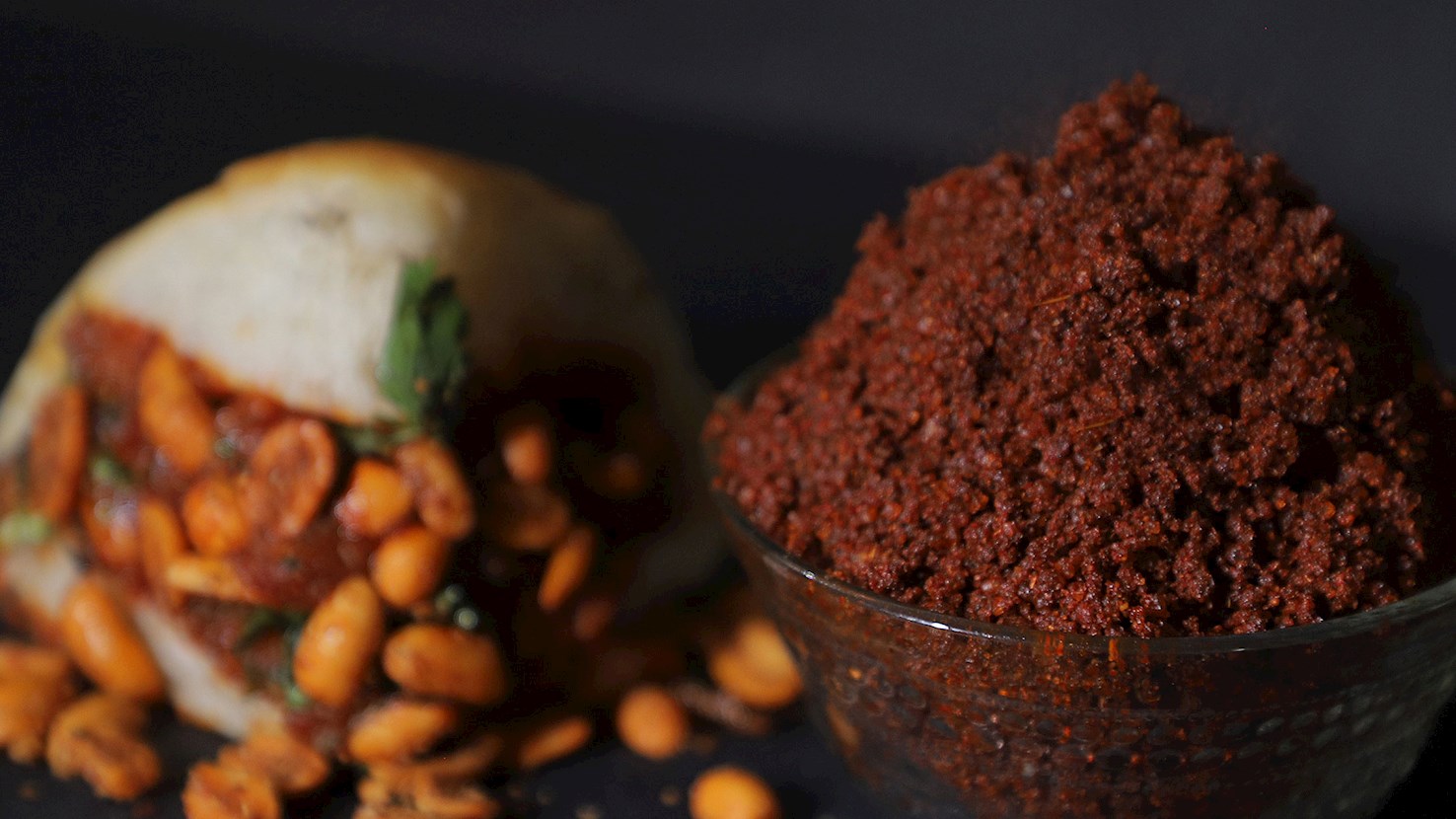
Dabeli masala is a special spice mix used to flavor the potato filling in dabeli, a popular Gujarati street food. This masala is a blend of aromatic spices with a hint of sweetness and tanginess, giving dabeli its unique and rich taste. It typically includes ingredients such as coriander seeds, cumin seeds, dried red chilies, cinnamon, cloves, black peppercorns, fennel seeds, bay leaf, amchur powder or tamarind powder, and sugar or jaggery. The flavor profile of dabeli masala is a balance of spicy, tangy, sweet, and aromatic notes, achieved through the combination of warm spices like cinnamon and cloves, the tanginess from amchur or tamarind powder, and the sweetness of sugar or jaggery. The spices are dry roasted until fragrant, then cooled and ground into a fine powder. While homemade versions are common, store-bought dabeli masala is also widely available for convenience.
TasteAtlas food rankings are based on the ratings of the TasteAtlas audience, with a series of mechanisms that recognize real users and that ignore bot,
nationalist or local patriotic ratings, and give additional value to the ratings of users that the system recognizes as knowledgeable.
TasteAtlas Rankings should not be seen as the final global conclusion about food. Their purpose is to promote excellent local foods,
instill pride in traditional dishes, and arouse curiosity about dishes you haven’t tried.
The initial list of top producers was compiled based on available reviews, awards, local recommendations, media and blog coverage, and consumer reviews.
The list will be updated with ratings from TasteAtlas local ambassadors and TasteAtlas users.




What People Say