shutterstock

Top 26 Herbs
in the World

Last updated on June 24, 2026

Best Herb Types in the World
01

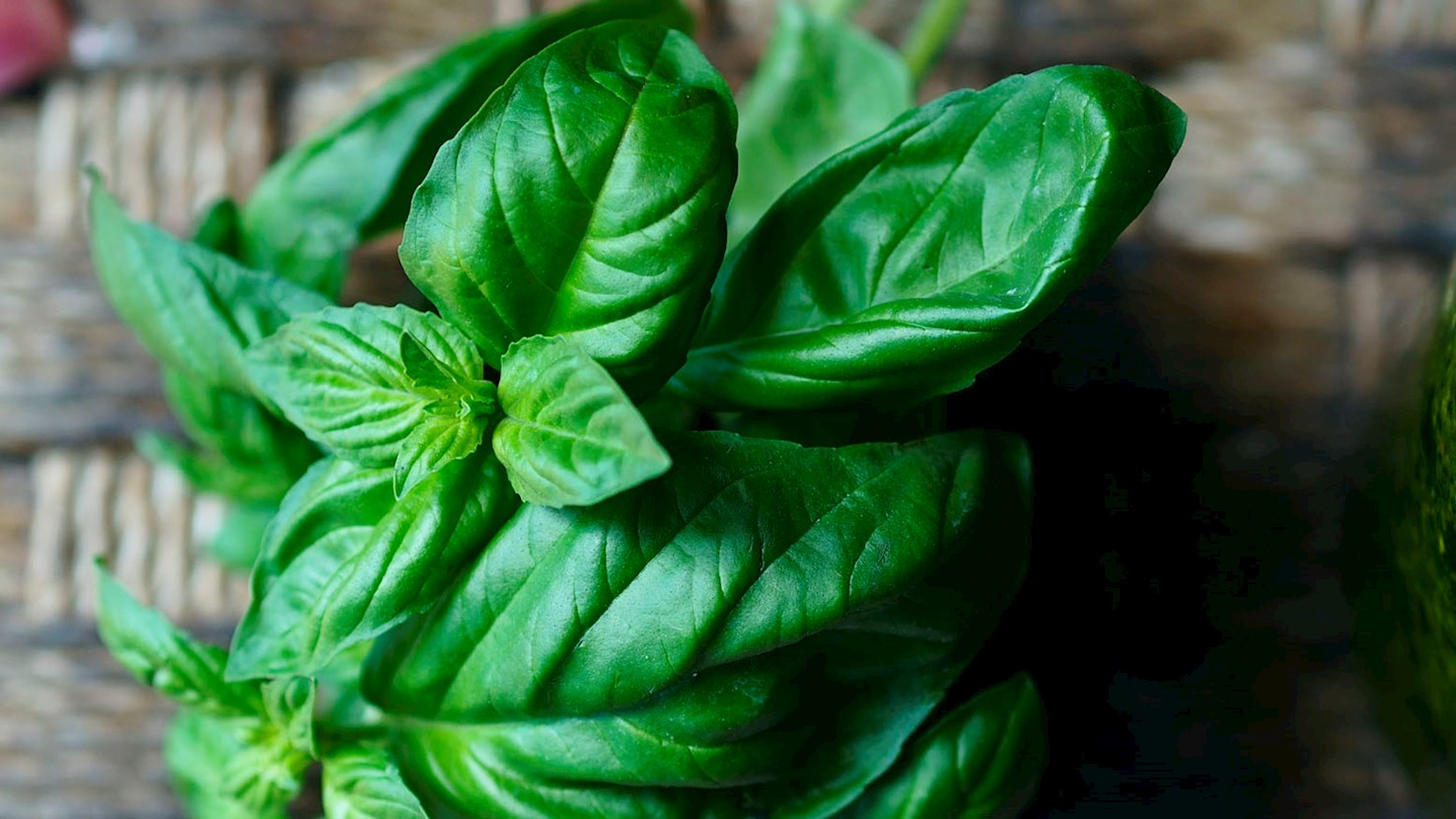
Basilico Genovese

4.6 ·

The fragrant Genovese basil is a cultivar of Ocimum basilicum (sweet basil), traditionally grown in the Ligurian provinces of Genoa, Savona and Imperia. It has an intense clove aroma and it is widely known for being an essential ingredient of the famous Pesto alla Genovese sauce. Even though it is available dried, Genovese basil is most often used fresh, added to various dishes at the last moment, in order to preserve its exceptional flavor.

Best producers
02

Fines herbes

4.2 ·

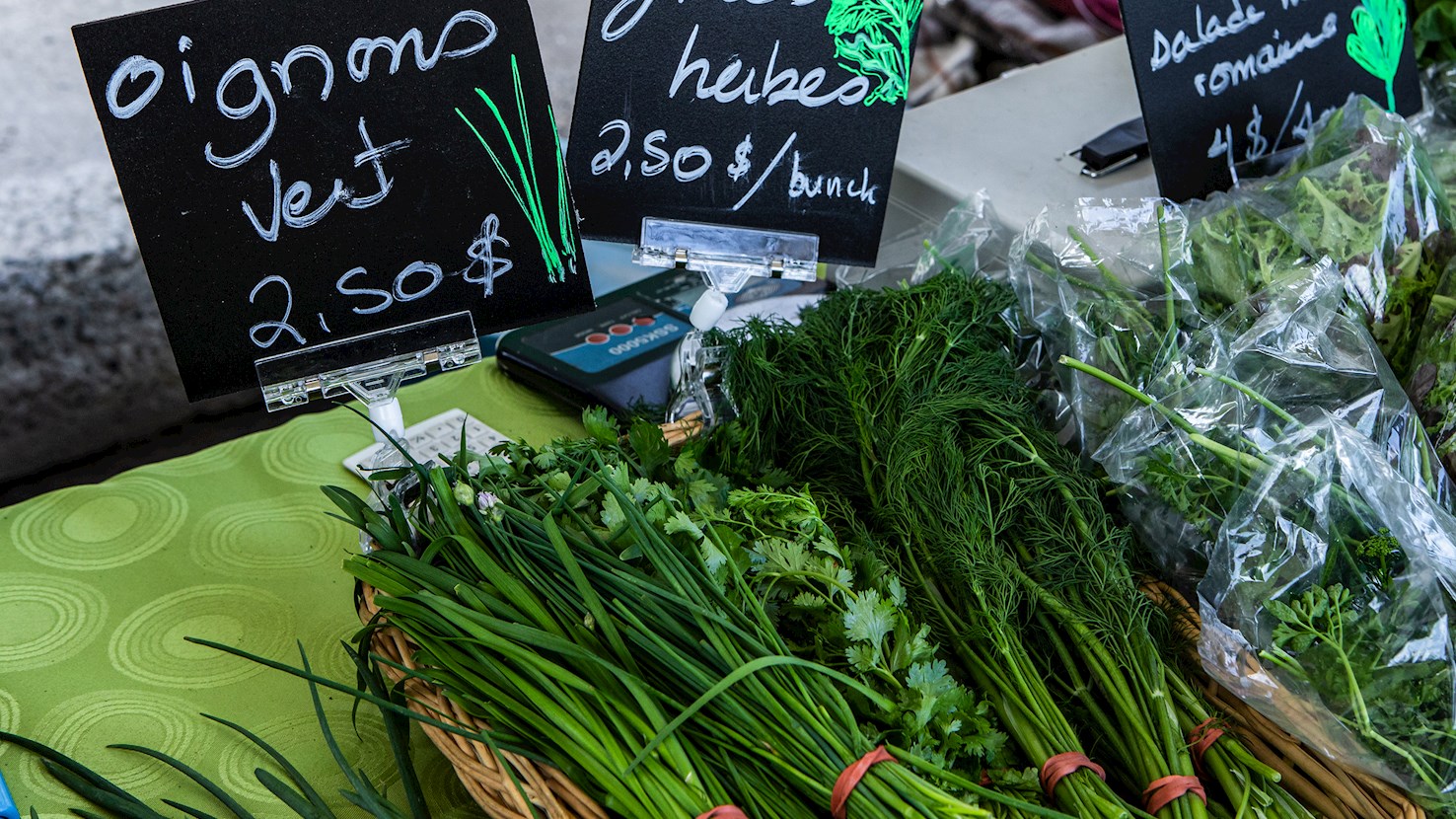
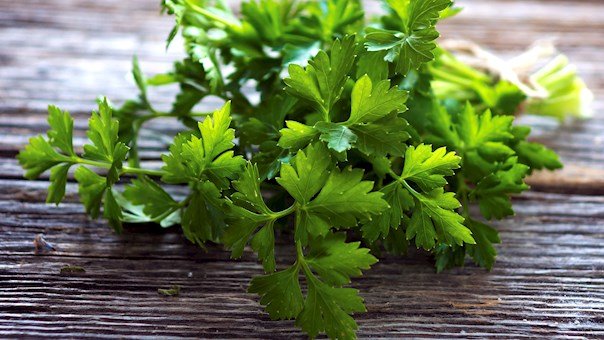
Fines herbes is a traditional blend of herbs, including parsley, chives, chervil, and tarragon. Thyme is often added to the four classic ingredients, while savory, watercress, and marjoram are sometimes also included in the mix, but not as often as thyme. This mild and subtle blend of herbs is especially well suited for poultry, salads, and egg-based dishes. What's important is that all of the herbs should be fresh and not dried for the best possible flavor.

03

Thym de Provence

4.2 ·

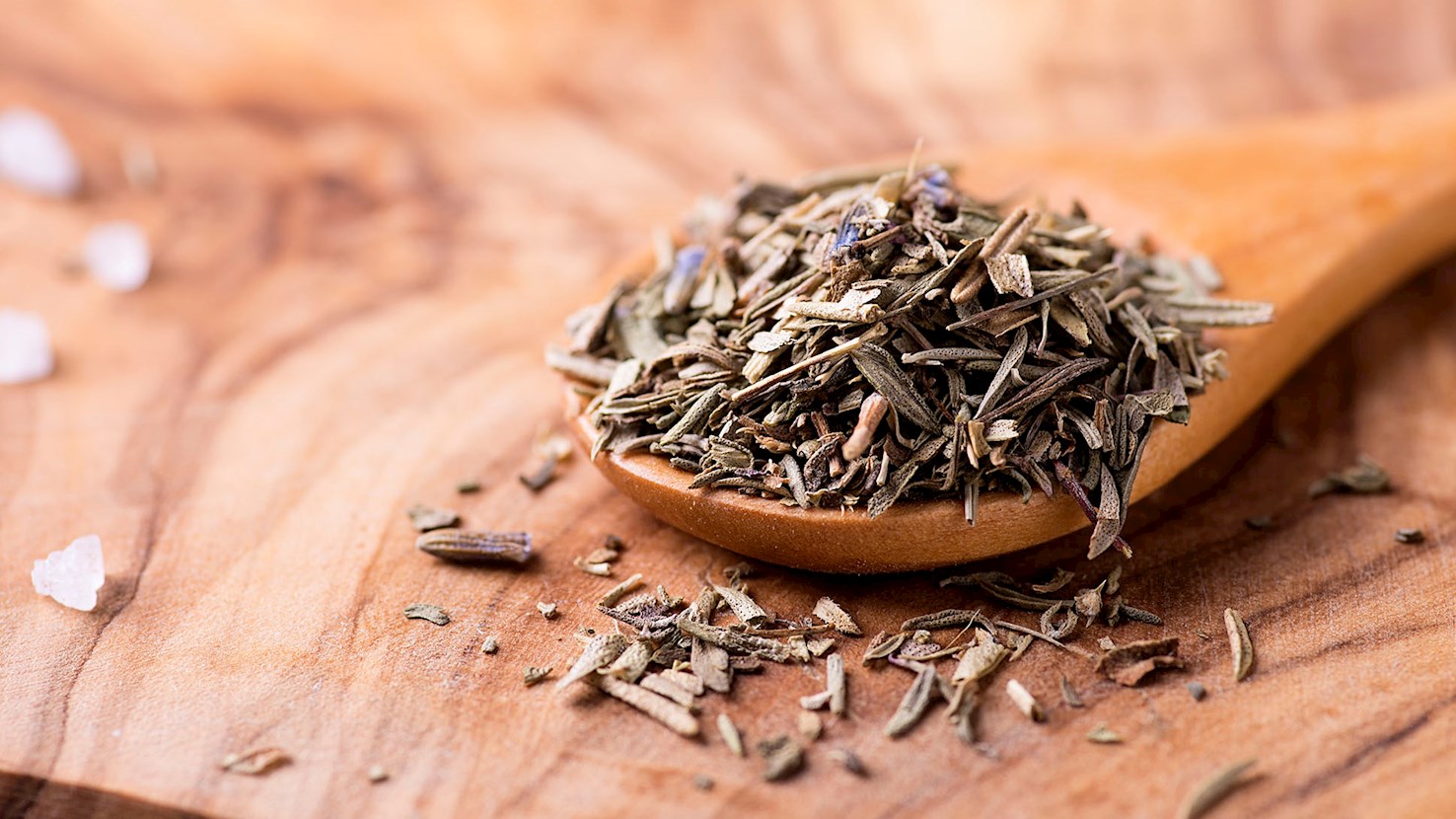
Thym de Provence is an evergreen herb with culinary, medicinal and ornamental uses. It is called Farigoule in Provence and best known as one of the basic components in a classic Bouquet garni or in a spice mixture known as Herbes de Provence. One of the most fragrant herbs one can grow, Thym de Provence has a lemony aftertaste giving freshness to various stews, marinades, sauces, soups and salads. It blends perfectly with tomatoes, either fresh or processed, fried vegetables, grilled goat cheese or roasted poultry. Thyme is also used in various desserts, fruit salads, jams, pies, muffins, sorbets etc. When used in infusion, thyme is an excellent digestif, it helps the body assimilate the high iron content of certain food and regulates circulatory problems. Together with lavender and rosemary, thyme is among the most popular aromatic plants of Provence.

04

Rosmarino (Sicily)

4.2 ·

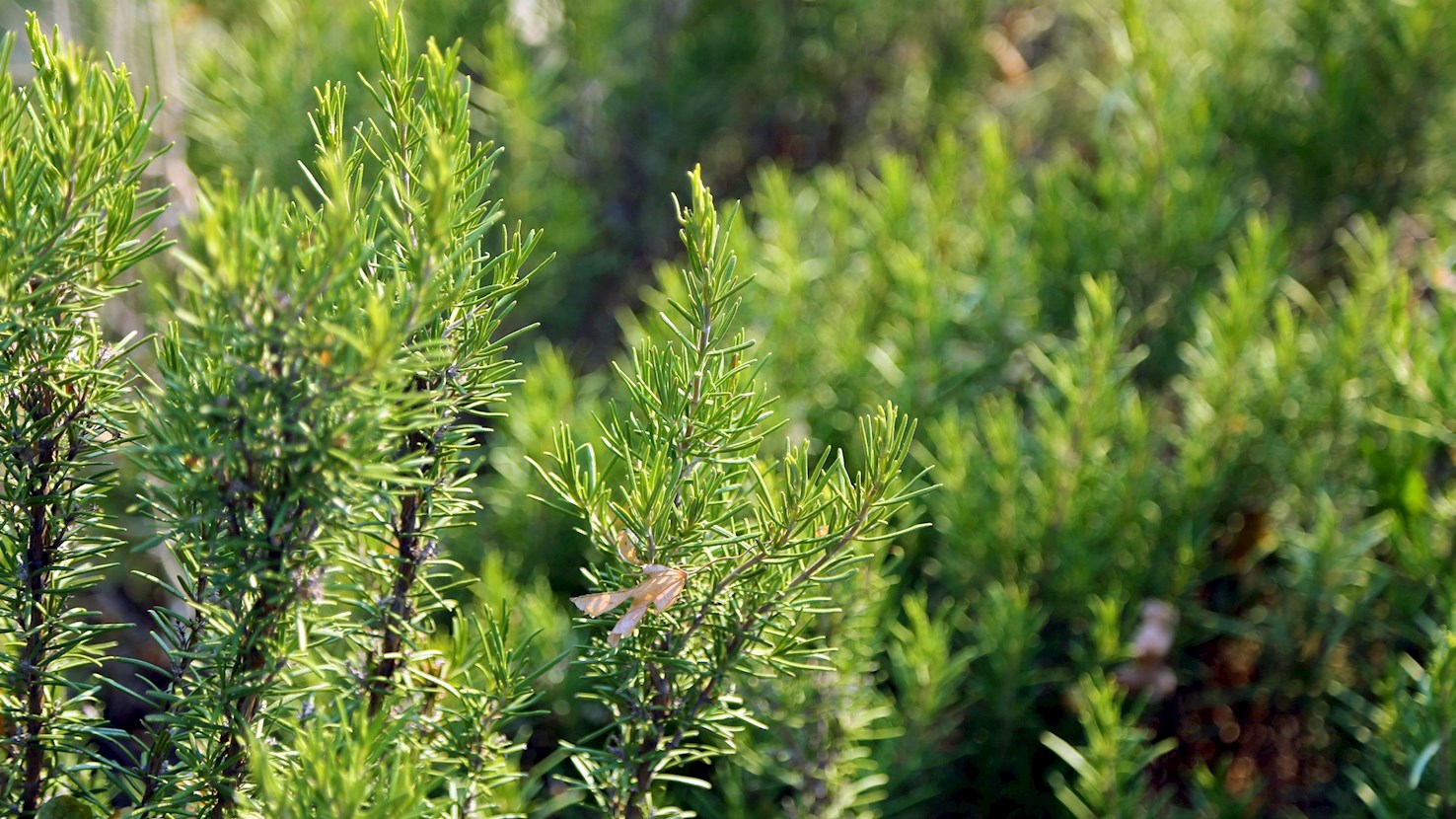
Mainly grown in the community of Villarosa, Sicilian rosemary is one the most widely used spices in the local cuisine. Leaves and flowers are harvested during summer and left to dry in dark, well-ventilated places before being packed in glass jars, paper or plastic bags, where they can last for a very long time. This wonderfully fragrant herb is used to flavor meats, fish, or vegetables, and it will turn any simple bread or focaccia into a true delicacy. Although it is much more often used in savory dishes, it works well in desserts, too.

05

Herbes de Provence

4.1 ·

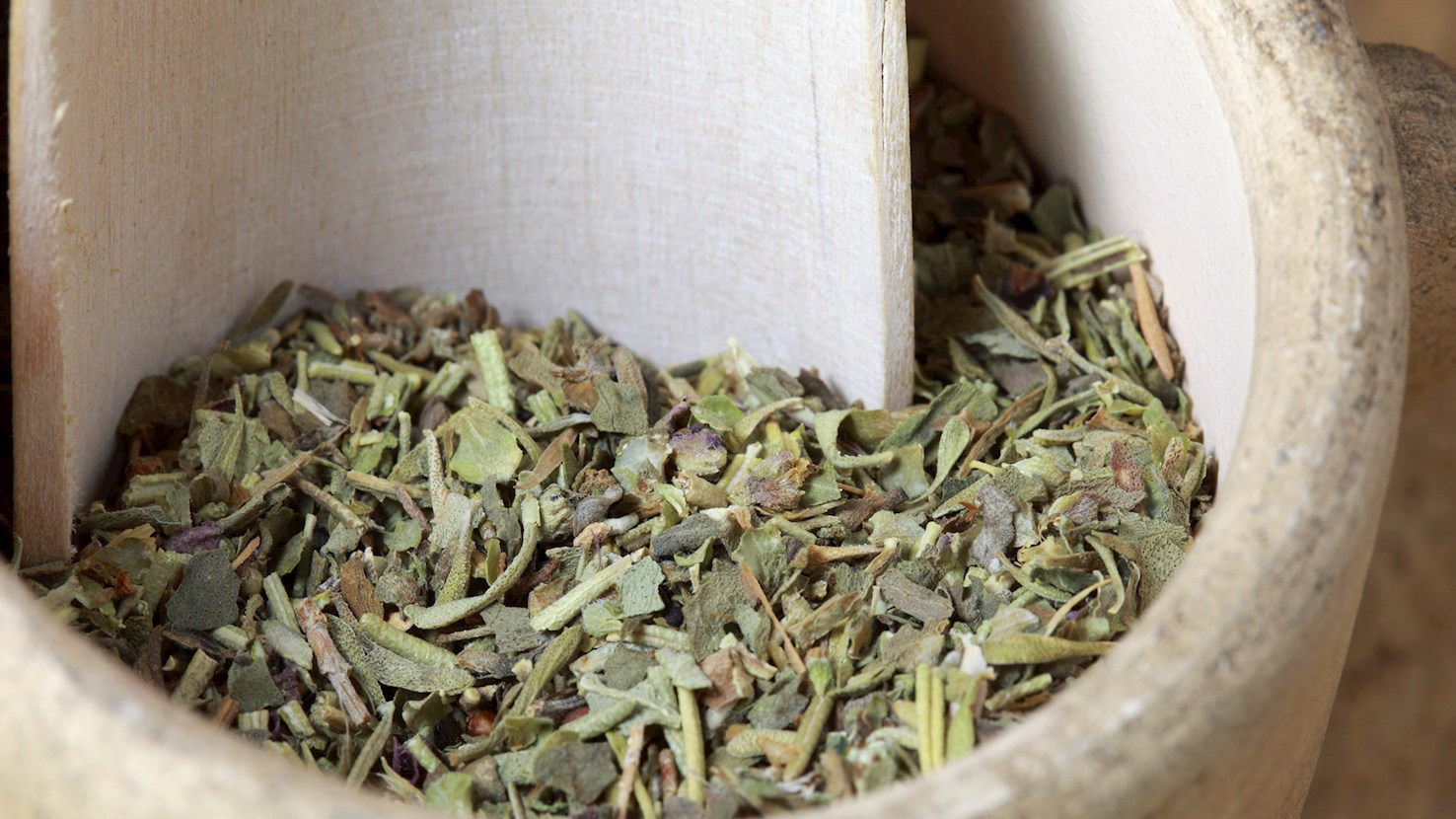
This world-famous blend of herbs and spices originated in France’s region of Provence, and contains ingredients such as lavender, basil, oregano, fennel, dill, rosemary, thyme, bay leaf, and sage. Herbes de Provence are traditionally sold in small clay pots. The mixture is commonly used as a rub or seasoning for various meat dishes, especially for grilled meats, and it can also be used as a seasoning in soups or stews. When cooked, the herbs soften and release their natural, aromatic flavors. Although these herbs have been used in various combinations in Provence for centuries, the blend that's known today as Herbes de Provence has been marketed under this name since the 1970s.

06

Kadi patta (Curry leaves)

4.1 ·

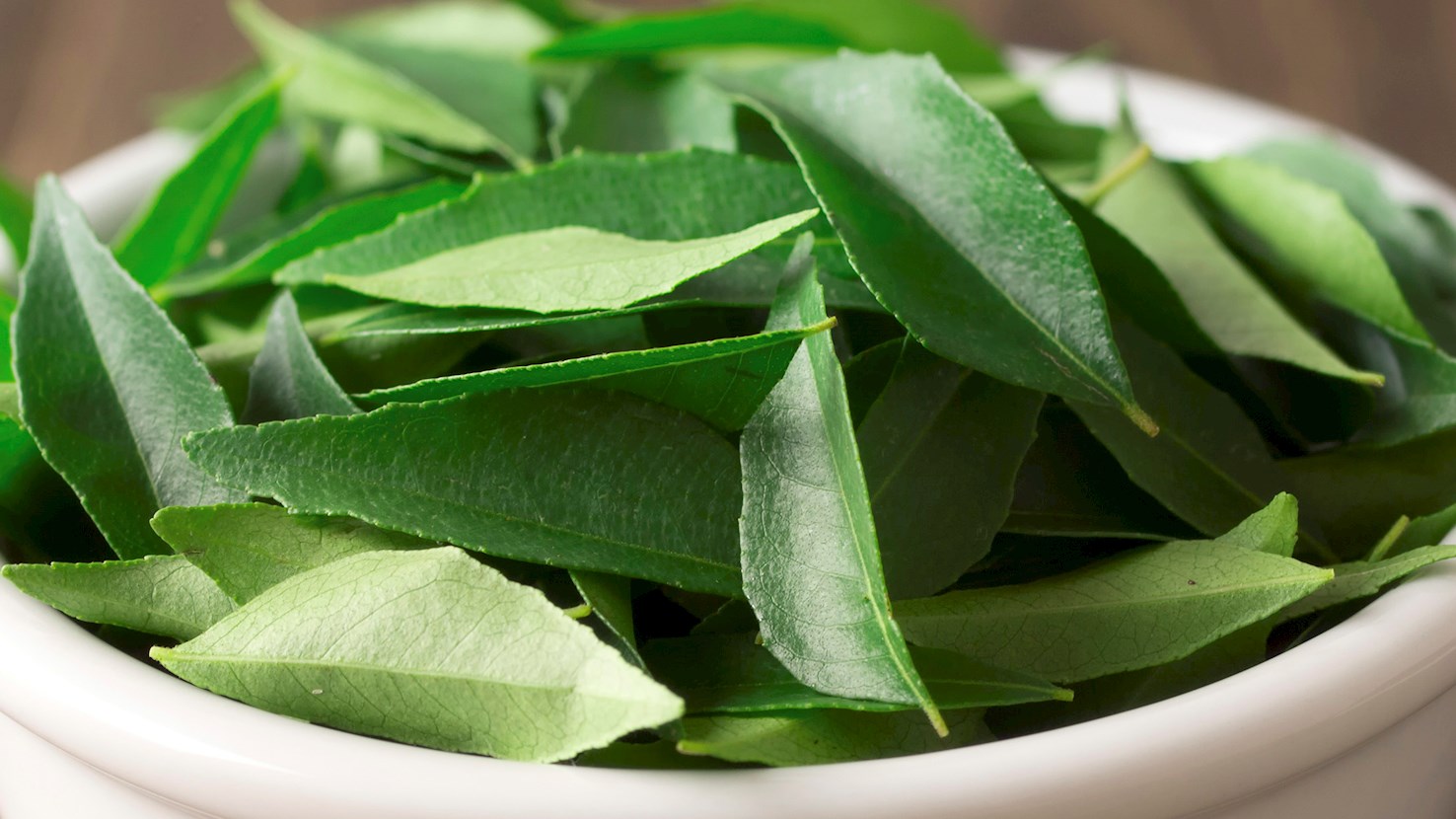
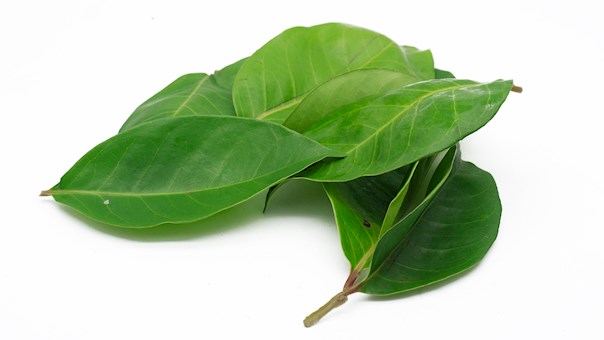
Curry leaves are leaves of the curry tree, which is native to India and Sri Lanka. The leaves are dark green in color, shiny, and aromatic, releasing a unique, nutty aroma when fried in oil. They are a staple of South Indian cuisine, used in the same way as bay leaves are used in Western cuisines. The leaves soften significantly when cooked and are usually used as a flavoring to rice, chutneys, dals, soups, and stews. They are such a staple of Indian cuisine that the Tamil word for them is karibeppilai, which is literally translated to the leaf that is used to make curry. Found in most Indian groceries, the leaves can be frozen or kept in an airtight container to keep their flavors for a longer period of time.

07

Shiso

4.1 ·

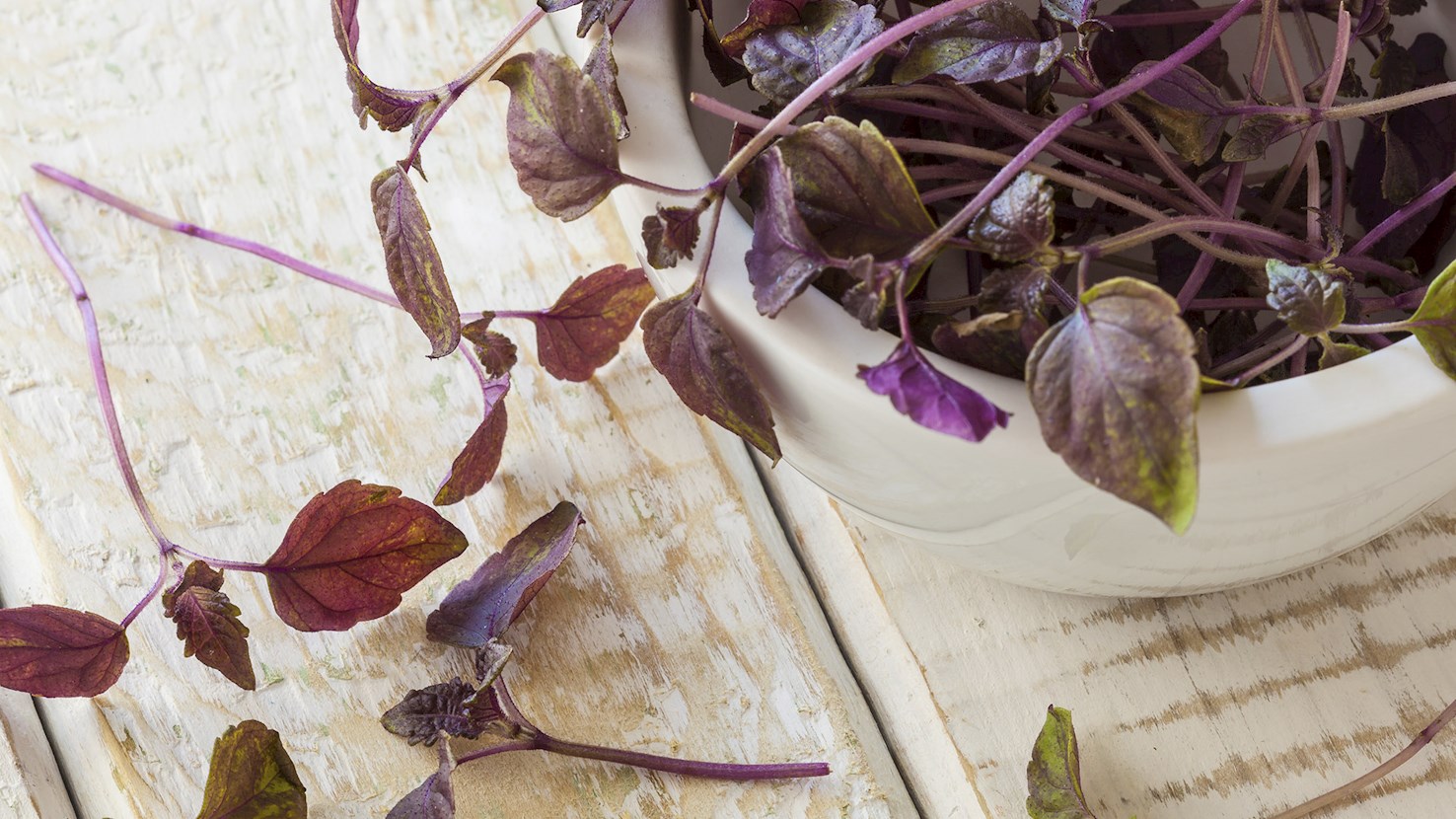
Shiso is a Japanese herb with a unique flavor: hints of citrus, mint, basil, anise, and coriander are all incorporated into its tiny leaves, which can be red or green. They are a part of the seven spices of Japan, originating from over 300 years ago in Kyoto. Green shiso leaves are often used as a garnish for sushi and sashimi, but they are also added to soups and tempuras. Red shiso is mostly used to color umeboshi and pickled ginger. Whether red or green, shiso can be used in a variety of other dishes: mixed into salads, tossed into green tea, added to stir-fries, or chopped and prepared with scrambled eggs. The herb is loved because it is rich in iron and calcium, and it is also used in treating respiratory ailments in Chinese medicine.

08

Huacatay

4 ·

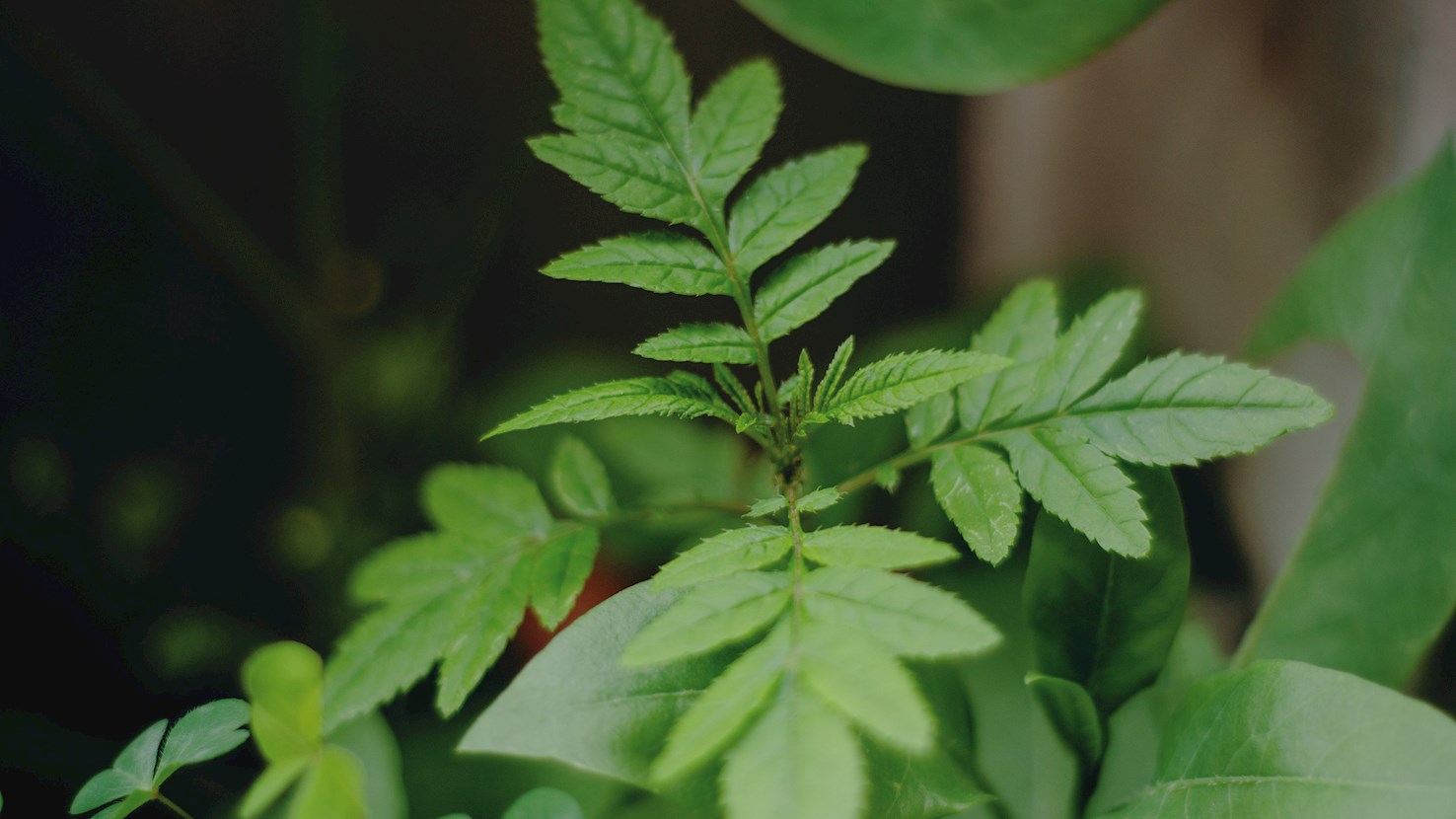
Huacatay is an aromatic herb from the marigold family that's native to the Peruvian Andes, but grows throughout South America. The small plant has tiny green and yellow flowers, while the leaves are spiky. Both the leaves and the flowers produce an aromatic essential oil, similar in flavor to tarragon, lime, sweet basil, and mint. Due to its intense flavors and numerous beneficial properties, huacatay can be found in the form of a thick paste that's used to season dishes or make creamy sauces.

09

Bouquet garni

3.9 ·

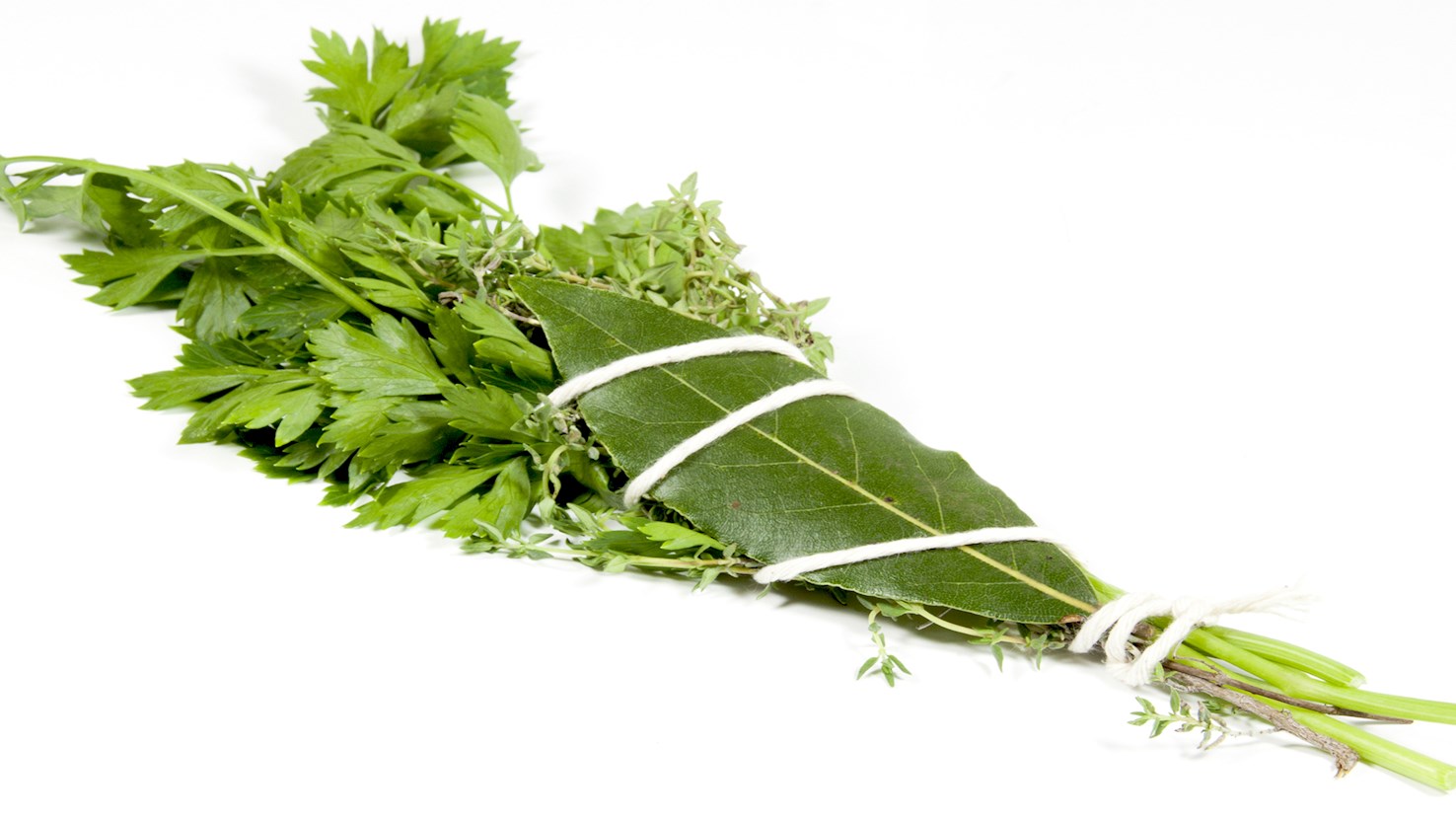
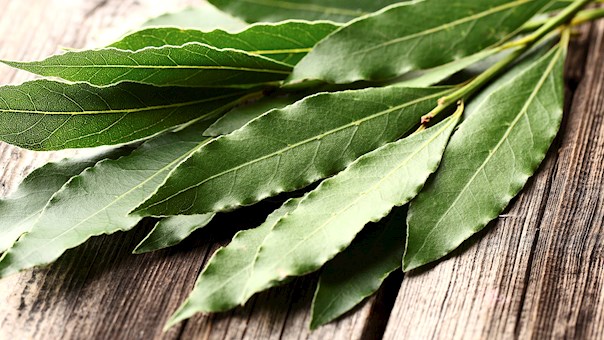
This small French bundle of herbs is traditionally tied together with butcher’s string to keep the herbs together after they are added to a pot for cooking. This quaint bouquet of fresh herbs usually contains thyme, parsley, and bay leaf, and it lends a bold, herby layer of flavor to any soup, sauce, stock, or casseroles it is added to. Tying the herbs together in a bundle makes it easy to remove the stems and leaves from the dish, leaving nothing behind except the flavor.

10

Tulsi (Holy basil)

3.7 ·

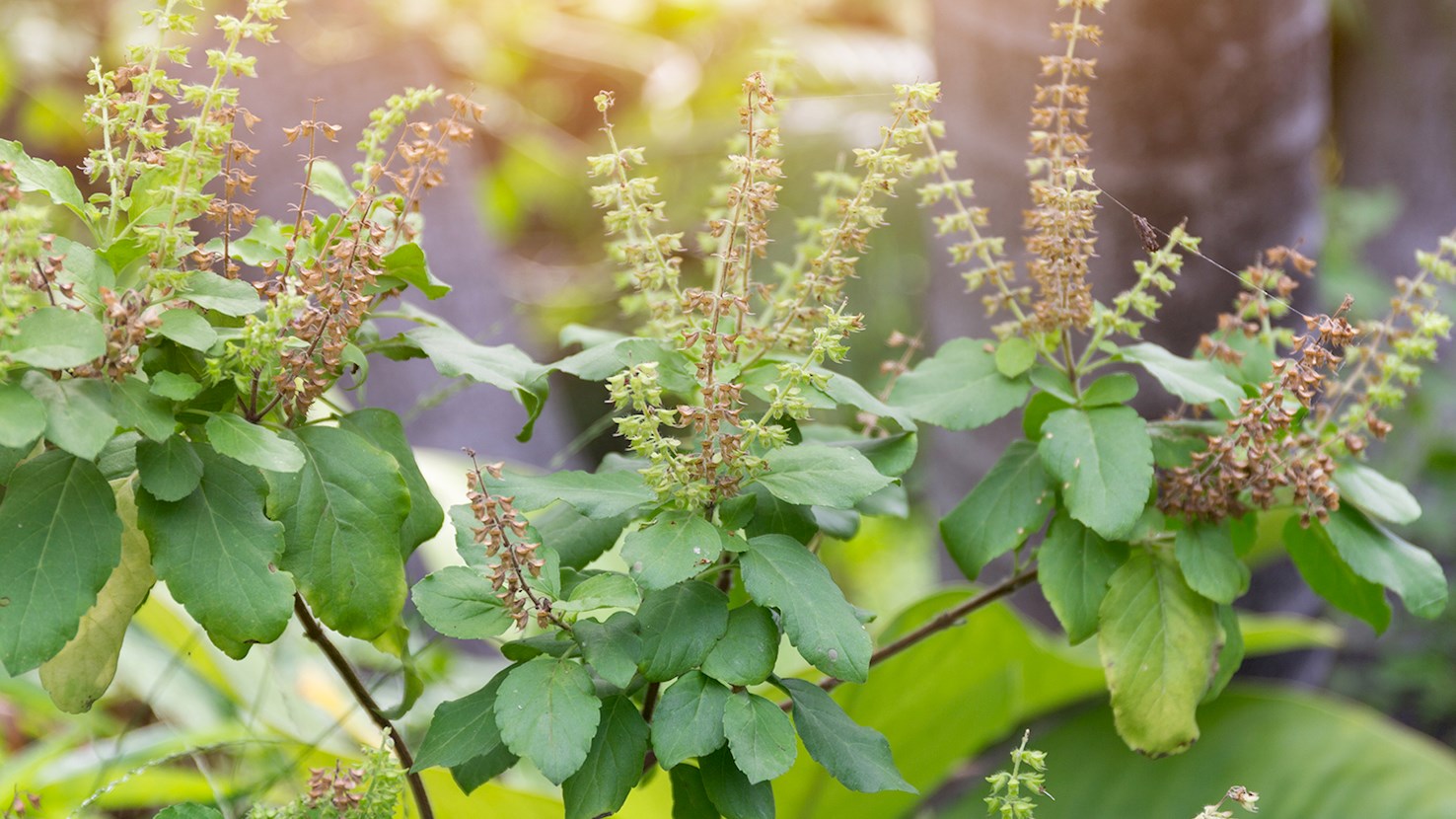
Holy basil or tulsi is one of the varieties of basil originating from India. This plant has violet flowers and blossoms, while the stems are green with a purple tinge. It is much spicier than the other varieties of basil, so it's often called hot basil. The leaves, seeds, and stems are often used for medicinal preparations, while the leaves are a staple of many Thai dishes due to their spicy flavor. Holy basil has numerous health benefits and it's used to treat stress, common cold, asthma, heart disease, fever, headache, and diabetes. The plant balances cortisol, lowers inflammation, improves energy levels, boosts the immune system, and improves brain functions. In cooking, holy basil is used in stir-fry dishes and with meat, fish, or chicken. It's recommended to use fresh holy basil as the leaves don't maintain the aroma after a few days in the fridge.

Best Herbs in the World
01

Il Pesto Pra 'Di

4.3 ·
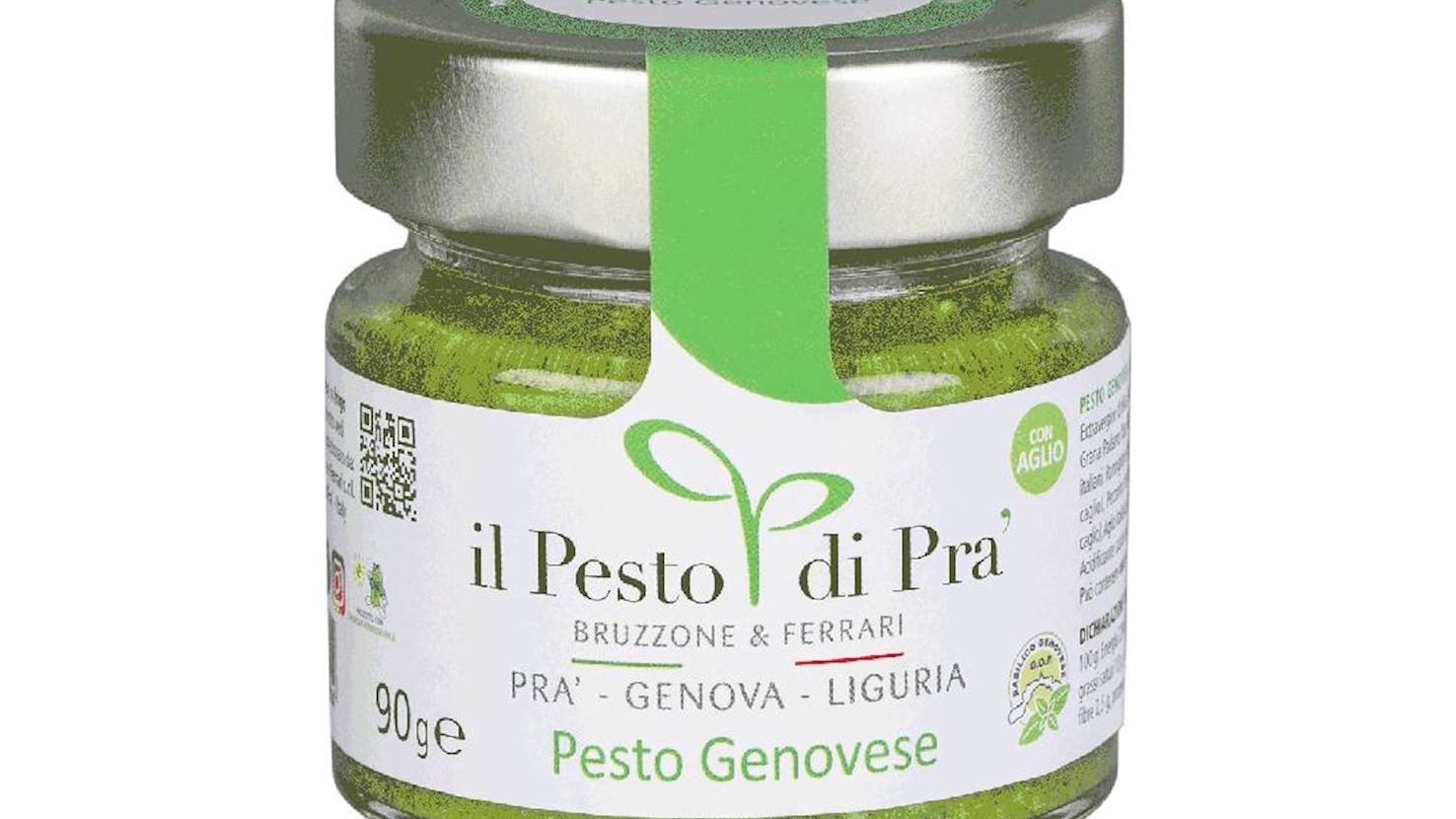
"Il Pesto di Pra'" is a family-owned company based in Pra', near Genoa in Italy, which has been cultivating basil and producing traditional Genoese pesto for nearly two centuries. Their pesto is known for its high quality and freshness, thanks to the careful selection of ingredients and dedication to traditional recipes. The company uses basil grown in its own greenhouses in Pra' and combines it with carefully selected ingredients such as Italian pine nuts, garlic from the finest Italian crops, PDO Pecorino Romano cheese, Italian coarse sea salt, extra virgin olive oil, and a selection of Parmigiano Reggiano and Grana Padano PDO cheeses. This controlled production process allows them to create pesto of the highest quality.
Awards
Crystal Taste Award - 3 stars (2022)
03

Kurtes

4 ·
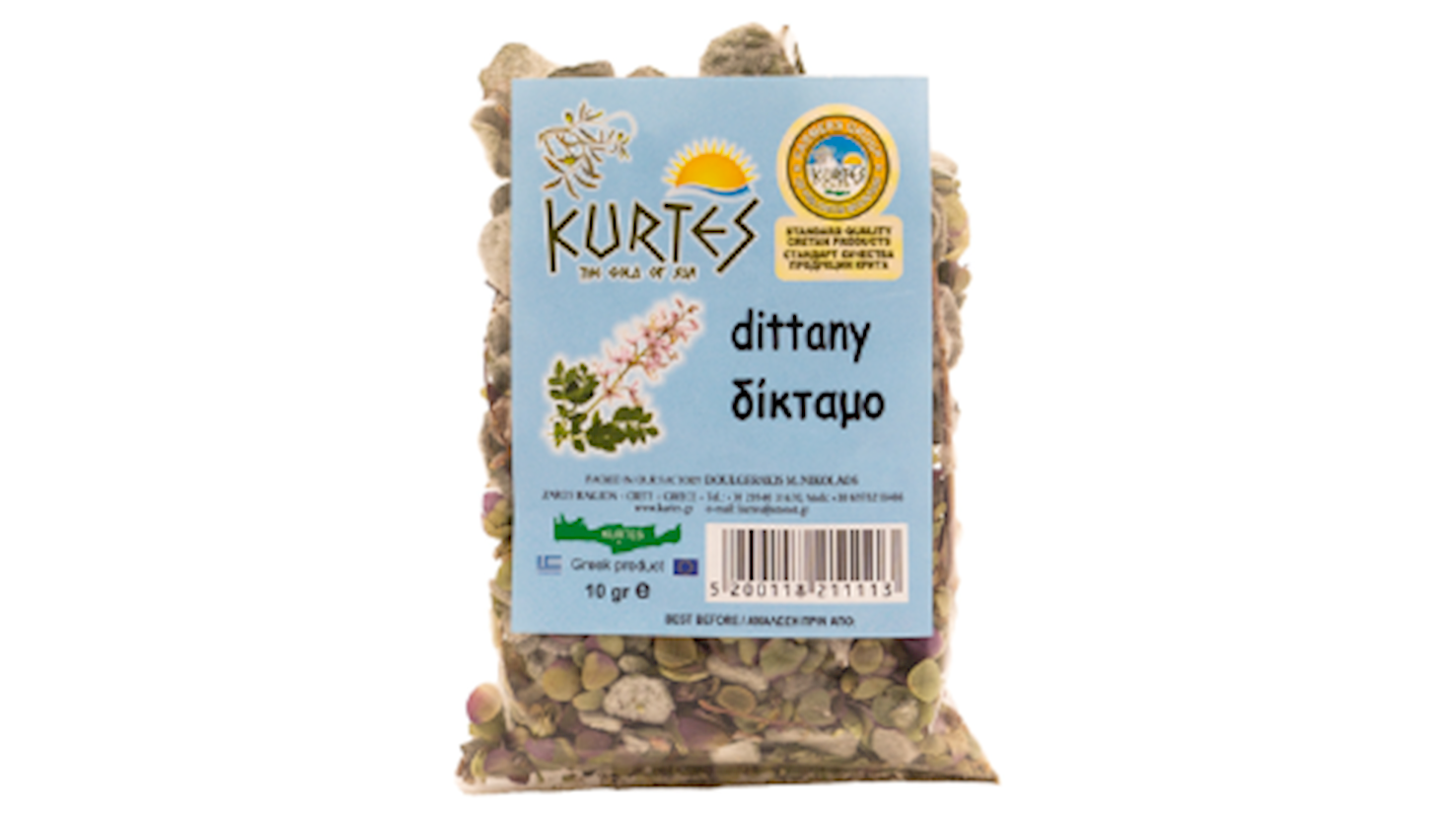
Kurtes is a Cretan producer specializing in extra virgin olive oil alongside a broader range of local products, including aromatic herbs, spices, honey, and infused oils, all rooted in the island’s agricultural traditions. The company combines olives from its own family groves with carefully selected partner producers, maintaining control over raw material quality and production standards. Their olive oil is positioned within the extra virgin category, characterized by low acidity and a balanced nutritional profile, reflecting both the quality of the olives and the processing methods used. A distinctive aspect of Kurtes is the integration of olive oil with native Cretan herbs such as oregano and thyme, resulting in a range of flavored oils that expand beyond the standard product. These infused oils introduce additional aromatic layers while maintaining the base characteristics of the olive oil. In sensory terms, their products typically display a fruity profile with herbal notes and moderate bitterness, consistent with Cretan olive varieties. Beyond production, Kurtes also functions as a space where visitors can explore olive oil making and local ingredients, connecting the product with its cultural and geographical context. Overall, the company represents a diversified approach where olive oil is positioned as a central element within a wider Mediterranean product range.
About this ranking

TasteAtlas food rankings are based on the ratings of the TasteAtlas audience, with a series of mechanisms that recognize real users and that ignore bot, nationalist or local patriotic ratings, and give additional value to the ratings of users that the system recognizes as knowledgeable. For the “Top 26 Herbs in the World” list until June 24, 2026, 829 ratings were recorded, of which 557 were recognized by the system as legitimate. TasteAtlas Rankings should not be seen as the final global conclusion about food. Their purpose is to promote excellent local foods, instill pride in traditional dishes, and arouse curiosity about dishes you haven’t tried.

The initial list of top producers was compiled based on available reviews, awards, local recommendations, media and blog coverage, and consumer reviews. The list will be updated with ratings from TasteAtlas local ambassadors and TasteAtlas users.

Similar lists