shutterstock

Top 18 Kazakhstani Foods

Last updated on June 10, 2026

Best Kazakhstani food products
01
Dairy Beverage

Daulet‑Beket

4.8 ·
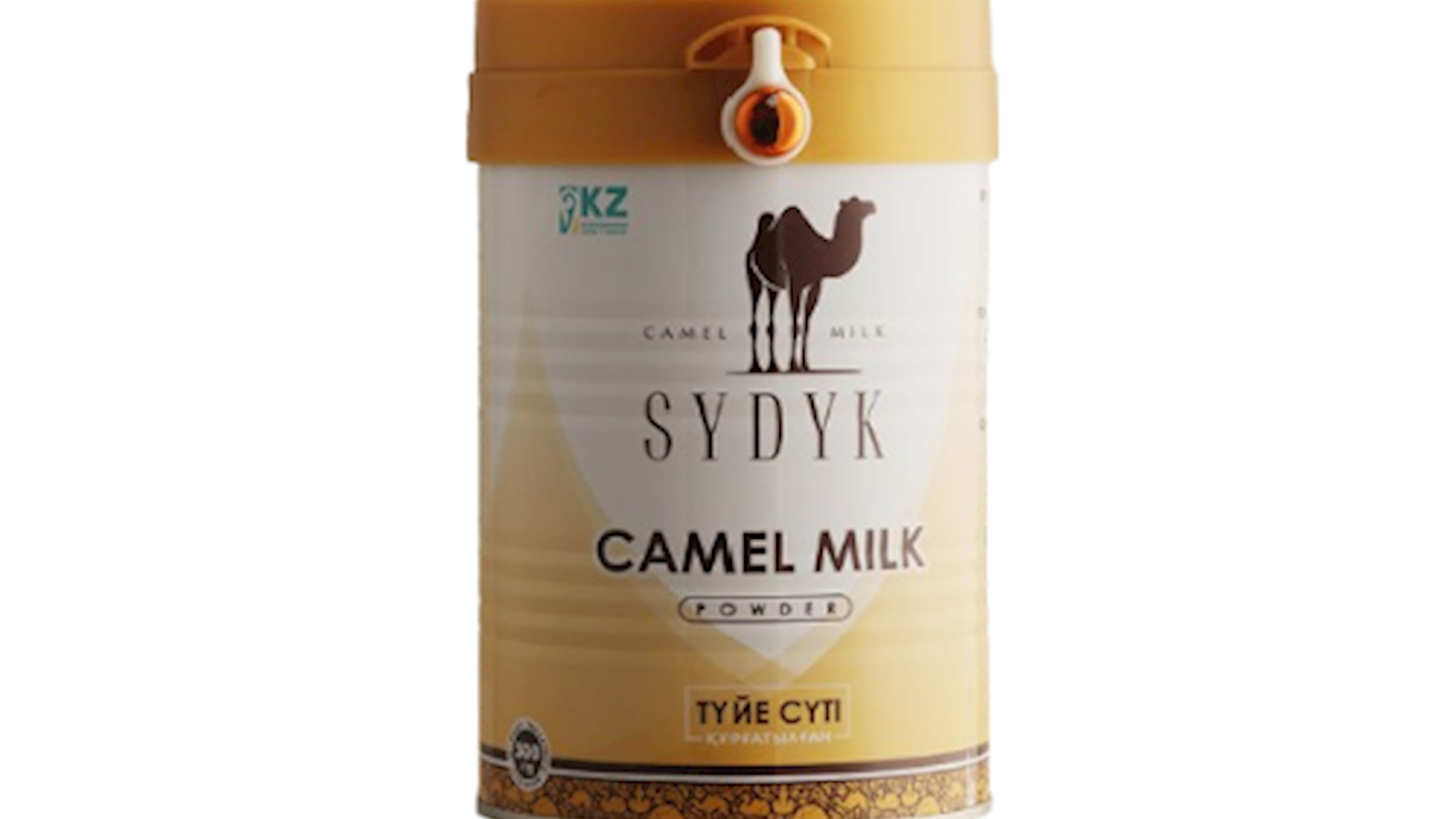
Daulet-Beket is a Kazakh company based in the village of Akshi in the Almaty region, specializing in camel farming and the processing of camel milk into both traditional and industrial products. Its core production includes shubat, a fermented camel milk beverage, as well as camel milk powder, with a modern processing facility capable of producing around 30 tons of dried milk per month. The farm maintains a large herd of camels raised on natural pastures, which contributes to the nutritional quality and consistency of the milk. The company is also expanding into new product categories such as camel-milk-based cosmetics, wool processing, and additional dairy derivatives intended for broader distribution. A part of their operations includes a therapeutic center offering saumal and shubat treatments, which attracts a significant number of visitors each year. By combining traditional pastoral practices with contemporary processing technology, Daulet-Beket positions itself as a producer of high-value, nutrient-rich products with clear export potential.
02
Dairy Product

Baraka N1

4.7 ·
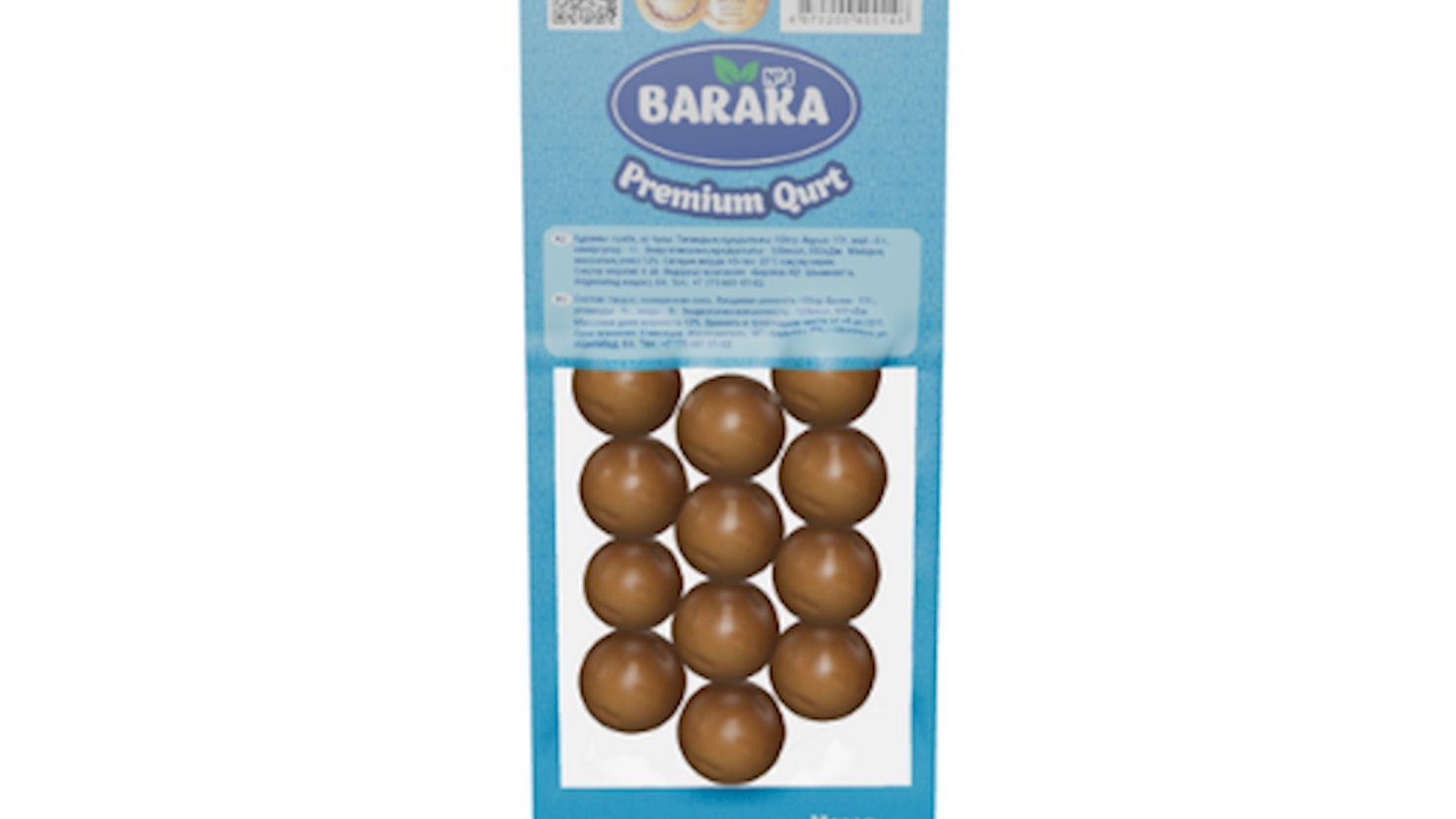
Baraka N1 is a Kazakh food company based in Shymkent, specializing in the production of traditional “qurt”, a dried dairy product characteristic of Central Asian culinary heritage. Their range includes several qurt lines - from standard to premium varieties that differ in drying level, granulation, and purity of the dairy base. In addition to qurt, the company offers a broad assortment of snacks such as seeds, nuts, dried fruits, as well as popcorn and caramel candy lines. Their focus is on using natural ingredients, with packaging designed for an extended shelf life and wider market distribution. The combination of a traditional product and a modern snack portfolio makes Baraka N1 a recognizable producer that bridges local heritage with contemporary consumer trends.
03
Bee Product

Sun Bee

4.7 ·
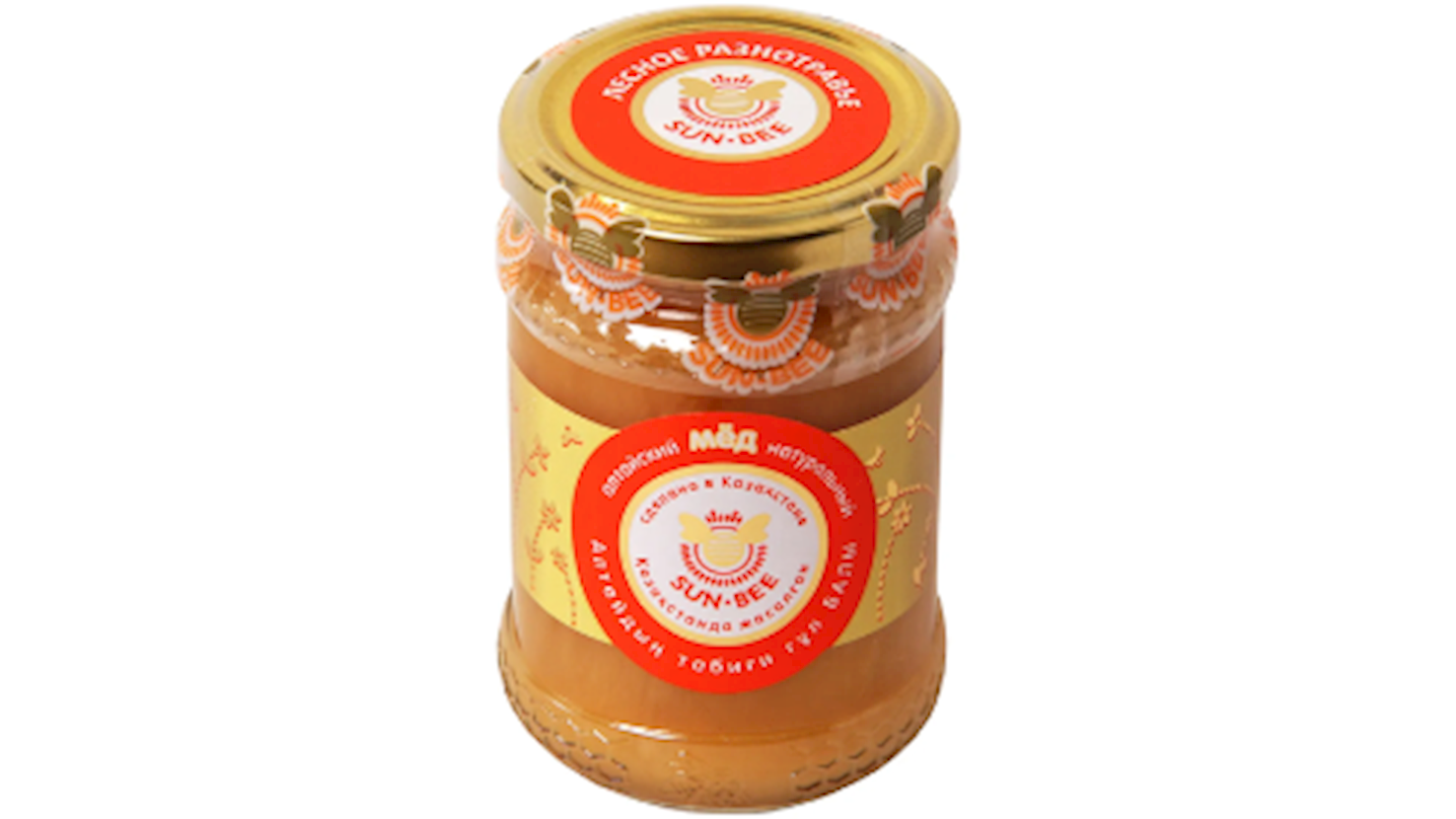
Sun Bee is a Kazakh producer of bee products specializing in honey sourced from the Altai Mountain region, an area known for its pristine nature and rich, diverse flora. The company combines modern beekeeping techniques with hive placement in ecologically clean zones, resulting in honey with clear botanical origin and a pronounced herbal-floral profile typical of high-altitude environments. Their range includes several types: classic mountain and wildflower honey, variants enriched with berries or nuts, as well as pollen, propolis, and beeswax. Sun Bee is positioned as a mid-sized export-oriented producer that balances traditional practices with modern quality control. Their products exemplify honey with a strong Altai terroir identity and fit well within the category of natural, high-quality, and gourmet bee products.
04
Spirit

Global Beverages

4.7 ·
Global Beverages is a leading holding company in Kazakhstan, uniting enterprises that produce natural mineral water, alcoholic, and non-alcoholic beverages. Established in 1999, the company has developed a diverse portfolio of over 70 beverage brands, each inspired by historical moments and aspects of Kazakhstan's ancient nomadic and modern life. A distinctive feature of Global Beverages' products is the use of natural water from three proprietary deposits located in environmentally friendly natural reserves of Kazakhstan. The company's alcoholic beverages are produced using Alpha and Lux class alcohols derived from selected varieties of Kazakhstani wheat, ensuring high-quality products.
Awards
European Spirits Challenge - Gold (2023)
05
Wine

Madiya Orazkhan

4.4 ·
Awards
Concours Mondial de Bruxelles - Grande Médaille d'or (2024)

Best Kazakhstani foods
01
Cooked Sausage

Shujyq

4.2 ·

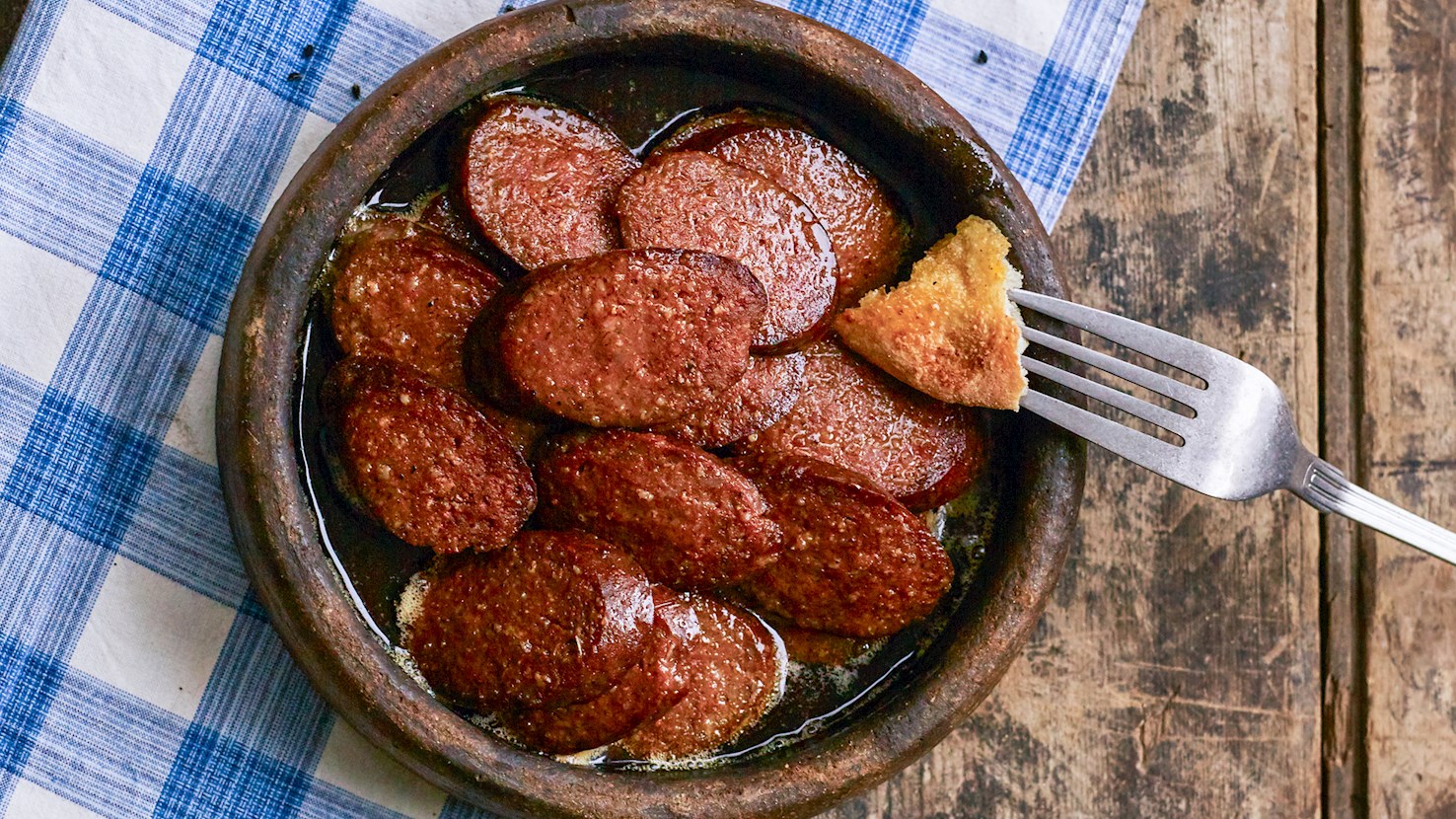
Sucuk or sujuk is a dry, cured sausage made primarily from beef or lamb and seasoned heavily with garlic and spices, produced and consumed across Anatolia, the Caucasus, and the eastern Mediterranean, with strong associations in Turkey, Armenia, and parts of the Levant, where it appears as a household staple rather than a delicatessen item. Its development followed patterns of meat preservation in regions with seasonal slaughter and limited refrigeration, relying on salting, spicing, and air-drying to stabilize minced meat, with spice blends evolving according to local availability, particularly paprika, cumin, and garlic, which also served functional roles in preservation alongside flavor. Preparation begins with finely ground beef (or lamb) mixed with salt, crushed garlic, paprika, cumin, and sometimes fenugreek, kneaded until cohesive, then stuffed into natural casings, pressed flat to encourage even drying, and left to cure under controlled airflow until firm and shelf-stable, after which it is stored whole and sliced as needed rather than cooked in advance. Serving involves slicing the cured sausage and cooking it briefly, most commonly pan-fried without added fat, as sucuk releases its own oils, and it is often cooked until the edges crisp while the interior remains dense, sometimes paired with eggs or incorporated into simple hot dishes rather than eaten on its own. A defining characteristic of sucuk is its flat shape and strong spice concentration, which allows small amounts to season a dish effectively without additional aromatics, and its cured state means it transitions directly from storage to pan without intermediate preparation. It is eaten at breakfast or lunch in homes and casual eateries, alongside flatbread, eggs, tomatoes, or cheese, and pairs well with plain yogurt, fresh vegetables, unsweetened tea, or black coffee, which offset its salt and spice without competing with its intensity.

02
Noodle Dish

Lağman

4.2 ·

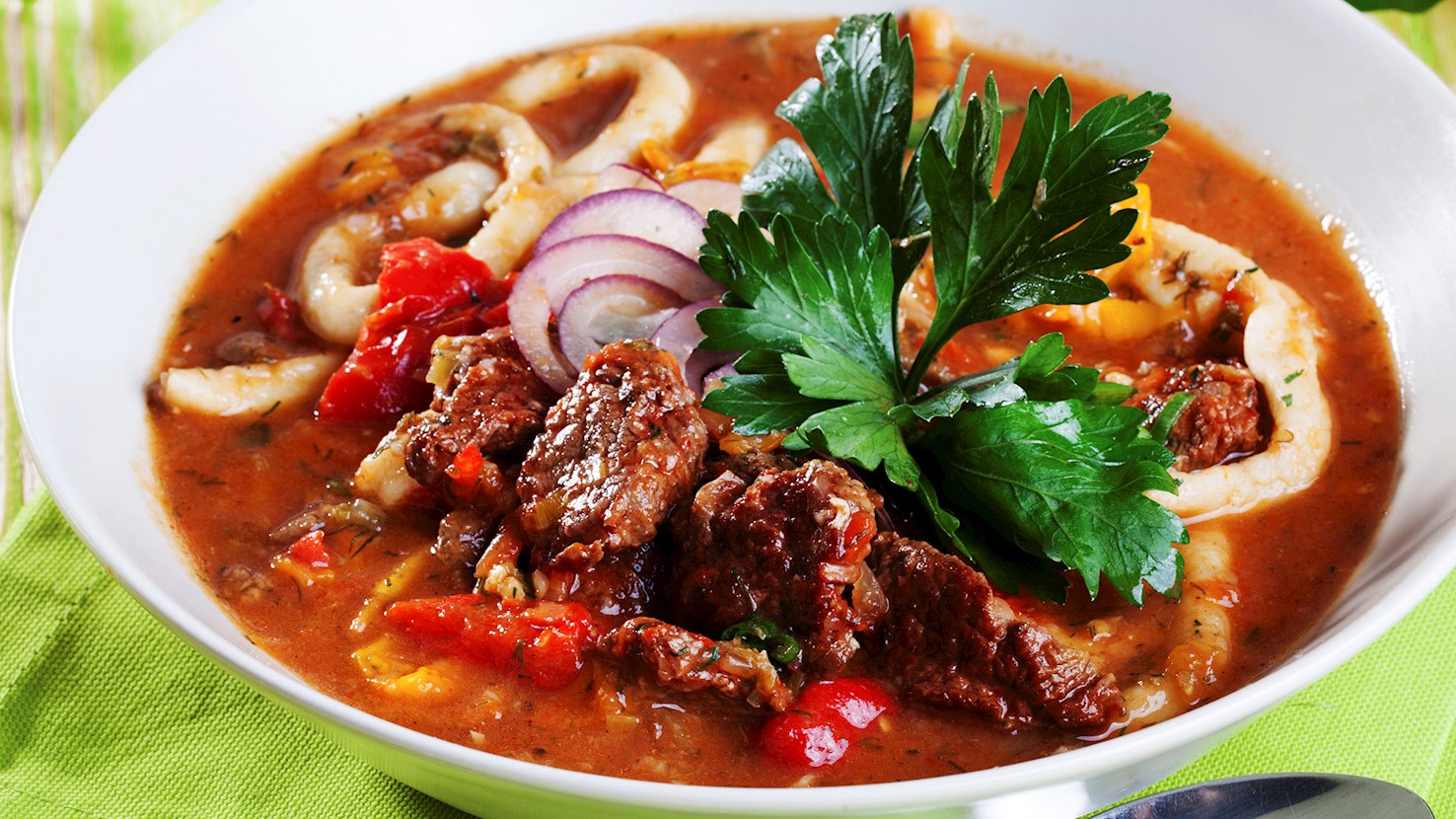
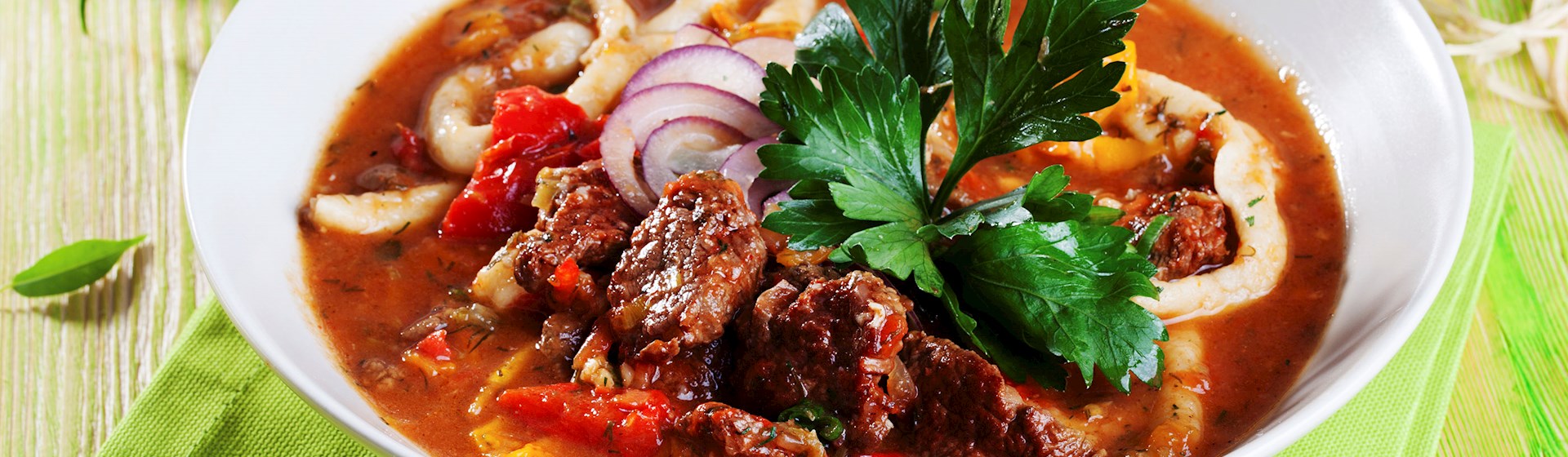
Lağman is a noodle-based dish made from hand-pulled wheat noodles served with a savory topping of meat, vegetables, and sauce, prepared across Central Asia and most closely associated with Uyghur communities in the Xinjiang region of China as well as widely cooked in Kazakhstan, Kyrgyzstan, and Uzbekistan, where it appears in home kitchens and casual eateries as a full meal rather than a side. Its development follows the movement of Turkic-speaking peoples along inland trade routes, where wheat cultivation, noodle-making techniques, and stir-based meat cookery intersected, resulting in a dish that combined Chinese-style hand-pulled noodles with Central Asian preferences for lamb, onions, and robust sauces, and adapted locally depending on available vegetables and fats. Preparation centers on a firm dough made from wheat flour, water, and salt that is rested and repeatedly stretched and pulled by hand into long, elastic strands, while the topping is cooked separately by sautéing meat, most often lamb or beef, with onions, garlic, tomatoes, peppers, and other vegetables, simmered until cohesive but not thickened into a paste, then spooned over or mixed with the cooked noodles. Serving can take two main forms, either with the sauce ladled generously over drained noodles or with additional broth added to create a soup-like consistency, and it is brought to the table immediately so the noodles retain their structure. What distinguishes lağman is the noodle-making method itself, which relies on manual stretching rather than cutting, producing strands with uneven thickness that hold sauce differently along their length and require skill and timing rather than tools. It is eaten hot, usually with a spoon and fork or chopsticks depending on local custom, commonly at lunch or dinner, and it pairs well with simple salads, pickled vegetables, or raw onions, while beverages such as black tea, lightly salted tea, or plain water are most often consumed alongside to balance the richness of the meat and sauce.

03
Savory Pastry

Samsa

4 ·

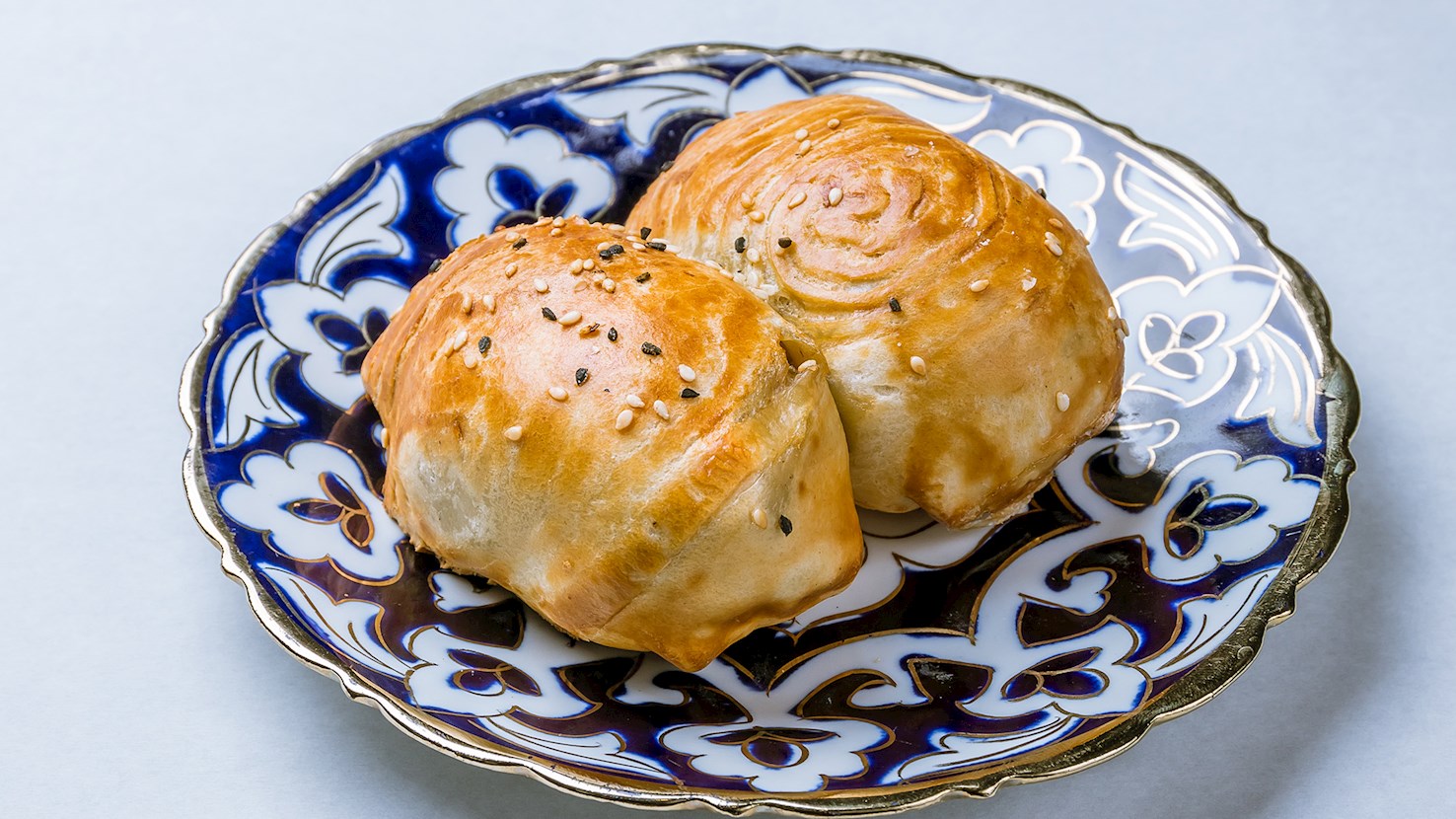
Samsa from Central Asia is a traditional pastry widely enjoyed in countries like Uzbekistan, Kazakhstan, Kyrgyzstan, Turkmenistan, and Tajikistan. This dish is a staple of Central Asian cuisine, known for its flavorful filling encased in a crisp, golden pastry shell. The dough is made from wheat flour, water, and sometimes a bit of oil or butter, rolled out thinly to create a sturdy casing. The filling typically consists of finely chopped lamb or beef mixed with finely chopped onions and seasoned with spices like cumin, black pepper, and sometimes coriander. Tail fat, a traditional ingredient in Central Asian cooking, is often added to enhance the richness of the dish. Unlike the deep-fried samosas of South Asia, Central Asian samsa is traditionally baked, often in a tandoor oven, which gives it a distinctive crisp and slightly charred exterior while keeping the inside moist and flavorful. The samsa is usually shaped into a triangle or square, though round versions are also common, with the pastry carefully folded around the filling to prevent leakage during baking. Served hot, samsa is a popular street food and is often enjoyed as a snack or quick meal. It can be eaten on its own or accompanied by a simple dipping sauce, fresh salad, or yogurt. More than just a snack, samsa is a reflection of Central Asia's rich culinary traditions, offering a taste of the region's aromatic flavors with each bite.

04
Bread Roll

Baursak

3.7 ·

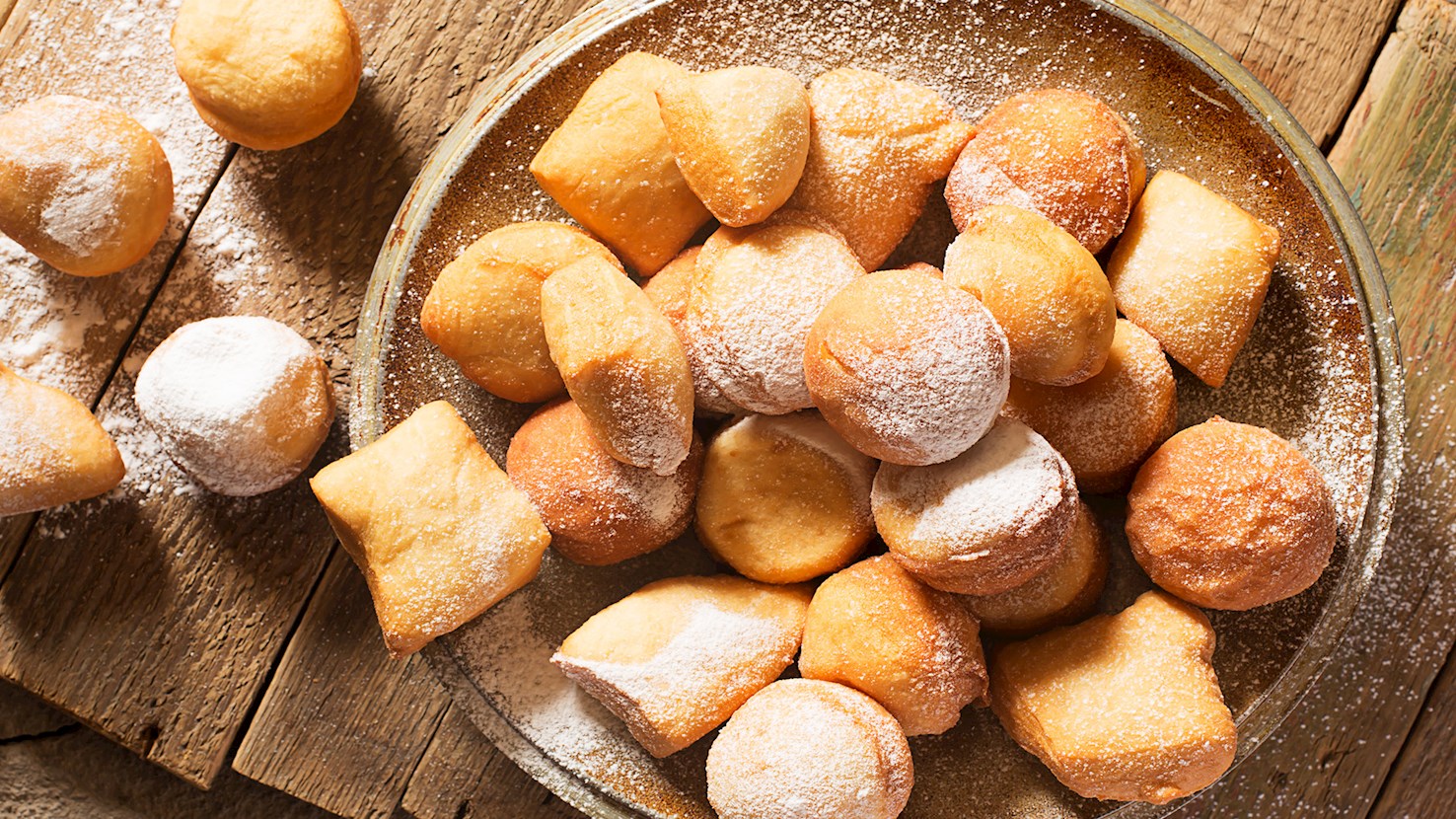
Baursak is a small fried dough food made from wheat flour, fat, and a leavening agent, prepared widely in Central Asia and especially identified with Kazakhstan, where it appears as a common element on family tables, guest meals, and ceremonial spreads rather than as a single-plate dish. Its formation is tied to pastoral and semi-nomadic lifeways in which portable ingredients such as flour and animal fat were readily available and cooking methods favored pots and shallow cauldrons over ovens, making frying small pieces of dough an efficient way to produce bread-like food that could be cooked quickly and shared easily, while the use of yeast or fermented dairy as a leaven reflected locally accessible fermentation practices. Preparation involves mixing flour with warm liquid, salt, fat, and yeast or another leavening agent, kneading the dough until smooth, allowing it to rise, then cutting it into small rounds, diamonds, or irregular pieces that are fried in hot oil or rendered fat until puffed and evenly colored, after which they are drained and kept warm. Serving places baursak in large bowls or piles at the center of the table, often alongside both savory and sweet foods, without sauces or toppings applied directly, allowing it to function flexibly as bread, snack, or accompaniment depending on the context. It is eaten by hand at home meals, celebrations, and guest gatherings, commonly paired with boiled meats, soups, honey, jam, or dairy products, and is most often consumed with black tea, milk tea, or fermented dairy drinks, which complement its fried richness without requiring additional seasoning. Interestingly, the biggest baursak was made in Ufa, Russia, in 2014, with a weight of 179 kg.

Best restaurants
05
Meat Dish

Beshbarmak

3.6 ·
06
Cooked Sausage

Qazı

3.3 ·

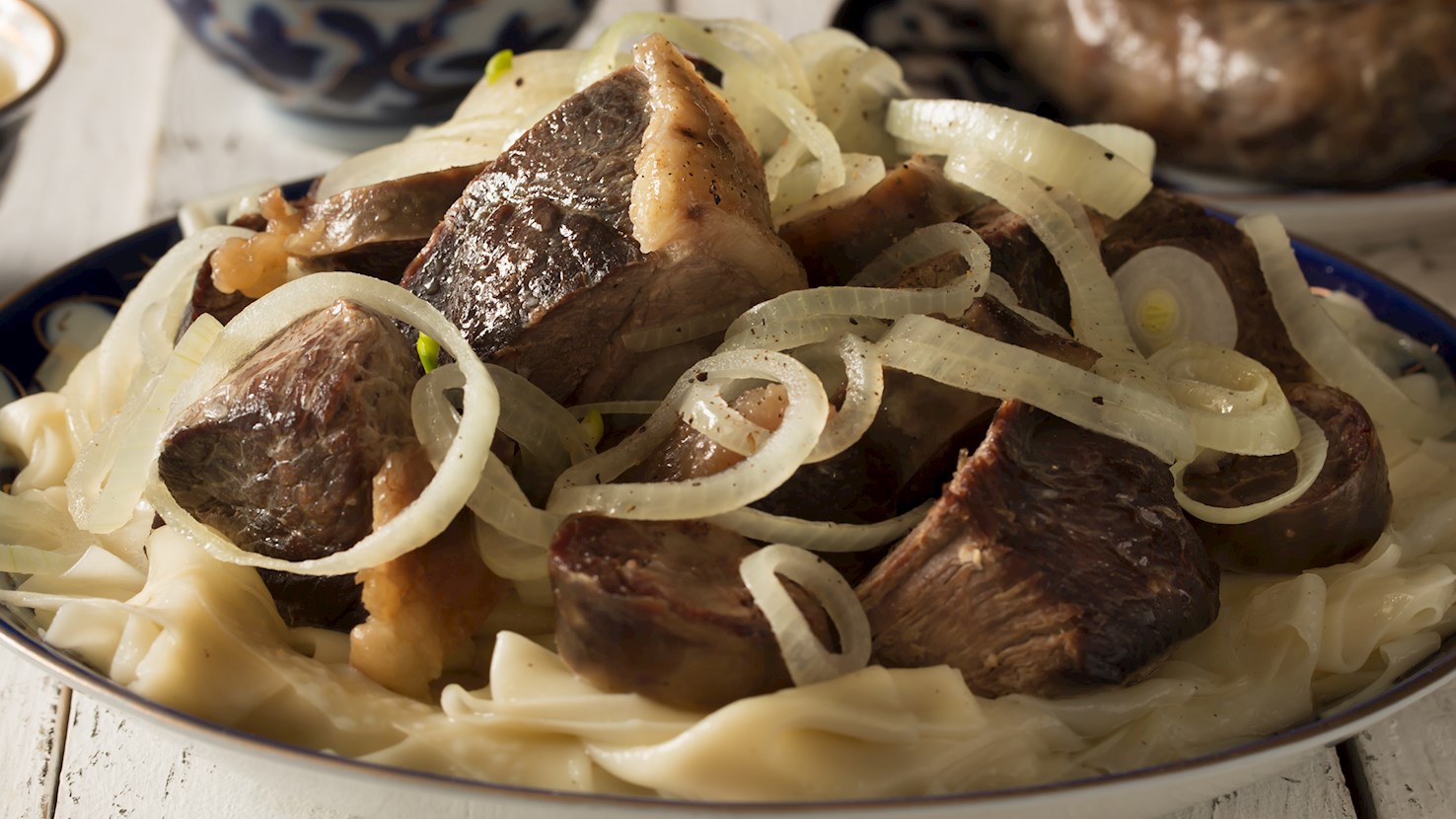
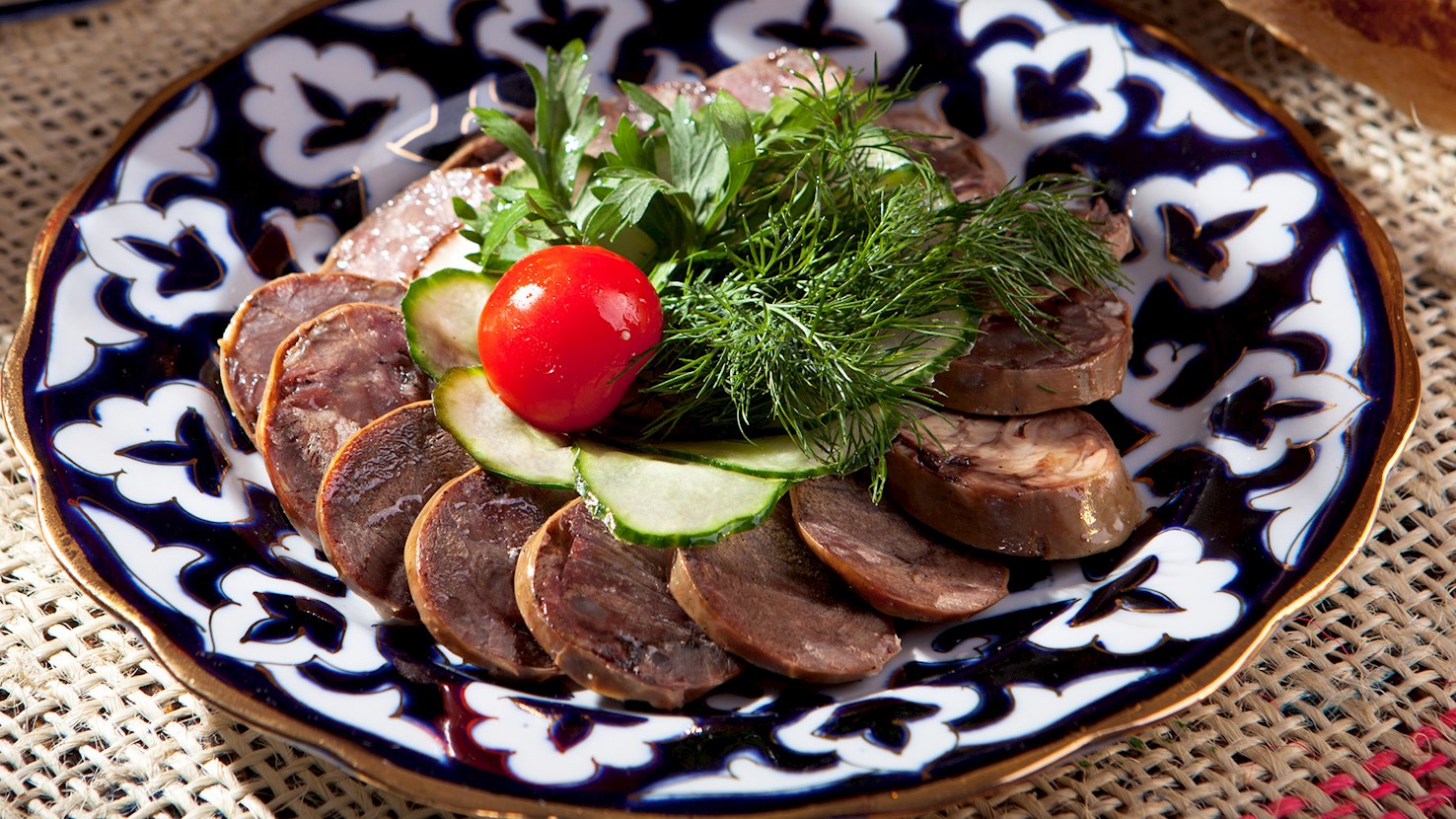
Qazı is a sausage made from horse rib meat and fat, prepared and consumed across Central Asia with its strongest identification in Kazakhstan, where it is regarded as a formal meat item associated with guest meals and ceremonial tables rather than daily cooking. Its formation is rooted in steppe pastoral systems in which horses played a central role in transport, economy, and food supply, and where slaughtering a horse was an infrequent but socially significant event that required preserving valuable cuts in ways that maintained both nutritional value and structure, leading to the development of whole-cut sausages that relied on salting, drying, and boiling rather than grinding or heavy seasoning. Preparation begins by separating rib meat and attached fat from the horse, cutting it into long strips, seasoning primarily with salt and occasionally black pepper or garlic, then stuffing the pieces tightly into cleaned horse intestines, tying the casing at intervals, and allowing the sausage to dry for a controlled period before being slowly boiled until fully cooked, with care taken to avoid splitting so the fat remains enclosed. Serving typically involves slicing the cooked qazı into thick rounds and arranging it prominently on a platter or incorporating it into dishes built around dough and broth such as beshbarmak, while in some contexts it is cooled and served in thinner slices as part of a cold meat spread. What distinguishes qazı is that it is made from intact muscle and fat rather than minced meat, preserving a visible pattern inside each slice and linking the product directly to a specific anatomical cut, a practice that reinforces its status and limits substitution with other meats. It is eaten during large family gatherings, weddings, commemorative meals, and honored guest occasions, shared communally and often served early in the meal, and it pairs naturally with flat noodles or dough sheets, onions softened in broth, and clear soups, while beverages such as black tea, fermented mare’s milk, or lightly salted broth accompany it to balance its richness without adding sweetness or acidity.

07
Bread

Tohax

3.6 ·

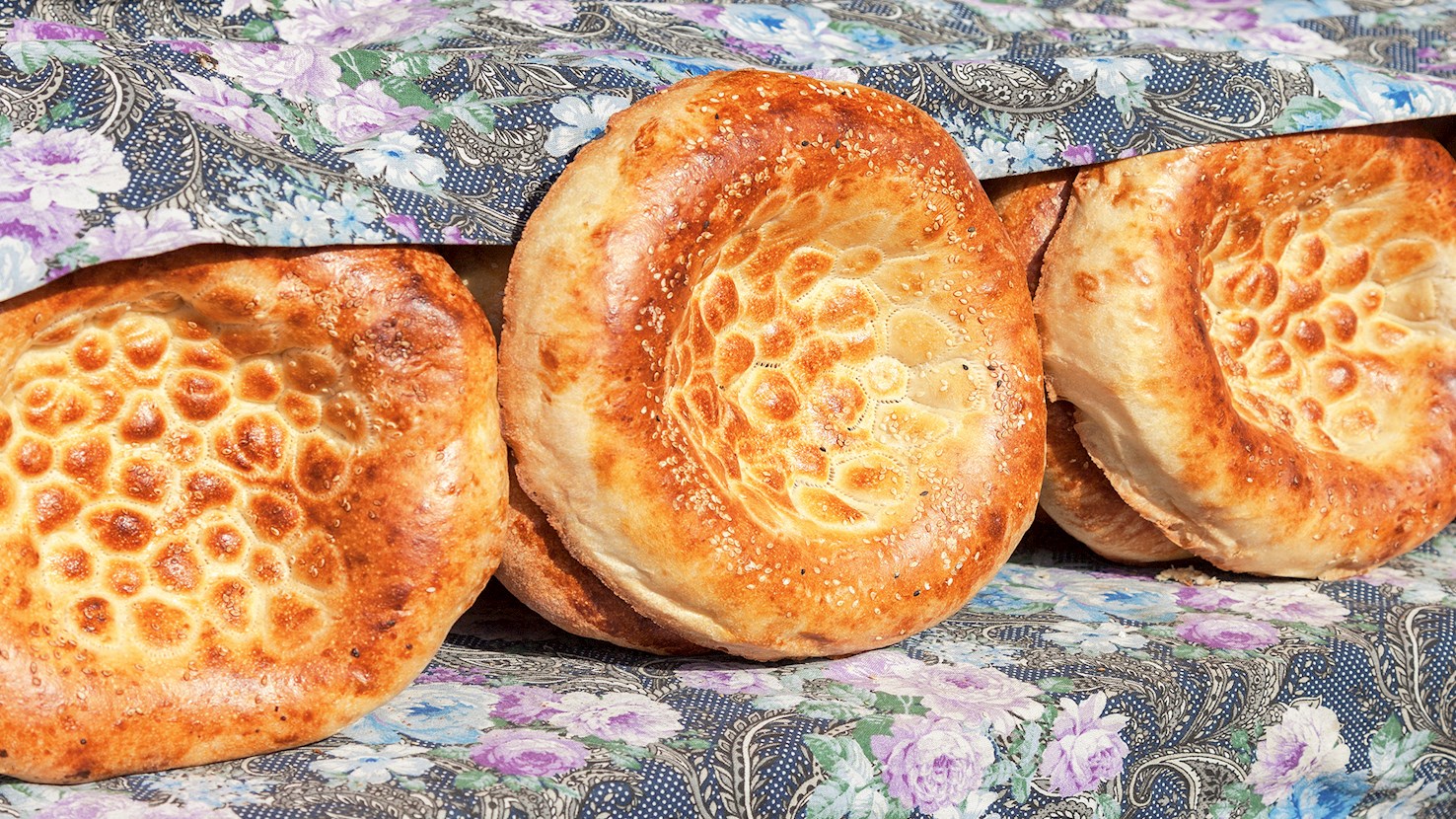
Tohax is a simple wheat-based bread prepared in parts of rural Kazakhstan, characterized by a large indentation in its center. Its use is tied to household bread making practices shaped by steppe life, where mobility, limited fuel, and the absence of permanent ovens favored doughs that could be mixed with minimal ingredients and cooked on metal surfaces, shallow pans, or over open heat, and where food names often remained local and oral rather than standardized across regions. Preparation consists of combining wheat flour with water and salt into a firm dough, kneading briefly, resting it to relax the structure, then dividing and flattening it into thin rounds that are cooked on a hot surface until set and lightly colored, with careful turning to ensure even cooking without excessive drying. Serving follows immediately after cooking, with the bread stacked or wrapped to retain warmth and brought directly to the table, where it functions as both accompaniment and utensil rather than as a standalone dish. It is eaten at home meals alongside boiled meats, broths, dairy products, or legumes, torn by hand and used to scoop or wrap food, and it pairs naturally with black tea, fermented dairy drinks, or plain water, supporting the meal without adding competing flavors.

08
Cured Horse Meat

Zhaya

3.4 ·

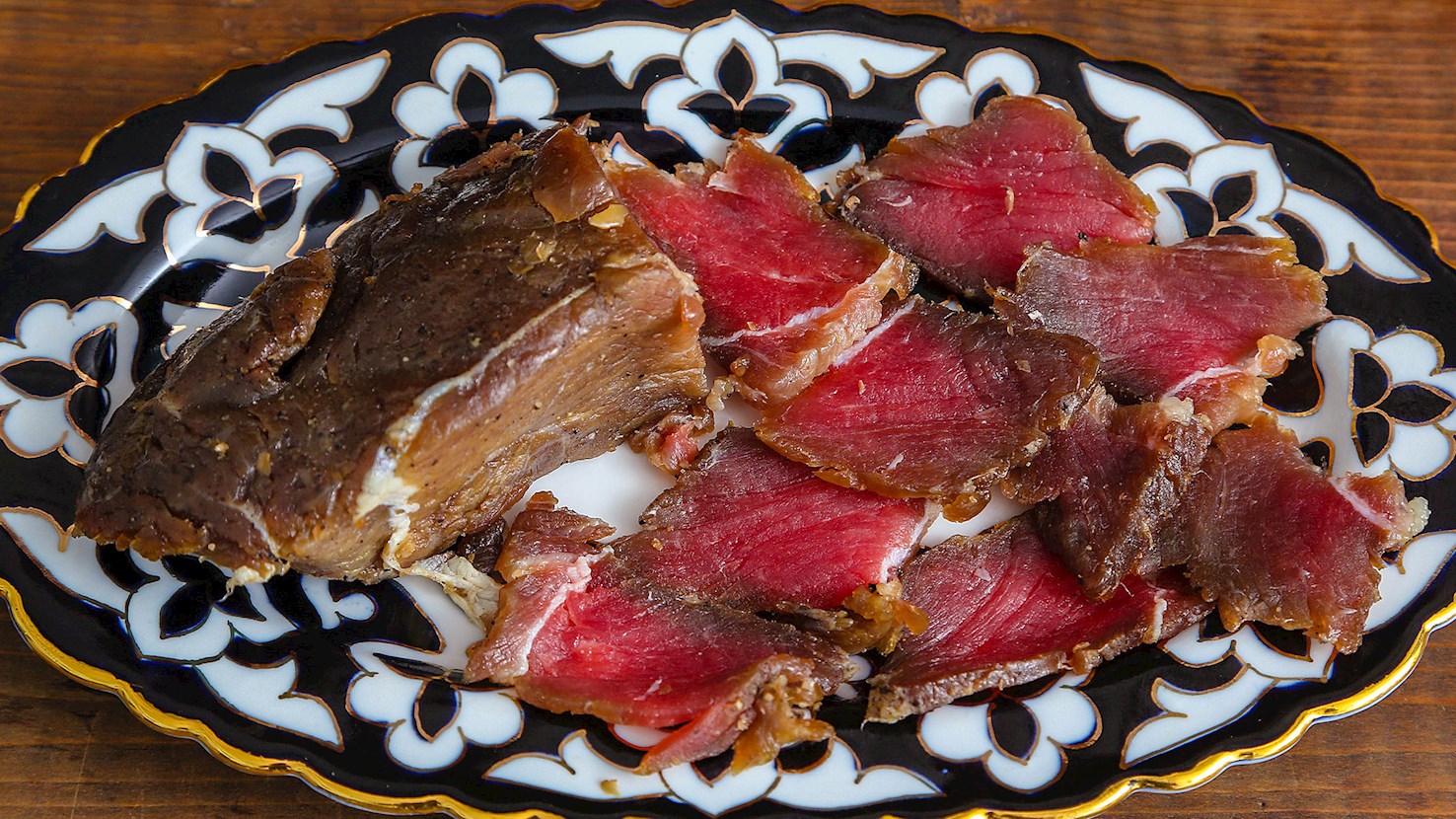
Zhaya is a preserved horse meat product made from a specific cut taken from the upper hind leg of the horse and prepared in Kazakhstan, where it is recognized as a valued meat item associated with guest meals and ceremonial tables rather than everyday cooking. Its development is rooted in steppe pastoral life, where horses held central economic and social importance and slaughtering one required careful use of every part, leading to preservation methods that emphasized whole-muscle cuts instead of minced meat and allowed meat to be stored and transported over long distances without spoilage. Preparation begins with separating the lean muscle from the hind leg, salting it thoroughly, and air-drying it under controlled conditions, sometimes followed by light smoking depending on regional practice, after which the meat may be boiled before serving or sliced thin and served as-is, with minimal seasoning to preserve the character of the cut. Serving usually involves slicing zhaya across the grain and arranging it on a platter either on its own or alongside other horse meat products, and it is often incorporated into large shared meals rather than presented as a standalone portion. What distinguishes zhaya is its use of a single intact muscle rather than fat-layered or stuffed preparation, resulting in a dense, lean texture and a clean meat profile that contrasts with richer horse sausages such as qazı. It is eaten during family gatherings, weddings, commemorative meals, and honored guest occasions, commonly shared communally, and it pairs naturally with flat dough dishes, noodles, or simple breads, as well as softened onions and clear broths, while beverages such as black tea, lightly salted broth, or fermented mare’s milk are consumed alongside to complement its firmness without adding sweetness or acidity.

09
Flatbread

Shelpek

3.3 ·

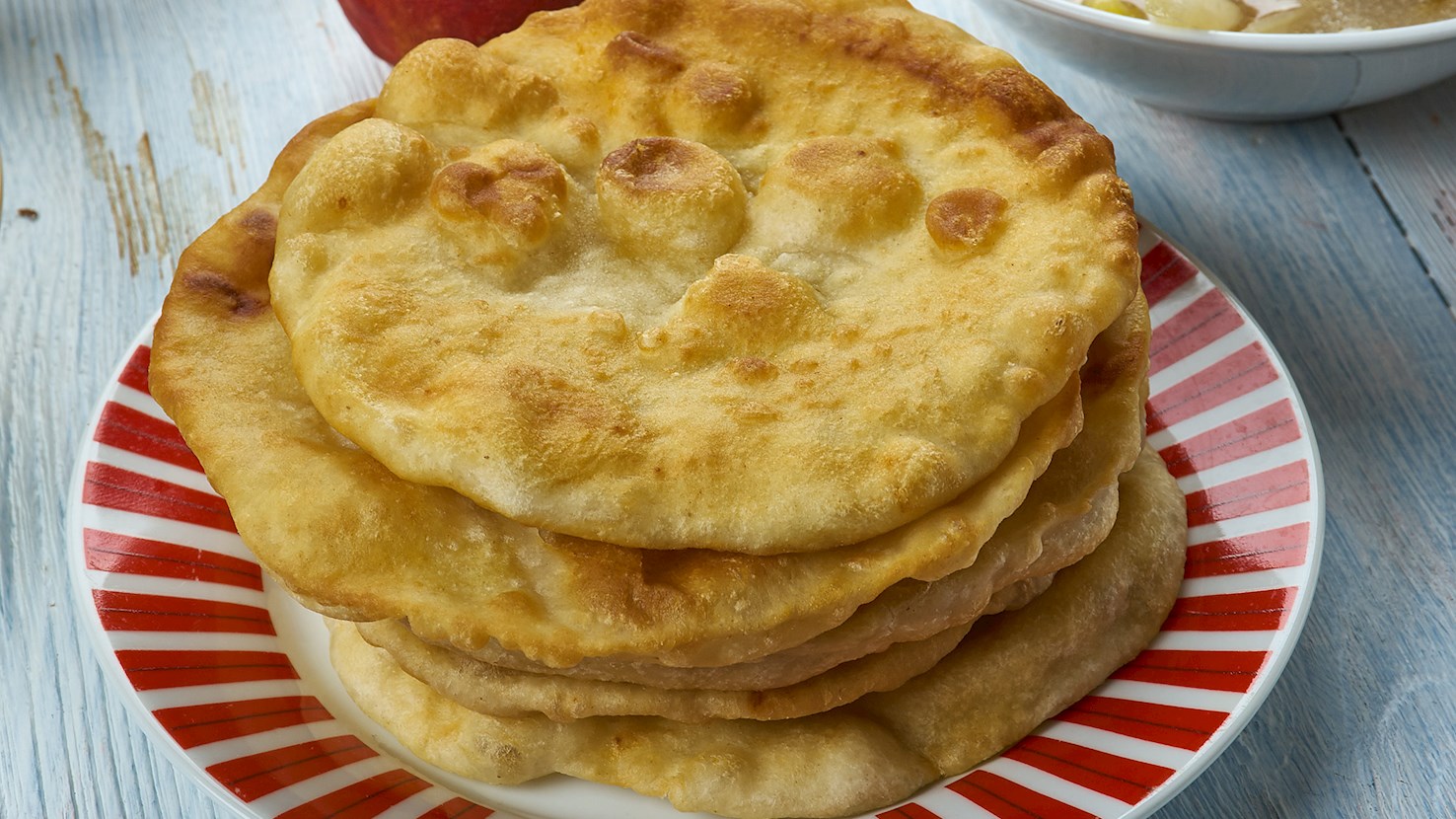
Shelpek is a flat fried bread made from wheat flour, liquid, and salt, prepared and eaten widely in Kazakhstan as a familiar home bread rather than a commercial bakery item. Its emergence is linked to steppe food practices in which bread needed to be produced quickly without ovens, using shallow pans or cauldrons and ingredients that were available year-round, and where fried dough breads became embedded in daily meals as well as in specific social and religious contexts, including days of remembrance and communal gatherings. Preparation involves mixing flour with water or milk and salt into a soft dough, kneading briefly, resting it, then dividing and rolling it into thin rounds that are fried in hot oil until cooked through and lightly colored on both sides, producing a bread that remains pliable rather than crisp. Serving is immediate, with shelpek stacked and kept warm, brought directly to the table without fillings or toppings, and used as an accompaniment rather than a standalone dish. It is eaten by hand at home meals, remembrance days, and guest tables, commonly paired with butter, honey, jam, dairy products, or meat dishes, and it is most often consumed with black tea or milk tea, which complements its fried richness and neutral flavor without requiring additional seasoning.

10
Cured Horse Meat

Zhal

n/a ·

Zhal is a preserved horse meat product made from the thick fatty layer taken from the neck and mane area of the horse and prepared in Kazakhstan, where it is regarded as a distinct and prized component of horse-based cuisine rather than a general cut of meat. Its use is tied to steppe pastoral practices in which horses were central to subsistence and status, and where careful anatomical knowledge guided how different parts of the animal were separated and preserved, with the neck fat valued for its richness and ability to withstand salting and drying without losing structure. Preparation involves removing the dense fat layer in long sections, salting it thoroughly, and air-drying it over time, sometimes followed by light curing alongside other horse meats, after which it may be boiled gently before serving or sliced thin in its cured state, depending on the occasion. Serving typically places zhal on a shared platter alongside other preserved horse meats, cut into narrow slices so its firm fat can be eaten in small amounts rather than as a main portion. What distinguishes zhal is its composition as nearly pure fat rather than muscle, giving it a texture and mouthfeel that contrasts sharply with lean cuts such as zhaya and making it a complementary element rather than a standalone dish. It is eaten during large gatherings, guest meals, and ceremonial occasions, shared communally and often served early in the meal, and it pairs naturally with flat dough dishes, noodles, or breads that balance its richness, while beverages such as black tea, lightly salted broth, or fermented mare’s milk are commonly consumed alongside to offset its density without adding sweetness.

Read more
View all
View map
About this ranking

TasteAtlas food rankings are based on the ratings of the TasteAtlas audience, with a series of mechanisms that recognize real users and that ignore bot, nationalist or local patriotic ratings, and give additional value to the ratings of users that the system recognizes as knowledgeable. For the “Top 18 Kazakhstani Foods” list until June 10, 2026, 853 ratings were recorded, of which 515 were recognized by the system as legitimate. TasteAtlas Rankings should not be seen as the final global conclusion about food. Their purpose is to promote excellent local foods, instill pride in traditional dishes, and arouse curiosity about dishes you haven’t tried.

The initial list of top producers was compiled based on available reviews, awards, local recommendations, media and blog coverage, and consumer reviews. The list will be updated with ratings from TasteAtlas local ambassadors and TasteAtlas users.

Similar lists