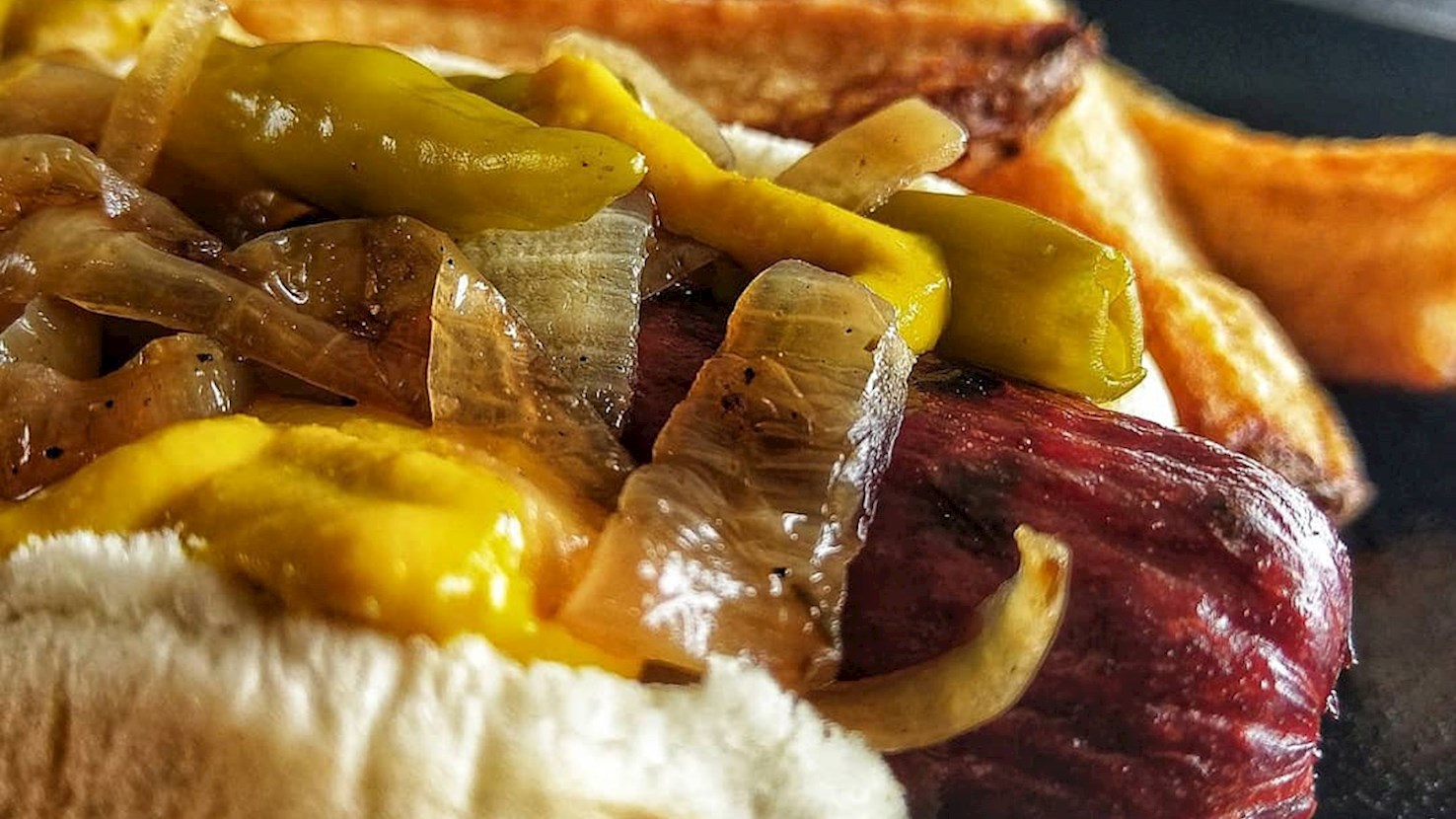
One of the street foods that are synonymous with Chicago, the Maxwell Street Polish sandwich is said to have been created in 1943 by a Macedonian immigrant Jimmy Stefanovic who operated a hot dog stand - now called Jim's Original - back then located in Chicago's old Maxwell Street market district. Served on a bun, the grilled or fried Polish sausage is topped with grilled onions, yellow mustard and optional pickled green sport peppers. Soon after its invention, Maxwell Street Polish grew to be one of the Windy City's most popular local fare, and remains a staple of its hot dog stands until this day.
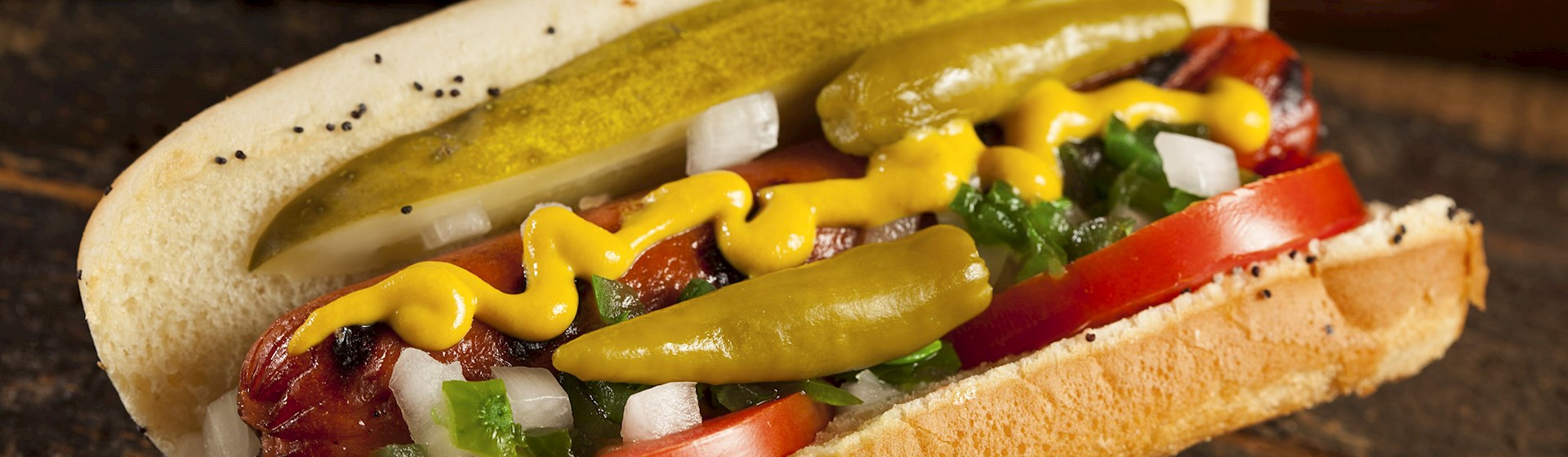
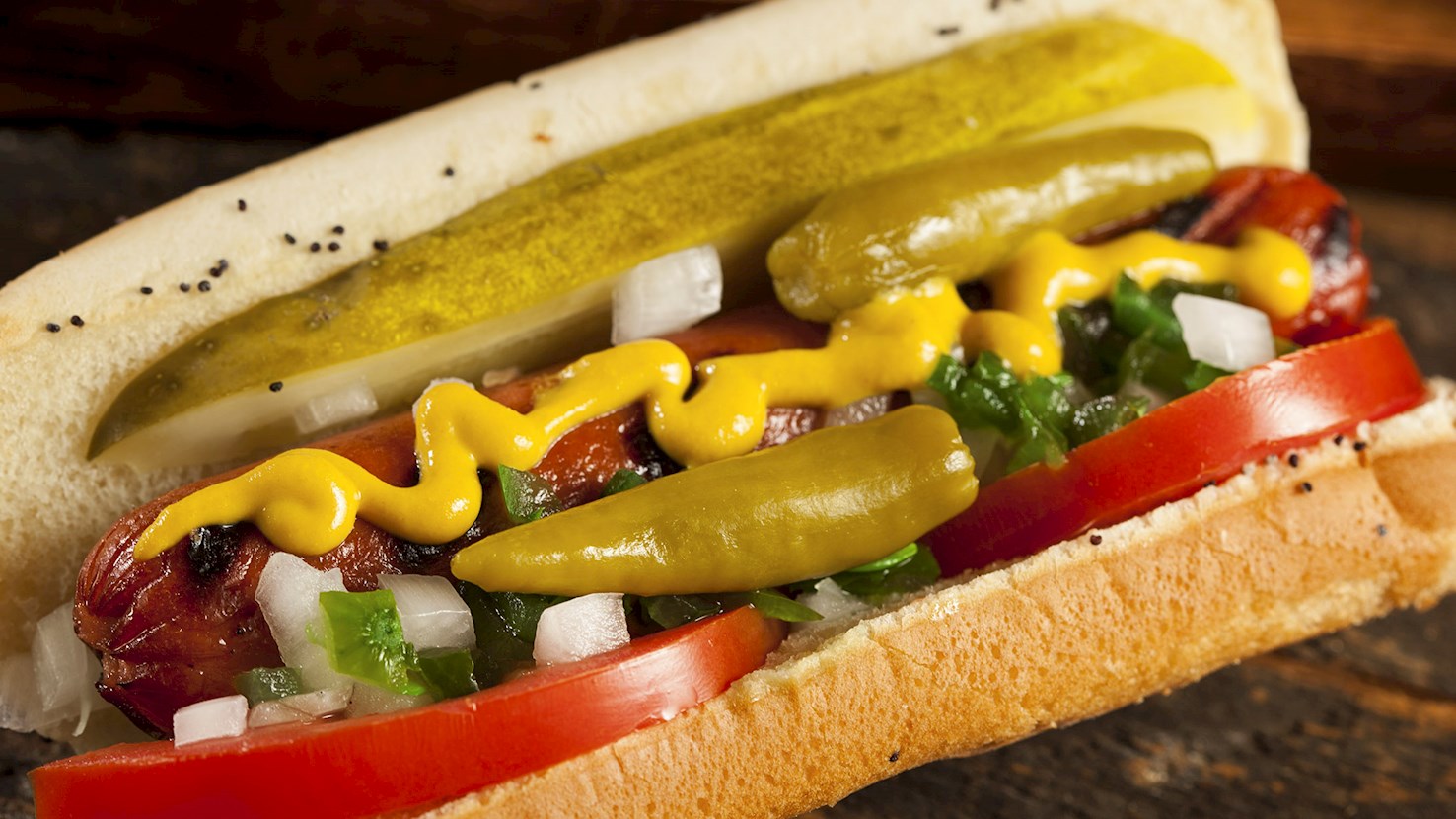
Chicago-style hot dog's history begins with street cart hot dog vendors who first started selling them during the harsh times of the Great Depression. Chicago dog was born as the vendors offered a flavorful, hot meal on a bun and started selling it for only a nickel. Vienna beef hot dog was placed in a steamed poppyseed bun, then topped with numerous ingredients—green relish, yellow mustard, fresh, diced onions, red tomato slices, kosher pickles, a bit of pickled peppers, and a sprinkle of celery salt. The customers absolutely loved the unique combination of hot and cold, crisp and soft, sharp and smooth, and the hot dogs became an authentic icon of the city. The Chicagoans opted for no ketchup, and it is still considered unacceptable, so much that a large number of hot dog vendors don't even offer it as a condiment. A final proof of its popularity is evident in the fact that the Chicago area has more hot dog restaurants and stands than McDonald's', Burger Kings, and Wendy's' combined.
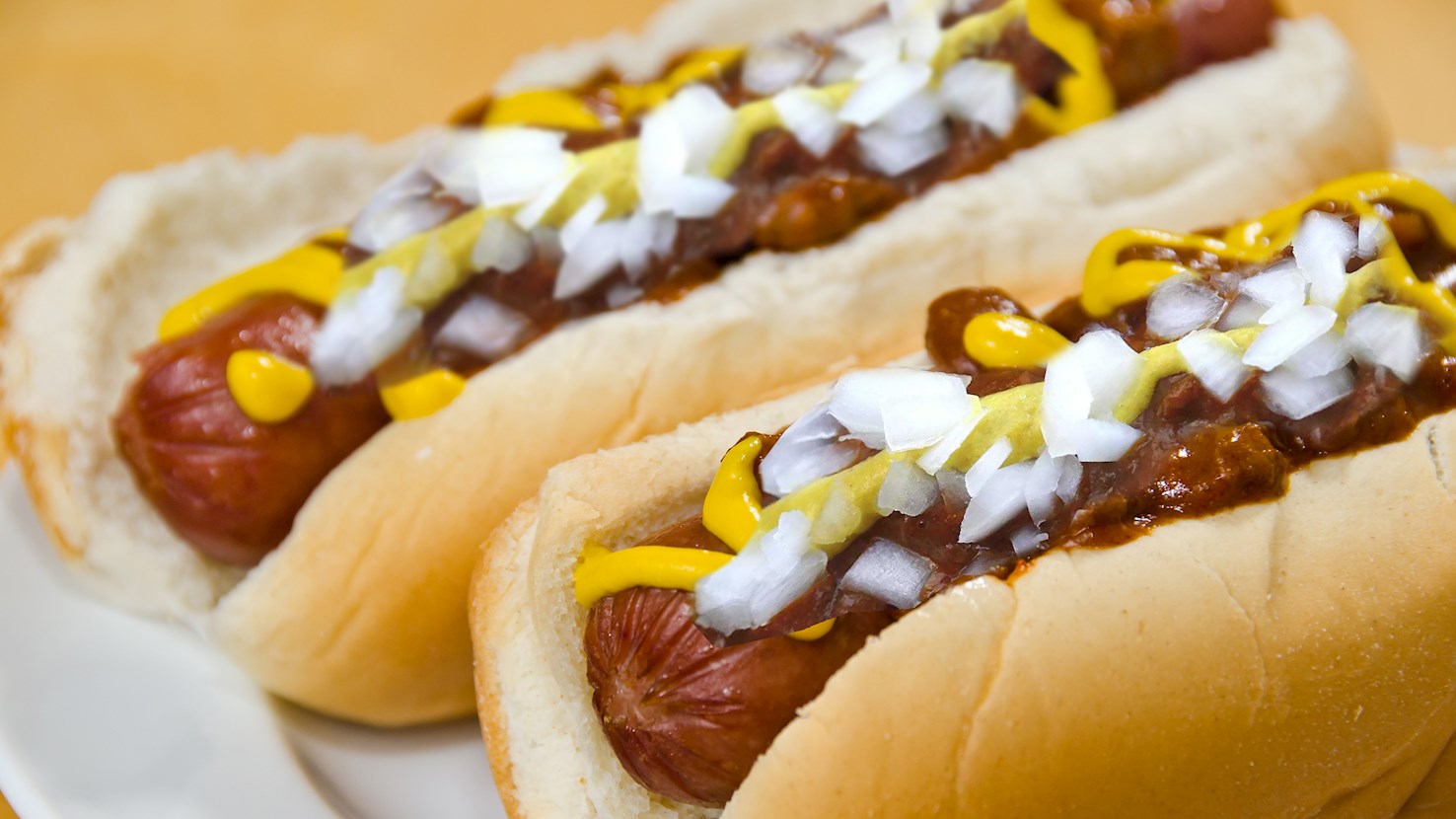
Contrary to popular belief, Coney dog, also called the Coney Island hot dog didn't start on Coney Island, New York. It was invented in Michigan, and three businesses claim to be its original birthplace - American Coney Island in Detroit, Lafayette Coney Island in Detroit and Todoroff's Original Coney Island in Jackson. A popular theory suggests that it was created by the Greeks and Macedonians who had immigrated to Detroit and passed through Coney Island on their way. The popular dish is consumed since 1917, a beef hot dog that is topped with a beanless, all-meat chili, yellow mustard and diced white onions, served in a warm, steamed bun. Coney dog is so popular that it is served at weddings, parties, and even at funerals. Of course, as with all popular dishes, there are numerous regional and local variations found throughout Indiana, Detroit, Flint, Jackson, North Dakota, Ohio, Oklahoma, and Texas.
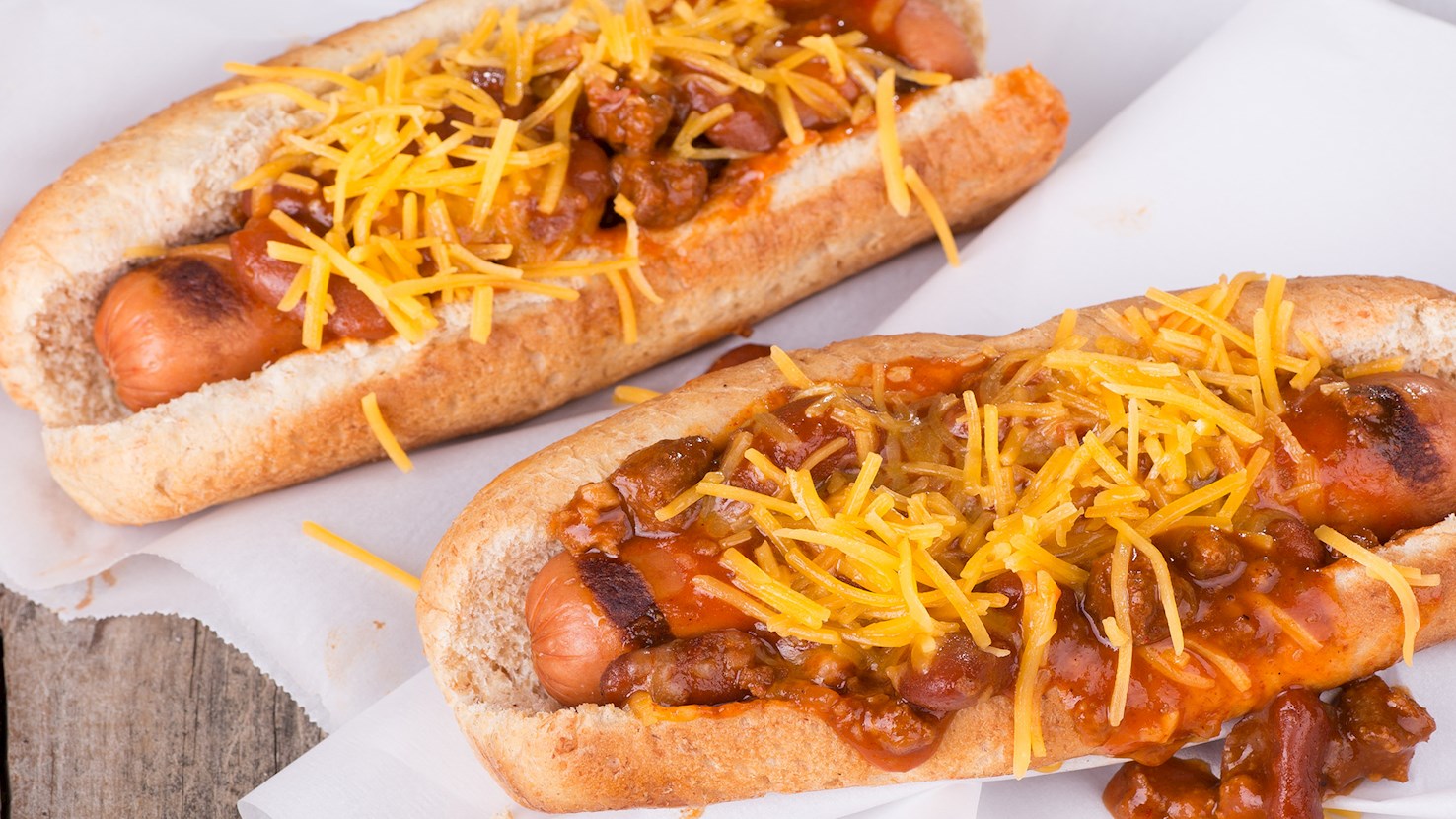
Cheese Coneys are a staple of Cincinnati, consisting of a steamed bun that is split and filled with a beef or pork sausage in natural casing, freshly chopped onions, Cincinnati chili, and heaps of grated cheese (usually Cheddar). Mustard is a typical condiment, although some like a few drops of hot sauce on their Coney. These hot dogs are not served at hot dog stands, but usually at Cincinnati chili parlors, well-known for their chili that is spiked with chocolate and cinnamon.
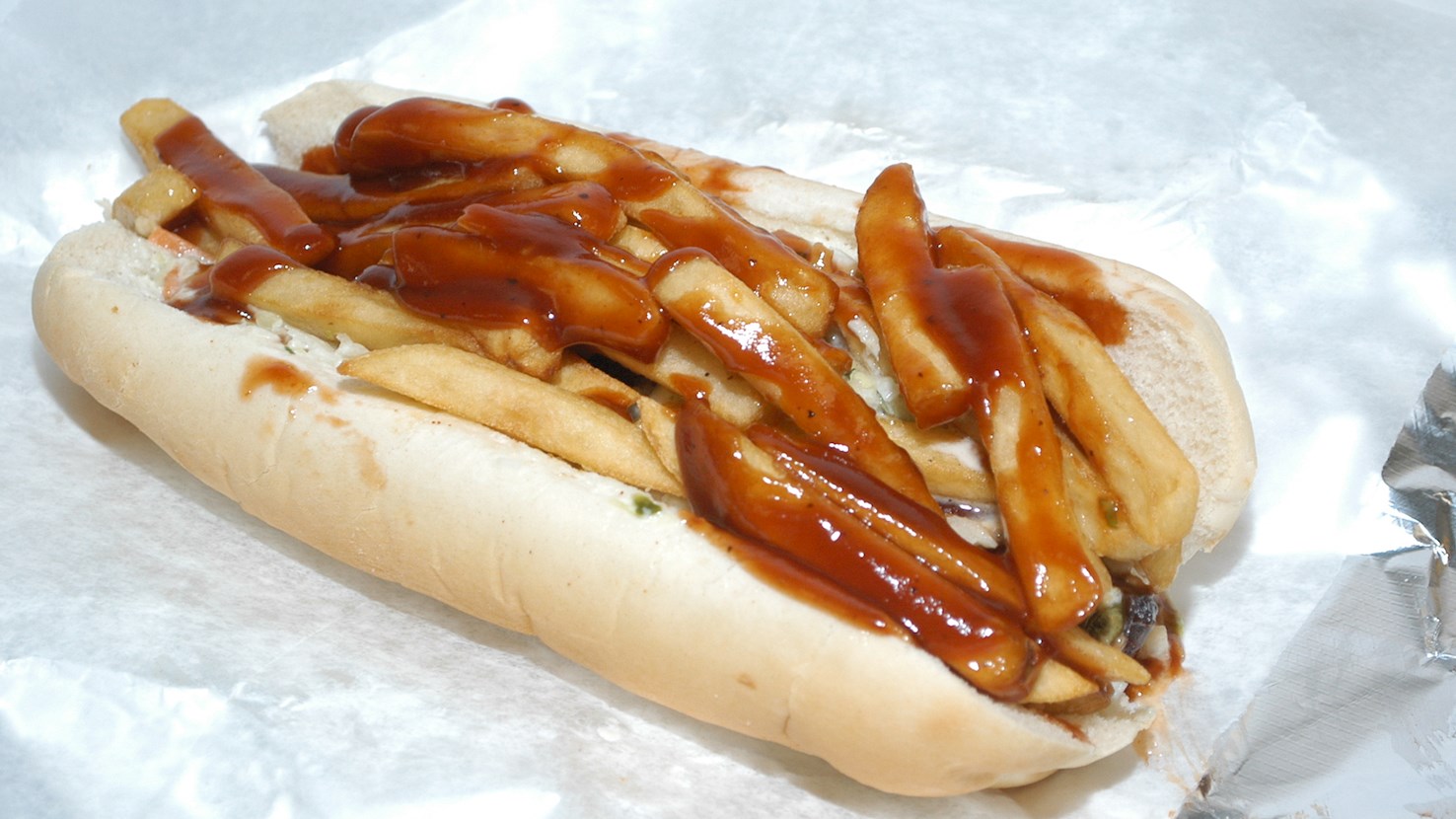
Polish boy is the signature sandwich of Cleveland, Ohio, consisting of a kielbasa sausage, coleslaw, fries, and barbecue sauce in a bun. It is believed that Polish boy was most likely invented by a restaurant owner named Virgil Whitmore in the 1940s, who combined a smoked beef sausage with other available ingredients that he had in the restaurant. Today, there are some variations on the original, such as the addition of pulled pork to the already huge sandwich that is Polish boy.
The Kansas City-style hot dog is a regional variation of the standard American hot dog characterized by a specific combination of Swiss cheese, sauerkraut, brown mustard, and Thousand Island dressing, originating in the metropolitan area of Kansas City, which straddles the border of Missouri and Kansas. The composition of this specific culinary variation directly stems from the mid-twentieth century assimilation of German and Jewish deli cultures into the Midwestern United States food landscape, specifically adapting the key structural ingredients of the classic Reuben sandwich to the more portable and economical format of a stadium and street-vendor sausage link. Preparation requires an all-beef frankfurter that is standardly grilled or flat-top seared to induce a crisp exterior casing through the Maillard reaction, then placed inside a split, soft, sesame seed bun that has been lightly steamed to tolerate moisture absorption. The assembly sequence is precise, beginning with a slice of Swiss cheese draped directly over the hot sausage link to melt it partially into the crevices of the casing, followed by a layer of thoroughly drained, warm sauerkraut, a zigzag of spicy brown mustard, and a final topping of creamy Thousand Island dressing. A specific structural attribute unique to the Kansas City-style hot dog is the thermal containment of the melted Swiss cheese layer beneath the acidic cabbage, which functions as a moisture barrier that prevents the emulsified dressing and the residual vegetable brine from completely liquefying and structurally compromising the steamed wheat bun during consumption. The Kansas City-style hot dog is served hot immediately following assembly, standardly wrapped in wax paper or positioned within thin cardboard boats to hold its multiple loose layers together. It is eaten primarily in sports stadiums, local diners, corporate lunch carts, and backyard gatherings throughout the Kansas City metropolitan region, functioning as a common, portable meal option during the baseball and football seasons at Kauffman Stadium and Arrowhead Stadium. For food and beverage pairings, the pronounced lactic acid of the sauerkraut, the rich fats of the mayonnaise-based dressing, and the savory sodium profile of the beef frankfurter require simple, dry, and carbonated components to effectively strip the palate between bites, meaning it is eaten alongside crispy potato chips, salted French fries, or beer-battered onion rings, and paired with cold pints of American pale ale, local Midwestern pilsners, or unsweetened iced tea.
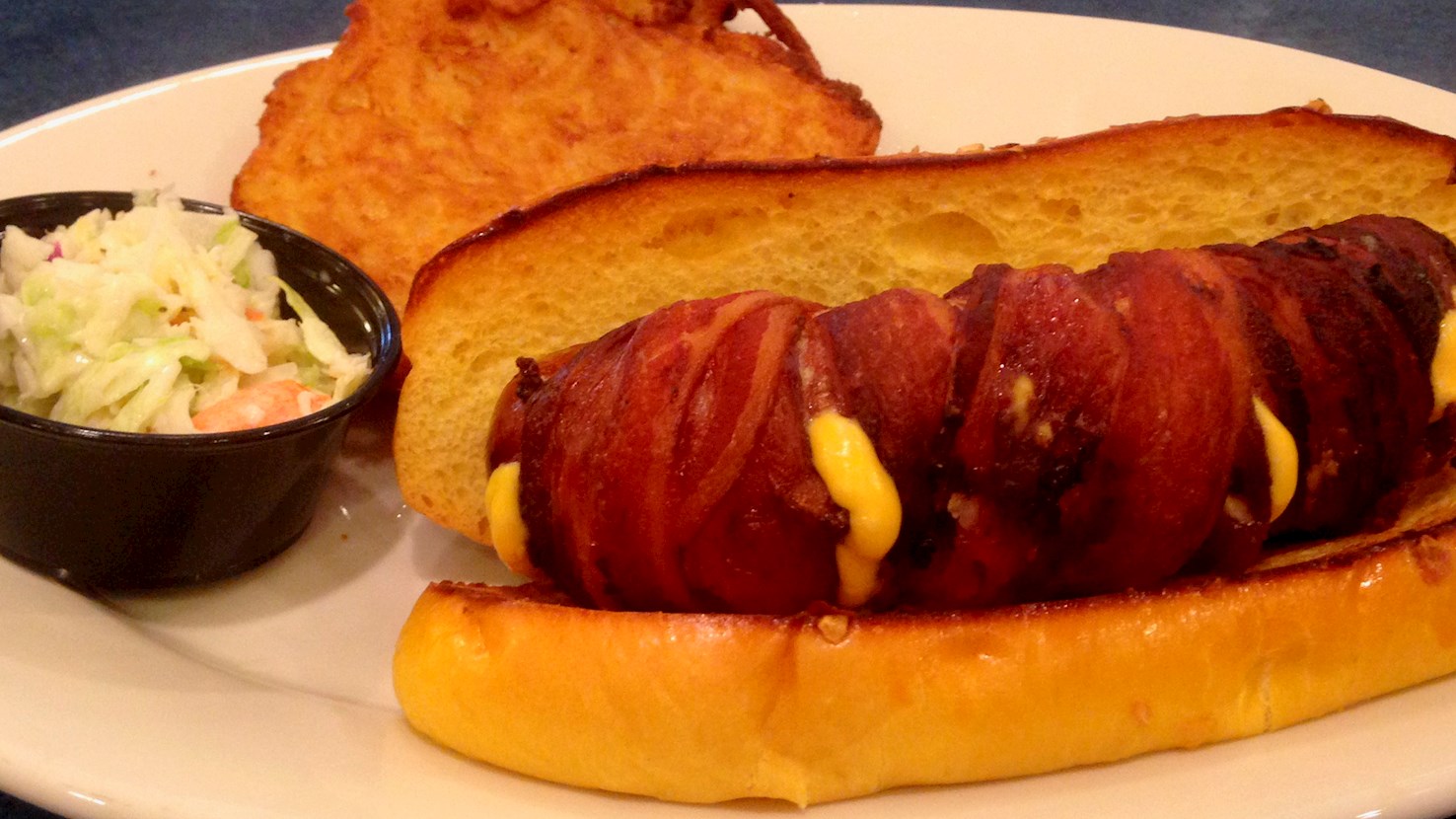
Chicago's take on the classic bacon-wrapped, deep-fried danger dog is called Francheezie - an all-beef hot dog split down the middle, and filled with either American cheese, Cheddar, or Velveeta; before being deep-fried. Just like the classic Chicago-style hot dog, Francheezie is also served in a poppy seed bun. Alternatively, the cheese can be added as a topping after frying, while other toppings include yellow mustard, chopped white onions, bright green sweet pickle relish, dill pickle spears, tomato slices or wedges, pickled sport peppers and a dash of celery salt.
TasteAtlas food rankings are based on the ratings of the TasteAtlas audience, with a series of mechanisms that recognize real users and that ignore bot,
nationalist or local patriotic ratings, and give additional value to the ratings of users that the system recognizes as knowledgeable.
TasteAtlas Rankings should not be seen as the final global conclusion about food. Their purpose is to promote excellent local foods,
instill pride in traditional dishes, and arouse curiosity about dishes you haven’t tried.




What People Say