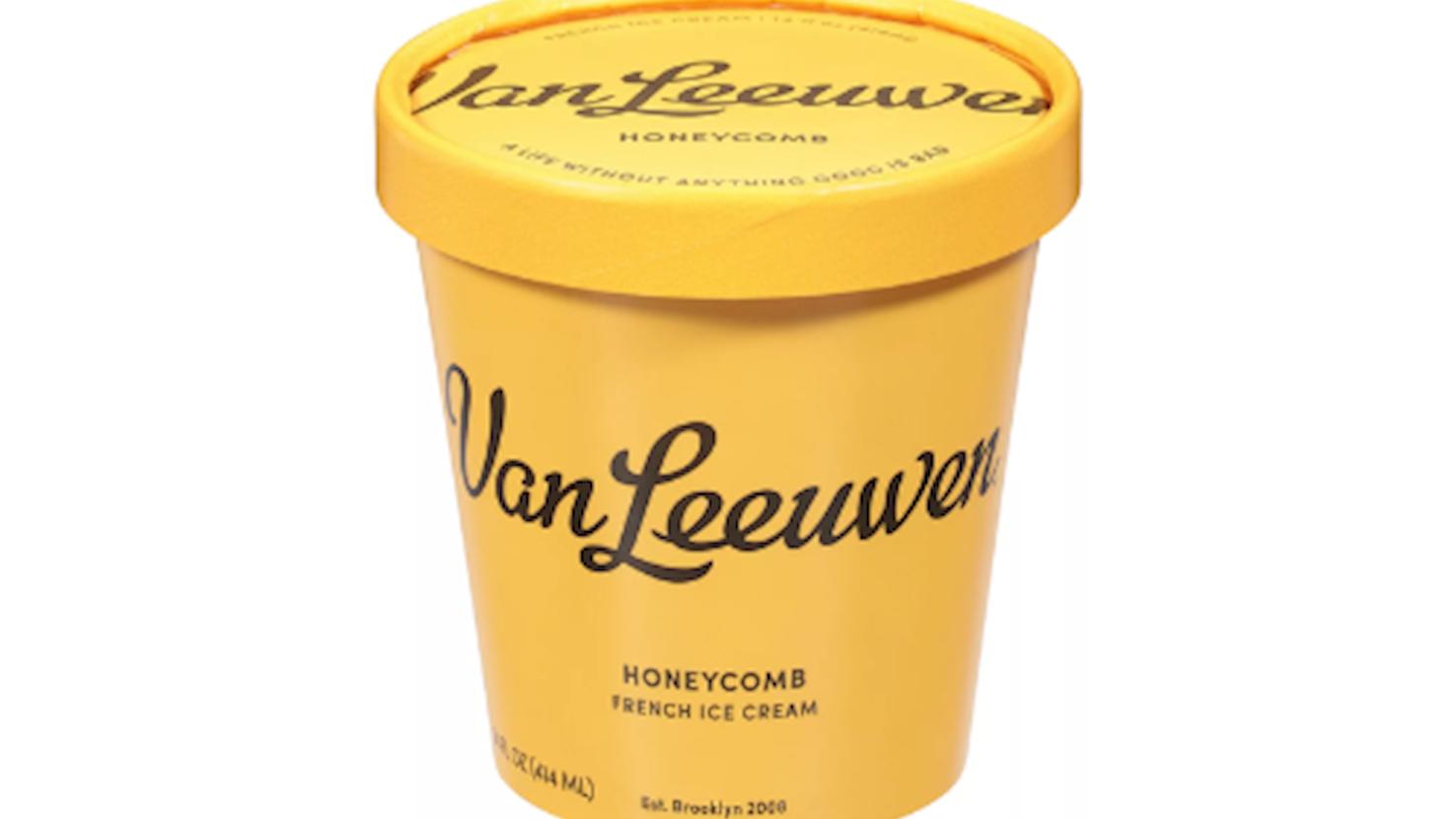
Van Leeuwen Ice Cream is an American ice cream company founded in New York City in 2008 by Ben Van Leeuwen, Pete Van Leeuwen, and Laura O’Neill. The brand began as a single yellow ice cream truck operating on the streets of New York with a mission to create high-quality ice cream using simple, carefully selected ingredients.
Van Leeuwen is best known for its French-style ice cream, made with milk, cream, cane sugar, and egg yolks, which delivers a rich texture and intense flavor. In addition to its traditional dairy offerings, the company has gained recognition for its extensive range of vegan ice cream flavors.
The product portfolio includes classic varieties such as vanilla, chocolate, and pistachio, alongside innovative seasonal and limited-edition creations. Over time, Van Leeuwen has grown from a local New York venture into a nationally recognized premium ice cream brand with numerous scoop shops and widespread retail distribution.
The company is distinguished by its minimalist visual identity, commitment to ingredient quality, and approach to elevating everyday ice cream through artisanal craftsmanship. Today, Van Leeuwen Ice Cream is regarded as one of the leading contemporary premium ice cream brands in the United States.
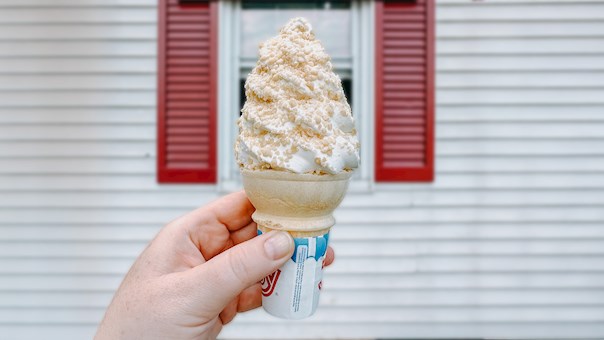
Frozen custard comes from the "Custard Capital of the World", Milwaukee, Wisconsin, where it's sold more than anywhere else around the globe. It is a gourmet ice cream treat made with eggs, cream, and sugar, and it originated from Coney Island, New York, when it was a popular carnival treat. As the popularity of frozen custard grew, it quickly spread to the Midwest. As there is far less air added than in other similar treats, the result is a thick and dense custard with tons of flavor. A lot of frozen custard fans believe it is better than ice cream since it is served before being refrozen and mantains a soft, yet heavy consistency, so it is a unique regional treat in which you can really feel the difference when talking about flavor.
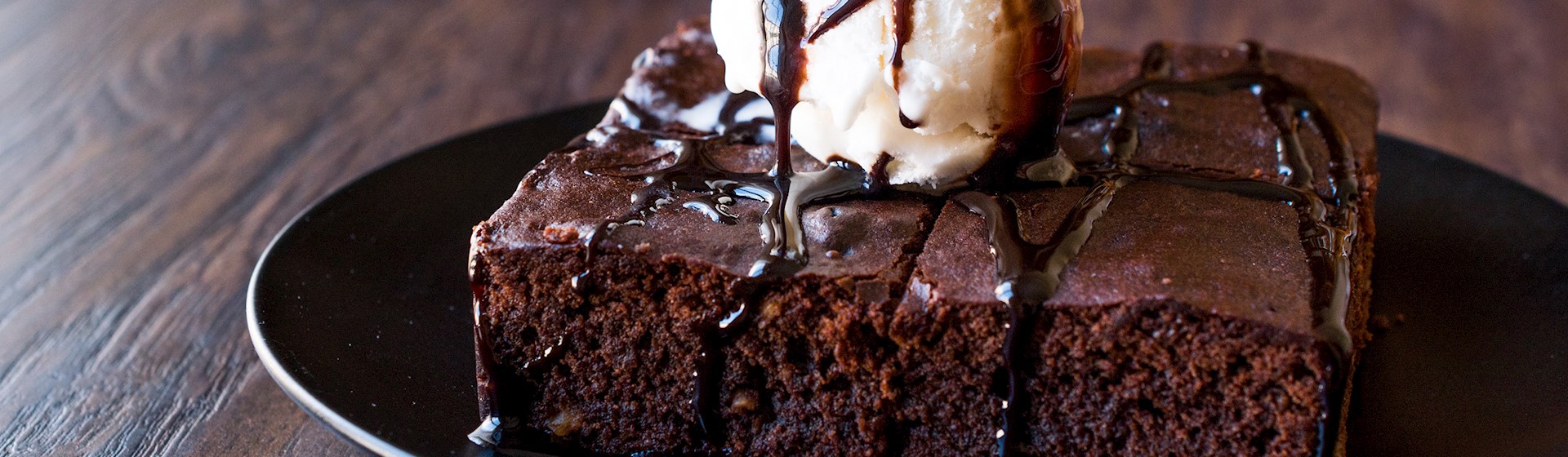
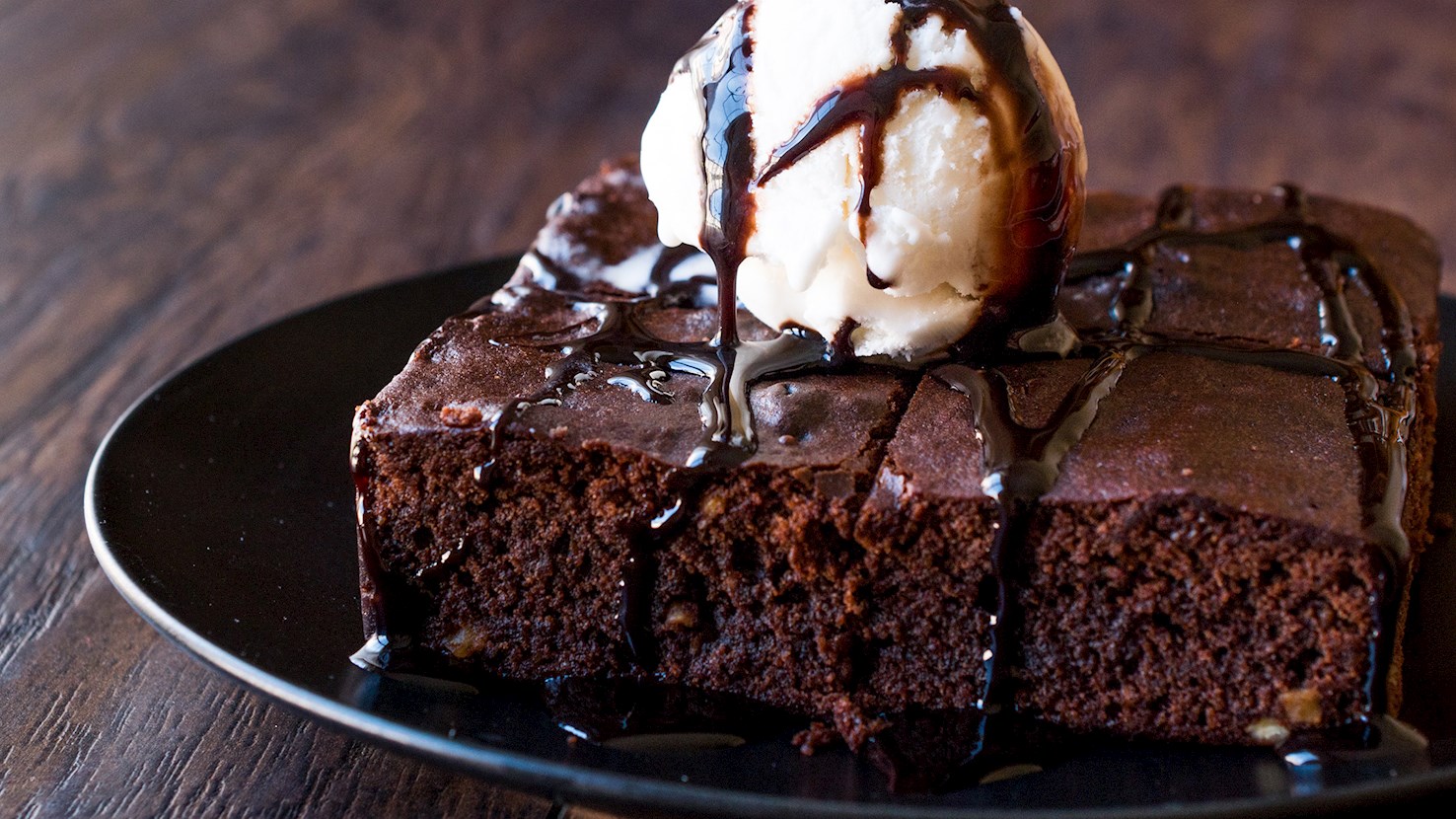
As the name suggests, brownie sundae is a type of ice cream sundae with added brownies. Squares or pieces of rich, warm, and moist chocolate brownies are typically layered in a serving bowl with a few scoops of ice cream on top, and the whole thing is then finished with a drizzle of sweet sauces or syrups such as hot chocolate fudge, caramel sauce, or strawberry sauce. Any ice cream flavor can be used for this dessert, and some of the most common flavors include vanilla, chocolate, strawberry, caramel, coffee, and cheesecake. Whipped cream, nuts, diced fruit, sprinkles, and chocolate chips are just a few common additions to this sweet treat.
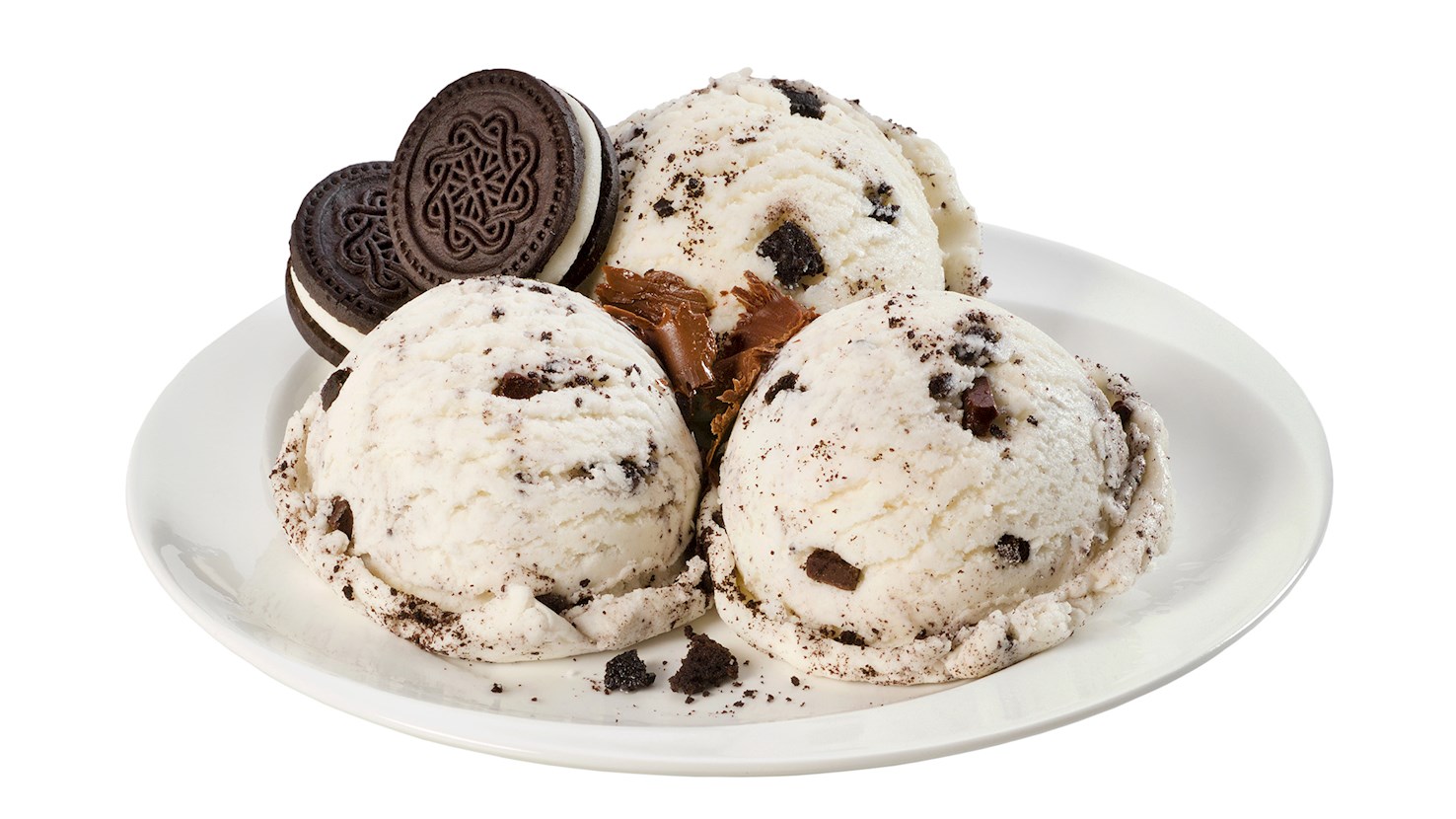
Cookies 'n cream ice cream is a beloved frozen dessert made by blending vanilla-flavored ice cream with crushed or chopped chocolate sandwich cookies, typically Oreos. Its creamy texture and the bittersweet crunch of the cookies create a balanced and indulgent flavor. First created in the late 1970s or early 1980s, with origins claimed by Dairy Queen, Blue Bell Creameries, and South Dakota State University, it quickly became one of the most popular ice cream flavors. Widely available from major ice cream brands, it can be enjoyed on its own or enhanced with toppings like hot fudge, whipped cream, or extra cookie crumbles. It pairs well with brownies, pies, or as a filling in ice cream sandwiches. Combining the simplicity of vanilla ice cream with the nostalgic appeal of chocolate cookies, cookies 'n cream remains a timeless favorite for all ages.
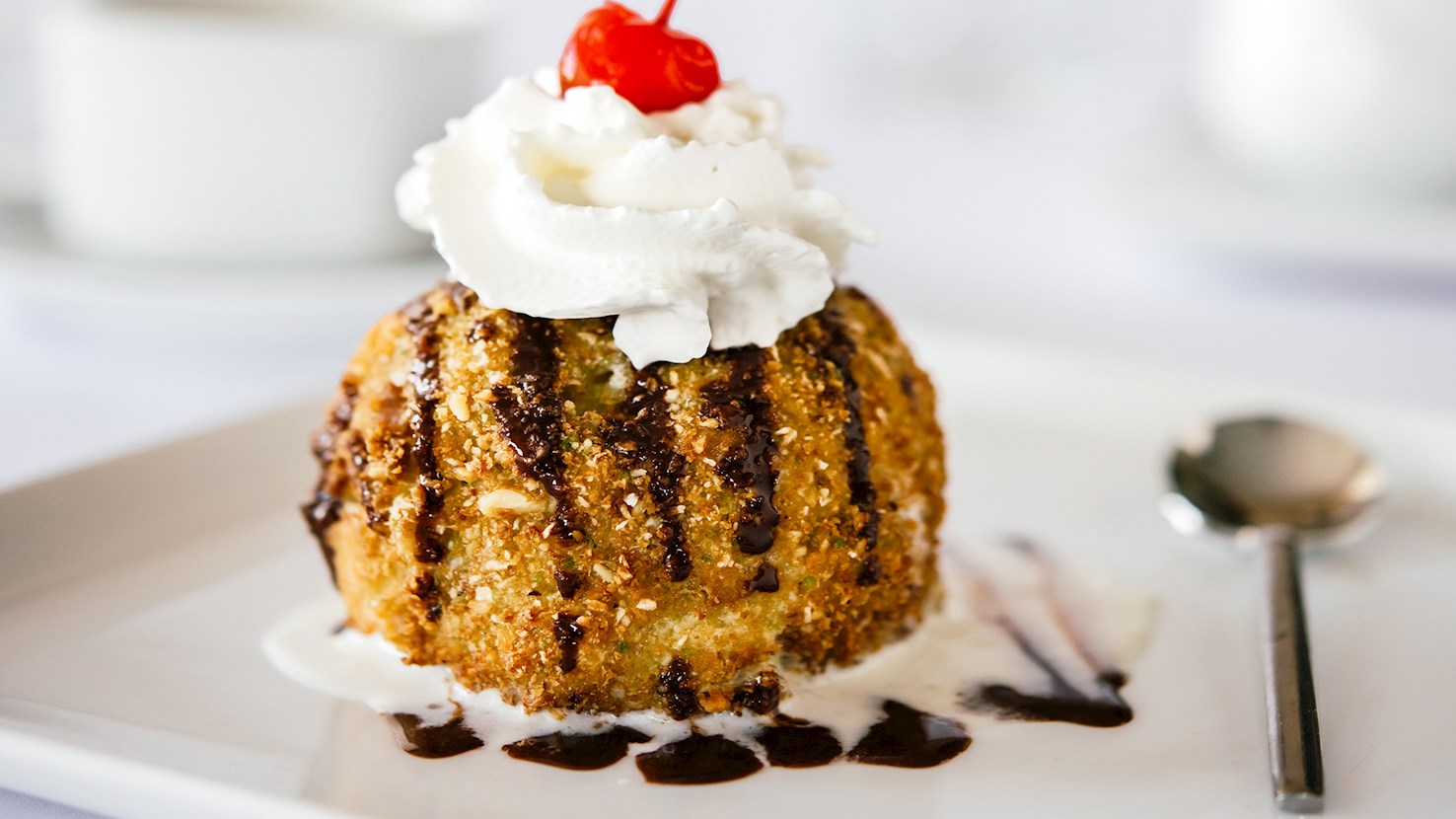
Fried ice cream is a decadent treat made by coating a scoop of ice cream in crumbled cookies or cornflakes, then deep-frying it for a short period of time until golden-brown in color on the exterior. The scoop of ice cream should ideally be frozen below the usual temperature at which ice cream is kept, in order not to melt when fried. If served in the most traditional way, frozen ice cream is placed on a cinnamon-sugar tortilla shell. This dessert became popular during the 1980s, and it was first adopted by a famous Mexican restaurant chain.
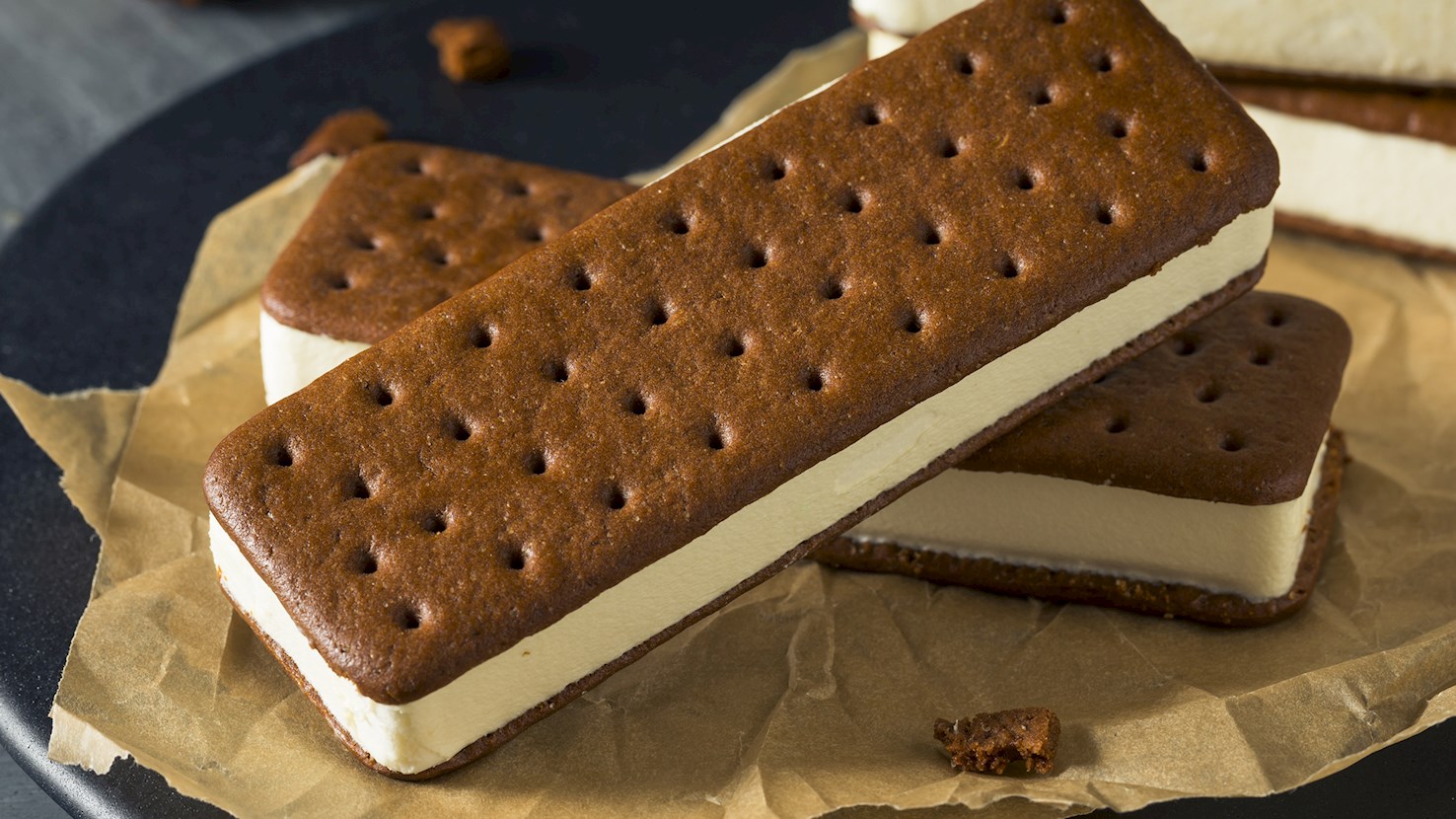
An ice cream sandwich is a frozen dessert made by sandwiching ice cream between two edible layers, usually cookies, wafers, or thin cake pieces. It originated in the United States, where the familiar packaged version features a rectangular slab of vanilla ice cream between dark chocolate wafers. The outer layers make the ice cream easier to hold and contribute much of the dessert’s texture: they may be soft and slightly sticky, chewy like a cookie, or crisp when freshly assembled. A successful sandwich needs both parts to yield together when bitten; if the outside is too hard, the filling squeezes out before the cookie breaks. By 1899, American street vendors were selling ice cream sandwiches in New York, with the Bowery closely associated with their early popularity. They assembled these inexpensive sandwiches with thin wafers and ice cream, sometimes using a small mold to give them a regular shape. They offered a portable serving that didn't require a dish or spoon, an advantage for customers buying from a pushcart. The early wafer sandwich was not necessarily identical to the soft chocolate rectangle that later became familiar in grocery-store freezers, and the dessert developed in several commercial forms rather than as one definitive invention. Cookie versions emerged well before the late-twentieth-century enthusiasm for oversized bakery sandwiches. In San Francisco in 1928, George Whitney created the It’s-It at Playland-at-the-Beach by putting vanilla ice cream between oatmeal cookies and dipping the assembly in dark chocolate. That particular combination became a regional specialty, eventually moving from amusement-park sales into wider production. Its oatmeal cookies and chocolate shell also demonstrate how much an ice cream sandwich can differ from the wafer version while retaining the same basic structure. As frozen-food distribution expanded, individually wrapped sandwiches became convenient products for stores, ice cream trucks, and home freezers. Uniform dimensions made them easy to package, stack, and portion, while the wrapper let the eater hold the dessert without touching its entire surface. The standard chocolate-and-vanilla sandwich relies on a relatively thin outer layer with enough cocoa flavor to stand out against the dairy filling. Although these layers are often called wafers, the finished product usually has a soft, yielding surface rather than the brittle texture of a freshly baked wafer biscuit. Contact with the filling allows moisture to move into the baked layers during storage, changing their texture and helping the sandwich bite cleanly. That softness is part of the intended eating experience, not necessarily a sign that the dessert has thawed. Cookies require a different approach. A cookie that is pleasantly crisp at room temperature can become uncomfortably hard when frozen, so soft, chewy styles generally work better. Thickness matters too: two substantial cookies around a thick layer of ice cream can be hard to bite, even when each component tastes good on its own. Smaller chocolate pieces, finely chopped nuts, and relatively thin cookies make the finished sandwich easier to eat. The baked layers must cool completely before assembly so that they do not melt the filling. At home, ice cream can be softened just enough to spread into an even layer, enclosed between baked slabs, and frozen firmly before being cut into rectangles. Alternatively, individual cookies can be paired around a scoop that is gently pressed toward the edges. In either method, letting the ice cream soften makes assembly harder and can leave a less smooth texture after refreezing. Wrapping the finished portions protects their surfaces and helps prevent them from picking up freezer odors. Vanilla remains a useful filling because it allows the cookie or wafer flavor to come through, but chocolate, strawberry, coffee, and mint fillings are also well established. Rolling the exposed edges in chocolate chips or chopped nuts adds texture, while dipping the whole sandwich in chocolate gives it a shell that cracks before the softer interior. Beyond the United States, the term can describe a different kind of street food. In Singapore, vendors cut rectangular portions from large blocks of ice cream and place them between thin wafer biscuits or inside a folded slice of soft bread, often the multicolored loaf known as rainbow bread. Flavors include sweet corn and durian, along with vanilla and chocolate. Because these sandwiches are assembled when ordered, the bread stays soft, and the wafers initially retain more crispness than layers stored against ice cream for an extended period. Ice cream sandwiches are now eaten as packaged snacks, freshly assembled shop desserts, and homemade treats for gatherings. They are usually served on their own, since the cookie and filling already provide a complete portion of dessert. A small chocolate or coffee version can accompany an espresso, while plain cold water suits a sweeter, heavily coated sandwich. For eating by hand, leaving part of the wrapper around the lower half provides a practical grip as the filling begins to soften.
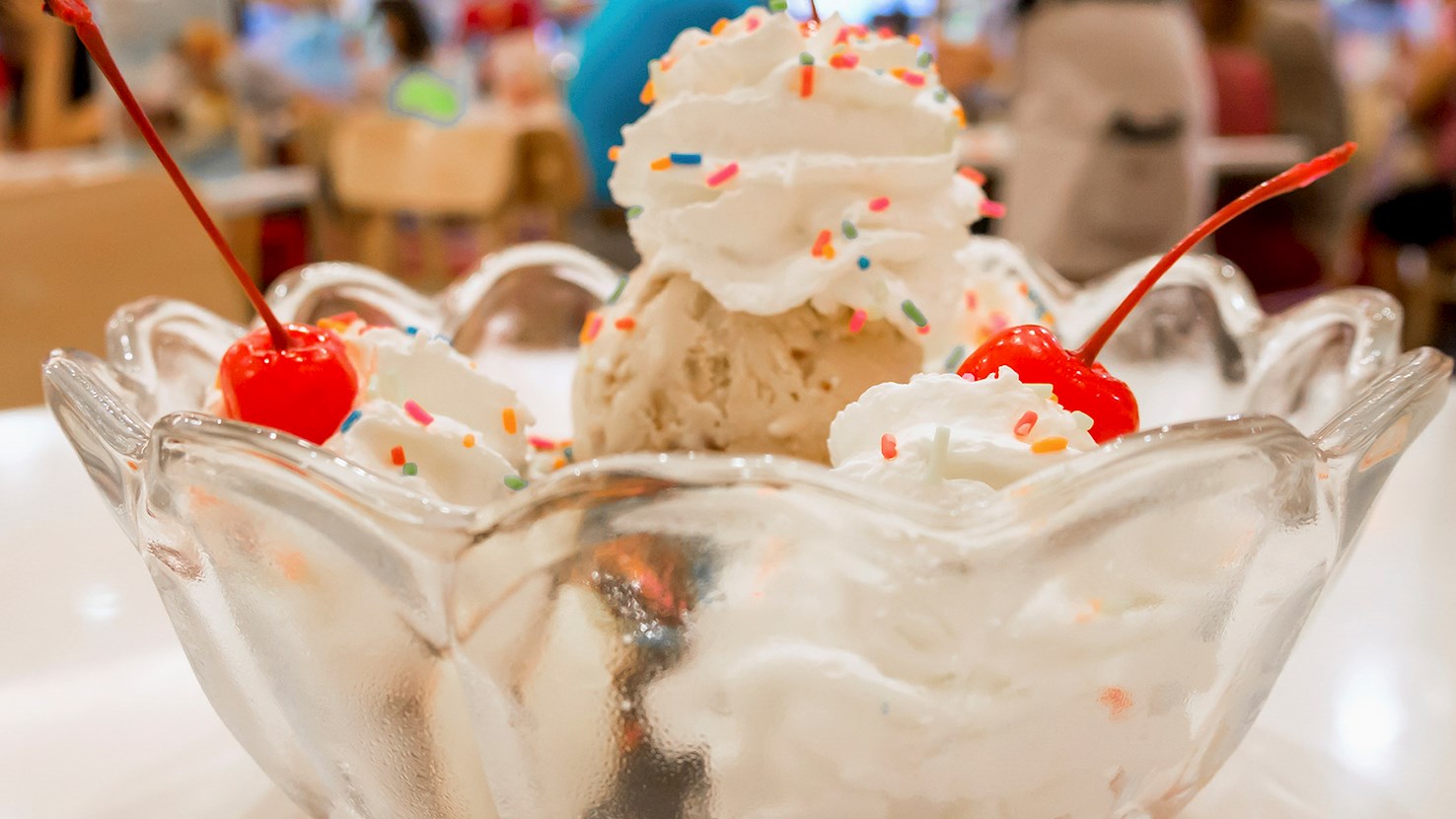
Along with Banana Split, sundae is one of the most served ice cream-based desserts in the United States of America. A sundae is ice cream topped with a sauce or syrup, typically served in a bowl. The most popular varieties of sundae are chocolate caramel, butterscotch, and strawberry. Cherries, dairy cream, and nuts are the most common additions to the popular treat. Food historians still argue about the origin of the ice cream sundae, but there are three theories which remain the most popular. The first one says it was created in Illinois, where the law prohibited the selling of soda water on a Sunday. As an alternative, local soda fountains started selling ice cream sodas without the soda, leaving the customers with only syrup and ice cream, known as sundaes. The second theory says that it was invented in Wisconsin by a soda fountain owner named Ed Berners, who served ice cream topped with syrup used for sodas to his customers. Berners loved the dish and charged a nickel for it. His competitor, George Giffy, started to serve the dessert on Sundays. Once he started to make money, he changed the name from Ice Cream Sunday to Ice Cream Sundae and served it every day of the week. The last theory suggests that the sundae was first made in Ithaca, New York by Chester Platt, a drugstore owner who served a dish of vanilla ice cream, cherry syrup, and candied cherries to one Reverend John Scott, and he named the dish after the day. Regardless of its inventor, today there are over hundred types of sundaes, offered in numerous flavors such as pineapple, blueberry, banana, raspberry, or marshmallow, among others.
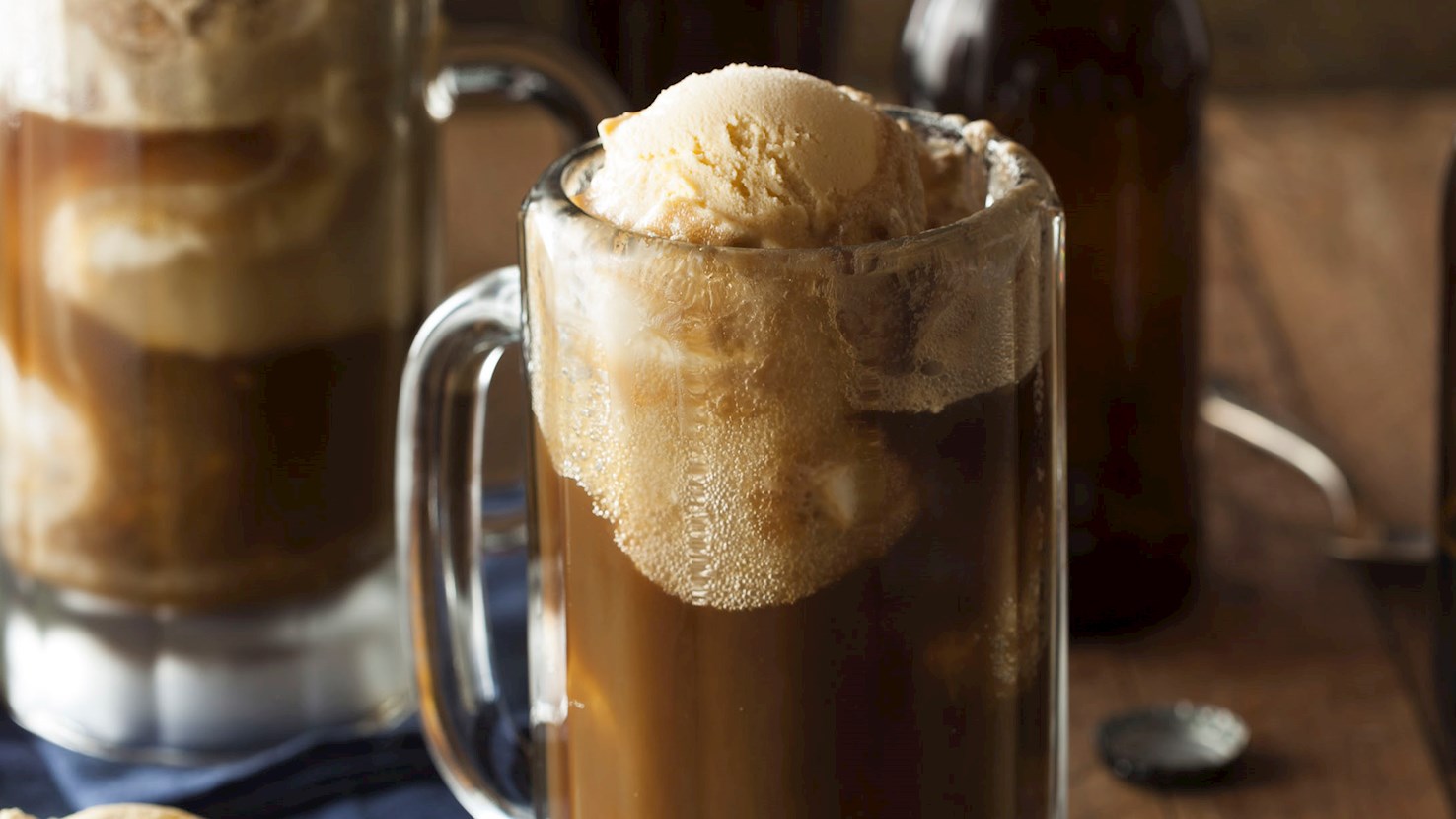
An ice cream float is a beverage consisting of ice cream that is placed in a soft, fizzy drink. One of the most popular varieties of the beverage is a root beer float. The origins of ice cream floats date back to the 19th century. It was invented in Philadelphia by Robert Green, a soda shop operator who ran out of cream and decided to use ice cream instead of it. Shortly after, his daily earnings soared from $6 to $600. With the popularity of ice cream floats, it is no wonder that there are numerous variations such as chocolate ice cream soda, coke floats, purple cow, butterbeer, and Boston cooler. Today, the beverage is considered an all-American classic, enjoyed in diners and bars throughout the United States and beyond.
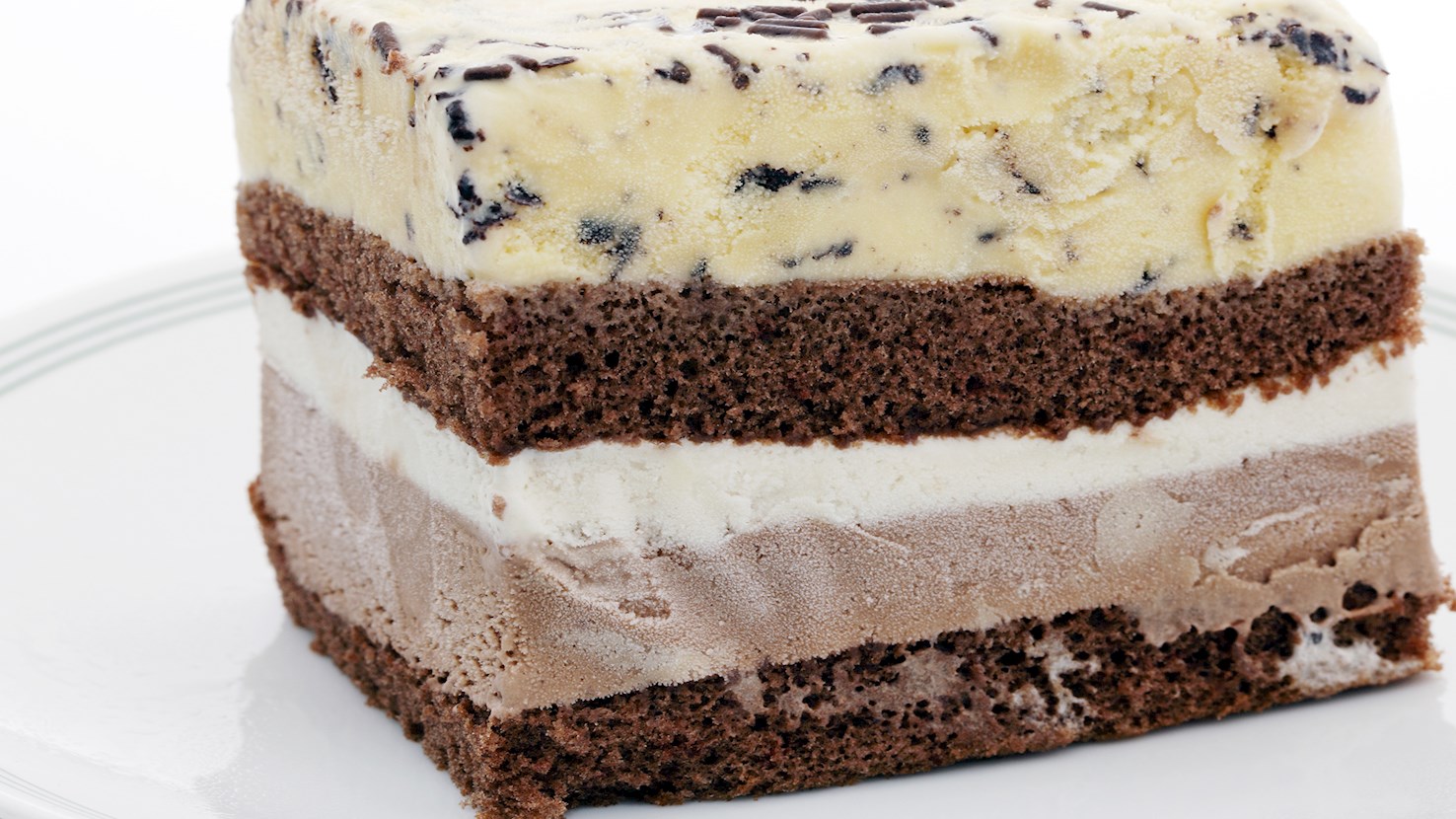
Ice cream cake is a dessert consisting of layers of ice cream and cake pastry. In some cases, the cake doesn't contain cake pastry, so layers of ice cream make up the entire cake. Most often, the cake is covered with soft-serve ice cream that acts as icing, although it can be covered with traditional icing instead of the ice cream. The dessert is very popular at birthday parties and similar celebrations in North America, although some believe that it originated in England. Its popularity caught on during the 19th century, when ice cream was considered a luxurious item reserved only for the well-off. Today, ice cream cake is not that well known in Europe, but it remains a popular birthday staple in some parts of North America.
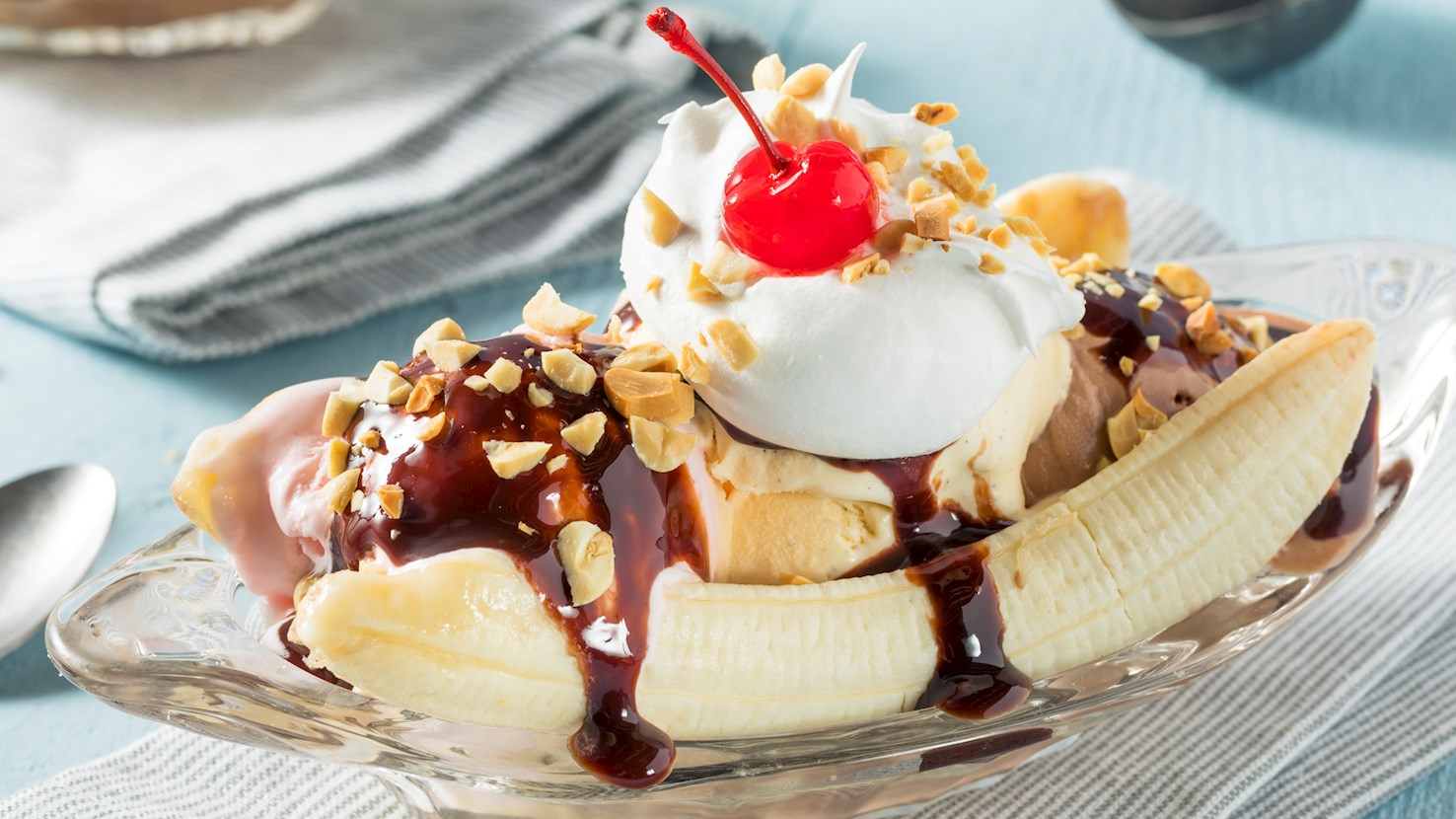
Banana split is a classic dessert consisting of a lengthwise-cut banana topped with scoops of strawberry, vanilla, and chocolate ice cream. Typical garnishes include nuts, fruits, whipped cream, and a cherry on top. The dessert is traditionally served in a long dish called a boat. It was invented in 1904 in Latrobe, Pennsylvania by David Strickler, who wanted to make something "different" for a college student who had one day entered the pharmacy where he worked as an apprentice. The pharmacies often featured a soda fountain where customers could indulge in a soda or a frozen treat for just a few cents. Banana split has remained popular ever since, and there is even the annual Great American Banana Split Festival held in Latrobe, where the original soda fountain is still kept.
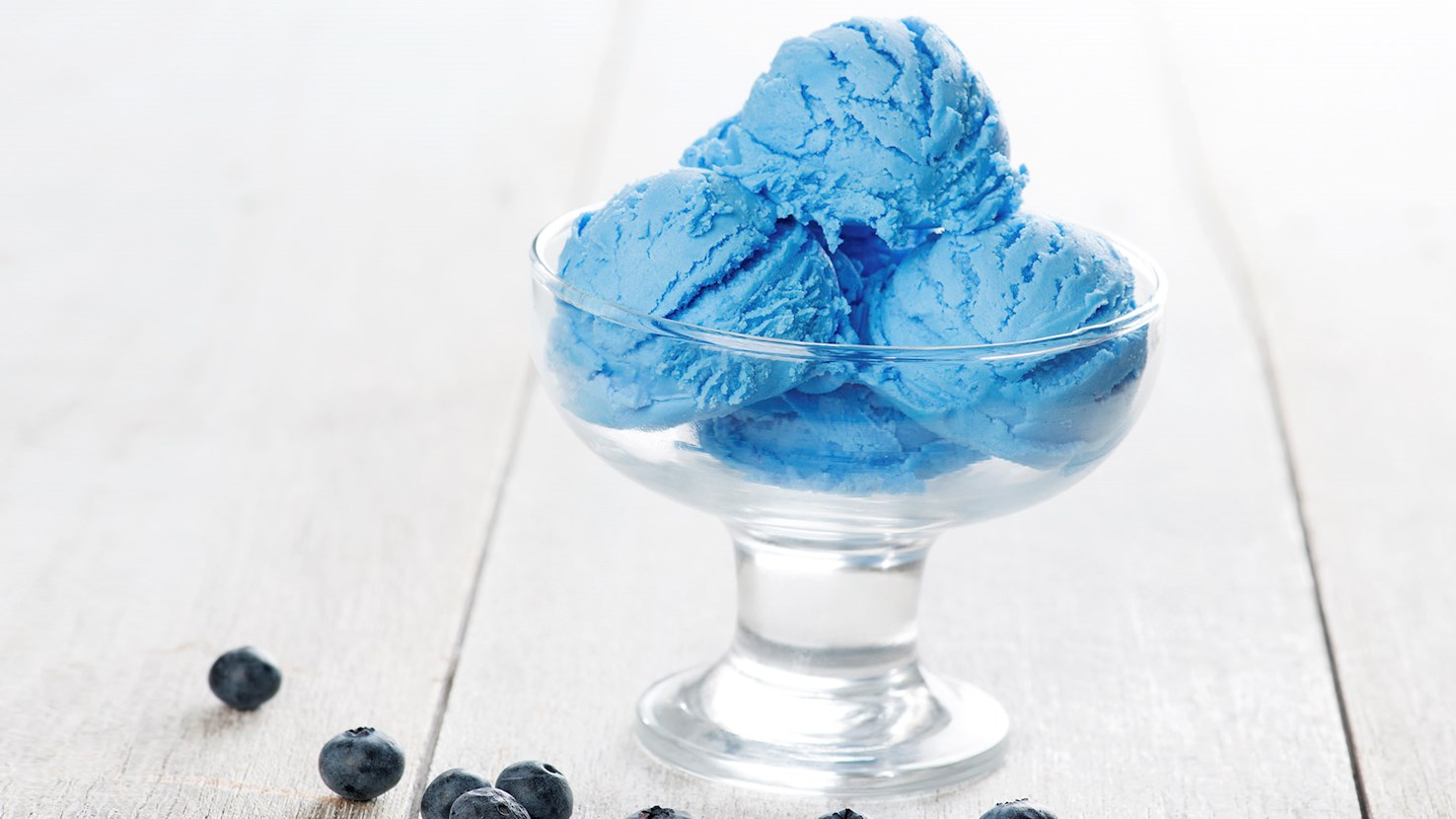
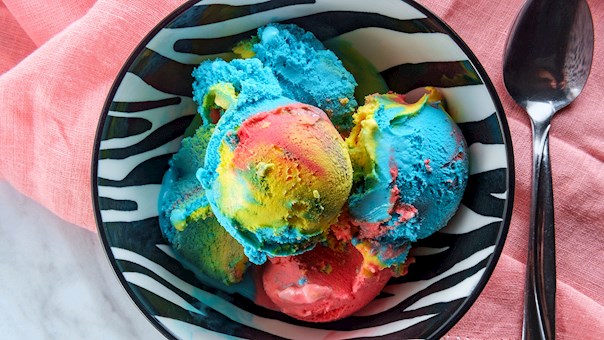
A mystery in the world of desserts, Blue Moon is an unusual, smurf-blue colored, sweet ice cream that tastes different to everyone who has ever tried it, and to make matters worse, its ingredients are trademarked and heavily guarded. There is a huge list of possible flavors: vanilla, lemon, pistachio, coconut, almond, marshmallow, bubblegum, pineapple, ginger, cotton candy, blue curacao, licorice, berries, or Froot Loops with milk. Its flavor might be a mystery, but so are its origins. There are two theories - one claiming that the ice cream was invented in the 1940s or 1950s in Milwaukee, and the other places it in Michigan, crediting the Sherman Dairy Products company in South Haven. Sherman had declined the honor, and the Milwaukee version trademarked the product. Whatever its origins may be, all agree that it is an original Upper Midwest treat with a unique flavor of its own.
TasteAtlas food rankings are based on the ratings of the TasteAtlas audience, with a series of mechanisms that recognize real users and that ignore bot,
nationalist or local patriotic ratings, and give additional value to the ratings of users that the system recognizes as knowledgeable.
For the “Top 14 American Ice Creams” list until November 28, 2026, 2,509 ratings were recorded, of which 2,302 were recognized by the system as legitimate.
TasteAtlas Rankings should not be seen as the final global conclusion about food. Their purpose is to promote excellent local foods,
instill pride in traditional dishes, and arouse curiosity about dishes you haven’t tried.
The initial list of top producers was compiled based on available reviews, awards, local recommendations, media and blog coverage, and consumer reviews.
The list will be updated with ratings from TasteAtlas local ambassadors and TasteAtlas users.




What People Say