


shutterstock

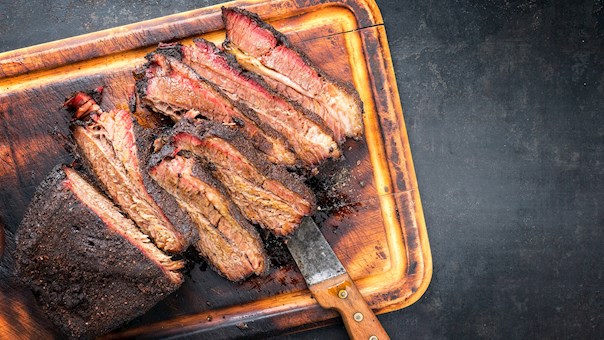
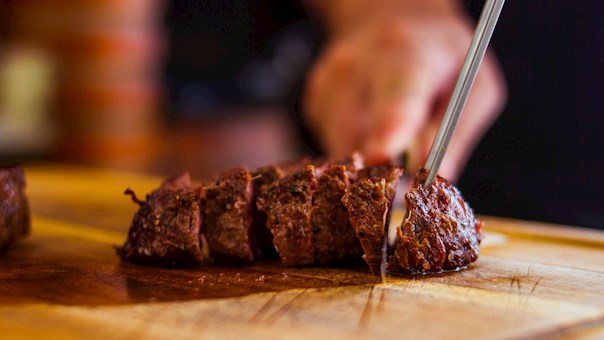
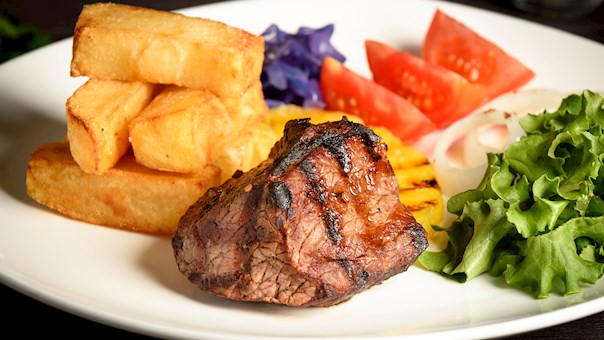
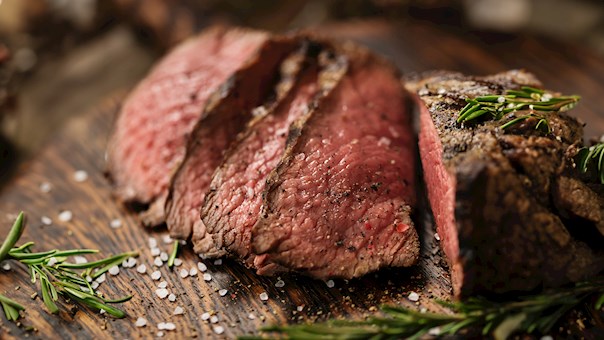
Top 24 South American Beef Cuts

Last updated on June 15, 2026
01

Fraldinha

4.5 ·

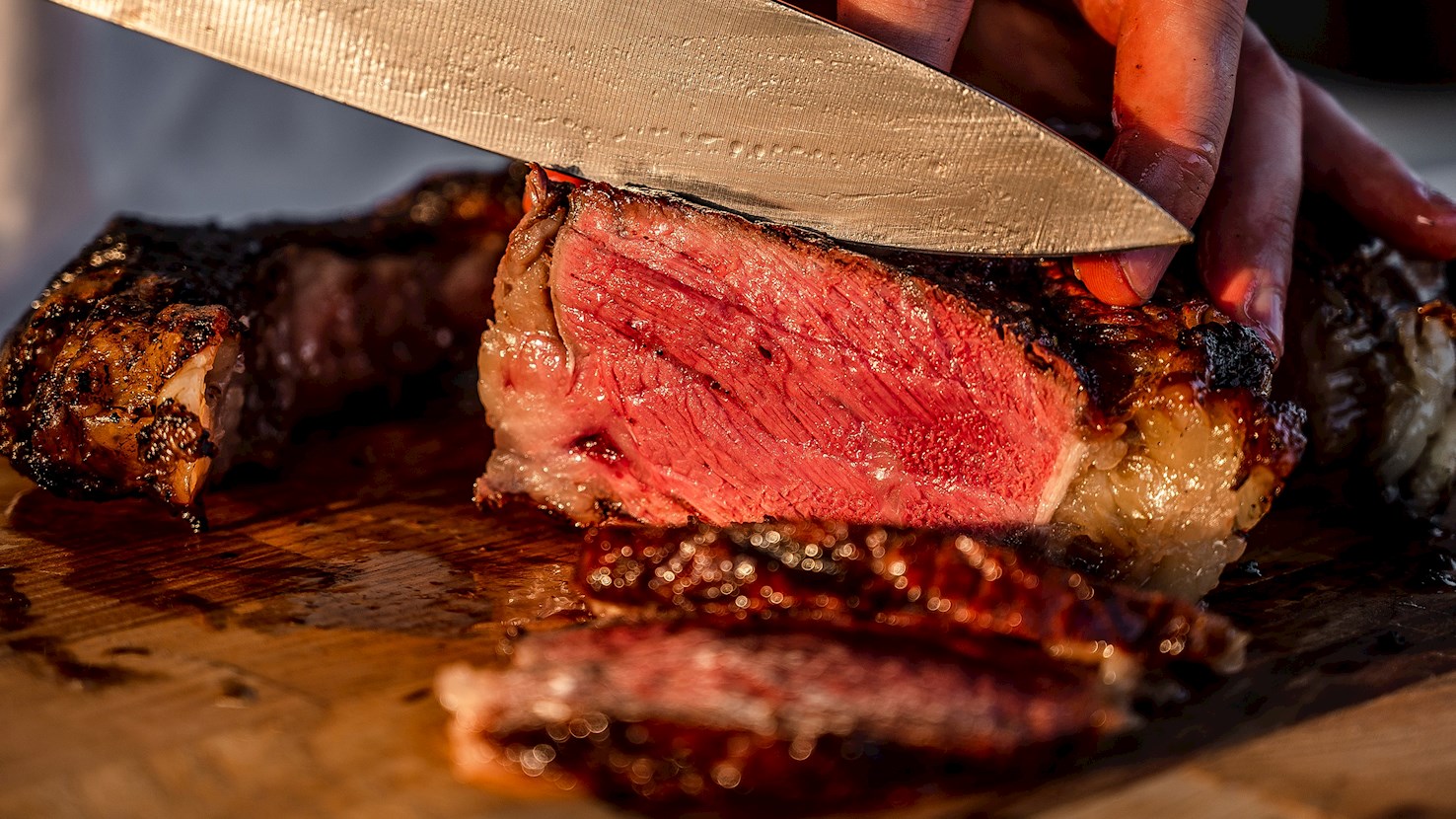
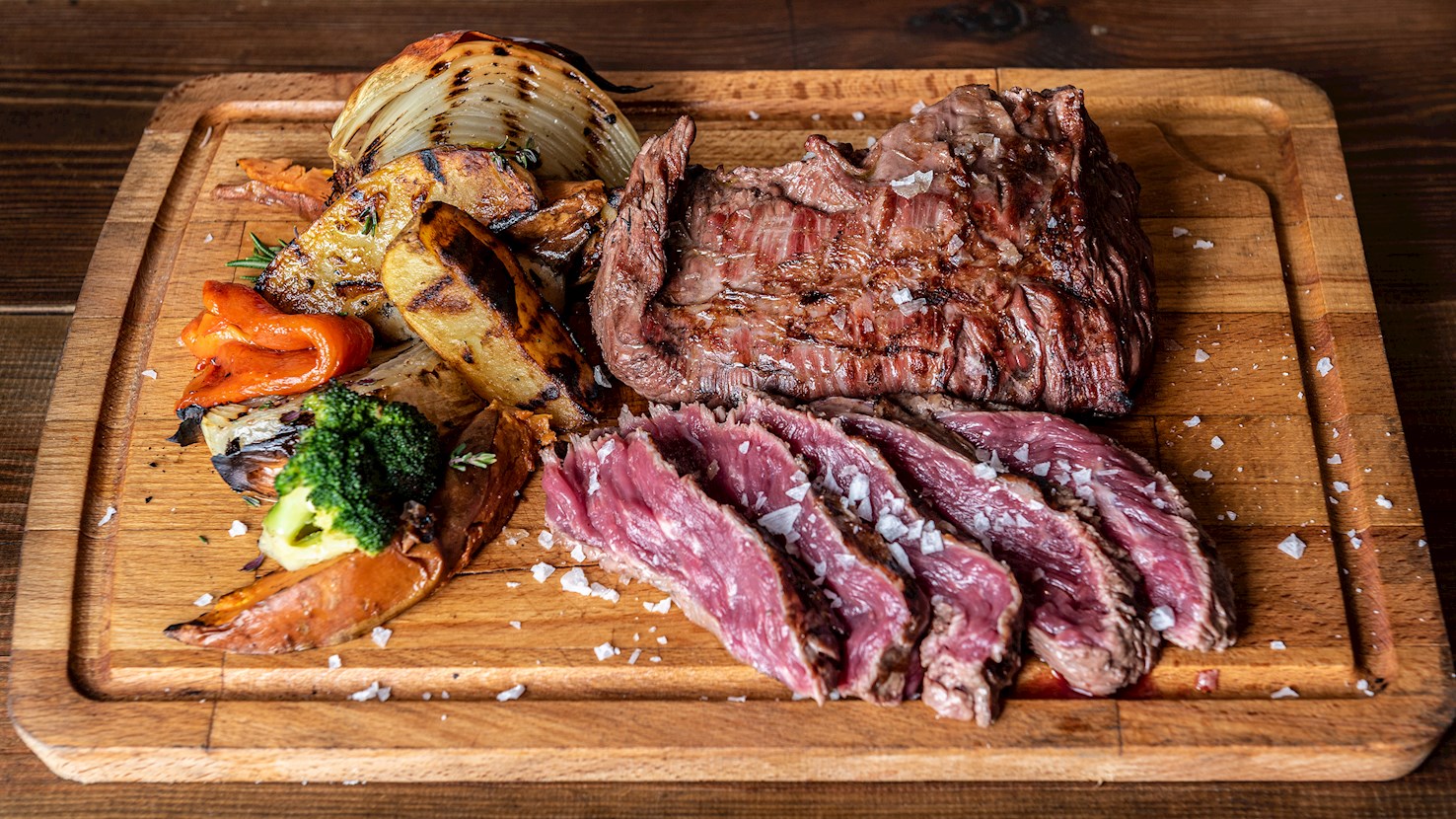
Fraldinha is a meat cut that's traditionally used for churrasco and is made up of part flank, part short loin, and part bottom sirloin. This beef cut is long and thin, full of connective tissue. This strong marbling is the reason why the meat is traditionally cut against the grain before it's grilled. The name fraldinha is a diminutive for fralda, meaning flap or diaper in Portuguese. When prepared for churrasco, it usually has a browned crust at the edges, while the middle remains pink. It's recommended to top this meat cut with a sharp and vinegary salsa.

02

Alcatra

4.5 ·

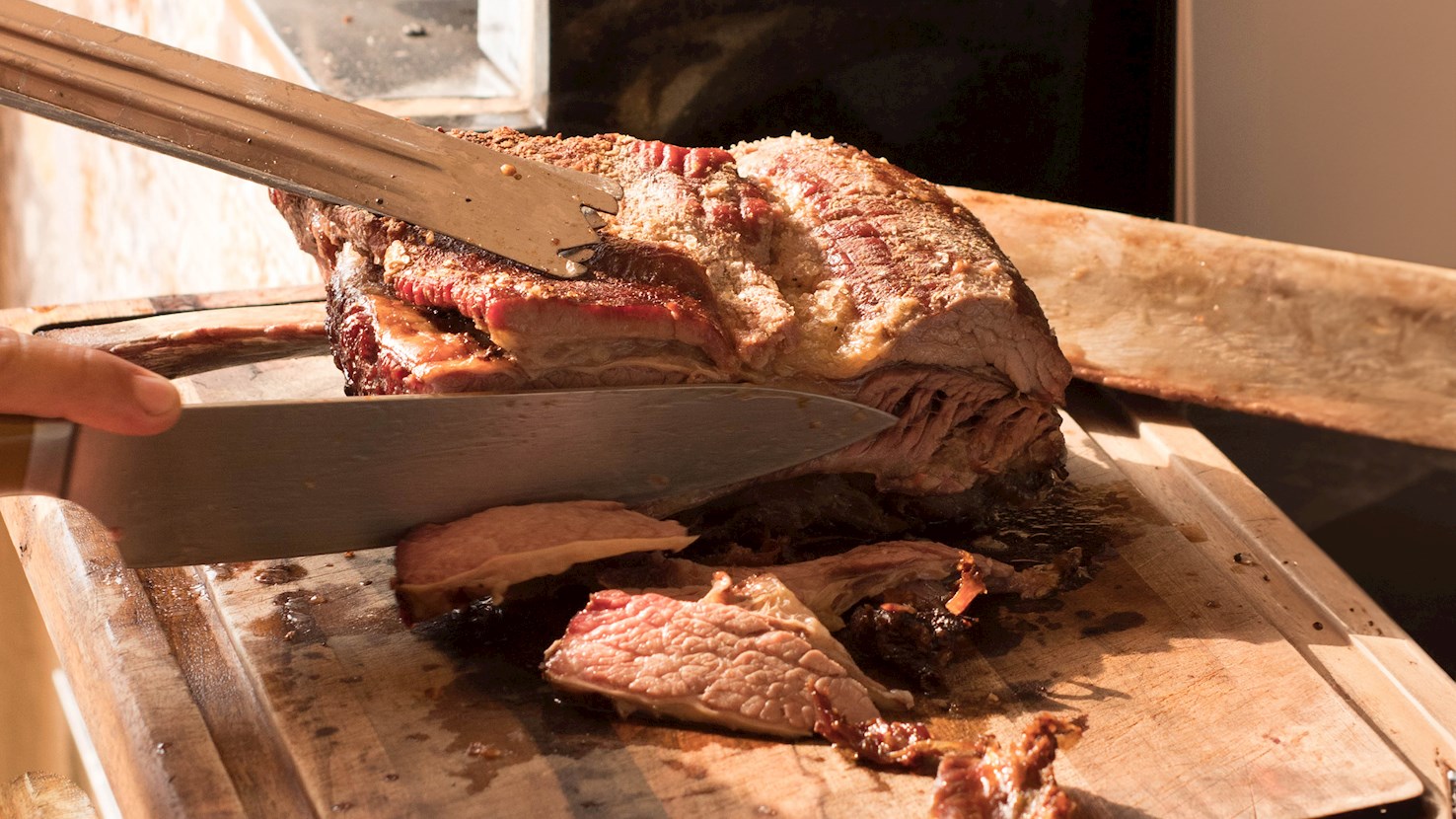
Alcatra is a special cut of top sirloin. Large, long, and lean, this steak is prized for its succulence and a hearty beef flavor. The cut is often used for churrasco, the traditional Brazilian barbecue method. Alcatra is one of the largest cuts that's served as a part of churrasco. It should be perfectly seasoned with salt, then grilled with a layer of fat until most of it melts away, and the remaining fat becomes crispy. Before serving, it's usually expertly carved in respectable churrascarias.

03

Bife de chorizo

4.5 ·

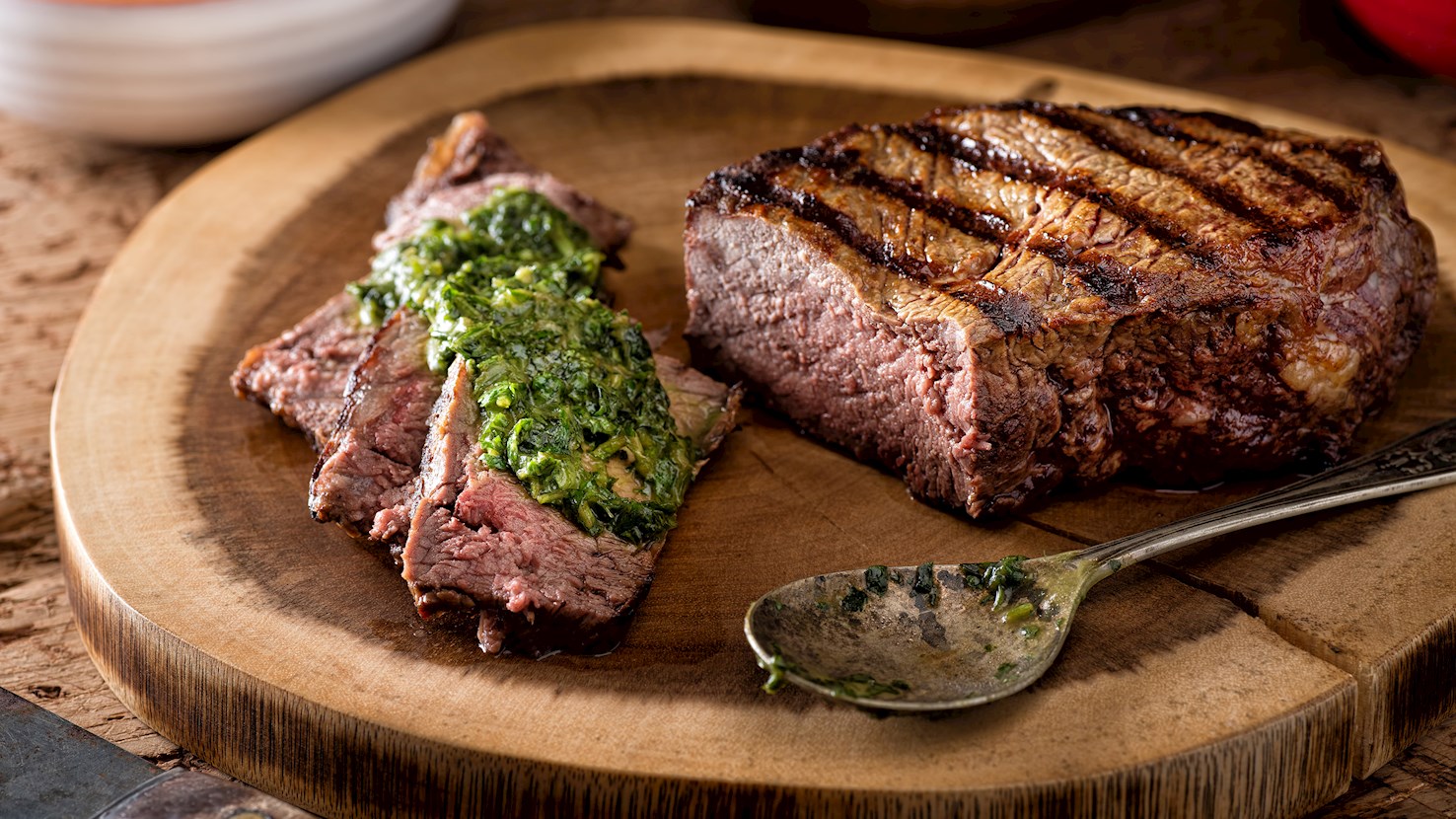
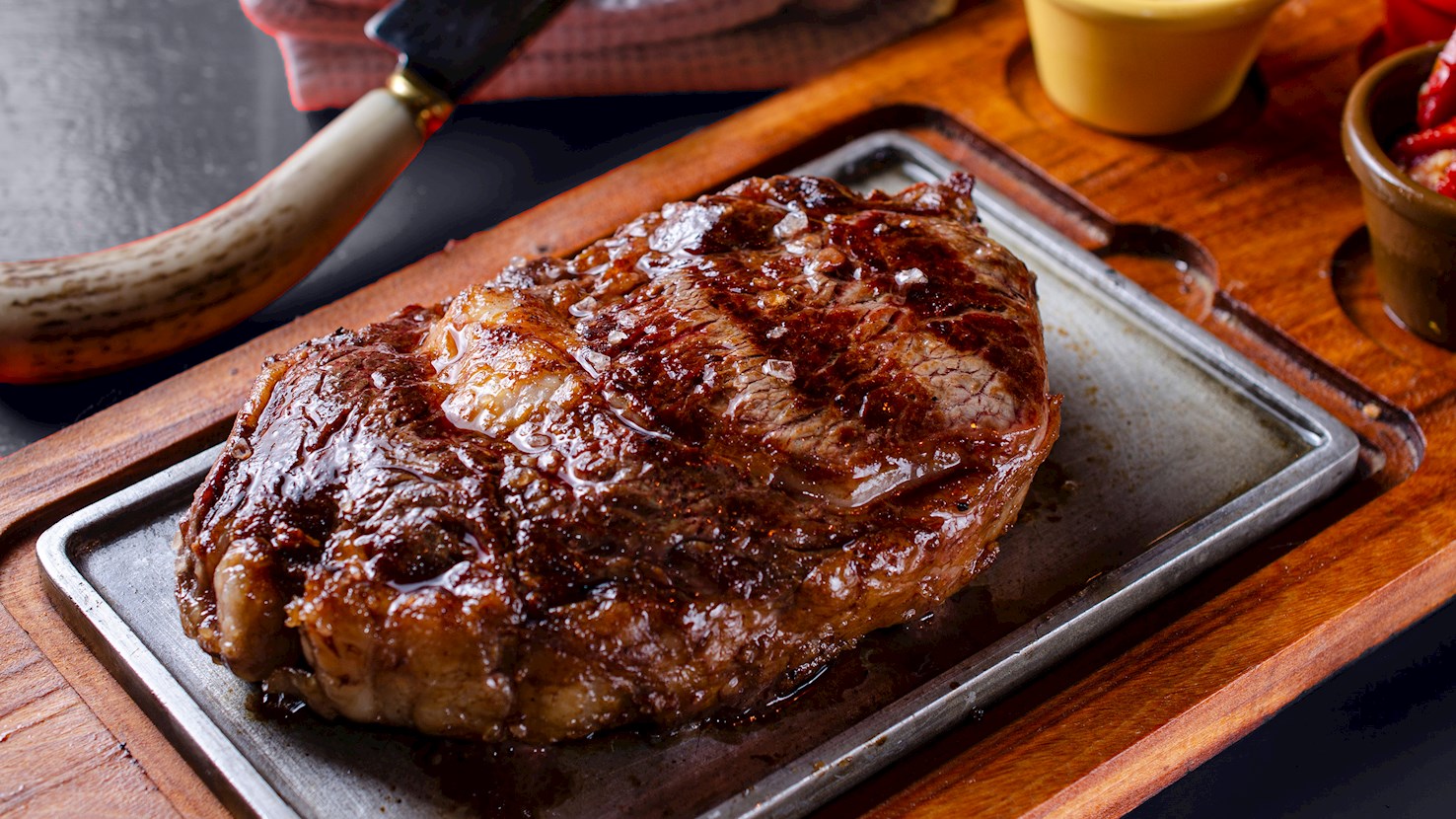
Bife de chorizo is an Argentinian beef cut equivalent to the US New York strip steak, strip steak, sirloin, and top loin traditionally used for asado. It is a thick, juicy steak with a sizable layer of fat on top. It comes in several varieties, namely the bife de chorizo angosto (thin sirloin) and the bife de chorizo mariposa (butterflied sirloin). And if you want to judge the quality of someone’s barbecue or the quality of a barbecue place, ask for this steak. Also, if you get one with more than a generous amount of fat, know you've been served a cheap and bad-quality one.

04

Picanha

4.5 ·

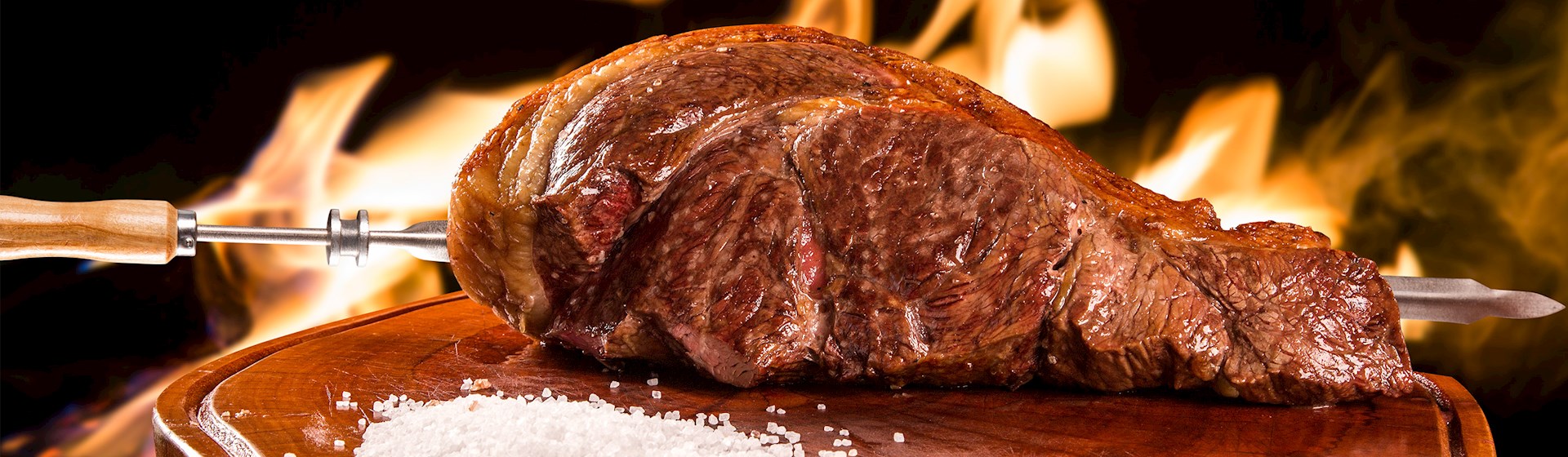
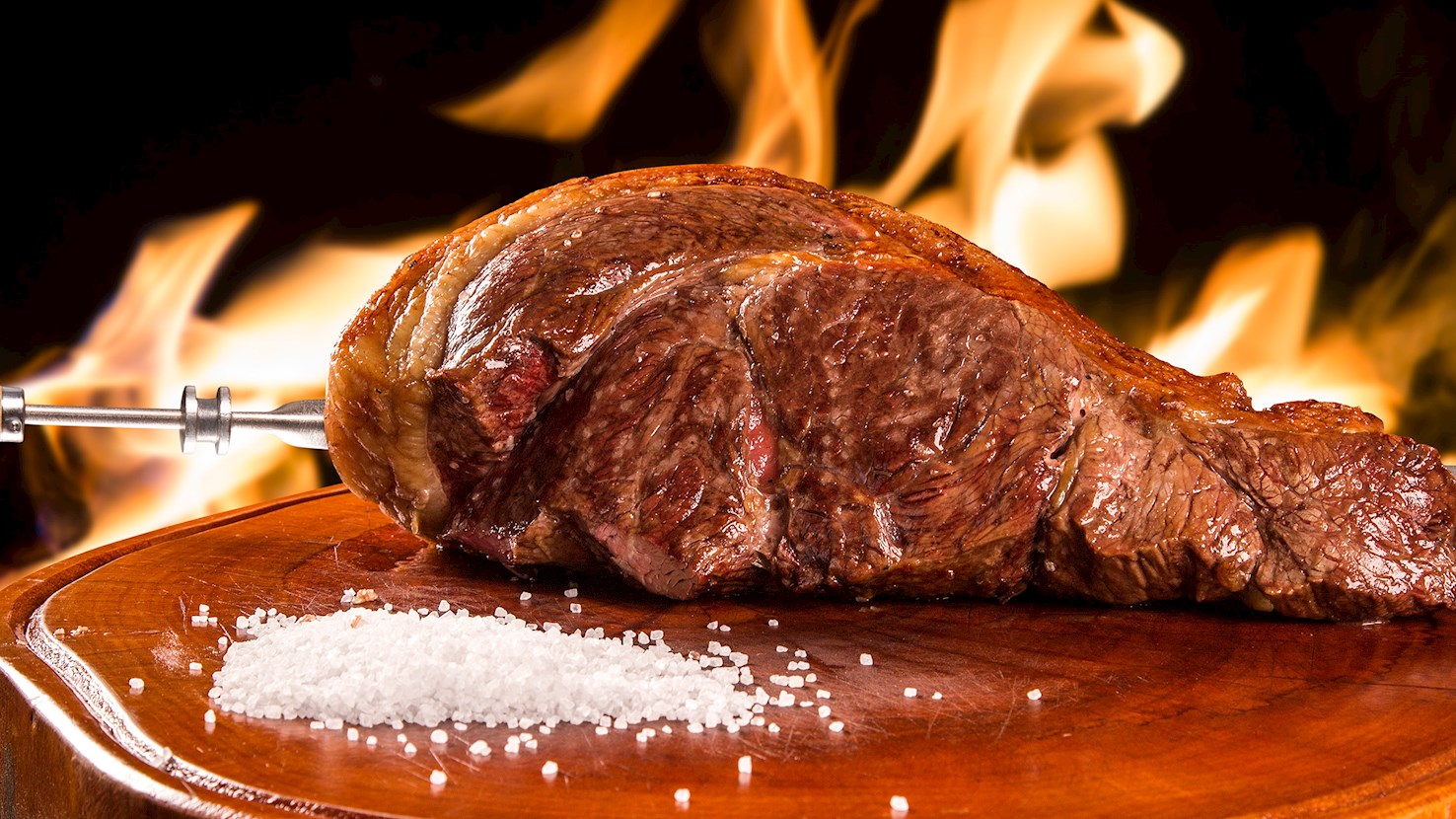
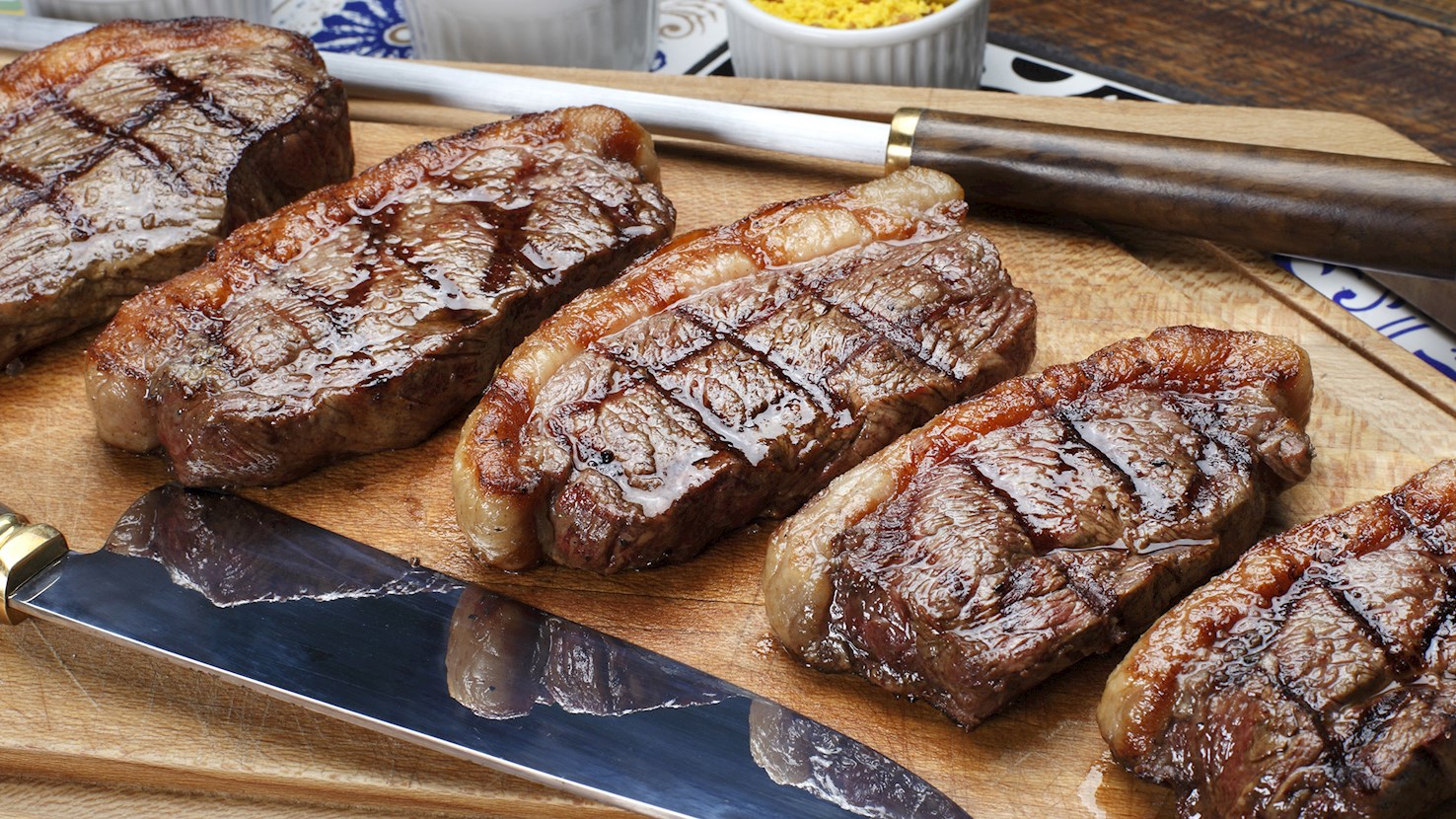
Picanha is a fresh cut of beef that's especially popular and highly prized in Brazil. In the US, it's called sirloin cap, and in the UK, it's known as the rump cap. Picanha is situated on the back side of the animal, above the butt, where it sits on a fat cap. It's mostly used for churrasco – the meat is first grilled, then sliced off of a skewer. This cut holds very little fat in the meat, so it must be cooked perfectly in order not to make it tough. In Brazil, every churrasco has picanha, and all of the best churrascarias feature picanha on their menus. The name picanha is derived from the word picana, referring to the ranchers' pole used for herding cattle in Portugal and Spain. The technique was brought over to Brazil where the word picanha was used to refer to the part of the cow that was poked by ranchers with the pole.

05

Costela

4.4 ·

In Brazilian cuisine, costela refers to a specific cut of beef known as ribs in English, although it differs from the American style ribs as it encompasses both ribs (costela do dianteiro) and ponta de agulha (plate ribs). It's a popular and essential component of Brazilian barbecue culture (churrasco). Ribs are often skewered and grilled over an open flame to create flavorful and tender meat. It's seasoned with minimal ingredients like salt to enhance the natural flavors of the meat. The slow cooking process allows the meat to become tender and develop a delicious smoky flavor. In addition to grilling, "Costela" can also be used in other dishes. It's often braised or slow-cooked for stews and soups, allowing the meat to become fall-off-the-bone tender and infuse the broth with rich flavors.

06

Contrafilé

4.4 ·

In Brazilian cuisine, contrafilé refers to a specific cut corresponding to parts of the boneless strip loin and the ribeye. The term comes from Portuguese and literally translates to "against the grain," indicating the way the meat is typically sliced for cooking and serving. Contrafilé is characterized by its marbling, tenderness, and rich flavor. The marbling of fat throughout the meat contributes to its juiciness and delicious taste when cooked. In Brazilian churrasco, the contrafilé is often skewered and grilled to perfection over an open flame. It's a centerpiece of many barbecue gatherings and is typically served in slices, often seasoned with just a bit of salt to enhance the natural flavors of the meat.

07

Maminha

4.4 ·

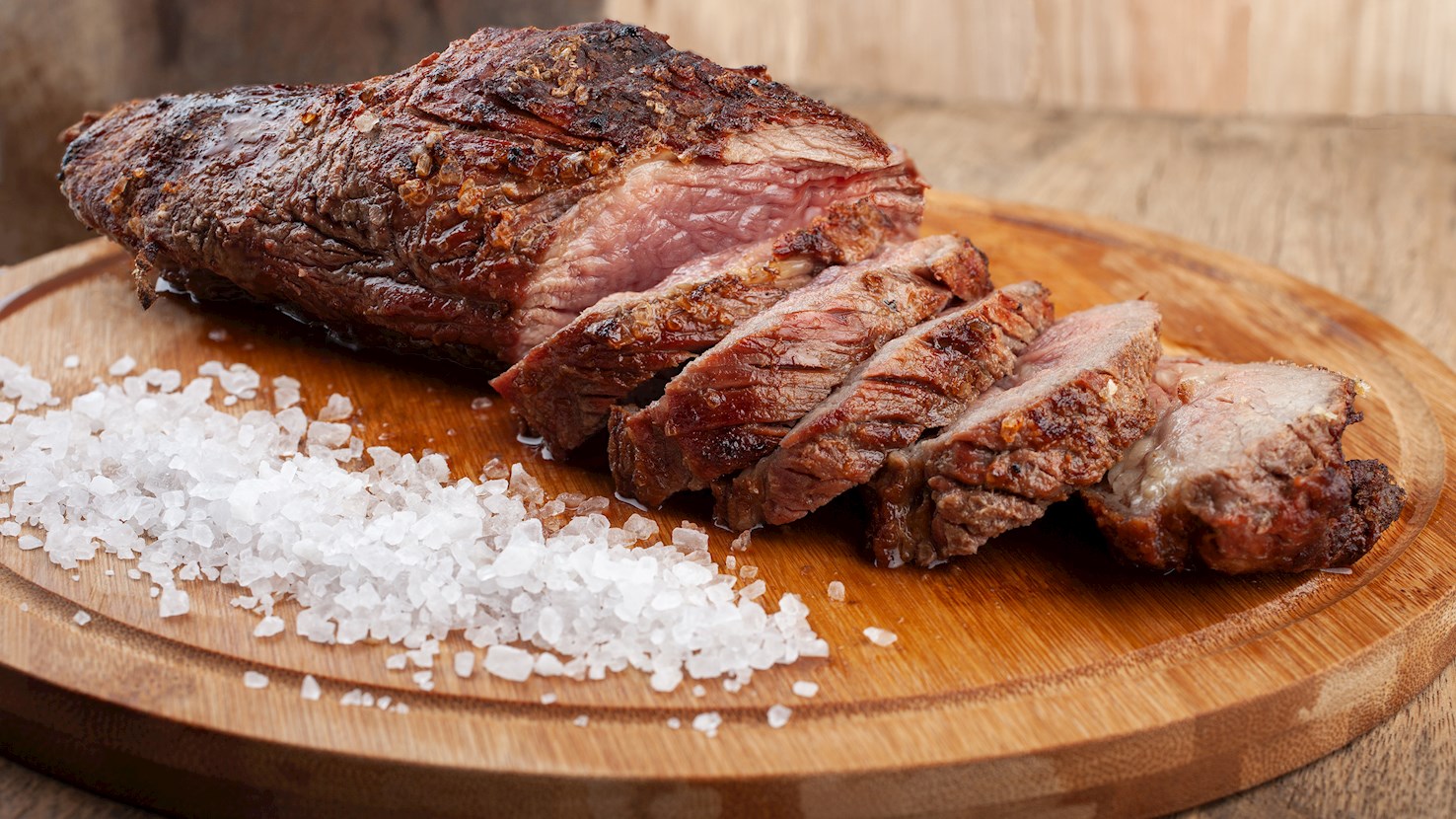
Considered probably the most popular and "noble" Brazilian beef cut, maminha is a beef cut from Brazil that best corresponds to the mix of the US flank and bottom sirloin. However, some sources will also say it corresponds to the US tri-tip cut. In any case, it is a very versatile cut, and in Brazil and South American countries, it is typically barbecued but can also be roasted whole, cubed and stewed, or cut into steaks and pan-fried. Also, besides being versatile, it is one of the leanest beef cuts as well, which is why it got the title "the filé mignon for the grill", meaning it's lean and tender as the filé but suitable for grilling. Maminha should be grilled only until medium done, or it will turn tough. But no matter how it's prepared, maminha should always be cut against the grain so it's more tender and easier to eat. In North America, if maminha is unavailable, bottom round roast and bottom round steak can be used instead. The first is for roasting whole or in stews, while the other is for grilling.

08

Filet mignon

4.3 ·

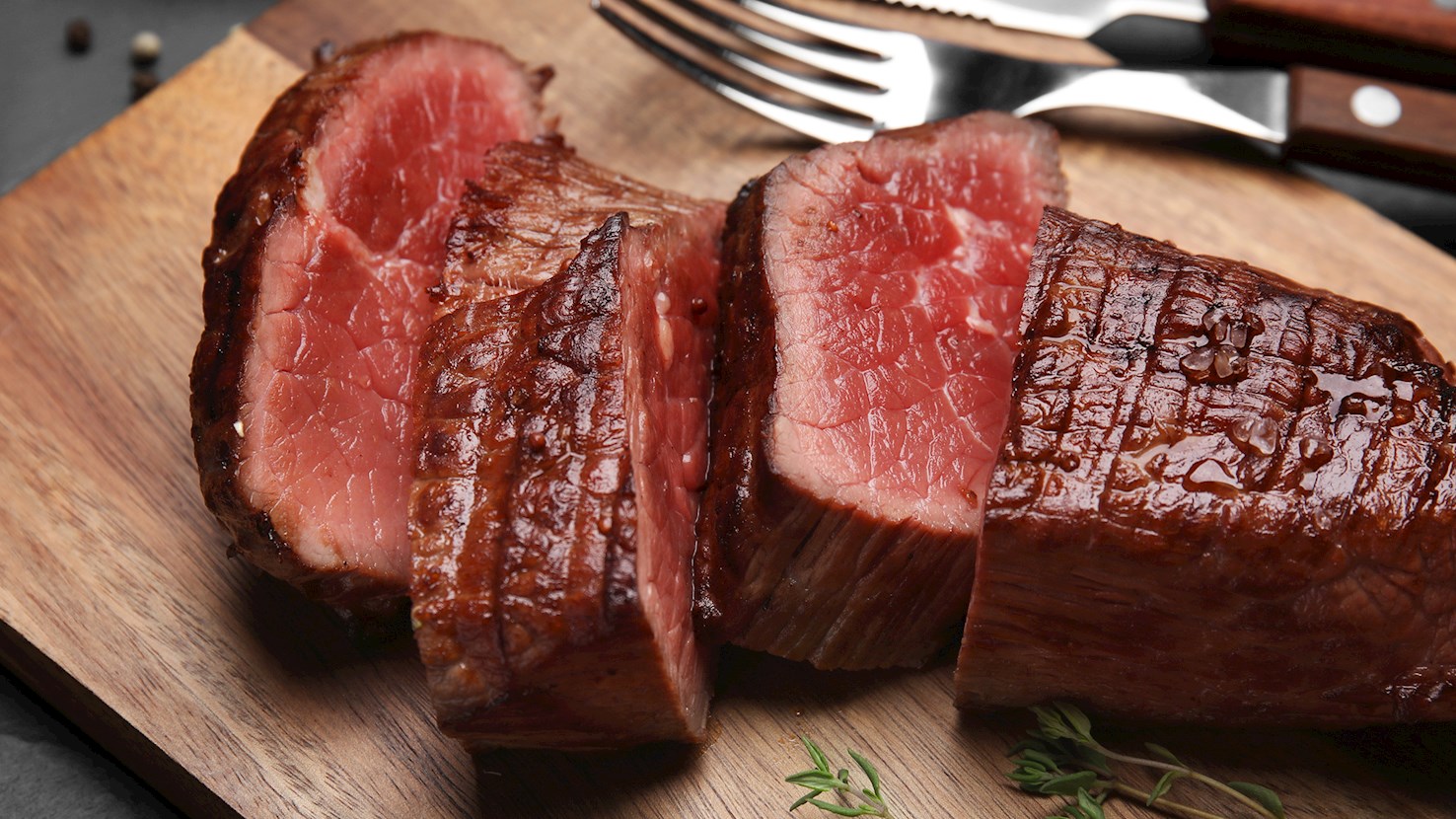
In the American, French, German, Brazilian, and Korean systems of primal beef cuts, the tenderloin is a cut from the loin, which is located towards the back of the cow, nestled under the ribs, next to the backbone. It spans two primal cuts: the short loin and the sirloin. The tenderloin is one of the most tender cuts of beef as it comes from a muscle that doesn't get much exercise. It is also one of the most highly prized and correspondingly expensive cuts of beef, due to its tenderness and flavor. Given the tenderness of this cut, the tenderloin is often cooked quickly over high heat, with methods such as grilling or broiling. It's often served slightly rare to maintain its tender texture.

09

Vacío

4.1 ·

Vacío is an Argentinian beef cut that comes from the flank of the cow. The outer layer has fat, unlike the inside one, and turns incredibly crispy when cooked. This cut is a rare find outside of Argentina and benefits from long and slow cooking. The cut can be divided into a thick, meaty part usually served in a sandwich called vaciopán, and a thin, fatty part called matambre, which can be prepared in many ways, either grilled, stuffed and rolled, or topped with tomato sauce and cheese similar to pizza.

10

Cupim

4.1 ·

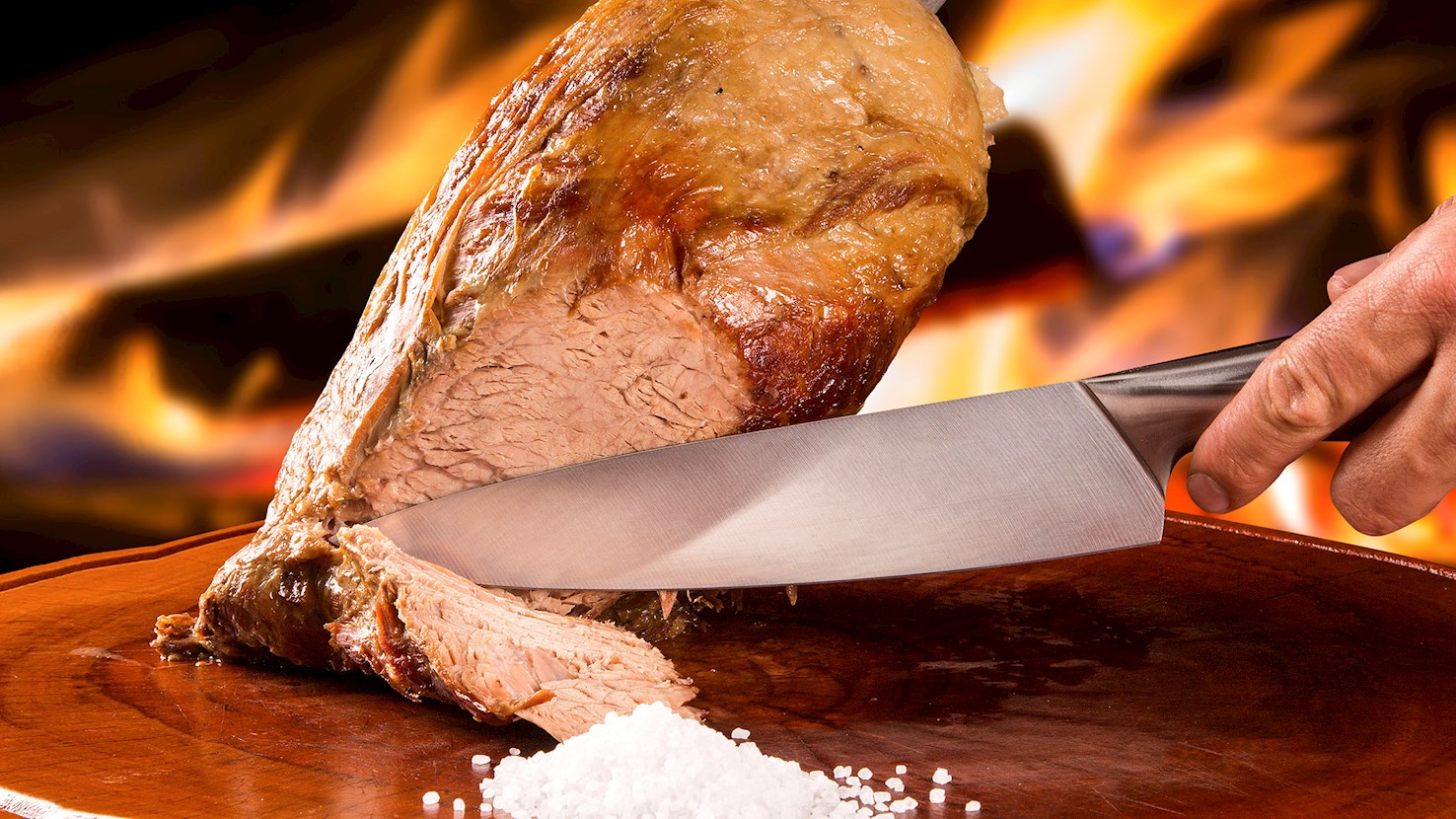
Cupim or beef hump of the Brazilian Zebu cattle is a tender, rich, and marbled cut of meat. This meat cut is found almost exclusively in Brazilian cuisine and has no blood and juice. It's usually stewed or roasted in churrascos. When served in churrascarias, the meat is described as very rich, fatty, and with a tender and stringy texture. It's usually seasoned with rock salt, then grilled low and slow for a few hours. If it's cooked in stews, the fat will disperse, making cupim less greasy.

11

Filé de costela

3.9 ·
12

Coxão mole

3.6 ·
13

Patinho

3.6 ·
14

Capa de filé

3.5 ·
15

Paleta

3.4 ·
16

Músculo

3.4 ·
17

Peito

3.3 ·
18

Acém

3.3 ·
20

Lagarto

3.3 ·
Read more
View all
View map
About this ranking

TasteAtlas food rankings are based on the ratings of the TasteAtlas audience, with a series of mechanisms that recognize real users and that ignore bot, nationalist or local patriotic ratings, and give additional value to the ratings of users that the system recognizes as knowledgeable. For the “Top 24 South American Beef Cuts” list until June 15, 2026, 2,181 ratings were recorded, of which 1,656 were recognized by the system as legitimate. TasteAtlas Rankings should not be seen as the final global conclusion about food. Their purpose is to promote excellent local foods, instill pride in traditional dishes, and arouse curiosity about dishes you haven’t tried.

Similar lists