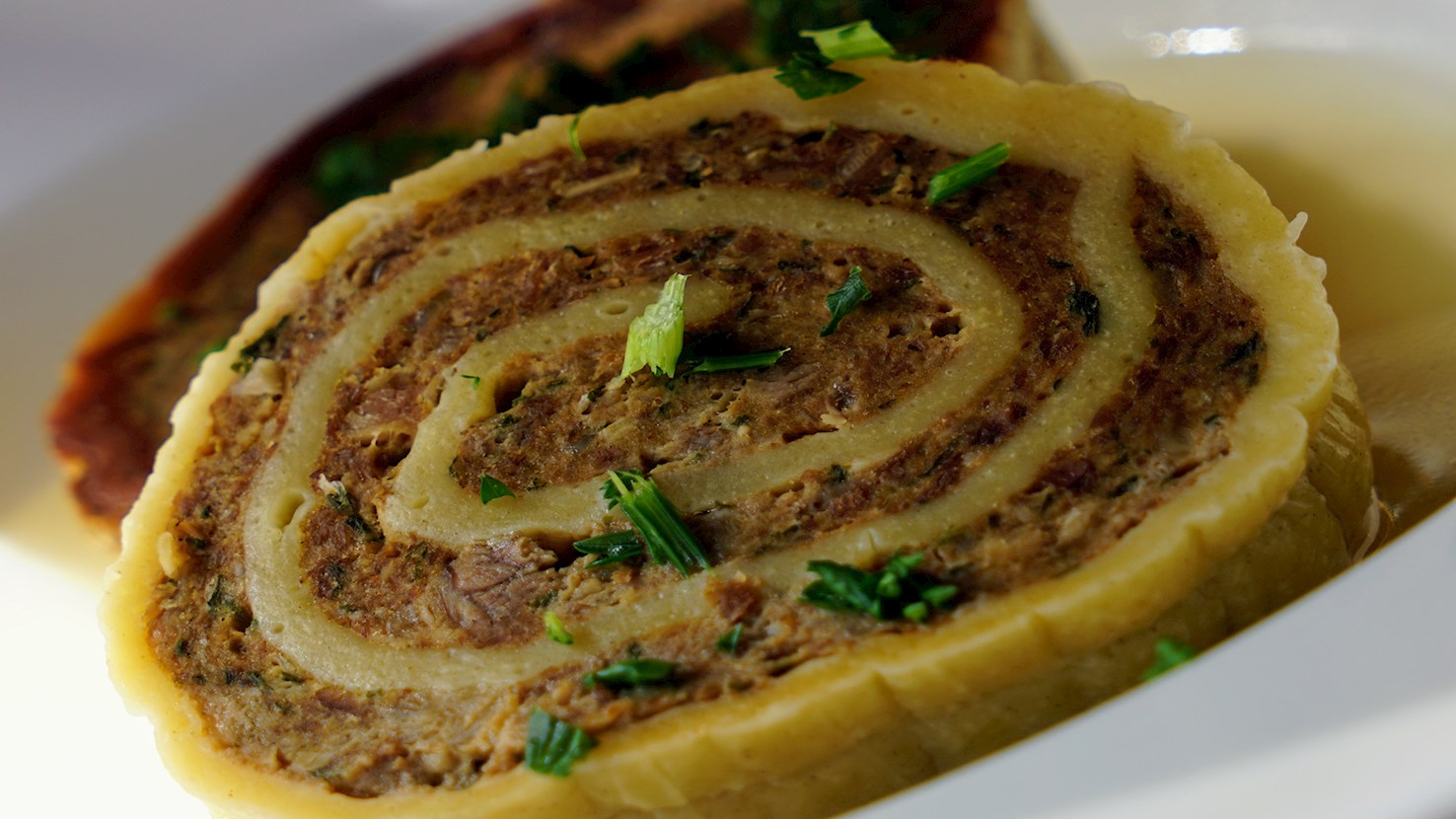
The preparation of this Alsatian specialty starts with finely chopped or ground meat (traditionally the cooked leftovers from the rustic pot-au-feu stew) and the addition of eggs, herbs, and onions. The mixture is spread onto thin sheets of dough, which are then rolled and cut into thick slices that are fried and shortly braised in a flavorful broth. When served, fleischschnacka, also known as escargots de viande or meat snails, is traditionally accompanied by a small amount of broth and preferably a salad on the side.
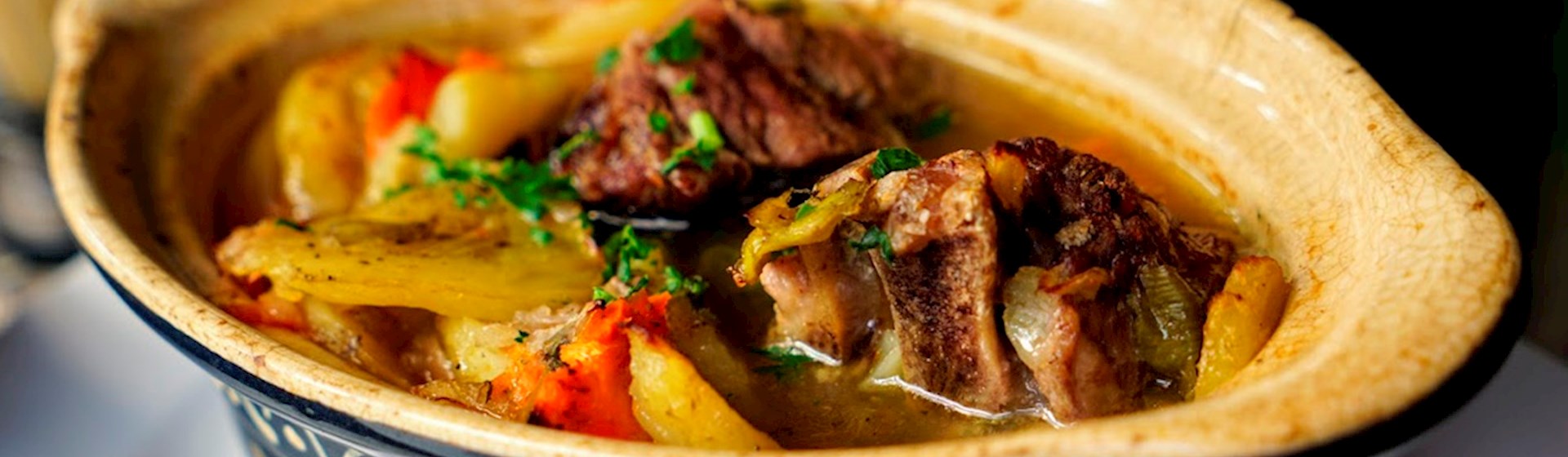
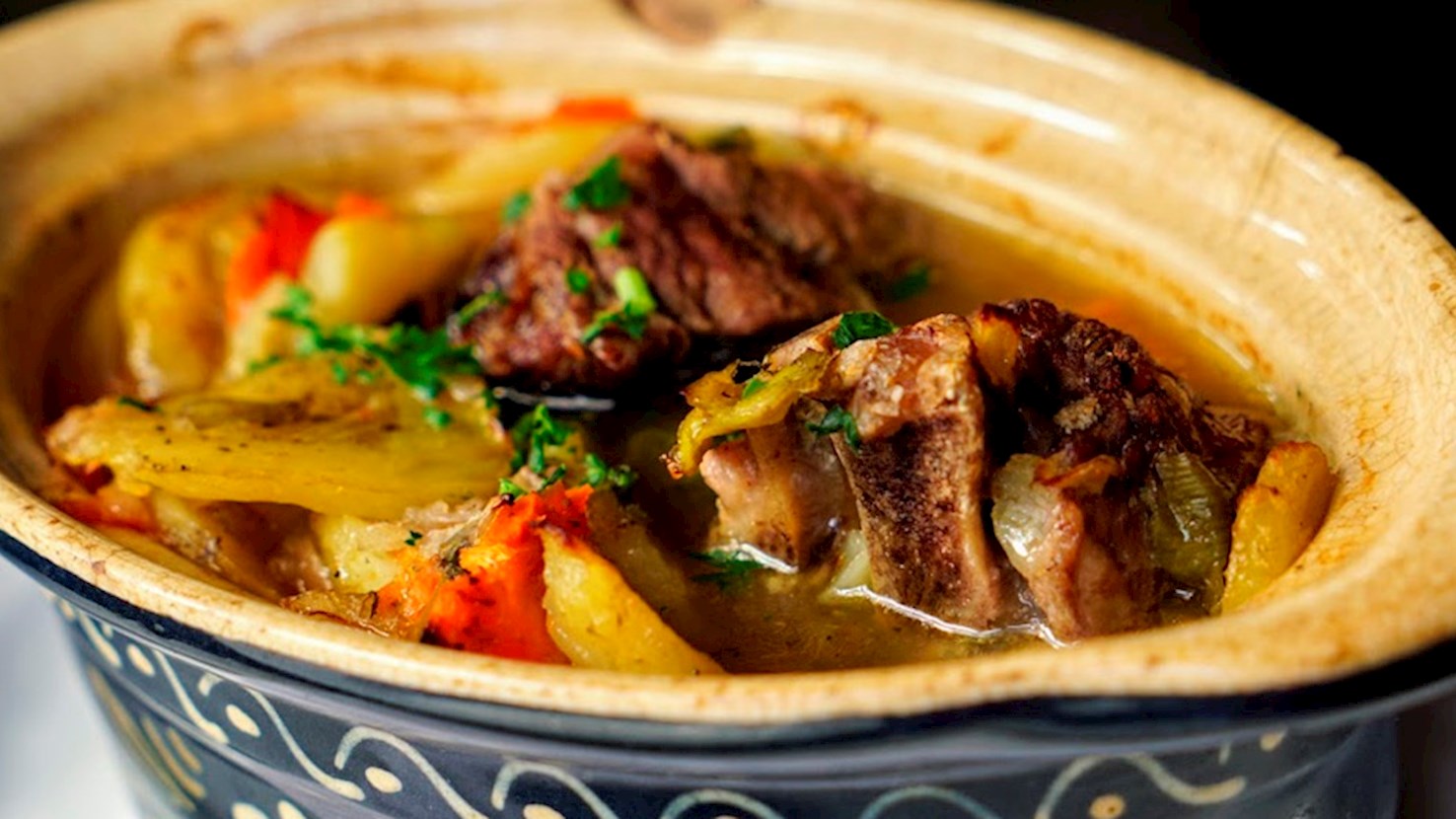
Baeckeoffe is a one-pot dish from the French region of Alsace containing vegetables, potatoes, wine, and three types of marinated meat - pork, beef, and lamb. The name of this typical peasant's dish is literally translated to baker's oven, as French women would leave the pots for the baker in the early morning. They left to do the laundry, and when they would return home with their children after school, they would pick up the pot from the baker. Another theory about the origin of the dish says that it was made on Saturday evening and left in the bakers' oven overnight to cool. The next day, the women would pick up the dish along with a loaf of bread from the baker, then consume baeckeoffe with some bread on the side.
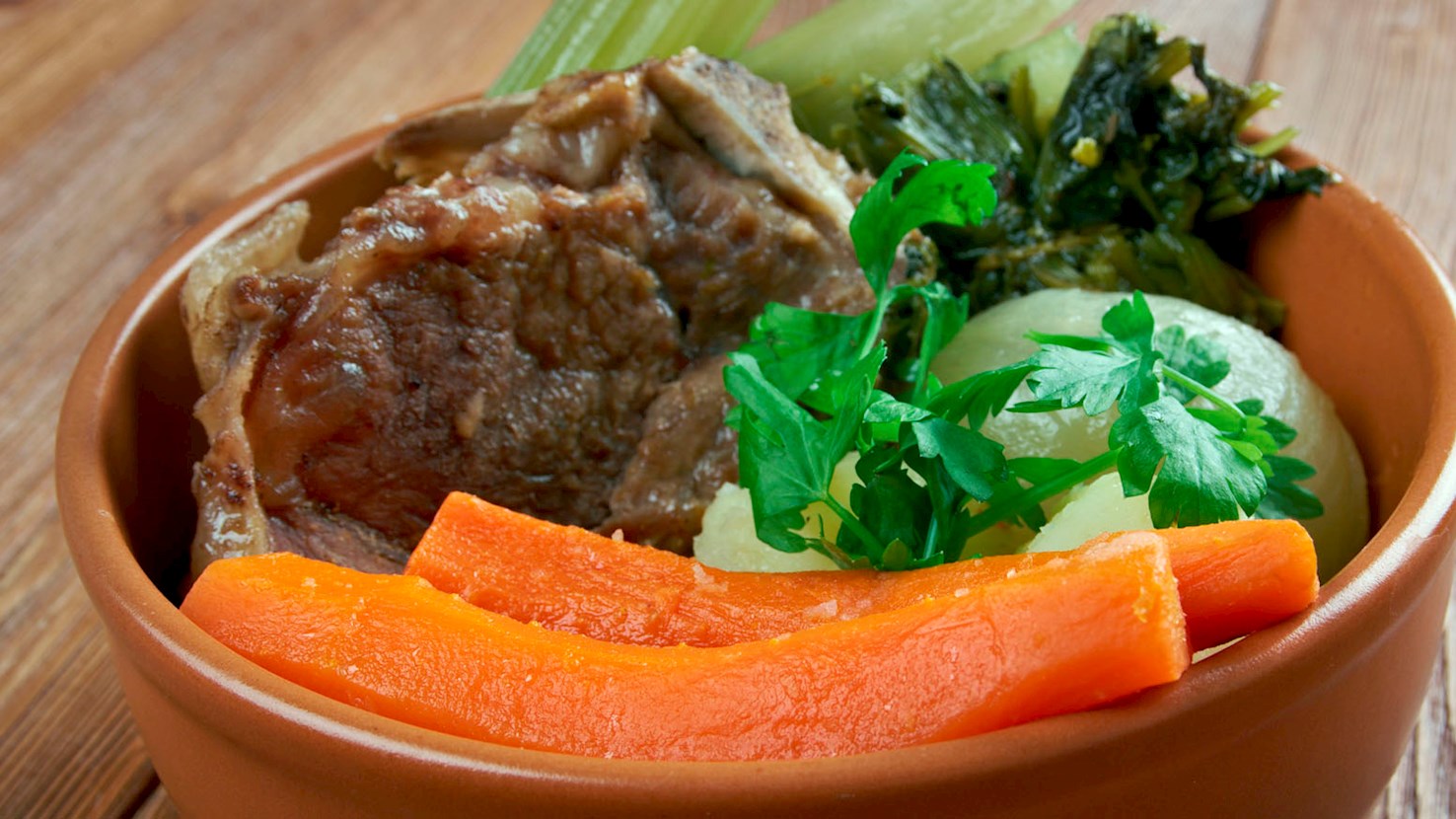
Simply put, this French classic is a stew-like dish of boiled meat and vegetables. However, it is not as simple as it might appear at first glance. Pot-au-feu, French for “pot on fire”, is one of the oldest French peasant winter dishes. It was originally made over an open fire with cheap, inferior cuts of meat, vegetables such as potatoes, onions, carrots, leeks and turnips, and whatever other ingredients were available. The result was a savory stew that helped one make it through the cold season. The use of tough cuts of meat and low cooking temperature means a long cooking time to make the meat tender, sometimes even an entire day. The dish is traditionally considered finished when the broth gets a gelatinous texture. As it is one of the most popular dishes in France, every region expectedly has its own twist on the dish, however, the common thread among all of them is that the broth is served first and the meat second. With its wonderful aromas and succulent, tender meat, a serving of pot-au-feu paired with a glass of dry red wine is an authentic experience that is more than worth the time invested in preparing it.
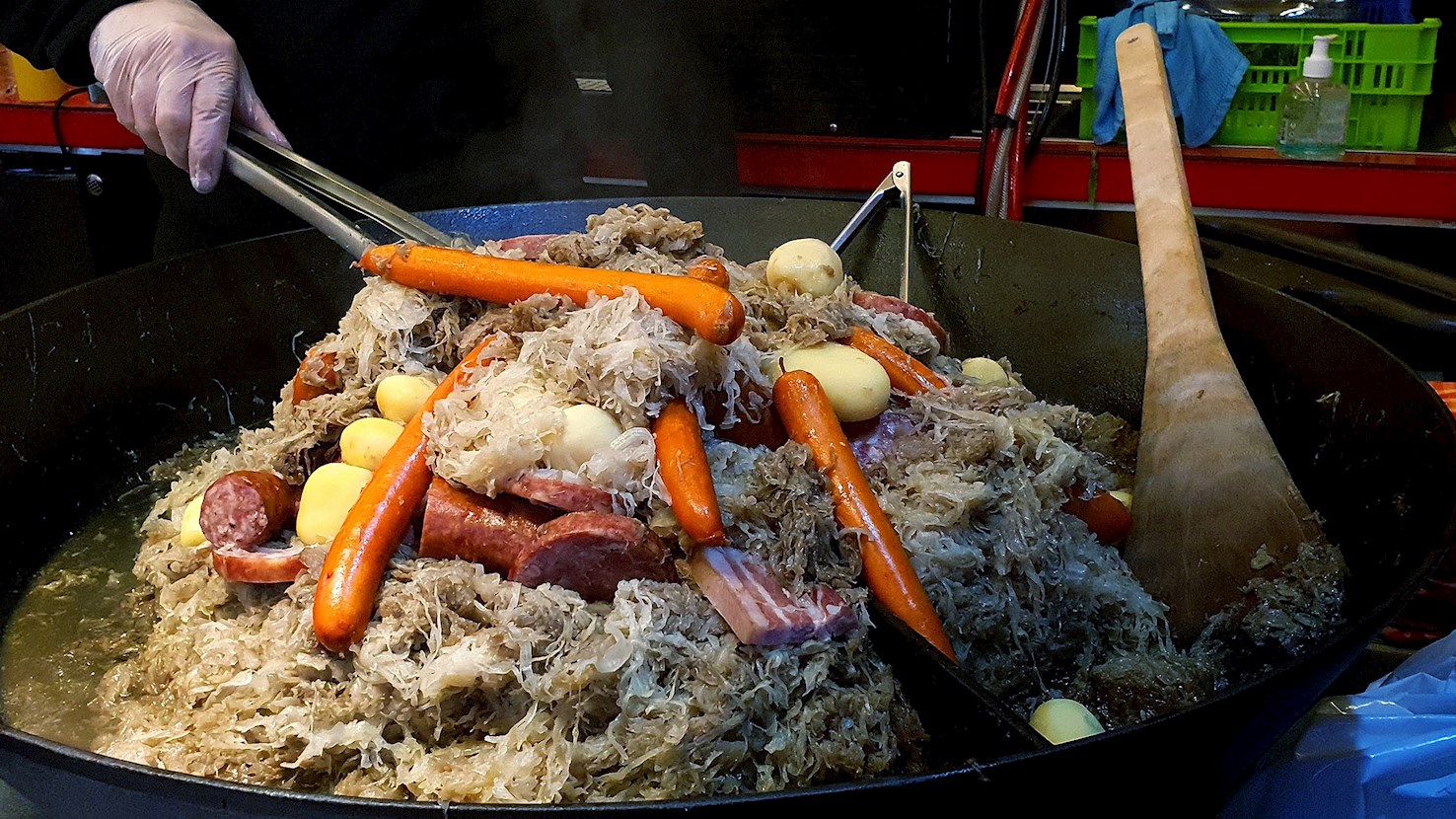
Choucroute Garnie is a typical winter dish coming from the French Alsace region. At its base is the silky, pungent, fermented cabbage known as sauerkraut, infused with flavors of goose fat, onions, garlic, juniper berries, caraway, and white wine such as the local dry Riesling. Sauerkraut is garnished with a hefty number of ingredients such as smoked or fresh beef and pork sausages, pork loin, pork shoulder, and bacon. The ultimate version of the dish, called choucroute royale is served with added calf or pork liver dumplings that are poached and sautéed with onions. Ever since the dish became a national treasure and a staple of French brasseries, other variations emerged, such as choucroute á la juif, where pork is replaced with beef and beef sausages, and choucroute des navets, a version made with turnips. The Alsatian soil is ideal for the production of cabbage for pickling, so homemade sauerkraut can be found in many households throughout the region. Typical accompaniments to the dish include Dijon mustard, grainy moutarde ancienne, boiled potatoes, and an obligatory glass of beer or Riesling on the side.
TasteAtlas food rankings are based on the ratings of the TasteAtlas audience, with a series of mechanisms that recognize real users and that ignore bot,
nationalist or local patriotic ratings, and give additional value to the ratings of users that the system recognizes as knowledgeable.
TasteAtlas Rankings should not be seen as the final global conclusion about food. Their purpose is to promote excellent local foods,
instill pride in traditional dishes, and arouse curiosity about dishes you haven’t tried.



What People Say