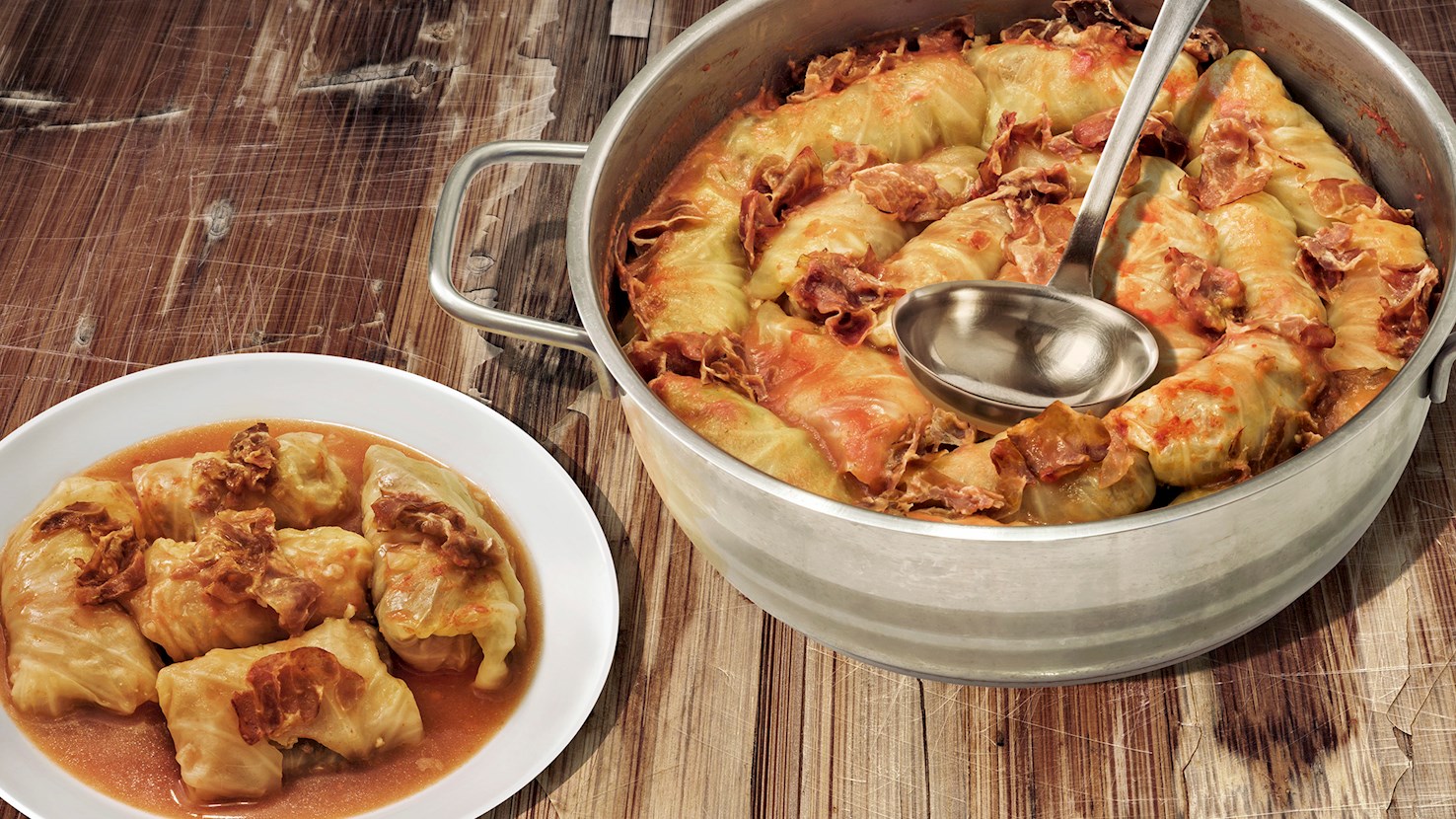
One of the staples of traditional Turkish cuisine, sarma consists of a filling that is snugly surrounded by leaves or leafy vegetables. There are numerous versions of this dish but the mixture typically combines ingredients such as minced meat, rice or bulgur, various herbs, seasonings, red pepper, paprika, ground sumac, or tomato sauce, while the typical wrapping usually includes vine, cabbage, or sauerkraut leaves, or a variety of leafy vegetables such as collard greens and swiss chard. Having its roots in the Ottoman Empire, sarma is also traditionally consumed in the Balkans, the countries of Central Europe, the South Caucasus, and the Middle East. Although it is commonly enjoyed as a filling lunch or dinner (typically during the winter season), sarma is often prepared on special occasions and holidays. The dish is usually accompanied by plain yogurt, mashed potatoes, and crusty bread on the side.
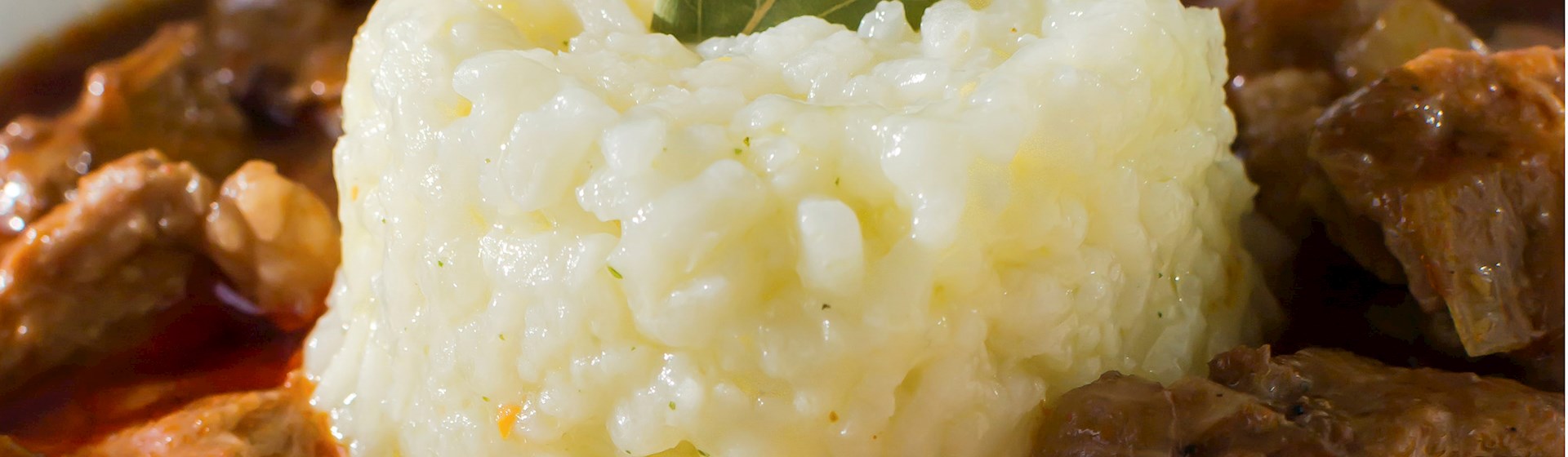
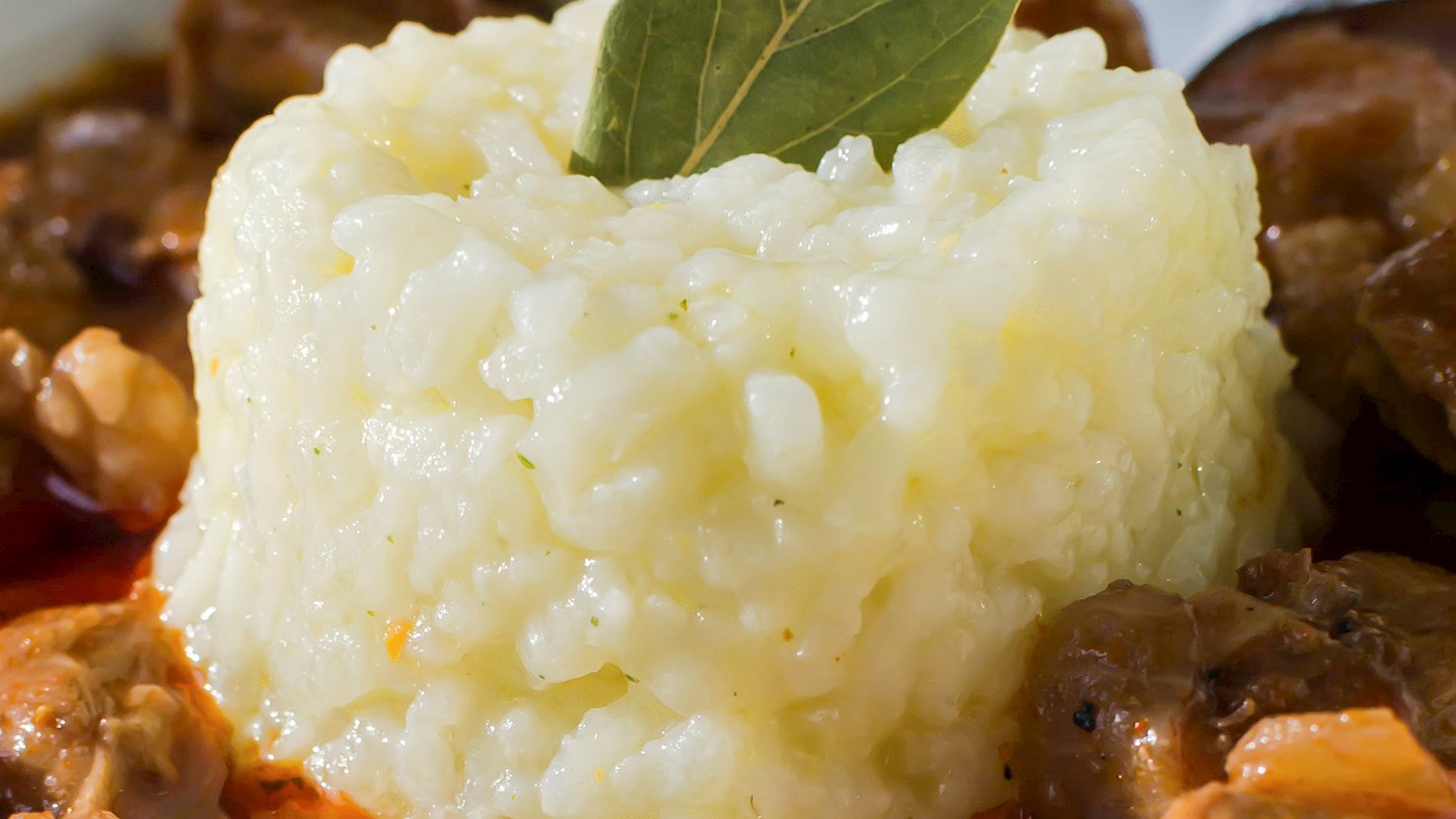
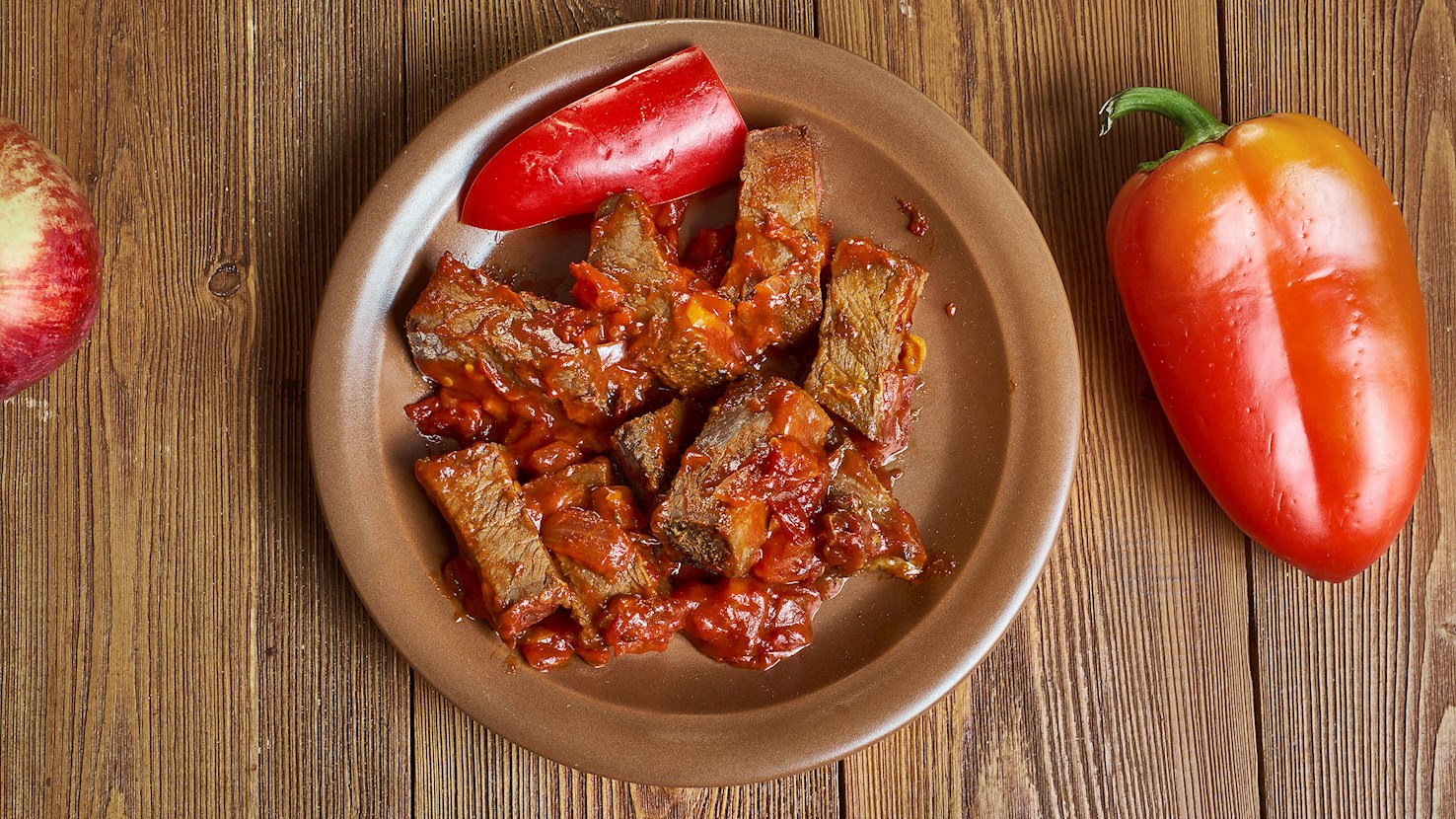
Traditional wine kebab is a popular Bulgarian stew made with meat and wine, which are combined with a variety of vegetables and spices. This one-pot dish can be made with any type of meat, but beef is the most common choice. The meat is diced and browned in oil, then simmered with a variety of vegetables such as carrots, celery, onions, leeks, and peppers. Finally, a generous amount of wine, usually red, is added to the pot, and cooked until the flavors combine and the sauce achieves a dark brown color and a specific thickness. The dish is usually spiced with bay leaves, peppercorns, and allspice, which provide a pungent flavor to the stew, commonly found in traditional Bulgarian restaurants, especially during winter. Wine kebab pairs incredibly well with plain rice or mashed potatoes on the side. Before serving, it is usually garnished with freshly chopped parsley.
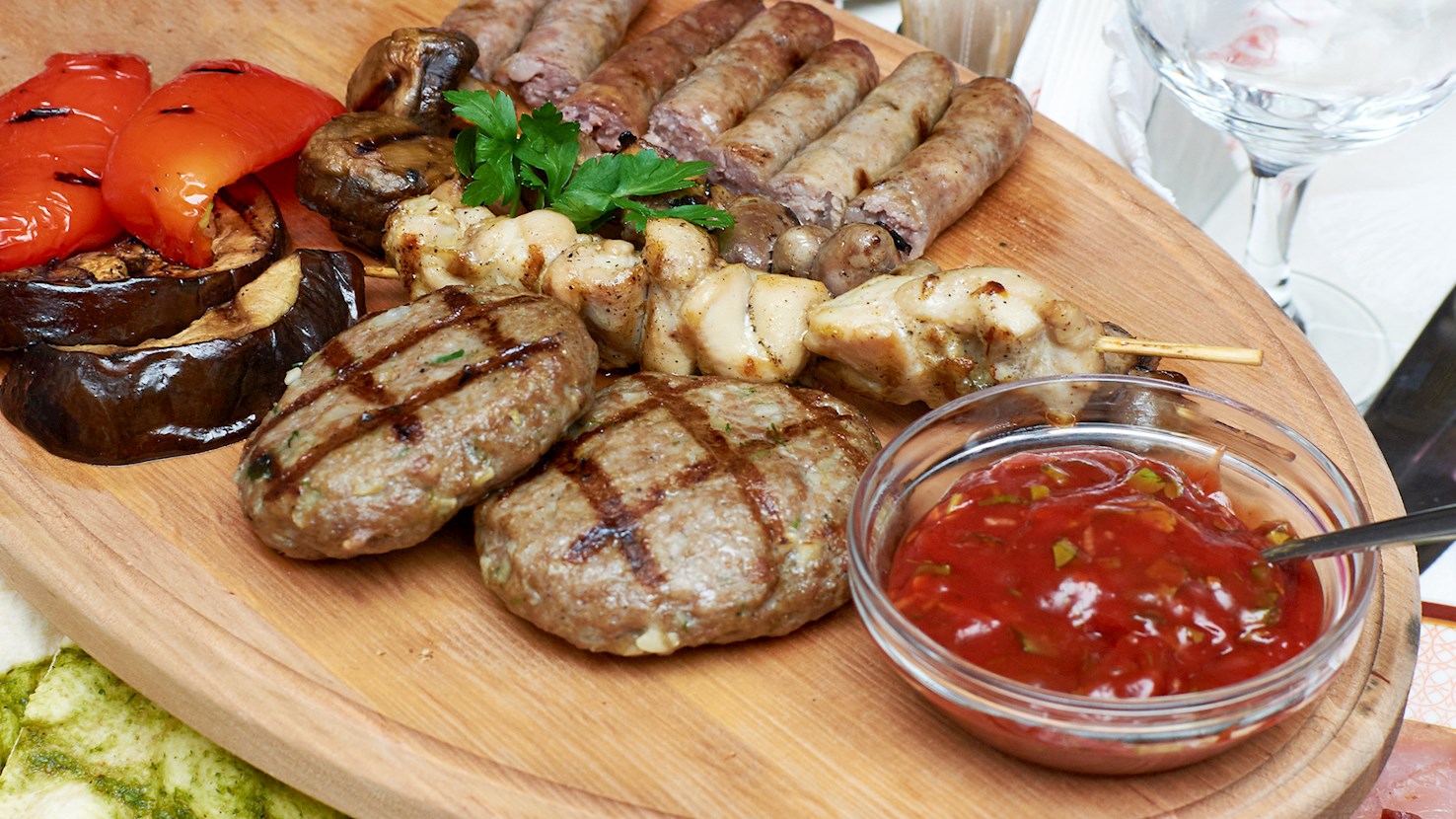
Meshana skara or mixed grill is a traditional meal consisting of a platter full of meat and sides. The platter should contain one kyufte, one pork steak, one kebapche, and one pork skewer. The meat is usually accompanied by french fries, lyutenitsa, and bean salad with onions. It is recommended to pair this meat-heavy dish with a few glasses of beer and rakia.
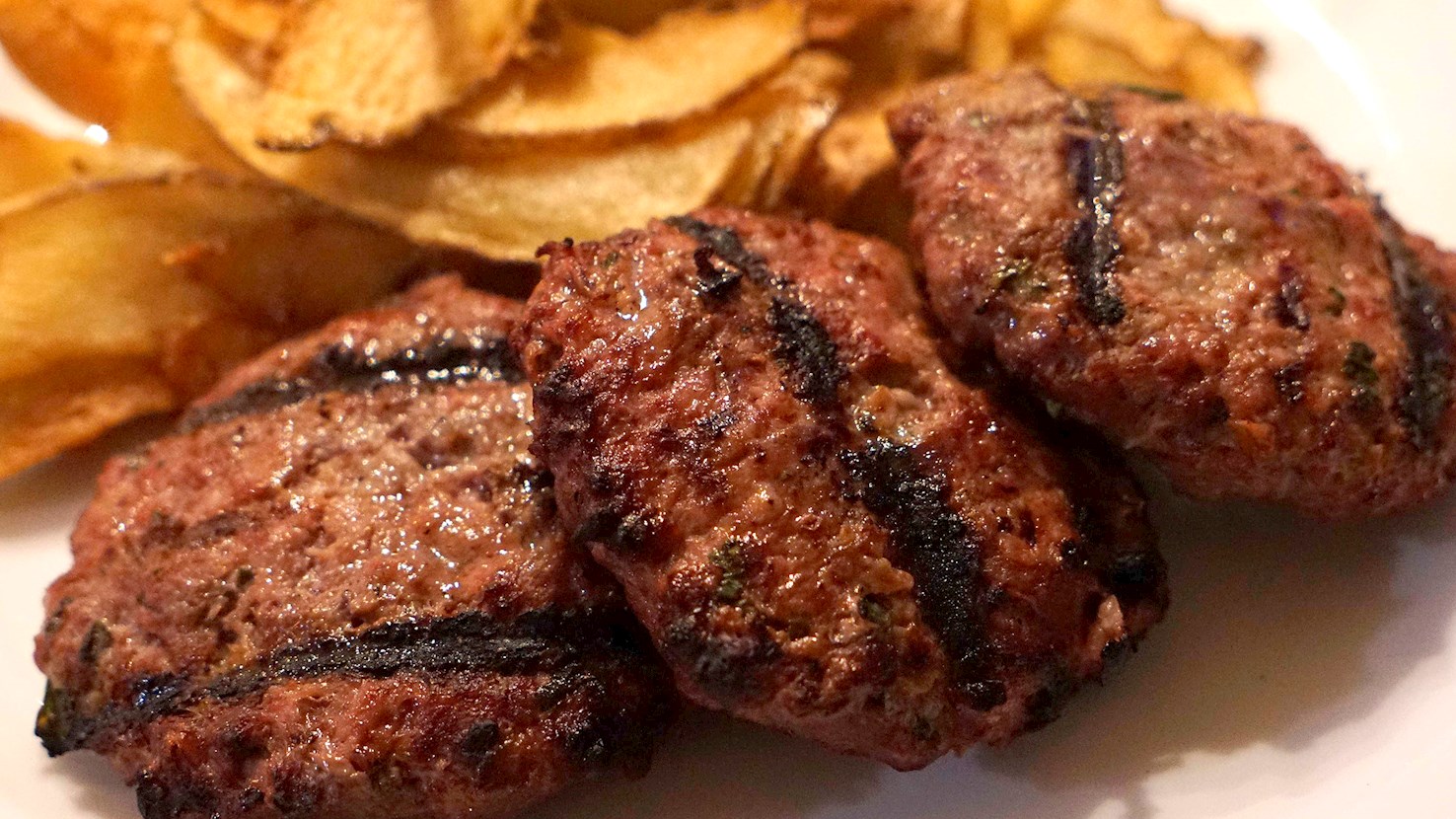
Kufte are Bulgarian meat patties that are usually made with pork, veal, or beef (or a combination) as primary ingredients. The meat is ground, then combined with onions, parsley, salt, pepper, and cumin. Savory is often added as a seasoning in order to enhance the flavors. The patties are then grilled until browned on both sides, and they should be served immediately. Kufte are often served with bread and baked rice on the side.
Kebapche is a dish of small meat rolls made from seasoned minced meat, grilled over an open flame. The dish traces its origins to the Ottoman Empire's expansion into the Balkans, sharing direct ancestry with the Middle Eastern kebab and regional ćevapi, but it evolved uniquely in Bulgaria through the deliberate incorporation of pork. Kebapche became a cornerstone of urban Bulgarian food culture in the early 20th century, particularly in Sofia, where specialized grill houses known as kebapchiynitsi established it as a permanent national staple. The authentic recipe calls for a precise mixture of minced pork and beef, typically at a 60-to-40 ratio, although 100% pork versions are equally common across the country. The meat is seasoned strictly with salt, freshly ground black pepper, and a heavy concentration of cumin, a specific spice profile that distinguishes it entirely from the closely related Bulgarian kyufte, which includes onions and parsley. The preparation process mandates that the minced meat be thoroughly kneaded by hand with a small amount of water or beer to hydrate the proteins and aerate the overall mixture. This seasoned meat rests in a cold environment for 12 to 24 hours, allowing the proteins to bind tightly and the cumin to permeate the fat completely. After resting, the mixture is shaped by hand or extruded through a specialized funnel into uniform small meat rolls weighing approximately 50 to 70 grams (2 ounces) and measuring up to six inches (15 centimeters) in length. These rolls are placed onto a scorching, heavily oiled charcoal grill and rotated continuously with tongs to cook evenly, seal in the juices, and develop a deeply charred, smoky exterior. Variations of the dish exist based on regional availability and dietary needs, including pure beef versions for those abstaining from pork, as well as rustic recipes incorporating minced wild game, such as boar or venison, in the mountainous hunting districts of the Rhodopes and Pirin. Kebapche is traditionally served in portions of three, a standard order universally known in Bulgaria as a trojka kebapcheta. The meat is accompanied by a large side of crispy French fries buried under grated Bulgarian sirene—a white, brined sheep's milk cheese—and a vibrant serving of lutenitsa, a thick, sweet-and-savory relish made from roasted red peppers and tomatoes. The meal is served hot, alongside slices of fresh, crusty bread and a cold local lager, representing a staple offering at every roadside tavern, traditional mehana, and festive outdoor gathering in the country.
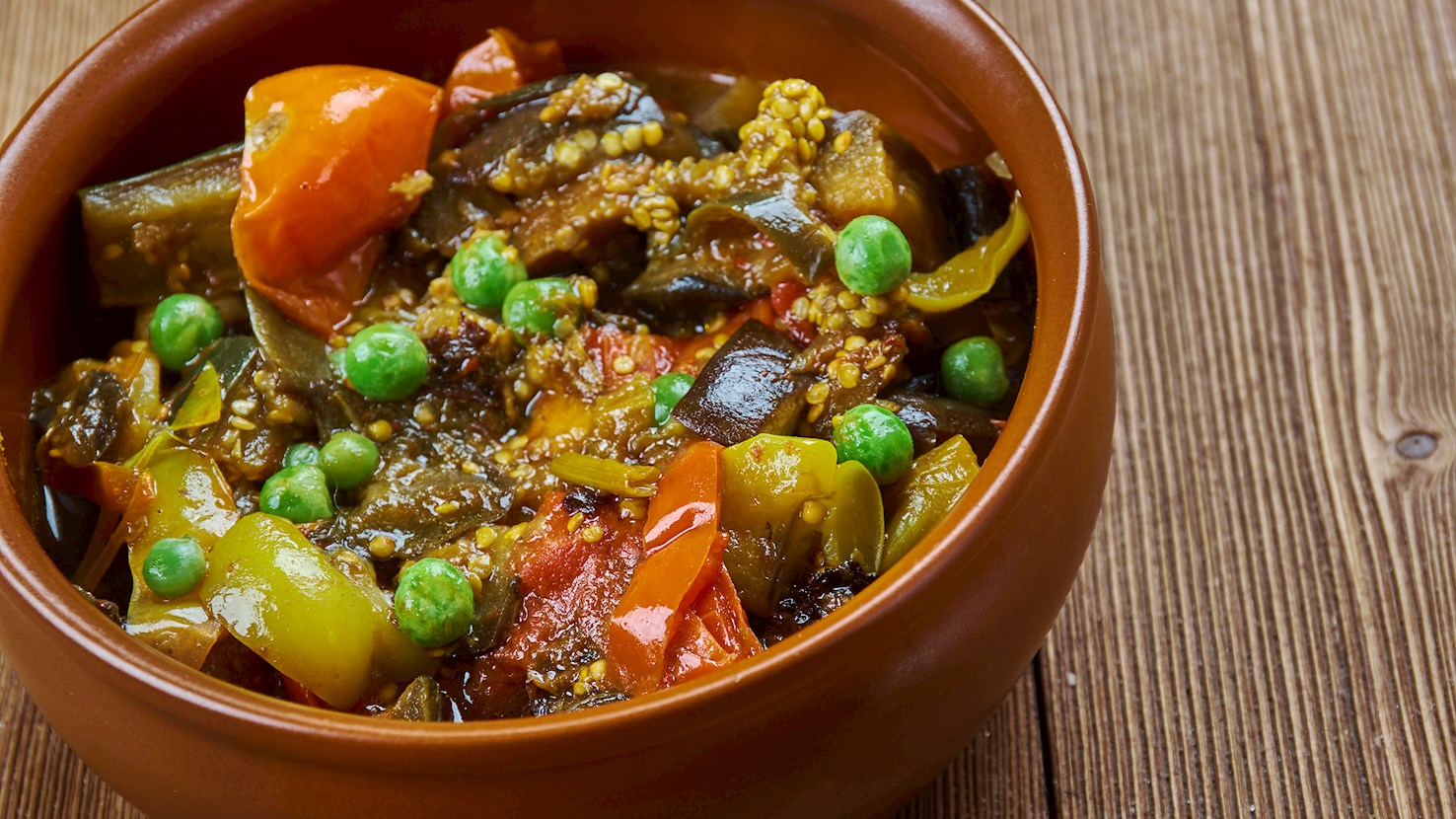
This traditional stew or casserole is typical of Balkan cuisine, and it carries the name of the clay or earthenware pot in which it is traditionally prepared - guvech. Bulgarian guvech stems from the Turkish word güveç (meaning earthenware pot) and suggests the specialty’s Turkish origins. It usually consists of a variety of seasonal vegetables, meat, spices, and herbs that are simmered for hours, resulting in a flavor-packed dish with a unique, earthy aroma. Typical vegetables used for the preparation of this dish include potatoes, eggplants, peppers, tomatoes, onions, carrots, zucchini, peas, and okra, while the selection of spices and herbs usually includes pepper, paprika, mint, parsley, and garlic. Common additions to the specialty include eggs and mushrooms, and although the dish is typically prepared with meat (pork, beef, chicken, or lamb), some versions call for using fish or making a meatless guvech. There are numerous varieties of guvech known by slightly different names throughout the Balkan countries, Turkey, and the Middle East. In Bulgaria, guvech is traditionally enjoyed while steaming hot, accompanied by a bowl of shopska salad, bread, and a glass of full-bodied red wine on the side.
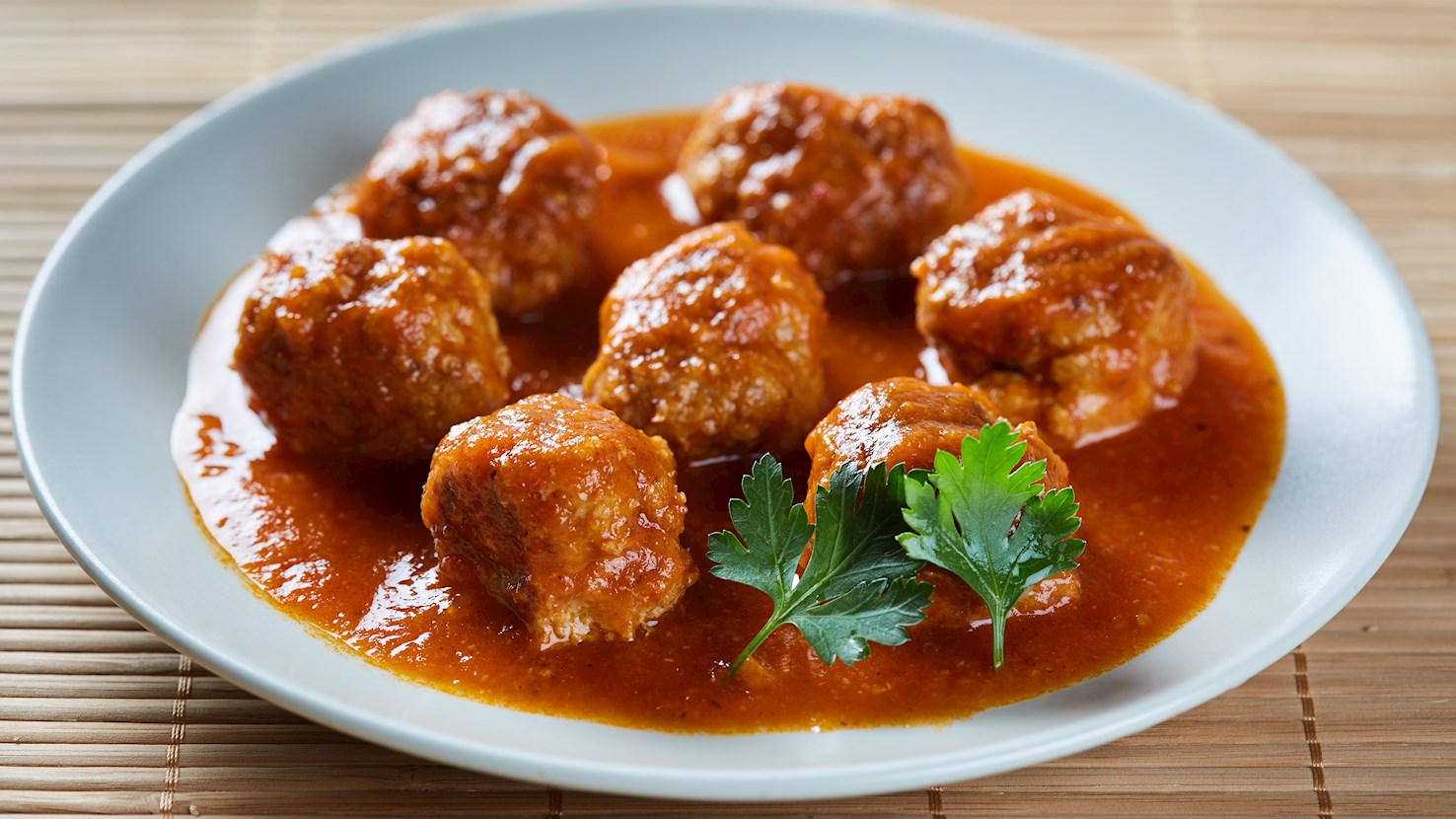
This classic Bulgarian dish consisting of meatballs in rich tomato sauce is an authentic delicacy from the city of Chirpan. The region around the city is famous for the production of numerous vegetables, so it is no surprise that kjufteta po Chirpanski uses lots of them. The meatballs are typically prepared with ground meat, onions, eggs, cumin, salt, pepper, and flour, while the sauce uses a variety of vegetables and spices such as onions, tomatoes, celery, paprika, parsley, bell peppers, and garlic. It is believed that almost every home in Chirpan has its own version of the dish and uses their own combination of herbs and spices.
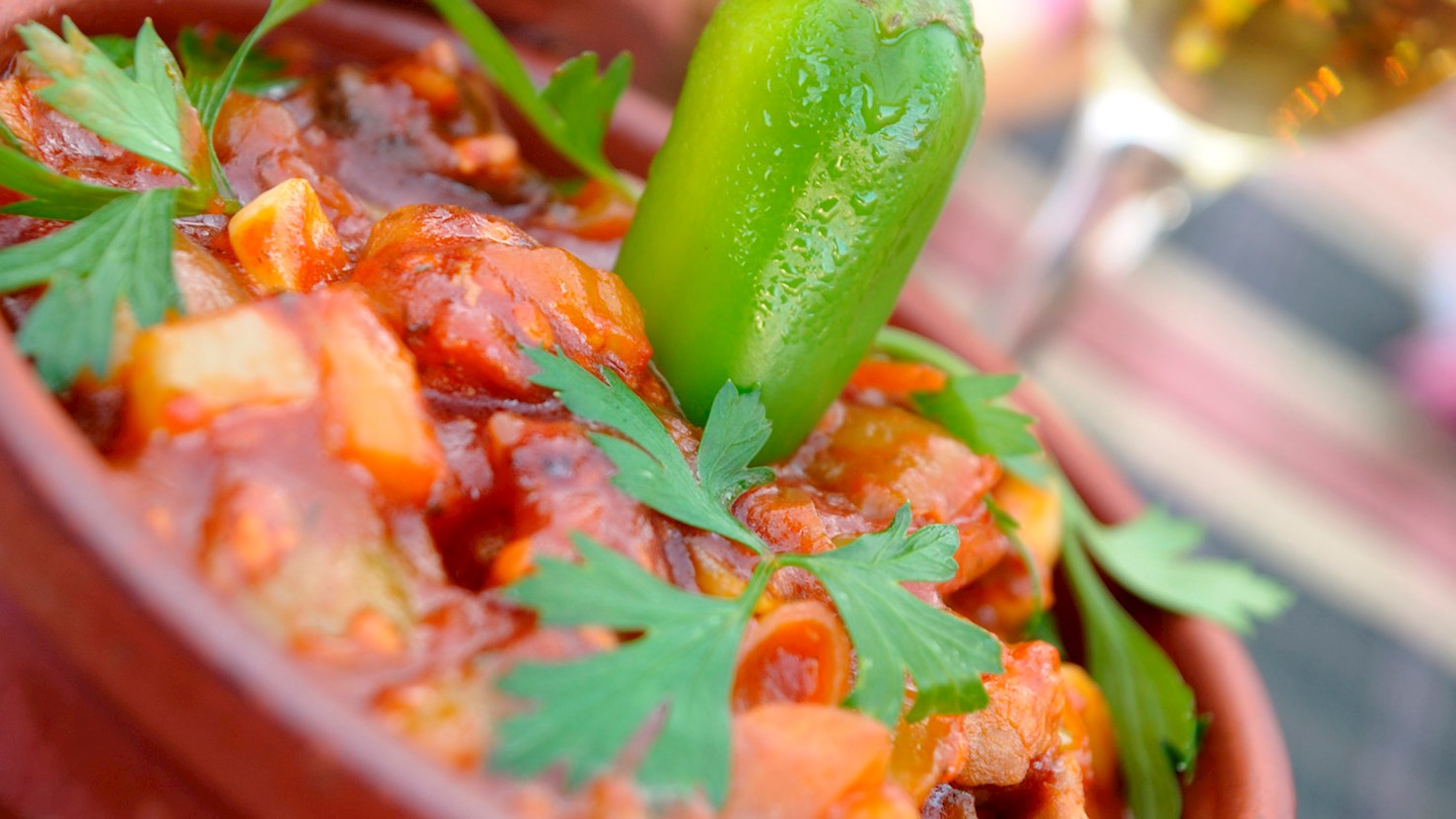
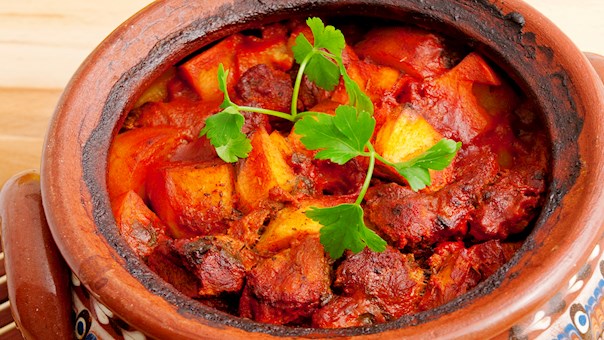
Kavarma is a slow-cooked stew consisting of pork or chicken, onions, peppers, tomatoes, and mushrooms baked in a lidded earthenware pot. The cooking vessel is a specific clay container called a gyuveche, which concentrates the flavors of the ingredients and evenly distributes the heat. Heating the meat and vegetables happens slowly in this sealed environment. The history of this cooking method traces back to the Ottoman era, which introduced slow-stewing techniques in sealed vessels and spices like cumin to the region between the fourteenth and nineteenth centuries. The meat first cooks low and slow in water or a hot frying pan before transferring to the final clay pot. Sliced fresh vegetables, including leeks, carrots, onions, red peppers, green peppers, and mushrooms, join the protein inside the vessel. Seasonings rely on a simple mixture of cumin, oregano, and bay leaves. A pour of wine acts as the braising liquid, mingling with the natural juices of the tomatoes and meat to create a thick gravy. The heavy lid of the gyuveche traps the steam inside during the long baking process. This trapped steam softens the cuts of pork or chicken until they fall apart easily. People eat this hearty, warm meal heavily during the colder winter months. A loaf of sliced baguette or fresh bread often accompanies the hot clay pot to the table to soak up the leftover seasoned gravy. Sometimes the hot stew arrives with a side of baked potatoes au gratin. Subtle variations exist across different towns, with some families adding extra parsley or altering the ratio of vegetables, but the reliance on the baked clay pot remains the defining constant of the meal.
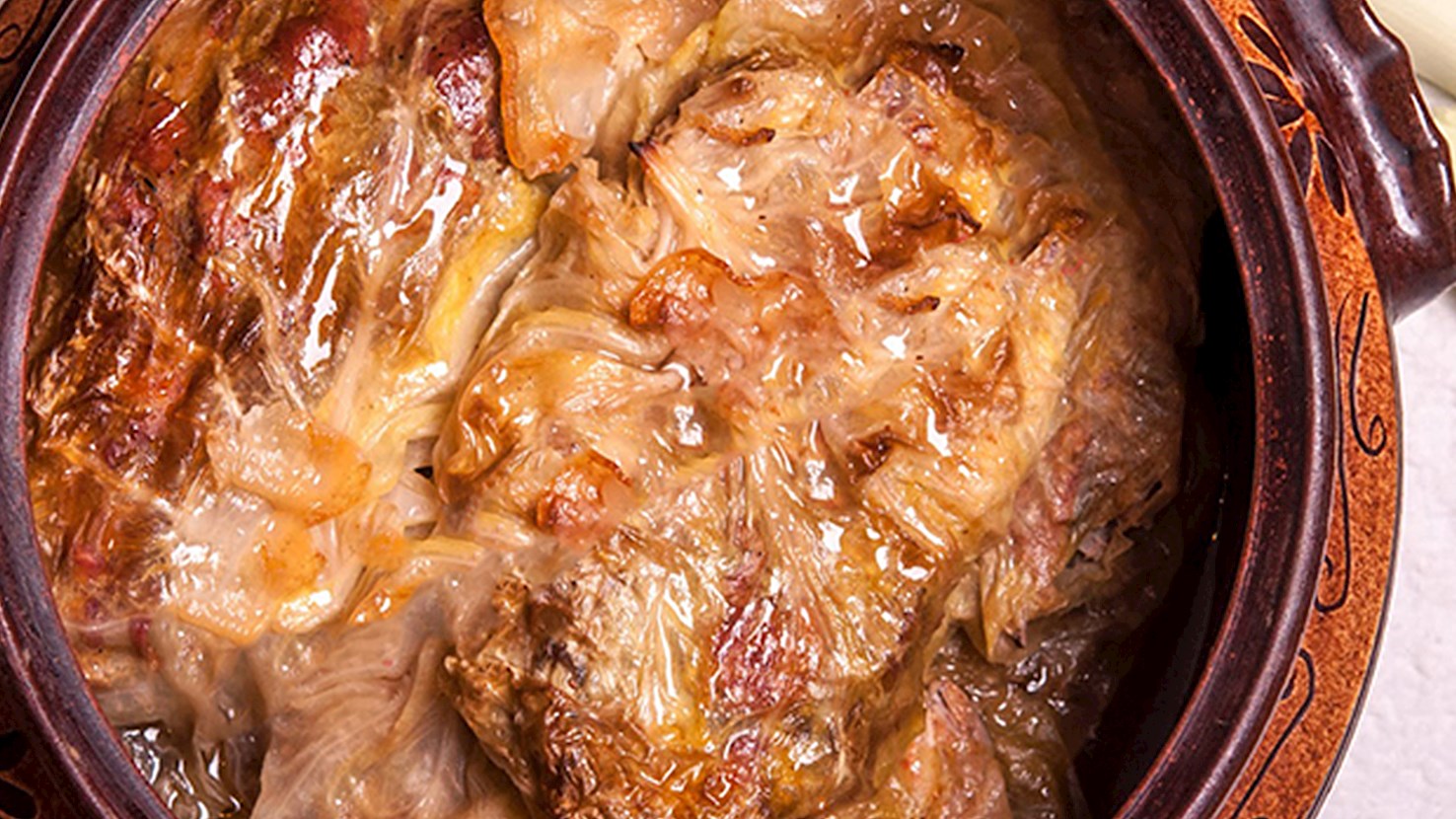
Kapama is a typical Bulgarian dish that is most often prepared in the region of Bansko and Razlog. The key ingredients include sauerkraut and different types of meat such as chicken, veal, pork, and rabbit, while rice and sausages can be added to the dish according to personal preferences. Some people also like to add plums, potatoes, or beets to the dish. The unique flavors of kapama are achieved with spices such as pepper, bay leaves, and paprika, and the dish should be prepared in layers. Kapama should also be baked in an oven for at least four hours at low temperature, in a clay pot that is sealed with dough. It is recommended to add a small amount of red wine to the pot in order to get even more flavor out of the dish.
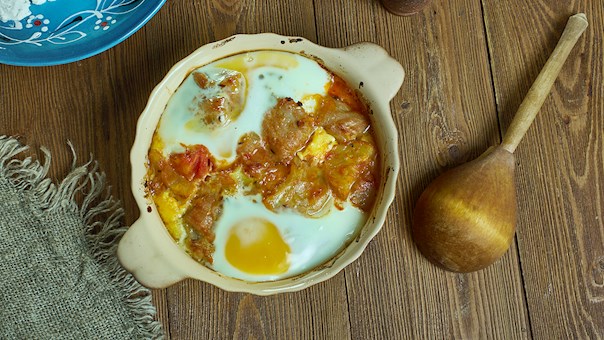
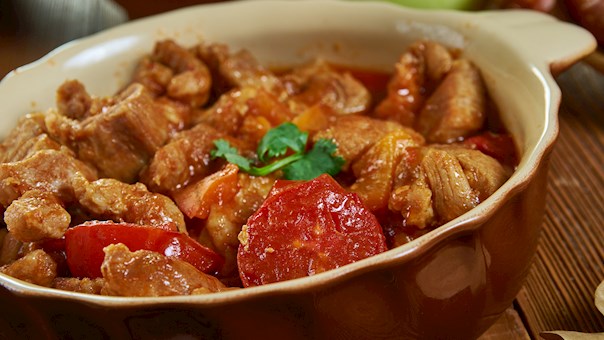
Drusan kebab is a traditional dish consisting of cubed pork, tomatoes, dried peppers, and onions. The dish is typically prepared in a pan and served hot. Sometimes, drusan kebab is served accompanied by fried eggs.
TasteAtlas food rankings are based on the ratings of the TasteAtlas audience, with a series of mechanisms that recognize real users and that ignore bot,
nationalist or local patriotic ratings, and give additional value to the ratings of users that the system recognizes as knowledgeable.
For the “Top 13 Bulgarian Meat Dishes” list until September 15, 2026, 2,136 ratings were recorded, of which 921 were recognized by the system as legitimate.
TasteAtlas Rankings should not be seen as the final global conclusion about food. Their purpose is to promote excellent local foods,
instill pride in traditional dishes, and arouse curiosity about dishes you haven’t tried.




What People Say