

shutterstock

Top 10 Northern Indian Meat Dishes

Last updated on June 15, 2026
01

Rogan josh

4.2 ·

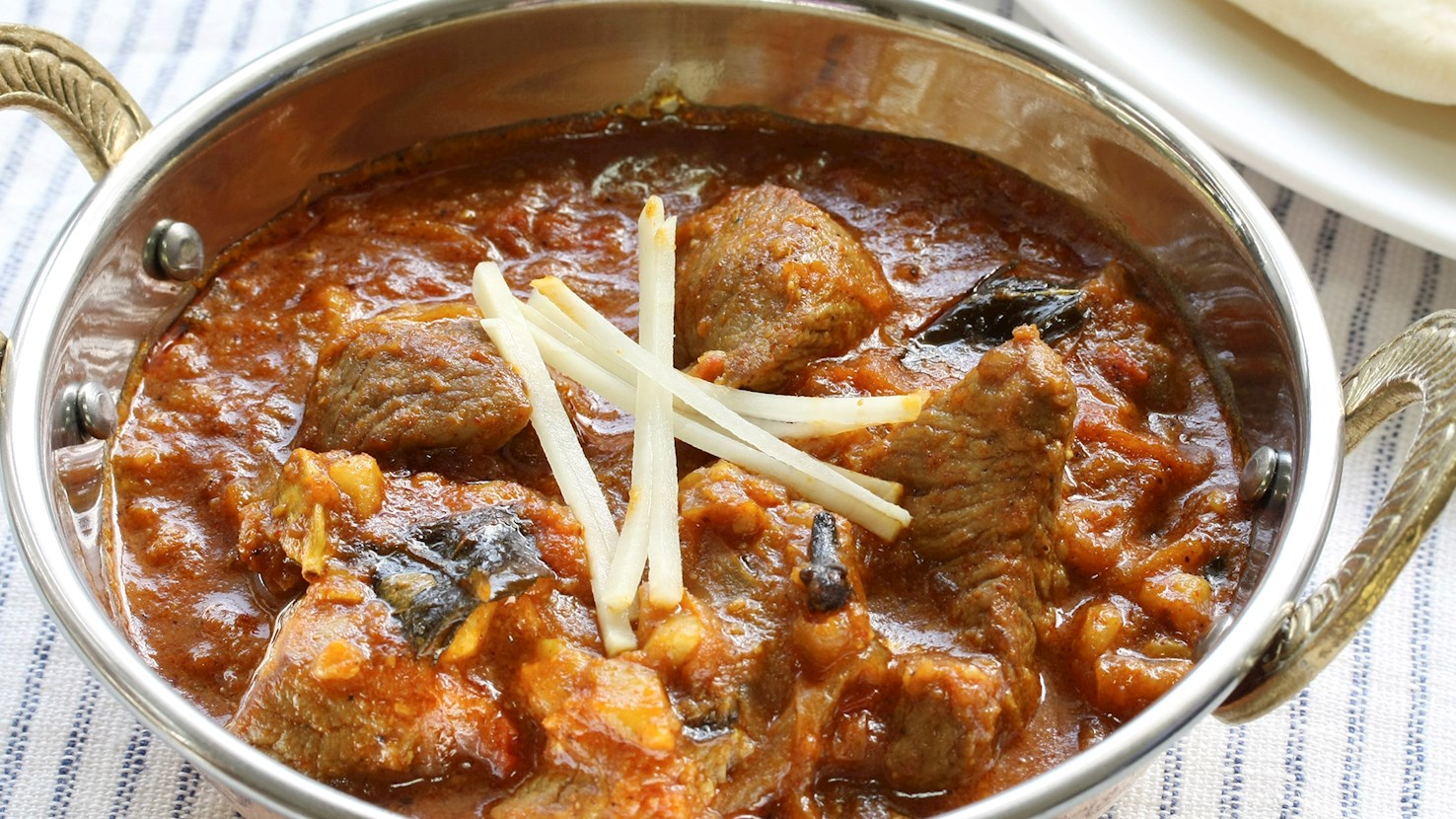
Rogan josh is an aromatic lamb curry that is believed to be of Persian origin, although today it is more closely associated with the Kashmir region of India. The stew is characterized by tender meat and a thick, fiery red sauce coming from deseeded Kashmiri chillies. Lamb pieces are typically stewed in a gravy made with browned onions, garlic, yogurt, ginger, and aromatic herbs and spices. The name of the dish is derived from two words: rogan, meaning clarified butter or oil, and josh, referring to passion or heat. Rogan josh is usually accompanied by plain or spiced basmati rice and Indian flatbreads such as naan on the side. The dish is also popular in the United Kingdom since the 1950s, when Indian cuisine was brought over to the country.

02

Nihari

4.1 ·

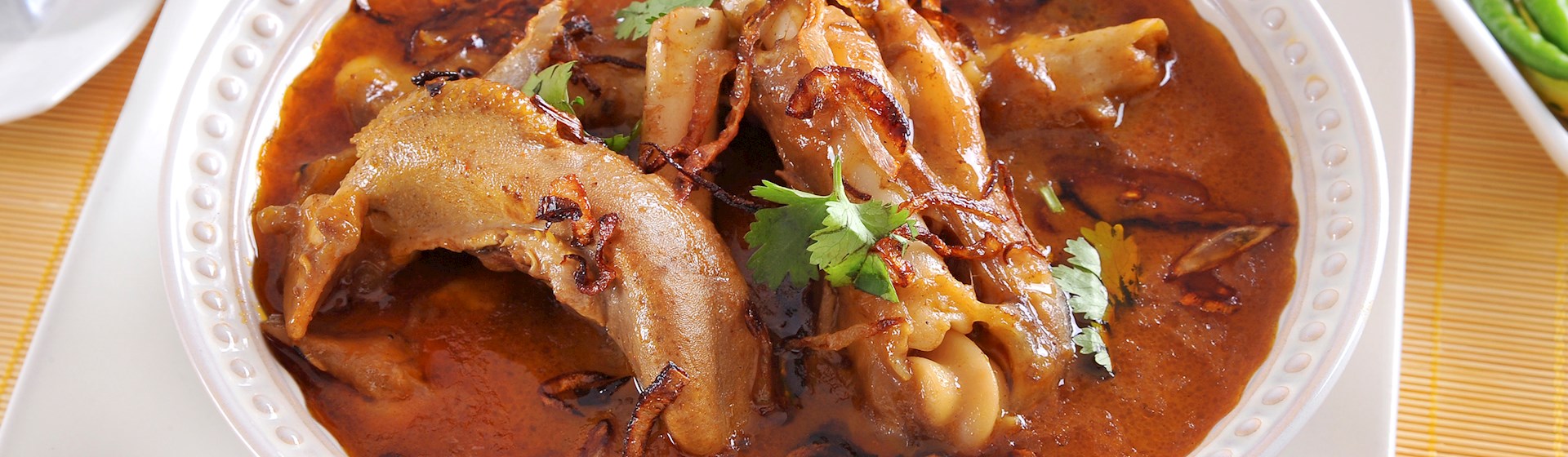
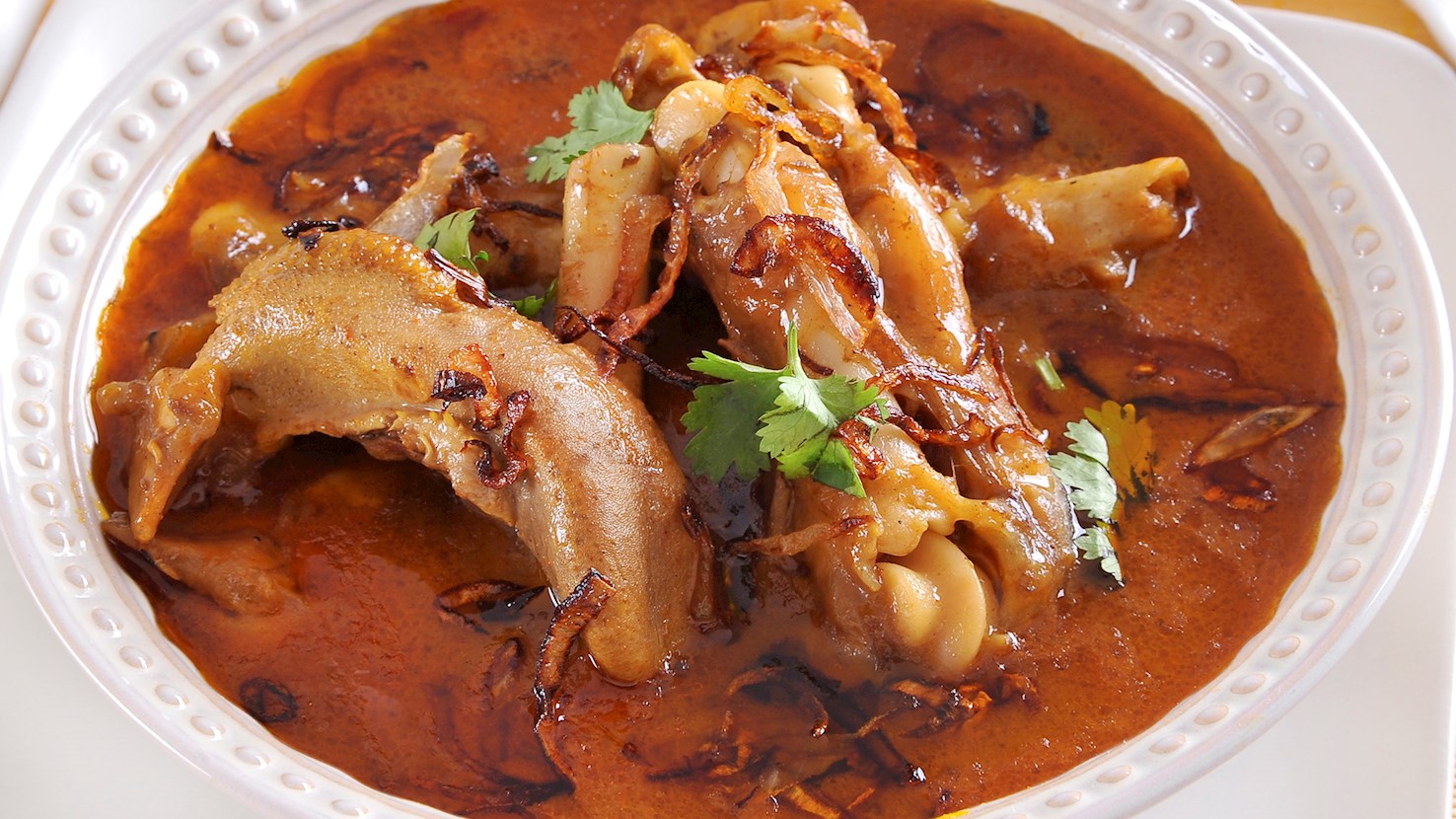
Nihari is a popular meat-based dish originating from Old Delhi. When Pakistan gained independence in 1947, numerous immigrants from Delhi settled in Karachi, where they established their own restaurants, so nihar is also associated with Pakistani cuisine. The dish consists of slowly cooked meat such as beef shanks, mutton, or chicken. The meat is cooked together with stock and numerous spices such as cumin, cloves, garam masala, and cardamom in big vessels which are sealed with dough. It takes anywhere from six to eight hours for nihari to be cooked properly, and it is traditionally consumed for breakfast, since the name of the dish is derived from the Arabic word nahar, meaning morning. Originally, nihari was consumed by the Nawabs in the Mughal Empire as a breakfast dish, before the usual morning prayers, although some people believe that the dish was invented in the royal kitchens of Awadh. It is usually served with tandoori rotis or khameeri rotis, and some like to garnish nihari with green chilis on top. Nihari's texture, spiciness, and tenderness of the meat make it a favorite among many Indian and Pakistani people.

03

Laal maas

3.1 ·

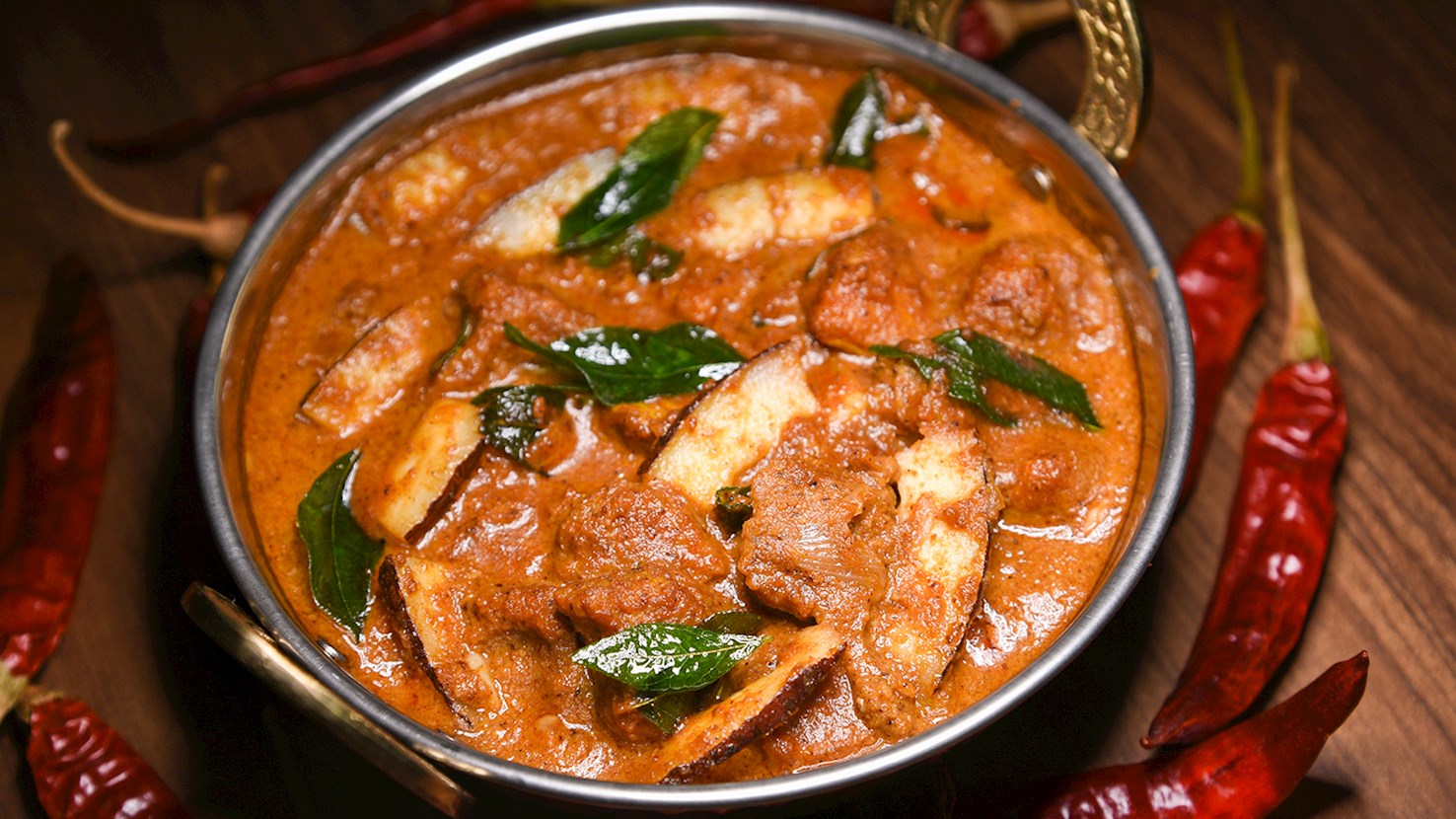
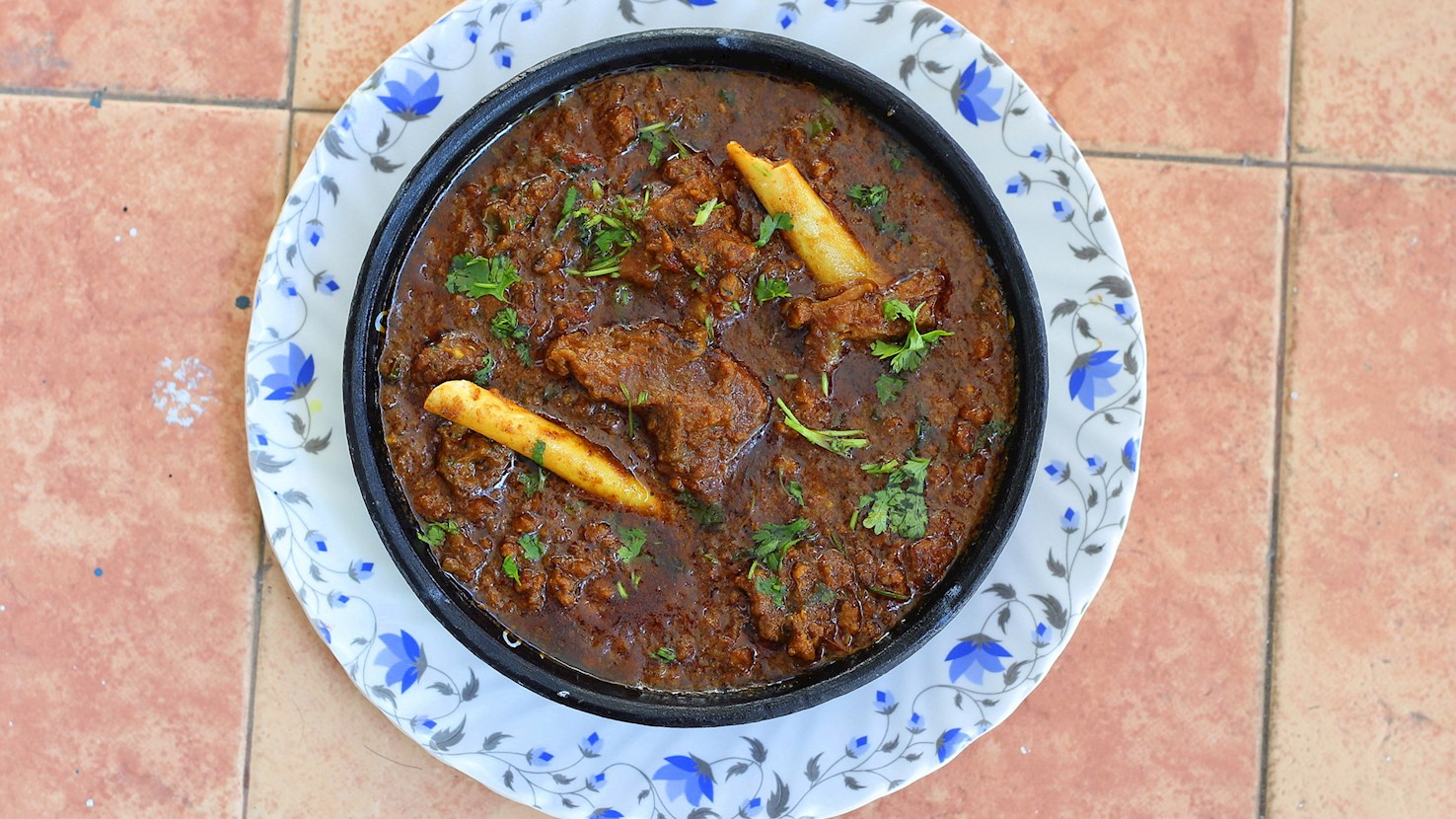
Laal maas is a traditional curry variety originating from Rajasthan. This curry is prepared with mutton (often marinated in kachari cucumbers), yogurt, and Mathania red chili peppers. Other common ingredients include onions, garlic, coriander seeds, ghee, ginger, cardamom, and cinnamon. Once prepared, laal maas can be thick or more on the liquid side. It's traditionally accompanied by wheat flour chapatis and steamed rice. In the past, the curry was prepared with wild game meat, hence the abundance of chili peppers in the dish that are used to mask the gamy aromas, but nowadays it's prepared with mutton, especially during festive occasions and festivals.

Best restaurants
04

Tabak maaz

n/a ·

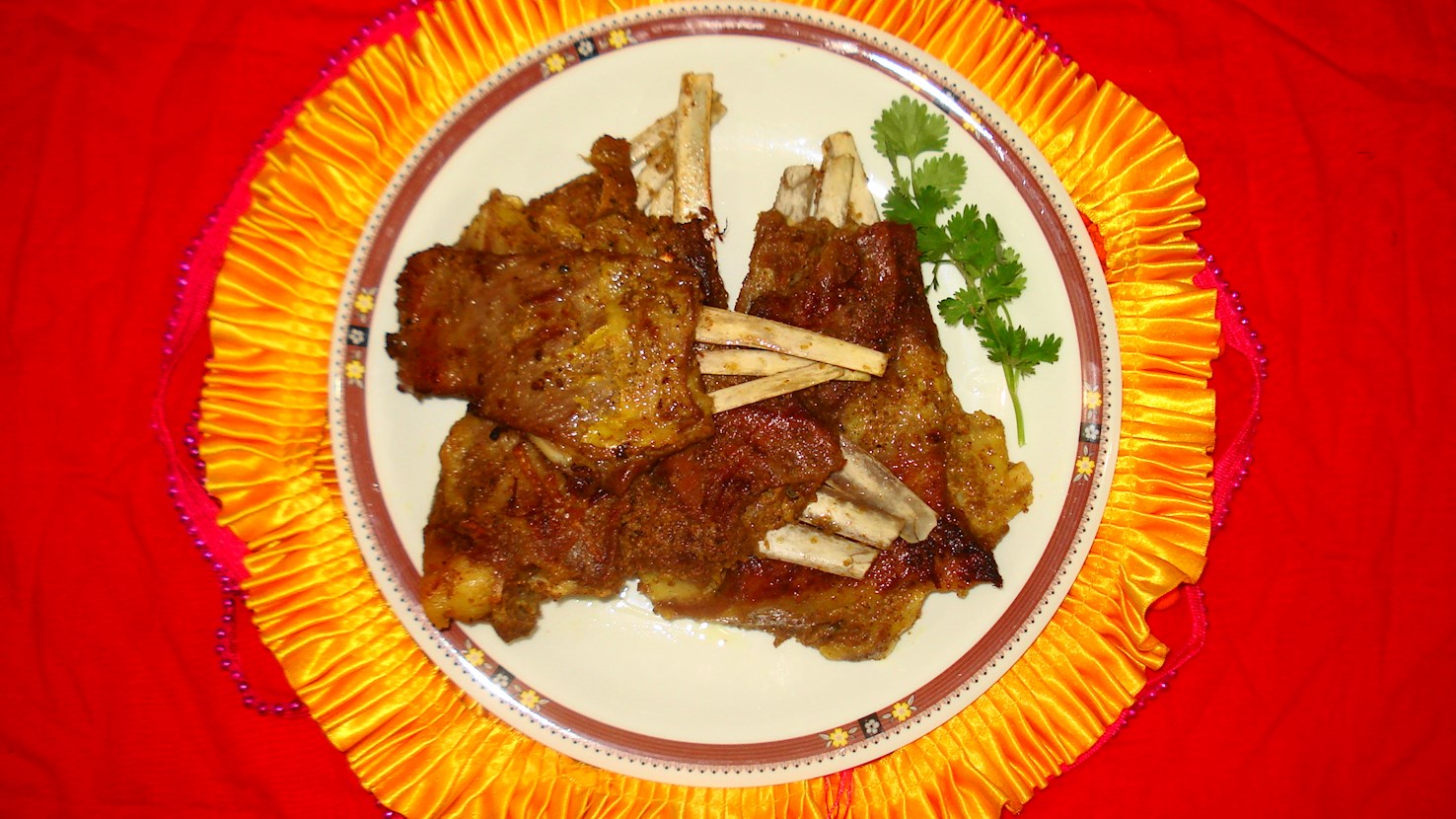
Tabak maaz is a traditional dish originating from Kashmir. It's usually made with a combination of lamb ribs, garlic, ginger, cloves, cardamom, turmeric, oil or ghee, and salt. The ribs are boiled with garlic, separated into pieces, and the reserved cooking water is brought to a boil in a pot. The ribs are placed in the pot with ginger, cloves, cardamom, salt, and turmeric. The bones are removed and the ribs are arranged in a frying pan over ghee or oil. They're fried until browned so that the flavors are sealed in. Once drained from the oil, tabak maaz is ready to be served. The dish is especially popular at wedding banquets and similar festive events in the region.

05

Mutton rara

n/a ·

Mutton rara is a traditional Himachali stew originating from the northern parts of India, where it’s prepared during special occasions. The dish is made with a combination of marinated mutton chunks, onions, ginger, garlic, tomatoes, coriander, turmeric, garam masala, lemon juice, chili peppers, cardamoms, cinnamon, cloves, oil, bay leaves, ghee, and salt. The meat is marinated in a mixture of dahi, ginger-garlic paste, red chili powder, and turmeric. The stew is cooked until the mutton becomes tender, and lemon juice is added near the end of cooking. Once done, mutton rara is usually garnished with coriander leaves, and the dish is then served hot with Indian flatbreads such as naan, roti, or laccha paratha on the side.

06

Goshtaba

n/a ·

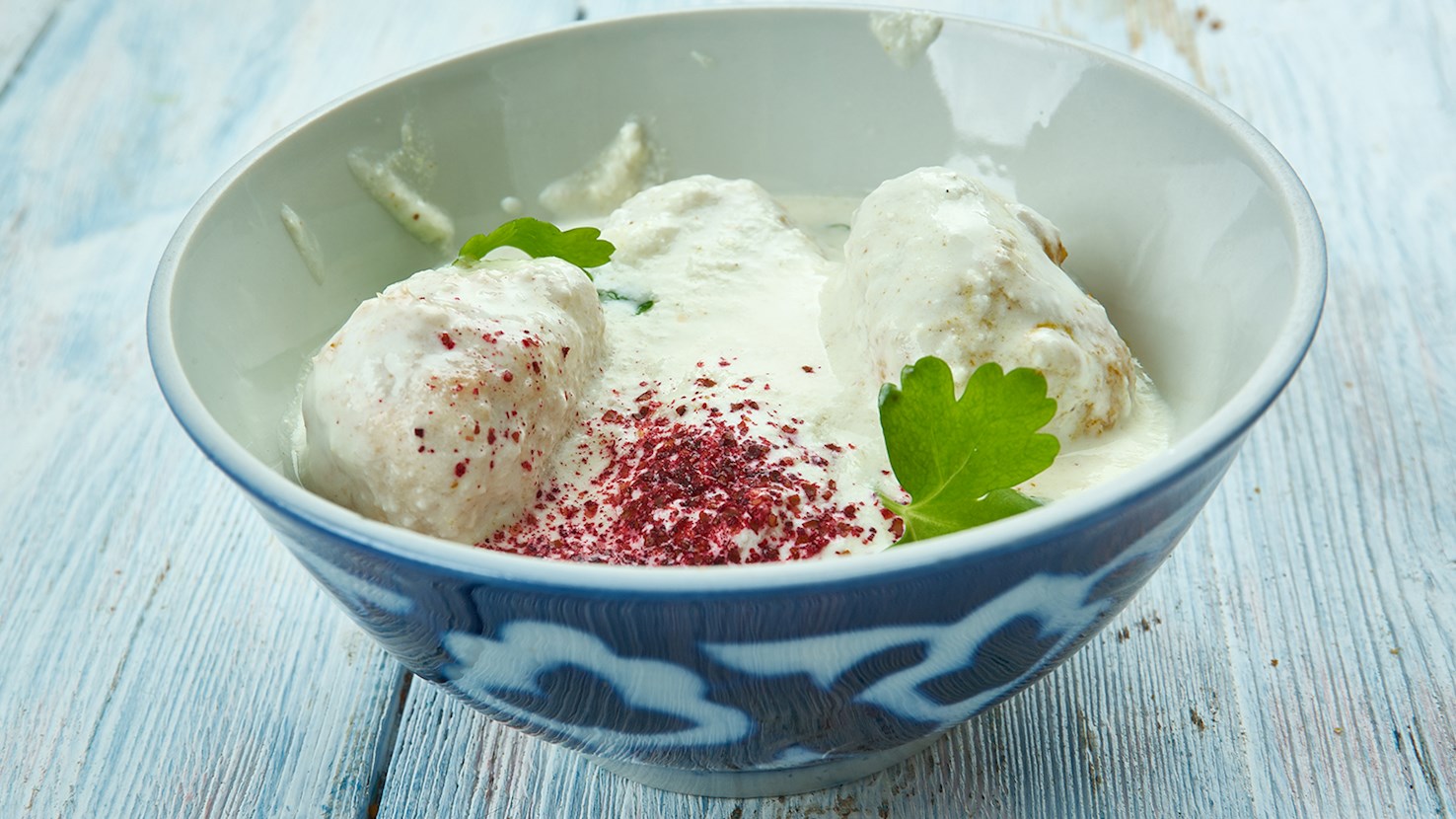
Goshtaba is a traditional curry originating from the Kashmir region. The curry consists of mutton meatballs simmered in a spicy dahi gravy. It's made with a combination of minced mutton, mustard oil, fennel powder, cumin powder, fenugreek powder, cinnamon, cloves, bay leaves, black cardamom, cumin seeds, ghee, dahi, and saffron. Once prepared, the stew is garnished with saffron threads and coriander leaves before it's served piping hot. It's recommended to serve goshtaba with rice or butter garlic naan on the side. The dish is usually prepared for important ceremonies, and it's often dubbed The Dish of Kings. In a Wazwan feast, goshtaba is served as the last meat dish before the dessert.

07

Shab daig

n/a ·

Shab daig, from the words shab, meaning night, and daig, which is a large cooking pot or cauldron, is a traditional winter specialty hailing from the Kashmir region. The name of this dish is derived from the traditional technique of slowly cooking it overnight in a dough-sealed cooking vessel over a firewood-lit hearth. Such an elaborate method of preparation would inevitably result in a uniquely aromatic and flavor-packed delicacy, which was usually eaten with rice the following day. It was traditionally made with sautéed pieces of a big, fatty rooster and turnips, which were then cooked together in a rich broth flavored with spices such as garlic, ginger, fennel seeds, saffron, cardamom, Kashmiri garam masala, and cinnamon. Lamb, beef, mutton, or chicken could also be used instead of a rooster. Back in the days, most people in the Kashmir region raised poultry and crops or even spices; thus all ingredients needed for the dish were often readily available. Since this dish was typically reserved for the coldest of winter, when heavy snow used to cut off Kashmiri residents from the rest of the country, eating and sharing this hearty meal with family members and close neighbors was an incomparable experience. Nowadays, shab daig often consists of meatballs, chunks of meat, and turnips, and it is usually accompanied by flatbreads or steamed rice.

08

Rista

n/a ·

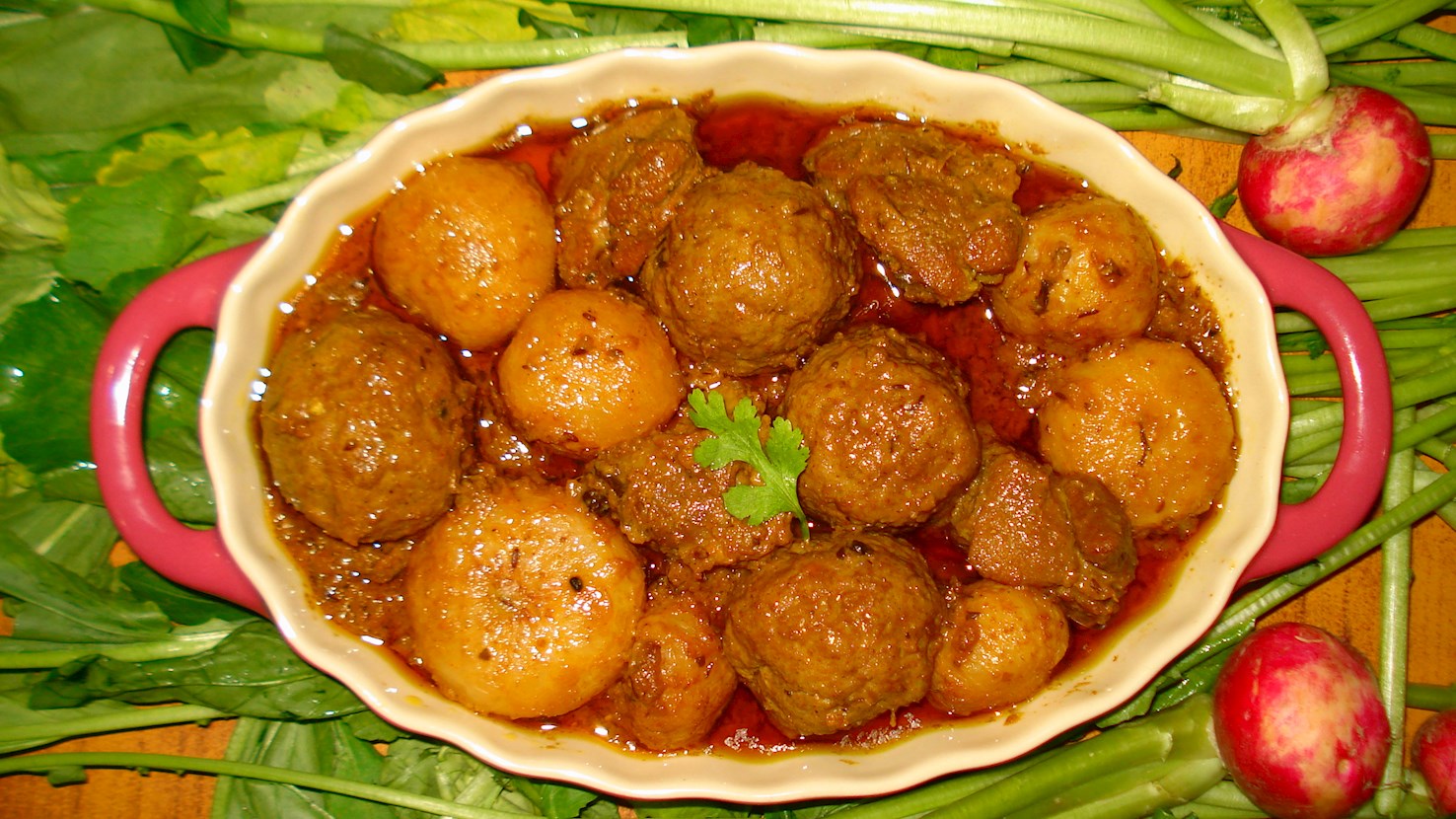
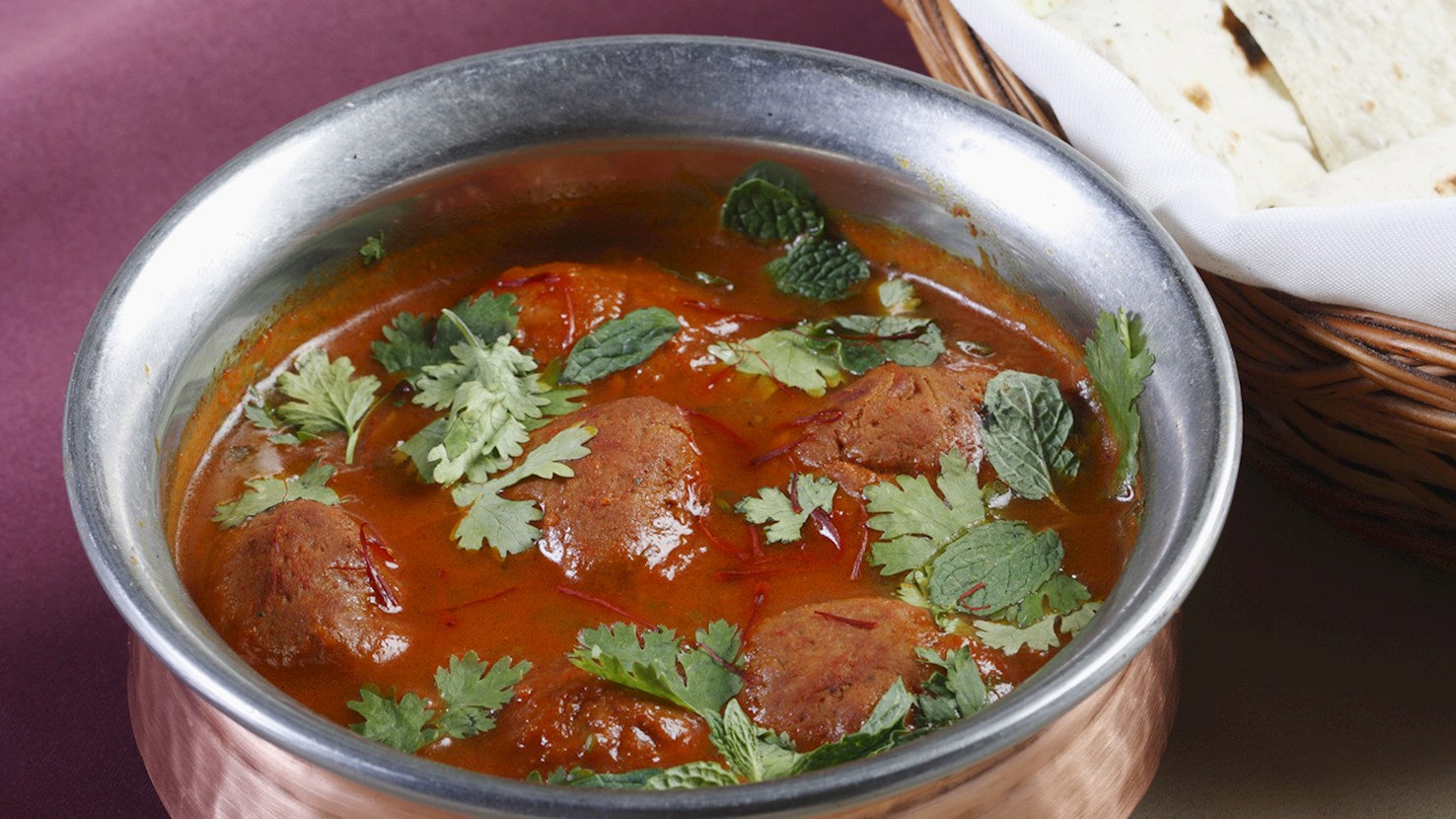
Rista is a traditional and royal Indian dish originating from the Kashmir region. The dish consists of meatballs that are simmered in a spicy red gravy. The meatballs are usually made with a combination of mutton, cardamom powder, salt, and ginger powder. Other ingredients used for the dish, such as asafoetida, onions, saffron, red chili powder, fennel, cloves, cinnamon, mustard oil, and bay leaves are shortly sautéed in a pan and covered with water. While the gravy is simmering, the meatballs are added to the pan and the combination is simmered until the meatballs are fully cooked. Once done, rista is served hot, garnished with anise seed and accompanied by boiled or steamed rice, naan, roti, paratha, or kulcha flatbread on the side. This dish is often prepared for special occasions and festive events.

09

Aab gosht

n/a ·

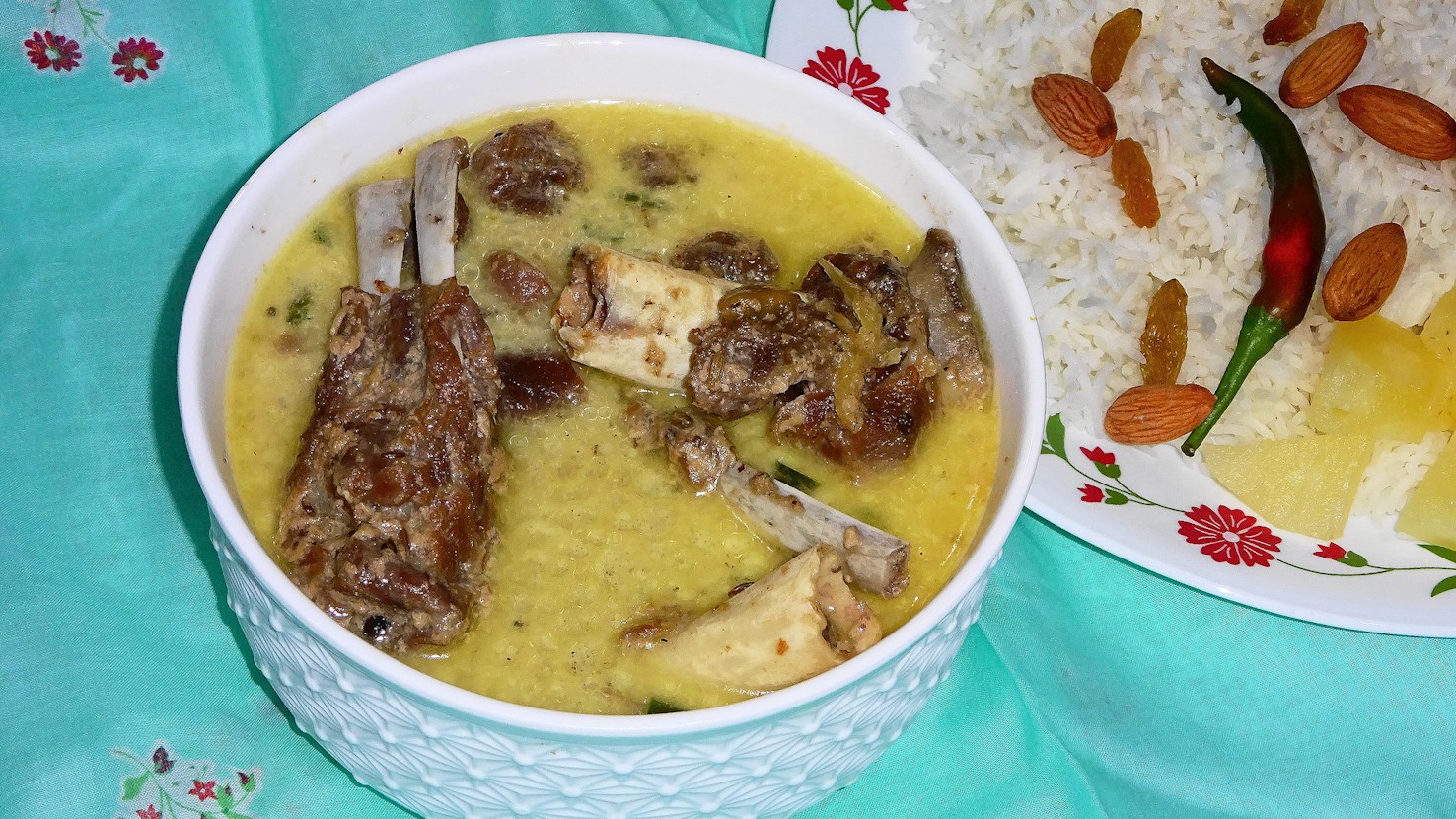
Aab gosht is a traditional lamb curry originating from Kashmir. The dish is usually made with a combination of lamb, milk, onions, ginger-garlic paste, cardamom, ghee, fennel, cinnamon, cloves, black peppercorns, and salt. The lamb is cut into pieces and shortly simmered in water with the garlic, ginger, and salt. Once firm, the meat is drained and set aside. Milk is boiled with cardamom until it thickens, and the rest of the ingredients are then added to the mixture along with the meat. The curry is simmered over low heat until the meat is fully tender, and the dish is then ready to be enjoyed. Aab gosht is traditionally served with steamed rice on the side.

10

Kabargah

n/a ·

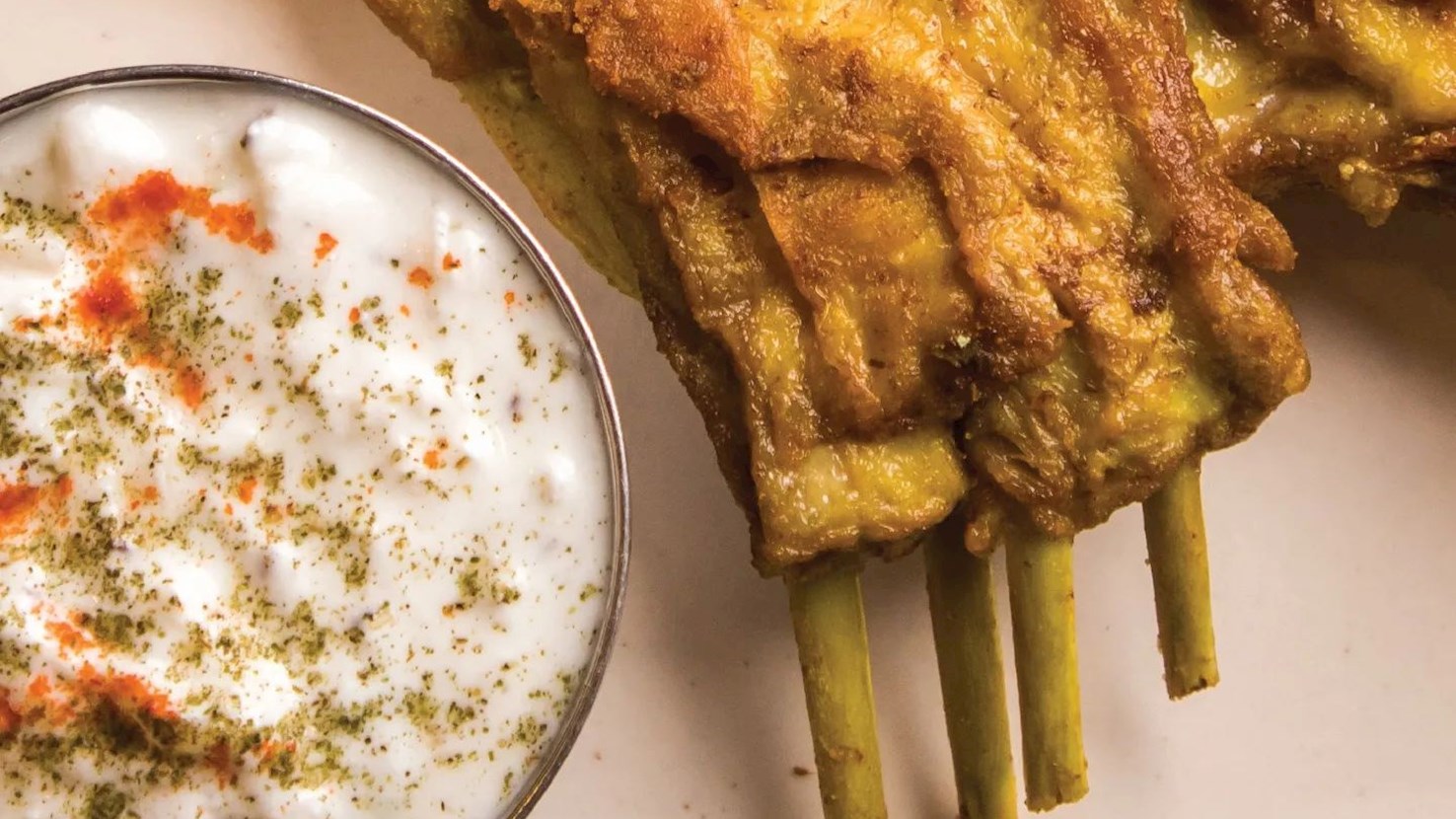
Kabargah is a traditional dish originating from Kashmir. The dish is usually made with a combination of lamb ribs, milk, ghee, asafoetida, chili powder, rice flour, gram flour, fennel seeds, cinnamon, cloves, ginger, cardamom, and salt. The ribs are boiled in a mixture of milk, water, cardamom, ginger, cloves, cinnamon, and fennel until the meat is tender and the liquid evaporates. The meat is dipped in a batter consisting of gram flour, rice flour, water, salt, chili powder, and asafoetida, and it's then fried in ghee until golden brown before serving.

Read more
View all
View map
About this ranking

TasteAtlas food rankings are based on the ratings of the TasteAtlas audience, with a series of mechanisms that recognize real users and that ignore bot, nationalist or local patriotic ratings, and give additional value to the ratings of users that the system recognizes as knowledgeable. For the “Top 10 Northern Indian Meat Dishes” list until June 15, 2026, 257 ratings were recorded, of which 181 were recognized by the system as legitimate. TasteAtlas Rankings should not be seen as the final global conclusion about food. Their purpose is to promote excellent local foods, instill pride in traditional dishes, and arouse curiosity about dishes you haven’t tried.

Similar lists