




shutterstock

Top 18 Tuscan Meat Dishes

Last updated on June 15, 2026
01

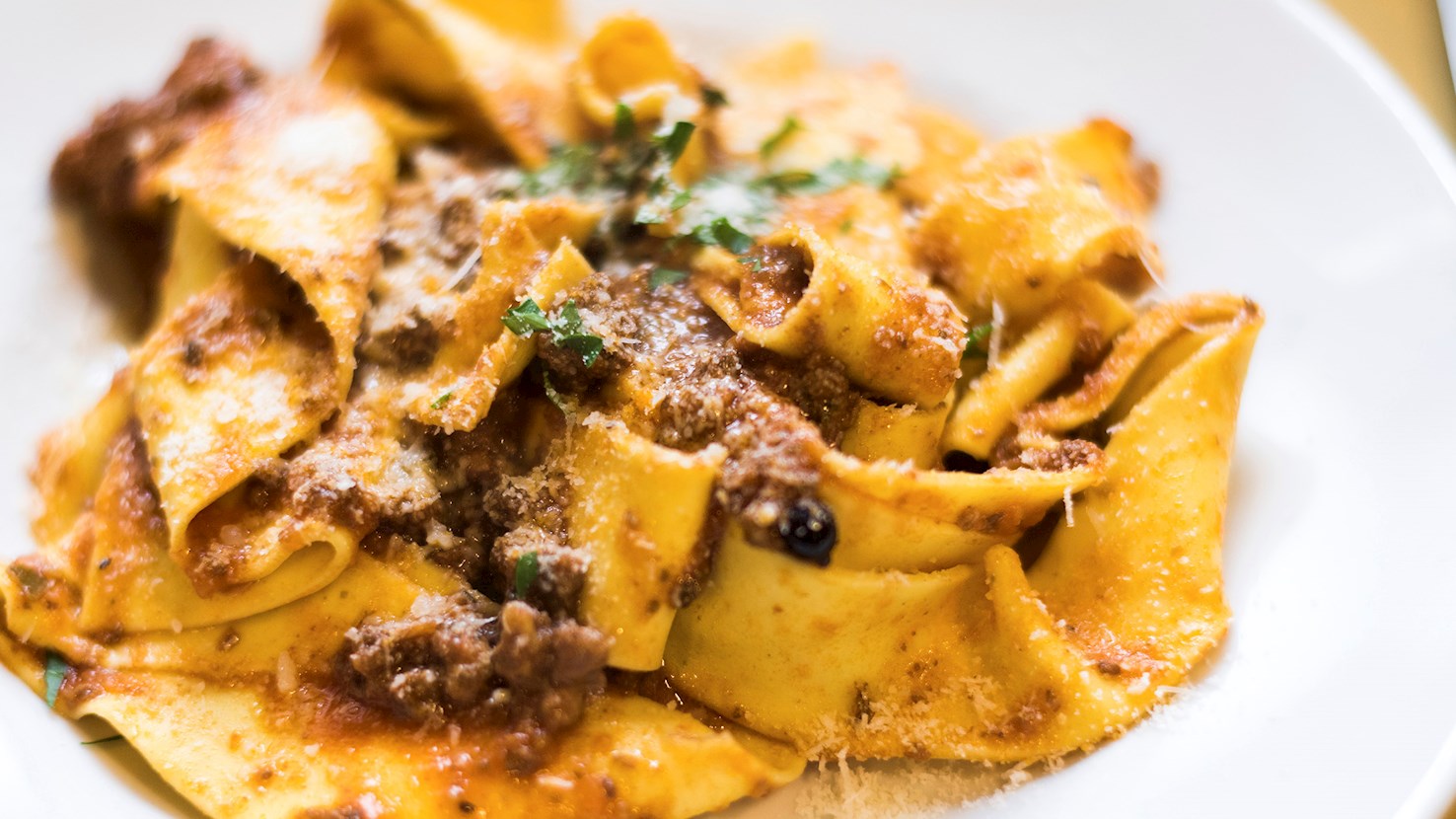
Pappardelle al cinghiale

4.5 ·

Pappardelle is a famous Tuscan pasta variety. When paired with ragù di cinghiale (made with wild boar), they become one of the region's best gastronomic experiences. Unlike classic ragù, the one prepared with wild boar has an intense, much stronger flavor achieved by long, slow simmering in a rich sauce of tomatoes and red wine. The tender meat paired with fresh egg pasta is a combination full of flavors and tradition in every single bite - rich and delicious, topped with a generous amount of chopped fresh parsley and a sprinkle of Parmigiano, pappardelle al ragù di cinghiale make a perfect, comforting winter dish, especially when paired with a glass of Tuscan red wine.

02

Bistecca alla Fiorentina

4.4 ·

Known as the holiest of holies of Italian cuisine, the Florentine-style beef steak is prepared exclusively with dry-aged beef from the Chianina cattle, which is particularly prized for its tenderness. Even though bistecca alla Fiorentina is often described as a T-bone steak, it is much closer to a porterhouse - since it's cut closer to the center, the tenderloin is much larger than the one on a regular T-bone. Also, bistecca alla Fiorentina must be thick; the cut needs to be at least three fingers wide so that when the meat is grilled over a very hot flame, a nice, slightly charred crust forms on the outside of the steak while the inside remains succulent. In fact, bistecca alla Fiorentina is never, ever served medium or well-done, as any true Tuscan will insist that this dream of a steak should only be eaten sanguinoso, meaning rare. To enjoy your Florentine-style steak the Italian way, simplicity is the way to go - highlight the rich flavor of grilled beef with nothing more than a drizzle of extra virgin olive oil, rosemary, and salt.

03

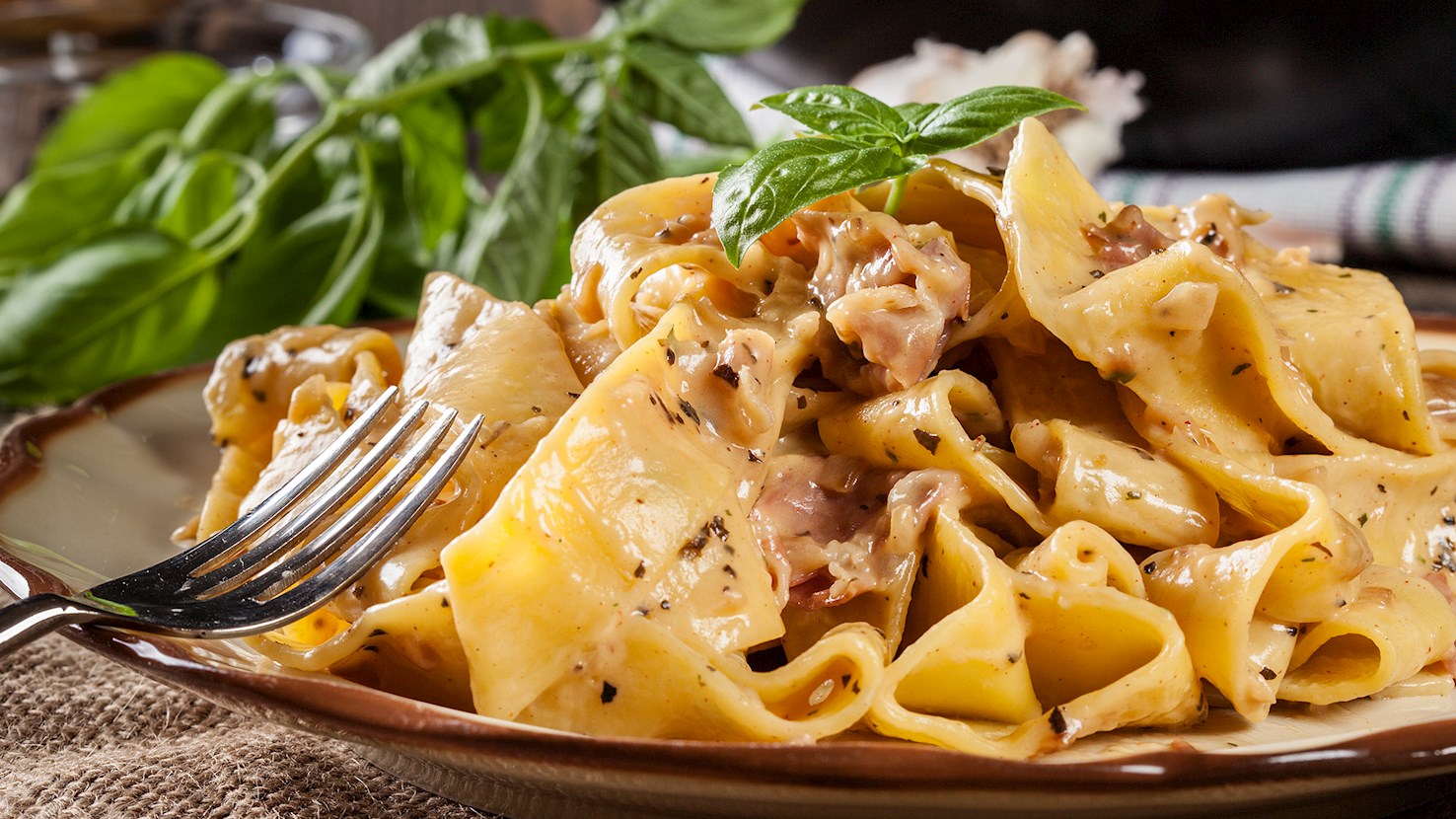
Pappardelle alla lepre

4.2 ·

Pappardelle alla lepre is an ancient Tuscan dish – allegedly, Boccaccio himself was impressed with these pasta ribbons which are cooked in broth and flavored with hare meat. The preparation of this rich dish is time-consuming – the hare must be marinated in wine, vinegar, and aromatic herbs in order to develop the flavor and eliminate the strong gamey smell, and it is then slowly simmered with chopped onions, carrots, celery, wine, tomatoes, bay leaves, salt, pepper, and stock. Interestingly, the original name of this dish was pappardelle sulla lepre, meaning pappardelle on top of the hare, allegedly due to the fact that it was once much easier to find the hare than eggs or flour – so the typical plate used to contain lots of meat and only a few ribbons of pasta. Even though the times have changed, that just may be the reason why (in Tuscany) papardelle are traditionally placed on top of the sauce and not the other way around. Due to their complex flavor, pappardelle alla lepre pair especially well with full-bodied red wines.

04

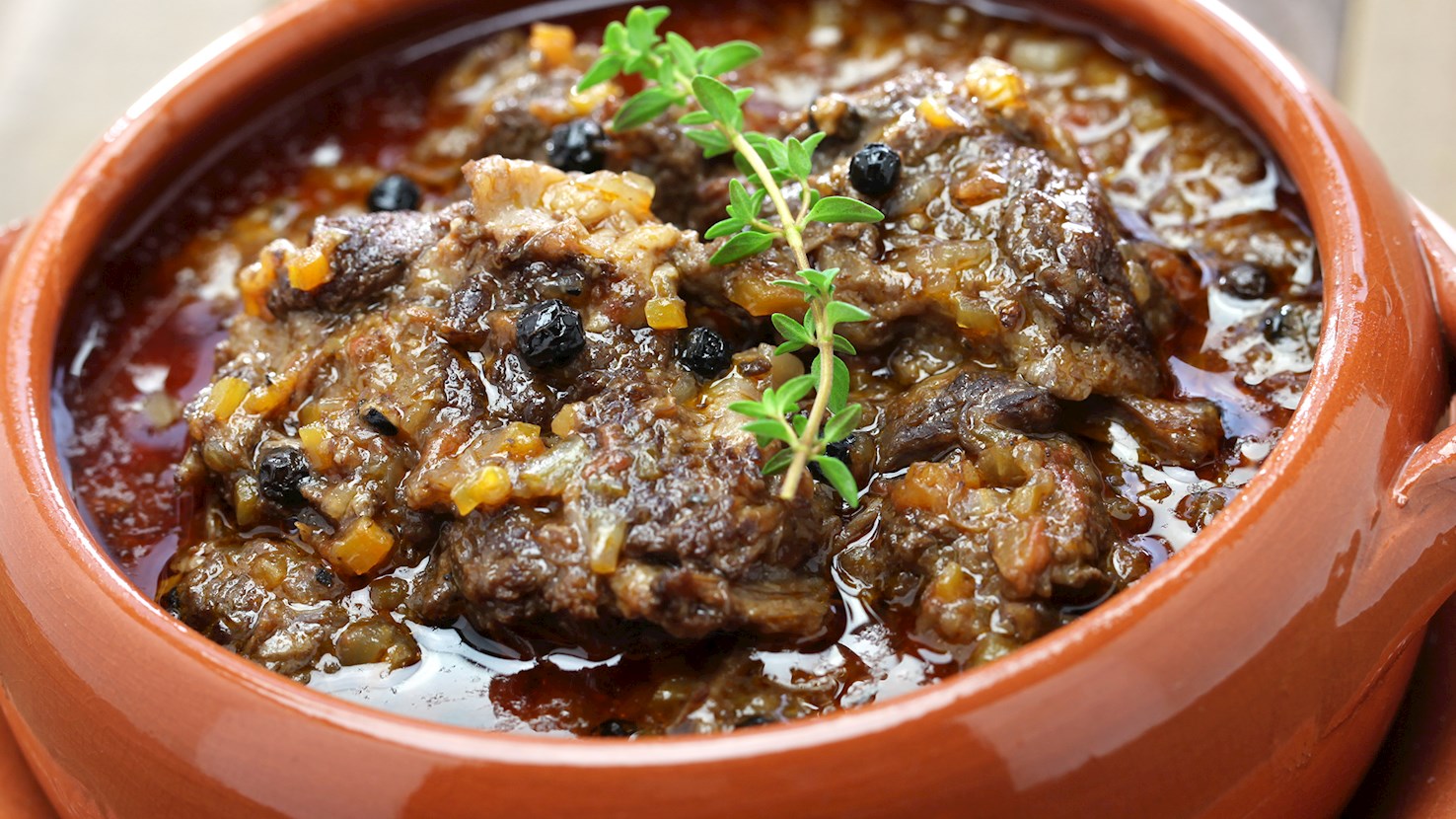
Peposo

4 ·

This humble Tuscan stew is made with cheaper cuts of beef, red wine (traditionally Chianti), crushed black peppercorns, lots of garlic, onions, celery, carrots, fresh herbs, and, sometimes, tomatoes, although they are not a part of the original recipe. Some recipes include pig's trotter or calf's foot in order to bring extra flavor. The dish is slowly cooked in earthenware pots. In the past, peposo used to be left in a cooling bread oven or in kilns where ceramics and terracotta tiles were made. The stew is sometimes served on slices of toasted local bread which mops up the flavorful juices.

05

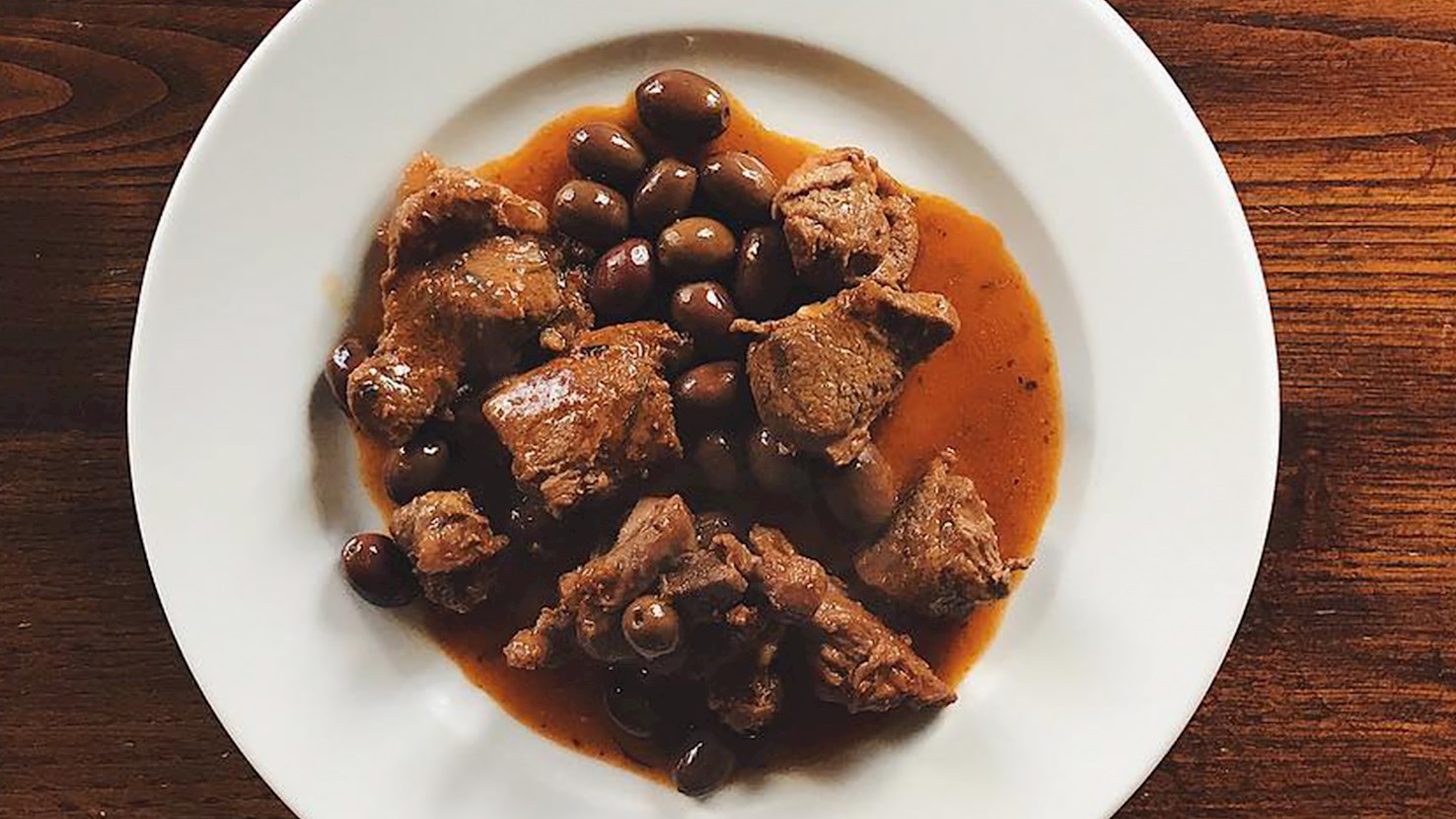
Cinghiale in umido

3.8 ·

Cinghiale in umido is a Tuscan stew prepared with wild boar meat as the main ingredient. Apart from the wild boar meat cut into pieces, the stew also contains vinegar, red wine, carrots, celery, onions, garlic, olive oil, and tomato sauce. It is flavored with bay leaves, red chili flakes, and juniper berries. This dish is especially popular during the hunting season in fall and winter, and it is recommended to serve it with white beans, roasted potatoes, and sliced Tuscan bread on the side.

06

Involtini di maiale (Pork Involtini)

3.6 ·

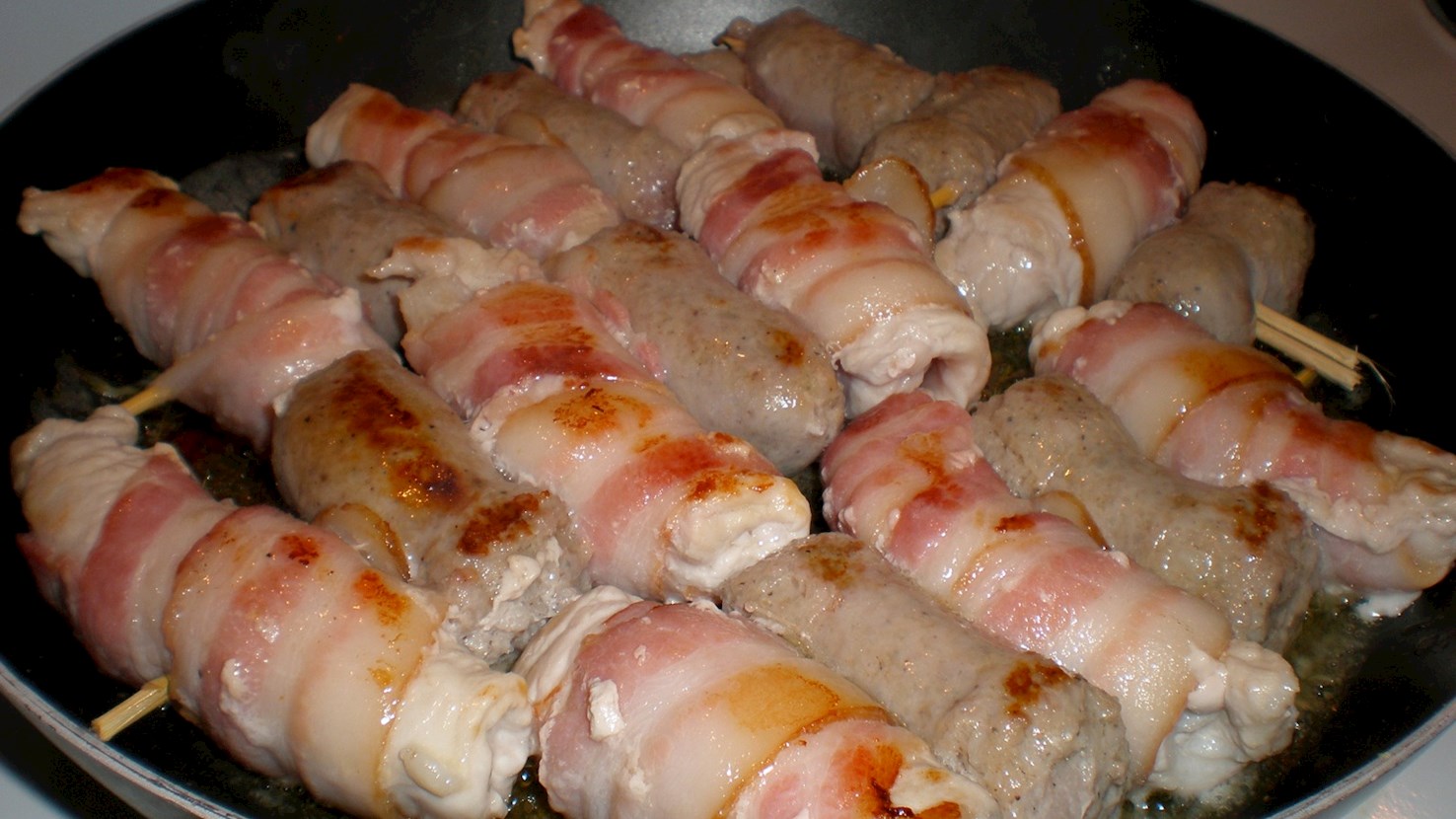
Involtini di maiale is a traditional dish that's especially popular in Tuscany. The dish consists of pork rolls that are stuffed with spinach and ricotta. The list of ingredients includes spinach, ricotta, pork loin, salt, pepper, nutmeg, pancetta, olive oil, and dry white wine. The pork loin is sliced, flattened, and a mixture of ricotta, spinach, salt, pepper, and nutmeg is then spread over each slice. The meat is rolled, wrapped in pancetta, secured with a toothpick, and then seared in olive oil, while white wine is added near the end of cooking in order to tenderize the meat. Once done, involtini di maiale are served immediately.

07

Arista

3.6 ·

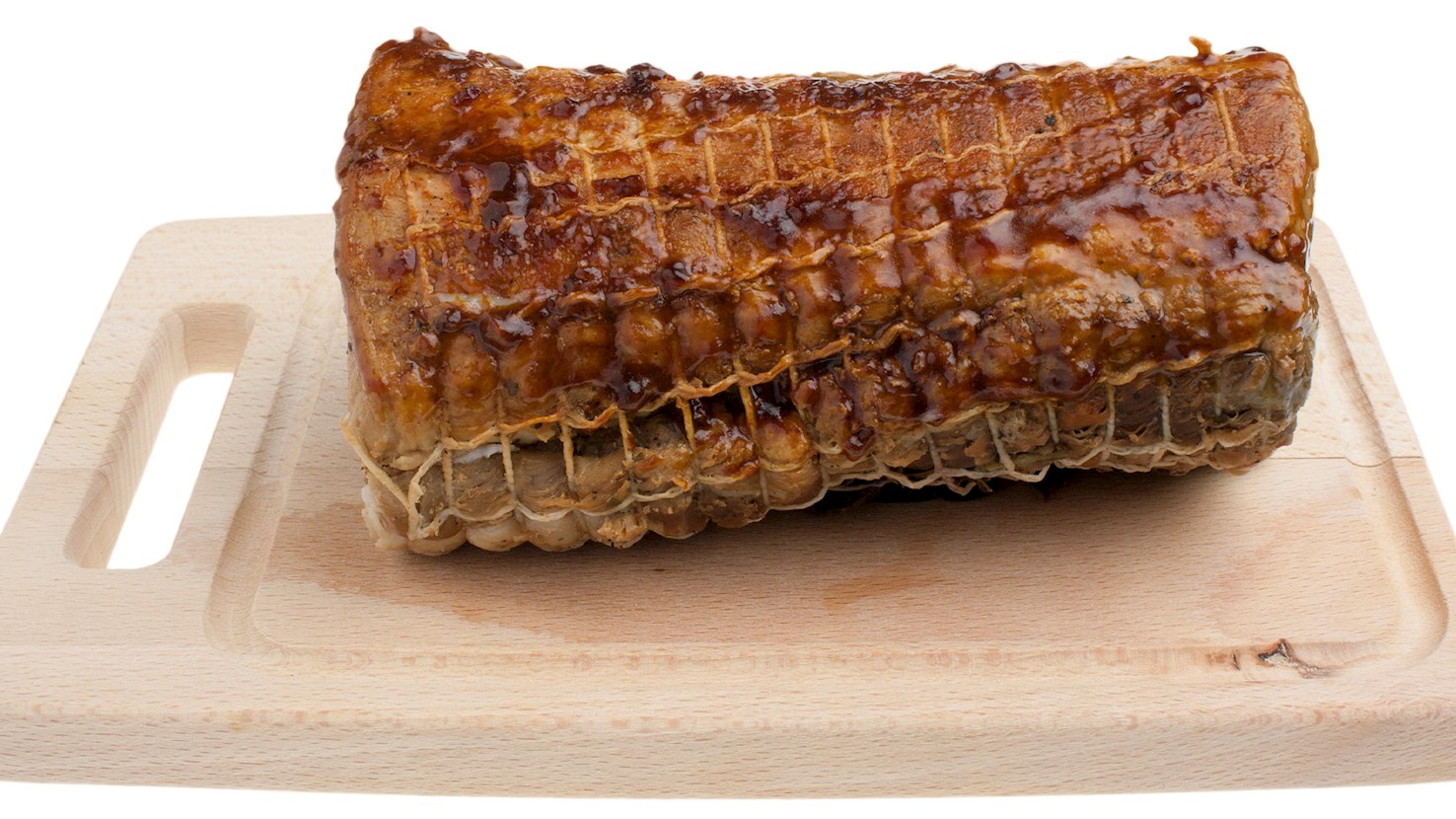
Arista is a classic Tuscan dish of roast pork. It's made with lean pork loin, finely chopped rosemary, extra-virgin olive oil, garlic, salt, and pepper. The meat is rubbed with a mix of rosemary, garlic, salt, and pepper before it's tied tightly with twine. It is then placed into a baking pan with olive oil and cooked while turning the meat every so often. Once roasted, the arista is cut into thin slices and served, either hot or cold, and the delicious gravy is poured over the meat. It's believed that the dish got its name in 1430, when the Byzantine Patriarch Bessarion came to Florence for the ecumenical council, and when he'd tasted the roast he exclaimed ''Aristos!'', the greek word meaning best or excellent. However, there's also a theory that the name comes from the latin arista, meaning upper part, possibly referring to the pork shank in this case.

08

Sedano alla pratese

n/a ·

Sedano alla pratese is a traditional dish originating from Prato. The dish consists of stuffed celery and it's usually made with a combination of celery, ground beef, parmesan, parsley, mortadella, garlic, eggs, flour, olive oil, nutmeg, salt, pepper, and meat ragù. The celery is cut into pieces, blanched, and drained. The celery ribs are then filled with ground beef, mortadella, parsley, parmesan, eggs, salt, pepper, garlic, and nutmeg. Another celery rib is placed on top in order to form a cylinder, and the stuffed celery is dipped in beaten eggs and coated with flour before it's fried in olive oil. The meat ragù is simmered and the fried celery is placed into the same pan. It's simmered over low heat and then served hot. It's recommended to pair the dish with a glass of red wine.

09

Arrosto di maiale con latte

n/a ·

Arrosto di maiale con latte is a traditional dish originating from Florence. It consists of pork cooked in milk, and the list of ingredients includes pork loin, rosemary, salt, pepper, butter, garlic, milk, and mushrooms. The meat is rubbed with salt, pepper, and rosemary, and it's then cooked in butter over high heat until golden brown on the exterior. Garlic and milk are added to the pot, the heat is reduced to low, and the dish is simmered for a few hours until the gravy becomes thick and creamy. The pork is sliced and served on a heated platter, then topped with a combination of gravy and butter-sautéed mushrooms. Arrosto di maiale con latte is always served hot.

10

Cinghiale in dolceforte

n/a ·

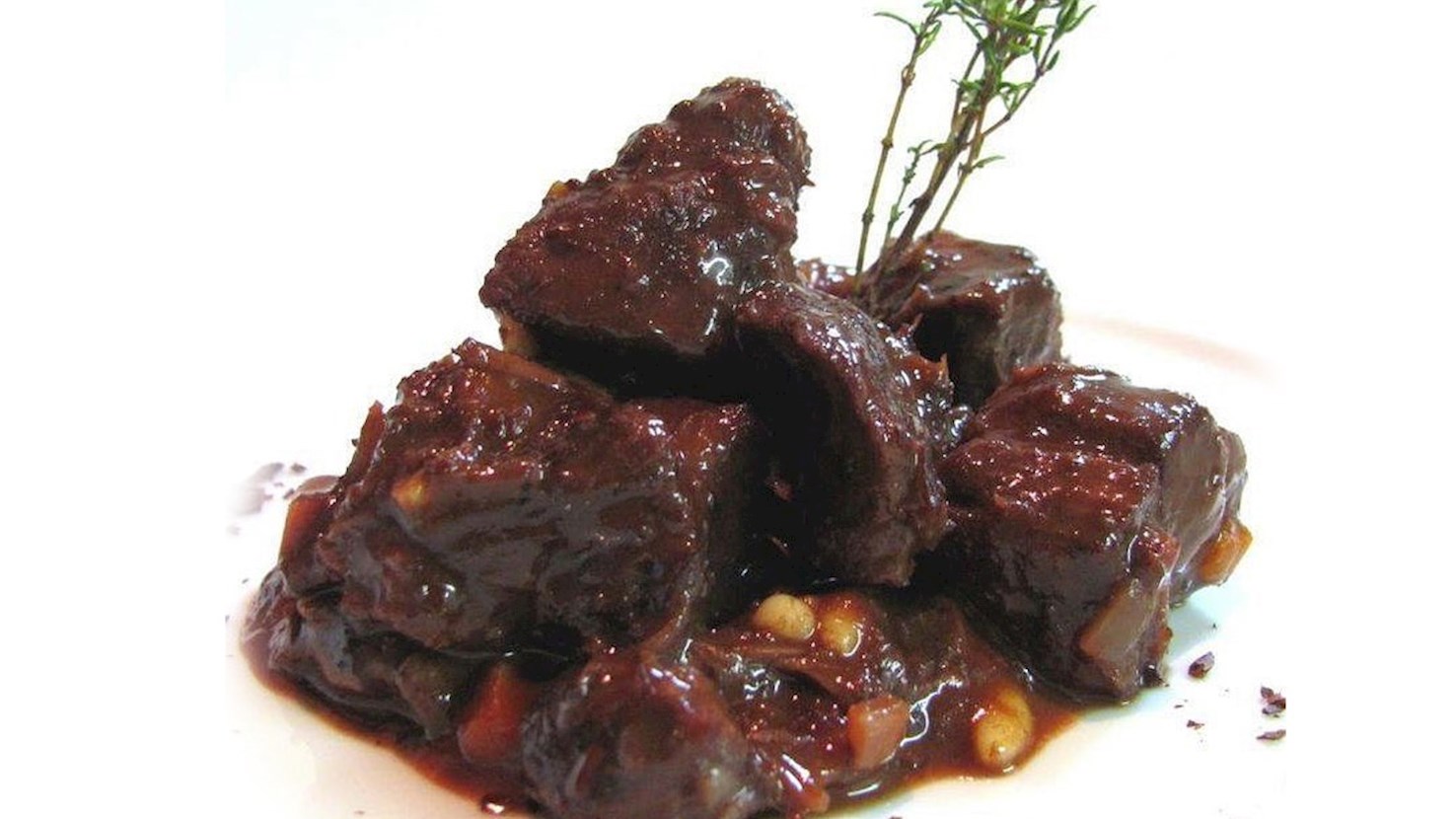
Cinghiale in dolceforte is a traditional dish hailing from Tuscany, where it's been prepared since the 16th century. It's made with wild boar meat that's cut into pieces, marinated, then cooked with carrots, onions, celery, red wine, and pepper. The accompanying dolceforte sauce is made with a combination of meat juices, pine nuts, raisins, flour, and chocolate. It's poured over the meat and then left to cool before the dish is served. Cinghiale in dolceforte is praised for its intense and contrasting flavors. It's recommended to serve this stew with oven-roasted radicchio rosso di Treviso and a glass of Barolo wine.

Read more
View all
View map
About this ranking

TasteAtlas food rankings are based on the ratings of the TasteAtlas audience, with a series of mechanisms that recognize real users and that ignore bot, nationalist or local patriotic ratings, and give additional value to the ratings of users that the system recognizes as knowledgeable. For the “Top 18 Tuscan Meat Dishes” list until June 15, 2026, 907 ratings were recorded, of which 700 were recognized by the system as legitimate. TasteAtlas Rankings should not be seen as the final global conclusion about food. Their purpose is to promote excellent local foods, instill pride in traditional dishes, and arouse curiosity about dishes you haven’t tried.

Similar lists