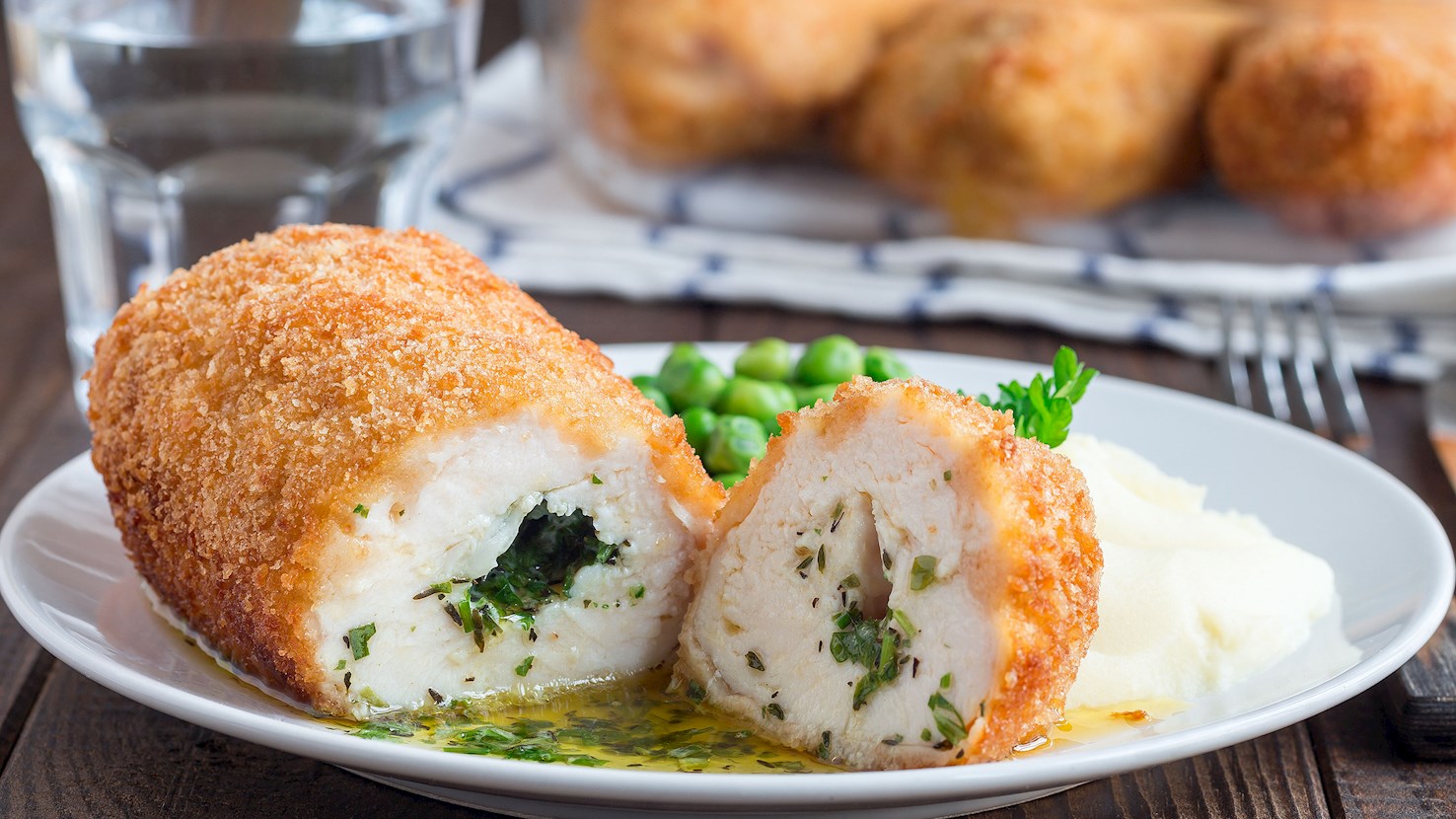
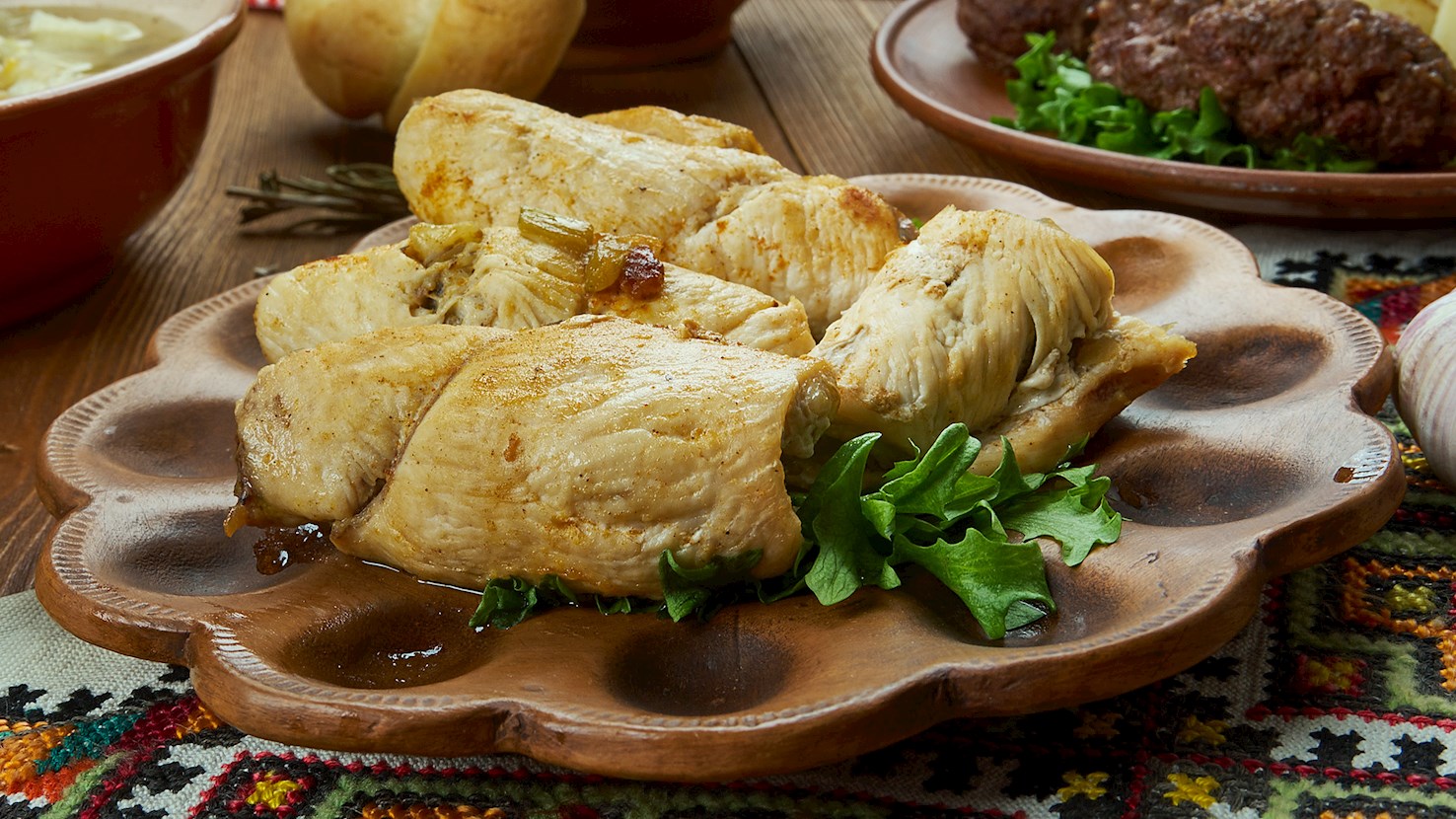
Chicken Kyiv consists of a boned, flattened chicken breast that is rolled around chilled herb butter, breaded, and then fried. Although the dish is very popular, no one knows where it came from or how it got its name, and there are numerous contradicting theories attributing its invention to Ukrainian, Russian, and French chefs. It was at the height of its popularity in the 1970s, but quickly fell out of favor in the late 1980s with the rise of nouvelle cuisine. Interestingly, in Soviet hotels’ tourist brochures, guests were warned of the dangers of splattering themselves with hot butter.
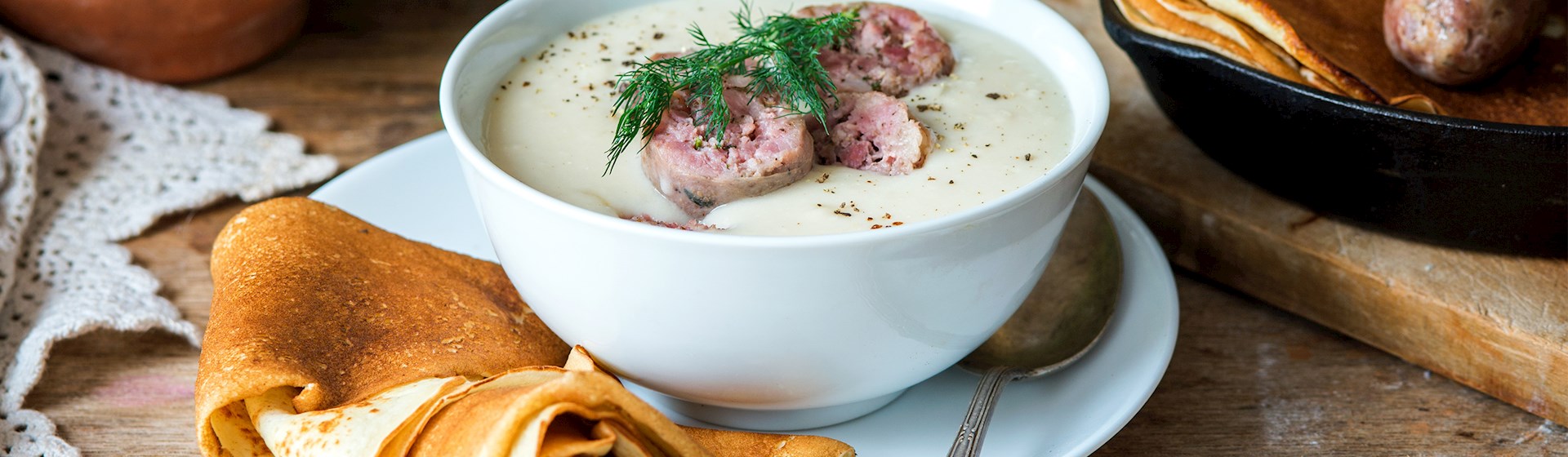
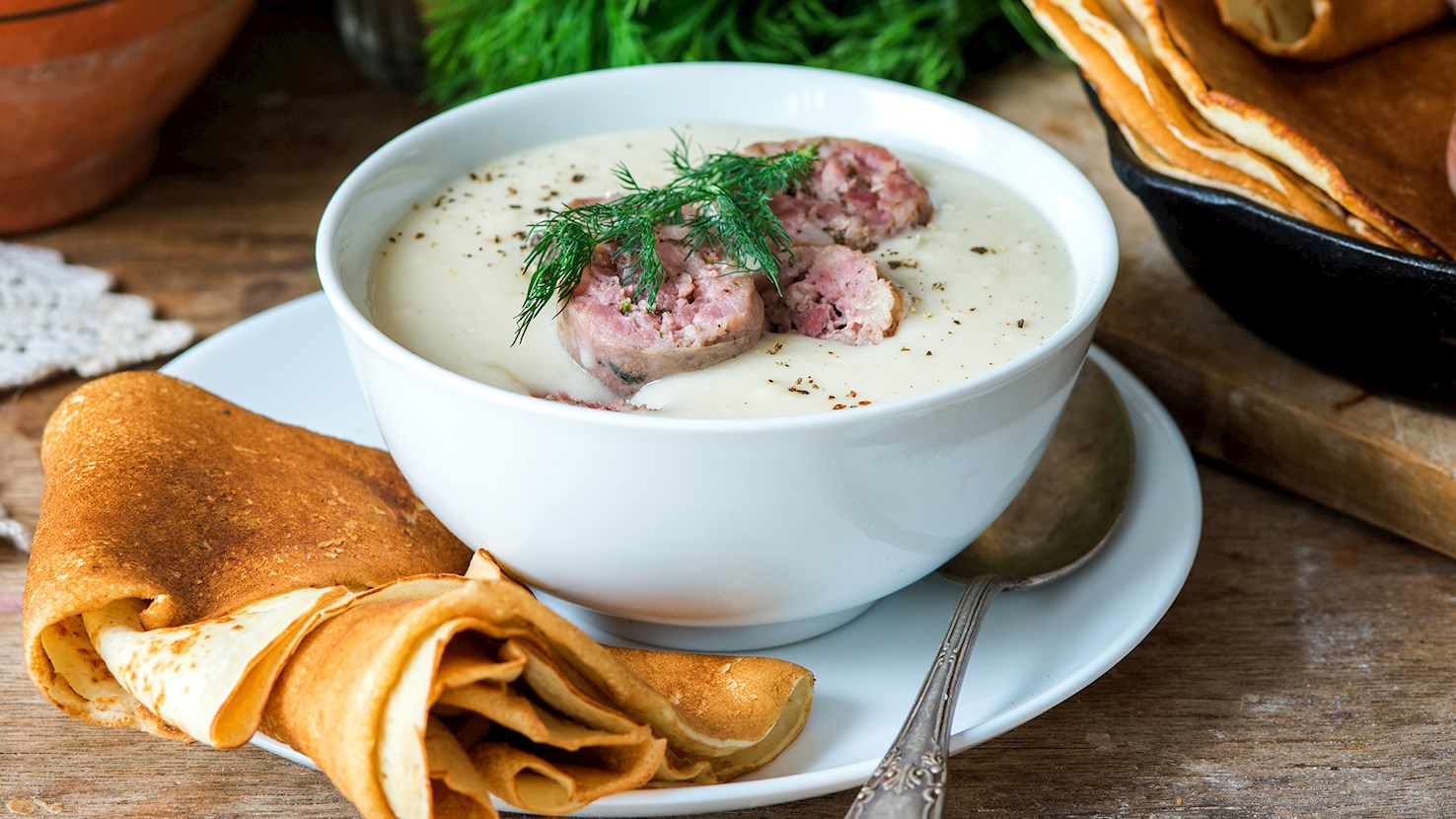
Machanka is a Belarusian and Ukrainian stew made with a combination of pork, sour cream, flour, and beef stock. The meat can include bacon, sausages, or ham, all cut into very small pieces. This soup-like stew is typically enriched with onions, mushrooms, and dill. Quite commonly, machanka is served with draniki pancakes, consisting of potatoes, flour, lard, and salt, and some claim that the proper way to consume machanka is to roll up the potato pancakes and dip them into the stew.
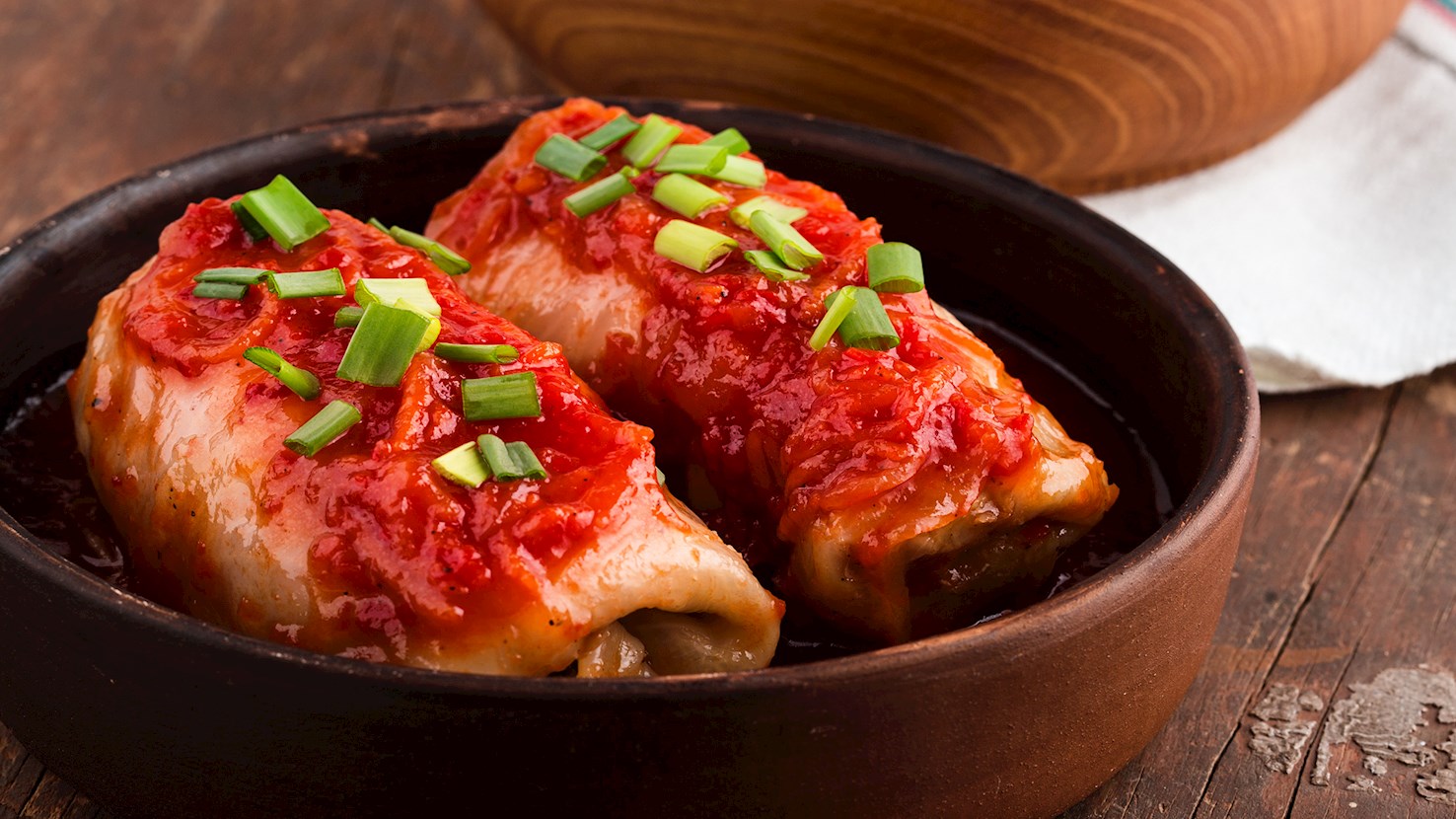
Golubtsy in Russia and holubtsi in Ukraine are regional versions of a widely known Eastern European dish consisting of cabbage leaves filled with a mixture of minced meat and rice, then cooked in a savory sauce, usually tomato-based. The name differs by language, golubtsy in Russian and holubtsi in Ukrainian, but both dishes share a common culinary heritage that dates back centuries and spans numerous Slavic cultures. These stuffed cabbage rolls are considered staple home-cooked meals in both countries and are prepared for everyday consumption as well as festive occasions. The preparation begins with separating and blanching whole cabbage leaves until they are soft and pliable. A filling is made from minced pork, beef, or a combination of the two, mixed with cooked or parboiled rice, chopped onions, salt, and black pepper. Some variations also include carrots or herbs such as dill or parsley. This filling is wrapped tightly in the cabbage leaves, forming compact rolls. Once assembled, the rolls are layered in a pot or baking dish and simmered or baked, often in a sauce made from tomatoes, onions, garlic, and sometimes sour cream. The result is a tender, savory roll with balanced acidity and depth of flavor from the cooking process. In Russia, golubtsy are typically associated with homestyle cuisine and are commonly prepared in large batches. They are often served with a dollop of sour cream and a slice of rye bread. In Ukraine, holubtsi occupy a similar place in the national cuisine, though there is a stronger emphasis on regional diversity. In western Ukraine, for example, holubtsi may be made with buckwheat or mushrooms instead of meat, especially during fasting periods or religious holidays. The tomato sauce may also be replaced with sour cream or mushroom-based sauces depending on local customs.
Kruchenyky (also known as zavyvantsi) is a traditional dish consisting of stuffed meat rolls. Pork is the most common type of meat used for kruchenyky, but beef, chicken, or even fish can be used instead of it. The stuffings vary from region to region, and some of the most common ingredients for the stuffing include mushrooms, carrots, onions, cheese, cabbage, and prunes. These rolls are typically topped with sour cream and baked in the oven, then served hot as an appetizer, although kruchenyky can also be served cold.
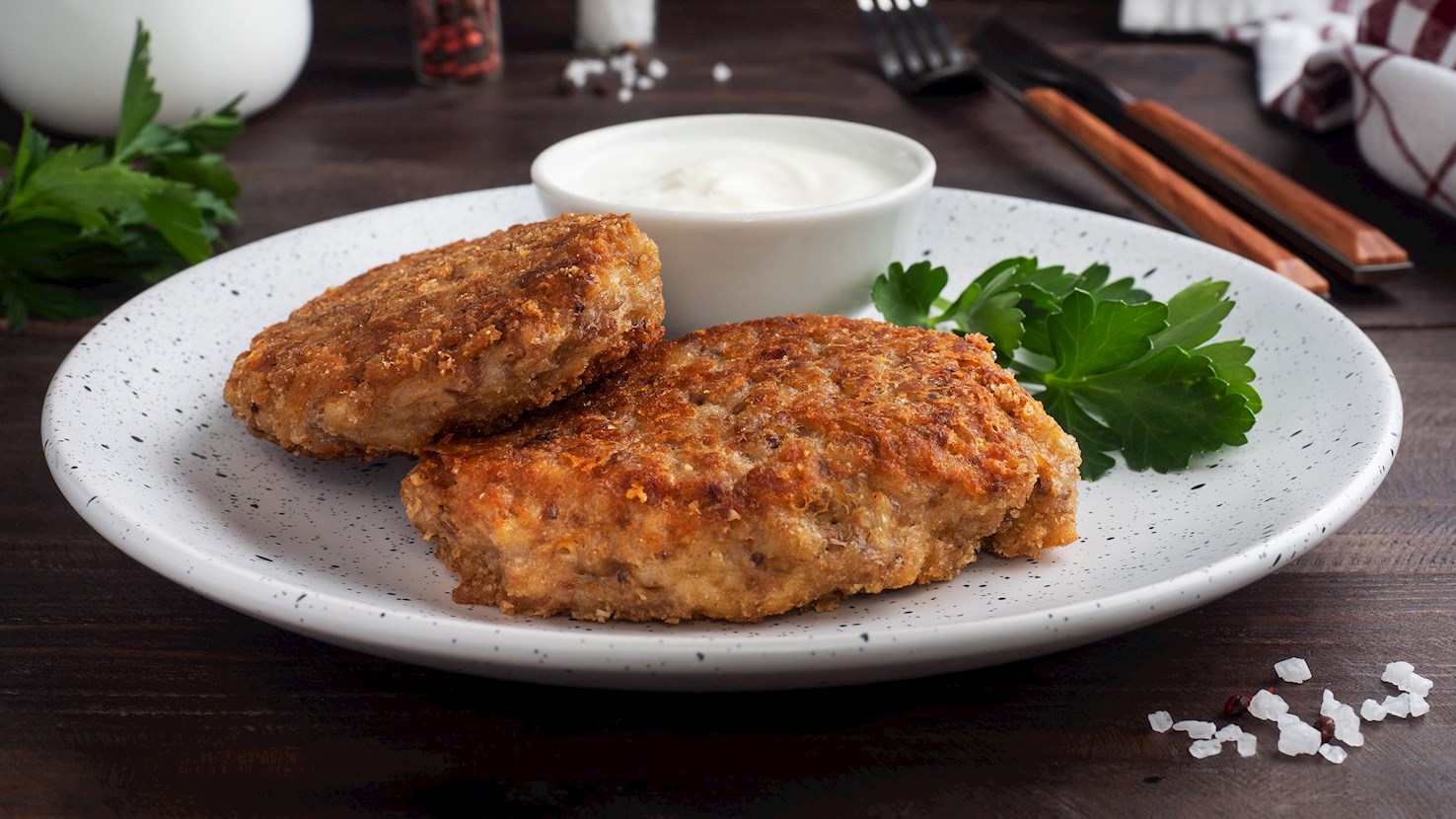
Hrechanyky are traditional Ukrainian patties that are especially popular in the region of Lemko. The patties are usually made with a combination of ground meat (beef, chicken, or pork), boiled buckwheat, eggs, onions, flour, breadcrumbs, coriander, sunflower oil, salt, and pepper. The onions are chopped and sautéed in oil, and then mixed with the ground meat, eggs, breadcrumbs, coriander, and seasonings. The mixture is shaped into patties that are rolled in flour and fried in oil on both sides until golden brown. The patties are then baked in the oven, usually with a sauce based on tomatoes, mushrooms, or sour cream. Hrechanyky are served with stewed or raw vegetables.
TasteAtlas food rankings are based on the ratings of the TasteAtlas audience, with a series of mechanisms that recognize real users and that ignore bot,
nationalist or local patriotic ratings, and give additional value to the ratings of users that the system recognizes as knowledgeable.
For the “Top 5 Ukrainian Meat Dishes” list until April 19, 2026, 577 ratings were recorded, of which 407 were recognized by the system as legitimate.
TasteAtlas Rankings should not be seen as the final global conclusion about food. Their purpose is to promote excellent local foods,
instill pride in traditional dishes, and arouse curiosity about dishes you haven’t tried.