



shutterstock

Top 9 French Mussel Dishes

Last updated on June 15, 2026
01

Moules marinière à la crème

4.2 ·

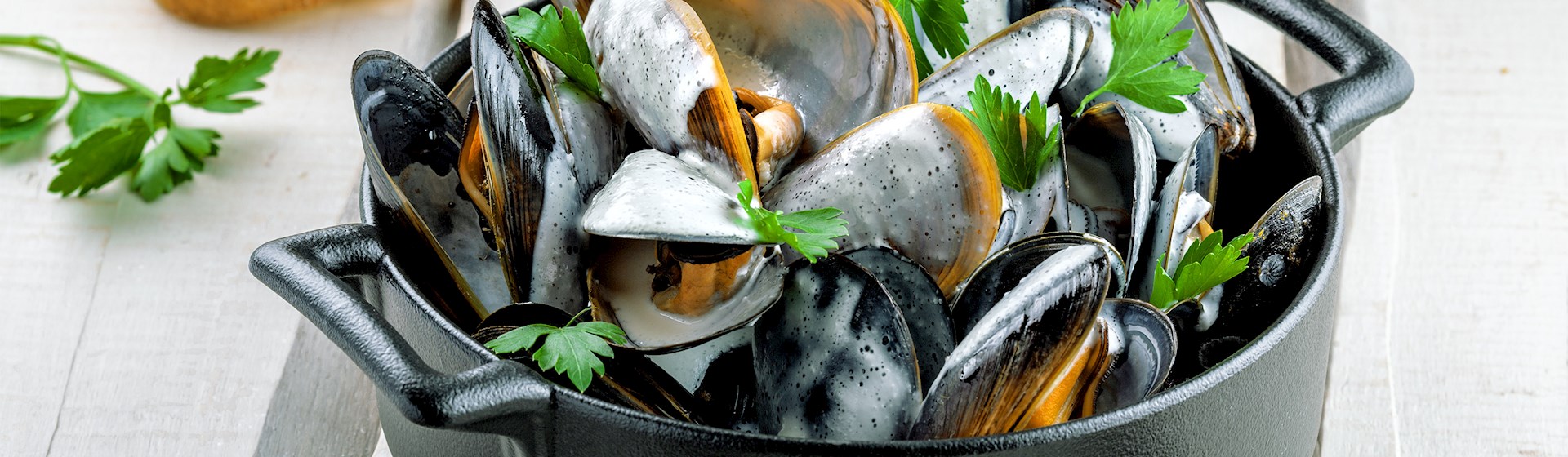
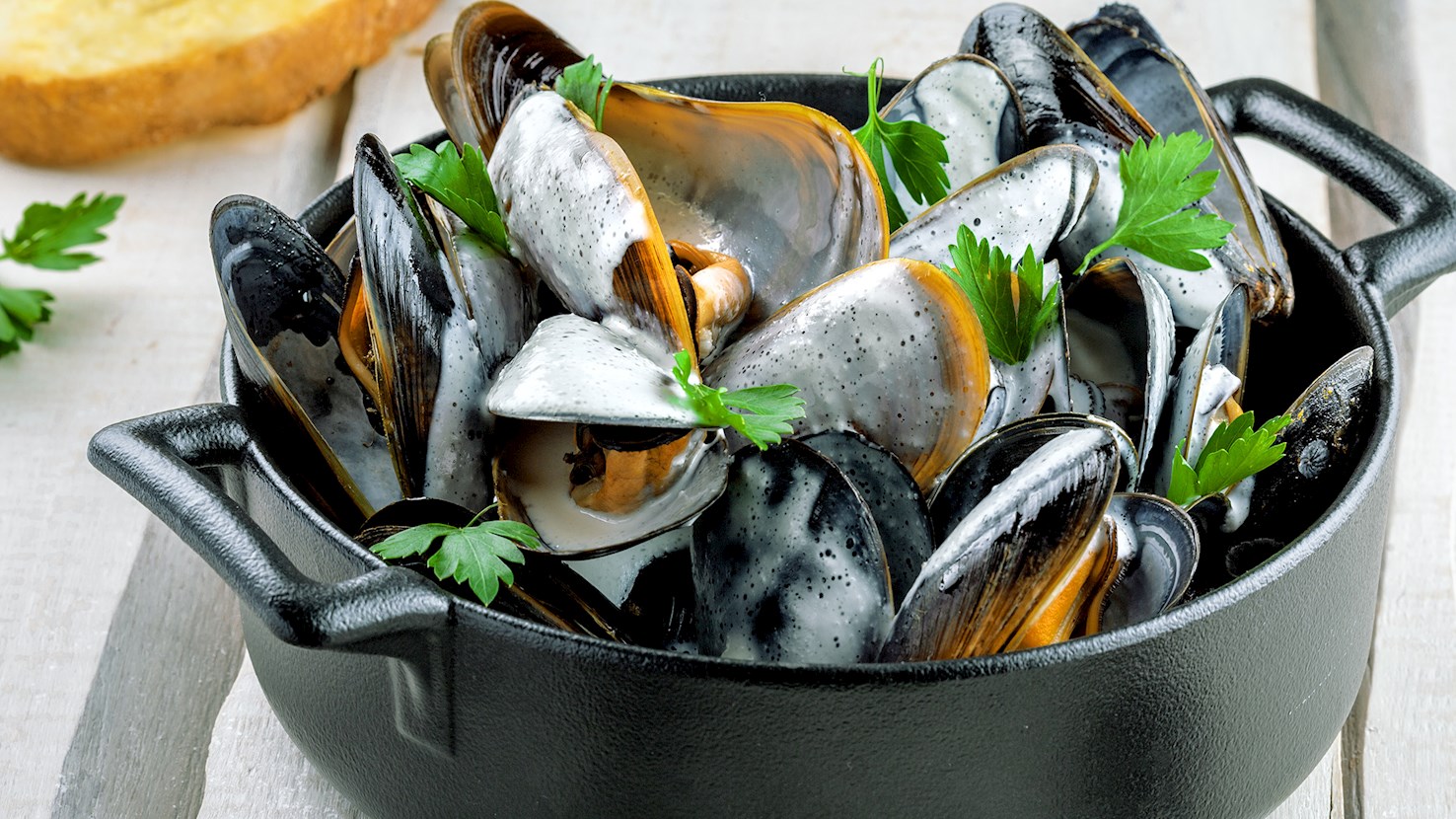
Moules marinière à la crème is a variation on the famous dish called moules marinière. This variation, popular in northern France, is made with mussels, garlic, crème fraîche, parsley, white wine, butter, shallots, and aromatic herbs such as thyme and bay leaves. The mussels are steamed in a covered pot on a combination of butter-sautéed garlic and shallots, with wine and a bit of water. Once the mussels open, the cream and chopped parsley are added to the pot, which is removed from the heat, and the dish is then served, ideally with crusty bread on the side for mopping up all the flavorful juices.

02

Moules à la marinière

4.2 ·

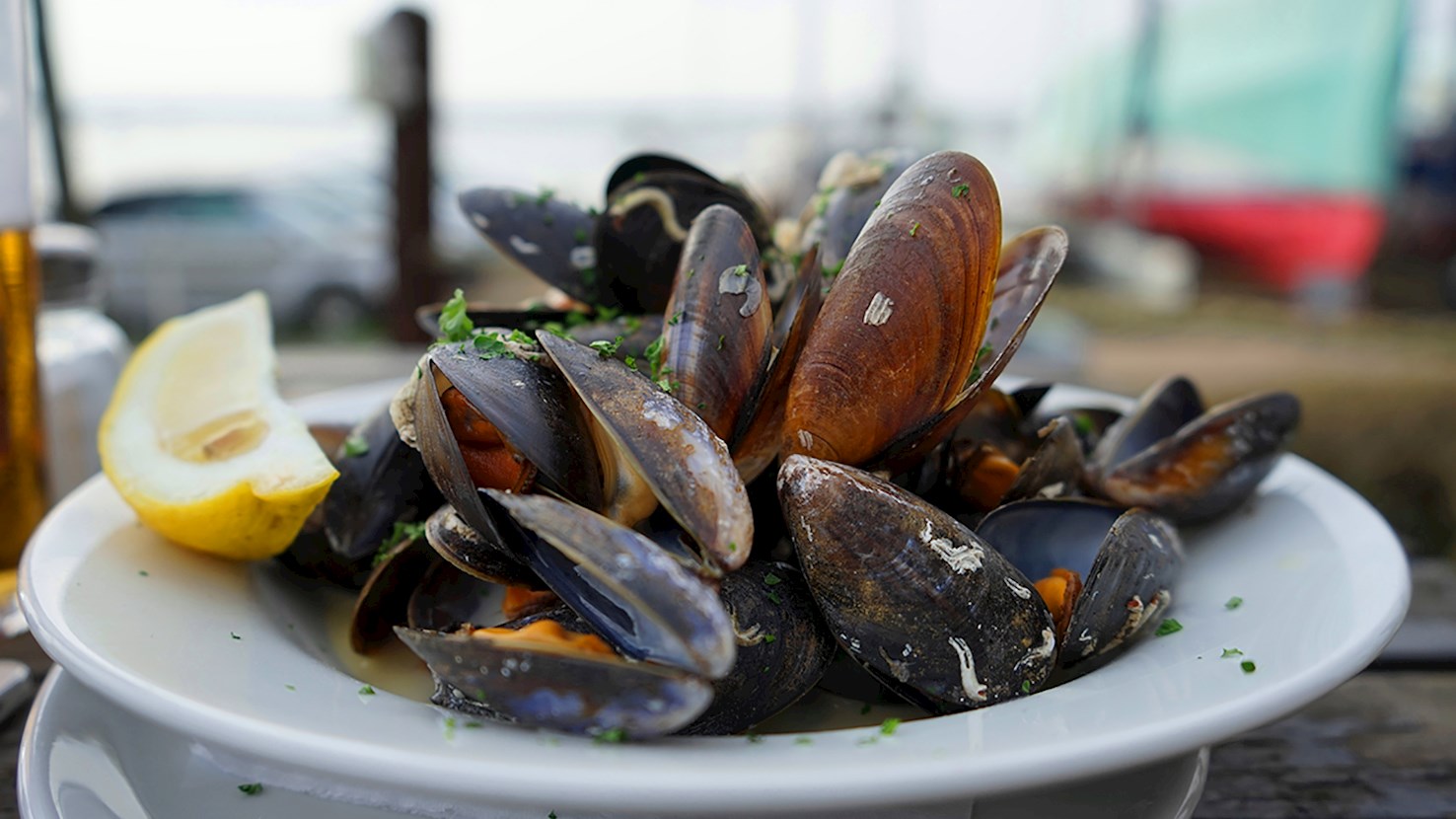
Moules à la marinière is a classic French dish that consists of mussels cooked in cider or wine-based sauces. The dish is typically made with shallots, garlic, and herbs such as parsley, thyme, and bay leaves, which are sweated in some butter before being combined with white wine or cider. Fresh mussels are then added to the mixture and cooked until they open up. The dish is usually enhanced with freshly minced parsley, lemon juice and (optionally) mayonnaise or crème fraiche. Simple and flavorful, this mussel dish is typically enjoyed warm with slices of crusty bread and a glass of French wine on the side.

03

Moules à la crème Normande

3.9 ·

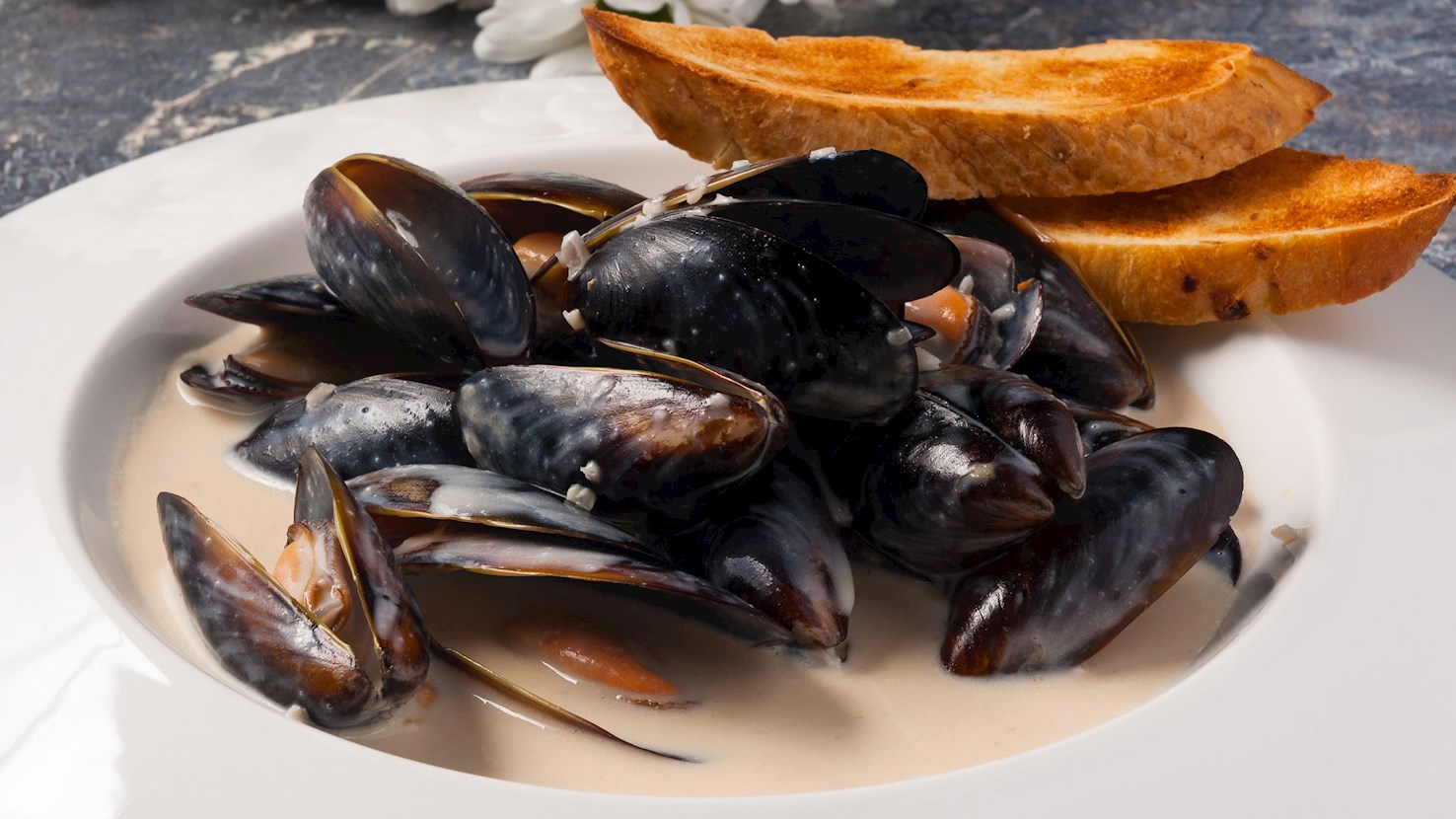
Moules à la crème Normande is a traditional mussel dish originating from Normandy. It's made with mussels in a creamy sauce consisting of butter, cream, onions, garlic, shallots, cider, parsley, salt, and pepper. The onions, shallots, and parsley are sautéed in butter, then mixed with the washed mussels. The combination is covered with cider and seasoned with pepper, then cooked until the mussels open. They're then removed, and the sauce is reduced and mixed with the cream. Finally, the mussels are mixed with the sauce, and the dish is then usually served with accompaniments such as fries or bread for mopping up the juices.

04

Moules farcies

3.6 ·

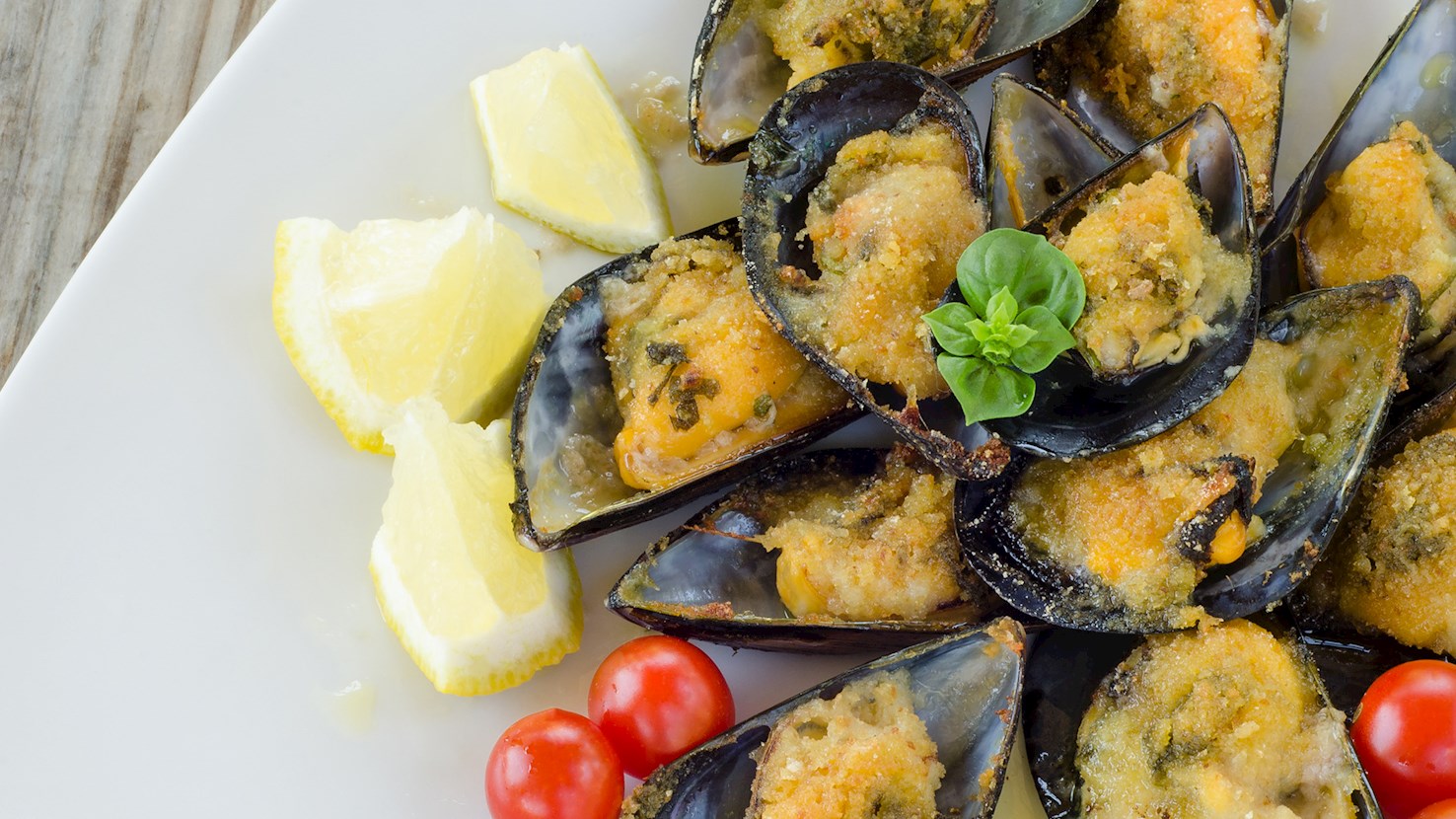
Moules farcies is a French dish in which mussels are stuffed and baked or grilled. The dish is prepared with mussels, butter, parsley, garlic, shallots, black pepper, nutmeg, and breadcrumbs. The butter is combined with garlic, shallots, nutmeg, and pepper. The mussels are steamed until opened, and the empty halves of the shells are discarded. The butter combination is spooned into each shell, and the mussels are then sprinkled with breadcrumbs before being baked or grilled until bubbling. For the best experience, moules farcies should be sprinkled with parsley before serving it with a crusty baguette on the side, which is used to mop up the melted butter mixture.

05

Moules au safran

n/a ·

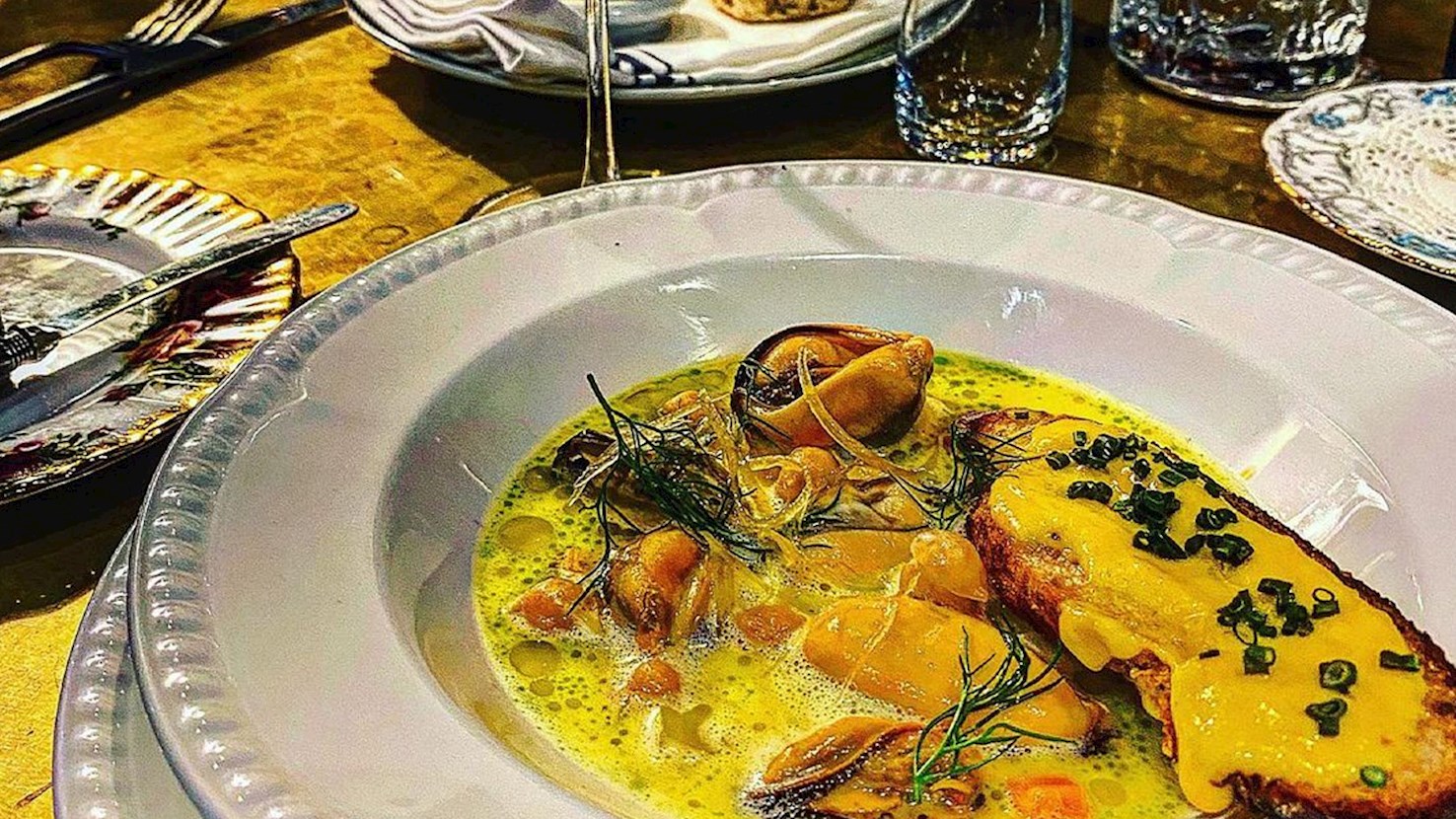
Moules au safran is a traditional mussel dish originating from France. The dish is usually made with a combination of mussels, onions, carrots, celery, butter, thyme, bay leaves, bell peppers, saffron, white wine, crème fraîche, parsley, salt, and pepper. The onions, celery, carrots, and thyme are sautéed in butter, covered with wine, and the bay leaves and mussels are added to the pan and cooked until the mussels are opened. The remaining onions and bell peppers are sautéed in butter in a casserole dish, and then mixed with saffron, white wine, salt, and pepper. The mixture is left to bubble, and it's then mixed with the crème fraîche and parsley. The mussel broth is strained into the saffron mixture, the mussels are added to the pan, and they're then divided among individual shallow bowls with the saffron broth poured over them. It's recommended to pair the dish with a glass of Sancerre or Picpoul de Pinet.

Best restaurants
06

Mouclade

n/a ·

Mouclade is a traditional dish originating from La Rochelle in south west France. In order to prepare it, mussels are cooked with cream, saffron, white wine, and herbs. The key is in using the freshest mussels – preferably small, black, and glistening. After the dish has been eaten, it's recommended to mop up the sauces with a crusty baguette. The dish reflects the long history of La Rochelle port with the east, and the name mouclade comes from the word moucle, which means mussel. Pair this seafood dish with a glass of white wine from the region.

07

Éclade de moules

n/a ·

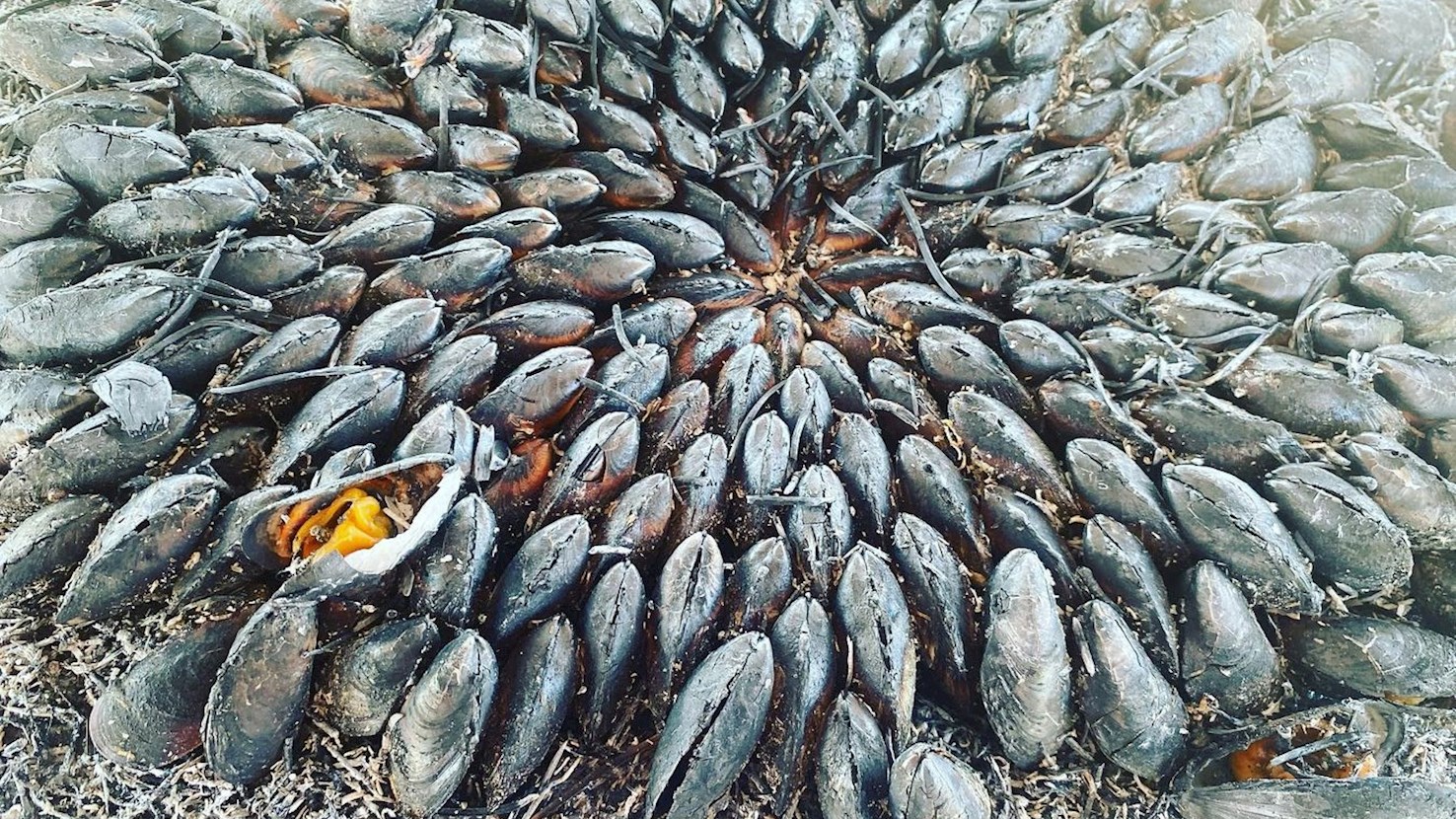
Éclade de moules is a traditional dish of mussels cooked under pine needles. It originated in the Charente-Maritime department on the western coast of France. There, the local mussel fishermen used dry needles from the surrounding pine forests to cook their daily haul. The most traditional (and to this day, the most popular) way to prepare éclade de moules is to stack the mussels in concentric circles on a thick wooden board. The mussels are then covered with pine needles, which are set ablaze, and cooked in their own juices until they crack open. Once opened, the meat inside is infused with a pine-smoke aroma, which gives it a unique flavor. Cooked mussels are served with fresh, crusty bread and Charentes butter, and paired with regional white wine.

08

Moules à la provençale

n/a ·

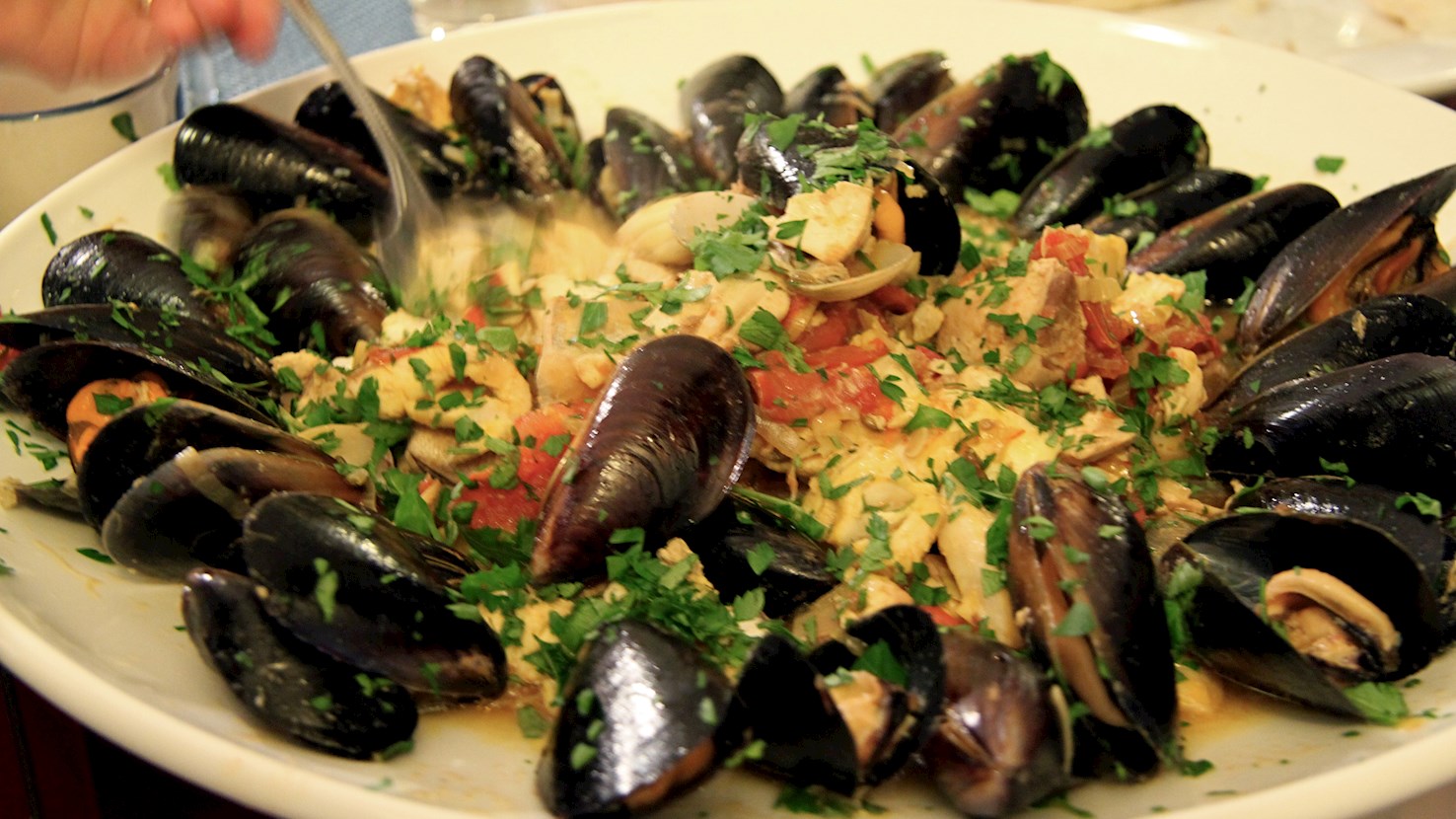
Moules à la Provençale is a seafood dish from Provence, where fresh mussels are simmered in a bright sauce of tomatoes, olive oil, garlic, and dry white wine. Coastal communities bordering the Étang de Berre and the broader Mediterranean initially crafted this recipe to utilize local shellfish harvests alongside the abundant nightshades and alliums cultivated in the surrounding countryside. The first step is scrubbing the bivalves and pulling away their fibrous beards, ensuring the shells are entirely free of grit and ocean debris. In a large pot, finely diced onions or shallots are sweated in heated olive oil with minced garlic until the aromatics soften and become thoroughly translucent. Chopped tomatoes, whether freshly harvested or canned, are then folded into the vessel with a heavy dose of fresh basil, flat-leaf parsley, kosher salt, and black pepper, and the mixture is gently simmered until the raw juices reduce. A sharp splash of dry white wine deglazes the pan right before the cleaned mussels are dropped into the bubbling liquid, and a tight lid is placed on top to trap the hot steam until the shells crack wide open. Regional kitchens frequently customize this baseline formula by incorporating sliced red bell peppers, adding woody herbs like rosemary or thyme, or swapping the leafy greens entirely based on seasonal availability. Moules à la Provençale are served as a hearty main course, often paired with crispy French fries to soak up the leftover savory cooking liquid. To properly balance the rich olive oil and acidic fruit, the meal is ideally matched with a chilled dry rosé or a crisp regional white wine that offers complementary light fruit notes.

09

Brasucade

n/a ·

Brasucade is a mussel dish from the regions of Languedoc and Provence. The name comes from the Occitan word “brasuc,” meaning embers, referring to the original cooking method in which mussels or chestnuts are cooked outdoors over wood fires during communal meals, harvest celebrations and summer gatherings. The preparation begins with fresh mussels that are thoroughly cleaned of sand and beards. A marinade is prepared in advance by combining olive oil with tarragon, thyme, rosemary, bay leaf, crushed garlic and a measure of pastis, and letting these aromatics infuse for at least twenty-four hours. The cleaned mussels are placed in a large pan, such as a heavy paella pan or a grill pan, over red embers or an open flame. After about ten minutes the initial cooking juices are poured off, then the reserved marinade is poured over the mussels and cooking continues for roughly five more minutes while the mussels open fully, absorbing the herbal-pastis mixture. Final seasoning of salt and pepper is added and the mussels are served immediately, still hot from the fire. Variations exist, such as substituting the pastis with a good dry white wine, adding finely chopped shallots or chili flakes to the marinade, or incorporating regional herbs like fennel fronds or lemon zest for a brighter note. Brasucade is most often eaten outdoors during summer months, at family barbecues, village festivals or informal seaside meals. It is usually served with crusty bread to soak up the aromatic sauce and sometimes alongside fries or a simple green salad. It pairs naturally with crisp, dry white wines from the Languedoc region, such as Picpoul de Pinet, which complements the briny mussels and aromatic herbs, and it is often enjoyed as part of a long, convivial meal shared with friends and family.

Read more
View all
View map
About this ranking

TasteAtlas food rankings are based on the ratings of the TasteAtlas audience, with a series of mechanisms that recognize real users and that ignore bot, nationalist or local patriotic ratings, and give additional value to the ratings of users that the system recognizes as knowledgeable. For the “Top 9 French Mussel Dishes” list until June 15, 2026, 217 ratings were recorded, of which 186 were recognized by the system as legitimate. TasteAtlas Rankings should not be seen as the final global conclusion about food. Their purpose is to promote excellent local foods, instill pride in traditional dishes, and arouse curiosity about dishes you haven’t tried.

Similar lists