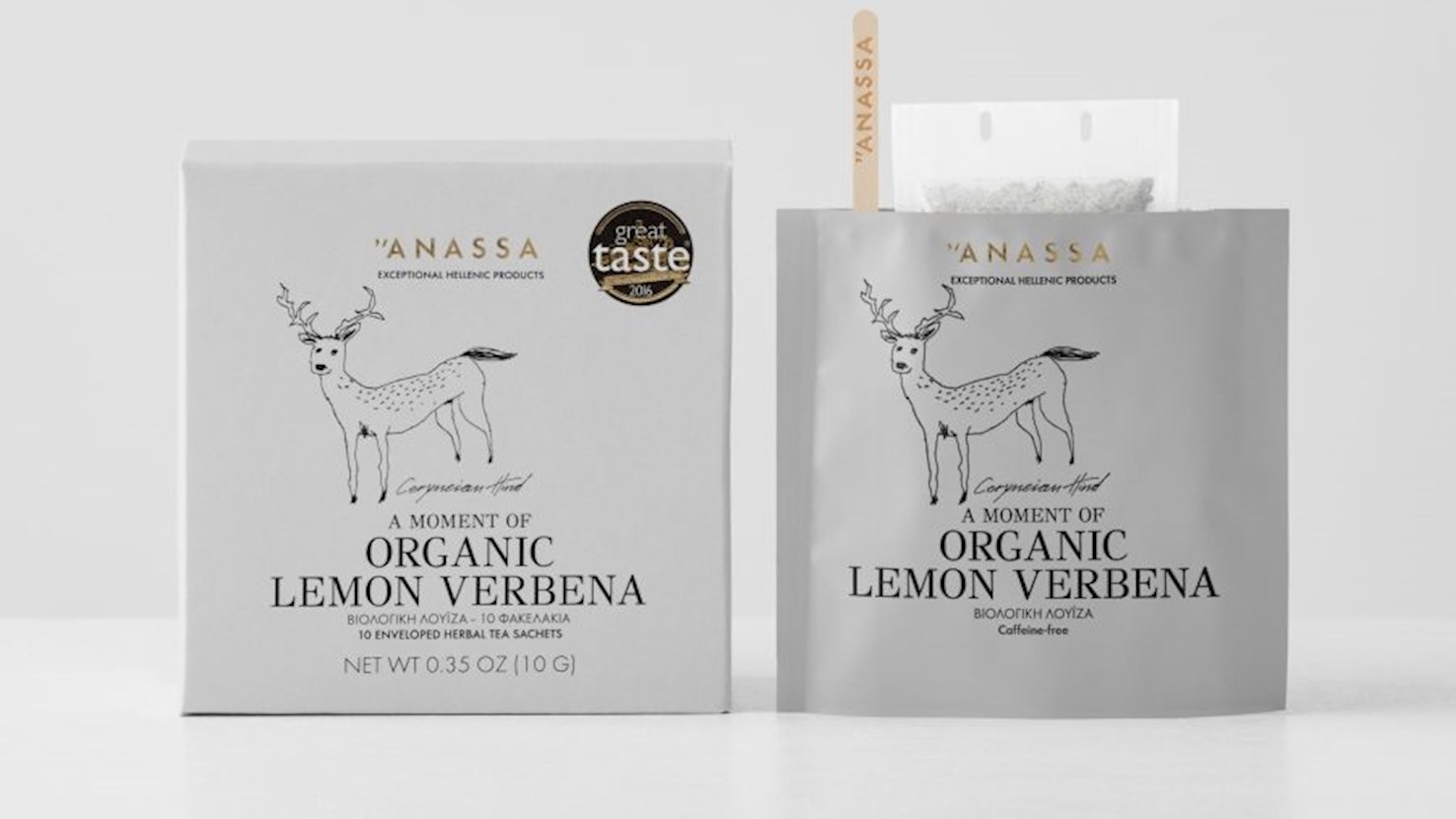
Anassa Organics is a Greek company specializing in the production of high-quality, organic herbal teas. The company sources its ingredients from certified organic farms in Greece, ensuring sustainable and environmentally friendly practices.
Anassa Organics emphasizes the use of traditional Greek herbs known for their wellness and therapeutic benefits. The company's products are hand-packaged and designed to preserve the natural flavors and aromas of the herbs.
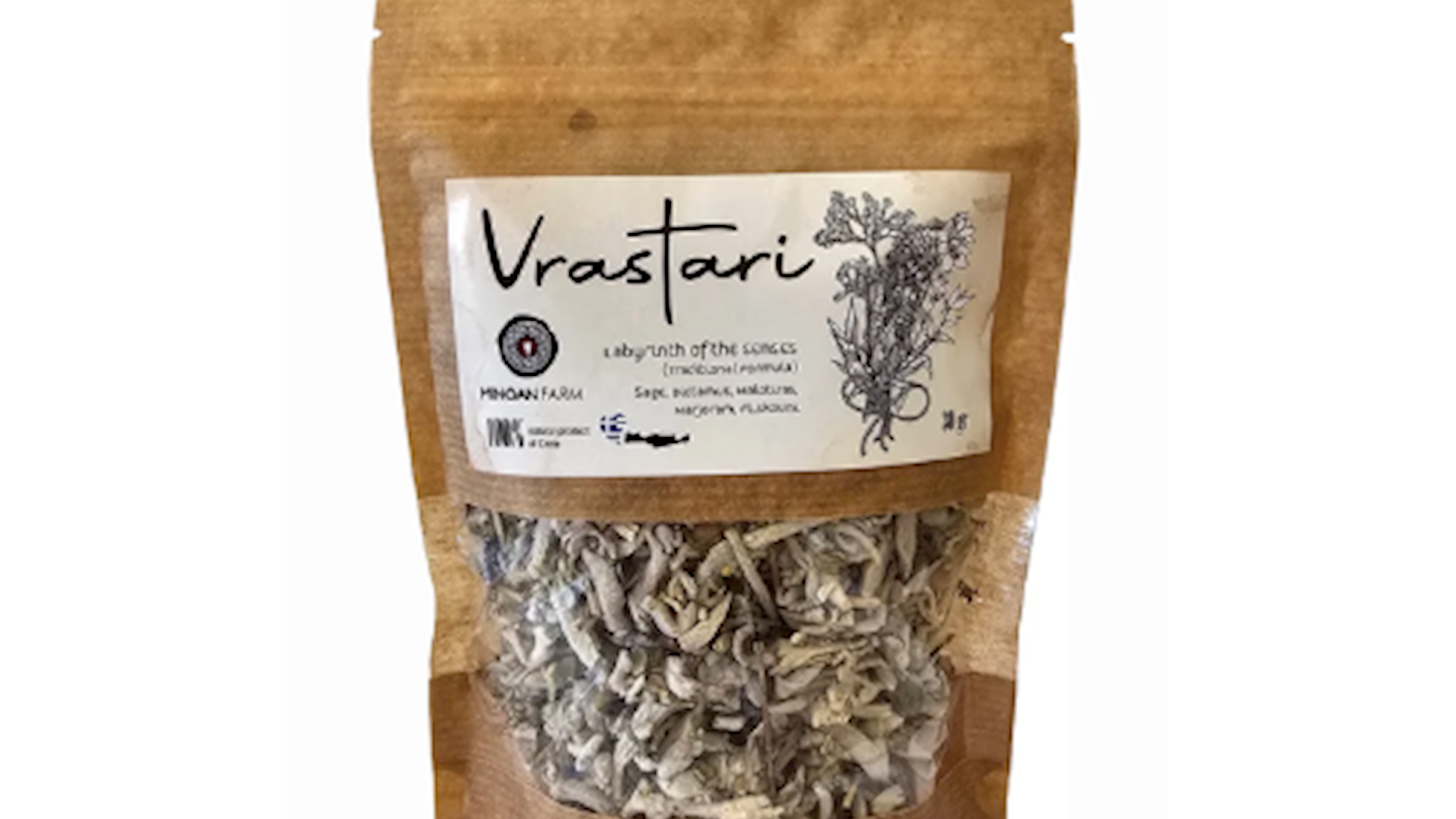
Minoan Farm is a Cretan producer and farm-based concept located in the village of Patsides near Heraklion, focused on the production and promotion of authentic local products derived from the island’s natural environment. Its portfolio includes honey, olive oil, herbs, herbal teas, and traditional fruit preserves, all made with an emphasis on natural ingredients and minimal processing.
Raw materials are sourced from mountainous and rural areas of Crete, known for their rich biodiversity and ideal conditions for beekeeping and the cultivation of aromatic plants. Beyond production, Minoan Farm operates as an experiential destination, offering tastings and educational activities such as beekeeping demonstrations, allowing visitors to engage directly with the production process.
This approach connects gastronomy with culture and tourism, reinforcing transparency and a deeper understanding of product origin. The brand presents a broader interpretation of the Cretan lifestyle, where food, nature, and tradition are closely intertwined.
Within the wider context of contemporary food systems, Minoan Farm aligns with the farm-to-table model, emphasizing traceability, sustainability, and direct interaction with consumers.
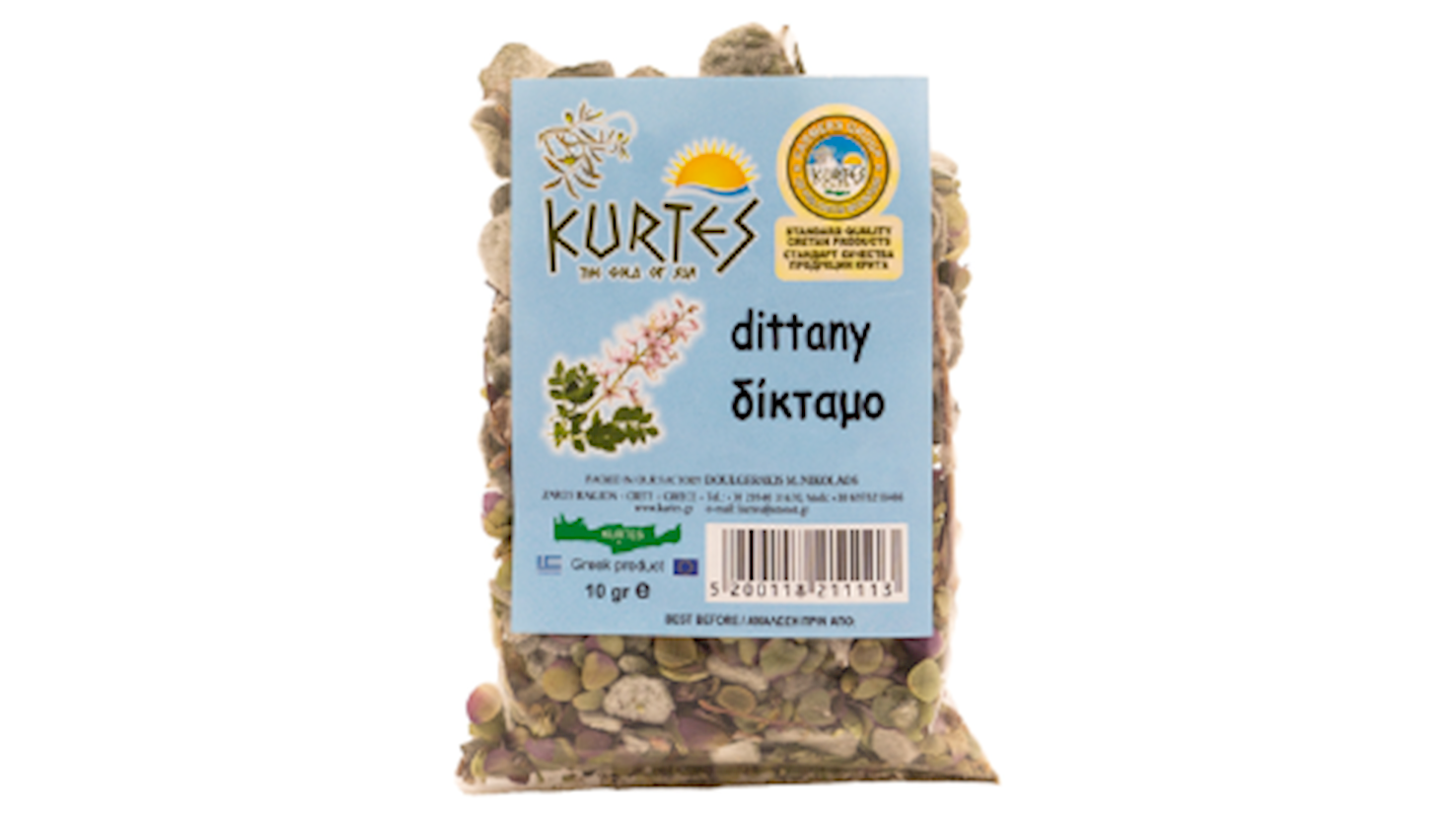
Kurtes is a Cretan producer specializing in extra virgin olive oil alongside a broader range of local products, including aromatic herbs, spices, honey, and infused oils, all rooted in the island’s agricultural traditions. The company combines olives from its own family groves with carefully selected partner producers, maintaining control over raw material quality and production standards.
Their olive oil is positioned within the extra virgin category, characterized by low acidity and a balanced nutritional profile, reflecting both the quality of the olives and the processing methods used.
A distinctive aspect of Kurtes is the integration of olive oil with native Cretan herbs such as oregano and thyme, resulting in a range of flavored oils that expand beyond the standard product. These infused oils introduce additional aromatic layers while maintaining the base characteristics of the olive oil.
In sensory terms, their products typically display a fruity profile with herbal notes and moderate bitterness, consistent with Cretan olive varieties.
Beyond production, Kurtes also functions as a space where visitors can explore olive oil making and local ingredients, connecting the product with its cultural and geographical context. Overall, the company represents a diversified approach where olive oil is positioned as a central element within a wider Mediterranean product range.
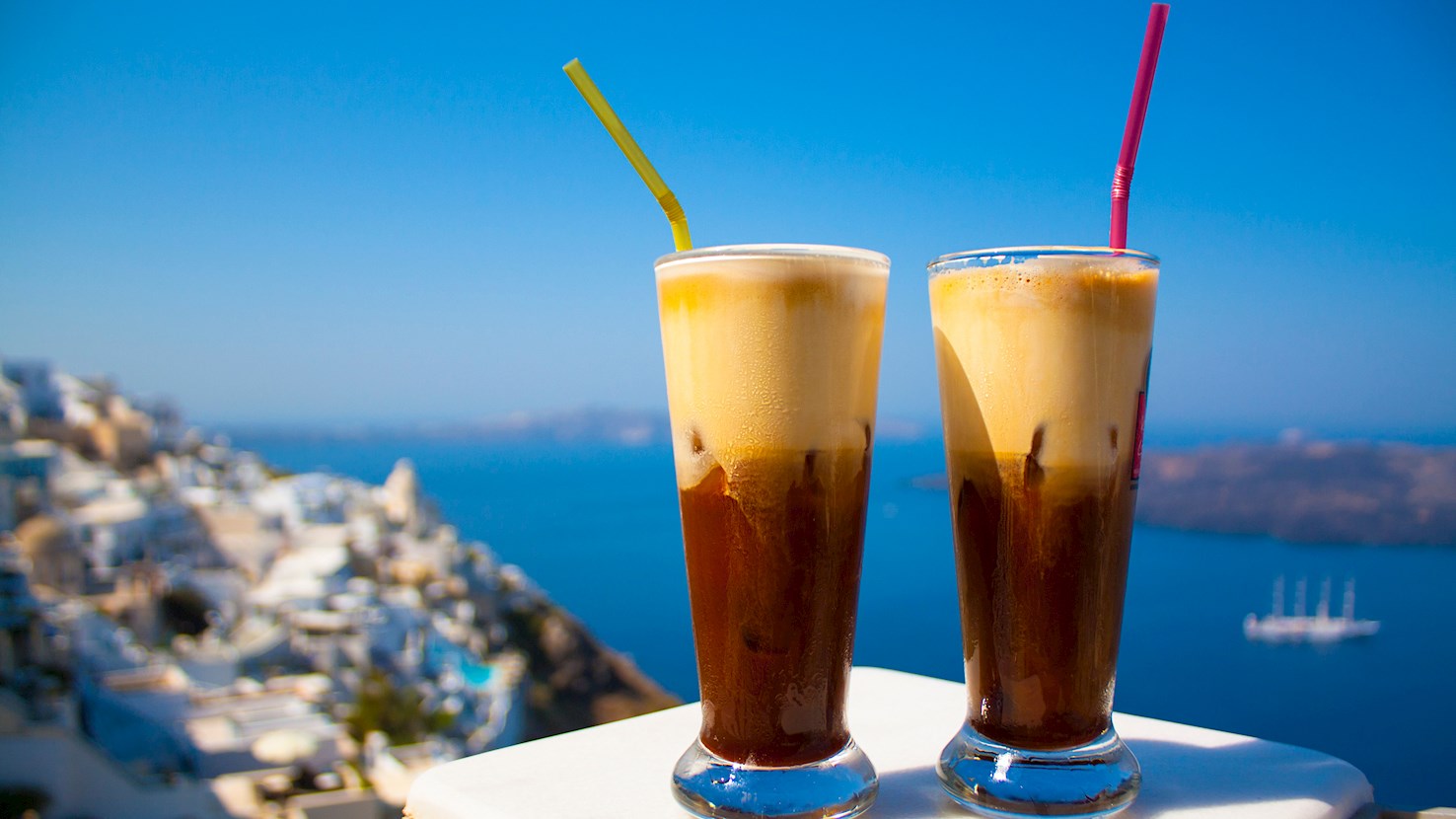
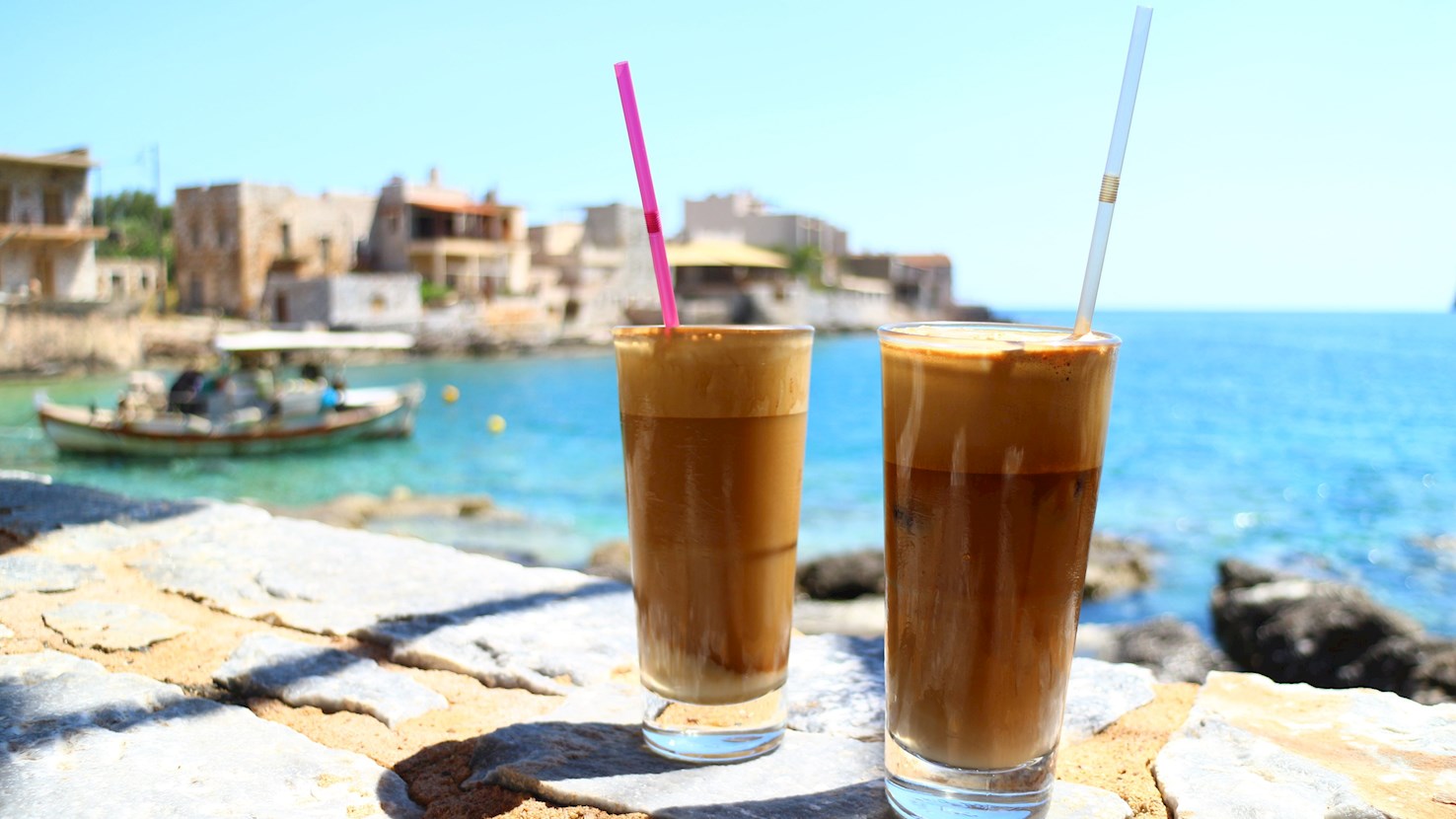
Espresso freddo is a simple Greek coffee that combines espresso and ice. Unlike similar ice coffee varieties that merely serve coffee over ice, this Greek version primarily blends the two ingredients until the coffee is slightly chilled, smooth, and creamy. Slightly chilled coffee is then strained and poured over ice. The drink is sweetened according to preference, which should be done before it is blended. Espresso freddo became popular in the 1990s, and nowadays, it is a staple throughout the country. It is traditionally served in glasses.
Freddo cappuccino is a chilled coffee variety that originates from Greece. It is made with espresso; usually a double shot, which is first blended with ice, strained, and then poured over ice. The drink is then topped with well-chilled milk that is shaken or blended until it achieves a light, frothy consistency. Freddo cappuccino is a traditionally served in tall glasses. Similar variety, without milk, is known as espresso freddo. Both drinks are commonly found in Greece, and they are mostly enjoyed as refreshing summer drinks.
Although the word frappe first appeared in the 19th century, this Greek coffee variety was invented in 1957. It is made by combining instant coffee with water and ice. The combination is usually prepared in a shaker or a hand mixer, so when the drink is poured in a glass, a frothy foam should appear on top. The variations may include milk or evaporated milk—when it is often referred to as frapógalo—and the drink can be sweetened according to taste. Traditionally, this coffee is served in a tall glass, and three degrees of sweetness are available. These include glykós (classified as sweet and typically consisting of four teaspoons of sugar), métrios (medium sweetness with approximately two teaspoons of sugar), or skétos (no sugar). Other specialty versions may also include creamy liqueurs or ice cream, while sometimes the combination can also be mixed with a spoon. The invention of frappé coffee is usually associated with a former Nescafé employer Dimitris Vakondios. He created the drink by accident at the International Trade Fair in Thessaloniki when he wanted to make instant coffee, but hot water was not available. Frappé coffee is a Greek staple, but it is also popular in Cyprus. The drink was initially promoted by Nescafé.
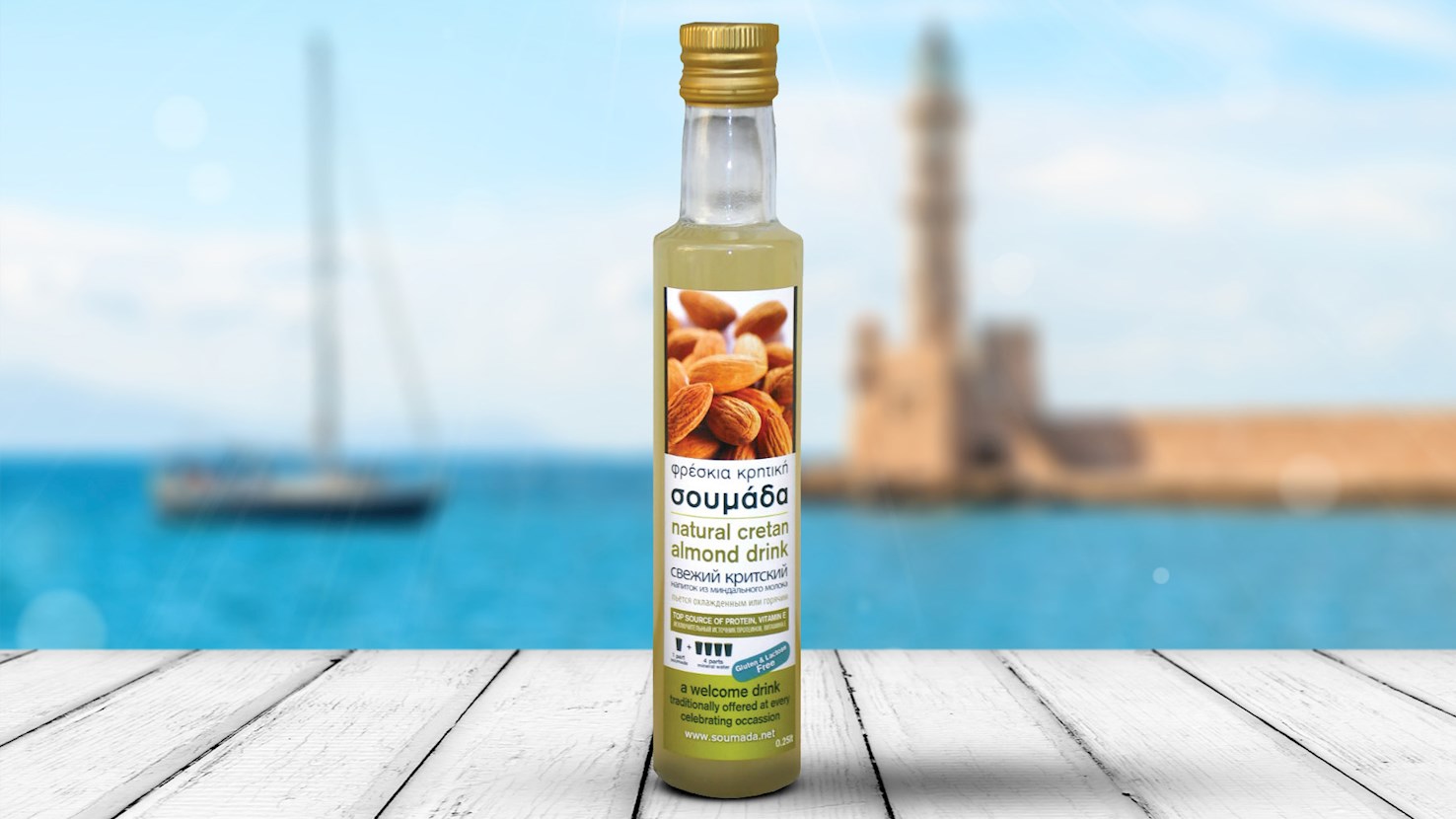
Soumada is a non-alcoholic, syrupy, almond-based beverage that is produced on the island of Crete. It is made with a mixture of fresh, locally-grown almonds, sugar, and water, which is simmered in sugar syrup to create this signature Cretan drink. Traditionally, people used a mortar and pestle to pound the almonds, although nowadays this laborious process is usually simplified by using a food processor instead. The almond syrup is often enhanced with bitter almond essence or almond extract, cinnamon sticks, cloves, or orange peel for added flavor. Distinguished by a cloudy white color, a unique aroma, and a sweet and slightly bitter almond flavor, the syrup is typically kept in airtight glass bottles. On Crete, this syrup is a staple beverage at weddings and engagements, while people on the islands of Nisyros and Chios often offer it to guests as a warm welcome. Soumada can be enjoyed as a refreshing summer drink when combined with cold water or club soda and ice, or as a soothing, warm beverage in winter, either mixed with boiling water or added to a cup of herbal tea (a combination known as soumada chai).
Tsitsibira is the Greek term for a traditional, homemade ginger beer. It's a popular drink in Greece, particularly on the island of Corfu, where it was introduced by the British and has been made for centuries. The preparation of tsitsibira involves the fermentation of a mixture of water, sugar, lemon, and ginger. The resulting drink is a fizzy, non-alcoholic (or very low-alcohol) beverage that's both sweet and tangy, with the characteristic spicy flavor of ginger. The fermentation process can take a few days, and the strength of the flavor can be adjusted by changing the amount of ginger or letting it ferment longer. It's often enjoyed cold, particularly in the summer months.
Diktamo (lat. Origanum dictamnus), widely known as Cretan dittany, is a branched aromatic perennial plant endemic to the island of Crete in southern Greece. Archeological data and textual remains from Mediterranean antiquity document its continuous usage, with representation in Minoan fresco iconography at Knossos and written analyses by Hippocrates, Aristotle, and Dioscorides, who recorded its topical application for wound healing and its consumption for gastric relief. The plant grows natively in rocky calcareous soil formations, anchoring inside the vertical crevices of limestone cliffs, steep ravines, and mountainous gorges such as Samaria at altitudes up to fifteen hundred meters, though modern commercial yield is supplemented by organized agricultural cultivation in the rural districts of Heraklion. The biological structure features small, round, greenish-grey leaves covered in dense velvet-like white hairs that function to minimize moisture loss under intense solar radiation, producing pinkish-purple flowers during the summer blooming phase. Preparation protocols require harvesting the aerial components during the flowering period, followed by dehydration in shaded, low-humidity environments to preserve the volatile essential oils, which contain high concentrations of carvacrol, p-cymene, and thymol. For consumption as a herbal infusion, three to five grams of the dried leaves and bracts are steeped in water heated to approximately ninety-five degrees Celsius for five to seven minutes, then strained and served hot or cold in standard ceramic vessels. Diktamo's high concentration of carvacrol, an organic phenol compound that imparts a sharp, pungent flavor profile combining elements of wild oregano, thyme, and pepper, led to its inclusion as a primary botanical flavoring agent in the formulation of commercial European vermouths, bitters, and herbal liqueurs. This herb is consumed as a dietary beverage across specialized health networks, domestic Greek households, and international culinary establishments, and it is also utilized topically in modern dermatological cosmetics for its antimicrobial properties. The intense, warm, slightly bitter taste profile of the brewed herbal infusion provides analytical pairings for natural honey, fresh citrus fruits, toasted nuts, and mild goat cheeses, while its use as a dried culinary seasoning pairs precisely with slow-cooked lamb, roasted root vegetables, tomato-based stews, and grilled fish drizzled with olive oil.
TasteAtlas food rankings are based on the ratings of the TasteAtlas audience, with a series of mechanisms that recognize real users and that ignore bot,
nationalist or local patriotic ratings, and give additional value to the ratings of users that the system recognizes as knowledgeable.
TasteAtlas Rankings should not be seen as the final global conclusion about food. Their purpose is to promote excellent local foods,
instill pride in traditional dishes, and arouse curiosity about dishes you haven’t tried.
The initial list of top producers was compiled based on available reviews, awards, local recommendations, media and blog coverage, and consumer reviews.
The list will be updated with ratings from TasteAtlas local ambassadors and TasteAtlas users.









What People Say