

shutterstock

Top 15 Mexican Non-alcoholic Beverages

Last updated on June 24, 2026
01

Aguas Frescas

4.5 ·

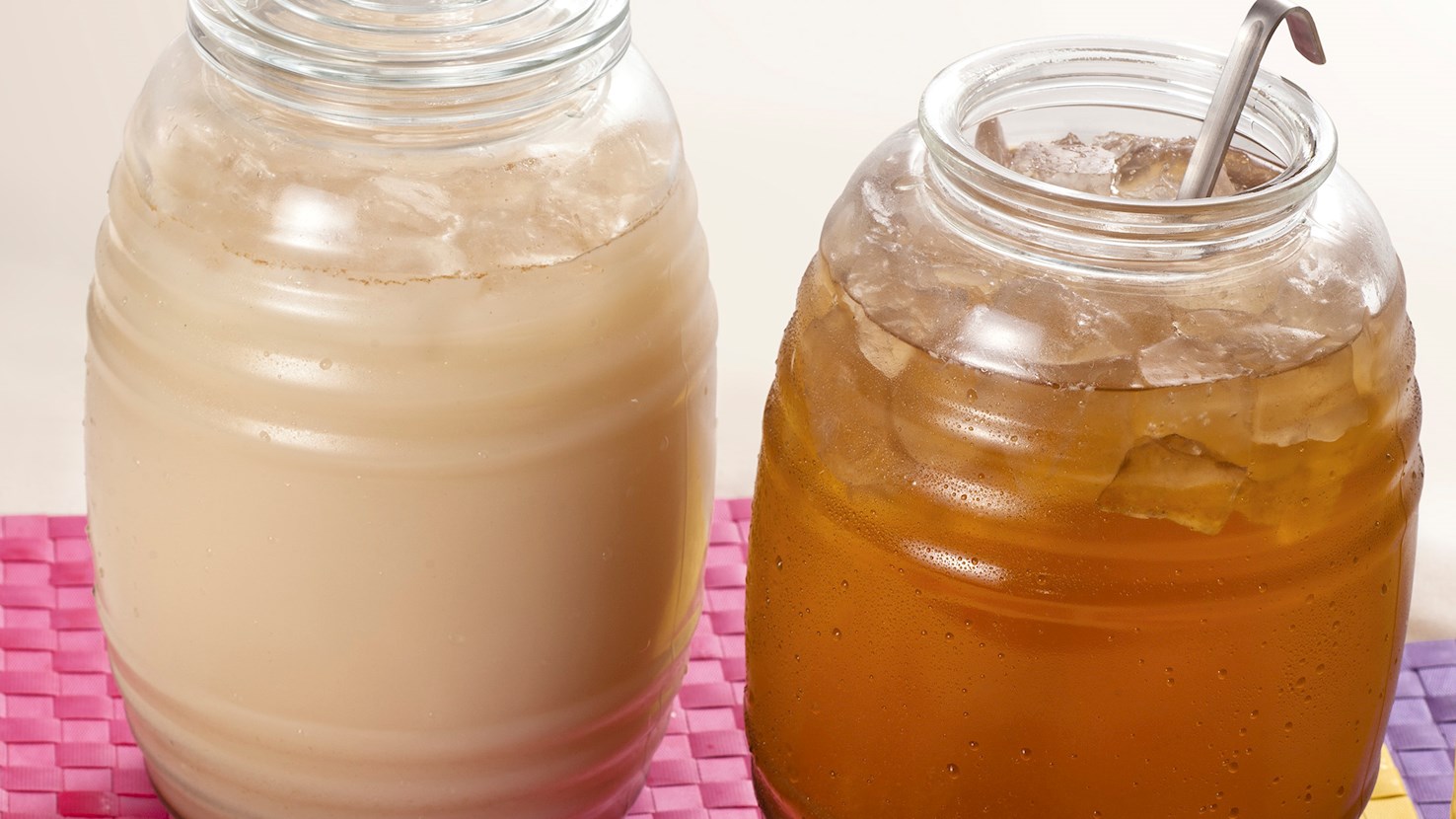
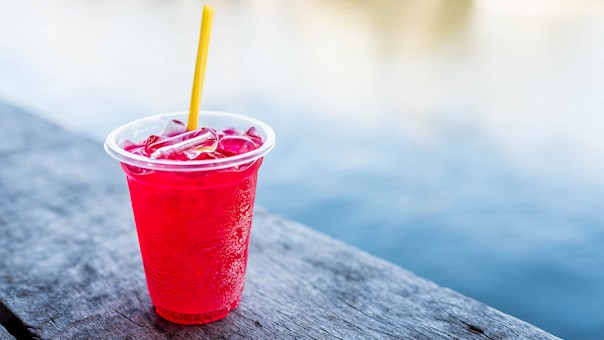
Aguas Frescas are light non-alcoholic beverages made with a combination of fruits, cucumbers, flowers, seeds, and cereals blended with sugar and water. The name translates to fresh water, and it is often sold at bodegas and eateries throughout Central America, Mexico, and the Caribbean, but it can also be found in Mexican cafés and taquerias throughout USA. Aguas Frescas come in a variety of flavors such as guava, mango, orange, cucumber, lemon, and tamarind, among others. The beverage is most commonly consumed in the summer months, served cold with pieces of fruit and ice.

02

Horchata (Mexico)

4.2 ·

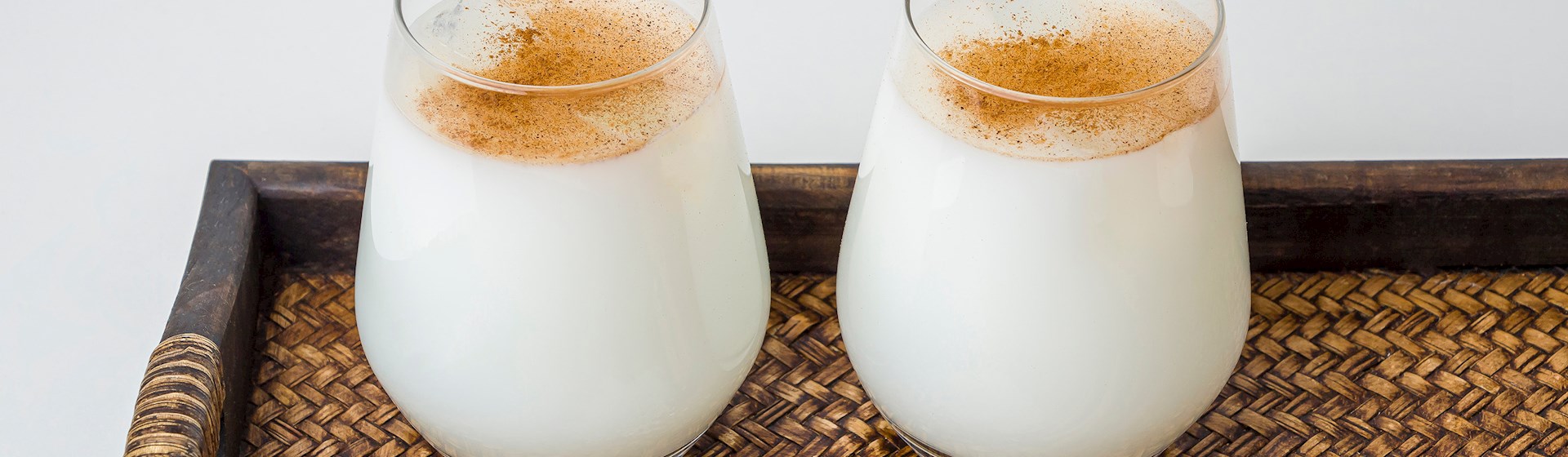
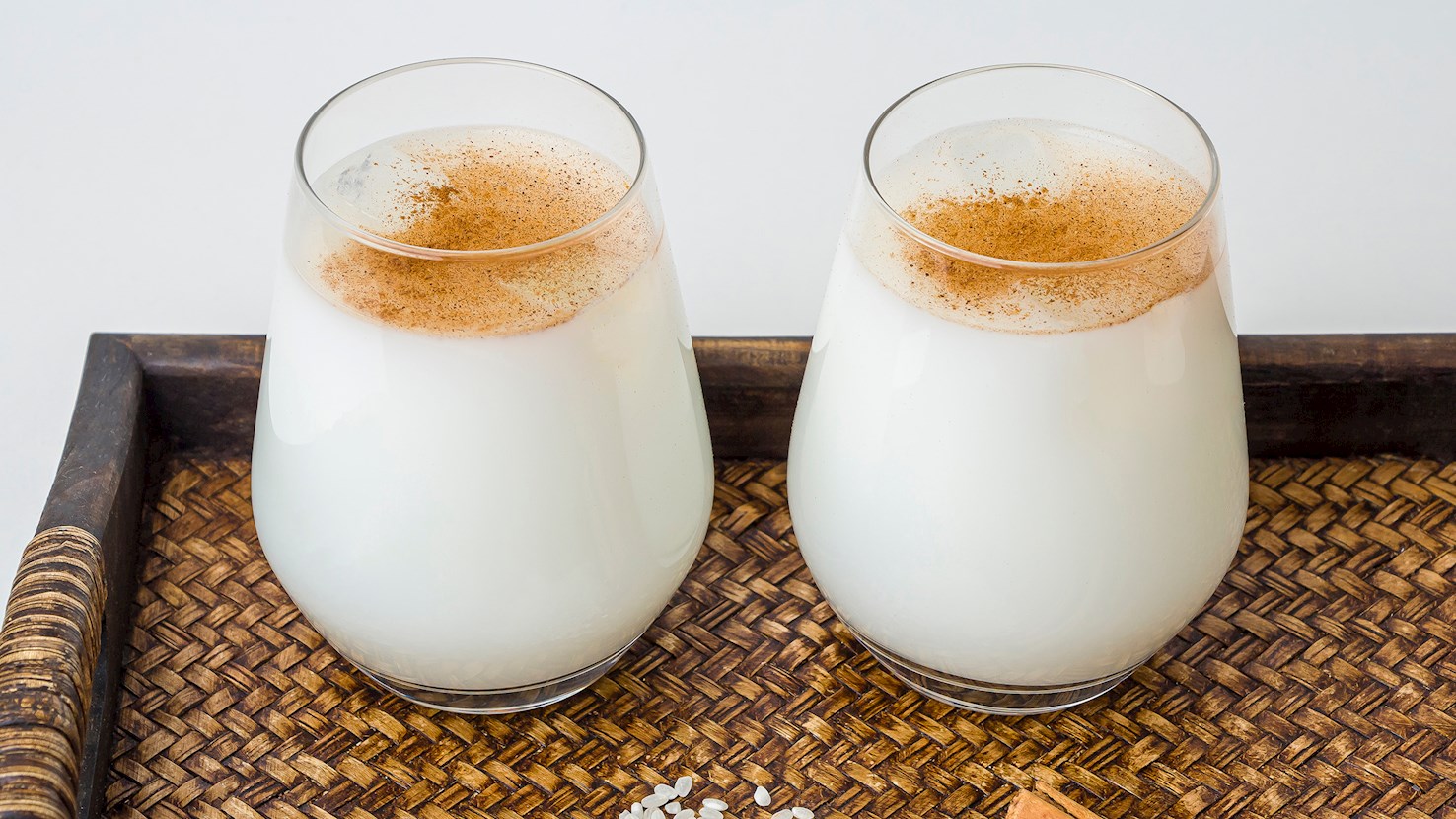
In its basic form, horchata is a rice-based drink made by soaking rice in water, typically together with cinnamon. The combination is blended, usually sweetened, and strained to reach a smooth, creamy texture. Horchata has a long history and most likely European and African roots. In Latin America, the name is now mostly used as a generic term for a broad category of related drinks—they are based on grains, fruits, seeds, and sometimes even herbs and spices. Horchata most likely originated in Mexico, where it has been known since the 16th century. Many believe it was based on ancient European or Roman drinks that were made with barley. It was also probably influenced by the eponymous Valencian horchata—made with tiger nuts—that potentially has its origins in Nigeria, where it is called kunnu aya. Mexican horchata is sold by street vendors, and it is commonly found in Mexican restaurants in and outside the country. Bottled or powder versions are also available. Horchata is best served well-chilled.

03

Guarapo

4.1 ·

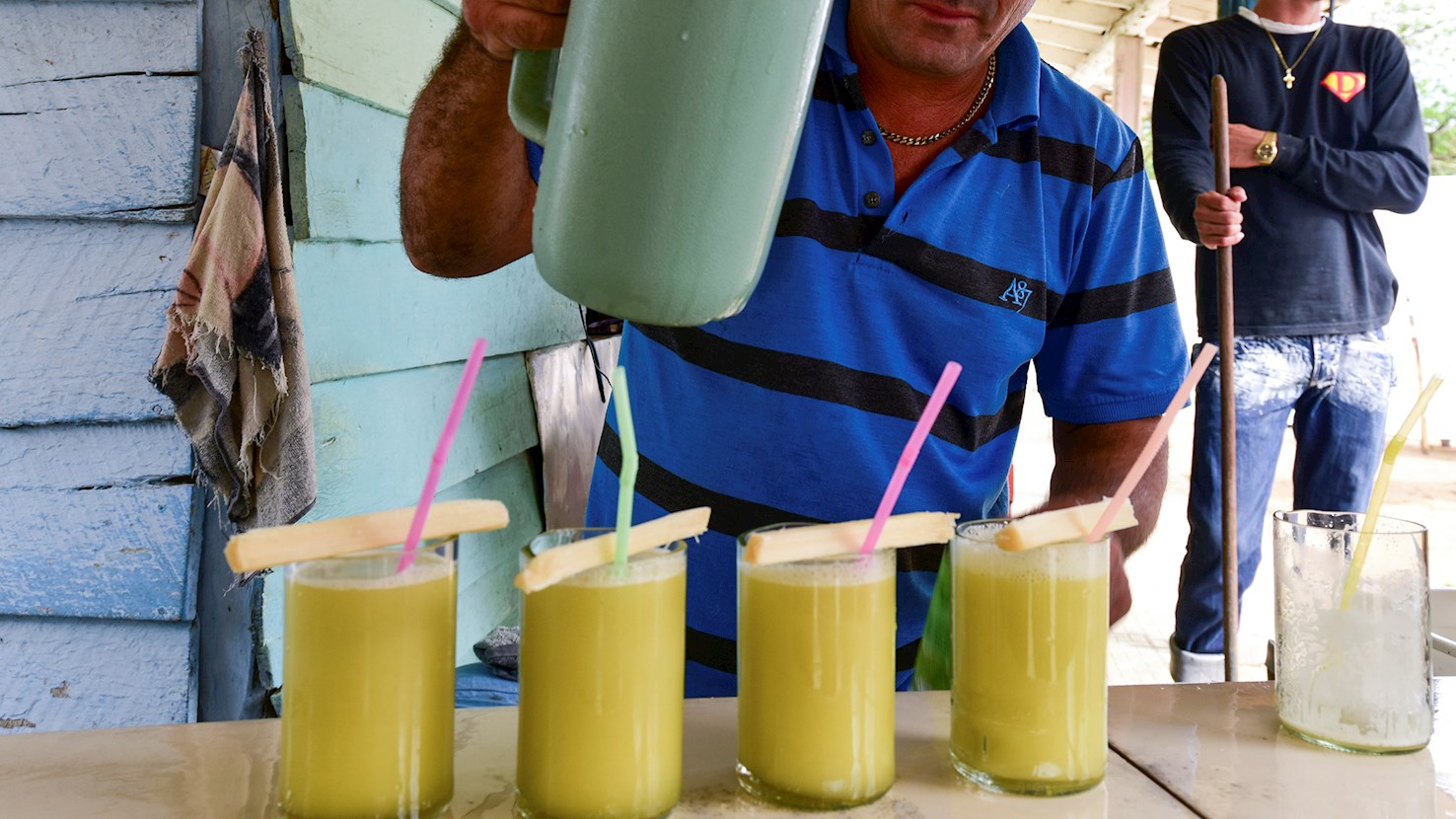
Guarapo is a Latin American drink made from raw, pressed sugarcane juice mixed with water, ice, and lots of fresh limes. Most often, the vendors that sell it will extract the sugar cane juice right on the spot using a metal sugar cane press. The juice drips into a bucket below the press where it’s sieved before serving. It has a slightly sweet flavor, and it’s most popular in the summer as a cold refreshment. The word guarapo was first recorded in the 19th century by Esteban Pichardo, who defines it as a broth or a liquid made from sugarcane juice, extracted under pressure. Both the word and the procedure are still around after almost two centuries.

04

Licuado

4.1 ·

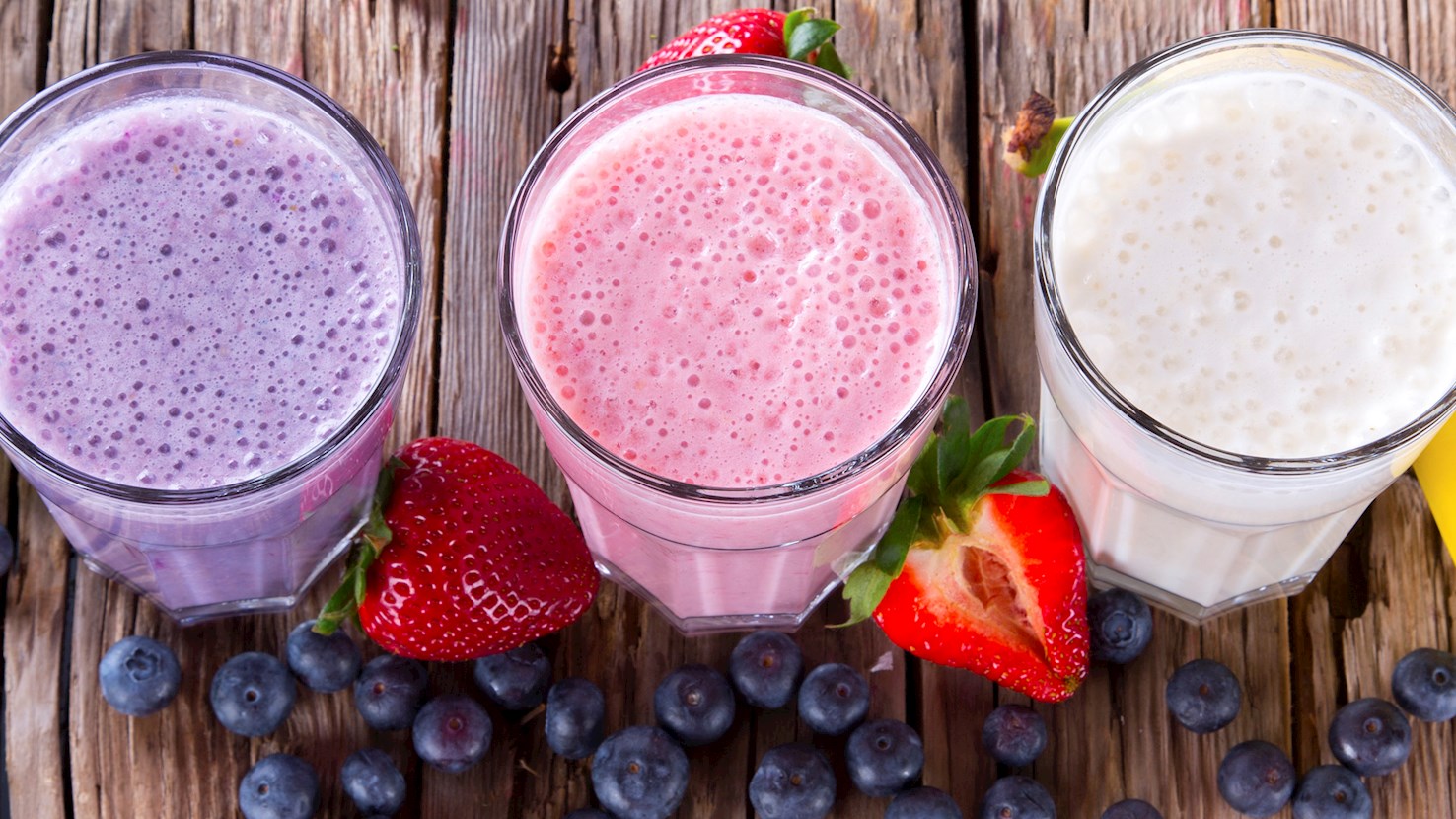
Licuado is a Mexican blended beverage consisting of milk, fresh fruit, and ice. The drink is popular throughout Latin America, where it is also known as batido. The beverage gained fame in the USA during the immigration period in the 1990s. Licuado, which means blended or liquefied, may also contain nuts, honey, and spices such as vanilla, cloves, or cinnamon, while in some varieties fruit can be replaced with chocolate. Due to its nutritive value, licuado is considered a quintessential breakfast food providing energy for the day, and it is usually served in a tall glass garnished with fruit.

05

Café de Olla

4.1 ·

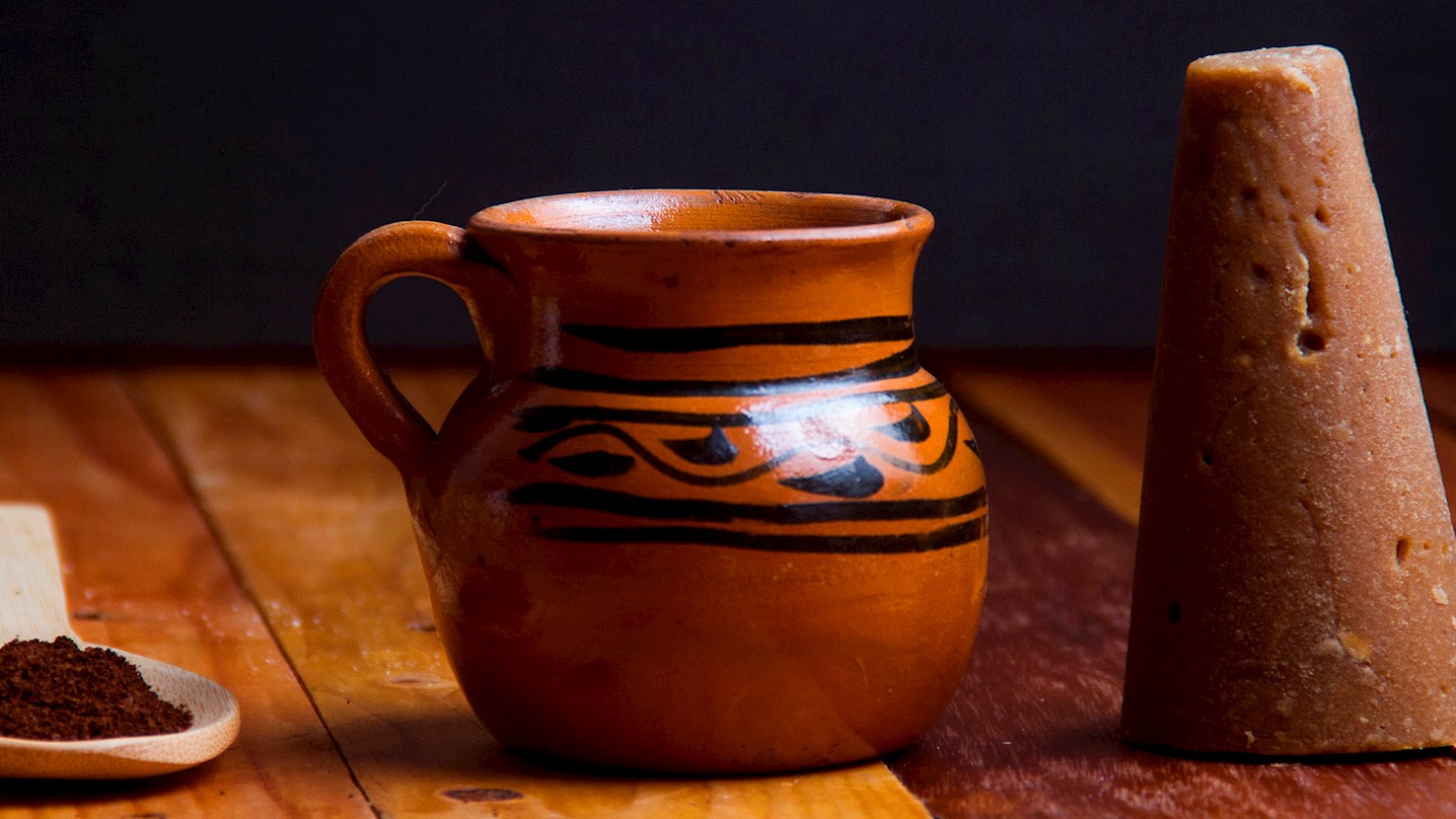
This traditional Mexican coffee is prepared by brewing ground coffee in a mixture of cinnamon-infused water that is generously sweetened with piloncillo—unrefined sugar cane. The coffee is traditionally prepared in clay pots, and it is believed that original versions were additionally enriched with roasted cocoa beans, while other variations may employ anise, clove, or orange zest. Apart from Mexico, café de la olla has become popular in the United States, predominantly in the areas with large Mexican communities.

06

Ponche Navideño

4.0 ·

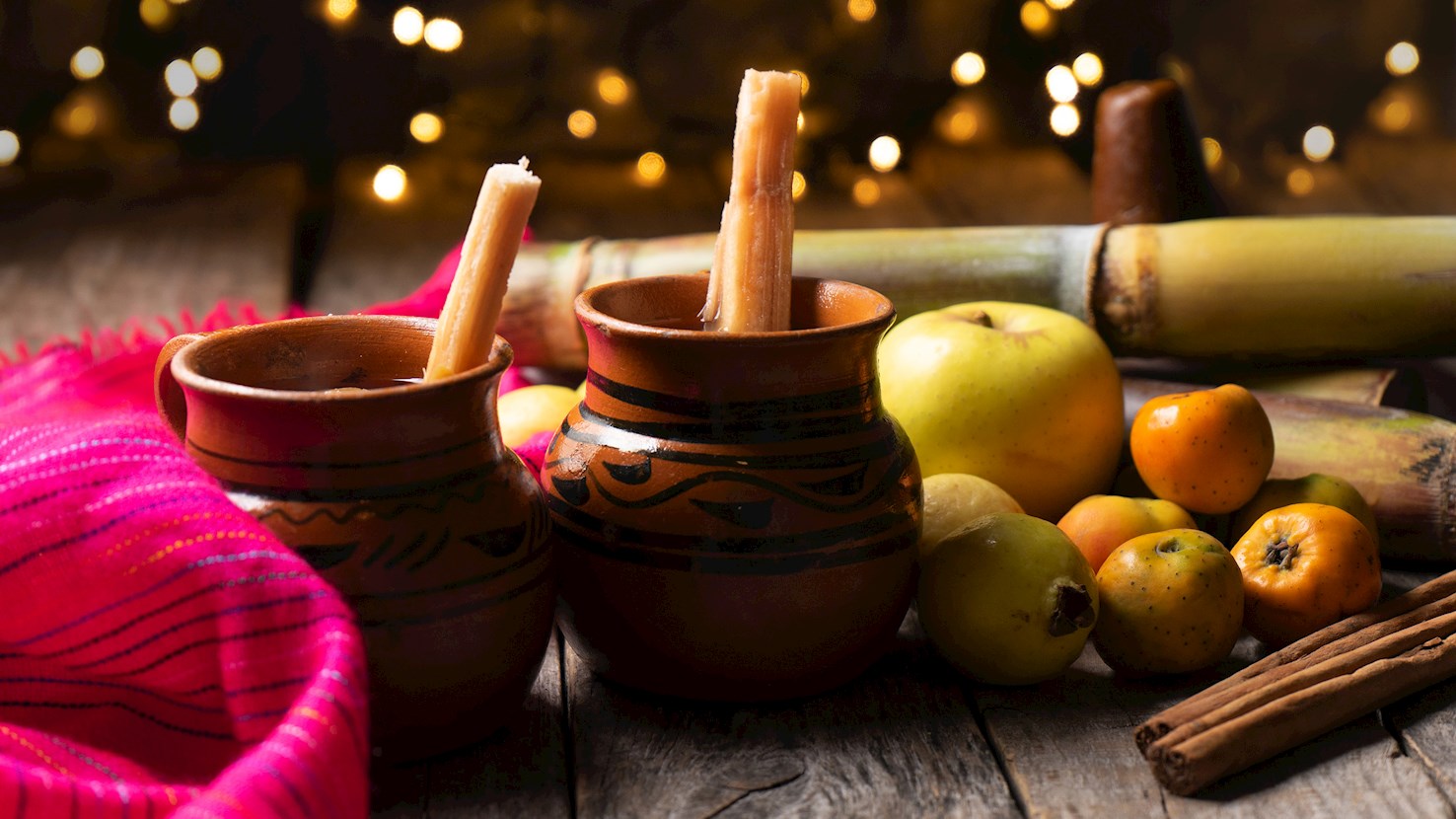
Ponche Navideño is a Mexican Christmas punch made with fresh and dried fruits, cane sugar, and spices. Traditional ponche typically includes water, piloncillo (raw cane sugar), spices such as cinnamon, cloves, and tamarind, along with fresh tejocotes (Crataegus mexicana), guavas, hibiscus flowers, apples, pears, prunes, and raisins. The combination is slowly simmered until the fruit is softened and flavors are combined. Ponche is traditionally poured in mugs and should always be served warm, with each portion including a portion of aromatic liquid and chunks of fruit. Ponche is usually enjoyed on Las Posadas, a traditional Christmas celebration that takes place during nine days leading up to Christmas and ending on December 24. This classic version is sometimes laced with brandy or tequila to create a variation known as ponche con piquete (punch with a sting).

07

Atole

3.9 ·

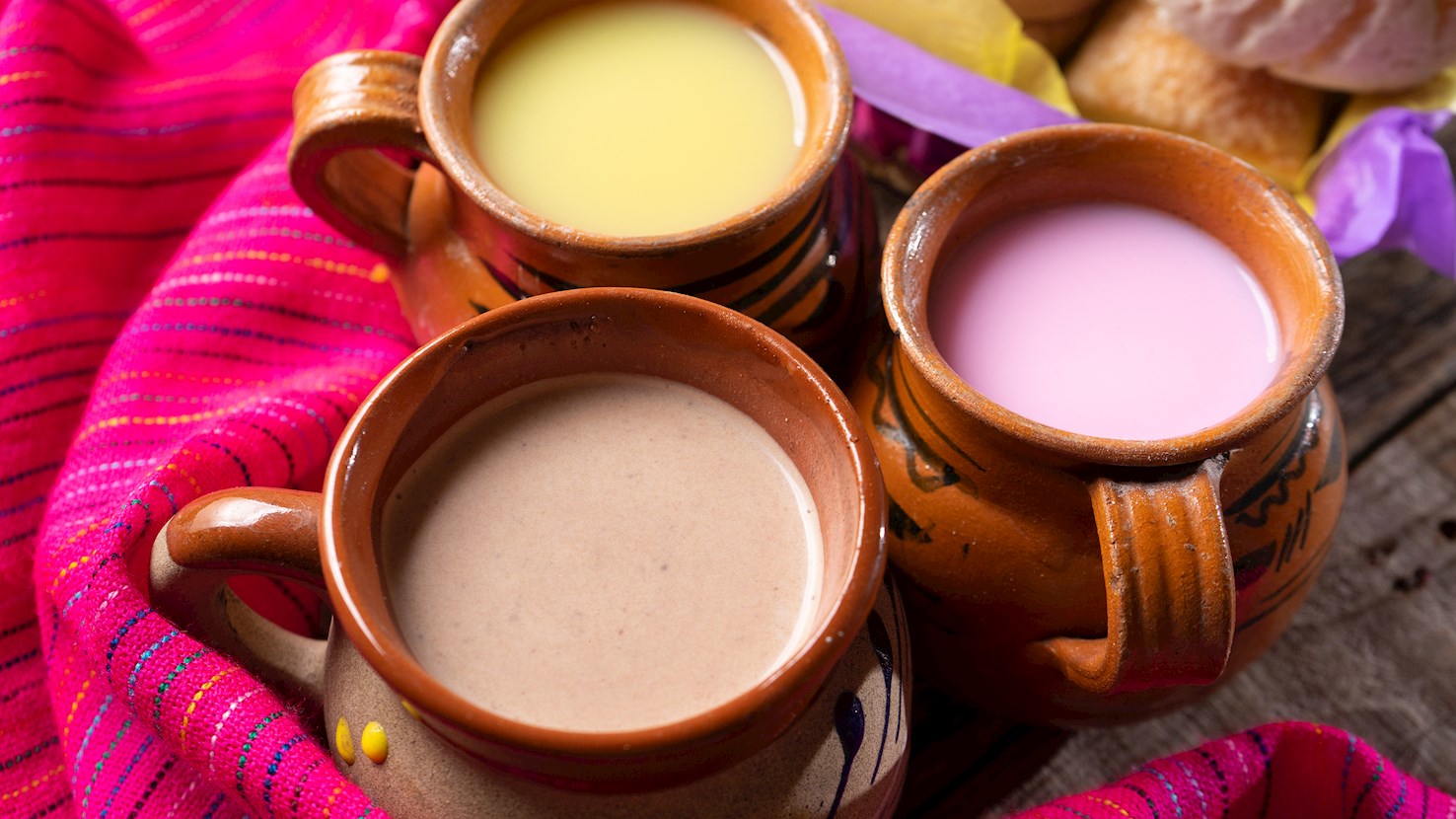
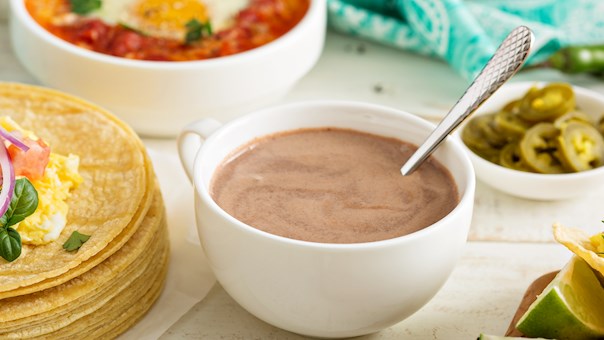
Atole is a thick, corn-based drink native to Mexico and Central America, where it is consumed as a breakfast drink or sipped in the evening after dinner. It can be made from cornmeal, cornstarch, or masa harina, a type of flour used in traditional Mexican cooking. The consistency and texture very much depend on the type of starch used, ideally, it should be thick, creamy and without any lumps. The original, pre-Spanish Conquest recipe always called for water as it’s base liquid; nowadays it can be made with milk, water, or a combination of both. Atole is traditionally sweetened with piloncillo (a thick, crystalline syrup made from cane juice) but brown sugar, white sugar, or honey and can also be used as well as fruit (atole de sabor), chocolate (champurrado), nuts, vanilla, cinnamon, and seeds to add extra flavor.

08

Chilate

3.8 ·

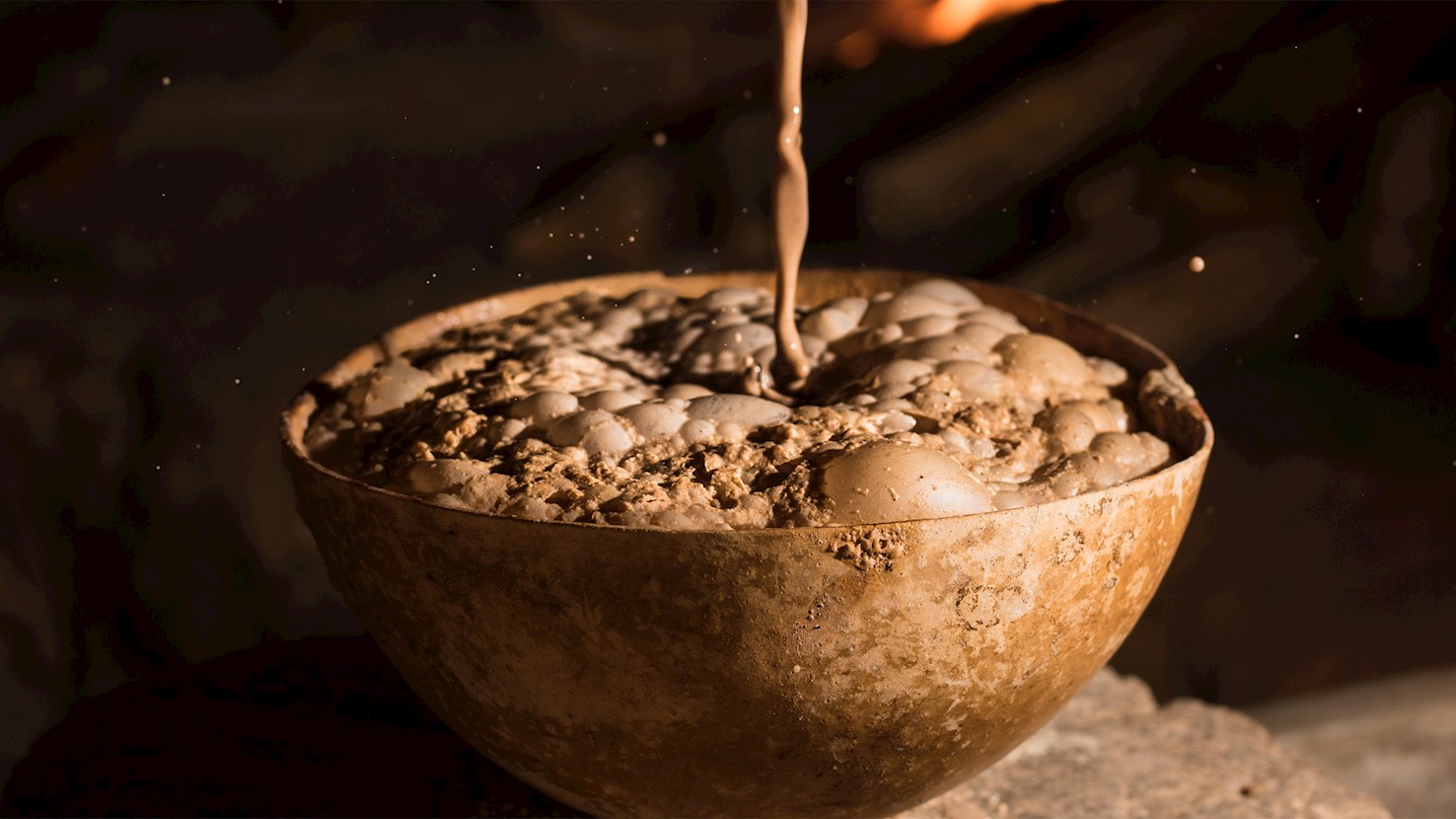
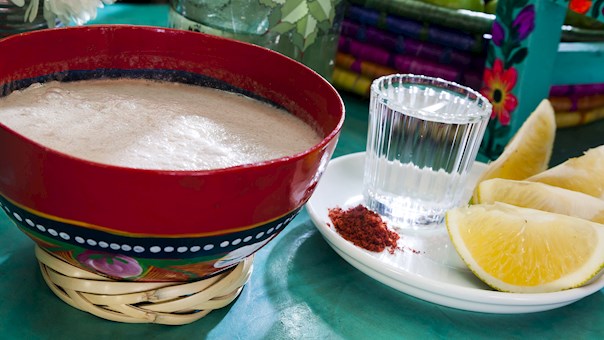
Chilate is a Mexican cocoa-based drink that evolved as a fusion of traditional Mexican ingredients and African influence. It is made with toasted, peeled, and ground cocoa beans, rice, cinnamon, and brown sugar or piloncillo (panela). The ingredients are finely ground into a paste-like base, which is then mixed with water until it attains the desired consistency. Chilate should always be served chilled and is often continuously poured to become aerated and frothy. The drink hails from Guerrero, more precisely from Costa Chica region, known for its large Afro-Mexican community. It is believed that this drink was modeled on a pre-Hispanic concoction, but it gained its current form after the introduction of rice, which was brought from West Africa sometime in the 16th century.

09

Tepache

3.7 ·

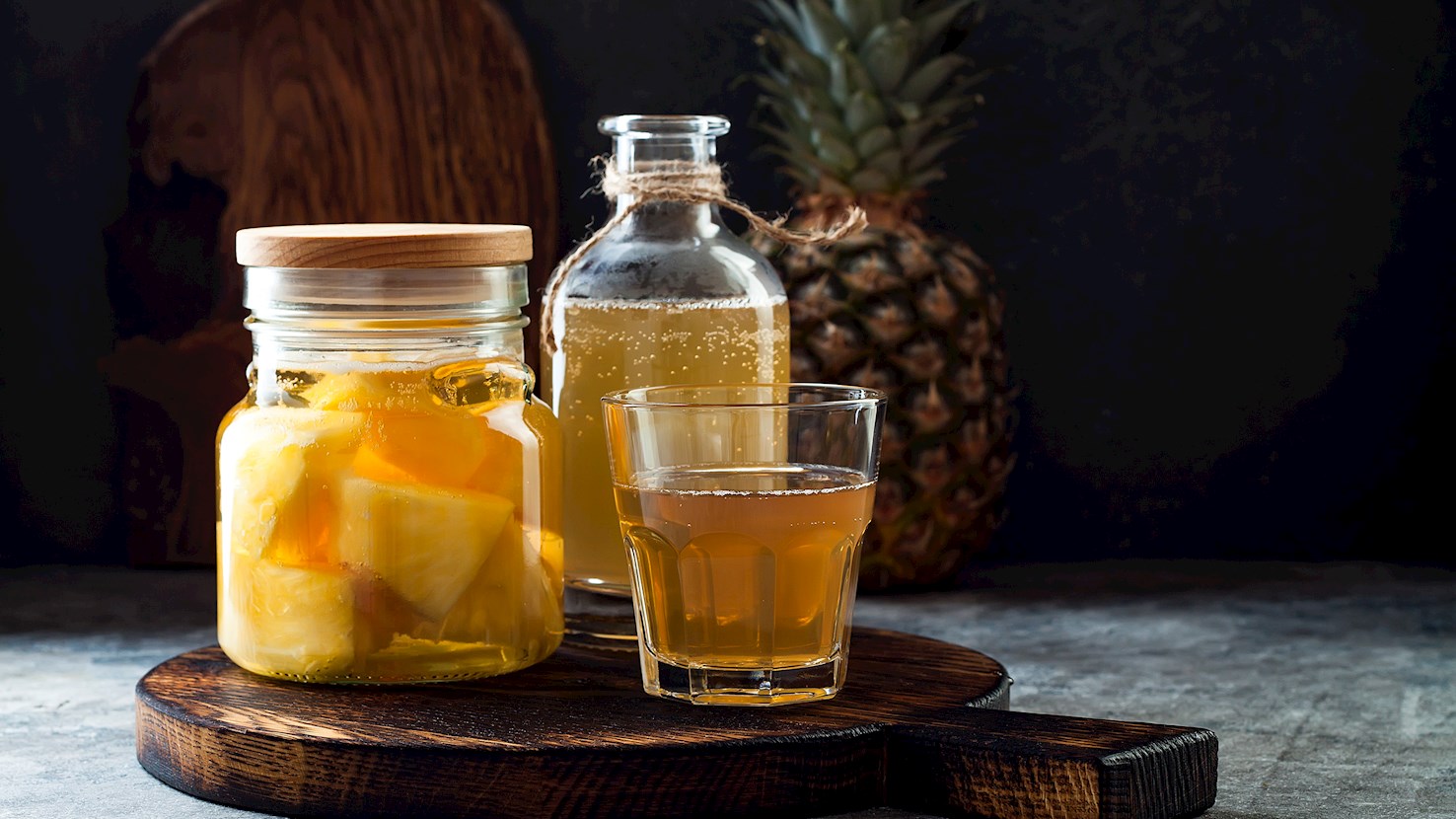
Tepache is a pre-colonial Mexican beverage that is nowadays mostly made from fermented pineapples. The base of the drink is usually made with pineapple chunks (together with the rind), brown or cane sugar (piloncillo), and spices such as cinnamon, cloves, allspice, or ginger. The ingredients are topped with water and are then left to ferment for a couple of days before the drink is ready for serving. Tepache is low in alcohol, lightly effervescent, subtly tangy, and usually described as funky. It is often sold in plastic bags or containers, and it is also commonly served in Mexican taquerias. Recently, it has been promoted as an excellent cocktail ingredient, and it is also often mixed with beer. It is believed that the first versions of tepache were made with corn because the word tepache probably stems from the Aztec word tepiātl, meaning the drink made from corn. Since its beginnings, tepache has seen many alterations, and it is easily tweaked with additional ingredients.

10

Sangrita

3.7 ·

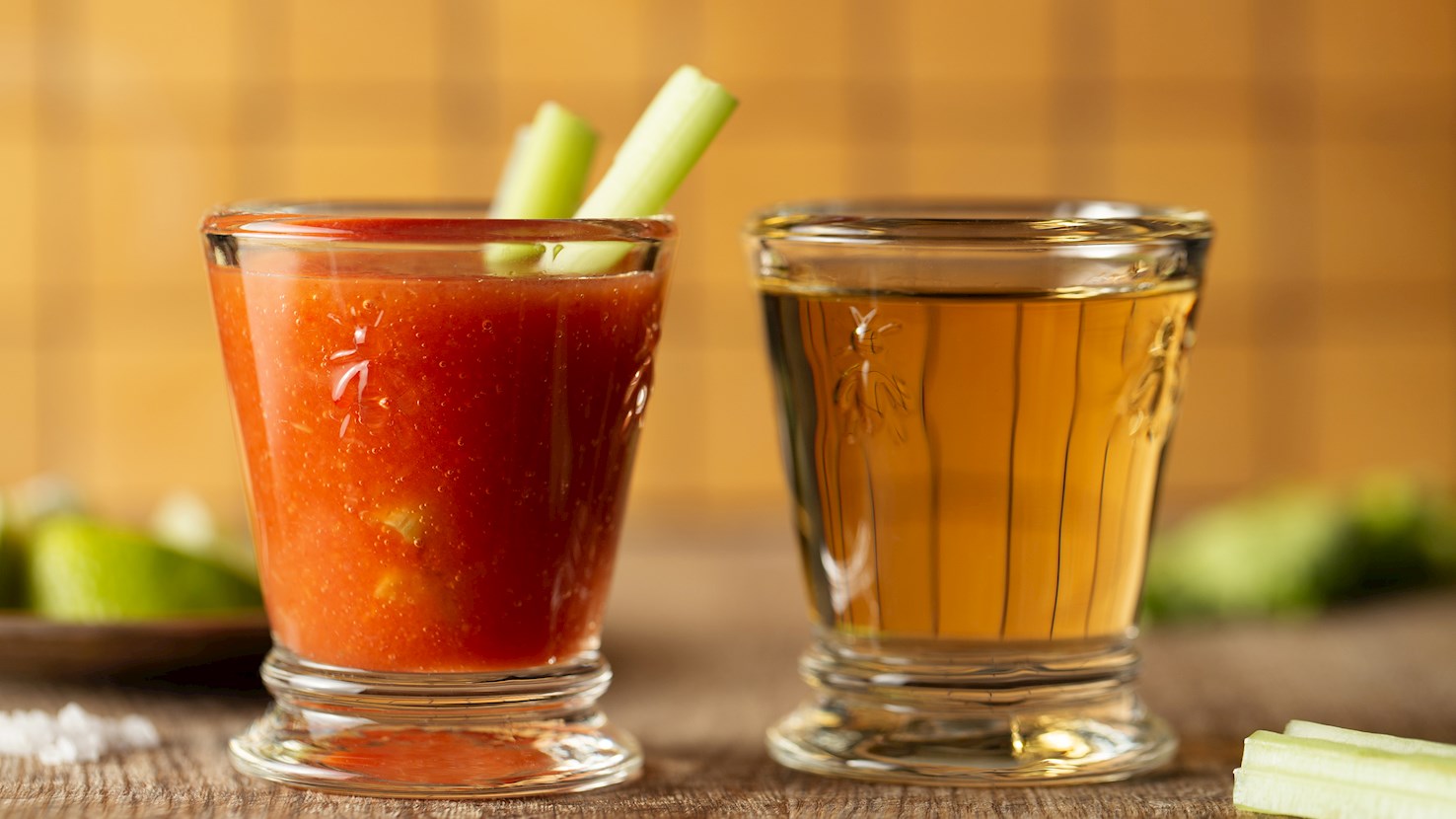
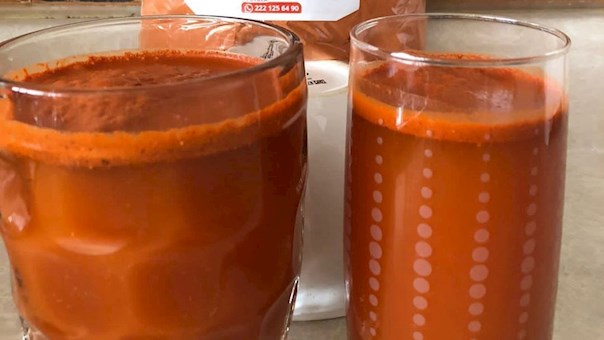
Sangrita is a spicy non-alcoholic cocktail that is usually served as a palate cleanser along with tequila. The traditional Mexican version is based on hot sauce, chili powder, and citrus juices, such as lime, grapefruit, and orange juice. It also usually incorporates salt and pepper. Modern varieties step away from tradition and mostly rely on the use of tomato sauce. It is not known when sangrita first appeared, but its origin is mainly associated with Jalisco—which is also where tequila originated. There is no uniform recipe, and the story is that the first versions might have been made with the leftover salad juices. Sangrita should be sipped, alternating the sips with tequila. It is usually served with tequila blanco or tequila reposado.

Read more
View all
View map
About this ranking

TasteAtlas food rankings are based on the ratings of the TasteAtlas audience, with a series of mechanisms that recognize real users and that ignore bot, nationalist or local patriotic ratings, and give additional value to the ratings of users that the system recognizes as knowledgeable. For the “Top 15 Mexican Non-alcoholic Beverages” list until June 24, 2026, 1,719 ratings were recorded, of which 815 were recognized by the system as legitimate. TasteAtlas Rankings should not be seen as the final global conclusion about food. Their purpose is to promote excellent local foods, instill pride in traditional dishes, and arouse curiosity about dishes you haven’t tried.

Similar lists