

Top 7 Korean Noodle Soups

Last updated on May 16, 2026
01

Kalguksu

4 ·

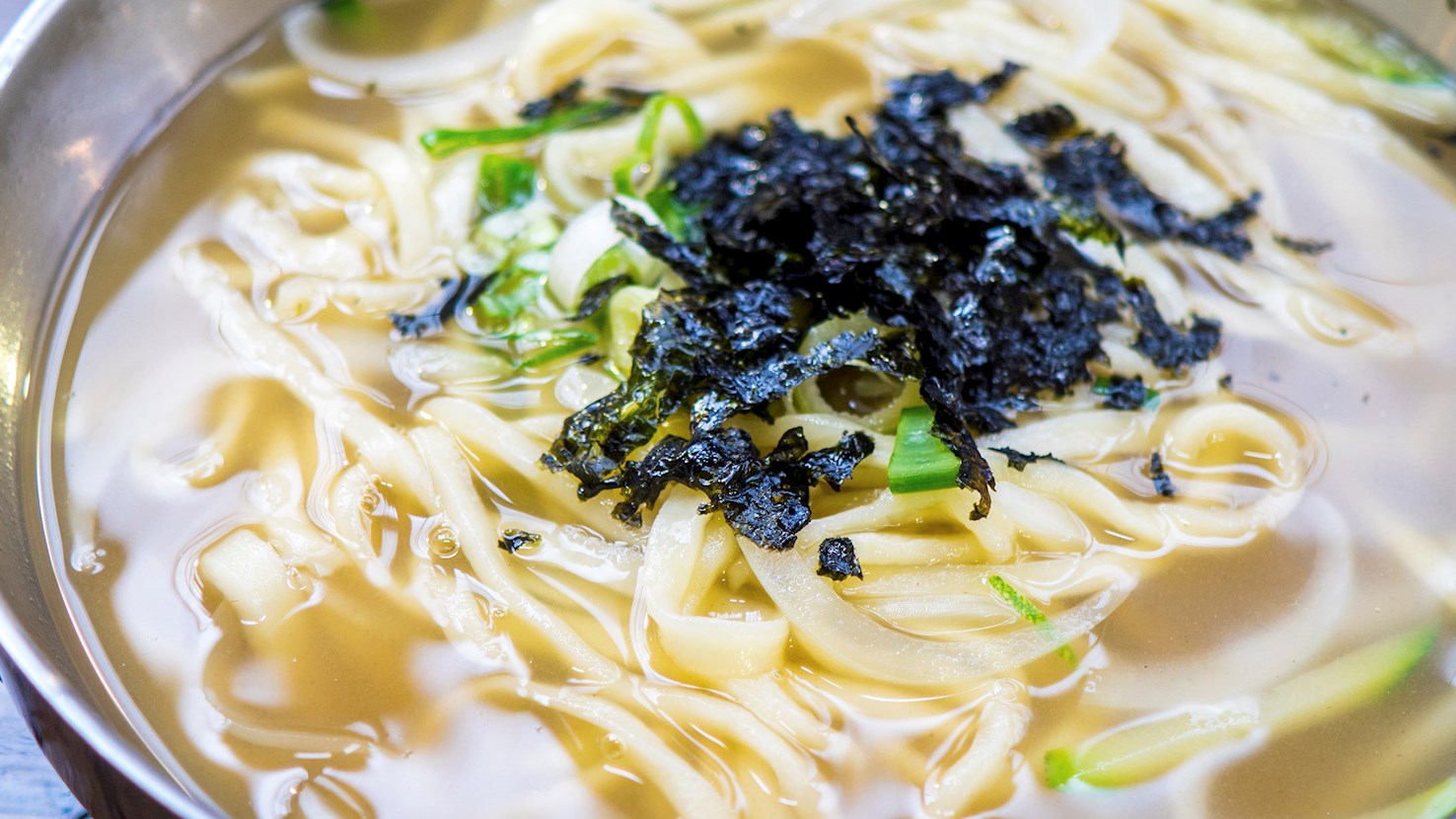
Kalguksu is a favorite summertime dish of many South Koreans, usually served during rainy seasons and on windy summer days. It consists of handmade wheat flour and egg noodles in a broth that is usually made with shellfish, dried anchovies, and kelp. The noodles are cut with a knife, giving the dish its name, kalguksu, which literally means knife noodles. Although seafood kalguksu is the most popular variety, there are other versions of kalguksu such as spicy (jjanppong kalguksu), chicken (dak kalguksu), and mushroom kalguksu (beodeot kalguksu). Typically, kalguksu is served with side dishes such as kimchi or barley combined with cabbage and soybean paste sauce. Kalguksu originated during the Joseon Dynasty era, and the first recipe for the dish was found in an old cookbook called Eumsik Dimibang, written by Lady Jang in 1670. Traditionally, kalguksu was consumed during the Yudu holiday, when barley and wheat were harvested. It was also a custom to serve the dish on a child's first birthday, as a sign of longevity, virtue, and health, but today, kalguksu is enjoyed by everyone as an inexpensive, hearty, and nourishing dish.

02

Kongguksu

3.8 ·

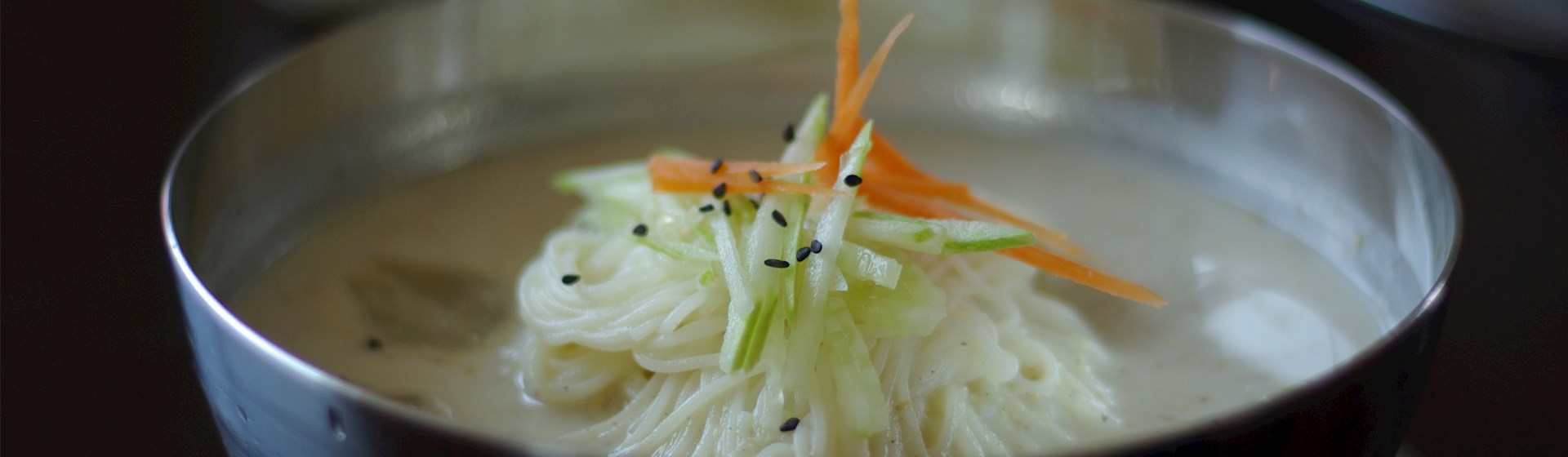
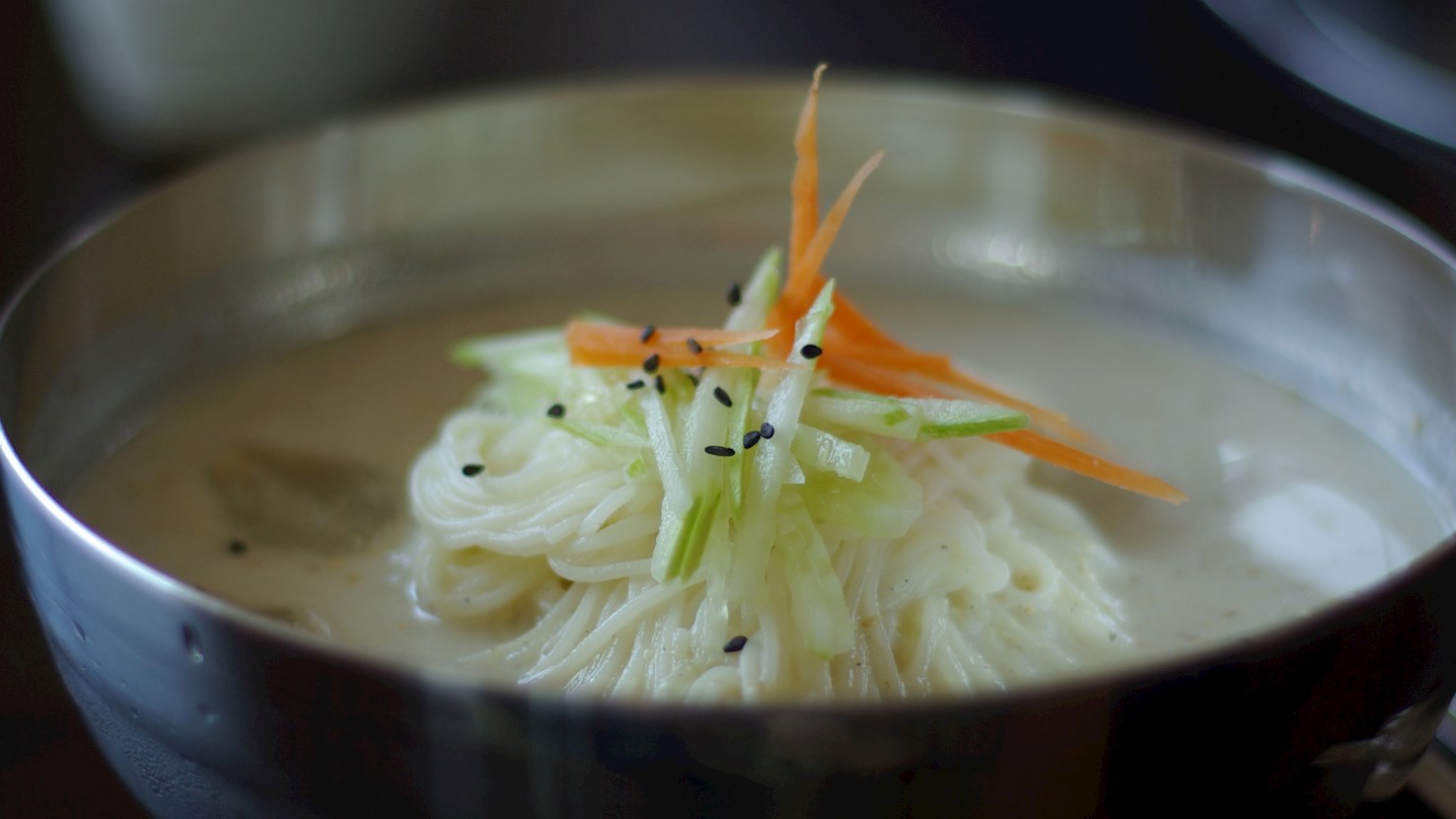
Kongguksu is a Korean summer classic that combines noodles and a cold, soy milk broth. Traditionally, the broth is made from scratch by cooking and puréeing soybeans, occasionally with the addition of sesame seeds or different nuts. The dish is usually prepared with somyeon noodles, and it is finished off with the addition of different toppings such as finely sliced cucumbers or tomatoes. Occasionally, ice cubes can be added to chill the soup.

03

Janchi guksu

3.5 ·

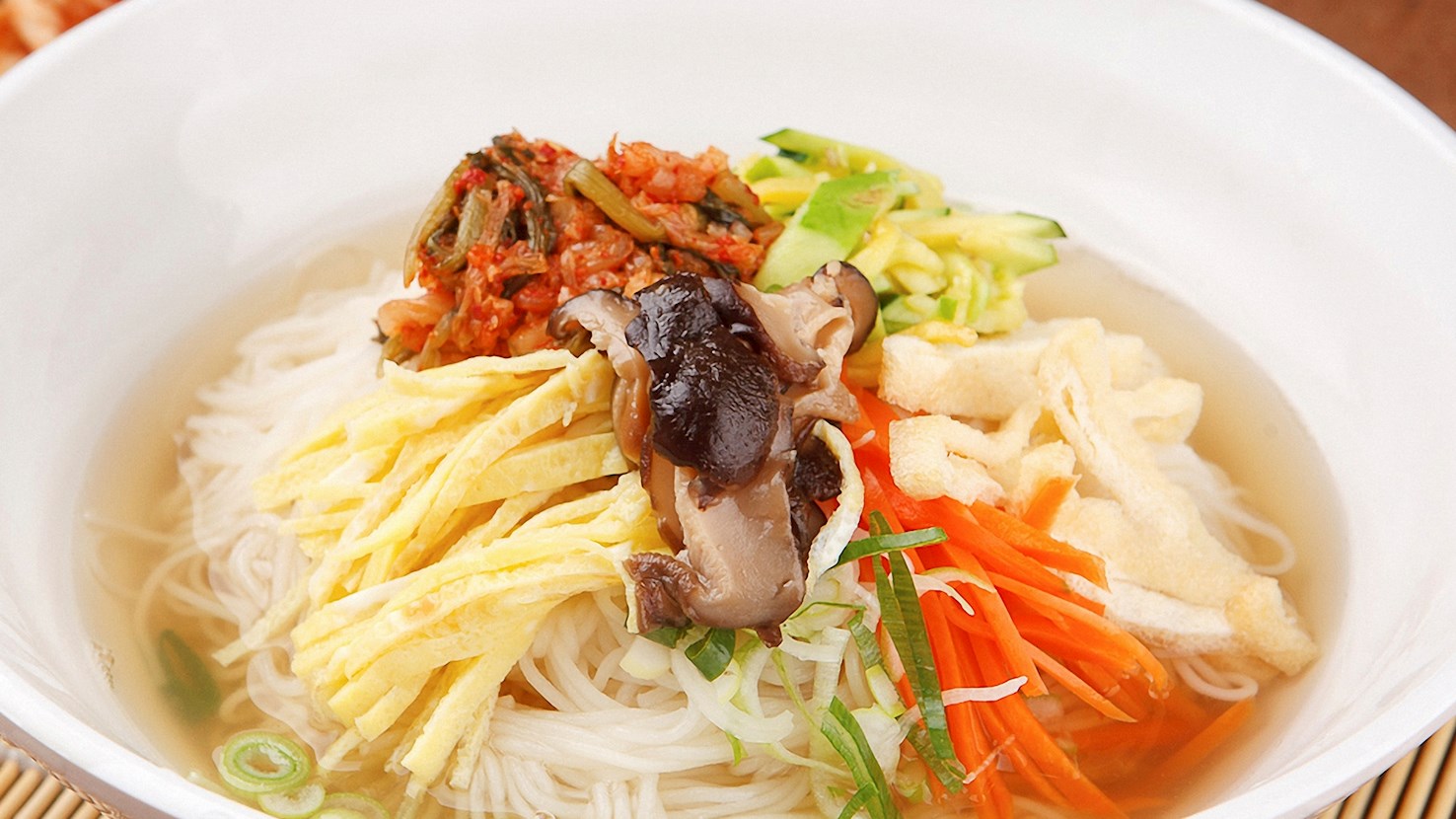
Janchi guksu is a Korean dish consisting of somyeon wheat noodles served in a clear anchovy or beef broth, which is occasionally flavored with kelp. The dish is typically garnished with thinly sliced egg (jidan), seaweed (gim), carrots, shitake mushrooms, or zucchinis, and it usually served with yangnyeomjang – a spicy, soy sauce-based dip. The name janchi translates as a banquet, suggesting that the dish was once traditionally served on special occasions.

04

Kimchi-guksu

3.5 ·

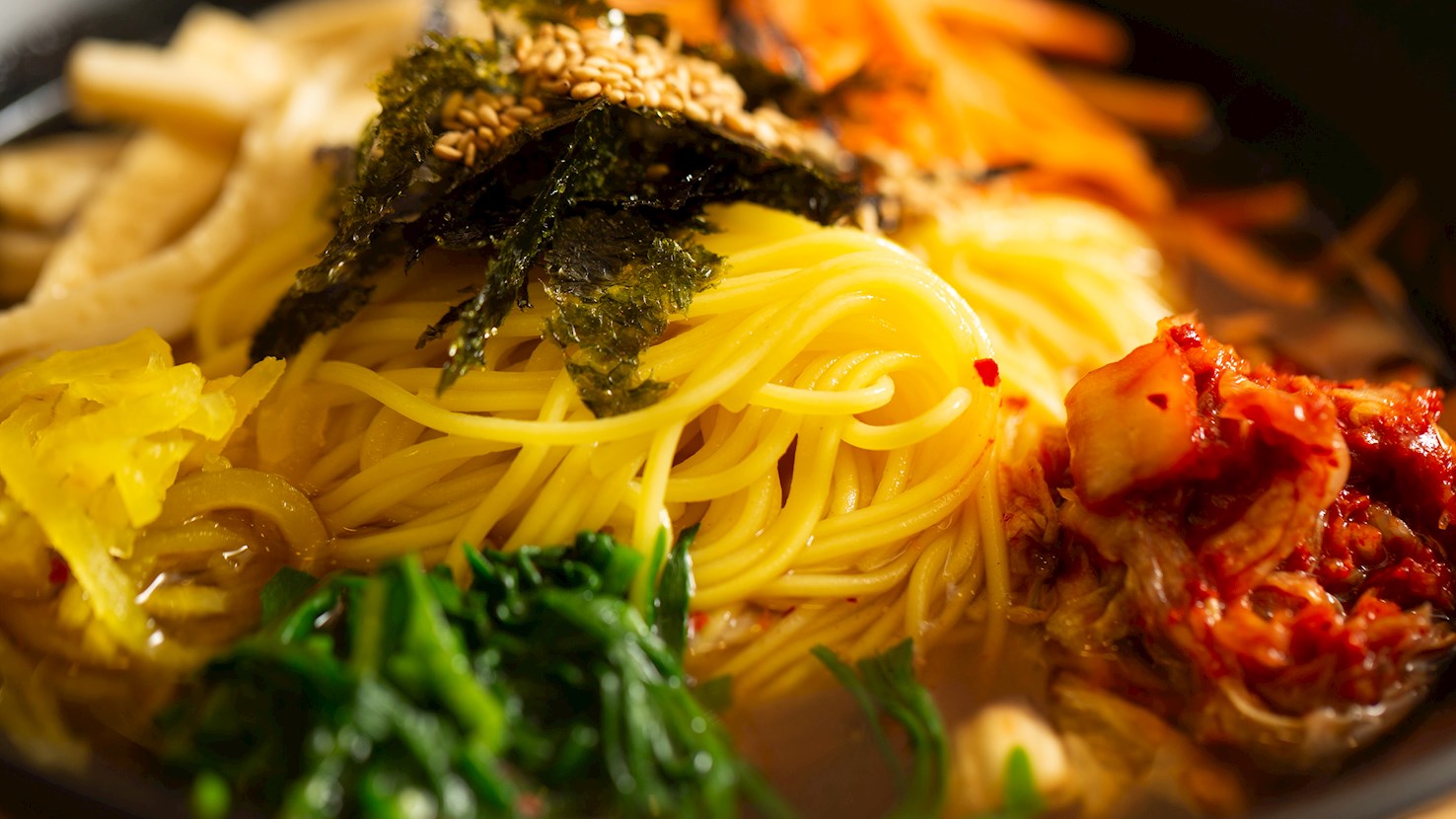
Kimchi-guksu is a traditional noodle soup originating from South Korea. The dish is usually made with a combination of kimchi, gochujang (hot pepper paste), wheat flour noodles (somyeon), nori, scallions, vegetable stock, sesame oil, sesame seeds, sugar, and salt. The noodles are boiled in stock until they're chewy and soft. Once drained, they're divided into soup bowls and covered with the hot stock. A mixture of kimchi, gochujang, sesame oil, sesame seeds, and sugar is added to each serving, and the dish is garnished with nori sheets and scallions before it's served hot.

05

Sujebi

3.4 ·

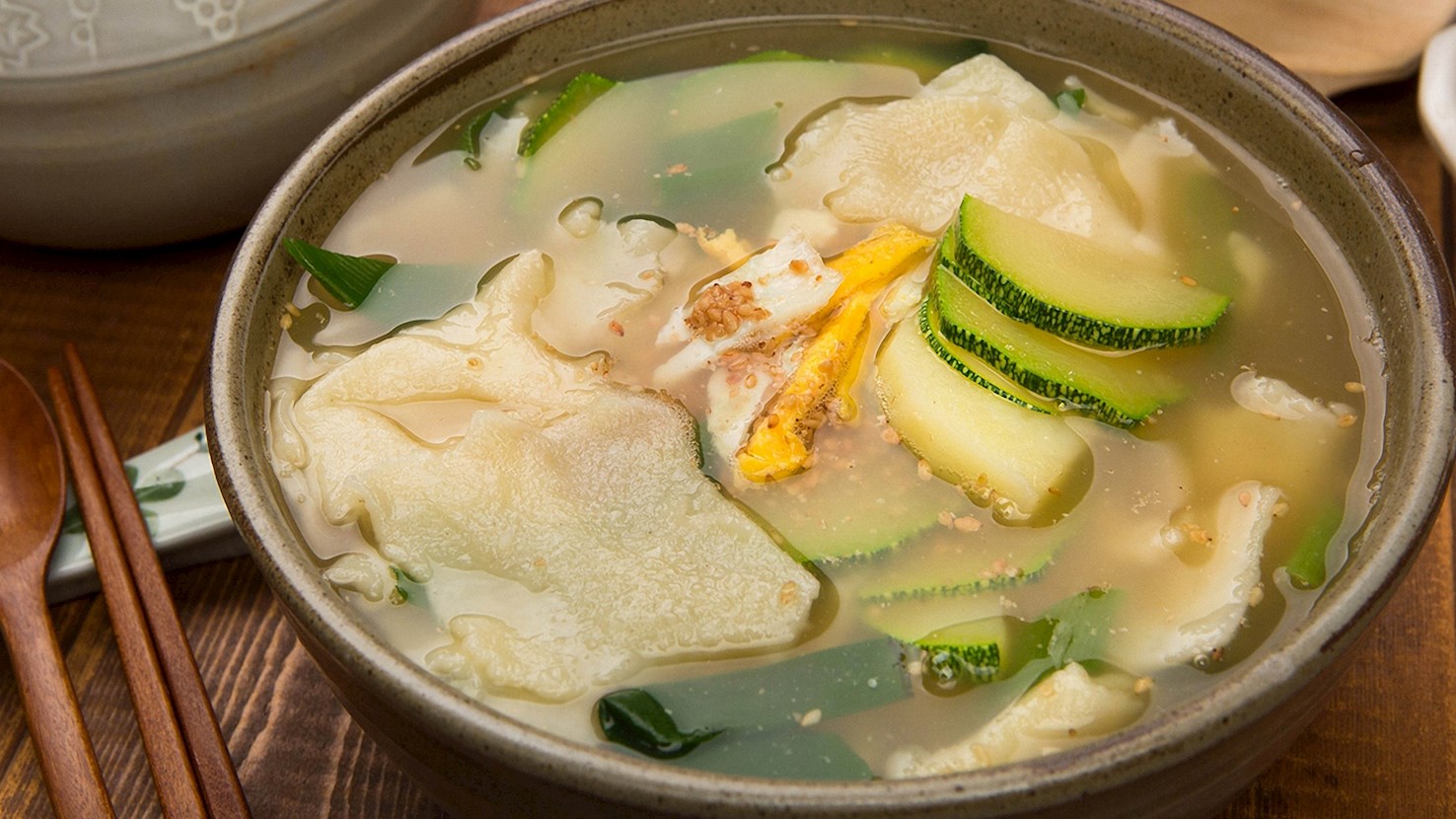
Hand-pulled, wheat noodles are the star ingredient in this hearty Korean soup. The broth is traditionally flavored with anchovies, dry seaweed, and occasionally shellfish, while the additional elements may include sliced vegetables such as scallions and potatoes, or kimchi. The dish was once considered a rarity that was only enjoyed on special occasions, but nowadays it is a common home-cooked meal. The name sujebi roughly translates as hand folded—referring to the process of pulling small pieces of dough by hand.

06

Memil guksu

3.3 ·

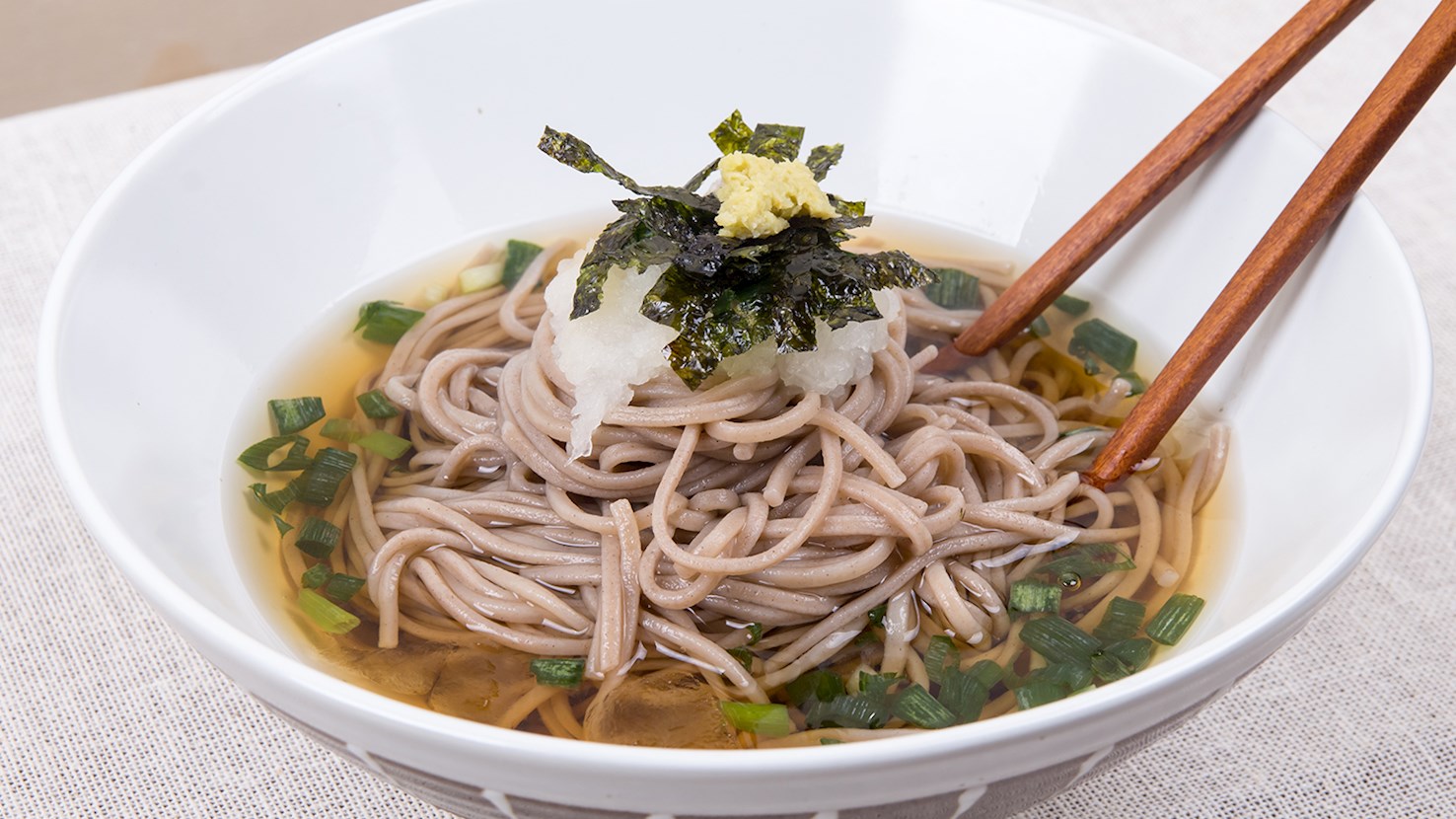
Memil guksu is a traditional South Korean soba noodle soup, hence the name, with memil meaning buckwheat, and guksu meaning noodle soup. The dish consists of buckwheat noodles, eggs, green onions, and seaweed. They're boiled in a broth made from guksijangguk and Japanese hondashi. Once cooked, the noodles are topped with the eggs and toasted seaweed strips. The dish can be enriched with lemon juice, and it's sometimes served with a dipping sauce based on tsuyu and rice wine on the side. Memil guksu noodles are always served cold.

07

Onmyeon

n/a ·

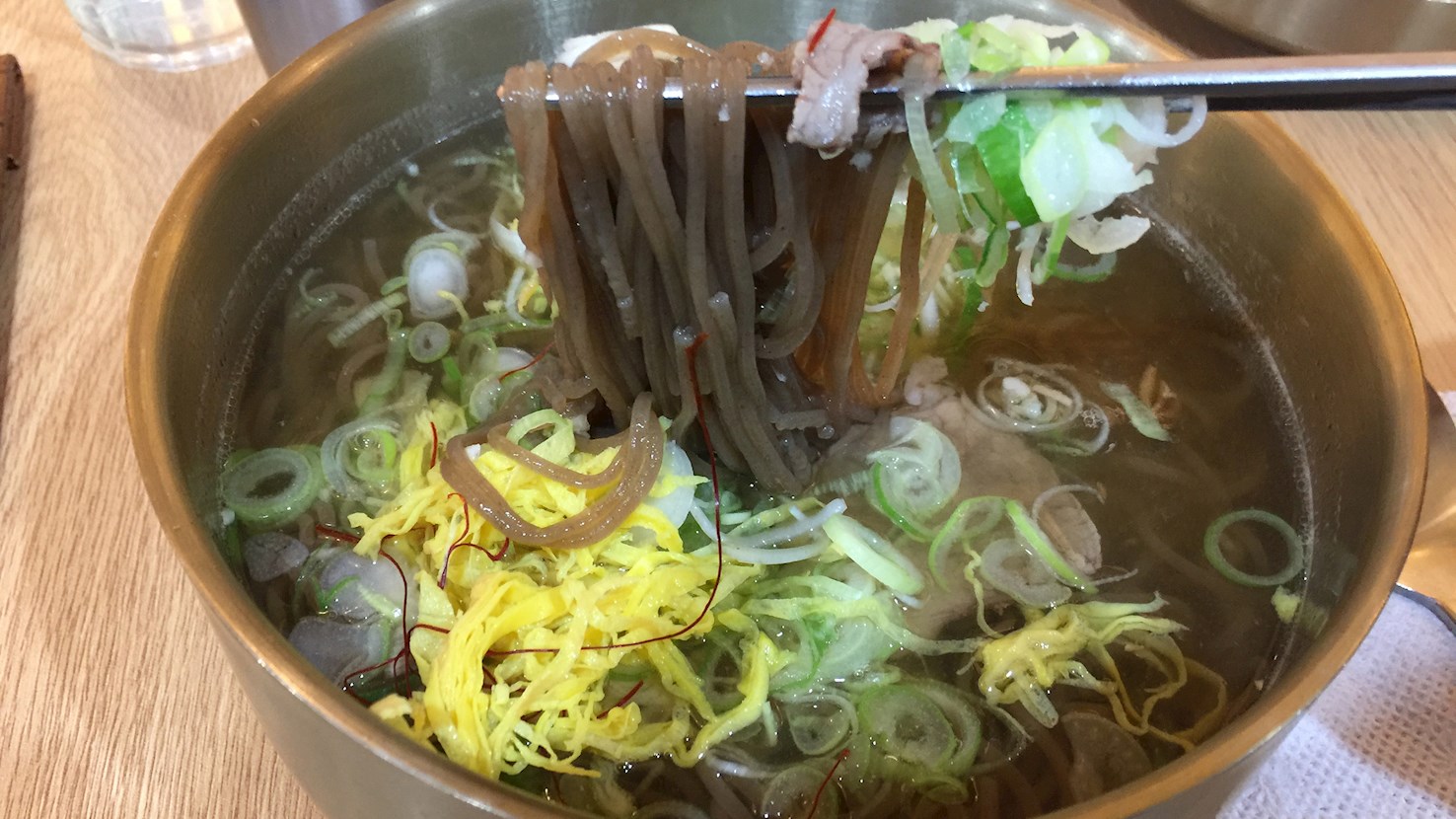
Onmyeon is a traditional warm noodle soup originating from South Korea. The noodle soup is usually made with a combination of beef, scallions, somyeon noodles, garlic, soy sauce, salt, oil, eggs, zucchini, and dried mushrooms. The broth is made by cooking beef, scallions, and garlic in water until the meat is tender. The beef is removed and cut into slices, the dried mushrooms are soaked in water, the scallions and garlic are discarded, while the broth is seasoned with soy sauce and salt. The eggs are whisked, fried, and cut into strips. The zucchini and mushrooms are fried in oil, and the noodles are cooked until soft. The noodles are topped with beef slices, garnished with eggs, zucchini, and mushrooms, and the broth is then poured over the ingredients to complete the noodle soup.

Read more
View all
View map
About this ranking

TasteAtlas food rankings are based on the ratings of the TasteAtlas audience, with a series of mechanisms that recognize real users and that ignore bot, nationalist or local patriotic ratings, and give additional value to the ratings of users that the system recognizes as knowledgeable. For the “Top 7 Korean Noodle Soups” list until May 16, 2026, 140 ratings were recorded, of which 133 were recognized by the system as legitimate. TasteAtlas Rankings should not be seen as the final global conclusion about food. Their purpose is to promote excellent local foods, instill pride in traditional dishes, and arouse curiosity about dishes you haven’t tried.

Similar lists