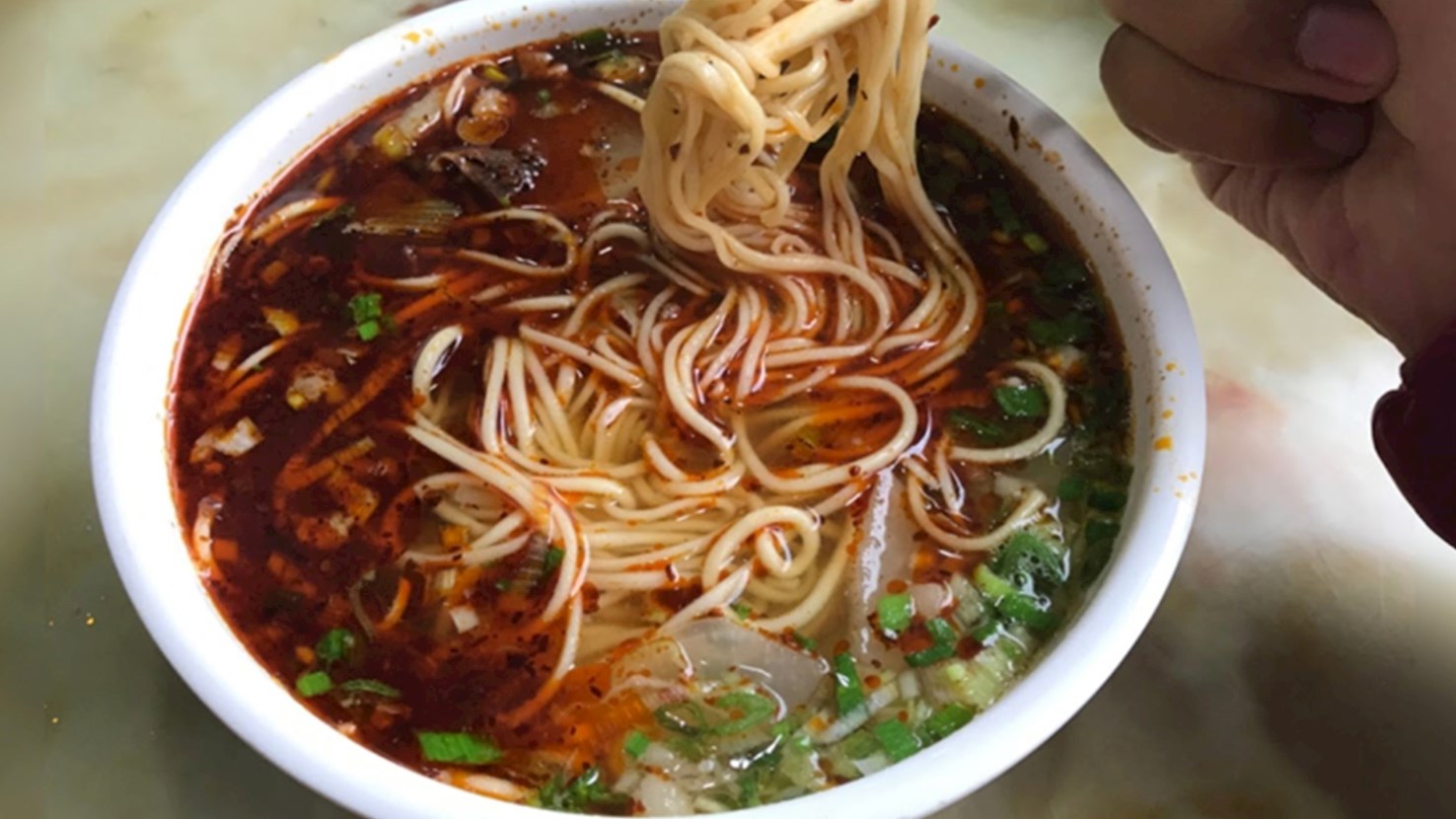
Lanzhou lamian is a Chinese noodle dish known for its hand-pulled noodles, originating from Lanzhou. "Lamian" translates to "pulled noodles", as the dough is stretched and folded repeatedly by hand to create long, thin noodles with a perfect chewy texture. This technique not only aligns the gluten but also enhances the texture of the noodles. The resulting noodles are cooked in a rich beef broth that is clear and flavorful, without the use of soy sauce, allowing the natural flavors of the ingredients to shine through. Lanzhou lamian is often served with thinly sliced beef and various toppings, and is traditionally garnished with fresh cilantro, chili oil, and slices of white radish, adhering to a visual principle of the "five colors": clear broth, white radish, green cilantro, red chili oil, and yellow noodles. This dish has gained immense popularity across China and is often recognized as one of the country's top noodle dishes. The origins of Lanzhou lamian date back to the Tang Dynasty, with its modern form believed to have been popularized in the early 19th century by a Hui Muslim vendor named Ma Baozi. Today, it is commonly found in numerous noodle shops throughout China, particularly those owned by Hui families who serve halal food.
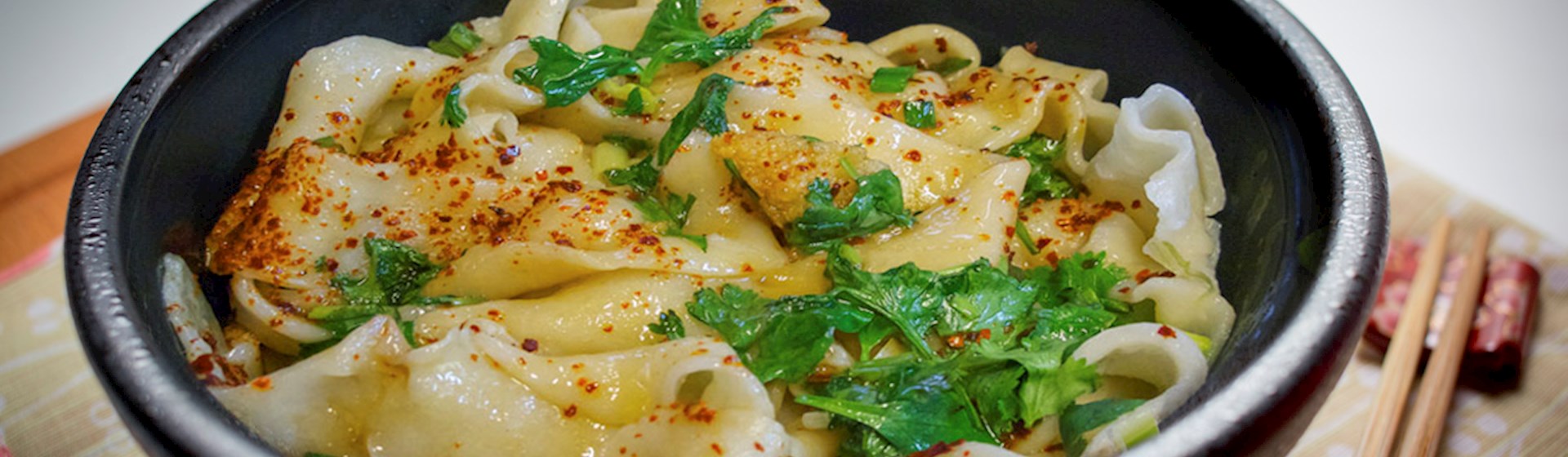
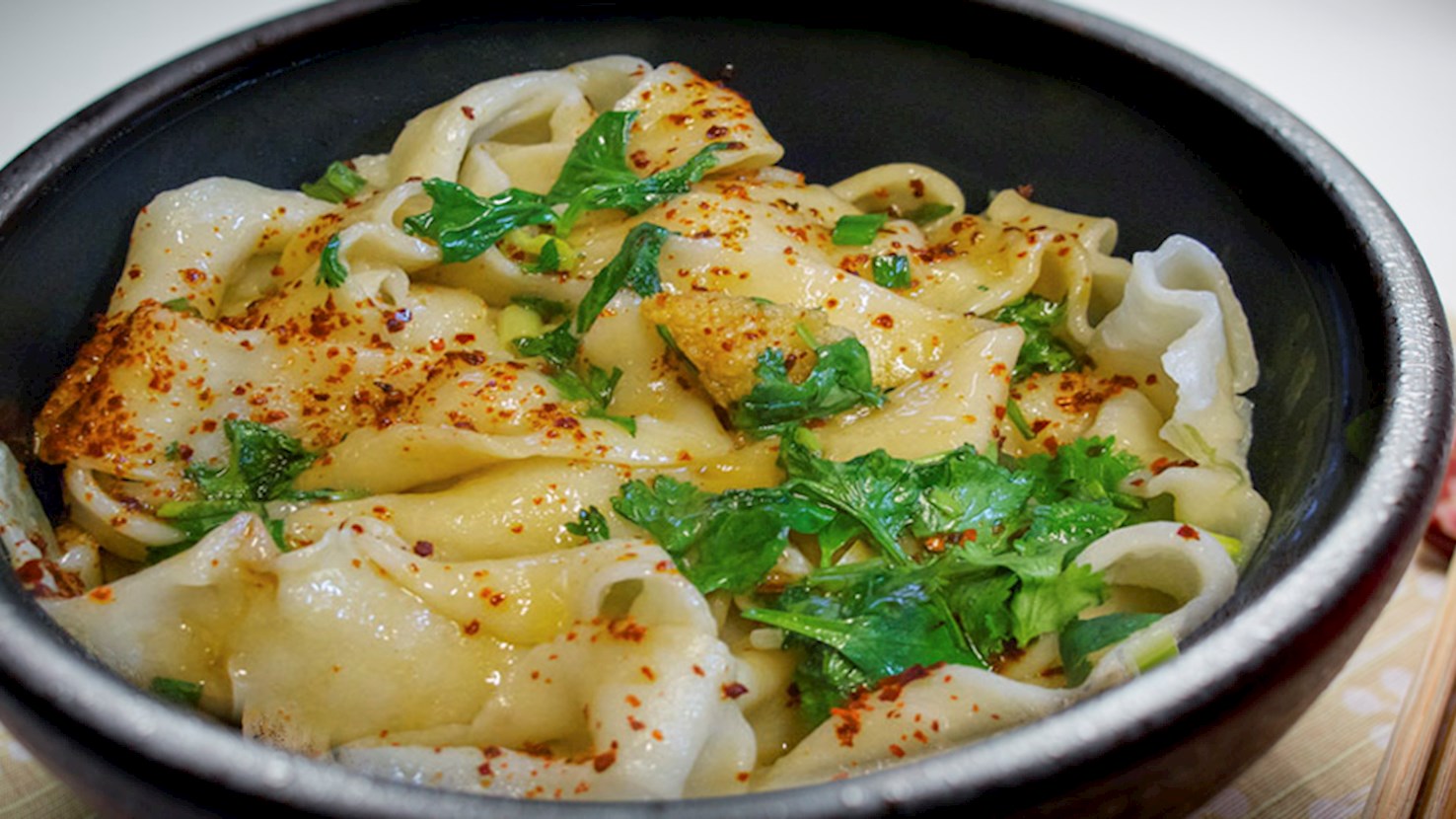
Biáng biáng noodles are a type of hand-pulled noodle from Shaanxi province, famous for their extra-wide, belt-like shape and chewy texture. They are a staple of Xi’an, the provincial capital, and are often regarded as one of the defining foods of the region’s wheat-based cuisine. Their name is also tied to a unique Chinese character, considered one of the most complex in the written language, which has become as much a symbol of the dish as the noodles themselves. The development of biáng biáng noodles reflects the reliance on wheat in northern and northwestern China, where wheat replaced rice as the dominant staple due to climate and geography. Over centuries, cooks refined methods of hand-pulling dough to achieve noodles of various shapes and textures, from thin strands to thick ribbons. In Shaanxi, this process was adapted to create exceptionally wide noodles, hearty enough to serve as a full meal on their own. The association with the character “biáng,” which does not appear in standard dictionaries, further linked the dish to regional culture, adding an element of identity and pride for locals. Making the noodles involves a straightforward but skillful process. Wheat flour dough is kneaded until elastic, rested, and then pulled into long strips. Each strip is slapped against a counter to stretch it, creating wide, flat ribbons. These are boiled quickly in water until just cooked, producing a chewy yet tender texture. Once drained, the noodles are placed in a bowl and topped with garlic, chili flakes, scallions, and sometimes vegetables or bits of meat. Very hot oil is then poured over these seasonings, releasing their aroma and forming a sauce that coats the noodles. In some versions, vinegar and soy sauce are added for balance, or additional toppings like braised beef, lamb, or eggs are included. Biáng biáng noodles are eaten widely in Shaanxi, especially in Xi’an, where they are sold in street stalls, small noodle shops, and larger restaurants. They are served as a complete meal, often accompanied by light broths or pickled vegetables. Beyond China, they have gained attention in restaurants specializing in regional Chinese cooking, where their distinctive appearance and flavor showcase the diversity of China’s noodle traditions.
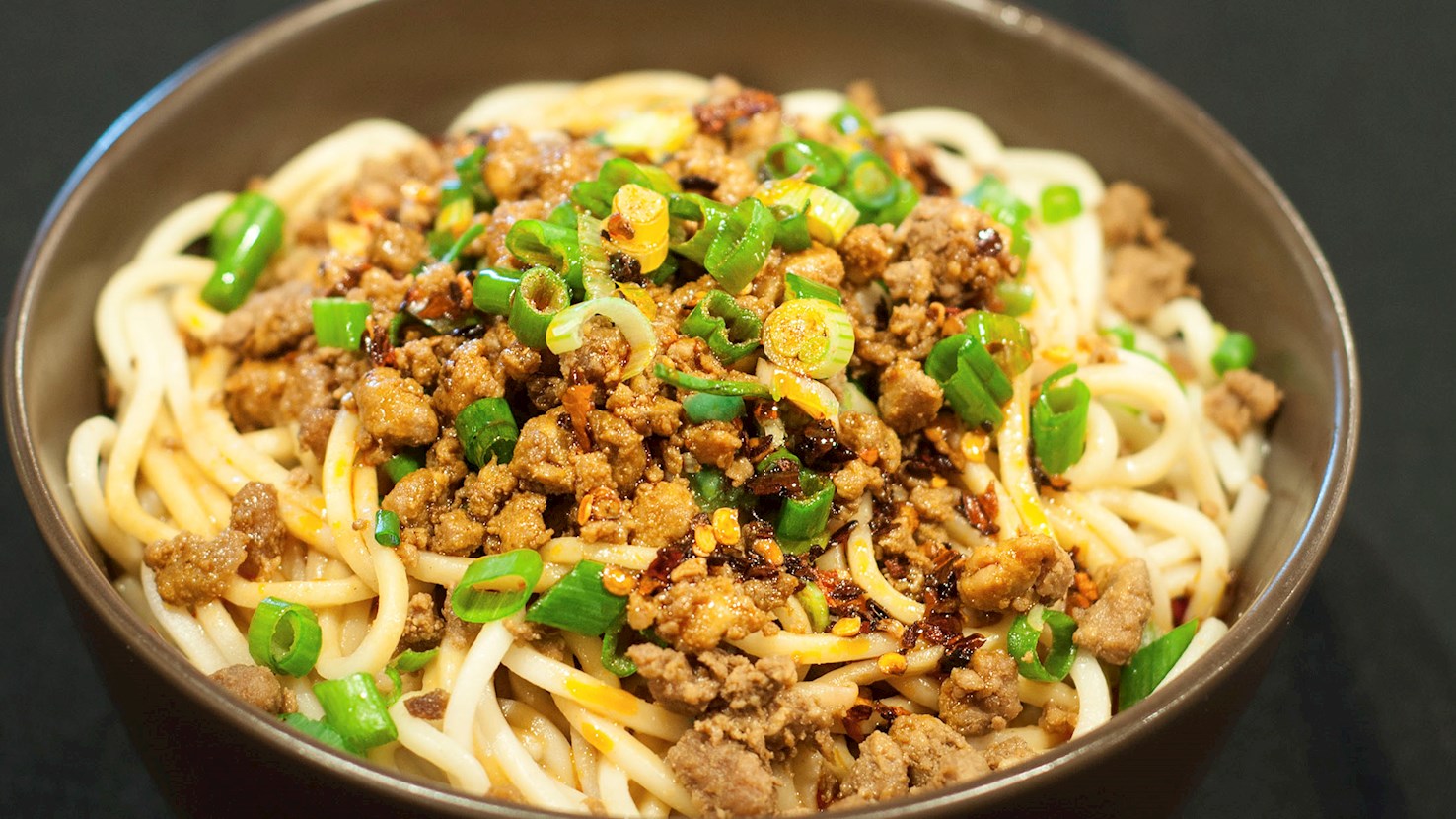
Traditional dan dan noodles are a true classic of Chinese cuisine. The star of the dish is a spicy sauce served with the noodles. Made with chili oil, preserved vegetables, Sichuan peppercorn, and sometimes sesame or peanut paste, the sauce bursts with heat and complex flavors. The meat, most commonly minced pork or beef, is also commonly included, but mainly acts as a garnish. In China, the varieties differ only slightly, but worldwide the traditional dan dan noodles have been adjusted to the more gentle western palate and use significantly fewer spices. The dish originated in the Sichuan province, and it is still one of the most common dishes in the area. The name itself comes from the way the noodles were initially offered to the Sichuan citizens and refers to the bamboo pole carried on the shoulders, which was used to transport the dish through the city streets. Today, the dish is usually served in restaurants, but is still equally attractive and retains the original flavors. Whether they are eaten hot or cold, dan dan noodles are usually served in smaller portions, as an appetizer, the main dish, and sometimes even as an accompaniment. Typical garnishes include sliced scallions, chopped peanuts, or sesame seeds.
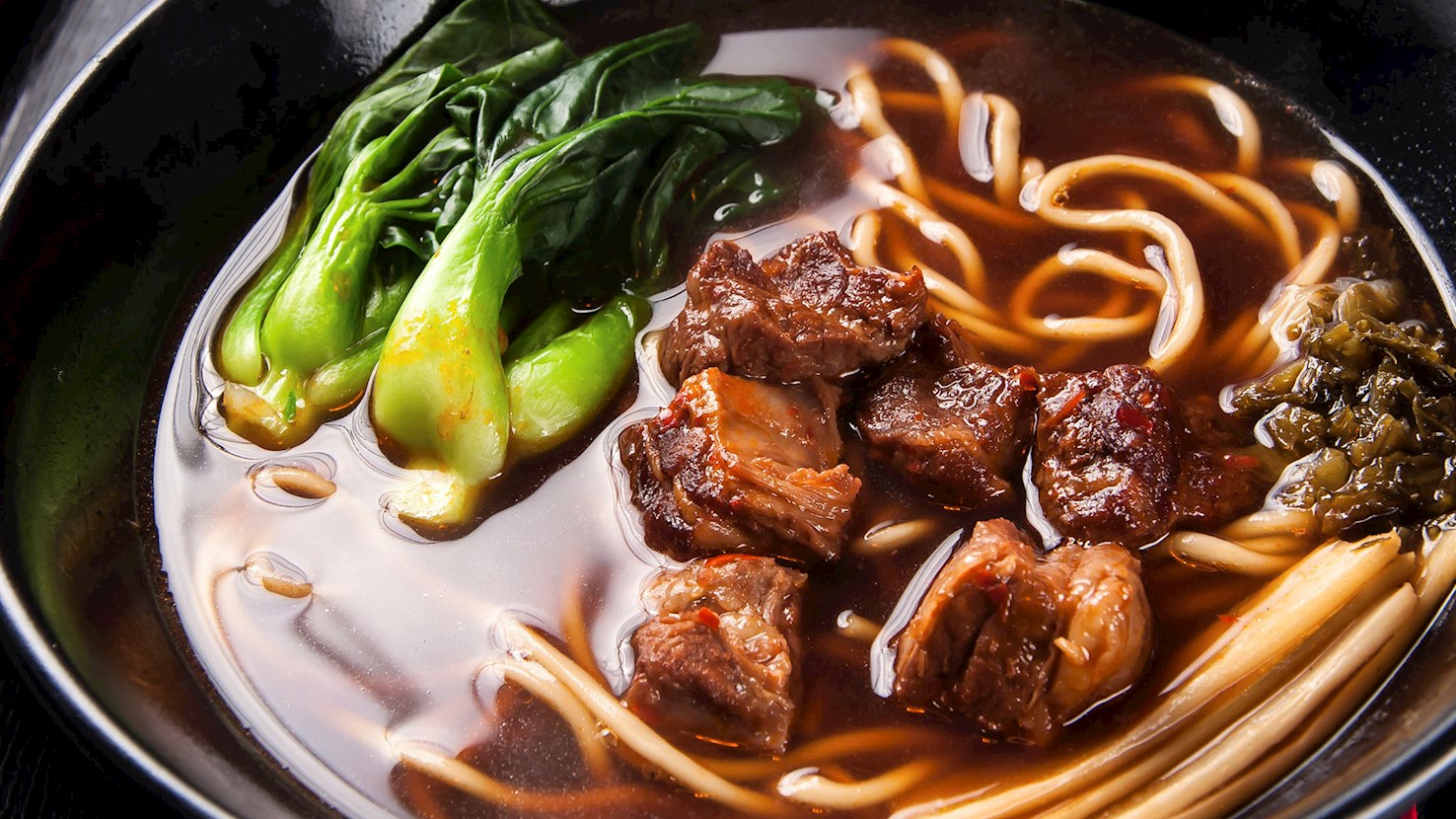
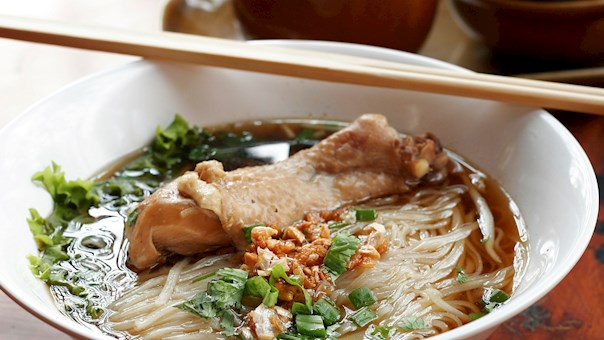
The savory, spicy beef noodle soup is the national dish of Taiwan and the source of immense pride for the locals. The dish is an ideal winter comfort food, typically consisting of beef, broth, vegetables, noodles, and spices. Beef noodle soup has a great Sichuan influence dating back to the 1940s, when China was in civil war and many Chinese people moved to Taiwan, creating this cross-provincial dish and incorporating chili bean sauce and Sichuan peppercorns into it along the way. Variations are endless when making this long-simmering stew, and in Taiwan, there are numerous side dishes to accompany it, such as seaweed and braised dried tofu. Today, there is even an annual Beef Noodle Festival held in Taipei, where various restaurants and cooks compete for the prestigious title of Best Beef Noodle.
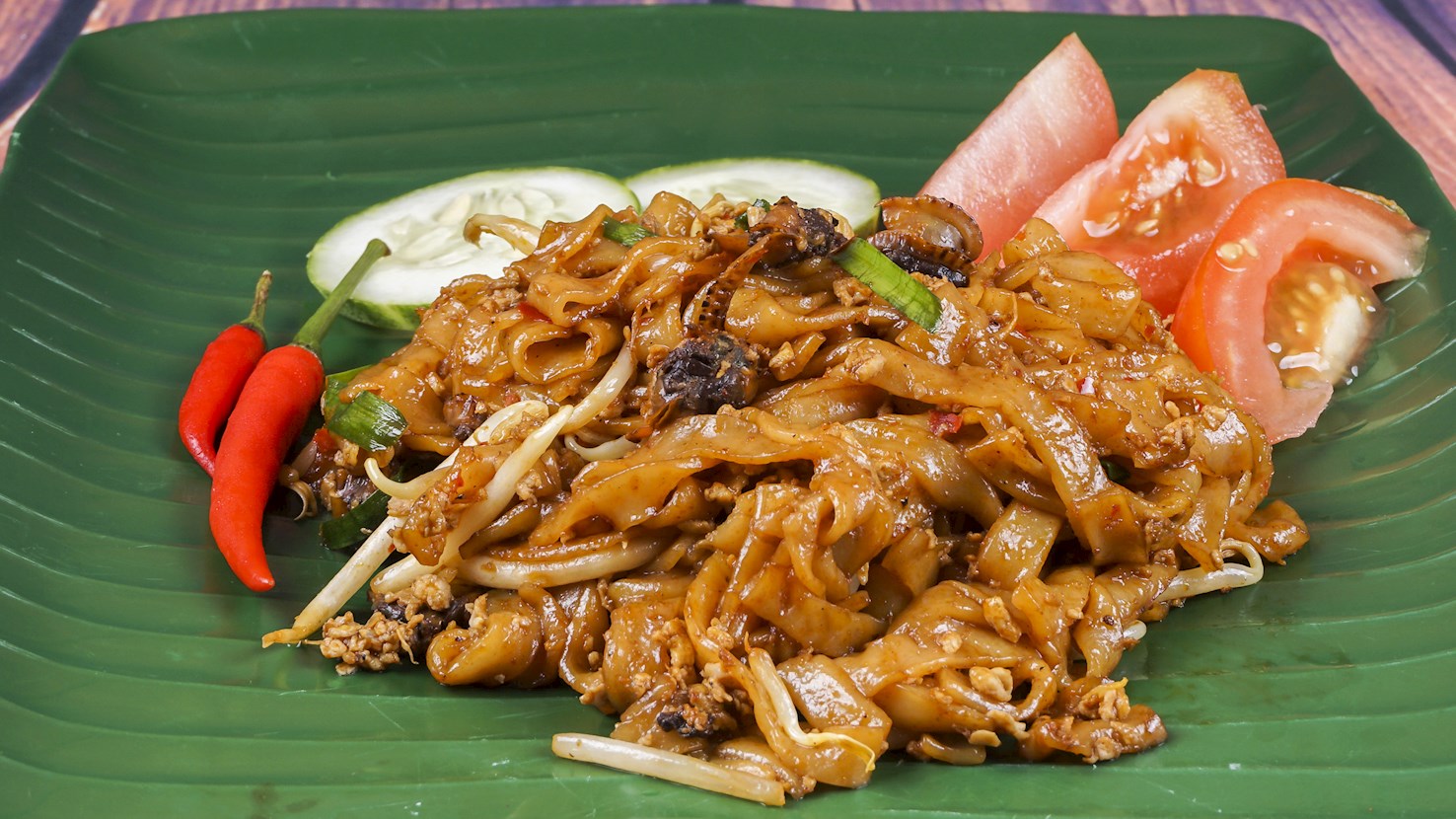
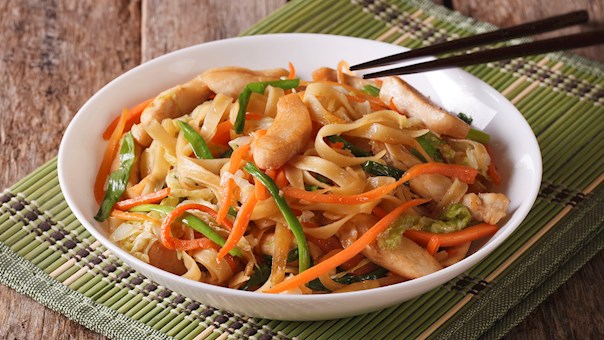
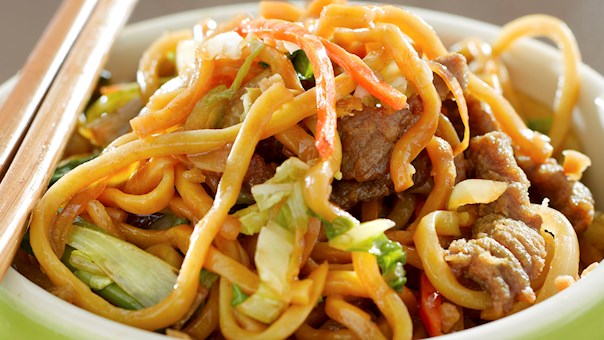
Beef chow fun is a Cantonese dish prepared by stir-frying previously marinated beef slices together with flat, wide rice noodles (hor fun), and bean sprouts. Because of the preparation method, beef chow fun is a true measure of any accomplished Cantonese chef. Specifically, it is necessary to get two things right: wok hei — the cooking technique of stir-frying the ingredients at high heat which imparts them with a special umami flavor; and pow wok — a way of quickly tossing the ingredients without the use of a spatula, which prevents sticking and does not break the delicate rice noodles. The origins of the dish are still unclear, but according to a folk tale, it was invented during World War II in Guangzhou. Today, this Cantonese stir-fry is typically served in yum cha restaurants and cha chaan teng - tea restaurants known for serving diverse and affordable meals.
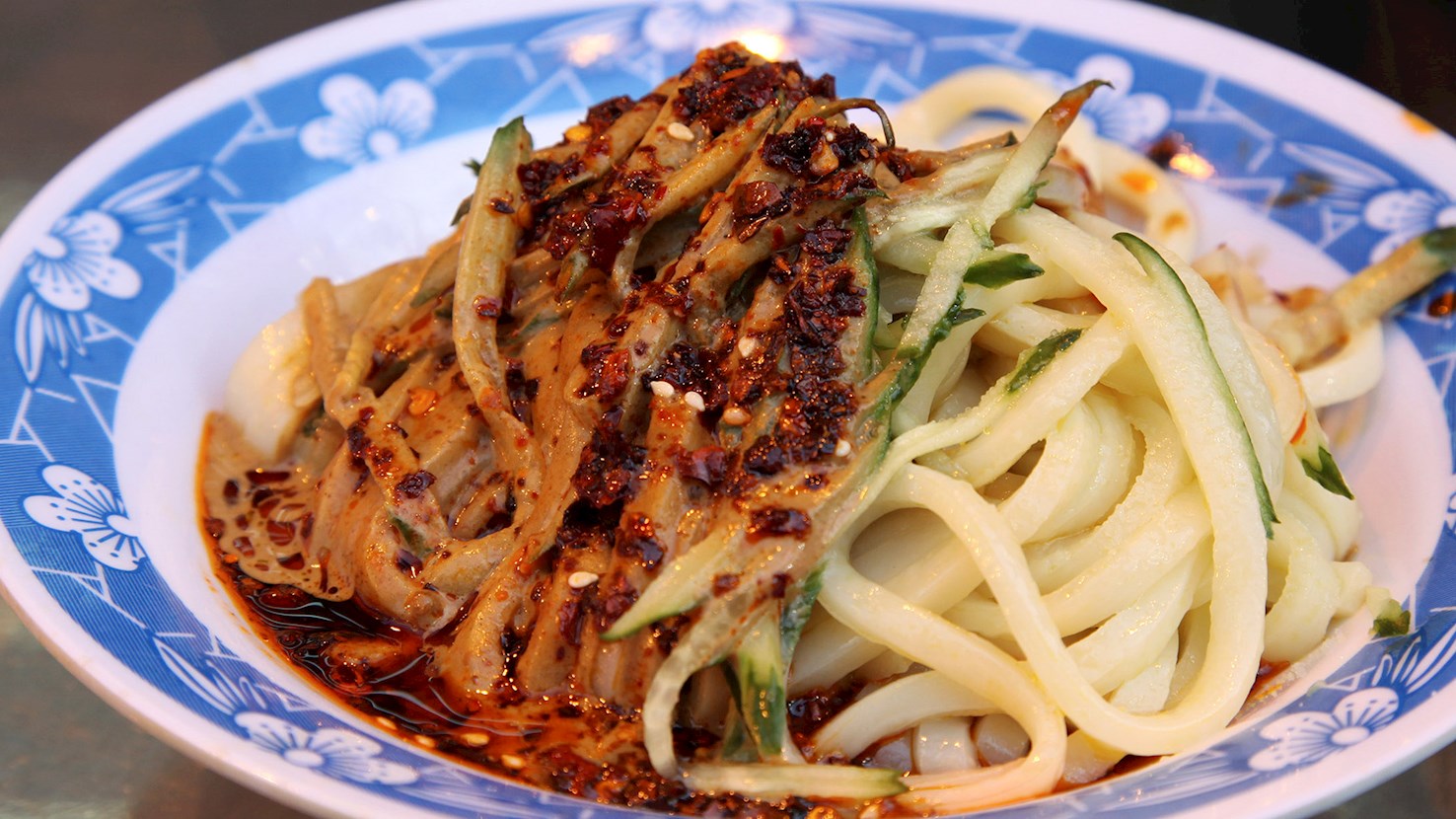
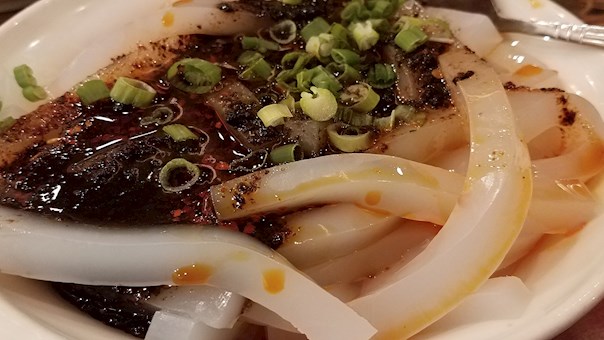
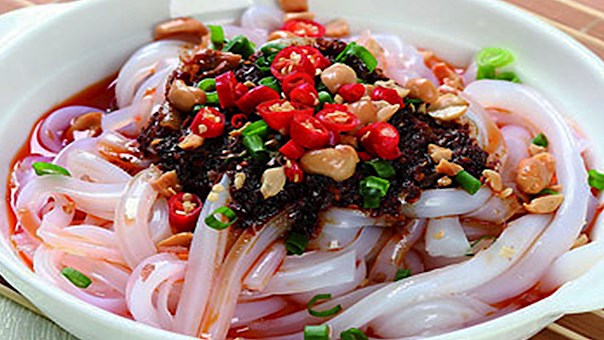
Liangpi is a noodle dish that originated in China's Shaanxi province. To prepare the dish, noodles that are made from either wheat flour, rice flour, or a combination of both are dressed with soy sauce, chili oil, and vinegar, while typical garnishing includes thinly sliced strips of cucumber, bean sprouts, and cilantro. The meaning of the name when translated is cold skin, referring to the chewy, thick, and translucent texture and appearance of the noodles, while their genesis, according to a folk tale, happened during the Qing Dynasty. Depending on what ingredients are used, several variations of the dish exist; liangpi from the city of Hanzhong is prepared with steamed garlic and hot chili oil, maijang liangpi is named after the black sesame paste that's used in the sauce, and shan xin gan mianpi is garnished with wheat gluten, mashed garlic, and bean sprouts in a sauce made with vinegar, chili oil, and salt. Liangpi is eaten cold, often as a snack, all year round.
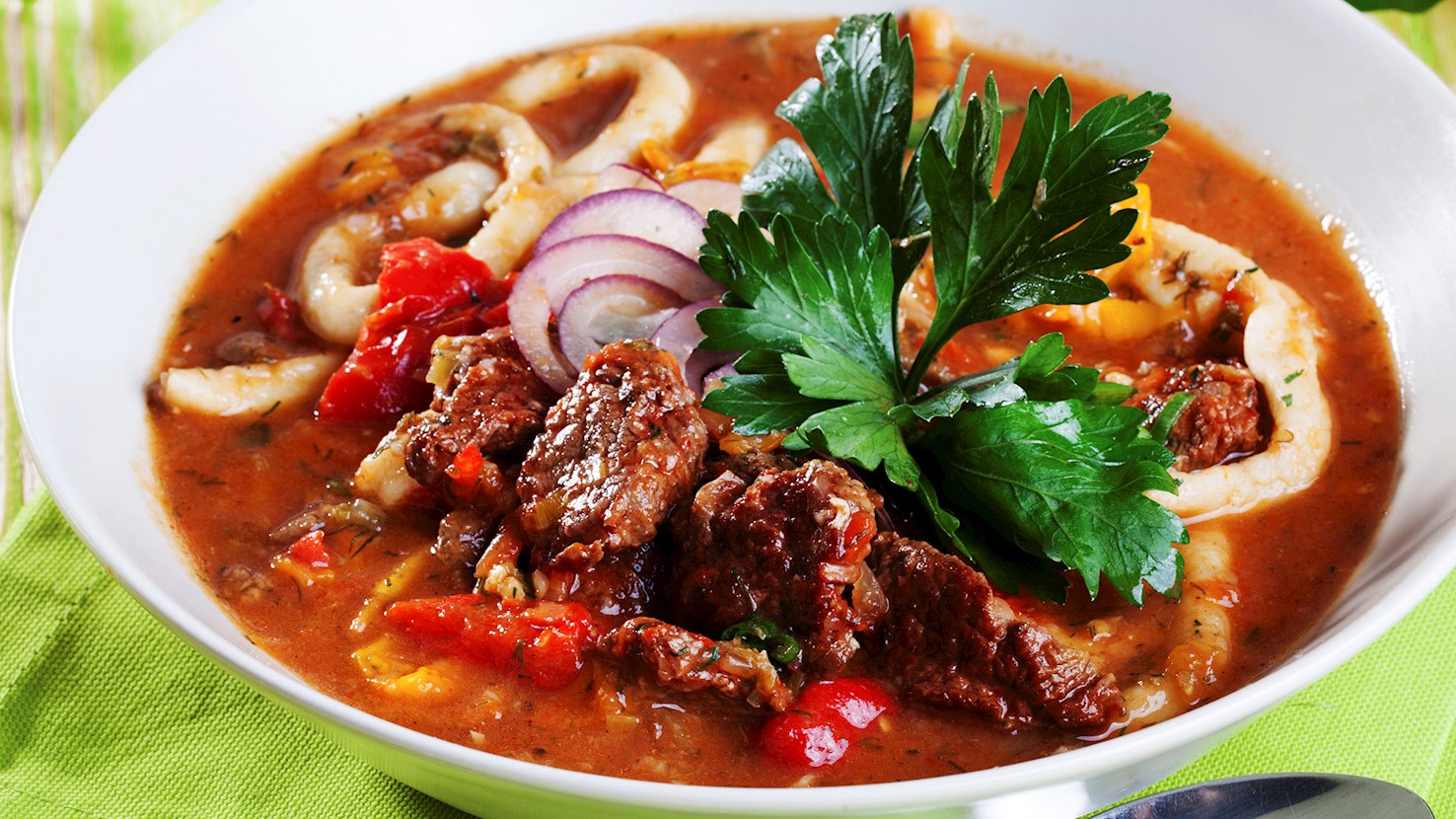
Lağman is a noodle-based dish made from hand-pulled wheat noodles served with a savory topping of meat, vegetables, and sauce, prepared across Central Asia and most closely associated with Uyghur communities in the Xinjiang region of China as well as widely cooked in Kazakhstan, Kyrgyzstan, and Uzbekistan, where it appears in home kitchens and casual eateries as a full meal rather than a side. Its development follows the movement of Turkic-speaking peoples along inland trade routes, where wheat cultivation, noodle-making techniques, and stir-based meat cookery intersected, resulting in a dish that combined Chinese-style hand-pulled noodles with Central Asian preferences for lamb, onions, and robust sauces, and adapted locally depending on available vegetables and fats. Preparation centers on a firm dough made from wheat flour, water, and salt that is rested and repeatedly stretched and pulled by hand into long, elastic strands, while the topping is cooked separately by sautéing meat, most often lamb or beef, with onions, garlic, tomatoes, peppers, and other vegetables, simmered until cohesive but not thickened into a paste, then spooned over or mixed with the cooked noodles. Serving can take two main forms, either with the sauce ladled generously over drained noodles or with additional broth added to create a soup-like consistency, and it is brought to the table immediately so the noodles retain their structure. What distinguishes lağman is the noodle-making method itself, which relies on manual stretching rather than cutting, producing strands with uneven thickness that hold sauce differently along their length and require skill and timing rather than tools. It is eaten hot, usually with a spoon and fork or chopsticks depending on local custom, commonly at lunch or dinner, and it pairs well with simple salads, pickled vegetables, or raw onions, while beverages such as black tea, lightly salted tea, or plain water are most often consumed alongside to balance the richness of the meat and sauce.
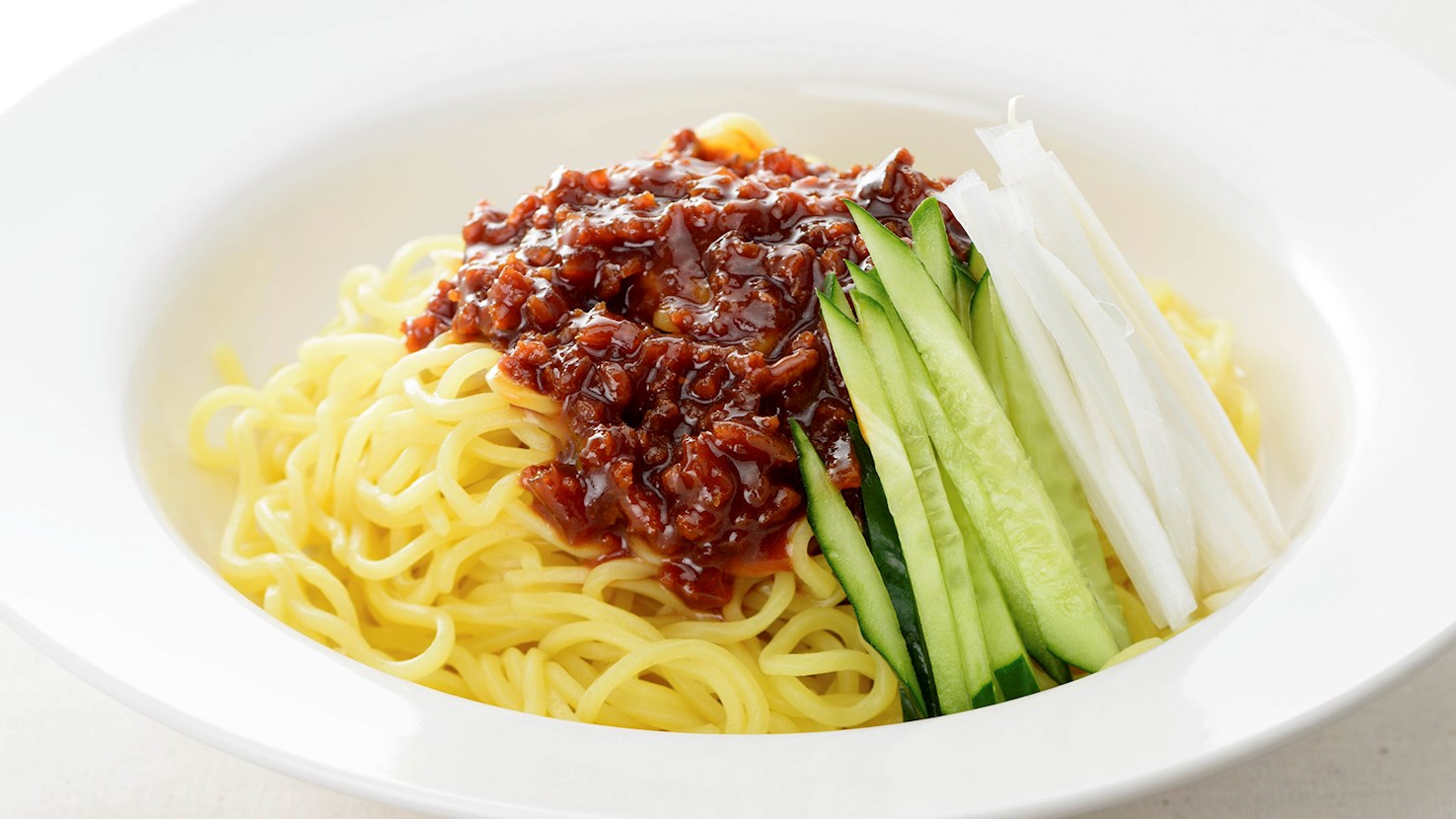
Zhajiangmian is a Shandong specialty, consisting of wheat noodles in soybean sauce and vegetables such as summer radish and sliced cucumbers. The sauce is usually made by cooking ground pork or beef in combination with fermented soybean paste. There is also a vegetarian version of the dish that substitutes the meat with smoked tofu in the production of the sauce. Although the dish is native to China, it was embraced by the Koreans 100 years ago, when it was introduced to them by Shandong immigrants. In Korea, the dish is known as ja jang myun, and it is extremely popular because it is cheap, convenient, and casual. It has become so commercialized in Korea that it can even be bought in an instant ramen package.
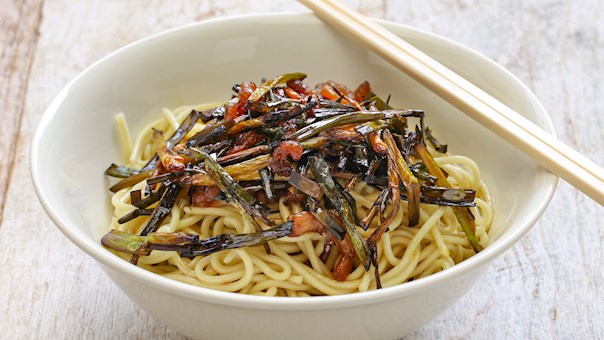
Reganmian, or more commonly hot dry noodles, is a traditional dish originating from Wuhan, the capital of the Chinese Hubei province. It is one of the five most common and popular noodle dishes in China. The noodles in reganmian are cooked in a mixture of water and sesame oil, cooled, tossed and warmed in the same mixture right before serving. The process results in a delicious serving of noodles which are coated with a strong sesame flavor. The dish is sold by numerous street vendors across the city, who sell it from the early morning until late in the evening. Additional ingredients and garnishes vary among the vendors, who use different elements such as peanut or sesame oil, soy sauce, and chili to create their signature reganmian. Although commonly regarded as a breakfast dish, it can also be eaten as an afternoon snack or a light dinner. This inexpensive and simple dish has been a 50-year-old tradition in Wuhan and is still considered to be the most popular dish in the area.
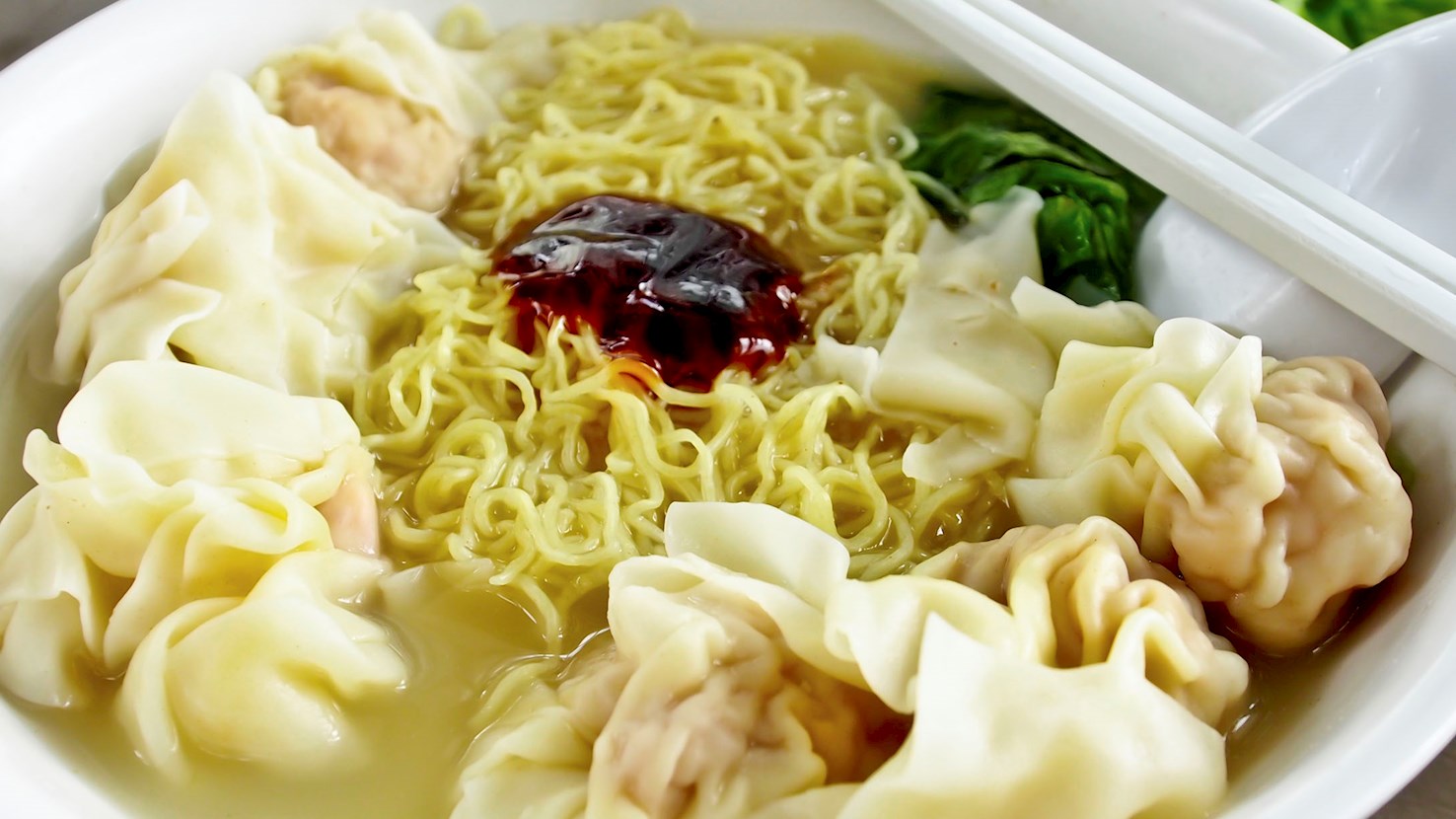
Wonton noodles is a popular Cantonese noodle dish with many regional varieties found throughout Southeast Asia. Traditionally, it consists of chewy egg noodles and wonton dumplings, combined and served in a flavorful chicken, pork, or seafood broth. The dumplings are usually filled with a combination of minced pork and shrimps, lightly flavored with sesame oil, soy sauce, and grated ginger. The stringy thin egg noodles are the most common variety found in many versions of the dish. The choice of garnishes is region-specific and is influenced by common culinary traditions of the particular area where wonton noodles are found. The traditional Cantonese version is typically served with sliced chives and scallions sprinkled on top of the assembled soup. In Malaysia, Singapore, and Thailand, slices of barbecued pork are the most common addition, usually placed on top of the soup. Malaysian versions are often adapted with the addition of green leafy vegetables and use pickled green chilis as a standard condiment. The dish is also widely popular in dry form, in which the noodles are drained and served alongside dumplings, meat, and vegetables, while the fragrant broth is served on the side. Whether it is favored as a clean and original Cantonese variety or the more nutritious version found in other Asian countries, wonton noodles is one of the classic dishes that is considered a staple of Chinese and Asian cuisine.
TasteAtlas food rankings are based on the ratings of the TasteAtlas audience, with a series of mechanisms that recognize real users and that ignore bot,
nationalist or local patriotic ratings, and give additional value to the ratings of users that the system recognizes as knowledgeable.
For the “Top 30 Chinese Noodle Dishes” list until September 15, 2026, 1,926 ratings were recorded, of which 1,679 were recognized by the system as legitimate.
TasteAtlas Rankings should not be seen as the final global conclusion about food. Their purpose is to promote excellent local foods,
instill pride in traditional dishes, and arouse curiosity about dishes you haven’t tried.




What People Say