

shutterstock

Top 9 Singaporean Noodle Dishes

Last updated on June 15, 2026
01

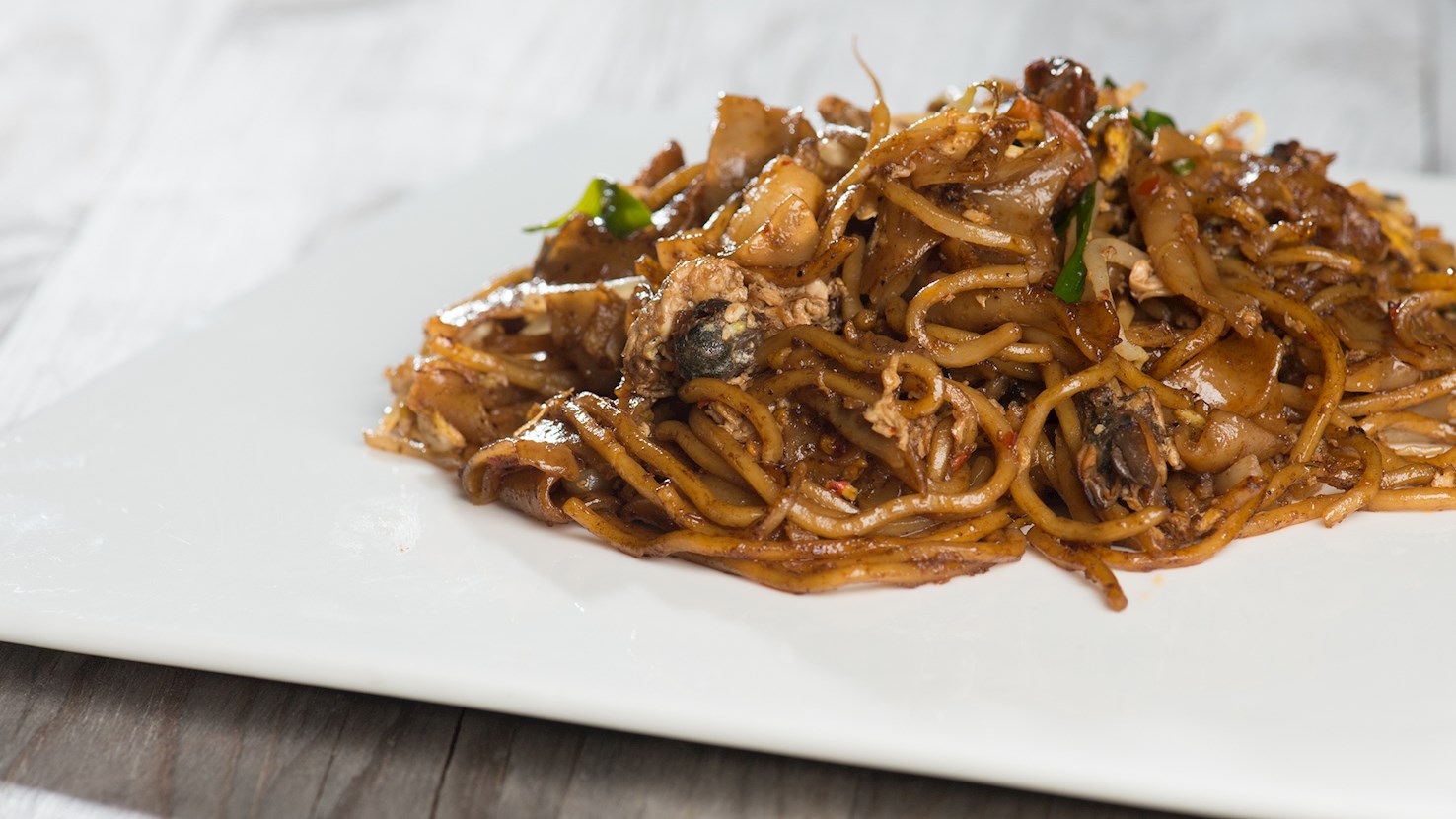
Char kway teow

4.2 ·

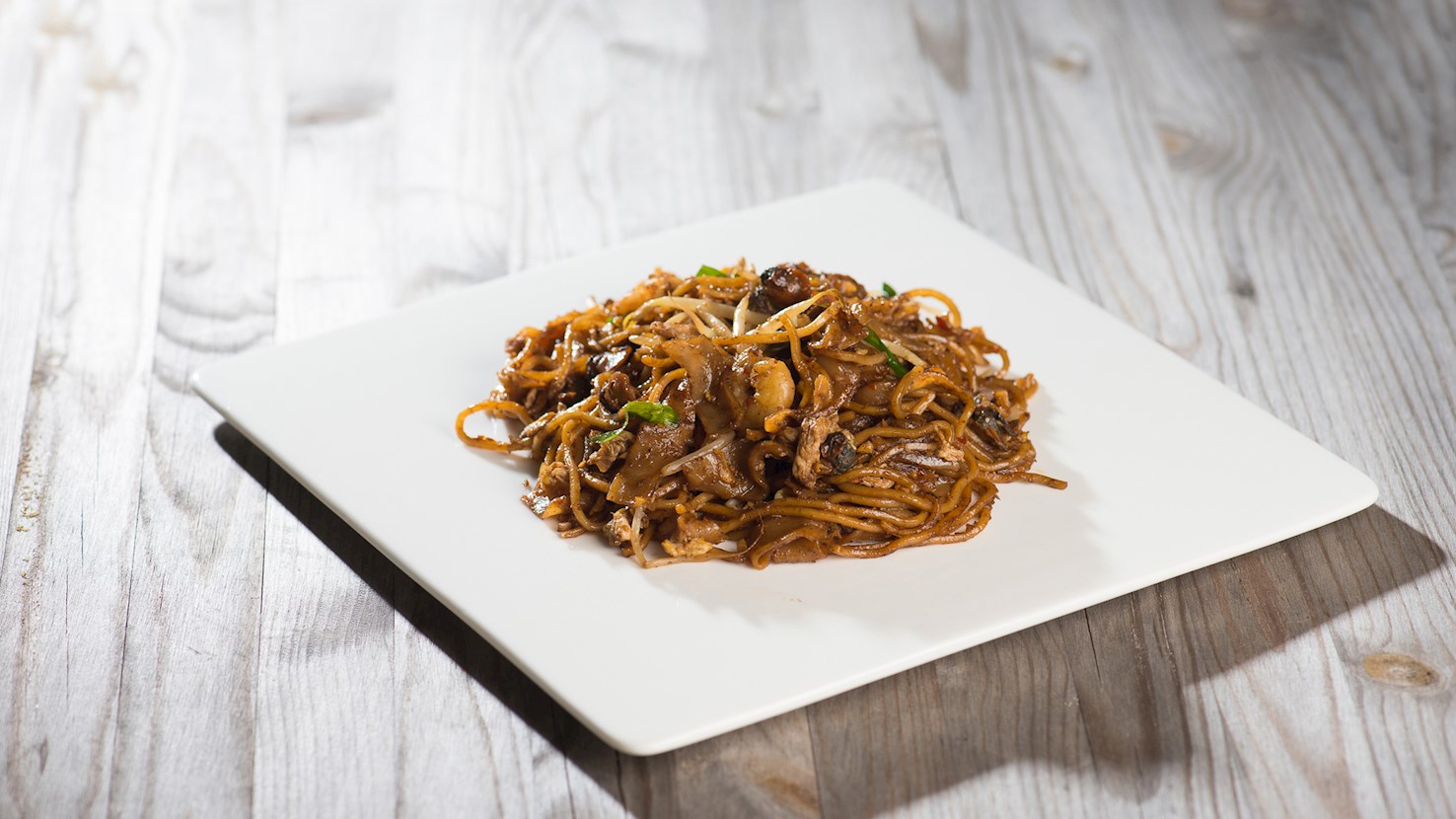
Char kway teow is one of the most popular street dishes in Malaysia and Singapore. Despite numerous regional varieties, it is usually made with flat rice noodles, shrimps, eggs, cockles, bean sprouts, chives, and Chinese sausage. All the ingredients are usually fried and coated in soy sauce, while some versions also incorporate shrimp paste, garlic, fried pork lard, and sometimes even yellow wheat noodles. Among the numerous theories about the origin of the dish, the most popular claims that it was invented in the Singaporean Teochew community by Chinese immigrants, while the name stems from Hokkien, char meaning fried and kway teow denoting flat rice noodles. Classic Teochew variety that is lighter and slightly drier than the Singaporean counterpart is especially popular in Malaysian Penang where it is considered to be a signature dish of the region. Originally, char kway teow was a poor man’s dish made by farmers and fishermen out of leftover ingredients. Realizing how delicious this combination is, they started selling it on the street, and it quickly caught on. Apart from Singapore and Malaysian Penang, a variety of char kway teow is also found in Indonesia. In Penang, some vendors still serve it on banana and palm leaves, the way it was traditionally served from its beginnings.

02

Laksa

4.1 ·

Characterized by its rich and spicy broth, this comforting noodle soup is one of the classic dishes found in many Southeast Asian countries. It was developed under the influence of different culinary traditions, which has led to the creation of numerous regional varieties that differ in flavors and ingredients. Two of the most famous versions are the sour, tamarind-based asam laksa and the creamy curry laksa. Especially favored in Malaysia, Singapore, and Indonesia, laksa is usually prepared and enjoyed at hawker centers as a hearty main course.

03

Curry Laksa

4.1 ·

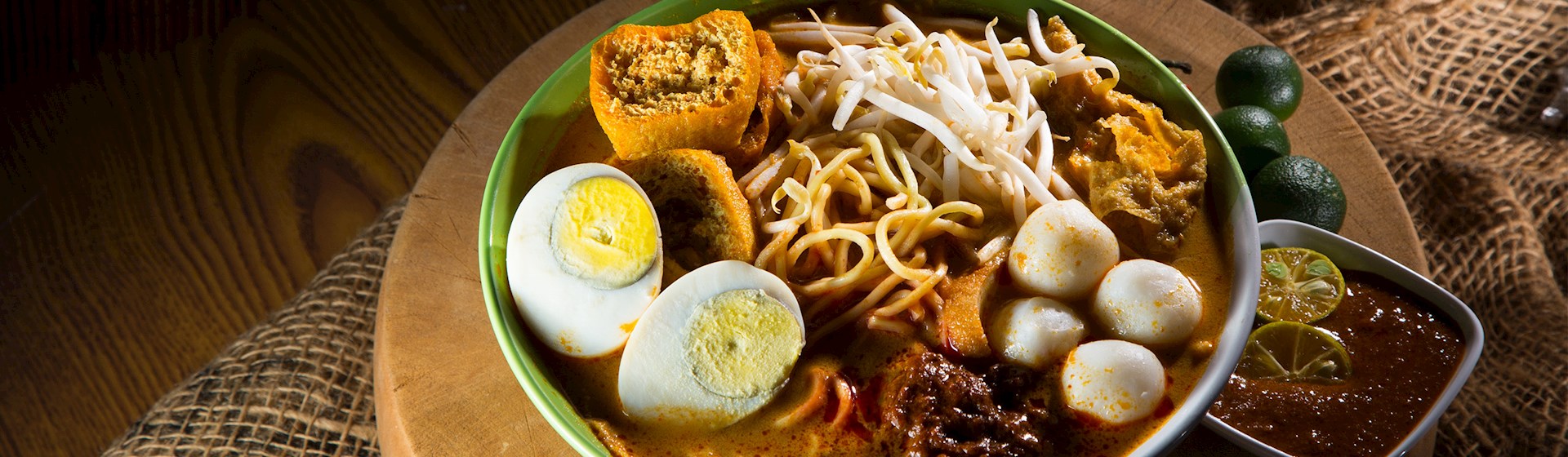
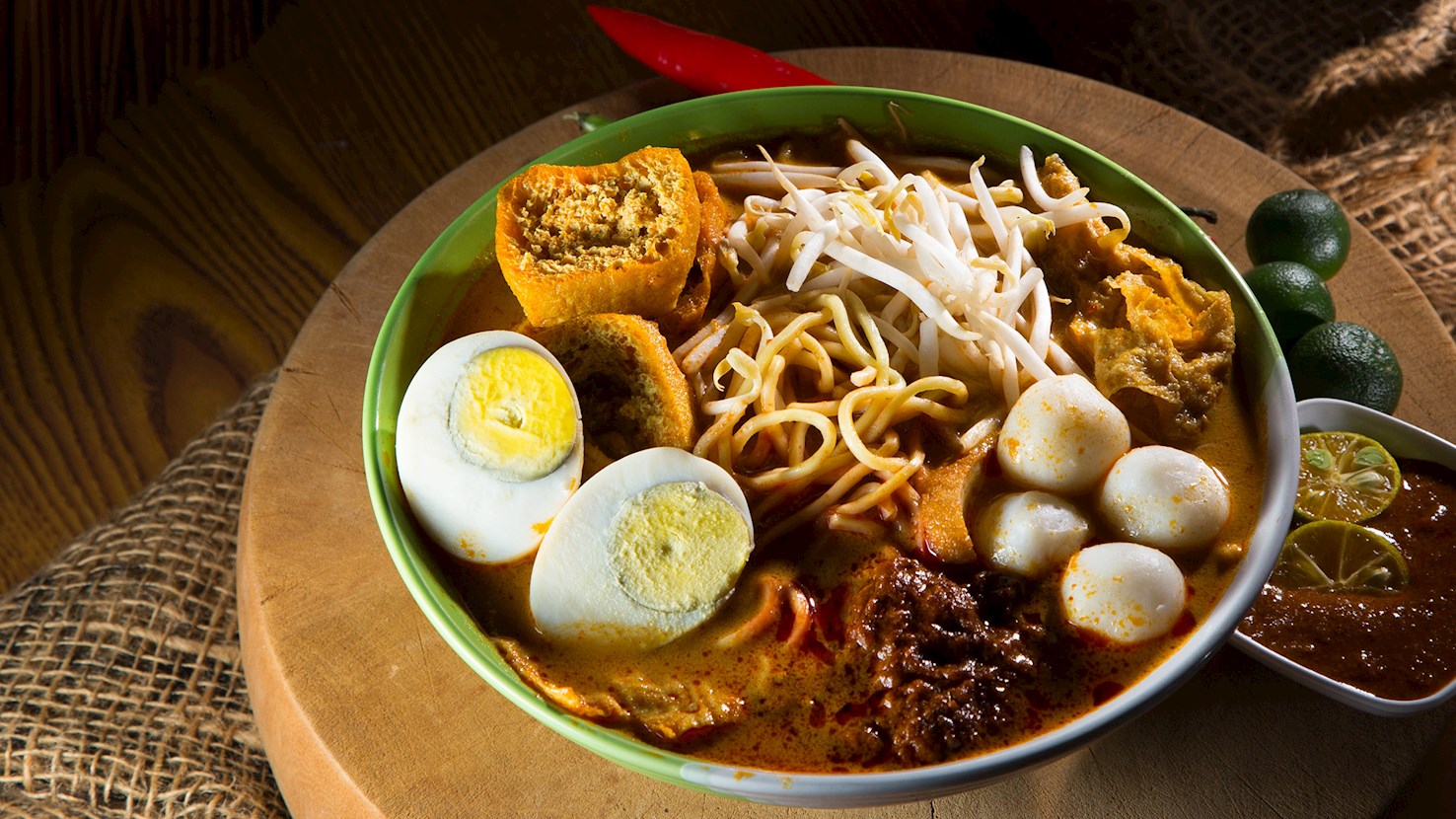
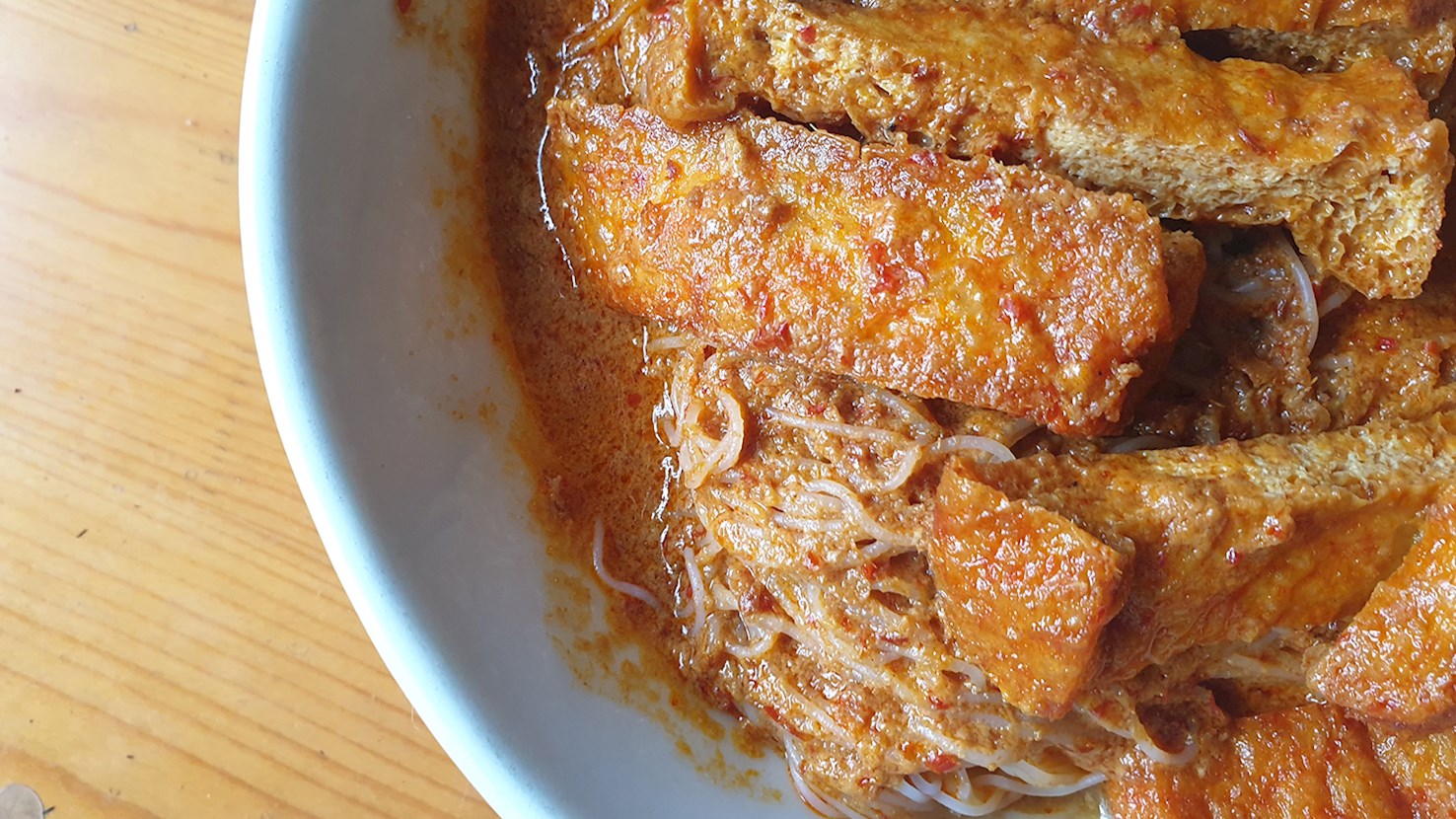
Curry mee is a spicy noodle soup commonly eaten in Malaysia and Singapore (where it's often called curry laksa). It is a true fusion dish, influenced by Indian, Chinese, and Southeast Asian culinary traditions. It is one of the numerous varieties of laksa, the quintessential noodle soups of Southeast Asia. The basis for this creamy dish is made with curry and coconut milk which form the unusual sweet and spicy sauce. Although very similar to curry, the sauce for curry mee is usually much thinner, but still has a strong and rich flavor. Traditionally, thin rice noodles are used in curry mee, and they are often cut into smaller pieces in order to ease the consumption. Other ingredients include tofu puffs, prawns, and fishcakes. The most traditional versions of curry mee also include a very unusual ingredient - cockles, saltwater clams which are usually served raw. Before serving, the dish is spiced with a dollop of traditional chili sauce and chopped coriander leaves. Curry laksa is the favorite variety in Singapore, where it is often referred to only as laksa. In Singapore, it is the most common hawker-style dish, and many vendors prepare curry laksa as their signature dish.

04

Beef kway teow

4 ·

Beef kway teow is a Singaporean and Malaysian noodle dish that can be served either as a quick meal or as a side dish to bigger meals. In order to prepare it, broad and flat rice noodles are stir-fried with vegetables and herbs, and topped with slices of beef. There is also a version of this dish in a form of a soup similar to Thai beef soup, but it is usually prepared as a "dry" dish, in a thick gravy flavored with chili, soy sauce, and sesame oil. A variety of the dish is popular in Indonesia, where it’s commonly enriched with garlic, meatballs, cabbage, soy sauce, and black pepper.

05

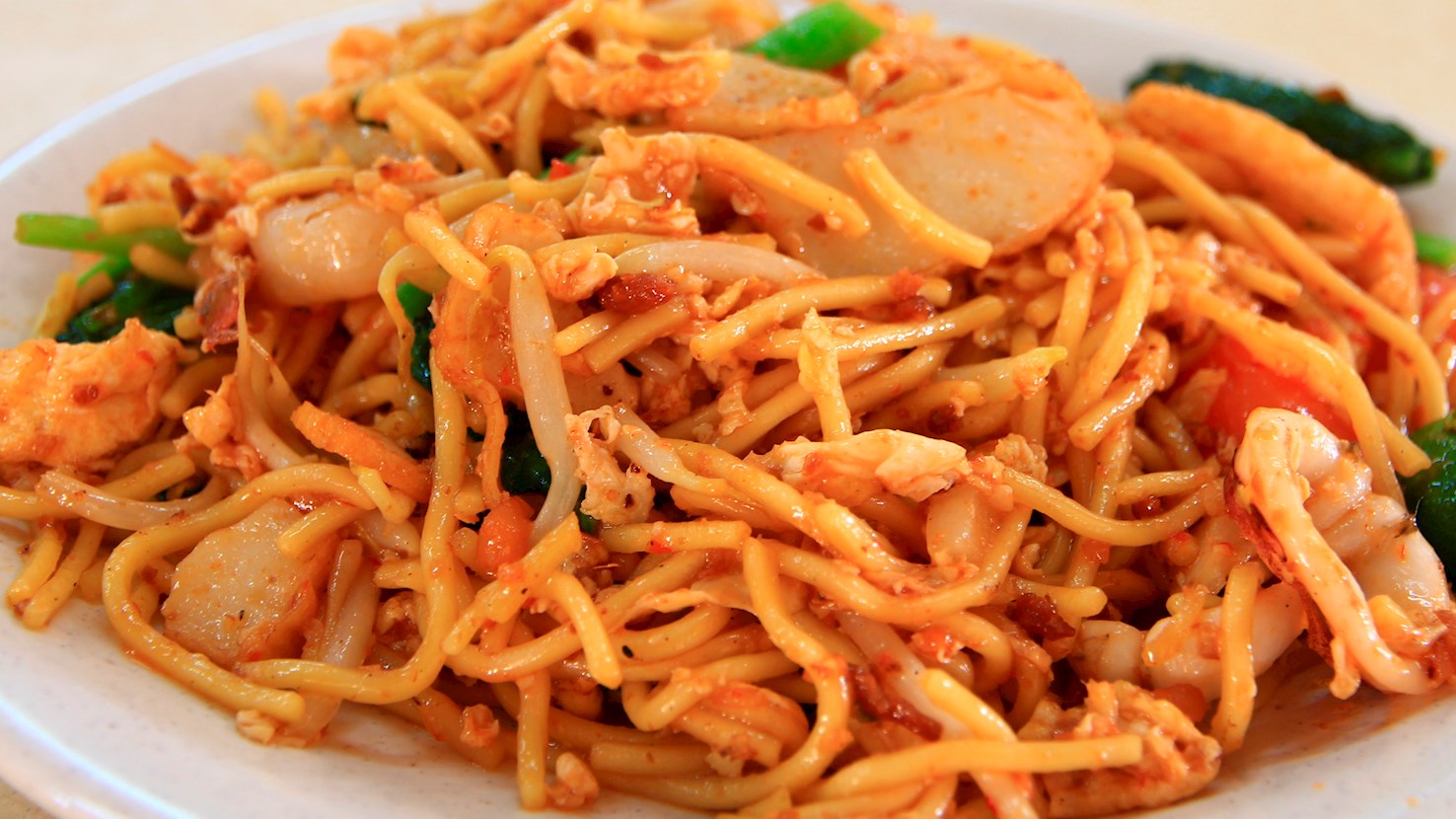
Hokkien mee

3.9 ·

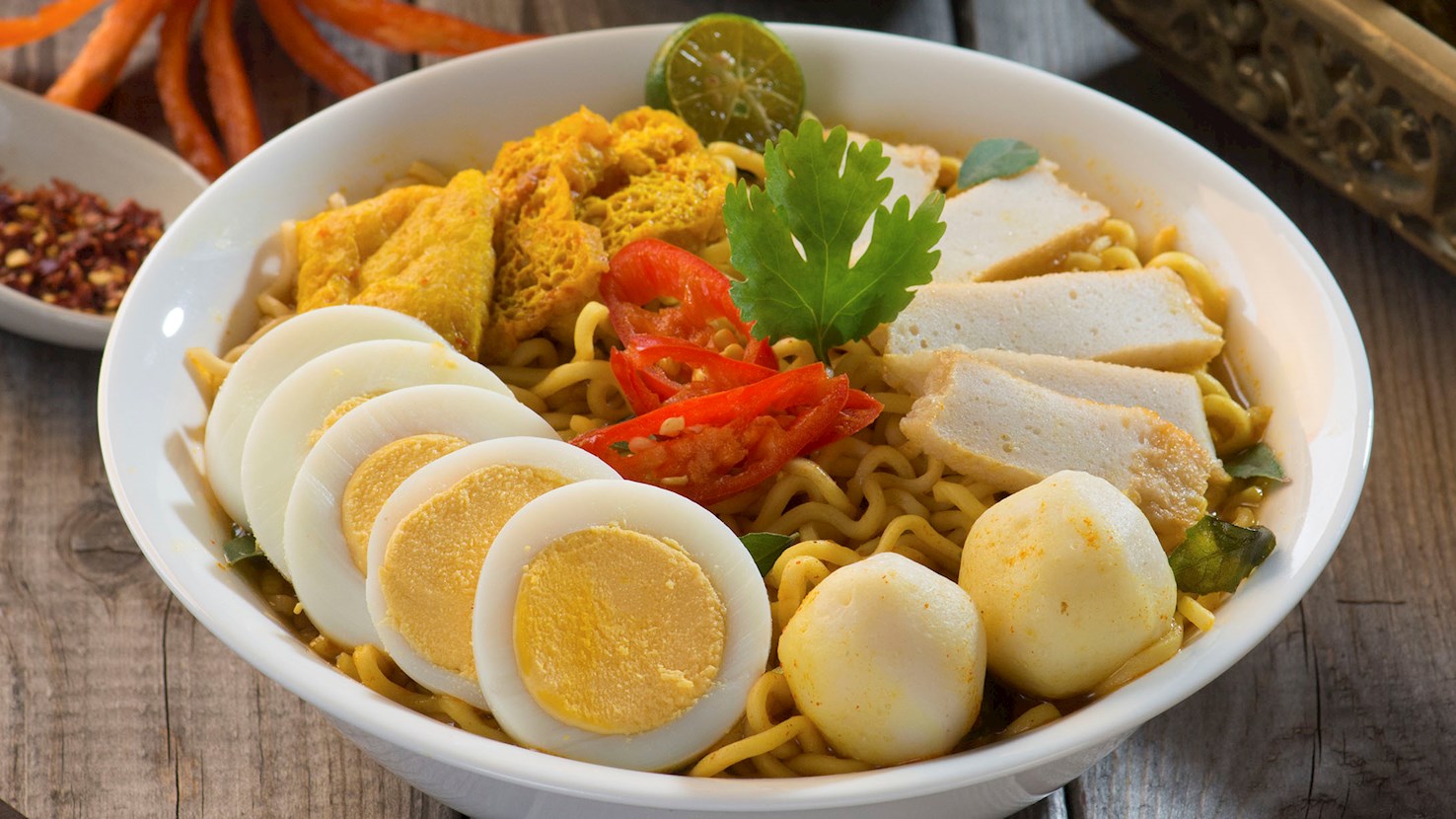
Hokkien mee is a dish usually consisting of round wheat noodles and thin rice noodles that are fried together with prawns, eggs, pork, and bean sprouts. While they stir-fry, all the ingredients are coated in a flavorful stock usually made from prawns, pork, and other types of seafood. Standard additions include fish cakes, prawns, squids, spring onions, pork lard (optional), and chives, while sambal sauce and lime are typically served on the side. The exact origins of the dish are believed to be among the Hokkien community, a dialect group that mostly came from Fujian province. It is said that the dish was invented at Rochor Market and that it was initially known as Rochor mee, only later gaining its current name. Although a similar dish with the same name exists in Malaysia, it is significantly different than the classic Singaporean version.

06

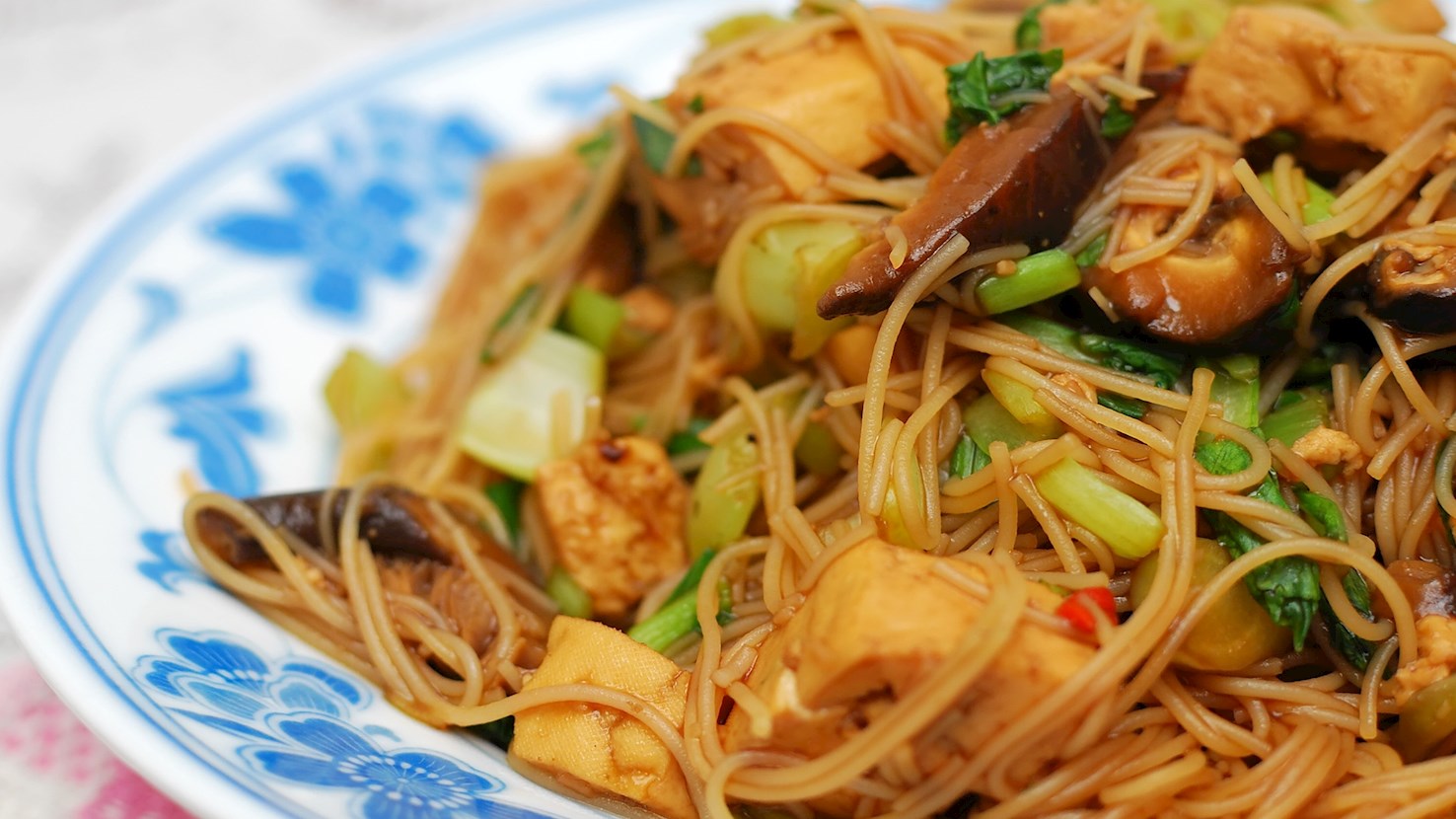
Vegetarian bee hoon

3.5 ·

Vegetarian bee hoon is a hawker-style Singaporean dish that combines bee hoon noodles (rice vermicelli) and a mixture of stir-fried vegetables. Typical vegetables include cabbage, carrots, french beans, baby bok choy, and bean sprouts. Other common ingredients used in this dish include shiitake mushrooms, light soy sauce, dark soy sauce, sugar, salt, pepper, and (optionally) garlic and ginger. The combination is usually simmered in vegetable stock until the ingredients soak up the liquid. Some versions have a more soupy consistency, in which case the noodles can be served either with the sauce poured over them or on the side. Pieces of crispy fried mock goose or mock chicken, fried shallots, spring onions, pickled green chilis, and a sweet hot chili sauce usually accompany the vegetarian bee hoon, and it is also commonly enjoyed as a breakfast.

07

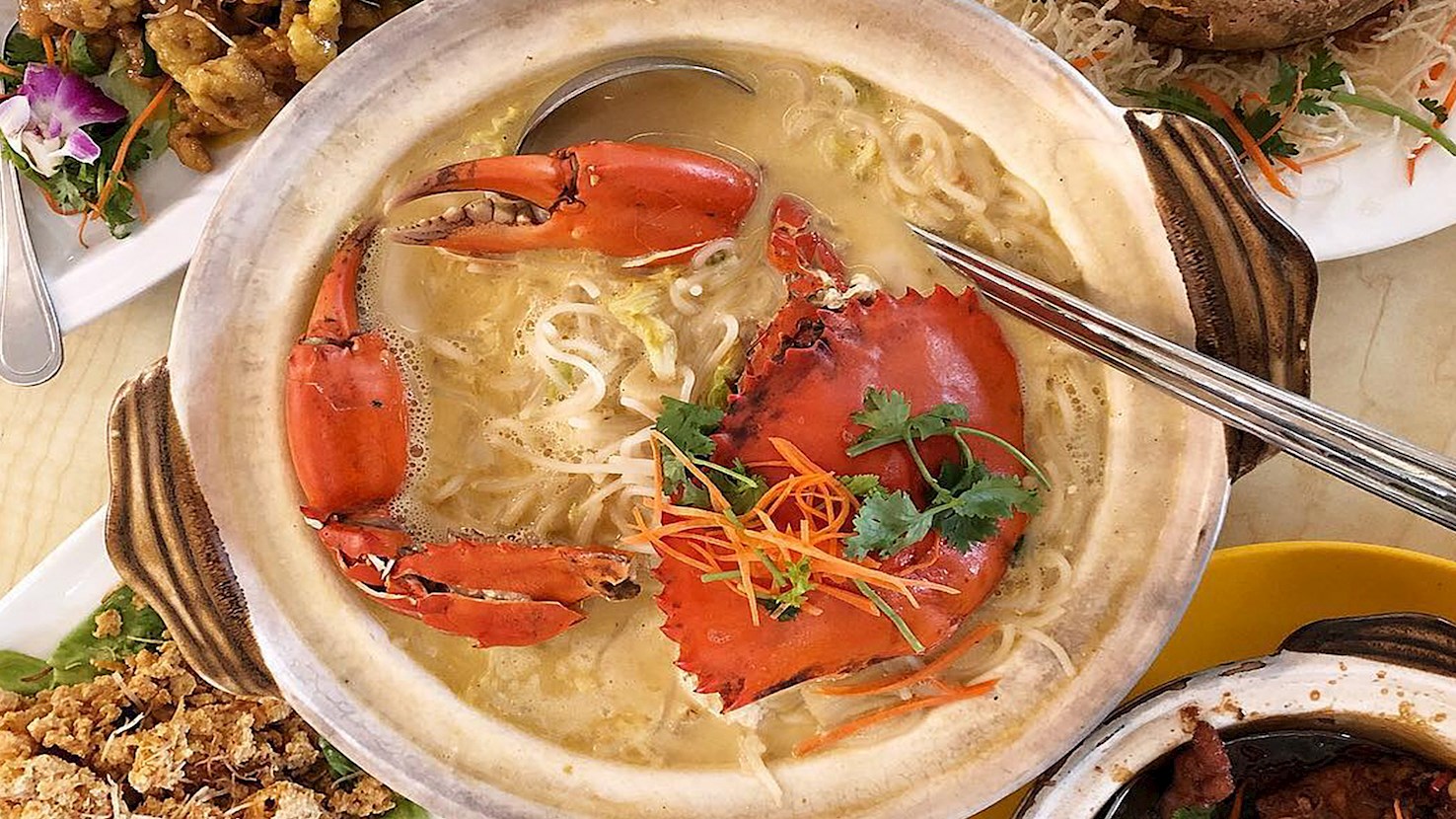
Crab bee hoon soup

n/a ·

Crab bee hoon soup is a Singaporean delicacy that consists of bee hoon noodles (rice vermicelli) and succulent crab meat drenched in a silky, aromatic broth. Sri Lankan mud crabs are most commonly used in this dish, while the broth is usually made with a combination of chicken broth, butter, evaporated milk, ginger, garlic, white pepper, sesame oil, fish sauce or oyster sauce, and a splash of Chinese rice wine, brandy, or XO Cognac. The soupy broth is also typically enhanced with leafy vegetables such as baby bok choy or chye sim, scallions, and cilantro leaves. This savory specialty is often served in a clay pot, while chili-based dipping sauces usually accompany it on the side.

08

Satay bee hoon

n/a ·

This hawker-style Singaporean dish earned its name because of the similarity between the peanut sauce used in it and satay peanut sauce. Satay bee hoon consists of blanched bee hoon noodles (rice vermicelli) served with a sweet, salty, and spicy peanut sauce. A paste based on roasted and ground peanuts is combined with a mixture of ingredients such as dried chilis, spices, garlic, shallots, lemongrass, candlenuts, galangal, tamarind juice, and shrimp paste, and the combination is then simmered to make the sauce. Typical accompaniments to this dish include water spinach (kang kong), fried beancurd puffs (tau pok), prawns, shelled cockles, strips of cuttlefish, and slices of pork. Although the exact origins of the dish are unknown, satay bee hoon might’ve been introduced to Singapore by Teochew immigrants.

09

Crab bee hoon

n/a ·

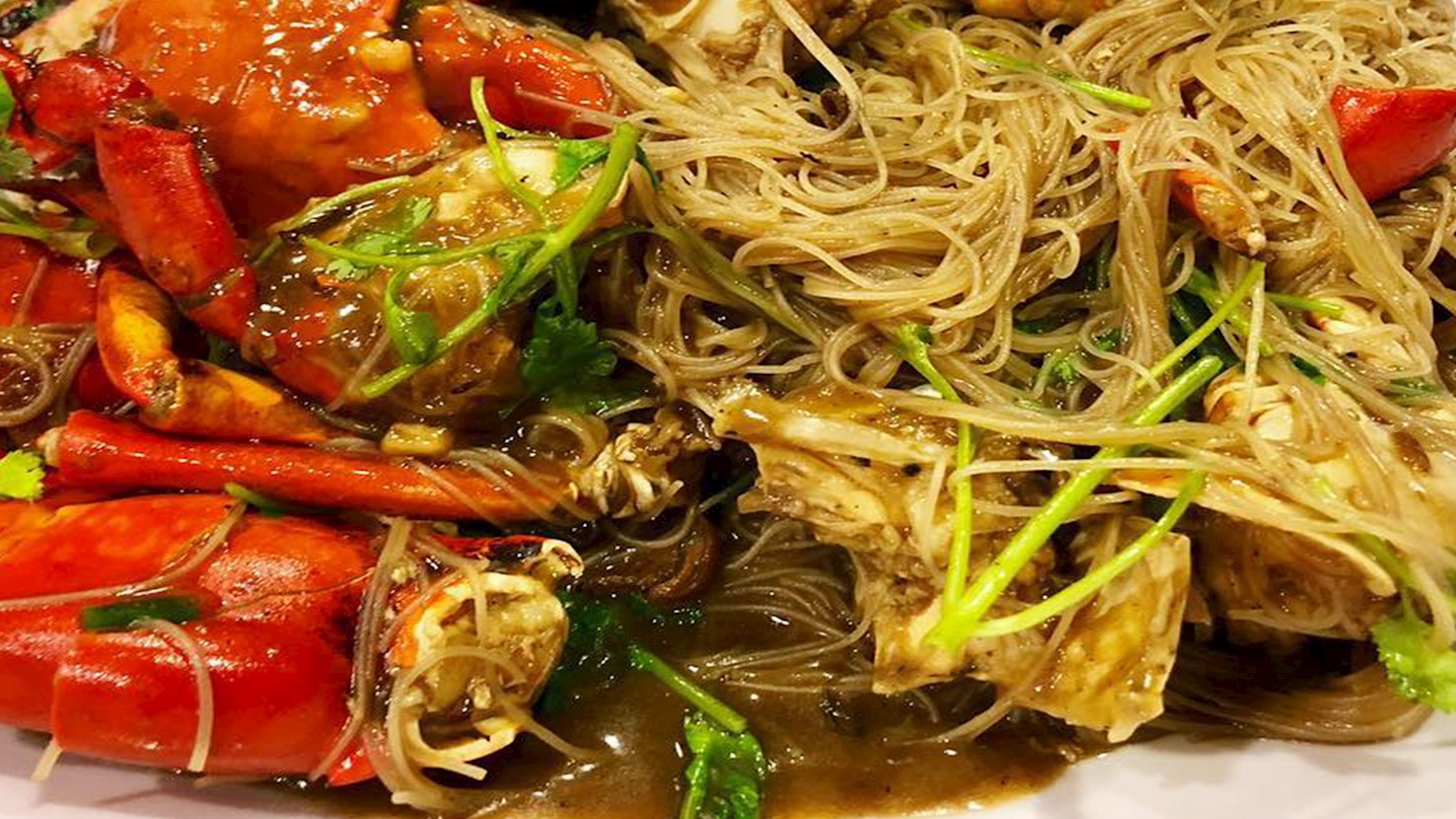
Apart from the traditional chili crab and black pepper crab, Singaporean cuisine offers another delicacy that features the prized crustacean - crab bee hoon. This hawker-style dish consists of rice vermicelli (bee hoon) and succulent Sri Lankan crab meat. Both are cooked with an aromatic chicken or seafood stock. Depending on the cooking process, the dish may come in two different versions: a dry version or a soup. Infused with a smoky wok-hei flavor, the first version calls for the ingredients to be stir-fried and braised in a wok over high heat, resulting in a dish of noodles and crab meat doused with gravy. Often served in a clay pot, the other version is a type of soup in which the noodles and pieces of crab are more or less submerged in clear or milky broth. Interestingly, the late celebrity chef Anthony Bourdain highly recommended the stir-fried version of crab bee hoon served at the Sin Huat Eating House on his show.

Read more
View all
View map
About this ranking

TasteAtlas food rankings are based on the ratings of the TasteAtlas audience, with a series of mechanisms that recognize real users and that ignore bot, nationalist or local patriotic ratings, and give additional value to the ratings of users that the system recognizes as knowledgeable. For the “Top 9 Singaporean Noodle Dishes” list until June 15, 2026, 695 ratings were recorded, of which 552 were recognized by the system as legitimate. TasteAtlas Rankings should not be seen as the final global conclusion about food. Their purpose is to promote excellent local foods, instill pride in traditional dishes, and arouse curiosity about dishes you haven’t tried.

Similar lists