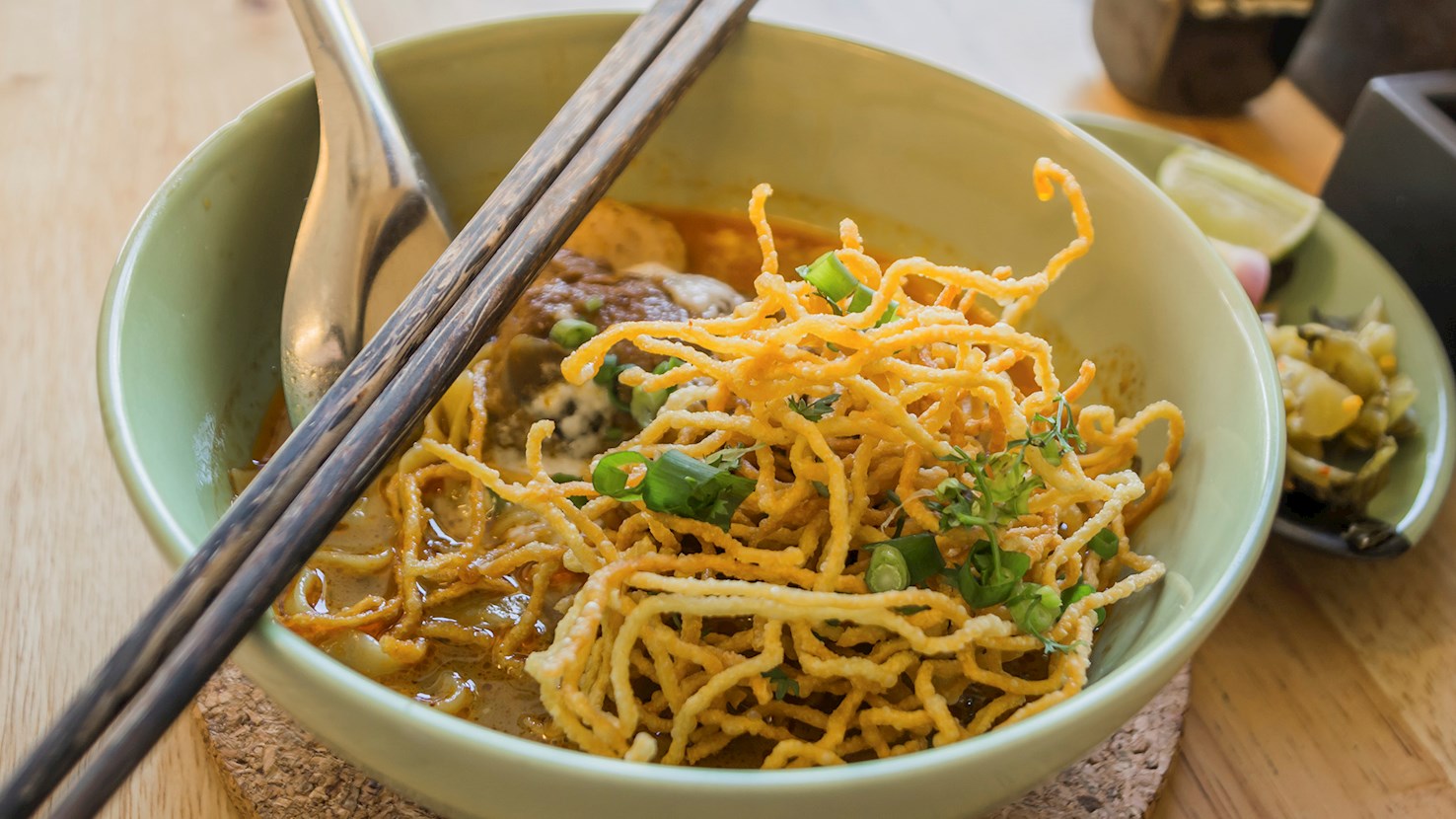
A signature dish of Northern Thailand, khao soi is a delicious coconut soup in which numerous regional influences were combined to create a truly spectacular dish. The base of the soup is a slightly spicy broth which combines coconut milk and red curry paste. The broth is served with flat egg noodles and a choice of meat, which usually includes chicken, beef, and pork. It is topped with a handful of crisp fried noodles and chopped cilantro. The dish is commonly served alongside a variety of condiments such as fresh lime, pickled cabbage, shallots, and chilis. Even though the dish originated in the north of the country, it is still not totally clear how and when this famous noodle soup was created. The most probable theory claims that khao soi is a fusion dish which originated under the influence of Chinese Muslims, traveling from the Yunnan region through Myanmar, Thailand, and Laos. It is also believed that the soup is a variety of an old Myanmarese coconut soup made with rice noodles, which were also primarily used in khao soi and were later replaced with the more traditional egg noodles. Regardless of its confusing origin, today this flavorful soup is a genuine product of Northern Thailand, found in numerous eateries and restaurants across the region, representing an irreplaceable dish among the locals and a favorite among the tourists. Khao soi is also popular in the neighboring Laos. However, the Lao version employs other ingredients and is somewhat different than the Thai counterpart.
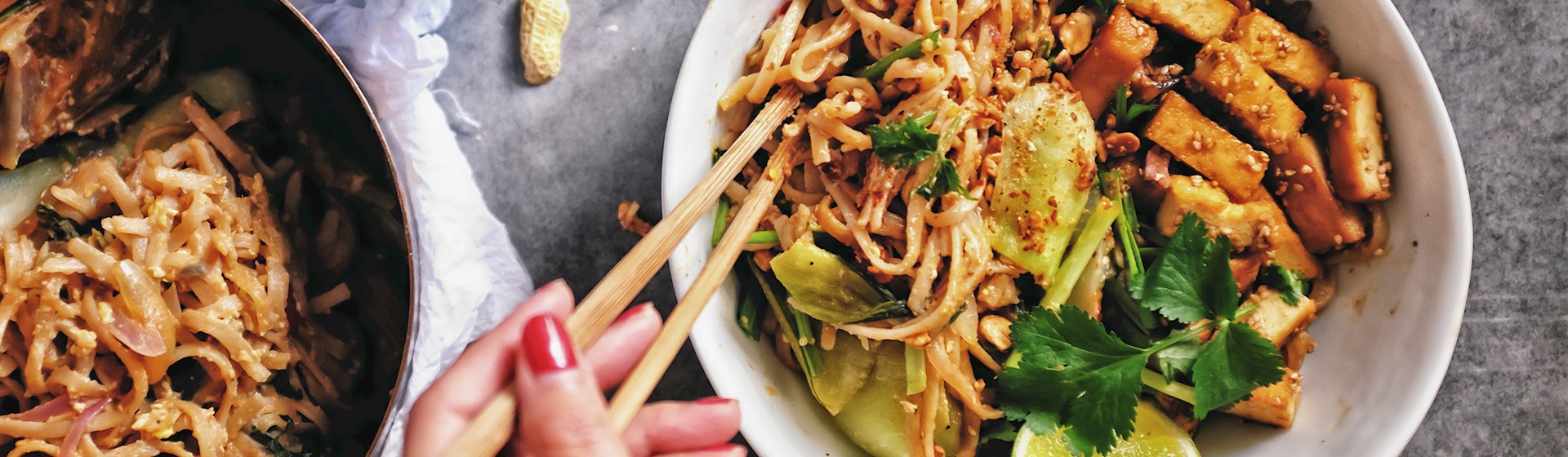
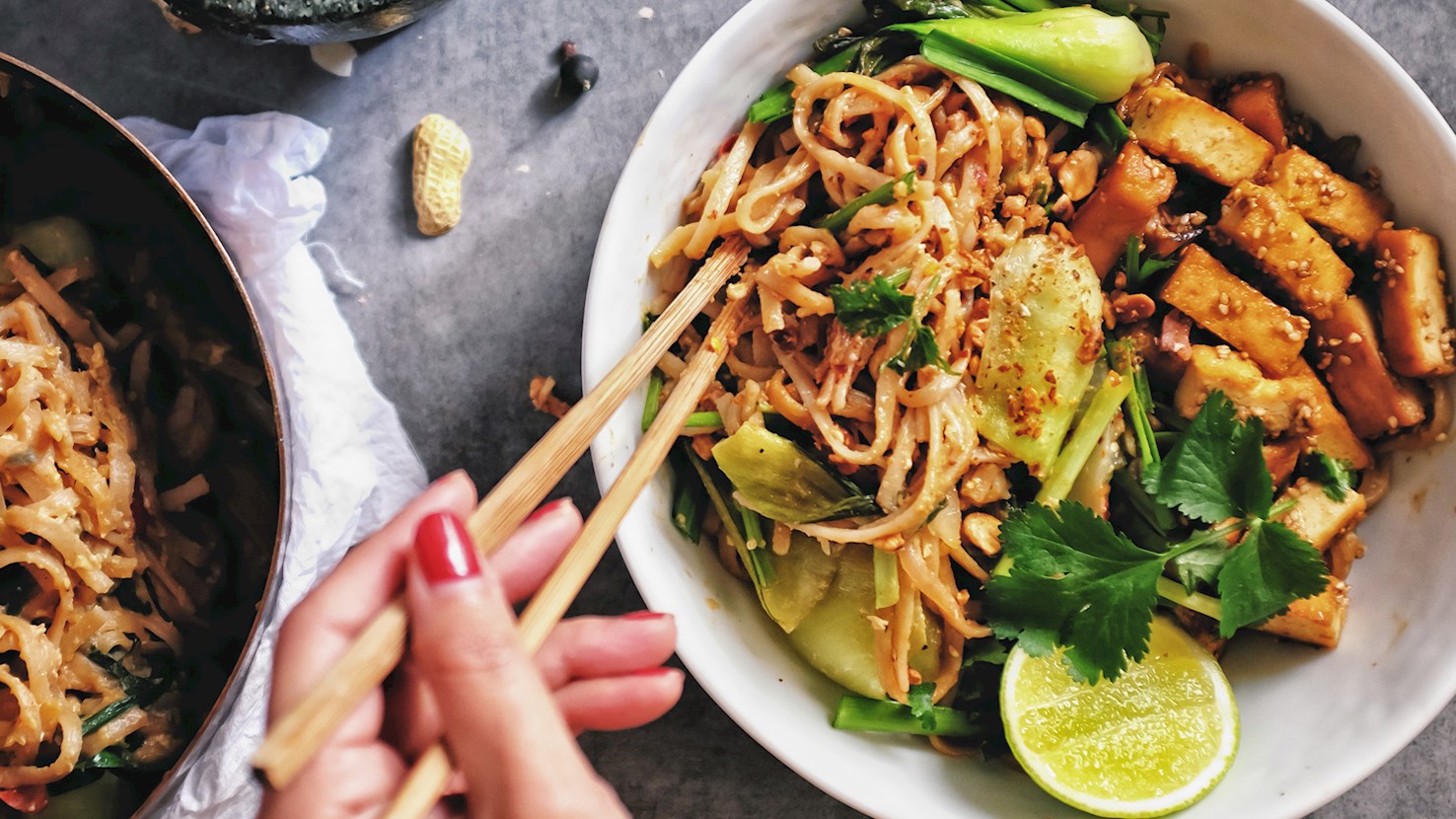
Pad Thai is Thailand's national dish, a flavorful stir-fry (pad in Thai) dish consisting of rice noodles, tofu, dried shrimp, bean sprouts, and eggs. If it's made with meat, chicken and pork are some of the most popular choices. The flavors are an intricate combination of sweet, sour, and salty, with a well-balanced contrast of textures. Pad Thai is probably one of the most popular Thai dishes abroad. Its origins can be traced to a period of nationalism in the country, after the 1932 revolution that ended the absolute monarchy. There was a public contest to find a new national noodle dish, and the winner was a Pad Thai consisting of noodles, radish, sprouts, peanuts, and eggs. Tender rice noodles are additionally flavored with sugar, tamarind, lime juice, vinegar, and fish sauce, and the dish is traditionally served with ground red chilis, white vinegar, sugar, fresh lime wedges, and fish sauce on the side, so each consumer can garnish the meal to their preference.
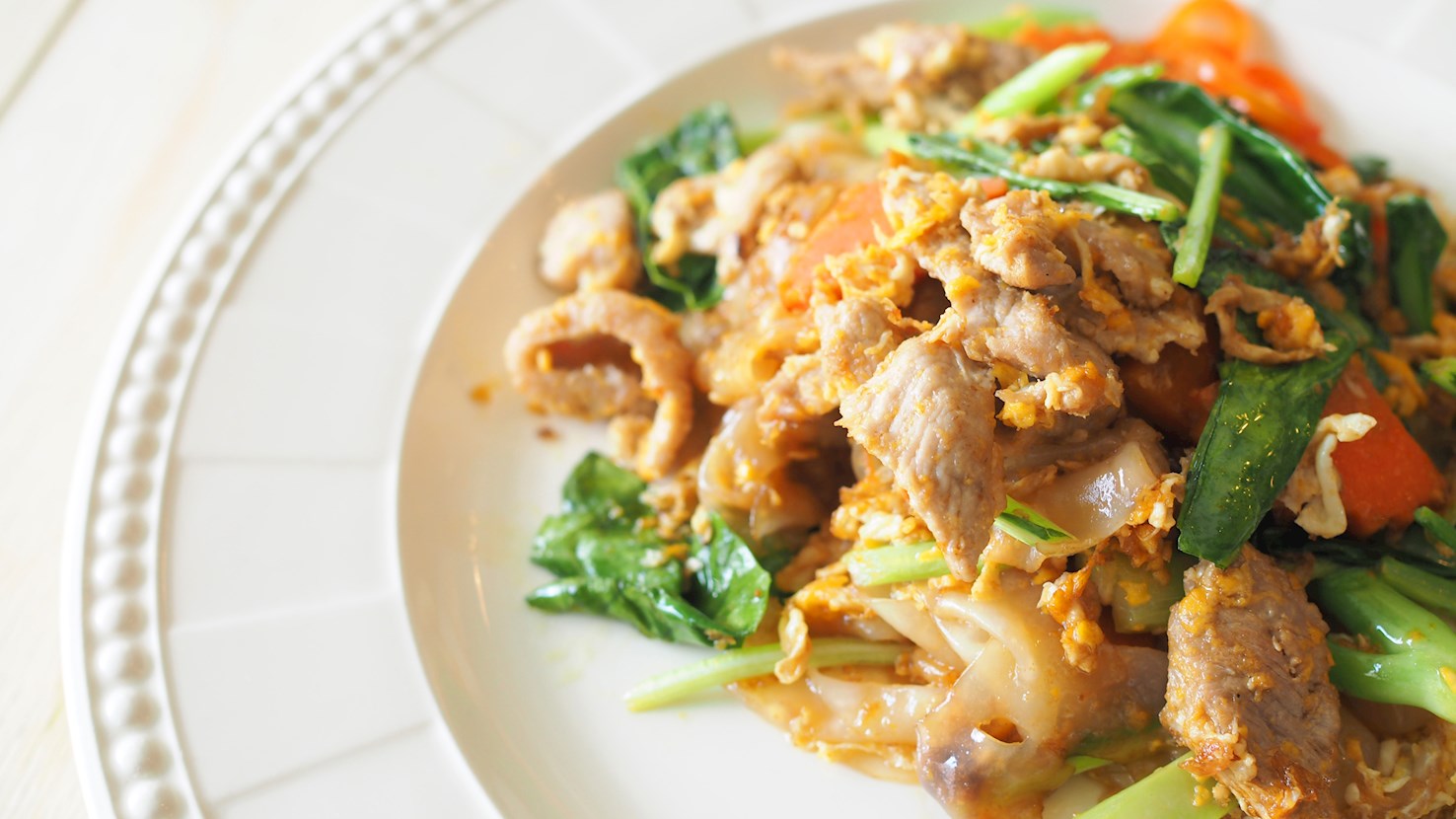
Phat si-io is a Chinese-style noodle dish originating from Thailand. The dish is often prepared and served from street stalls and consists of big noodles or vermicelli which are stir-fried with thinly sliced pork, beef, chicken, or seafood. The dish is popular because of its fragrant aroma coming from fried soy sauce (both light and dark varieties), garlic, eggs, and Chinese broccoli, which are also included in the pan. The dish is also spelled as pad see ew, with pad meaning fried, and see ew meaning soy sauce, so the name literally means fried soy sauce. Once done, it's recommended to serve phat si-io with chili sauce.
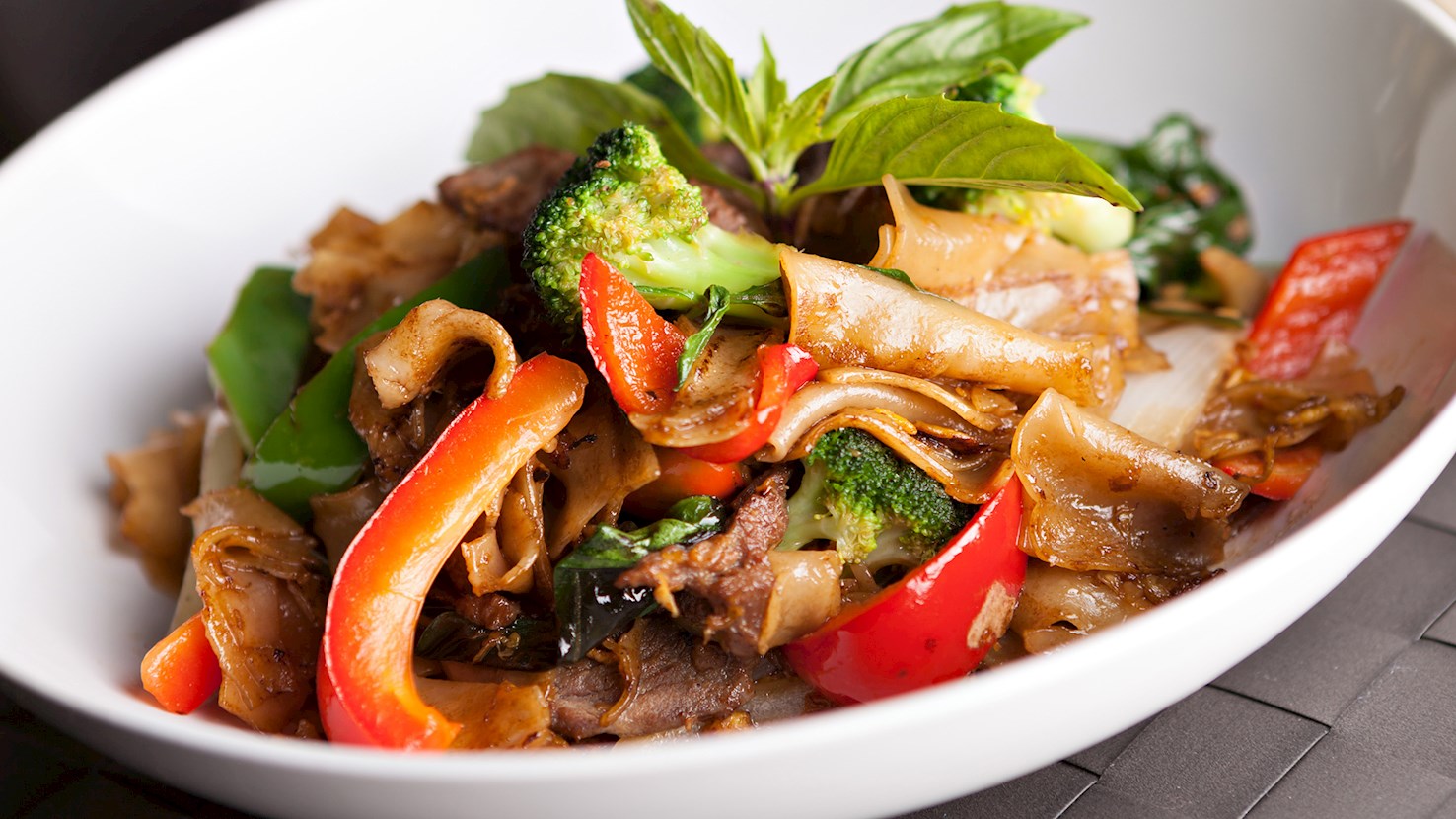
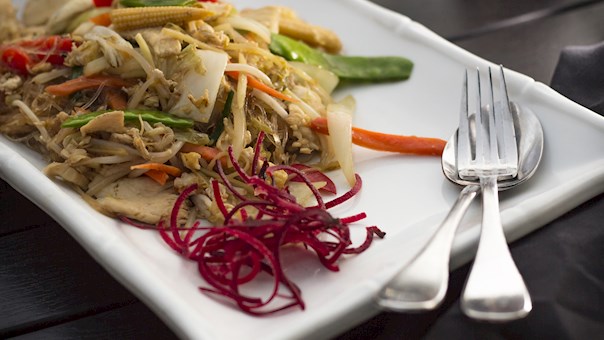
Pad kee mao (more commonly known as drunken noodles) is a stir-fry noodle dish originating from Thailand, similar to phat si-io. It is made with broad rice noodles, chicken thighs (or breast), garlic, red chilis, kaffir lime leaves, galangal, baby corn, brown sugar, fish sauce, soy sauce, and holy basil. Other versions of the dish use squid or different seafood as the main ingredient. There are many theories as to the origin of its name, but the most commonly accepted one is that pad kee mao is a popular food of choice for late-night drinking. Nowadays, the dish is also found in Thai-fusion cooking, with some versions made with instant noodles or even spaghetti.
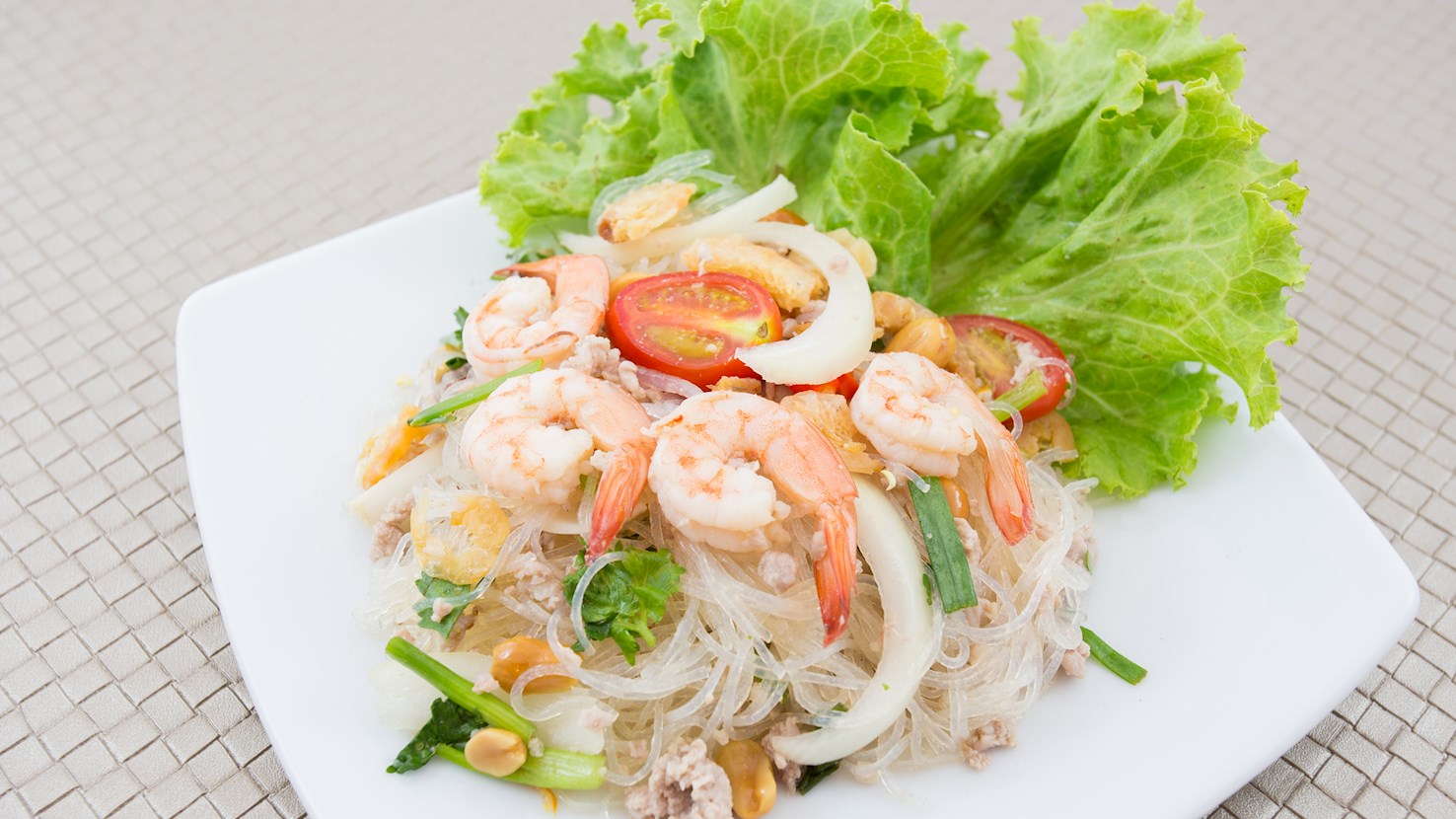
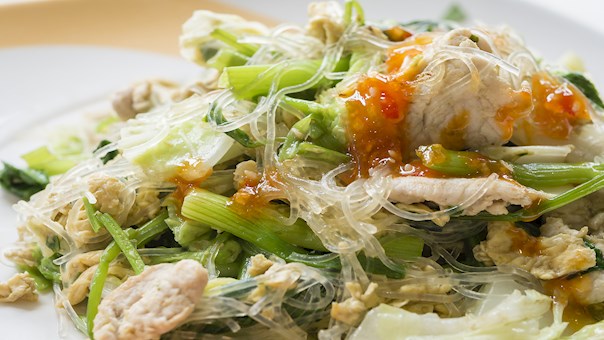
Yom wun sen is a traditional glass noodle salad originating from Thailand. The salad is characterized by bright and refreshing flavors and crunchy texture. It's made with a combination of glass noodles, fried garlic, cilantro, chili peppers, dried shrimp, lime juice, fish sauce, onions, Chinese celery, and roasted peanuts. Ground pork or beef can also be added to the salad for extra protein content. Yom wun sen is usually served cold or lukewarm and it's especially popular in the summer. It can be found in many Thai restaurants, but it's also often prepared at home.
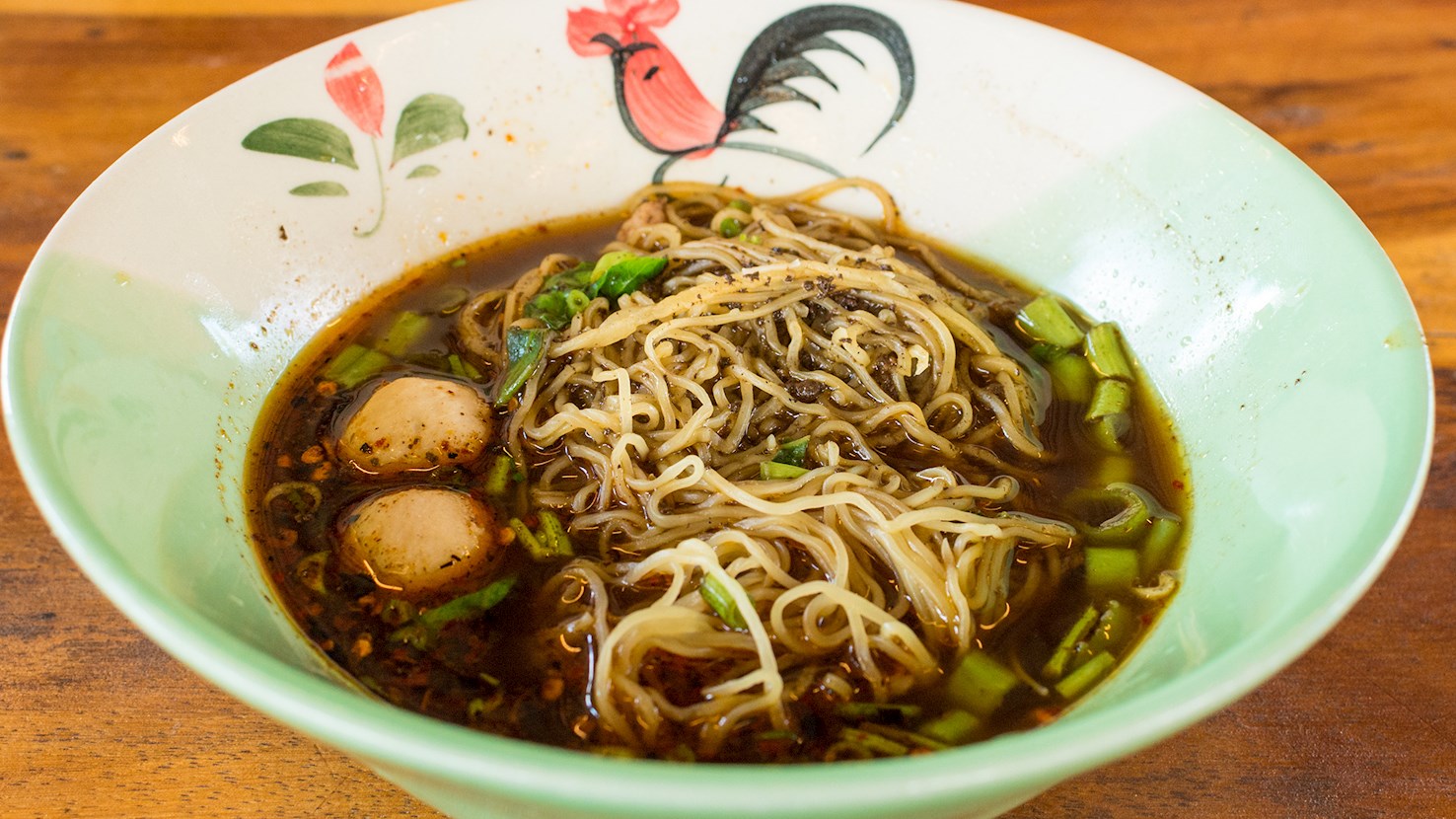
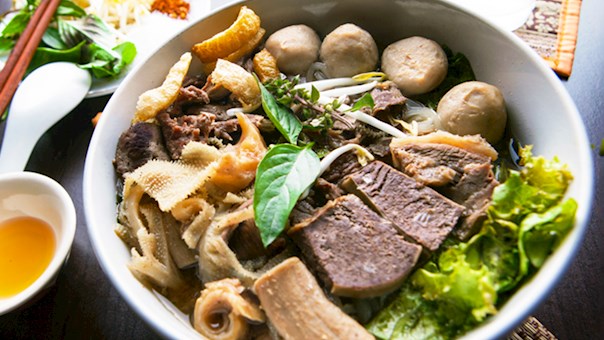
Roughly translated as boat noodle soup, this Thai dish was initially sold from boats that navigated through Bangkok canals. The base is made with different types of noodles that are doused in a flavorsome beef broth, while the toppings usually include beef or pork, meatballs, bean sprouts, morning glory, and pork’s liver. Traditionally, the dish is finished off with the addition of animal blood, which provides thickness and imparts a distinctive flavor. Nowadays, boat noodles can be enjoyed in restaurants and various street stalls, but locals and tourists alike flock to the so-called boat noodle alley, where most vendors specialize in the preparation of this dish.
A perfect blend of texture and authentic Thai flavors, mee krob or mi krop is a dish that consists of crispy fried rice vermicelli noodles which are covered with a sweet and sour sauce made with lime juice, Thai fish sauce, tomato paste, kaffir lime leaves, chilis, and palm sugar. This delicious noodle dish is typically mixed with fried tofu, fried shrimp or pork meat, or a combination of both, and topped with scallions, bean sprouts, cilantro, chilis, and fried egg strips.
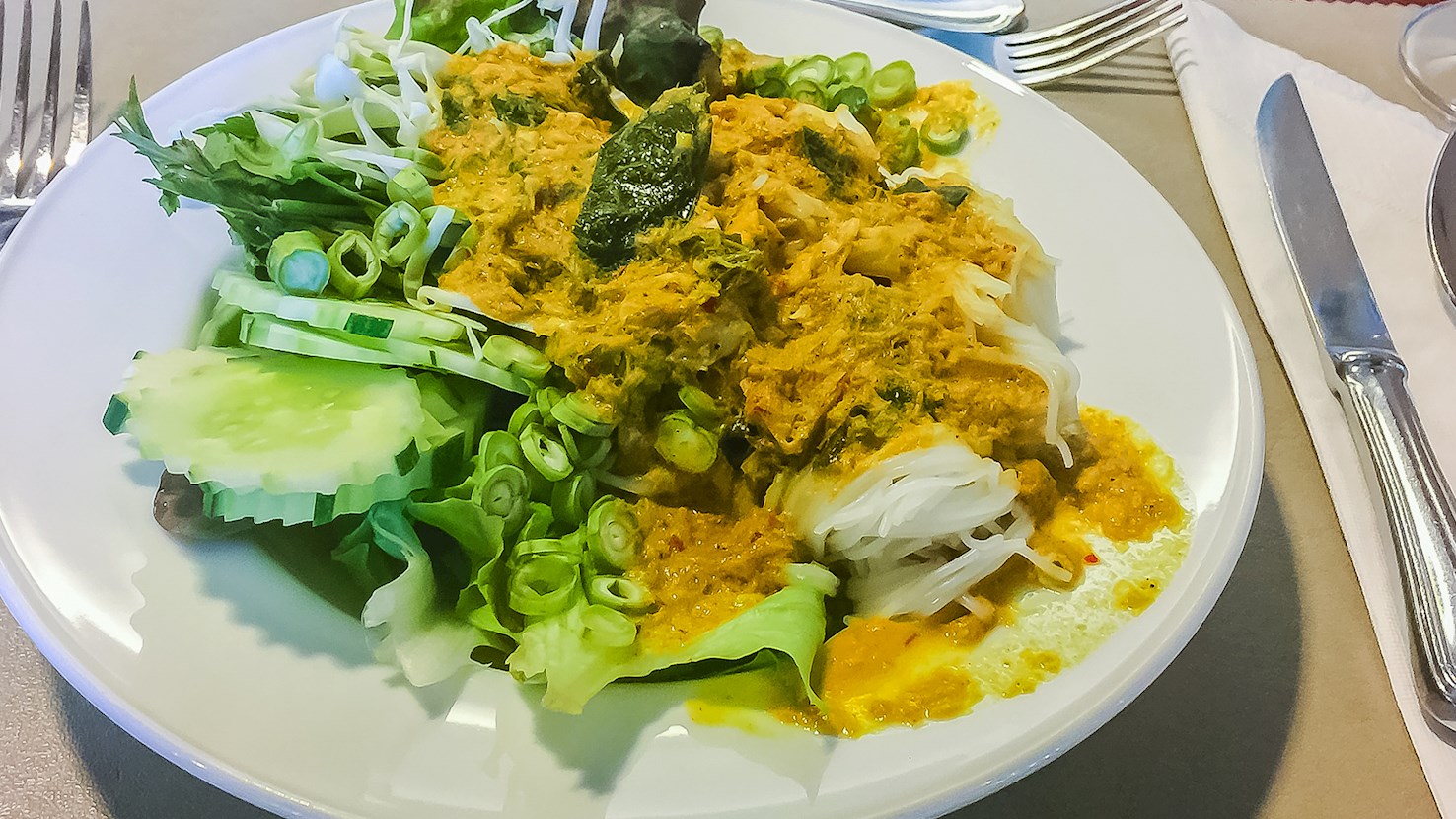
This fiery Thai fish curry is usually associated with Central Thailand, although similar varieties can be found throughout the country. The most popular version consists of fresh rice noodles (khanom chin) that are served with a thick and spicy curry which is based on coconut milk, white fish, and a thick curry paste that usually combines freshly ground chilis, lemongrass, shrimp paste, turmeric, and garlic. The dish is traditionally accompanied by fresh vegetables, lemon basil, and fried chilis. Traditionally, it comes topped with hard-boiled eggs.
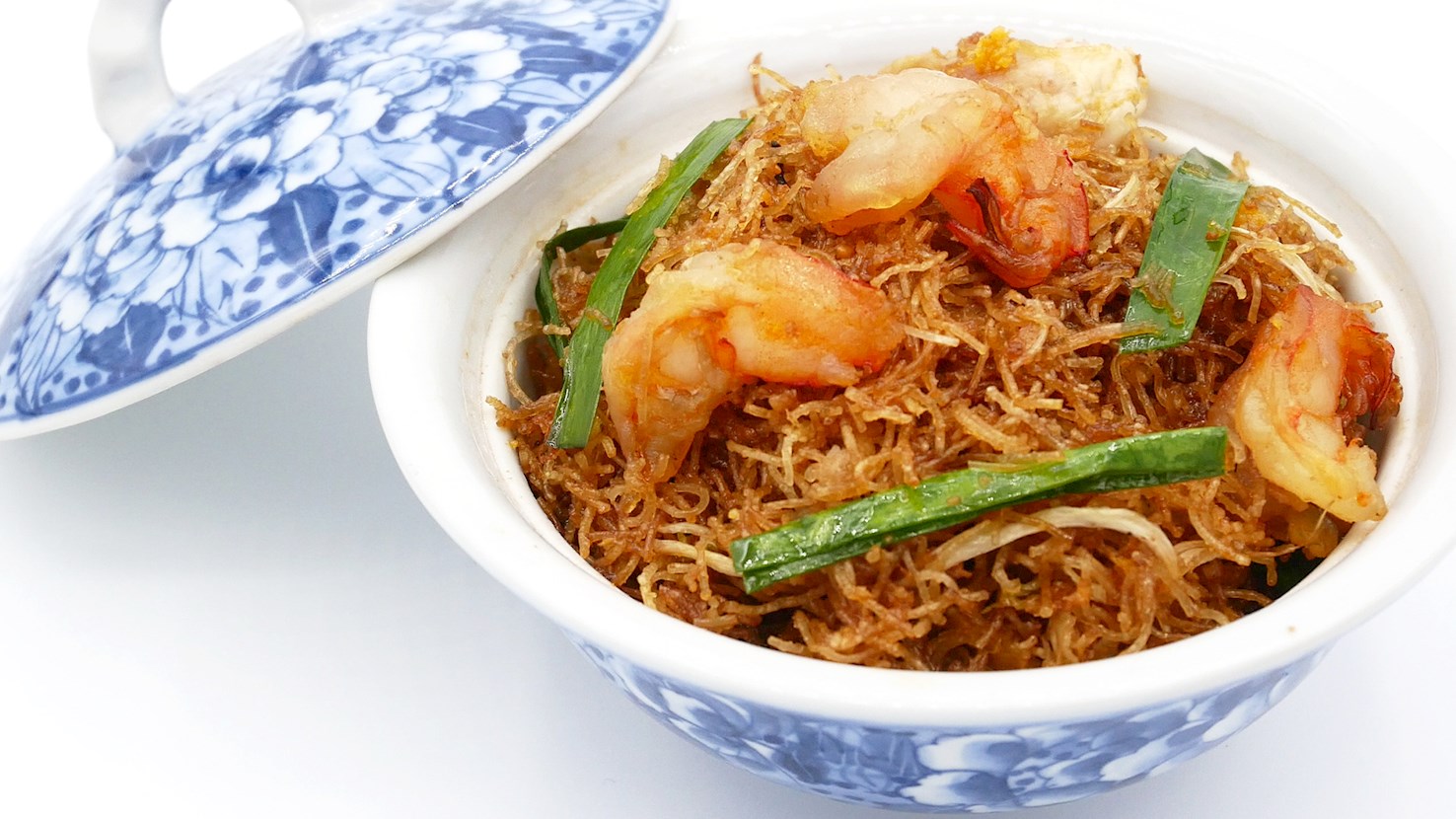
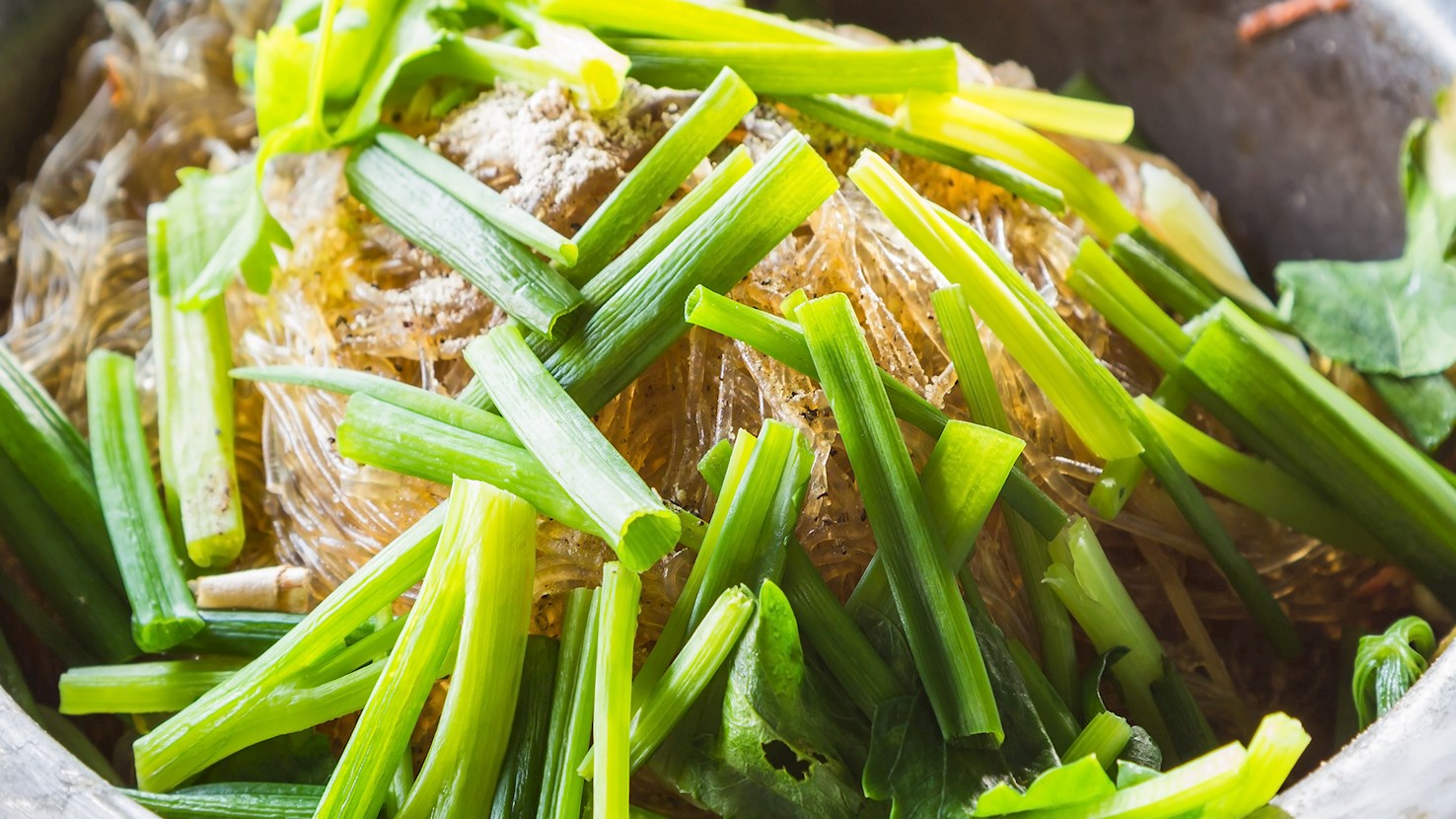
This simple Thai stir-fry combines glass noodles and whole shrimps. The dish is usually prepared in clay pots with larger tiger prawns or freshwater shrimps and comes topped with soy sauce, peppercorns, coriander, and ginger, while variations may include bacon slices, oyster sauce, garlic, shallots, or different herbs and spices. Although it is believed that the dish was created under Chinese culinary influence, it is now a staple in numerous seafood restaurants in Thailand.
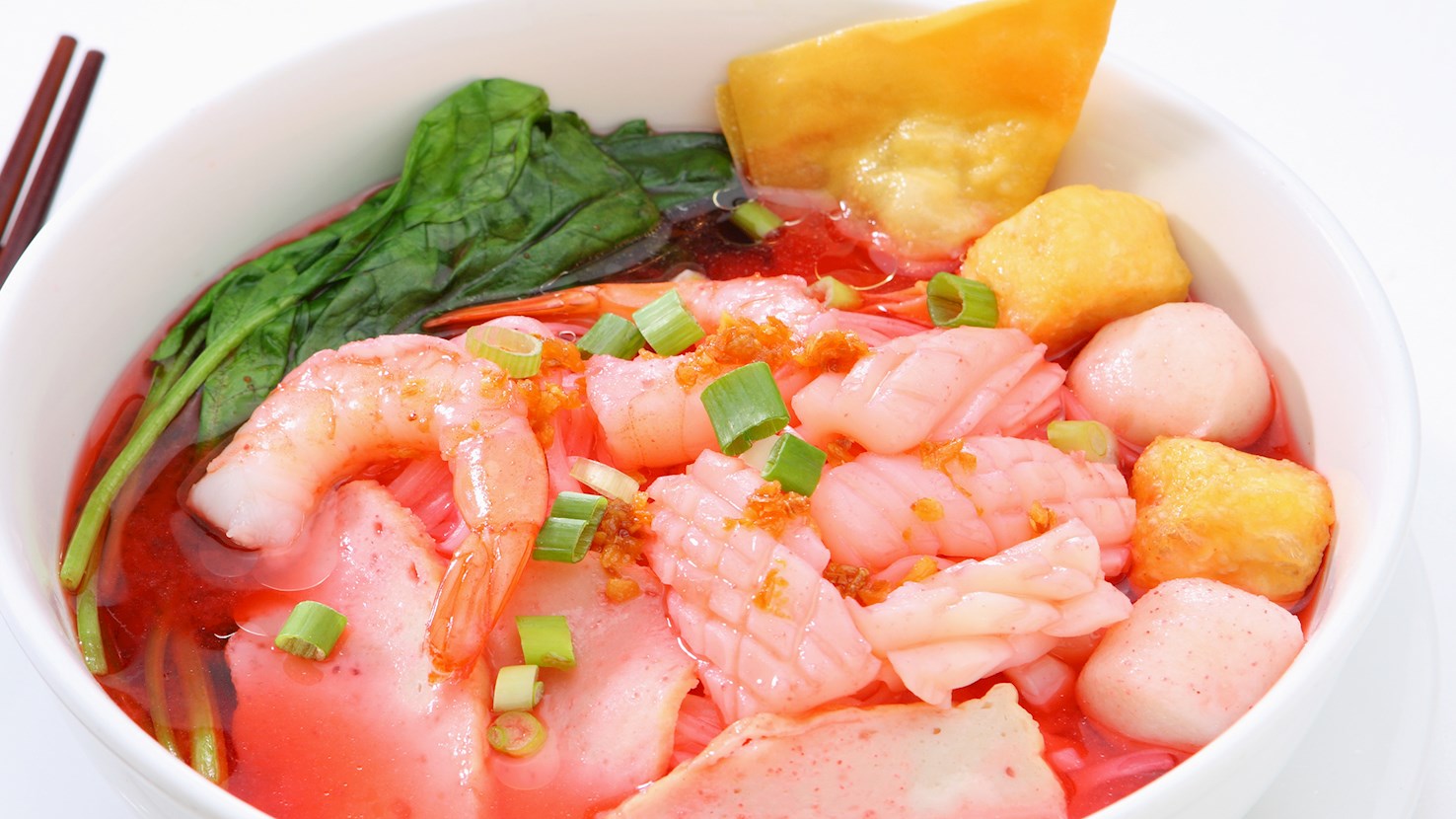
Yen ta fo is a bright pink noodle soup built around a clear pork broth colored and flavored with pungent fermented red bean curd sauce. Rice noodles form the base, joined by seafood, tofu, greens, fish balls, and several other toppings. The broth is usually made by slowly simmering pork bones or a chicken carcass. Its distinctive pink color comes from a sauce blended from fermented red bean curd, garlic, bird’s eye chilies, distilled white vinegar, and cane sugar. The sauce gives the broth a balance of sweetness, acidity, saltiness, and fermented depth rather than simply adding color. Wide, flat rice noodles are briefly blanched in boiling water with water spinach (also known as morning glory) until the noodles soften and the greens wilt. Both are transferred to a deep ceramic bowl and covered with a generous assortment of toppings. Common additions include springy fish balls, slices of fried tofu, scored pieces of crisp pickled squid, and dark cubes of congealed pig’s blood. A ladle of the red sauce is mixed with the hot, clear meat stock and poured over the noodles, turning the liquid a vivid shade of pink or magenta. The soup is commonly served with a condiment caddy holding fish sauce, sugar, dried chili flakes, and sliced chilies preserved in white vinegar. A ceramic spoon is used for the tangy broth, greens, and cubes of blood, while chopsticks handle the slippery noodles, tofu, squid, and fish balls. A crisp, deep-fried wonton wrapper often sits atop the bowl. It provides a brittle contrast at first, then gradually softens as it absorbs the acidic broth. Several variations change the balance of liquid, heat, and acidity. Yen ta fo haeng is the dry version, served without broth and mixed with a larger amount of fermented red sauce so that the noodles and toppings remain heavily coated. Another version adds fresh lime juice, roasted chili paste, and finely crushed roasted peanuts, producing a sharper, hotter, and nuttier result. The roots of yen ta fo are commonly linked to Hakka immigrants who settled in Bangkok during the late 19th century. They brought yong tau foo, centered on tofu stuffed with minced pork or fish paste. In its earlier Hakka form, fermented red bean curd was served separately as a dipping sauce. By the middle of the 20th century, street vendors in Bangkok began stirring the red sauce directly into pork broth, reportedly as a quicker way to serve the components together. The change transformed the clear soup into the distinctive pink version now closely associated with the city’s noodle stalls.
TasteAtlas food rankings are based on the ratings of the TasteAtlas audience, with a series of mechanisms that recognize real users and that ignore bot,
nationalist or local patriotic ratings, and give additional value to the ratings of users that the system recognizes as knowledgeable.
For the “Top 13 Thai Noodle Dishes” list until September 15, 2026, 1,656 ratings were recorded, of which 1,354 were recognized by the system as legitimate.
TasteAtlas Rankings should not be seen as the final global conclusion about food. Their purpose is to promote excellent local foods,
instill pride in traditional dishes, and arouse curiosity about dishes you haven’t tried.



What People Say