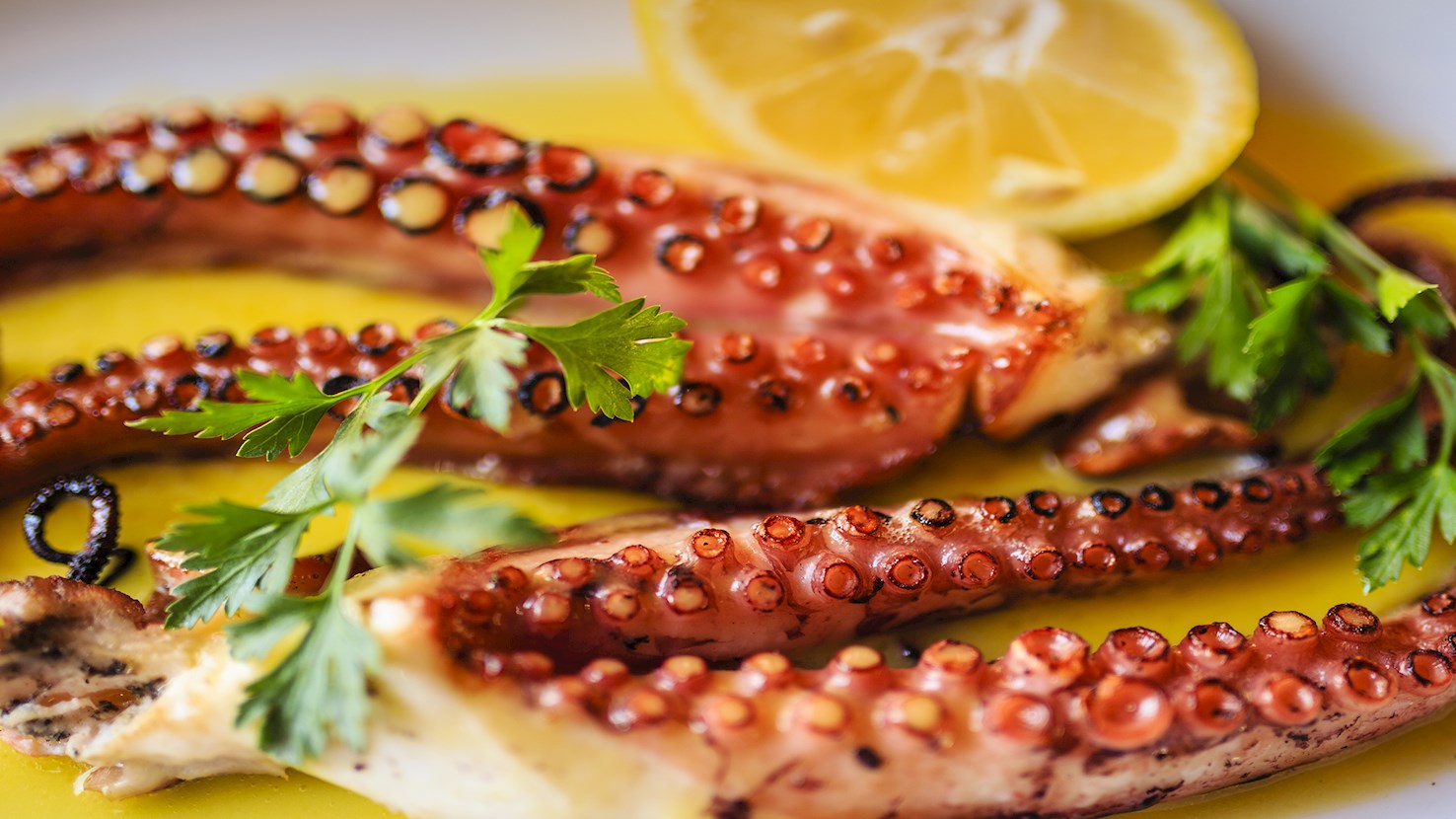
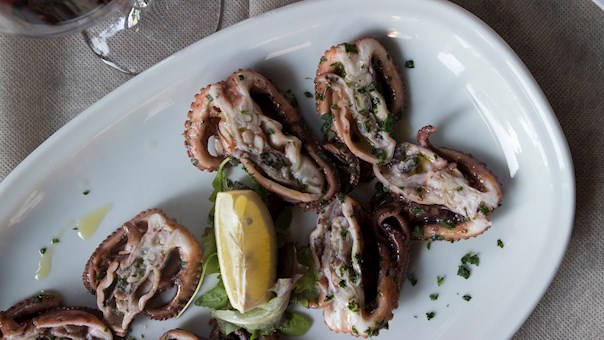
Chtapodi sti schara (grilled octopus) is a traditional octopus dish originating from Greece. Although there are variations, the dish is usually made with a combination of octopus, red wine vinegar, olive oil, and oregano. The octopus is washed, dried, and placed on a grill over a charcoal fire. It's brushed with a marinade consisting of oil, vinegar, and oregano. Once the octopus is tender, it's placed on a plate, thinly sliced and seasoned with olive oil, a drizzle of lemon, and oregano. It is mainly enjoyed as a meze dish that pairs well with crusty bread and ouzo or white wine.
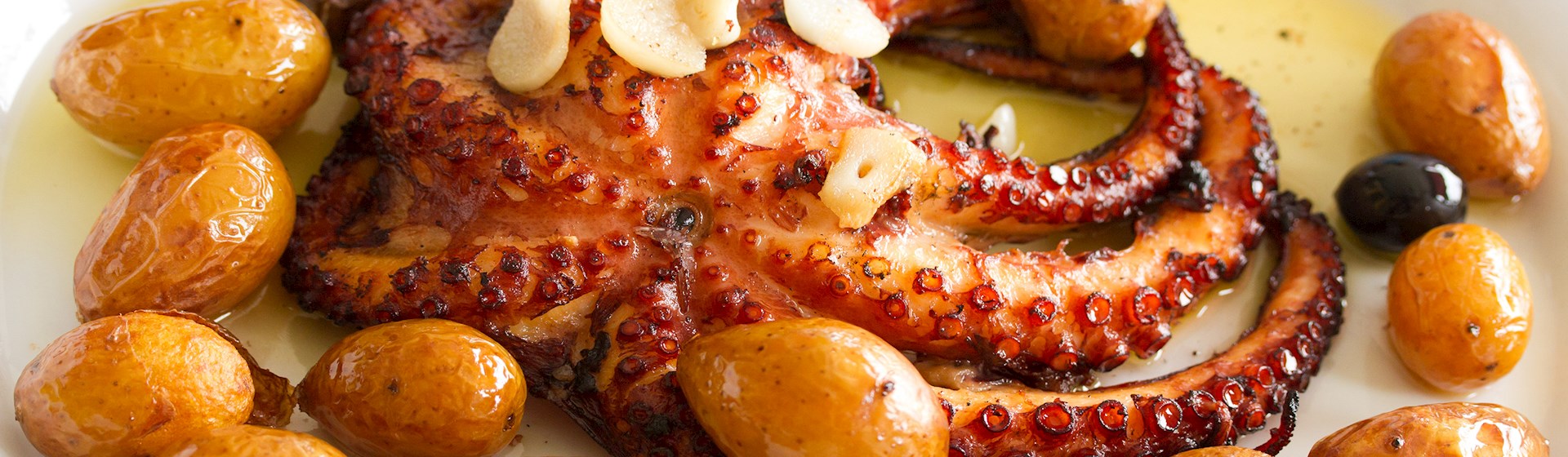
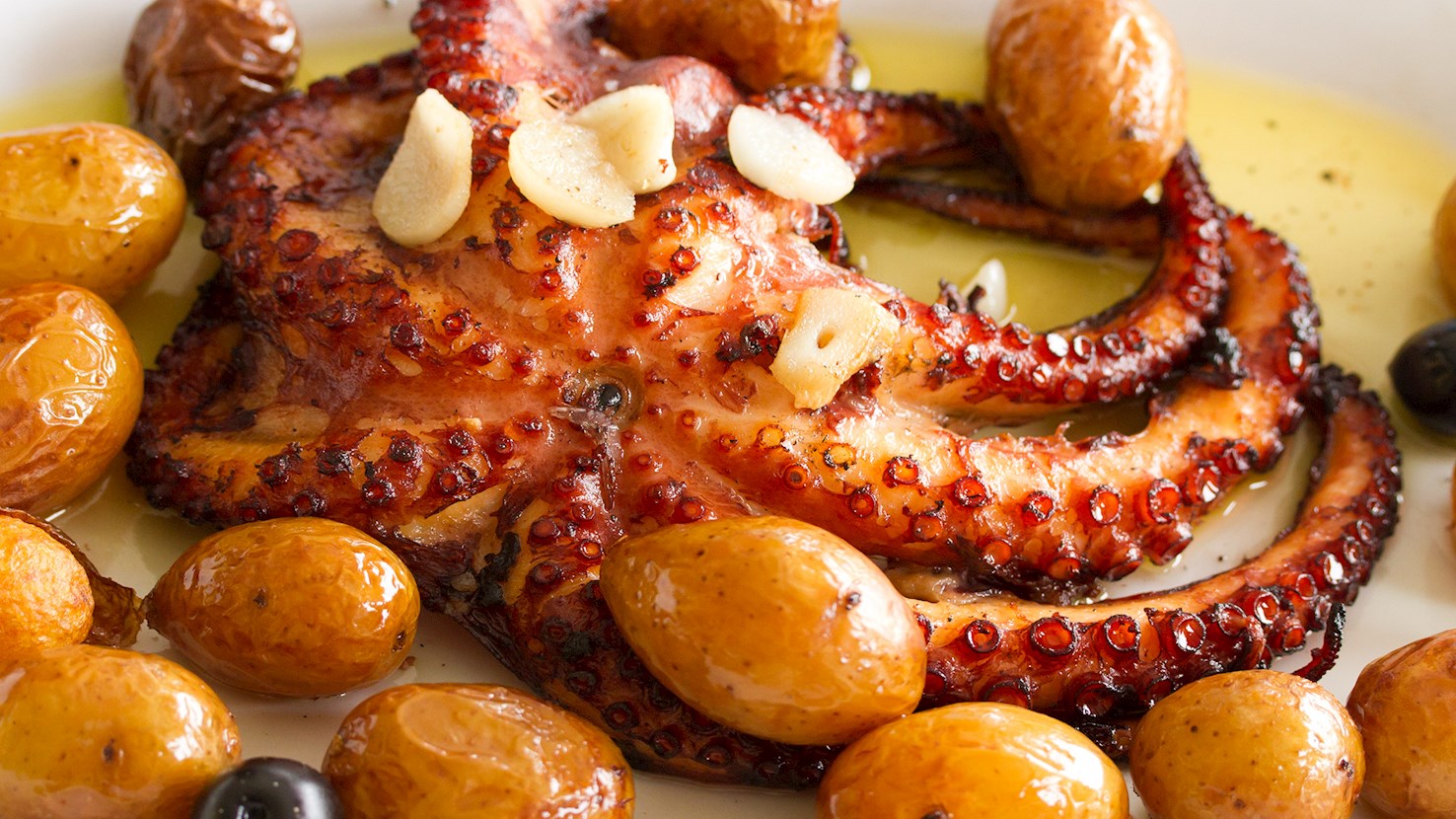
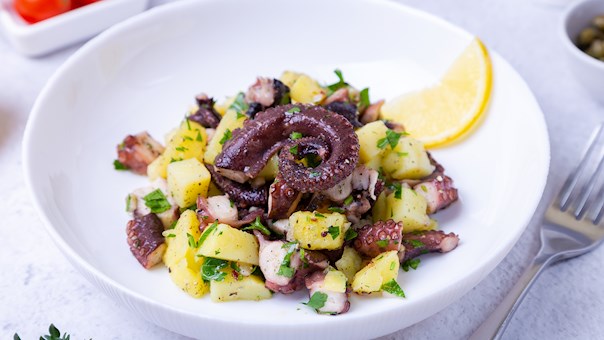
This classic Portuguese dish is made in the style of Lagareiro, hence the name. Lagareiro refers to a cooking style with numerous varieties, but it usually ends in dressing grilled or roasted fish and seafood with extra virgin olive oil. In this case, octopus is boiled, then cut into pieces, grilled, then brushed with olive oil. The dish is often additionally dressed with a combination of garlic, corainder, lemon juice, and salt. It is traditionally served with small, roasted potatoes with their skin intact.
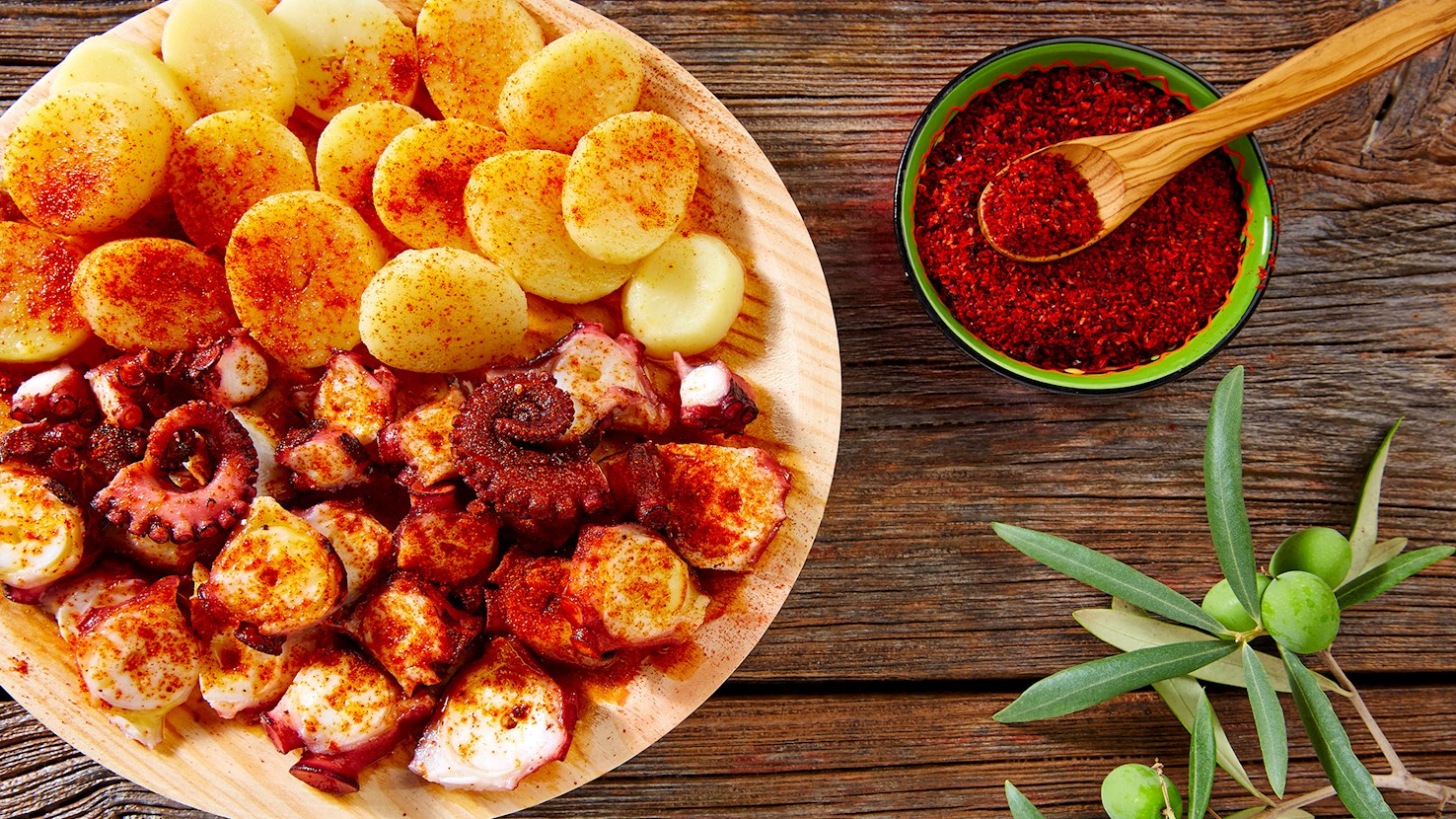
Polbo á feira (a.k.a. pulpo a la gallega) is a traditional Galician dish made by cooking octopus, potatoes, and pimentón in copper cauldrons. The cauldrons impart a unique flavor to the dish, and it is said that it is impossible to obtain that kind of flavor with any other material. In the Sanabria region, it is traditionally served with garlic, while elsewhere, pulpo a la gallega is presented on a wooden board, drizzled with lots of olive oil and sprinkled with coarse salt. It is recommended to pair the dish with a glass of red wine on the side. The dish is also known as pulpo á feira (fair-style octopus), since it is very popular during festivities and celebrations, when the owners of pulpeiras (stands specialized for octopus) prepare the dish throughout the day.
Chicharrón de pulpo is a traditional seafood dish originating from Peru. It's usually made with a combination of octopus, soy sauce, mustard, eggs, milk, flour, salt, pepper, and oil. The octopus is boiled until firm, but not chewy, and it's then drained and cut into pieces. The soy sauce, mustard, milk, eggs, salt, and pepper are mixed in a bowl and the octopus pieces are then placed in the marinade. Later, the pieces are dredged in flour and fried in hot oil until crisp, and chicharrón de pulpo is ready to be enjoyed.
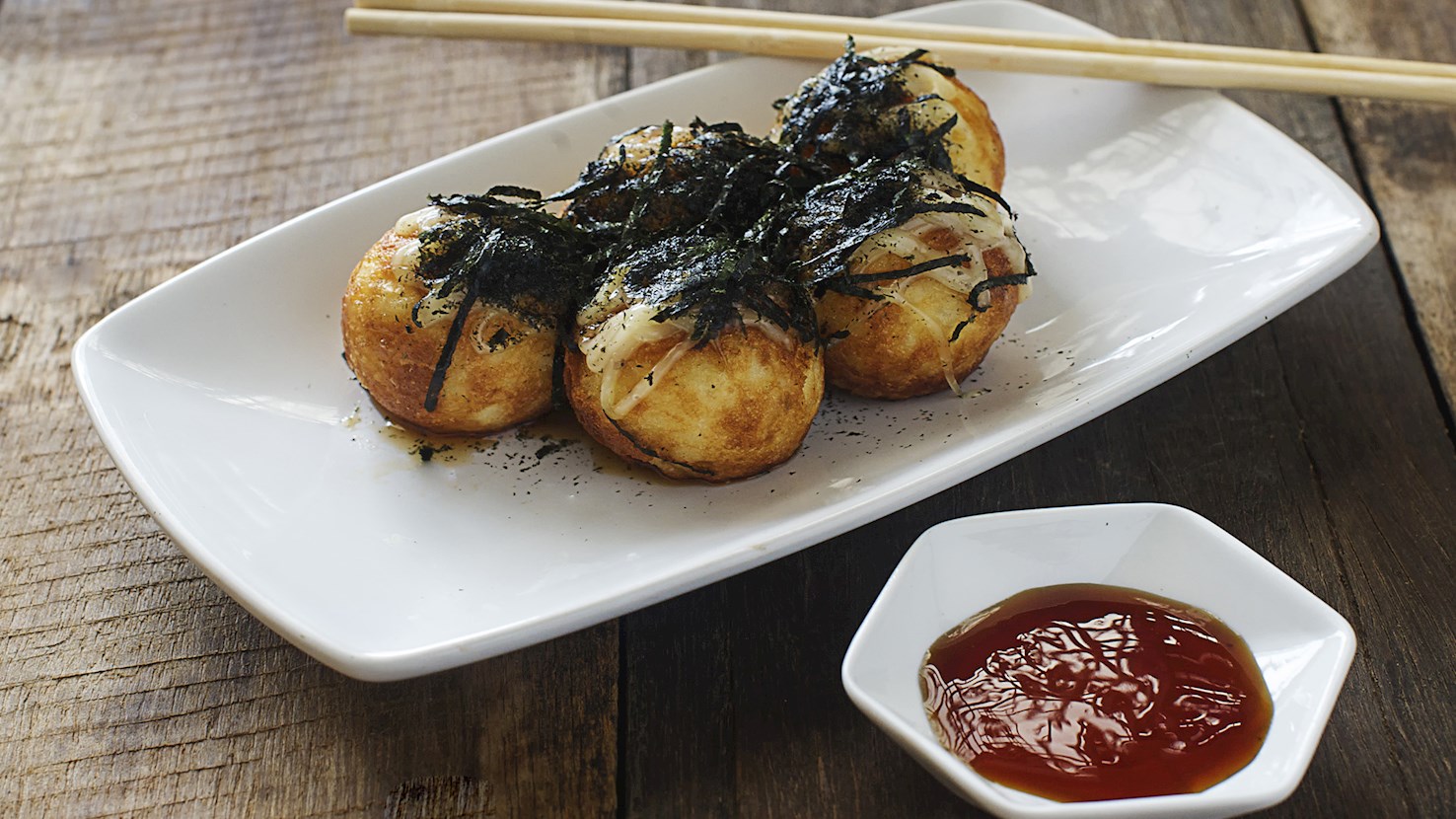
The small, round takoyaki are one of the most famous Japanese snacks, made with a simple egg batter that is enriched with diced octopus pieces. These tiny balls get their signature shape from the traditional iron pan in which they are grilled. The pan is filled with small round molds in which the batter is poured and swirled until the traditional round shape has been developed. The creamy egg mix consists of wheat flour, soy sauce, and dashi stock, and after it has been poured into the sizzling molds it is topped with tender octopus pieces. Sliced scallions, pickled ginger, crispy fried tenkasu pieces, and dried fish flakes are often incorporated to elevate the flavors of the dish. Takoyaki is believed to have originated in Osaka in 1935, and the invention of this Japanese classic is usually linked to Endo Tomekichi, a street vendor who used to sell chobayaki pancakes which were baked in similar molds. He added boiled octopus and other flavorings to create what would become one of the favorite Japanese snacks. Although octopus is the traditional complement to takoyaki, homemade varieties can include many different ingredients. Takoyaki can be found everywhere in Japan: at numerous food courts, stores, bought from street vendors, or served in specialized takoyaki restaurants. They are always served hot and are usually sold in packs of eight or twelve pieces. Traditionally, each serving is topped with a thick takoyaki sauce (similar to Worcestershire sauce), Japanese mayonnaise, a sprinkle of dried seaweed, and a layer of smoky fish flakes.
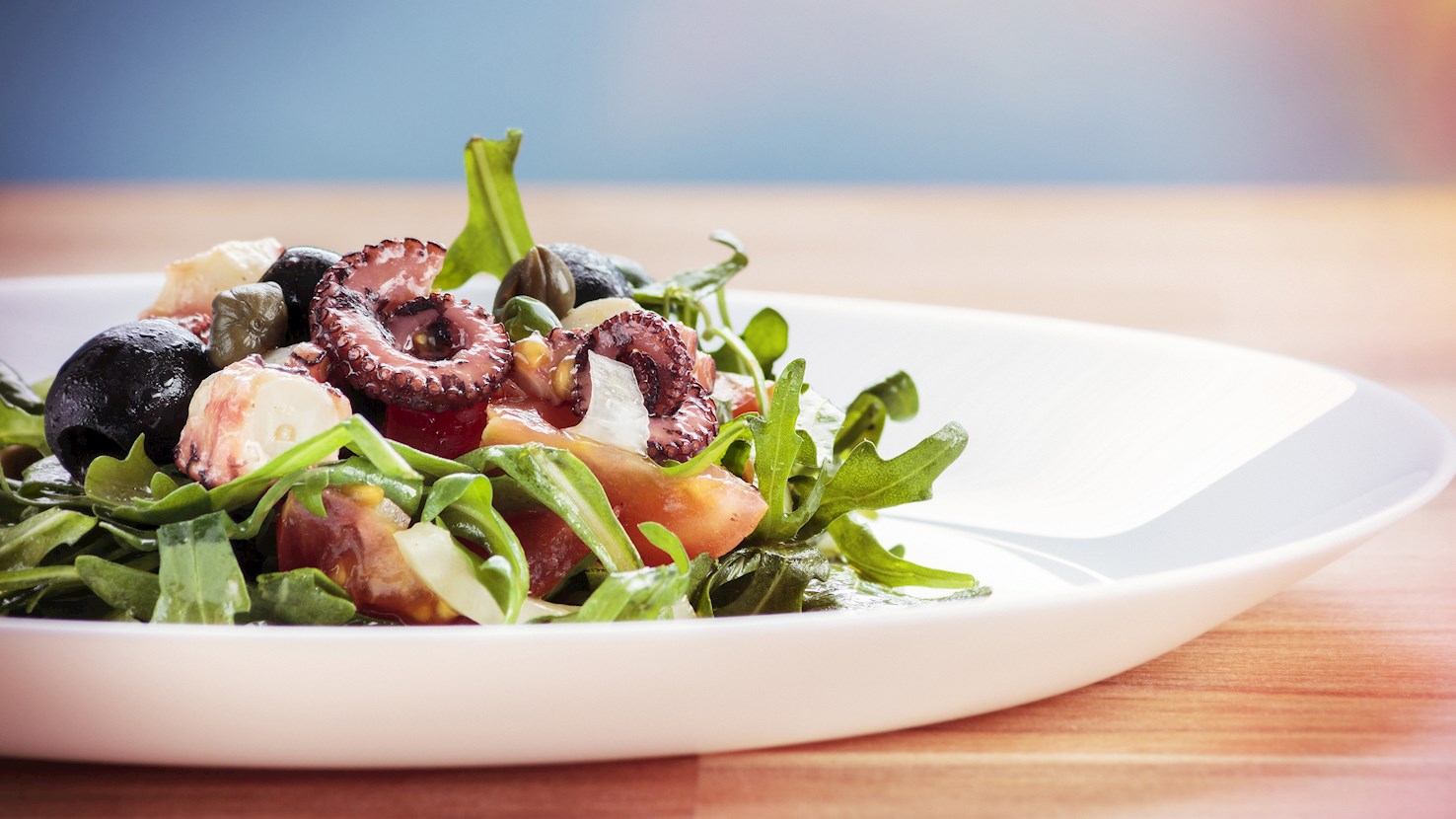
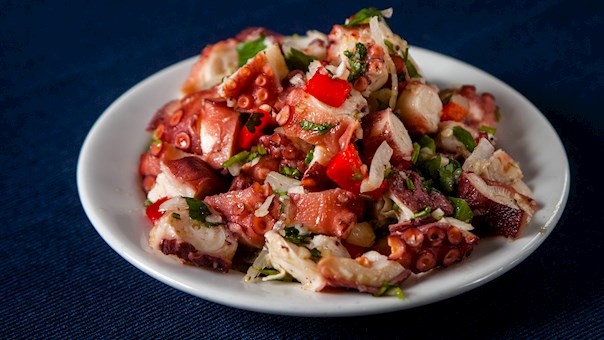
Salata od hobotnice is a traditional octopus salad originating from Dalmatia, but it's very popular throughout the country, especially on Christmas Eve and during the summer. Although there are many versions, it's usually made with a combination of octopus, onions, garlic, bay leaves, olive oil, parsley, potatoes, salt, vinegar, and tomatoes. The cleaned octopus is cooked, then cut into smaller pieces and mixed with the other ingredients. It's recommended to cook it with a few wine corks as they will soak up the bitter flavors during cooking. The salad is sometimes enriched with capers, olives, or lemon juice, and it's recommended to serve it well chilled, ideally with fresh bread on the side for mopping up the juices.
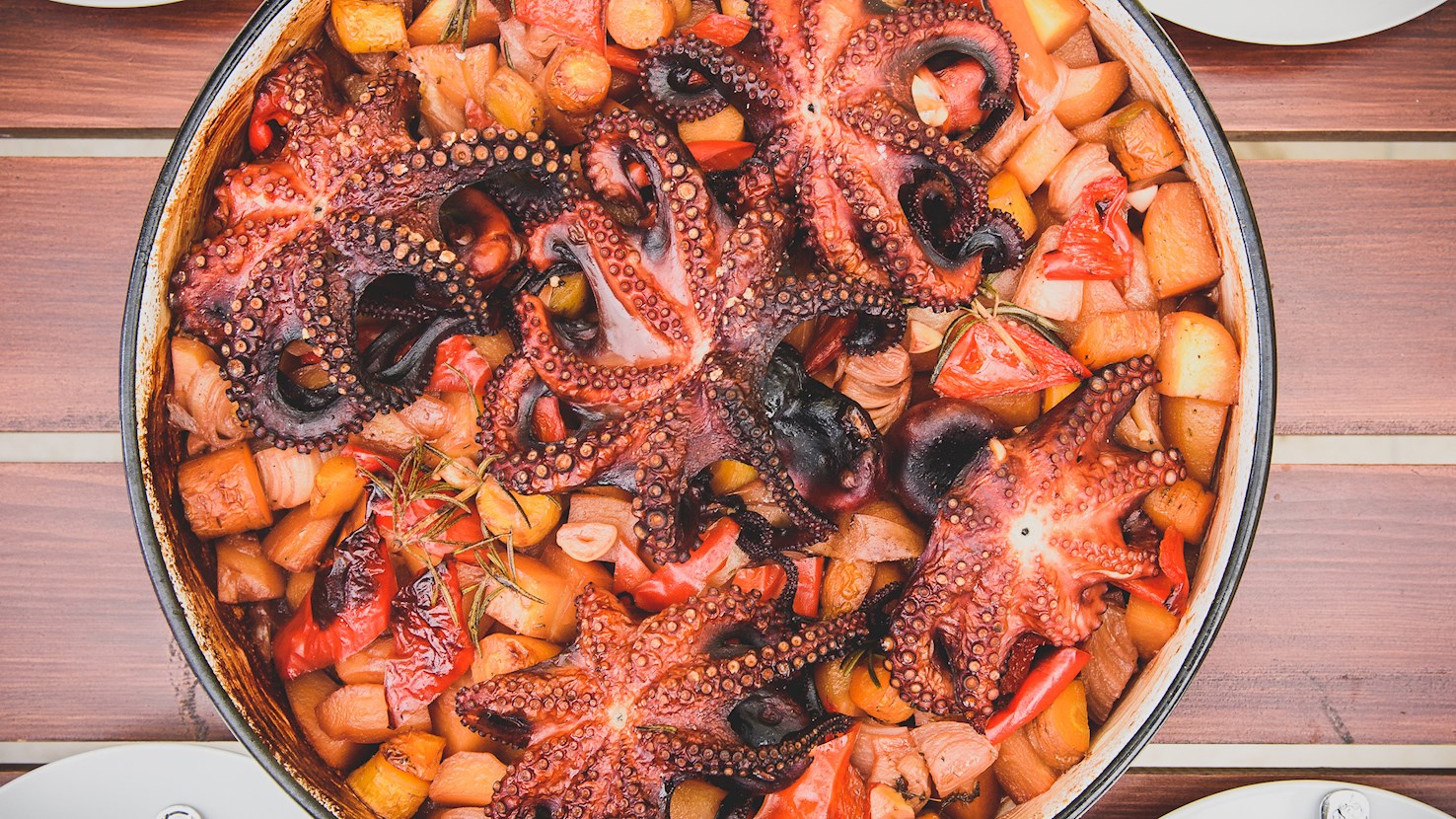
Hobotnica ispod peke is a popular Dalmatian dish made by slowly cooking a fresh, whole octopus in its juices under a big, traditional, bell-like lid called peka. The octopus is often flavored with aromatic herbs and spices such as garlic, bay leaves, pasrley and black pepper. Olive oil is sometimes added in order to moisten the octopus, while red or white wine can be added to speed up the cooking process. Potatoes, onions, carrots, tomatoes, and bell peppers are usually cooked together with the octopus, making this a practical one-pot meal. The whole concoction is then traditionally placed in a fireplace, and the lid is covered with hot embers. It is recommended to serve hobotnica ispod peke with kruh ispod peke (bread under the lid), used for mopping up some of the flavorful cooking juices.
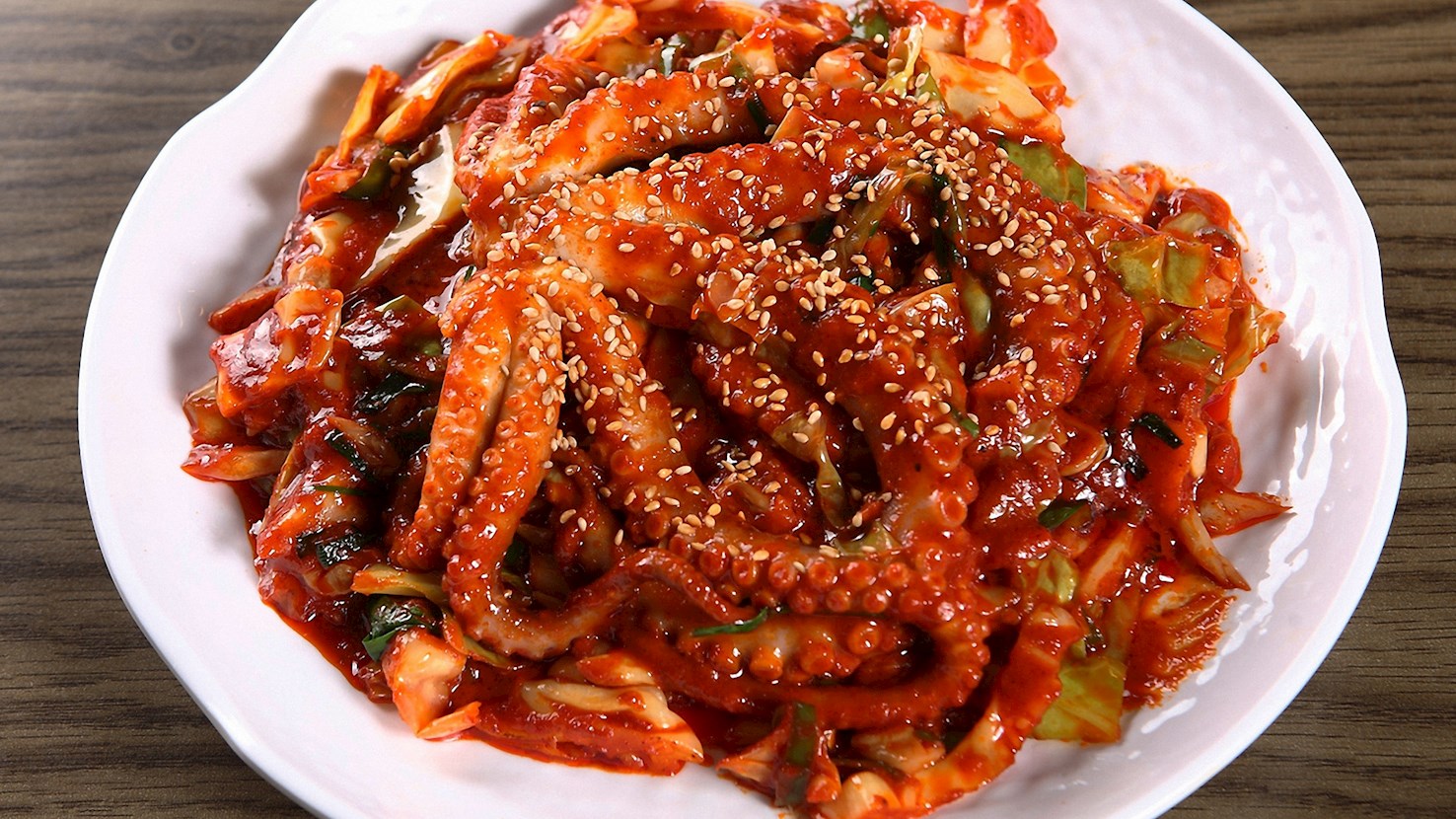
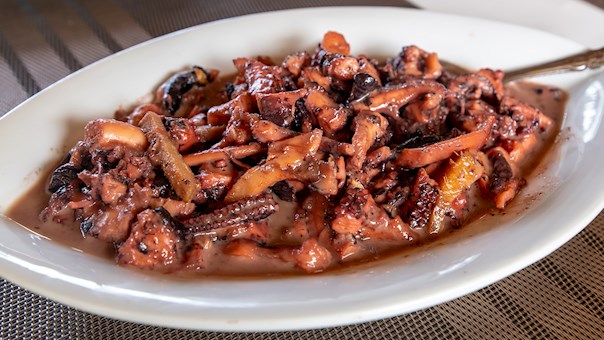
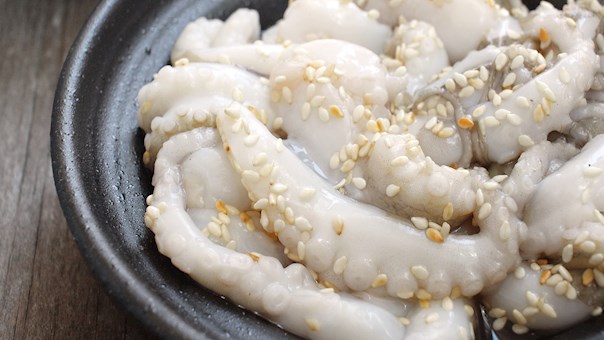
Stir-fried octopus is a classic Korean banchan (side dish). It is usually prepared with a small-sized octopus that is sliced and then fried in a flavorful combination of garlic, ginger, and gochujang chili paste, while other additions include sliced vegetables such as onions, scallions, cucumbers, chili peppers, or zucchinis. The dish is usually served sprinkled with roasted sesame seeds and goes exceptionally well with hearty Korean soups and stews.
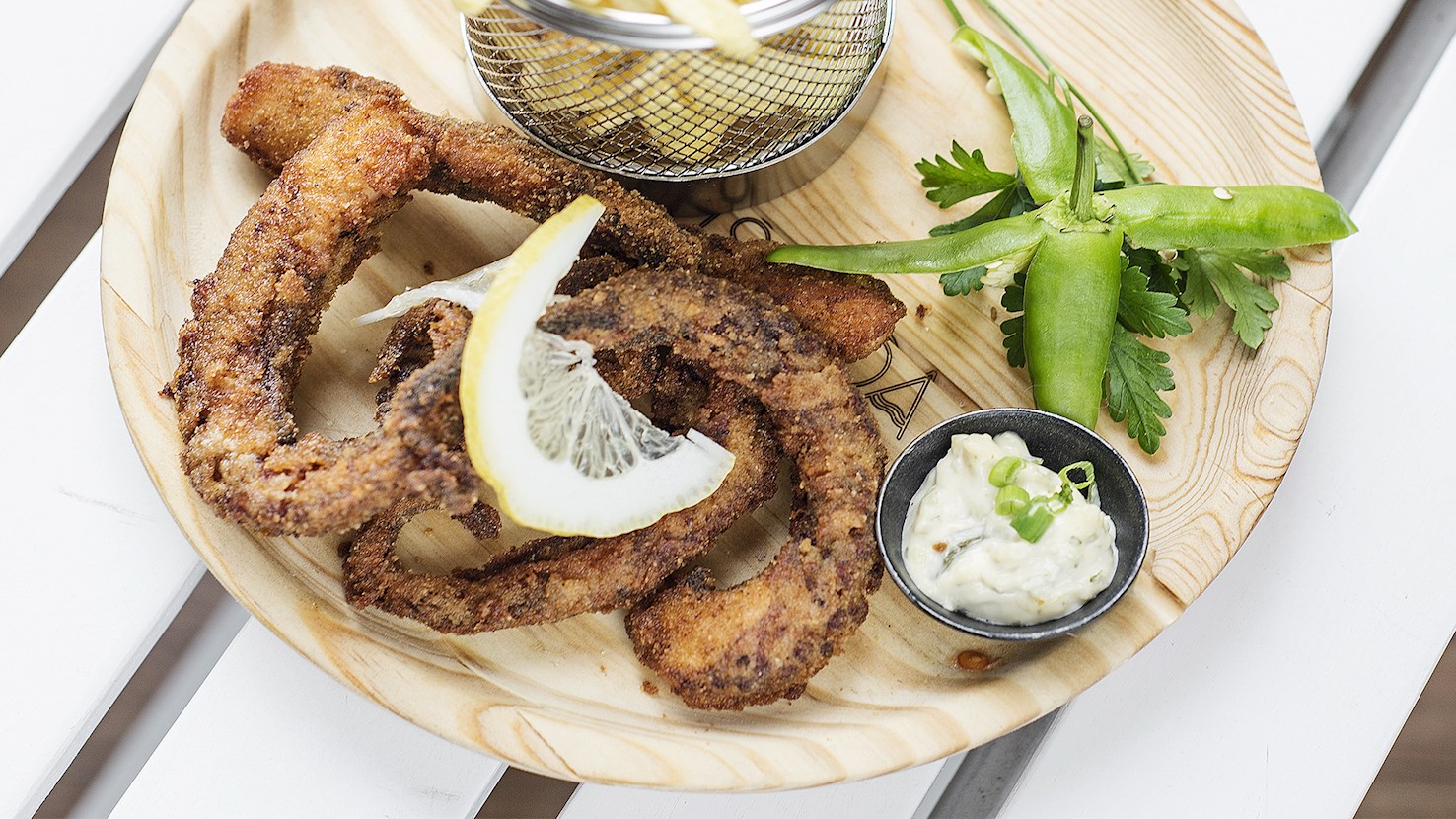
Filetes de polvo is a traditional dish consisting of fried octopus tentacles. The octopus is boiled until tender, and it is then often seasoned with lemon juice and pepper. The tentacles are dipped in eggwash and breadcrumbs, then fried in oil until golden-brown in color. This delicious dish is sometimes served with rice on the side, and it is then called filetes de polvo com arroz do mesmo.
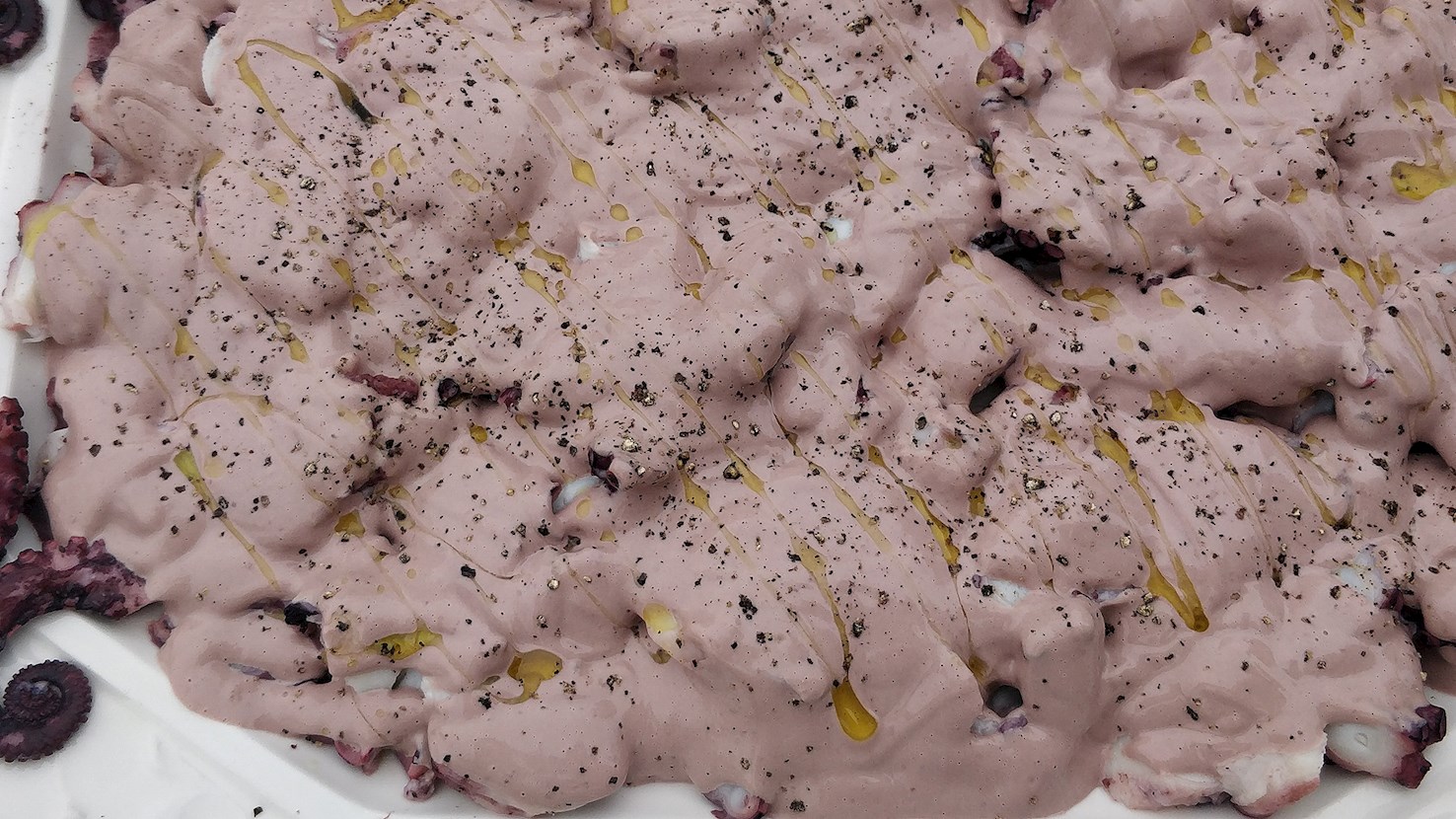
Pulpo al olivo is a traditional meal that is served as an appetizer or main dish. The dish consists of octopus in olive sauce. The sauce is usually made with botija olives, growing in the southern part of the country. Although there are many variations on this dish, it is typically prepared with octopus, olives, lime or lemon juice, olive oil, eggs, and garlic. The octopus is boiled, then covered with the sauce made by blending the olives with mayonnaise. It is recommended to serve this Peruvian delicacy with boiled potatoes on the side.
TasteAtlas food rankings are based on the ratings of the TasteAtlas audience, with a series of mechanisms that recognize real users and that ignore bot,
nationalist or local patriotic ratings, and give additional value to the ratings of users that the system recognizes as knowledgeable.
For the “Top 36 Octopus Dishes in the World” list until October 15, 2026, 2,422 ratings were recorded, of which 1,553 were recognized by the system as legitimate.
TasteAtlas Rankings should not be seen as the final global conclusion about food. Their purpose is to promote excellent local foods,
instill pride in traditional dishes, and arouse curiosity about dishes you haven’t tried.














What People Say