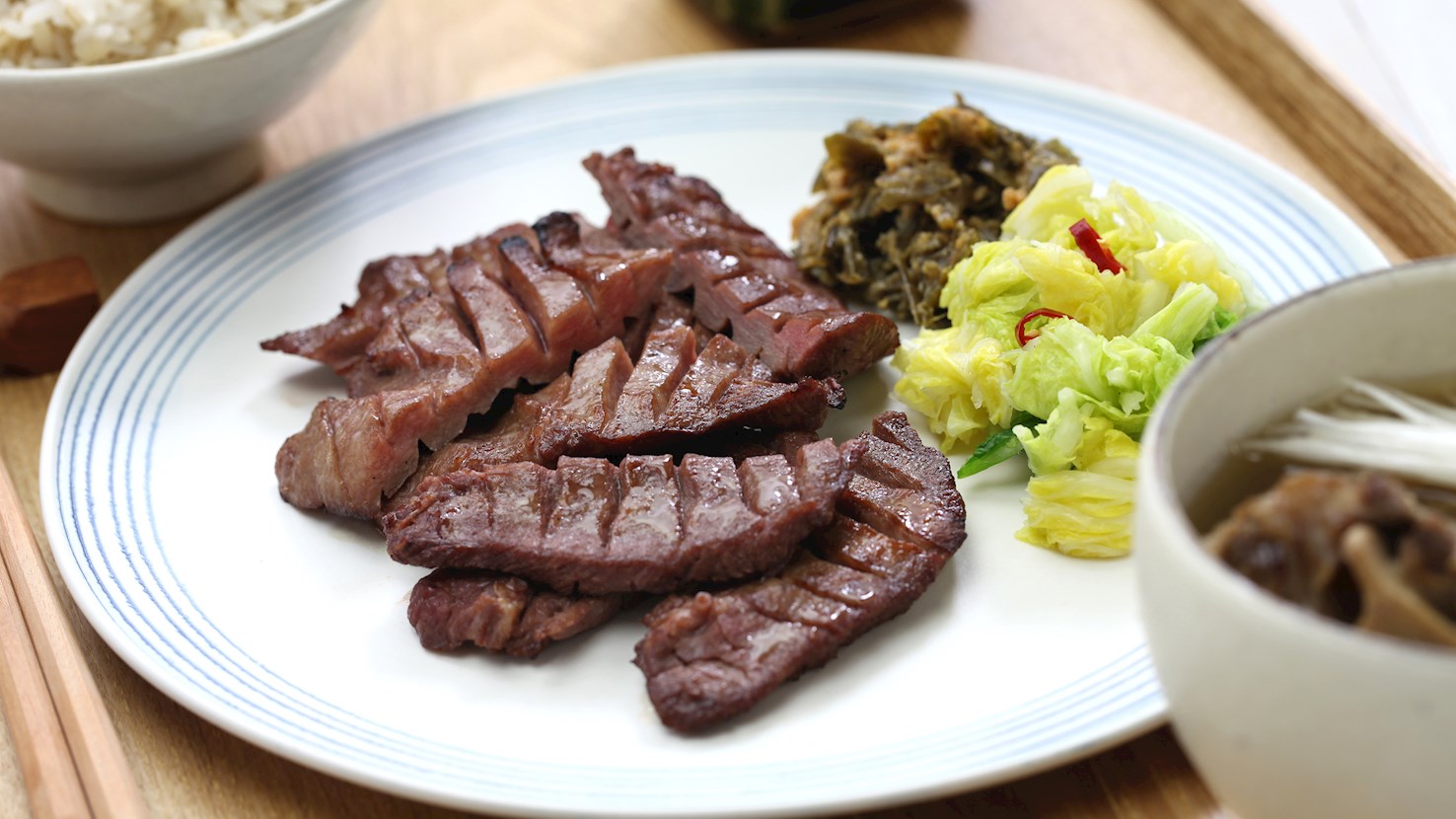
Gyutan is a Japanese dish originating from Sendai. It consists of pieces of thinly sliced beef tongue that's cooked on a charcoal grill. It's typically seasoned with salt or soy sauce-based tare sauce before grilling. The dish is usually accompanied by pickled vegetables, a combination of steamed rice and barley known as mugi gohan, or oxtail soup. Gyutan can also be served as a donburi over steamed rice, or as a curry, which is also accompanied by rice. It's believed that the dish was invented in 1948, when a local yakitori restaurant started to specialize in beef tongue dishes.
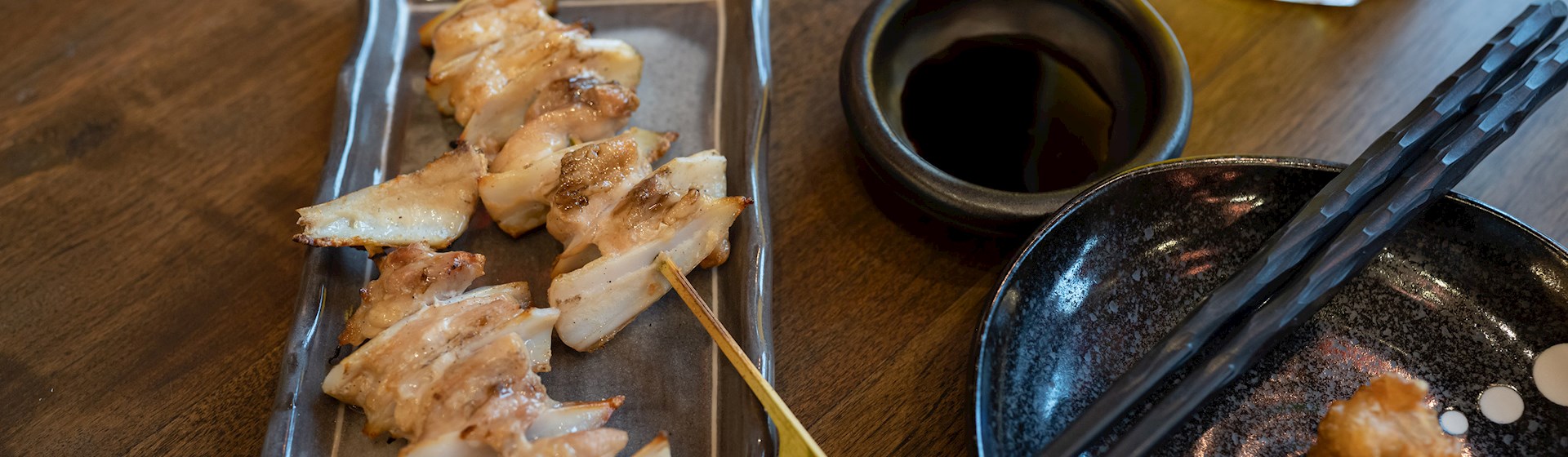
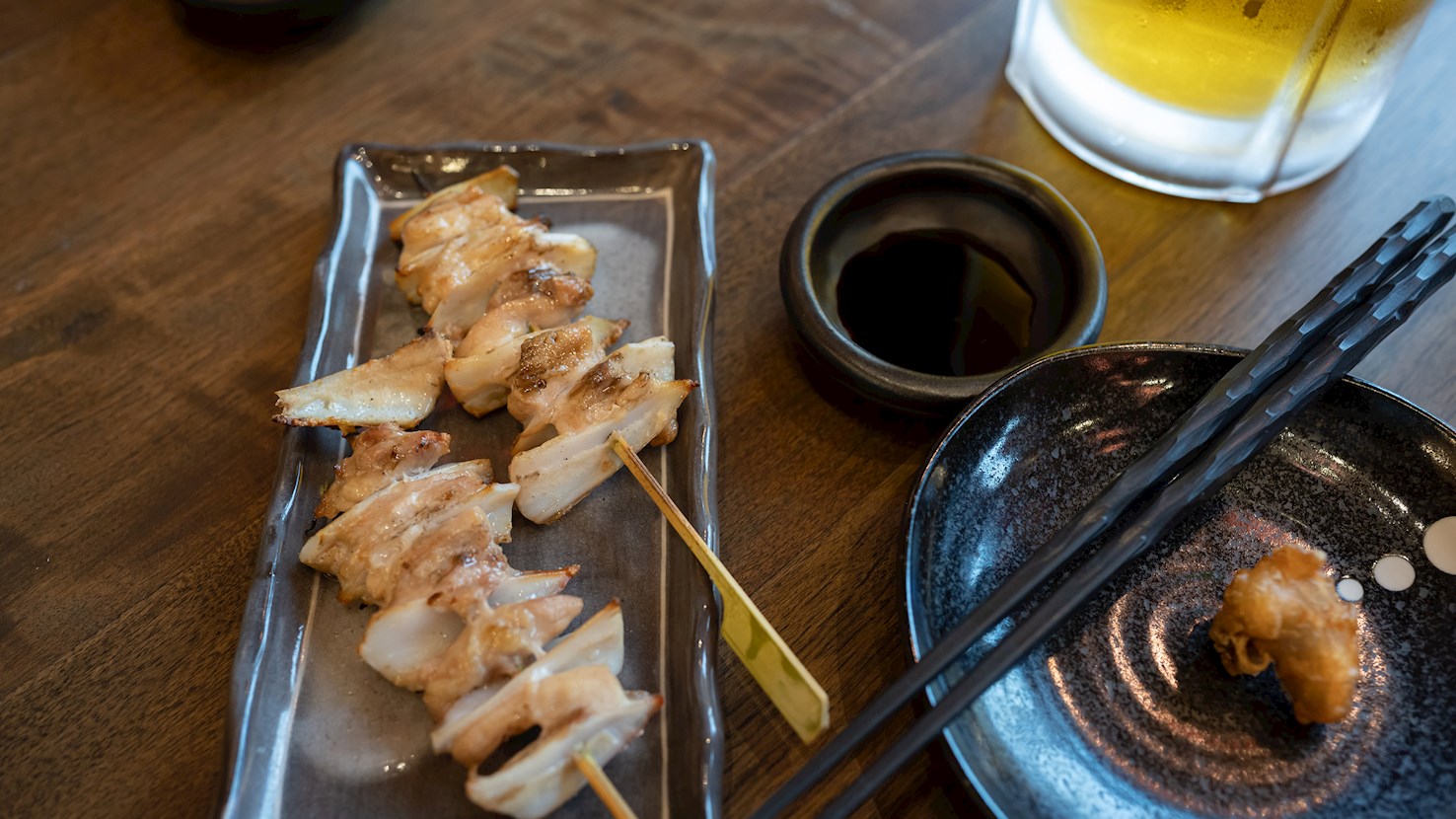
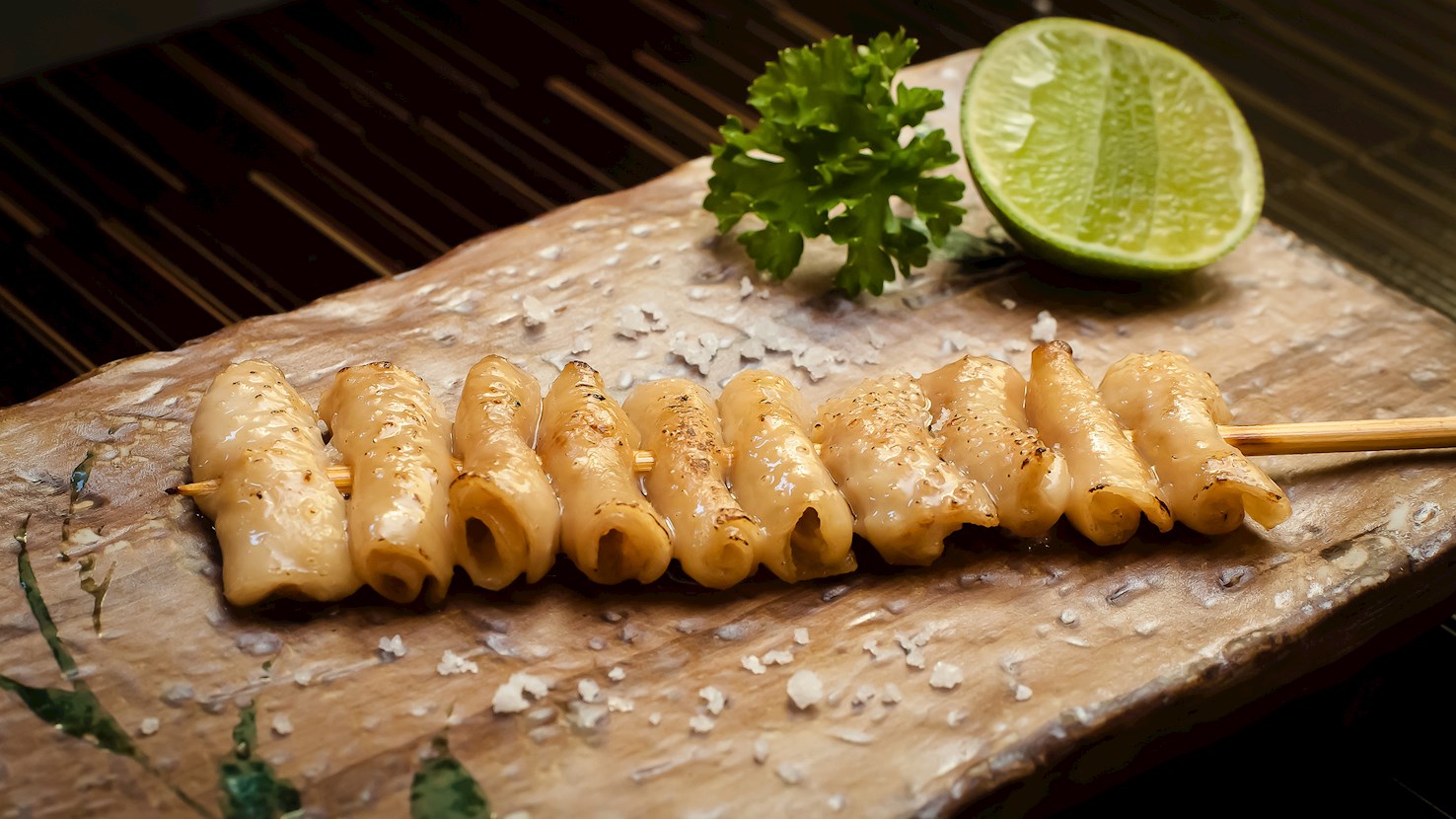
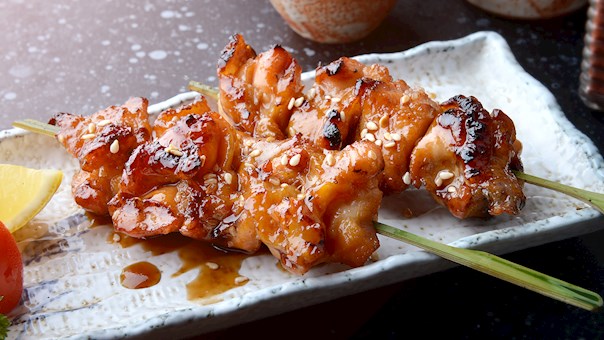
Nankotsu is a traditional dish made with chicken cartilage, usually the parts from the breast bone or the leg. The cartilage is placed on skewers, and it's then grilled (or sometimes deep-fried) as a yakitori dish. Nankotsu doesn't have a strong flavor, and the texture is often described as very crunchy and chewy. The dish is typically served with salt and lemon wedges on the side, and it can often be found in izakaya bars.
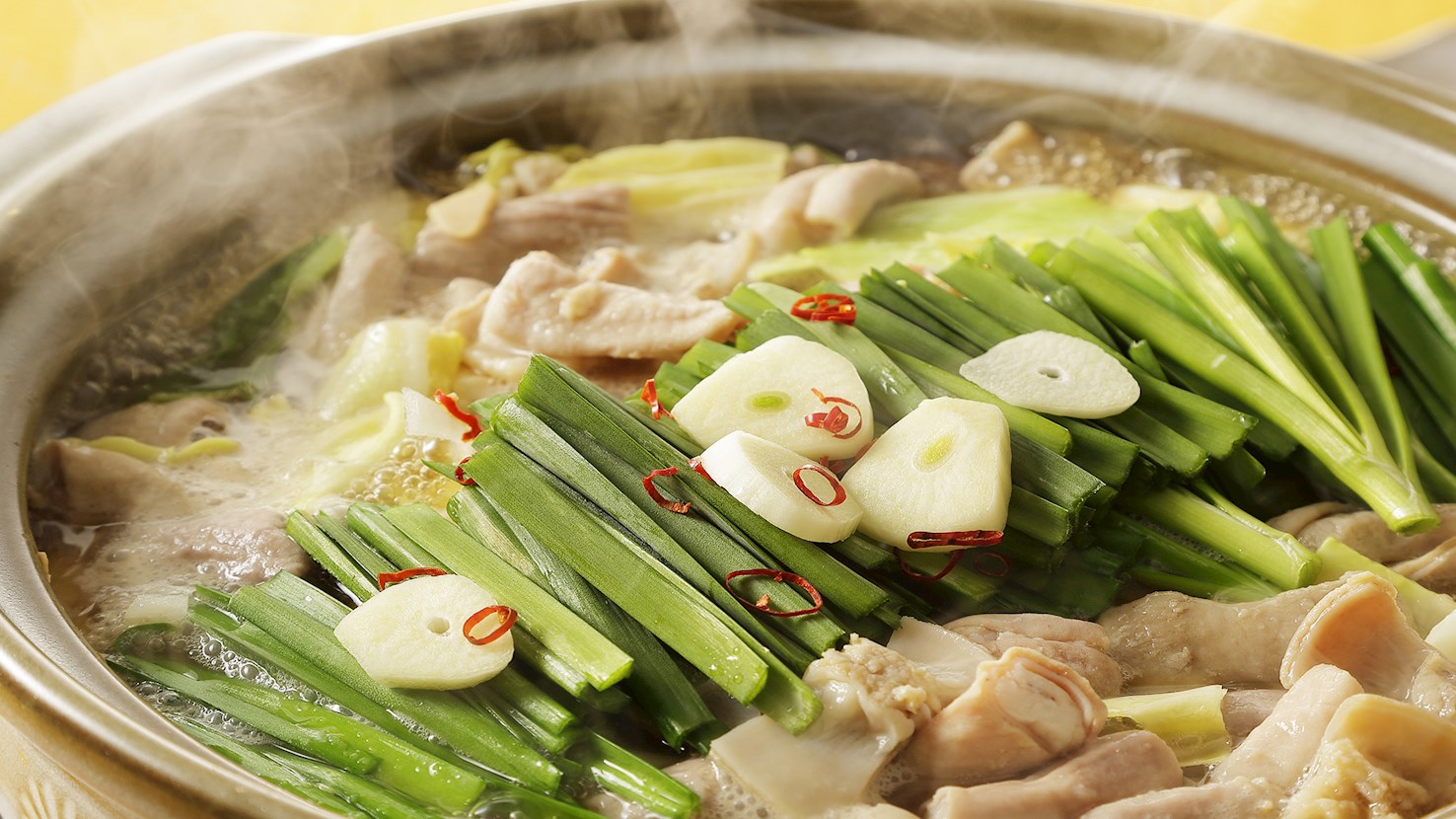
Motsunabe is a variety of nabemono, the versatile and hearty Japanese one-pot dishes. It consists of various pork, chicken, or beef offal cooked in the flavorful soy sauce or miso broth alongside cabbage, garlic chives, and occasionally other ingredients. This nutritious dish is believed to have originated in Hakata, a district in the city of Fukuoka, from where it spread to other parts of the country to become one of the favorite meals enjoyed during the cold winter season.
Hatsu is a traditional yakitori dish prepared with chicken hearts as the main ingredient. They are usually dipped into tare sauce, placed on skewers, then grilled. This type of yakitori is very popular since it's not found that often (because there's only one heart per chicken), the hearts are low in fat, with a meaty flavor and a tender, juicy texture. The hearts are grilled until just slightly browned, and the skewers are then usually served with salt and lemon wedges on the side. The dish can also be found in izakaya bars, where it's often accompanied by a glass of cold beer.
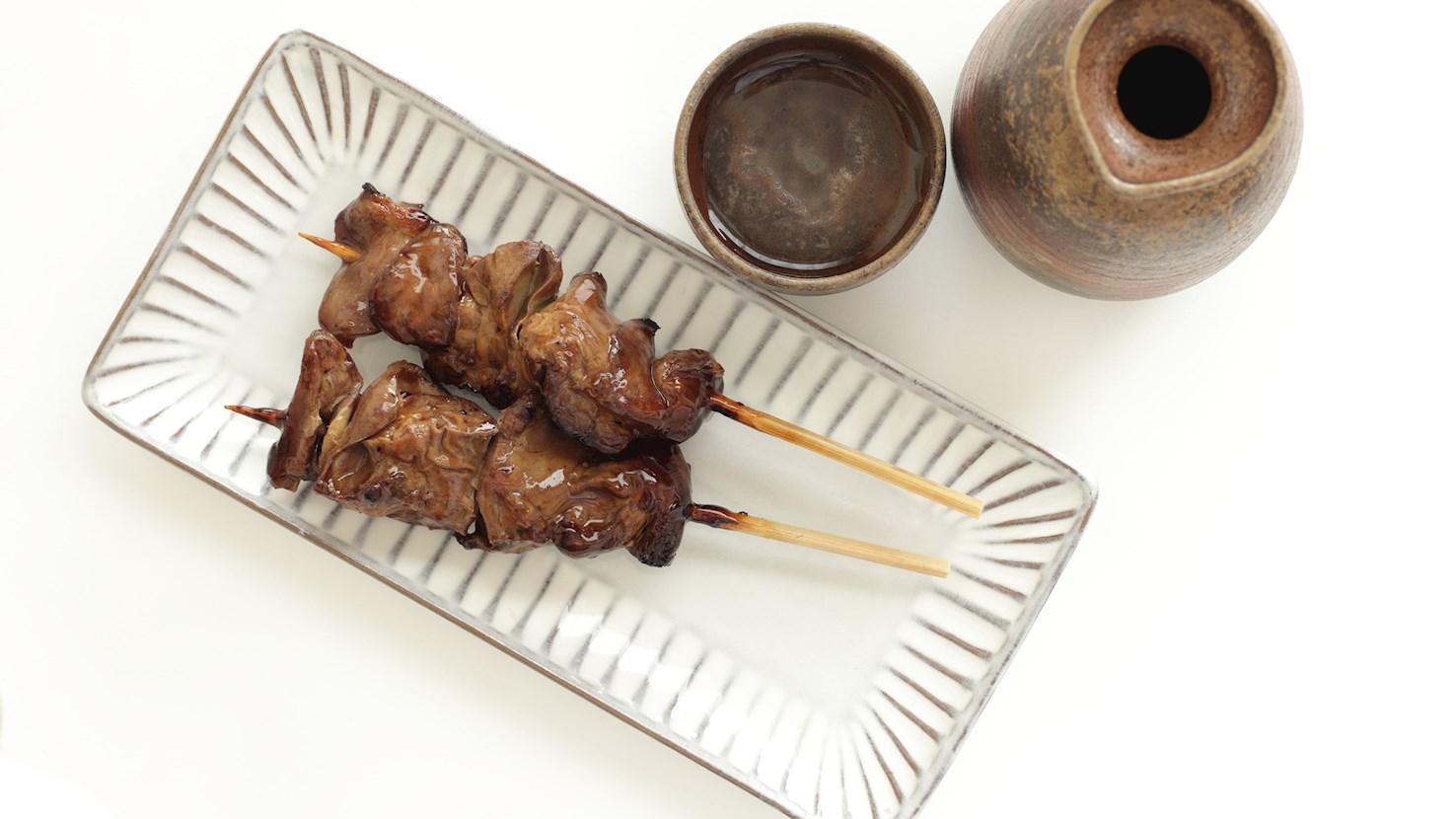
Kimo or reba is a traditional yakitori-style dish made with chicken liver as the main ingredient. In order to prepare it, pieces of chicken liver are placed on skewers, then grilled until done. It is believed that the name reba yakitori is derived after the mispronunciation of the German word leber. The flavors of kimo are rich, musky, meaty, and sometimes even gamey, while the texture is creamy and smooth. It's recommended to serve kimo yakitori with tare sauce and a cold beer on the side, a combination that's often found in izakaya bars.
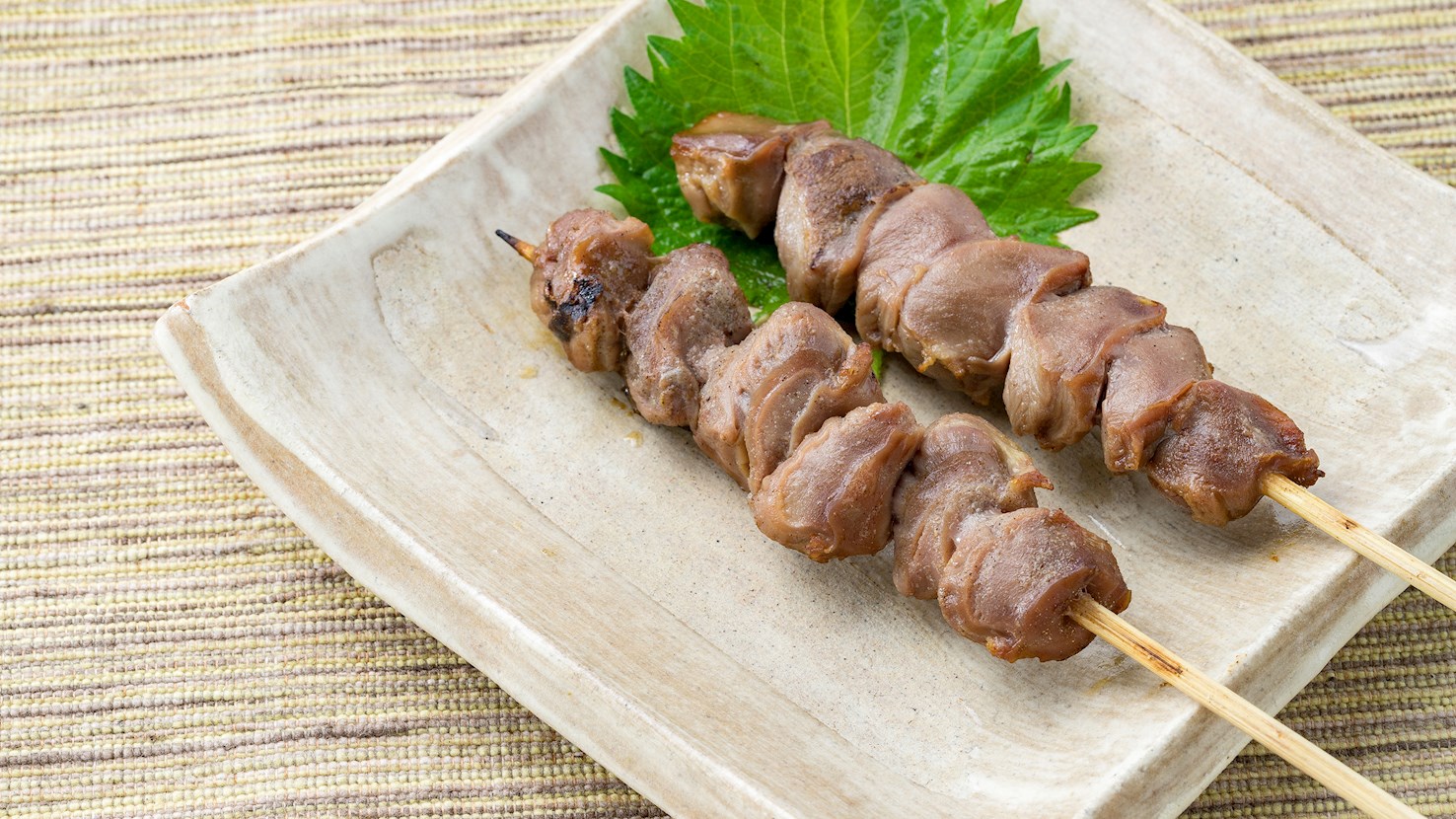
Sunagimo is a traditional yakitori dish made with chicken gizzards as the main ingredient. The pieces of chicken gizzard are placed on skewers, then grilled until fully done. The texture of sunagimo is often described as crispy, yet tender, while the flavors are generally mild. Before the grilling process, the gizzards are usually seasoned only with salt. The dish is often found in izakaya bars, where it's typically accompanied by a glass of cold beer on the side.
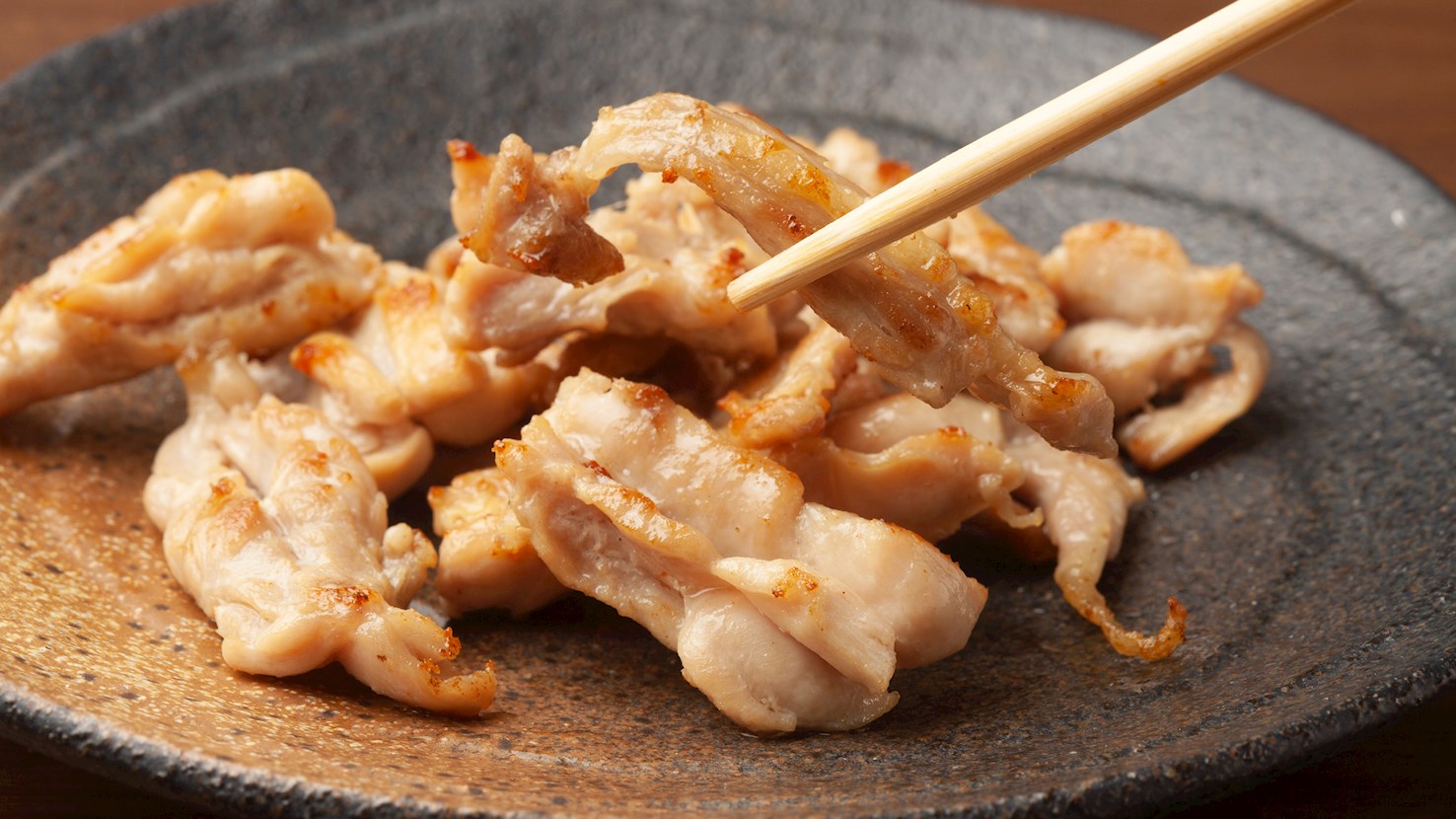
Kawa is a traditional yakitori dish made with chicken skin as the main ingredient. It's believed that the best part for this type of yakitori comes from the neck of the chicken, but other parts of the skin are also commonly used. The skin is cut into strips which are then seasoned with salt, placed on skewers, and grilled until golden. Due to the fact that chicken skin is high in fat, the flavor of kawa yakitori is very rich, while the texture is crispy on the exterior and soft inside. The dish can often be found in izakaya bars, where it's ideally paired with a cold beer on the side.
Seseri is a traditional yakitori dish prepared with chicken meat from the neck area as the main ingredient. This type of yakitori is pretty uncommon as there is a limited amount of neck meat per chicken. The pieces of chicken neck are placed on skewers, then grilled until done. Due to the fact that this muscle moves a lot, its texture is tender, slightly chewy, and juicy. The flavor is rich due to its fat content. Before the grilling process, seseri is usually seasoned with salt.
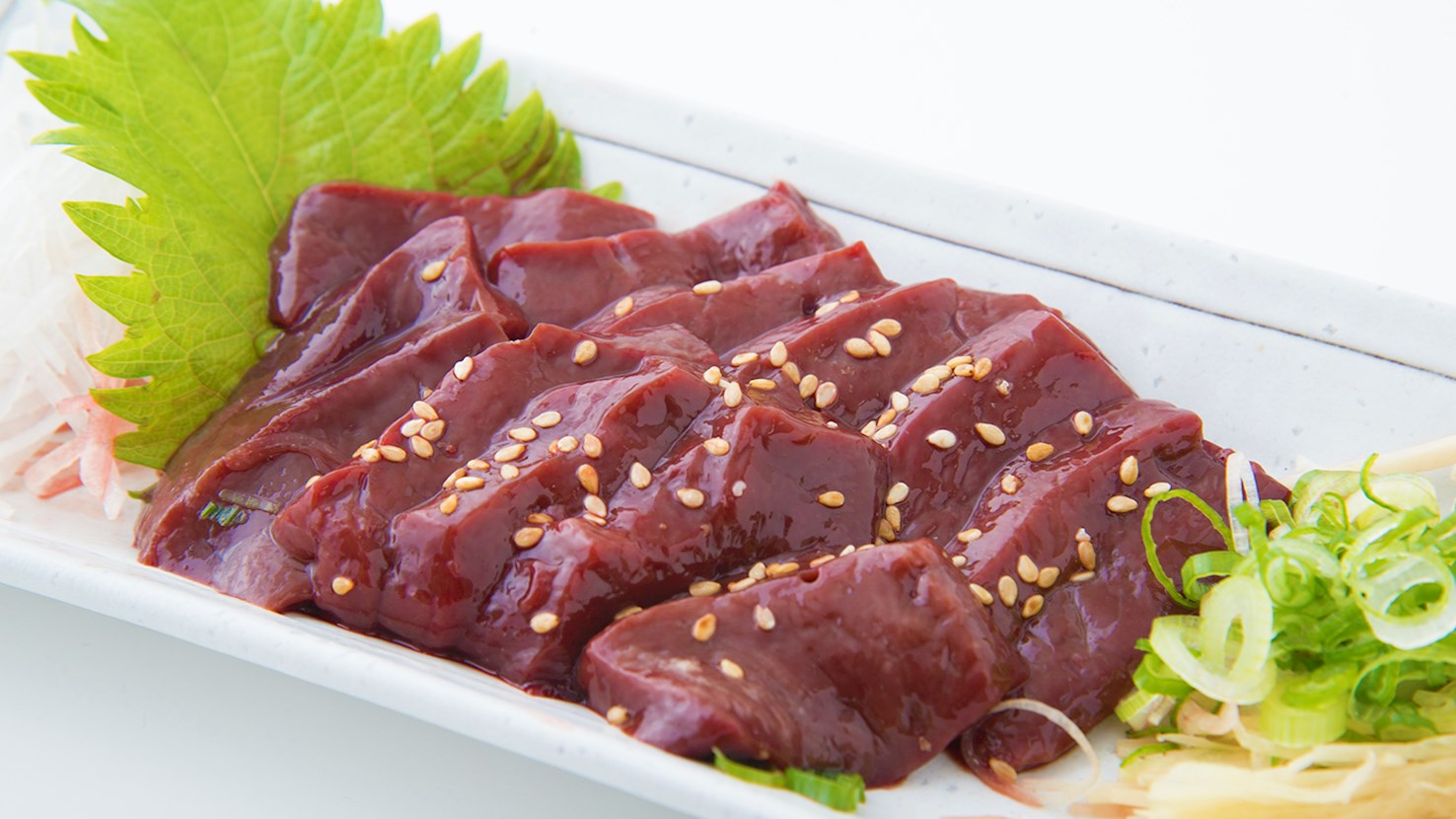
Rebasashi is a traditional sashimi dish made from raw liver. Not so long ago, most yakiniku, izakaya, and yakitori restaurants offered the dish on their menus, but it has been banned since 2012 as it’s not safe to eat raw liver, and the specialty disappeared from the menus. However, the food industry made a safe, vegan-friendly imitation of liver sashimi that’s based on konnyaku (made from a type of tuber called devil’s tongue plant). The texture and flavor is very similar to raw beef or pork liver (both are banned). Once sliced, konnyaku is marinated and it’s often topped with sesame seeds. When served, this sashimi is usually accompanied by salted sliced onions and a dipping sauce consisting of sesame oil, garlic, chili, and soy sauce. Interestingly, rebasashi made from beef liver is still being served in some Japanese restaurants in Hong Kong and South Korea.
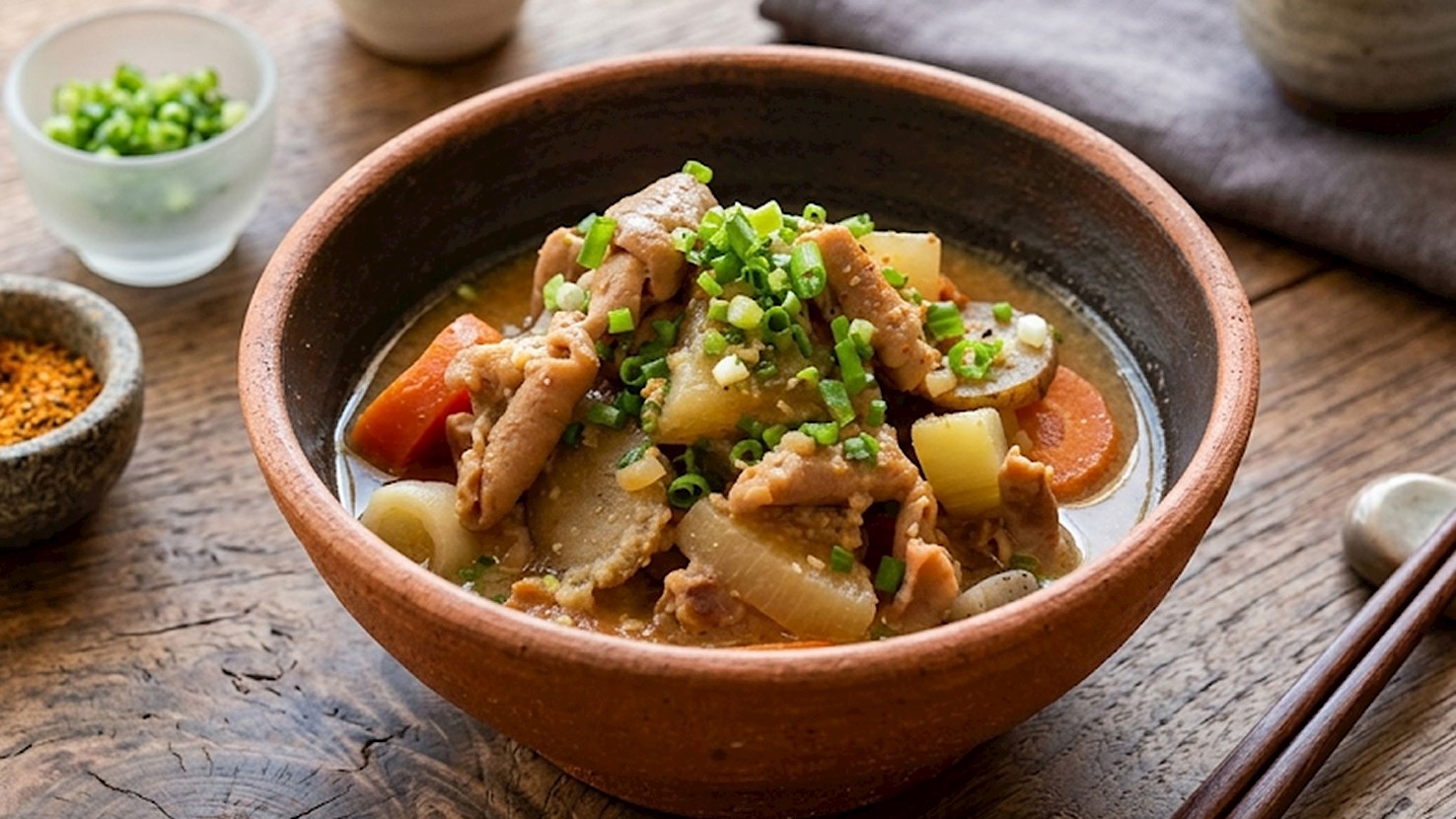
Motsu nikomi is a traditional Japanese comfort stew centered around the slow, meticulous simmering of offal, most commonly utilizing beef or pork intestines. To achieve its signature clean and savory flavor profile, the meats are rigorously washed and parboiled to remove any pungent odors before being introduced to a rich broth typically anchored by miso paste or soy sauce. The stew is heavily seasoned with aromatics like ginger, garlic, and scallions, alongside a hearty assortment of root vegetables, including daikon radish, carrots, and burdock root. Blocks of firm konjac (yam cake) are also torn into the mixture, providing a chewy textural contrast to the tender, melt-in-the-mouth tripe. Originating as a practical, zero-waste meal in the mid-twentieth century, this deeply concentrated, umami-packed dish has evolved into a beloved cornerstone of izakaya (Japanese pub) culture. Served piping hot in rustic bowls and traditionally dusted with shichimi togarashi (seven-spice chili powder), its fatty, restorative nature makes it the ultimate accompaniment to crisp, chilled beverages after a long workday.
TasteAtlas food rankings are based on the ratings of the TasteAtlas audience, with a series of mechanisms that recognize real users and that ignore bot,
nationalist or local patriotic ratings, and give additional value to the ratings of users that the system recognizes as knowledgeable.
TasteAtlas Rankings should not be seen as the final global conclusion about food. Their purpose is to promote excellent local foods,
instill pride in traditional dishes, and arouse curiosity about dishes you haven’t tried.




What People Say