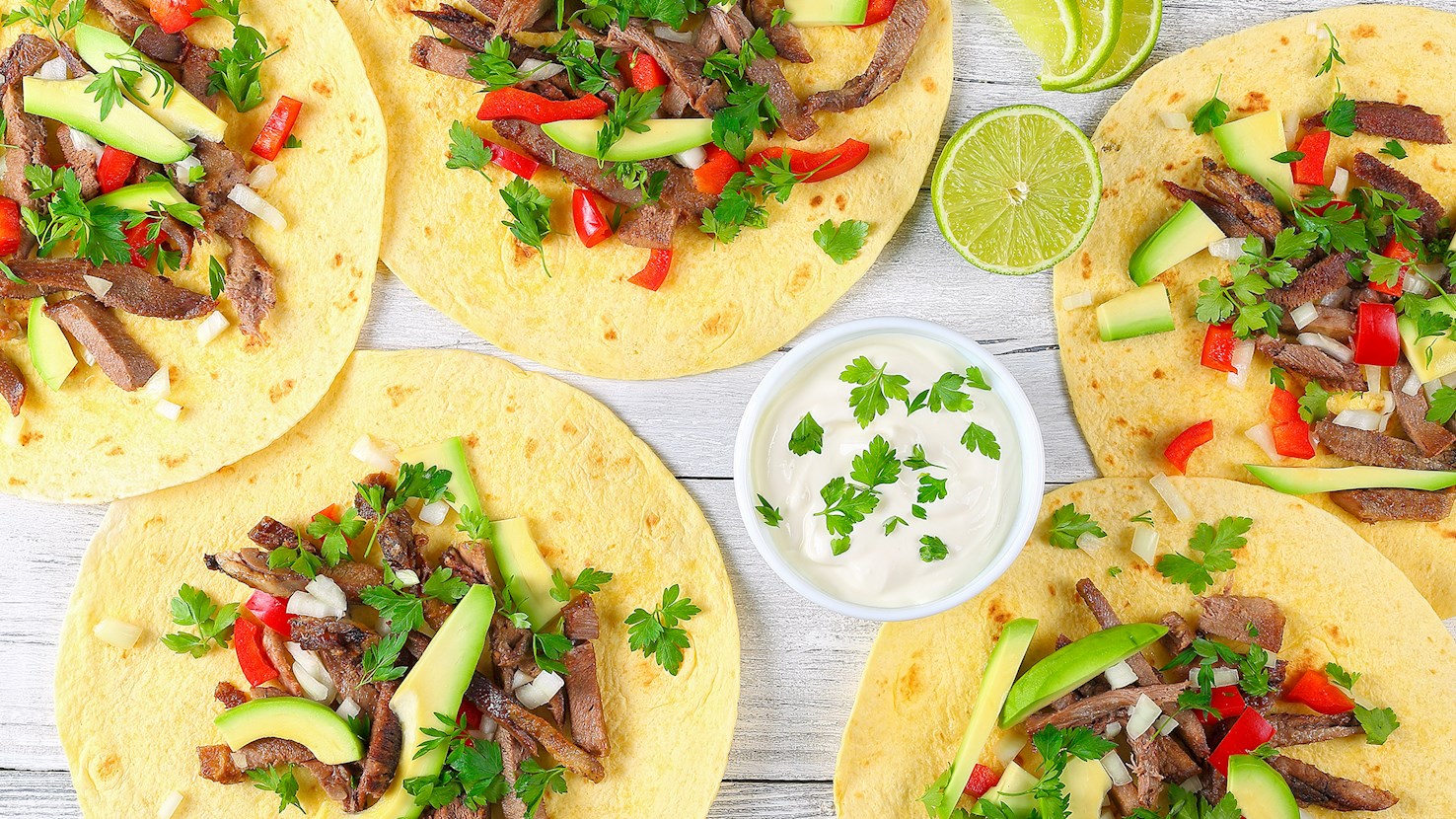
Tacos de lengua is a unique variety of a taco, filled with thin slices of cooked and grilled beef tongue and various other ingredients depending on personal preferences. Beef tongue is characterized by its tender texture, making it an ideal accompaniment for salsas, coriander, and tart lime juice.
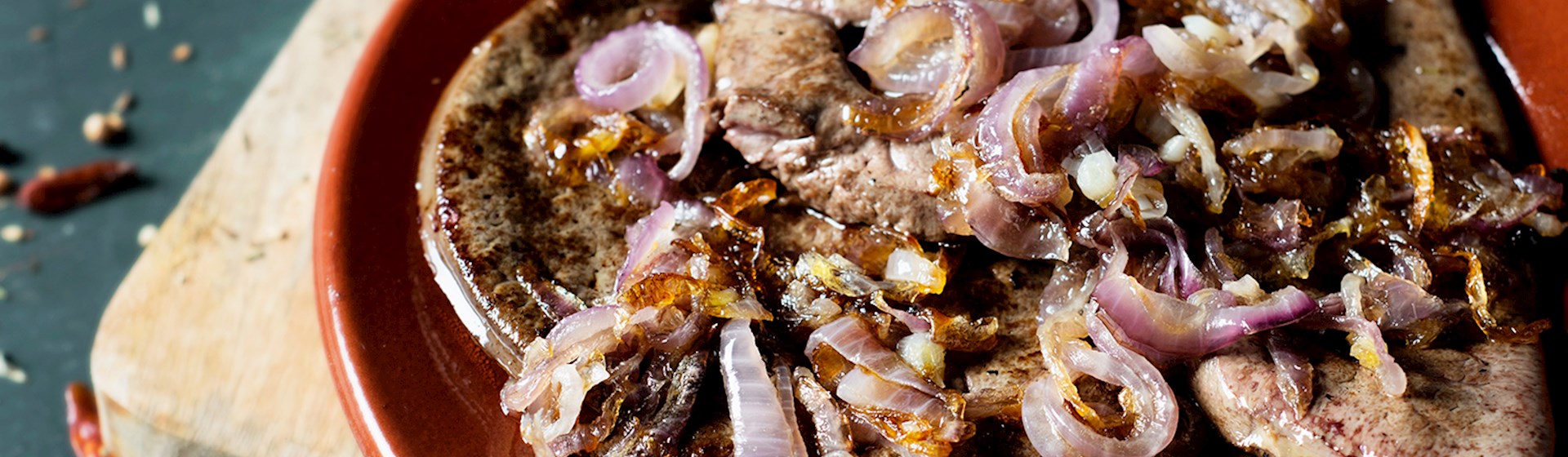
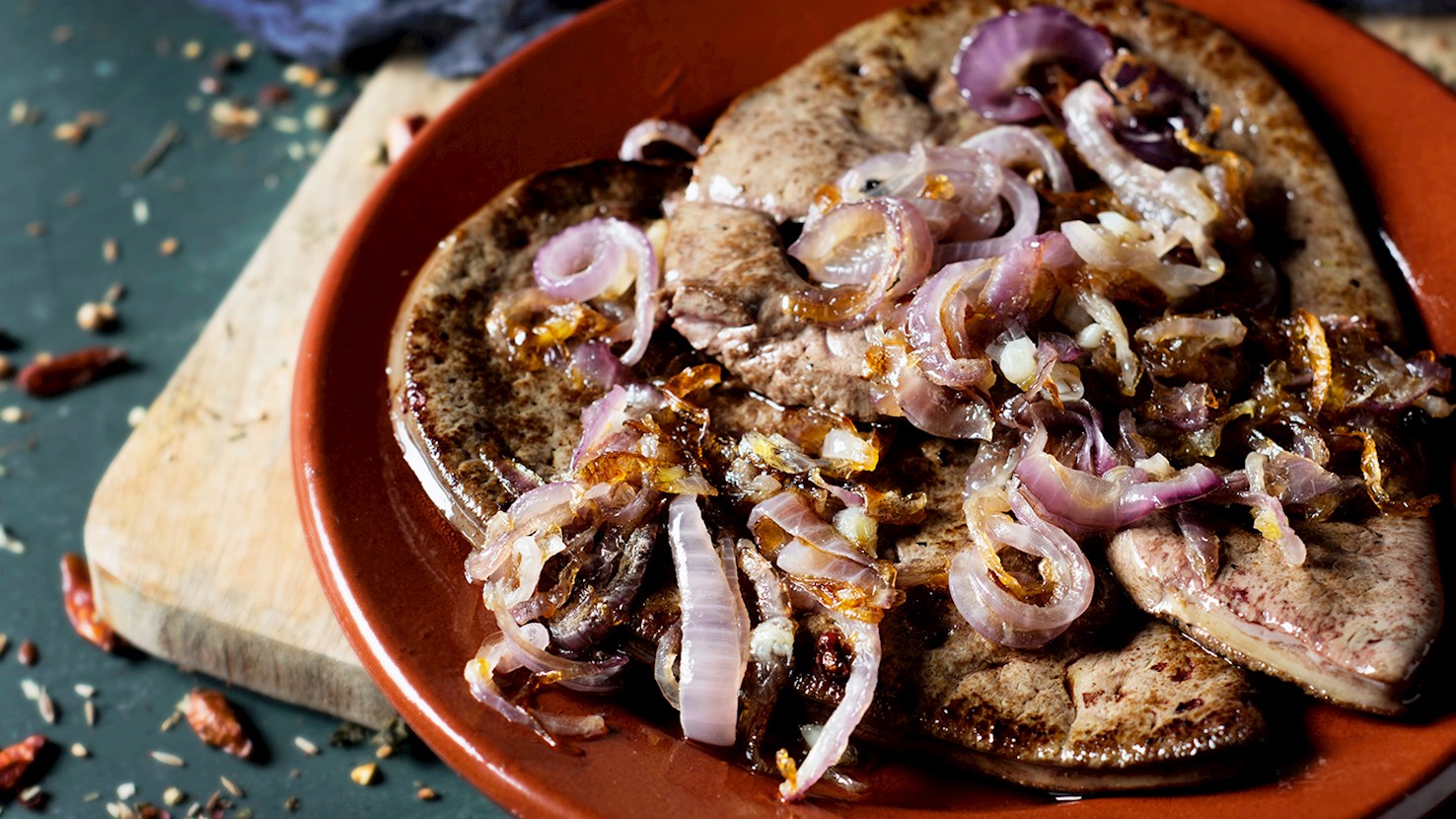
Higado encebollado is a traditional dish that's popular throughout South America, especially in Mexico and Peru. It consists of beef liver and onions as the key ingredients. The liver is cut into thin slices, then seasoned with salt and pepper before it's sautéed in oil with bell peppers, onions, and sometimes tomatoes. Once cooked, the dish is served hot, usually with rice or mashed potatoes on the side.
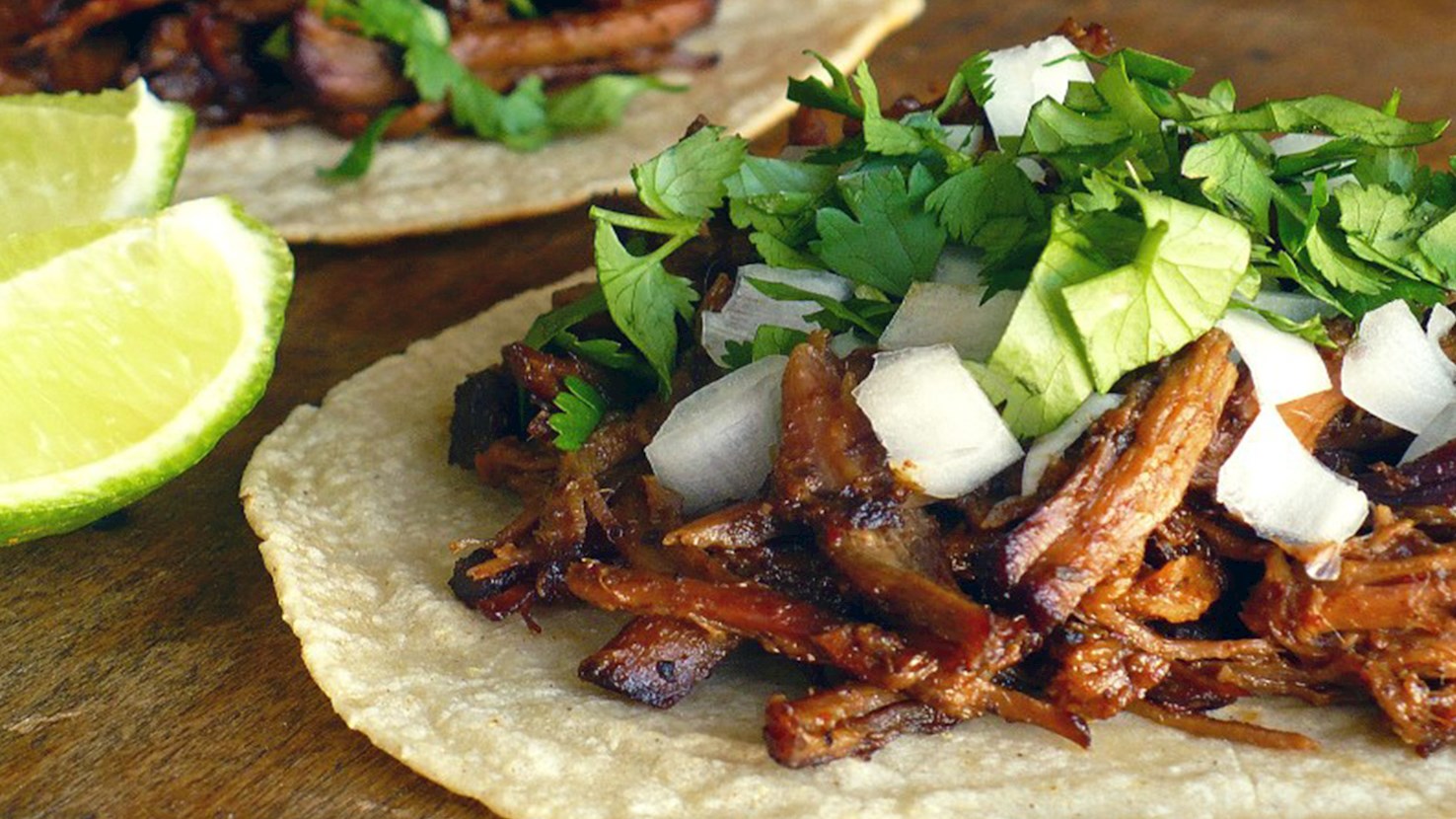
Tripas or machitos is a popular Mexican dish consisting of pig or cow intestines. It is mostly used as a filling for tacos, so tripas can be found throughout Mexico, usually at taco stands, and especially in open-air markets called tianguis. Boiled and grilled, tripe is commonly topped with chopped onions, coriander, and spicy chili sauces. The preparation of tripas requires a great deal of knowledge because they shouldn't be overcooked nor undercooked, as it makes them hard to chew.
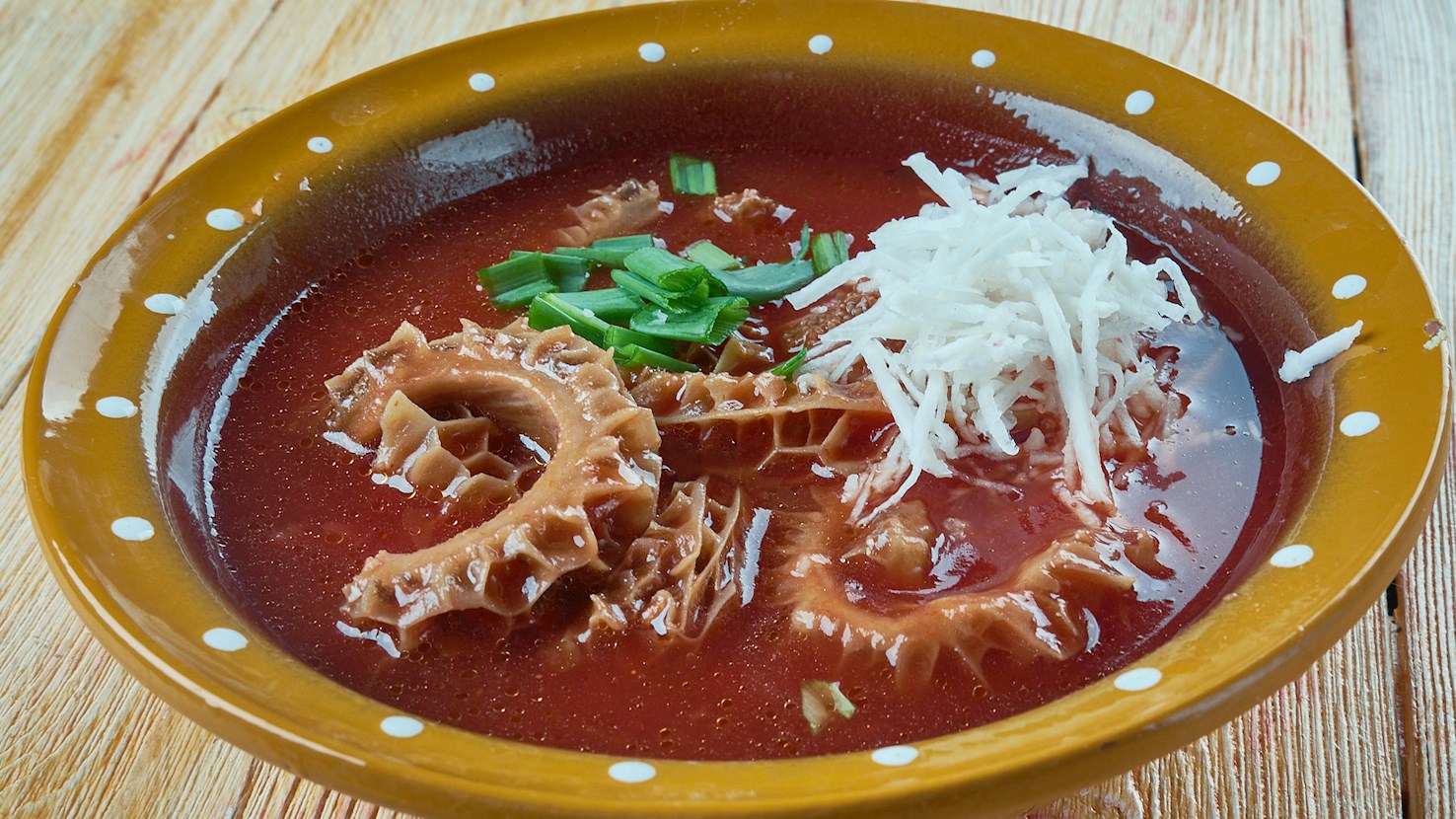
Menudo is a traditional offal soup, and the main ingredient in it is beef tripe. It is often seasoned with chili peppers, garlic, onion, lime, and oregano, creating a rich and hearty flavor profile. Although menudo is undoubtedly a Mexican dish, it is still unknown in which part of the country it was invented. The northern area claims it came from their farmers who made the dish from leftover parts of their cows. Others claim that it was invented in central Mexico. Regardless of the geographical point of origin, the fact remains that there are two versions of this soup; menudo rojo and menudo blanco. Menudo rojo is mostly popular in northern Mexico and Guadalajara, while the white version is popular in Sinaloa and central Mexico. Commonly found in most Mexican restaurants, the soup is also often made for special occasions, since it takes from 7 to 10 hours for the soup to cook properly. It has been around since at least the 1930s, when menudo parties were held on Christmas, New Year, and similar festive occasions. Menudo is often referred to as a cure for all hangovers, which is unsurprising considering its hearty, rustic, and spicy flavors. It is common to accompany the soup with some corn tortillas for dipping, garnish it with lime wedges, and serve it hot, preferably in large bowls.
Tacos de oreja are a street food dish from Mexico that consist of finely chopped or sliced pork ear served in warm corn tortillas, offering a balance of crisp edges and soft, gelatinous interior, with a rich pork flavor supported by salt, rendered fat, and fresh toppings that add acidity and heat. The dish developed within long-standing whole-animal cooking practices, where pork ears were valued for their texture and ability to absorb flavor, and it became closely associated with market stalls and taquerías as urban street food culture expanded. Preparation begins with thoroughly cleaning the pork ears and simmering them in water with salt, garlic, onion, and bay leaf until tender, after which they are drained, finely chopped, and fried on a hot griddle until lightly crisped, concentrating flavor and creating contrast in texture before being placed into tortillas. Common variations include frying until deeply crisp or keeping them softer, seasoning with chili powder, or finishing with lime juice, while toppings such as chopped onion, cilantro, salsa verde, salsa roja, or pickled chiles are selected according to local preference. The defining characteristic lies in the use of pork ear itself, whose high collagen content delivers a texture that remains distinct even after frying and chopping. Tacos de oreja are eaten hot, most often standing or seated casually at street stalls, paired with fresh salsas, lime wedges, and beverages such as agua fresca, beer, or soft drinks, and they are consumed as a filling, savory option within everyday street dining rather than as a formal meal.
TasteAtlas food rankings are based on the ratings of the TasteAtlas audience, with a series of mechanisms that recognize real users and that ignore bot,
nationalist or local patriotic ratings, and give additional value to the ratings of users that the system recognizes as knowledgeable.
TasteAtlas Rankings should not be seen as the final global conclusion about food. Their purpose is to promote excellent local foods,
instill pride in traditional dishes, and arouse curiosity about dishes you haven’t tried.



What People Say