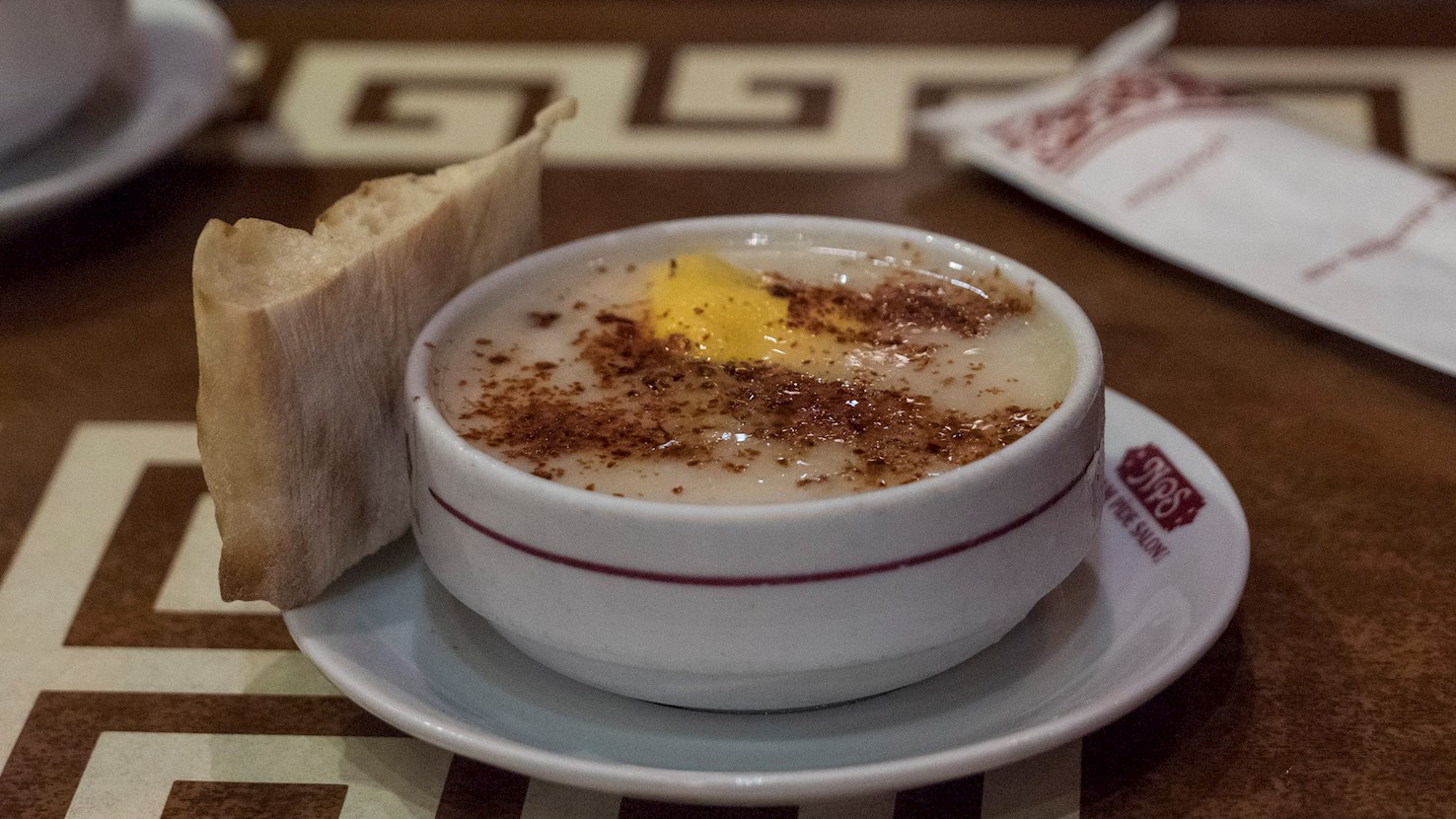
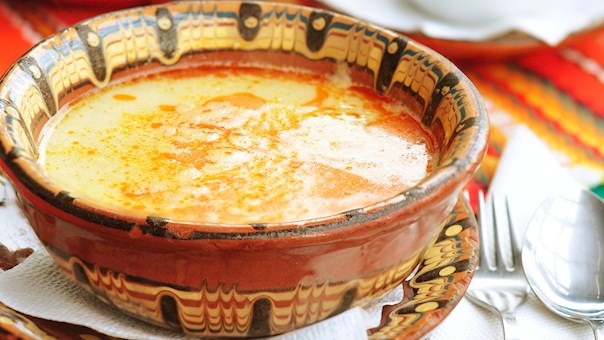
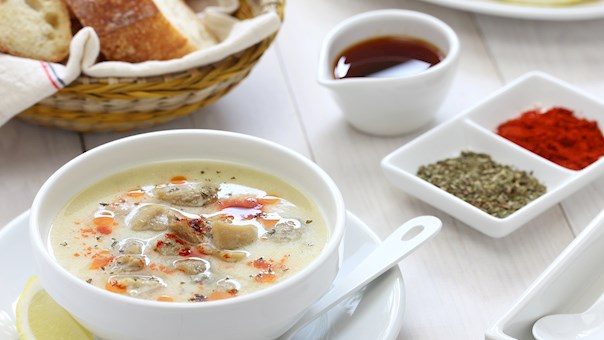
Kelle paça çorbası is a traditional soup made with offal as the key ingredient. Sheep's or goat's head are placed into a pot with water, onions, and salt, and the soup is then slowly cooked until the meat falls off the bones. Some people like to add a roux of butter and flour to the soup, followed by a beaten egg, garlic, and lemon juice. Lamb neck, tongue, and brain can also be included in the soup. It's recommended to serve the soup with greens and lots of crusty bread on the side.
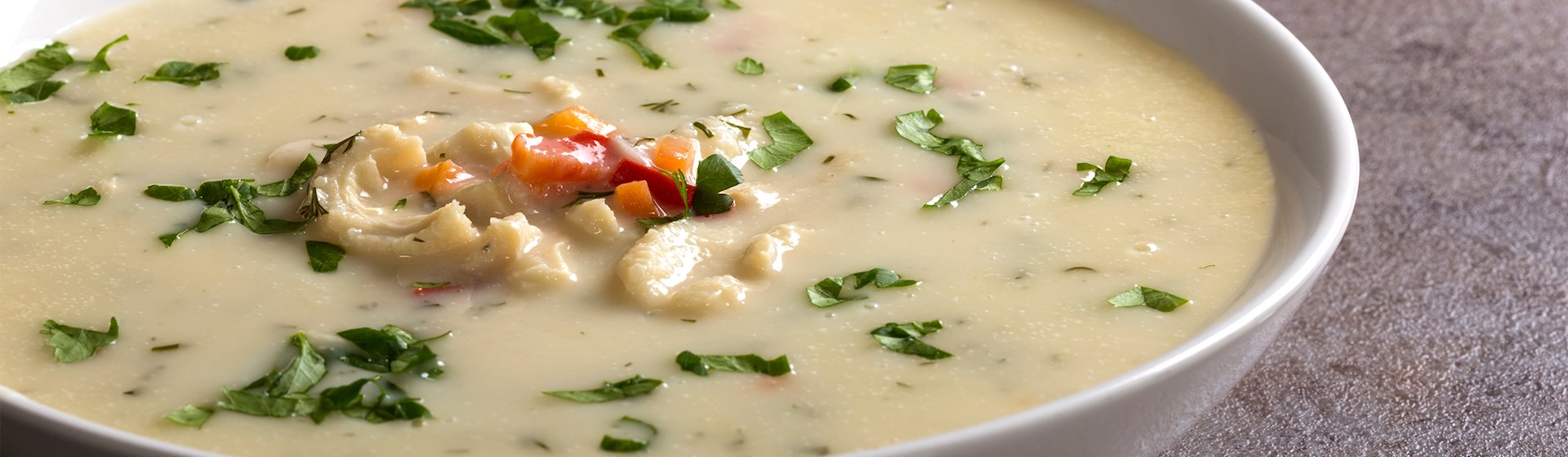
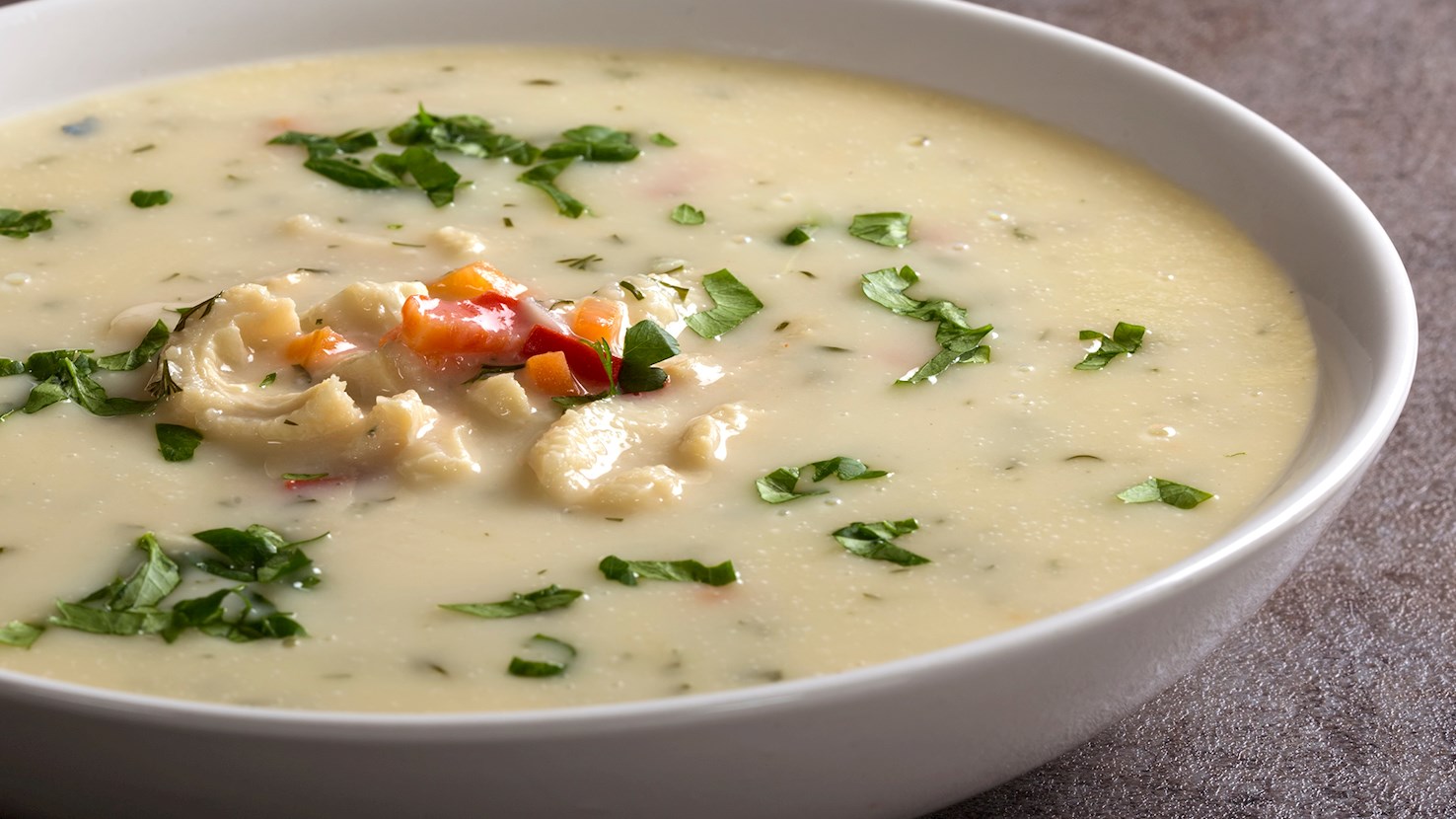
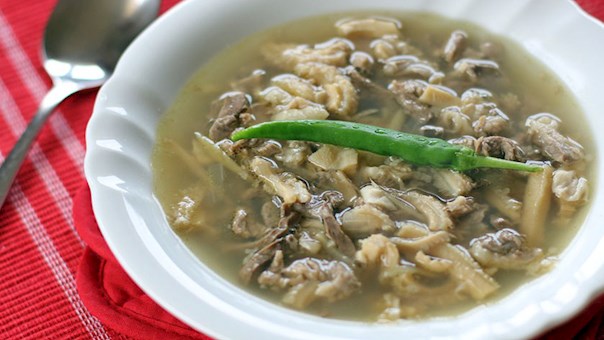
Ciorbă de burtă is a creamy, sour and garlicky, yellow-colored Romanian soup containing strips of beef tripe and slices of red pepper. Although considered a rare delicacy and an acquired taste due to its main ingredient being the lining of a cow’s stomach, ciorbă de burtă is a rather simple dish. It is basically tripe soup seasoned with vinegar, sour cream, and mujdei – a spicy garlic sauce made from crushed garlic cloves, salt, and oil. Various ingredients are used for the broth, including onions, carrots, celery, parsley and parsnip roots, lovage, bay leaves, and peppercorns. Ciorbă de burtă is traditionally served piping hot with spicy green peppers and a dollop or two of sour cream on the side. Just like many other hallmarks of Romanian cuisine, ciorbă de burtă has its origins in the Ottoman Empire.
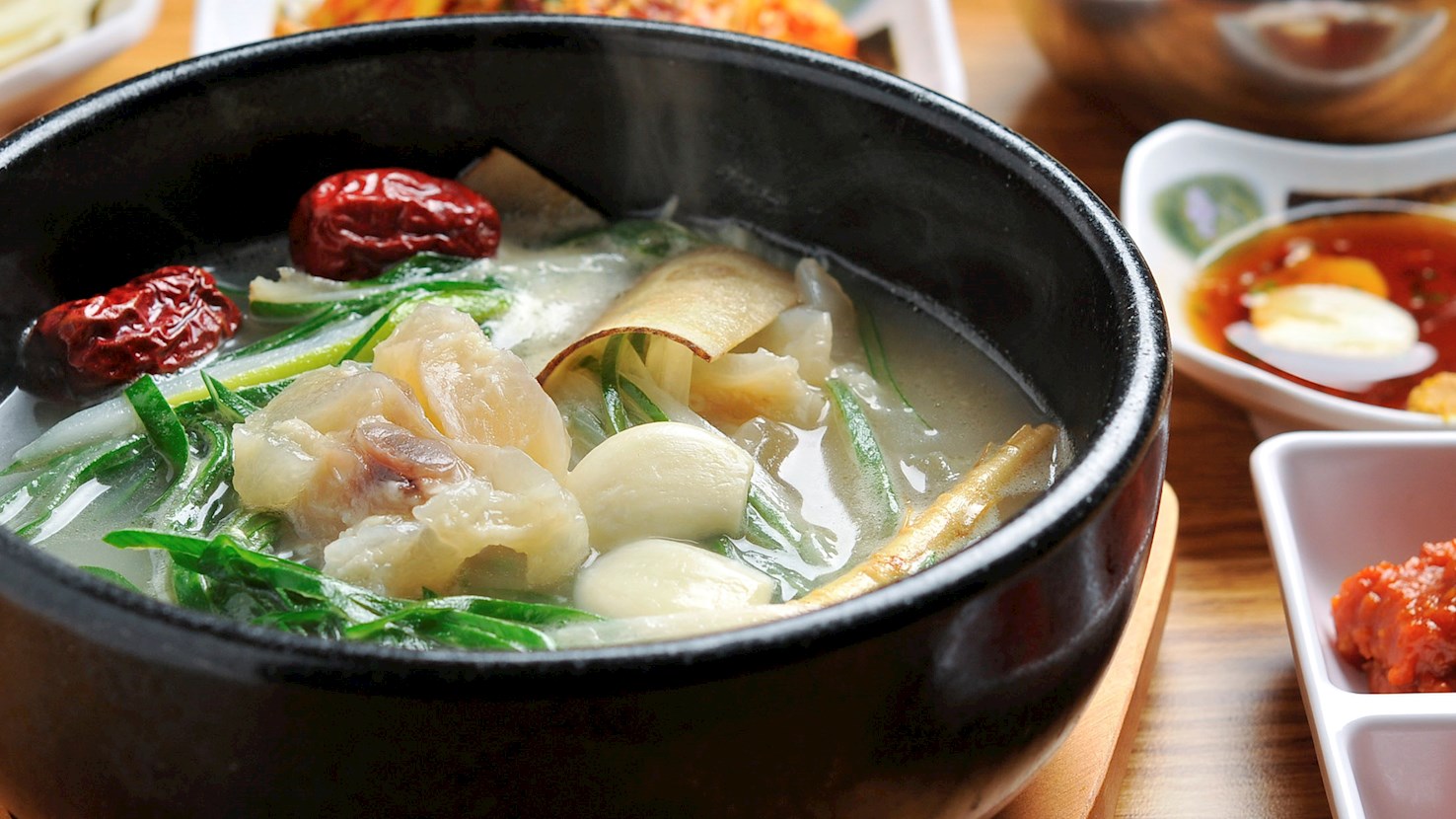
Seolleongtang is a hot, invigorating South Korean bone soup prepared by boiling cow's bones, feet, head, organs, brisket, and shank for a long time until the broth develops a creamy white color. The soup is a staple in numerous Korean households, especially during the cold winter months. It is believed that the soup was invented because King Seonjong of the Joseon Dynasty needed to feed a large number of people at a worship ritual for the god of farming, during which a cow would be sacrificed. The name of the dish is derived from the word Seonnongtang, meaning soup boiled at Seonnongdan, and later on, the word evolved into Seolleongtang. Nowadays, it is usually served with ripe kkakdugi (radish kimchi), and it is said to taste even better when accompanied by it, warming numerous consumers during the winter.
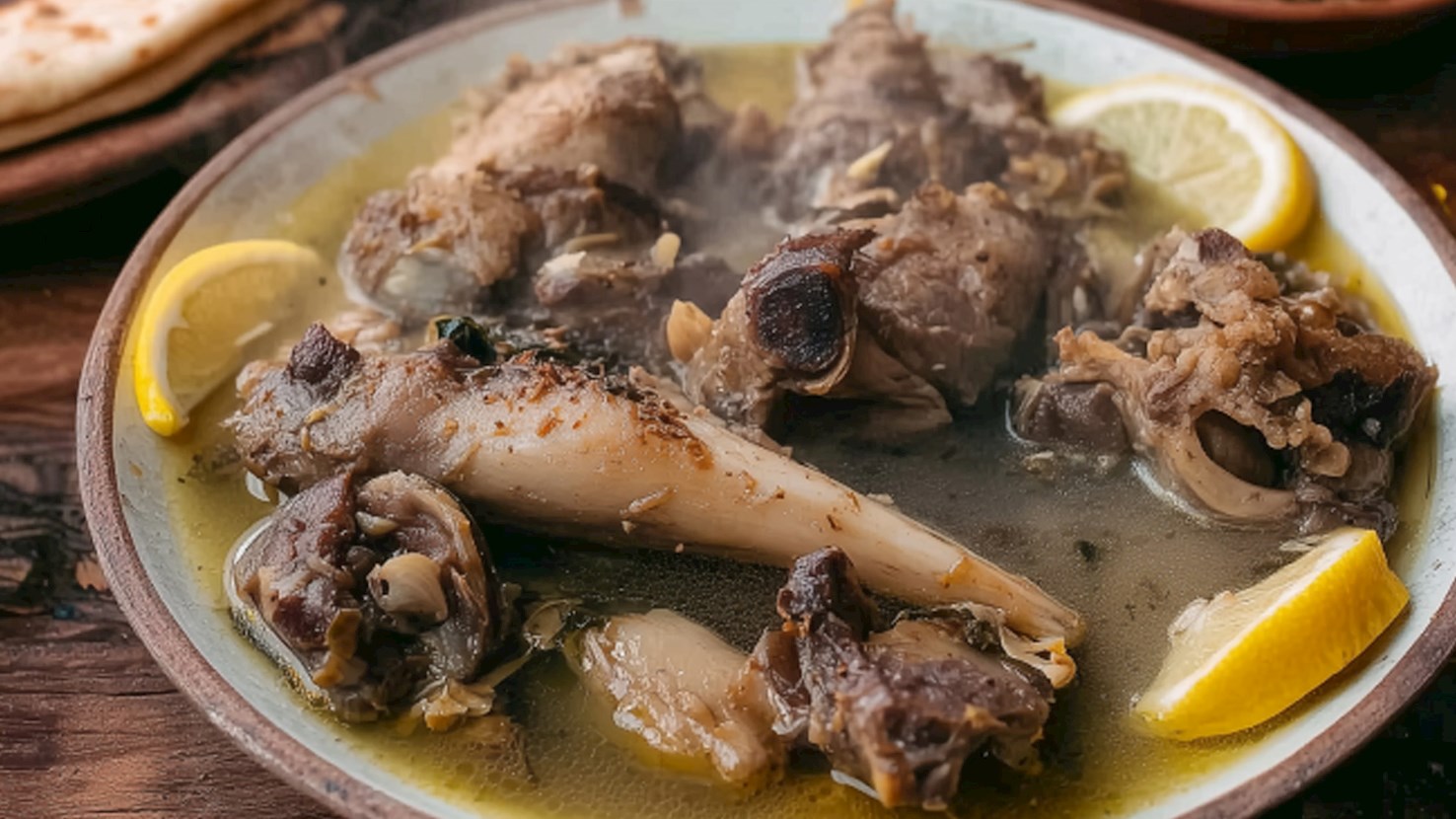
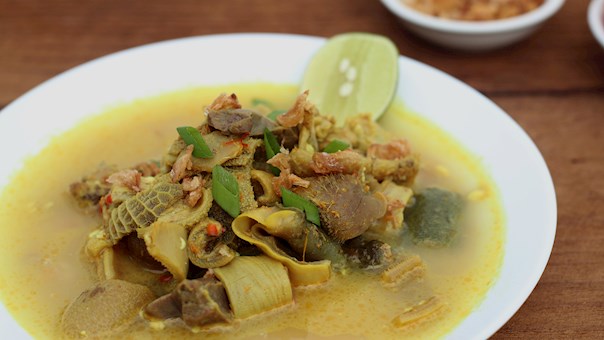
Kaleh pacheh is a hearty and richly flavored Iranian offal dish that originates from various regions across Iran, notably popular in cities like Tehran, Isfahan, and Tabriz. The dish is composed primarily of sheep’s head (kaleh) and trotters (pacheh), slow-cooked for hours until the meat becomes tender and the broth develops a deep, gelatinous texture. Kaleh pacheh is traditionally consumed as a breakfast or early morning meal, valued for its nourishing qualities and robust taste. This dish has been part of Iranian cuisine for centuries, reflecting a culinary tradition of utilizing all parts of the animal to create wholesome and sustaining food. The slow-cooking process extracts rich flavors and nutrients from the bones and connective tissues, resulting in a soup that is both filling and restorative. Kaleh pacheh has historically been favored by laborers and those seeking a substantial meal to start the day, and over time, it has become a cultural emblem of Iranian gastronomy. Preparation of kaleh pacheh requires meticulous cleaning of the sheep’s head and trotters, followed by a long simmering process that can take several hours. Spices such as turmeric, cinnamon, and dried lime are commonly added to infuse the broth with aromatic warmth. The resulting soup is served piping hot, often accompanied by fresh bread, raw herbs, lemon wedges, and sometimes chili for those who prefer an extra kick. Diners typically enjoy the tender meat alongside the rich broth, using bread to soak up the flavorful liquid.
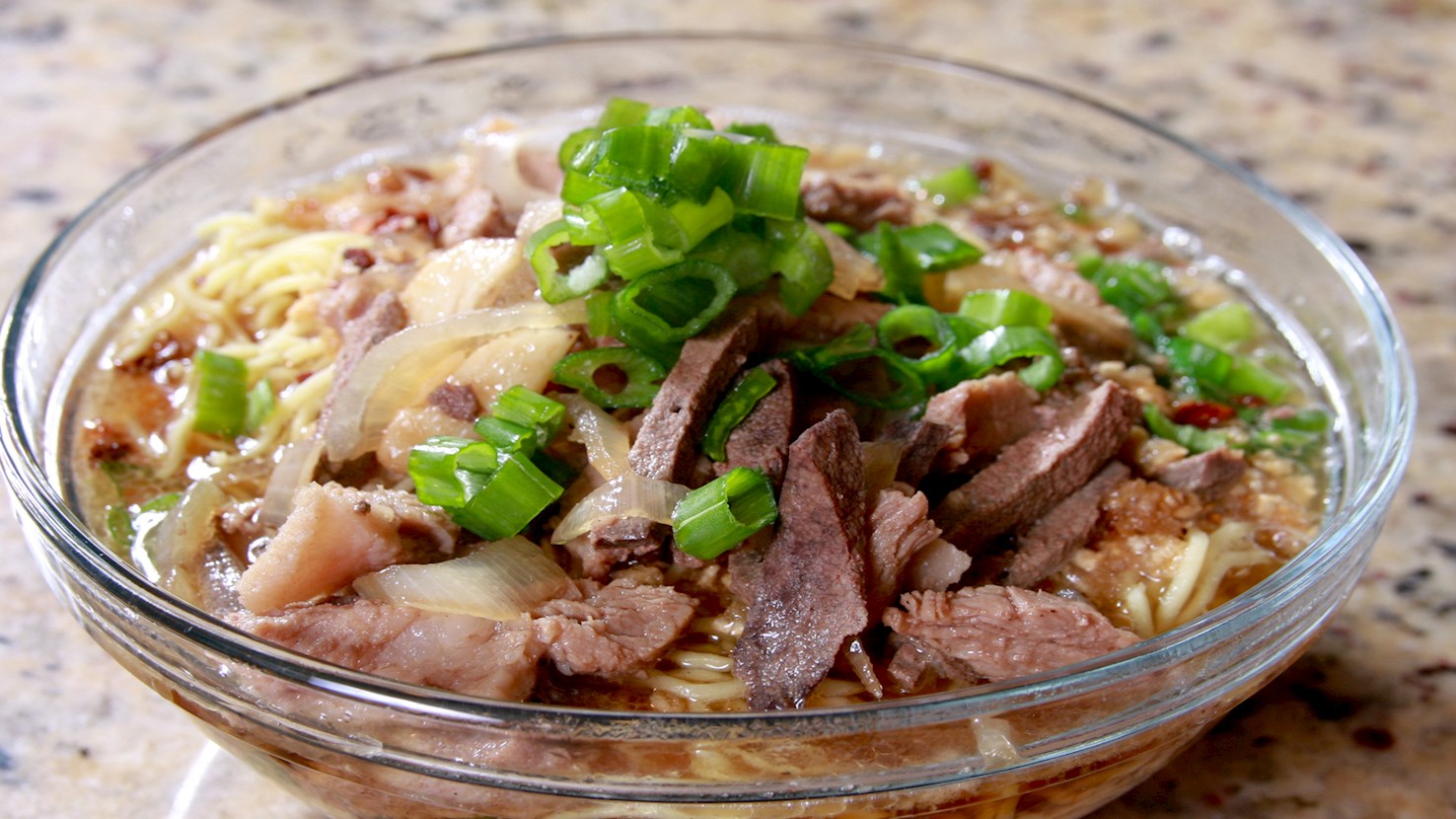
The hearty batchoy is a popular Filipino soup consisting of pork offal, chicken or beef stock, and fresh round egg noodles. Generously seasoned with shrimp paste and (occasionally) soy sauce, the soup is usually topped with pork cracklings, fried garlic, and a raw egg. Although there are numerous stories about the origin of the dish, there is no doubt that it was created in Iloilo, more specifically in the district of La Paz, from where it spread to other parts of the country to become one of the most famous Filipino soup dishes.
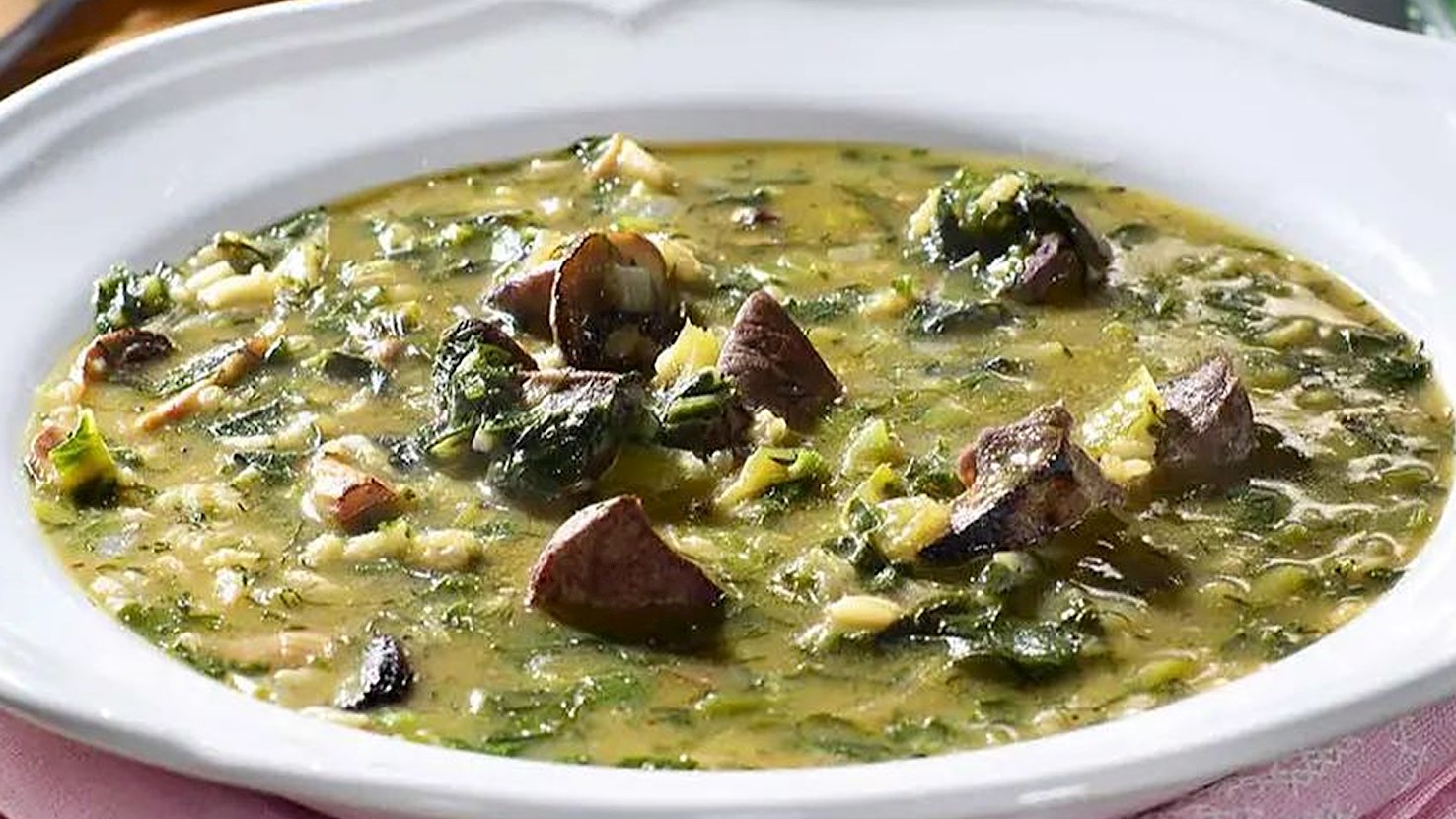
The original version of this classic soup stems from the Greek Easter tradition in which roasted lamb was served as the main course during the festive Easter lunch. The parts of the lamb unsuitable for roasting were then incorporated into magiritsa, and the soup was usually consumed to break the Lent. Today it comes in numerous varieties that are still mainly prepared with lamb, lamb offal, and vegetables. All of the ingredients create a flavorful broth that is thickened with a creamy egg and lemon sauce, then seasoned with various spices and fresh herbs. Despite numerous varieties, magiritsa is still an important part of Greek Easter tradition.
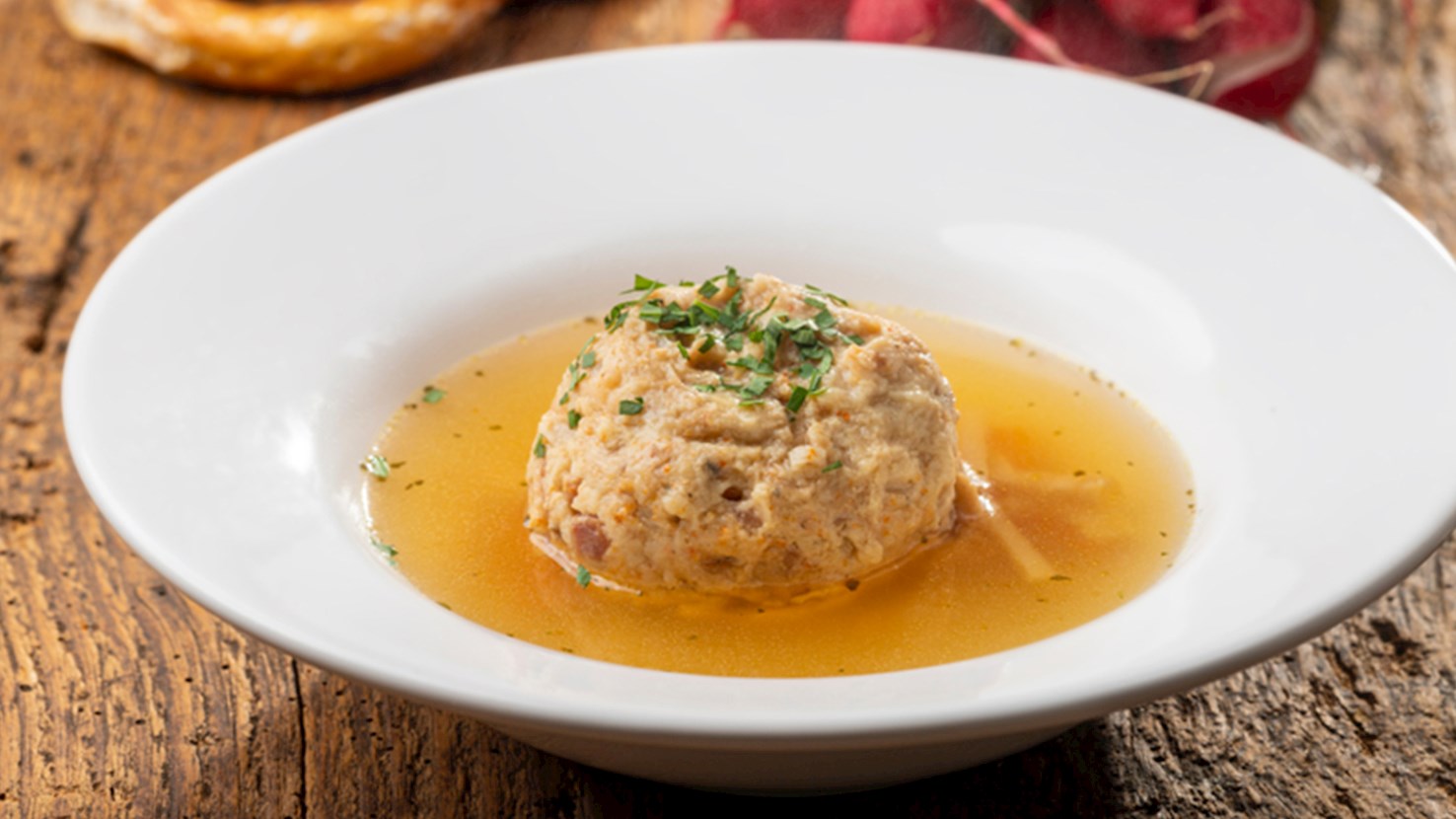
Leberknödelsuppe is a traditional and Austrian soup featuring liver dumplings. The dumplings, or "leberknödel," are made from ground liver (typically beef or pork), stale bread rolls (or bread), onions, eggs, and various herbs and spices. These ingredients are mixed together, shaped into balls, and then gently cooked in a clear broth, usually beef or vegetable. The result is a rich, hearty soup with a robust flavor, ideal for cold weather. Leberknödelsuppe is often served as a starter in traditional meals and is cherished for its comforting and nourishing qualities.
Majgaluska leves is a traditional soup that contains chicken liver dumplings, made by mixing ground liver with eggs, breadcrumbs, onion, salt, pepper, paprika, vegetable oil, and parsley. The broth is made with vegetables such as carrots, celery, kohlrabi, turnips, and onions. The liver mixture is shaped into balls, which are then put into the broth to cook until this tasty soup is ready to be served.
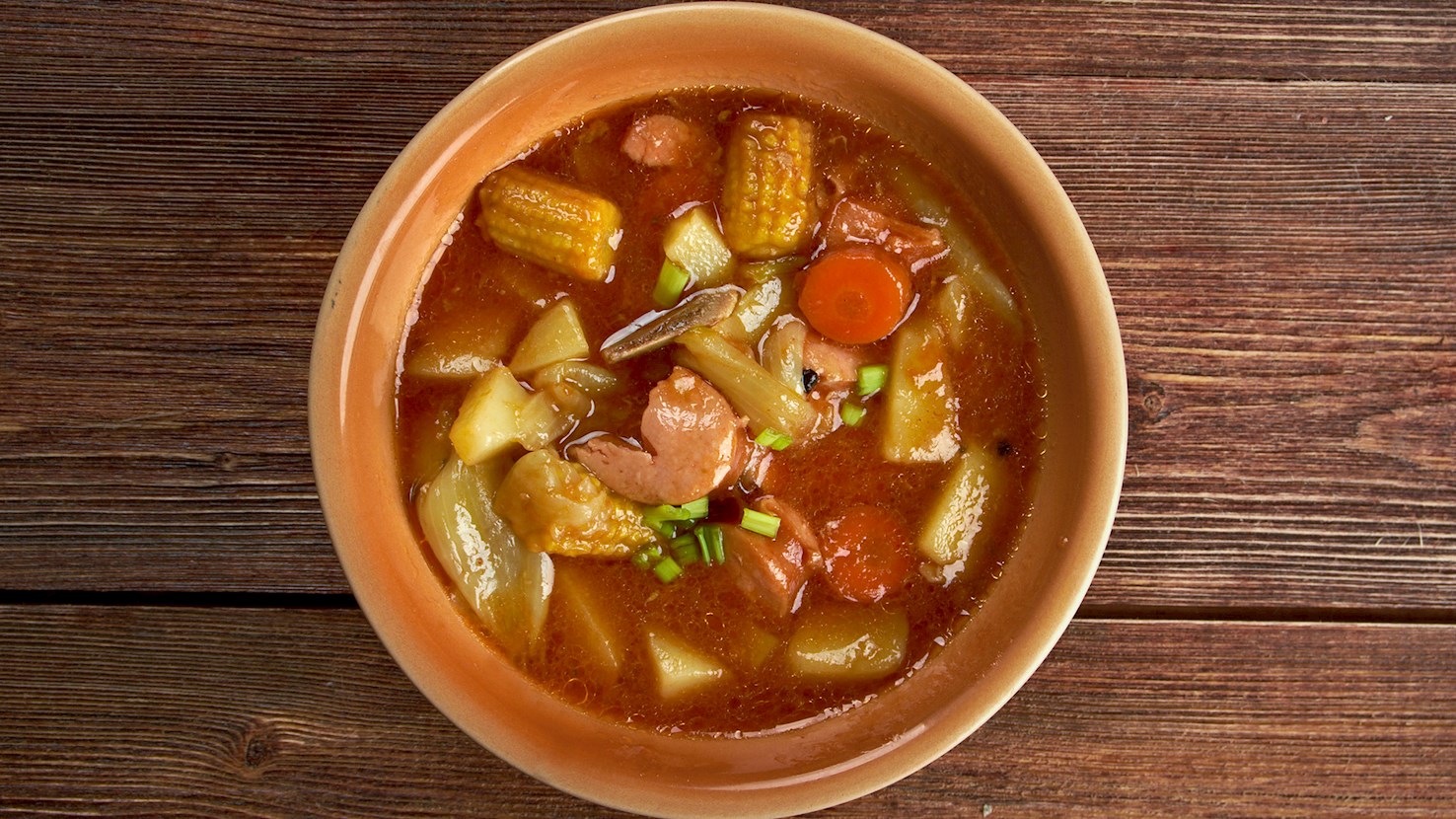
Sopa de mondongo is a term that is widely used all across Central and South America when referring to a hearty tripe and vegetable soup. The star of the dish is beef or pork tripe, the rather tough edible part of animal stomach which is cut into smaller pieces and cooked with other ingredients in a flavorful broth. Different versions of the soup are found all across Latin America, where it has been adapted with locally available ingredients and spices. Typically, sopa de mondongo employs plain and sweet potatoes, cassava, corn, cabbage, plantains, onions, sliced avocado, and generous amounts of chopped cilantro, which is used as a garnish. It is often spiced with cumin and the authentic Latin American spice called achiote. Local varieties commonly include additional ingredients such as lean pork meat, pork feet, Columbian chorizo sausage, and animal bone marrow. Because of its nutritious ingredients, it is usually regarded as a complete meal that is mainly served alongside white rice. Sliced lemon or lime wedges and local tortilla varieties such as arepa in Colombia are often served on the side. Unusual additions may include raisins or capers in Puerto Rican versions, or peanut sauce in the Ecuadorian version, popularly called guatica. In many Latin American countries, sopa de mondongo is believed to have healing properties, and it represents a traditional dish that is usually served for lunch or in the early hours after a night of clubbing.
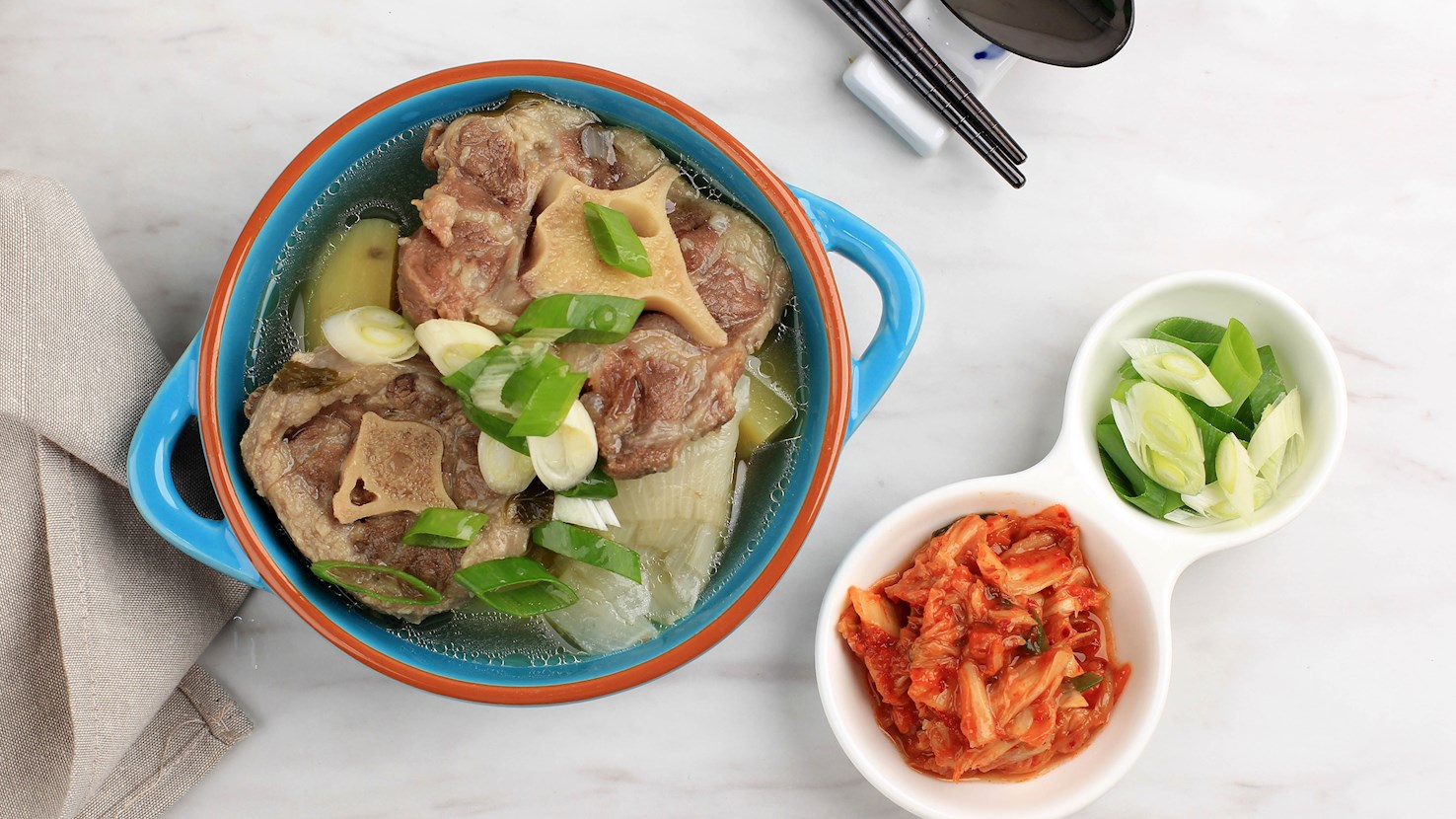
Kkori gomtang is a traditional oxtail soup originating from South Korea. The soup is usually made with a combination of oxtails, garlic, peppercorns, scallions, salt, and black pepper. The oxtails are soaked in cold water, drained, and boiled in water for about three hours while skimming the foam off the top of the surface. They're removed from the pot, while the garlic, salt, and peppercorns are added to the pot and simmered for half an hour before they're discarded. The oxtails are placed in soup bowls and the broth is ladled over them. The milky white soup is garnished with chopped scallions, seasoned with black pepper, and enjoyed while still warm. It's recommended to serve kkori gomtang with rice, kimchi, rice cakes, or sweet potato noodles.
TasteAtlas food rankings are based on the ratings of the TasteAtlas audience, with a series of mechanisms that recognize real users and that ignore bot,
nationalist or local patriotic ratings, and give additional value to the ratings of users that the system recognizes as knowledgeable.
For the “Top 40 Offal Soups in the World” list until October 15, 2026, 2,407 ratings were recorded, of which 1,181 were recognized by the system as legitimate.
TasteAtlas Rankings should not be seen as the final global conclusion about food. Their purpose is to promote excellent local foods,
instill pride in traditional dishes, and arouse curiosity about dishes you haven’t tried.






What People Say