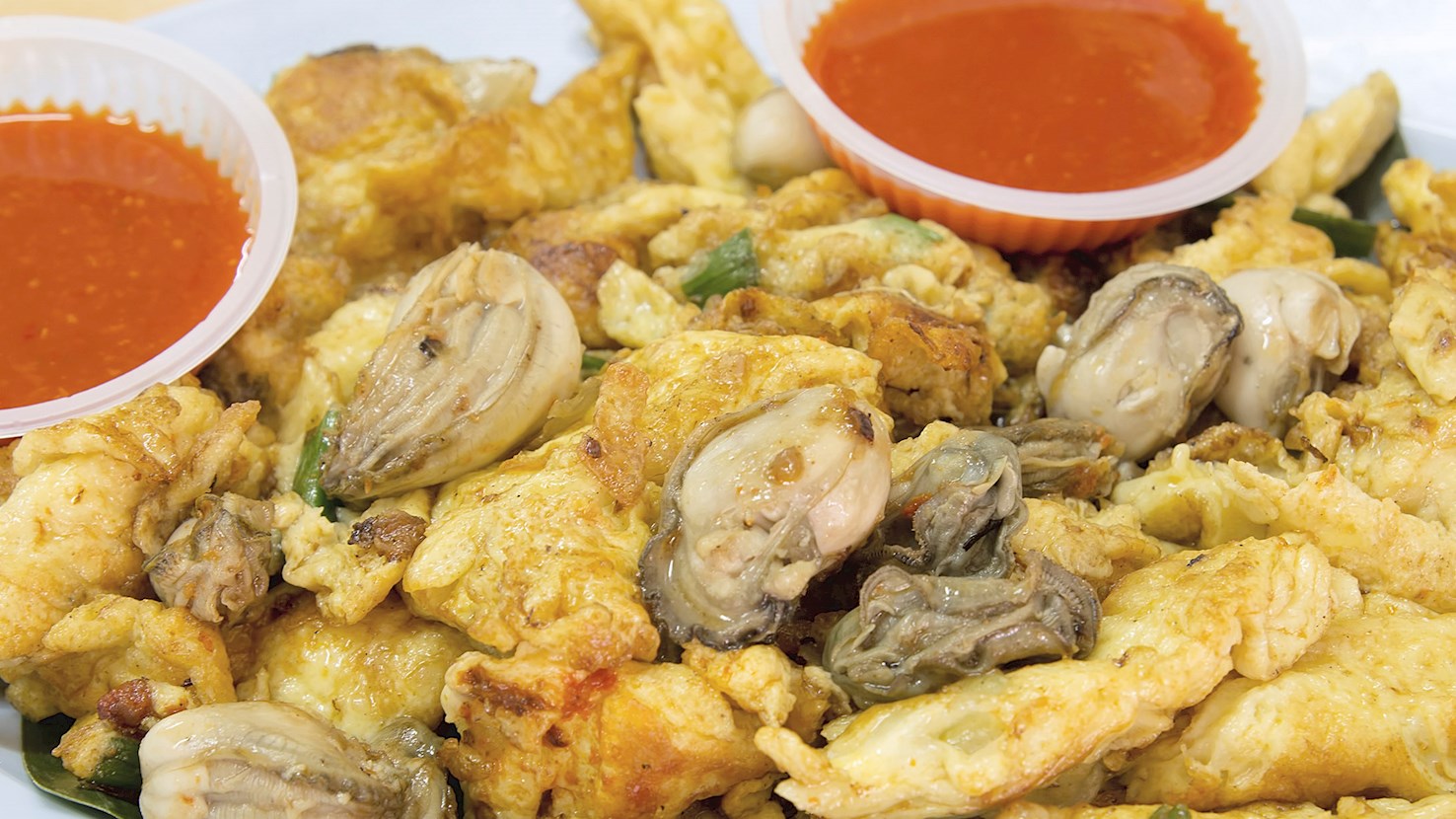
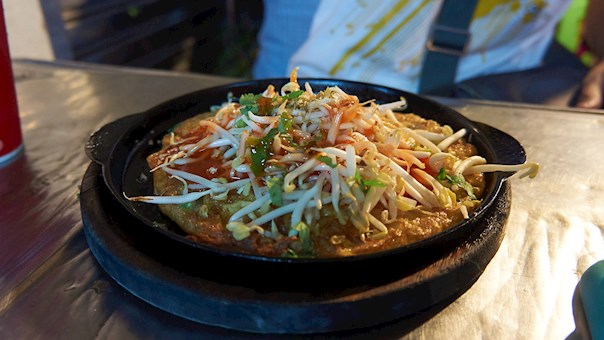
Oyster omelette is a savory egg-based dish originating in the coastal regions of southern China, particularly in Fujian and Guangdong, and it later spread across Southeast Asia, where it became a beloved staple of street food culture in places like Taiwan, Thailand, Malaysia, Singapore, and the Philippines. It combines small, fresh oysters with eggs and a starch batter, resulting in a dish that is crisp on the outside and soft within, often finished with herbs, sauces, or spicy condiments. Its roots lie in the coastal abundance of oysters and the ingenuity of cooks who sought to make use of seasonal shellfish in a satisfying and economical way. In port cities and fishing towns, oysters were plentiful but perishable, and incorporating them into quick, hot dishes allowed them to be eaten fresh while also providing nourishment and flavor to working families and laborers. The dish evolved over time, with each region adapting it to local tastes. In Fujian and Chaoshan areas, the emphasis is often on the delicate interplay of soft oysters and lightly set eggs, while in Taiwan the starch component became more prominent, forming a chewy, slightly gooey texture that contrasts with the crisp edges from the hot griddle. Thai and Malaysian versions tend to be spicier and sometimes include additional aromatics or bean sprouts for freshness and crunch. Preparation begins with a batter made of sweet potato, tapioca, or potato starch mixed with water, poured onto a hot, greased griddle or wok, and spread into a thin layer. Oysters are added on top, followed by beaten eggs, which cook quickly and bind the ingredients together. The omelette is flipped and browned until parts become crisp while the interior remains tender and moist. It is usually served hot, garnished with cilantro or scallions, and accompanied by a sweet, sour, or spicy dipping sauce, depending on the region. Today, oyster omelette is eaten both as a street snack and a restaurant dish, often associated with night markets, coastal seafood stalls, and festive occasions. It pairs well with light soups or rice porridge and is sometimes enjoyed alongside beer or tea, especially in settings where it is served as part of a shared meal.
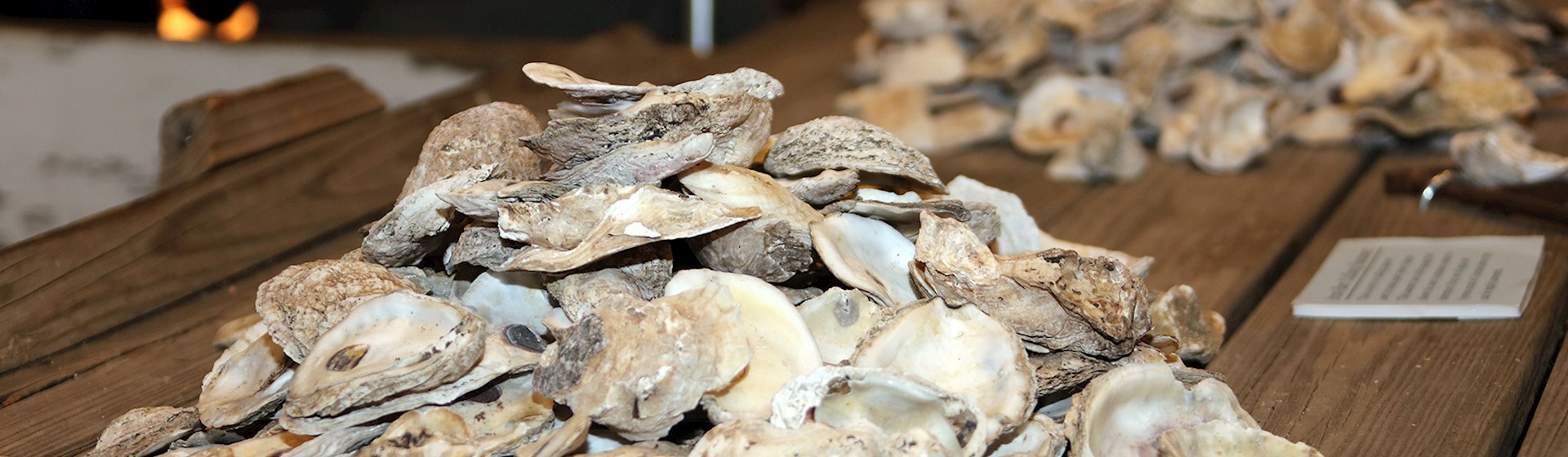
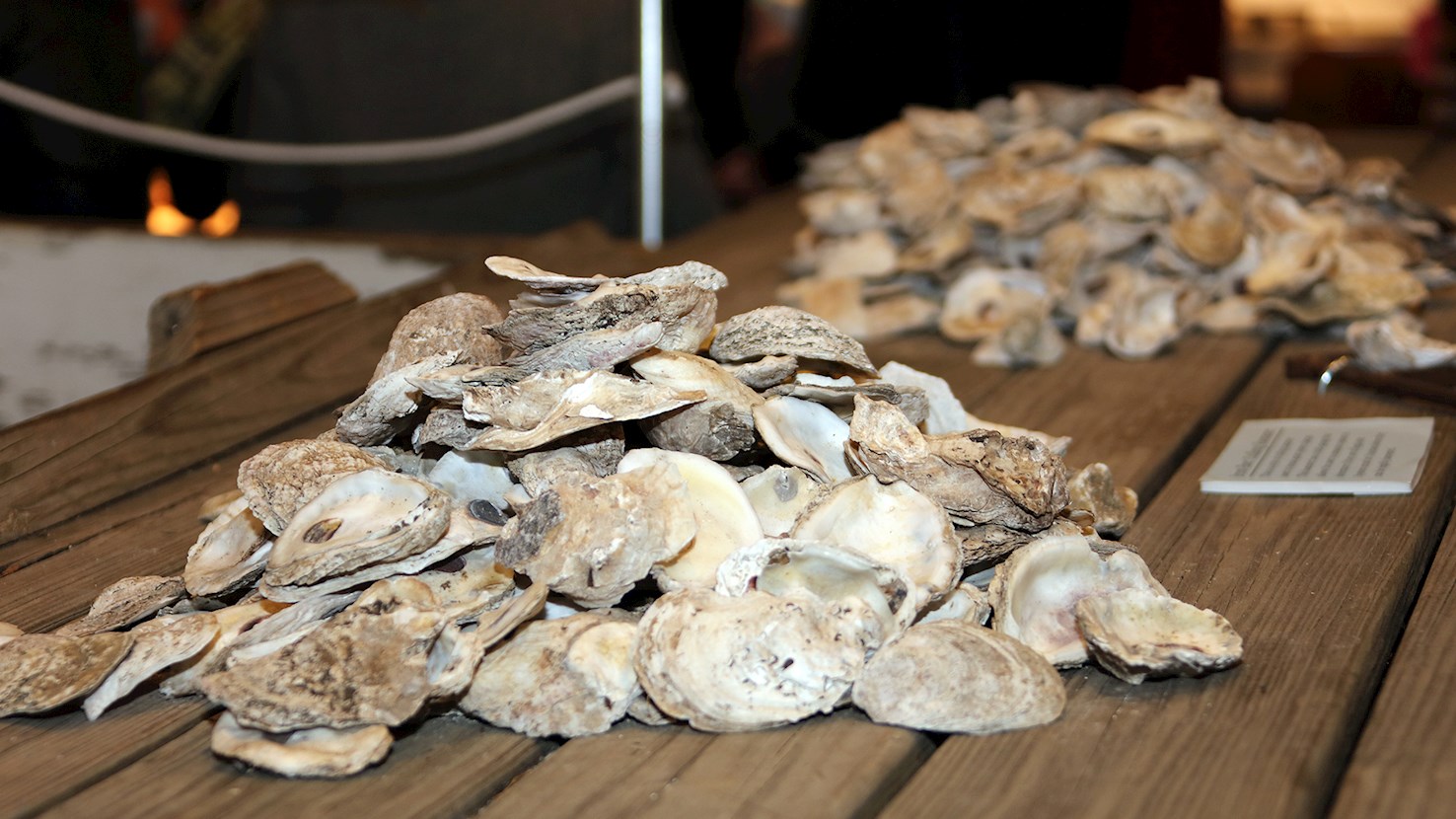
Oyster roast is a traditional event originating from the Low Country, an area along the South Carolina coast. Similar to a clambake in the Northeast, the oysters are placed into a roasting kettle, covered with a burlap sack, then placed over hot coals until fully cooked. Once done, they are traditionally served on picnic tables lined with newspapers and pried open with special knives. The oyster roast has some standard accompaniments such as crackers, cocktail sauce, hot sauce, and sometimes horseradish. When hosting an oyster roast, it's recommended to have a few bottles of cold beer on hand, or gin and whiskey-based cocktails.
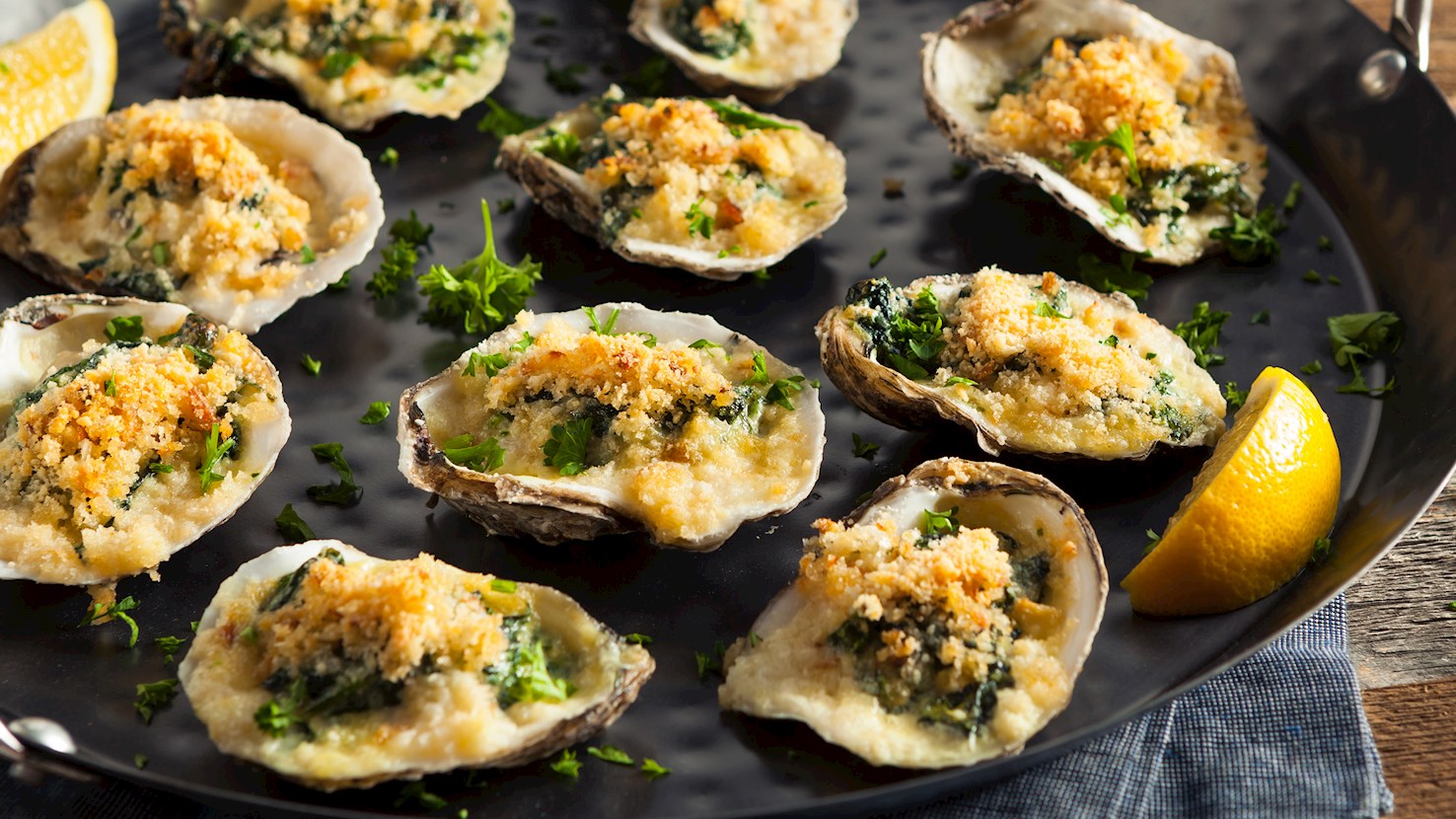
Oysters Rockefeller is a popular American appetizer consisting of oysters served on half-shells that are topped with ingredients such as butter sauce, bread crumbs, and various green herbs such as parsley. They are then either broiled or baked. The appetizer was invented in 1899 in America's oldest family-run restaurant called Antoine's in New Orleans, when Jules Alciatore, the original owner's son adapted his father's signature dish known as escargot Bourguignon, but he replaced the snails with oysters, a local food source that was abundant in the area. Oyster Rockefeller was born, and the original recipe is still a closely-guarded secret of Antoine's.
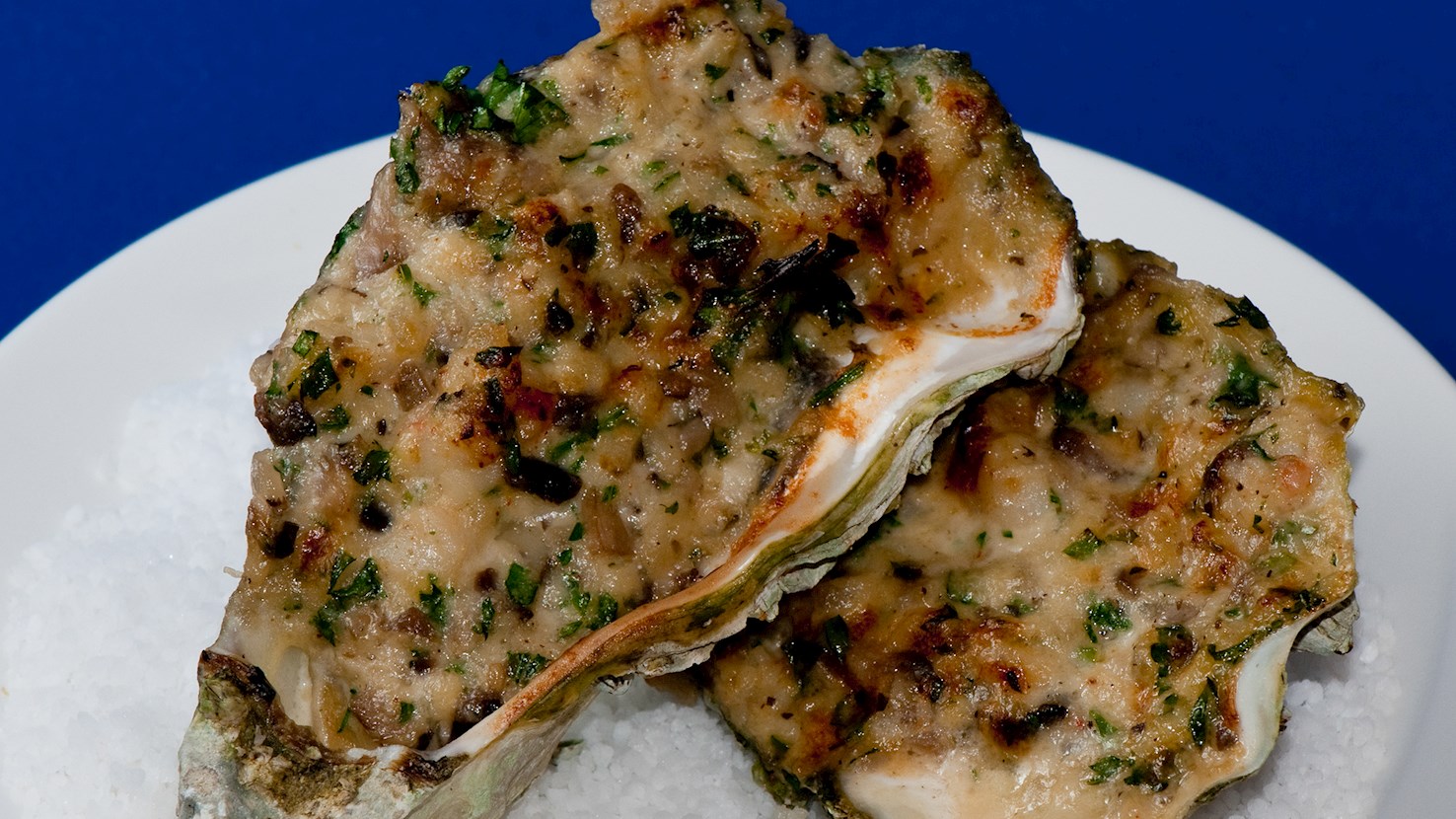
Originally invented in New Orleans' French Quarter, these oysters are baked in their shells with bread crumbs, grated cheese, onions, mushrooms, shrimp, wine, and a buttery roux. The oysters are baked until lightly browned, then served immediately, preferably garnished with chopped green onions and lemon wedges. This elegant appetizer is served in many fine dining restaurants in New Orleans, including the famous Antoine's and Arnaud's.
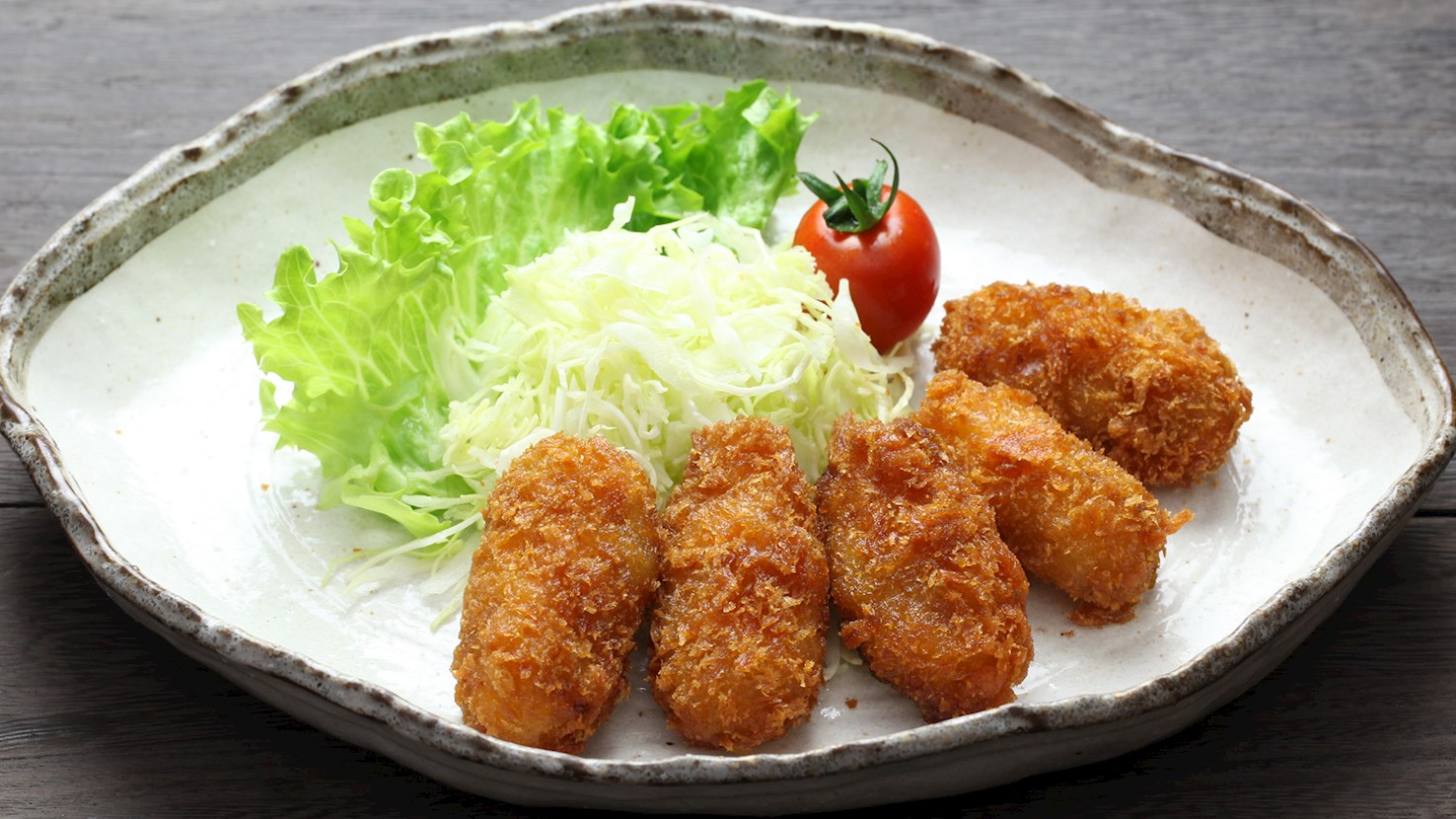
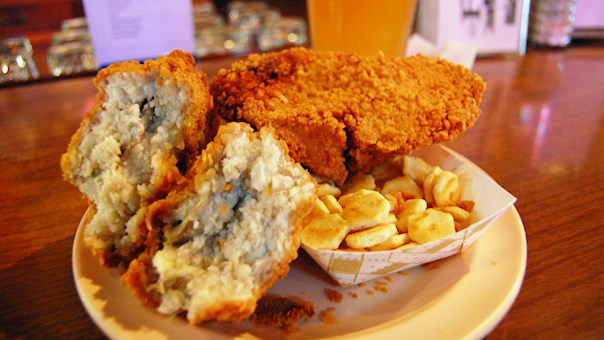
The technique of frying oysters is traditionally associated with the coastal areas of the United States, namely the West and the Southeast. It is said that pan-fried oysters were initially a frugal dish, but by the 19th century they became a well-known delicacy, while the technique of deep-frying developed in the 20th century. When shucked, the oysters are usually dipped in batter, optionally coated in breadcrumbs and various seasonings, and finally shortly fried until crispy and golden. The batter is occasionally made with buttermilk, which creates a lighter, slightly sour coating that perfectly complements the oysters. Today, this crispy delicacy is found in different parts of the United States, predominately in the coastal regions that abound in fresh and harvested oysters. Fried oysters pair well with hot sauces or citrusy flavors and can be enjoyed as a snack or an accompaniment to soups, salads, and various fried dishes.
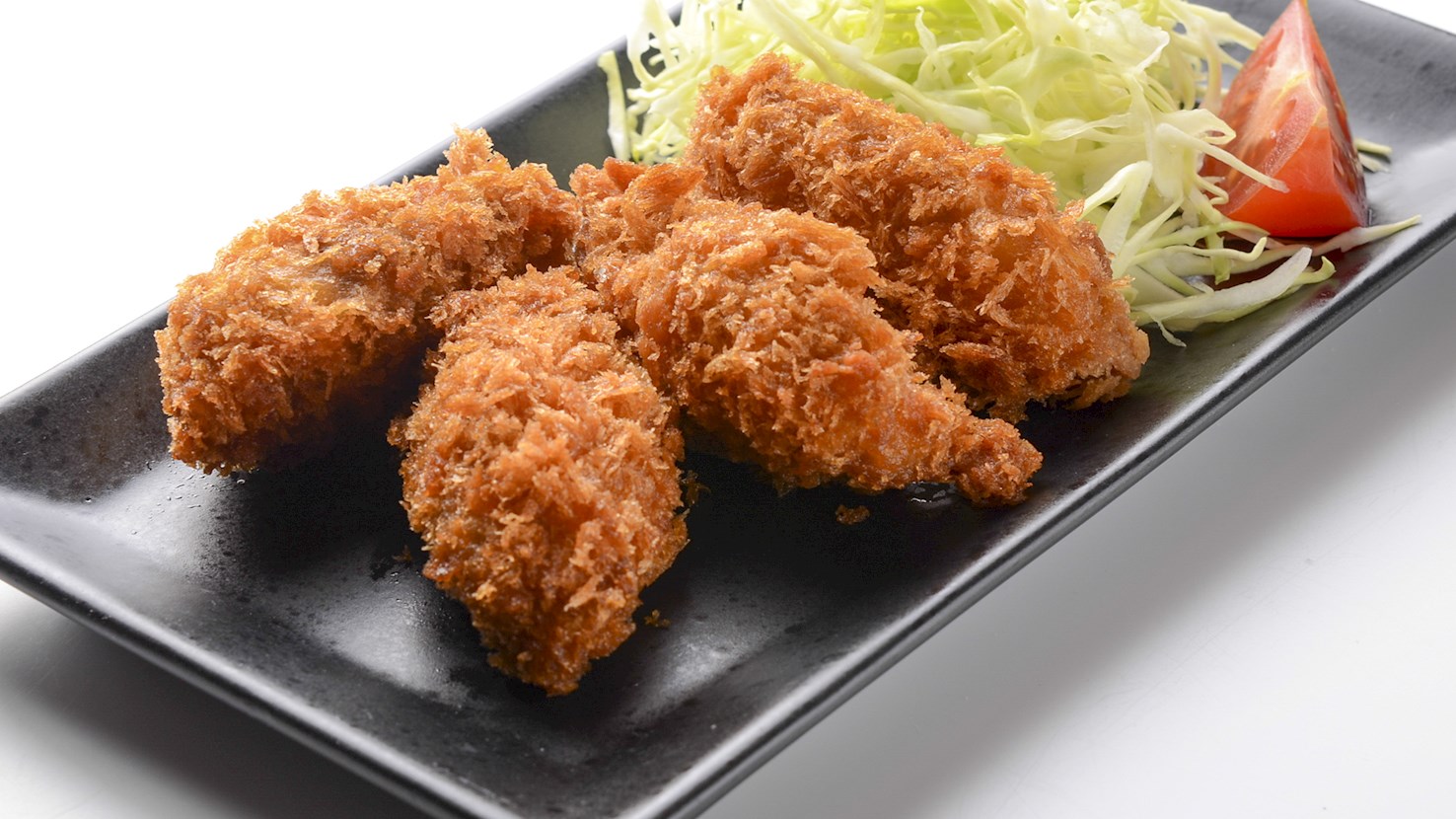
Japanese deep-fried oysters are a seasonal specialty usually enjoyed during fall and winter when oysters are in season. The dish is commonly prepared in restaurants or at home, and it consists of shucked oysters that are dusted with flour and dipped in beaten eggs before they are coated in panko breadcrumbs and finally deep-fried until crispy and golden. They are usually served with lemon wedges, fresh vegetables, and various sauces and condiments such as tonkatsu or tartar sauce.
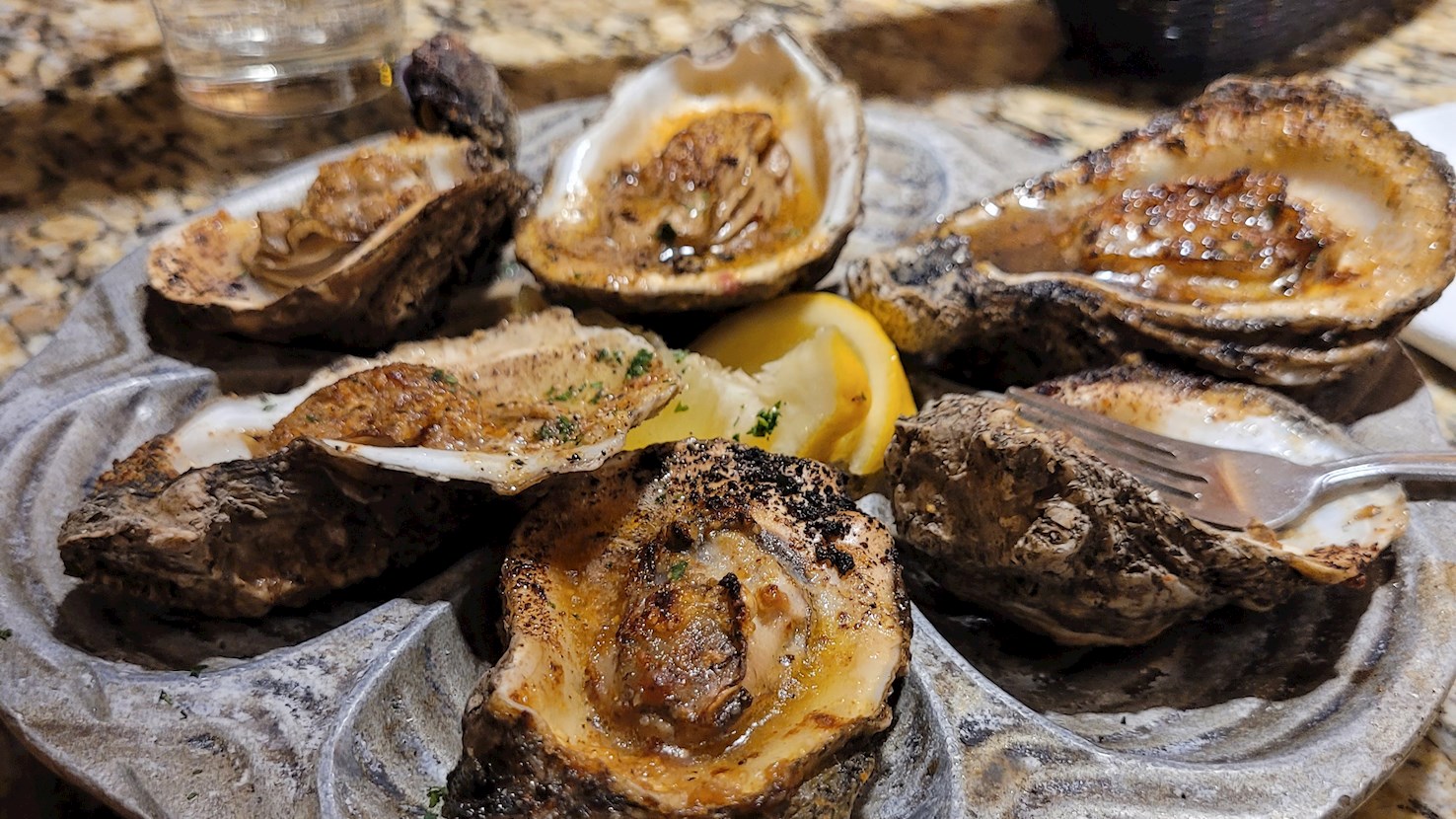
Charbroiled oysters is a traditional dish originating from New Orleans. In order to make the dish, freshly shucked Louisiana oysters on the half shell are placed on the hot grill and cooked in their own juices until bubbling and the edges start to curl. The oysters are topped with a sauce consisting of butter, garlic, parsley, salt, pepper, cayenne, lemon juice, and grated Pecorino Romano. Once the sauce has started to bubble, each oyster is sprinkled with grated Pecorino and garnished with minced parsley. Charbroiled oysters are typically accompanied by hot French bread and lemon wedges on the side. The dish is served immediately.
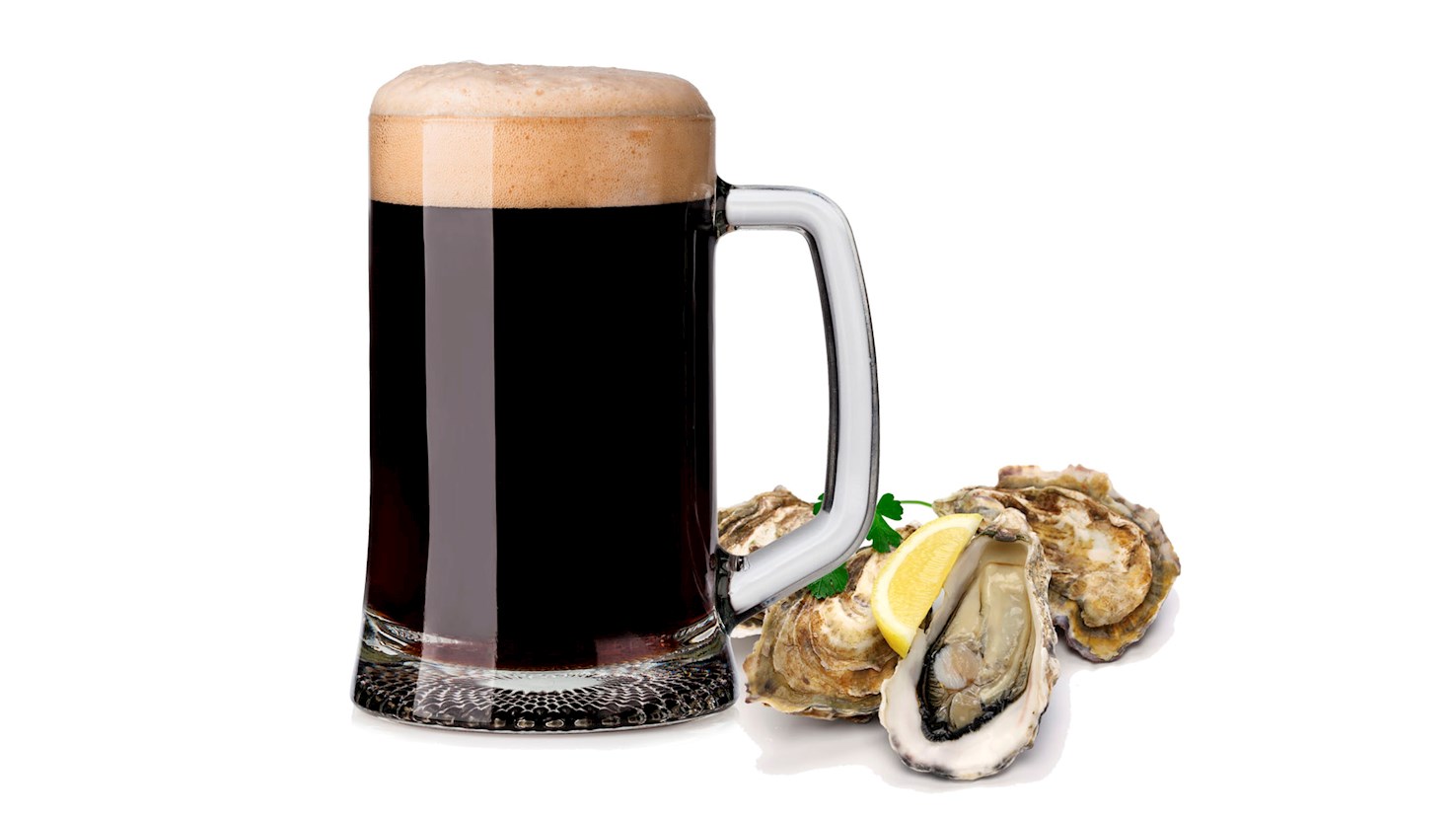
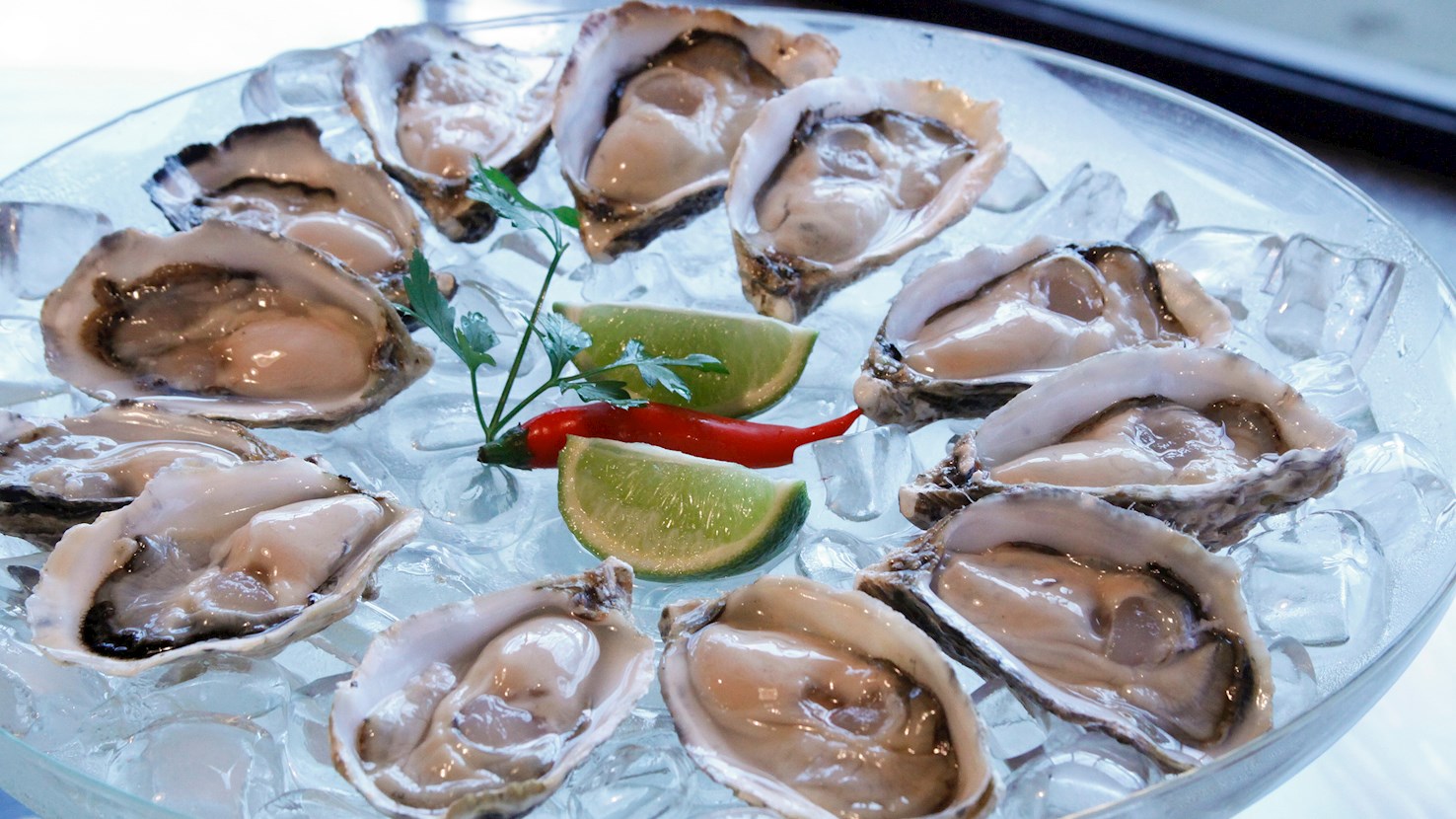
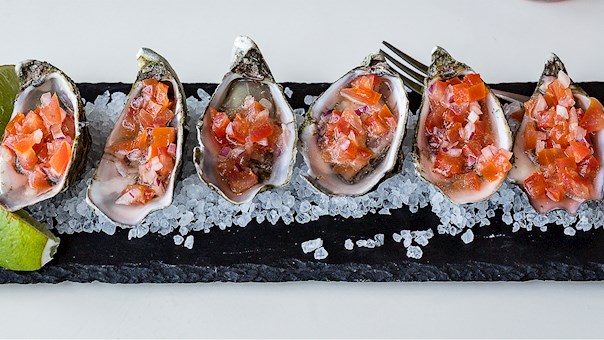
Stout and raw oysters form a pairing that is most closely associated with Ireland, where the dark, roasted flavors of the beer meet the briny freshness of the shellfish in a combination that has been enjoyed for centuries. The connection between the two is rooted in both geography and economy, as Ireland’s coastal waters provided ample oysters and the breweries of Dublin and beyond produced the stouts that became famous worldwide. In the nineteenth century, oysters were not considered a luxury but an affordable source of protein for working people, and they were frequently served in pubs alongside pints of stout. This natural companionship grew into a culinary tradition that spread far beyond the island. The preparation is straightforward, as the oysters are opened just before serving and enjoyed raw on the half shell, often with a squeeze of lemon though purists prefer them unadorned. The stout is poured fresh, its creamy head balancing the sharp salinity of the oysters. The contrast between the two is what makes the experience memorable: the beer’s roasted malt and slightly bitter edge rounds off the sea-salt bite, creating a balance that neither could achieve alone. Today, the pairing is still most often found in Ireland, particularly in coastal towns and cities, though it is also common in the UK and has been adopted in oyster bars and beer halls worldwide. It is eaten as an appetizer, a light meal, or part of a larger seafood feast, and the choice of stout can vary from classic dry Irish styles to modern craft interpretations. Other shellfish, breads, or even cheese are sometimes served alongside, but nothing quite rivals the clarity and reputation of oysters and stout together.
Ostra ao bafo is a traditional oyster-based dish originating from Brazil. The dish consists of boiled oysters, and it’s usually made with a combination of oysters, cachaça, and lemon juice. The oysters are boiled in a mixture of water and cachaça until the shells start to open. They’re removed from the pot and placed on ice to stop the cooking process. Once boiled, the oysters are served with lemon wedges so that each person can drizzle some lemon juice over the oysters before consumption. If desired, a vinaigrette sauce consisting of honey, orange juice, lemon juice, garlic, ginger, olive oil, vinegar, salt, and pepper can also be served with ostra ao bafo.
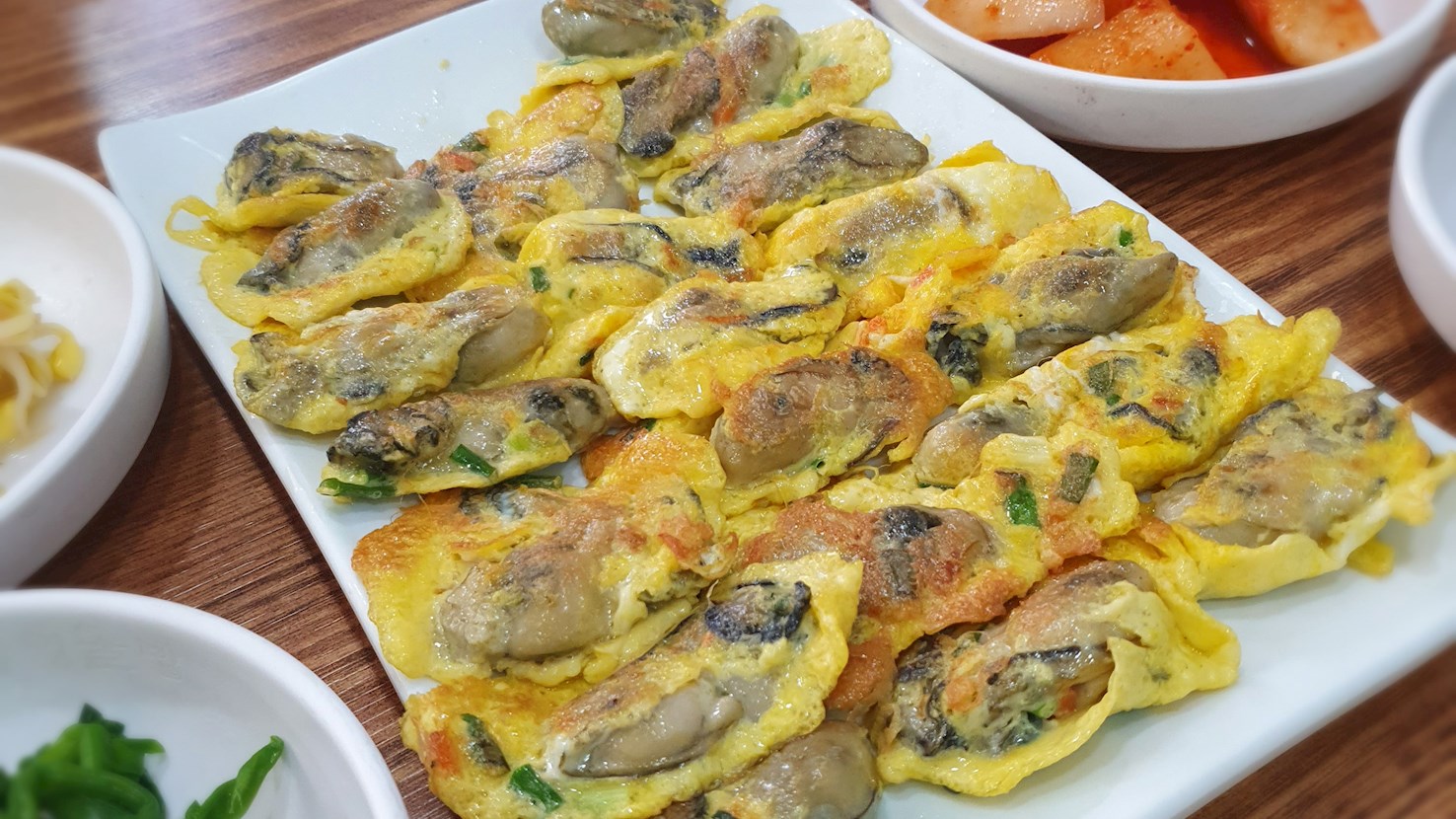
Guljeon is a traditional dish originating from South Korea. This type of jeon (pan-fried battered food) is made with oysters. Other ingredients include eggs, rice wine, salt, pepper, flour, scallions, and oil. The oysters are shelled, rinsed, drained, and coated with flour before they're dipped in a mixture of beaten eggs, rice wine, salt, pepper, and scallions. Once battered, the oysters are pan-fried in oil on both sides, then served hot with a dipping sauce on the side.
TasteAtlas food rankings are based on the ratings of the TasteAtlas audience, with a series of mechanisms that recognize real users and that ignore bot,
nationalist or local patriotic ratings, and give additional value to the ratings of users that the system recognizes as knowledgeable.
TasteAtlas Rankings should not be seen as the final global conclusion about food. Their purpose is to promote excellent local foods,
instill pride in traditional dishes, and arouse curiosity about dishes you haven’t tried.









What People Say