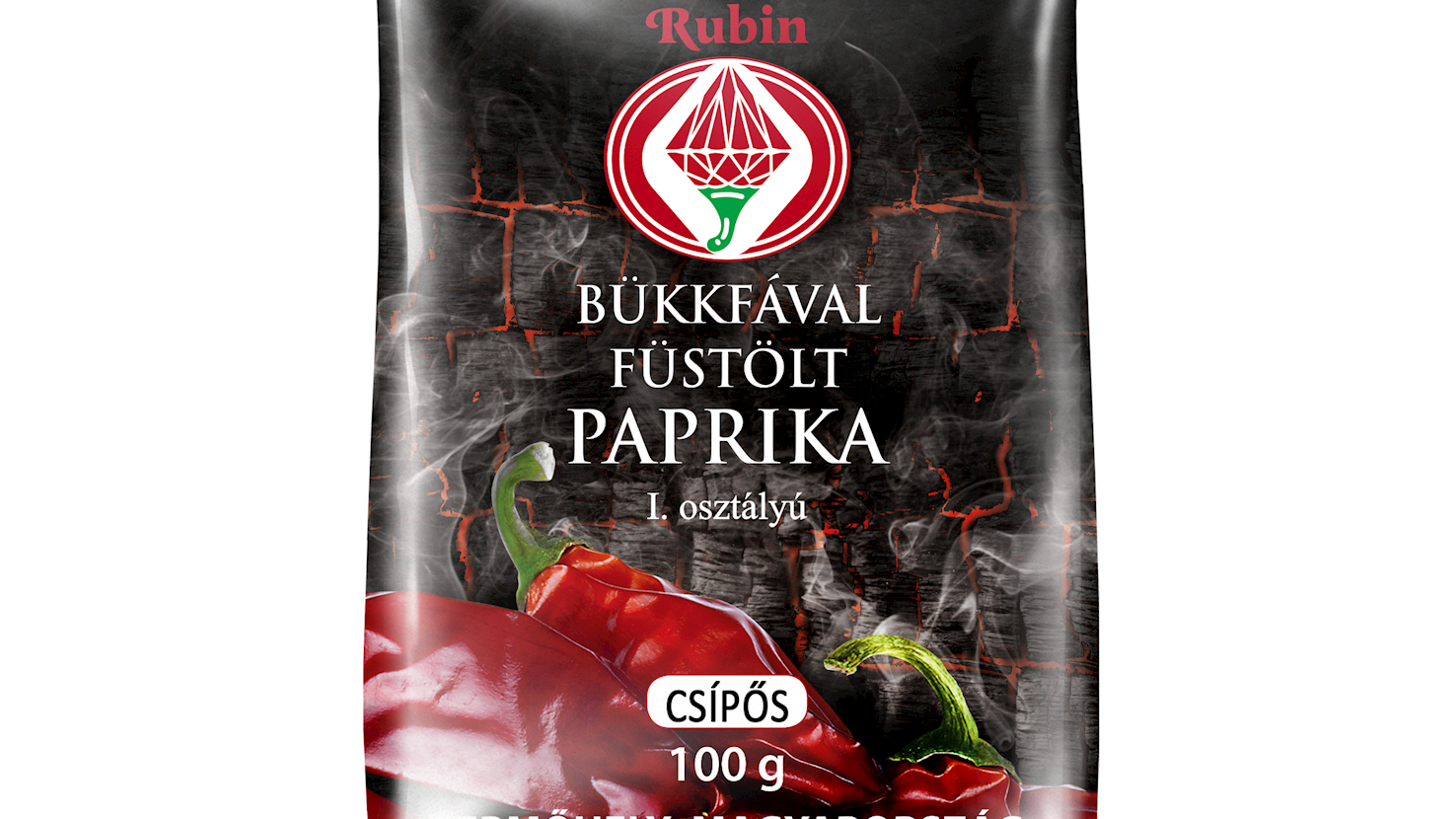
Rubin Paprika is a renowned producer of paprika-based seasonings based in Szeged, Hungary. Their product range includes high-quality offerings such as sweet and hot ground paprika, smoked paprika, paprika seed oil, chili flakes, and organic (BIO) paprika, available in both sweet and hot varieties. Rubin Paprika is dedicated to preserving traditional production methods while adhering to modern quality and food safety standards. Their products are highly regarded both domestically and internationally, contributing to the global recognition of Hungarian culinary traditions.
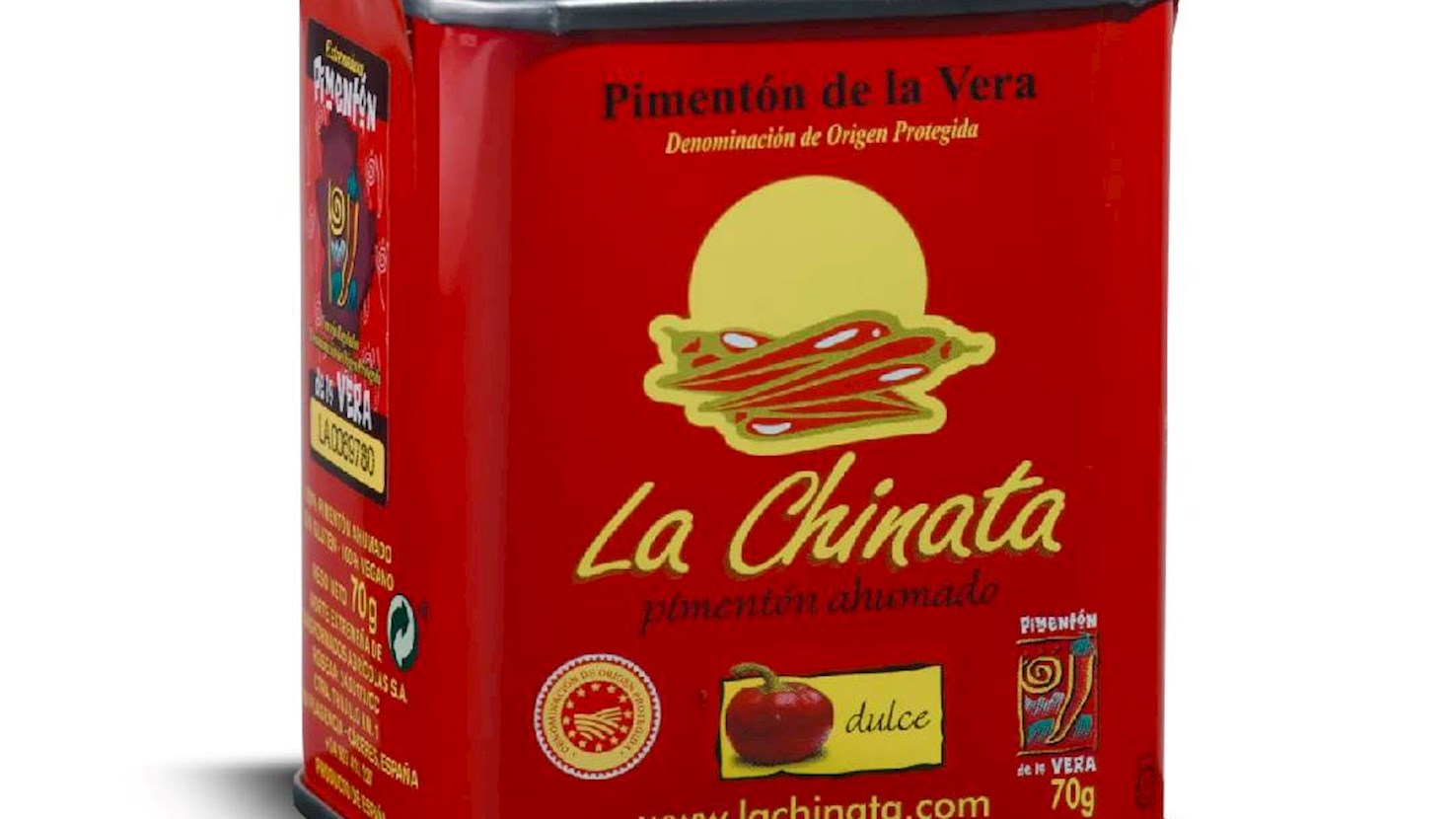
La Chinata is a Spanish company specializing in the production of smoked paprika from the La Vera region. Founded in 1975, the company has become renowned for its authentic smoked paprika, made using traditional methods of drying peppers over oak wood smoke. This process imparts a unique aroma and flavor to the paprika, making it an essential ingredient in many Spanish and international dishes. In addition to paprika, La Chinata has expanded its range to include gourmet products and cosmetics based on extra virgin olive oil. Their gourmet offerings include spices for paella, smoked oils, and various delicacies, while their cosmetic line features skincare and haircare products, with olive oil as the main ingredient. La Chinata is a family-owned company currently operating under its third generation, headquartered in Plasencia, Spain. By combining tradition and innovation, the company is dedicated to maintaining the high quality of its products, satisfying the tastes of modern consumers worldwide.
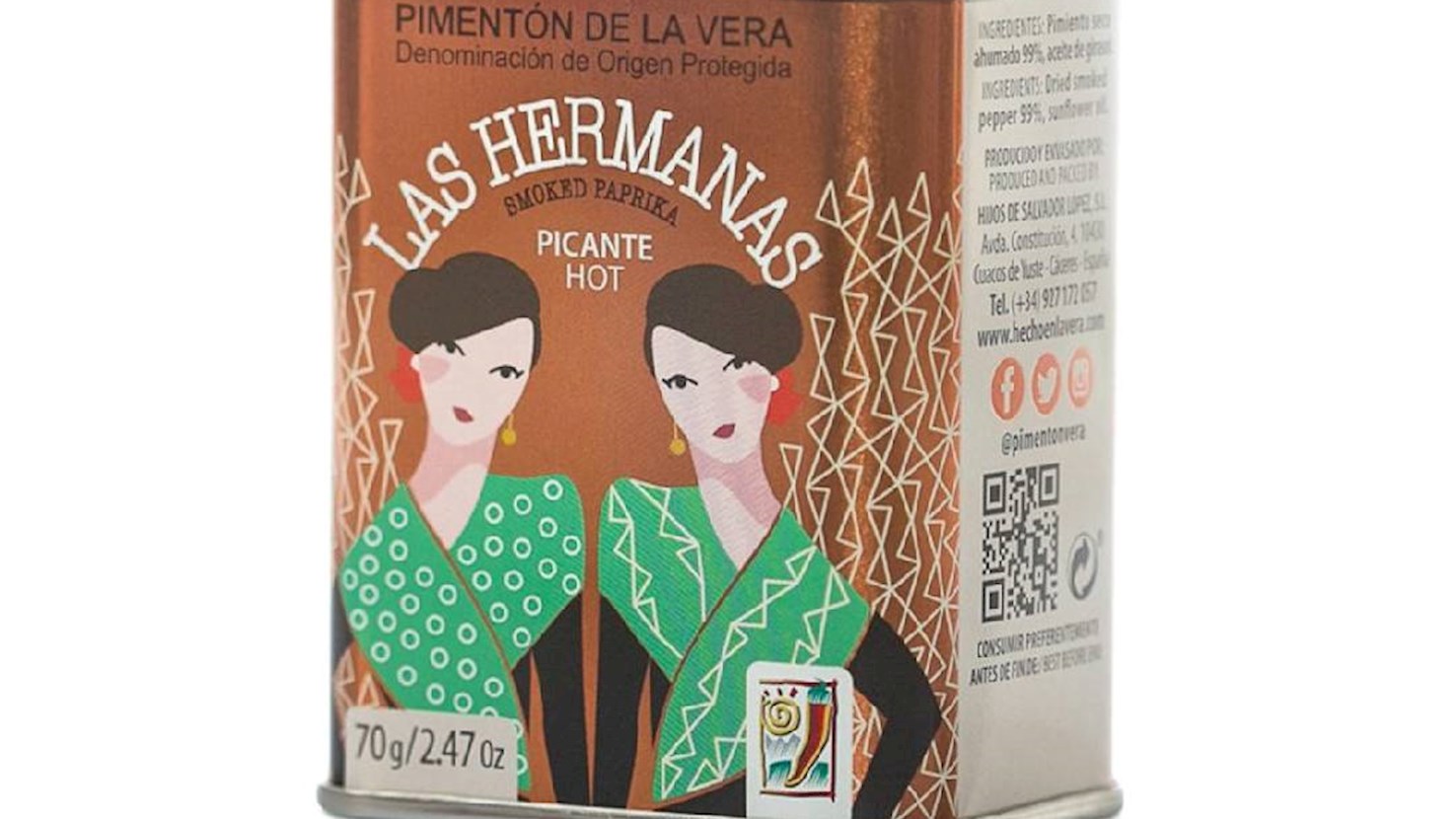
Hecho en La Vera is a family-owned company established in 1940, specializing in the production and packaging of Pimentón de la Vera (smoked paprika) with Protected Designation of Origin (PDO). Located in Cuacos de Yuste, in the La Vera region of Cáceres province, Spain, the company is dedicated to preserving traditional production methods to ensure the superior quality of its products. Their production process involves carefully selecting peppers, which are traditionally smoked over oak or holm oak wood, giving them a unique flavor and aroma. After smoking, the peppers are ground and packaged in signature tins that preserve their taste and aroma without alteration. The company offers various types of paprika: sweet, bittersweet, and hot, under the brands Las Hermanas and Los Extremeños. Additionally, they provide organic paprika, grown without chemical fertilizers or pesticides, contributing to environmental sustainability.
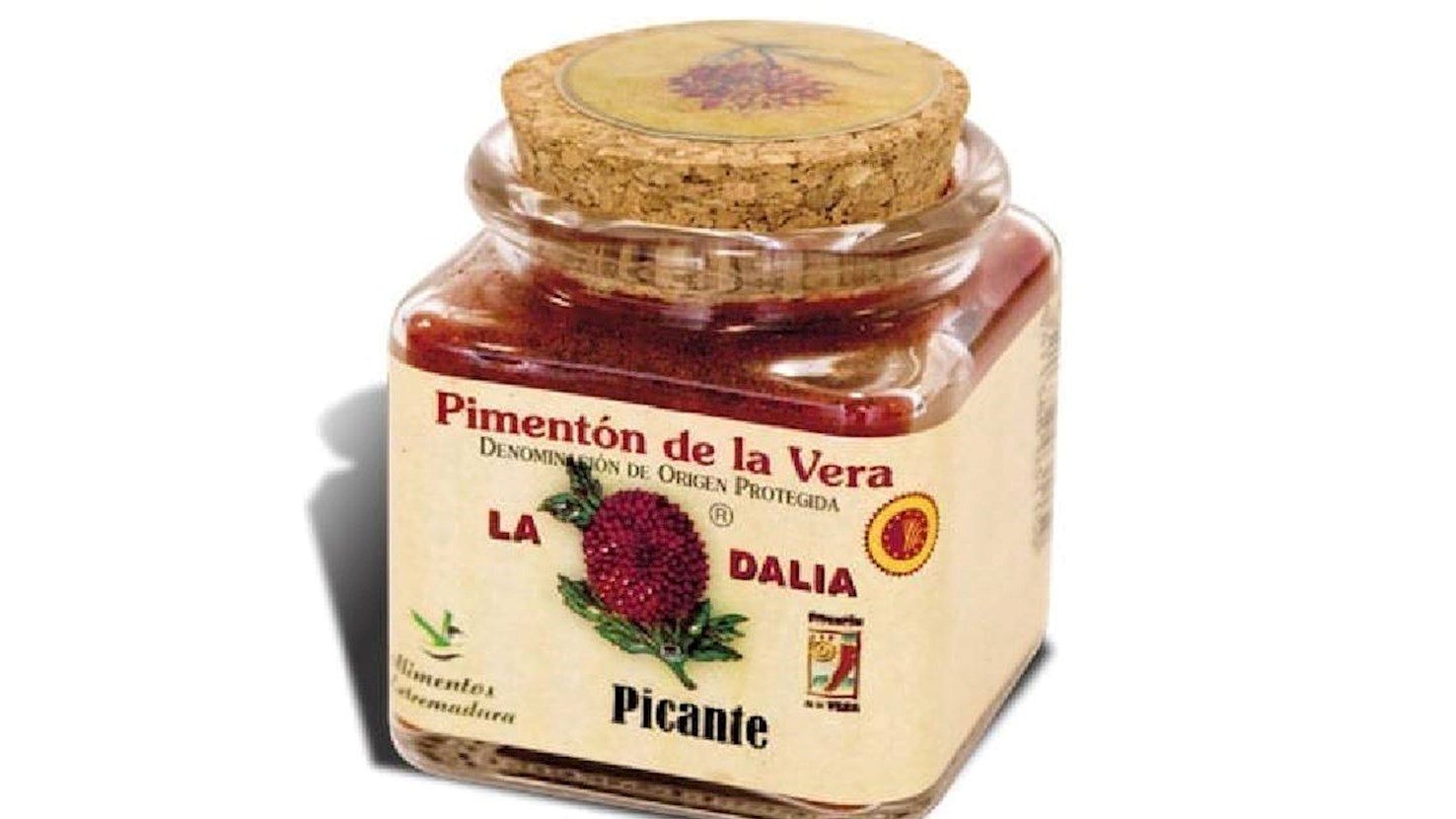
Pimentón y Especias La Dalia is a family-owned company based in Jaraíz de la Vera, in the province of Cáceres, Spain. Founded in 1913, the company specializes in the production of Pimentón de la Vera, a smoked paprika with a Protected Designation of Origin (DOP), which is a key ingredient in many Spanish dishes. The production process of Pimentón de la Vera involves drying freshly picked peppers over oak wood smoke, which imparts its characteristic smoky flavor. This traditional drying method takes around 15 days, resulting in rich and intense aromas. In addition to Pimentón de la Vera, La Dalia offers a wide range of spices and herbs, including natural saffron, spice blends for paella, pizza, and other culinary needs. The company is committed to preserving the tradition and quality of its products, as evidenced by its century-long history in spice production.
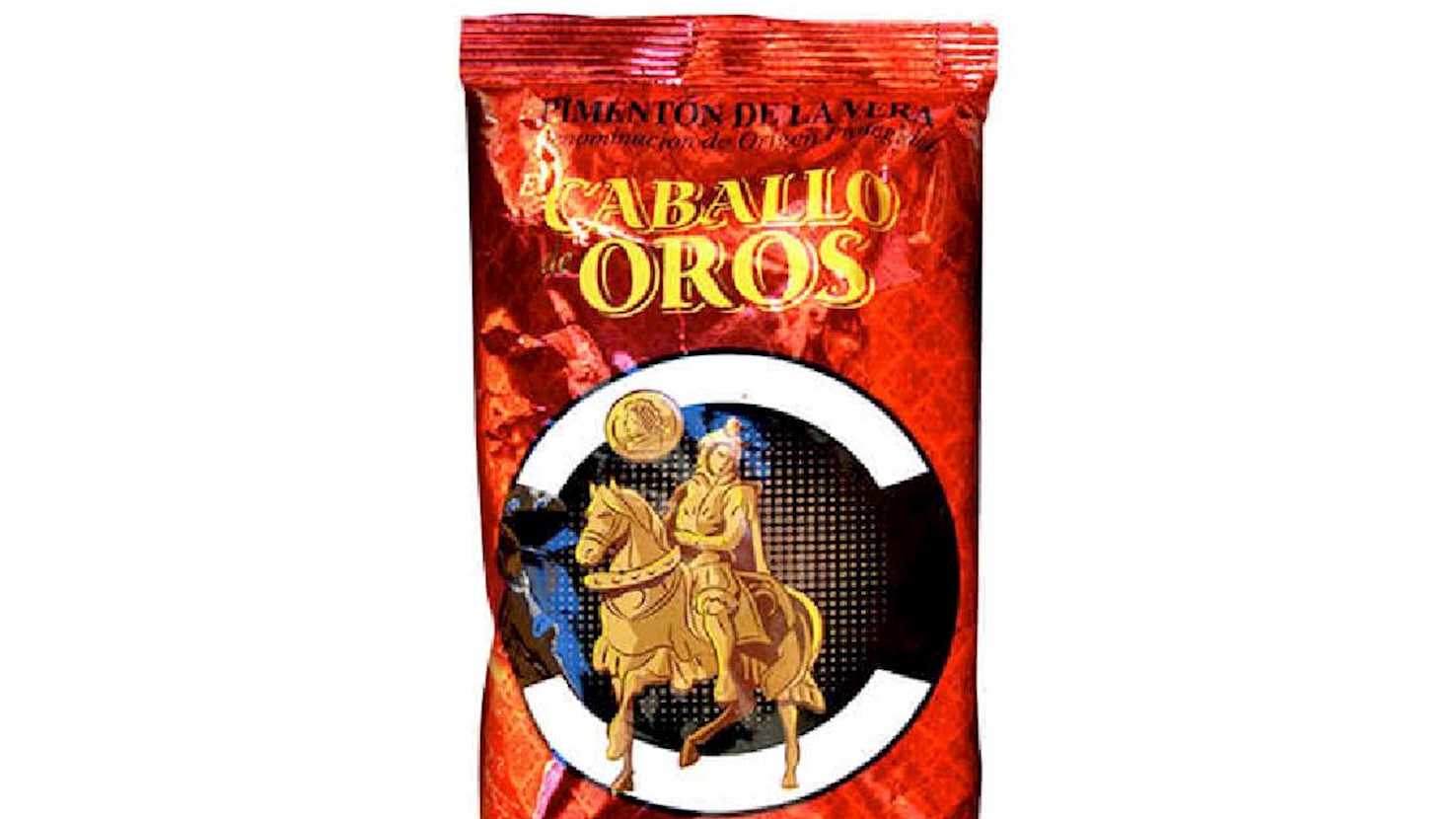
Pimentón de la Vera Caballo de Oros is a Spanish company based in Jaraíz de la Vera, in the province of Cáceres, specializing in the production of smoked paprika with Protected Designation of Origin (PDO). Established in 1938, the company is a family-run business that has passed down its knowledge and traditions through generations. Dedicated to maintaining the highest quality of its products, the company carefully selects raw materials and employs traditional milling methods. This process involves drying peppers over oak or holm oak wood smoke, resulting in a unique aroma, flavor, and vibrant, stable color. In addition to smoked paprika, Caballo de Oros offers a wide range of products, including various spices, dried peppers, jams, and extra virgin olive oil. The company also produces organic paprika under the "El Galgo" brand, which is unsmoked and caters to consumers who prefer organic options.
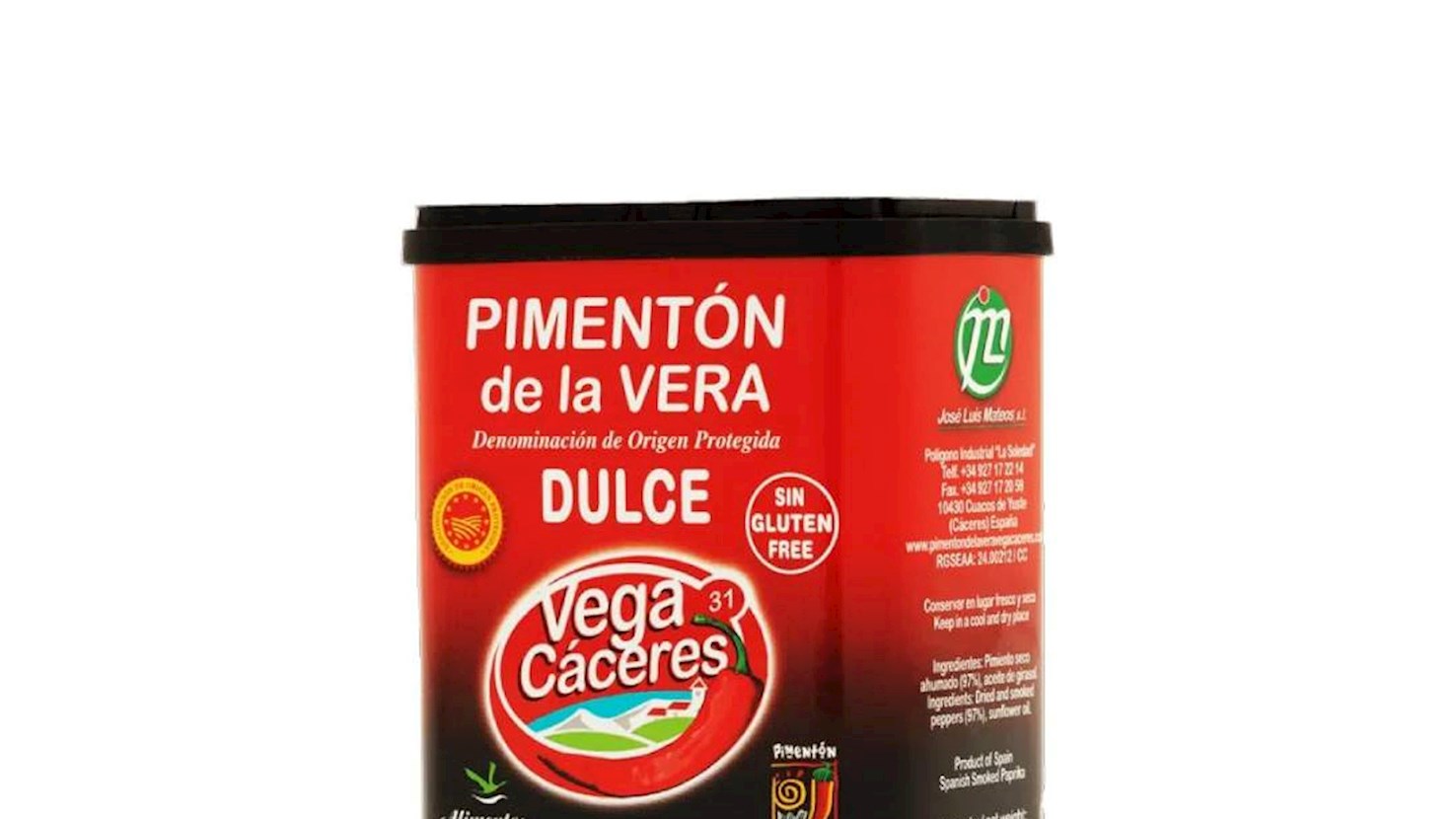
Pimentón de la Vera Vegacáceres is a Spanish company specializing in the production of smoked paprika with Protected Designation of Origin (PDO) from the La Vera region in Cáceres, Spain. Founded in 1946 by the Mateos family, the company has upheld its legacy by preserving traditional production methods passed down through generations. With over 70 years of experience, Pimentón de la Vera Vegacáceres has established itself as a trusted name in producing high-quality, authentic smoked paprika. Its products are appreciated in both domestic and international markets for their exceptional taste and premium quality.
Hodi Paprika Ltd. is a producer of spice blends and seasonings. It specializes in paprika products. The company aims to deliver high-quality spices to various markets. It focuses on maintaining traditional methods along with modern technology for processing spices.
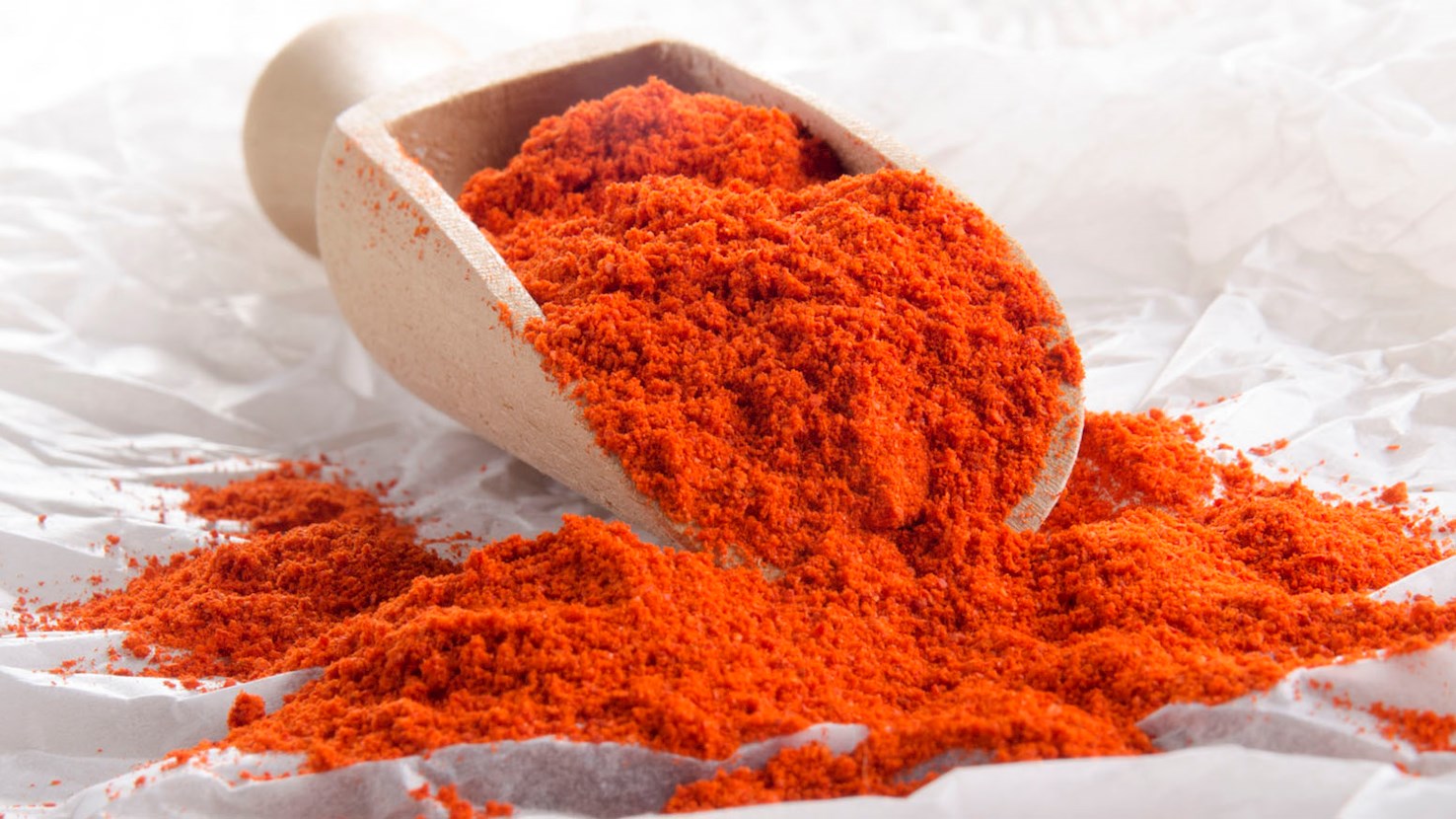
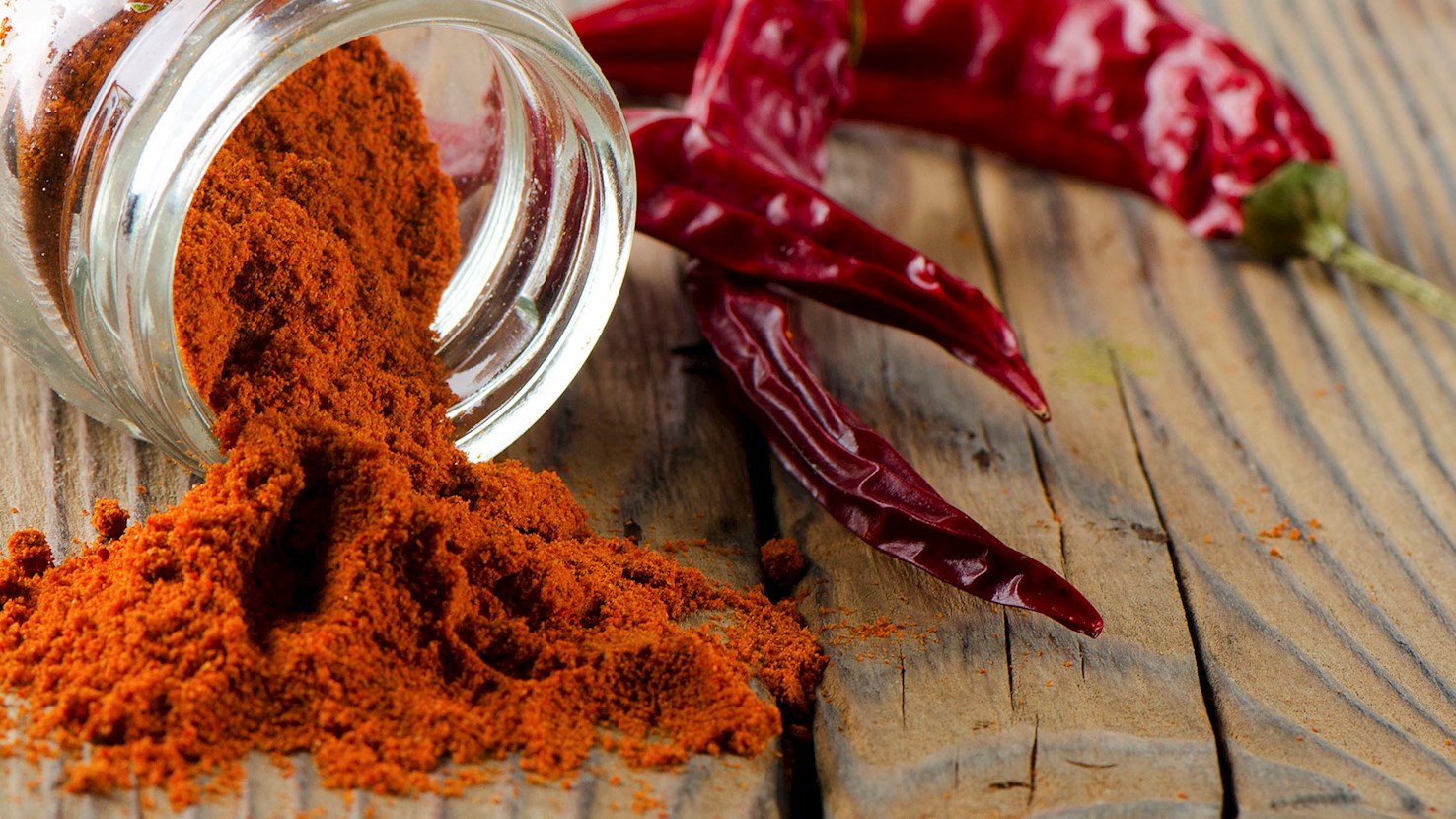
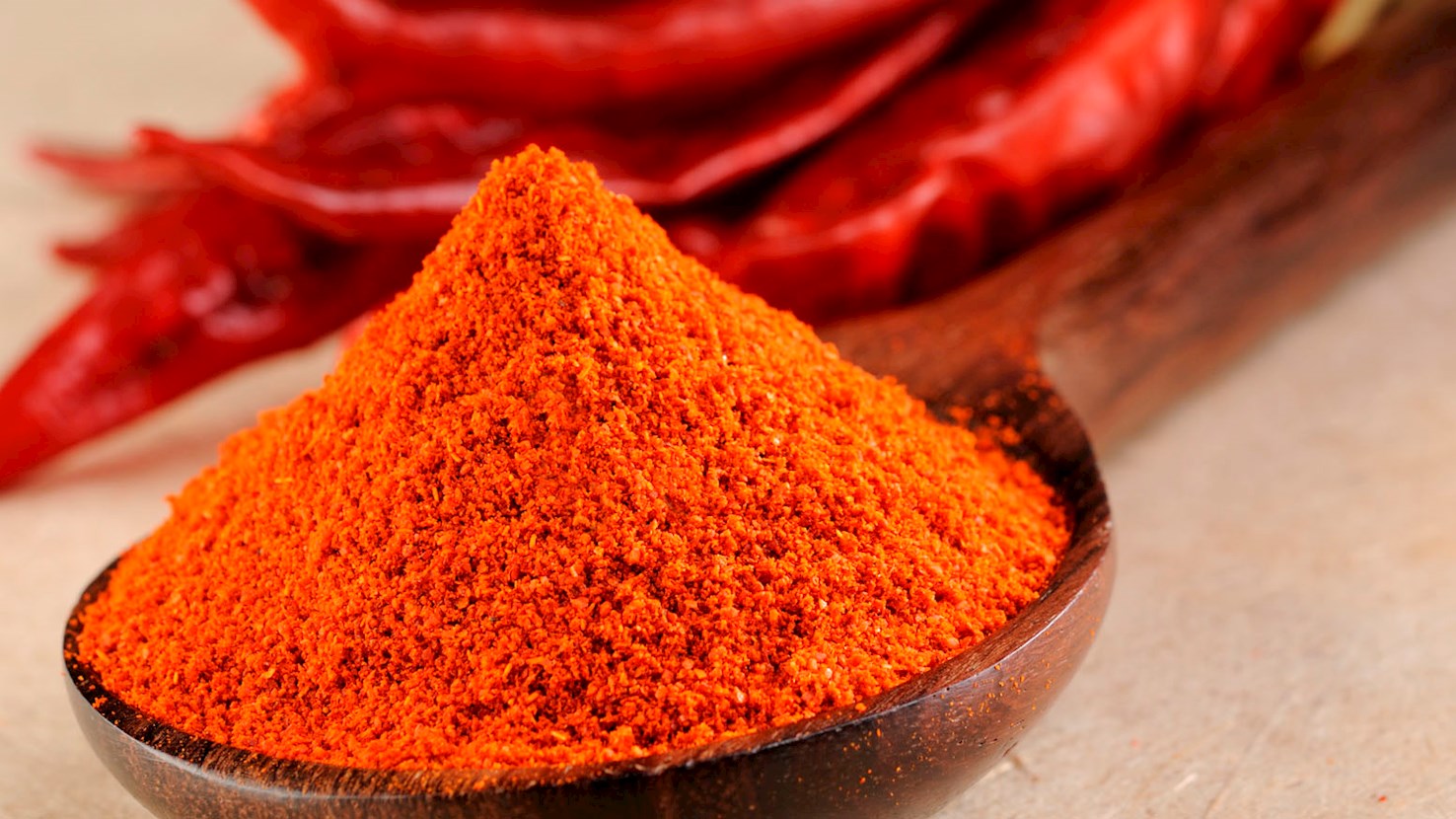
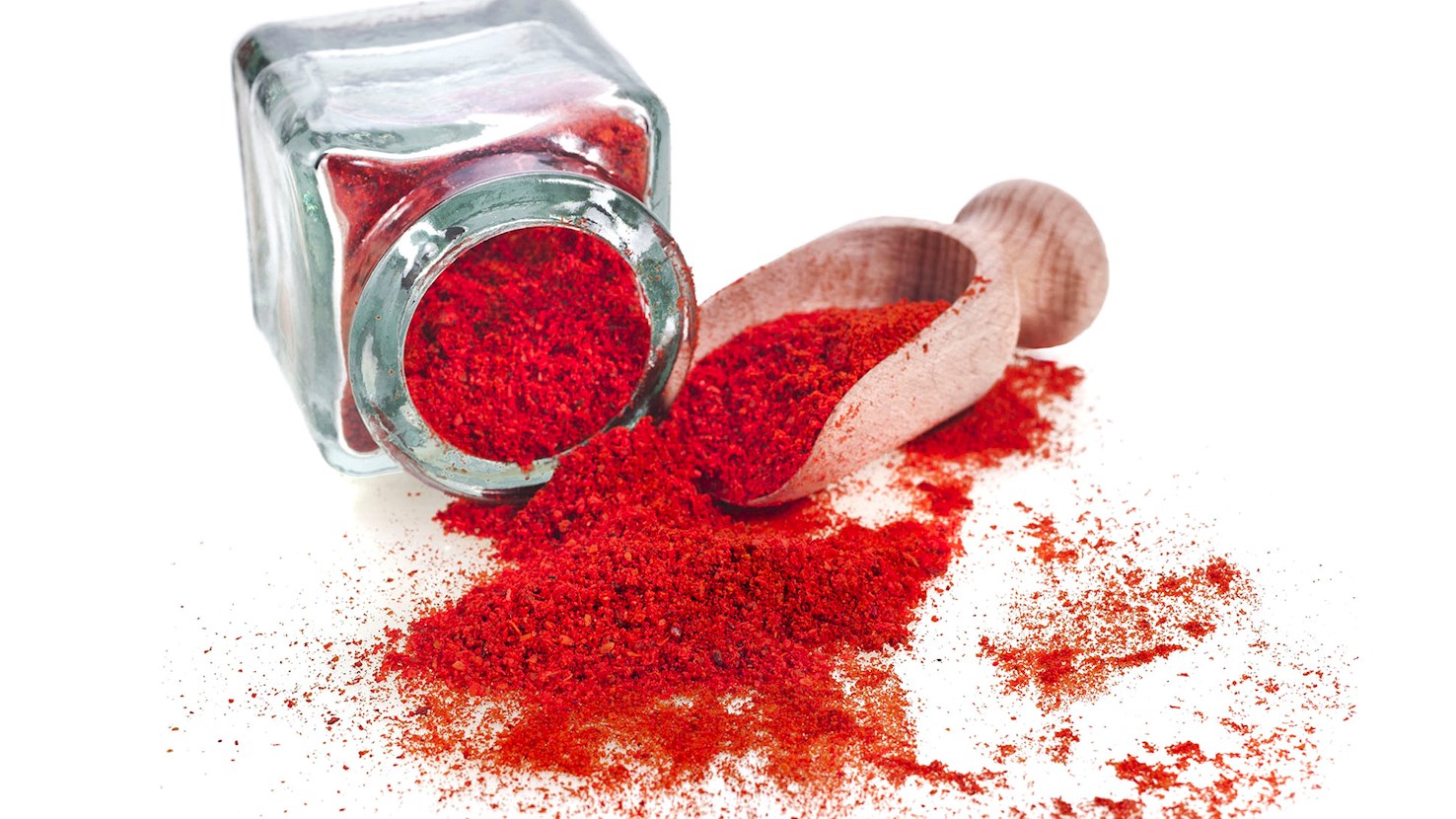
The powdered Szegedi paprika spice is made by grinding the pods of the pepper plants. Its colour is a vivid, fiery red and its aroma is strong and spicy, similar to those of baked vegetables. Once tasted, the flavour is sweet, mellow and spicy but pleasant and not too hot, due to the fact that the capsaicin amount is not above 100mg/kg. In some hotter varieties of Szegedi paprika, the capsaicin amount is higher, so the paprika is also a lot hotter in taste. It is so popular in Hungary that it even has its own museum, and is typically used as a seasoning in hearty stews, goulash or sprinkled on meat. However, it is not merely a spice for the Hungarian people - it is the very core of their cuisine, adding that tinge of red colour to almost every dish and making it just a little bit more interesting.
This unique paprika product is made under strict quality measures by grinding the dried pods of deep, silky red pepper plants of different varieties. The peppers must be ground uniformly and the aroma is spicy and pleasant, comparable to that of roasted seeds. It has a sweet, fruity taste, and the higher the capsaicin content in the peppers, the hotter the final product will be. The ground paprika is then packed and sold, and used mainly as a spice in a variety of dishes including stews, on eggs, fish, pasta, potatoes, and in marinades for roasted meat.
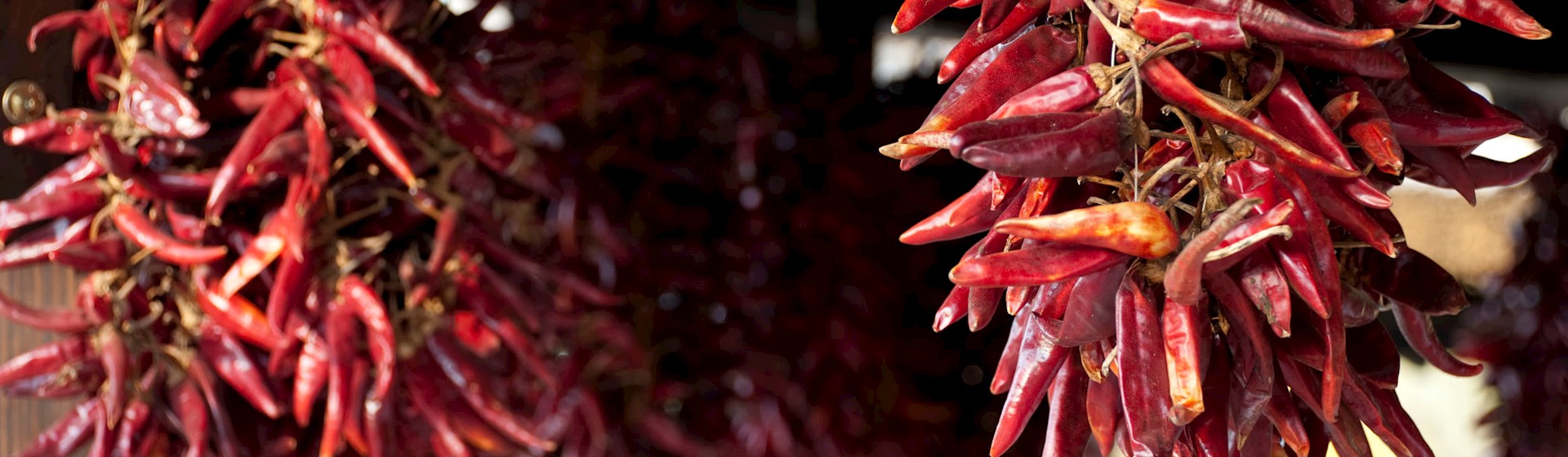
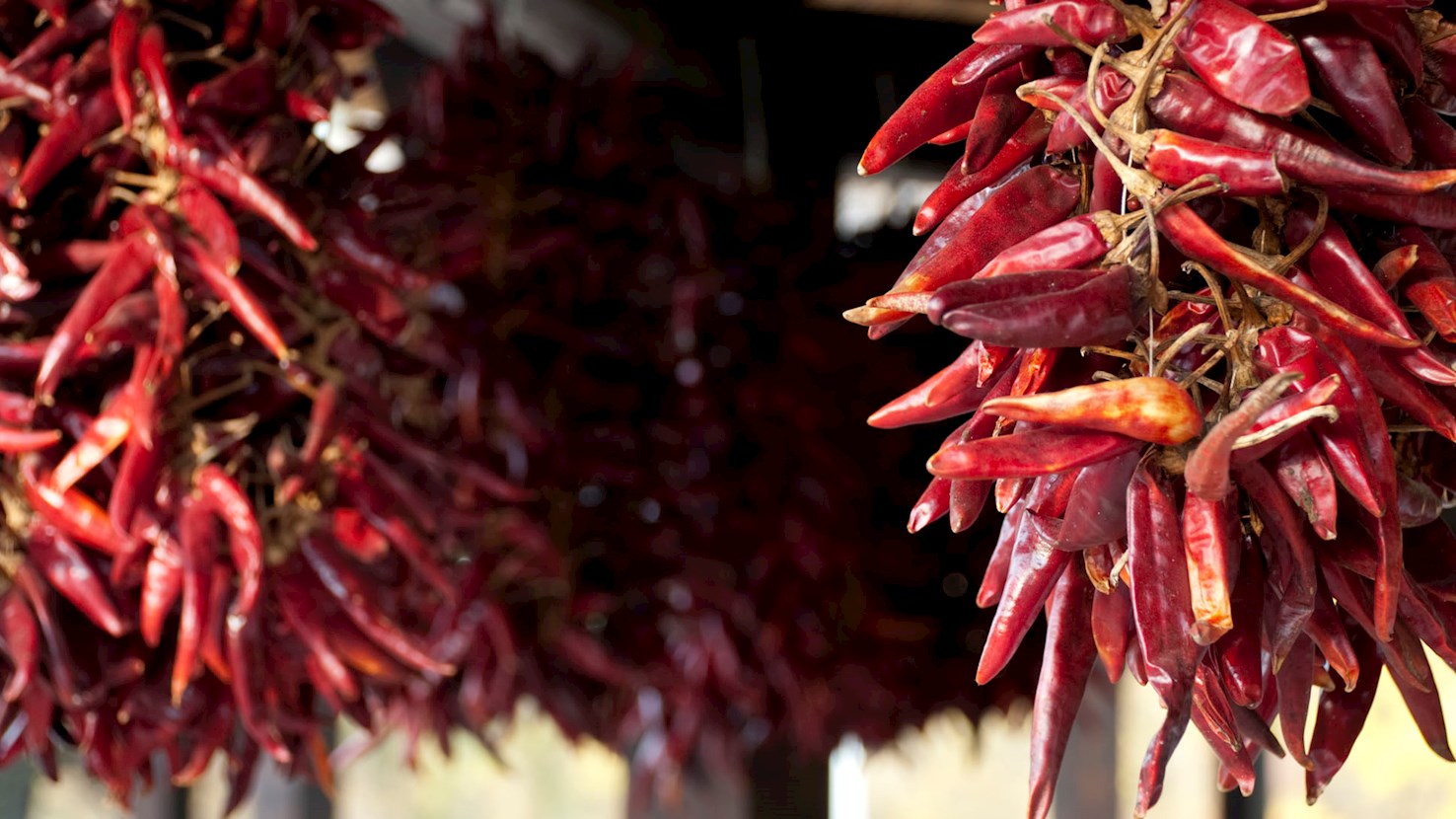
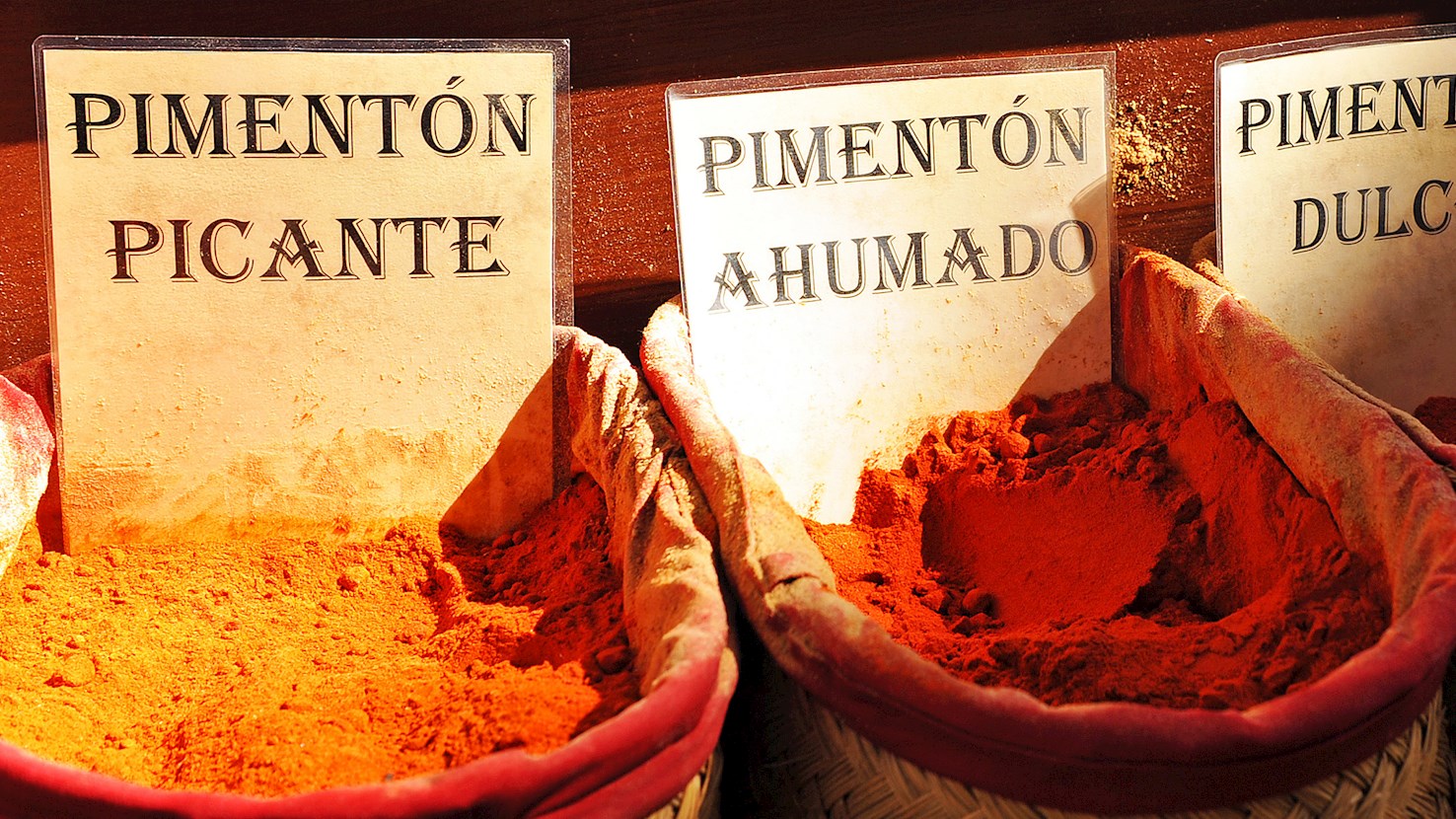
Pimentón de la Vera is the smoked paprika that has been produced exclusively in the La Vera valley, in the province of Cáceres since the 16th century. This vibrant red spice is made by grinding dried peppers into a fragrant, spicy, smoky powder. It became popular in the 16th century when the Spanish conquistadors brought the peppers back from Mexico as a gift for the king and queen of Spain. In autumn, after harvesting, the finest peppers are hanged on strings and are left to dry. They are then smoked using oak wood for two weeks, thus intensifying both their flavor and color. There are three types of Pimentón de la Vera; dulce, agridulce and picante, or sweet, medium and hot, respectively. The sweet variety is mostly used with light meats, such as octopus, rabbit or chicken. On the other hand, the hot variety is used in heartier winter soups and stews, or in the production of chorizo sausages.
Paprika Žitava, also known as Žitavská paprika, is the first product from the Slovak Republic to acquire the prestigious PDO (Protected designation of origin) quality mark. It takes its name from the Žitava River valley where these peppers were first grown, but since then, it has spread across the Danubian lowlands. The product is a sweet paprika powder made by grinding the dried peppers that are harvested when ripe. It has an intense, orange to red color, due to the oil that gets released from the seeds in the final stage of the grinding process. Its flavor is delicately sweet and intensely deep, reminiscent of sweet peppers, with no bitterness at all. Use it in a variety of hot dishes and stews to give the meals a unique taste, aroma and color.
Pimentón is a Spanish ground spice made from dried red peppers, cultivated mainly in Extremadura and Murcia, with the best-known varieties carrying protected designation of origin such as Pimentón de la Vera and Pimentón de Murcia. What distinguishes it from other ground pepper powders is the drying process, which in the case of La Vera involves oak wood smoke, giving the spice a distinctive aroma and flavour. The peppers themselves were introduced to Spain from the Americas in the 16th century, and their adaptation to the Iberian climate and soils gave rise to a spice that would become an essential part of Spanish cooking. The use of pimentón expanded over the centuries as Spanish cuisine evolved, moving from monasteries where peppers were first cultivated into wider agricultural production. Its role in preserving and flavouring meats, particularly in sausages such as chorizo, made it indispensable in Spanish households and food traditions. The separation into sweet, bittersweet and hot types allowed for its use in a range of dishes, from gentle stews to robustly spiced meals, reflecting both regional preferences and culinary creativity. Its reputation was cemented when specific growing regions, such as La Vera, developed reputations for quality linked to both soil and climate, creating a product that was both distinctive and regionally defined. To prepare pimentón, ripe peppers are harvested, dried either by smoking or in the sun depending on the region, and then slowly ground to a fine powder using stone mills. This method preserves both colour and essential oils, which are key to its flavour. In cooking, it is not used raw but gently heated in oil to release its aromas before being combined with other ingredients. If burned it can become bitter, so handling requires care. Its role in dishes ranges from giving depth to stews such as fabada asturiana, lending colour to rice dishes, seasoning fish and octopus in Galicia, or providing the distinctive character to sausages like chorizo. Today, pimentón is eaten across Spain and far beyond, found in professional kitchens, domestic pantries and global food markets. In Spain it is indispensable in cooking legumes, meat and fish, while internationally it has found its way into marinades, sauces and even vegetarian dishes seeking depth and colour.
Pimentón de Murcia is the paprika produced in the autonomous community of Murcia, on the Southeastern coast of Spain. It is one of the most characteristic spices in the Spanish cuisine, and is used in a wide variety of dishes, from chorizo sausage and lomo to octopus and even fried eggs. It is made exclusively using the prized Ñora peppers, which are hand-picked, sun-dried and milled into this fragrant, spicy, bright red powder. There are three types of Pimentón de Murcia; dulce, agridulce and picante, or sweet, medium and hot, respectively. Its sweet flavor pairs exceptionally well with light meats such as chicken or seafood, so it comes as no surprise it is one of the key ingredients of the Spanish Paella.
TasteAtlas food rankings are based on the ratings of the TasteAtlas audience, with a series of mechanisms that recognize real users and that ignore bot,
nationalist or local patriotic ratings, and give additional value to the ratings of users that the system recognizes as knowledgeable.
For the “Top 7 European Paprikas” list until June 10, 2026, 270 ratings were recorded, of which 203 were recognized by the system as legitimate.
TasteAtlas Rankings should not be seen as the final global conclusion about food. Their purpose is to promote excellent local foods,
instill pride in traditional dishes, and arouse curiosity about dishes you haven’t tried.
The initial list of top producers was compiled based on available reviews, awards, local recommendations, media and blog coverage, and consumer reviews.
The list will be updated with ratings from TasteAtlas local ambassadors and TasteAtlas users.