




shutterstock

Top 11 Greek Pasta

Last updated on June 15, 2026

Best Greek Pasta

01

Kritiki Gi

4.3 ·
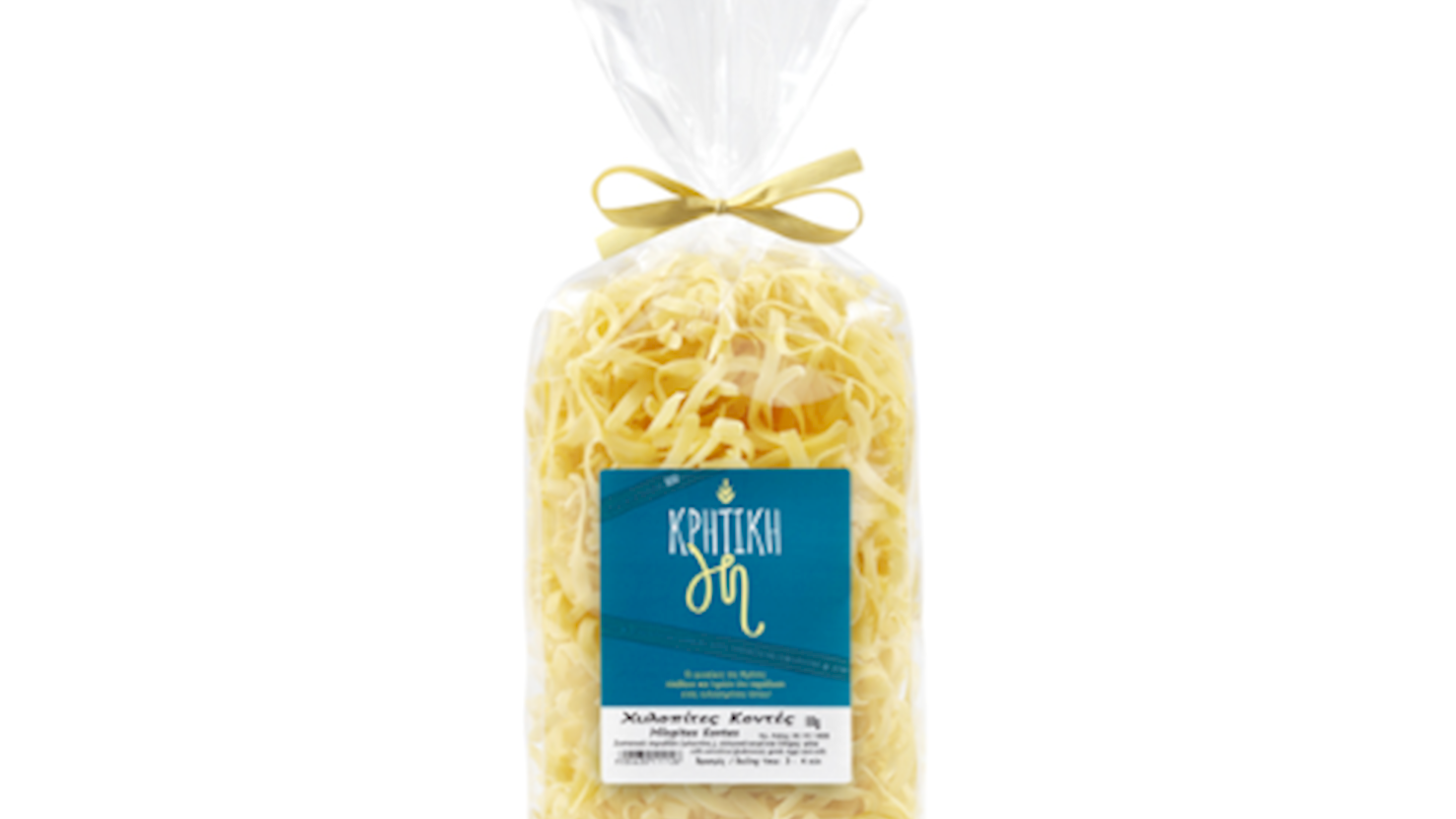
Kritiki Gi is a Cretan producer focused on traditional grain-based products. Its portfolio centers on local staples such as chylopites, skioufichto, and xinochontros, all rooted in the island’s domestic cooking practices. The production approach relies on simple ingredients like durum wheat, eggs, and, in some cases, milk or yogurt, used as components within specific recipes rather than as standalone dairy products. Kritiki Gi follows traditional preparation methods, maintaining minimal processing and emphasizing the natural characteristics of the raw materials. The resulting products are designed for everyday use, reflecting the functional role of food in the Cretan diet. Their textures and cooking behavior are adapted to absorb flavors, making them suitable for a range of simple and more complex dishes. The brand does not position itself around large-scale industrial production, but around continuity and consistency within a local food system. This approach preserves the link between product, raw material, and regional culinary identity. Overall, Kritiki Gi represents a category of producers that sustain traditional grain-based foods as part of contemporary Cretan cuisine.
02

Makvel

4.1 ·
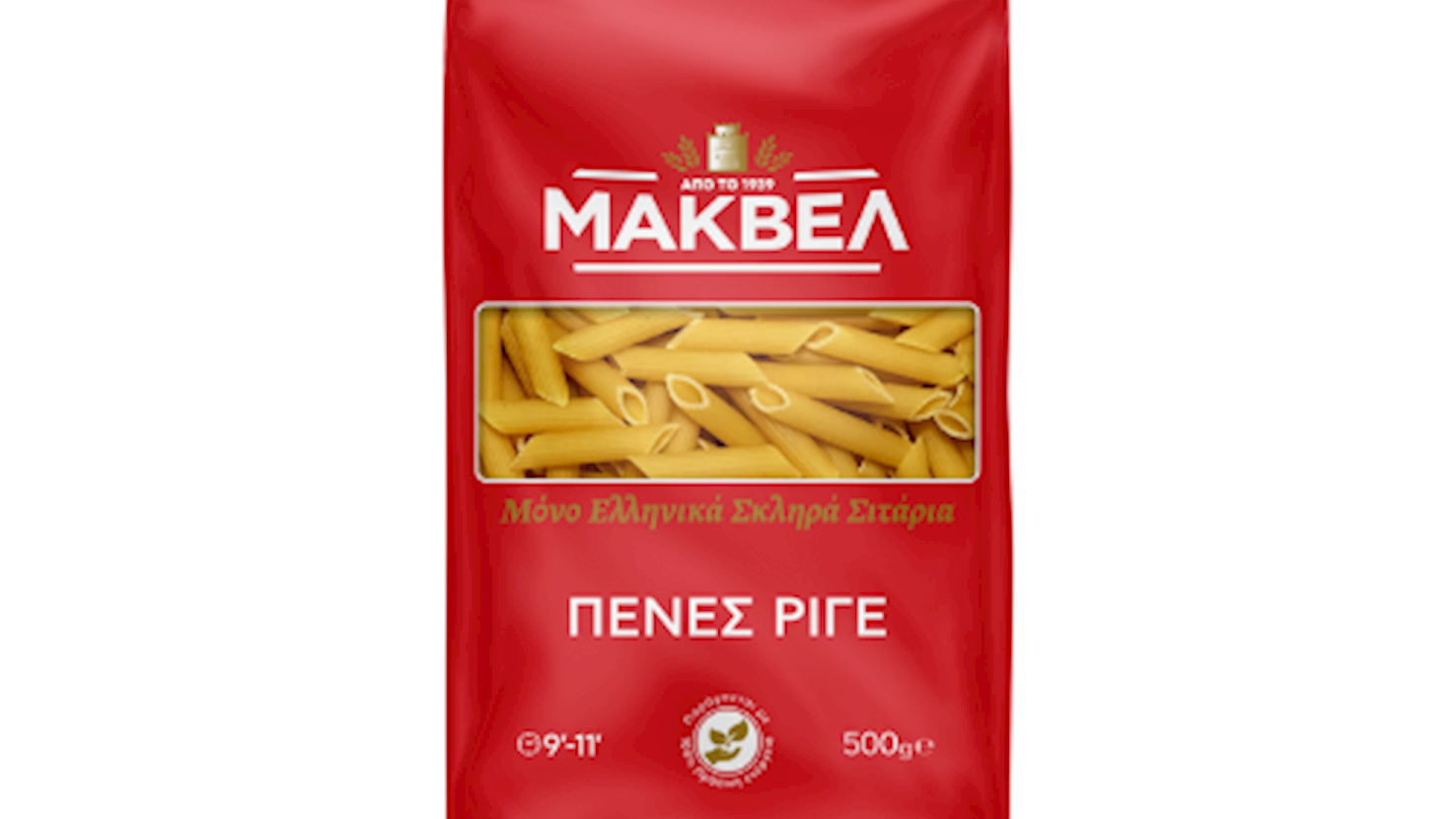
Makvel is one of Greece’s leading pasta producers, a name that has been synonymous with quality, reliability, and a deep-rooted dedication to the Mediterranean culinary heritage for decades. Makvel has always upheld the values of local production, selecting only the finest durum wheat from Greek fields to craft pasta with a rich flavor and ideal texture. While employing advanced drying and shaping techniques, the company never loses the warmth of a hands-on approach and attention to every step of the process. Whether it’s classic varieties like spaghetti, penne, or macaroni, or special lines such as whole grain and children’s pasta, Makvel’s products exude rustic authenticity and a perfect balance. Beyond Greece, Makvel continues to win over international markets, proudly spreading the spirit of Mediterranean cuisine across the globe.
03

Melissa Pasta

4.0 ·
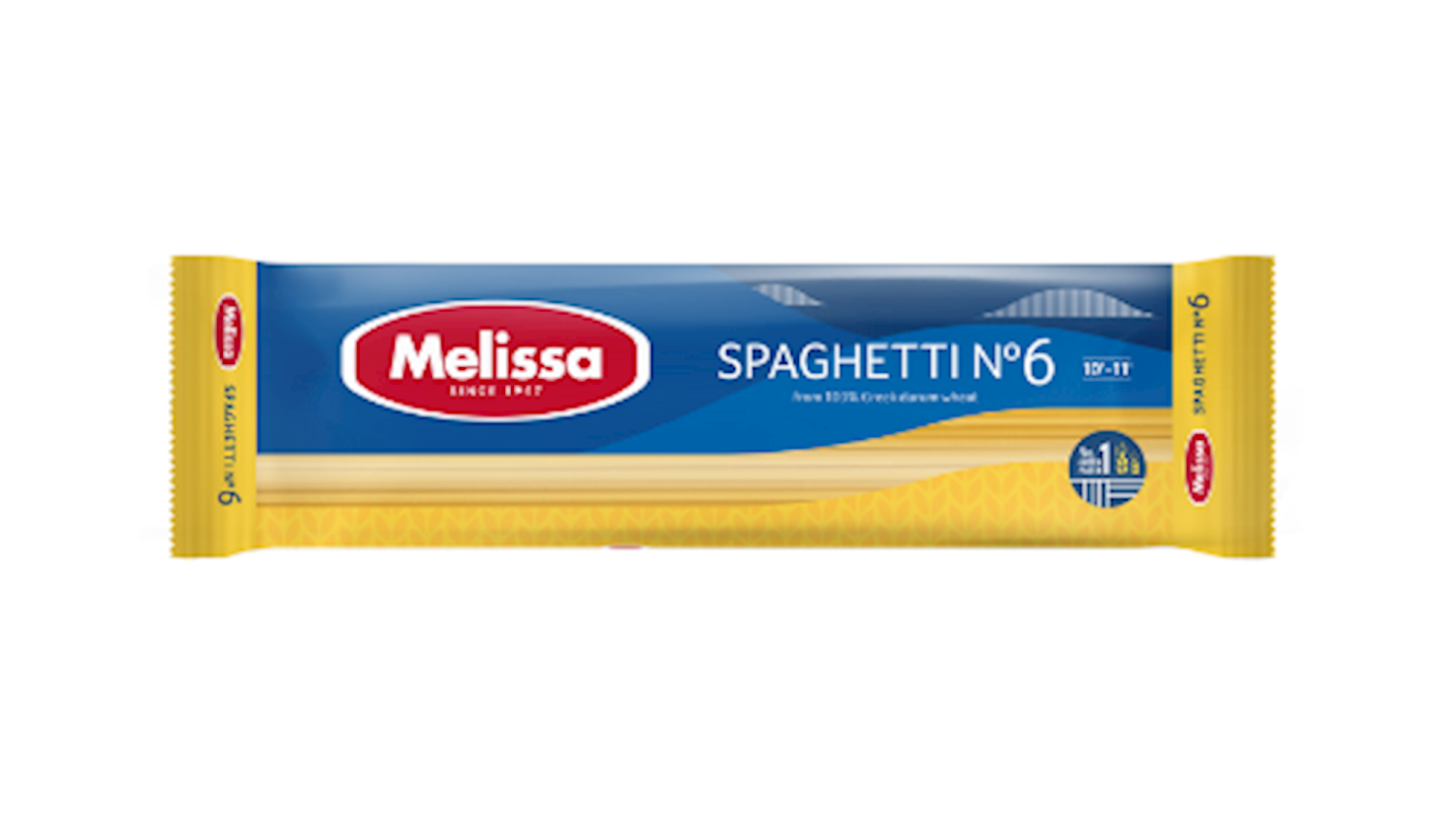
Melissa Pasta is one of the most renowned Greek pasta producers, with a rich tradition dating back to 1947. Known for its high-quality products and dedication to tradition, Melissa has become an indispensable brand in Mediterranean cuisine. The company specializes in producing pasta from durum wheat semolina, carefully selecting the best grains from Greek fields to ensure a rich and authentic flavor. The brand offers a wide range of pasta shapes, from classic spaghetti and penne to regional specialties, all produced using advanced manufacturing methods while maintaining a traditional approach. Melissa pasta is known for its exceptional texture, which allows sauces to cling perfectly, making it a favorite in a variety of dishes, from simple meals to more elaborate recipes.
Awards
London IOOC - Platinum (2023)
Olive Japan - Gold (2023)
04

Misko

4.0 ·
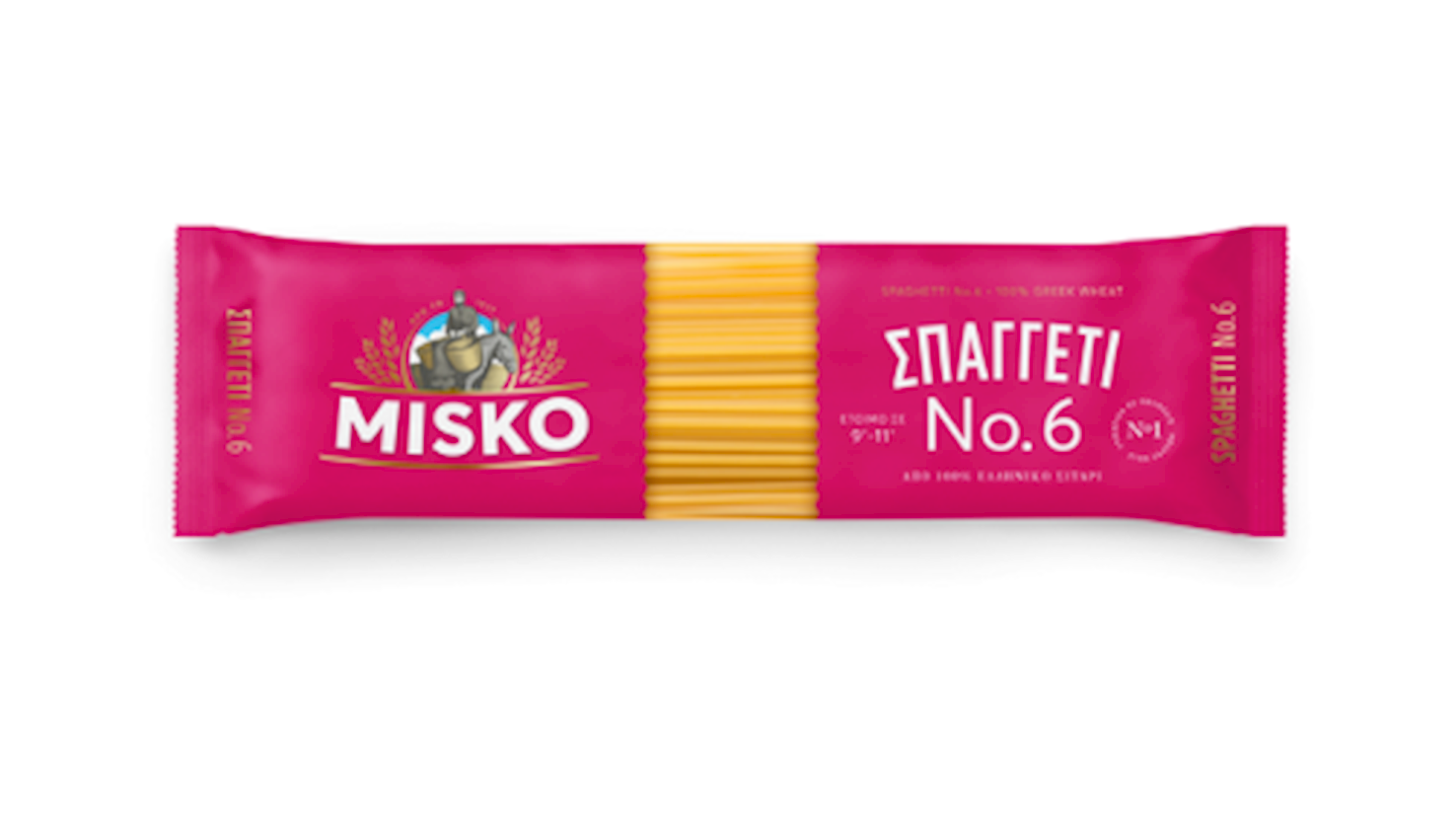
Misko is a significant Greek pasta brand, and since 1992, it has been part of the Barilla Group, the Italian leader in pasta production and related products. This collaboration has allowed Misko to expand its operations, leveraging the resources and expertise of a global leader while maintaining its tradition and authenticity as one of the most recognizable Greek brands. The company is dedicated to producing high-quality pasta that meets the needs of modern consumers, using only the finest Greek durum semolina and water. Over the years, the company has expanded its product range and now offers a wide variety of products, including traditional pasta shapes, whole grain versions, gluten-free options, and various types of sauces that complement its dishes.
05

AgrecoFarms

4.0 ·
AgrecoFarms is a Cretan estate that integrates organic farming, food production, and experiential tourism into a single model rooted in traditional practices. Located near Rethymno, the farm is structured as a reconstructed Cretan village, combining vineyards, olive groves, and functional production facilities such as an olive press, winery, and wood-fired ovens. The production approach is based on organic principles, avoiding chemical inputs and emphasizing natural cycles and local biodiversity. Its product range includes olive oil, wine, honey, herbs, preserves, and other goods derived either directly from the farm or from selected local producers. Alongside production, AgrecoFarms operates as a gastronomic destination, with an on-site restaurant that uses ingredients sourced from the estate and surrounding area. A key element of the concept is its educational dimension, offering visitors direct involvement in activities such as harvesting, cooking, and traditional food preparation. This creates a transparent link between raw materials, processing methods, and final products. Rather than functioning as a standard producer, AgrecoFarms represents a holistic system that connects agriculture, gastronomy, and tourism. Its approach aligns with the principles of Mediterranean food culture, where simplicity, seasonality, and origin define quality. Through this model, the estate preserves and presents Cretan culinary heritage in a contemporary context.

Best Greek Pasta

01

Astakomakaronada

4.3 ·

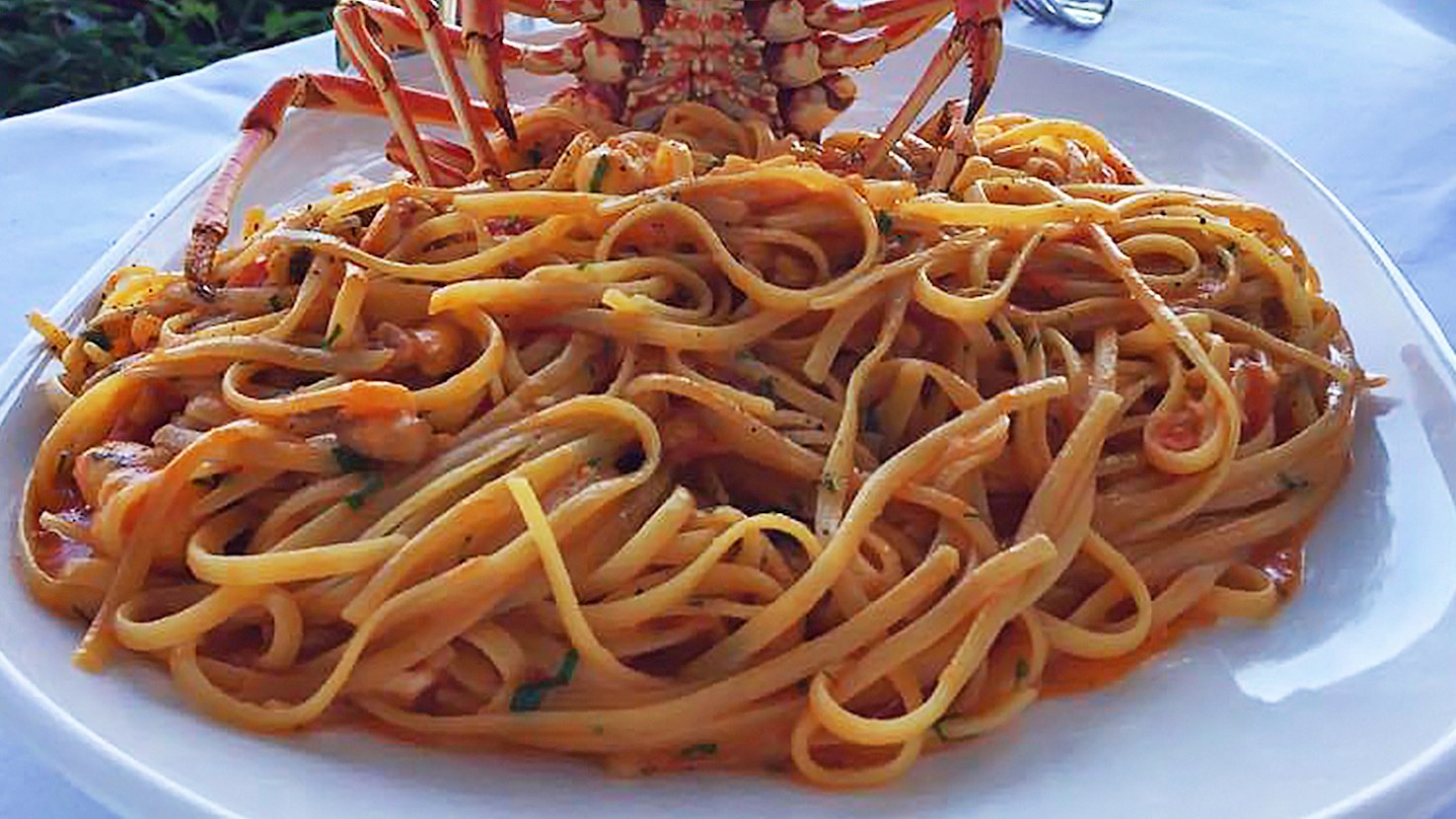
The main element in this exquisite Greek dish is lobster meat that is coupled with a flavorful tomato-based sauce and served over pasta. The dish is typically prepared with spaghetti, while the sauce is usually enriched with wine and various herbs and spices. Lobster meat is traditionally served in shells, and the whole dish is generously garnished with parsley. Though it can be found in other Greek regions, astakomakaronada is mainly associated with the island of Skyros.

02

Makaronia me kima

4.3 ·

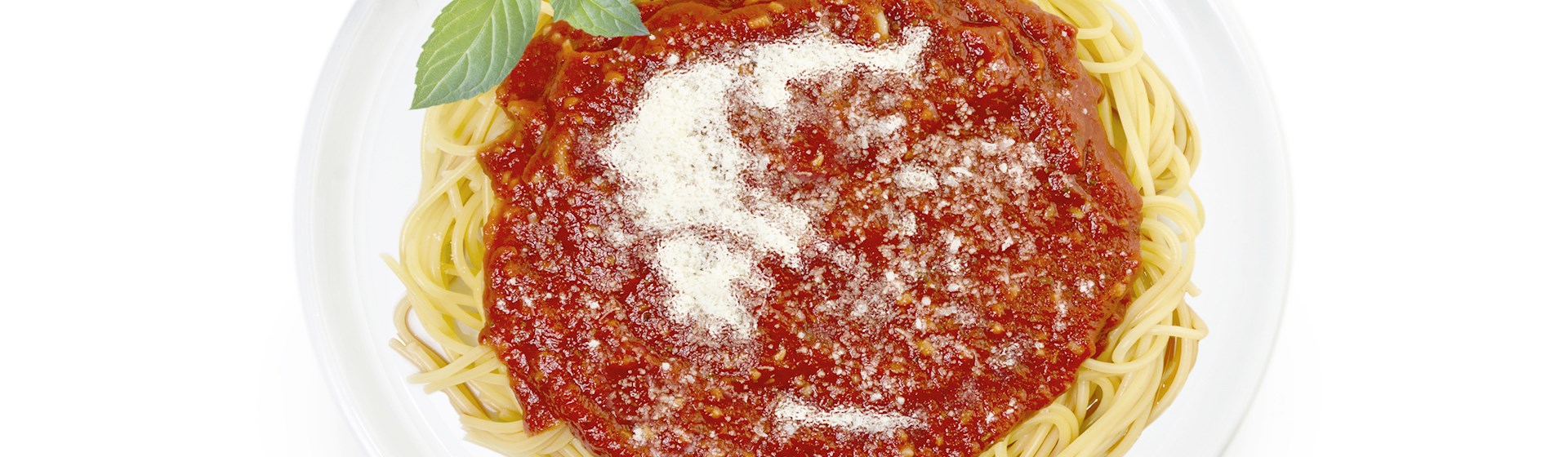
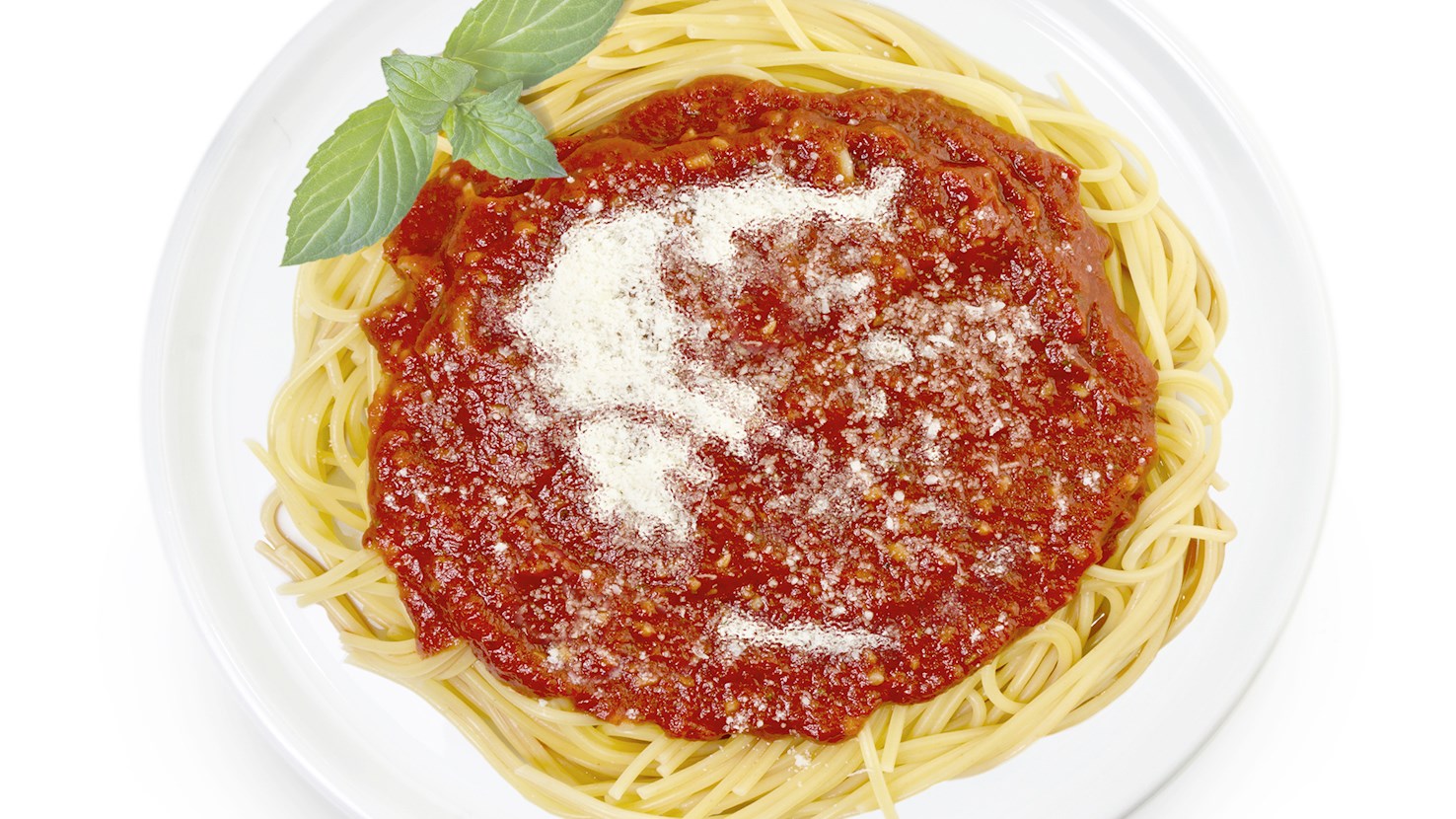
This Greek version of pasta and a tomato-based meat ragù is a traditional dish that appears in numerous versions across the country. Although makaronia me kima is incredibly versatile and can be easily adapted with additional ingredients, it is usually distinguished by the use of fragrant spices such as cinnamon or cloves in the meat ragù. It is a classic comfort dish that is typically garnished with grated cheese.

Best restaurants
03

Pastitsio

4.2 ·

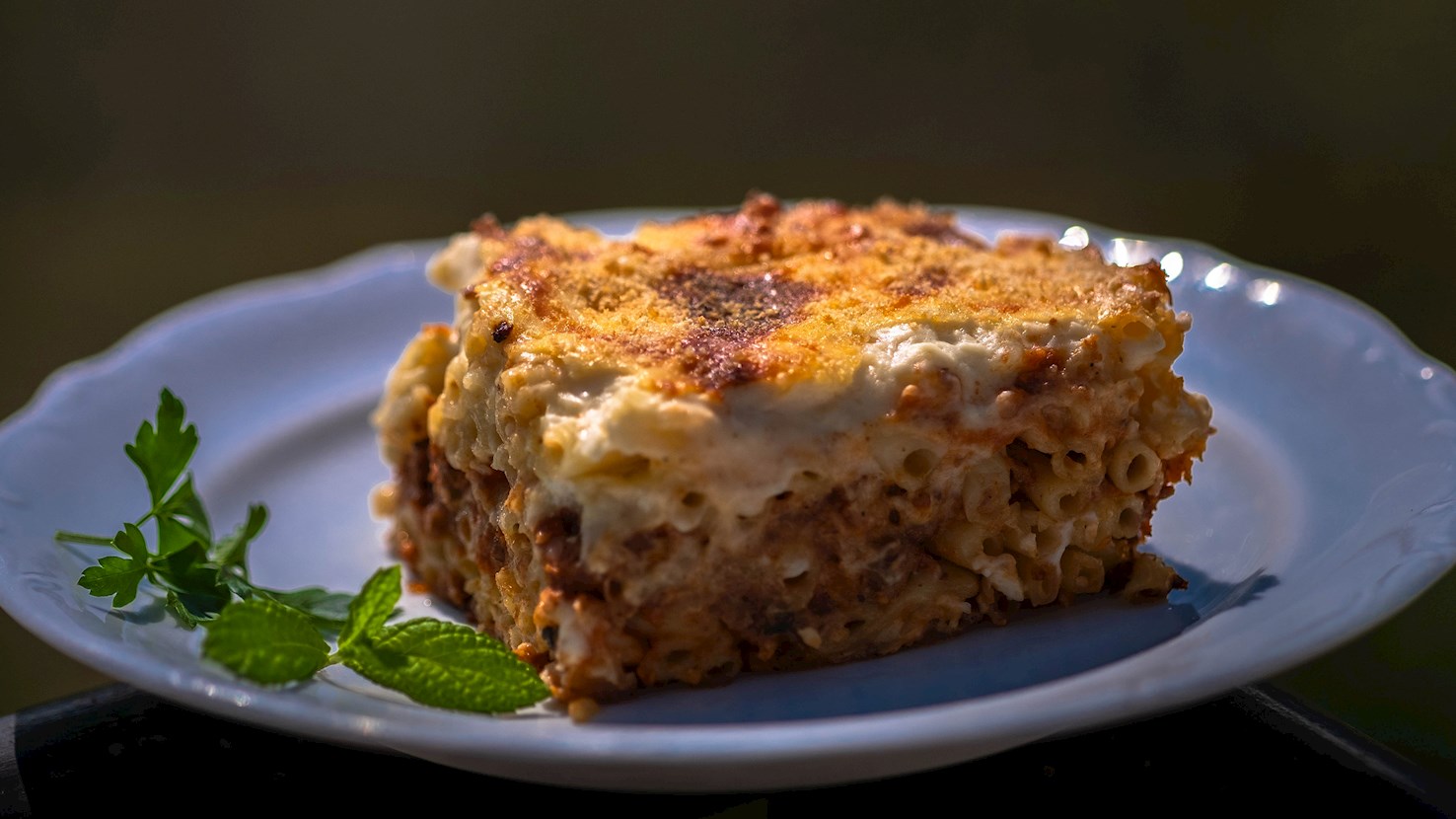
Although the Greeks did not invent pasta, they have been consuming similar foods since ancient times. Actually, some terms we usually associate with Italian food like lasagna and macaroni are thought by some to be of Greek origin. However, this dish takes its name from the Italian pasticcio, a large family of pies featuring pasta and ragú. Pastitsio is to Greeks what lasagne are to the Italians and what mac and cheese is to Americans - intensely aromatic, rich and gooey layers of tubular pasta in a hearty sauce consisting of tomatoes and ground lamb or beef meat, topped with béchamel sauce and, ideally, sprinkled with grated kefalotyri or kasseri cheese. It is a perfect dish for a cold winter night with its intense flavors of cinnamon, nutmeg, cloves, and allspice. In Greece, pastitsio is often enjoyed in February, during the weeks that precede Lent, and on the Sunday of Apokreos, the last day on which the observant are allowed to eat meat. Because it is prepared in large amounts and quite inexpensive, it is also an ideal dish for large crowds of people.

Best restaurants
04

Pastitsada

4.0 ·

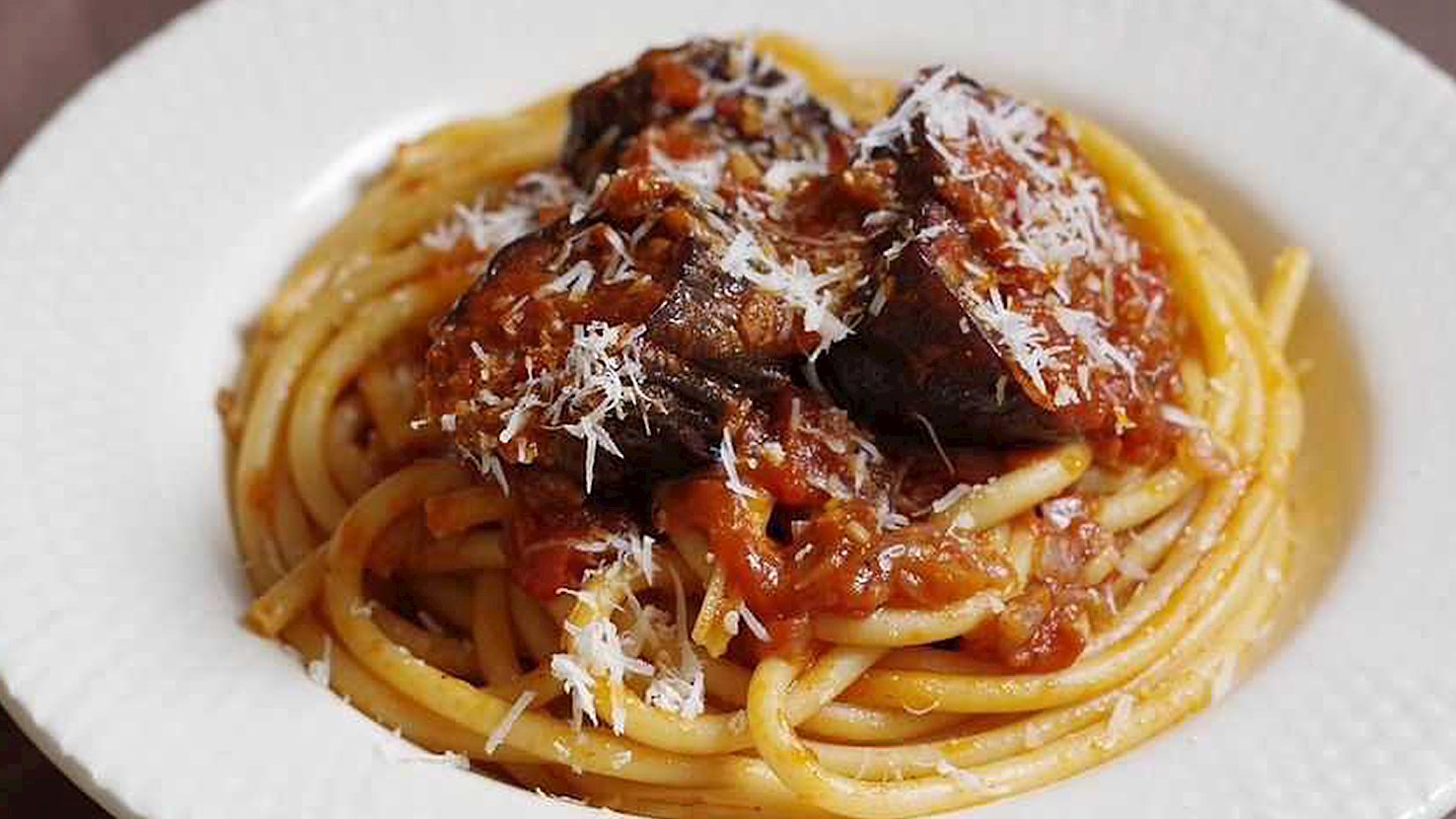
This traditional Greek dish hails from Corfu and typically employs rooster cuts or beef. The meat is primarily seared and then sautéed in a flavorful tomato-based sauce alongside onions, garlic, olive oil, wine, and various spices that typically include nutmeg, cinnamon, and cloves. A staple in each traditional tavern on Corfu, the dish is traditionally served over penne, bucatini or spaghetti and is occasionally enjoyed topped with grated cheese.

05

Manestra

3.9 ·

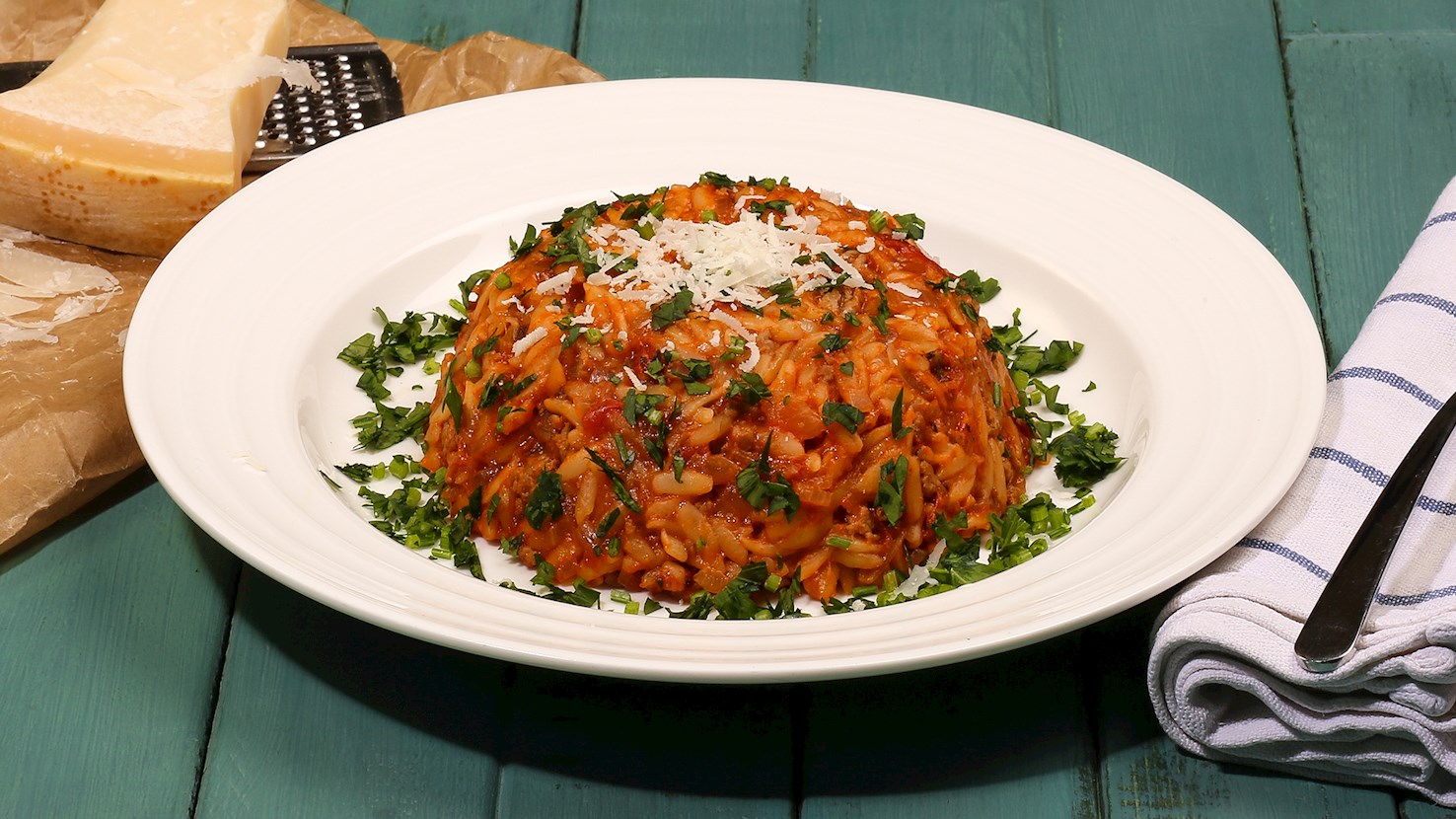
The term manestra in Greece is quite versatile and may refer to orzo pasta, a tomato soup that is enriched with orzo, or a rich orzo-based stew. On the Cycladic islands, manestra mainly denotes a tomato-based orzo soup that is usually enriched with onions, garlic, and olive oil, then occasionally topped with grated cheese. However, the term is often used to refer to a rich orzo stew or a casserole that is elevated with tomatoes and meat and is occasionally interchangeable with the names giouvetsi and kritharaki. Both dishes are classic comfort food, believed to have been invented under Italian culinary tradition.

06

Spaghetti me anthotyro

3.5 ·

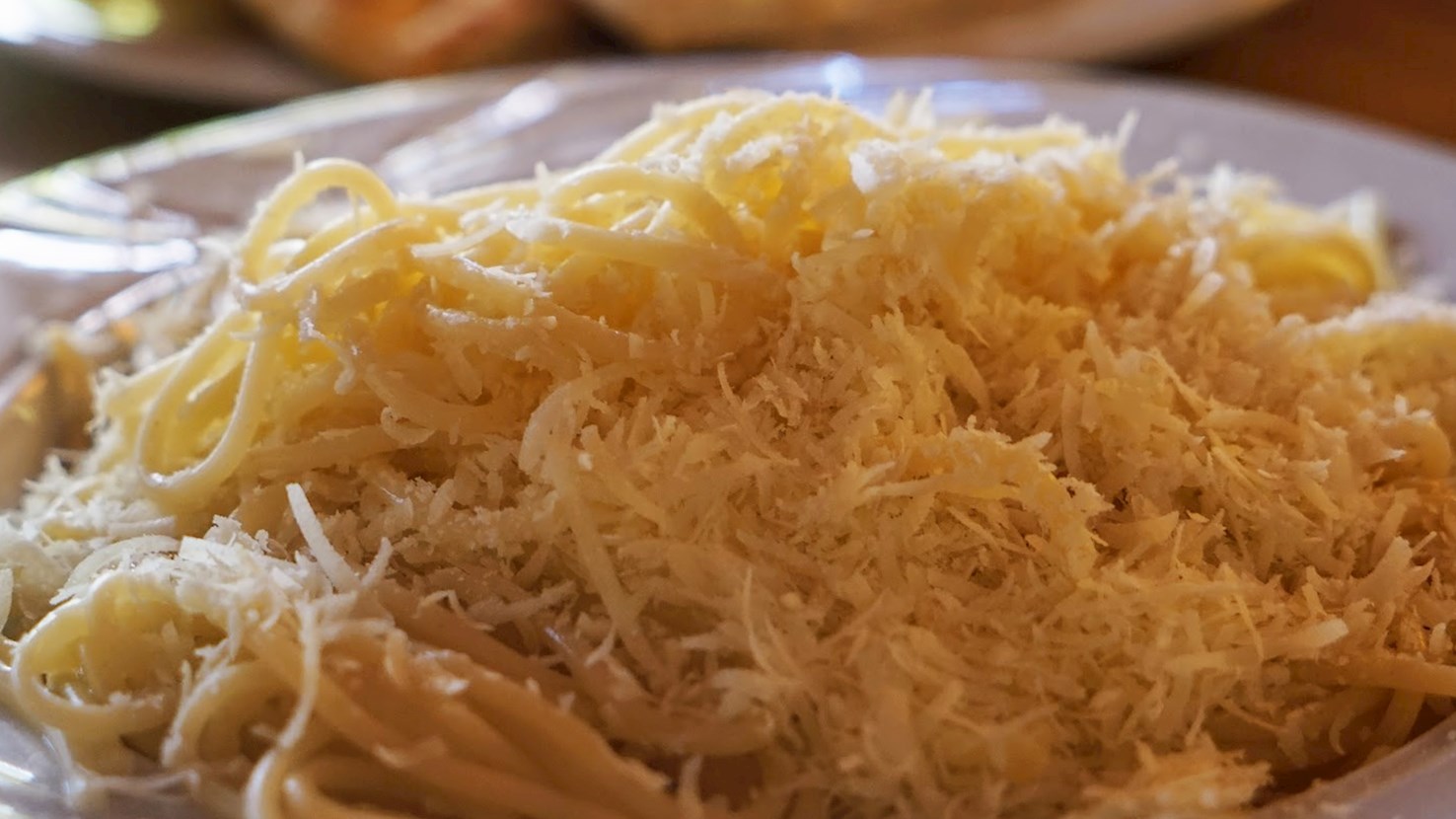
Spaghetti me anthotyro is a pasta specialty hailing from the island of Crete. Traditionally, the spaghetti are boiled in goat or sheep meat stock before they are served drizzled with the stock and topped with a generous amount of local anthotyro cheese. It usually uses the dry variety of anthotyro cheese known as anthotyro xero, a type of hard, white goat’s and sheep’s milk cheese characterized by a salty flavor and a crumbly texture. This simple combination is believed to have been created by Cretan shepherds in the comfort of their mitata (small round stone houses built in the mountains). On Crete, this dish is typically prepared and offered on various celebratory occasions, including traditional Cretan weddings. Pieces of boiled goat or sheep meat are usually served in a separate dish on the side.

07

Makarounes me sitaka

3.2 ·

Makarounes me sitaka is a traditional Kasian dish that combines local ingredients into a flavorful pasta specialty. It consists of boiled makarounes (a local variety of pasta) that are coated with a mixture of the cooking water for the pasta and sitaka (a creamy cheese made from sheep’s and goat’s milk), and finally sprinkled with caramelized onions on top. The pasta is traditionally prepared by local women at their homes, although nowadays it can also be found in store-bought versions. When made for festivals that are celebrated on the island, the pasta is poured into a large, deep metal pan, and then mixed with sitaka and fried onions.

08

Kritharoto thalassinon (Seafood orzo)

n/a ·

Kritharoto thalassinon is a Greek dish that combines orzo pasta, known as kritharaki, with a variety of fresh seafood, such as shrimp, mussels, squid, and sometimes fish. This dish reflects the rich culinary traditions of Greece, emphasizing simple yet vibrant ingredients. The orzo serves as the base, absorbing the seafood flavors and sauce, usually made with tomatoes, olive oil, lemon juice, white wine, garlic, and herbs like oregano or dill. However, some recipes replace tomatoes with saffron. The seafood is the star of the dish, imparting a rich, savory flavor with a hint of the sea. Typically, the orzo is cooked in the same pot as the seafood, allowing it to absorb the juices released during cooking, resulting in a creamy, risotto-like texture. Kritharoto thalassinon is usually a main course, garnished with fresh herbs and a wedge of lemon. It is a popular dish in Greek seaside tavernas, celebrated for its comforting, hearty qualities combined with the fresh flavors of the Mediterranean.

09

Kordelia

n/a ·

Considered a variation of matsata makaronia, kordelia is a traditional dish that consists of homemade pasta ribbons made with flour, fine semolina, salt, and whole milk instead of water. These Greek-style pasta ribbons are cooked in salted water, and then they’re usually enjoyed with a simple tomato sauce and plenty of local grated cheese on top. Typical varieties of cheese used for sprinkling atop the pasta dish include myzithra, kefalotyri, or Pecorino Romano.

10

Tsouchti

n/a ·

Tsouchti is a traditional pasta dish from Mani, a region in the southern Peloponnese of Greece. This dish is characterized by its simplicity and the use of ingredients that are readily available in local homes. Tsouchti is made with traditional chilopites pasta, olive oil, butter, dry grated myzithra cheese, eggs, and breadcrumbs. The eggs, a crucial element of the dish, are typically served with a runny yolk. The pasta is boiled, mixed with browned myzithra cheese, and served topped with fried egg and crispy breadcrumbs, seasoned with freshly ground salt and pepper​.

Read more
View all
View map
About this ranking

TasteAtlas food rankings are based on the ratings of the TasteAtlas audience, with a series of mechanisms that recognize real users and that ignore bot, nationalist or local patriotic ratings, and give additional value to the ratings of users that the system recognizes as knowledgeable. For the “Top 11 Greek Pasta” list until June 15, 2026, 965 ratings were recorded, of which 480 were recognized by the system as legitimate. TasteAtlas Rankings should not be seen as the final global conclusion about food. Their purpose is to promote excellent local foods, instill pride in traditional dishes, and arouse curiosity about dishes you haven’t tried.

The initial list of top producers was compiled based on available reviews, awards, local recommendations, media and blog coverage, and consumer reviews. The list will be updated with ratings from TasteAtlas local ambassadors and TasteAtlas users.

Similar lists