




shutterstock

Top 7 Bulgarian Pastries

Last updated on May 15, 2026
01

Mekica

4.4 ·

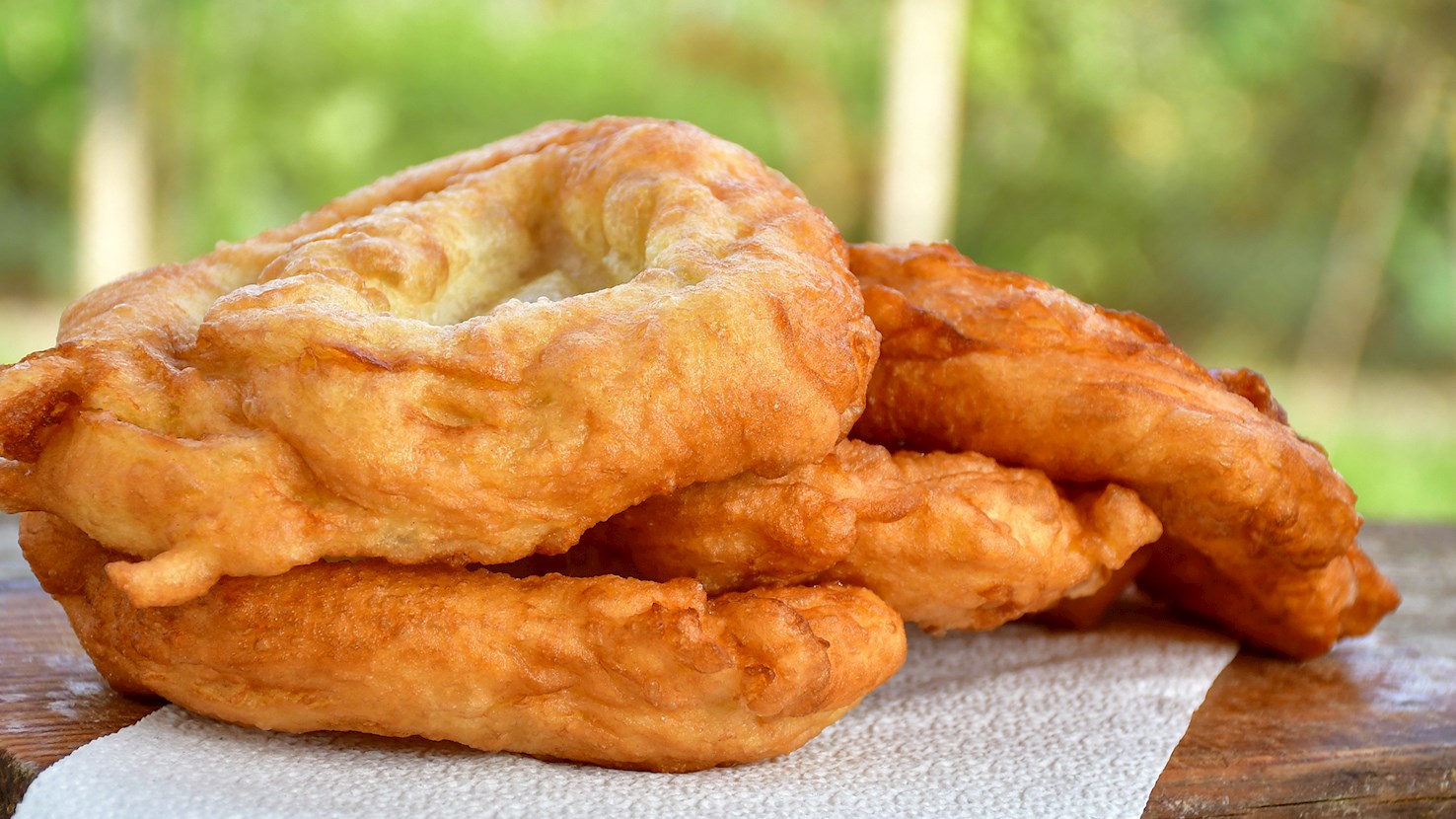
Mekitsa is a popular Bulgarian dish that is traditionally served for breakfast. It is a flatbread made with kneaded dough that is then deep-fried in hot oil. The dough usually consists of flour, water, salt, oil, eggs, yogurt, and a leavening agent. The name mekitsa is derived from the Bulgarian root mek, meaning soft, referring to the flatbread's texture. These flatbreads can be dusted with powdered sugar or paired with yogurt, honey, cheese, or various fruit jams.

Best restaurants
02

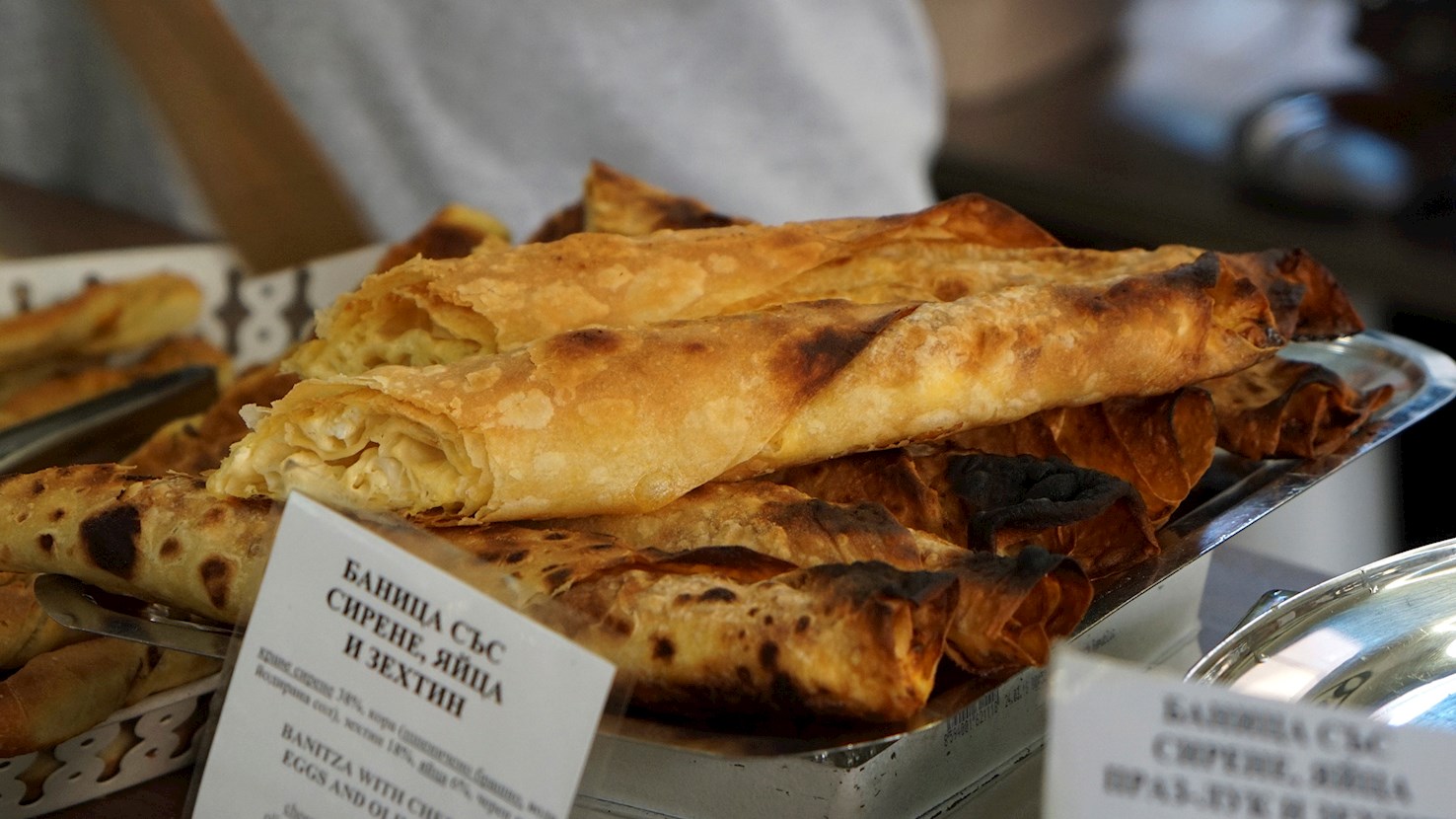
Banitsa sas sirene (Banitsa with cheese)

4.3 ·

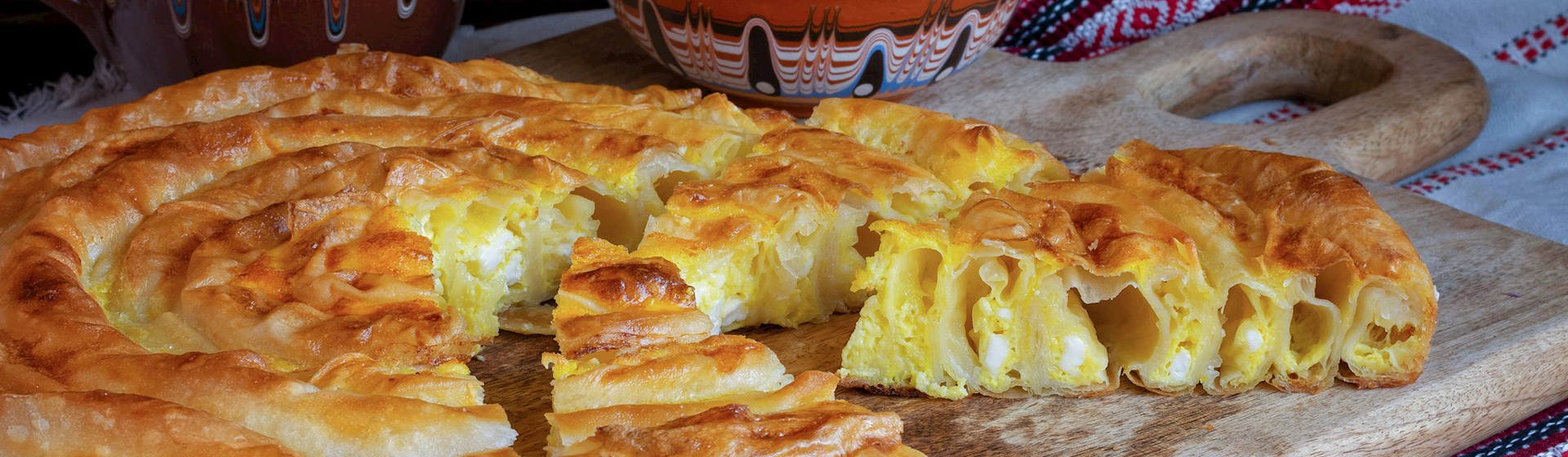
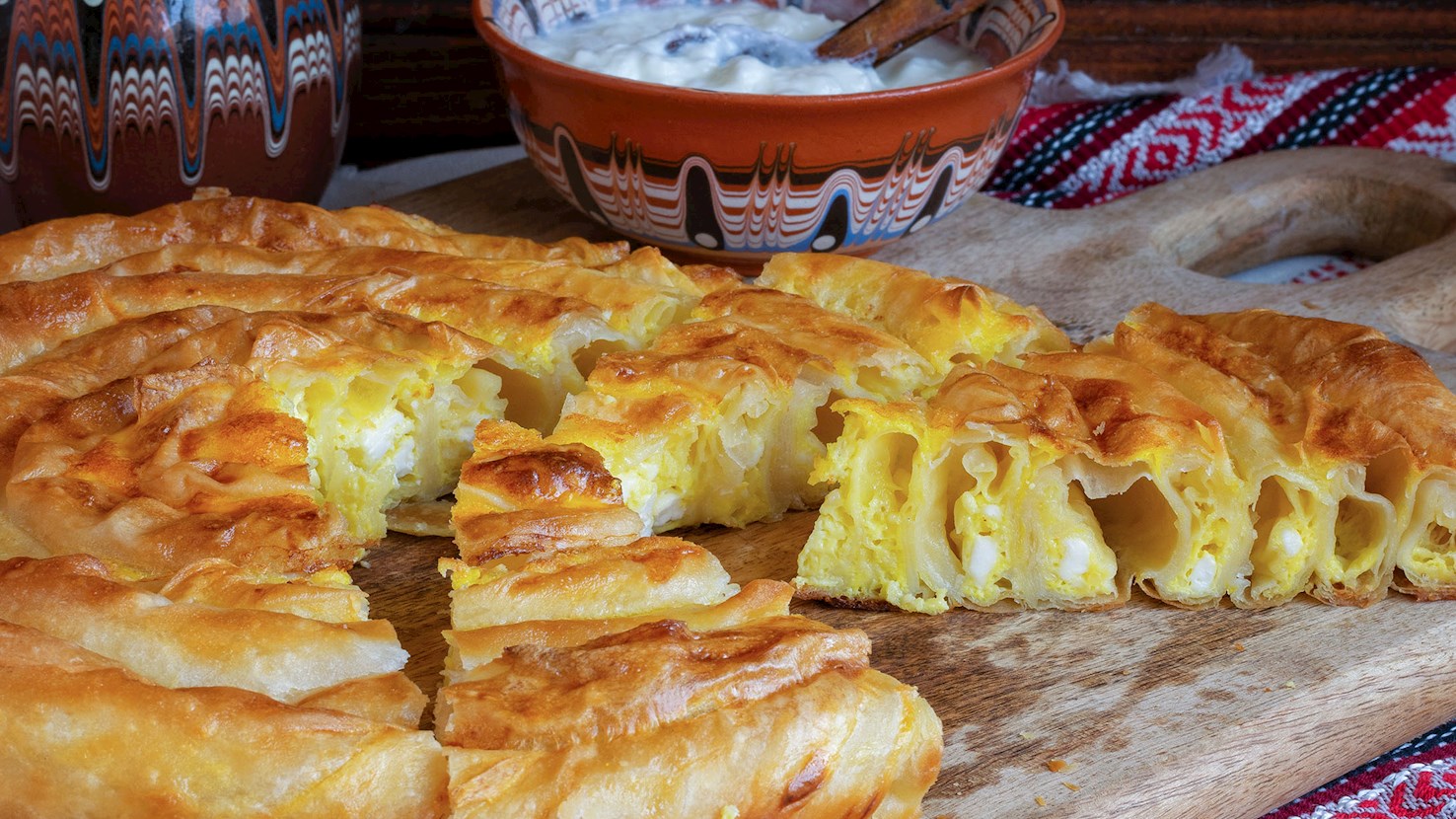
The Bulgarian pie banitsa made with cheese is the main version of this traditional pie. It's made by layering sheets of buttered phyllo pastry with a combination of eggs, yogurt, and cheese such as sirene and feta. There's an optional ingredient in the preparation of banitsa and it's baking soda, which makes the yogurt rise and makes the pie fluffier and richer in flavor. Traditionally, banitsa with cheese was prepared and served on Christmas and New Year's Eve, but nowadays it can also be bought throughout the year at grocery stores, street vendors, kiosks, and pretty much everywhere. Apart from this basic variety, there are also other types of savory or sweet banitsa pies filled with various vegetables and fruits.

03

Tikvenik (Banitsa with pumpkin)

4.1 ·

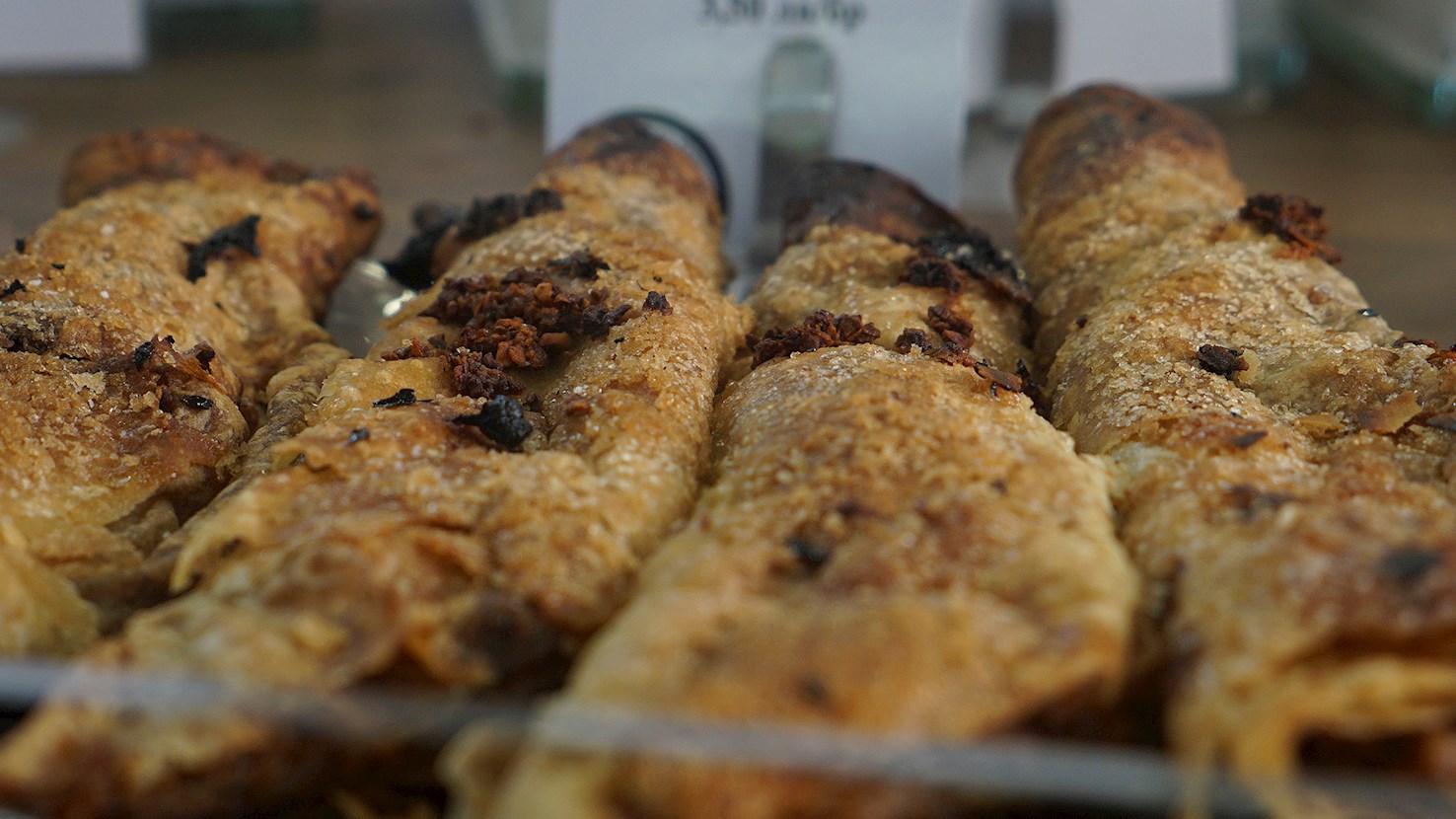
Tikvenik is a traditional pastry consisting of thin sheets of dough that are filled with grated pumpkin, coarsely ground walnuts, sugar, and cinnamon. This pumpkin dessert is a sweet version of banitsa, a phyllo pastry pie that comes in numerous varieties. When baked, tikvenik is sliced and usually dusted with powdered sugar. Tikvenik is often associated with winter season, and it is commonly served on Christmas Eve, but it can be enjoyed throughout the year, either as a delicious breakfast or a hearty dessert. It is recommended to pair tikvenik with a glass of yogurt on the side.

04

Banitsa

4 ·

Banitsa is a traditional dish made by layering sheets of buttered phyllo pastry with a mixture of eggs, yogurt, and white cheeses like sirene and feta for the simple and classic version of banitsa. Besides the classic cheese filling, this pie can be made with a myriad of different fillings, either savory or sweet. Pies with a vegetable filling, such as zelnik, are especially popular. Zelnik can be made with a filling of leafy greens like spinach, nettles, marigold, parsley, and cabbage, praznik is made with leeks, while luchnik is a type of banitsa filled with onions. When it comes to sweet versions of banitsa, there is tikvenik, made with pumpkins, an apple-filled variety, shtrudel, or mlecna banitsa - made by soaking pastry sheets with a mixture of milk, eggs, sugar, and vanilla. Bulgarians sometimes fill banitsa with lucky charms, coins, or pieces of paper that have wishes written on them, a practice that is especially popular during the festive winter season. The pie is typically served as a breakfast dish with yogurt or boza on the side.

05

Funiiki s krem

3.8 ·

Called rurki or rurki z kremem in Poland, this sweet specialty is a type of cream roll consisting of thin pastry that’s typically filled with whipped cream or pastry cream. It is often dubbed torpedo dessert due to its characteristic shape, and apart from Poland, there’s also a long-standing tradition of preparing this dessert in other countries. The origins of rurki are often associated with Türkiye and Bulgaria, where the dessert is known as torpil tatlısı and funiiki s krem, respectively. There are many variations of this sweet delicacy regarding the ingredients used for its preparation, the appearance, texture, and flavor of the rolls, and the type of cream used for filling the pastry. In Poland, rurki cream rolls are usually long and crispy, wafer-like tubes filled with thick and subtly sweet whipped cream, and they’re a staple street snack. In other countries, the cream rolls resemble soft and buttery bread rolls with flaky texture, and they are usually filled with pastry cream or custard cream.

06

Kazanlŭshki ponichki

3.2 ·

Kazanlak donuts are a specialty of the Bulgarian town of Kazanlak – also known as the City of roses. The donuts consist of eggs, flour, yogurt, milk, yeast, salt, sugar, and vanilla flavoring. After the dough has been fried in hot oil, Kazanlak donuts are typically dusted with powdered sugar or topped with honey, jam, or syrup, although they can be consumed without any toppings.

07

Luchnik (Banitsa with onions)

n/a ·

Luchnik is a variant of the Bulgarian pastry banitsa made with onions or leeks. The traditional banitsa is a pastry dish made by layering a mixture of whisked eggs and pieces of cheese between filo pastry and then baking it in an oven. In contrast, luchnik refers explicitly to a version of banitsa filled with onions or leeks (and sometimes additional items like rice, meat, or other vegetables) instead of the more common cheese and egg filling. This onion-filled pastry is typically enjoyed as a savory snack or light meal in Bulgaria and can be found in bakeries and food markets, especially in regions where onions and leeks are a common crop. Similar to other versions of banitsa, luchnik may be enjoyed at any meal or as a festive food for special occasions.

Read more
View all
View map
About this ranking

TasteAtlas food rankings are based on the ratings of the TasteAtlas audience, with a series of mechanisms that recognize real users and that ignore bot, nationalist or local patriotic ratings, and give additional value to the ratings of users that the system recognizes as knowledgeable. For the “Top 7 Bulgarian Pastries” list until May 15, 2026, 1,421 ratings were recorded, of which 575 were recognized by the system as legitimate. TasteAtlas Rankings should not be seen as the final global conclusion about food. Their purpose is to promote excellent local foods, instill pride in traditional dishes, and arouse curiosity about dishes you haven’t tried.

Similar lists