

shutterstock

Top 6 Canadian Pastries

Last updated on May 15, 2026
01

Beaver tails

4.1 ·

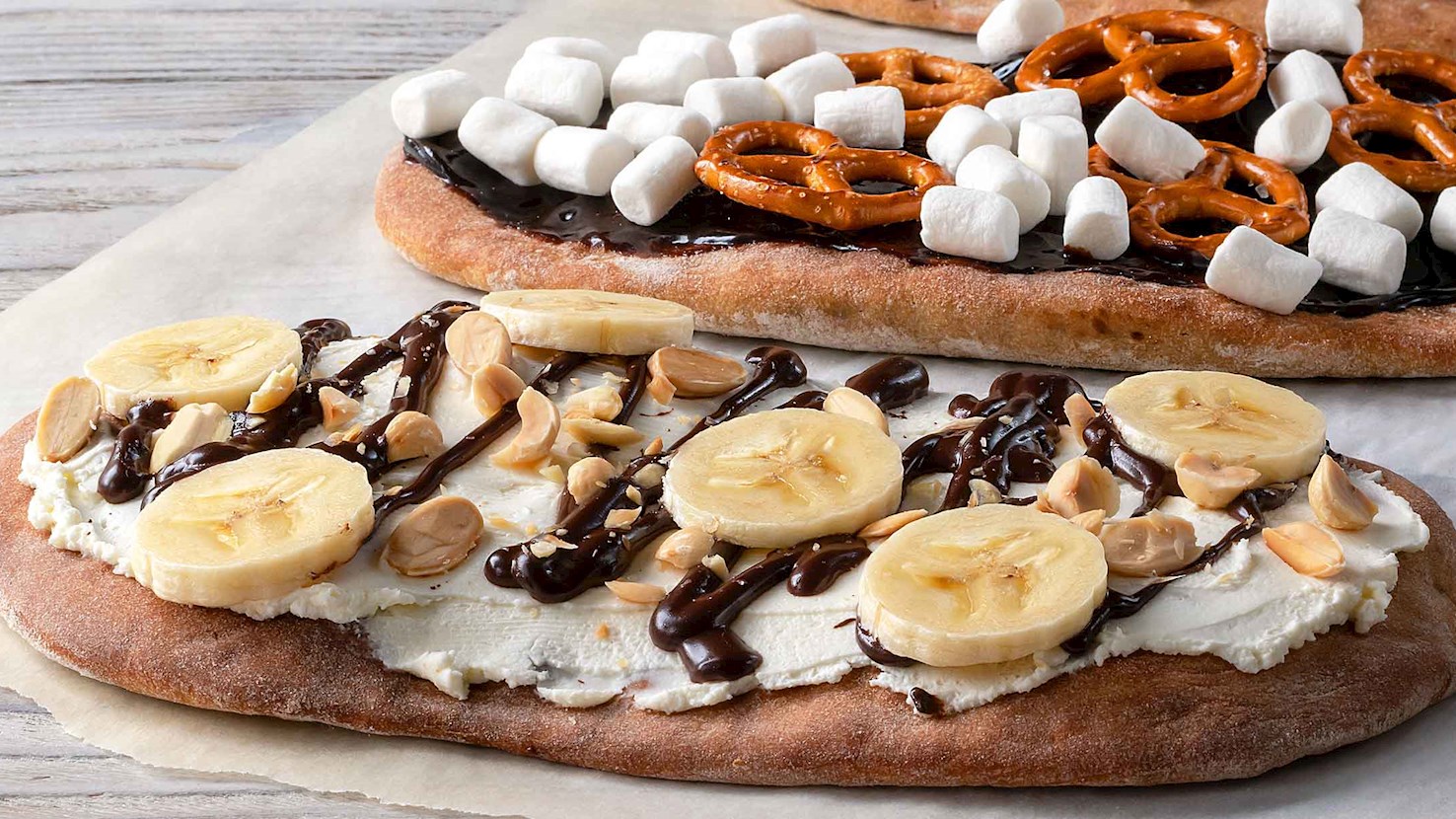
Beaver tails are sweet, flat, and thin Canadian pastries made from whole wheat flour. The dough is hand-stretched and shaped to look like a beaver's tail - unsurprisingly, one of Canada's national symbols. The shaped dough is fried (a technique referred to as float-cooking) on canola oil and smothered with butter and a variety of different toppings. Beaver Tails originated from a recipe created by Grant Hooker's family and have been served commercially since 1978. It is believed that the pastry evolved from a yeasty, wheaty dessert made from excess dough that was first made on early Canadian and American farms. Beaver Tails are always served hot and topped with cinnamon, sugar, and some lemon juice, which is the most popular option. Other toppings may include chocolate and hazelnut, maple syrup and butter, apple and cinnamon, whipped cream, chocolate sauce, jelly beans, bananas... The list goes on, as the possibilities are virtually infinite for this Canadian icon.

02

Butter tarts

4 ·

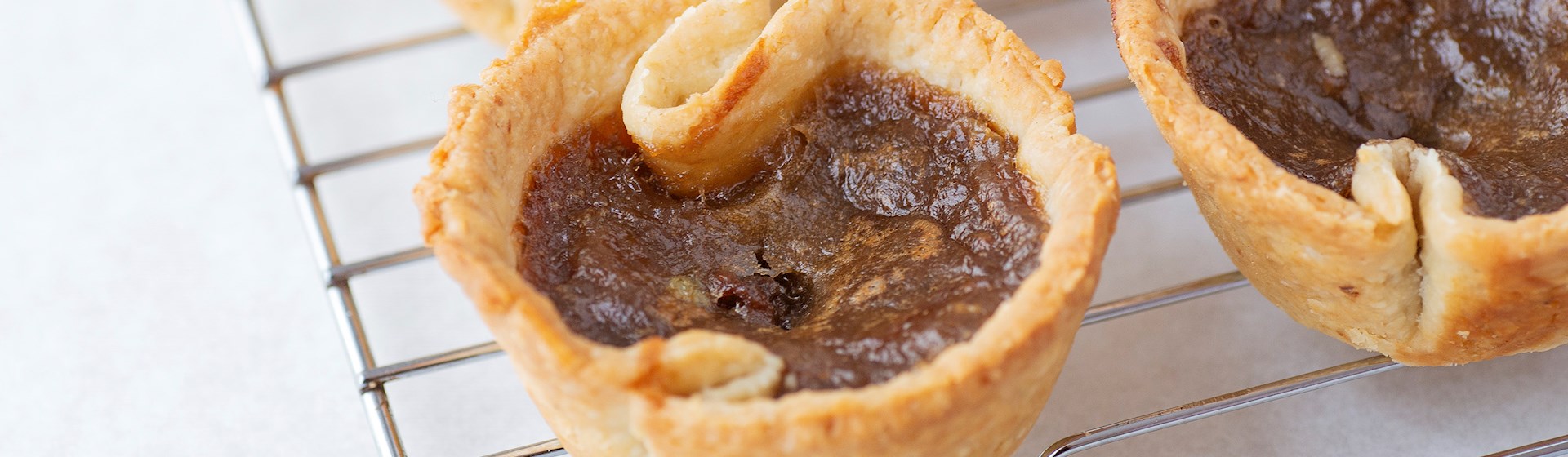
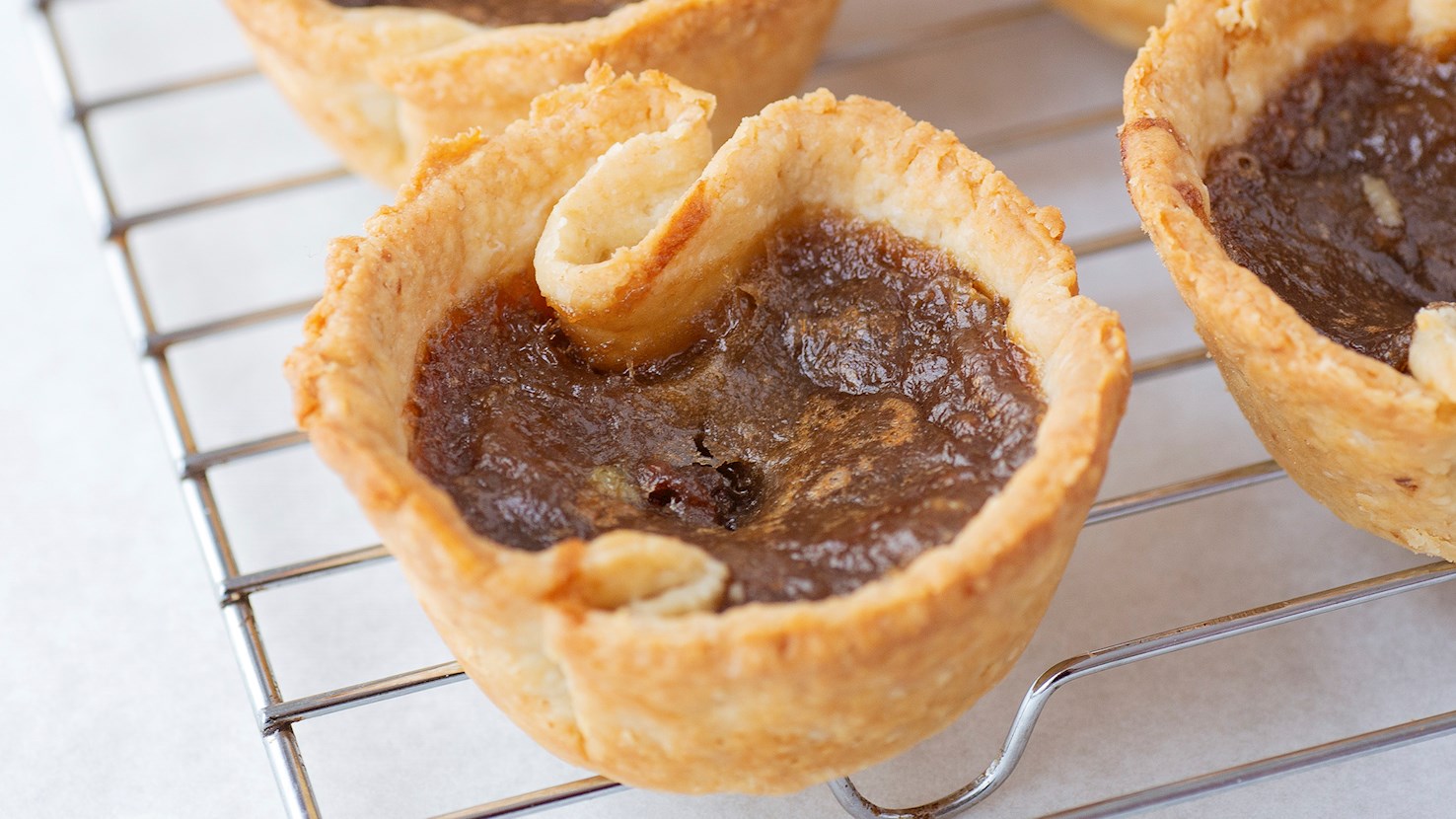
Butter tart is a humble food that achieved iconic status in early 20th-century Canada. The filling is traditionally made with a combination of walnuts, eggs, brown sugar, butter, and white vinegar, and it's then placed into small, flaky, deep or shallow tart shells before baking. Early versions of the recipe, dating back to 1915, suggest that currants and raisins should also be included in the mixture. There are lots of theories about the origin of the tart – some say that it is related to pecan pie, which was brought to the country by American slaves, some say it evolved from Quebec's sugar pie, while others say it's linked to Border Tarts from southern Scotland. Regardless of their origin, butter tarts are nowadays especially popular in the provinces of Ontario and Nova Scotia. The color of baked tarts depends on the darkness of the brown sugar used, and the filling on the interior can be either solid or runny (for a runny tart, the cooking time is shortened).

03

Timbits

3.7 ·

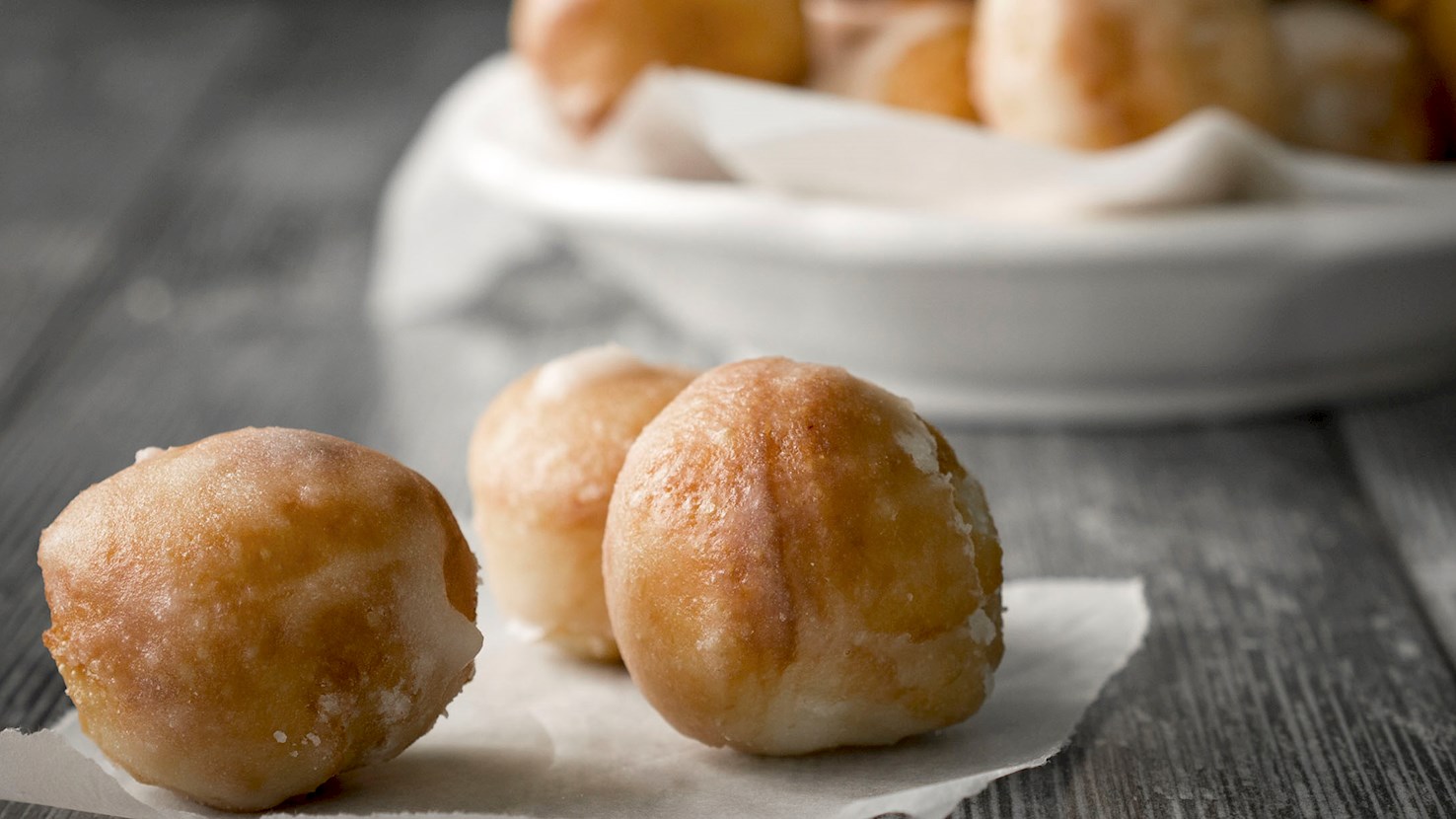
Timbits are bite-sized doughnut holes made from leftover doughnut dough, fried in vegetable oil and available in a number of varieties such as yeast, cake, apple fritter, honey dip, old fashion plain, chocolate glazed, blueberry, strawberry, lemon, and filled timbits. They are sold in North American fast food chains such as Tim Hortons and Dunkin' Donuts. The bit in Timbit is an acronym for Big in Taste, which is an original campaign slogan from the 1970s. In Quebec, people prefer to use the generic term doughnut holes or trous de beigne instead of timbits. These tiny doughnut holes are so popular in Canada that people even bake them at home.

Best restaurants
04

Pets de sœurs

3.5 ·

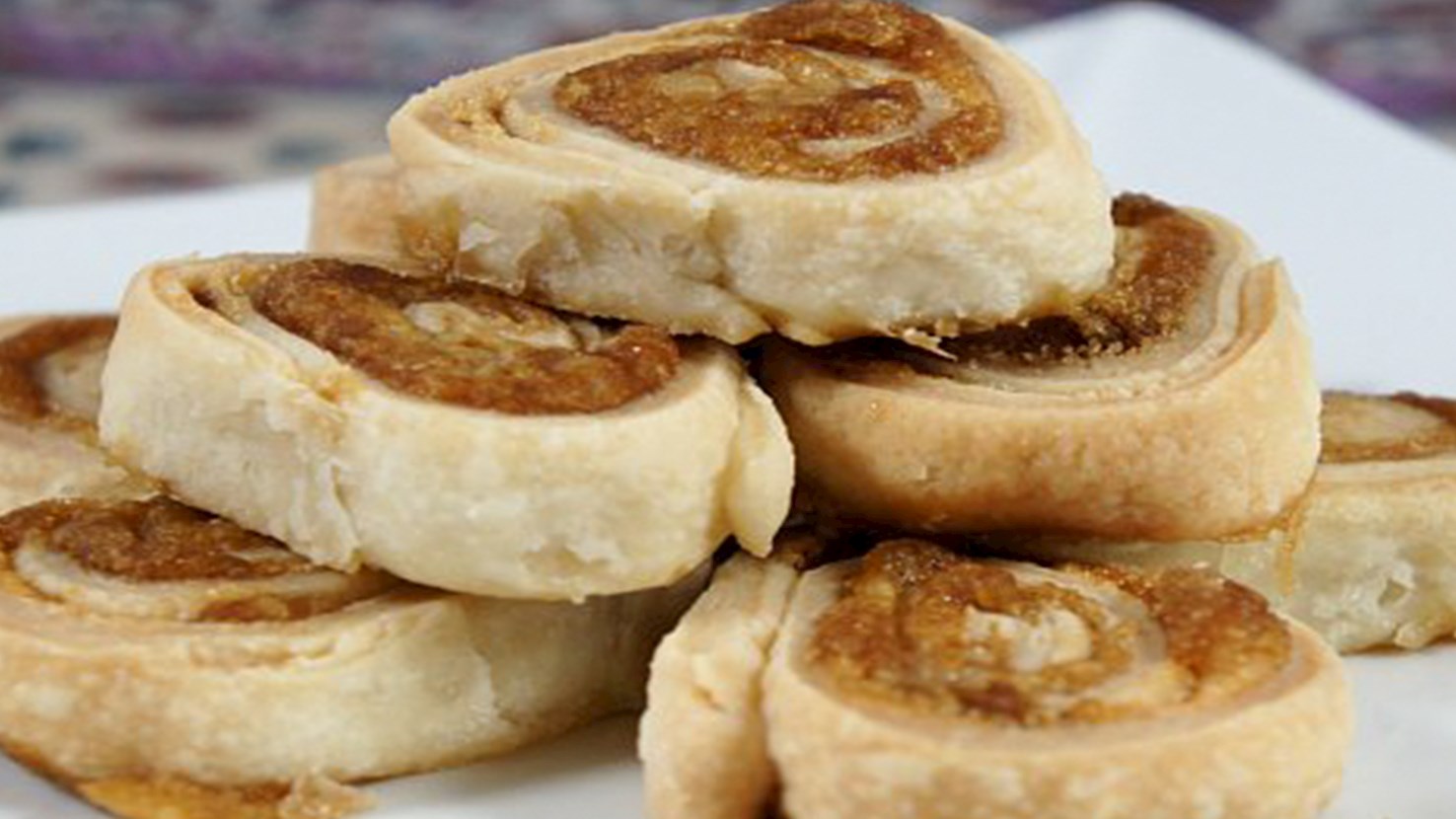
Visually reminiscent of cinnamon rolls, pets de sœurs (lit. sister’s farts or nun’s farts) are French Canadian pastries with an unappetizing name. They consist of flaky pie crust dough that is rolled up with a paste of brown sugar, butter, and cinnamon. However, there are a few varieties, so brown sugar can be replaced with molasses or maple syrup. These sweet treats are especially popular during the festive Christmas season.

05

Persians

2.9 ·

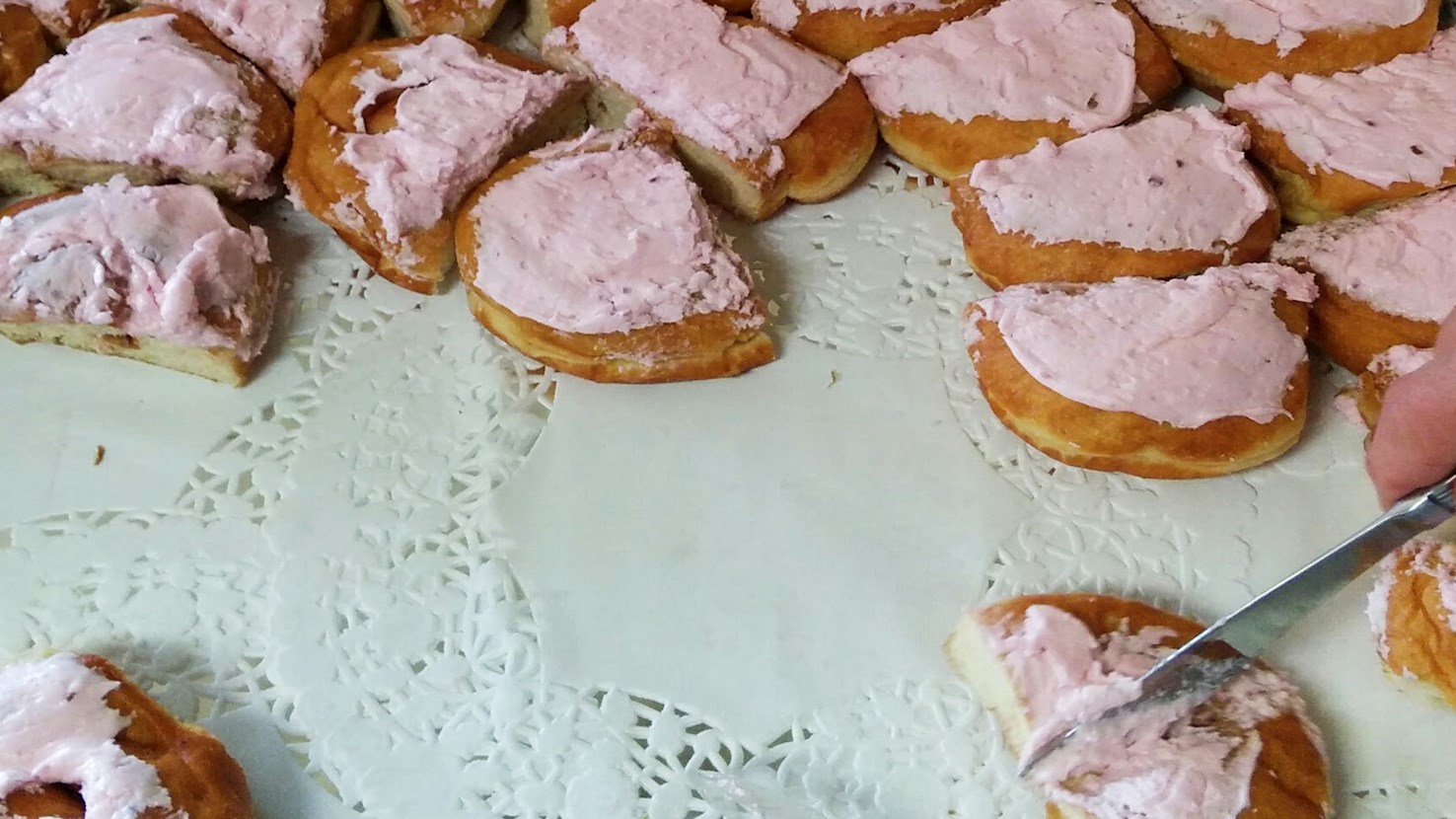
Persian is a Canadian pastry roll characterized by an oval shape and a layer of pink icing that can be made with either strawberries or raspberries. These yeast-risen, fried cinnamon rolls originated at Bennett's Bakery in the city of Thunder Bay. It is believed that Persians were named after a general named John Blackjack Pershing, although it is still unclear when these tasty rolls were invented. Nowadays, Persians are commonly prepared for fundraisers and similar social events.

Best restaurants
06

Poutines à trou

n/a ·

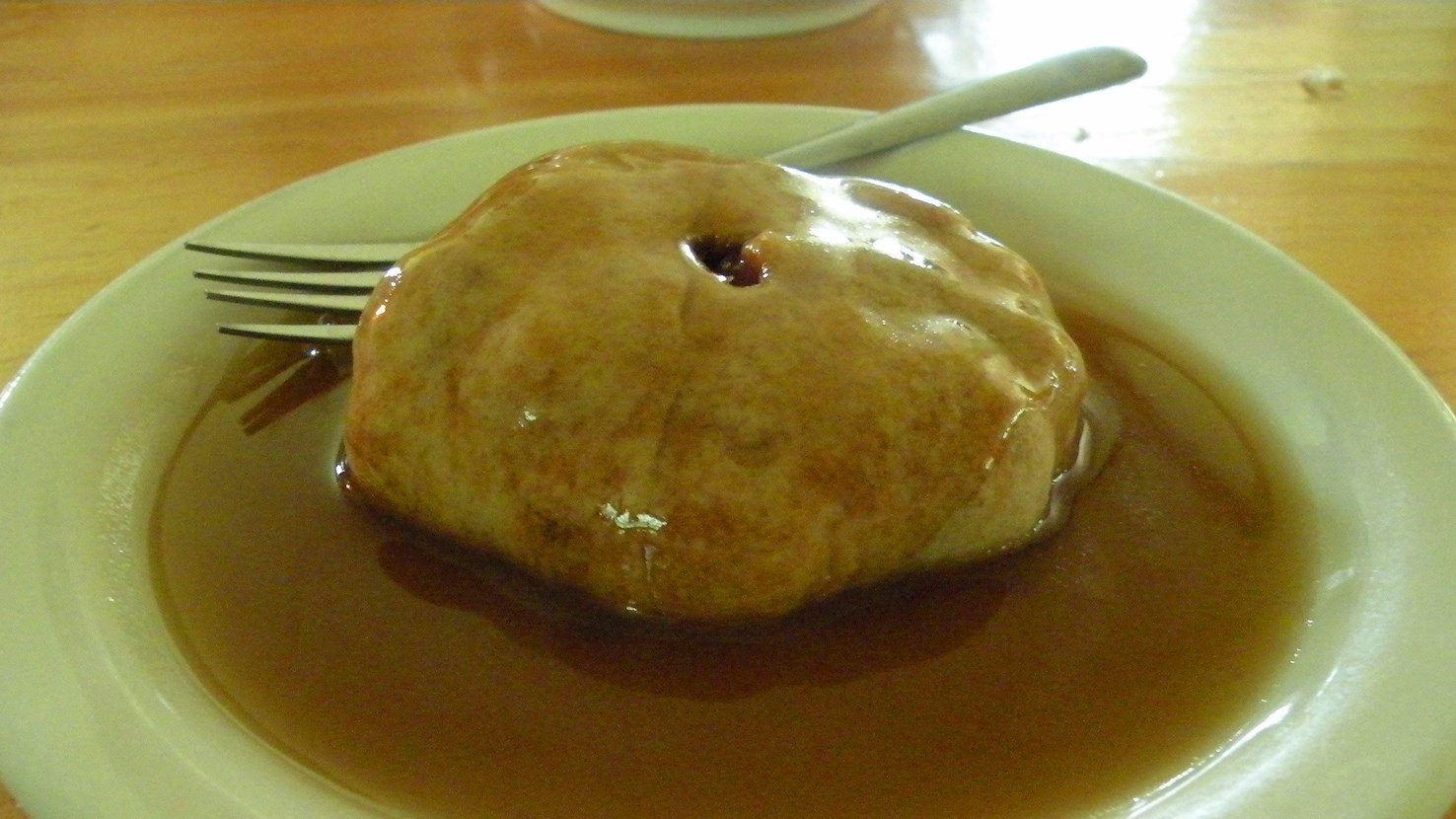
Poutines à trou is a traditional dessert originating from New Brunswick. The crust is made with a combination of flour, baking powder, milk, sugar, salt, and butter or lard. The dough is rolled and the center is filled with a mixture of apples, raisins, and cranberries. It is then wrapped around the filling in order to form a ball with a hole on top. The dessert is baked until golden and a syrup consisting of brown sugar and water is then poured into the hole on the top of each poutine. Poutines à trou can be served hot or cold.

Read more
View all
View map
About this ranking

TasteAtlas food rankings are based on the ratings of the TasteAtlas audience, with a series of mechanisms that recognize real users and that ignore bot, nationalist or local patriotic ratings, and give additional value to the ratings of users that the system recognizes as knowledgeable. For the “Top 6 Canadian Pastries” list until May 15, 2026, 389 ratings were recorded, of which 361 were recognized by the system as legitimate. TasteAtlas Rankings should not be seen as the final global conclusion about food. Their purpose is to promote excellent local foods, instill pride in traditional dishes, and arouse curiosity about dishes you haven’t tried.

Similar lists