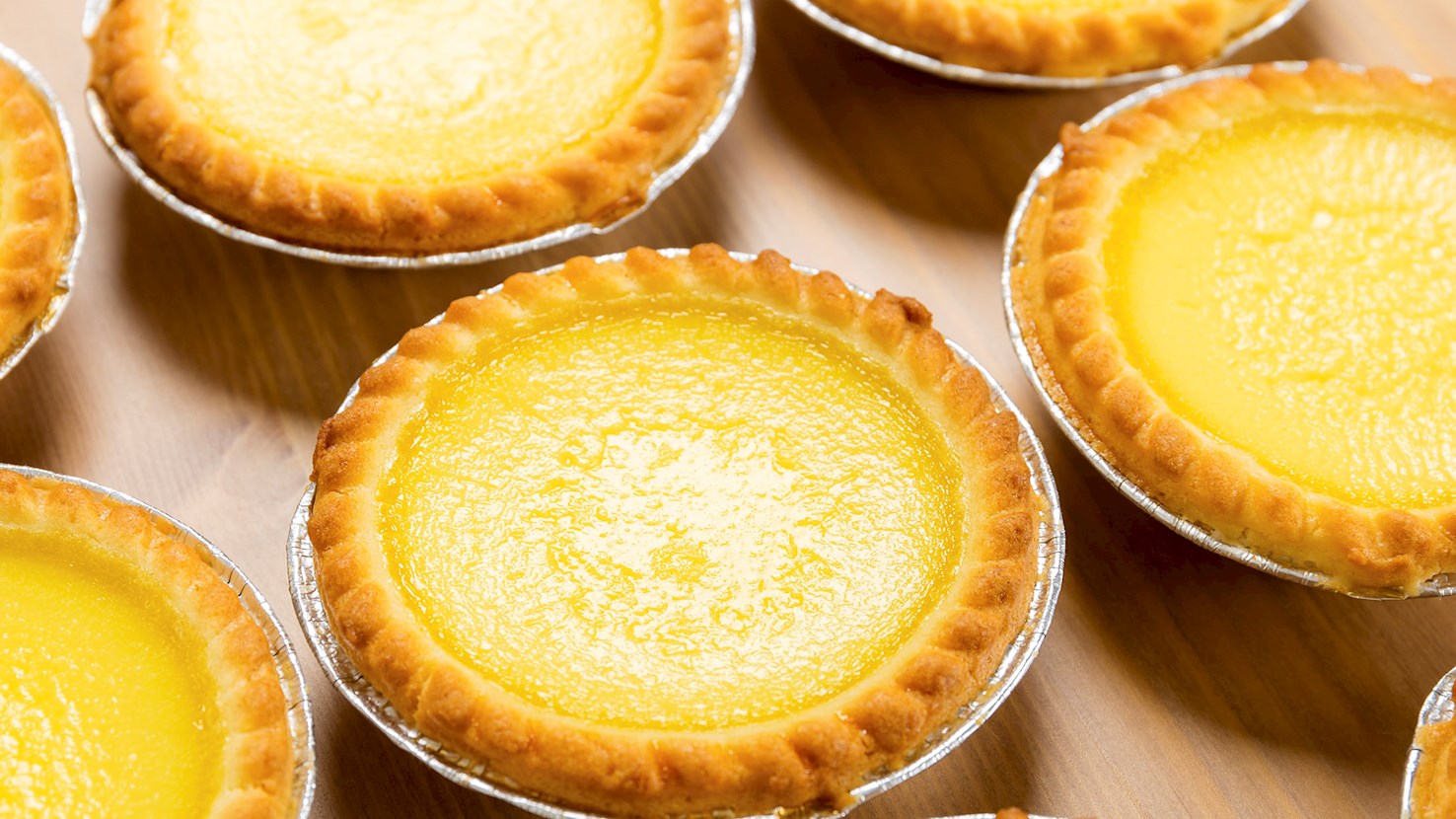
One of the most famous Chinese desserts is the classic egg tart, a delicious pastry consisting of a flaky outer shell with a creamy, but firm egg custard in the center. The origin of this traditional Chinese dessert is vague. It is believed that it grew out of Chinese contacts with western culinary traditions, but it is also likely that some form of an egg custard existed before the influence of the West. Chinese egg tart variety is believed to be a cross between the classic British egg custard, which is much creamier than the Chinese tart, and the famous Portuguese tarts, known as pastéis de nata, which are especially popular in Macau. Egg tarts first appeared in the Chinese region Guangdong, to eventually be taken to Hong Kong and Singapore where they also became one of the most beloved desserts. The main characteristic of the Chinese variety is the rich cream, which is firm and thick, with a strong and enhanced egg flavor. Both crumbly shortbread pastry (usually made with lard) and the crunchy puff pastry can be used as a shell. Occasionally, these tarts are flavored with ginger or green tea, and they should always be served warm, straight out of the oven. Egg tarts are the essential dessert of every dim sum meal, and a sweet delicacy commonly served in the Cantonese Asian restaurants. These tiny treats can also be found in traditional Chinese bakeries and coffee houses throughout the world.
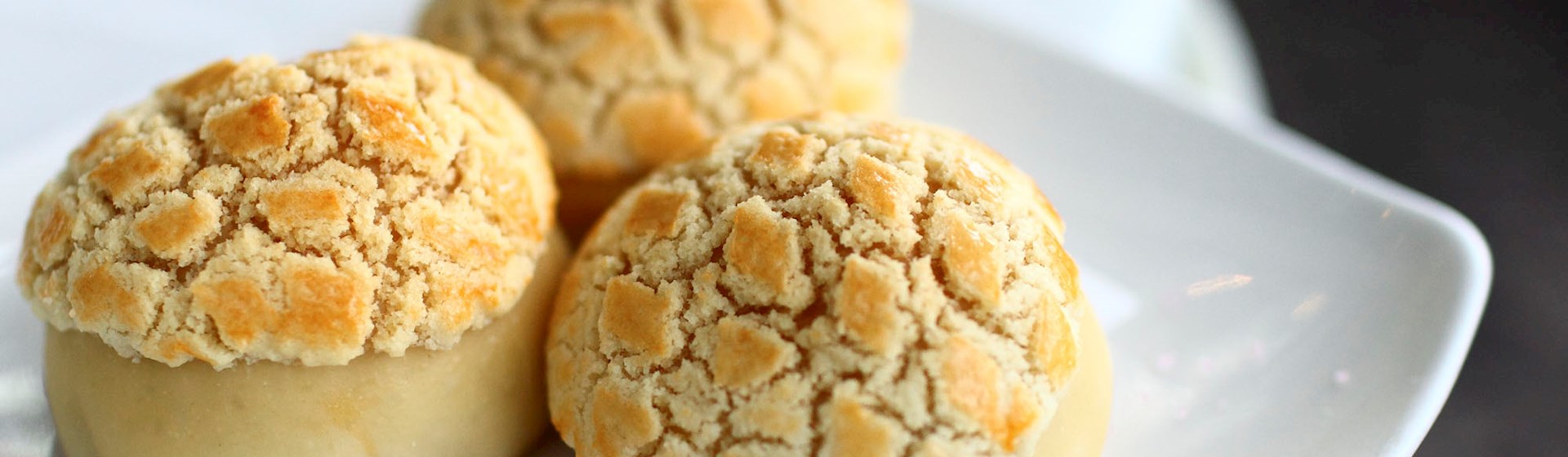
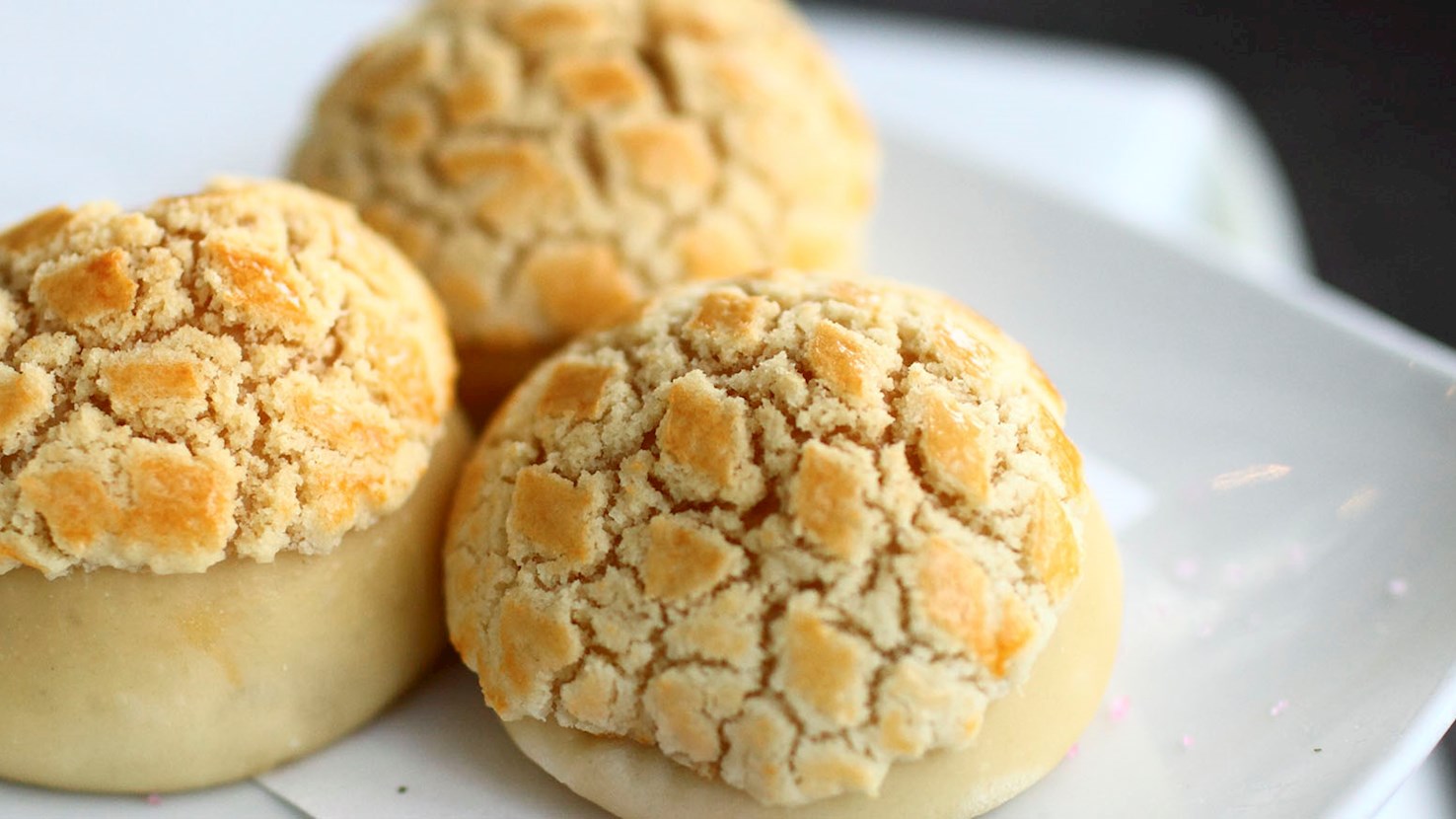
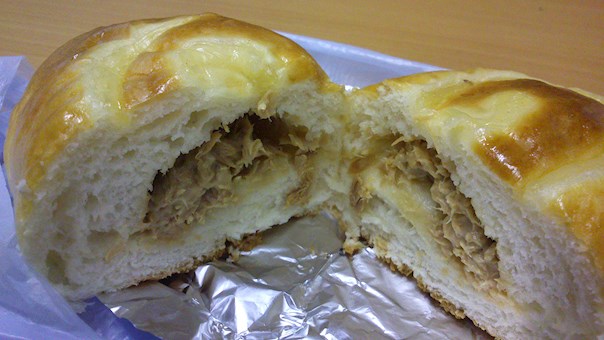
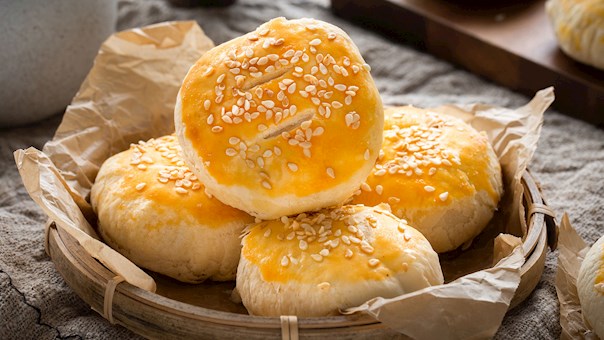
Pineapple buns are golden, crispy-crusted, sweet pastries originating from Hong Kong. Despite their name, they don't contain pineapple, but are named after the chequerboard pattern of the crust that visually resembles the skin of a pineapple. An important part of Hong Kong's cultural heritage, they are made with only four ingredients - flour, lard, sugar, and eggs. Crispy and sugary on the exterior and soft on the inside, it is a favorite food of many locals due to its inexpensive price. The buns are usually eaten for breakfast or in the afternoon with tea. One popular variation known as boh loh yaau is commonly consumed with milk tea and served with butter inside the bun. It is known as one of the unhealthiest snacks in the country due to high amounts of cholesterol and fat. As the buns spread all over the world and became more popular, several other varieties were created, stuffed with coconut, pork, cream, or red bean paste.
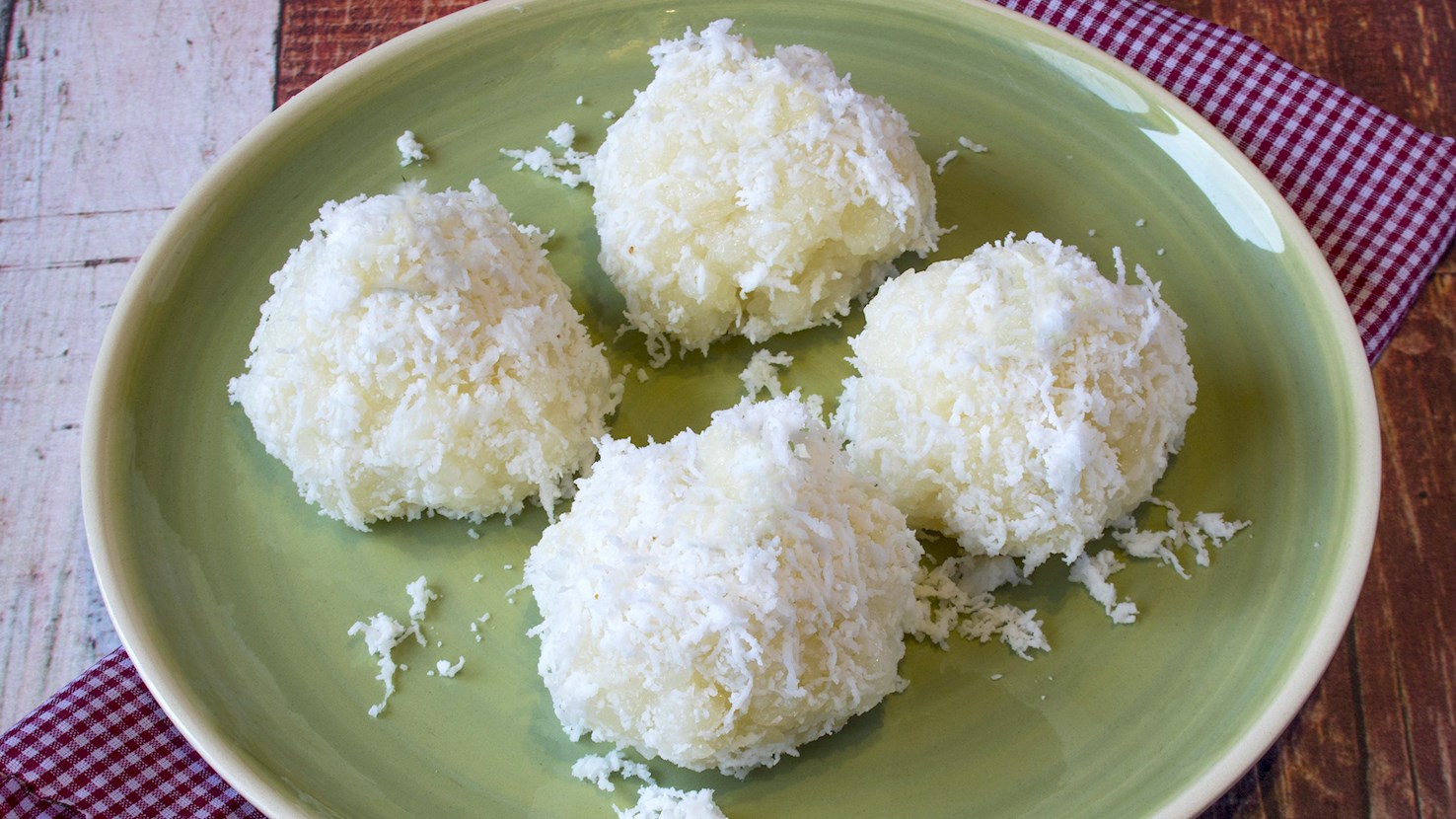
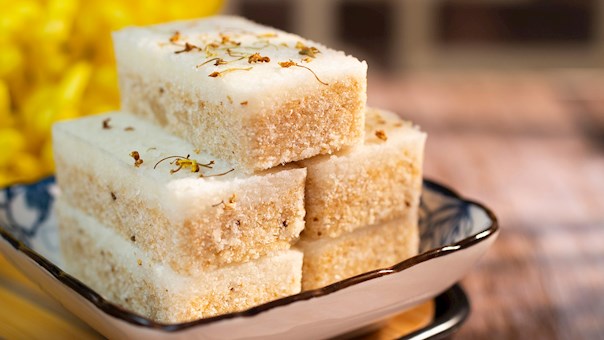
Nuomici is a ball-shaped pastry made with glutinous rice flour. Most commonly, it is rolled in desiccated coconut. Its interior is often filled with ingredients such as sugar, peanuts, azuki bean paste, and black sesame seed paste. The dessert is quite popular in China (especially in the Guangdong province) and Hong Kong. Nuomici is very similar to the Japanese mochi, but the dough in nuomici is steamed instead of boiled, resulting in a texture that is much softer than mochi's. This sweet treat can be found in numerous bakeries throughout Hong Kong, due to it being one of the most popular pastry varieties.
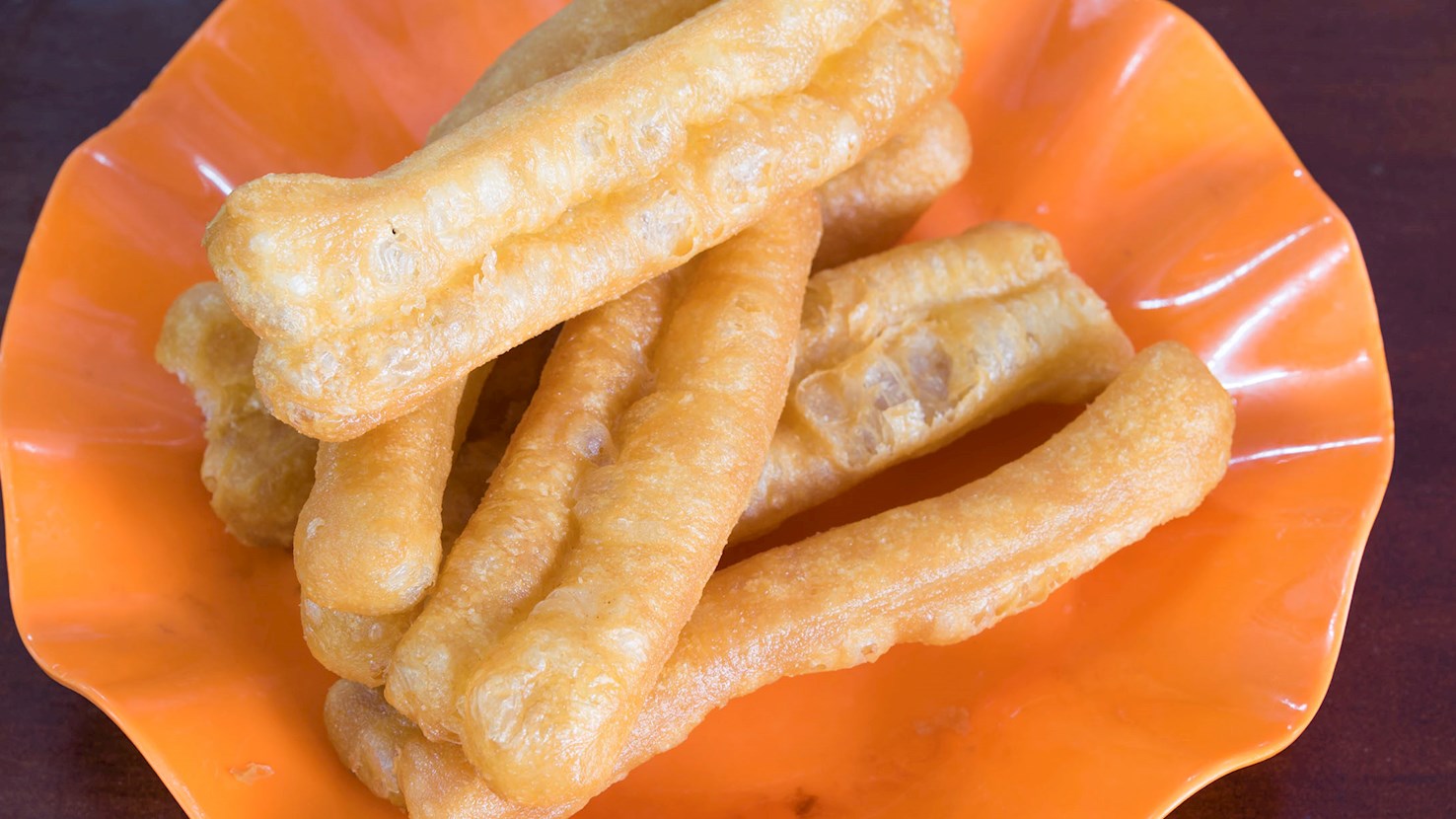
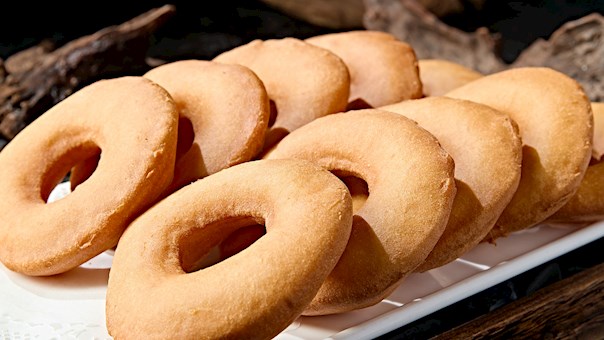
Youtiao is one of the most popular breakfast foods in China, consisting of Chinese breadsticks that are fried in pairs and connected in the middle. The result is a puffy snack that is crispy on the exterior and tender on the interior. Youtiao dates back to the Song Dynasty when the leader Qin Gui, under the influence of his wife, executed a general named Yue Fei, who was loved by the people. As a sign of protest, a cook made a pair of breadsticks that were shaped to resemble human beings (the leader and his wife), and symbolically deep-fried them in hot oil. That is how youtiao got its nickname - you zha gui, literally translated to deep fried ghosts. Today, the snack is usually accompanied by hot soy milk, rice porridge, or a soup filled with pork, beef, or shrimp.
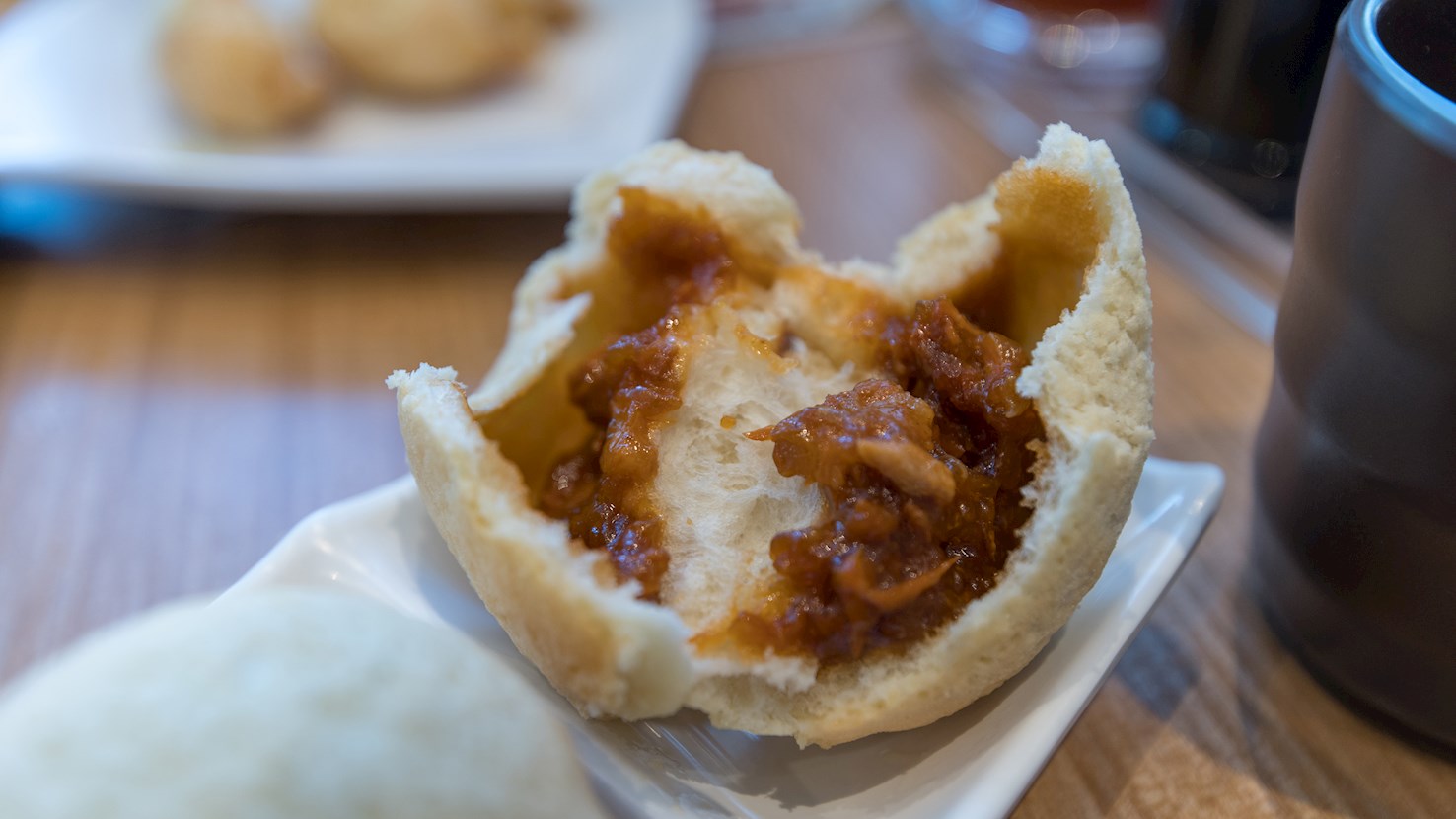
Beef bun is a Hong Kong-style pastry. It consists of dough that's filled with ground beef, often with the addition of chopped onions or curry, then shaped into a roll and baked. The dough is usually made with a combination of sugar, flour, water, milk, yeast, and cream. Before baking, the bun is brushed with sugar water in order to develop a nice glaze. The buns can be found in most Hong Kongese bakeries or Chinatown bakeries overseas. Most local bakeries place a dollop of seaweed or garlic to make beef buns stand out.
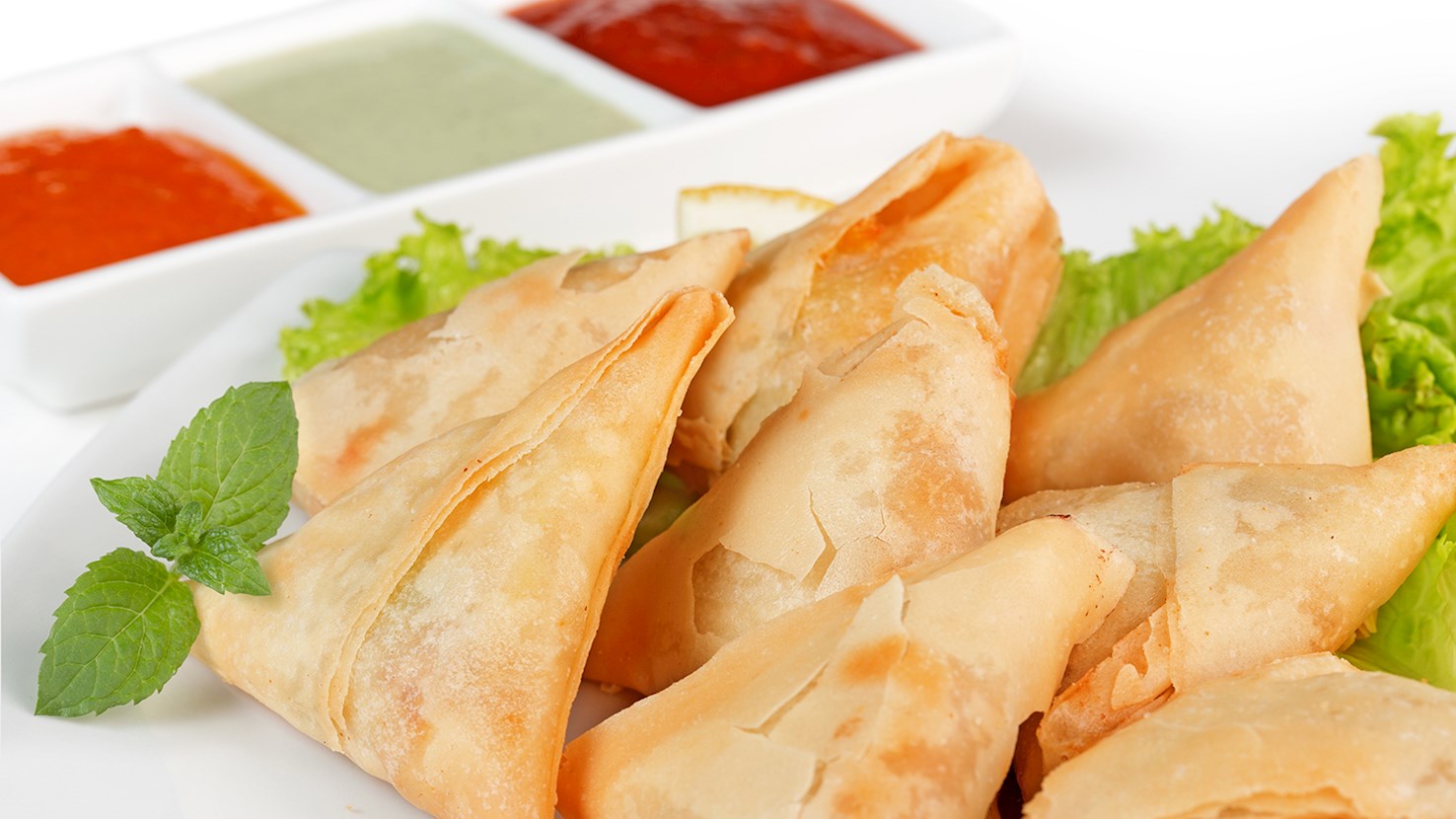
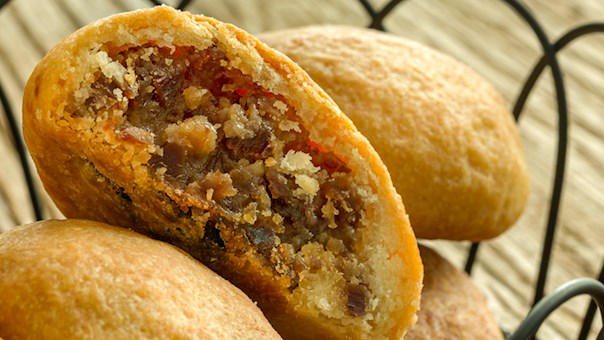
Curry beef triangle is a pastry originating from Hong Kong. In order to prepare it, the dough is shaped into a circle, then usually filled with a combination of ground beef, onions, garlic, curry powder, and peas. It is then folded into a triangle, sealed with beaten eggs, and fried in oil over high heat. If properly prepared, the outside should be thick, crunchy, and flaky while the interior remains succulent.
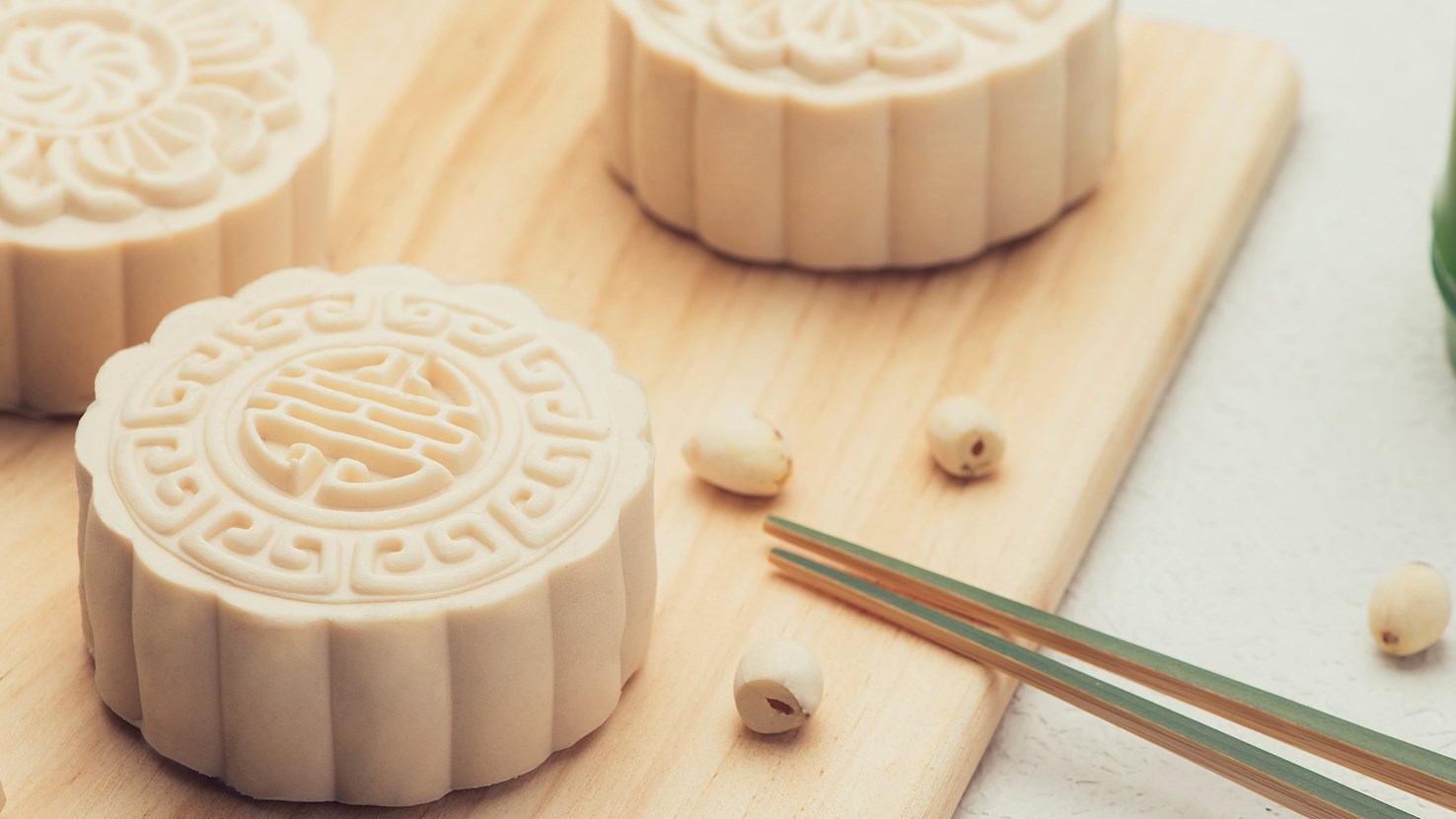
Bing pi yuebing is a chilled, unbaked Mid-Autumn Festival pastry characterized by a soft, slightly translucent outer crust made from glutinous rice flour wrapped around a sweet, dense filling. Emerging in Hong Kong in the late 1980s, this dessert was developed as a lighter version of mooncakes loaded with thick lotus paste and cured duck egg yolks. A bakery named Taipan Bread and Cakes officially pioneered the concept in 1989, aiming to offer a product with significantly lower fat and sugar content. The name translates directly to snow skin mooncake, reflecting the stark white, matte appearance of the original uncolored crust. To make the outer “skin”, the roasted glutinous rice flour, standard rice flour, and wheat starch are mixed together with powdered sugar, milk, and a small measure of vegetable oil. This milky liquid batter is gently steamed until it solidifies into a highly pliable, stretchy dough. Once the dough cools completely, it is divided into small, spherical portions and flattened into thin discs. A solid ball of filling is placed directly into the center of the starch disc, which is then carefully stretched and sealed to fully encase the sweet core. To achieve the iconic, intricate surface patterns, the filled sphere is lightly dusted with cooked rice flour to prevent sticking, placed inside a highly detailed hand-press mold, and firmly stamped onto a flat surface. Because the exterior dough is already fully cooked via steaming, the dessert does not need additional cooking or baking. Enormous variations exist in both color and internal flavors. The outer dough is frequently enriched with natural powders like vibrant green matcha, pink strawberry extract, or deep blue butterfly pea flower, transforming the plain white surface into bright, colorful mosaics. Internally, modern fillings range from rich taro paste, black sesame, and sweet red bean to intense tropical fruit pulps like pungent durian and sweet mango. Certain frozen versions replace the bean pastes entirely with solid cores of vanilla or chocolate ice cream. Consuming this dessert requires strict temperature management. The pastries must be refrigerated or frozen immediately after assembly and are served entirely chilled. They arrive on small ceramic plates alongside cups of hot oolong or jasmine tea, which help balance the chill and sweetness. Because the rice dough hardens and becomes unpleasantly stiff if left exposed to warm room temperatures for an extended period, bing pi yuebing is eaten swiftly in small, cold bites.
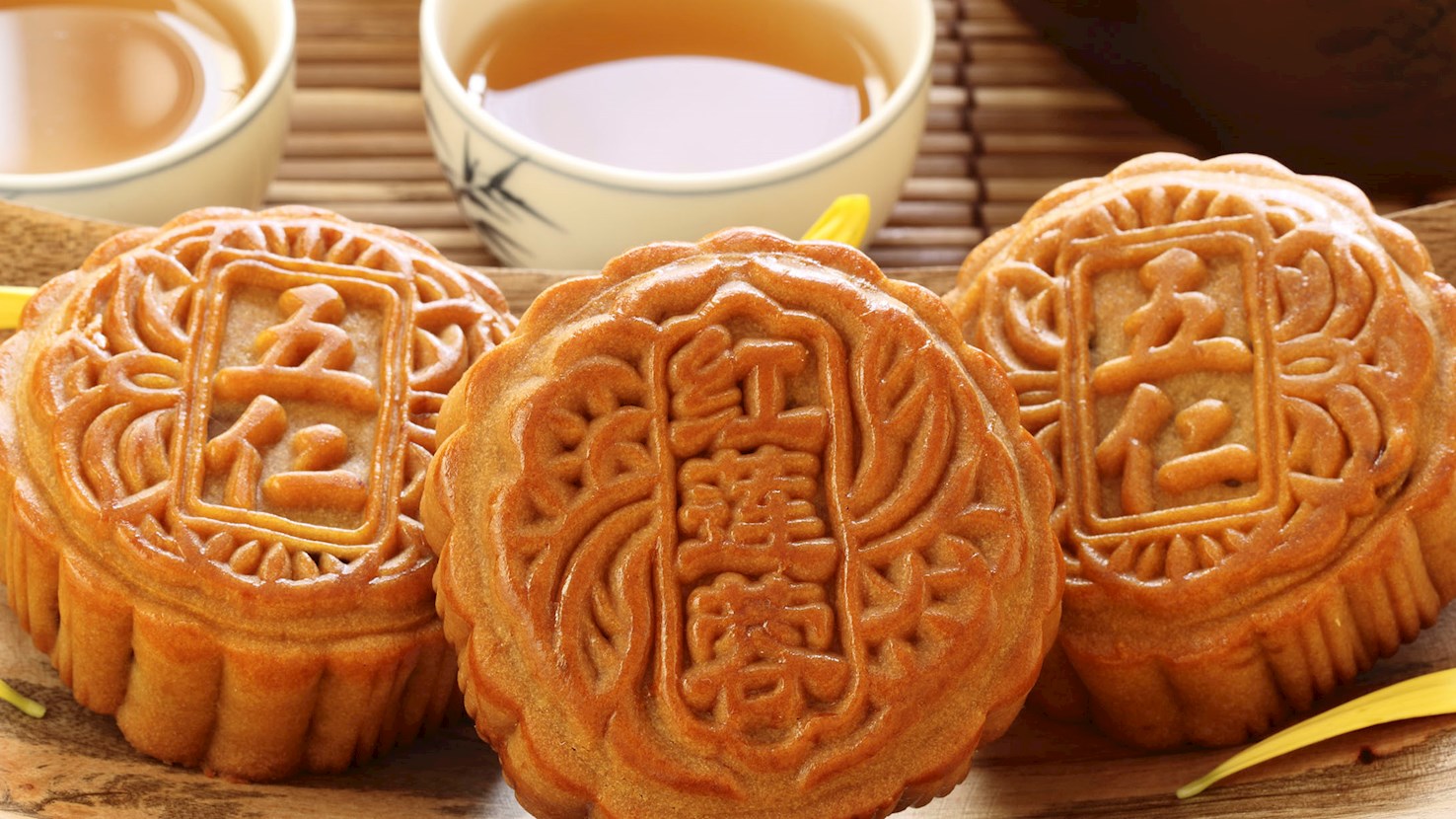
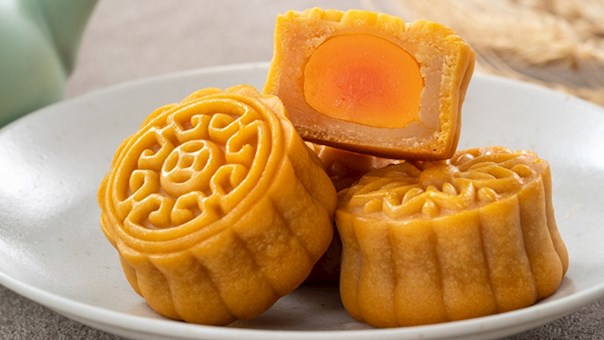
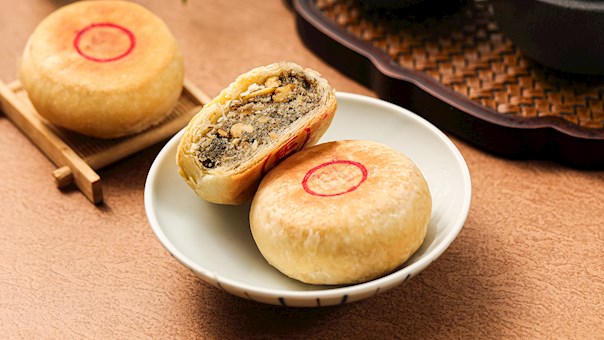
An ancient Chinese delicacy eaten during the Mid-Autumn Festival or Moon Festival, known as mooncake, is a pie-like pastry made with a shortcrust base called yueh ping that is traditionally filled with black sesame seed or lotus seed paste, along with red beans, roasted pork, mung beans, dates, and salted duck egg yolks. Nowadays, mooncakes are available in a variety of different sweet and savory fillings, some of which are fruits like honeydew, litchi or pineapple; chocolate or mixed nuts; abalone and seaweed; green tea, and even cream cheese or ice cream. Their round shape is not only reminiscent of the moon, but also a symbol of return or a full circle, which in Chinese philosophy stands for fulfillment, oneness, perfection, and unity. Mooncakes are meant to be shared among people, so they are typically enjoyed sliced into small wedges and usually served with Chinese tea. In ancient times, these pastries were prepared as an offering to the Moon, but over centuries they have become the most popular food of the Mid-Autumn Festival. Listed as a public holiday and an intangible cultural heritage, the Mid-Autumn Festival or Moon Festival is one of China’s most important traditions celebrated on the 15th day of the 8th lunar month when the full moon is said to be at its brightest and closest to Earth.
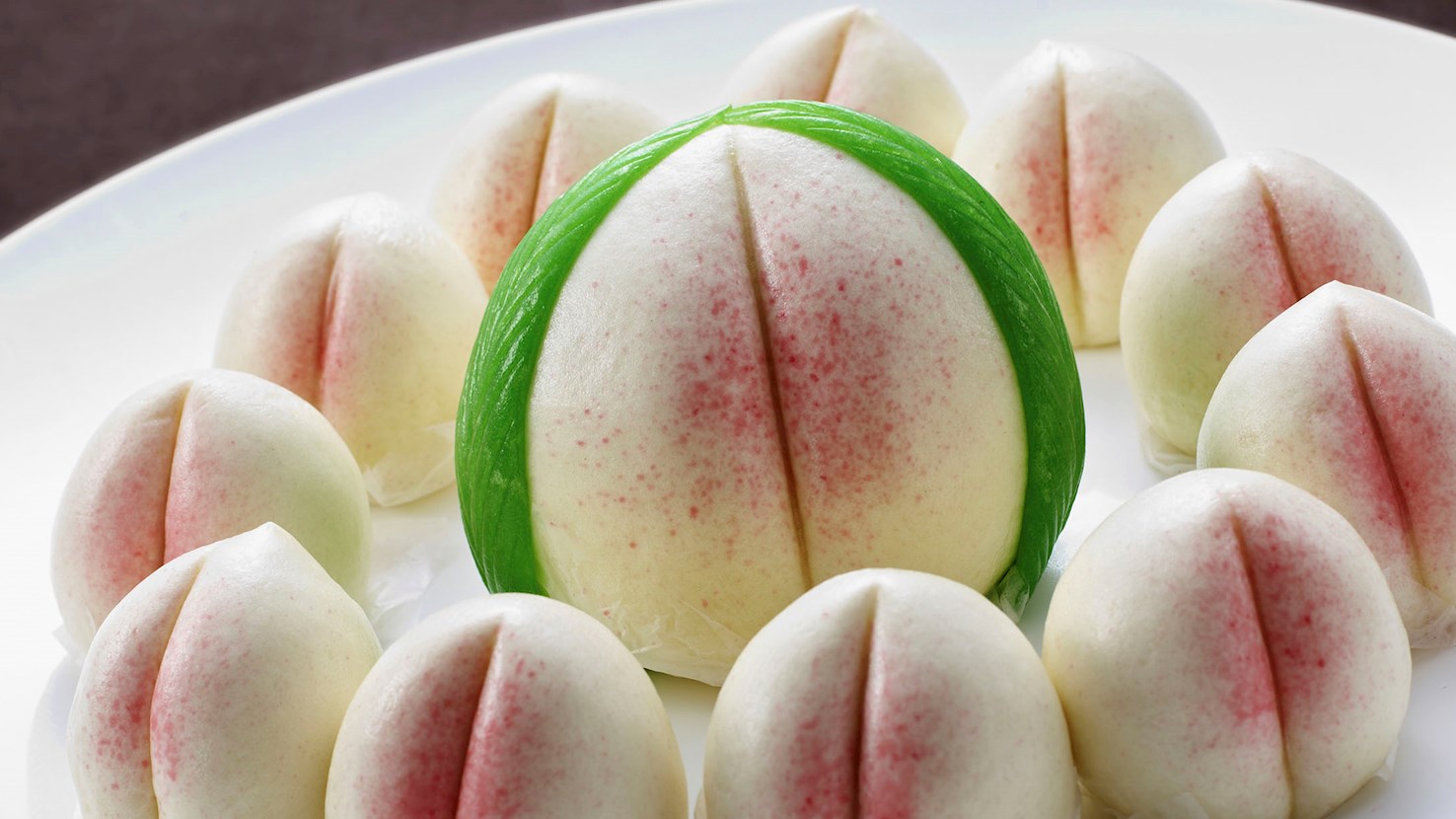
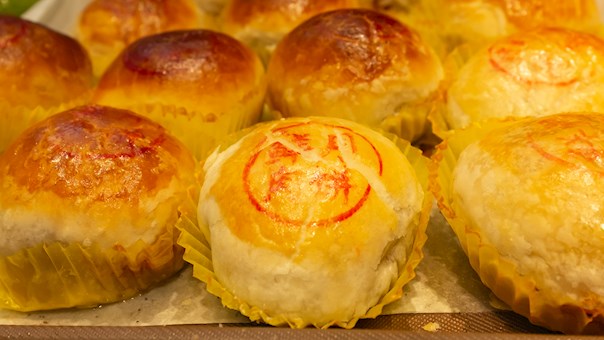
Although some may think this Chinese delicacy is a fruit, it is actually a white pastry bun with a reddish tip, visually mimicking the shape of a peach. It can be stuffed with either red bean paste, lotus paste, or custard. Longevity peaches are commonly found at Chinese birthday parties and banquets due to the fact that peaches have been a sacred item for the Chinese people for a long time. More specifically, the dish represents a celestial peach that ripens once every few thousand years, and the legend says that those who consume it will achieve immortality. It can also be found at most Chinese pastry shops, supermarkets, and food stalls, arranged into impressive displays. With their intricate story and a symbolic meaning of respect for the elderly, longevity peaches belong to one of the most popular Chinese pastries.
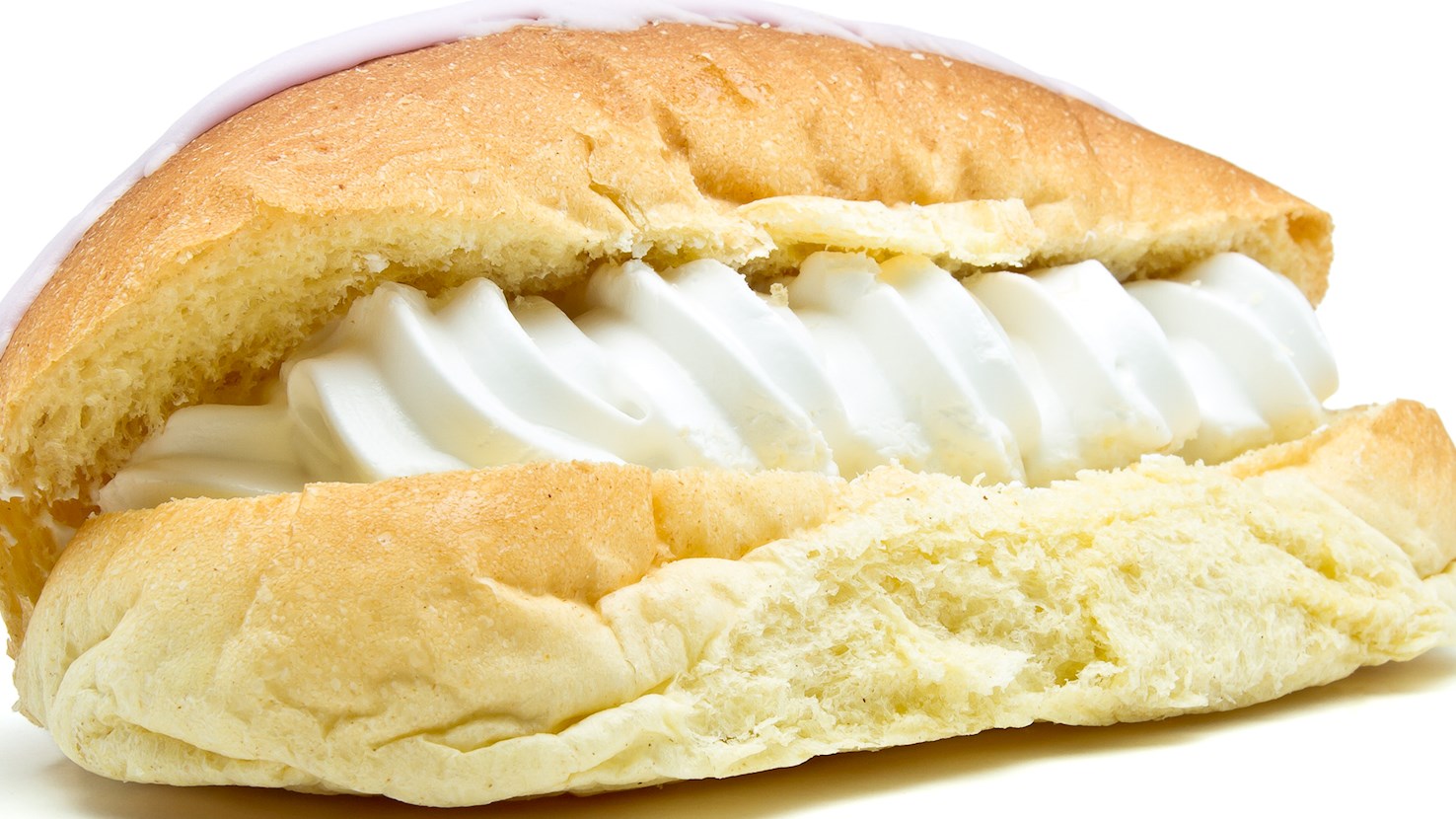
Cream bun belongs to a group of traditional Chinese buns hailing from Hong Kong. Like most other varieties of Chinese sweet buns, this one also consists of a soft and fluffy yeast dough that’s typically made with a combination of bread flour, yeast, eggs, condensed milk, unsalted butter, tangzhong (a mixture of bread flour and water), custard powder, milk powder, salt, and sugar. This classic bun can be recognized by its elongated elliptical shape; the nice, golden surface resulting from the use of egg wash, and the characteristic split down the middle. After baking, the sweet buns are usually cut open, brushed with sugar glaze, covered with shredded coconut, and filled with cream. For the filling, buttercream is believed to be the most traditional choice, although whipped cream and coconut-flavored cream are also commonly used. In China, cream buns are typically enjoyed for breakfast or as hearty snacks.
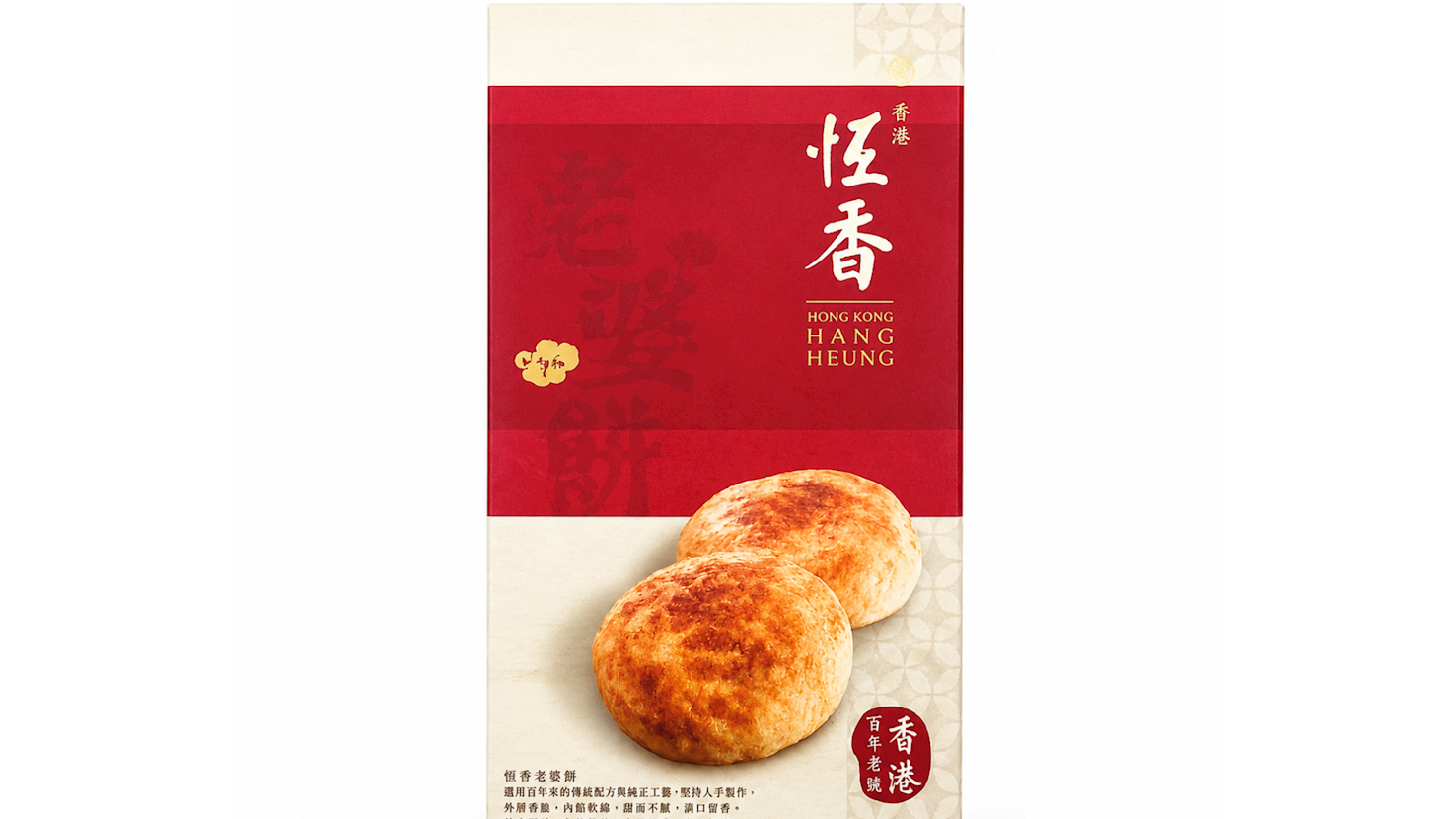
Hang Heung is a Hong Kong manufacturer of traditional Chinese pastries and confectionery, founded in 1920 in the Yuen Long district. The company originally operated as a Cantonese restaurant before shifting its focus entirely to the production of traditional Chinese pastries in the 1970s, for which it is best known today. Over more than a century of operation, it has built a reputation as one of Hong Kong's oldest and most recognizable traditional bakery brands. Its product range includes wife cakes, mooncakes, egg rolls, almond biscuits, wedding cakes, red bean pastries, and many other classic Chinese specialties. Hang Heung is particularly renowned for developing its own signature white lotus seed paste recipe, which is used in its mooncakes and has become one of the brand's defining features. Many of its products are still prepared using traditional methods that preserve the authentic texture and flavors of Hong Kong's bakery heritage. The company operates its own production facility in Yuen Long, where thousands of traditional pastries are produced daily for both local and international markets. Thanks to its long history, commitment to traditional craftsmanship, and important role in preserving Hong Kong's culinary heritage, Hang Heung is widely regarded as one of the city's iconic traditional bakery brands.
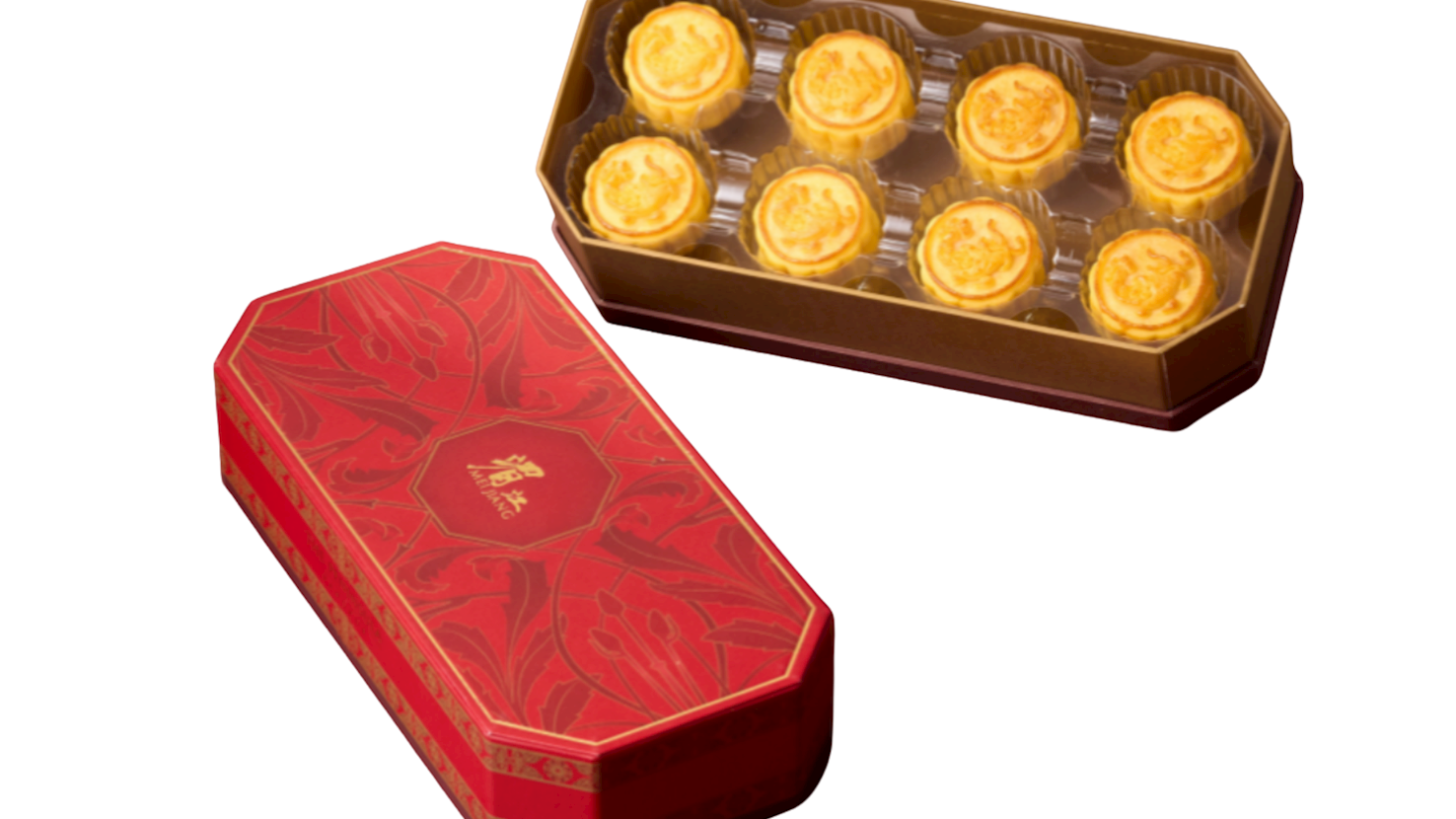
The Peninsula Boutique is the gourmet brand of The Peninsula Hotels luxury hotel group, specializing in the production and retail of artisanal confectionery, chocolates, baked goods, teas, and exclusive gift collections. The concept was developed as an extension of the nearly century-long culinary heritage of The Peninsula Hong Kong, the flagship property of the hotel group, which opened in 1928 in Hong Kong. Unlike conventional food manufacturers, The Peninsula Boutique develops its products through the culinary teams of its hotels, where they are crafted by professional pastry chefs, chocolatiers, and bakers using carefully selected ingredients and refined production techniques. Its portfolio includes handcrafted pralines, chocolates, cakes, pastries, mooncakes, panettone, biscuits, teas, preserves, and other gourmet products intended for both everyday enjoyment and premium gifting. Particular emphasis is placed on craftsmanship, high-quality ingredients, elegant packaging, and products inspired by the culinary traditions of The Peninsula Hotels. Following the success of its first boutique at The Peninsula Hong Kong, the concept was gradually expanded to other Peninsula hotels in cities including London, Bangkok, Tokyo, and Shanghai, with each location offering a selection of signature products alongside items inspired by local culinary traditions.
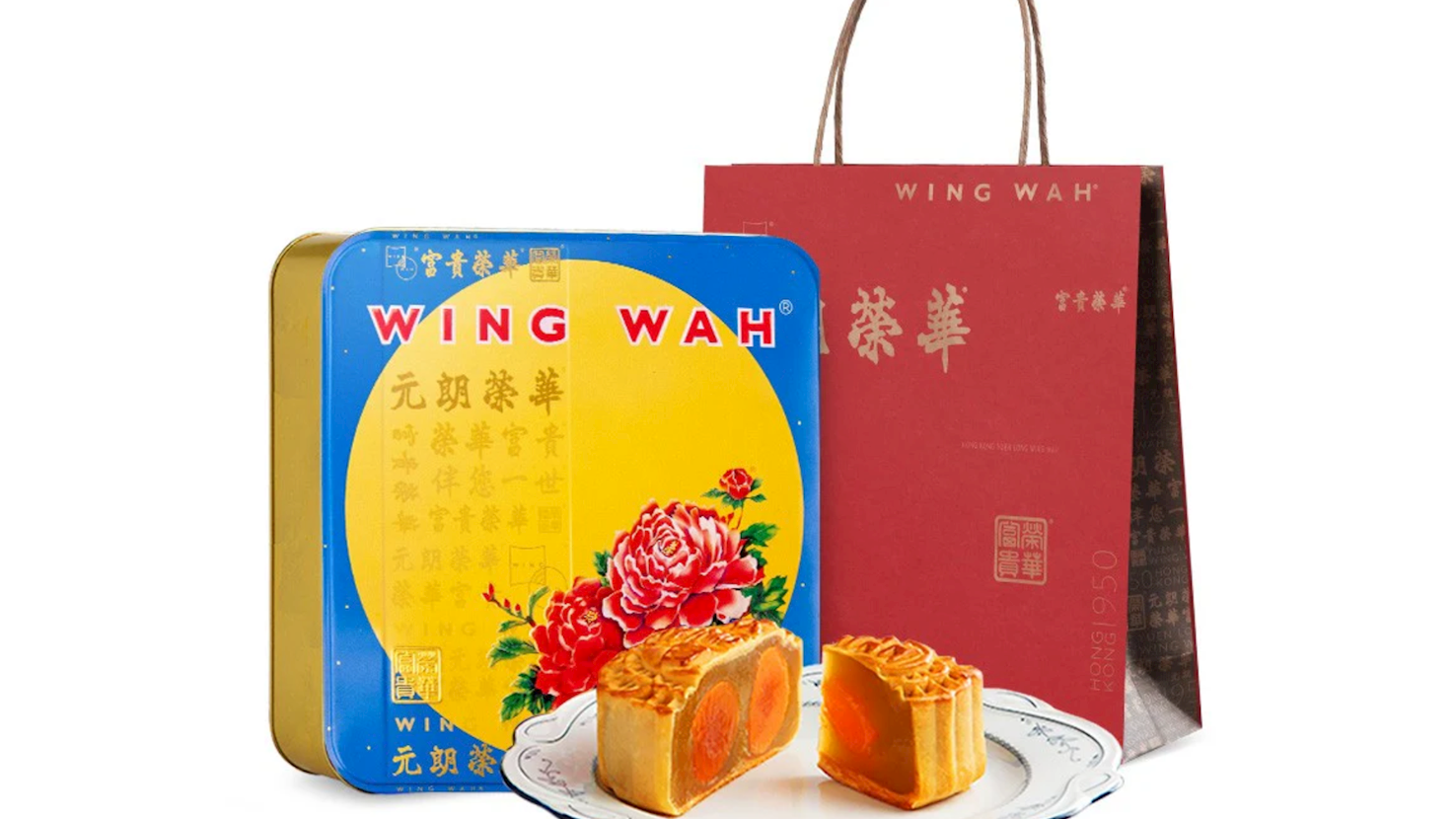
Wing Wah is one of Hong Kong’s most iconic and long-established food manufacturers, founded in 1950 as a family-owned tea house and bakery in Yuen Long. Over more than seven decades, the company has grown into a leading producer of traditional Chinese pastries and specialty foods, operating an extensive network of retail shops, restaurants, and modern manufacturing facilities. Wing Wah is best known for preserving authentic Cantonese baking traditions while incorporating advanced production technologies and strict quality control standards. Its portfolio includes mooncakes, Chinese pastries, wedding cakes, preserved sausages, teas, festive foods, and a wide range of seasonal specialties. The brand is particularly renowned for pioneering the white lotus seed paste mooncake with salted egg yolks, which has become one of the most recognizable Mid-Autumn Festival delicacies. Wing Wah exports its products to numerous markets across Asia, North America, Europe, and Oceania, where they are especially popular during traditional Chinese festivals. The company emphasizes the combination of heritage craftsmanship, premium ingredients, and consistent product quality throughout its operations. In addition to its commercial activities, Wing Wah actively supports charitable initiatives and community programs in Hong Kong. Today, it is widely regarded as one of the flagship brands of Hong Kong’s bakery and confectionery industry and an important ambassador of the region’s culinary heritage.
TasteAtlas food rankings are based on the ratings of the TasteAtlas audience, with a series of mechanisms that recognize real users and that ignore bot,
nationalist or local patriotic ratings, and give additional value to the ratings of users that the system recognizes as knowledgeable.
For the “Top 23 Chinese Pastries” list until September 15, 2026, 1,150 ratings were recorded, of which 949 were recognized by the system as legitimate.
TasteAtlas Rankings should not be seen as the final global conclusion about food. Their purpose is to promote excellent local foods,
instill pride in traditional dishes, and arouse curiosity about dishes you haven’t tried.
The initial list of top producers was compiled based on available reviews, awards, local recommendations, media and blog coverage, and consumer reviews.
The list will be updated with ratings from TasteAtlas local ambassadors and TasteAtlas users.






What People Say