

shutterstock

Top 71 French Pastries

Last updated on June 15, 2026
01

Croissant

4.3 ·

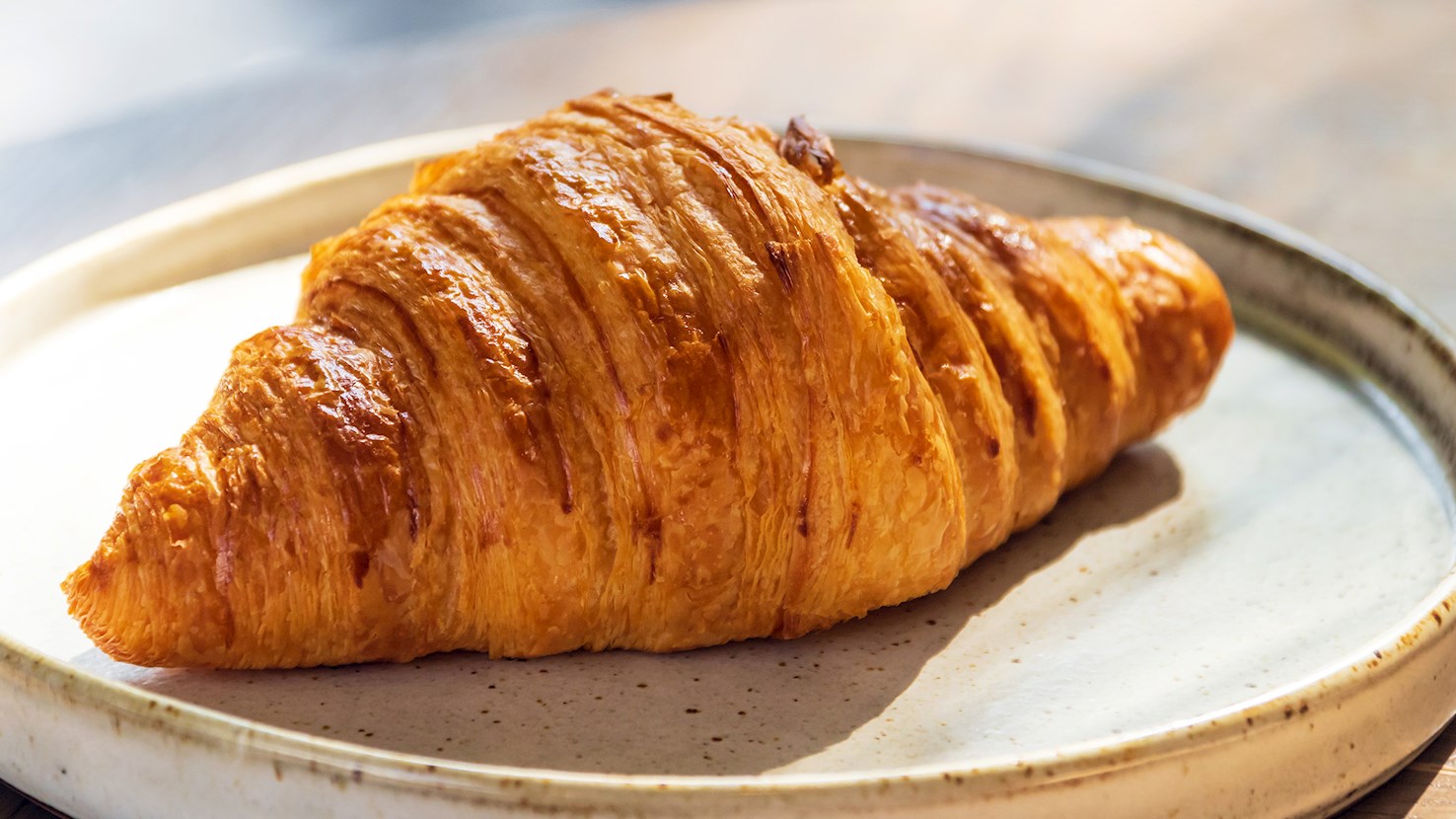
These flaky, golden-colored, crescent-shaped pastries are best made with pure butter and a slightly sweet yeast dough. If made properly, the yellow-white interior should be just the slightest bit elastic when pulled from the center, ready to be covered with a pad of butter or some fresh jam. Experts agree that the croissant was heavily influenced by Austrian kipfels. This pastry originated in 1683 as a celebration of the Austrian victory over the Ottoman Empire, its shape supposedly mimicking the crescent moon found on the Turkish flag. However, the croissant became French the moment people began to make it with puff pastry, a French innovation. Today, French croissants come filled with chocolate, jam, raisins, or even cream cheese. Sold fresh at numerous French boulangeries, they are mainly consumed as a breakfast item.

02

Kouign-amann

4.2 ·

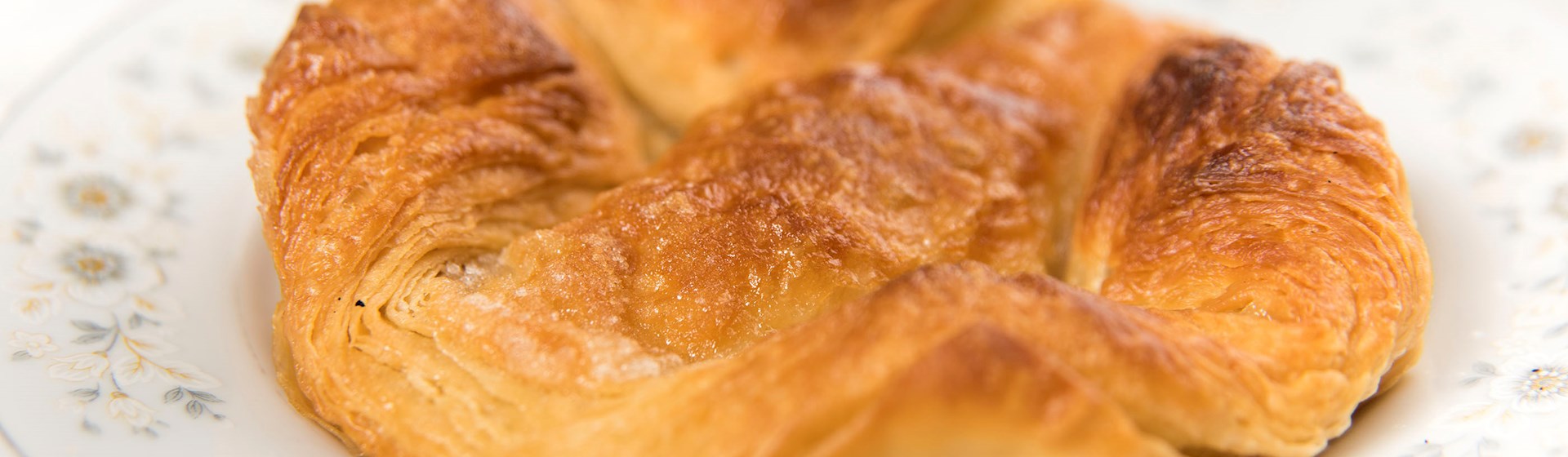
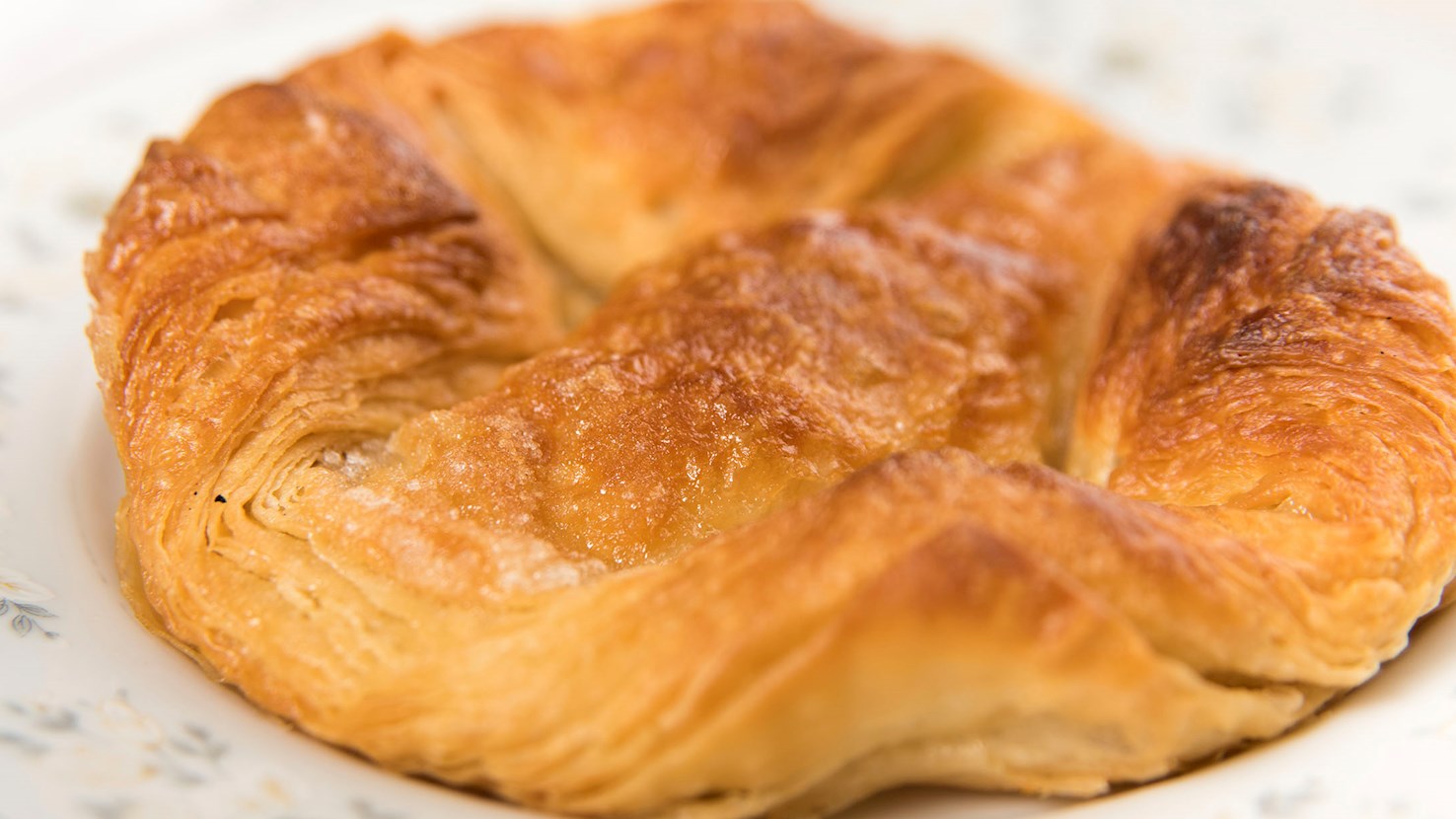
Kouign-amann is a cake that originated in the 1800s in the French region of Bretagne. Its name is derived from the Breton words for cake (kouign) and butter (amann). The cake consists of layers of butter and sugar that are folded into a dough. Bretons claim that the cake is "the fattiest pastry in the world", due to its flaky yellow dough that is mixed with large amounts of sugar and butter. Although there are many theories about the origin of the cake, the most popular one says that it was invented by accident, when a 19th-century baker from Douarnenez wanted to save a failed batch of dough, so he added butter and sugar to the mix, creating the delicacy that we know today.

03

Pain au chocolat

4.2 ·

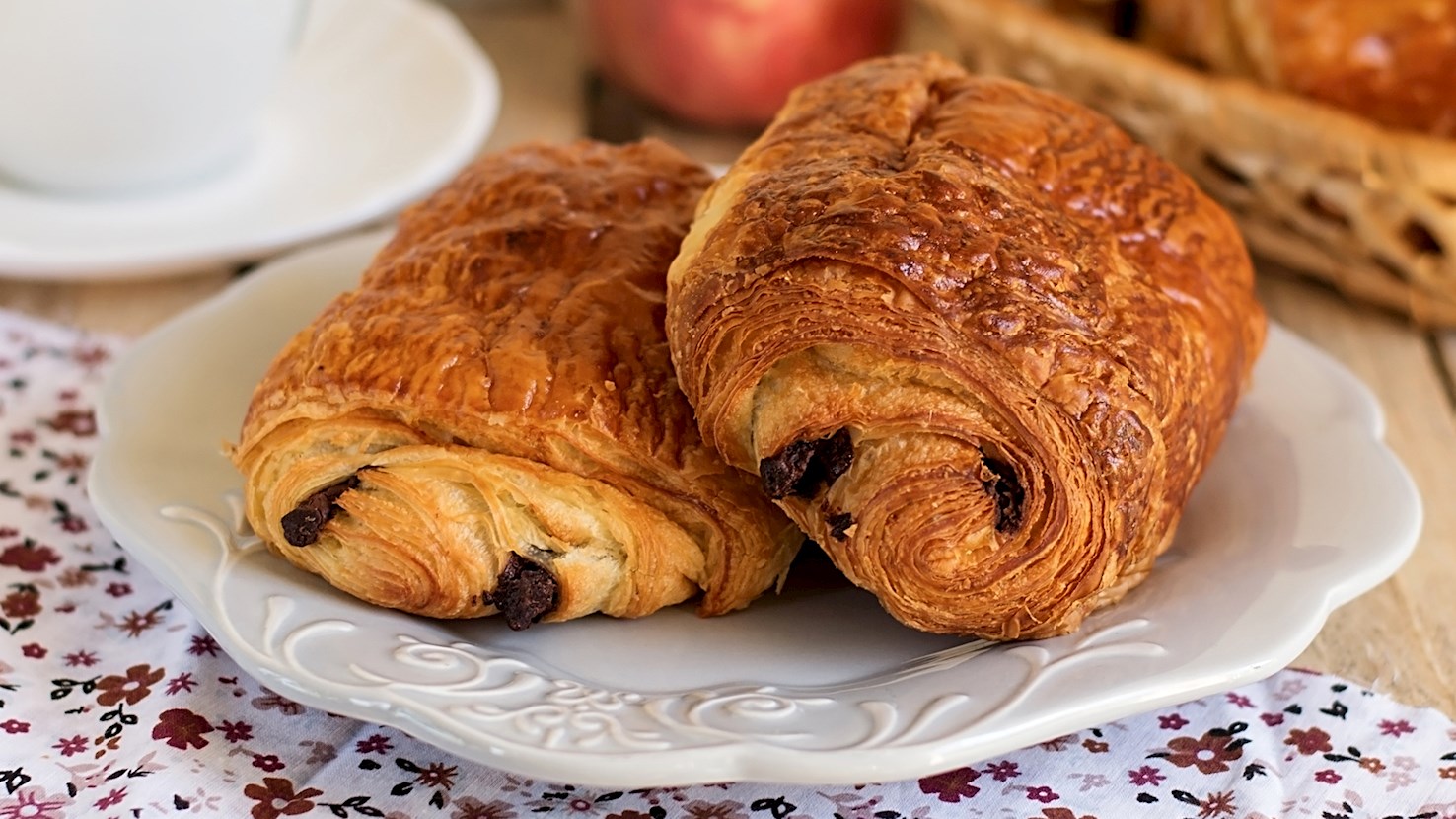
Pain au chocolat is a French viennoiserie roll made with a combination of rectangular, yeast-leavened dough and a few chocolate sticks or chocolate ganache. The filled dough is rolled, baked, then served, ideally while still hot or warm. This flaky pastry can be bought at numerous French bakeries and supermarkets. Interestingly, another name for pain au chocolat is chocolatine, and it is mostly used in the southwest of the country. In Bordeaux, there is even a case where customers had to pay more if they ordered a pain au chocolat rather than a chocolatine. It is believed that the southwest stuck with chocolatine because it is similar to the Occitan word chicolatina. Regardless of these "name wars", in France, one should never refer to pain au chocolat as a chocolate croissant.

04

Paris-Brest

4.1 ·

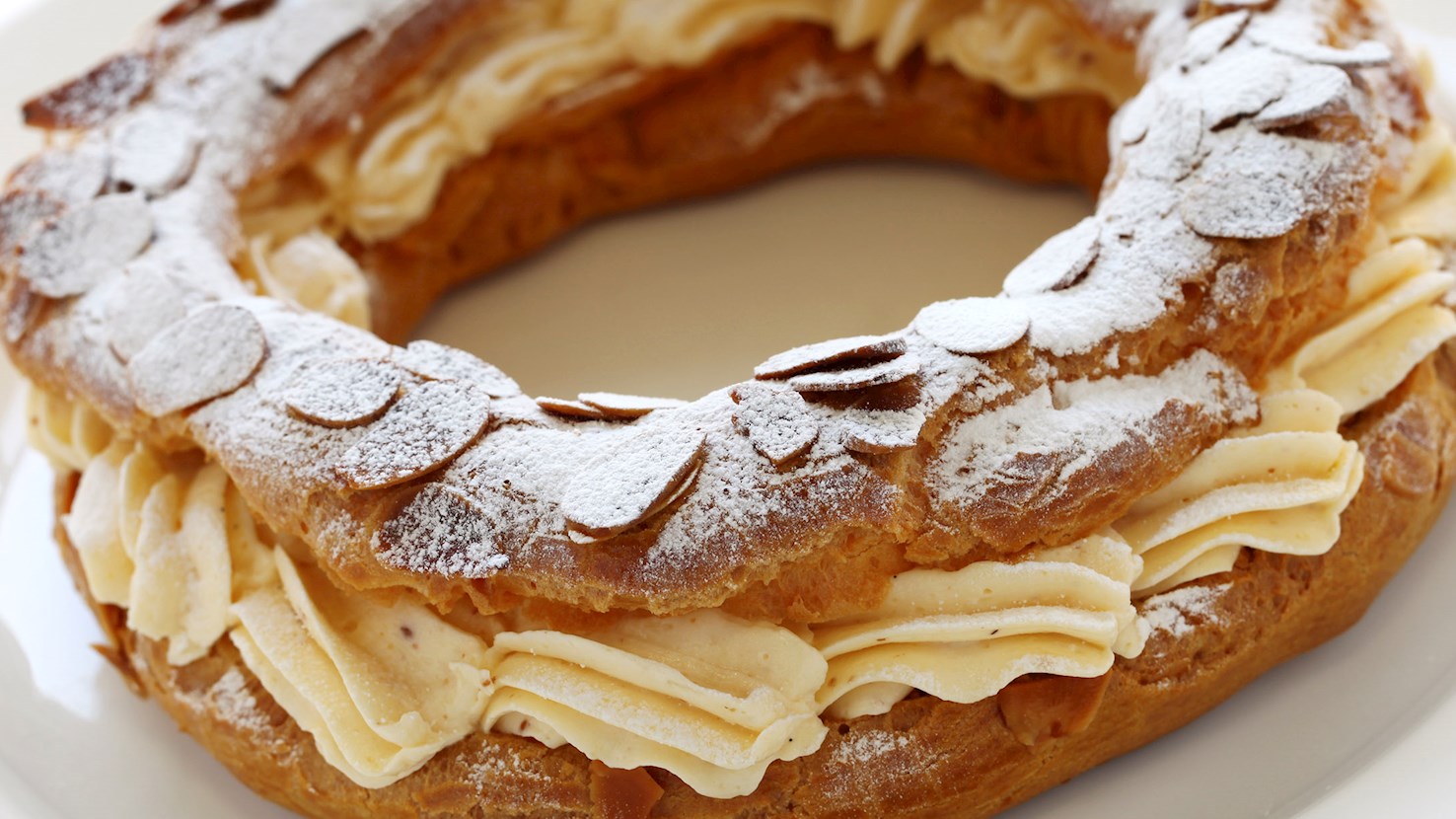
Created in 1910 by chef Louis Durand to celebrate the famous Paris-Brest-Paris bicycle race, which led from the center of Paris past the door of his pastry shop in Maisons-Laffitte to Brittany and back, this decadent dessert is a true French classic found in pâtisseries all over the country. With a shape resembling that of a bicycle wheel, Paris-Brest is made with a ring of pâte à choux – a puffy hollow pastry traditionally flavored with fleur de sel, topped with flaked almonds, and baked until golden brown. The airy pastry ring is then sliced horizontally and filled with a rich hazelnut and almond mousseline praliné cream, while the upper crust is generously dusted with powdered sugar. Regardless of the numerous creative interpretations and modern takes on this classic recipe, the perfect Paris-Brest should always be dominated by the toasted nutty flavor and aroma of praline cream.

05

Choux à la crème

4.1 ·

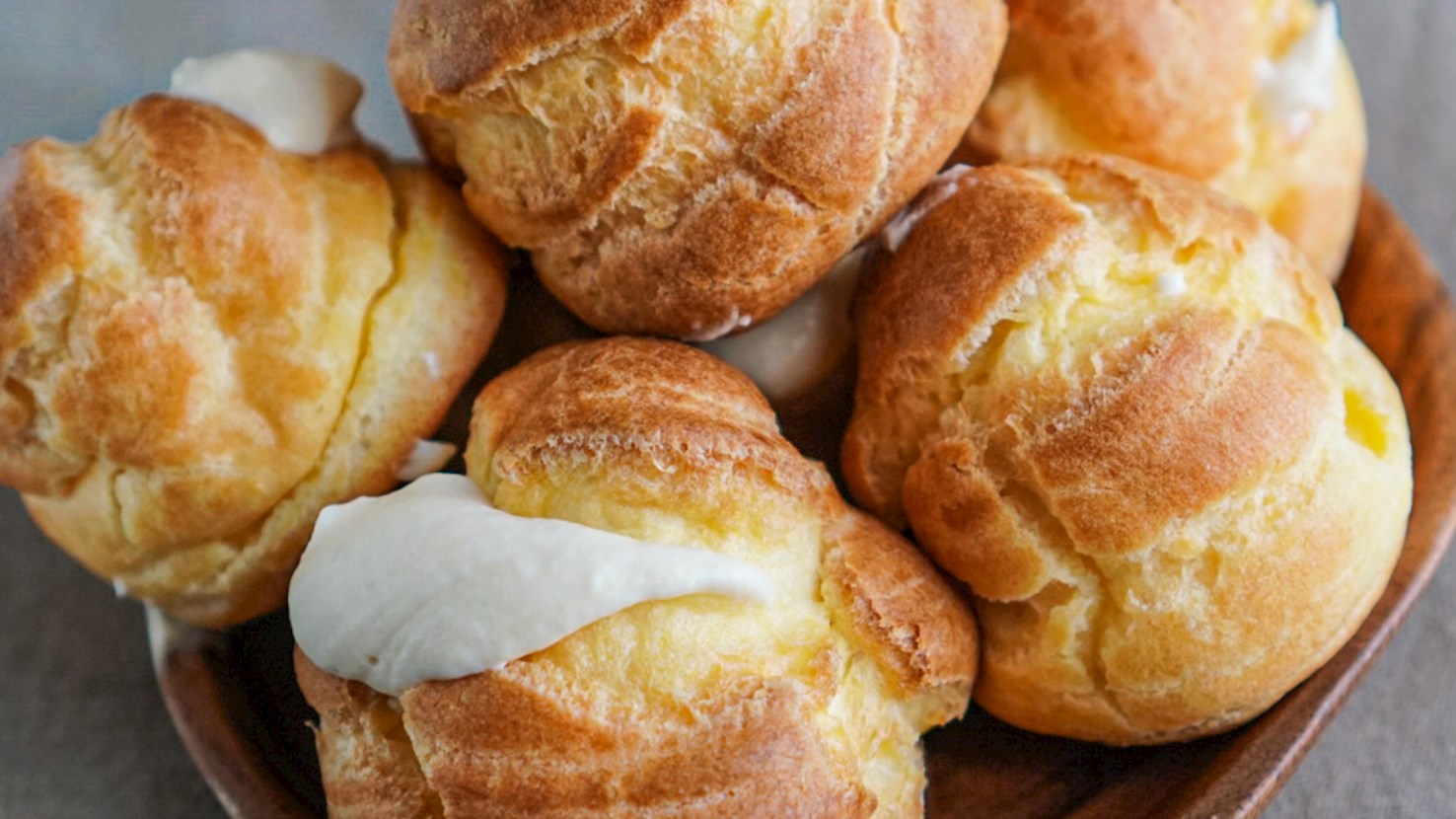
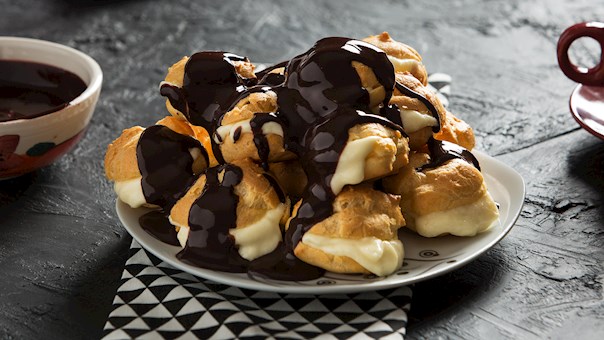
Choux à la crème is a French pastry that consists of choux balls that are filled with either whipped cream or pastry cream and usually served dusted with powdered sugar. There are several ways of assembling choux à la crème. One way is to split the choux balls in half, then one half is piped full of whipped or pastry cream, and the other is placed on top. The other way is to make an incision at the bottom of the choux ball and pipe it with whipped or pastry cream. In the US, choux à la crème are known as cream puffs, and although similar choux à la crème should not be confused with profiteroles, which is a similar French pastry.

06

Gougères

4.1 ·

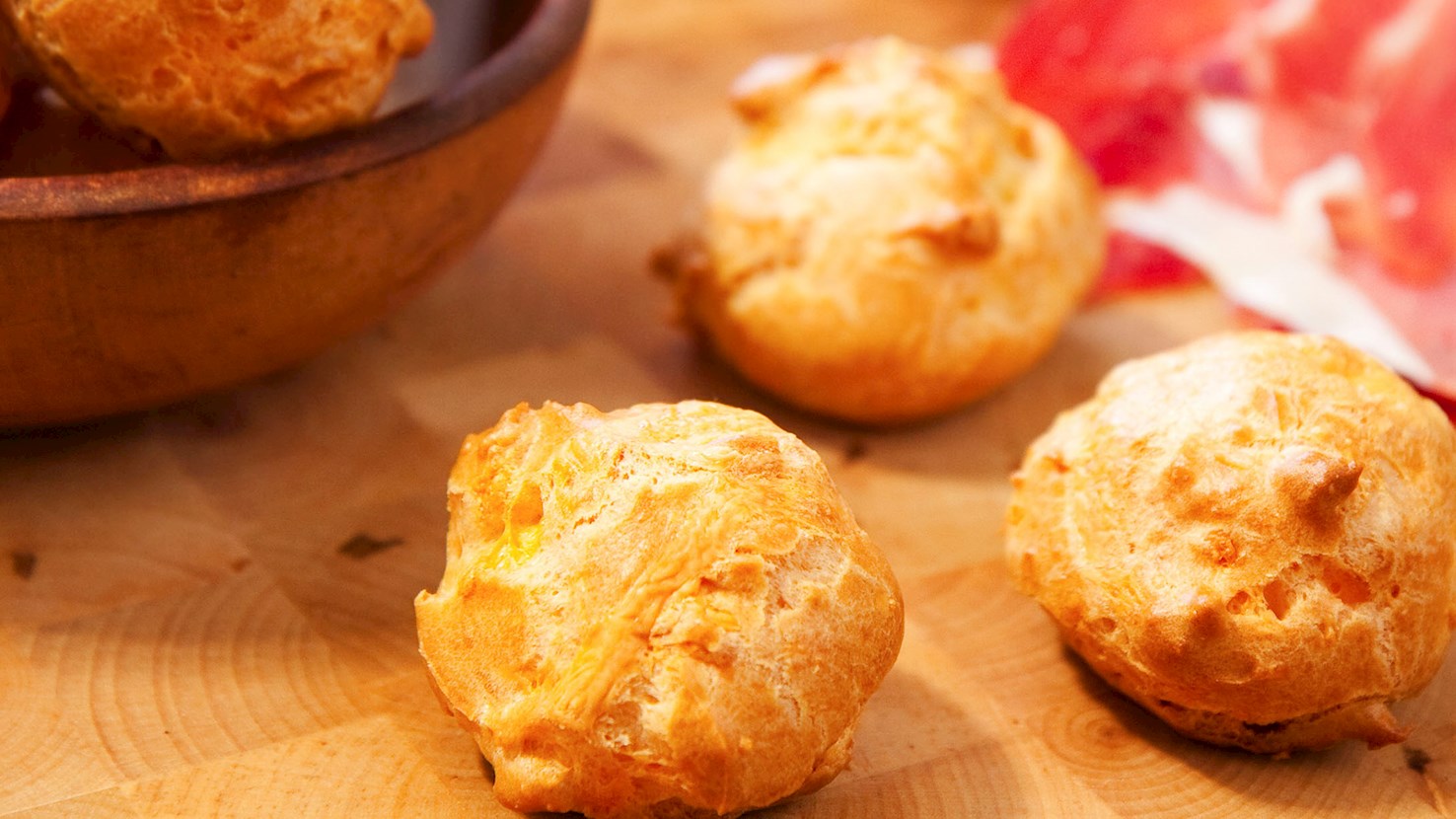
Gougères are tiny, hollow pastry puffs made from choux dough and cheese, most commonly grated Comté, Emmentaler, or Gruyère. These cheese puffs are often served cold or at room temperature as an accompaniment to beverages such as champagne or wine, but they can also be served warm as an appetizer. The snacks were invented in the 17th century, in a store called Le ramequin de Bourgogne, located in the Burgundy area. Gougères can also be served in a sweet version, accompanied by various fruit jams on the side.

07

Religieuse

4.1 ·

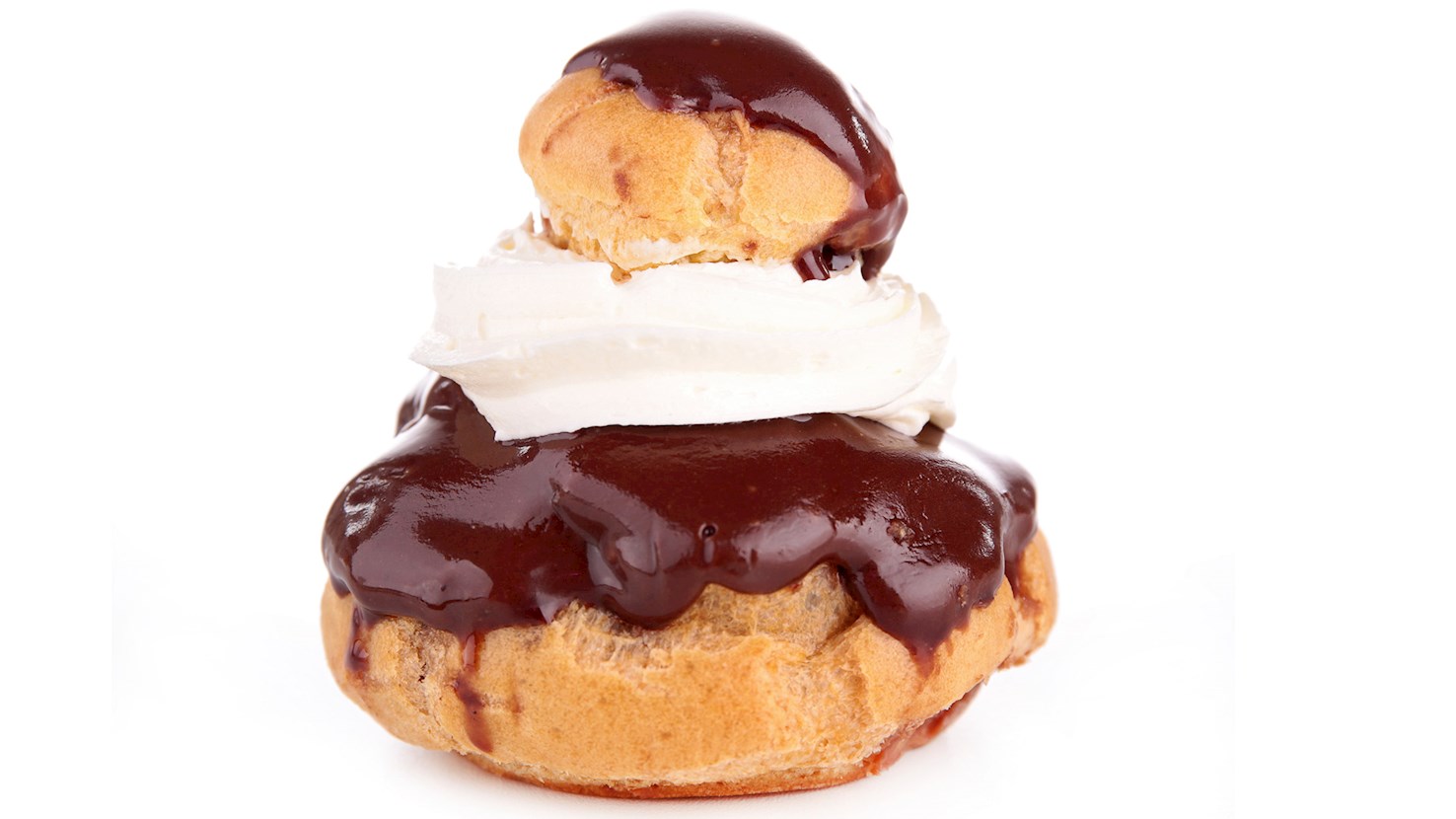
The intricate religieuse is a popular choux pastry dessert which has been a part of the French confectionery heritage since the 19th century. These tempting sweet treats are made with two spherical choux pastries, one bigger than the other one, each filled with a velvety crème pâtissière. Each piece is individually covered in chocolate ganache which can be seen running from the sides of the pastry. The dessert is assembled and glued together with decorative buttercream. These small pastries have long historical and religious importance in France–it is believed that they were invented by Frascati, a pastry chef who worked in a famous Parisian pâtisserie. Originally, the shape of the dessert was rectangular, but at the end of the 19th century, its shape was round, and it got the name religieuse, which translates to a nun. Numerous theories suggest that the round form and the name were influenced by nuns, because when assembled, the chocolate ganache covering the pastry resembles a nun’s habit. Regardless of the origin of the name, these tempting treats are still one of the acclaimed examples of French confectionery tradition.

08

Gateau Saint-Honore (St. Honoré cake)

4.1 ·

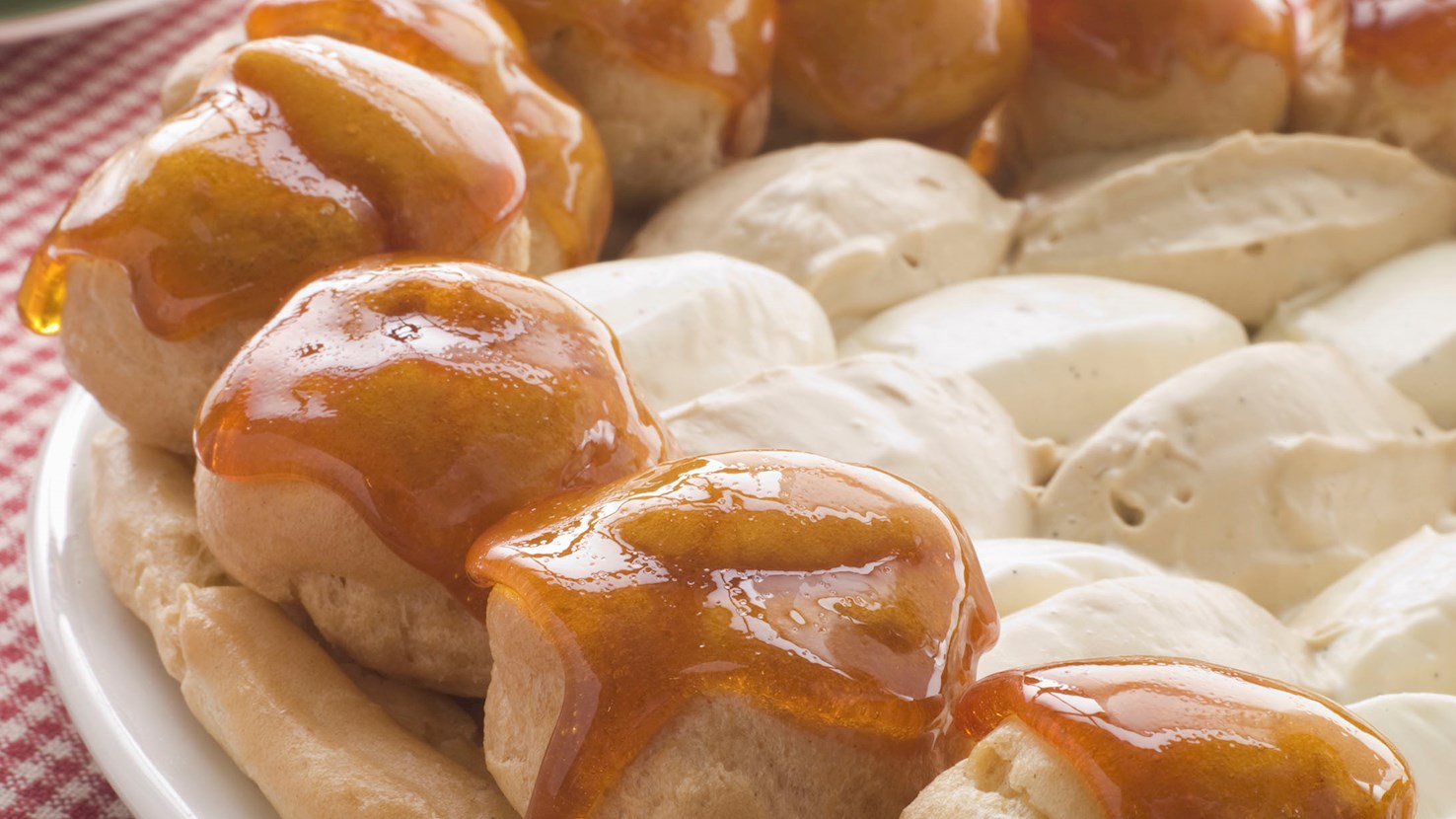
Named after Saint Honoré, the French patron saint of bakers, this intricate dessert is a true representation of French confectionery art. Saint Honoré cake unites all of the fundamental components of French pastry making: puff pastry, vanilla custard, choux pastry, and caramelized sugar. A puff pastry base is given a generous piping of custard and topped with delicate cream puffs dipped in caramelized sugar. Although this delicacy was invented in the 19th century, it is still considered one of France’s favorite desserts. This show-stopping treat requires great effort and skill to prepare properly, for which reason it is usually reserved for special occasions, celebrations, and festivities. Modern-day variations on this classic sometimes include unusual flavors or tropical fruits, but the basic vanilla flavored Saint Honoré cake is still by far the most popular.

09

Éclair

4.1 ·

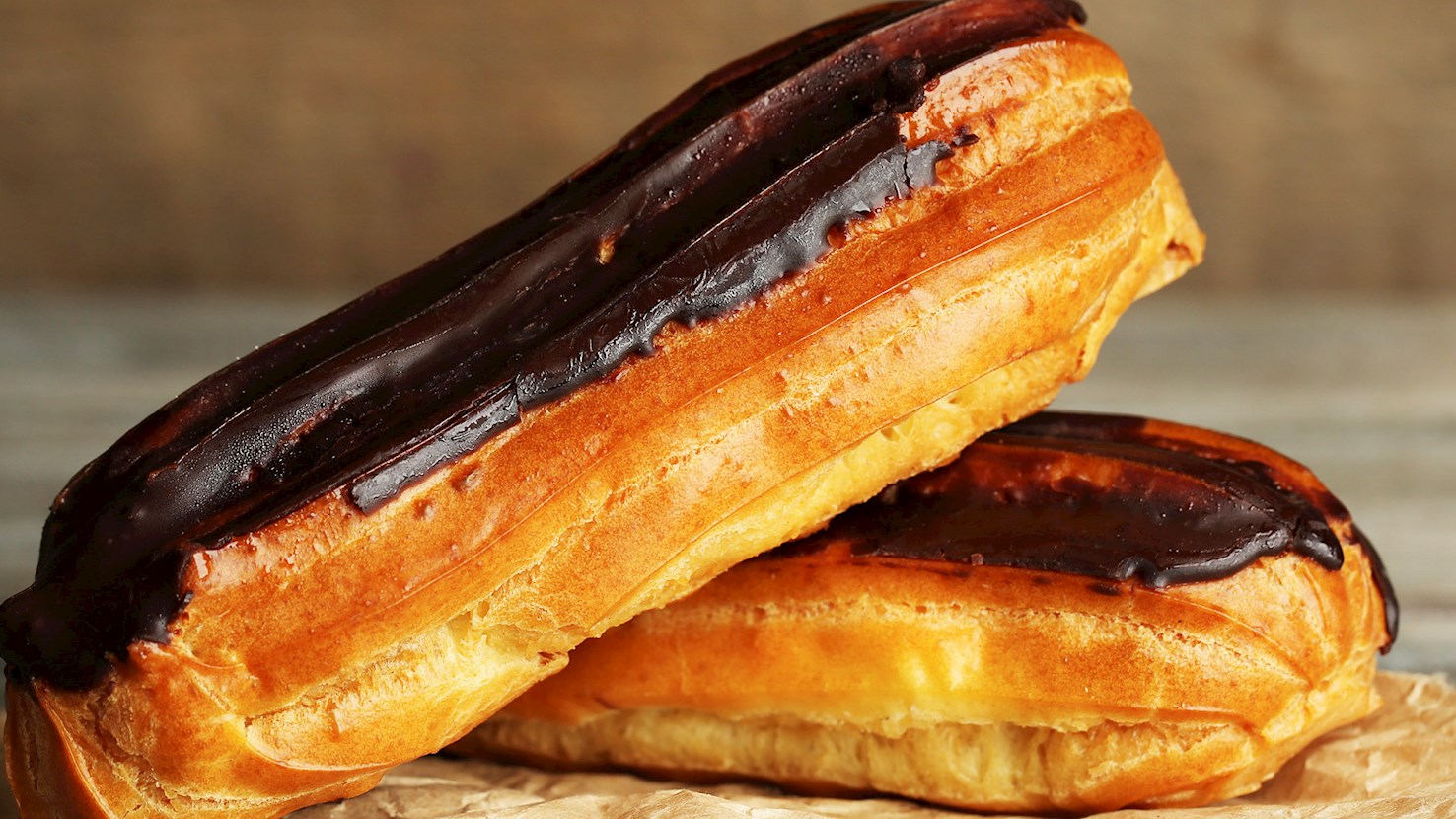
These elongated pastries with an appealing glaze, a crispy exterior, a soft doughy interior, and a sweet, creamy center originated in France at the turn of the 20th century. Most food historians believe they were invented by Marie-Antoine Carême, a famous French chef. Éclairs (French for lightning) are believed to have received their name because of how the light would reflect off of them after a coating of confectioner’s glaze. The oldest recipe for these tasty treats can be found in the Boston Cooking School Cook Book, published in 1884. Today, éclairs are becoming increasingly popular in France and throughout the world, and have begun to sport new fillings such as green tea and lemon cream.

10

Brioche

4.0 ·

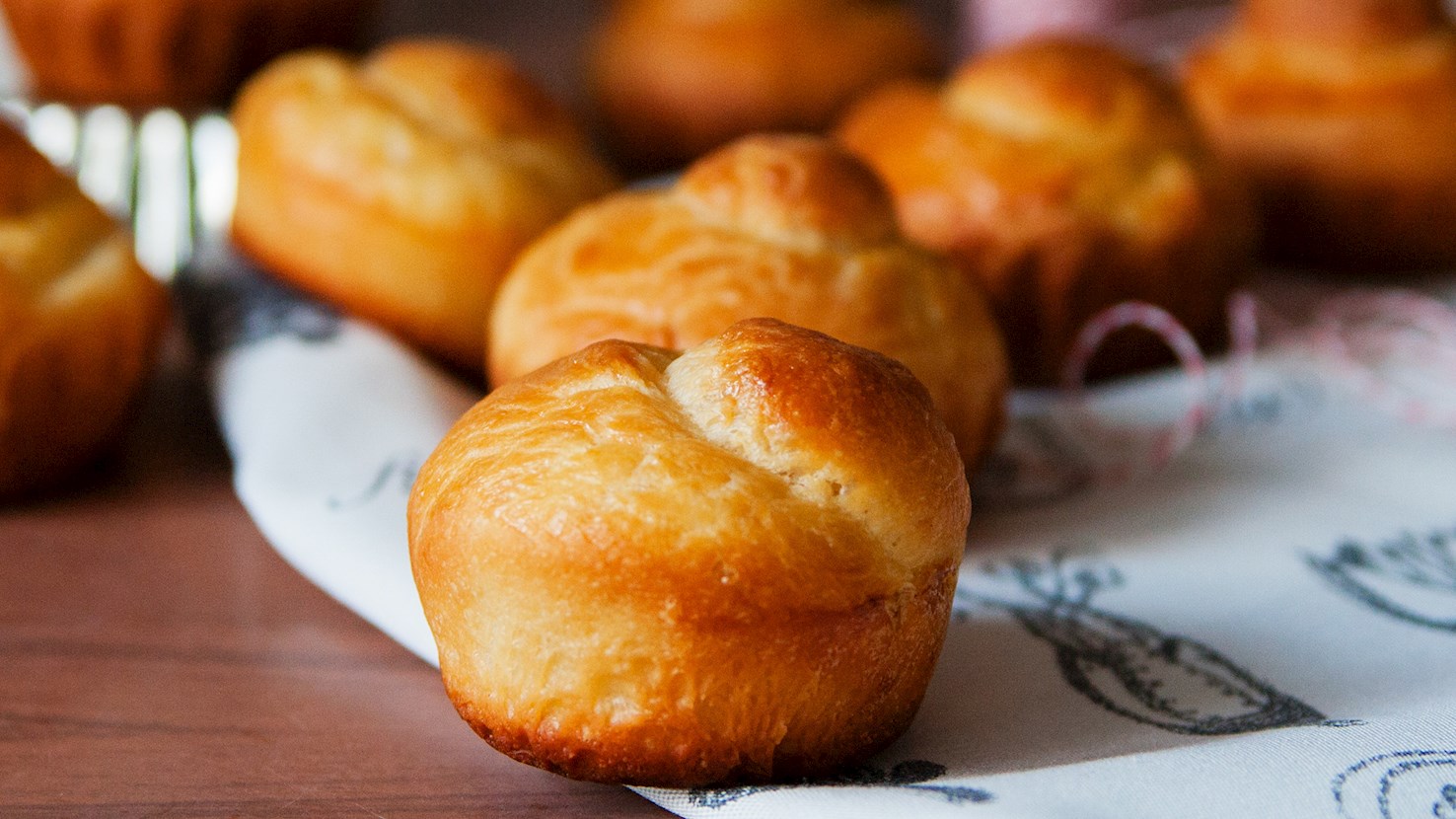
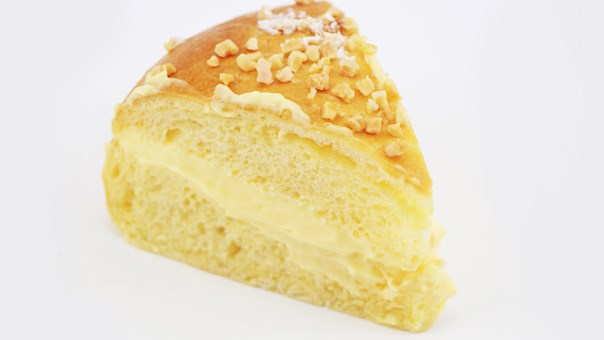
This baked specialty is a French type of viennoiserie, a cross between a pastry and a bread, with a high butter, milk, and egg content that makes it rich, soft, and flaky. It has been enjoyed for centuries both as a delicacy and as a status symbol. One popular theory claims that it was invented by Norman Vikings, who settled in France in the 9th century and brought the secrets of making butter with them. The word brioche first appeared in print in 1404, and the name is believed to be derived from bris and hocher, meaning to knead and to stir. It could also be a reference to the popular French cheese called Brie, which is believed to have been one of the ingredients in the original brioche. A famine in the 18th century made bread expensive, so brioche became a status symbol – the amount of butter in your brioche was proportional to your prosperity. Today, it is traditionally consumed with tea, but it also has various uses in cuisine, acting as a vessel for sweet or savory fillings.

11

Profiteroles

4.0 ·
12

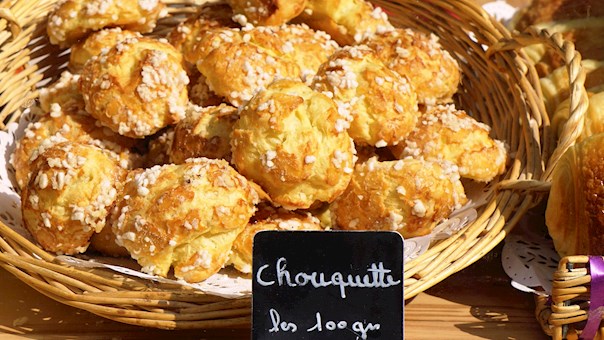
Chouquette

4.0 ·
13

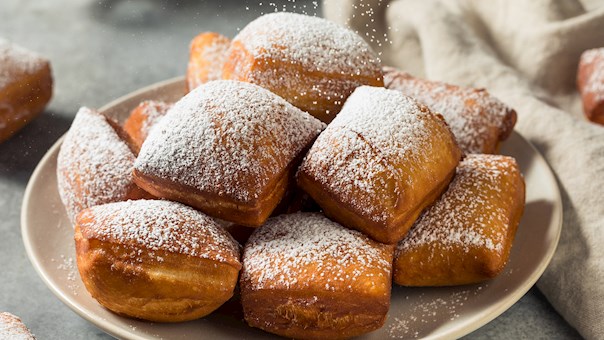
Beignets

4.0 ·
14

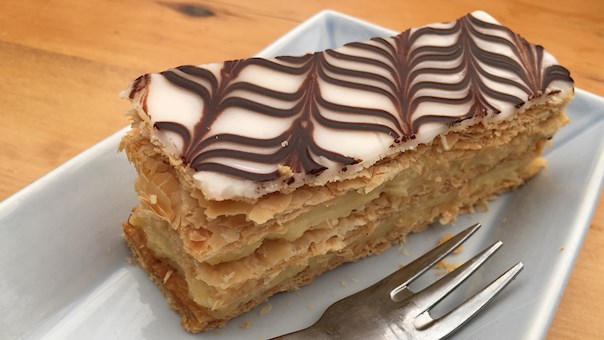
Mille-feuille

4.0 ·
17

Canelé

3.8 ·
18

Praluline

3.8 ·
19

Pain aux raisins

3.7 ·
20

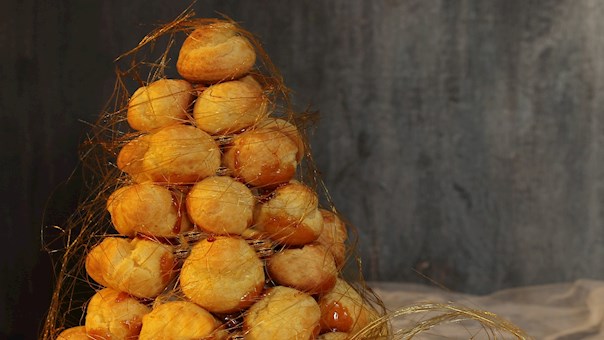
Croquembouche

3.7 ·
Read more
View all
View map
About this ranking

TasteAtlas food rankings are based on the ratings of the TasteAtlas audience, with a series of mechanisms that recognize real users and that ignore bot, nationalist or local patriotic ratings, and give additional value to the ratings of users that the system recognizes as knowledgeable. For the “Top 71 French Pastries” list until June 15, 2026, 7,126 ratings were recorded, of which 6,366 were recognized by the system as legitimate. TasteAtlas Rankings should not be seen as the final global conclusion about food. Their purpose is to promote excellent local foods, instill pride in traditional dishes, and arouse curiosity about dishes you haven’t tried.

Similar lists