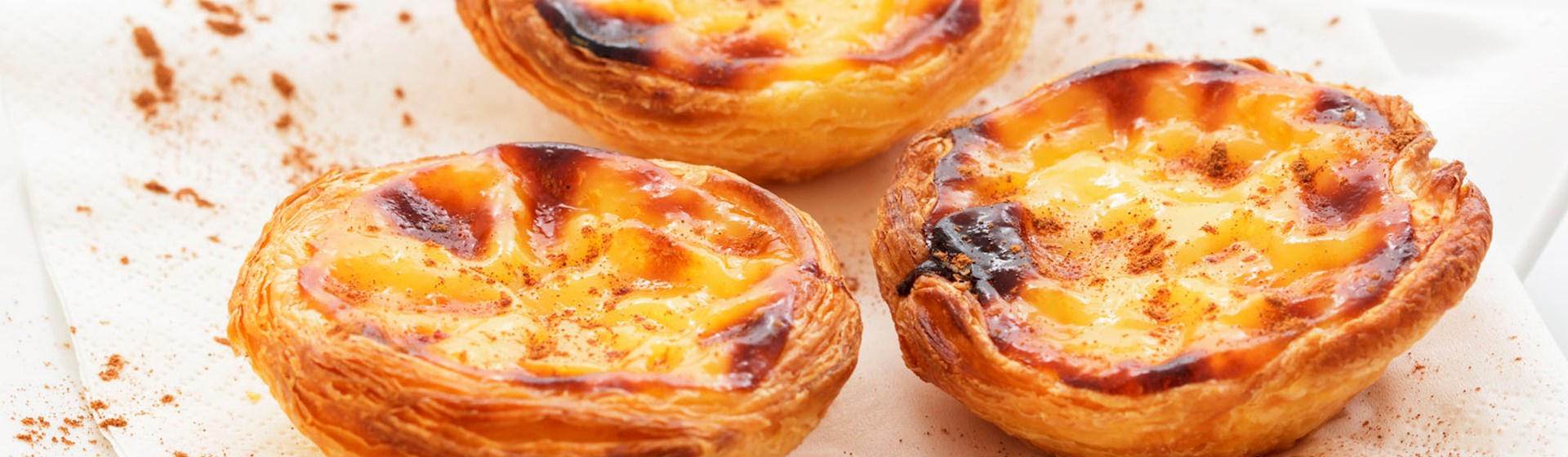
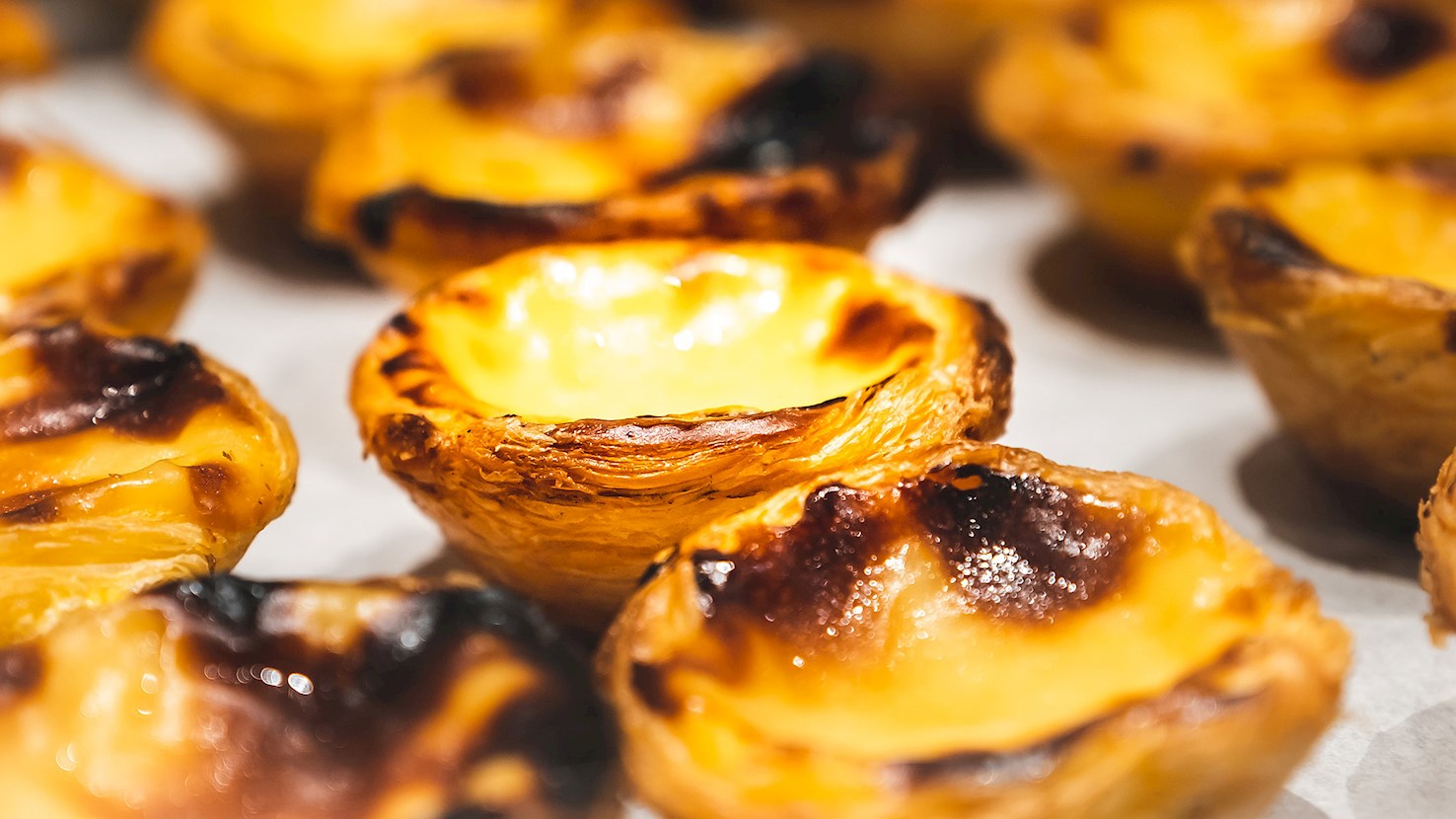
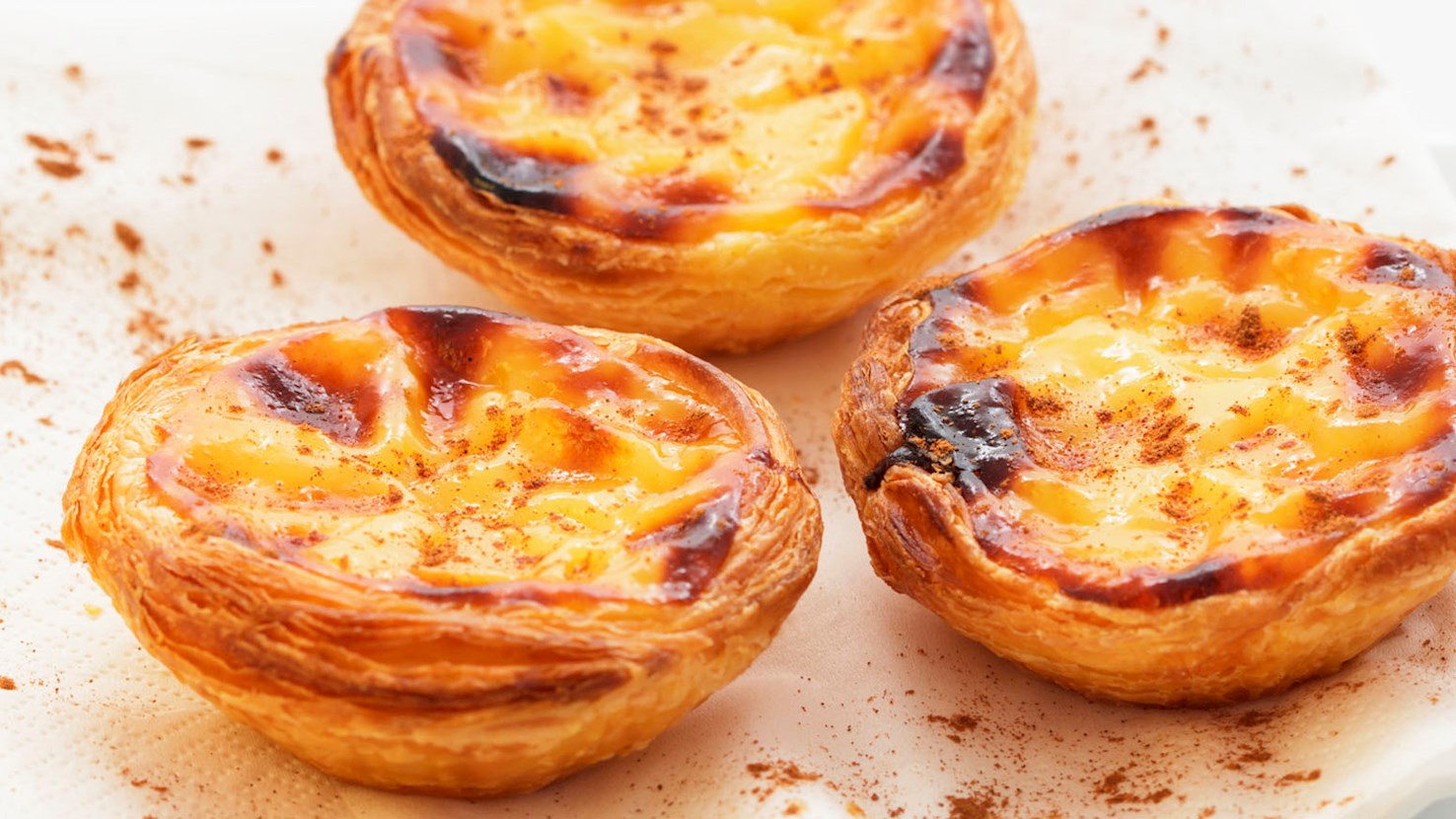
Pastel de Belém is a traditional egg custard tart and a predecessor to the famous pastel de nata. The tarts are made with a pastry shell that's filled with a combination of milk, eggs, sugar, lemon, and cinnamon. The first recipe for pastel de Belém dates back to 1837 when it was produced by the monks of the Jerónimos monastery. Only the custard tarts produced at the Fábrica Pastéis de Belém can be called pastel de Belém, while all the others, produced by other patisseries in Lisbon are called pastel de nata. Regardless of the name, these tarts can be served hot or cold and in 2009, The Guardian listed pastel de Belém as one of the 50 'best things to eat' in the world.
Pastel de nata is a traditional egg custard tart that is popular throughout the world. It is believed that for the best result, the filling should not be too sweet and should not have flavors of lemon nor vanilla. Instead, the tarts should be sprinkled with cinnamon and, ideally, paired with a cup of coffee. Originally, this treat was made before the 18th century by Catholic monks and nuns in Santa Maria de Belém in Lisbon. The tart was made from leftover egg yolks that were used in the clearing of wines and starching of clothes. Later on, the clerics made a deal with a nearby bakery to start selling pastel de nata commercially, and the product was a huge success. It is still hugely popular, and the fact can be supported by long lines of people who are waiting on their pastel de nata in front of numerous Portuguese bakeries. However, pastel de Belém's recipe is kept secret, and only the ones produced at the Fábrica Pastéis de Belém can be called pastel de Belém, while all the other egg custard tarts from other producers in Lisbon are called pastel de nata.
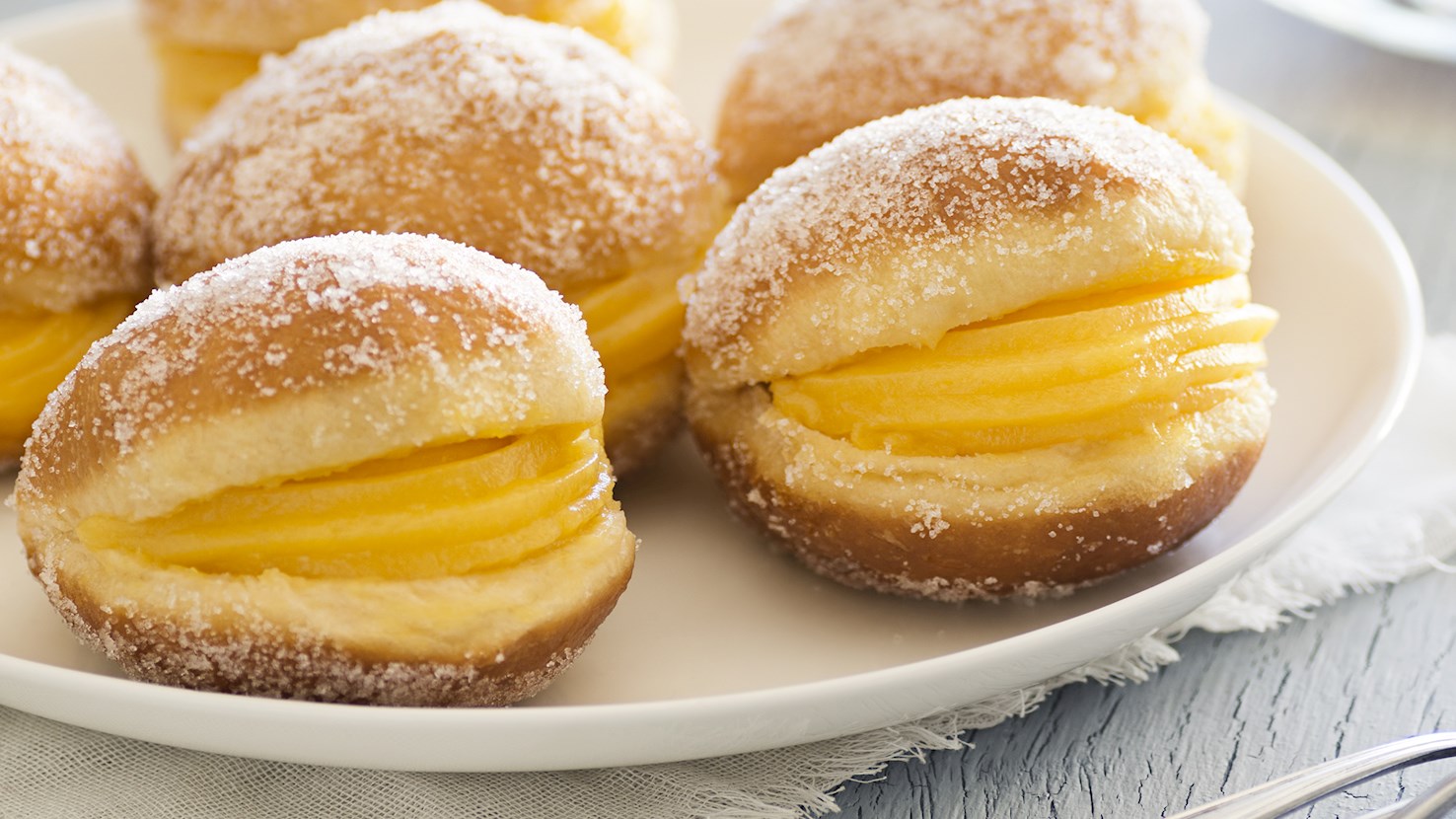
A bola de Berlim is a round doughnut with a sugared surface and a soft, airy interior, usually split across the middle to hold a generous band of yellow pastry cream. Sold in pastelarias and cafés throughout Portugal, it is also closely associated with beach vendors, who carry these substantial pastries along the sand. The dough is raised with yeast, enriched with eggs and butter, and fried before filling, giving it a thin golden skin rather than a thick crust. Its cream stays visible along the cut, so each bite combines tender dough, smooth custard, and the slight crunch of sugar. The name means “Berlin ball” and points to its German relative, the Berliner Pfannkuchen, whose fruit filling is generally enclosed within the doughnut. The Portuguese version developed a different appearance and filling while keeping the rounded shape and fried yeast dough. Its spread in Portugal is associated with German Jewish refugees fleeing Nazi persecution during the 1930s and the Second World War. Ruth Davidsohn, who arrived from Hamburg with her family in October 1935, was among those who made and sold the German pastries in Portugal. Her version included fruit preserve, such as strawberry or raspberry, rather than the exposed custard now familiar in Portuguese shop windows. She cannot be securely credited as the first person to bring the pastry to the country, but her experience establishes a concrete connection between refugee livelihoods and its wider circulation. The precise moment when Portuguese bakers adopted the horizontal cut and pastry cream is less certain. Much of the pastry’s quality depends on the dough before it reaches the frying oil. Flour, yeast, eggs, sugar, butter, and liquid form a smooth, elastic mixture; some formulas use milk as well as water, and lemon zest may add a light fragrance. Kneading develops enough structure to retain the gas produced during fermentation, while the fat and eggs keep the cooked crumb tender. The dough is divided into portions and rounded, then allowed to rise until light and expanded. A poorly risen ball can look convincingly browned outside yet remain heavy within. Properly handled dough yields a bun that gives way when bitten without collapsing into a greasy mass. Frying requires similar care: excessive heat darkens the surface before the center cooks, while insufficient heat prolongs the frying and can leave the pastry oily. The balls are turned to color both sides, then drained. They should have enough structure to support the filling, but the interior should still feel closer to soft enriched bread than to cake. Granulated sugar is commonly applied while the pastries are warm enough for it to adhere, although some versions receive a dusting of icing sugar instead. The filling is prepared separately and cooled before use. Creme de pasteleiro is a cooked pastry cream, typically made with milk, egg yolks, sugar, and flour or another starch, with vanilla or lemon providing optional flavoring. It should not automatically be confused with a filling made only from egg yolks and sugar syrup: the milk and starch give this custard its particular softness and stability. Heating it while stirring produces a smooth cream thick enough to sit in the opening without running out immediately. Cooling further firms the texture. The fried bun is slit from the side, usually leaving the two halves attached, and the cream is piped or spooned into the gap. This broad opening distributes the filling across the pastry and makes its consistency plainly visible. Too much stiffness leaves a pasty mouthful; a loose filling escapes as soon as the bun is handled. A bola de Berlim does not have to contain cream: sem creme, the unfilled version, is an established choice alongside com creme. Without custard, the dough's flavor and freshness become especially noticeable. Chocolate and hazelnut fillings are also sold, as are fruit-flavored variations, but yellow pastry cream remains the most recognizable Portuguese filling. These choices largely depend on individual bakeries and producers rather than a clear set of regional styles. At the seaside, people often buy pastries directly from roaming sellers announcing their arrival, sometimes with the call “Olha a bolinha!” Their association with summer holidays is strong, though cafés and pastry shops sell them beyond the beach season. They suit an afternoon snack and are substantial enough to need little accompaniment. A small espresso provides a pleasantly bitter contrast to the sugar and custard; a galão, the Portuguese milky coffee served in a glass, pairs more gently, and unsweetened tea also works well. Eaten by hand, the filled version benefits from a paper wrapper or napkin around its lower half, leaving the exposed cream clear of the fingers.
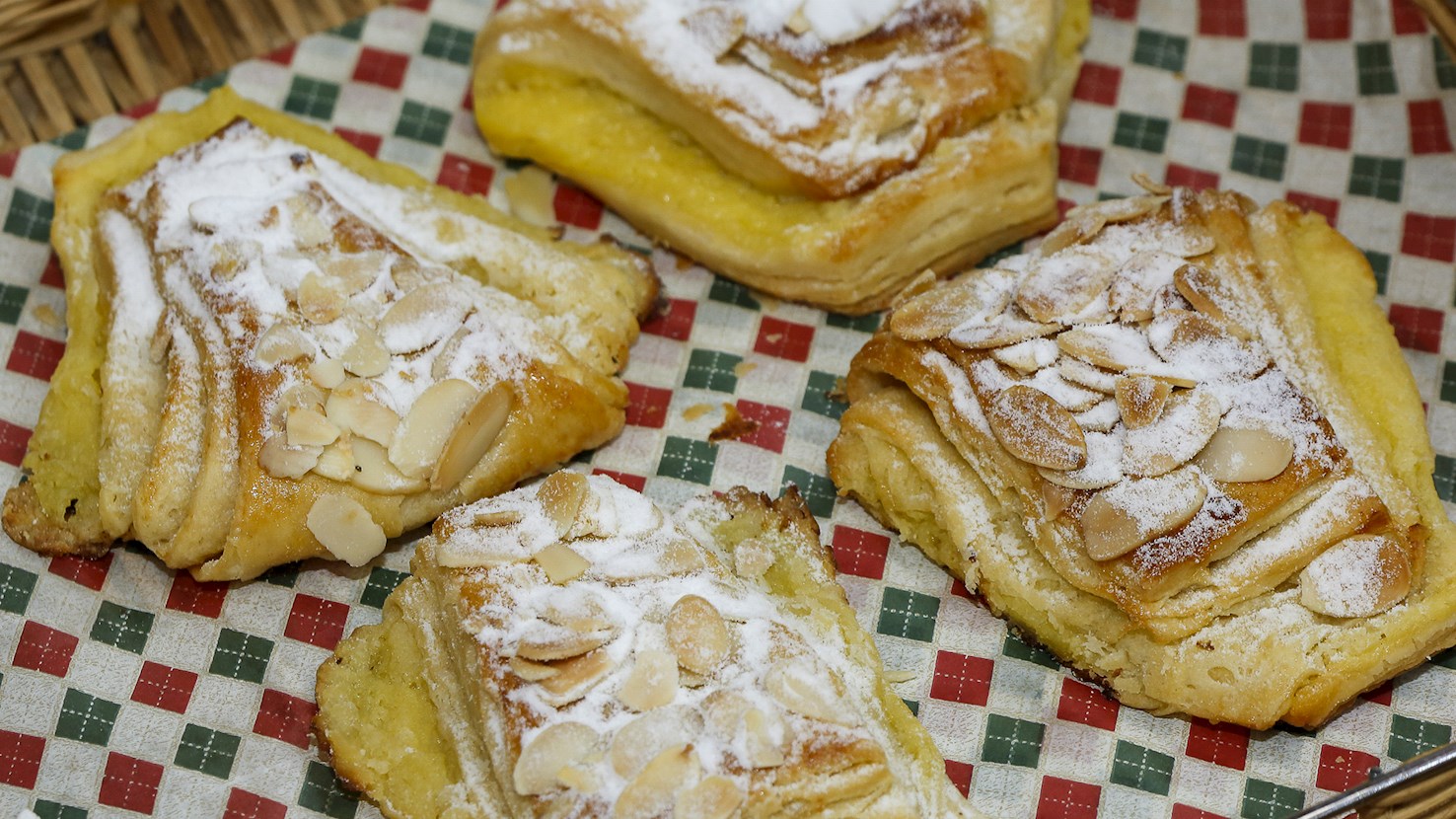
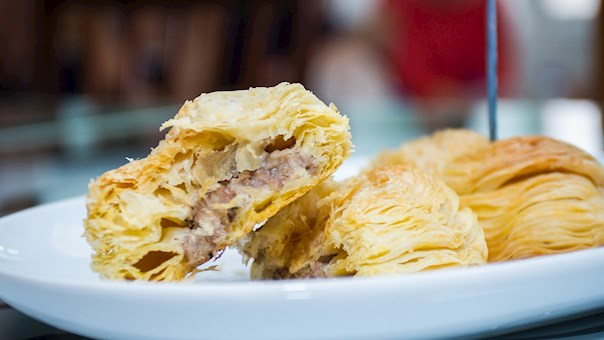
These crispy, sweet treats are made with a combination of puff pastry and a rich cream that consists of almonds and egg yolks. Travesseiros, which translates to pillows or cushions, is a signature dessert of Sintra. They are produced and sold at Piriquita, the same bakery where they were invented in the 1940s, and the original recipe is still a closely guarded secret. Travesseiros are best served freshly baked and lightly dusted with powdered sugar.
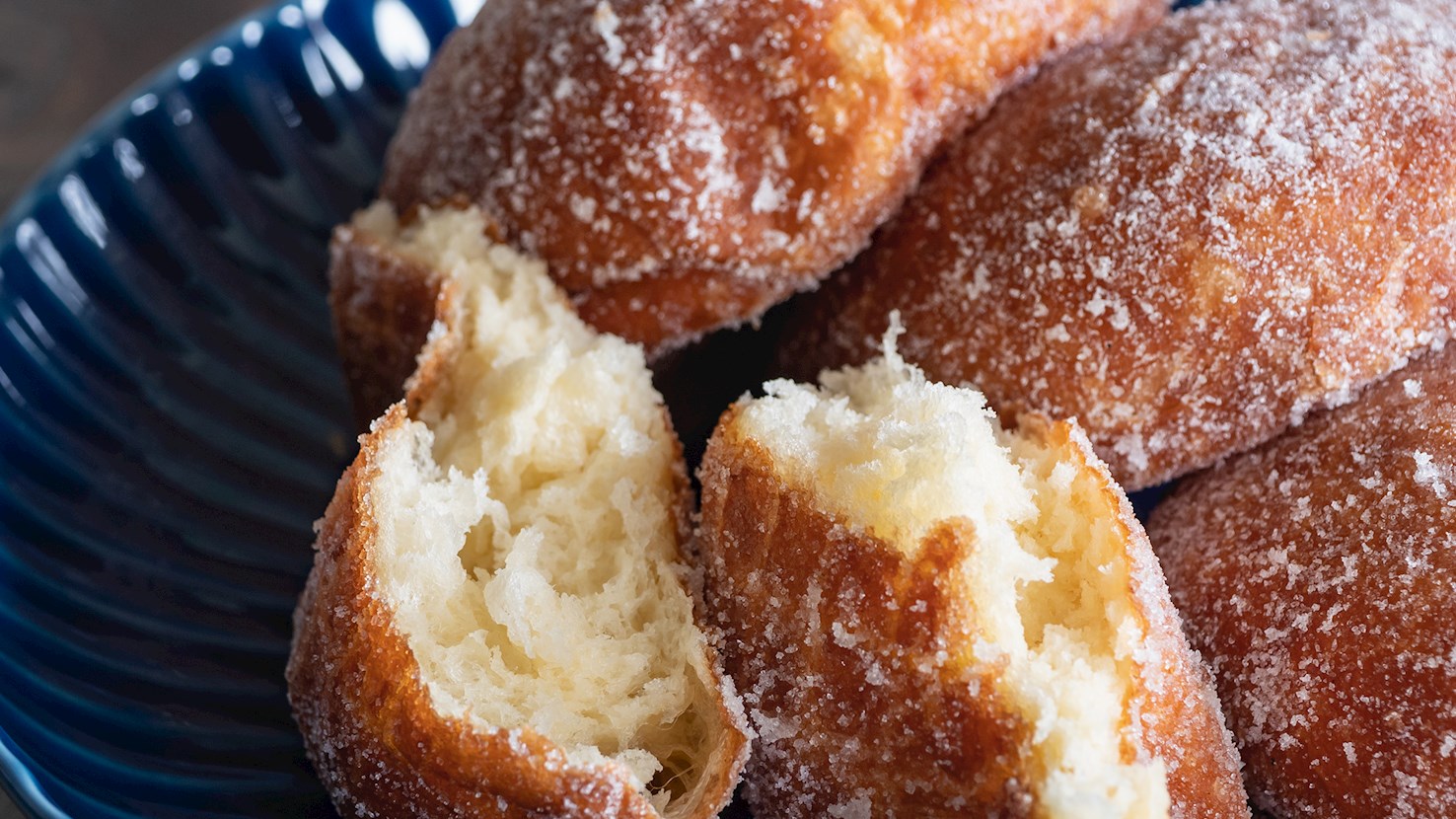
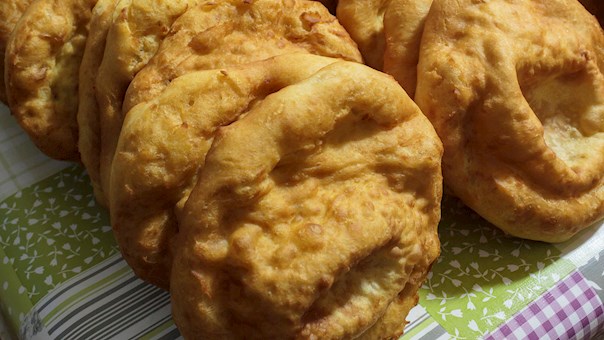
Malasadas are traditional Portuguese yeast-leavened doughnuts made from eggs, flour, sugar, and milk. They are sometimes coated with cinnamon or granulated sugar. The original Portuguese malasadas don't have any holes or fillings, but the variations prepared in Hawaii do. The popularity of malasadas in Hawaii is not accidental – Portuguese laborers from the Azores came to Hawaii in the 19th century to work in the plantations. They brought their traditional foods with them, including the malasadas, which were originally prepared in order to use all the sugar and lard in one's home before Lent. Nowadays, malasadas are especially popular on Fat Tuesday. The Hawaiian malasadas can be filled with various ingredients such as chocolate, guava, or coconut pudding (haupia). The name malasadas means poorly cooked, referring to the sugary exterior that's contrasted by a soft crumb.
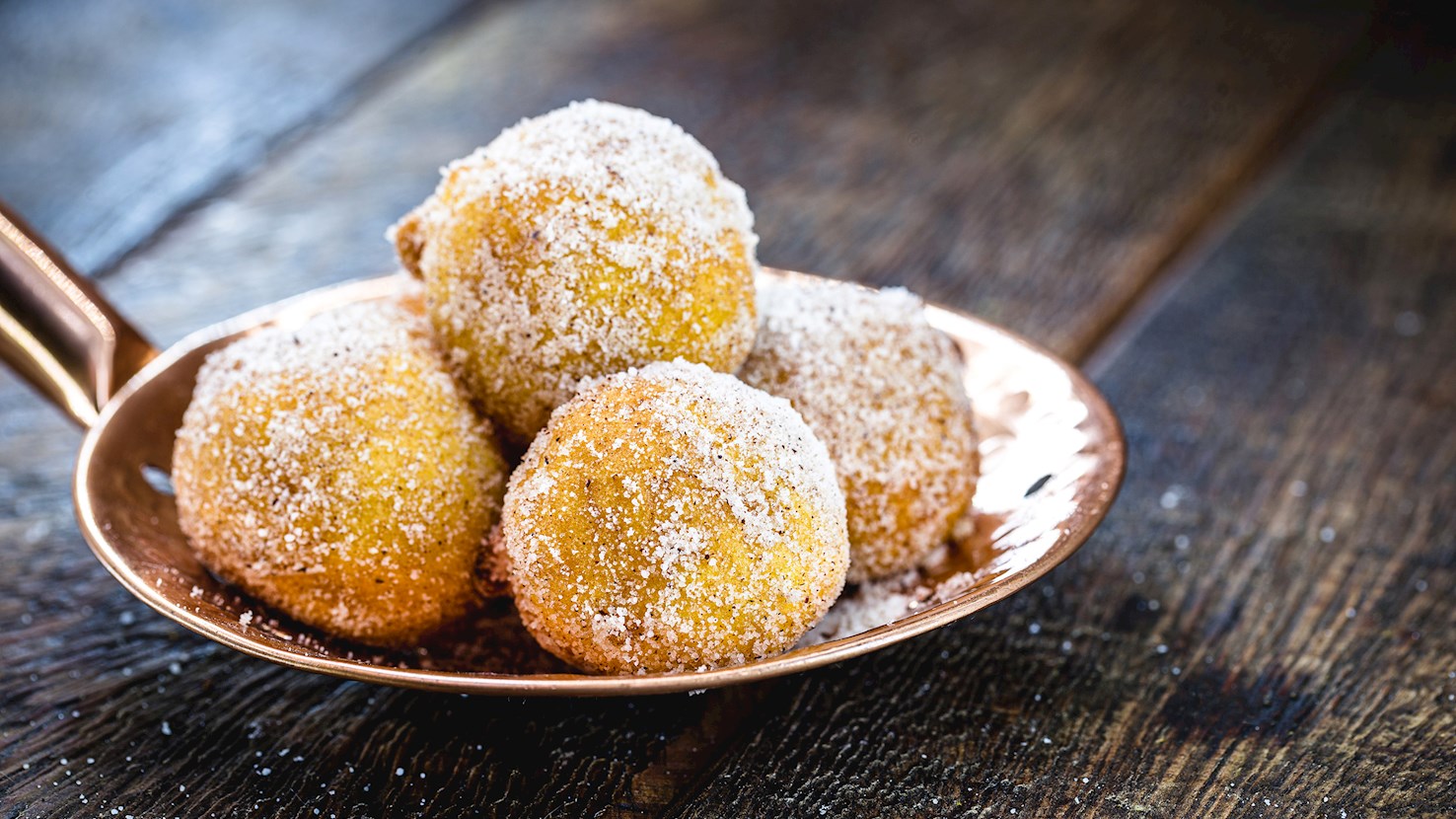
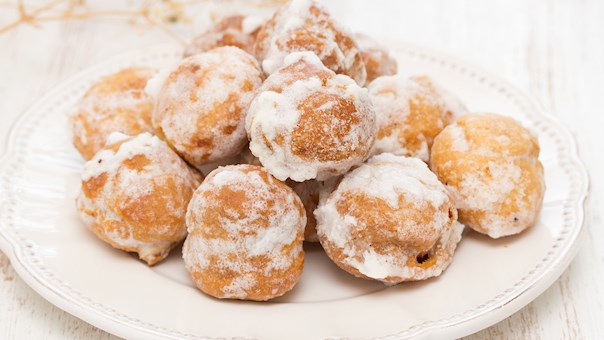
Bolinhos de chuva are traditional Portuguese and Brazilian sweet fritters. These easy-to-make pastries call for dough made of eggs, wheat flour, sugar, milk, baking powder, and salt, shaped into small balls and fried in vegetable oil until golden brown and crispy on the outside. When done, bolinhos de chuva are dusted with powdered sugar and cinnamon. The legend says that the name (which roughly translates to "rain cakes") originates from the times when the whole family used to gather in the kitchen during rain storms and prepare these delicious treats. To this day, bolinhos de chuva remain a beloved snack or dessert (especially among children), tasty on their own but also often dipped in dulce de leche or chocolate ganache.
These triangle-shaped pastries are one of many sweets that were initially prepared in Portuguese convents. Jesuítas are made with layers of puff pastry that are coated in egg custard, and the whole slice is typically topped with meringue. There are numerous theories about the name and the origin of these pastries, but the only certainty is that they initially appeared in the city of Santo Tirso. Nowadays, they are commonly found in Portuguese pastry shops, and some varieties may be flavored with cinnamon or topped with almonds.
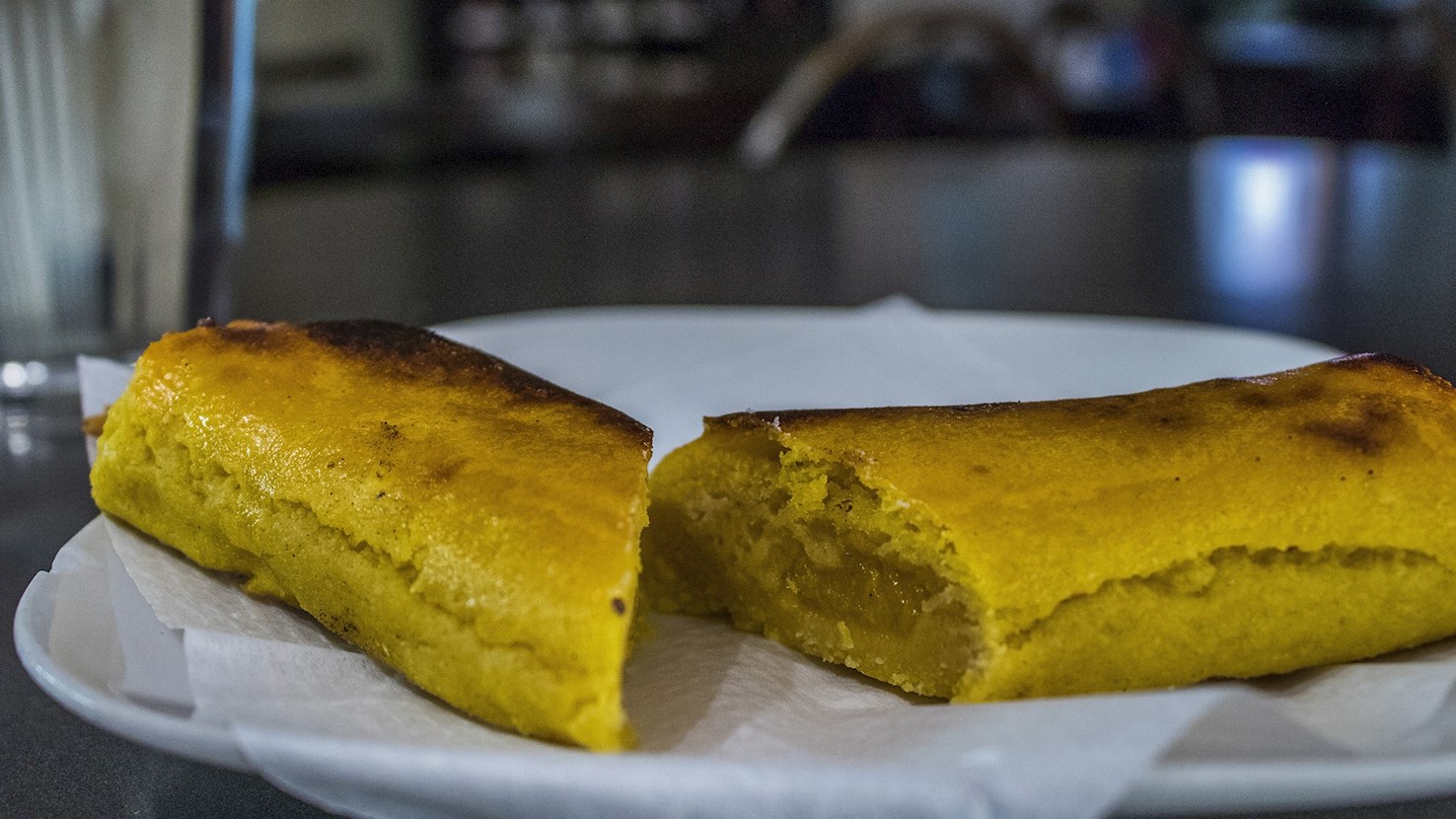
Characterized by its round, elongated shape, this sweet Portuguese treat combines buttery pastry and a creamy, cinnamon-spiced egg yolk filling. The name of the pastry is linked to campinos - traditional cattle herders who use long wooden sticks (pampilhos) to encourage cattle to move. Although it is found in other Portuguese regions, pampilho is traditionally associated with Santarém. It is typically enjoyed for breakfast or as a sweet mid-day snack.
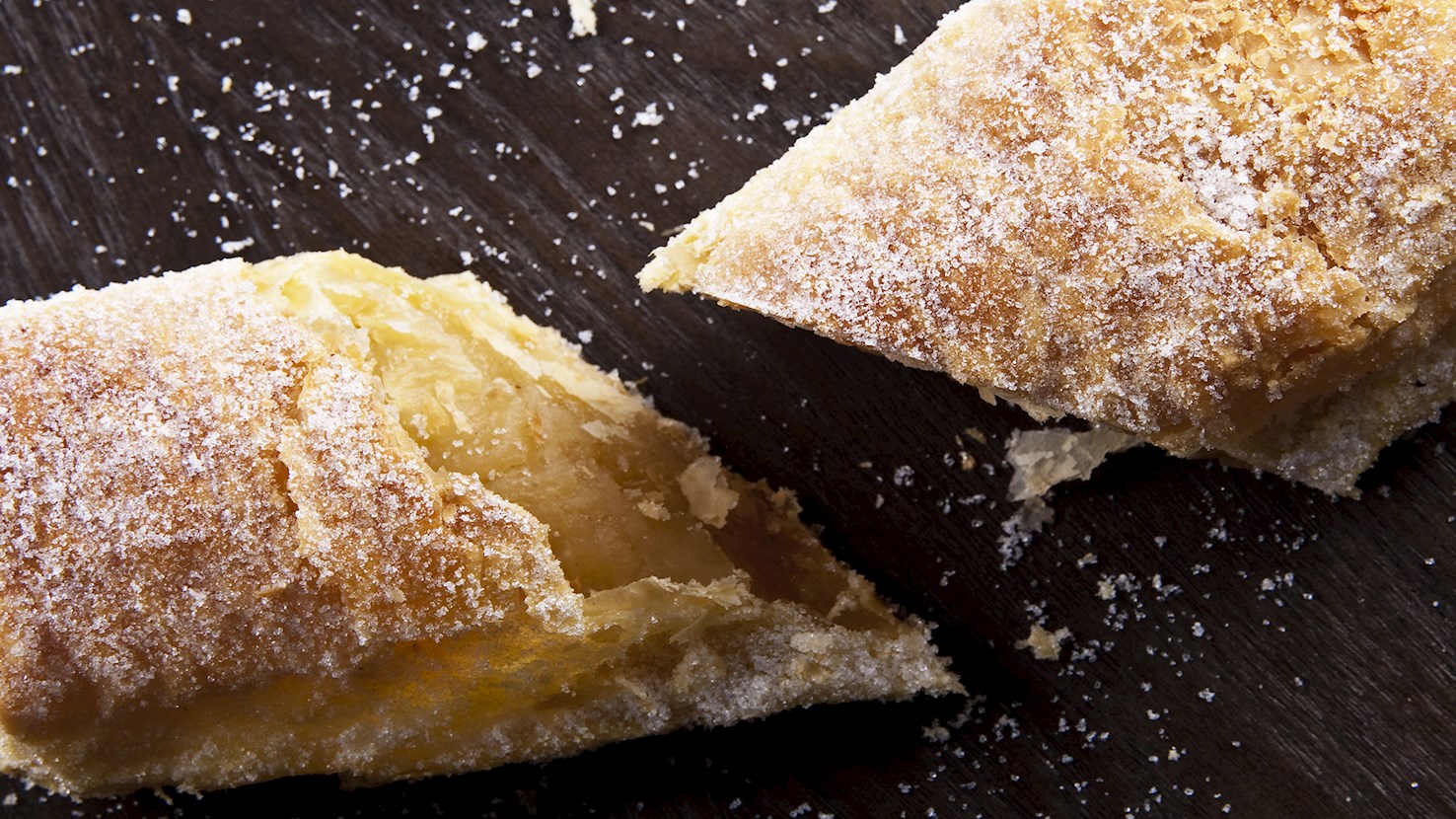
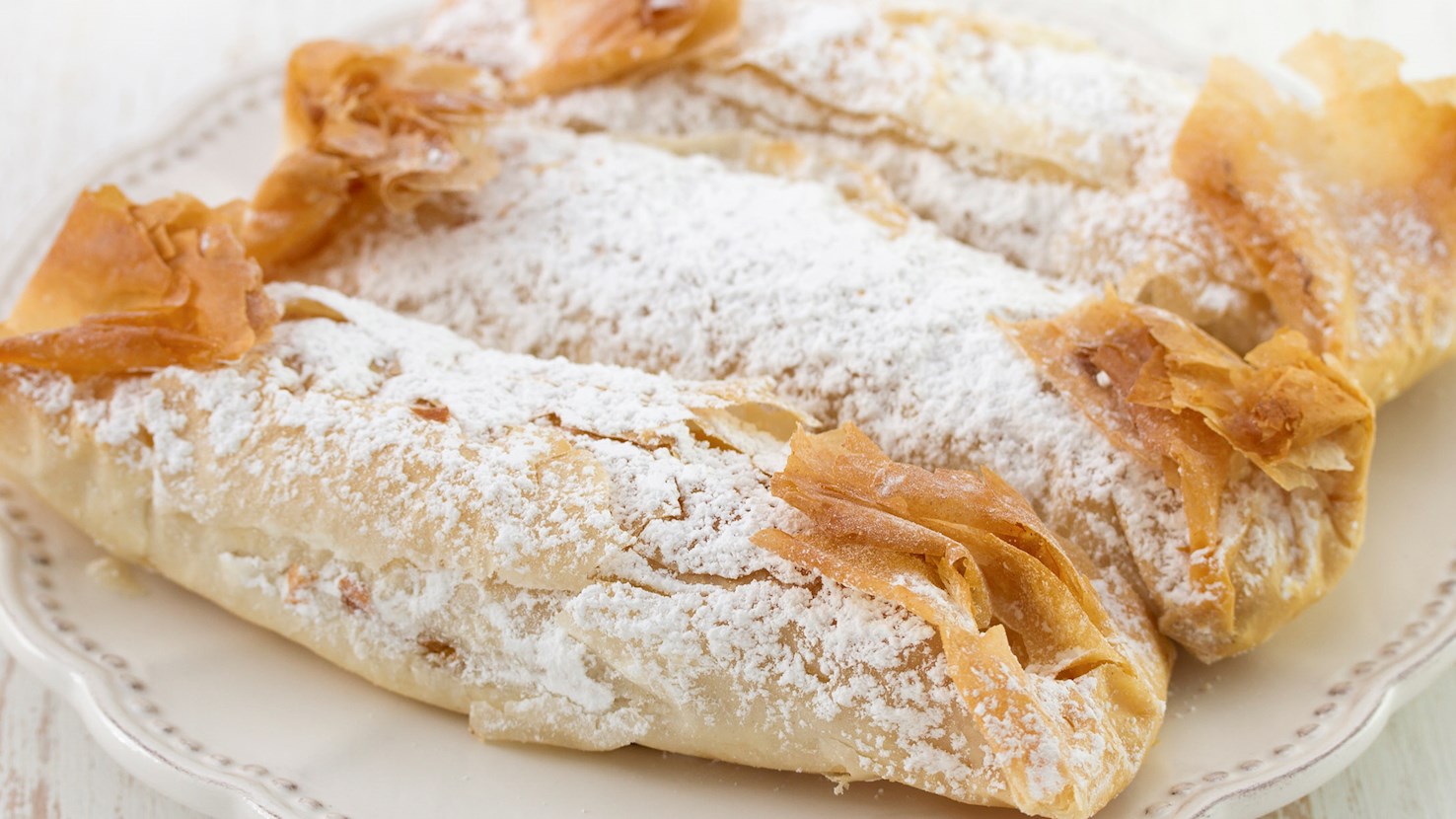
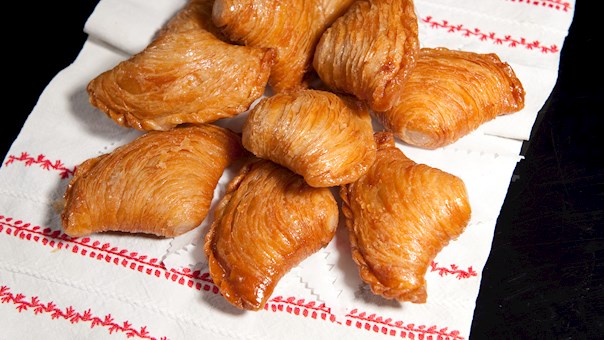
Regarded as one of the seven iconic dishes of Portuguese cuisine, pastel de Tentúgal is a traditional Portuguese pastry with an intriguing history dating back to the 16th century. It is made with doce de ovos, a traditional Portuguese egg custard that is wrapped in paper-thin dough, then baked until golden brown and crispy. The tradition of preparing pastel de Tentúgal was started by the Carmelite nuns, who used to stretch the dough in specialized rooms covered in white sheets. Interestingly, the dough was supposed to be extremely thin so that the Bible could be read through it. The nuns would then butter the whole surface of the dough and cut out rectangular shapes which were subsequently filled with the sweet filling. For centuries, the entire preparation of this sweet treat has been passed down orally, without any written records. It was only in 1898–when the last nun passed away–that the recipe was adopted by a guesthouse Dona Maria da Conceição Faria. Until the middle of the 20th century, this establishment remained the only exclusive location where pastel de Tentúgal could be manufactured and sold. Following their success, numerous other bakers in Tentúgal started to produce this authentic Portuguese pastry, and in 2013, the product and the city received a government certification allowing them to be the only location in the world licensed to produce the original pastel de Tentúgal. Usually dusted with powdered sugar, pastel de Tentúgal is often served alongside a cup of strong Portuguese coffee.
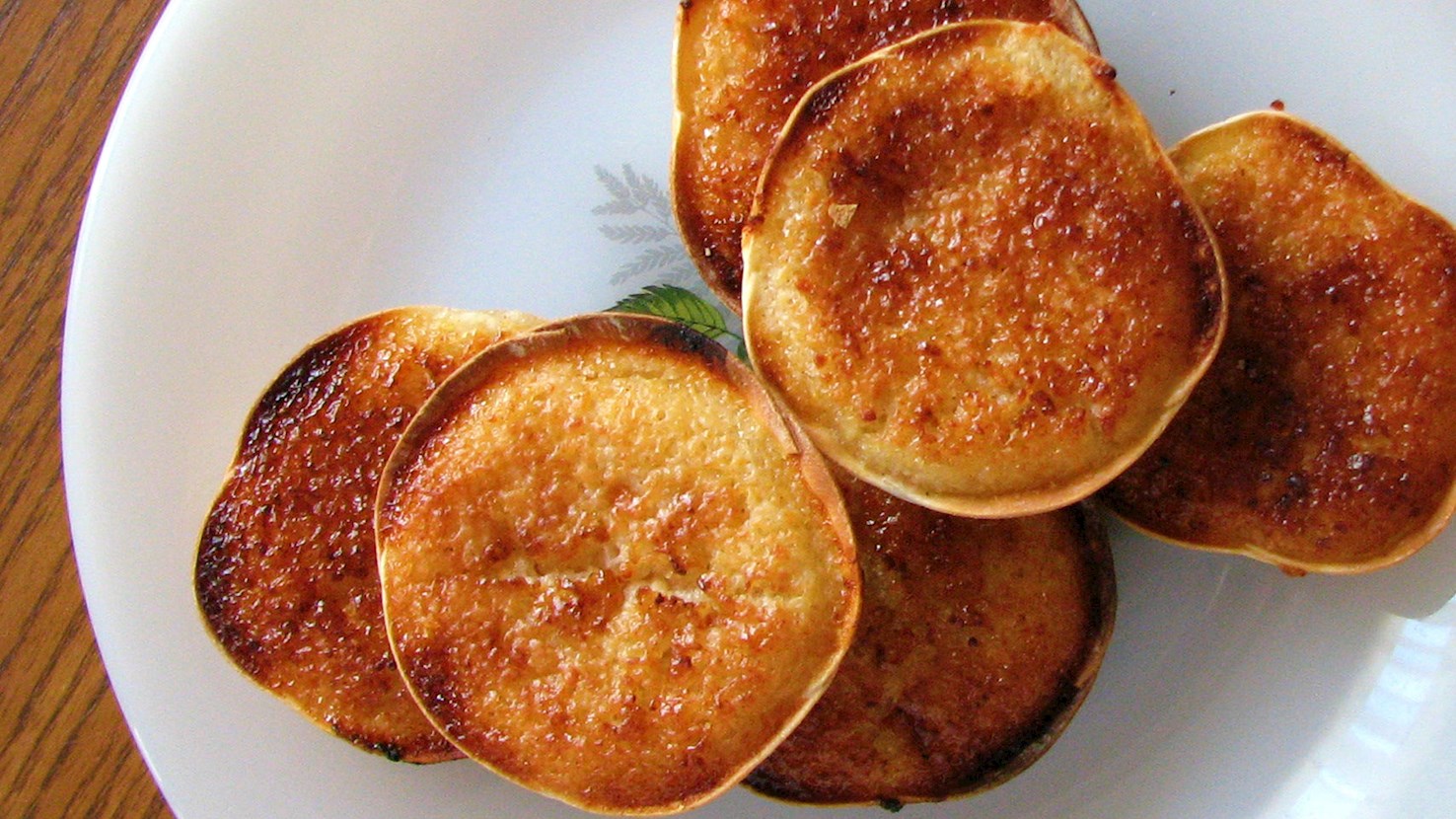
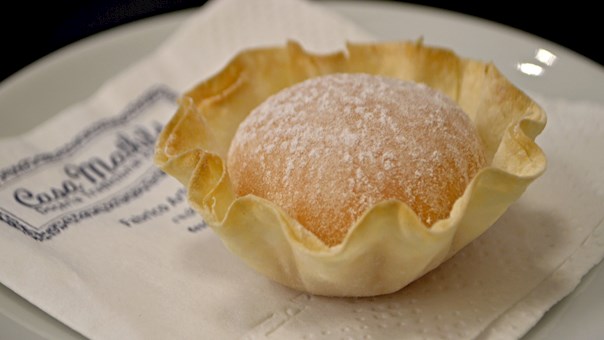
Queijada is a traditional pastry originating from Sintra. As mentioned in its name, queijada is prepared with a combination of queijo (cheese), eggs, milk, flour, and sugar. When properly baked, queijadas should have a fluffy crust on top. They can be bought at almost every pastry shop throughout Portugal. In medieval times, these small pies were used as a form of payment due to the fact that Sintra had great pastures and a surplus of fresh cheese which was used in the preparation of queijadas. Nowadays, there are many variations, such as the ones flavored with oranges (queijadas de laranja) and coconut (queijadas de coco). It is recommended to consume queijadas with a cup of espresso on the side.
TasteAtlas food rankings are based on the ratings of the TasteAtlas audience, with a series of mechanisms that recognize real users and that ignore bot,
nationalist or local patriotic ratings, and give additional value to the ratings of users that the system recognizes as knowledgeable.
For the “Top 20 Portuguese Pastries” list until October 15, 2026, 3,317 ratings were recorded, of which 2,456 were recognized by the system as legitimate.
TasteAtlas Rankings should not be seen as the final global conclusion about food. Their purpose is to promote excellent local foods,
instill pride in traditional dishes, and arouse curiosity about dishes you haven’t tried.






What People Say