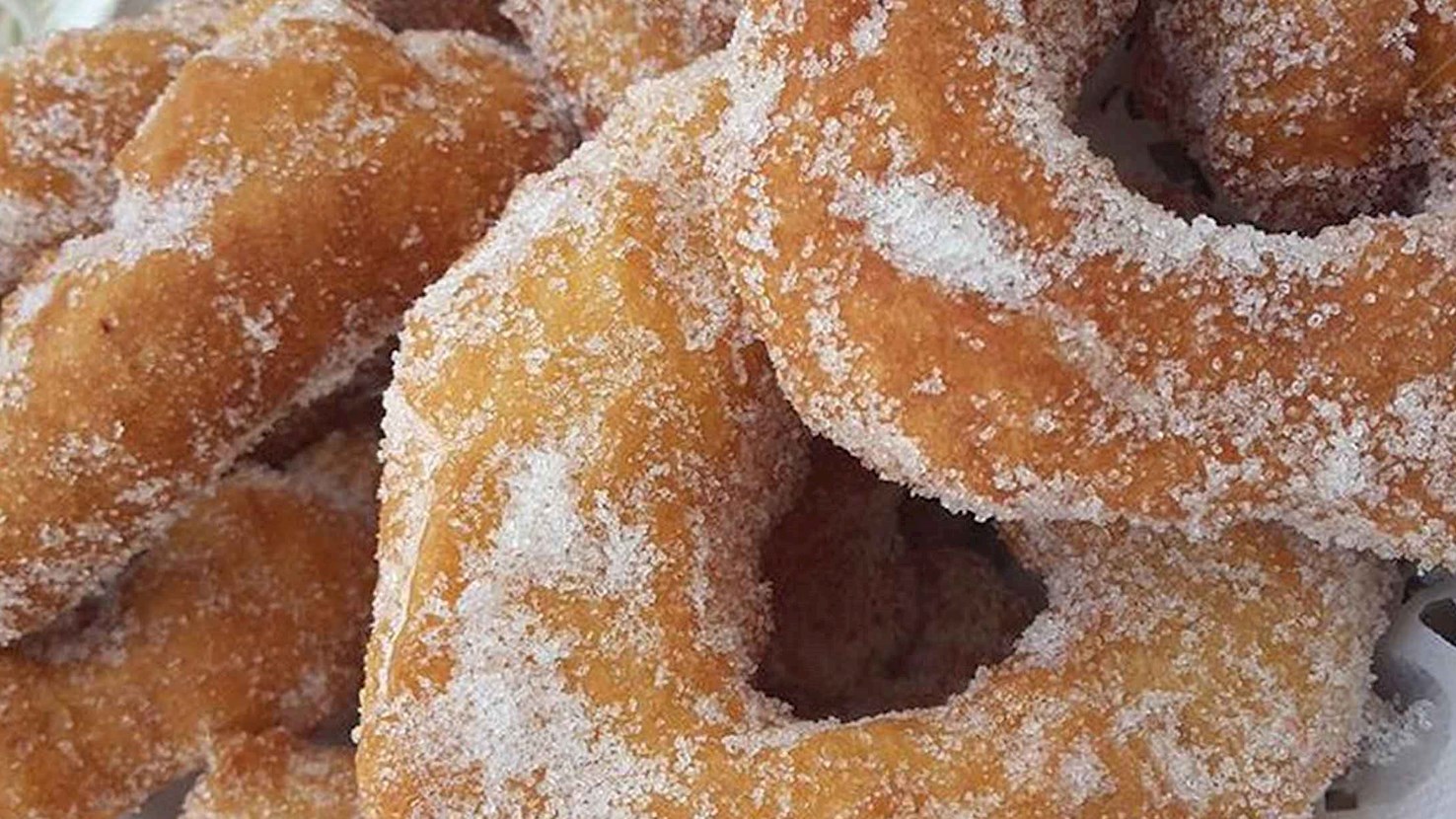
Bambalouni are traditional Tunisian doughnuts that are especially popular in the village of Sidi Bou Said. They are made with flour, hot water, yeast, and salt. After the dough has been prepared, it is fried in hot oil until golden brown, and the doughnuts are then sprinkled with sugar on top. It is recommended to serve bambalouni with coffee, either for breakfast or as a snack eaten at the end of the day.
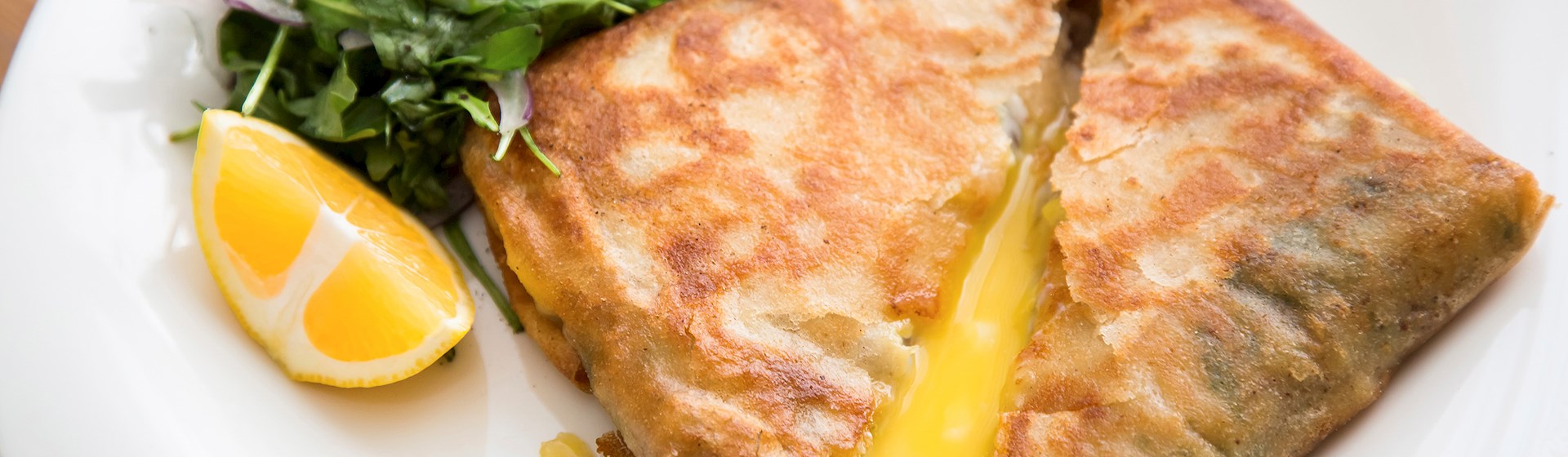
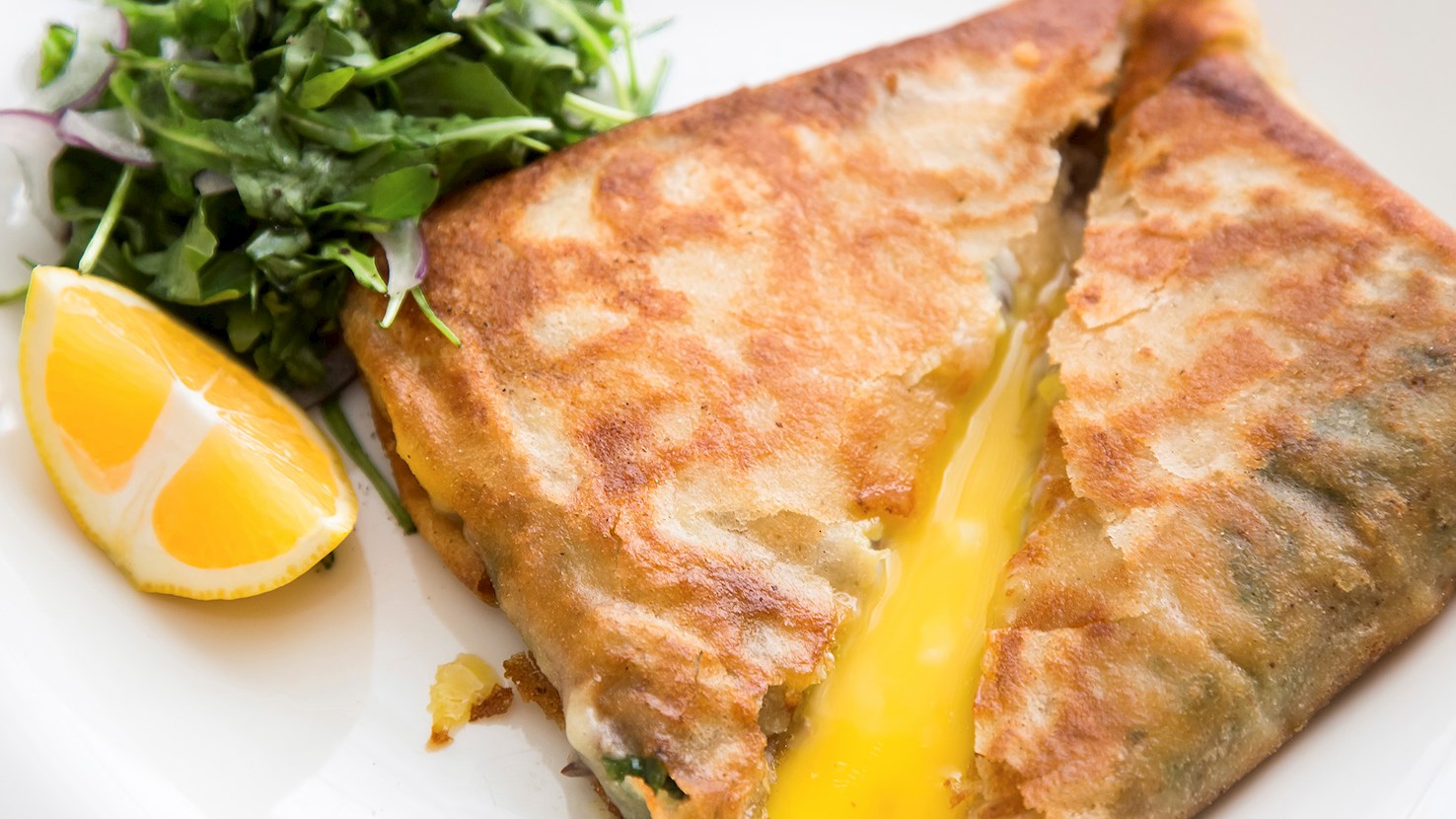
Tunisian brik is a popular dish that incorporates flaky dough filled with a variety of savory ingredients. Traditionally, malsouqa dough is used to create brik, but the more available phyllo pastry is commonly used as a replacement. Brik is usually made with layers of laminated pastry, to achieve a crunchy, layered texture. The pockets are filled with stuffing, skilfully folded, then shortly fried in deep oil or baked in an oven. The most common filling is tuna-based, enriched with traditional North African spices such as cilantro, chilis, pepper, or coriander seeds. A raw egg is often placed on top of the tuna filling, the pastry is carefully folded, and the egg partially cooks inside the flaky pastry. Other fillings can also include minced meat, anchovies, chicken, or various vegetables. Since this Tunisian classic is usually deep-fried, lemon wedges are a standard accompaniment to a plate of hot briks. The pastry is drizzled with lemon juice, which provides a hint of necessary freshness to the dish. Standard Tunisian wedding tradition suggests that the potential future husband is served an egg brik, and is supposed to eat it without dripping in order to be allowed to wed the bride. A plate of brik is commonly served as a Ramadan meal, but it is usually consumed throughout the year. Brik is always served fresh and hot.
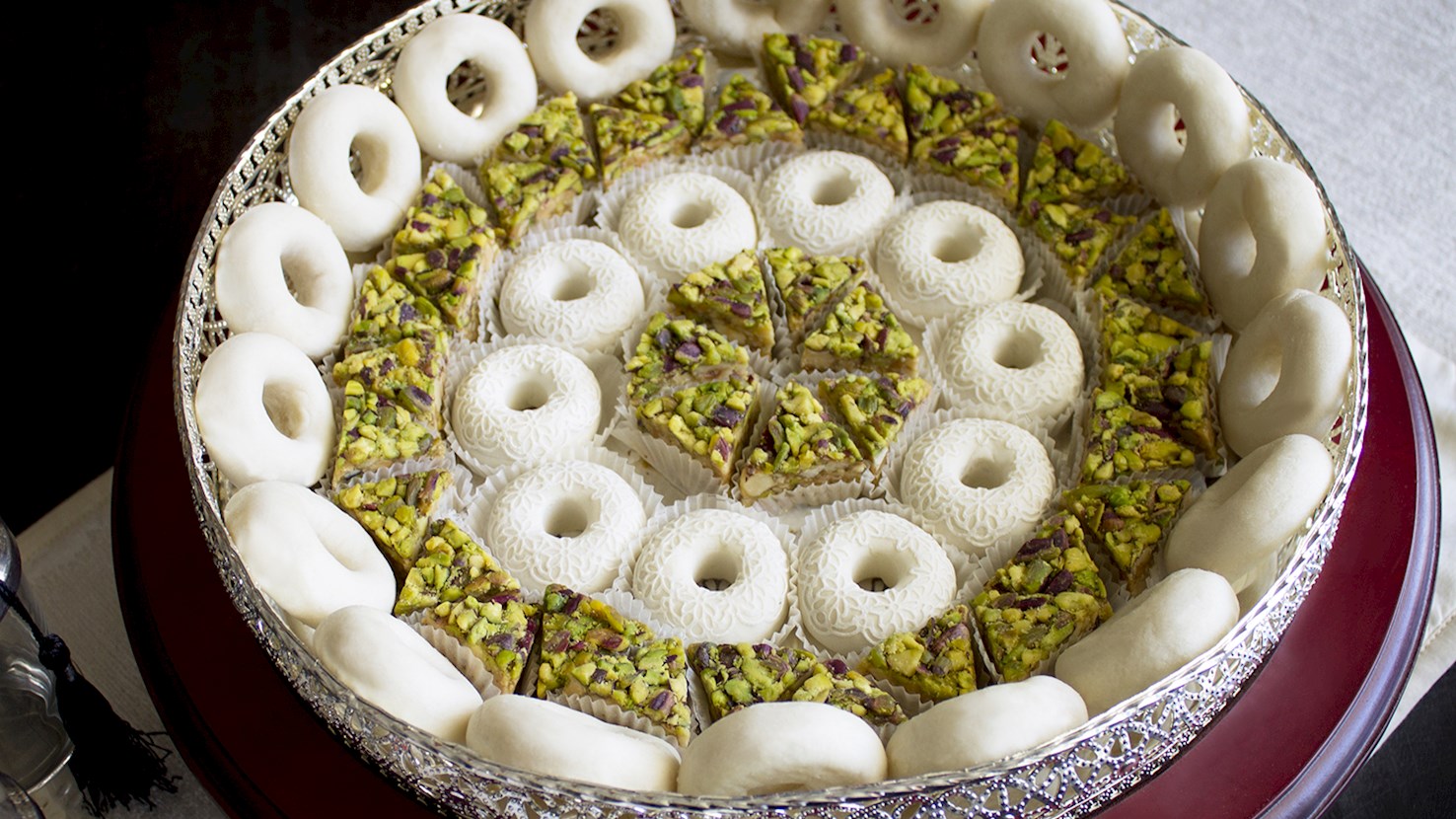
Kaak warka are traditional Tunisian pastries shaped into rings, making them visually similar to donuts. They're filled with marzipan that's flavored with rosewater. This sweet pastry is made with a combination of flour, butter, water, almonds, sugar, and rosewater. The dough is baked in the oven at low heat so that kaak warka doesn't change its color. Once baked, the sweet pastry is cooled, and it's recommended to serve it with a cup of coffee on the side. Kaak warka is usually prepared for all types of important celebrations.
Maqroud al-Qayrawan is a celebrated sweet pastry originating from the historic city of Kairouan, characterized by its diamond-shaped pieces made from semolina dough filled with dates and often enhanced with aromatic spices such as cinnamon and orange blossom water. After being carefully shaped, the pastries are fried or baked and then dipped in fragrant honey, giving them a crisp exterior and a rich, sweet interior that reflects the culinary heritage of the region. The history of Maqroud al-Qayrawan traces back to the convergence of Arab, Berber, and Mediterranean influences that shaped the gastronomy of Tunisia. Kairouan, known as a cultural and religious center, also became a hub for culinary development, where simple ingredients like semolina and dates were elevated into celebrated sweets. The preparation of maqroud al-Qayrawan has been refined over centuries, with recipes passed down through generations, reflecting both the resourcefulness and artistry of local bakers. Its association with festive occasions and hospitality underscores its cultural significance within Tunisian society. Making maqroud al-Qayrawan involves preparing a semolina-based dough that is firm yet pliable, ensuring the pastries hold their shape during cooking. The date filling is finely chopped or mashed and blended with spices and flavorings to create a dense, fragrant center. The dough is rolled out, filled, and cut into characteristic diamond shapes before being cooked. After frying or baking, the pastries are immersed in warm honey infused with orange blossom water or other regional essences, imparting sweetness and a glossy finish. The contrast between the crunchy exterior and the moist filling defines the textural appeal of the dessert. Maqroud al-Qayrawan is traditionally enjoyed with tea or coffee, often shared during celebrations and family gatherings throughout Tunisia. It remains a symbol of regional identity and culinary pride, frequently found in markets, bakeries, and homes in and around Kairouan.
TasteAtlas food rankings are based on the ratings of the TasteAtlas audience, with a series of mechanisms that recognize real users and that ignore bot,
nationalist or local patriotic ratings, and give additional value to the ratings of users that the system recognizes as knowledgeable.
TasteAtlas Rankings should not be seen as the final global conclusion about food. Their purpose is to promote excellent local foods,
instill pride in traditional dishes, and arouse curiosity about dishes you haven’t tried.




What People Say