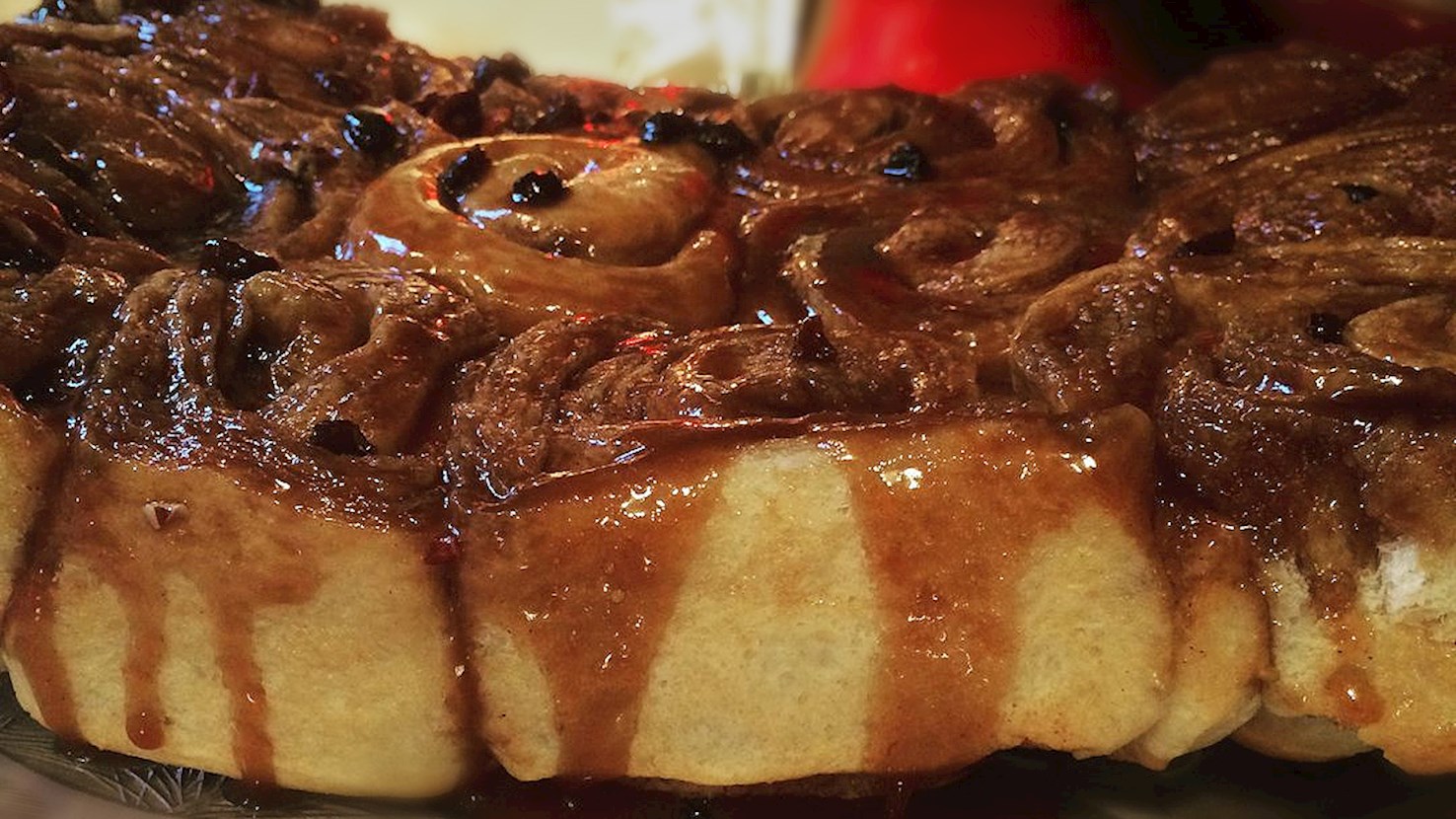
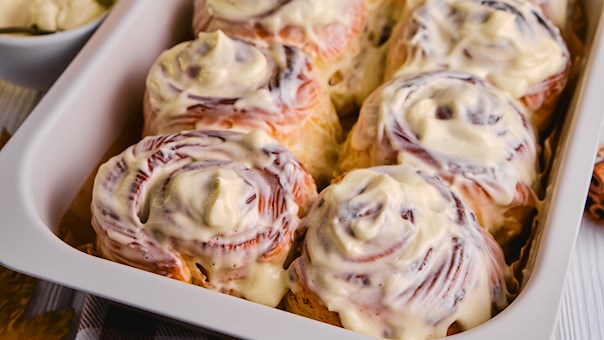
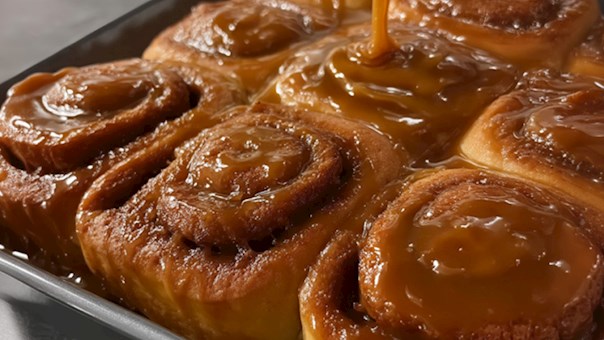
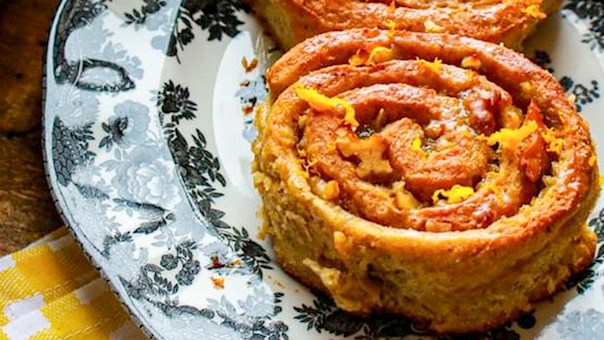
Sticky buns or cinnamon buns are a classic Philadelphian staple that evolved from German snail pastry (shnecken). The pastry was brought to Philadelphia by English and German immigrants in the 18th century. The sticky buns are made with a combination of milk, yeast, flour, salt, sugar, eggs, butter, brown sugar, cinnamon, raisins, and walnuts. The dough has to rice twice and the process is labor-intensive. If properly prepared, the result is a brioche-like cinnamon roll that's slightly crispy on the exterior and tender on the inside. There should be enough sugar, cinnamon, raisins, and walnuts between the dough layers. Before baking, these buns are covered with a mixture of brown sugar and butter, giving them their sticky nomenclature. The sticky buns are served warm, ideally with a cup of coffee on the side.
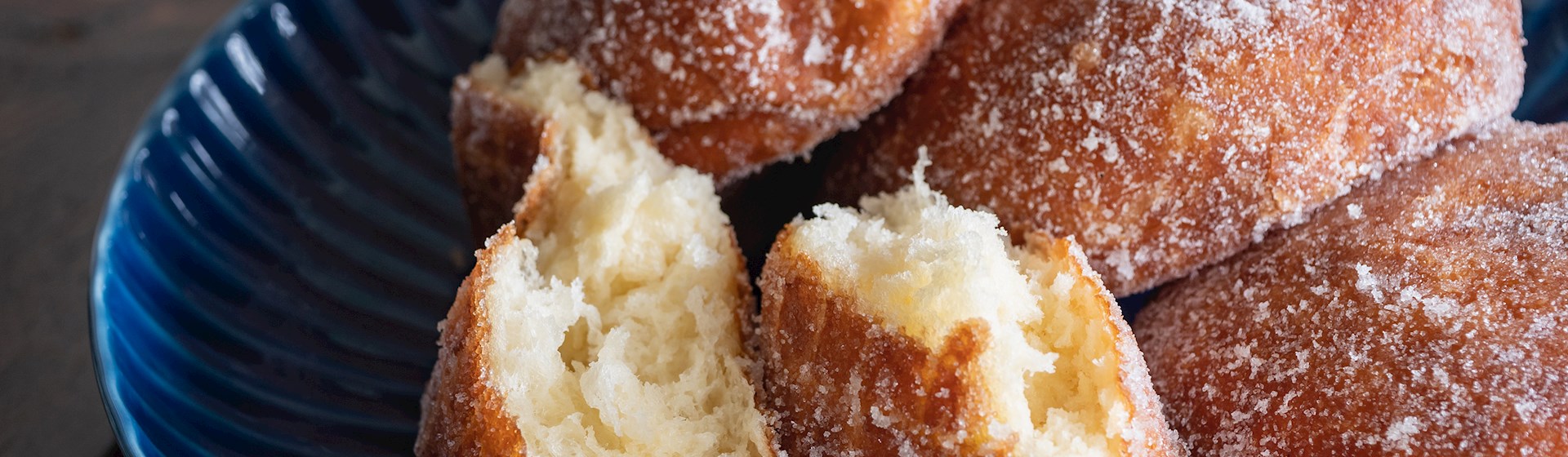
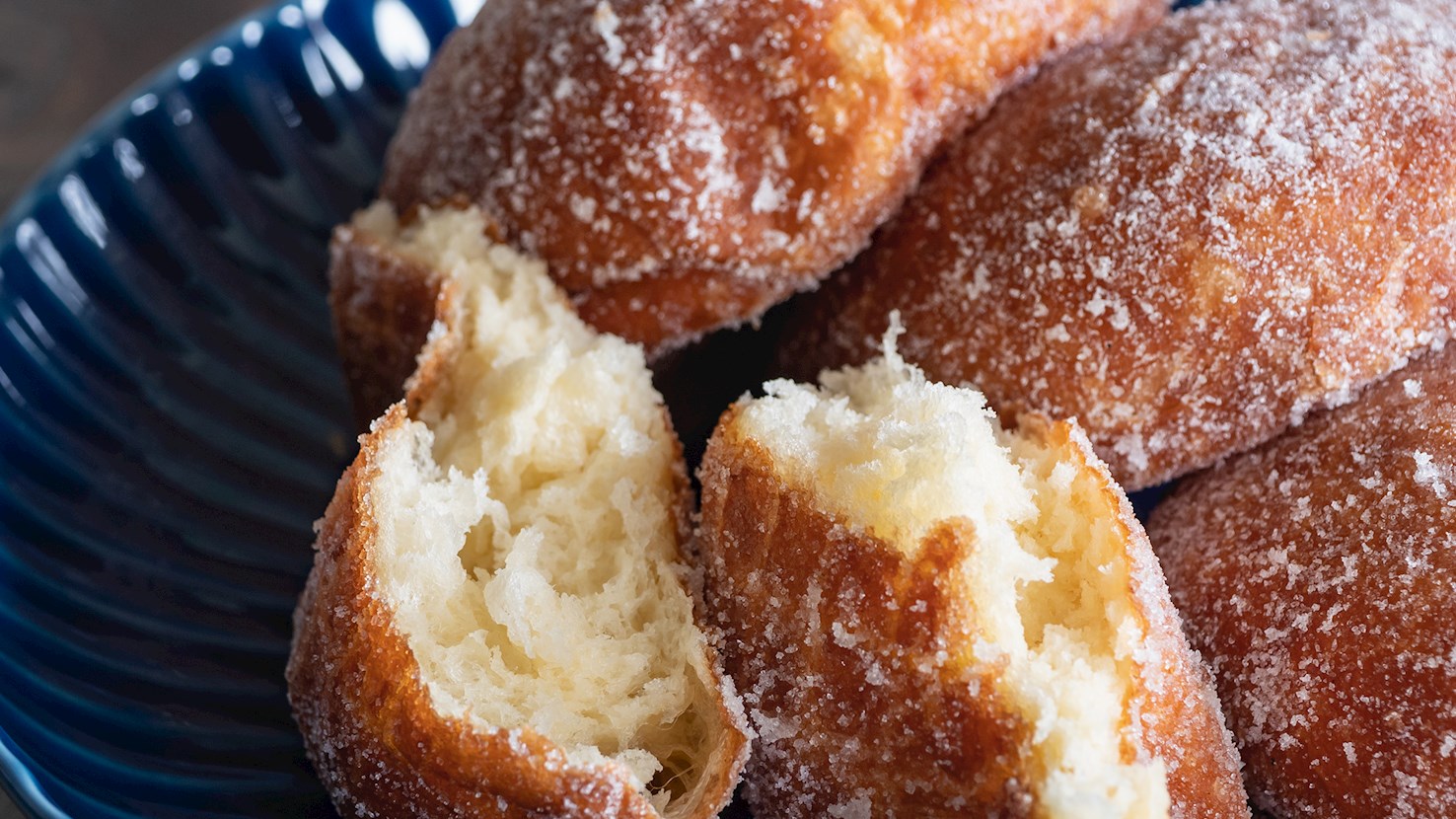
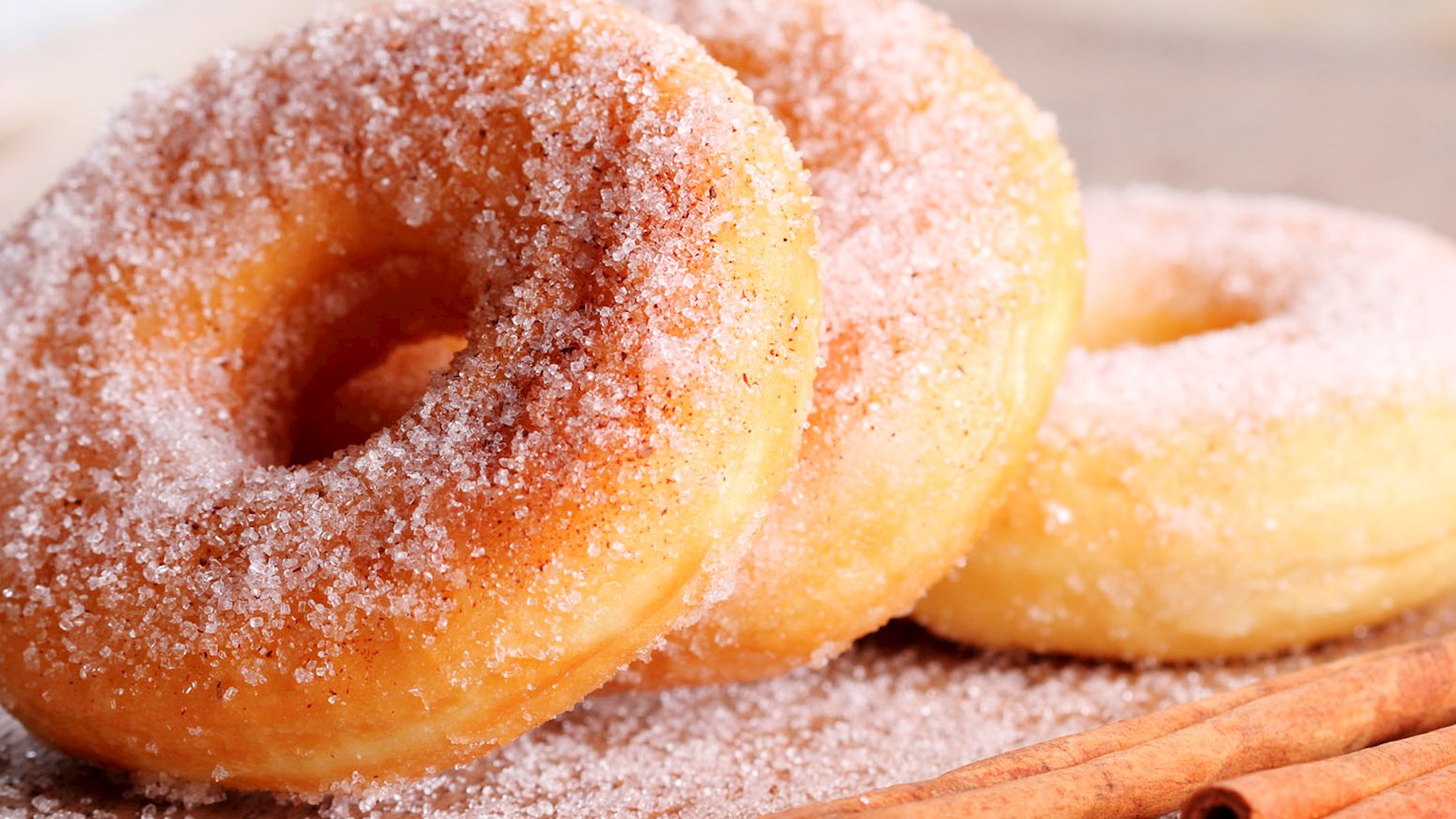
Malasadas are traditional Portuguese yeast-leavened doughnuts made from eggs, flour, sugar, and milk. They are sometimes coated with cinnamon or granulated sugar. The original Portuguese malasadas don't have any holes or fillings, but the variations prepared in Hawaii do. The popularity of malasadas in Hawaii is not accidental – Portuguese laborers from the Azores came to Hawaii in the 19th century to work in the plantations. They brought their traditional foods with them, including the malasadas, which were originally prepared in order to use all the sugar and lard in one's home before Lent. Nowadays, malasadas are especially popular on Fat Tuesday. The Hawaiian malasadas can be filled with various ingredients such as chocolate, guava, or coconut pudding (haupia). The name malasadas means poorly cooked, referring to the sugary exterior that's contrasted by a soft crumb.
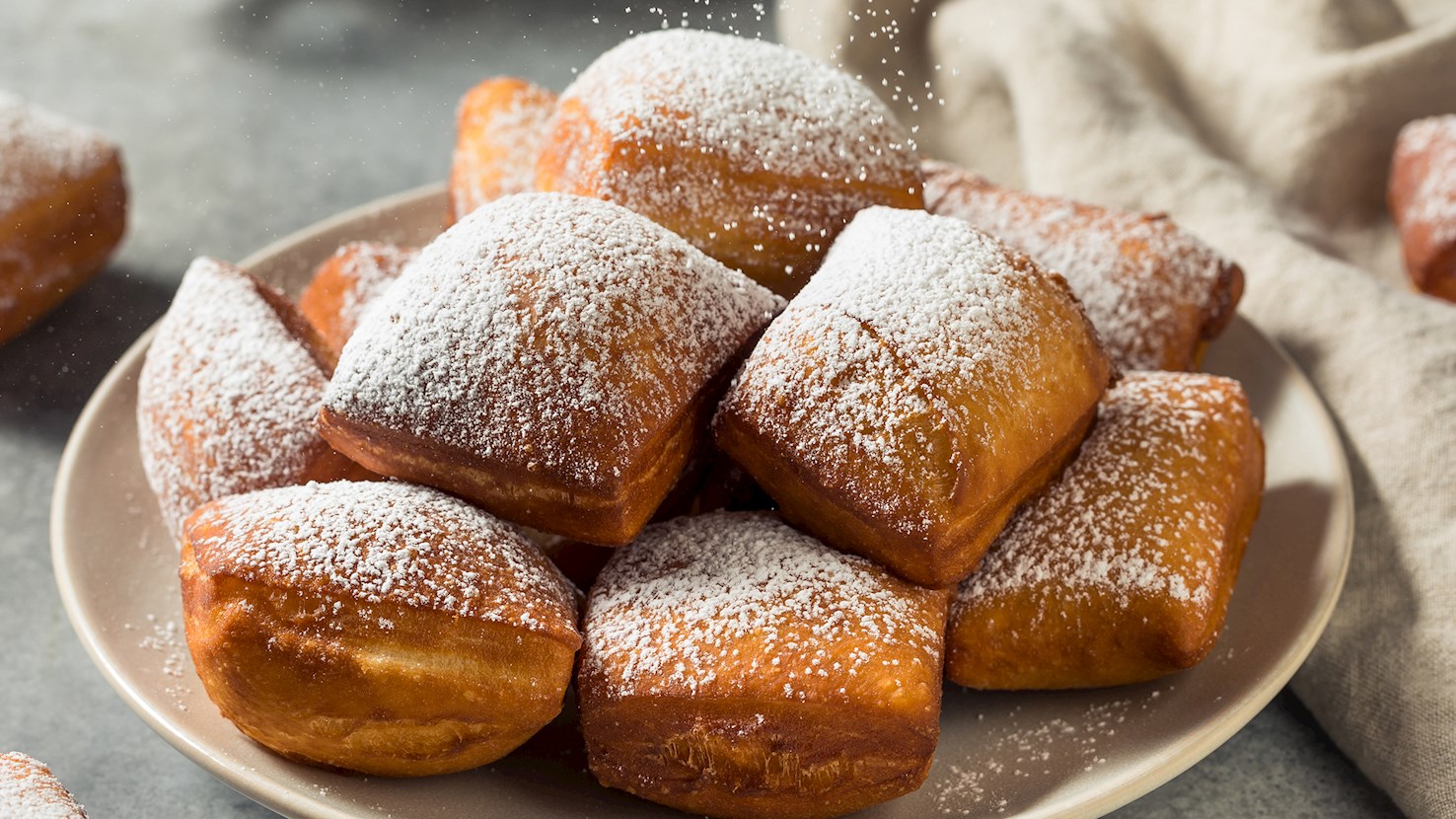
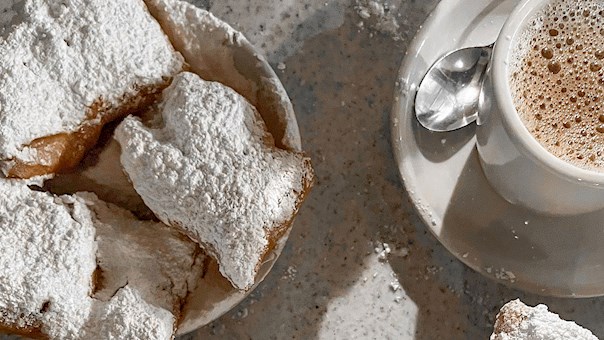
These squares of deep-fried pastry dough are sprinkled with powdered sugar and are traditionally served hot. The dish hails from France, and French settlers brought it to the Acadia region of Canada in the 17th century. Many of the Acadians later moved to Louisiana, and they brought their culinary traditions with them. Today, beignets are most commonly associated with the French Quarter of New Orleans, where they were declared the official state donut in 1986. These treats are typically served alongside chocolate milk or café au lait, a combination often served at the Cafe Du Monde - a New Orleans restaurant that is most often associated with beignets.
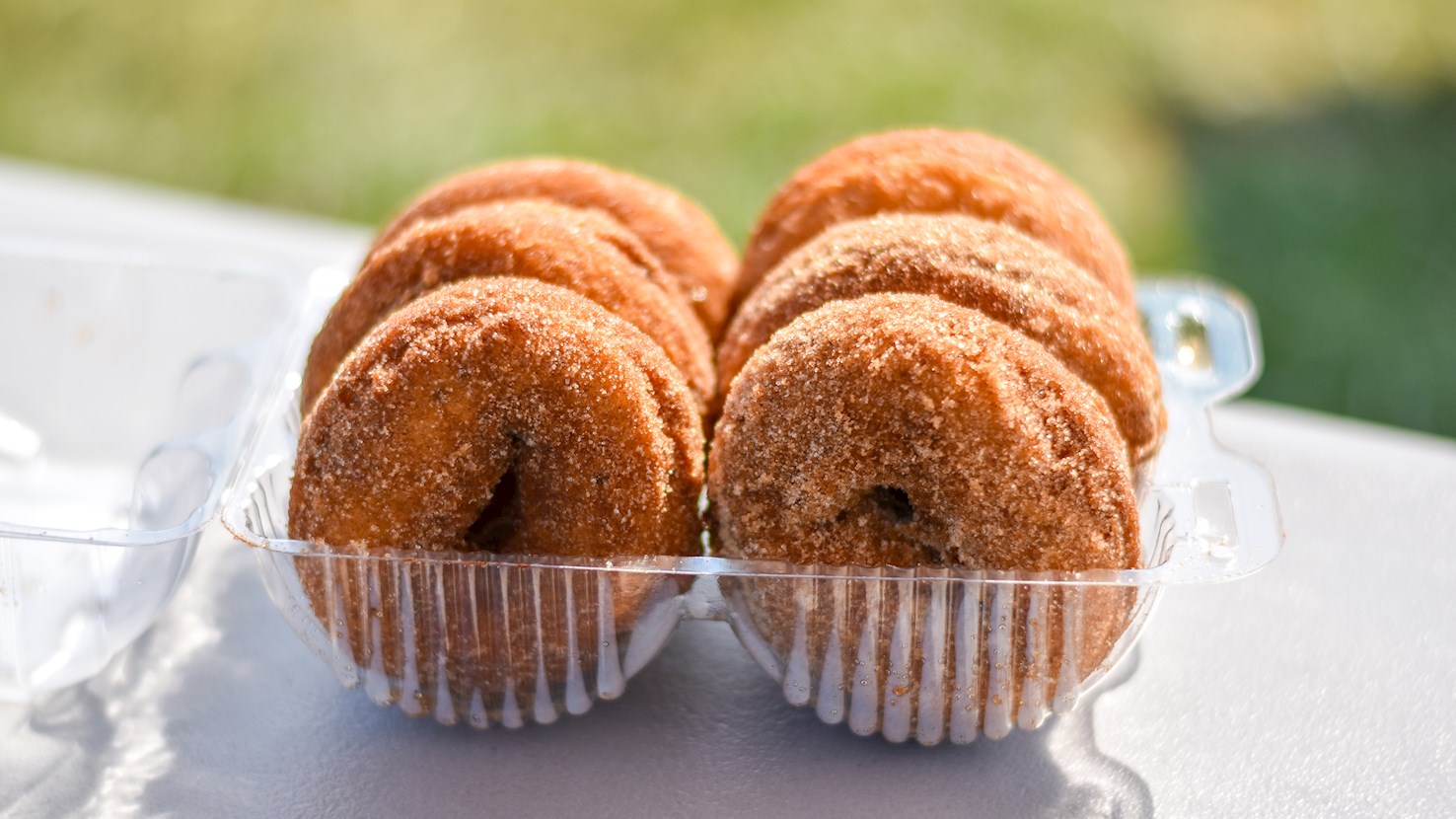
Apple cider doughnuts are a type of doughnut popular on the East Coast of the United States, particularly in New England. As the name implies, they are made with a dough containing apple cider and are often coated in cinnamon, nutmeg, and sugar. Apple cider doughnuts are a fall treat and can be found around apple orchards, at farmers' markets, in bakeries across the East Coast, and are a staple at autumn festivities. Although it is often considered they originated during Colonial times, the first recipe is from 1951, when DCA (Doughnut Company of America) introduced a new flavor to their line of doughnuts. This seasonal delicacy soon became a favorite and has stayed as such until today. Apple cider doughnuts are often paired with hot cider or a glass of cold apple cider, but milk or coffee also go well with this delicious snack.
Although archaeologists had found some petrified remains of fried cakes with holes in the center, it is still unclear how could the early Native Americans prepare these delicious fried dough desserts that we know today as doughnuts. In the past, doughnuts were known as olykoeks (oily cakes), and the pilgrims from Holland are credited for bringing them to the United States. Those early doughnuts were often made with prunes, raisins, or apples in the middle. During World War I, the doughnut was already an American favorite, consumed by soldiers that were fighting overseas as a reminder of home. In the 1950s and the 1960s, the popularity of these treats was so big that new doughnut chains started appearing on the market, such as Krispy Kreme and Dunkin' Donuts, helping in the perception of doughnuts as breakfast food. Today, there are numerous varieties of doughnuts - glazed, powdered, filled, topped with frosting, coconut, peanuts, or sprinkles, and every year on the first Friday of June people celebrate the National Doughnut Day. This event was initially created by the Salvation Army in 1917 as a way to support the morale of the American troops during World War I and was later re-established in 1938, in honor of those who served the soldiers with fresh doughnuts during World War I.
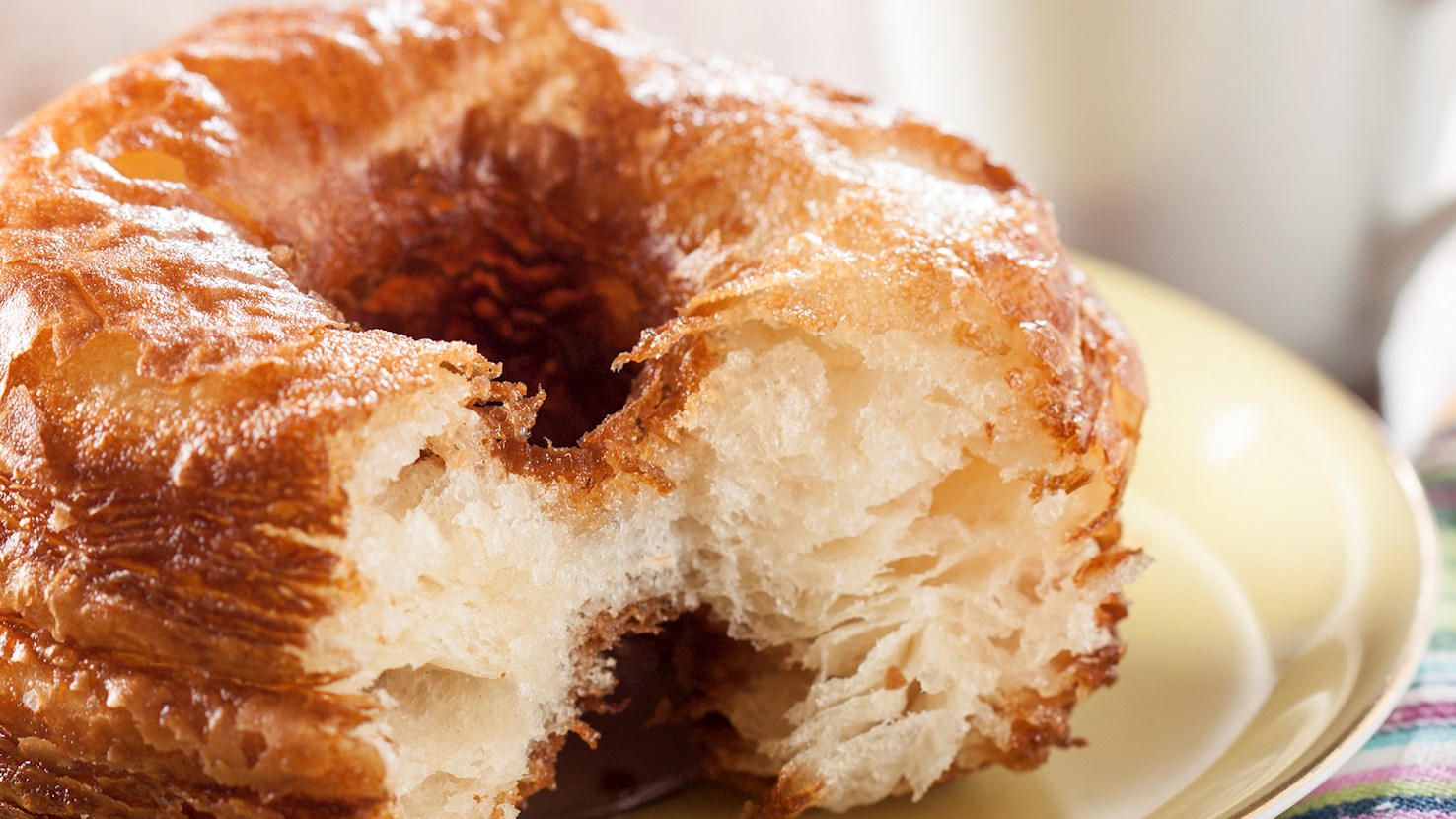
The unusual New Yorker creation known as a Cronut is a hybrid between a croissant and a doughnut, characterized by its soft and creamy interior, and flaky layers of pastry on the exterior. These treats are fried in oil, filled with cream, rolled in sugar, and glazed on top. Due to their short shelf life of about 6 hours, the cronuts are intended to be consumed as soon as they are made. The dessert was invented in 2013 by a French pastry chef named Dominique Ansel at his bakery in New York City, when a customer pointed out that his menu did not have any version of the American classic – doughnuts. Ansel had experimented for about two months before he made the perfect Cronut. He trademarked the name within nine days, and Cronut has been gaining huge popularity ever since. Recently, other bakeries have started making their versions of the trademarked Cronut, selling them under the following names: Dosant, Doughtssant, Dough'Ssant, Cro-Knot, Double Decker O-Nut, 100 Layer Donut, Crodough, Crullant, Cro-crème, French Donut, and Cro-Bar.
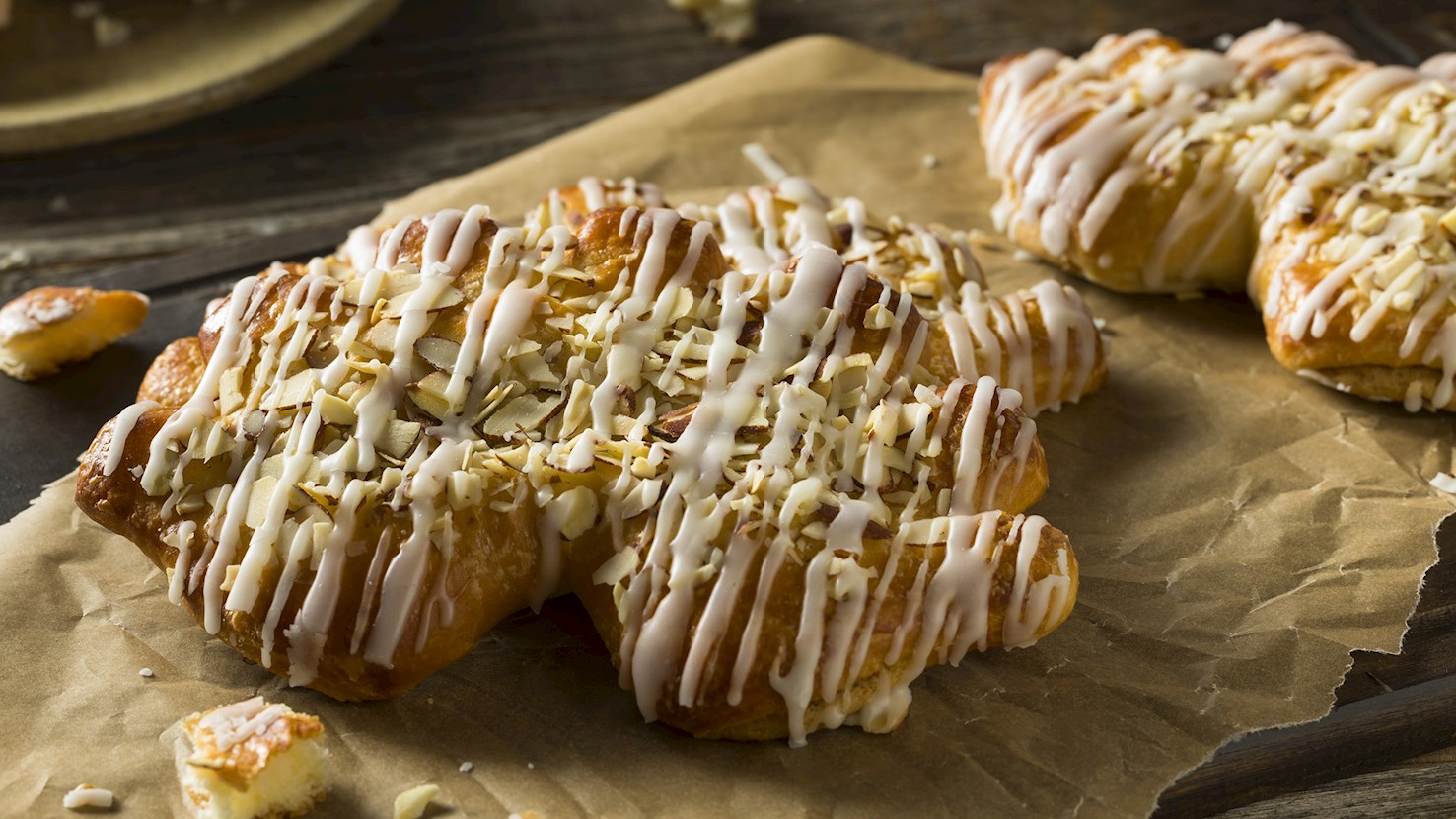
A bear claw is a sweet pastry originating from the United States. Believed to have been invented during the mid-1920s, it is usually prepared with flour, butter, eggs, and milk, while the filling is typically prepared with a combination of chopped almonds, egg whites, sugar, and almond extract, if desired. The pastry is shaped into a semicircle with sliced sections along one side, and as the dough rises, those sections become separated, resulting in a shape that is reminiscent of a bear claw, hence the name. These sweet treats are baked until golden brown, and it is recommended to let them cool slightly before serving.
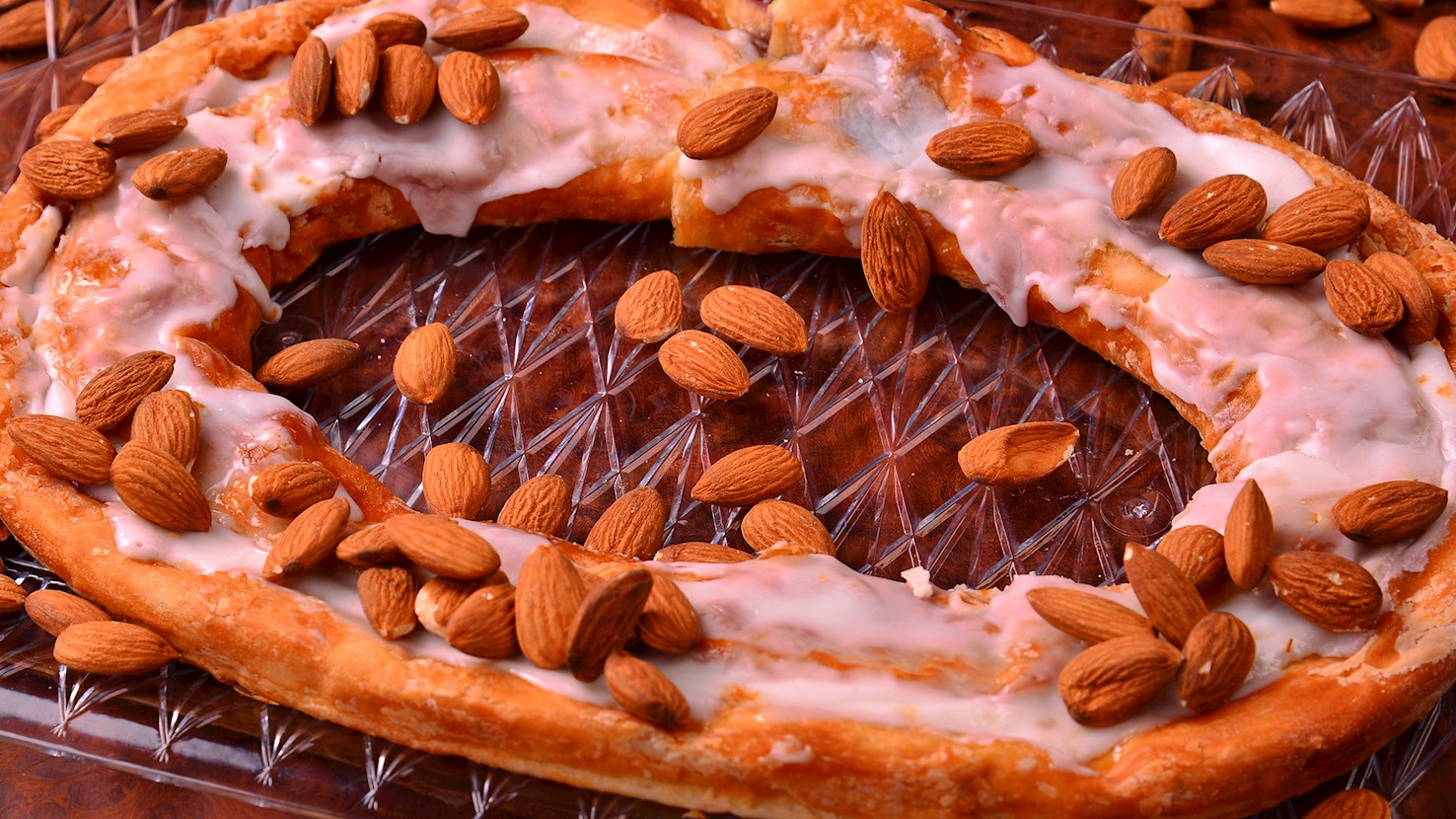
Wisconsin kringle is Wisconsin's official state pastry, brought over to the USA by Scandinavian settlers in the mid-19th century. The kringle (a Danish word for pretzel) is a buttery and flaky pastry that's filled with fruits or nuts. These pastries were originally shaped into pretzels, but the bakers in Wisconsin opted for the oval shape. Each kringle should have at least about 30 layers of flaky dough, while the top is typically covered in white icing. Some of the most traditional flavors include raspberries, pecans, and almonds, but there are also other fillings such as apples, blueberries, cherries, and apricots. Wisconsin kringles are especially popular during the festive Christmas season.
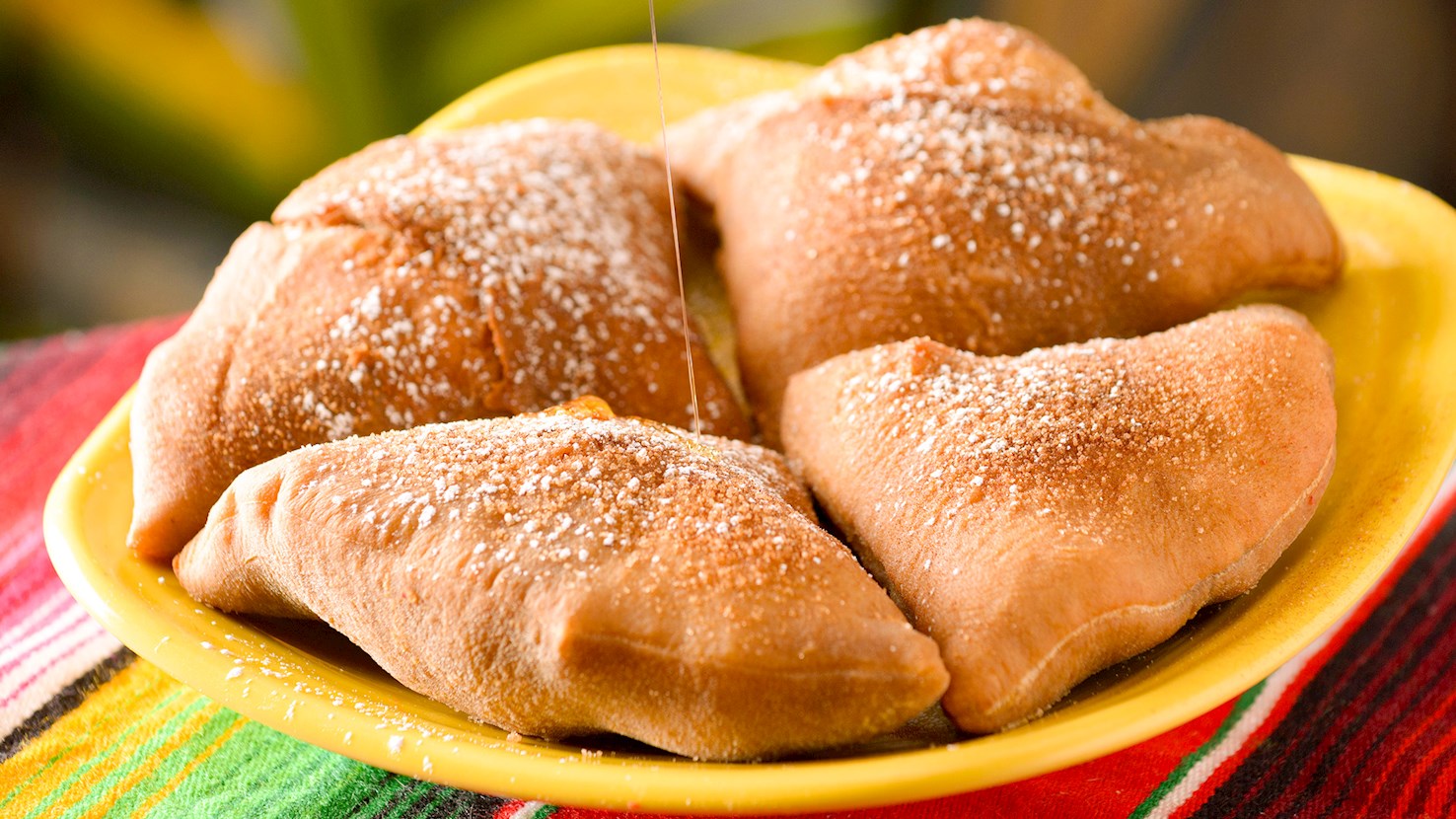
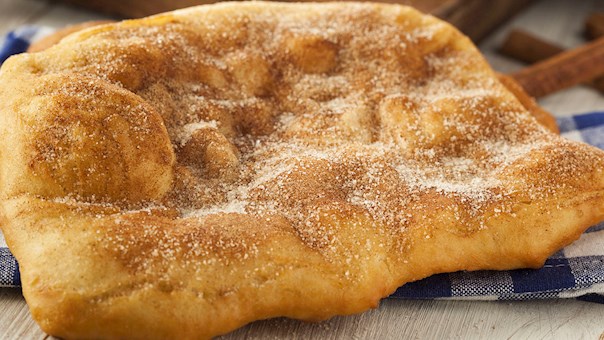
Sopapillas, a beloved icon of New Mexican cuisine, are golden, puffed pillows of fried dough that capture the essence of the region’s rich cultural tapestry—blending Native American, Spanish, and Mexican culinary traditions into one irresistible creation. Though variations of fried bread exist across the Americas, the sopapilla as it’s known in New Mexico holds a special place in the hearts (and on the tables) of locals, often served warm with honey or used as a vessel for savory fillings. The dough is typically made from a simple mix of flour, baking powder, salt, and fat—usually shortening or lard—with a bit of warm water to bring it together. Rolled out and cut into squares or triangles, the pieces are then fried until they puff dramatically, forming a hollow interior and a crisp, golden crust. The result is a pastry that is simultaneously airy and indulgent, with a slightly chewy bite and a neutral flavor profile that lends itself to both sweet and savory applications. In its most iconic form, the New Mexican sopapilla is served as a dessert, freshly fried and drizzled with local honey, sometimes dusted with powdered sugar or cinnamon. That simple combination—hot, crispy dough and sweet, floral honey—creates a nostalgic treat that’s both comforting and deeply rooted in regional tradition. In fact, in many traditional New Mexican restaurants, sopapillas are brought to the table at the end of the meal, complimentary and bottomless, a cherished ritual that reflects the hospitality and generosity of local food culture. Yet sopapillas are not limited to dessert. In New Mexico, they are also served savory, especially when split open and stuffed with meats, beans, cheese, or green and red chile—essentially transforming the pastry into a pocket-style meal reminiscent of a stuffed taco or burrito. This savory variation showcases the sopapilla’s versatility and its seamless integration into the broader New Mexican culinary landscape, where the bold, smoky flavors of roasted chiles and slow-cooked meats reign supreme. Though similar to Navajo fry bread, New Mexican sopapillas are generally lighter, puffier, and more structured, thanks to the use of leavening agents and precise dough handling. The dish’s roots are thought to trace back to the Spanish colonists of the 16th and 17th centuries, who brought their knowledge of wheat-based pastries to the Americas, merging it with Indigenous cooking techniques to create something entirely new. In essence, New Mexican sopapillas are more than just fried dough—they are a culinary symbol of the Southwest, beloved for their comforting texture, simple preparation, and deep cultural heritage. Whether served sweet with honey or savory with chile and cheese, they remain a timeless expression of New Mexico’s diverse and delicious food identity.
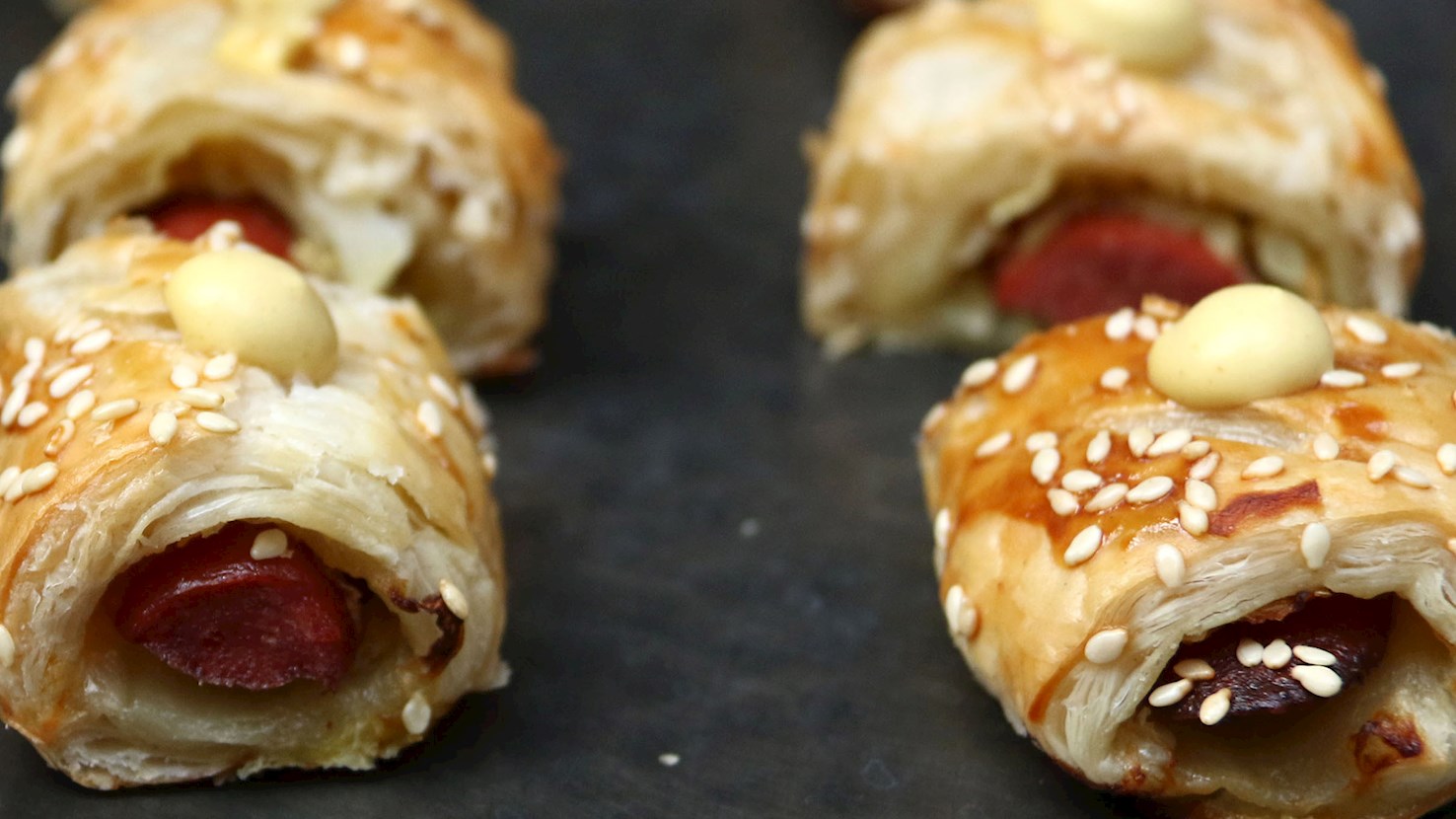
American pigs in blankets consist of sausages that are wrapped in dough and baked until the dough develops a golden-brown color. The earliest written mention of pigs in blankets can be found in Betty Crocker's 1957 book called Cooking for Kids. Popular in the United States and Canada, pigs in blankets are typically small and served as an appetizer or finger food at parties, when they are traditionally accompanied by mustard or aioli.
TasteAtlas food rankings are based on the ratings of the TasteAtlas audience, with a series of mechanisms that recognize real users and that ignore bot,
nationalist or local patriotic ratings, and give additional value to the ratings of users that the system recognizes as knowledgeable.
For the “Top 21 American Pastries” list until September 15, 2026, 2,061 ratings were recorded, of which 1,894 were recognized by the system as legitimate.
TasteAtlas Rankings should not be seen as the final global conclusion about food. Their purpose is to promote excellent local foods,
instill pride in traditional dishes, and arouse curiosity about dishes you haven’t tried.





What People Say