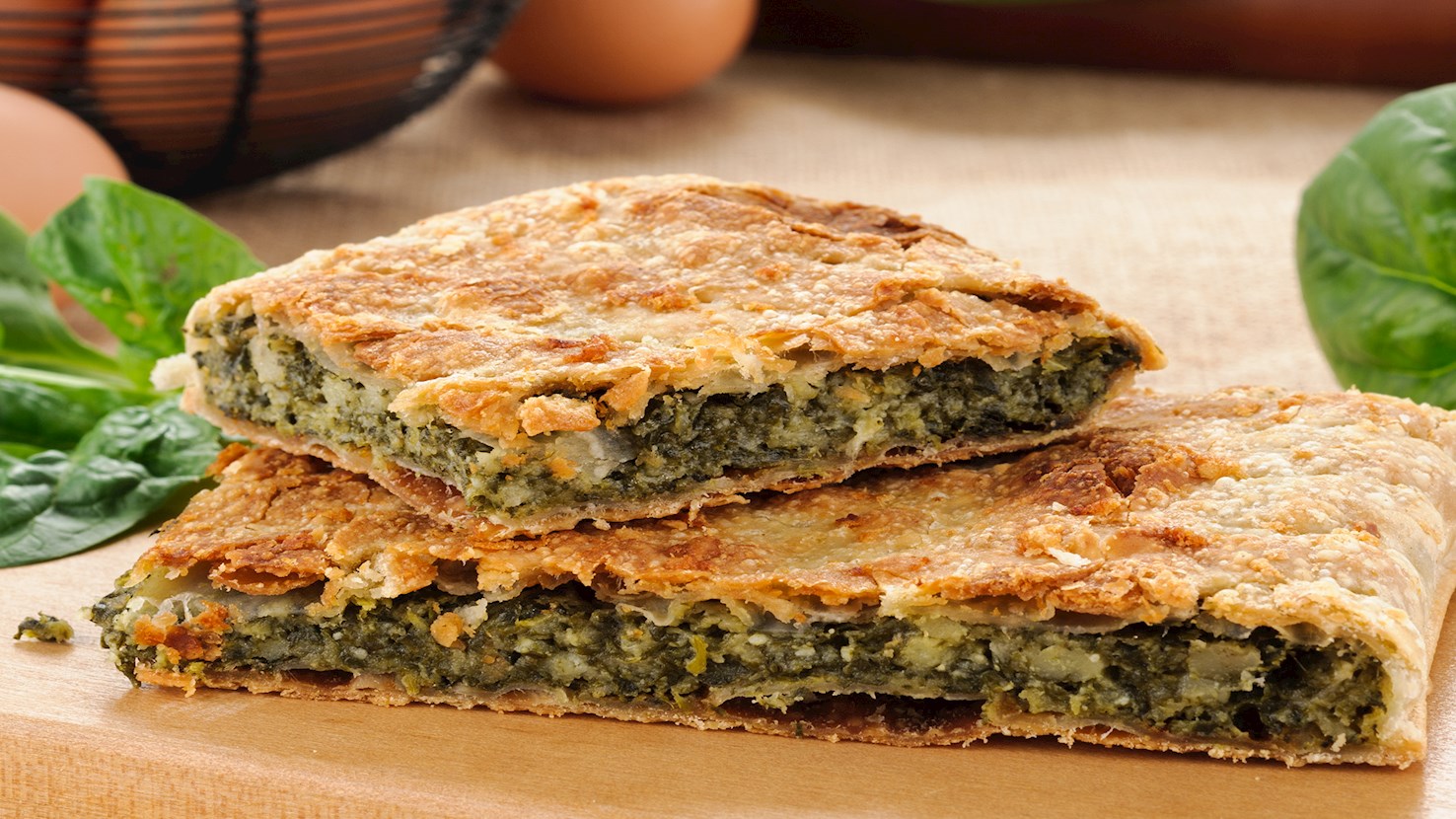
This savory pie has its origins in the Reggio Emilia province, where it was invented as a humble, rustic dish, utilizing ingredients that were in abundance. It is consists of a filling, traditionally prepared with various greens such as spinach, chard, leeks, or different herbs, which is enclosed between two layers of lard-based dough. Parmigiano Reggiano and garlic often complement the greens, and before baking, the pie is traditionally smeared with lard. Erbazzone is enjoyed as a light snack or an appetizer and is best paired with Lambrusco wine, another Reggio Emilia favorite.
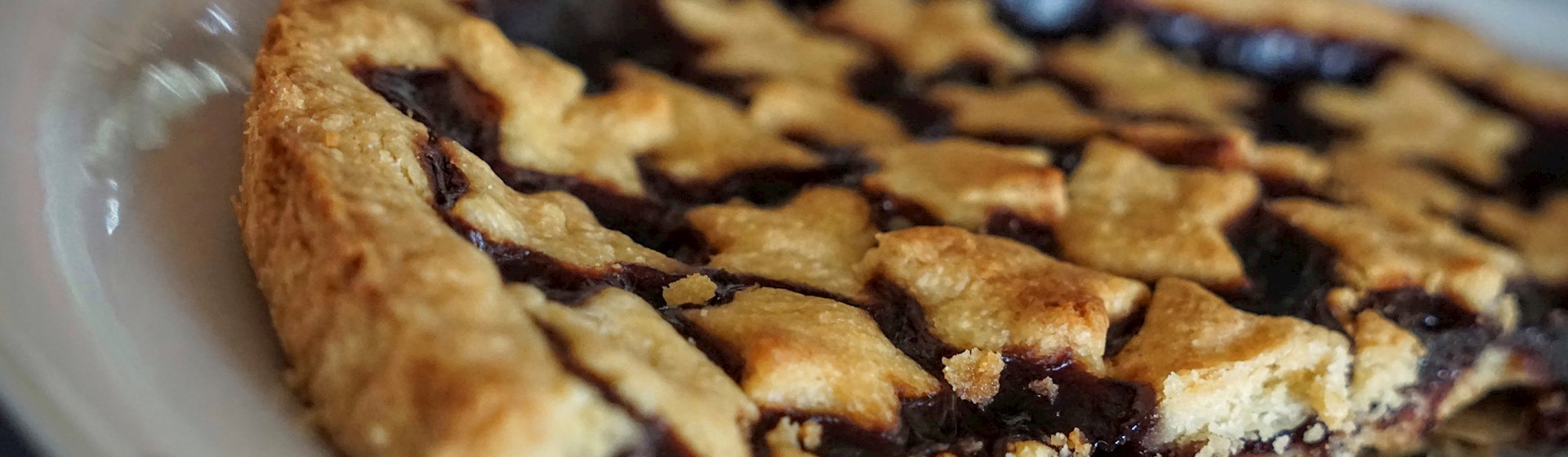
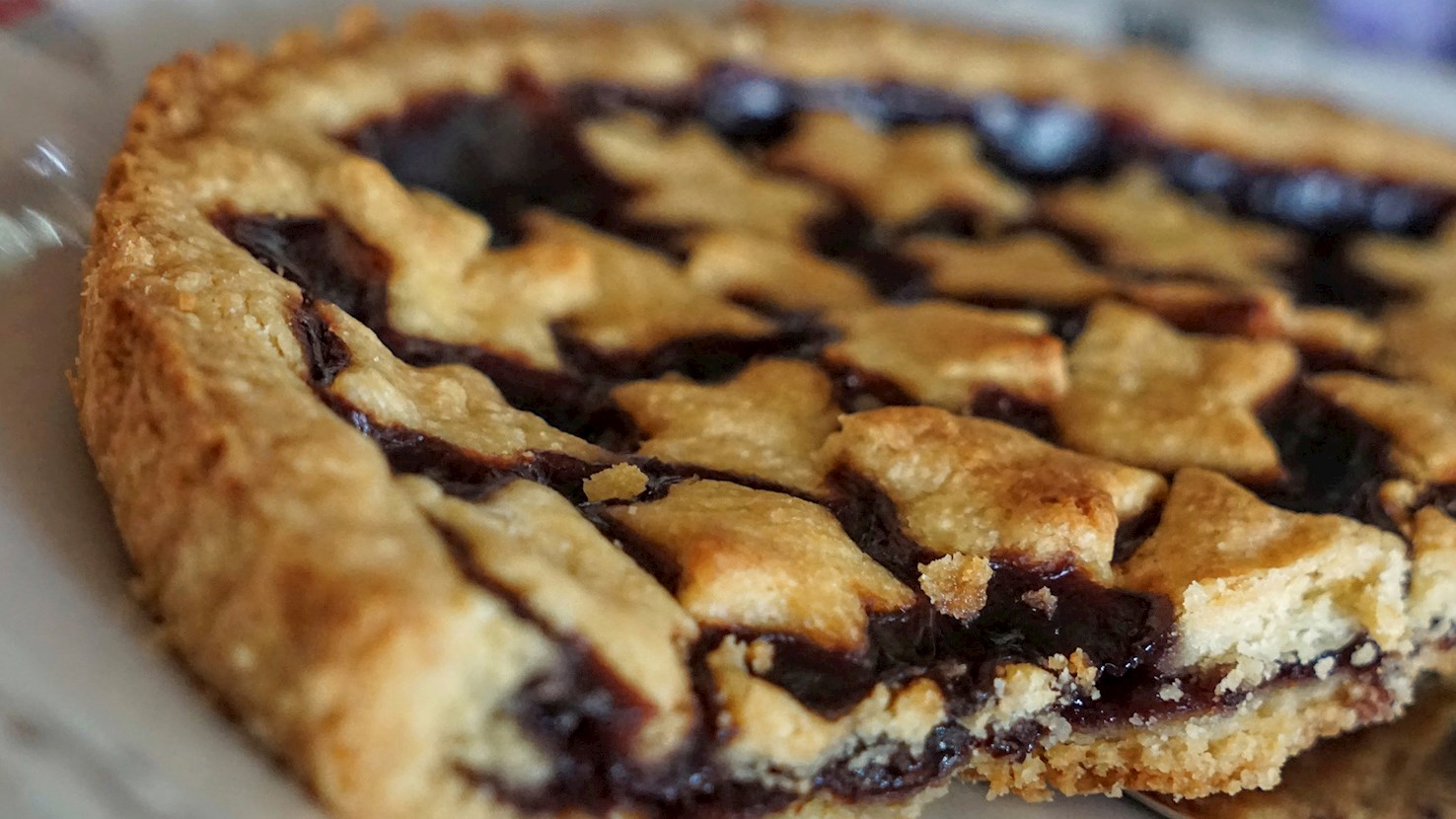
This Italian dessert consists of cheese or cream and fruit in a crusty pastry, similar to fruit-filled pies. The most commonly-used fruit in crostata are cherries, berries, apricots, or peaches. It can be prepared as an open-faced dessert or covered with a top crust, usually in the form of a lattice. Its name is derived from the Latin crustata, which means crust. The earliest mentions of crostata in print can be found in cookbooks such as Libro de Arte Coquinaria by Martino da Como and Cuoco Napolitano, both from the 15th century. The most popular variety of crostata in the south of Italy is crostata di ricotta, while northern Italy favors the creamy, fruity crostata that originated in Rome. There are other varieties of crostata as well, such as crostata al limone (with lemon) and crostata di marmelata (with fruit jam). Crostata can be served without toppings, with a dollop of whipped cream, or even with a scoop of ice cream.
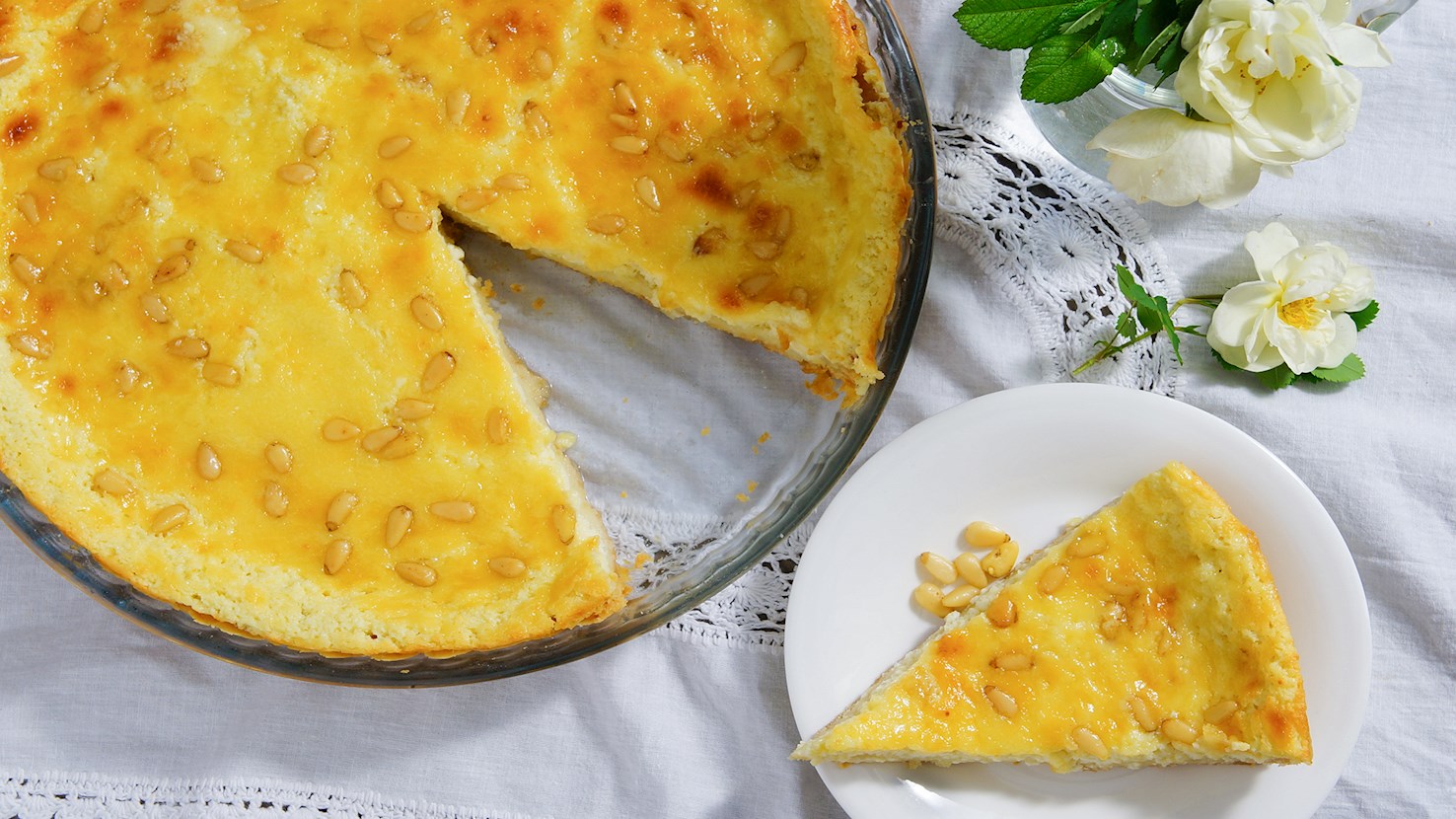
Grandma's cake—as translated in English—is actually a soft pastry pie filled with a rich, delicate custard cream, topped with toasted pine nuts, and lastly dusted with powdered sugar. This delicious cream pie is considered to be a traditional Tuscan dessert, although it is equally popular across the country and supposedly everyone's nonna makes a slightly different version: while some flavor the cream with vanilla and lemon zest, others use ricotta cheese for the filling.
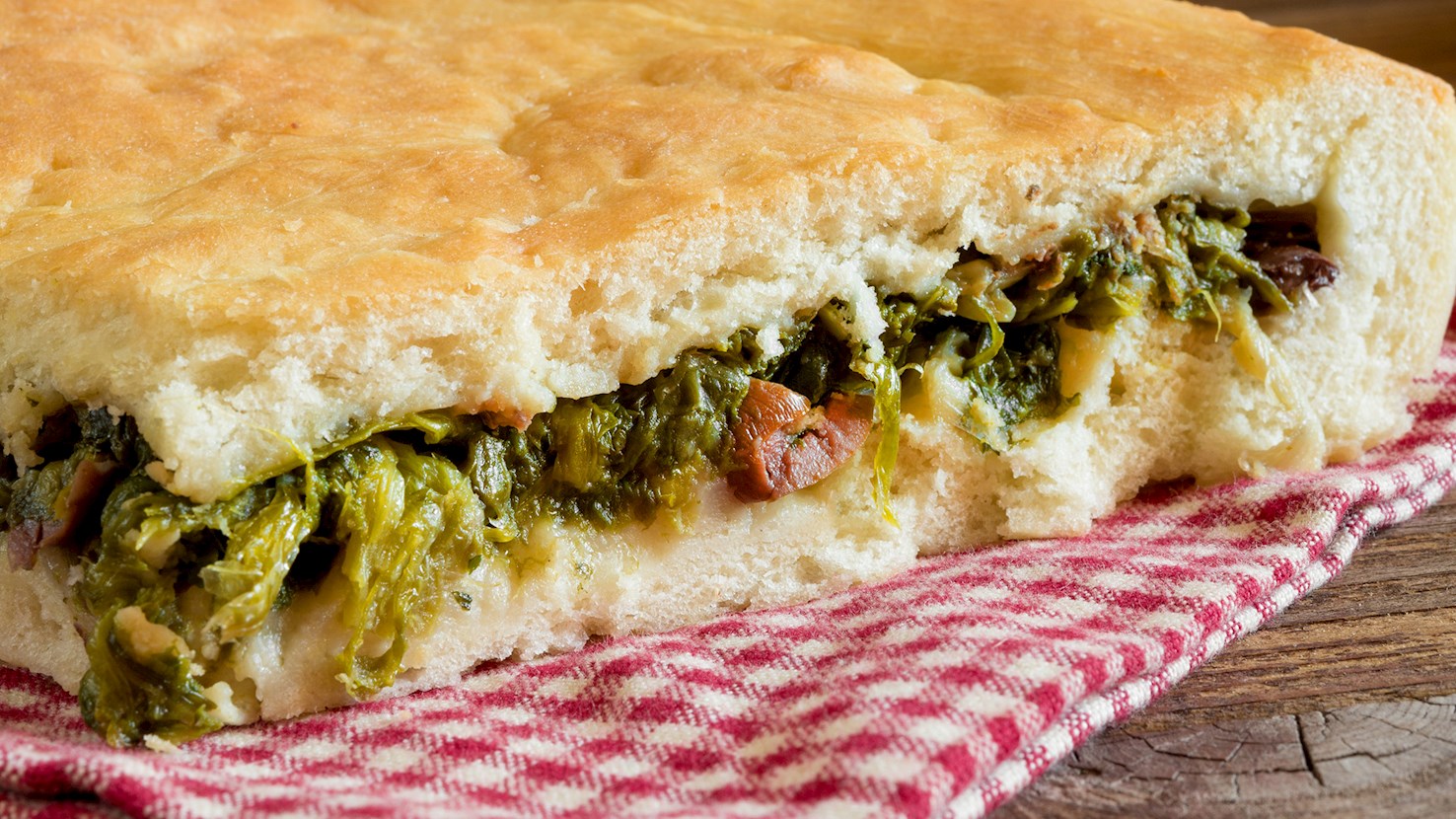
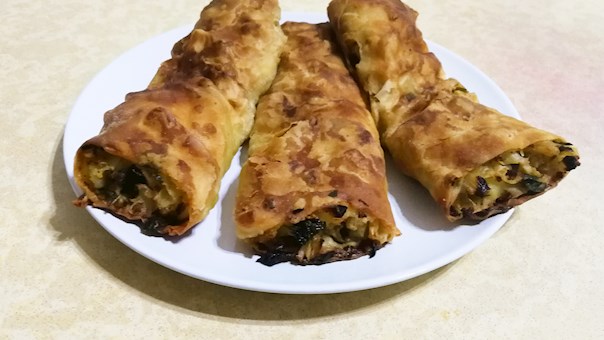
Pizza di scarola is one of the most popular Neapolitan dishes, but despite the name, it is not a typical pizza, but more of a savory pie known as torta salata. It consists of a delicious filling made with escarole, garlic, black olives, capers, anchovies, pine nuts, and raisins, placed between two layers of dough, then baked until golden brown. Pizza di scarola is traditionally associated with Christmas Eve, but delicious as it is, the dish is typically enjoyed throughout the year.
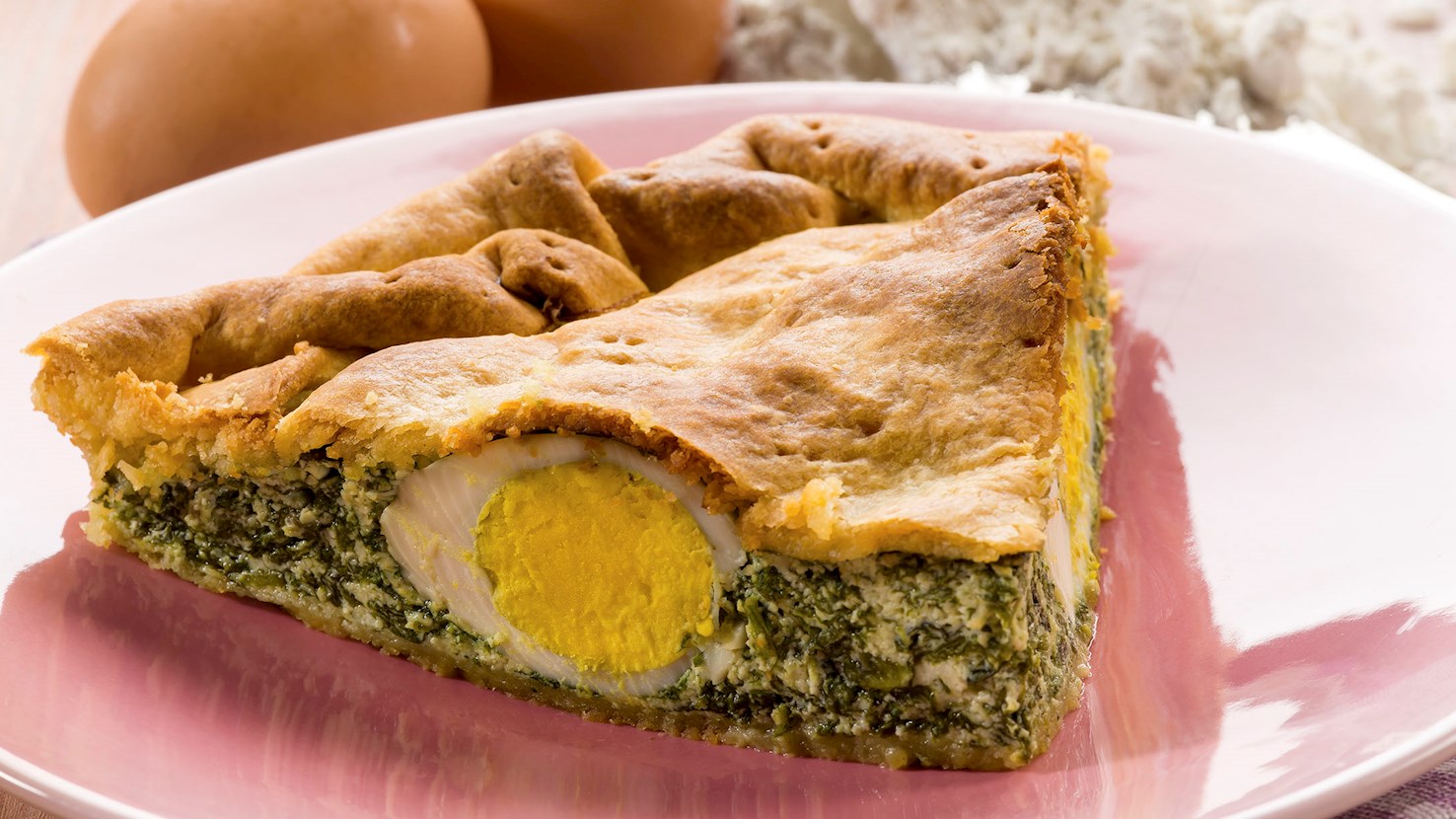
Traditionally prepared and consumed on Easter, the recipe for this savory pie from Liguria can be traced back to the 16th century. Pasqualina is made with up to 33 layers of thin pastry, representing the 33 years of Christ's life. The pie is filled with a combination of spinach, swiss chard, arugula, fresh cheese, and eggs. A large pasqualina can even have up to 12 eggs on the inside — a symbolic culinary representation of the 12 apostles. A number of different variations of the pie were introduced to Argentina and Uruguay by Italian immigrants. These South American versions of the pie are known as tarta Pascualina, and they feature a different crust which is made with empanada dough instead of the thinly-rolled Italian pastry dough.
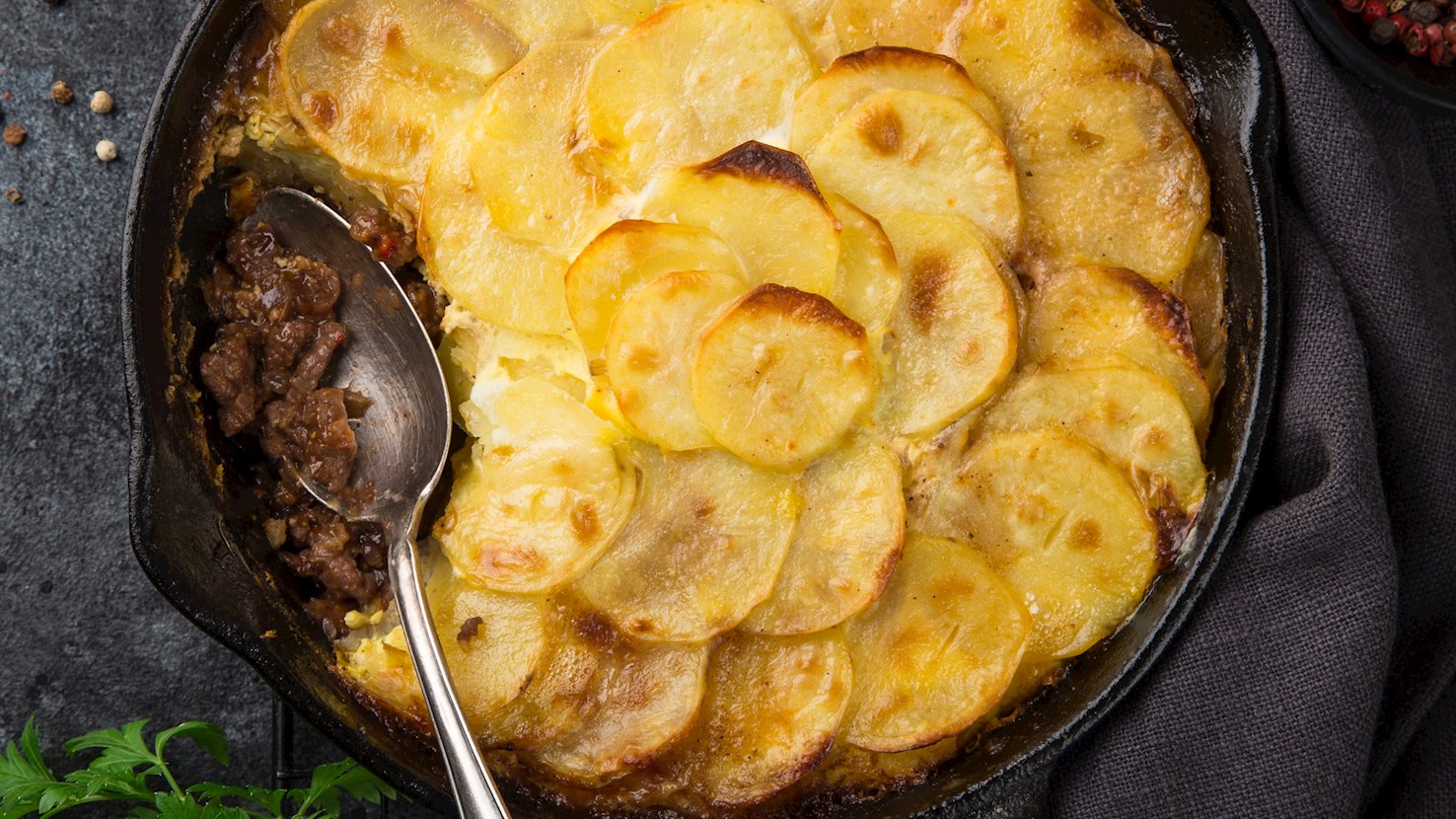
Tortino di patate e carne is a traditional pie originating from the region of Alto Adige. This savory crustless pie is usually made with a combination of onions, butter, olive oil, potatoes, bay leaves, marjoram, parsley, seasonings, and pieces of boiled or roasted meat such as veal, beef, or chicken. The onions are sautéed in butter and oil, followed by the meat, potatoes, bay leaves, and marjoram. Once all the ingredients have been browned, the dish is seasoned with salt and pepper and mixed with chopped parsley. The mixture is worked into the shape of a pie with a wooden spoon, and it's then served warm.
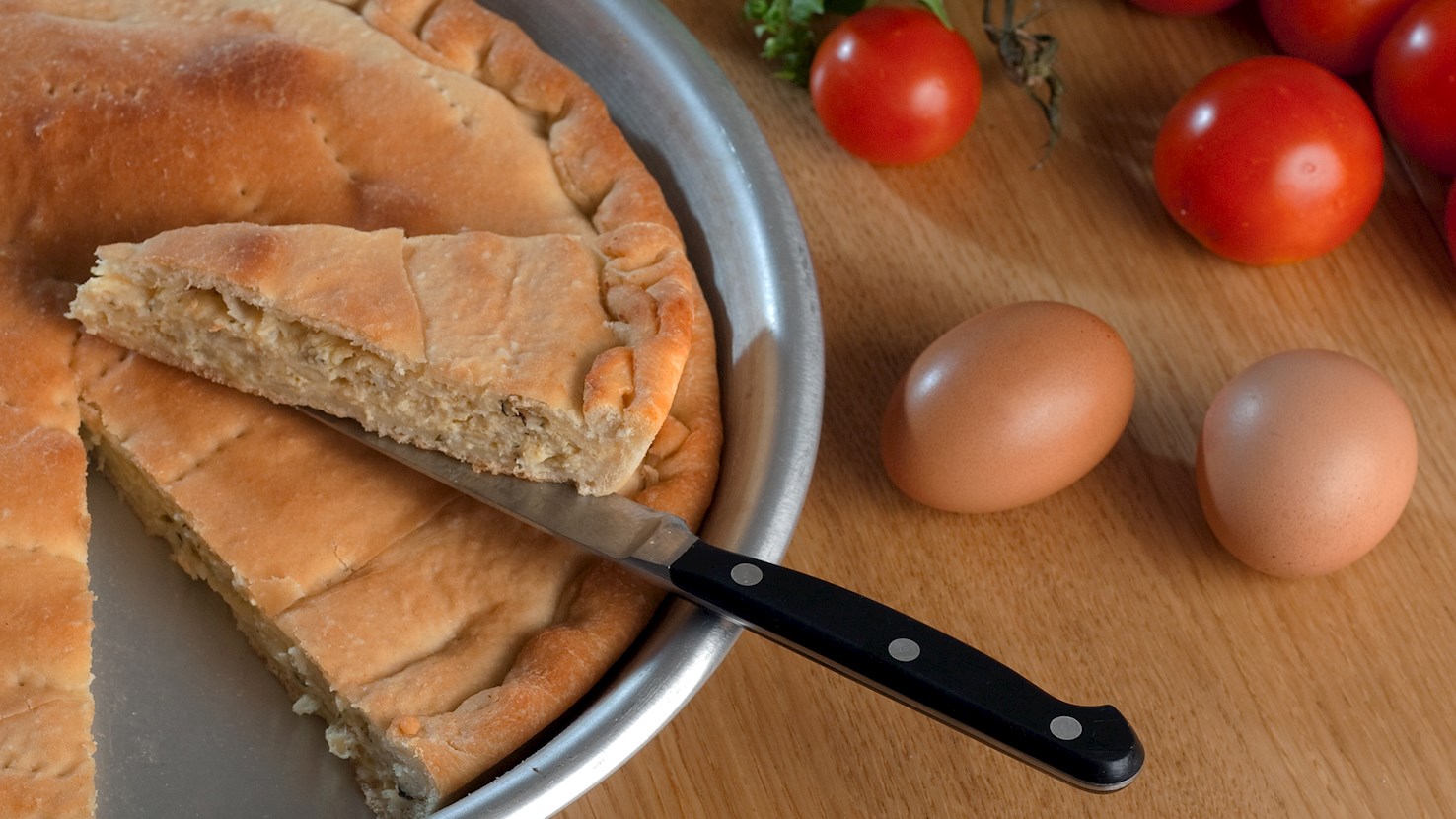
Sa Panada is a traditional savory pie from the Italian island of Sardinia. It is made with pasta violata (dough prepared with durum wheat flour and lard) filled with a mixture of potatoes, onions, cheese, and mint. The origins of Sa Panada can be traced back to the rural areas of Sardinia, where it was originally made by shepherds and farmers as a portable food that could be taken with them while they were working in the fields. Over time, the dish became popular throughout the island and is now considered a staple of Sardinian cuisine, typically served as a main course and an irreplaceable delicacy for festive occasions and celebrations. It is worth noting that almost every Sardinian town and village has its own version, mainly differing in the type of filling - from meat and seafood to various seasonal vegetables.
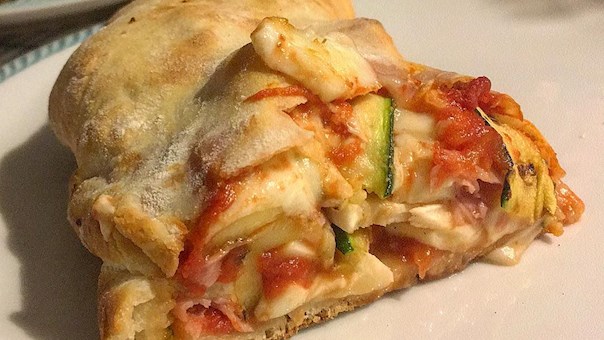
Tortino di mozzarella is a traditional savory tart originating from Naples. It's usually made with a combination of stale white bread slices, milk, butter, sliced mozzarella cheese, eggs, salt, pepper, and grated Parmigiano-Reggiano. The crustless bread slices are lined in a buttered baking dish and sprinkled with milk. The mozzarella slices are placed over the bread, and the ingredients are then topped with a mixture of beaten eggs, parmesan, salt, and pepper. The dish is baked in the oven until the egg mixture puffs up and the mozzarella melts. Once done, the tart is served hot. If desired, tortino di mozzarella can be enriched with prosciutto slices that go over the mozzarella.
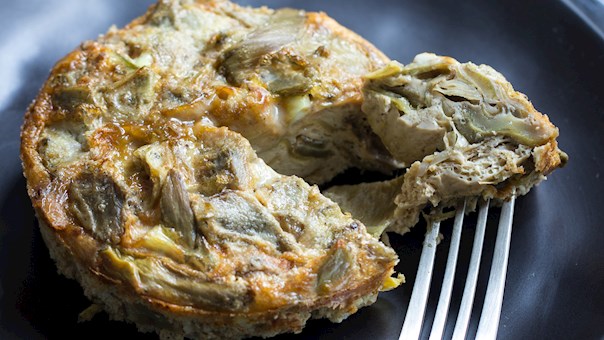
Sa panada is a traditional Sardinian baked pie filled with eel and potato, famously crafted in Assemini, a small town in the southern Campidano region, just 15 kilometers from Cagliari. The preparation of sa panada begins with a sturdy dough made from durum wheat flour, lard, water, and salt. This dough forms a pot-like shape, su croxu, supported by carefully folded edges and sealed with an intricately braided seam called sa cosidura, resembling a decorative crown. The pie is stuffed with a hearty filling, traditionally made with eels or lamb, complemented by potatoes, broad beans, or artichokes. These ingredients are seasoned with garlic, parsley, dried tomatoes, pepper, lard, and extra virgin olive oil, creating a dish that is both flavorful and aromatic. True to its origins as a complete and portable main dish, the raw ingredients are enclosed in the dough and baked slowly. This method allows the filling to cook in its own juices, enriching the crust with a savory depth of flavor. The result is a large, golden-brown pie with a crispy, nutty crust and a tender, succulent filling. Sa Panada’s size and craftsmanship, along with its medieval roots, set it apart as a culinary and cultural treasure. Historically, sa panada was designed for practicality, preserving and transporting food efficiently, while its intricate design reflects Sardinia’s artistic and culinary ingenuity. Known for its ceramic manufacturing tradition, Assemini is also celebrated as the capital of sa panada, an honor reflected in the annual Panada Fest held every October. This dish, deeply rooted in Sardinia’s medieval history, is not only a culinary masterpiece but also a visual work of art.
Tiella di Gaeta is a savory pie consisting of two layers of crispy dough that is generously filled with boiled octopus or squid, tomatoes, capers, and Gaeta olives, then flavored with parsley, pepper, and salt. Although a local legend says that this dish was invented by Frederick IV of Bourbon, it is much more likely that it was, like so many others Italian gastronomical specialities, originally prepared as a poor man's meal and a way to use up leftover food. The fillings may vary and include other types of seafood such as salt cod or anchovies and different seasonal vegetables, but tiella always has to be soaked in the famous olive oil from Gaeta.
TasteAtlas food rankings are based on the ratings of the TasteAtlas audience, with a series of mechanisms that recognize real users and that ignore bot,
nationalist or local patriotic ratings, and give additional value to the ratings of users that the system recognizes as knowledgeable.
TasteAtlas Rankings should not be seen as the final global conclusion about food. Their purpose is to promote excellent local foods,
instill pride in traditional dishes, and arouse curiosity about dishes you haven’t tried.







What People Say