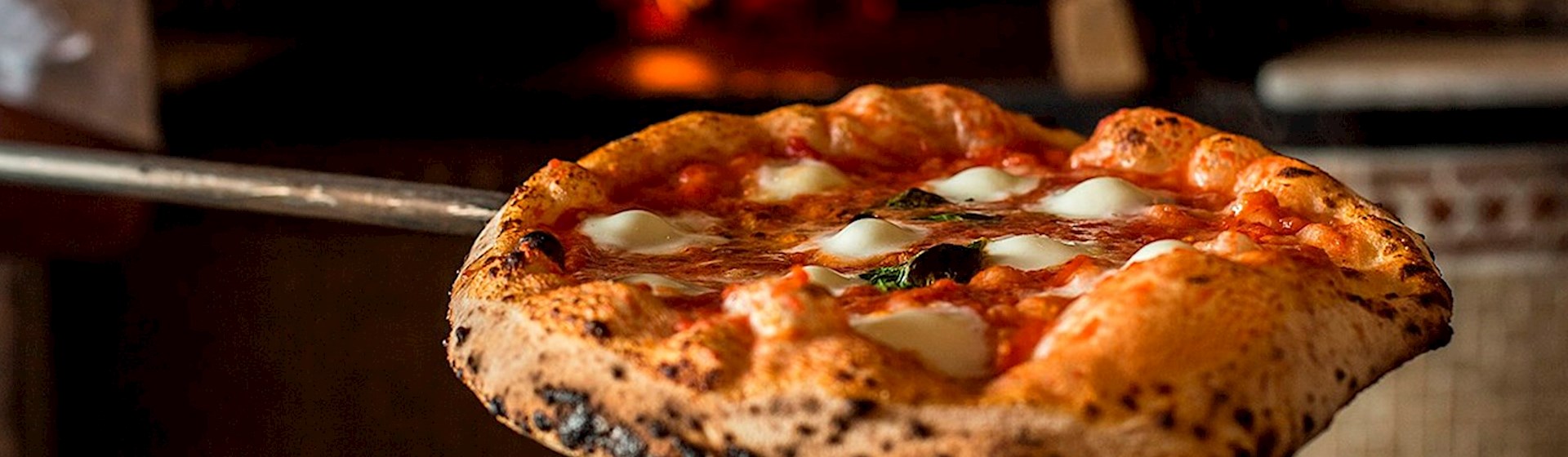
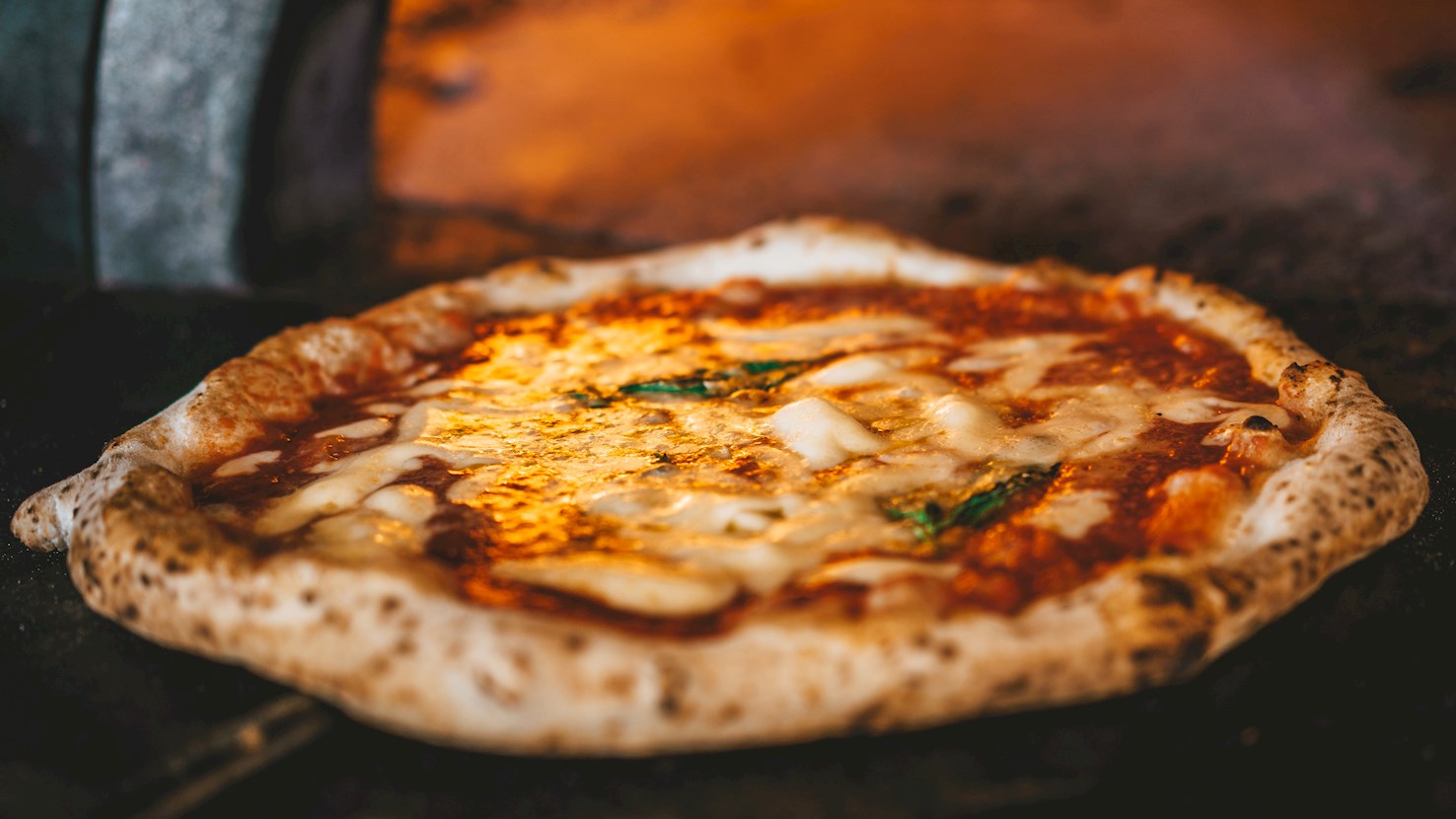
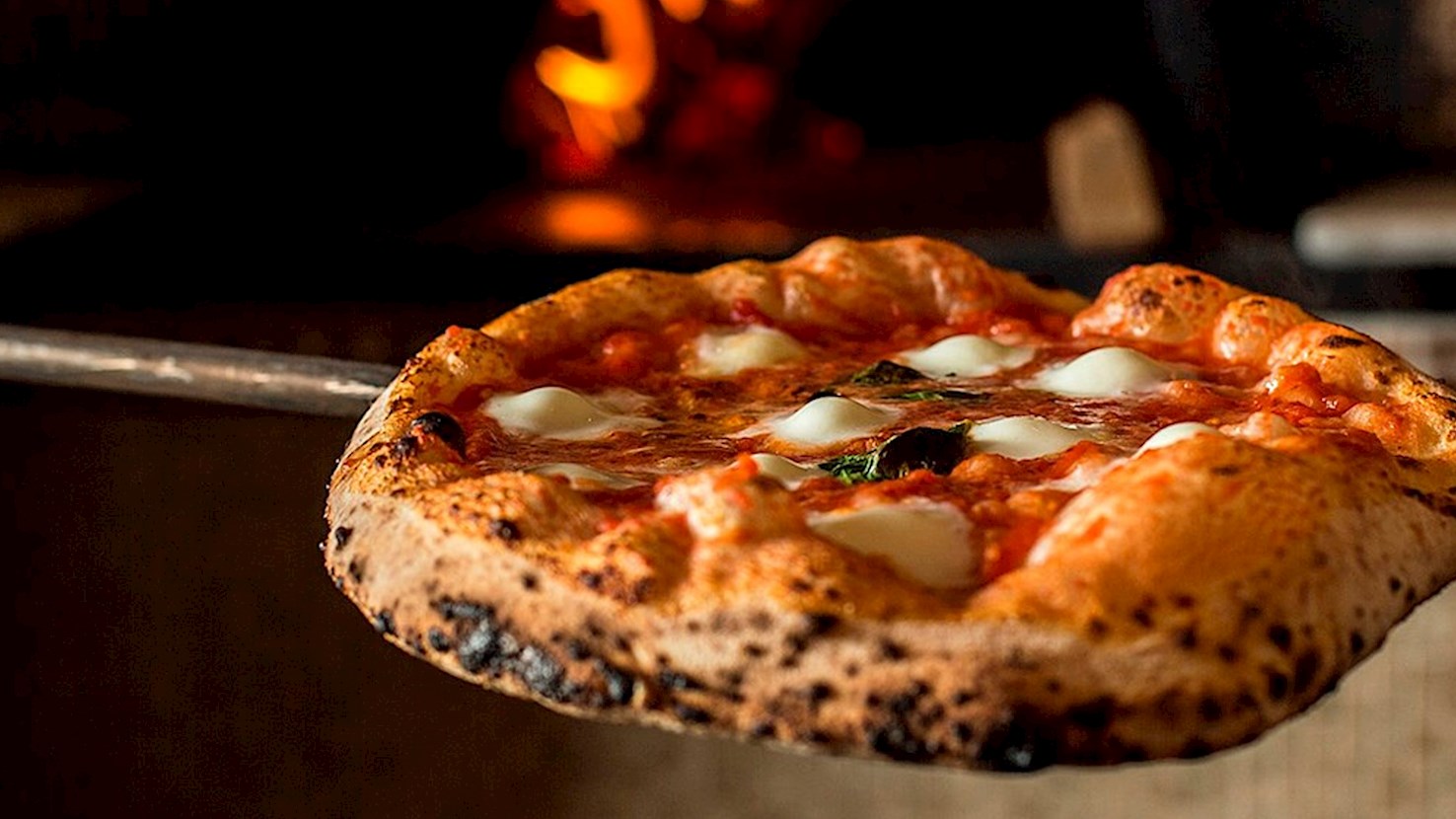
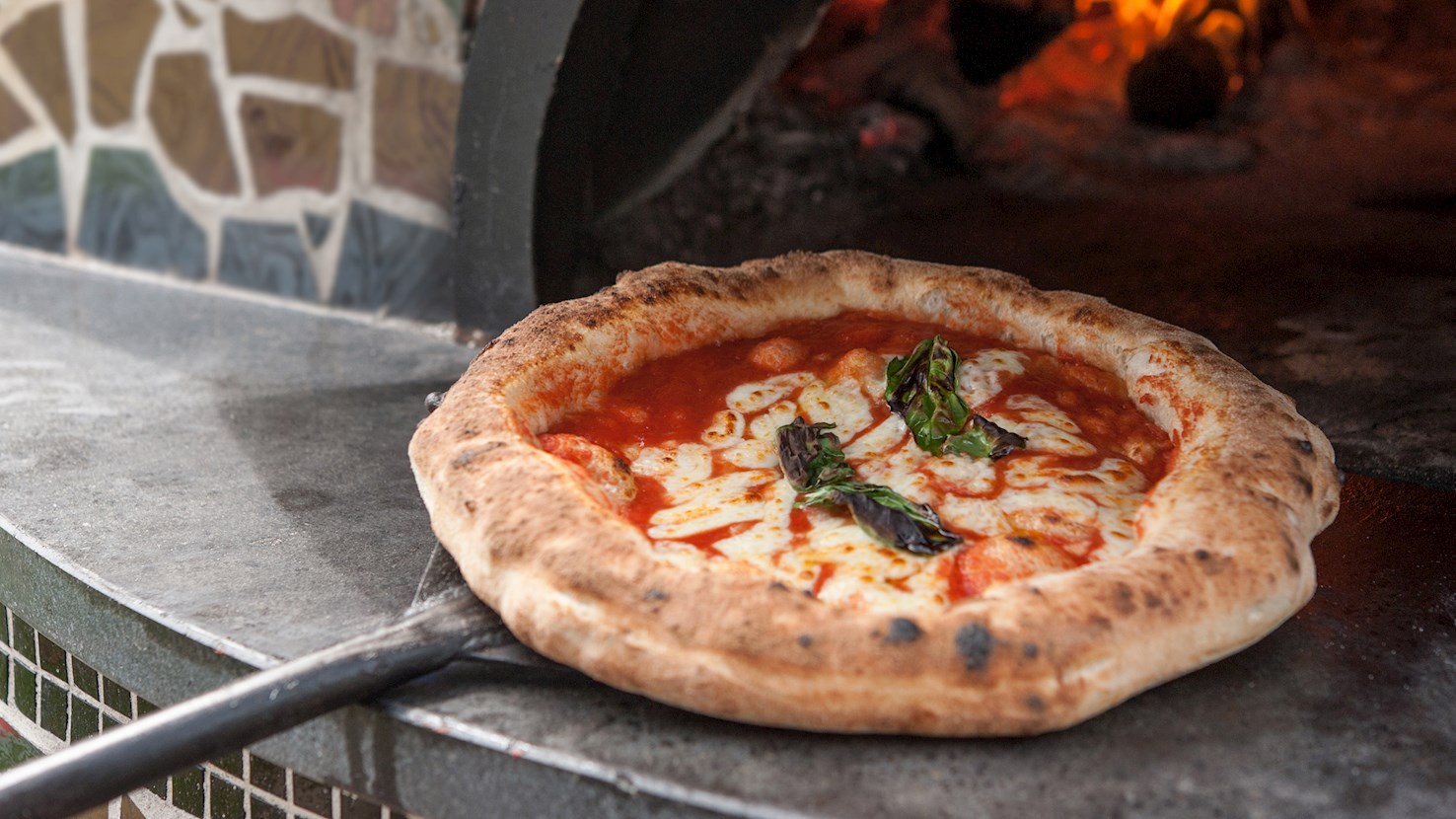
Italy’s most emblematic culinary creation, the genuine pizza Napoletana is made with just a few simple ingredients and prepared in only two variations – marinara, the basic Neapolitan pizza topped with a tomato-based sauce flavored with garlic and oregano, and margherita, which is topped with tomatoes, mozzarella, and fresh basil leaves, a delicious combination whose colors are said to represent the Italian flag. The crust is very thin at the base, and the dough puffs up on the sides, which results in airy crust that should have typical charred 'leopard spots' if baked properly. The origins of this iconic Neapolitan dish can be traced to the early 1700s, when what we know today as pizza marinara was first described by Italian chef, writer, and philosopher Vincenzo Corrado in his treatise on the eating habits of the people of Naples. Almost 200 years later, in 1889, the premier Neapolitan master pizzaiolo Raffaele Esposito added mozzarella to the mix and invented the margherita, which is now generally cited as the first modern pizza. Originally dubbed la pizza tricolore, Esposito’s creation is said to have been made in honor of and named after Margherita of Savoy, the Queen consort of the Kingdom of Italy, who was visiting Naples at the time. In 2010, as one of Italy’s most popular foods worldwide, pizza Napoletana was officially recognized by the European Union and granted the designation of Traditional Specialty Guaranteed. And remember, a good pizza Napoletana doesn't need any additions other than the designated toppings.
Pizza Margherita is a delicacy that is literally fit for a queen. In 1889, Queen Margherita of Savoy visited Naples, where she was served a pizza that was made to resemble the colors of the Italian flag: red tomatoes, white mozzarella cheese, and green basil. It was made by a chef named Raffaele Esposito of Pizzeria Brandi, who is credited for its invention. The Queen loved the dish, and Esposito named it after her - pizza Margherita, but such a pizza was also made before that time, and can be dated back to at least 1866, when the most popular pizza toppings included basil, cheese, and tomatoes, but the pizza was not yet named Margherita. Since those times, Margherita has become one of the most popular pizza varieties in the world, and in 2009, it was protected as one of the three Pizze Napoletane with an STG European label of protection, proving its excellence in flavor, ingredients, and traditional pizza-making techniques.
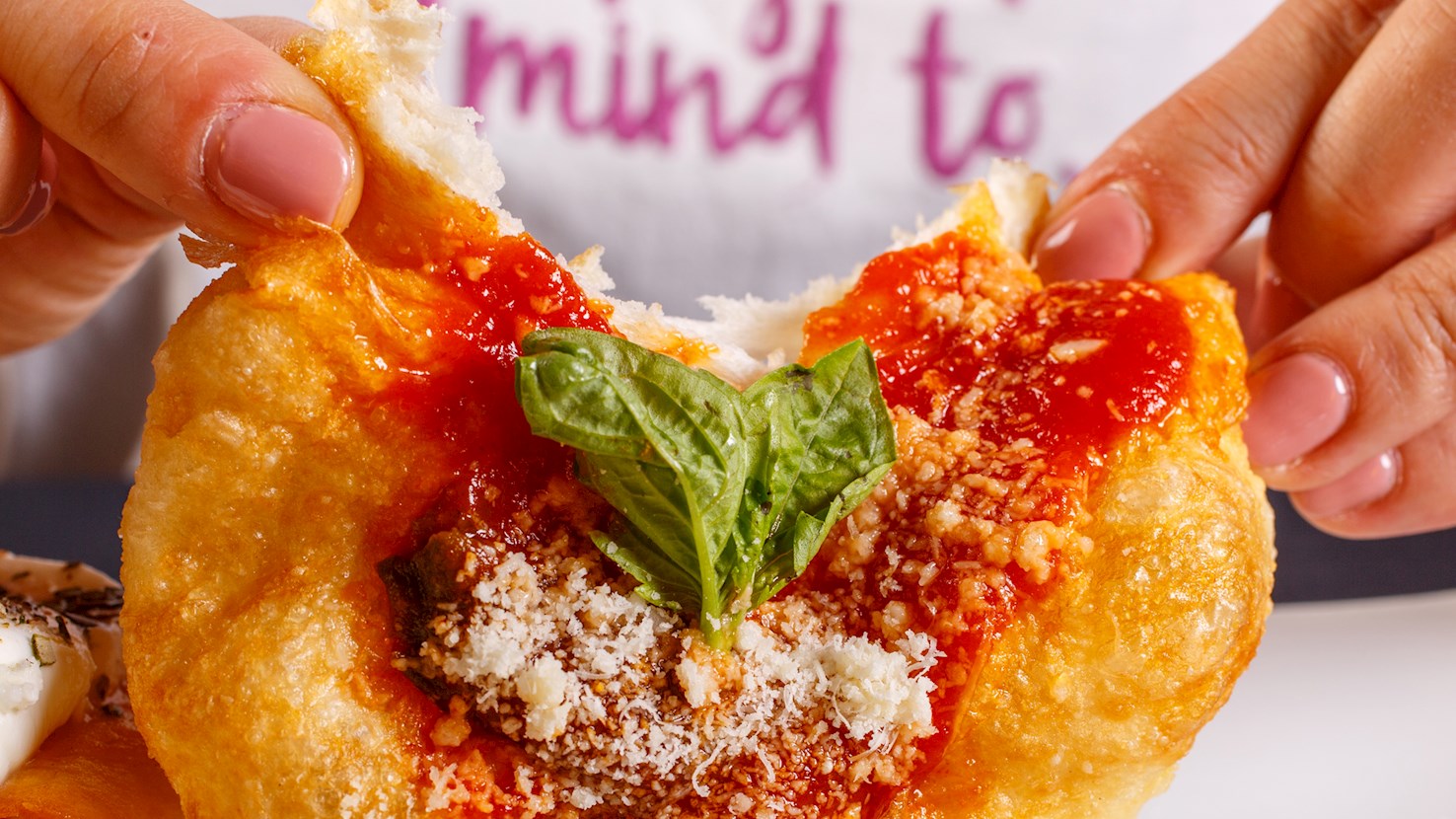
This pizza calls for deep frying the dough shortly before it is topped with marinara sauce, cheese, and basil, and then thrown into an oven for a final touch. The last step is said to imbue the pizza with a somewhat smoky, toasted flavor and make the crust light and airy, with a nice crunch to it. Although it might seem like a newly-concocted dish, this deep-fried pizza specialty is actually a variety of Italian pizza that dates way back in time and is believed to have its roots in the mountains surrounding Naples. The pizza’s origins are reflected in its name montanara, meaning coming from the mountain or mountain-style pizza. Apart from Naples, where fried pizza specialties are a common street food fare, pizza montanara can also be enjoyed in several New York restaurants.
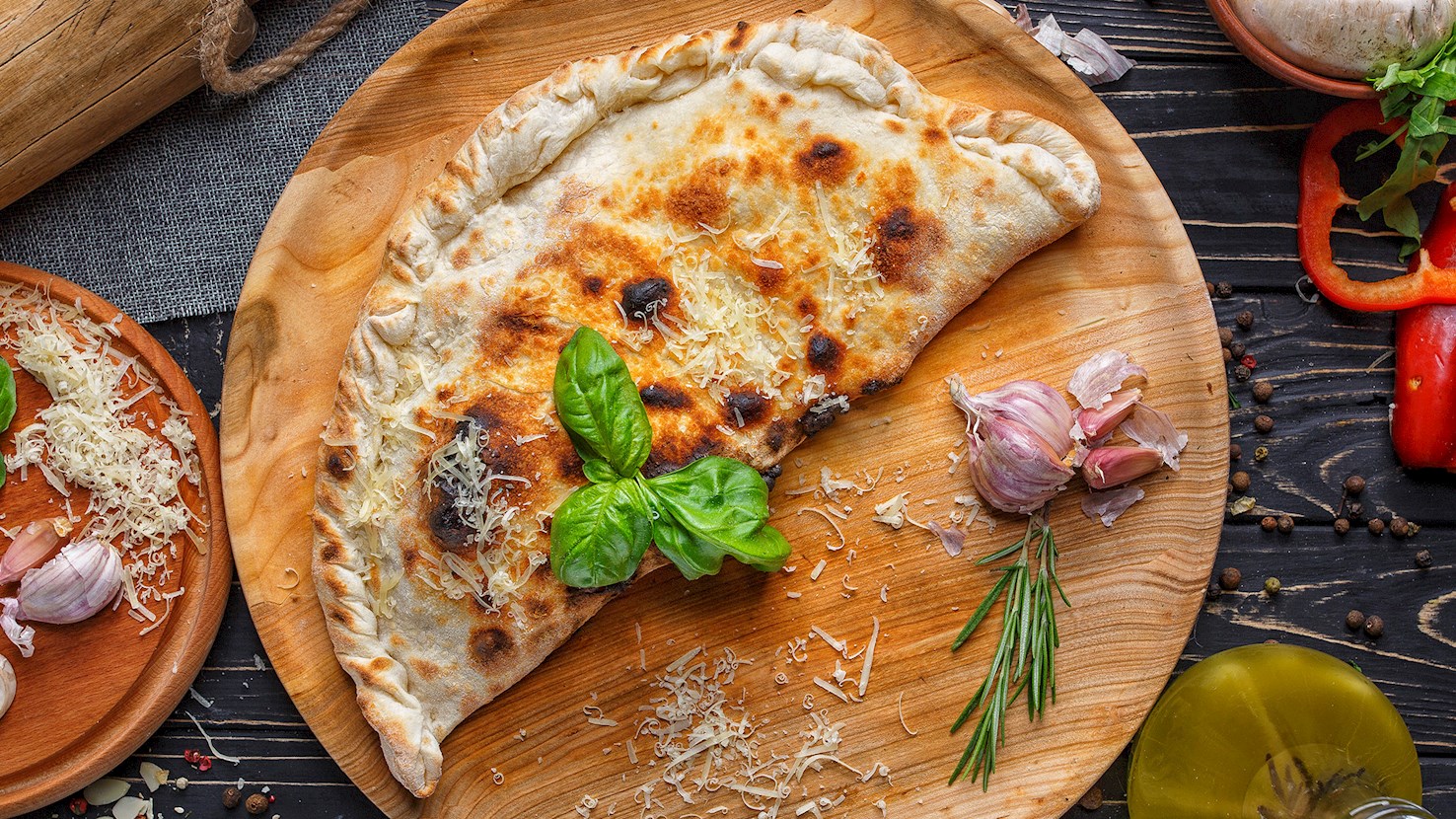
This unique type of pizza is characterized by its half-round shape, made by folding a full-sized pizza in half. Hailing from 18th century Naples, calzone literally means pant leg, referring to the fact that calzone's original purpose was to be a pizza which can be consumed while walking or standing. Typically, calzones are filled with meats such as salami or ham and cheeses such as mozzarella, ricotta, parmesan, and pecorino whereas fried calzones with mozzarella and tomatoes are a specialty from the Italian region of Apulia, and are known as panzerotti. In the United States and the rest of the world, calzones gained in popularity after being the central theme of an episode of the hit TV show Seinfeld in 1996.
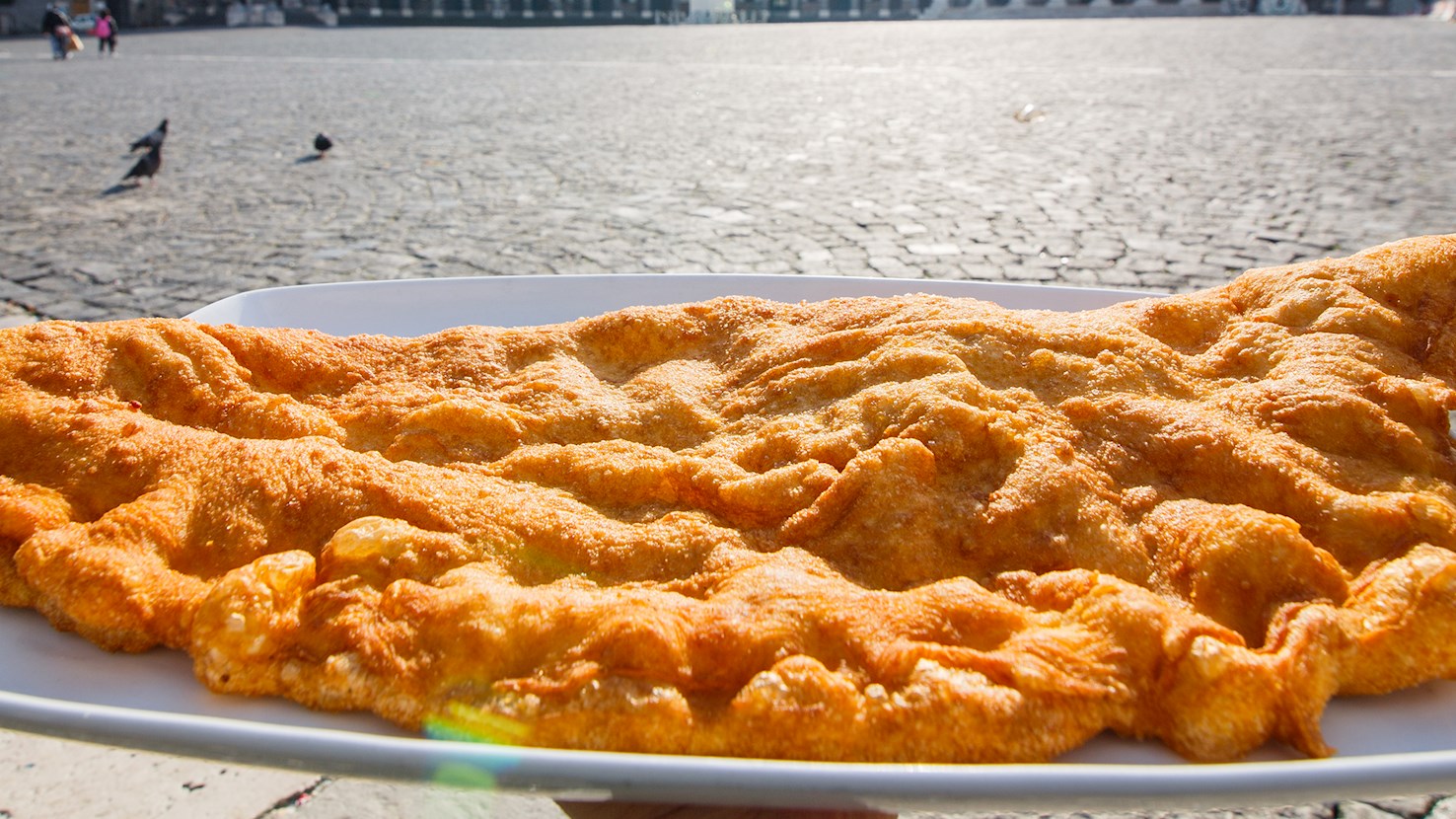
Pizza fritta, also known as fried pizza, is a popular Italian street food originating from Naples. To prepare pizza fritta, the dough (similar to traditional pizza dough, but allowed to rise longer, resulting in a lighter and fluffier texture) is rolled out into small rounds or rectangles and filled with classic pizza ingredients such as tomato sauce, mozzarella cheese, ham, mushrooms or vegetables. The edges of the dough are then folded over to enclose the fillings, and the pizza is carefully deep-fried in hot oil until golden brown and crispy. Once fried, pizza fritta is usually consumed piping hot from a piece of greasy paper, and is sometimes topped with additional ingredients like fresh basil, grated Parmesan cheese, or a drizzle of olive oil. It is typically enjoyed as a handheld street food.
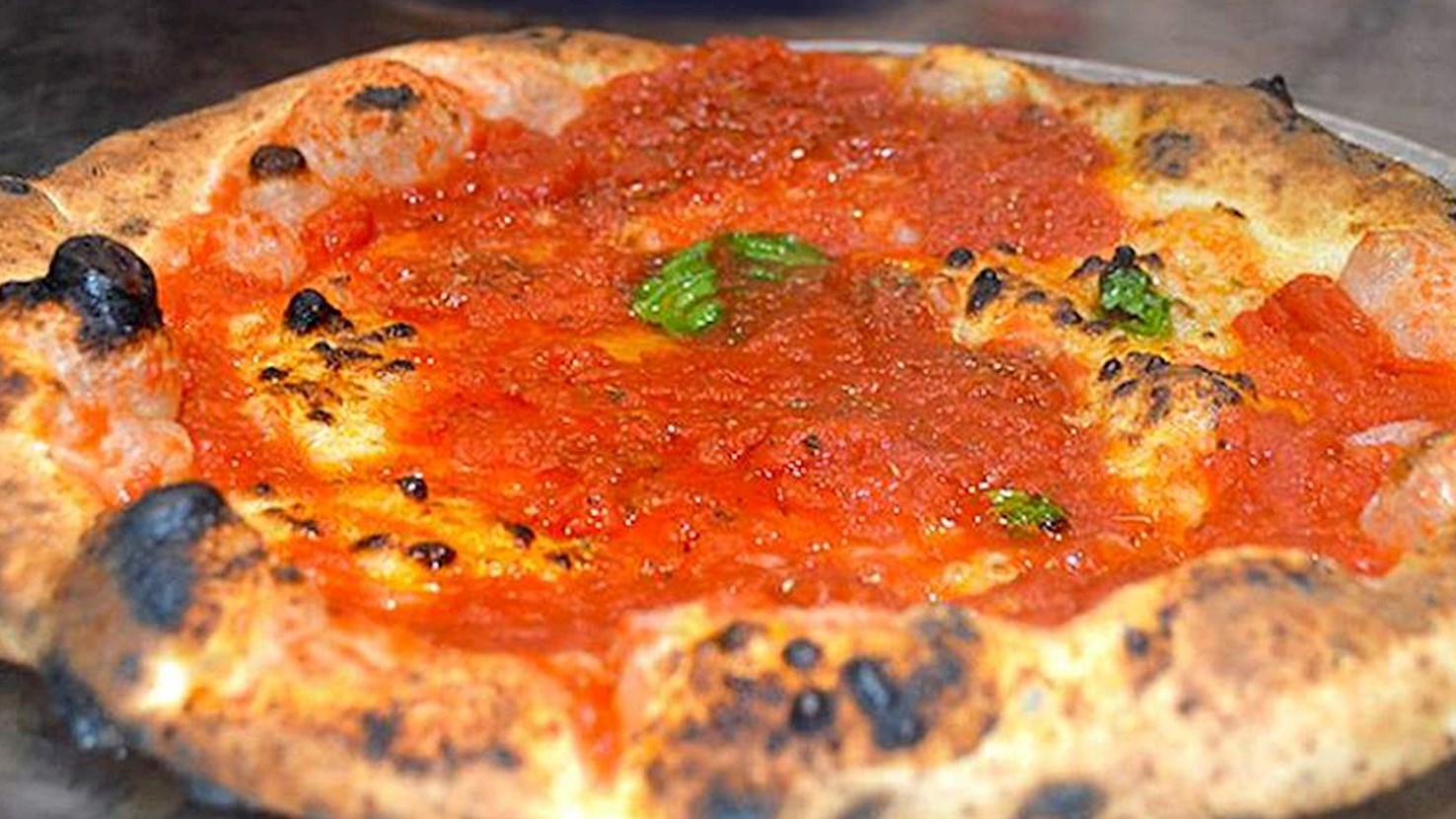
Marinara is a Neapolitan pizza with a topping of tomatoes, oregano, garlic, extra virgin olive oil, and sometimes fresh basil. Its name is not derived from the popular belief that it has seafood on it (because it does not), but because it was a staple food of the fishermen who consumed it upon their return home from fishing in the Bay of Naples. Some claim it was invented at Pizzeria Port'Alba in 1734, considered the oldest pizzeria in the world. Marinara is a part of protected Napoletana pizzas, with specific rules concerning the production process, the dough, and the key ingredients used in making the pizza.
Canotto is a recent style of Italian pizza that's characterized by its inflated rim with giant bubbles inside. The crust must not be too dense or heavy as the cornicione (rim or edge) must be full of air. The secret for a puffy cornicione lies in the hydration, which must be around 70%. Unlike the simple yeast used for a traditional Neapolitan pizza, starters such as biga or poolish have a slower maturation time, and as a result, the dough is more digestible. The dough for Neapolitan pizza must be made the same day, while the dough for canotto pizza may be proofed for 48 or 72 hours in order to develop an airy structure with a unique aroma. The pizza is then topped with the desired ingredients and baked over high heat, just as the classic one. However, purist Neapolitan pizzaioli are determined not to consider the canotto as a true Neapolitan pizza, so the pizzaioli that make canotto often call it contemporary Neapolitan pizza.
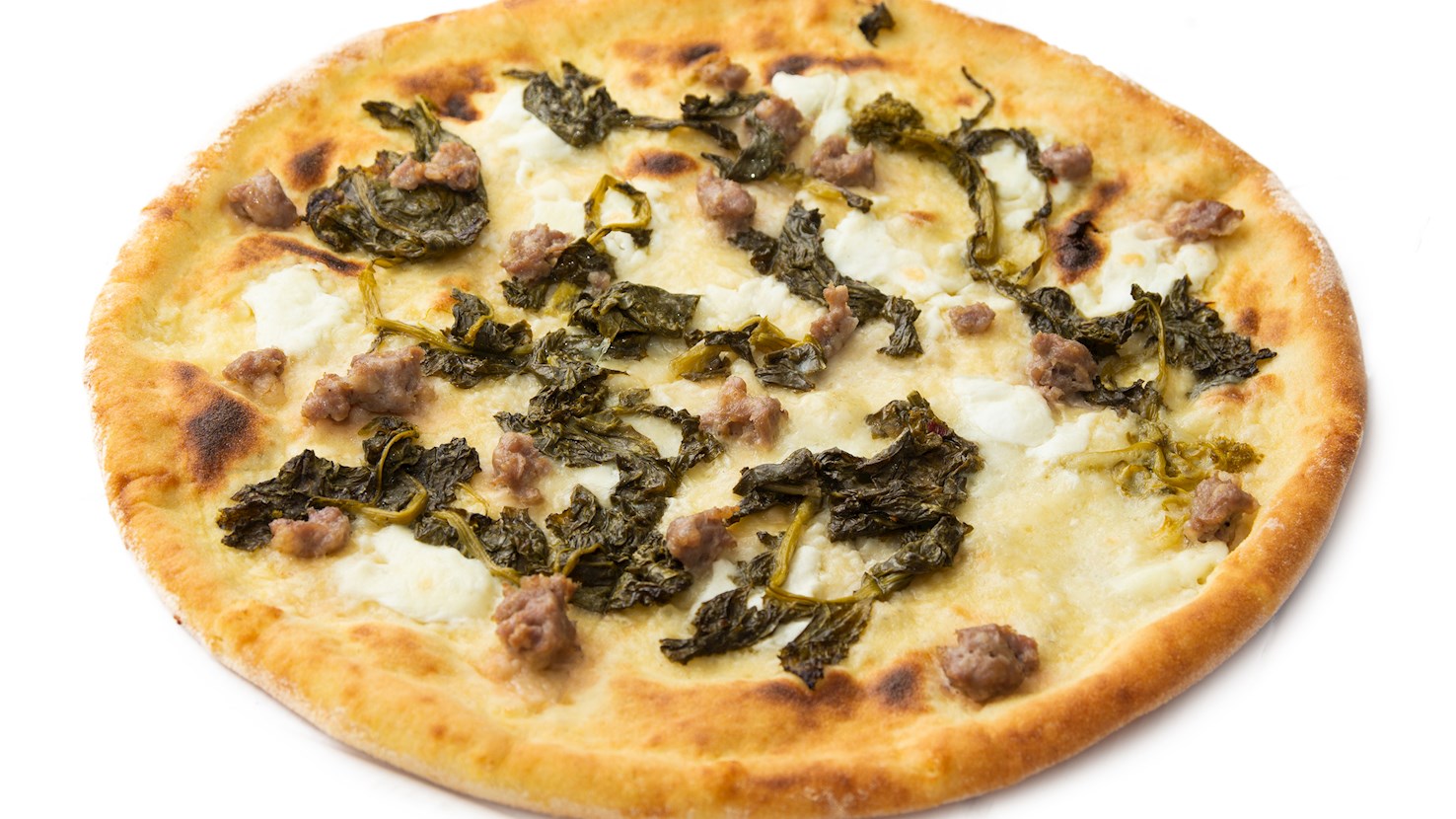
Pizza carrettiera is a variety of Italian pizza that is traditionally topped with tomato sauce, rapini, pepperoncini, salsiccia, and smoked provolone cheese. Commonly known as pizza salsiccia e friarielli, or sausage and rapini pizza, this pizza variety is one of the most beloved Neapolitan pizzas. There’s even a famous Campanian saying that says "A sasicc è a mort re friariell," meaning the combination of rapini and fresh Italian pork sausage is unmatched. The pizza is usually drizzled with extra-virgin olive oil and garnished with fresh basil leaves on top. There is also pizza ripiena - the stuffed version of pizza carrettiera calling for the placement of sausage and rapini filling between two pieces of dough, sealing the dough, and then baking it in the oven. Pizza carretierra can also be prepared as a white pizza, without the addition of tomato sauce.
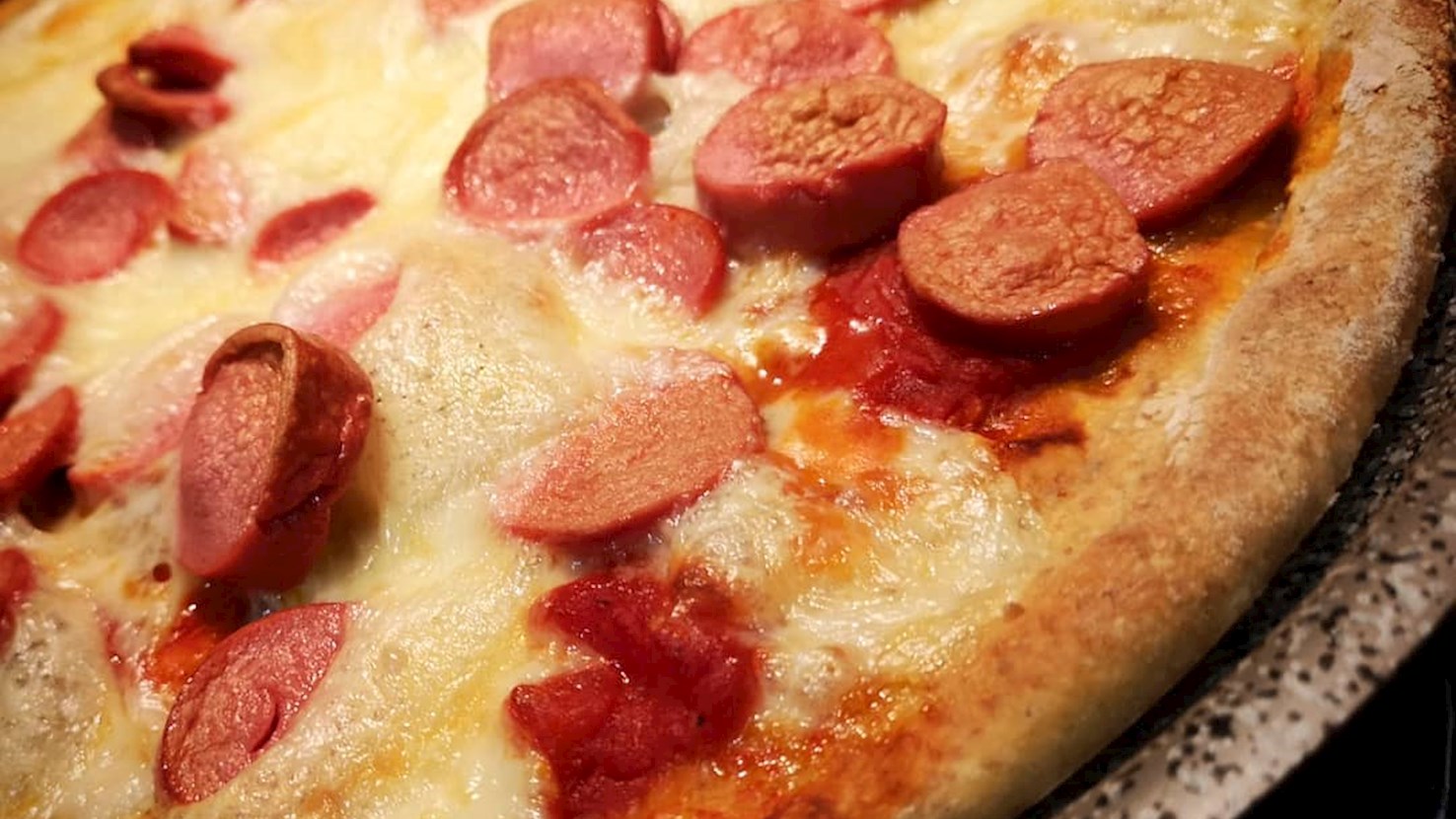
Although it seemingly deviates from the standard Italian pizza by using an ingredient unconventional for authentic Italian cuisine – the Vienna sausage – pizza viennese is, on the contrary, a very traditional Italian pizza variety. The pizza base is usually smeared with tomato sauce and then topped with mozzarella and Vienna sausages cut into slices. Hailing from the actual birthplace of pizza – the town of Naples - pizza viennese is especially beloved by children, who are, as most Italians would agree, its primary consumers. There is also a version of this pizza that calls for the addition of fries. Pizza purists may not be very fond of this pizza variety, but it is, nevertheless, very popular in the regions bordering Austria, while in other parts of the country it remains relatively uncommon.
TasteAtlas food rankings are based on the ratings of the TasteAtlas audience, with a series of mechanisms that recognize real users and that ignore bot,
nationalist or local patriotic ratings, and give additional value to the ratings of users that the system recognizes as knowledgeable.
For the “Top 9 Neapolitan Pizzas” list until September 15, 2026, 6,606 ratings were recorded, of which 5,206 were recognized by the system as legitimate.
TasteAtlas Rankings should not be seen as the final global conclusion about food. Their purpose is to promote excellent local foods,
instill pride in traditional dishes, and arouse curiosity about dishes you haven’t tried.



What People Say