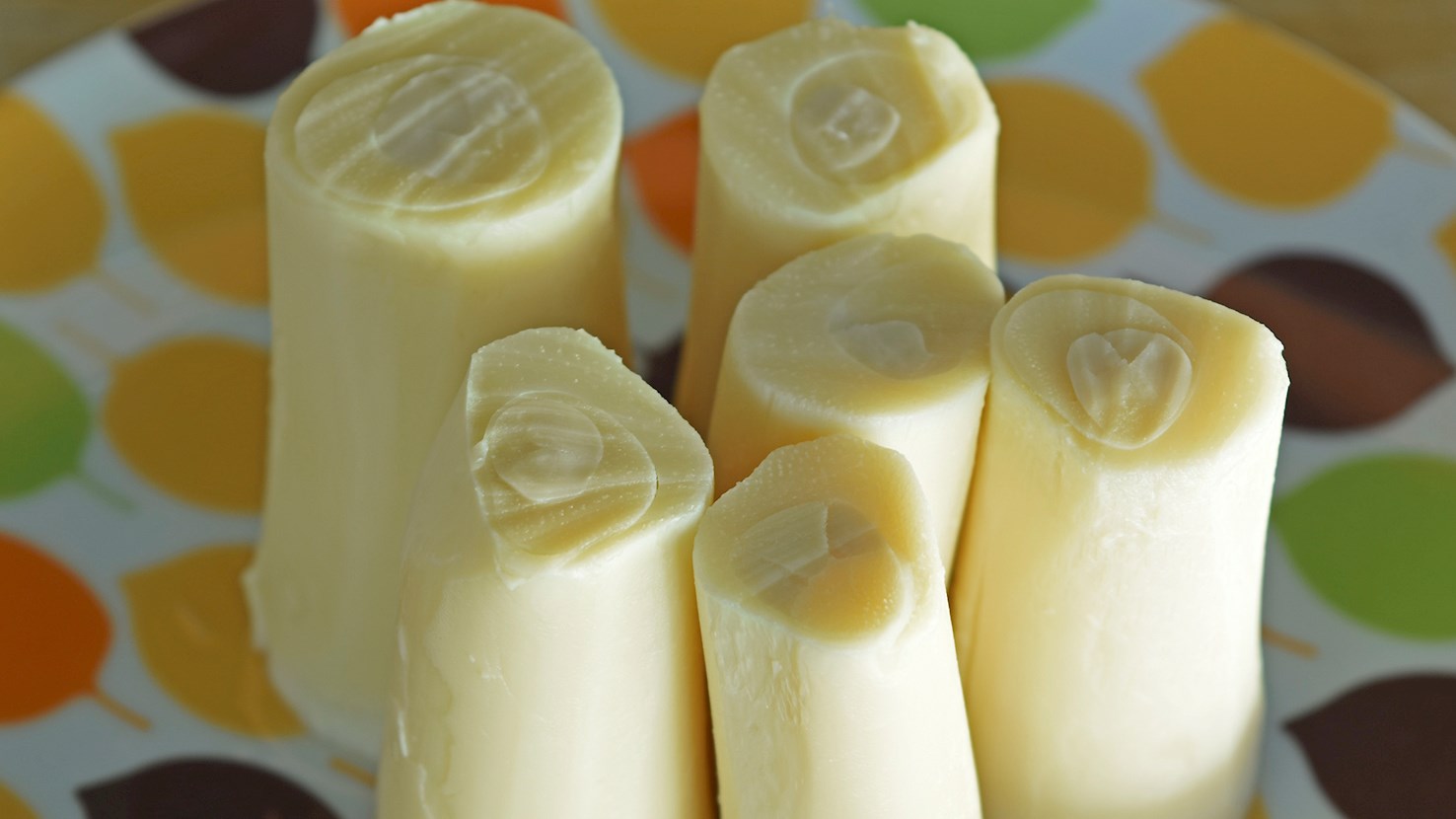
Growing in the forests in the southeastern part of Brazil, Juçara tree is characterized by a straight and thin trunk which grows up to 15 meters in height. It requires little sunlight and no fertilizers at all. Before the palm heart is extracted, the tree must be at least 8 to 10 years old. It is used in its entirety – the leaves for chairs and beds, the wood for building houses, the berries for an acidic juice, and the palm heart for boiling, roasting, and frying. The palm heart can also be consumed in its own with honey, because the Guaraní people don’t use salt and sugar. The heart is removed by cutting the top of the trunk and stripping the bark with a machete. It is typically sold while still fresh, on the spot, or to nearby restaurants for further processing. Due to the fact that it takes anywhere from 8 to 10 years to consume Juçara palm heart, it is considered rare and precious, even more so because vast groves of these palms have disappeared due to over-harvesting.
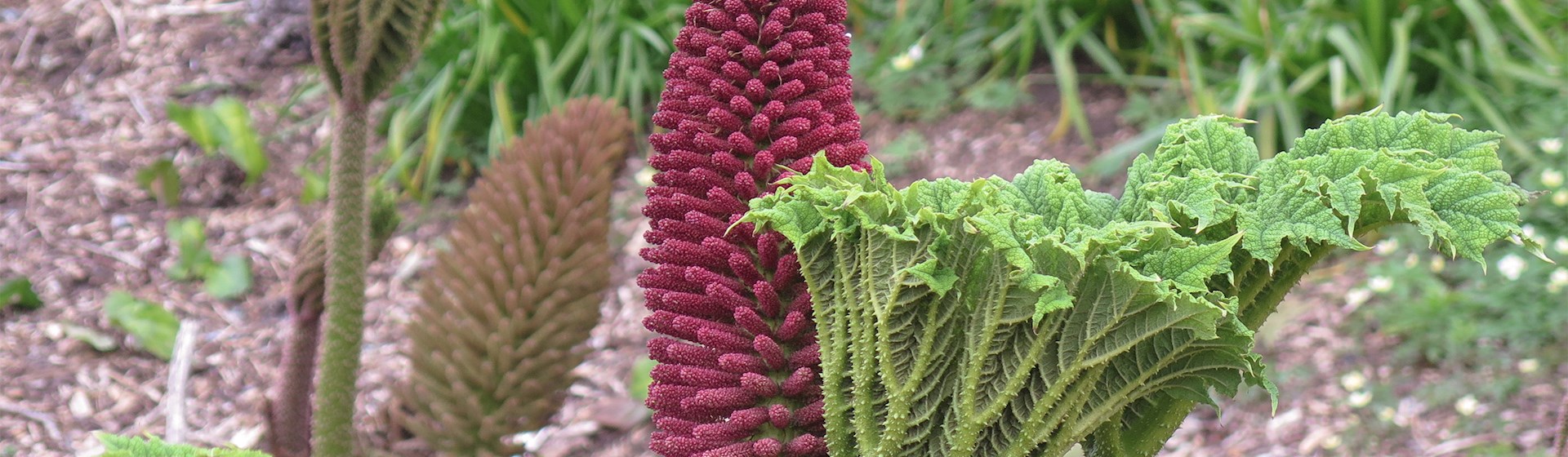
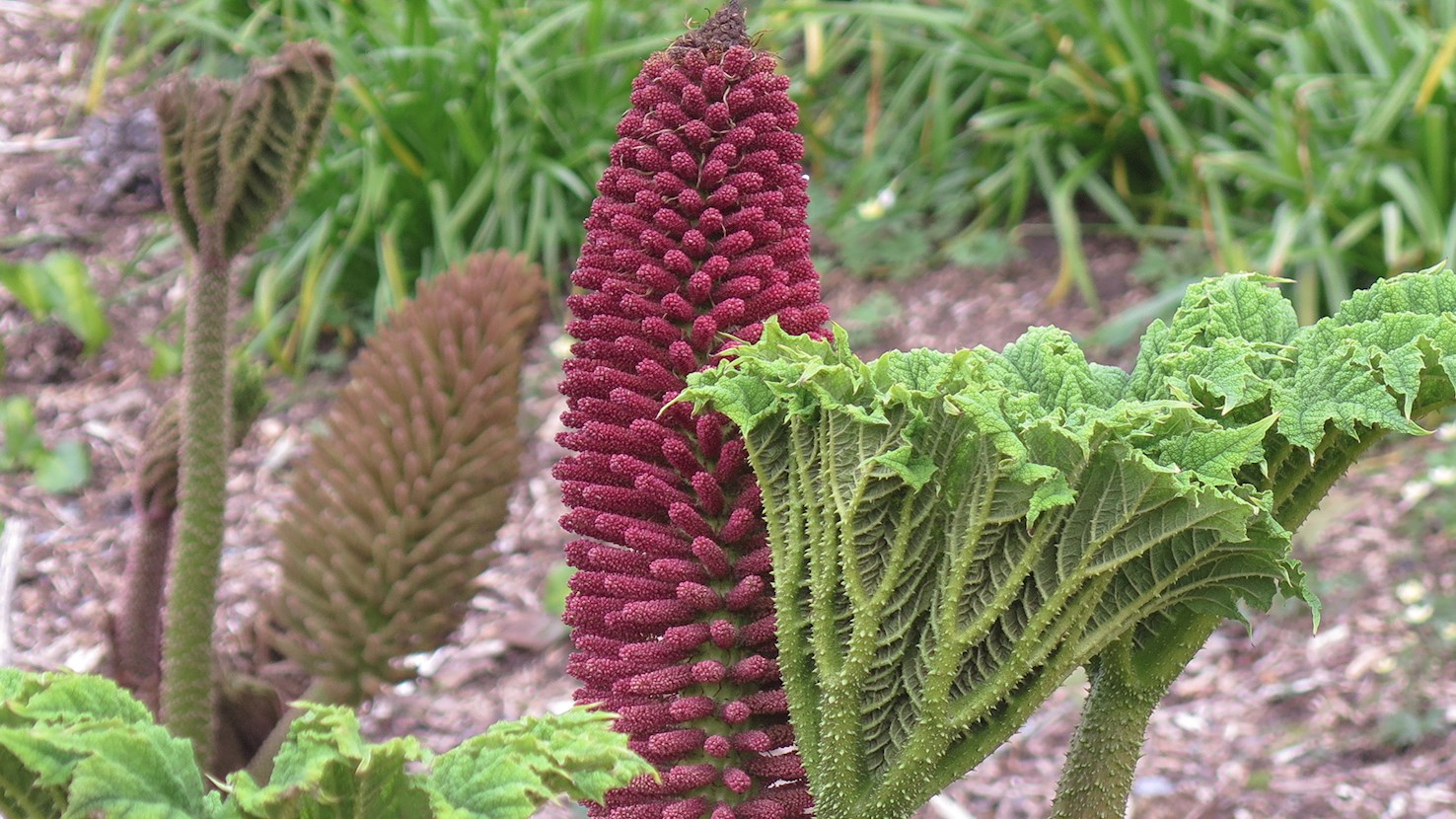
Nalca is an unusual perennial plant native to southern Chile, often referred to as Chilean rhubarb. It has long prickly stems and large green leaves which can grow to two meters in size. This ancient plant is a common ingredient in traditional Chilean cuisine. The large leaves are not edible but used as a wrapper in the Chilean curanto, a traditional dish cooked in large underground pits. The prickly stalks are edible, and are usually just peeled, salted, and enjoyed as a refreshing snack. Similar to rhubarb, the stalks are crispy and have a slightly sour taste, which makes it a perfect ingredient for jams and preserves. Across the world, nalca is mainly used as an ornamental plant.
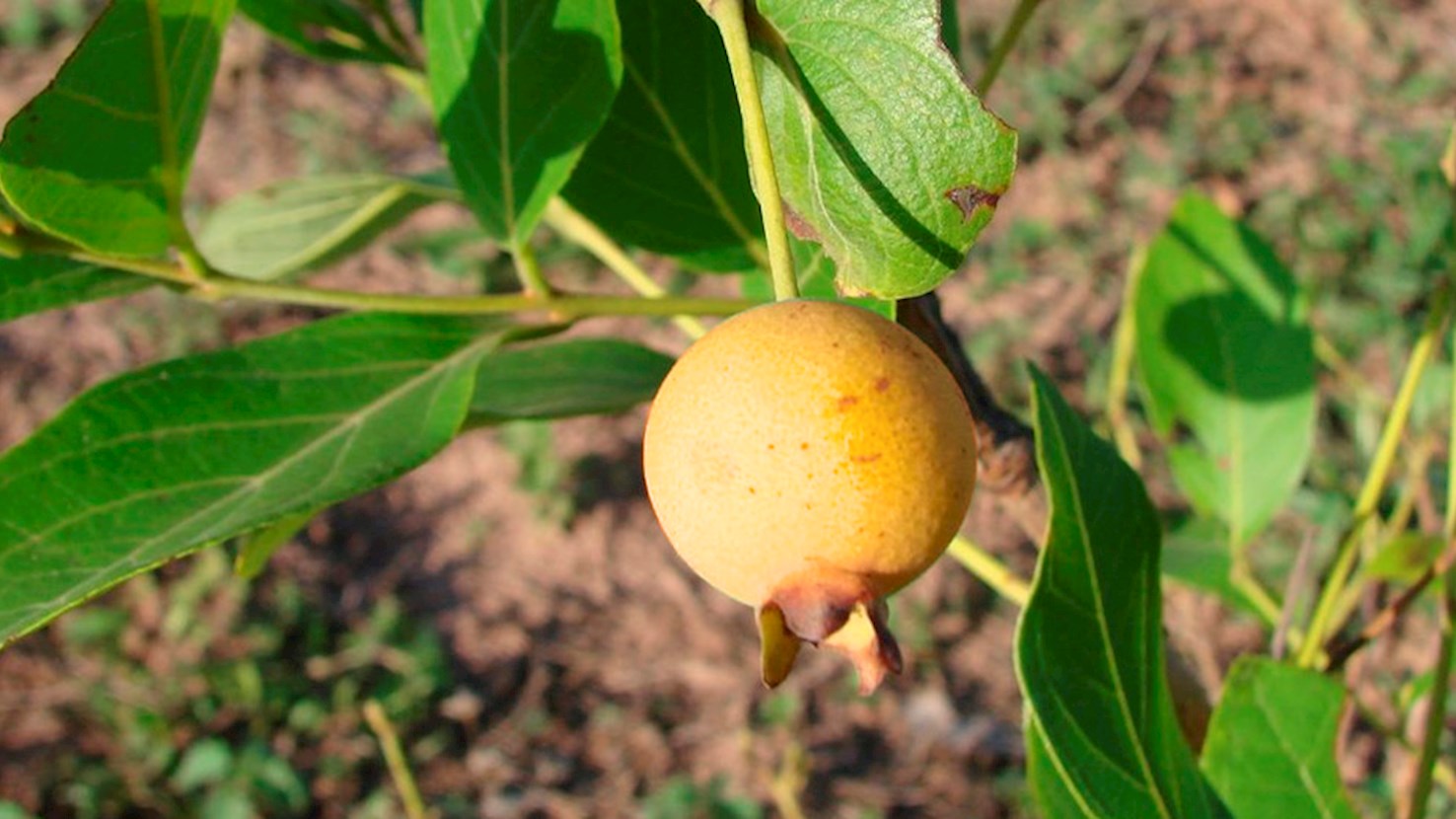
THIS PLANT IS RARE AND UNDER THE THREAT OF LOSS OF HABITAT. Guabiroba is a rare tree of the Atlantic Forest. It grows from Paraná to Bahia (but also, more rarely, in southern states such as Santa Catarina and Rio Grande do Sul), bearing small, round, orange-colored, aromatic fruits with acidic flavors of the pulp. The fruit is sometimes used to fatten pigs, goats, and cattle, although it is typically consumed fresh or made into jams and juice. This plant is under the threat of loss of habitat due to the disorganized growth of urban areas in the Atlantic Forest and the verticalization of cities.
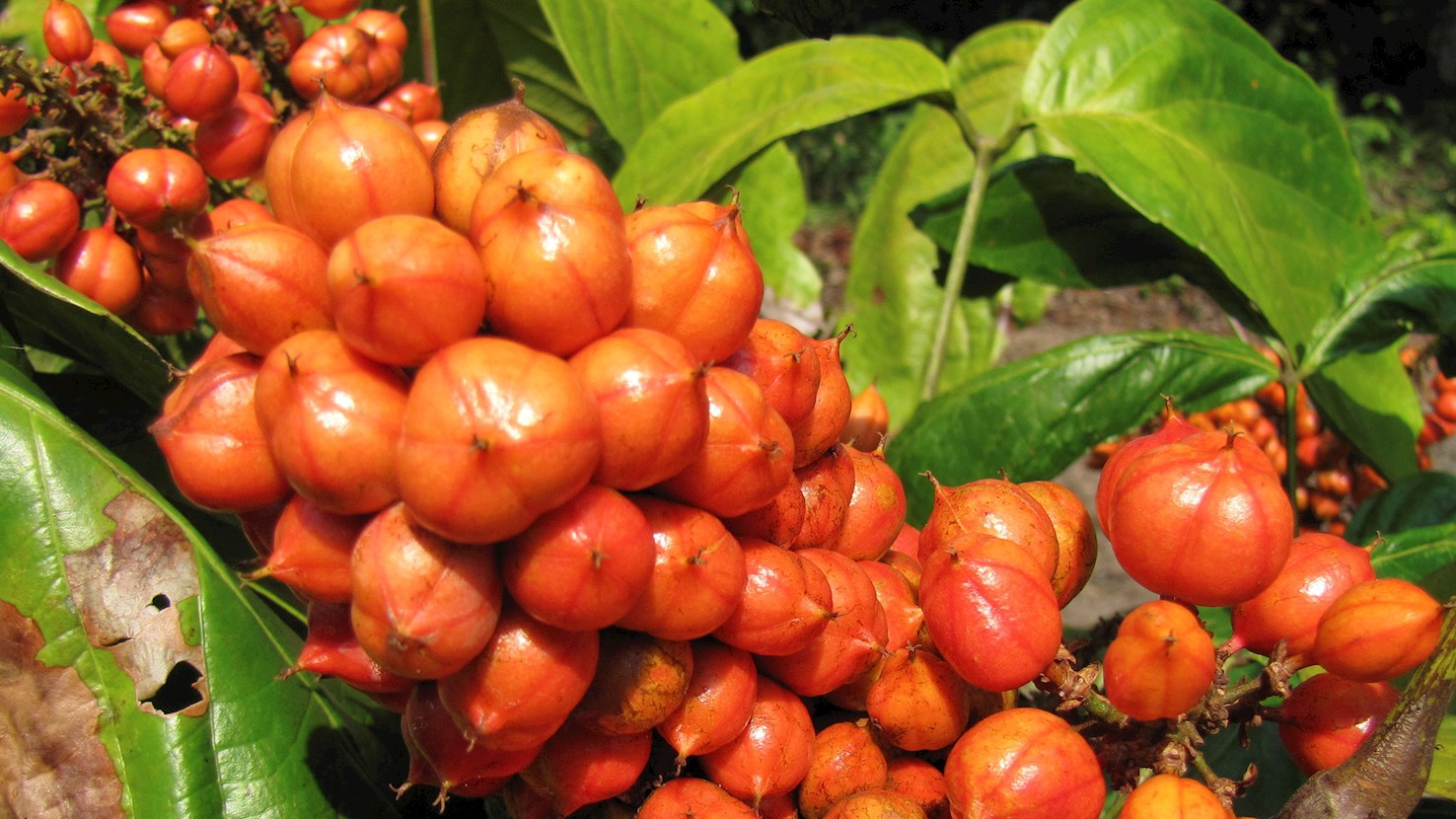
Guaranà (or waranà in the indigenous language) means the beginning of all knowledge. For hundreds of years, this fruit has been grown in Brazilian Amazonia, around the sources of the Marau and Andira rivers. The indigenous Sateré-Mawé people collect the seedlings which grow from the seeds that have fallen to the ground, then transplant them and grow them into bushes. The plant has bunches of red fruits that split to reveal parts of the seed and the white flesh, which is believed to resemble a human eye. According to local legend, the Mawé people are descendants of a murdered and resurrected child whose eye grew into the first guaranà plant. The fruits are most often used to make traditional bread, and they should be collected before fully ripe. The flesh is removed, while the seeds are washed and then roasted in terracotta ovens. The outer skin is removed, and the seeds are pounded in a mortar and shaped into batons which are laid on mats, then smoked with aromatic wood. When consumed, the bread is grated with a basalt stone. The dried seeds contain about 3-4% caffeine and are rich in vitamins, tannin, potassium, and phosphorus. The combination of those ingredients is known to combat fatigue and stimulate the memory and cognitive processes.
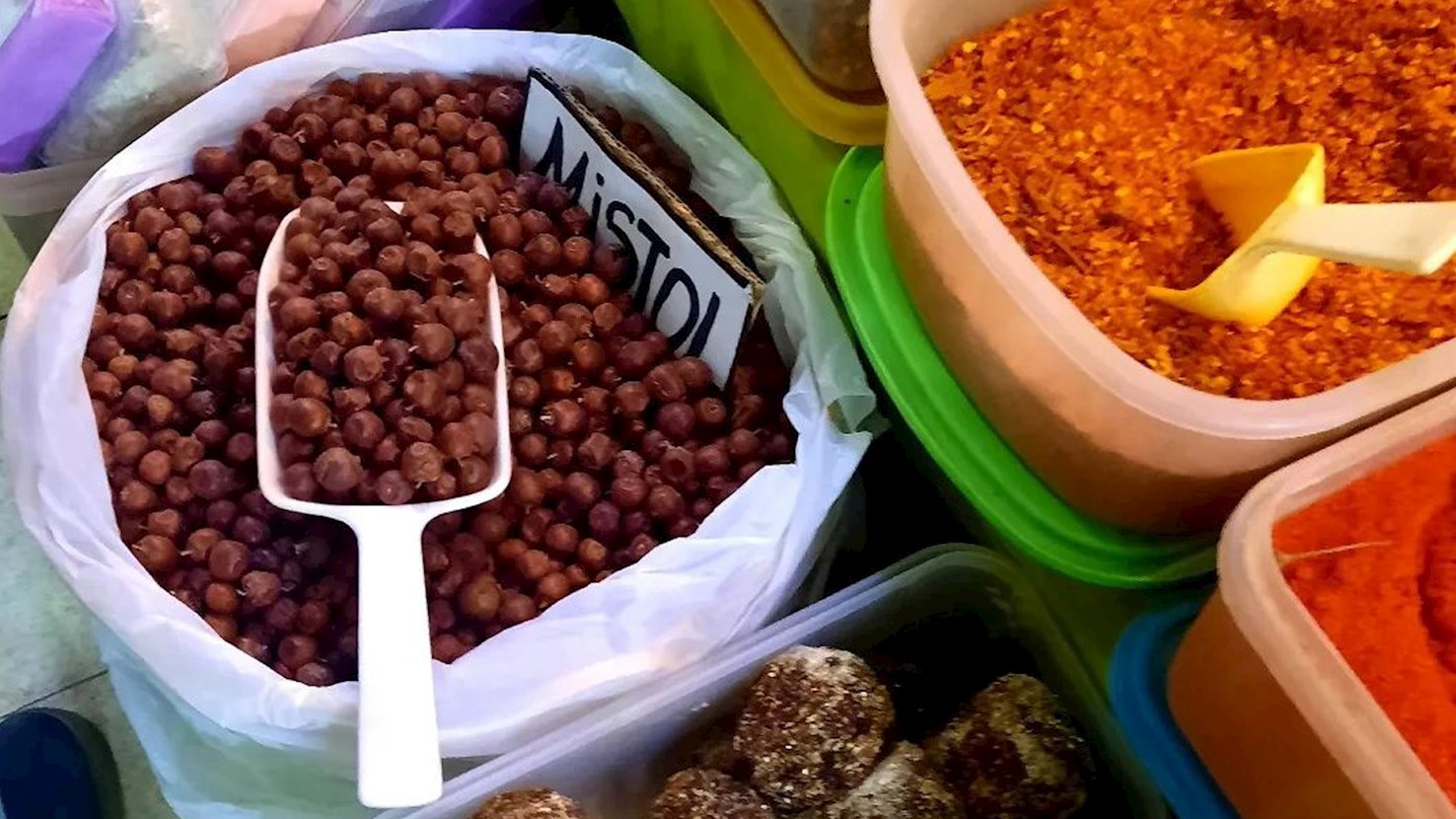
Native to north-central Argentina, mistol (Ziziphus mistol) is a spiny, fruit-bearing tree that has small flowers and reddish-brown, drupe-like fruits. Distinguished by a sweet, pasty flesh, the fruit is often consumed fresh, although it can also be boiled, sundried (pasa de mistol), or transformed into arrope (a homemade sweet) or patay (a paste used in numerous Argentine specialties). Bolanchao is a type of candy made with mistol fruit that is typical of Santiago del Estero, while this plant can also be used for making mistol liquor or a mistol infusion with healing properties. The people of the indigenous Toba community often consume a combination of mistol juice and algarrobo flour or tusca tree flour. Other parts of this tree have also been commonly used by the indigenous people, including the tree’s roots and bark. Often referred to as mistol cuaresmillo, mistol of the forest, or sacha mistol, this tree is also distributed in other parts of Argentina and in South American countries such as Paraguay, Peru, Brazil, and Bolivia.
A member of the cactus family, chupasangre cactus is distributed across the Patagonian plateau including La Pampa, Río Negro, Chubut, Santa Cruz, and southern Mendoza, and the mountainous areas of Bolivia, Chile, and Peru. Typically flowering between December and January, this perennial plant is characterized by green fleshy stems with oval-shaped branches which are covered by light brown spines. The plant produces bell-shaped yellow flowers and cylindrical, fleshy fruits containing seeds. Its large tuberous roots are edible, and once peeled, they reveal a white, sticky, and meaty potato-like flesh which can be consumed in its fresh or cooked state. People of the Mapuche indigenous community have long been collecting the fruit and roots of the chupasangre cactus for household consumption, especially in the Paraje de la Media Luna area of Neuquén. Although it used to represent one of the essential sources of nutrition for the local population, chupasangre’s traditional uses and consumption are gradually disappearing due to decreased interest in this local plant.
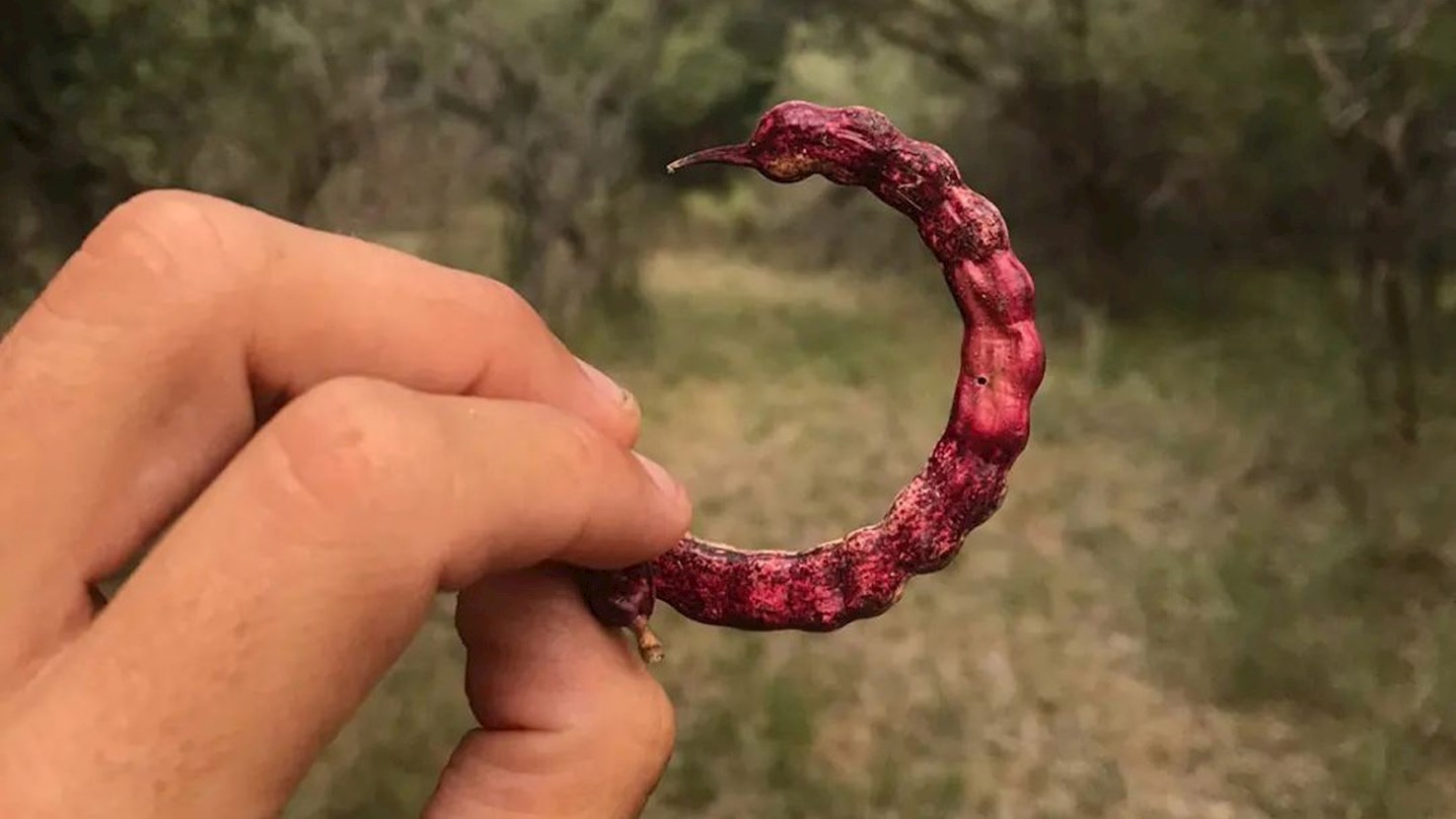
A deciduous tree characterized by a large top and a thick, short trunk, ñandubay (Prosopis affinis), meaning a fruit that the ñandu bird (Rhea americana) cuts to eat in the Guarani language, bears legume-like, sickle-shaped fruits that are highly nutritious and contain edible seeds with a high tannin content. Typically harvested during midsummer, this drought-tolerant tree grows in several South American countries including Argentina, Uruguay, Paraguay, and Brazil, where people use the tree for its timber, for making fence posts, and as animal feed. A type of flour produced by roasting and milling the tree’s seeds is commonly consumed as an infusion, and it’s believed to possess soothing and digestive properties. In Hawaii, the tree is typically grown for honey production purposes, and that honey is often combined with the plant’s leaves as a remedy for healing scars. Suitable for reforestation purposes, this tree (also known as algarrobillo) has long represented an essential source of nutrition for numerous communities in Argentina. Despite its protected status in certain forests, the tree is still currently at risk of becoming extinct due to habitat loss.
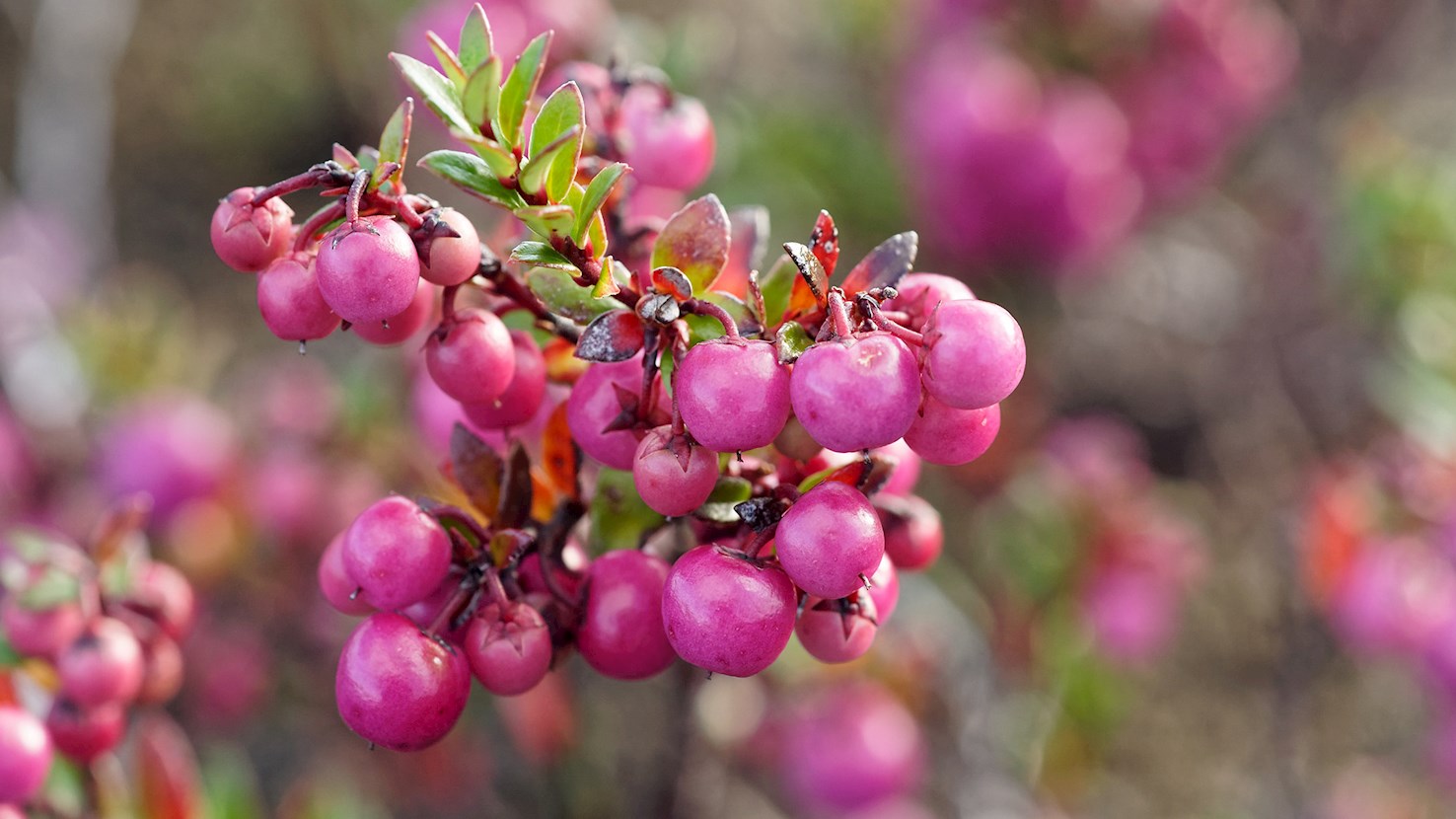
A leafy perennial bush from the Gautheria genus, chaura or murtillo is distinguished by long lance-shaped leaves and bell-shaped flowers that typically bloom between September and December. Coming in white, pink, or purple color, the edible spherical fruits that the plant bears in the period between December and February have yellow seeds and a very pleasant flavor. Thriving in humid woods and flooded areas throughout Argentina and certain parts of Chile, different species of this plant have once been a staple of the indigenous Tehuelche people who enjoyed the plant’s fruits in their fresh form. Chaura fruits are traditionally gathered from the wild for personal consumption, and they’re not commercially available. The survival of this traditional plant’s consumption is, sadly, threatened by the local population’s increasing lack of familiarity with the plant and its traditional culinary uses.
An evergreen plant that grows wild and it’s also cultivated for household use, bola verde (Capparis speciosa) is characterized by a smooth dark green bark with an extremely spicy and bitter flavor and thin branches with large and elliptical dark green leaves. The plant thrives in Paraguay, Bolivia, and Argentina, where it is distributed throughout the regions of Corrientes, Chaco, Catamarca, Santiago del Estero, Santa Fe, Salta, Tucumán, Formosa, and Jujuy. The plant produces yellow flowers and round green berries with numerous dark seeds surrounded by yellowish-orange pulp. Almost all parts of the plant are edible - the leaves, flowers, fruits, and seeds - and they can be consumed fresh or in dried form. Distinguished by a crunchy texture and cabbage-like flavor, the plant’s leaves are also commonly used as animal feed. The indigenous Wichí and Toba people have traditionally gathered bola verde as a food item or for medical purposes, and this plant used to play an important role in their traditions. Unfortunately, the plant’s survival has been threatened by a significant decline in its cultivation and consumption over the past years.
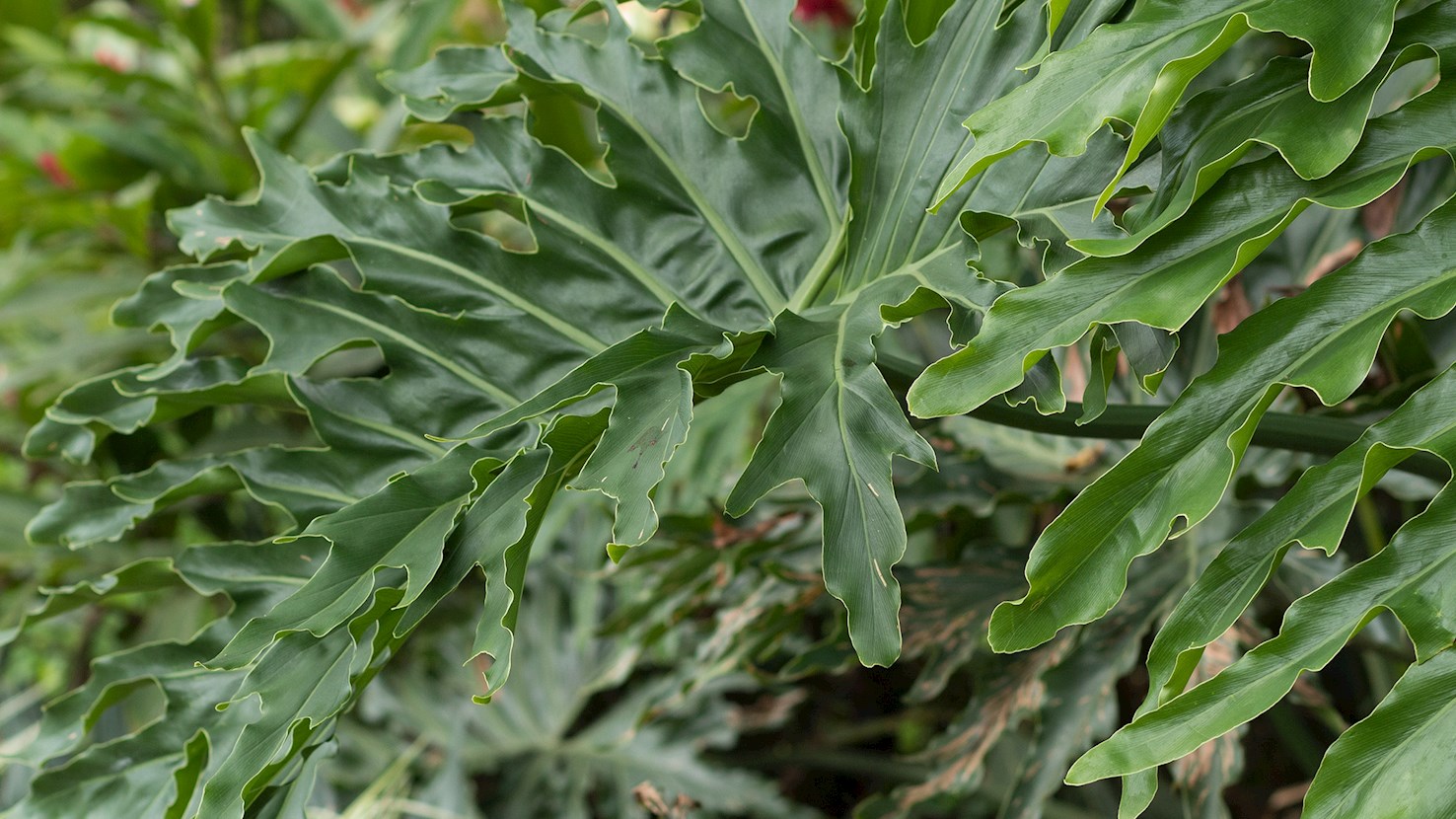
The extremely humid areas of the Paranaense forest, where the indigenous Guarani people have lived since ancient times, are the home for a semi-climbing plant called guaimbé (Philodendron bipinnatifidium). Belonging to the Araceae family, the plant produces edible, fleshy berries and fruits that are enclosed within leaves when unripe. Due to their pleasantly sweet flavor, the berries and fruits of this plant are commonly made into a wide range of juices, jellies, and other traditional sweet specialties. Distinguished by large dark green and bright leaves (with low toxicity and reported healing properties), guaimbé also makes for an excellent ornamental plant, while its scarce roots have low resistance and their bark is used for making various everyday objects such as ropes and baskets. Apart from being a part of the indigenous people’s diet, the plant is also commonly used for its medicinal and insecticidal properties.
TasteAtlas food rankings are based on the ratings of the TasteAtlas audience, with a series of mechanisms that recognize real users and that ignore bot,
nationalist or local patriotic ratings, and give additional value to the ratings of users that the system recognizes as knowledgeable.
TasteAtlas Rankings should not be seen as the final global conclusion about food. Their purpose is to promote excellent local foods,
instill pride in traditional dishes, and arouse curiosity about dishes you haven’t tried.






What People Say