



shutterstock

Top 100 Porridges
in the World

Last updated on April 15, 2026
01

Bubur ayam

4.3 ·

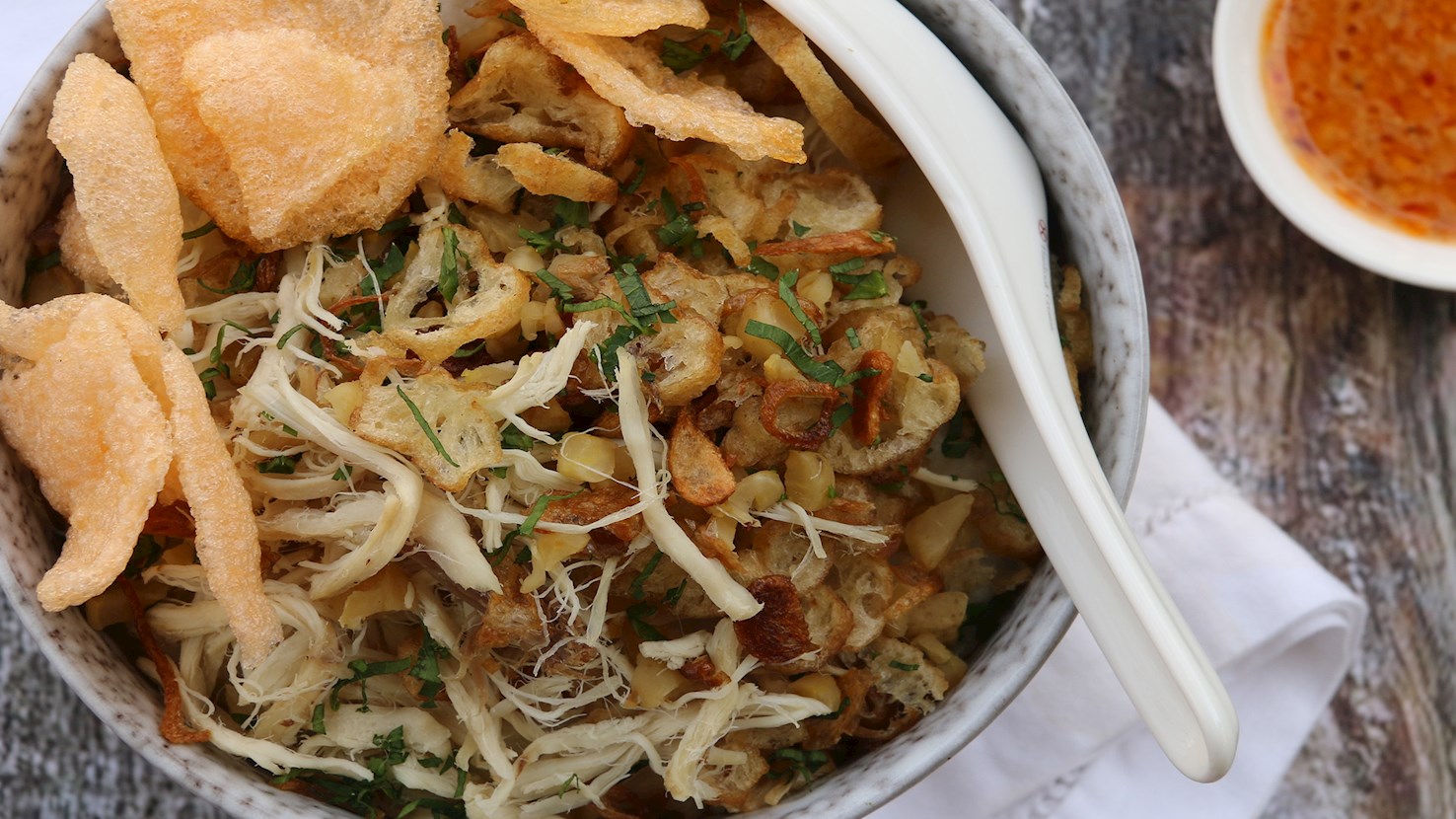
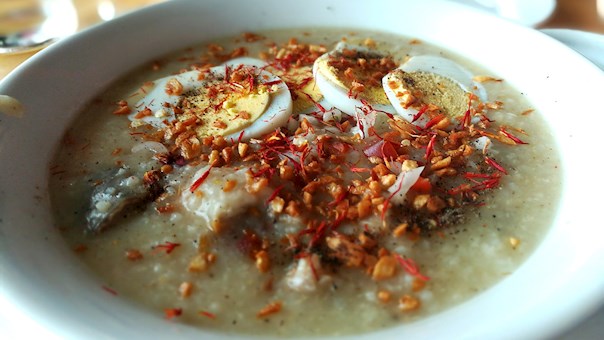
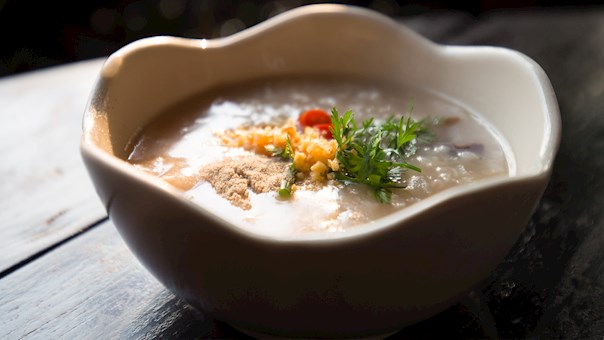
Bubur ayam is the Indonesian version of chicken congee, a thick rice porridge topped with shredded chicken and various savory condiments. This breakfast staple probably originates from the Chinese rice porridge, but it employs regionally available ingredients and toppings to create an authentic Indonesian dish. The process starts with boiling chicken (usually darker, on the bone pieces), and the same broth is typically used to cook the rice until it becomes dense in consistency. Besides rice porridge and shredded chicken, bubur ayam can employ a myriad of other ingredients. It is commonly topped with sliced scallions, crispy fried shallots, chopped cilantro, crushed peanuts, fried crullers, and sliced boiled eggs. Before it is served, bubur ayam is usually generously doused with soy sauce, sesame oil, or fish sauce. Unlike other traditional Indonesian dishes, this chicken porridge is not overly spicy, but the fiery sambal sauce can be served on the side, if desired. Bubur ayam is one of the most common street food varieties in Indonesia - each morning, numerous street vendors can be seen selling this comforting porridge as a nutritious breakfast dish.

02

Elarji

4.2 ·

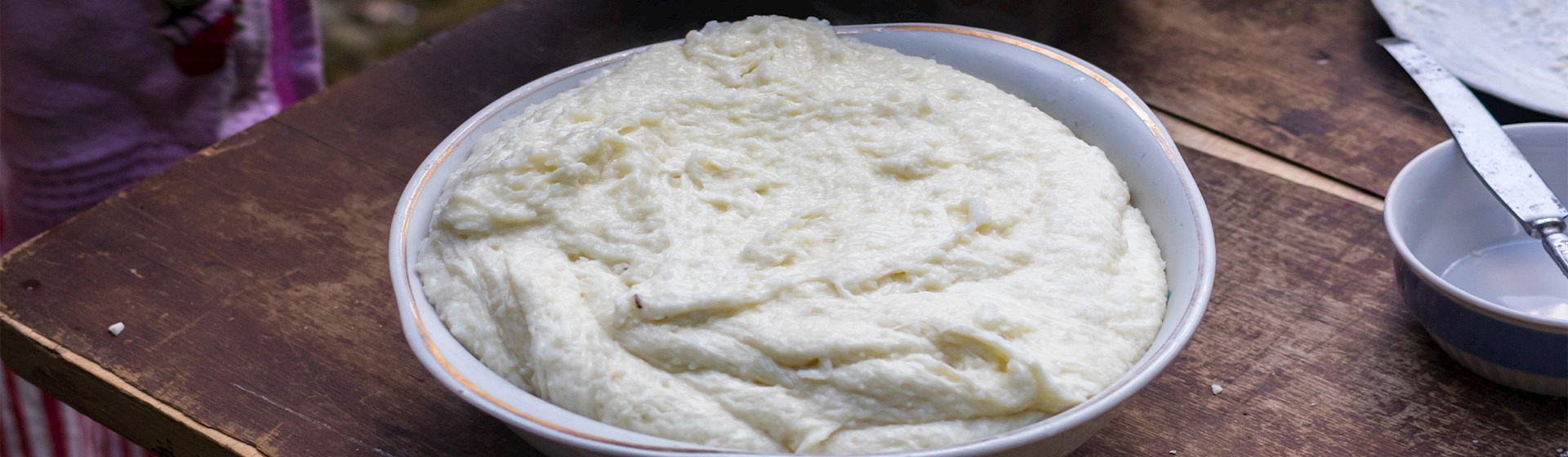
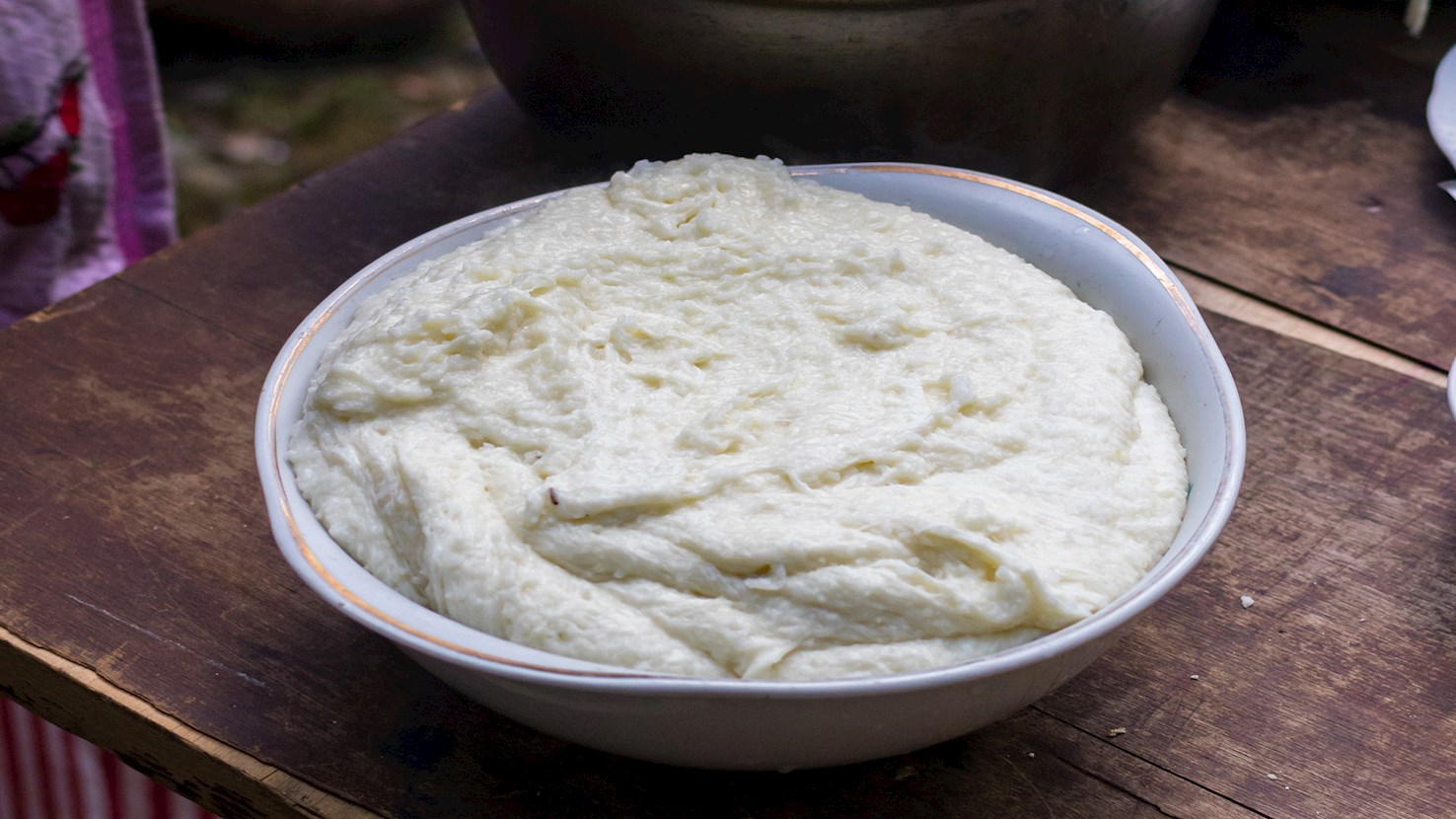
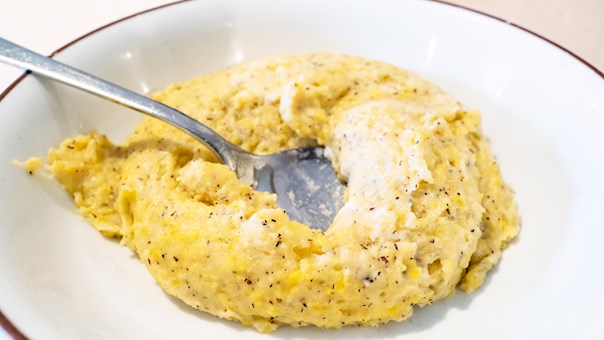
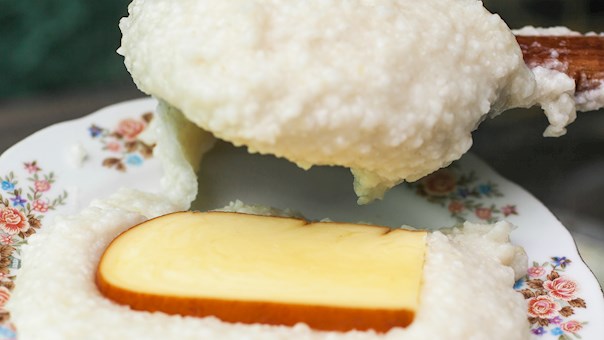
Elarji is a specialty of the Georgian Samegrelo region, prepared as a thick porridge consisting of coarse cornmeal, cornflour, and sulguni or tchkhinti cheese, depending on what's available. The dish has an extremely thick texture, and it is very elastic. If properly made, one should be able to stretch it overhead. It is traditionally served hot and consumed with Georgian bazhe sauce, made with garlic, walnuts, and various spices.

Best restaurants
03

Arroz caldo

4.2 ·

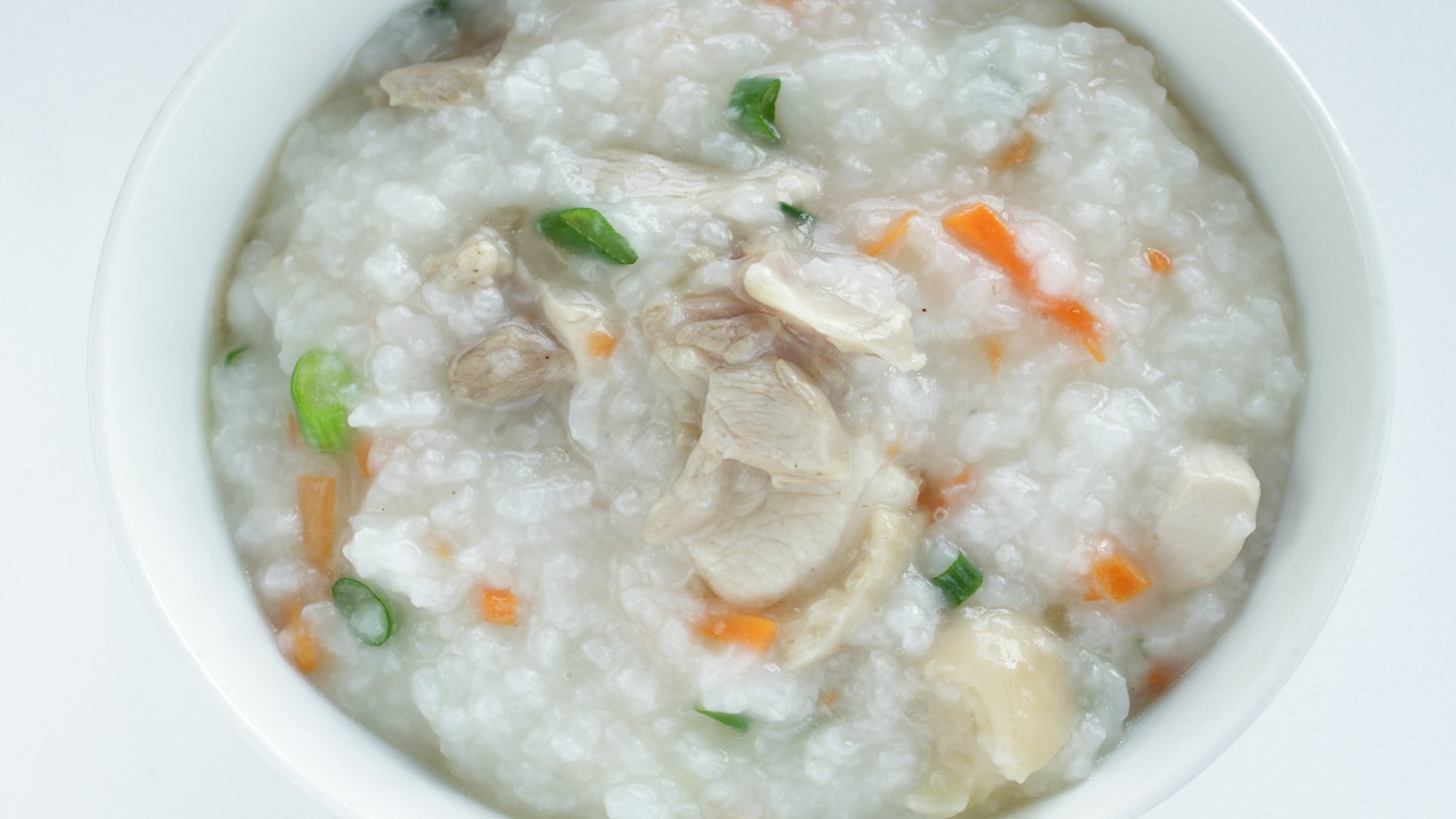
Arroz caldo is the Filipino variety of congee, a thick rice porridge that is ubiquitous in many Asian countries. It is also one of many congee varieties found in the Philippines. Distinguished by the addition of chicken, arroz caldo is usually cooked in a ginger-infused broth and served with various accompaniments and seasonings. Although congee is originally Chinese, this particular variety is believed to have been developed and adapted to suit the tastes of the large Spanish community that was present in the country during colonial times. This comforting rice dish is usually enjoyed as a filling breakfast or a satisfying midday meal.

04

Taci şi înghite

4.1 ·

Taci şi înghite is an interesting variation on the traditional Romanian polenta dish, which is a staple throughout the country. This variation consists of soft mămăligă combined with a mixture of salty cheese and sour cream in alternating layers. Hearty and filling, the dish is usually topped with grated cheese and eggs, and then baked in the oven. Although the original, layered cheese polenta includes only polenta, cheese, butter, and eggs, it is often prepared with the addition of fried meat, such as bacon and sausages. The dish bears an unusual name, which literally translates as shut up and swallow in English. Thick slices of oven-baked layered polenta are usually served piping hot or slightly chilled, with sour cream, pickled vegetables, or fresh salads on the side. Layered cheese polenta makes for a delicious family dinner.

05

Mămăligă cu brânză

4.1 ·

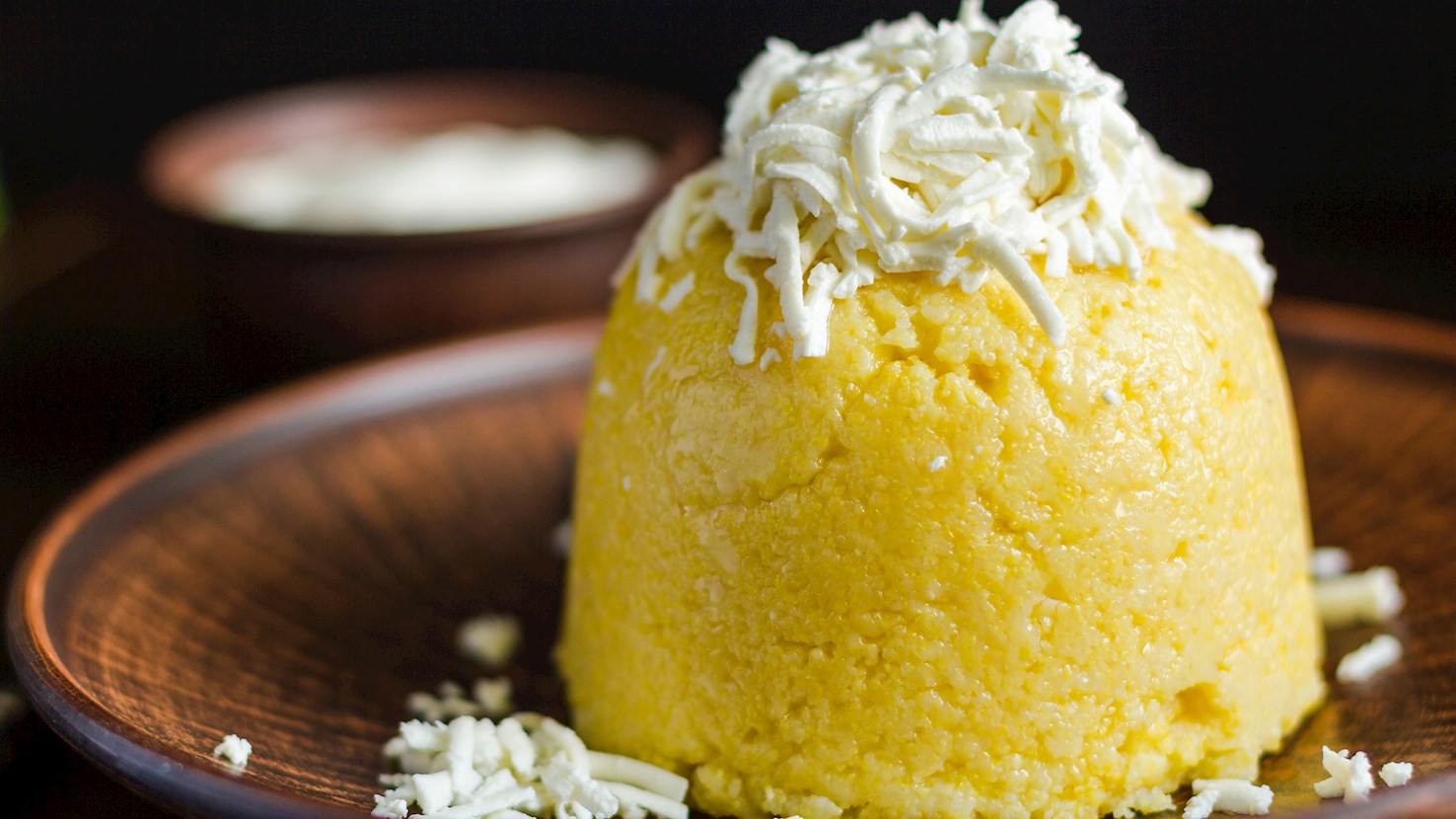
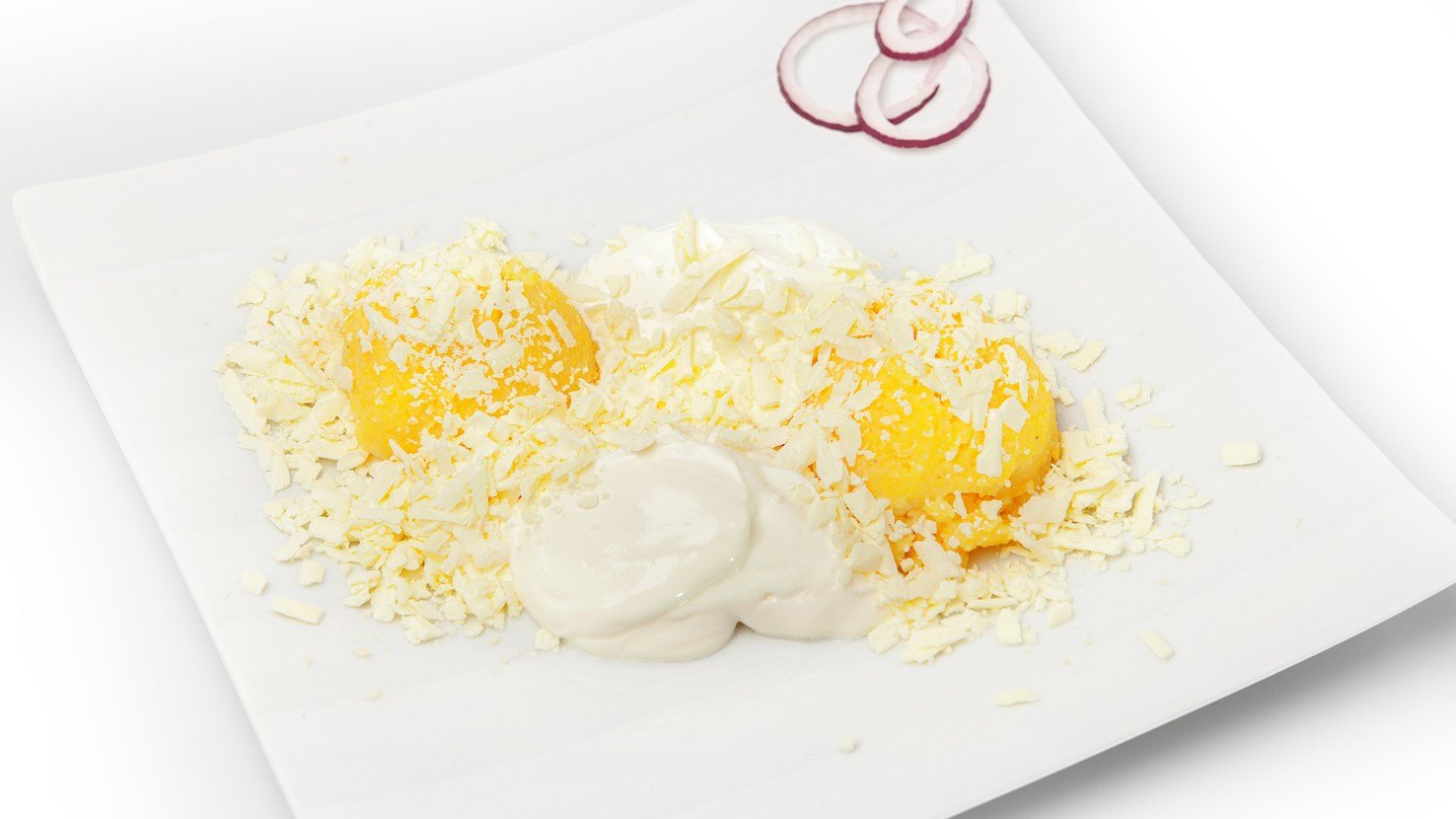
Traditional Romanian-style cornmeal porridge called mămăligă is combined with white cheese in this simple Romanian dish. To make mămăligă, a mixture of cornmeal, salt, and water is gradually poured into boiling water and cooked until it has obtained a thick and smooth texture. Once prepared, the cornmeal porridge is typically served with different types of Romanian soft white cheeses such as telemea or brânză de burduf. Generous amounts of grated cheese can go either on top of or on the side of the steaming hot porridge, although the porridge is also frequently mixed with the cheese or even layered with it before being baked. Mămăligă cu brânză is often finished with additional grated cheese on top before serving, and it is usually accompanied by a dollop of sour cream on the side.

06

Banosh

4.1 ·

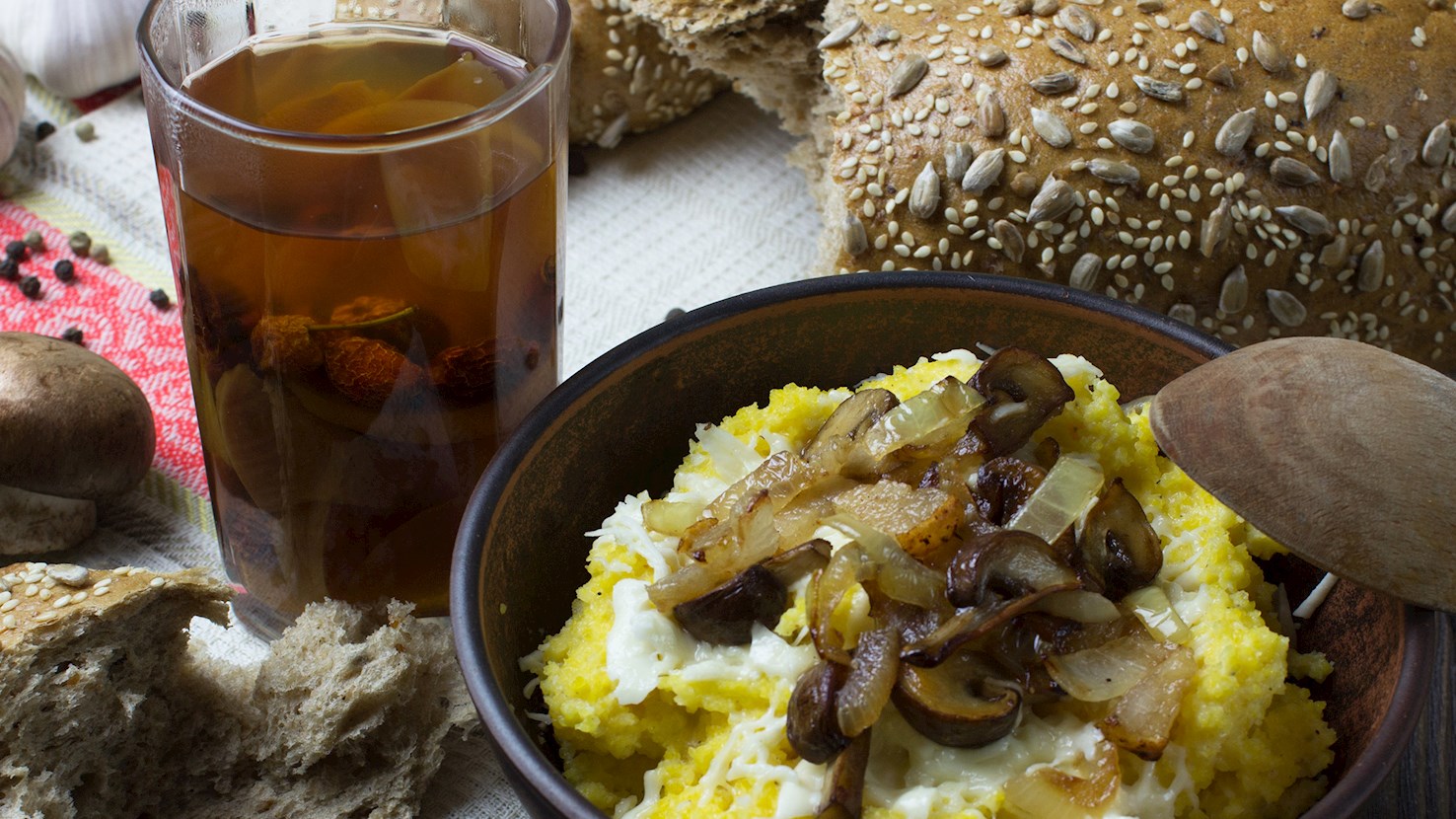
Traditionally prepared over an open fire, this velvety Ukrainian corn porridge originated in the Carpathian highlands. It consists of corn flour cooked in a mixture of sour cream and Bryndza cheese. In the past, it was associated exclusively with the Hutsul minority, where the task of preparing the dish was reserved for men. Today, the dish is an indispensable part of traditional Ukrainian cuisine and it is commonly consumed throughout the country. Found on menus of most traditional restaurants, it usually comes served with fried bacon bits, crumbled Bryndza, mushroom sauce, or crispy cracklings.

07

Shrimp and grits

4 ·

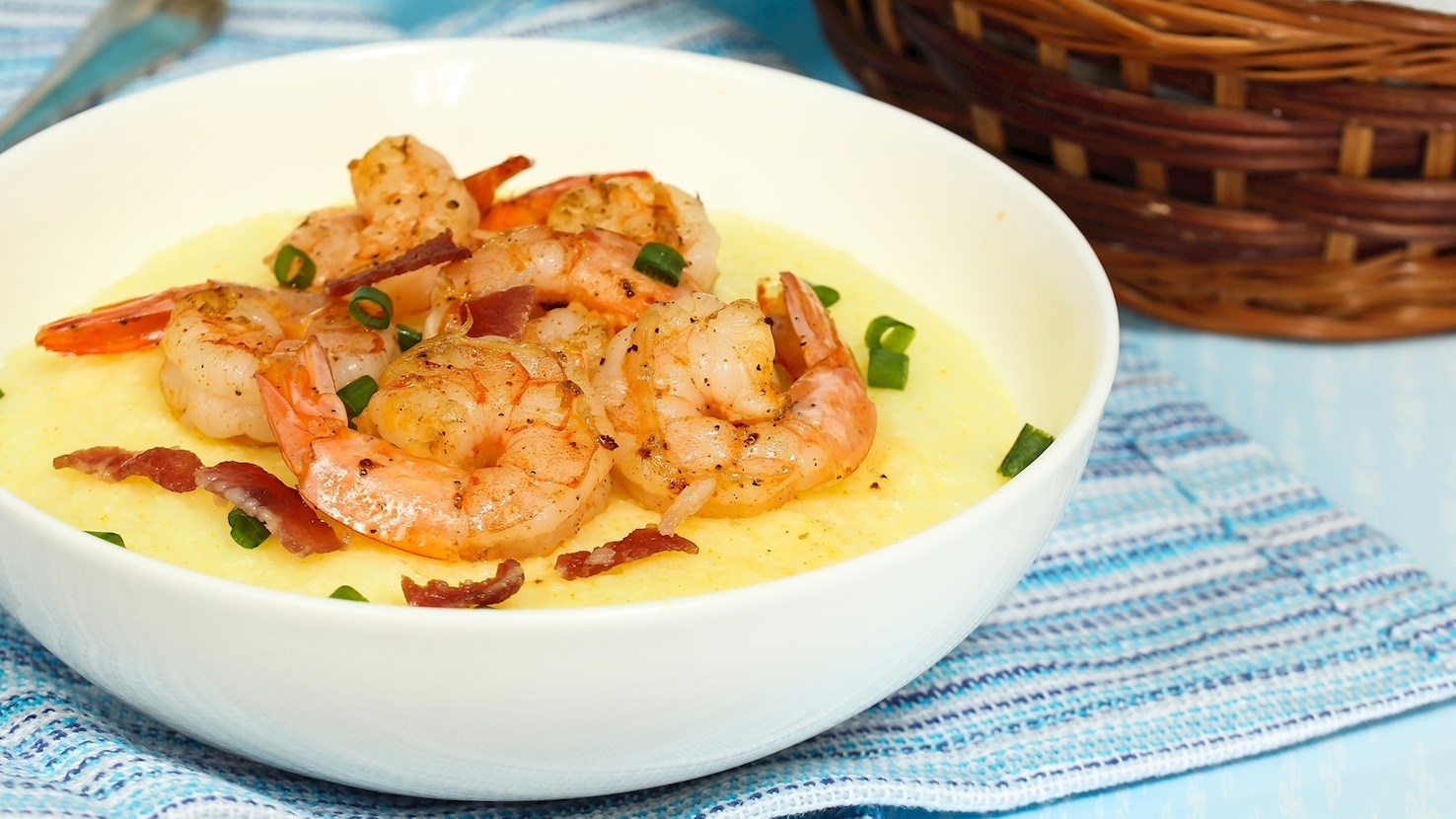
What started as a simple fisherman's dish made with shrimp cooked in bacon grease, then served over creamy grits is today a cult Southern dish due to the fact that Craig Claiborne mentioned it in the New York Times in 1985, after he tried the dish at Crook's Corner, a restaurant in North Carolina. That version of shrimp and grits was made by a chef called Bill Neal, who also added mushrooms, bacon, and cheddar cheese into the dish. Today, there are numerous variations of the dish found throughout the South, with added hot spices, barbecue sauces, tomatoes, and fried eggs. The dish is so popular that each September, there is the annual Shrimp & Grits Festival held on Jekyll Island in Georgia.

08

Bissara

4 ·

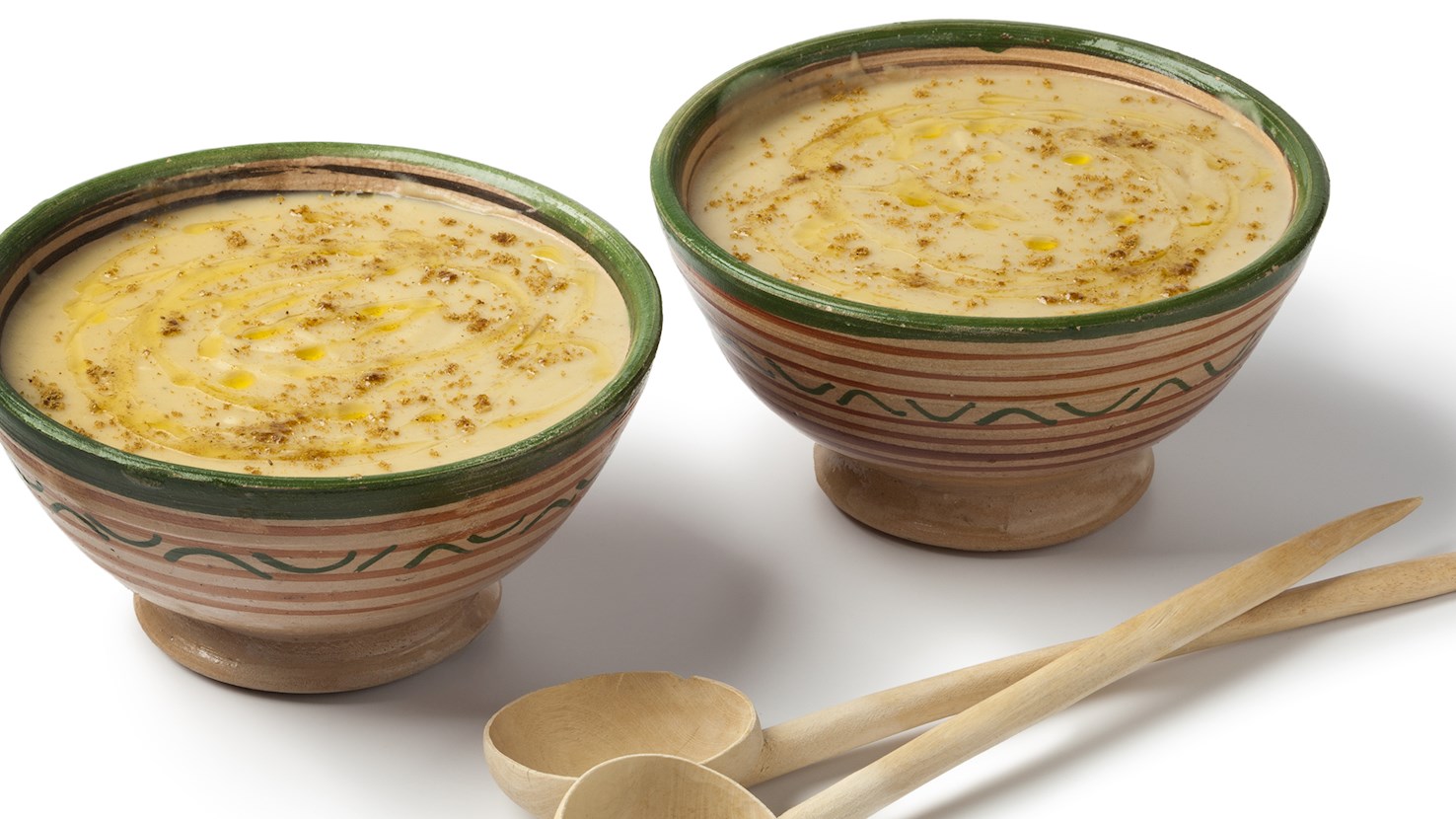
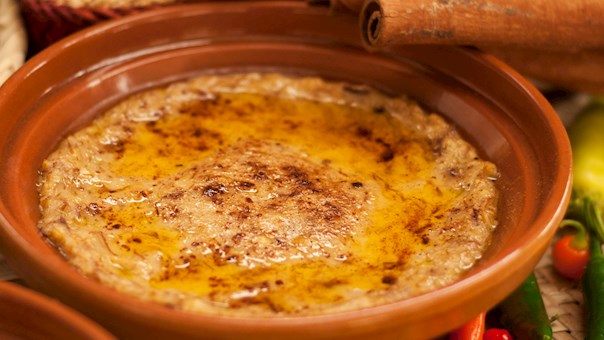
Bissara is a comforting Egyptian and Moroccan dish made with puréed beans – either split peas or dried fava beans. It can be prepared in the form of a soup or porridge, while the thicker versions are commonly used as a dip. The puréed beans are typically seasoned with olive oil, lemon juice, and garlic, and the dish is often served with paprika and cumin on the side, while crusty bread is almost mandatory. Bissara is traditionally served for breakfast, and it is especially popular during winter.

09

Pirão

3.9 ·

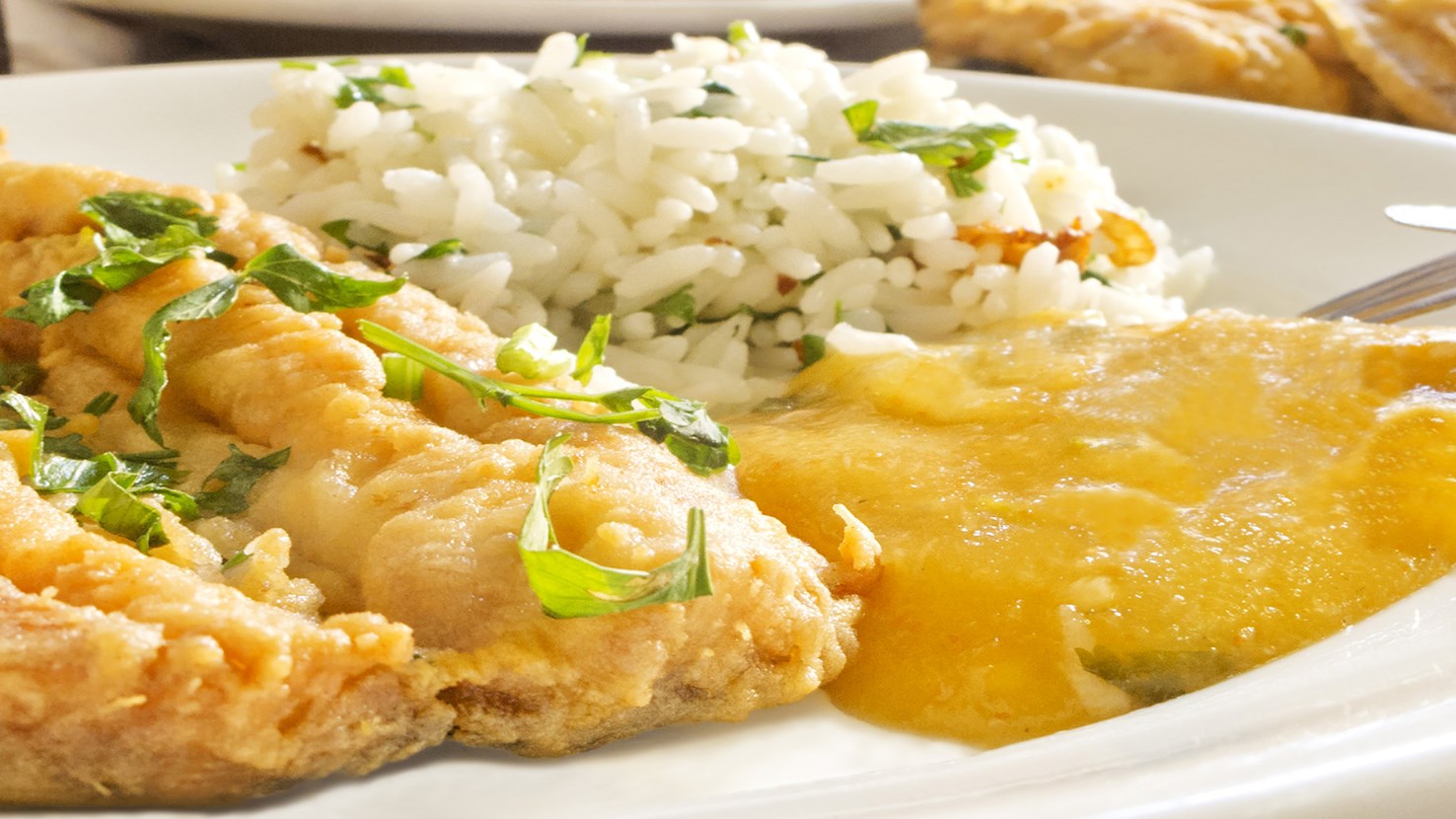
Pirão is the quintessential Brazilian side dish which resembles a watered-down porridge or polenta. It appears in numerous varieties throughout the country, but it is mainly prepared by stirring manioc flour in various flavorful meat or seafood broths. This simple, yet hearty dish has been a staple of Brazilian cuisine for centuries, and even though its exact origins are unknown, it probably originated among the indigenous Brazilian cultures. It is mainly served as an accompaniment to rice and numerous meat and seafood dishes.

10

Mămăliguță cu brânză și smântănă

3.9 ·

Mămăliguță cu brânză și smântănă combines traditional Romanian-style cornmeal porridge with cheese and sour cream. To make mămăliguță or mămăligă, cornmeal is gradually added into boiling salted water and cooked until thickened and smooth. The porridge can be more on the softer or thicker side, depending on individual preferences, and it can either be layered with grated cheese, sour cream, and (sometimes) boiled eggs before serving, or simply accompanied by grated cheese and a few dollops of sour cream on the side. Typical types of cheese used in the preparation of this dish include Romanian cheeses such as telemea (similar to Greek feta), brânzá de burduf (sheep’s milk cheese), or brânză de vaci (a type of cottage cheese). This simple dish is a common way to enjoy one of Romania’s staples - cornmeal porridge.

About this ranking

TasteAtlas food rankings are based on the ratings of the TasteAtlas audience, with a series of mechanisms that recognize real users and that ignore bot, nationalist or local patriotic ratings, and give additional value to the ratings of users that the system recognizes as knowledgeable. For the “Top 100 Porridges in the World” list until April 15, 2026, 3,754 ratings were recorded, of which 2,337 were recognized by the system as legitimate. TasteAtlas Rankings should not be seen as the final global conclusion about food. Their purpose is to promote excellent local foods, instill pride in traditional dishes, and arouse curiosity about dishes you haven’t tried.

Similar lists