




Top 10 Southeastern European Porridges

Last updated on June 15, 2026
01

Mămăligă cu brânză

4.1 ·

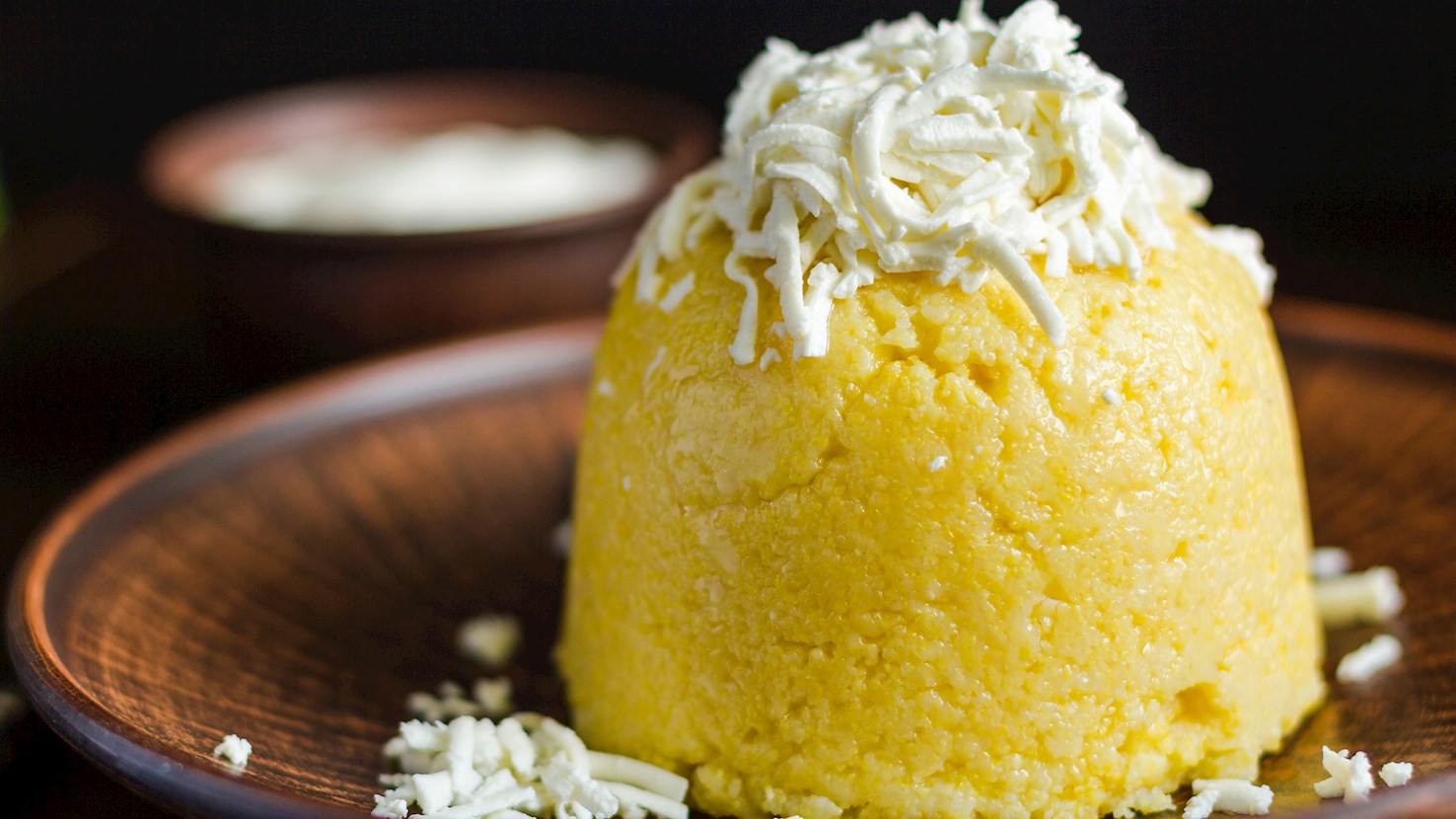
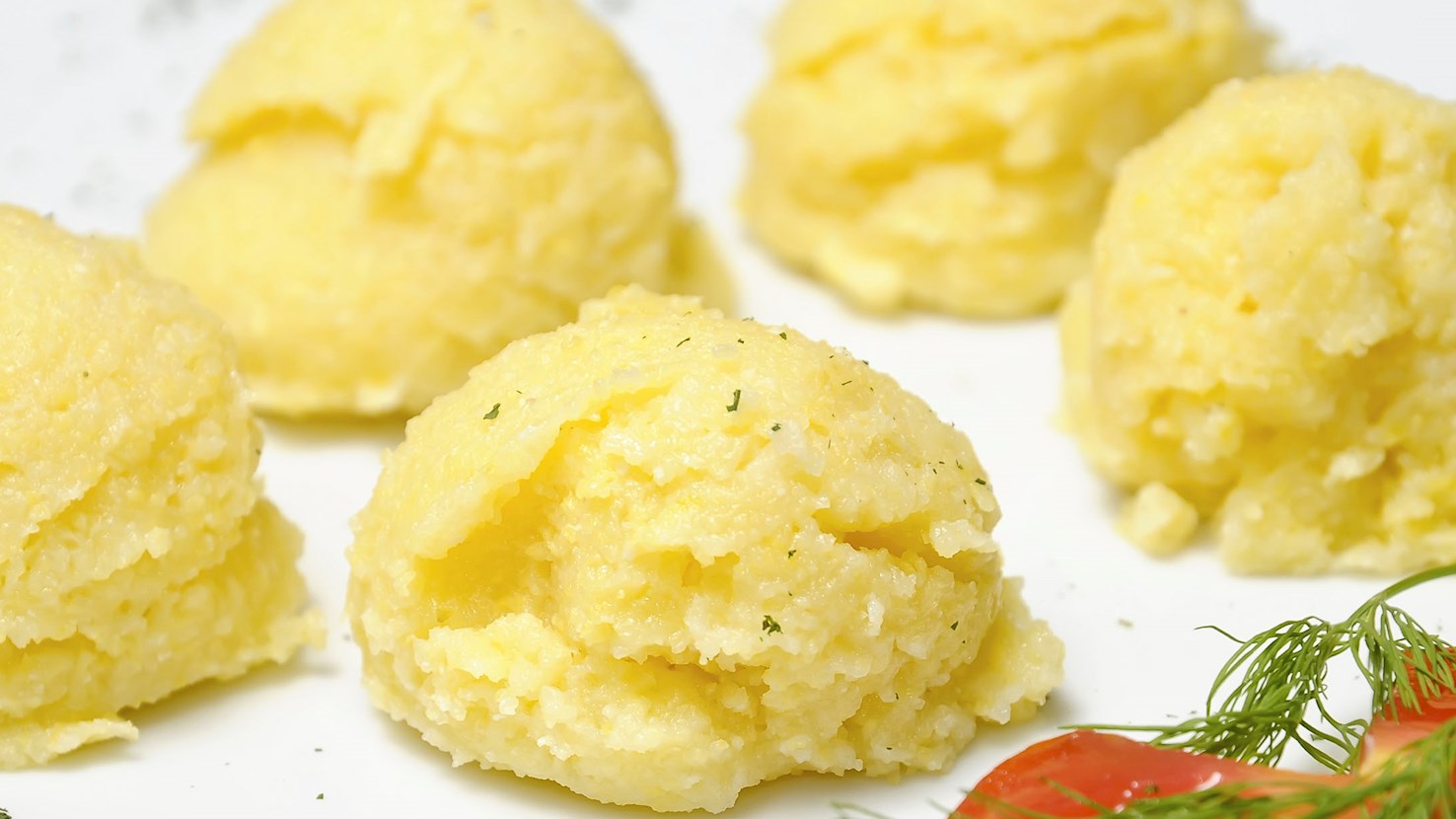
Traditional Romanian-style cornmeal porridge called mămăligă is combined with white cheese in this simple Romanian dish. To make mămăligă, a mixture of cornmeal, salt, and water is gradually poured into boiling water and cooked until it has obtained a thick and smooth texture. Once prepared, the cornmeal porridge is typically served with different types of Romanian soft white cheeses such as telemea or brânză de burduf. Generous amounts of grated cheese can go either on top of or on the side of the steaming hot porridge, although the porridge is also frequently mixed with the cheese or even layered with it before being baked. Mămăligă cu brânză is often finished with additional grated cheese on top before serving, and it is usually accompanied by a dollop of sour cream on the side.

02

Taci şi înghite

4.1 ·

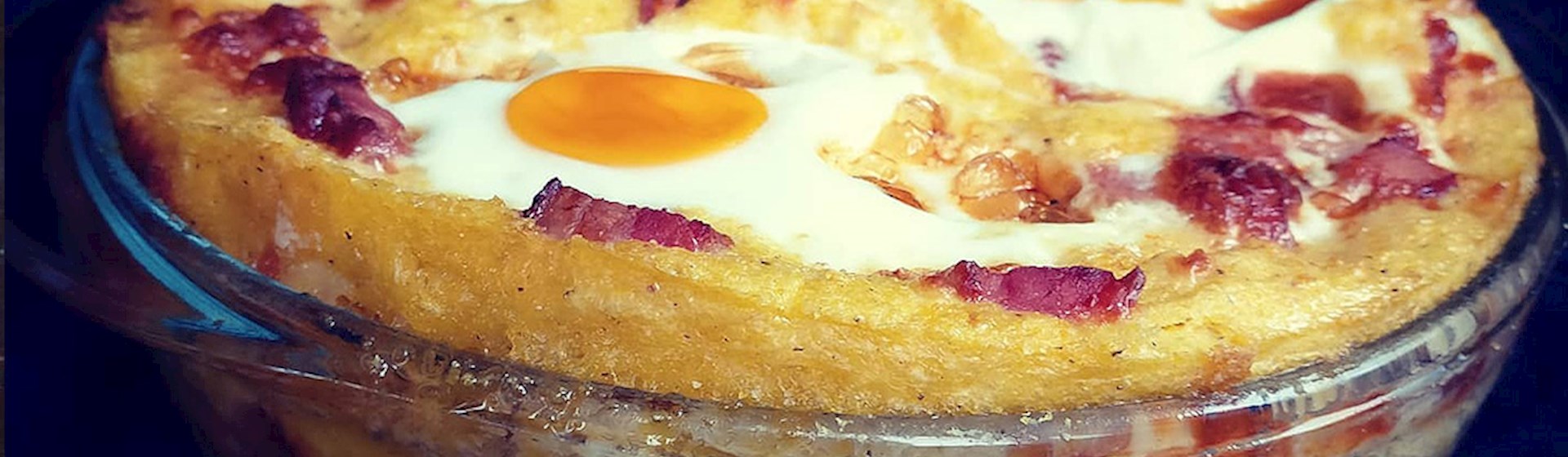
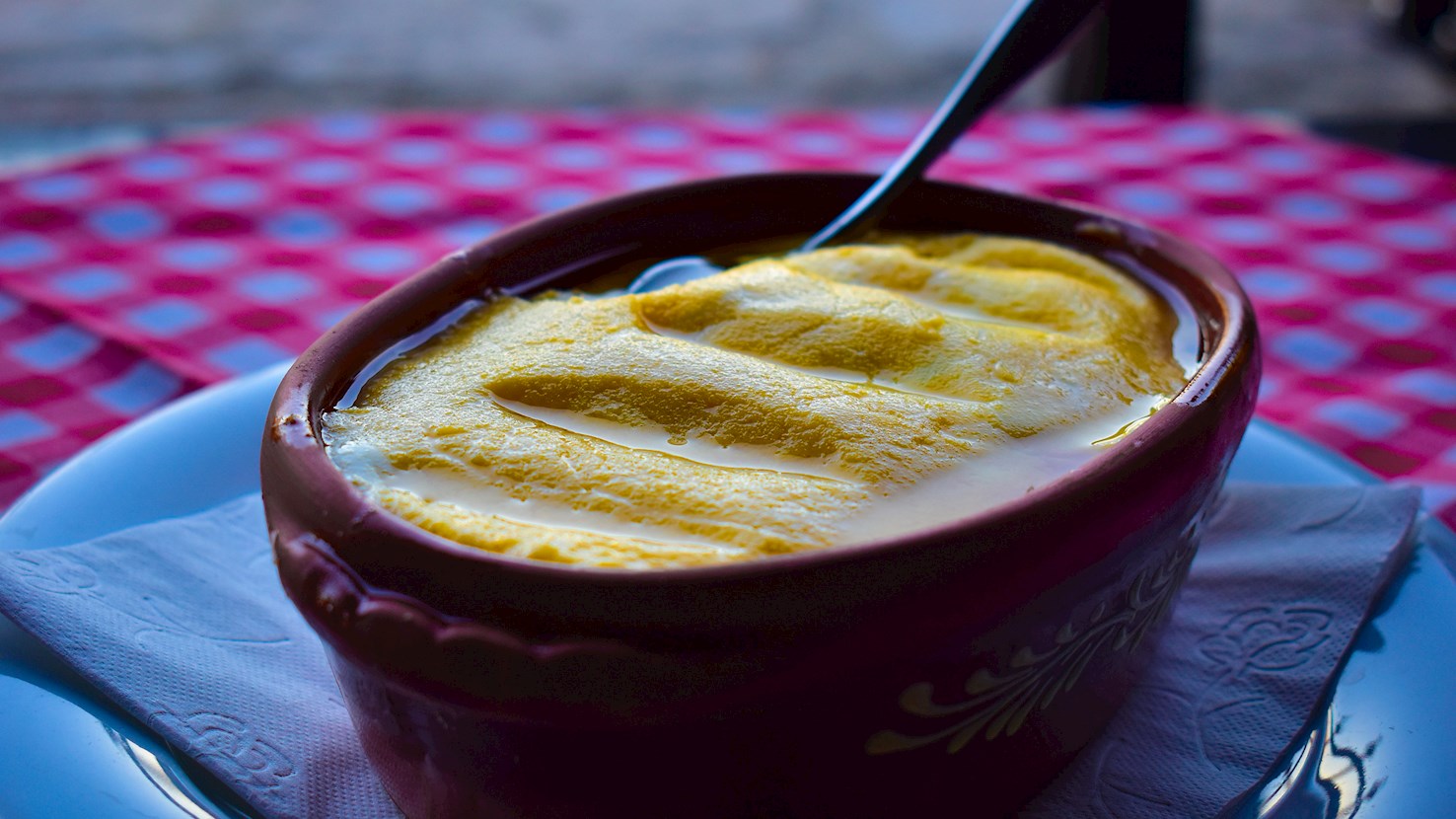
Taci şi înghite is an interesting variation on the traditional Romanian polenta dish, which is a staple throughout the country. This variation consists of soft mămăligă combined with a mixture of salty cheese and sour cream in alternating layers. Hearty and filling, the dish is usually topped with grated cheese and eggs, and then baked in the oven. Although the original, layered cheese polenta includes only polenta, cheese, butter, and eggs, it is often prepared with the addition of fried meat, such as bacon and sausages. The dish bears an unusual name, which literally translates as shut up and swallow in English. Thick slices of oven-baked layered polenta are usually served piping hot or slightly chilled, with sour cream, pickled vegetables, or fresh salads on the side. Layered cheese polenta makes for a delicious family dinner.

03

Mămăliguță cu brânză și smântănă

4 ·

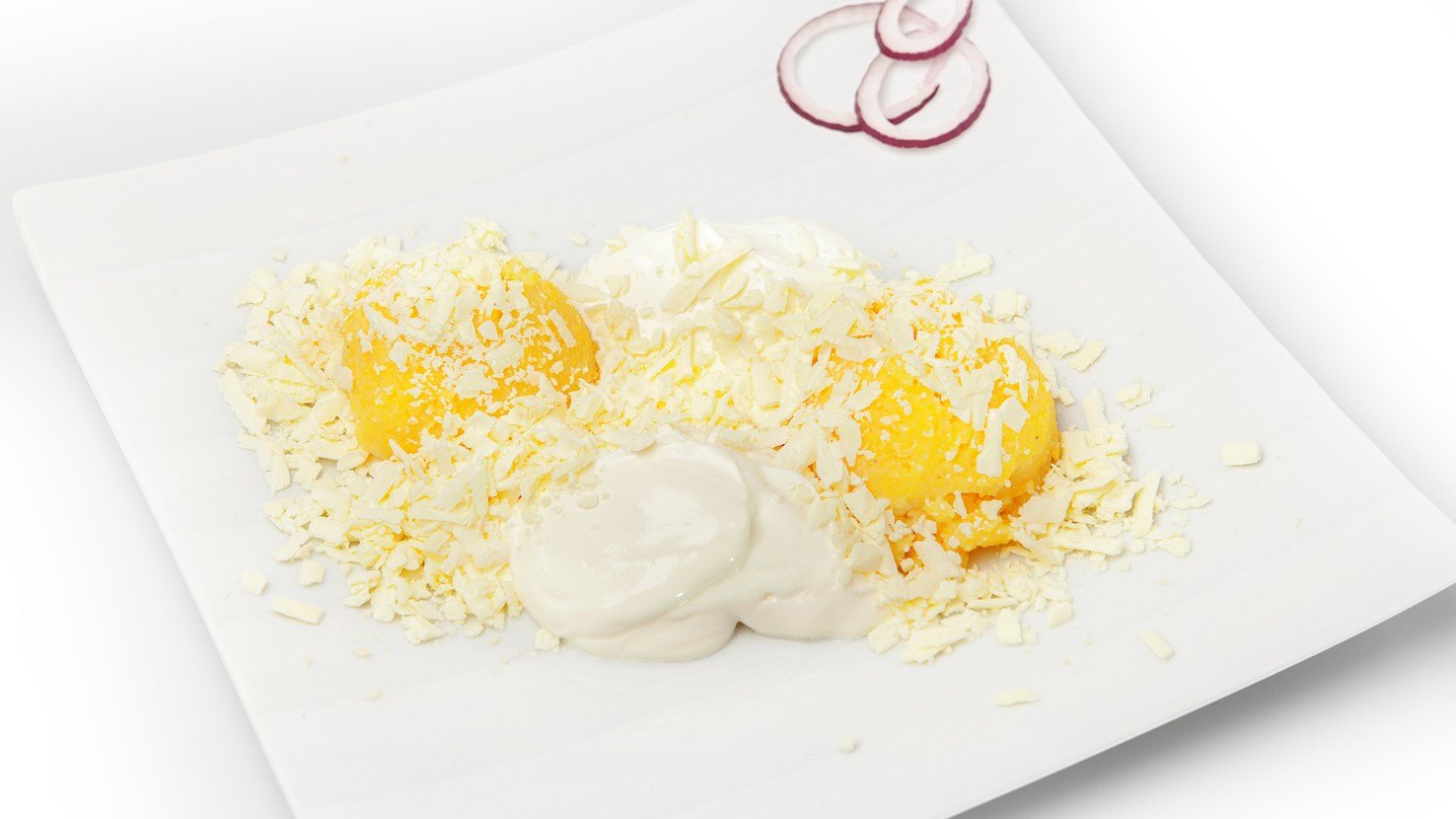
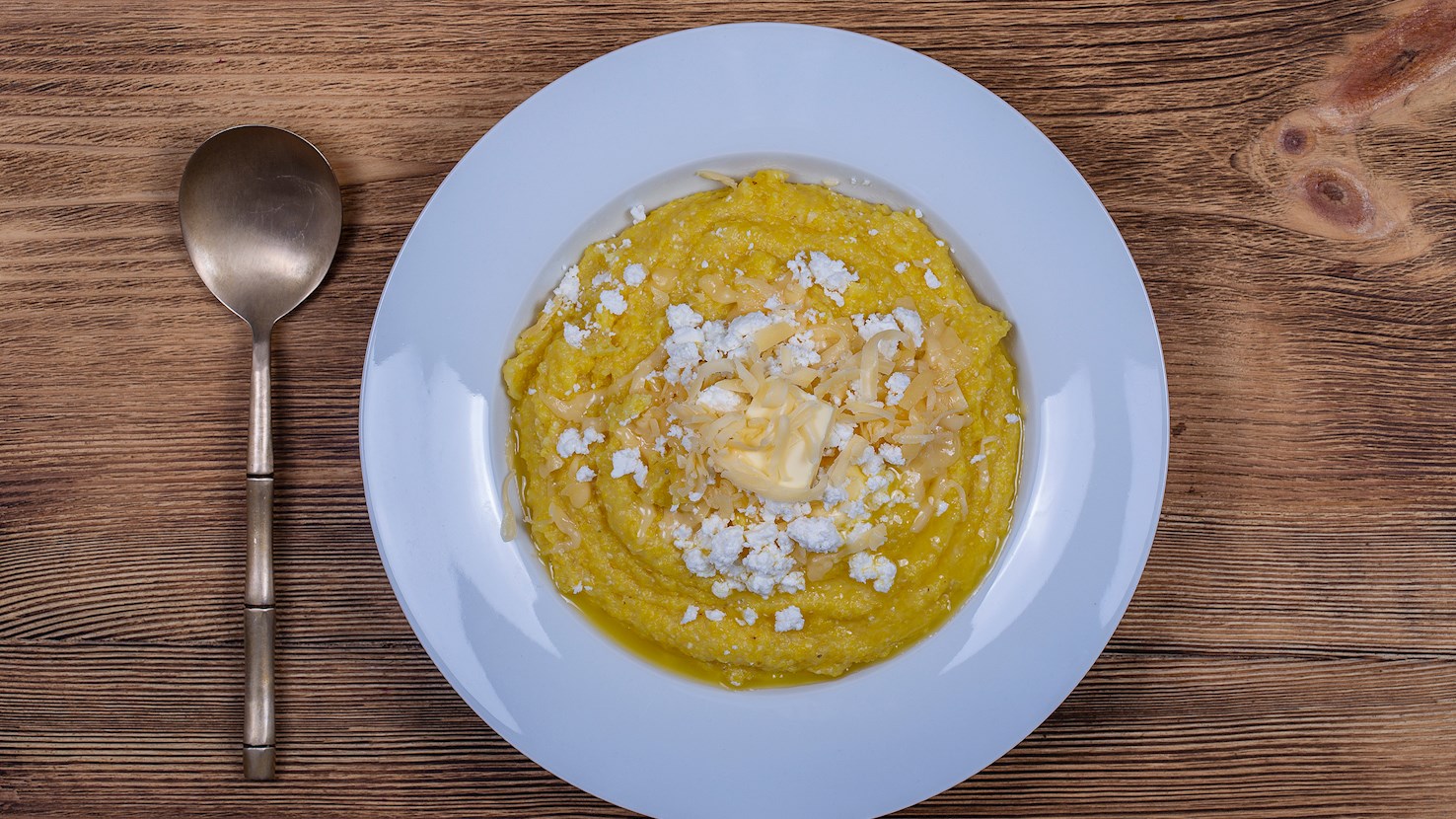
Mămăliguță cu brânză și smântănă combines traditional Romanian-style cornmeal porridge with cheese and sour cream. To make mămăliguță or mămăligă, cornmeal is gradually added into boiling salted water and cooked until thickened and smooth. The porridge can be more on the softer or thicker side, depending on individual preferences, and it can either be layered with grated cheese, sour cream, and (sometimes) boiled eggs before serving, or simply accompanied by grated cheese and a few dollops of sour cream on the side. Typical types of cheese used in the preparation of this dish include Romanian cheeses such as telemea (similar to Greek feta), brânzá de burduf (sheep’s milk cheese), or brânză de vaci (a type of cottage cheese). This simple dish is a common way to enjoy one of Romania’s staples - cornmeal porridge.

04

Kačamak

3.6 ·

Kačamak or bakrdan is a simple dish made by cooking cornflour in salted water, similarly to Italian polenta and Romanian mămăligă. After the corn mixture has thickened, it is usually mixed with melted butter or pork fat and oil, and it can then be alternatively baked in the oven. This corn flour specialty is consumed throughout the Balkan countries, and it is commonly eaten for breakfast with dairy products such as sirene (a type of white cheese), plain yogurt, sour milk or cream, and kaymak (a thick cream). The dish can also be eaten as a light meal for lunch or dinner, and some people like to combine it with pieces of fried pork, cracklings, or fried bacon for a more substantial meal.

05

Mămăligă

3.5 ·

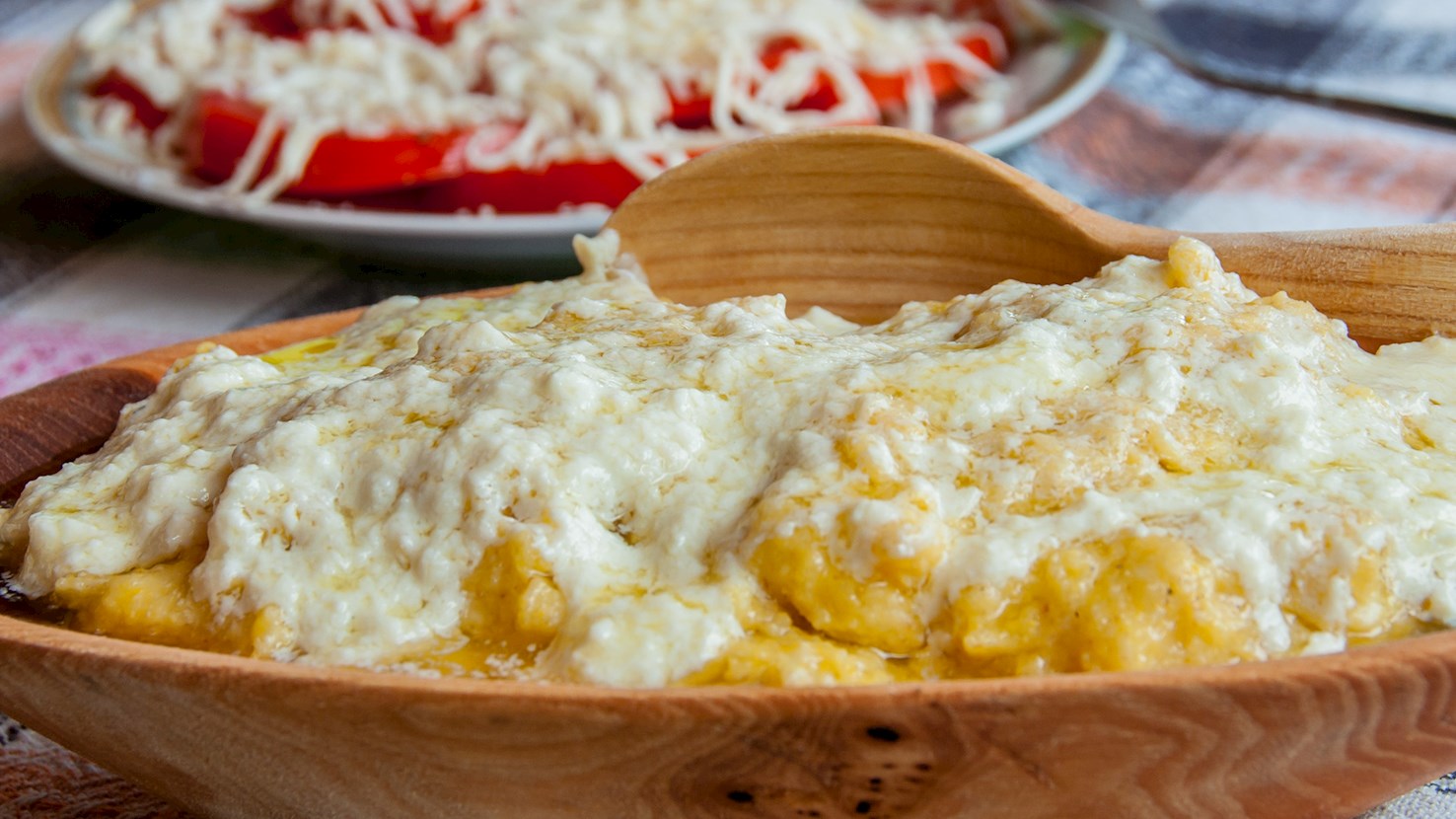
Mămăligă is a traditional porridge and the country's national dish that is often confused with polenta. It is an extremely simple dish of boiled cornmeal that was cooked mostly by peasants in the past, often acting as a substitute for bread. They would prepare it in a round-bottomed kettle known as ceaun, and after it cooled down and hardened, the porridge would get sliced with a piece of string. Mămăligă is often topped with butter, sour cream, or cascaval cheese. Another way of serving the dish includes crushing the porridge in a bowl of hot milk. In the last few decades, this simple and rural meal evolved into something bigger, so today it can also be found in modern, upscale restaurants. The dish is also very popular in Moldova.

06

Mămăligă cu lapte

3.5 ·

Mămăligă cu lapte is a traditional dish consisting of cornmeal porridge served with milk. The cornmeal porridge is made by cooking cornmeal in salted water until the concoction reaches a thick and smooth consistency. It is then allowed to chill a bit and harden before it's cut into slices using a piece of kitchen string. The cornmeal slices are then placed in a bowl and covered with hot milk before serving. The dish can also be prepared with cornmeal porridge leftovers combined with milk, and there is also a sweet version that uses sugar instead of salt and combines the porridge with milk and fruits. In Romania, this simple and nutritious dish is a popular breakfast that's commonly served to children.

07

Cicvara

3.4 ·

Cicvara is a traditional peasant dish originating from Montenegro and some areas in Herzegovina. The dish is usually made with a combination of corn flour, fresh cottage cheese or semi-hard cheese, milk, water, salt, and matured kaymak. The cheese is melted in water and milk, and when the flour is added, the mixture should be vigorously stirred until done. Regardless of the name and numerous variations (almost every family has their own way of preparation), cicvara started out as peasant dishes that provided the much-needed calories for a full day of work in the fields. It's recommended to serve the porridge in wooden bowls. If desired, top it with herbs, bacon bits, sour cream, or honey.

08

Smočani kačamak

3.1 ·

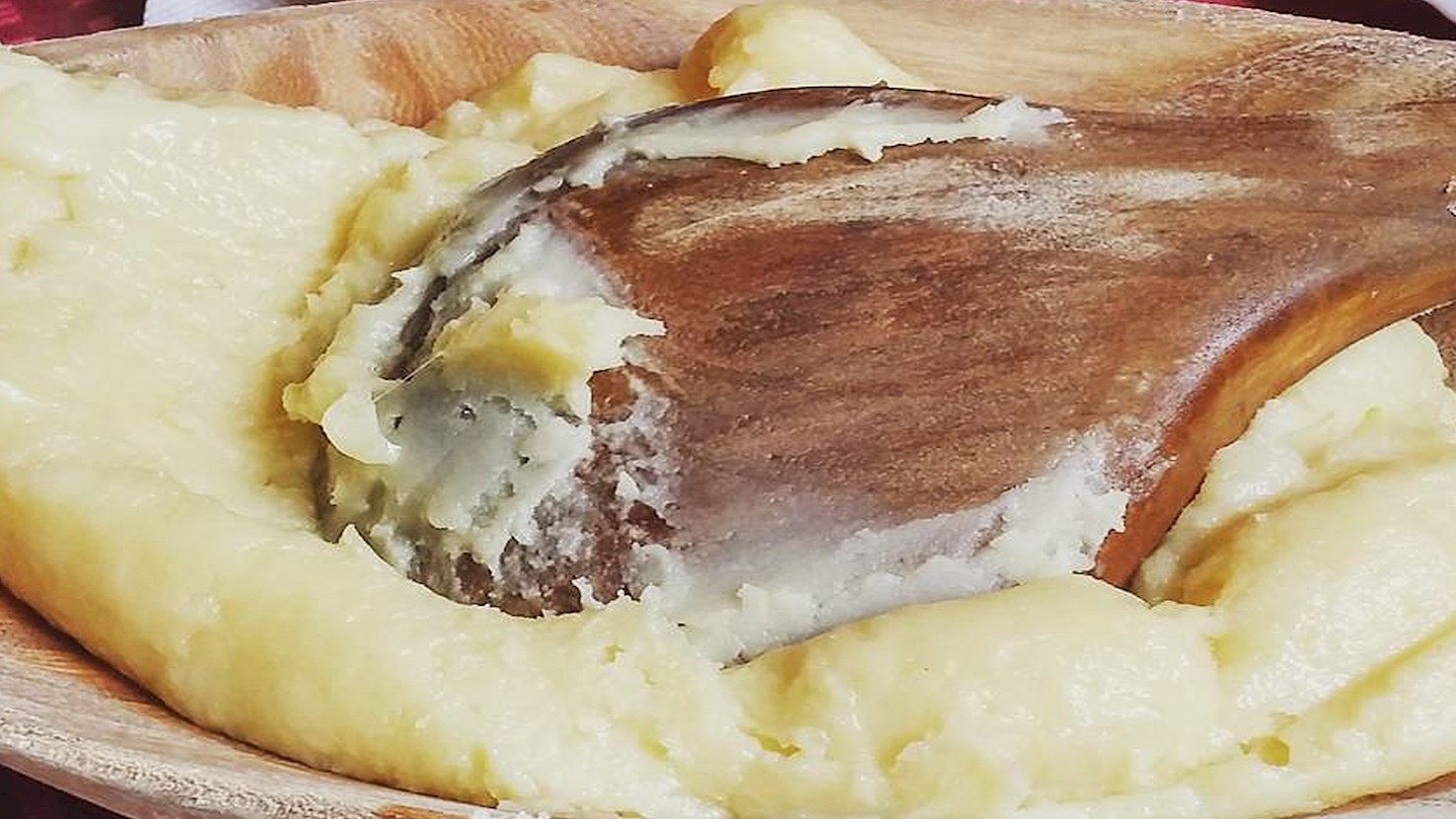
This traditional Montenegrin dish is a local take on kačamak—a thick maize porridge that is found in Turkish and Balkan cuisine. Smočani kačamak is prepared by cooking potatoes together with wheat or corn flour and then mashing the combination until it becomes thick and homogenous. Traditionally, the potatoes and flour are mashed with a large wooden stick (tučak). The dish is finished off with the addition of kajmak—a dairy product similar to clotted cream—and cheese, preferably local Montenegrin varieties such as pljevaljski or lisnati (bucani) cheese. All ingredients should be thoroughly mixed until the dish attains its desired soft and creamy consistency. Once considered a frugal meal that was only found in rural areas, smočani kačamak has become a hallmark dish and an integral part of Montenegrin cuisine. It is usually served with yogurt or sour milk on the side.

Best restaurants
09

Harapash

n/a ·

Harapash is one of Albania's national dishes, made with a combination of cornflour, butter (traditionally goat butter), olive oil, milk, and cottage cheese. The mixture is blended by hand and boiled until it reaches the preferred texture. The most popular way of serving the dish is to have it as a side dish accompanying lamb offal, but it can also be plated in a thin layer and eaten on its own, sprinkled with cottage cheese.

10

Kinteata

n/a ·

Kinteata is a traditional dish that is often described as a porridge or a soup. It is prepared with young nettles that are boiled, puréed, and then mixed with wheat or corn flour until the dish develops a thick and creamy texture. Kinteata is often seasoned with garlic or mint, and it is traditionally served drizzled with olive oil. It is believed that Pontiac Greeks were the first who introduced nettles and kinteata into traditional Greek cuisine.

Read more
View all
View map
About this ranking

TasteAtlas food rankings are based on the ratings of the TasteAtlas audience, with a series of mechanisms that recognize real users and that ignore bot, nationalist or local patriotic ratings, and give additional value to the ratings of users that the system recognizes as knowledgeable. For the “Top 10 Southeastern European Porridges” list until June 15, 2026, 525 ratings were recorded, of which 311 were recognized by the system as legitimate. TasteAtlas Rankings should not be seen as the final global conclusion about food. Their purpose is to promote excellent local foods, instill pride in traditional dishes, and arouse curiosity about dishes you haven’t tried.

Similar lists