Top 7 Turkish Red Wines

Last updated on June 03, 2026

Best Turkish Red Wines
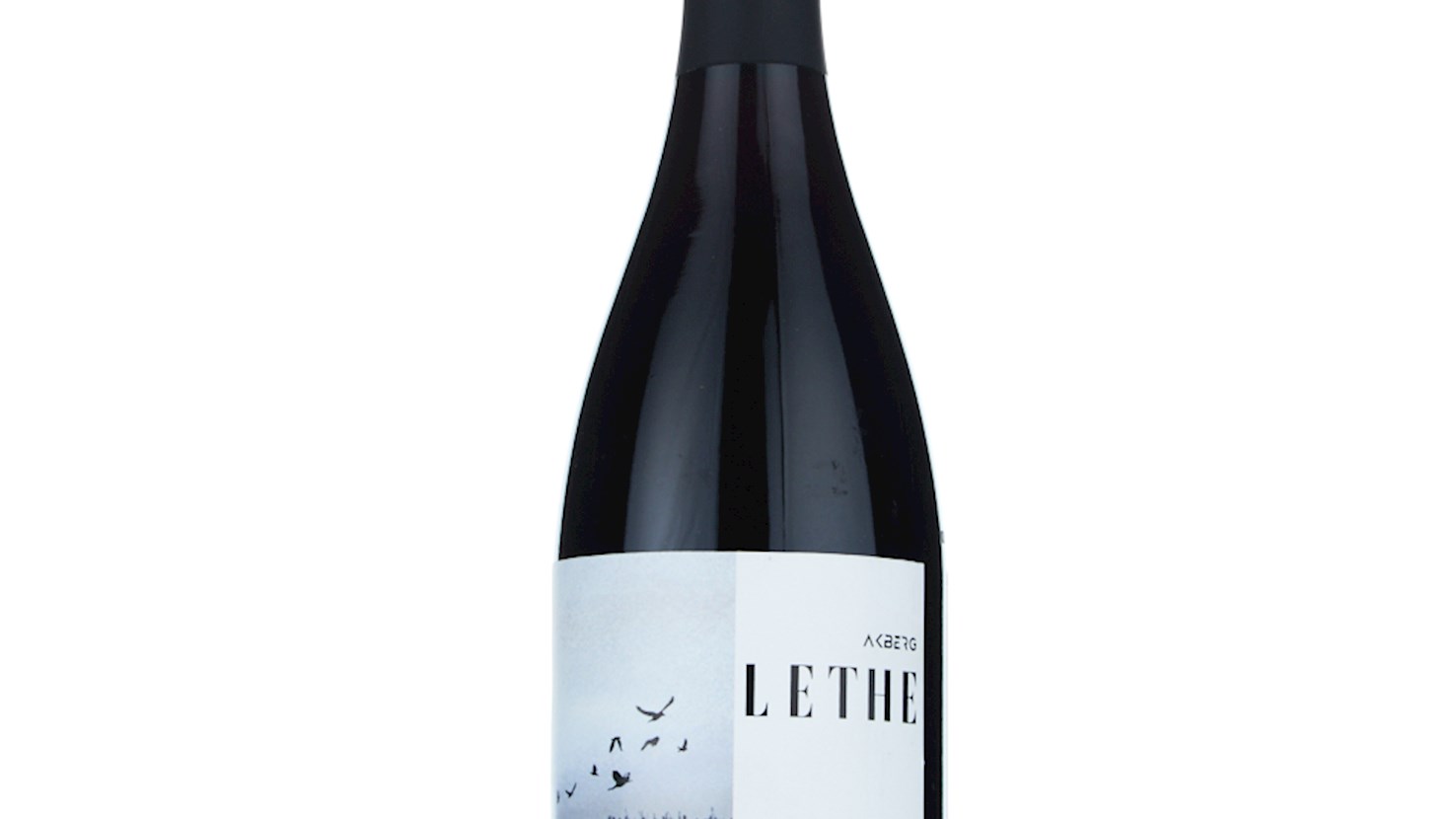
01

Akberg Wines

4.9 ·
Awards
IWSC- International wine & spirit competition - Gold (2023)
02

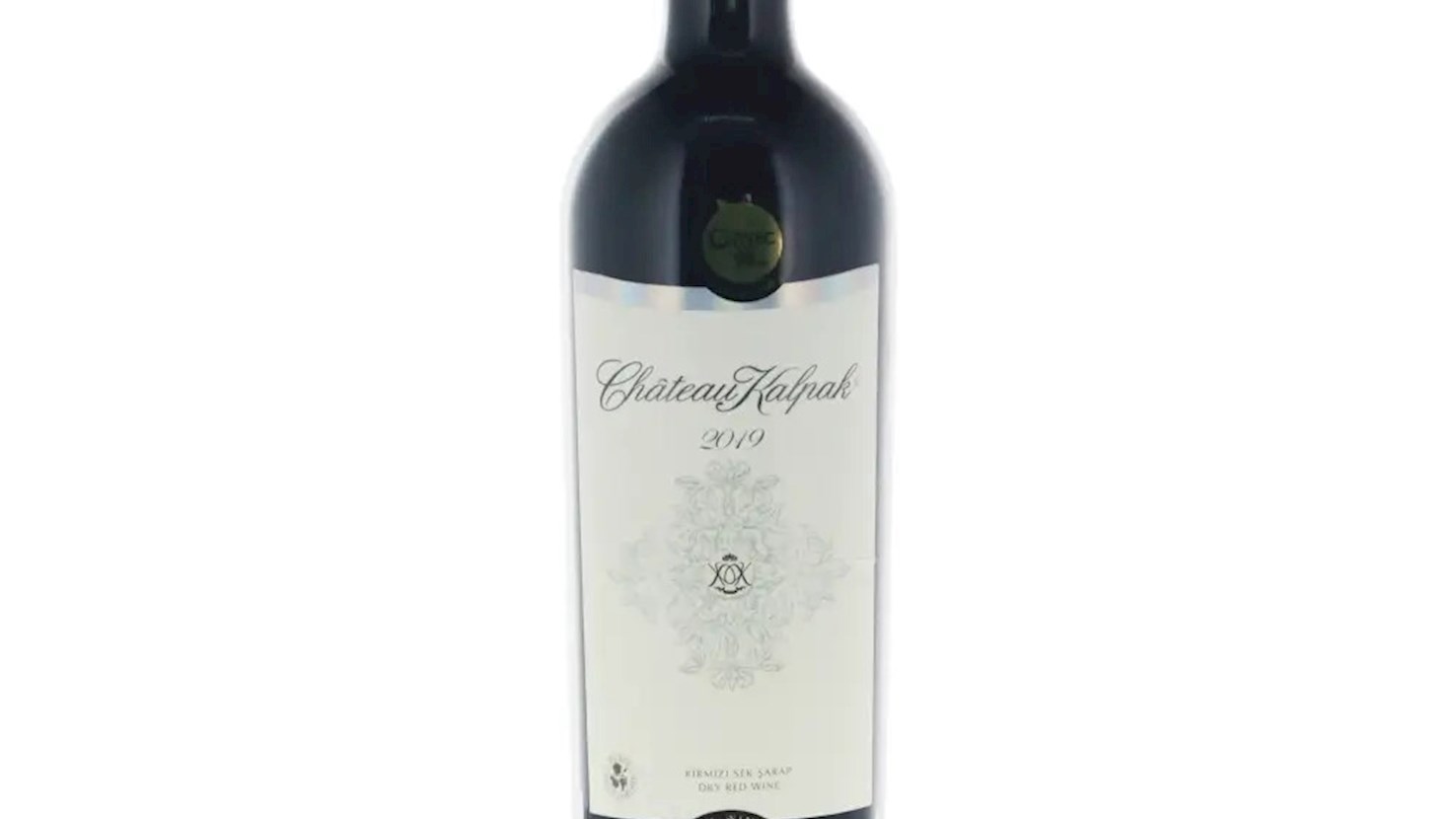
Kalpak Tarim

4.9 ·
Awards
IWSC- International wine & spirit competition - Gold (2023)
03

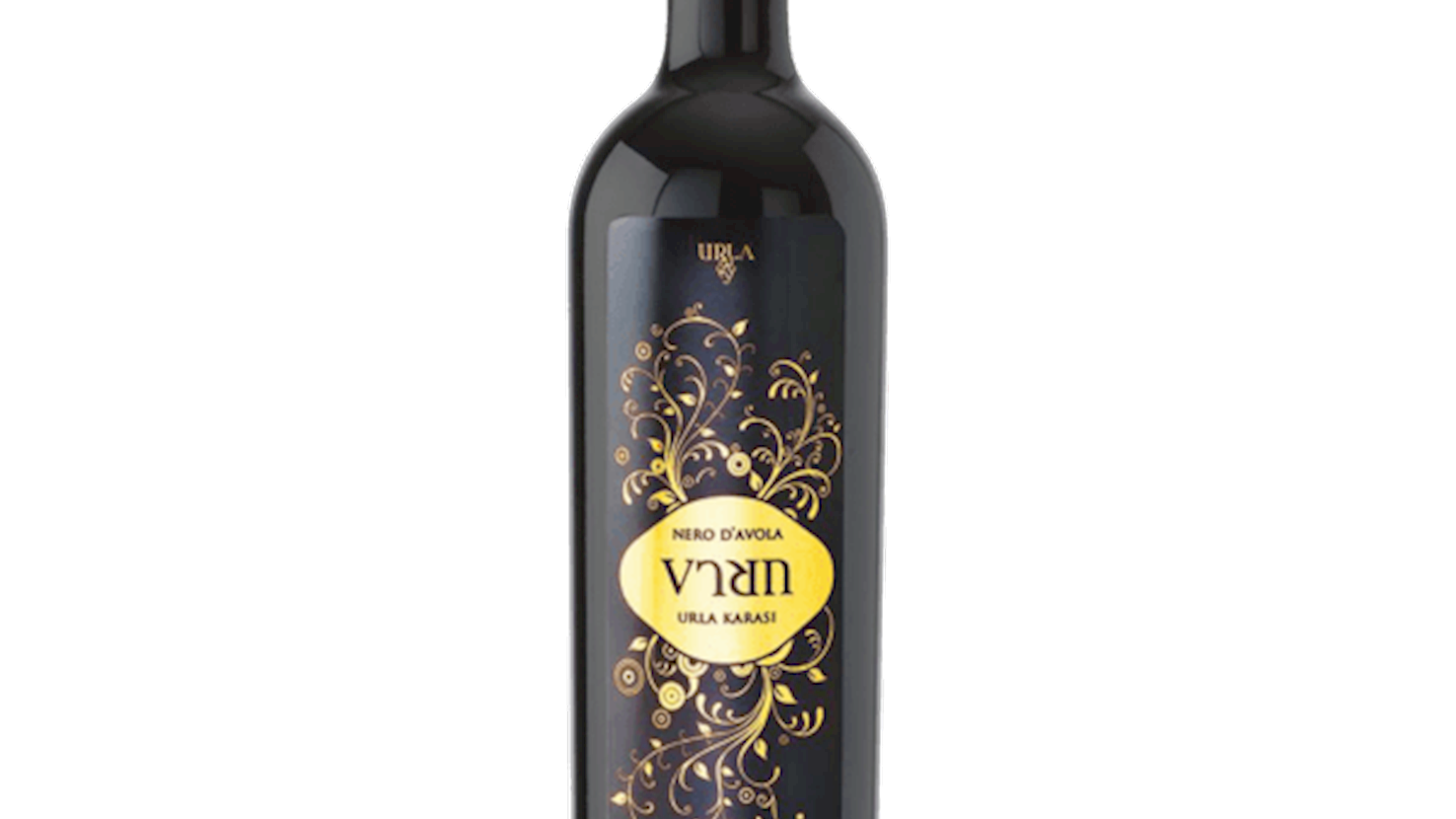
Urla Sarapcilik

4.9 ·
Awards
Decanter World Wine Awards - Platinum (2024, 2019, 2017, 2016)
04

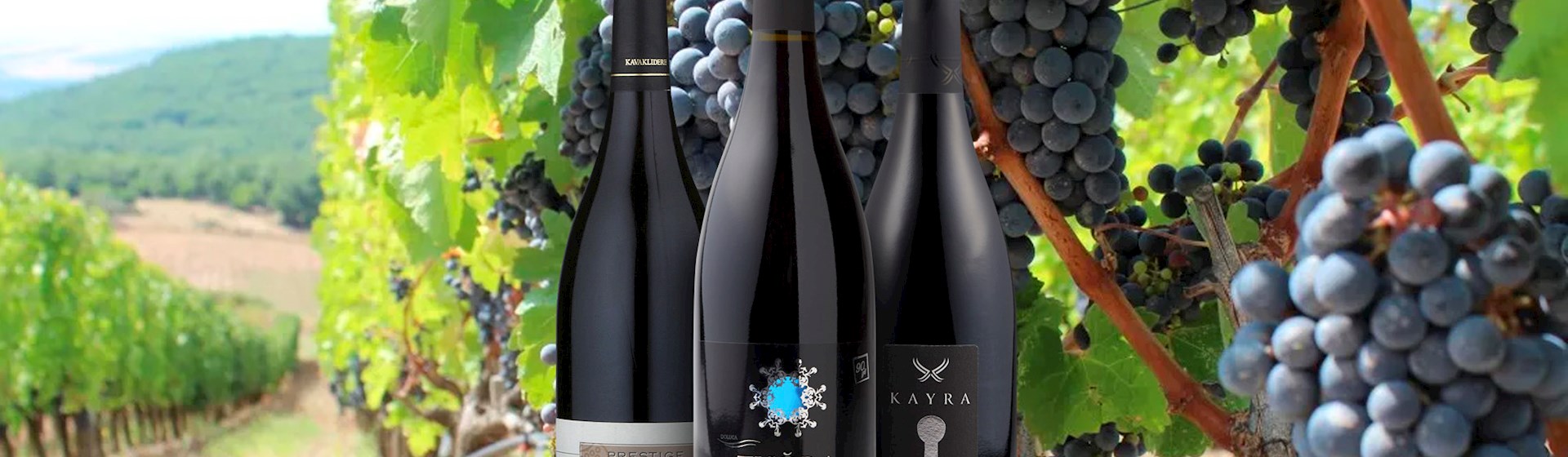
Kavaklidere Saraplari

4.6 ·
Awards
IWSC- International wine & spirit competition - Gold (2021, 2019)
05

Kocabag Bagcilik Ve Sarapcilik

4.6 ·
Awards
IWSC- International wine & spirit competition - Gold (2023)
06

Kayra

4.6 ·
Awards
Decanter World Wine Awards - Platinum (2024)
07

Doluca Bagcilik Ve Sarapcilik

4.4 ·
Awards
Concours Mondial de Bruxelles - Grande Médaille d'or (2021, 2020)

Best Turkish Red Wine Types

01

Öküzgözü

4 ·

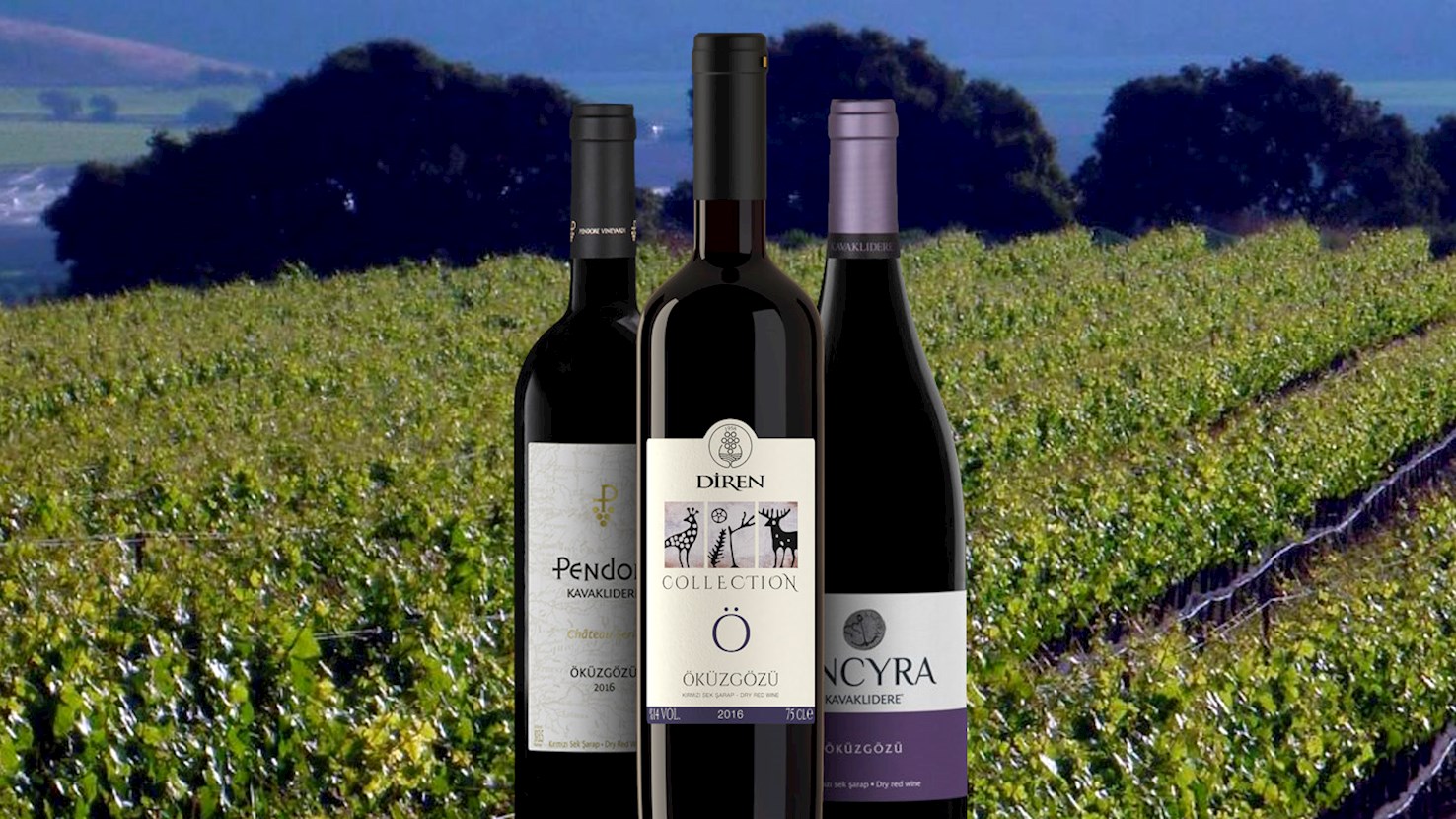
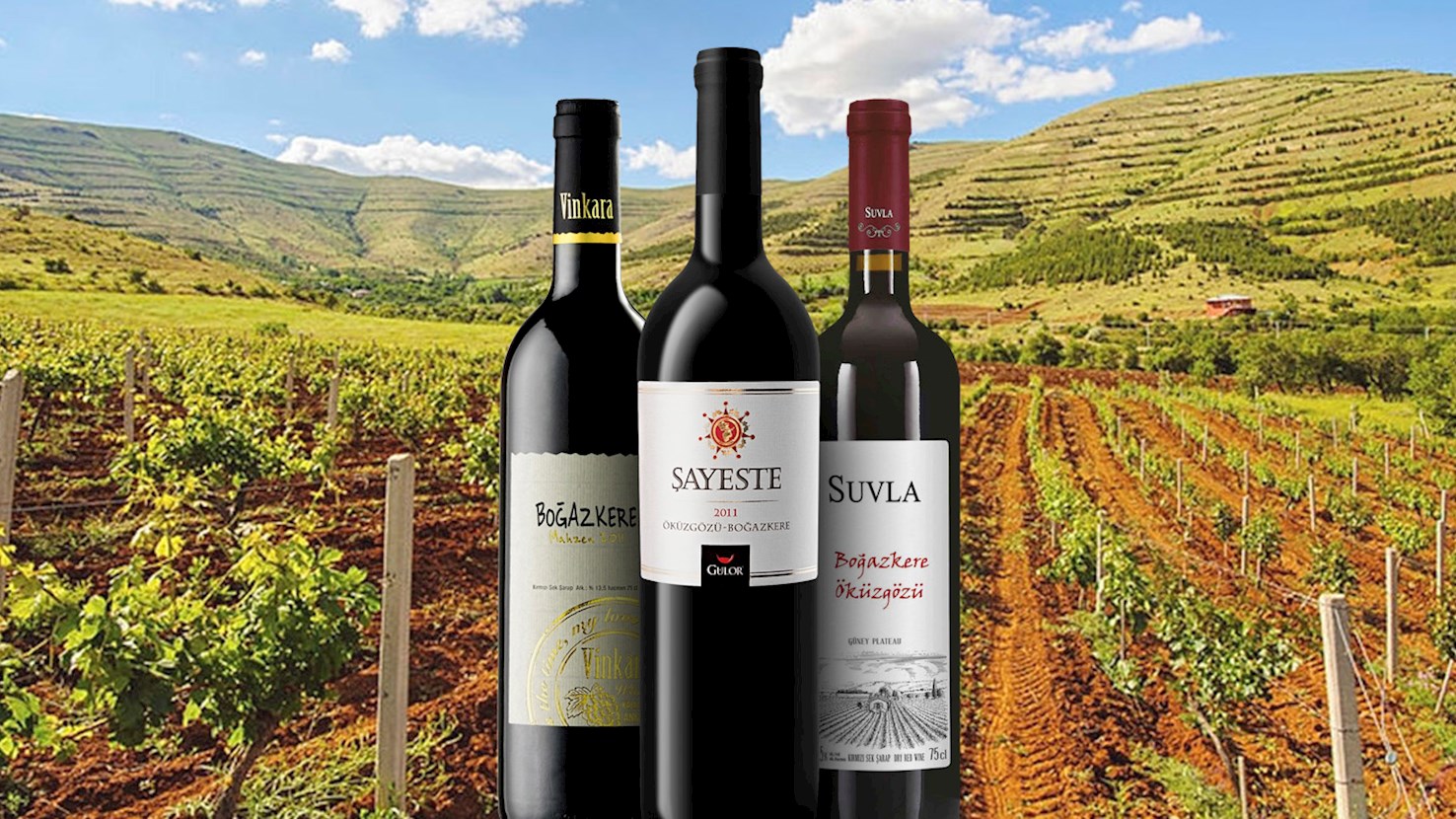
Öküzgözü is a native Turkish red grape with excellent potential. It hails from Elazığ province, though it is widely planted in other wine-growing regions. The grape is often made into a varietal, but it is also commonly blended with native Boğazkere. The latter will add more body and tannins to the blends. Öküzgözü produces ruby red wines with fruity aromas reminiscent of raspberries and cherries. They usually display some herbal nuances, and oak-aged styles will typically have jammy notes reminiscent of ripe fruit, leather, and spices. These medium-bodied wines have bright and lively acidity and moderate tannins. Öküzgözü wines would pair well with grilled meat and meat dishes doused in a richly flavored tomato sauce. Interestingly, öküzgözü translates as bull’s eye. The name is probably a reference to its large, dark grapes.

02

Kalecik Karası

3.8 ·

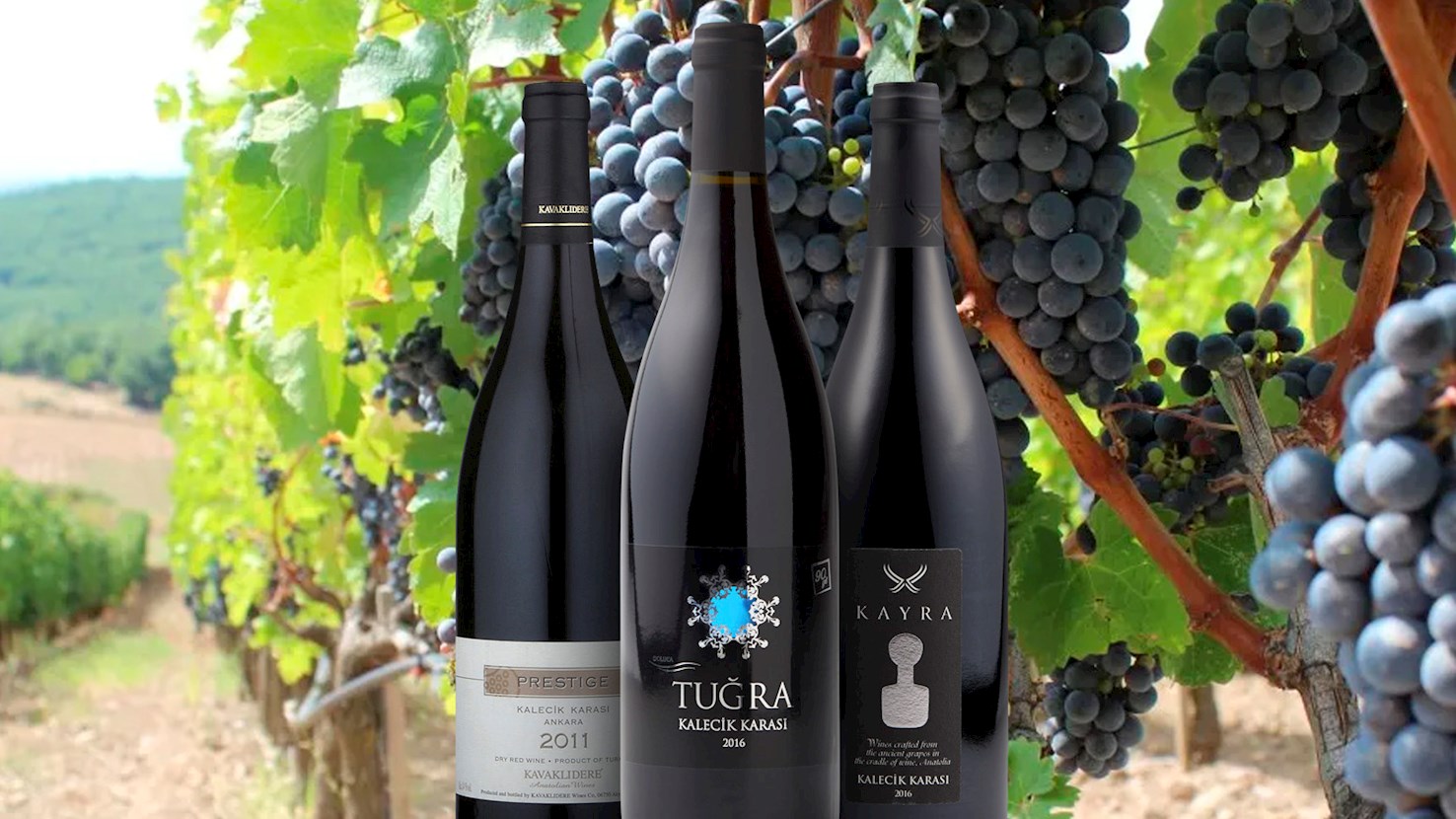
Kalecik Karası is a native Turkish grape that probably originated in Kalecik district of Central Anatolia. The grape is not well-known outside Turkey, but it is slowly gaining international recognition. It is considered one of the finest Turkish grapes. Kalecik Karası produces light to medium-bodied wines, often described as a cross between Pinot Noir and Gamay. They are typically cherry-colored with a fruity aroma reminiscent of red berries. On the palate, they are smooth and velvety, with good acidity and soft tannins. They often display earthy and herbal nuances, while those aged in oak have subtle vanilla, cocoa, or spicy aromas. This wine pairs nicely with local specialties and lighter dishes, especially those made with poultry, fish, or vegetables.

03

Boğazkere

3.8 ·

Boğazkere is a native Turkish grape originating from Diyarbakır, but it is now grown in other Turkish regions. The grape is best known for its ability to produce powerful, tannic wines. Because of its character, it is often used in blends to provide body and structure. It is mainly blended with the aromatic Öküzgözü. Boğazkere wines are full-bodied, with grippy tannins and good acidity. They are filled with a fruity aroma, typically reminiscent of cherries, raspberries, and blackberries, often accompanied by spicy, tobacco, leather-like, and cocoa notes. These richly-flavored wines can age well, and they tend to become softer with age. Boğazkere wines can pair with equally strong dishes. It would go well with red meat, game, lamb, stews, and hearty vegetable dishes.

04

Papazkarası

3.7 ·

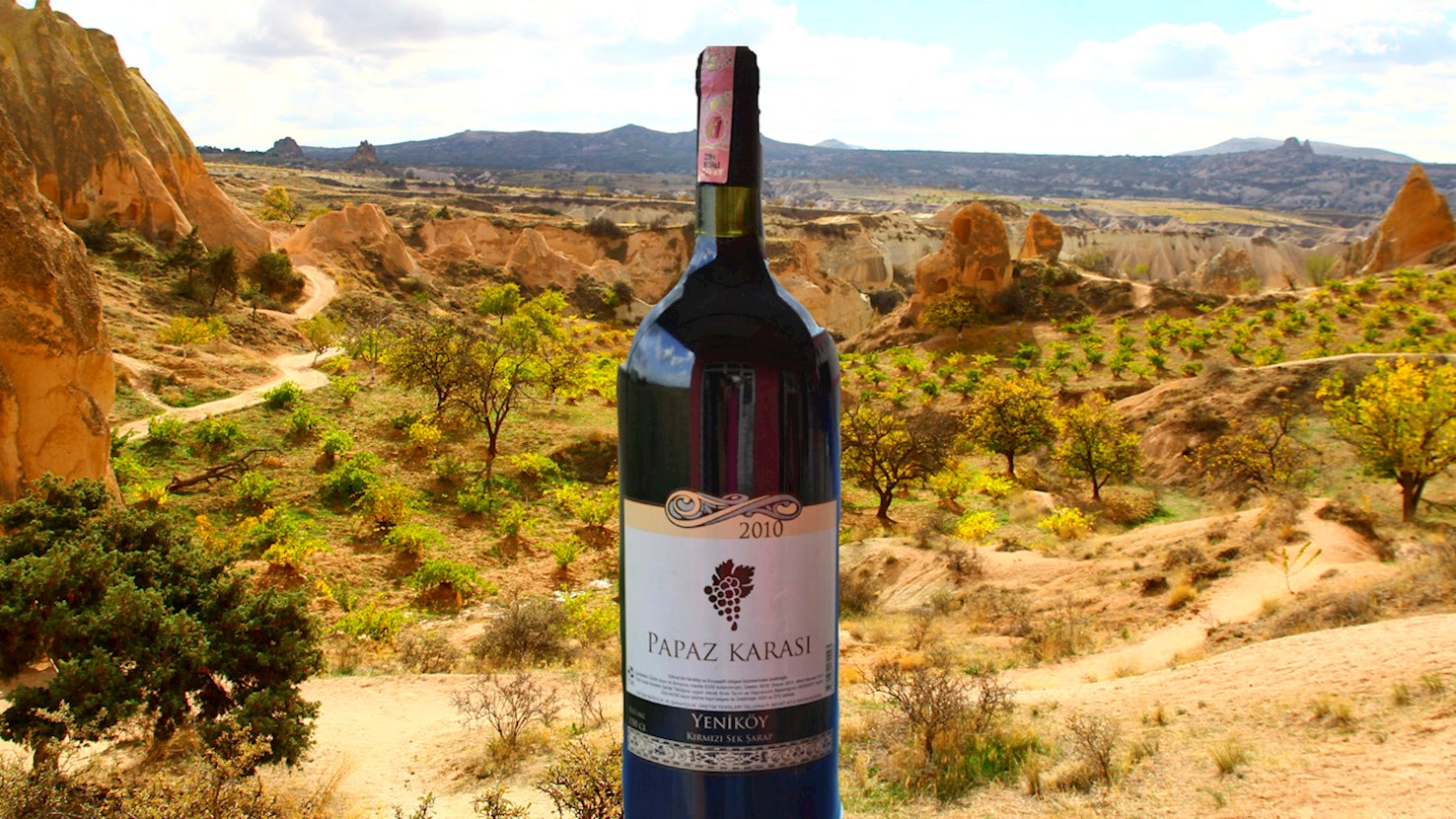
Papazkarası or Papaskara is a Turkish grape cultivated in Marmara and Central Anatolia regions. The grape produces juicy red wines that are intensely colored and usually have high alcohol content and good acidity. The aromas are subtle and reminiscent of red and dark berries, with hints of pepper and spices. The wines are versatile, and though they are commonly enjoyed young, some are also suitable for oak-aging. They are fruity and food-friendly, making excellent pairing with chicken, pork, lamb, and vegetables. It is suggested that the grape might have Greek origins, where it is still sometimes cultivated under the name Kara Papas. Research also showed that the grape's possible parents are white Romanian variety Alba Imputotato and Prokupac, a red variety commonly found in the Balkans.

05

Çalkarasi

3.5 ·

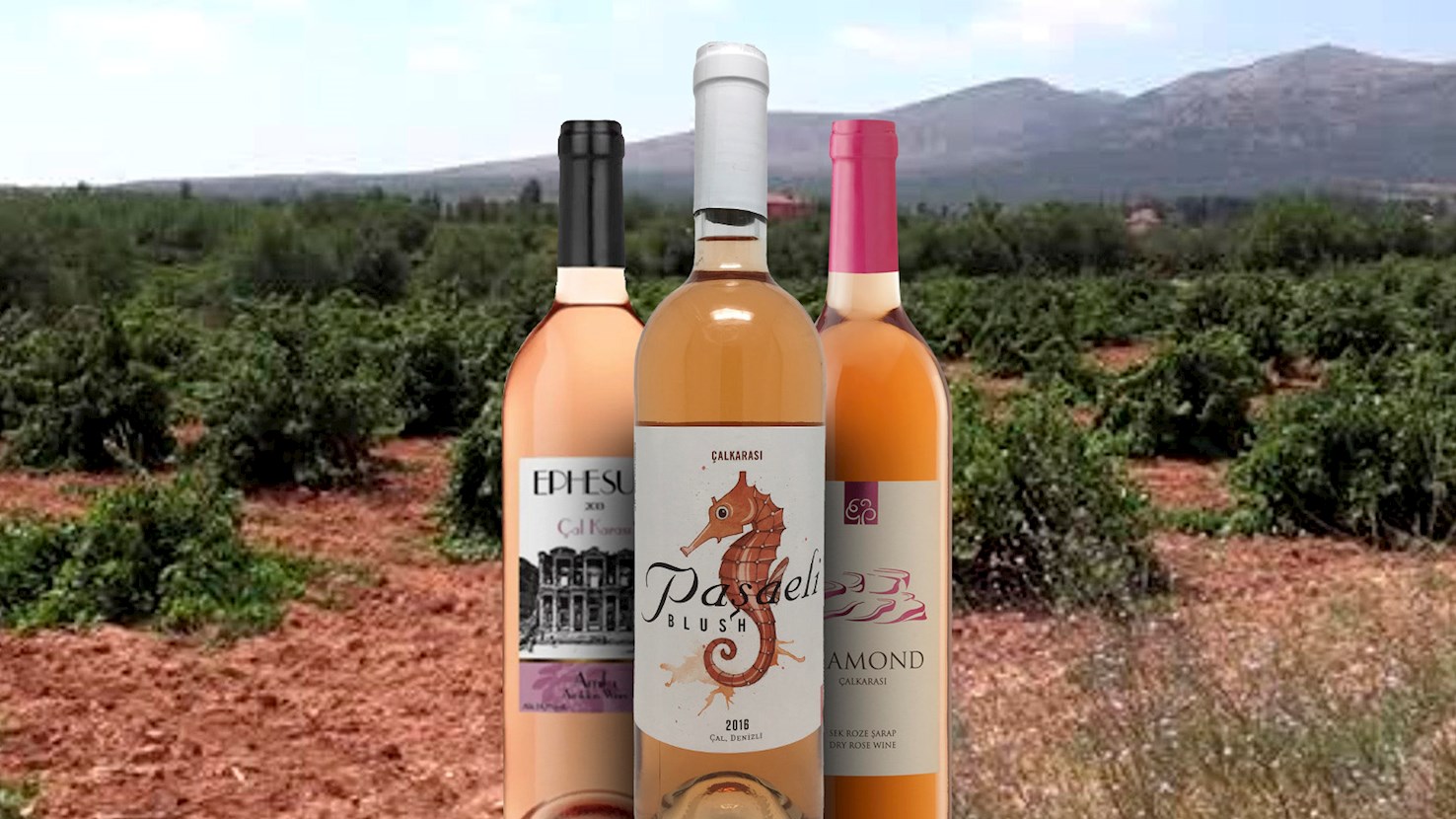
Çalkarasi is a red Turkish grape that originated in Çal, Denizli province. In the past, it was primarily used in blends, but several producers have proven that it has a versatile character and great potential as a varietal wine. It is mainly used in the production of fresh red wines and excellent rosés. Varietal Çalkarasi wines are typically light to medium-bodied. They are characterized by low tannins and crisp acidity. The flavor and the aroma are fruity, reminiscent of peaches, strawberries, and raspberries. Red styles can be a good match with poultry or pork, braised dishes, and local specials. Rosés would pair well with seafood or pasta. The name of the grape translates as the black of Çal.

Read more
View all
View map
About this ranking

TasteAtlas food rankings are based on the ratings of the TasteAtlas audience, with a series of mechanisms that recognize real users and that ignore bot, nationalist or local patriotic ratings, and give additional value to the ratings of users that the system recognizes as knowledgeable. For the “Top 7 Turkish Red Wines” list until June 03, 2026, 315 ratings were recorded, of which 94 were recognized by the system as legitimate. TasteAtlas Rankings should not be seen as the final global conclusion about food. Their purpose is to promote excellent local foods, instill pride in traditional dishes, and arouse curiosity about dishes you haven’t tried.

The initial list of top producers was compiled based on available reviews, awards, local recommendations, media and blog coverage, and consumer reviews. The list will be updated with ratings from TasteAtlas local ambassadors and TasteAtlas users.

Similar lists