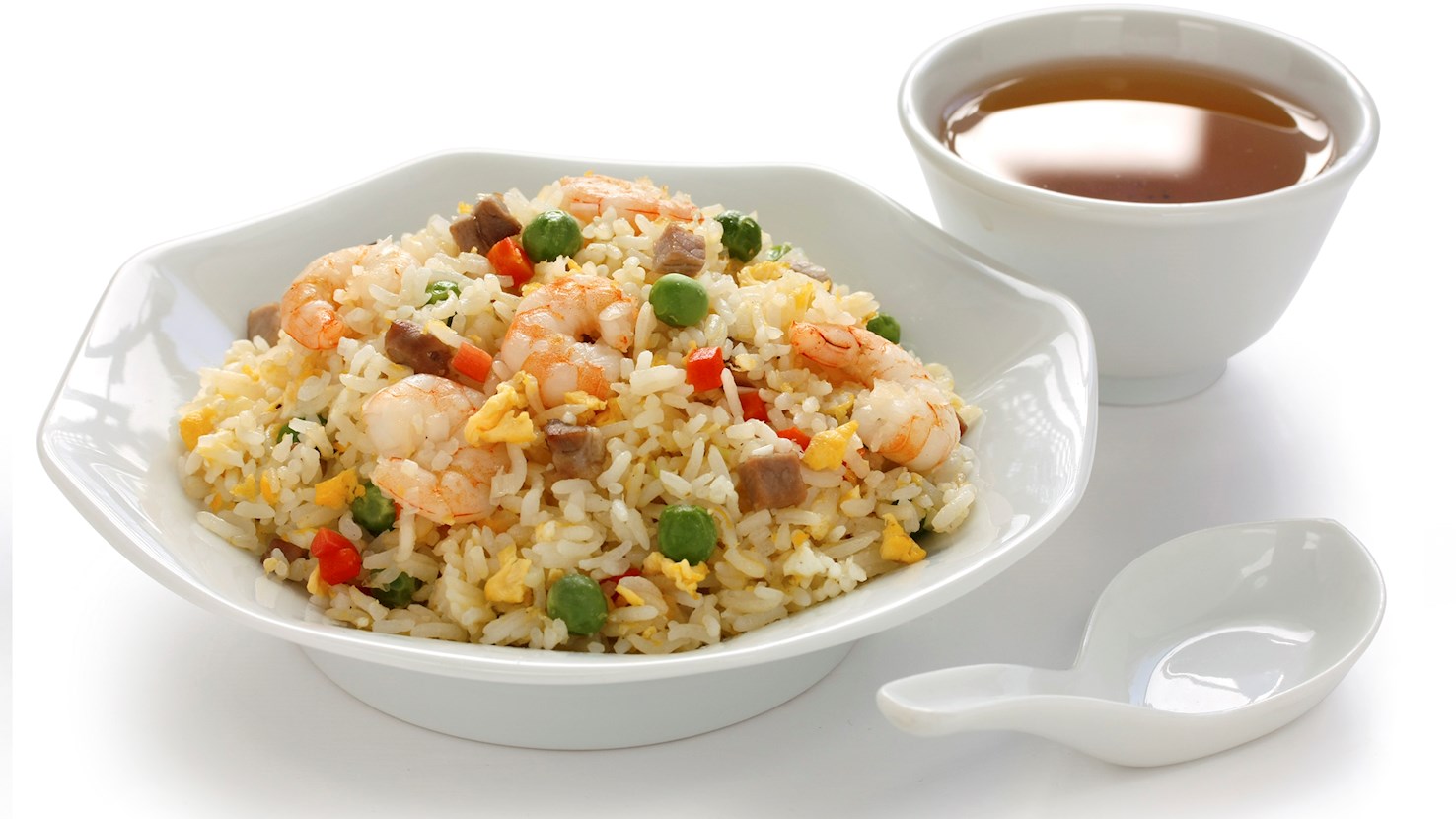
Yang zhou chao fan is a wok-fried dish of chewy day-old rice tossed with finely diced eggs, sweet shrimp, savory roast pork, and fresh vegetables. It is believed that the dish originates from General Yang Su of the Sui Dynasty. Because it was one of his favorite dishes, he introduced it to the Yangzhou culture while patrolling Jiangdu with Emperor Yangdi. Originally, it was a peasant dish made with leftover rice mixed with small pieces of meat and vegetables. However, its refined modern incarnation is often credited to Yi Bingshou, a Qing Dynasty regional magistrate and calligrapher. Unlike the dark, heavily seasoned fried rice often found in Western takeout containers, authentic Yangzhou chao fan adheres strictly to the rigorous standards of Huaiyang cuisine—one of China's Four Great Traditions—which prizes exceptionally fresh ingredients, delicate, clean flavor profiles, and impeccable, uniform knife work. To achieve this exacting culinary standard, the technique applied is just as vital as the premium ingredients selected. The absolute foundation must be long-grain or medium-grain rice that has been cooked a day in advance and chilled; this crucial resting period allows the starches to retrograde and excess moisture to evaporate, ensuring that each grain remains separate and dances independently in the blistering heat of the wok rather than clumping together into a mushy mass. A true wok master executes a technique often poetically described as "gold threading through silver," in which beaten eggs are drizzled over vigorously tossed rice, which rapidly cooks, coating the individual grains in a delicate, golden film before the other pre-cooked ingredients are swiftly reintroduced to the pan. These meticulously prepped mix-ins are the true soul and visual signature of the dish, demanding a specific symphony of textures and colors that contrast beautifully against the pale rice. In high-end banquet settings, chefs frequently elevate the dish further by folding in luxurious additions such as slivers of rehydrated sea cucumber, dried scallops, or fresh crab meat. Nowadays, there are numerous versions of the dish that may be flavored with soy sauce, red sauce, or Shaoxing rice wine.
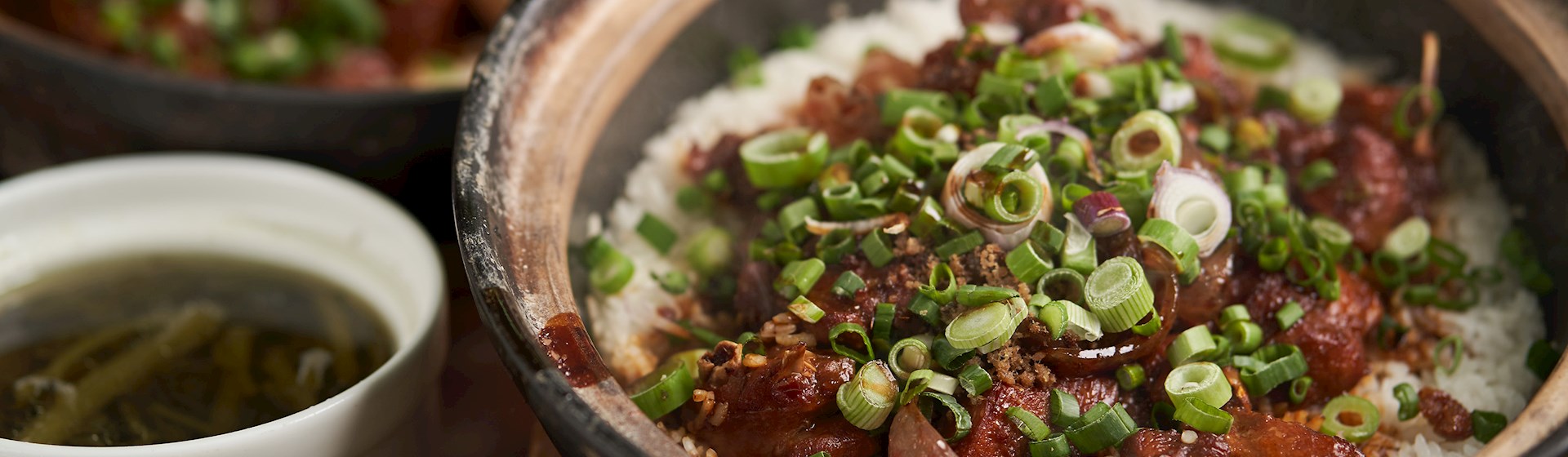
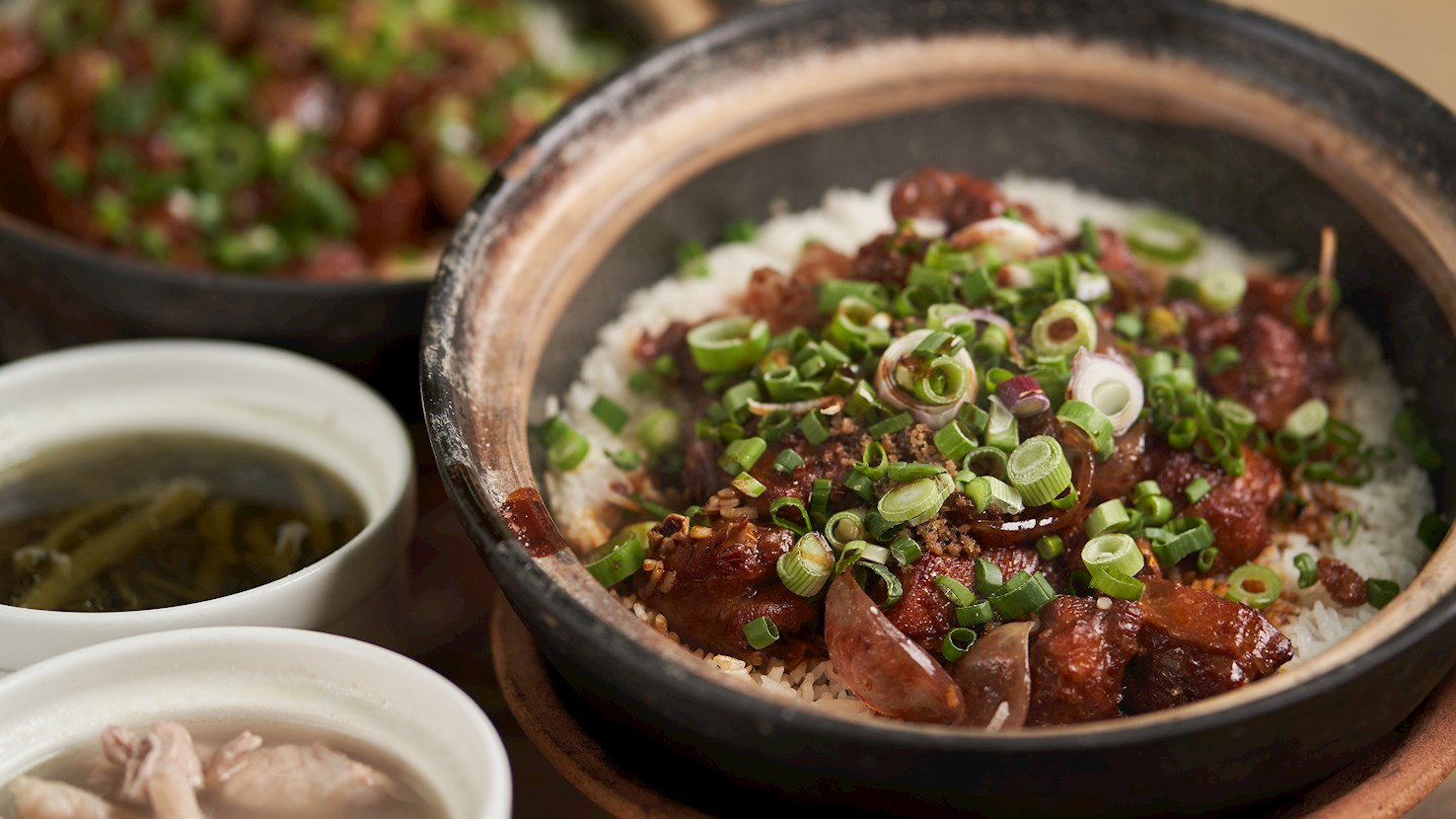
Bāozǎifàn, often translated as claypot rice, is a classic Cantonese rice dish, known for being cooked and served directly in an earthenware pot, which gives it a distinctive texture and depth of flavor. Its development is closely tied to southern China's rice-based cuisine and the use of clay cooking vessels, which were historically common in home kitchens and street stalls alike. The method of slow cooking over charcoal or an open flame not only ensured even heat distribution but also created the dish’s signature crispy rice crust, known as “guōbā,” at the bottom of the pot, a feature that became highly valued by diners. Preparation of bāozǎifàn begins with soaking rice, which is then cooked directly in a clay pot over a controlled flame, allowing the grains to absorb water gradually and cook evenly. Toppings are added partway through the process and vary widely but often include preserved sausage, cured pork belly, chicken, or salted fish. A key part of the dish is the timing—ingredients are layered so that the rice continues cooking while releasing aromatic oils and juices, which infuse every grain. Just before serving, a soy-based sauce is usually poured over the steaming contents, sizzling against the hot clay and enhancing the flavor with a savory glaze. Bāozǎifàn is widely enjoyed in southern China, Hong Kong, and overseas Cantonese communities, often served in small clay pots in specialized restaurants or cooked at home for family meals. It is particularly popular during cooler months when its warmth and richness are most comforting. The dish is usually eaten on its own as a complete meal, though it pairs well with light soups, stir-fried greens, or pickled vegetables, which balance its rich, savory flavors.
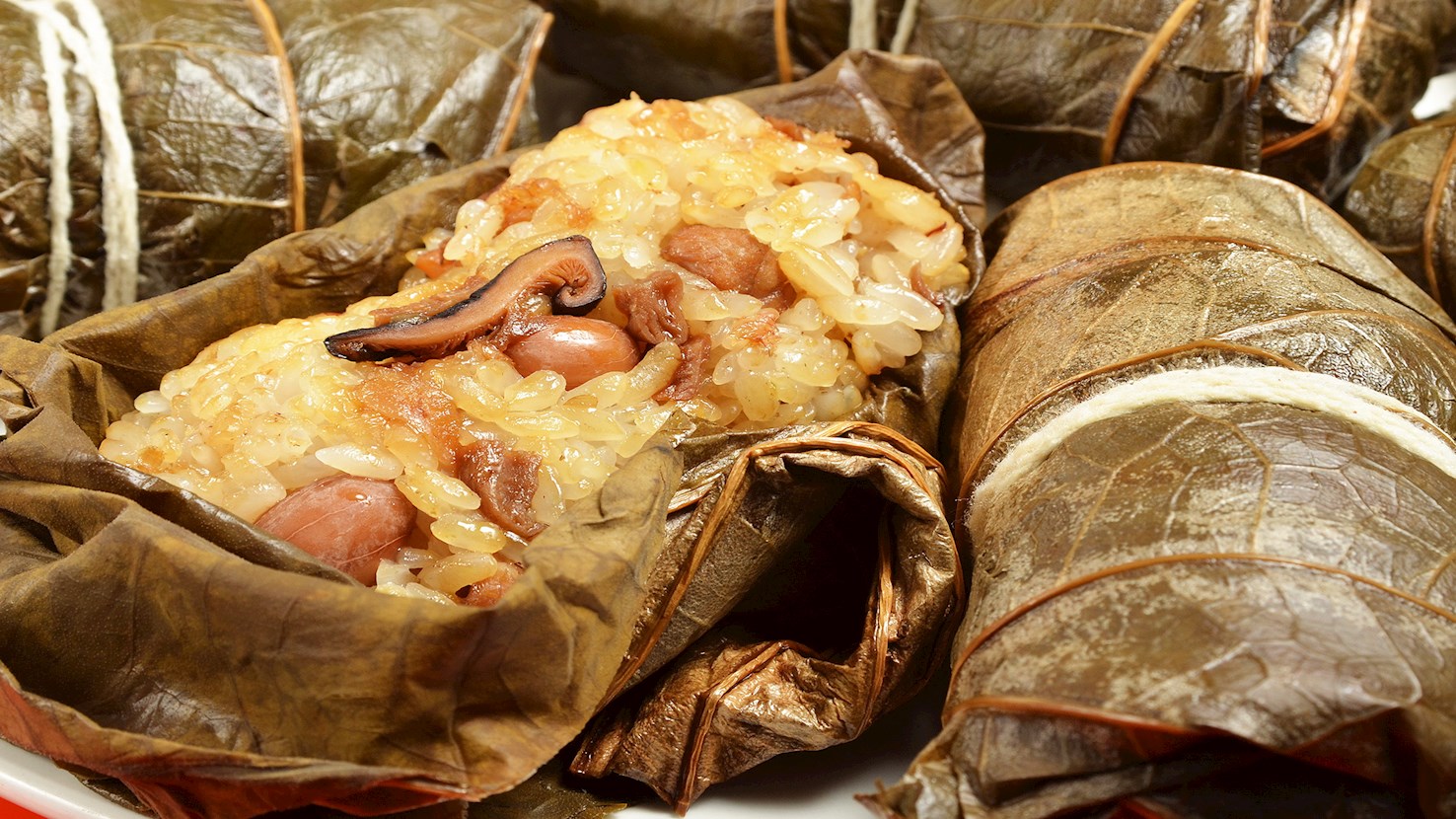
Lotus leaf rice (lo mai gai or nor mai gai) is a classic Chinese dish consisting of sticky rice wrapped and steamed in lotus leaves. The rice is usually soaked, seasoned with various condiments and spices, and blended with additional ingredients such as chicken, duck, mushrooms, shrimps, scallions, and salted eggs. When steamed, the rice is thoroughly infused with seasonings and the subtle fragrance of lotus leaves. Always served hot, this flavorful dish is usually enjoyed as a part of traditional dim sum meals.
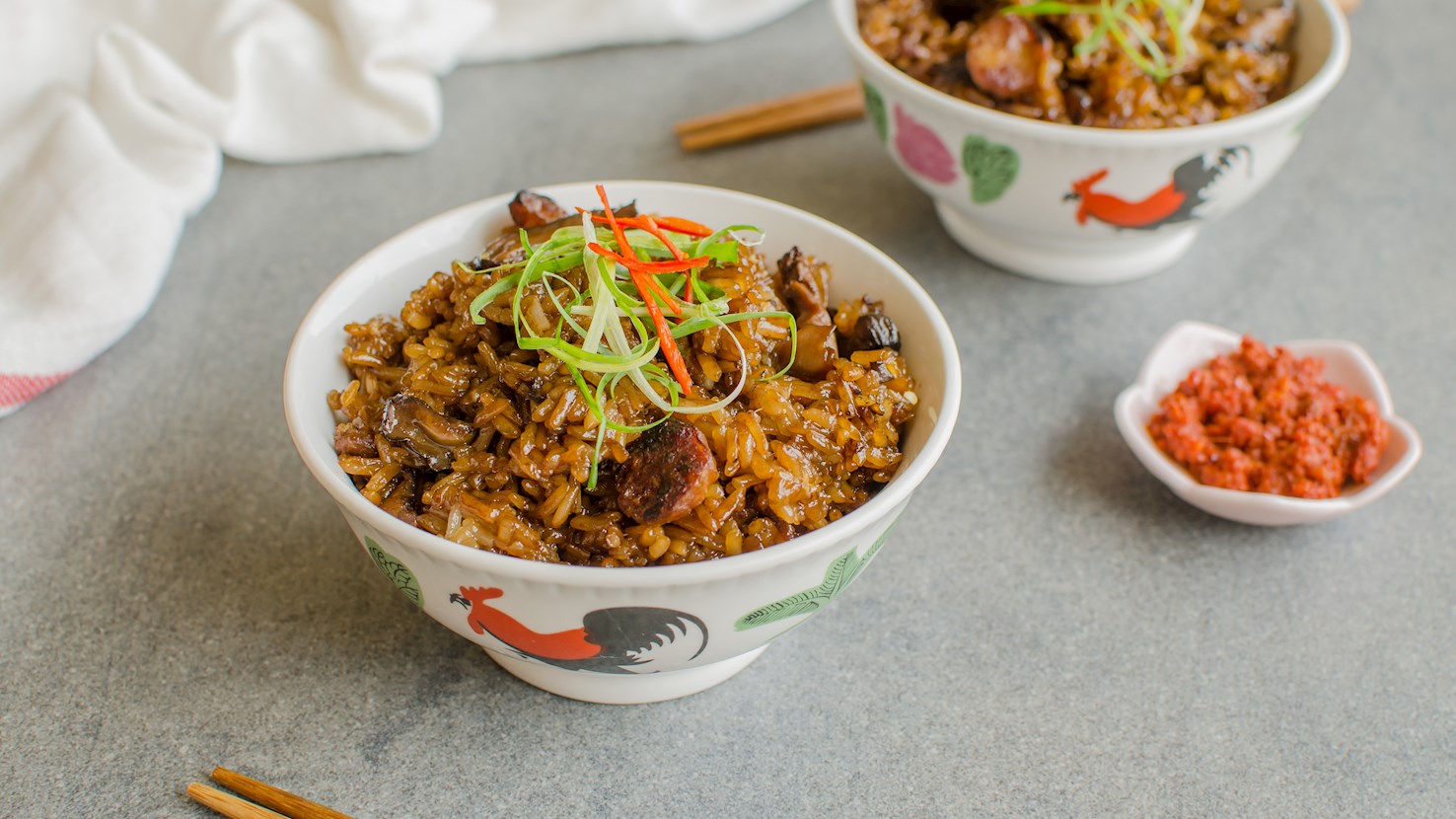
Lo mai fan is a traditional rice dish originating from China. It’s often served as a part of dim sum meals. Chinese sticky rice, as it’s also known, is made with a combination of glutinous rice, shiitake mushrooms, shrimps, soy sauce, Chinese sausage, scallions, salt, pepper, sugar, and sesame oil. The ingredients are usually stir-fried in a large wok until the rice becomes translucent, soft, and slightly chewy. Once prepared, lo mai fan is garnished with chopped scallions, then served hot or at room temperature. If desired, the dish can be enriched with peanuts and eggs.
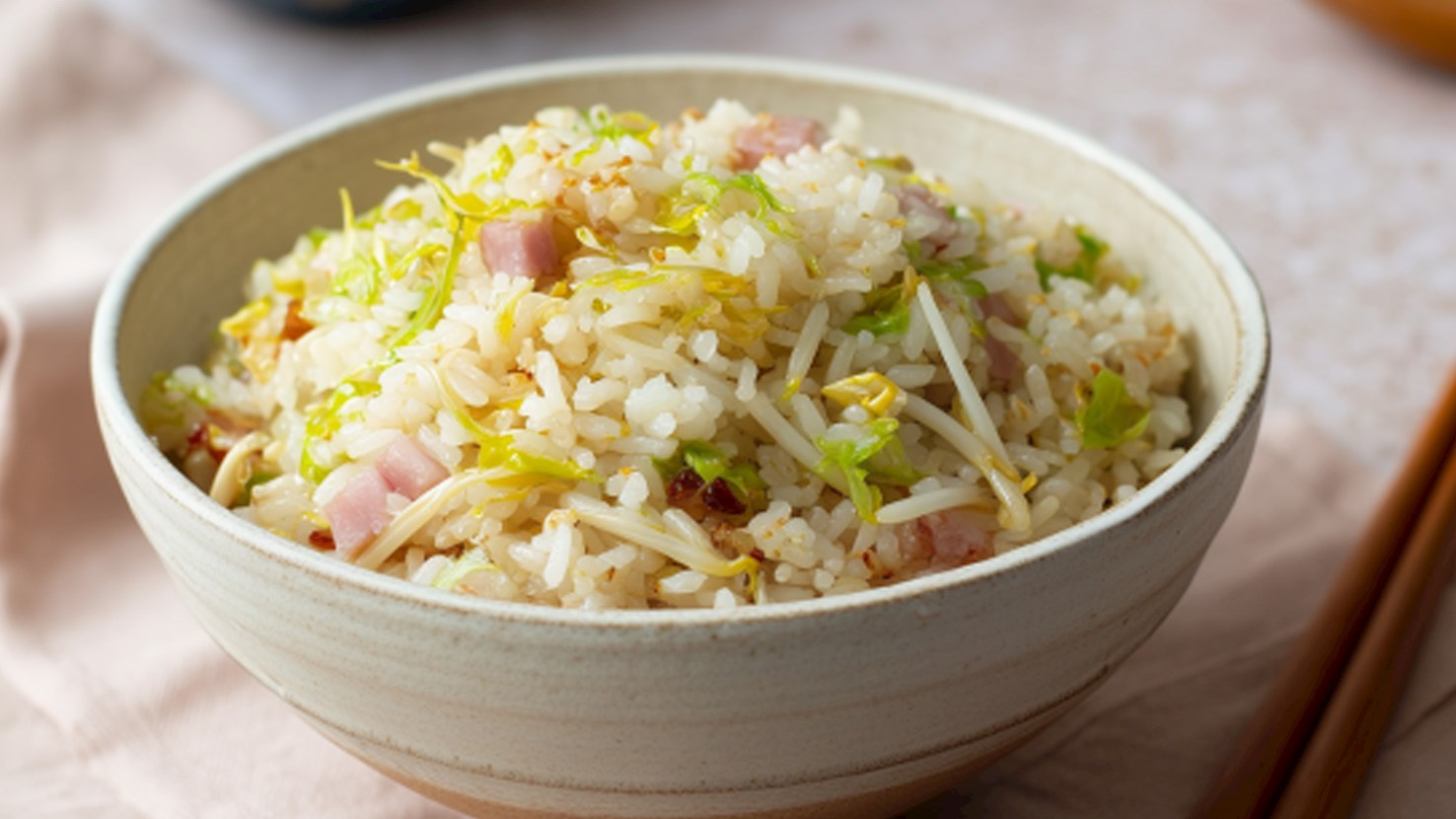
Fried rice with bean sprouts is a traditional dish that's especially popular in Hangzhou. The dish is usually made with a combination of cooked rice, scallions, diced Jinhua ham, soy sauce, bean sprouts, oyster sauce, vegetable oil, and black pepper. The scallions are fried in a wok until soft, and then mixed with the ham, stir-fried, and mixed with the cooked and chilled rice. The oyster sauce, soy sauce, and pepper are added to the wok, the mixture is stir-fried a bit more, and the bean sprouts are added in the final few minutes of cooking. The dish is cooked until the bean sprouts are crisp, yet tender, and it's then served immediately, while still hot. Fried rice with bean sprouts is a beloved dish because the crunchiness of bean sprouts and the dry ham provide a great contrast to the rice.
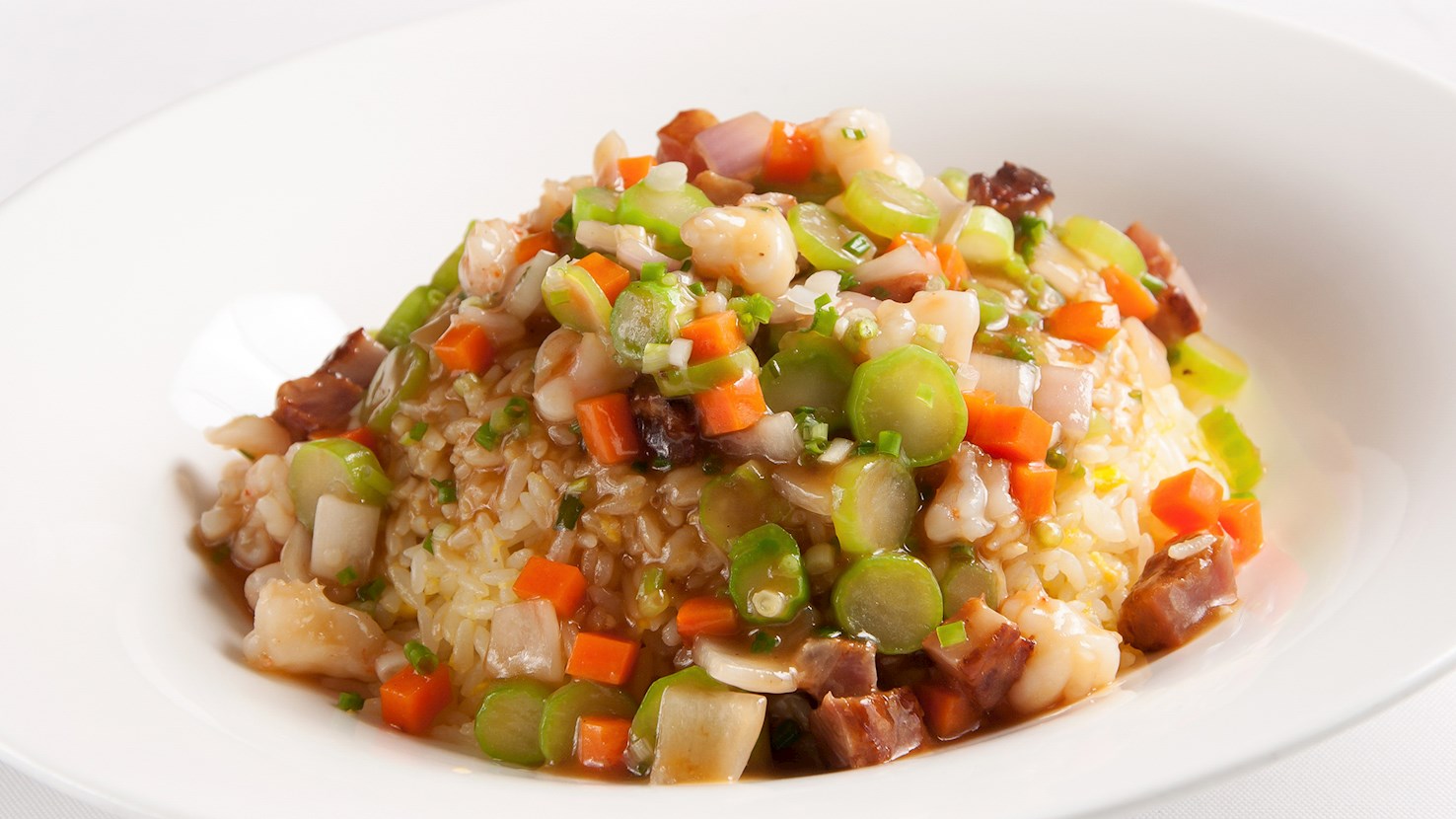
Hokkien fried rice is a popular Chinese rice dish originating from the province of Fujian. In order to prepare it, rice and eggs are first stir-fried together, then topped with a thick gravy made with poultry, dried mushrooms, seafood, and vegetables. It is recommended to fry the ingredients over high heat, because if the wok isn’t hot enough, you will end up with watery fried rice.
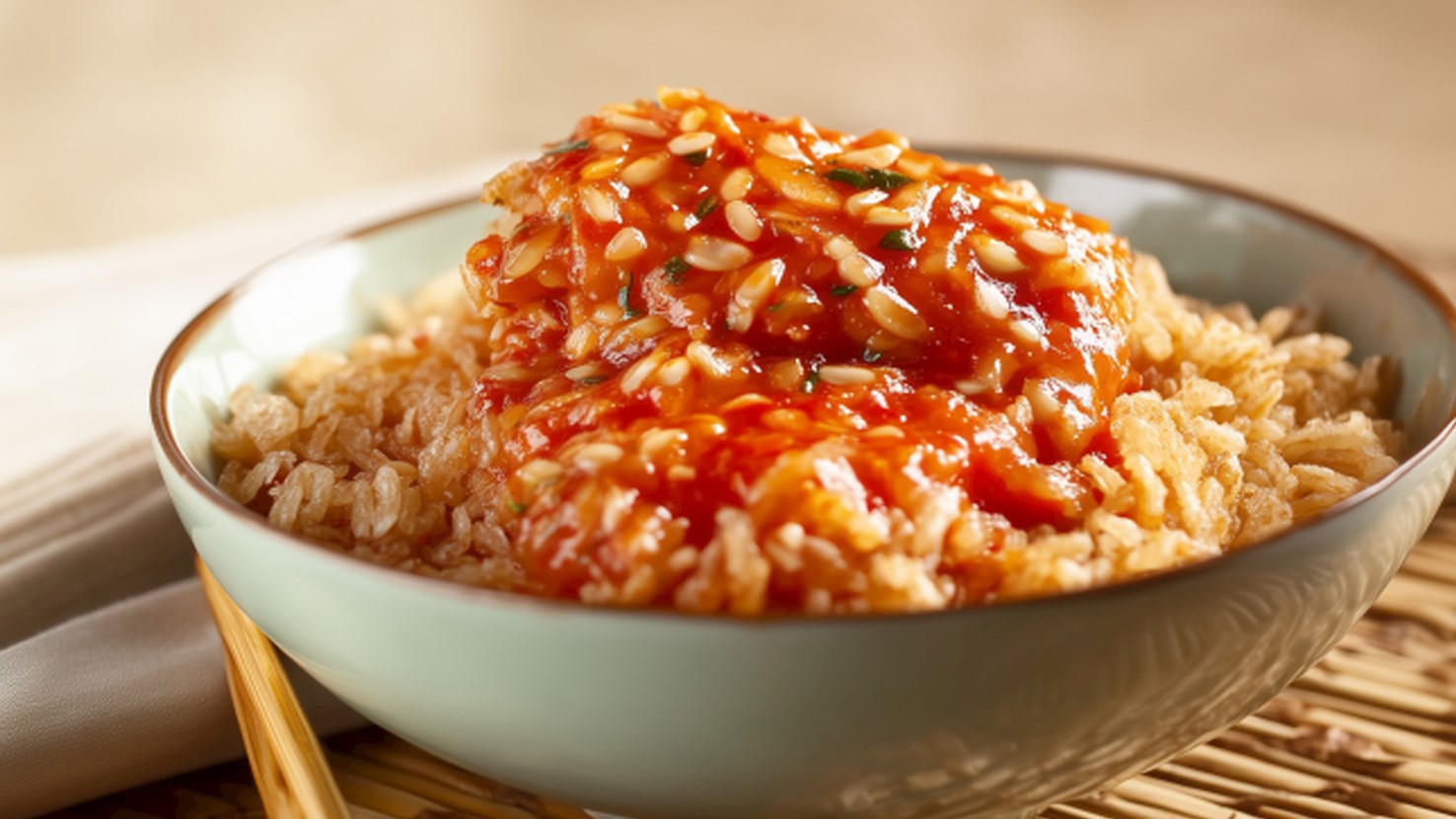
Sizzling rice in tomato sauce is a traditional Hangzhou dish consisting of piping hot tomato sauce that is poured over hot guoba (rice crust), producing an inviting fragrance and creating the characteristic sizzling sound, hence the name. Sometimes referred to as thunderbolt out of the blue, this delicious dish is usually combined with shredded chicken and stir-fried shrimps or other types of seafood. The crispy rice crusts can be made from scratch or purchased pre-cooked in Chinese and Asian supermarkets.
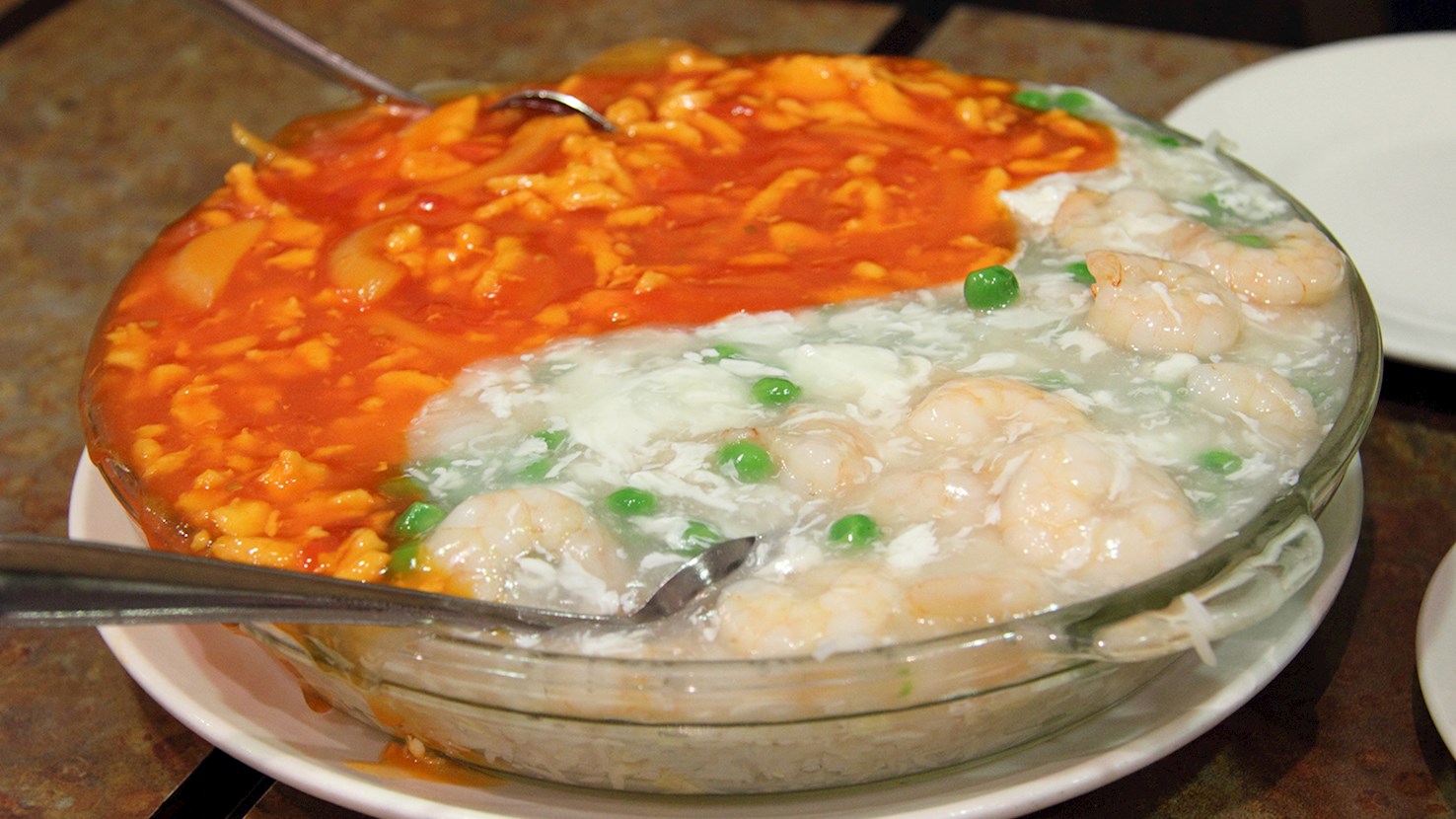
Yin yang fried rice is a traditional dish originating from Hong Kong. It usually consists of a plate of fried rice that's accompanied by chicken, ketchup sauce, and onions (the red side) and shrimp, peas, and egg whites (the white side). The dish is named after the unlikely pairing of these two toppings that go over the rice, and due to the meaning, yin yang fried rice is often a staple at weddings or similar festive occasions.
Zhòngxià wū mǐfàn is a rice dish from the Jiangnan region of China, especially around Zhejiang, Jiangsu, Anhui, as well as among the She ethnic group. It is made with rice (glutinous or regular) that has been dyed or soaked in a dark-colored leaf extract from a plant known as nanzhu or wūfàn shù, which gives the rice a unique deep color and mild vegetal aroma. Records of this dish reach back many centuries. In writings from the Tang and Song dynasties it appears under names like qingjing fàn. The recipe evolves from the rural custom of using wild plant leaves both for flavor and for symbolic purposes tied to seasonal change. Over time the dish became associated with the beginning of summer, when people prepare it to mark the turning of seasons and also to invoke health or ward off pests. Literary works and local documents mention families gathering the leaves and making this rice to celebrate the beginning of summer, and also in some She‐region festivals. To prepare wū mǐfàn one first harvests young leaves of the nanzhu plant, washes them, and crushes them or crushes both leaves and stems. These are then boiled in water to extract a colored liquid. The liquid is filtered to remove residue, giving a dark green to dark purplish dye. Rice (either glutinous or regular, depending on preference) is rinsed, then soaked with this leaf‐juice mixture for some hours or overnight so that the grains absorb the color. After soaking, excess liquid is drained and the rice is steamed until fully cooked, often on a low to moderate heat so that the aroma from the leaves remains noticeable. Sometimes additions are included: sweet versions might use sugar, red dates; savory versions might add pieces of salted meat, ham, bamboo shoots, peas, or fat for richness. Once done, the rice has a glossy dark hue, soft texture (especially if glutinous rice is used), and a faint leaf aroma balancing the sweetness or savoriness. Wū mǐfàn is eaten in households, rural villages, and among She communities. It is served in early summer as a way of marking the change of seasons, often shared among families or neighbors. People eat it warm, usually plain or accompanied by small side dishes (sweet or savory), and sometimes as part of seasonal festivals or gatherings when many come together and food carries both sustenance and symbolic meaning.
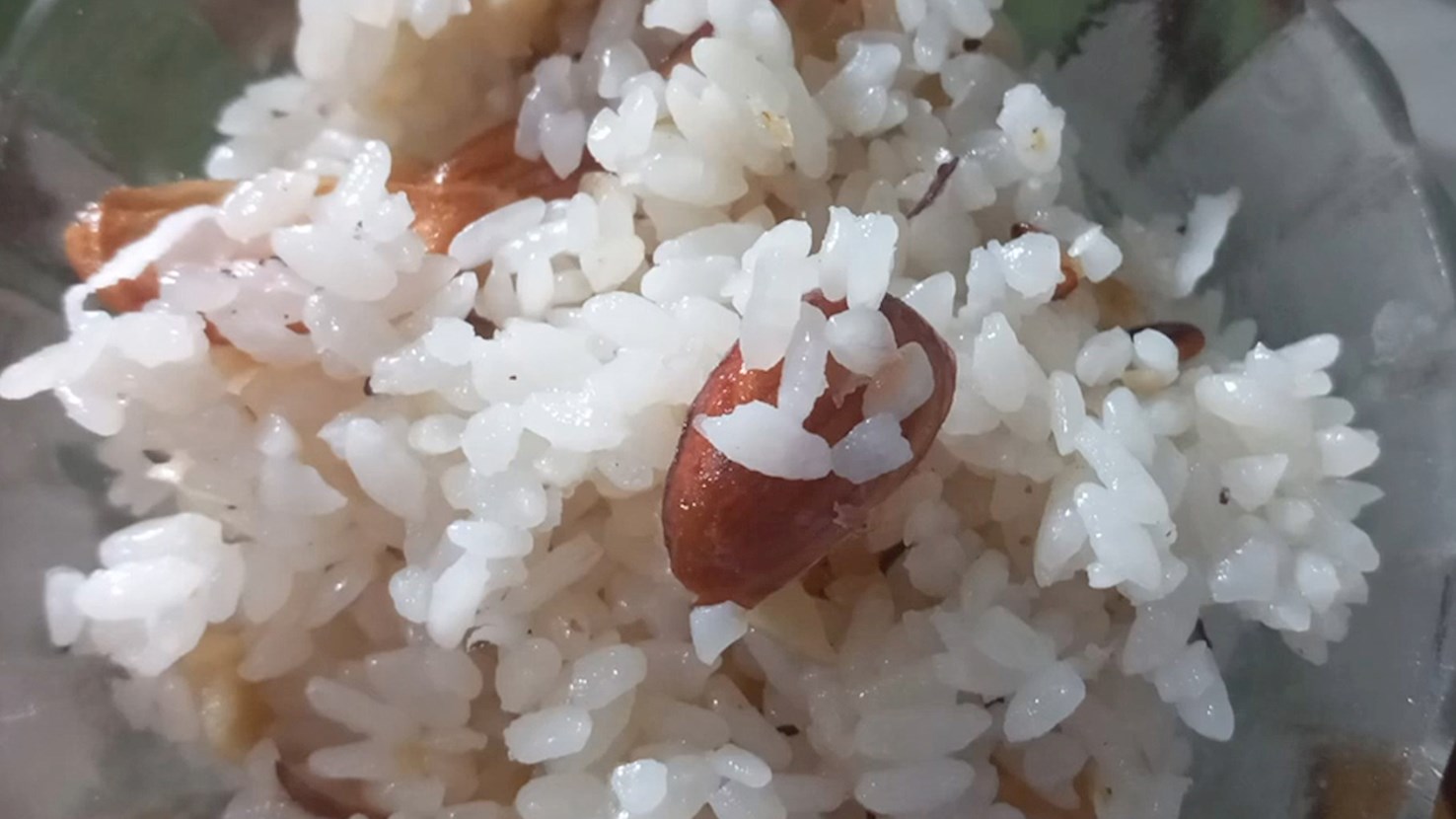
Dresil is a sweet rice dish originating from Tibet. It’s served on special occasions and festivities throughout the year, and it’s eaten for breakfast on the first day of the New Year. Dresil is usually made with a combination of rice (usually basmati), butter, sugar or honey, raisins, cashews, and droma, a tiny root that grows on Tibetan grasslands and has a sweet-potato-like flavor, but it’s not really accessible outside of Tibet. The rice is cooked in water, mixed with the other ingredients, and then served in individual bowls. Dresil is often enjoyed with sweet tea or butter tea (po cha) on the side.
TasteAtlas food rankings are based on the ratings of the TasteAtlas audience, with a series of mechanisms that recognize real users and that ignore bot,
nationalist or local patriotic ratings, and give additional value to the ratings of users that the system recognizes as knowledgeable.
TasteAtlas Rankings should not be seen as the final global conclusion about food. Their purpose is to promote excellent local foods,
instill pride in traditional dishes, and arouse curiosity about dishes you haven’t tried.




What People Say