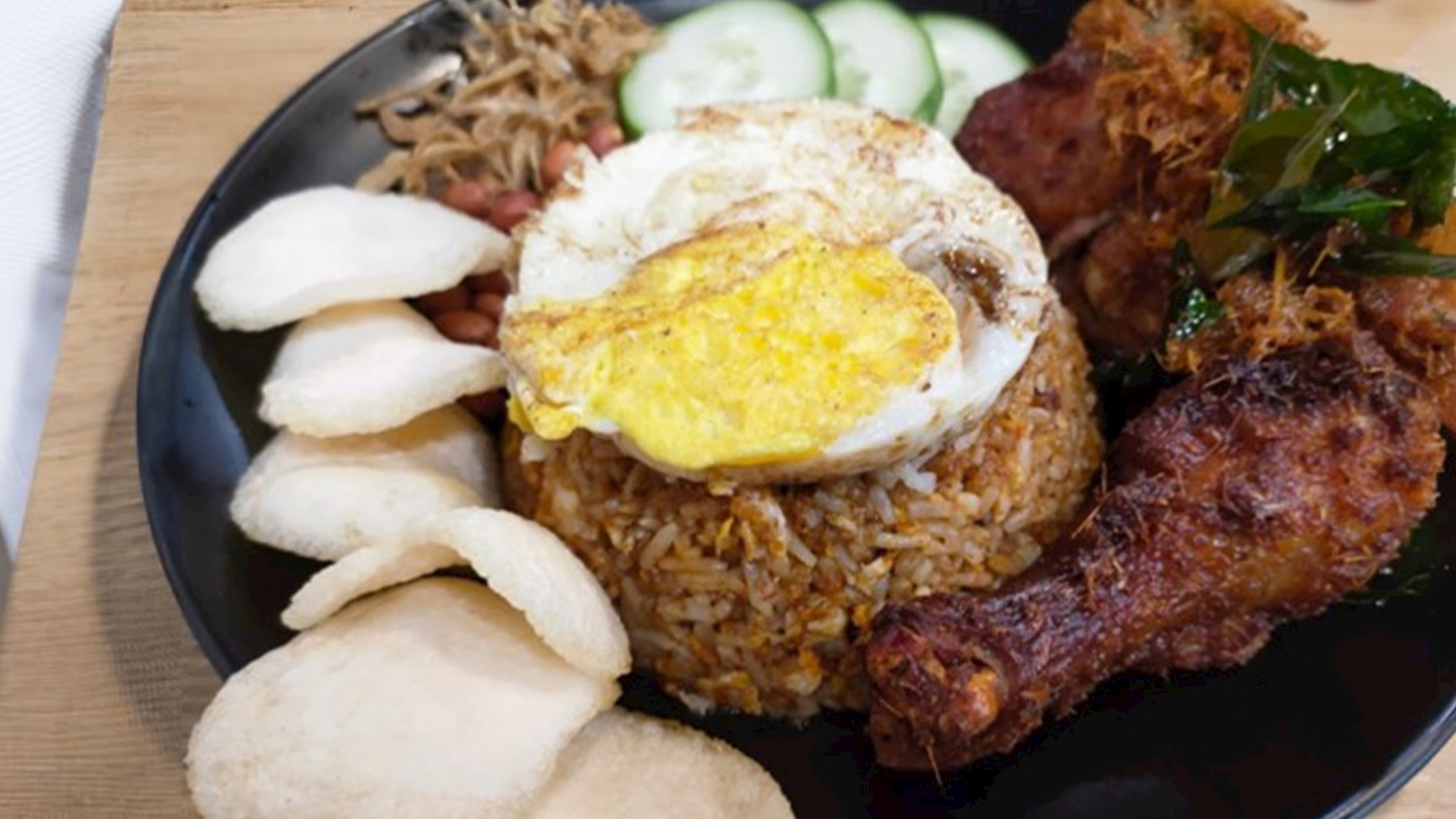
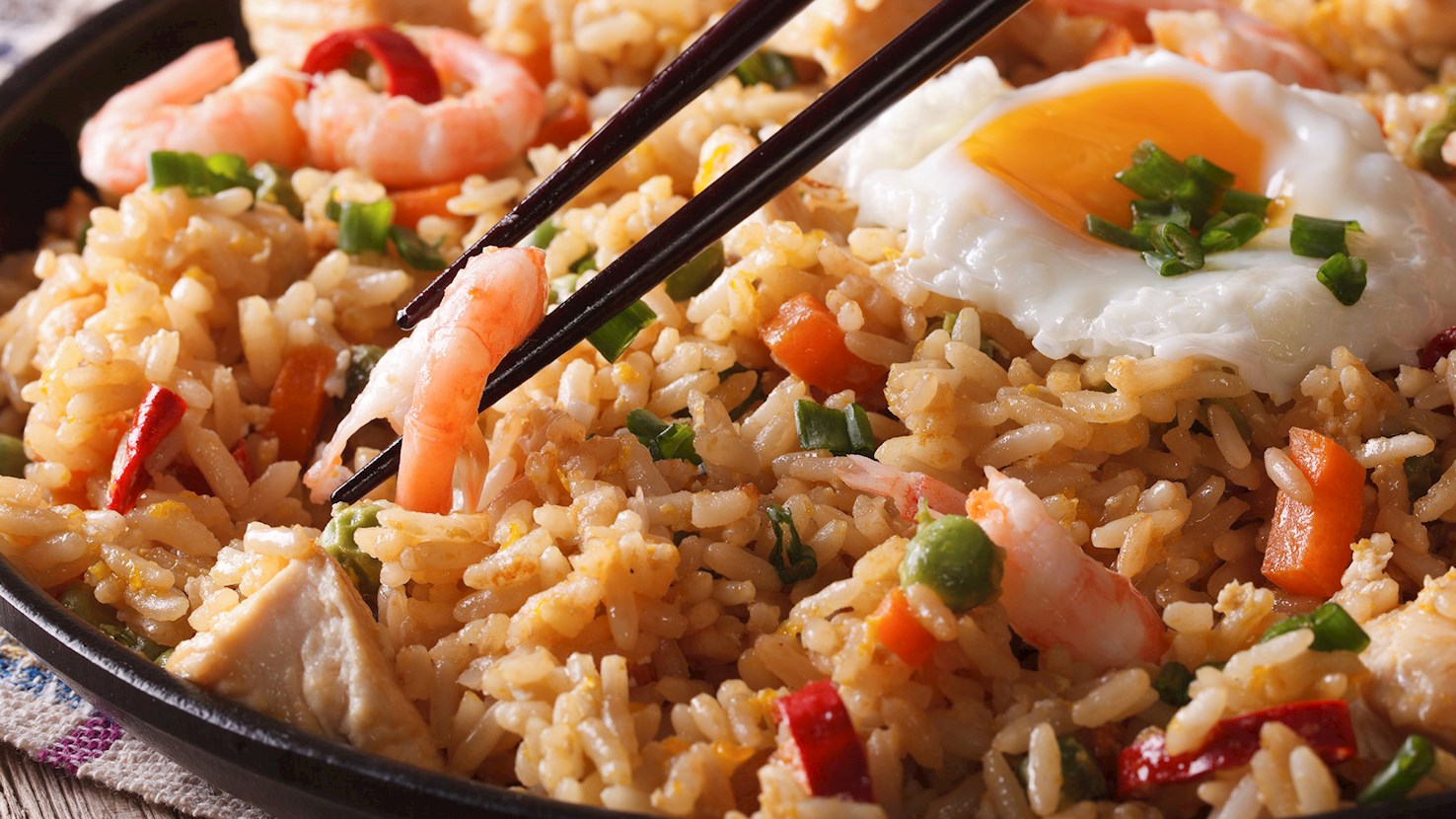
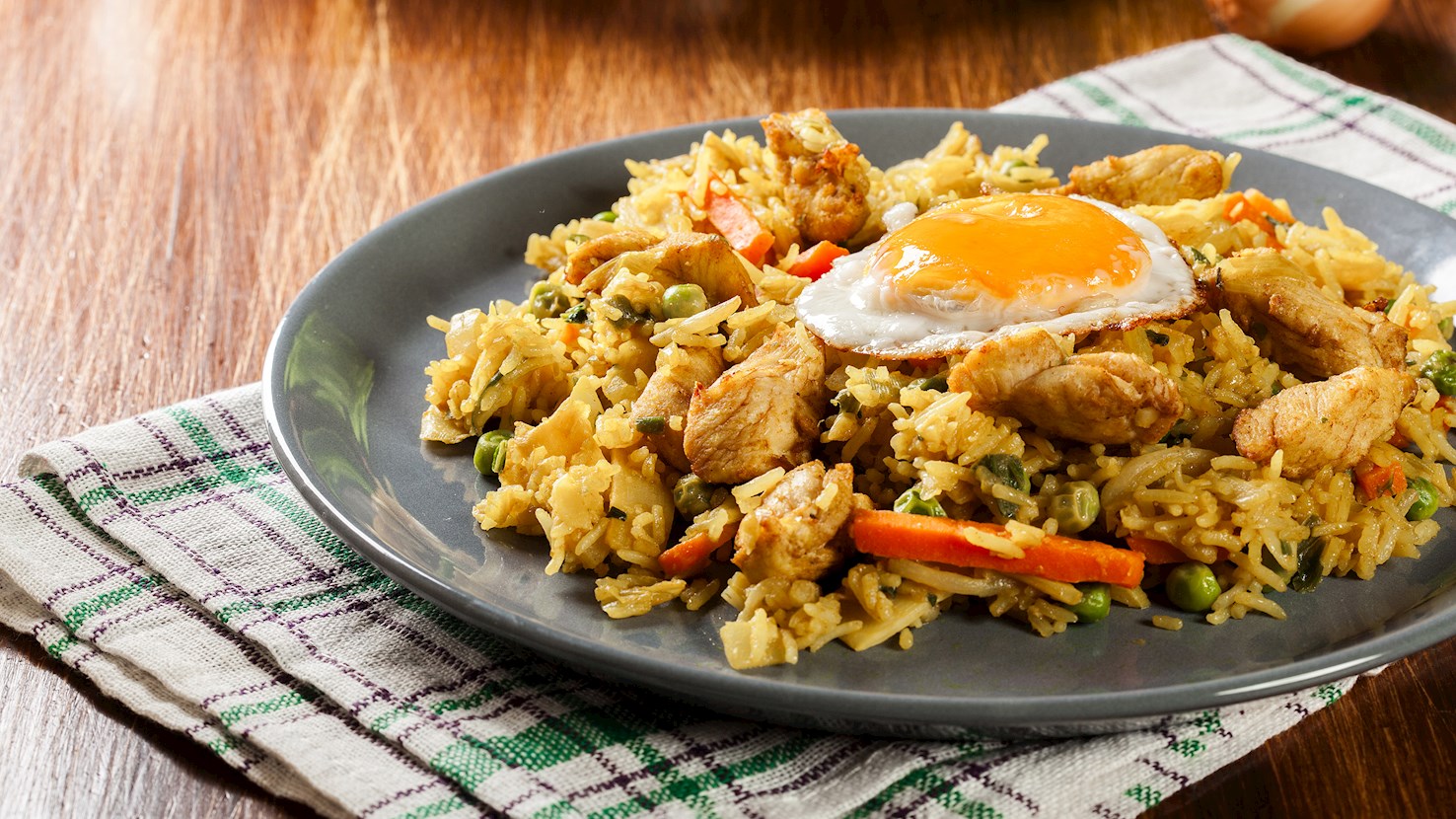
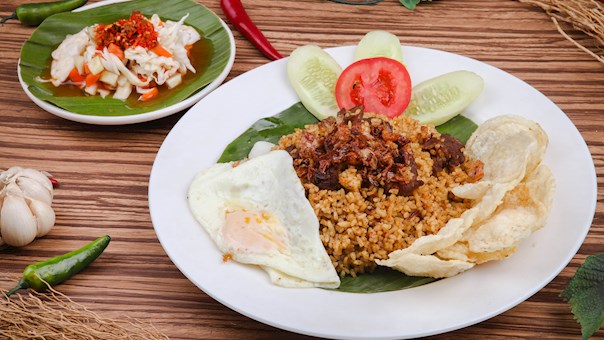
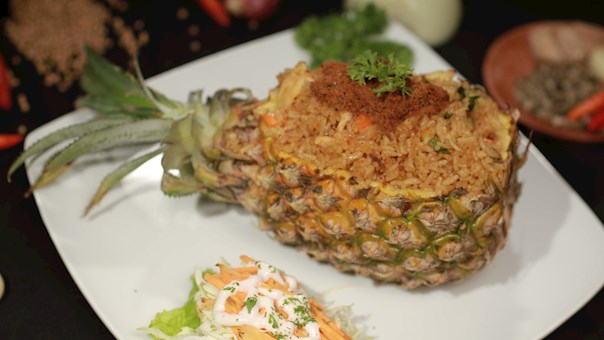
Nasi goreng ayam is a traditional fried rice dish that's also popular in Singapore, Brunei, and Malaysia. Although there are many versions of this nasi goreng variety, it is usually made with a combination of chicken thighs, oil, salt, white pepper, shallots, rice, turmeric, soy sauce, fish sauce, galangal, ginger, garlic, scallions, kecap manis, and hot peppers. Most of the ingredients are fried with rice, and the dish is then topped with fried eggs, fried shallots, and sliced chili peppers. It's recommended to serve nasi goreng ayam with prawn crackers on the side.
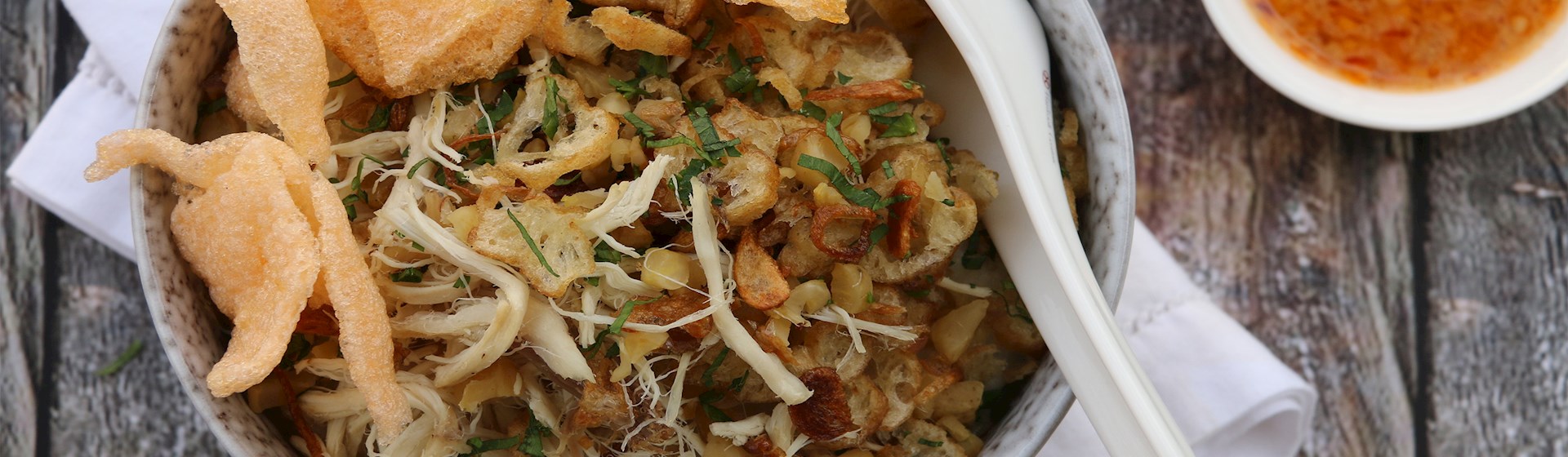
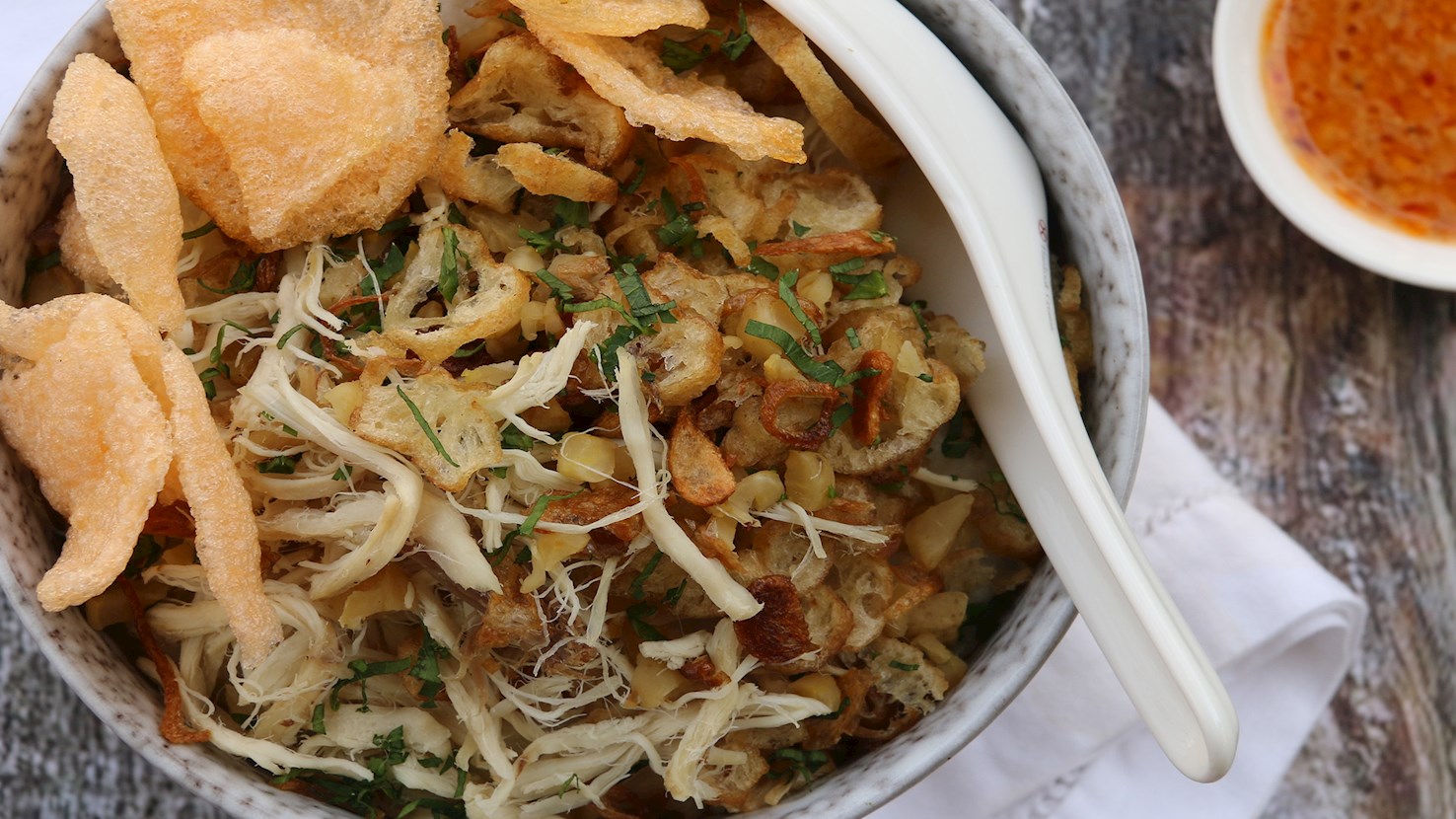
Bubur ayam is the Indonesian version of chicken congee, a thick rice porridge topped with shredded chicken and various savory condiments. This breakfast staple probably originates from the Chinese rice porridge, but it employs regionally available ingredients and toppings to create an authentic Indonesian dish. The process starts with boiling chicken (usually darker, on the bone pieces), and the same broth is typically used to cook the rice until it becomes dense in consistency. Besides rice porridge and shredded chicken, bubur ayam can employ a myriad of other ingredients. It is commonly topped with sliced scallions, crispy fried shallots, chopped cilantro, crushed peanuts, fried crullers, and sliced boiled eggs. Before it is served, bubur ayam is usually generously doused with soy sauce, sesame oil, or fish sauce. Unlike other traditional Indonesian dishes, this chicken porridge is not overly spicy, but the fiery sambal sauce can be served on the side, if desired. Bubur ayam is one of the most common street food varieties in Indonesia - each morning, numerous street vendors can be seen selling this comforting porridge as a nutritious breakfast dish.
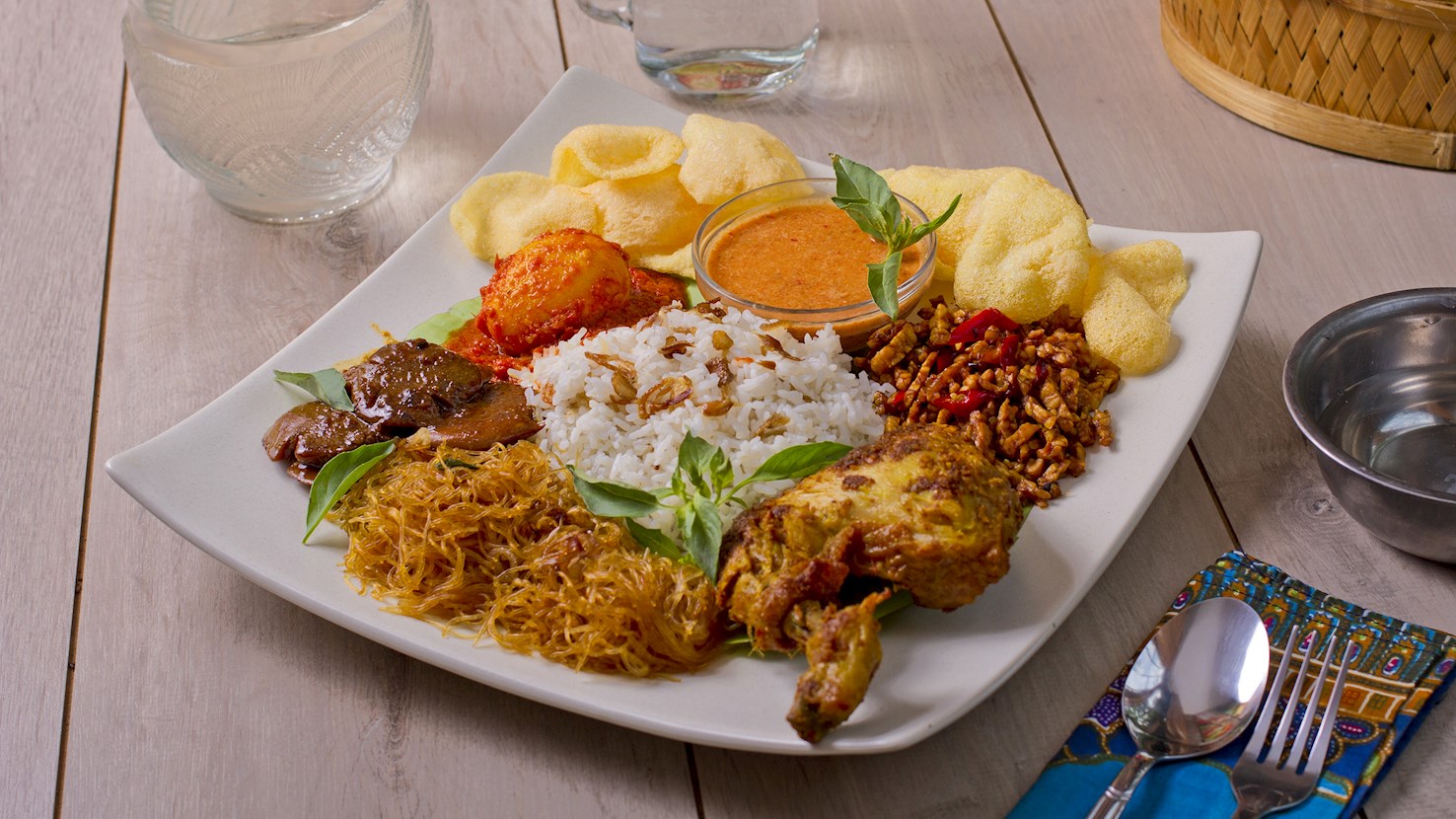
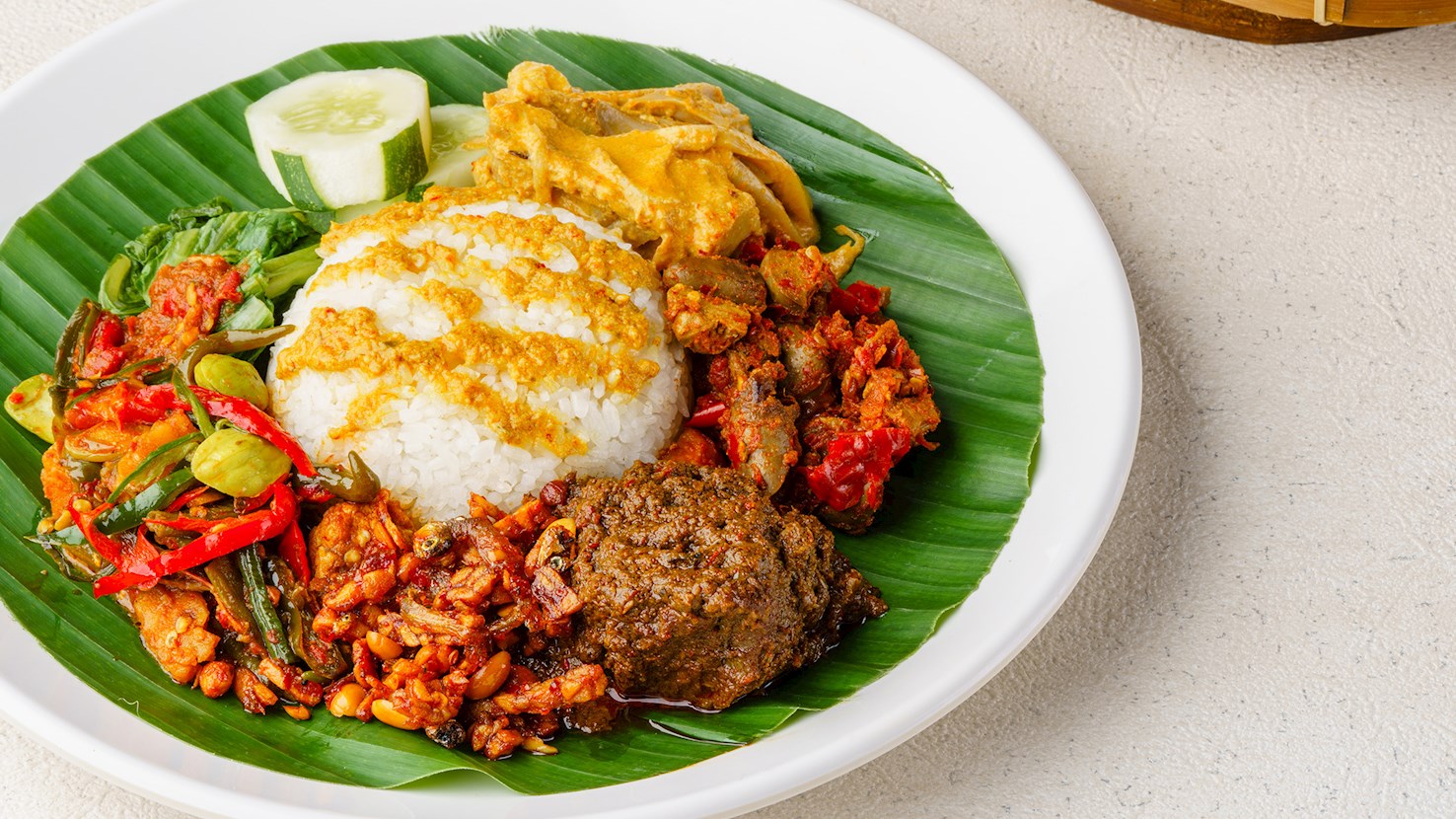
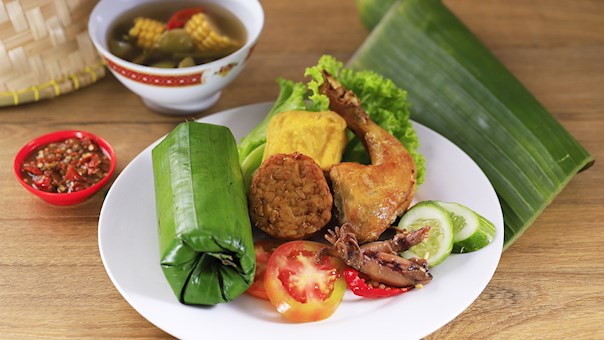
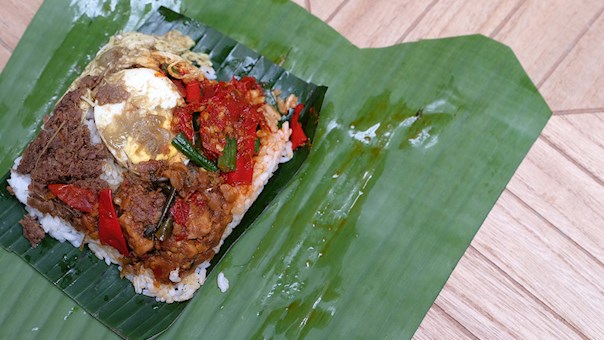
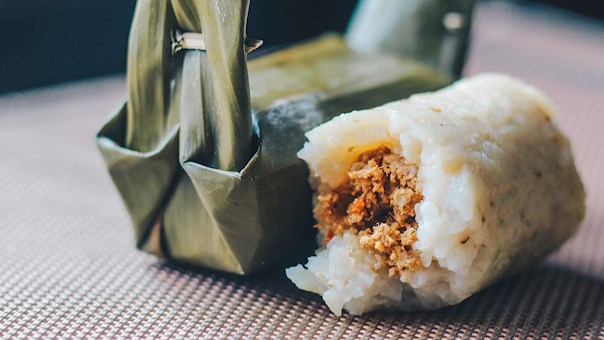
Nasi uduk is one of numerous Indonesian rice-based dishes. The rice in nasi uduk is cooked in coconut milk together with lemongrass, cloves, pandan leaves, and cinnamon. The process results in wonderfully fluffy, fragrant rice, and right before it is served, each portion is usually topped with fried shallots. It is a dish rarely eaten on its own, but rather served with a variety of side dishes and condiments. Most commonly a variety of stewed and fried meat, rice noodles, eggs, tempeh, tofu, fried anchovies, and rice crackers are served alongside rice. Regular sambal, the spicy Indonesian hot sauce, or peanut sambal are the most common condiments served with nasi uduk. However, it is usually the customer who can choose the additional ingredients and create their version of the meal. The dish is usually served in warungs, traditional Indonesian eateries, or at Indonesian food stalls. It can also be bought already prepared and wrapped in fresh banana leaves. Nasi uduk is believed to have originated in Jakarta, but it can be found in other parts of Indonesia as well.
Nasi goreng is often referred to as the Indonesian version of fried rice. Although it is considered to be the national dish of Indonesia, it is also commonly eaten in Malaysia and Singapore. It is believed that the tradition of frying rice in Indonesia came from the Chinese culture, when the trade between the two countries started to develop. Indonesians adopted the Chinese tradition based on the belief that it is sinful to waste food, and soon, like many other versions of fried rice, nasi goreng was created. Since it was developed out of a practical need, it is usually eaten for breakfast and made with leftover rice from the previous day. Precooked rice is usually fried in a small amount of oil, then spiced up with shallots, garlic, chili, or ginger. Indonesian fried rice is distinguished by the generous use of sweet soy sauce, and because of that, it has a deeper and spicier flavor than other varieties of fried rice. Nasi goreng is commonly served with eggs. Usually, they are mixed in the rice or fried and served on the side.
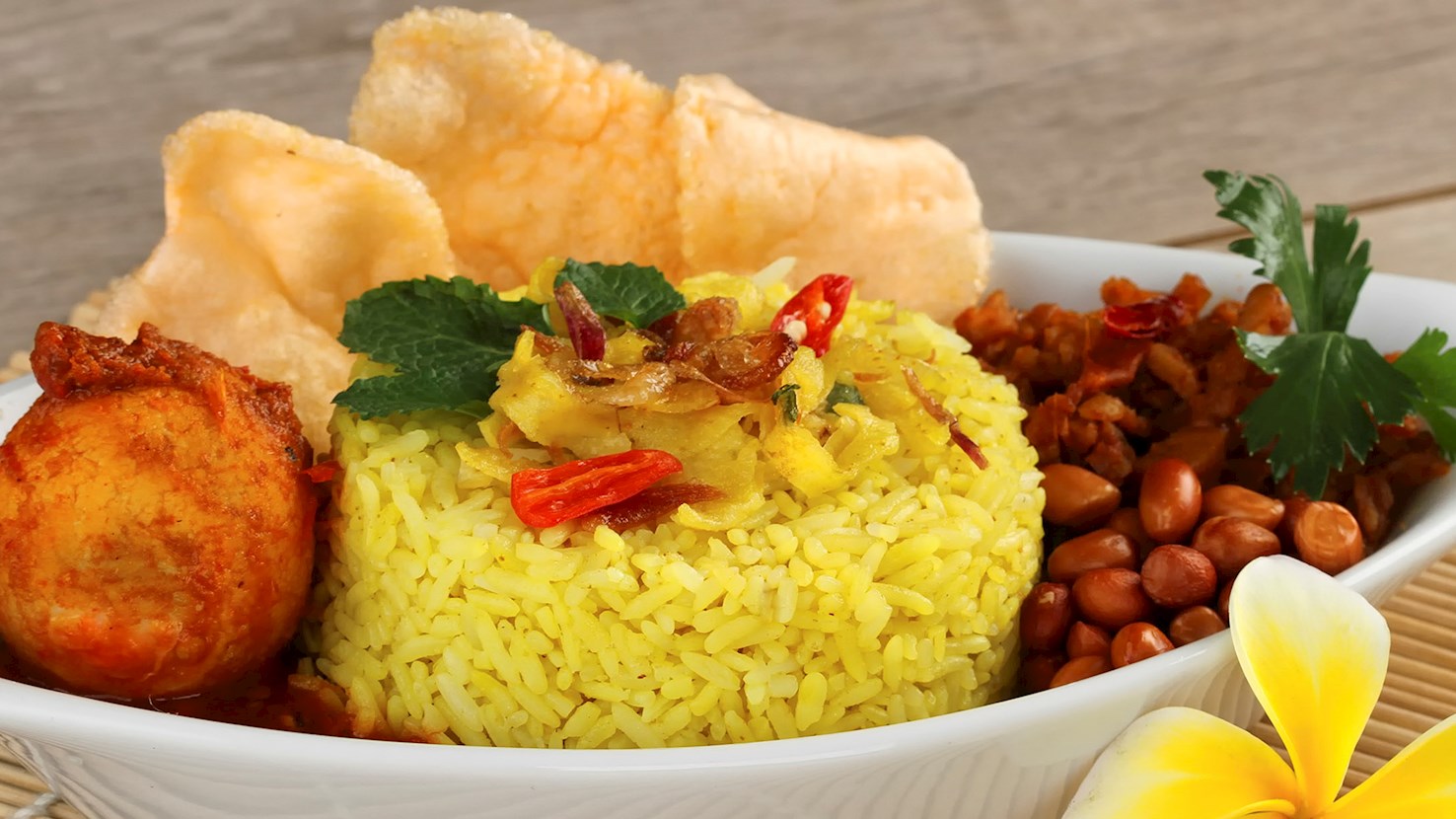
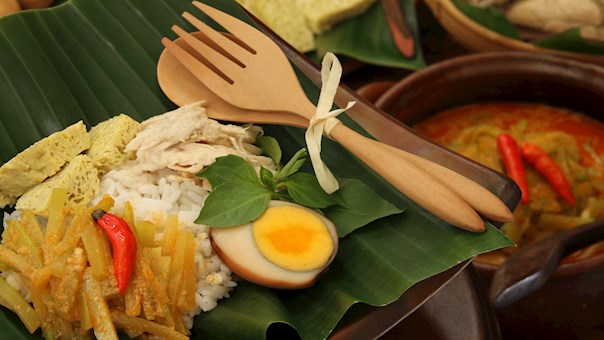
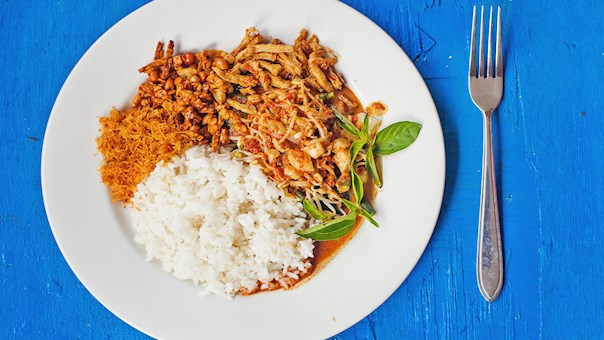
This traditional Indonesian dish consists of rice cooked in coconut milk that is usually seasoned with turmeric, lemongrass, and kaffir lime leaves. Even though yellow rice is the star of nasi kuning, the dish is assembled out of other Indonesian dishes and complements, such as fried chicken, potato fritters, sliced omelet, fried anchovies, shrimps, or fried tempeh. Sambal, the traditional Indonesian chili sauce, and serundeng (spicy fried coconut flakes) are often served as condiments. Nasi kuning is always served neatly organized on the plate, and the rice should always be placed in the middle. It is traditionally associated with the island of Java, which is considered to be the place of origin of this authentic Indonesian dish.
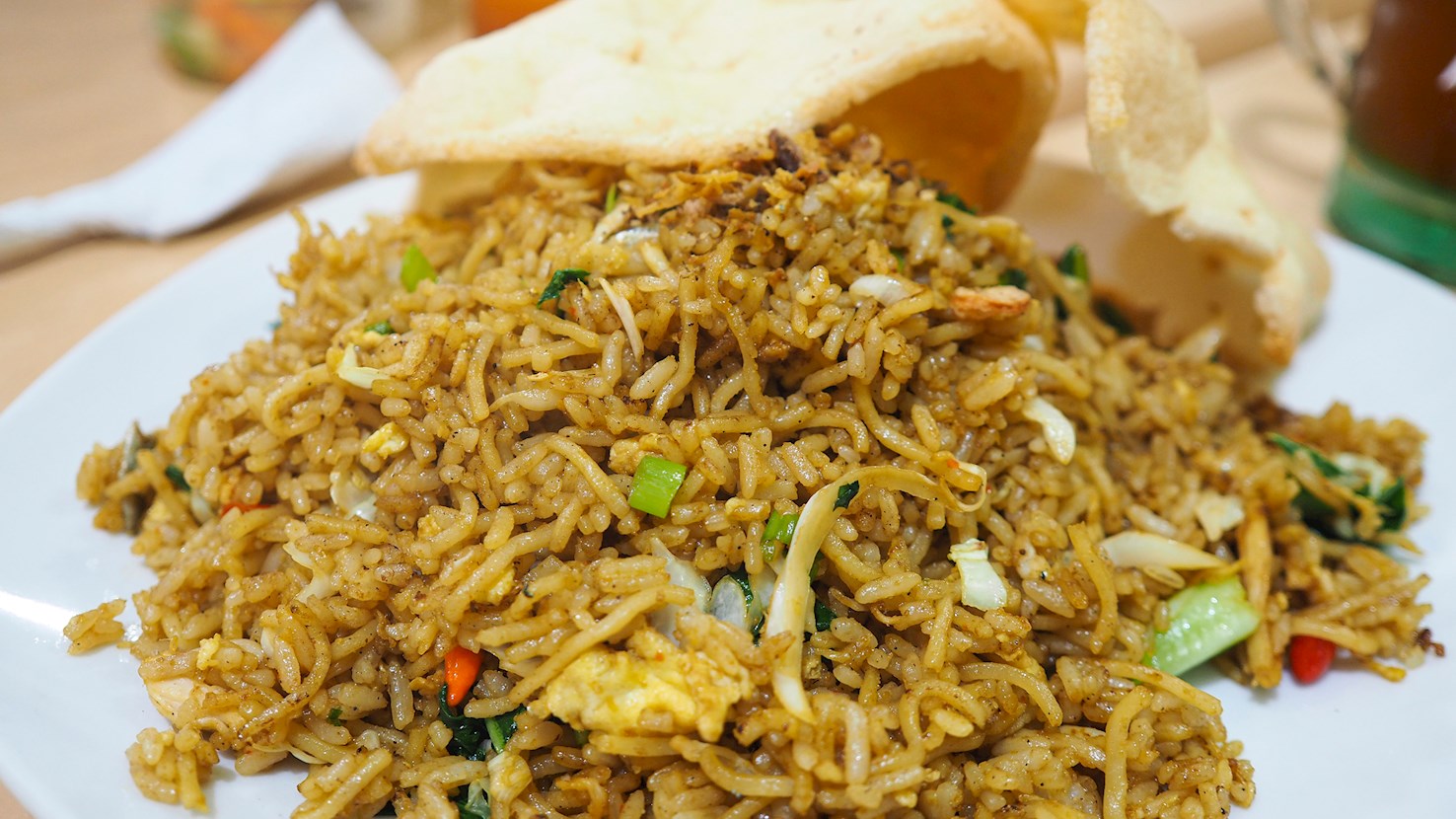
Nasi goreng mawut is a distinctive Indonesian fried rice dish that comes from Central and East Java. Its name loosely means “messy fried rice,” referring to the way rice and noodles are mixed together in the same pan to create a hearty, satisfying meal. The dish starts with leftover steamed rice, which is stir-fried along with yellow egg noodles, vegetables such as cabbage and mustard greens, scrambled egg, and often slices of chicken, beef, or meatballs. The combination of rice and noodles sets nasi goreng mawut apart from other types of fried rice commonly found across Indonesia, giving it a varied texture and a more substantial, filling character. Preparation begins by sautéing ground shallots, garlic, chilies, and sometimes shrimp paste or sweet soy sauce to form an aromatic base. The protein and vegetables are added next, then the rice and noodles are tossed in and cooked together until heated through and lightly caramelized. A final drizzle of kecap manis, Indonesia’s thick sweet soy sauce, lends a glossy coating and a mild sweetness that balances the savory flavors. The dish is typically garnished with fried shallots and sliced fresh cucumber, and it may be served with crackers or pickled vegetables on the side. Nasi goreng mawut reflects the resourceful cooking style of Java, where leftover rice and noodles are transformed into a convenient one-pan dish. It is commonly sold by street vendors and small eateries, where it is cooked to order over high heat so the rice stays firm and the noodles retain their springy texture.
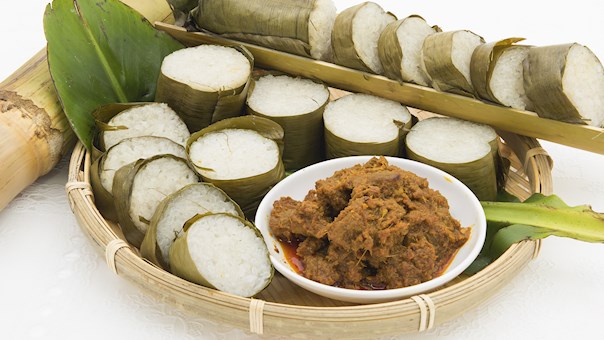
Nasi rendang is a traditional dish that combines nasi (rice) with rendang, a rich and flavorful meat dish. Rendang itself is a slow-cooked dry curry deeply spiced with a mixture of garlic, ginger, turmeric, lemongrass, galangal, and chilies, among other ingredients. Coconut milk is a key component, giving the dish its creamy texture and rich flavor. The meat, traditionally beef (but sometimes chicken or lamb), is simmered in this mixture for several hours until it becomes tender, allowing the flavors to deeply penetrate. The cooking process continues until the liquid is greatly reduced, resulting in a dry, intensely flavored coating around the meat. Serving this with rice (nasi) helps balance the strong flavors of the rendang, making nasi rendang a satisfying and complete meal.
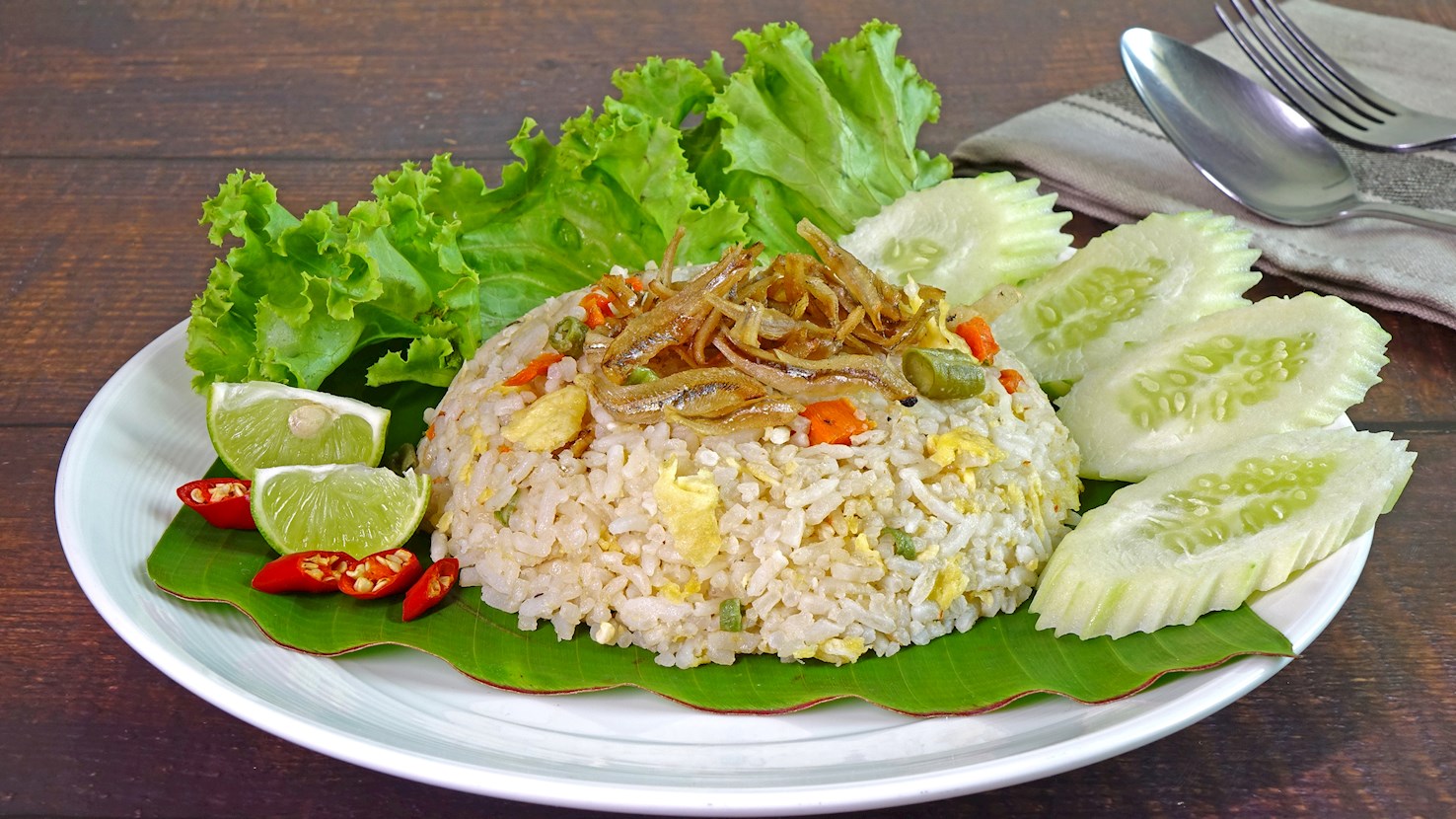
Nasi goreng kampung is a village-style fried rice dish widely enjoyed in both Malaysia and Indonesia, where it reflects a rustic approach to cooking that relies on simple ingredients and strong, savory flavors. In both countries, the dish is known for its use of sambal, fried anchovies, and leftover rice, creating a meal that is filling and uncomplicated. In Malaysia, nasi goreng kampung is especially popular in hawker centers and roadside stalls, where it is prepared quickly to order and typically served with a fried egg and fresh cucumber slices. The Malaysian version is characterized by the generous use of crispy anchovies and a chili paste that is stir-fried until aromatic before the rice is added. Soy sauce is often included to round out the seasoning, and kangkung or long beans are common additions for extra texture. In Indonesia, the dish is prepared in a similar way but may go by names such as nasi goreng pedas kampung or simply nasi goreng pedas. Indonesian cooks often include ikan teri (small dried anchovies) or leftover cooked meats, and some recipes use a touch of terasi, the fermented shrimp paste that gives many Indonesian sambals their distinctive depth. The rice is typically cooked with a combination of garlic, shallots, chilies, and sometimes sweet soy sauce or kecap manis, depending on regional preference. In both versions, the dish is valued for its flexibility, allowing home cooks to adapt it with whatever vegetables and proteins are available. Nasi goreng kampung is commonly eaten for breakfast, lunch, or late-night supper. Its straightforward preparation makes it one of the most accessible fried rice styles across Southeast Asia. While restaurant versions sometimes include elaborate garnishes, the most authentic examples are often the simplest, relying on the freshness of the sambal and the texture of the fried anchovies to carry the flavor. In Malaysia, the name has become a recognizable label on menus, sometimes causing confusion among visitors who expect it to be connected to Western interpretations of “village cuisine.” In Indonesia, the concept of kampung cooking is understood more broadly as a way of describing food prepared without elaborate sauces or commercial seasoning pastes.
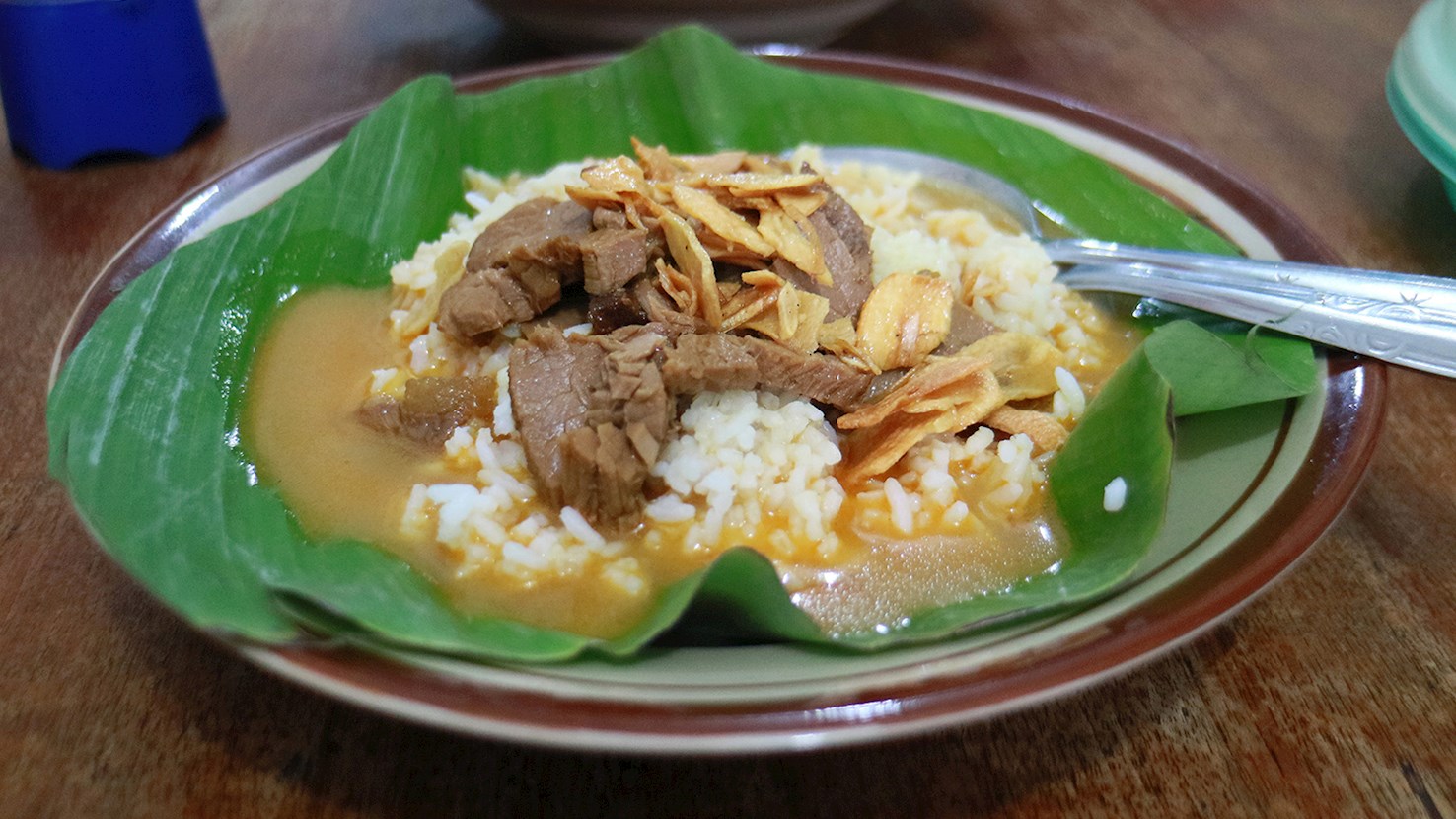
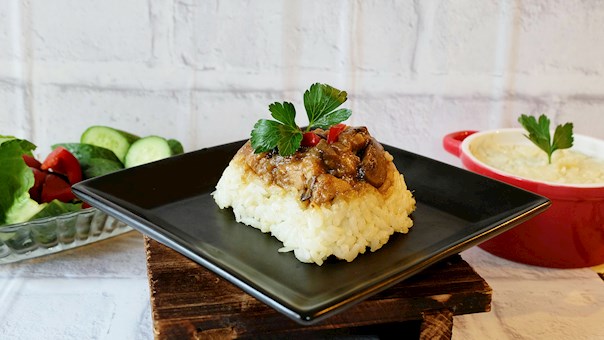
Nasi gandul is a richly flavored rice dish that hails from the town of Pati in Central Java, Indonesia. It features steamed rice served with tender slices of beef or offal in a thin, aromatic coconut milk-based gravy, typically infused with spices such as coriander, garlic, shallots, cumin, and cinnamon. The dish is often likened to a lighter version of gulai or a more brothy rendition of beef rendang, with its signature feature being the delicate balance between savory, sweet, and creamy elements. The name "gandul", which means "hanging" in Javanese, is believed to reference the way vendors once carried their food, suspended on bamboo poles over the shoulder, but over time, the name became synonymous with the dish itself. What makes nasi gandul distinct is not only its complex yet comforting flavor, but also its presentation. It is commonly served on a plate lined with banana leaf, enhancing the aroma and offering a rustic appeal. The meat, often beef brisket, tongue, or innards, is simmered until soft and spooned over the rice with the broth ladled generously on top. Crispy fried shallots and a splash of sambal add contrast and heat, while optional extras like fried tempeh or eggs can round out the meal. Although once sold by street vendors walking from village to village, nasi gandul is now a regional specialty served in food stalls and warungs in and around Pati, where it continues to be a symbol of local pride.
Nasi goreng kunyit is a fried rice dish that features turmeric as a defining ingredient, giving it a distinctive yellow color and earthy flavor. It originates from Indonesia and is commonly found in home kitchens and street food stalls, particularly in Java and Sumatra, where turmeric is frequently used in everyday cooking. The term “nasi goreng” means fried rice, while “kunyit” is the Indonesian word for turmeric. This variant is one among many regional expressions of Indonesia’s national comfort food, differing from the more common dark soy sauce-based versions by its brighter profile and use of fresh spices. The base of nasi goreng kunyit is cooked rice, preferably leftover rice from the previous day to ensure a firmer texture when fried. The rice is stir-fried with a freshly ground paste made from garlic, shallots, chilies, and turmeric root or turmeric powder. This paste is fried until aromatic, then mixed with the rice and other optional ingredients such as shredded chicken, diced tofu, small prawns, or chopped vegetables. The turmeric not only colors the dish but also adds a subtle bitterness that is often balanced by salt, sugar, and a squeeze of lime or dash of fish sauce, depending on local preferences. The dish is usually cooked in a wok or wide frying pan over high heat, allowing the rice to take on a slightly toasted texture while absorbing the flavors of the spice paste. It is often served with accompaniments such as sliced cucumber, fried shallots, a fried egg, or crispy crackers, but these additions vary by region and availability. Some versions include coconut milk or lemongrass for added complexity, though the core identity of nasi goreng kunyit remains grounded in its use of turmeric as the primary flavoring and coloring agent. While not as internationally recognized as other Indonesian rice dishes, it is well-regarded locally for its simplicity, nutritional value, and ease of preparation. It is often eaten as a breakfast or lunch dish, particularly when leftover rice and ingredients need to be repurposed into a quick and satisfying meal.
TasteAtlas food rankings are based on the ratings of the TasteAtlas audience, with a series of mechanisms that recognize real users and that ignore bot,
nationalist or local patriotic ratings, and give additional value to the ratings of users that the system recognizes as knowledgeable.
For the “Top 25 Indonesian Rice Dishes” list until October 15, 2026, 1,167 ratings were recorded, of which 859 were recognized by the system as legitimate.
TasteAtlas Rankings should not be seen as the final global conclusion about food. Their purpose is to promote excellent local foods,
instill pride in traditional dishes, and arouse curiosity about dishes you haven’t tried.



What People Say