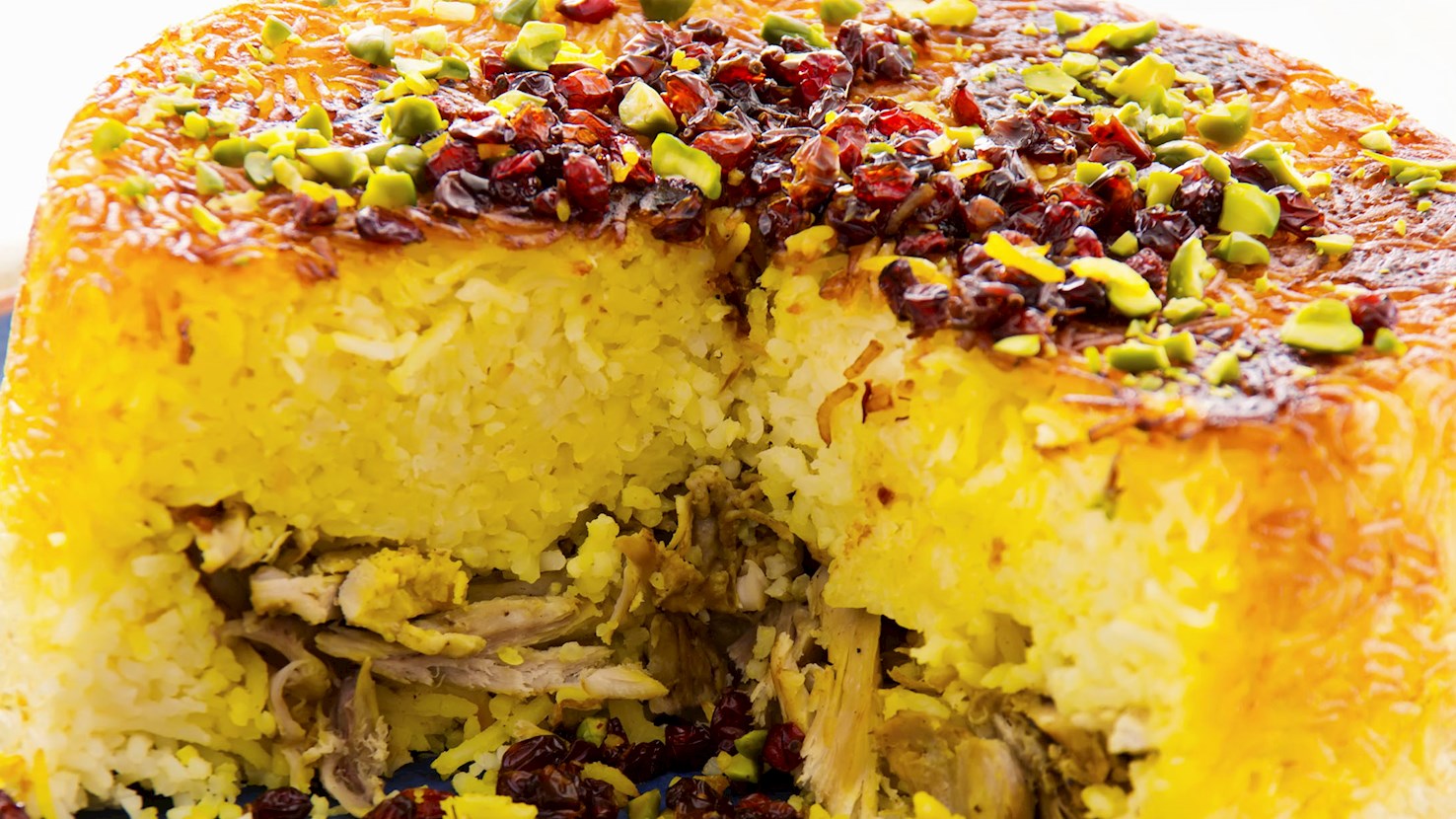
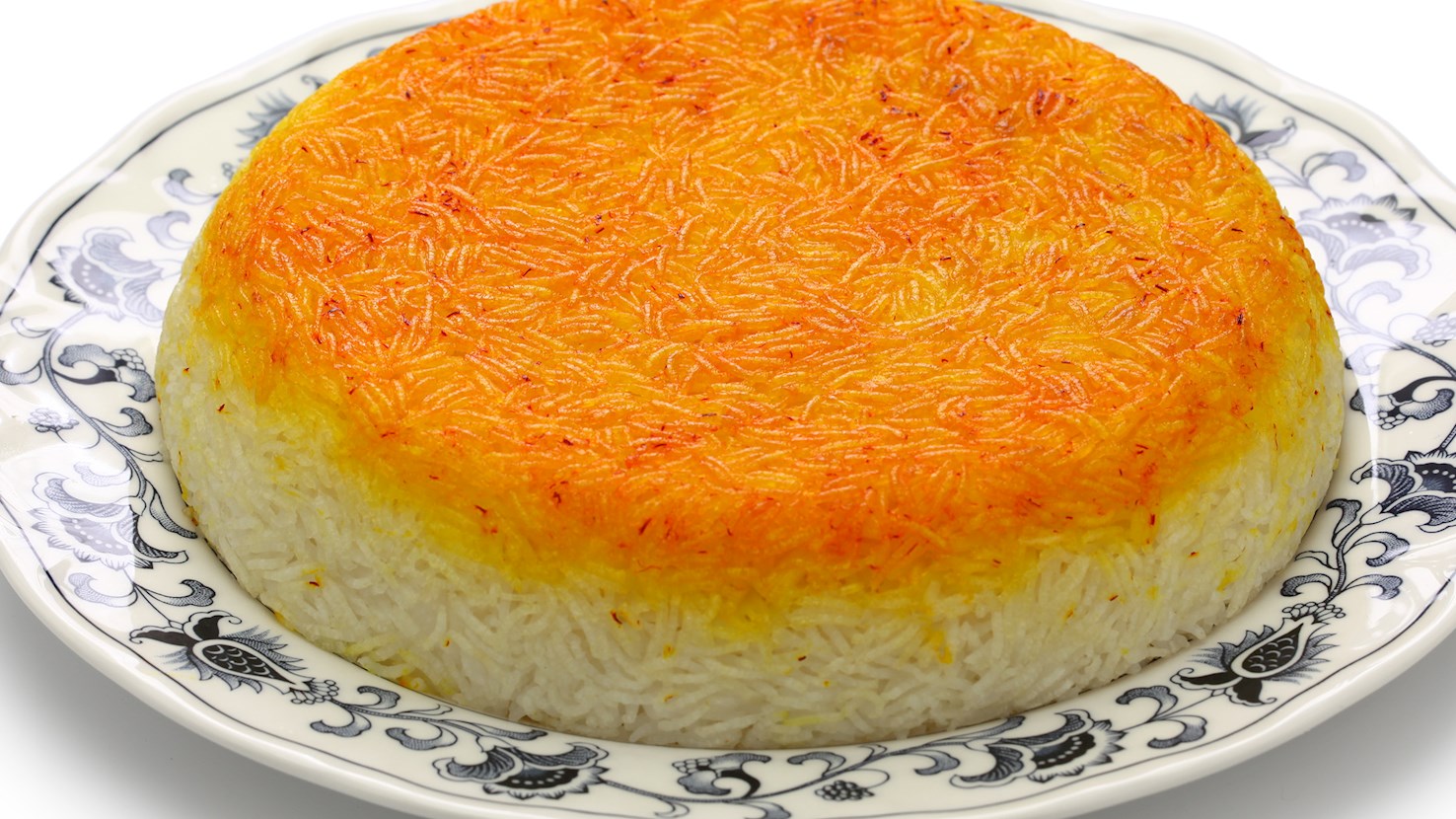
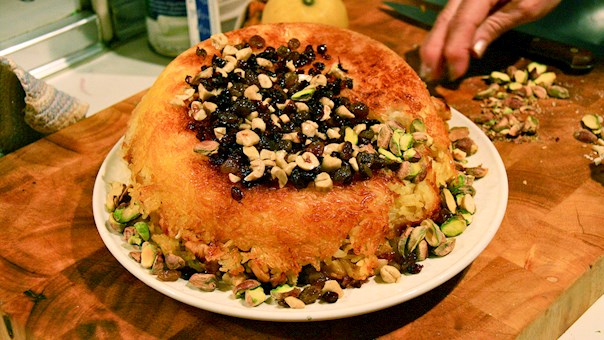
Tahchin combines fragrant rice with saffron, yogurt, eggs, and pieces of chicken or other fillings, baked together until it forms a golden crust. Its name means “arranged at the bottom,” referring to the way the rice and other ingredients are layered and then inverted onto a serving platter so that the crisp bottom becomes the top. Historically, Persian cuisine has emphasized rice dishes that showcase both texture and aroma, and tahchin is considered an example of this culinary approach. While the concept of cooking rice with yogurt and saffron has existed in Iranian cooking for centuries, tahchin evolved into a recognizable form during the Qajar era, when elaborate rice dishes were served in royal courts and gradually adapted for family kitchens. Its distinctive crust, called tahdig, is prized and often considered the most desirable part of the meal. While chicken is the most common filling, some regional variations use lamb, eggplant, or fish layered into the rice. In every version, the defining feature is the bright yellow hue created by saffron, which is dissolved in warm water and mixed into the rice before baking. The inclusion of yogurt and egg yolks gives the crust its tender yet cohesive texture, allowing it to hold its shape when turned out of the pan. Tahchin is served inverted onto a platter, revealing a uniform golden layer on top. It is often accompanied by barberries sautéed with butter and sugar, adding a sweet-tart contrast, and sometimes garnished with slivered pistachios or almonds. In Iran, it is enjoyed both as a centerpiece dish for special gatherings and as a comforting meal in everyday settings. Today, tahchin remains popular in Iranian homes, restaurants, and during festive occasions.
Kateh is an Iranian style of rice preparation that is simpler and faster than the elaborate steamed chelo, known for yielding a soft, cohesive texture with a slightly sticky consistency. This method is particularly associated with the Caspian provinces of northern Iran, such as Gilan and Mazandaran, where it remains the most common everyday rice dish. Unlike chelo, kateh does not require parboiling or draining, making it more convenient for quick meals. The dish is often paired with stews, grilled meats, pickles, and fresh herbs. To prepare kateh, rice is rinsed briefly and then combined in a pot with water, salt, and a generous spoonful of oil or butter. The mixture is brought to a boil over medium heat and then covered and simmered until the water is absorbed. At this stage, the rice forms a soft crust on the bottom known as tahdig, but unlike the crisp tahdig of chelo, kateh’s crust is moist and golden rather than crunchy. Once cooked, the rice is gently fluffed and served directly from the pot, requiring no additional steaming or layering. Kateh’s appeal lies in its simplicity and the mild, comforting flavor of the grains infused with butter or oil. Because the grains are cooked in exactly the amount of water they absorb, the final texture is cohesive and tender, with no need to worry about overcooking or undercooking. This straightforward method makes kateh especially popular in home kitchens, where it is often the first style of rice children learn to prepare. Though less ceremonious than chelo, kateh holds a respected place in Iranian cuisine and is valued for practicality and everyday use. In the northern provinces, it is served with dishes such as mirza ghasemi (smoky eggplant and tomato), fried fish from the Caspian Sea, or simple braised greens. Because kateh is prepared in a single pot without the need for draining, it is also well suited to rural households where cooking fuel and water are used sparingly.
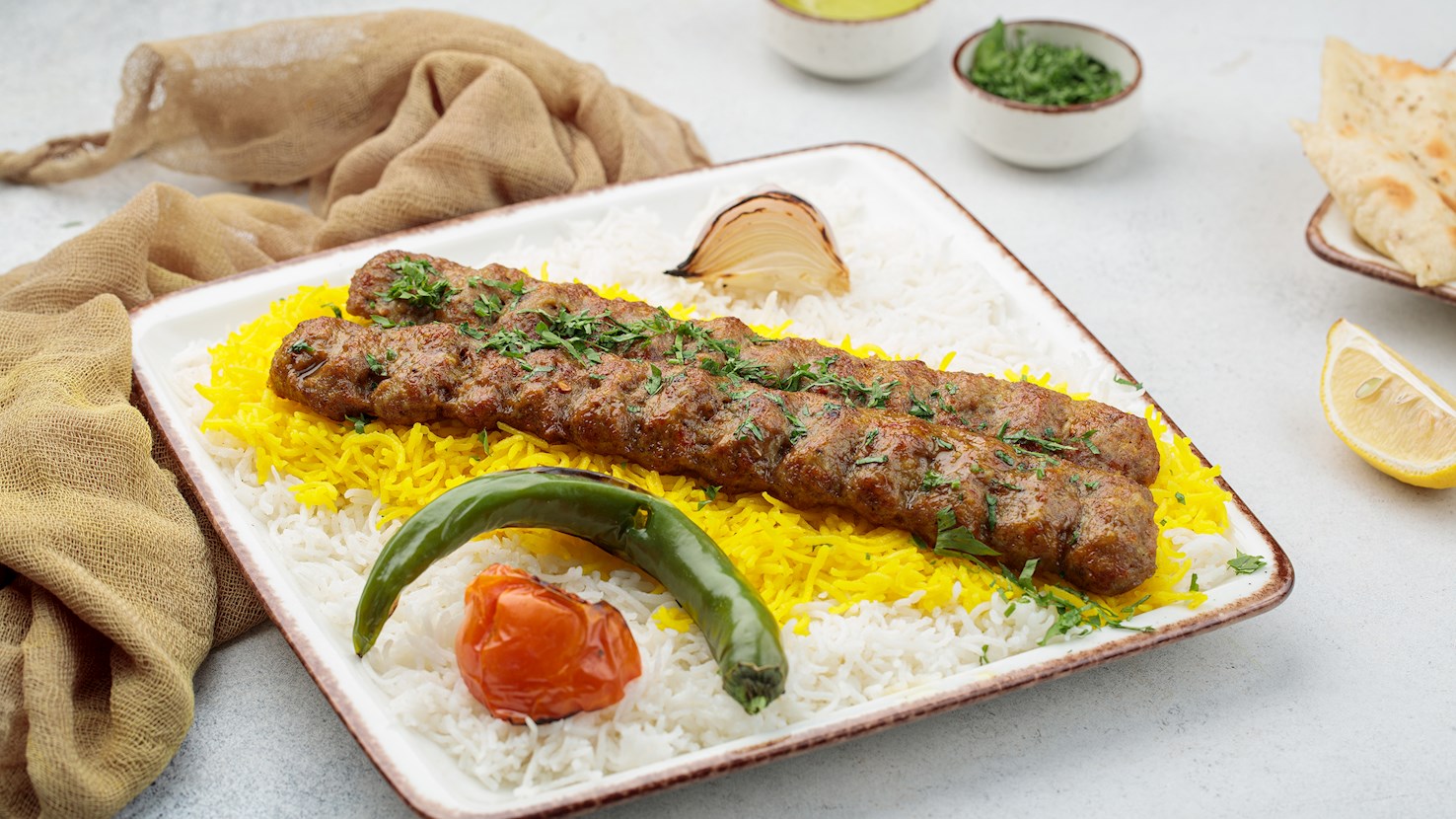
Chelo kebab is a dish of steamed saffron rice with skewered, grilled meat, most often ground lamb or beef, served alongside accompaniments such as grilled tomatoes, butter, and raw onion. The name “chelo” refers to the delicate white rice, which is prepared separately from the kebab and finished with a drizzle of melted butter and a sprinkling of saffron-infused water. This pairing of rice and kebab has become a defining feature of Persian cuisine, regarded as a benchmark of culinary skill and a popular choice for both everyday meals and special gatherings across Iran. The preparation begins with soaking long-grain rice, typically high-quality Iranian varieties, to remove excess starch. The rice is then parboiled, drained, and steamed until each grain is separate and tender. Meanwhile, the meat for the kebab is seasoned simply with salt, pepper, and sometimes grated onion for moisture and flavor. It is shaped onto wide, flat metal skewers and grilled over hot charcoal until charred on the outside and juicy inside. The most popular form is koobideh, made with ground meat, but other cuts like barg, prepared with marinated strips of tenderloin, are also common. Chelo kebab is served by placing the meat skewers next to the mound of rice, often with a raw egg yolk on top and a slab of cold butter that melts into the grains. Grilled tomatoes and fresh herbs are included on the side, and sumac powder is offered for sprinkling over the kebab. This combination balances the richness of the grilled meat with the delicacy of the steamed rice and the acidity of the tomato. Beyond Iran, chelo kebab has become a symbol of Persian hospitality, featured in Iranian restaurants worldwide and recognized as one of the country’s most famous dishes. In Tehran and other cities, dedicated kebab houses specialize in preparing it to order, often with open charcoal grills visible to customers. Chelo kebab is also a frequent feature of celebratory meals, where it is presented in generous portions and shared among family and friends.
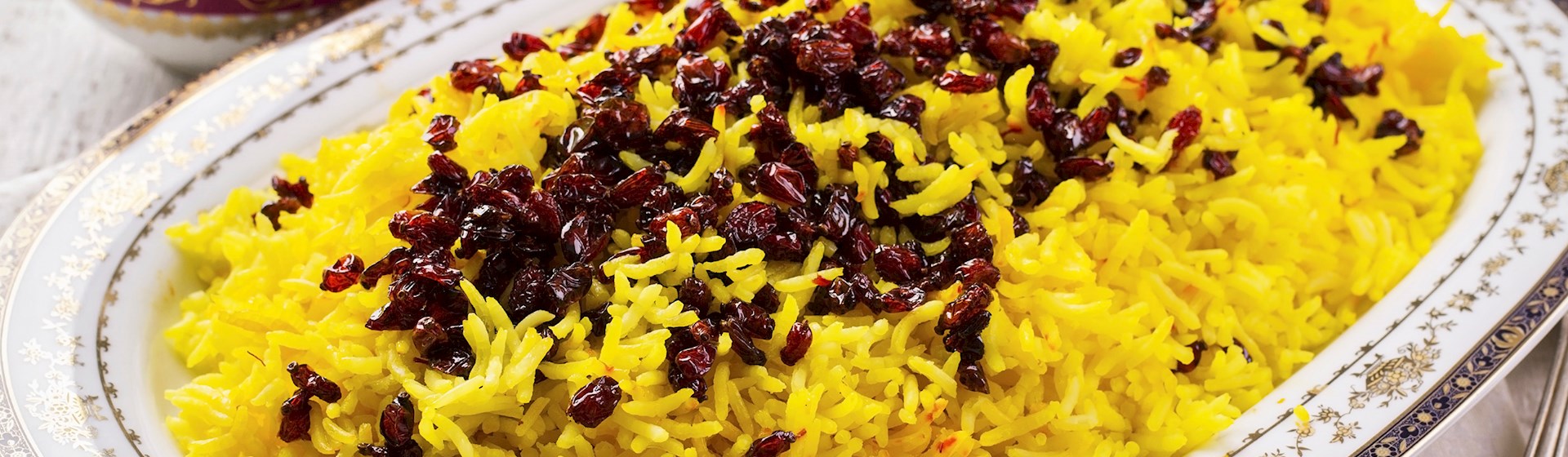
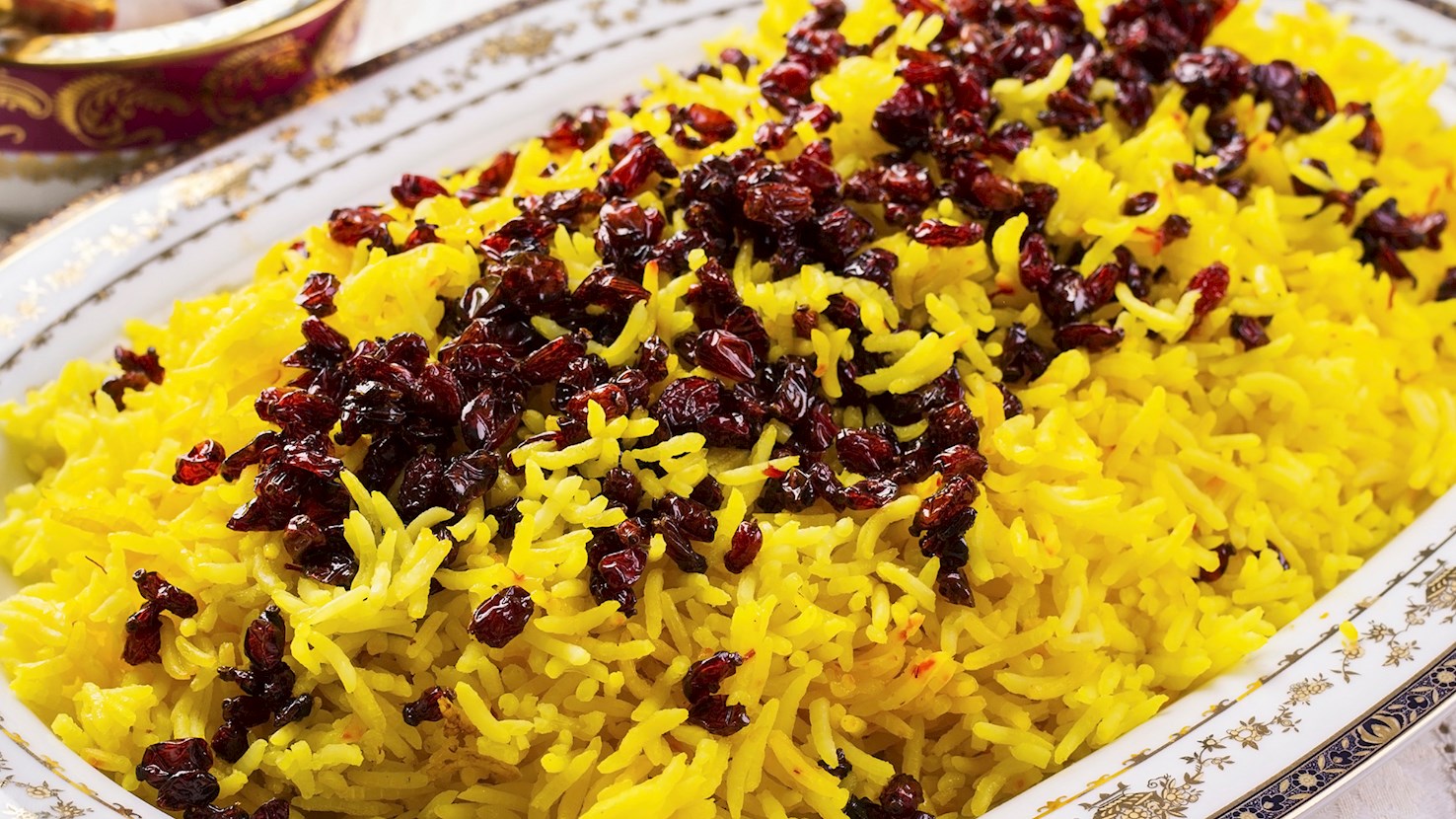
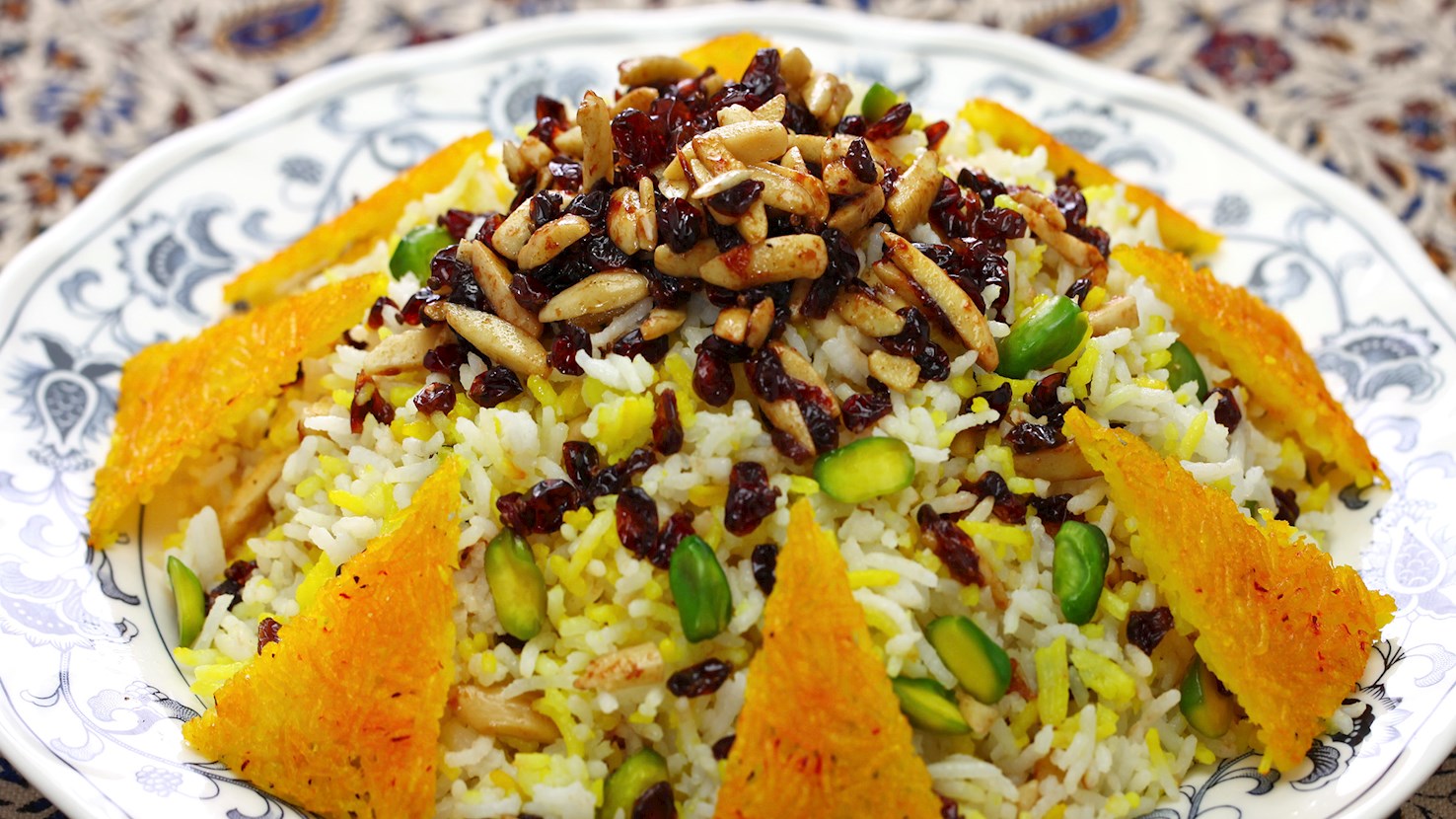
Zereshk polow is an Iranian rice dish that features tart red barberries layered with saffron-infused rice and often served with pieces of braised or roasted chicken. The name translates directly as “barberry rice,” referring to the dried zereshk berries that give the dish its signature bright acidity and vibrant red accents. It is a familiar presence on Iranian tables, commonly prepared for family gatherings, festive meals, and restaurant menus alike. The combination of delicately steamed rice and the sharp tang of barberries creates a contrast that distinguishes it from other Persian pilaf-style dishes. Preparation begins with rinsing and soaking long-grain rice, typically high-quality basmati, to remove excess starch and allow the grains to expand. The rice is boiled briefly in salted water, drained, and returned to the pot in layers to steam with a little oil or butter. During this time, barberries are gently sautéed in butter or oil, sometimes with a pinch of sugar to soften their tartness without masking their natural flavor. Saffron is dissolved in hot water and drizzled over a portion of the rice, giving it a distinctive aroma and yellow color. The chicken component varies between regions and households. Some recipes call for bone-in pieces simmered slowly in onion and spices, while others prepare the chicken separately, roasting or frying it before placing it alongside the finished rice. When the rice is ready, it is arranged in a large serving dish, topped with the glossy, bright barberries and saffron-colored grains. The chicken is served either beside the rice or layered over it. The final presentation highlights the contrast between the white rice, yellow saffron, and red berries. Zereshk polow pairs well with accompaniments such as fresh herbs, yogurt, pickles, or salad, which balance the richness of the dish. It is especially popular for celebratory lunches and dinners, where it is appreciated both for its flavor and for the appealing visual impact. Though the dish is commonly associated with home cooking, it has become a staple of Iranian restaurants across the world, where it is often introduced to diners unfamiliar with barberries.
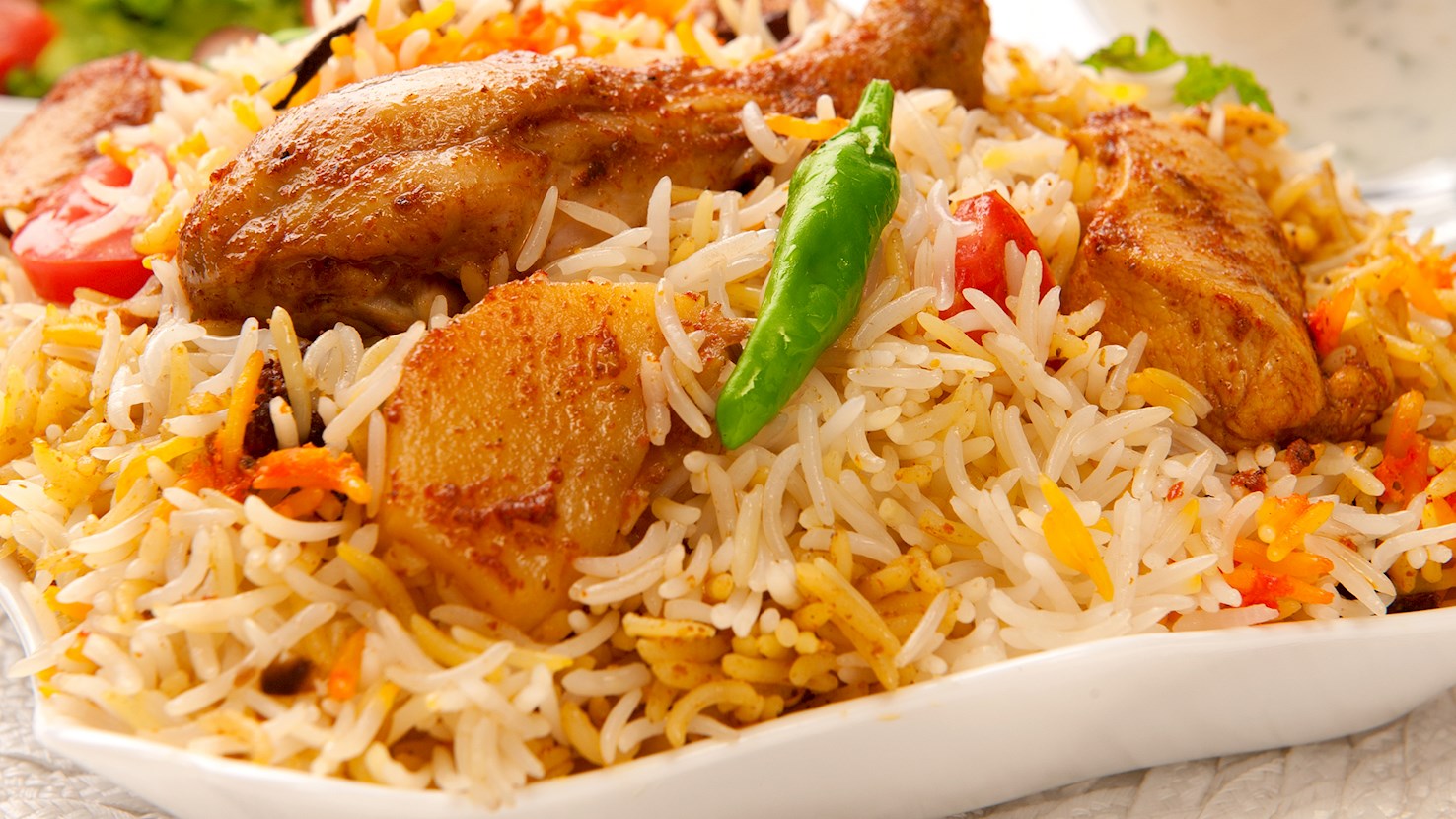
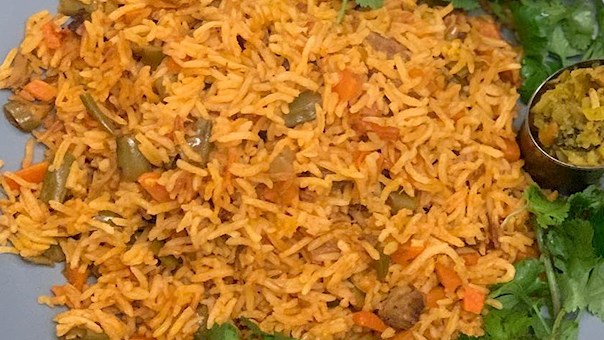
Biryani is a group of classic rice dishes dating back to the Mughal Empire. It combines long-grain rice, usually basmati, with marinated meat, seafood, or vegetables, all cooked together with spices such as cardamom, cloves, cinnamon, and saffron. The origins of biryani are often linked to Persian culinary influences brought to India by Mughal rulers, who adapted pilaf-style cooking into elaborate preparations with fragrant rice and richly seasoned meat. Over time, regional variations emerged, each shaped by local ingredients, tastes, and cooking methods. The preparation of biryani involves several steps that build its distinct texture and flavor. The rice is typically parboiled separately, while the meat is marinated in yogurt and spices. In many recipes, the two components are then layered in a heavy pot, often with fried onions, fresh herbs, and ghee. This assembly is cooked over low heat using a method called dum, which seals the vessel so the steam infuses the rice with the aromas of the meat and spices. In some regions, a dough is used to close the pot entirely, ensuring no moisture escapes. The result is a dish where the grains remain separate, lightly coated in spiced juices, and the meat is tender without falling apart. Biryani has numerous regional styles that reflect the diversity of Asian cooking. In Hyderabad, the dish is known for its rich flavor, the use of goat or chicken, and the distinctive aroma of saffron and kewra water. Kolkata biryani, influenced by Awadhi cooks, includes potatoes and a lighter spicing. In Kerala, Malabar biryani features short-grain rice and incorporates local ingredients like curry leaves. Sindhi biryani, from Pakistan, is often spicy and garnished with sliced green chilies and lemon wedges. Each version has a unique preparation and presentation, yet all share the foundation of rice and seasoned protein cooked together. Biryani holds a central place in celebratory meals and large gatherings, often prepared in large vessels to serve many guests.
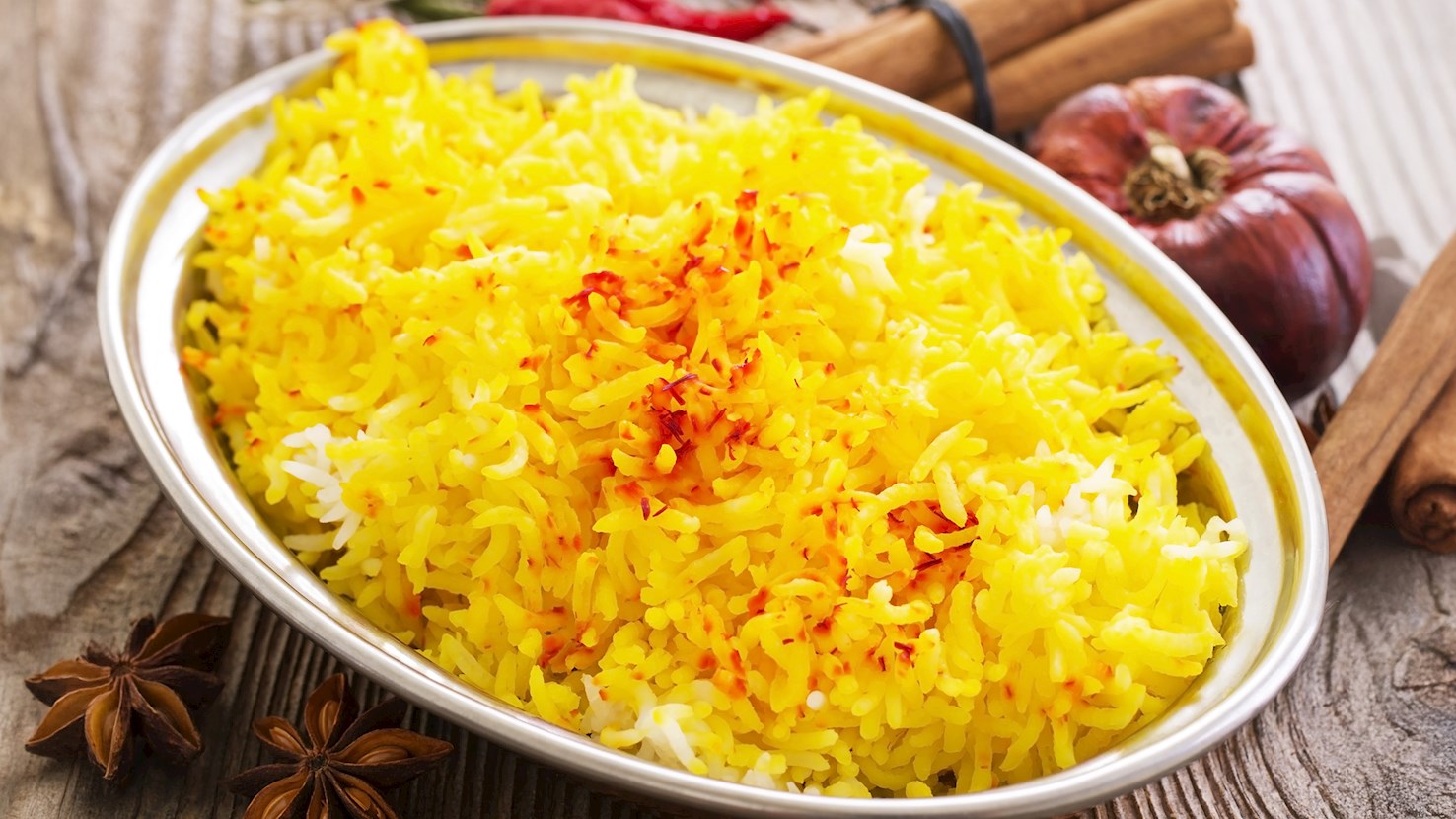
Chelo is a staple of Iranian cuisine, referring specifically to steamed white rice prepared in a way that yields separate, tender grains with a delicate aroma. The word “chelo” distinguishes this plain, unadorned rice from polo, which is rice cooked mixed with herbs, vegetables, or meat. Chelo is widely used as the essential accompaniment to many Iranian dishes, especially stews known as khoresh and kebabs such as chelo kebab. The rice is typically made from high-quality long-grain varieties like Iranian or basmati rice, which are prized for their fragrance and ability to hold their shape during steaming. Preparation begins by rinsing the rice multiple times to remove surface starch. It is then soaked in lightly salted water for at least an hour, which allows the grains to elongate as they cook. The rice is boiled in abundant water until just shy of tender, drained in a colander, and returned to the pot, which has often been lined with oil or butter to form the prized tahdig, a golden crust on the bottom. The rice is gently mounded, the lid wrapped in a clean cloth to capture moisture, and the pot is left over low heat for steaming. This technique produces rice with a fluffy texture and no clumping, with the top grains delicate and the bottom layer crispy and rich. Chelo is often finished by drizzling saffron-infused water over part of the rice before serving, creating a bright yellow accent that adds both color and aroma. It is brought to the table on large platters, where diners take their portion and spoon stews or grilled meat over the rice. Because the rice itself is unseasoned except for salt and saffron, it pairs well with the full range of Iranian main dishes, absorbing sauces and balancing richer flavors. This style of rice preparation is central to Iranian meals, and skill in cooking chelo is highly valued. In many homes, making the perfect tahdig crust is considered an achievement in itself, with family members eager to claim the crisp pieces from the bottom of the pot. Chelo is also prepared in restaurants and for large gatherings, where it is served with a variety of accompaniments, from kebabs to vegetable stews.
Tahdig is a distinctive technique of Persian cuisine that refers to the crisp, golden crust formed at the bottom of the pot when cooking rice. It comes from Iran, where rice cookery is regarded as both an everyday practice and an art form. The word itself means “bottom of the pot,” describing exactly where this coveted layer develops during slow, careful steaming. Though tahdig can appear as a side component to a main rice dish, it is often celebrated as the highlight of the meal in Iranian households. The practice of creating tahdig evolved alongside the Persian techniques of preparing steamed rice, known as chelo or polow. Over centuries, Iranian cooks perfected the method of parboiling rice and then gently steaming it to produce grains that are tender yet separate. During this process, the layer at the bottom of the pot, enriched by oil or butter and sometimes flavored with saffron, forms a crisp shell that can be lifted out intact. Early references to similar crusted rice dishes appear in Persian culinary texts, showing that this technique has been refined over generations. To prepare tahdig, rice is first rinsed thoroughly to remove surface starch and then parboiled until slightly firm. The drained rice is then layered back into the pot over a base of oil or butter, often with the addition of thin bread, sliced potatoes, or yogurt mixed with saffron to vary the texture and flavor of the crust. The pot is covered and heated over low flame, allowing steam to rise through the rice while the bottom gradually becomes crisp and deeply golden. When ready, the rice is carefully inverted onto a platter, revealing the tahdig as a unified layer or broken into large pieces to serve alongside. Tahdig can be made using different foundations. Some cooks prefer lavash or sangak flatbread pressed into the bottom, which crisps up into a brittle, cracker-like base. Others use thin rounds of potato, which become golden and tender beneath the steamed rice. A mixture of yogurt and saffron folded into some of the rice creates a rich, tangy crust that is especially popular. Regardless of the variation, it requires attention and patience to achieve the correct level of crispness without burning. Tahdig is served with nearly any Iranian rice dish, whether paired with stews like ghormeh sabzi and fesenjan or accompanying kebabs and fresh herbs. It is typically broken into large shards and shared at the table, often sparking friendly competition over who claims the most generous piece. In Iranian homes and restaurants alike, it is both a point of pride for the cook and a symbol of the care taken in preparing a meal.
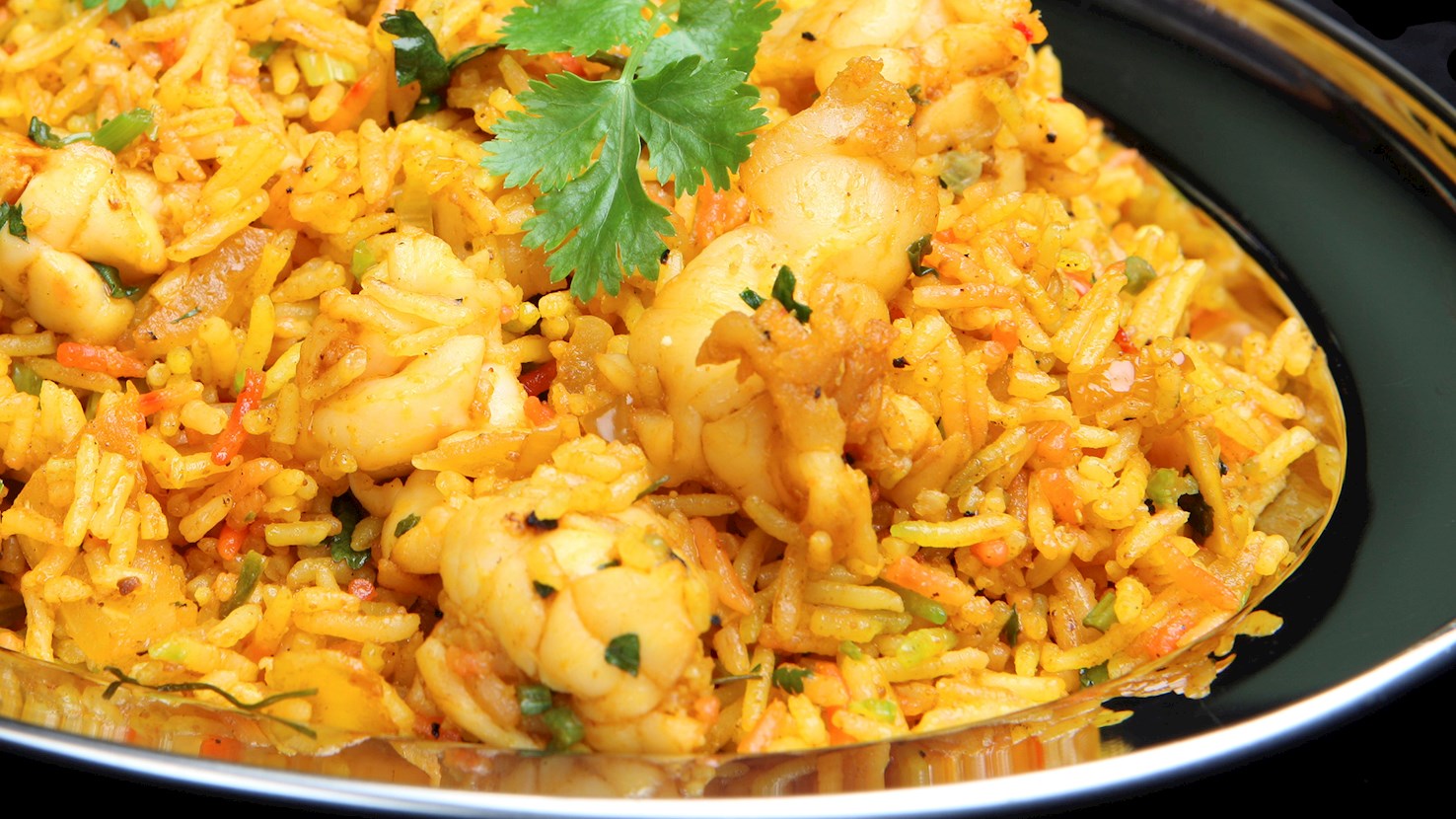
Meygoo polo is a fragrant rice dish from southern Iran, especially popular in the coastal provinces along the Persian Gulf, where shrimp fishing has shaped both the economy and the regional cuisine. The name combines meygoo, meaning shrimp, and polo, referring to Iranian-style pilaf. The roots of meygoo polo are linked to the long history of fishing communities in Bushehr, Hormozgan, and Khuzestan. For centuries, shrimp have been caught in the warm Gulf waters and preserved by sun-drying or salting. While seafood stews and grilled fish were common, the practice of combining shrimp with seasoned rice gradually developed as rice cultivation expanded inland and trade routes made spices more accessible. Over time, meygoo polo became a familiar part of household meals and festive gatherings, especially during periods when fresh shrimp was abundant. Preparing meygoo polo begins with cleaning and deveining fresh shrimp, which are briefly marinated in a blend of turmeric, lime juice, and sometimes a pinch of chili powder. Separately, onions are gently fried in oil until golden. Tomato paste and additional spices such as ground coriander, cinnamon, and black pepper are stirred in to create a base sauce. The marinated shrimp are quickly sautéed just until pink and lightly cooked. Meanwhile, long-grain Iranian rice is parboiled, drained, and layered in a pot with the spiced shrimp mixture. A little saffron water is sprinkled over the top before the pot is covered and steamed gently to finish cooking and infuse the rice with flavor. Meygoo polo is often served on a large platter, topped with extra saffron rice for color contrast. A side of torshi (pickled vegetables), fresh herbs, and yogurt helps balance the richness of the dish. In coastal towns, it is common to find it accompanied by local flatbread and sometimes a squeeze of fresh lime juice.
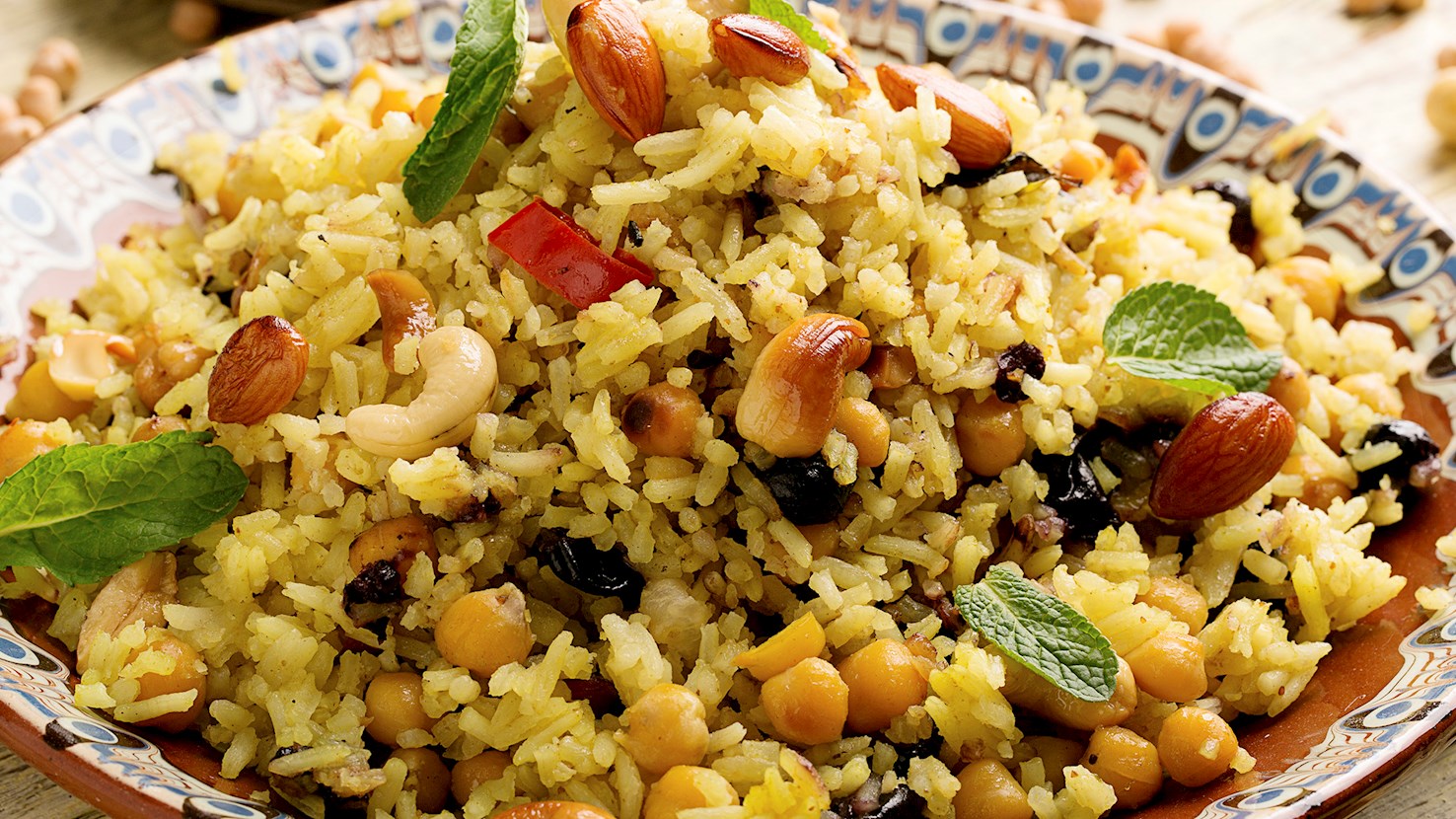
Pilaf is a rice-based dish prepared by cooking grains in seasoned broth, often combined with meat, vegetables, or dried fruits. Its origins are linked to ancient Persia, from where the method spread widely across Central Asia, the Middle East, the Caucasus, and parts of South Asia. Known under various names, including pilav, plov, pulao, and palaw, pilaf has become a staple in numerous culinary traditions. The distinguishing feature of pilaf is that the rice is sautéed briefly in fat before liquid is added, which helps preserve the grains’ structure and produces a fluffy texture rather than a sticky mass. The preparation begins by rinsing long-grain rice to remove excess starch, followed by toasting it gently in clarified butter or oil until it becomes lightly translucent. Aromatic ingredients such as onions, garlic, and spices are added before pouring in hot stock or broth. The dish is then covered and simmered until the liquid is absorbed. This method allows each grain to remain separate and evenly flavored. Depending on the region, pilaf might include pieces of lamb, chicken, beef, or fish. In Central Asian plov, the dish often features chunks of meat, carrots, and sometimes chickpeas, while Middle Eastern pilafs might include nuts and dried fruits for a sweet-savory balance. Pilaf is commonly served as a main course or a side dish accompanying grilled meats, stews, and vegetable preparations. It appears on tables during family gatherings and festive occasions, where large quantities are prepared in wide, heavy pots. In Azerbaijan and Iran, saffron is frequently used to perfume and color the rice, while in the Balkans and Turkey, tomato and mild spices contribute a softer character. South Asian pulao, which shares the same origins, varies widely in seasoning and complexity, from simple cumin-scented versions to elaborate preparations with marinated meat and whole spices. Over time, pilaf has been adapted into countless variations that reflect local tastes and ingredients. In Uzbekistan, plov is considered a national dish with cultural significance, often prepared in vast cauldrons called kazan. In Greece and Cyprus, pilafi is made with rich chicken or lamb broth and sometimes finished with lemon. Russian and Caucasian recipes frequently incorporate game meats and dried barberries. The enduring appeal of pilaf lies in its adaptability and the simple technique that transforms rice into a dish with depth and character.
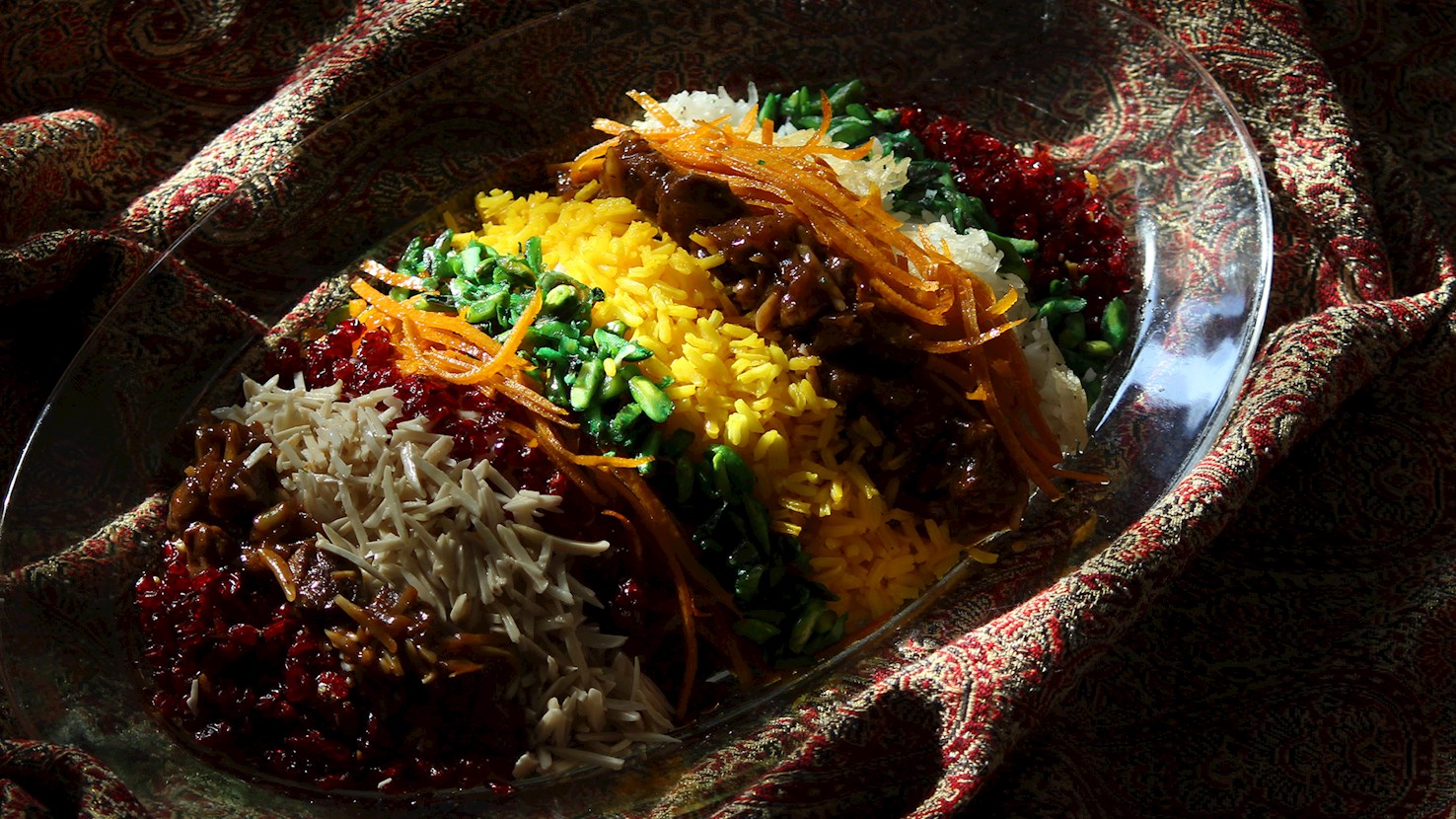
Gheymeh nesar is a festive Iranian rice dish originating from Qazvin, a city known for its refined cuisine and elaborate recipes. This colorful preparation combines fragrant saffron rice with small pieces of tender meat, split yellow peas, barberries, almonds, pistachios, and a delicate blend of spices. Unlike simpler rice dishes, gheymeh nesar is intended for special occasions and gatherings, where its rich appearance and layered flavors make it a centerpiece of the table. The dish has roots in Qazvin’s long history as an important city during the Safavid era, when it briefly served as the capital of Iran. During this time, the development of elaborate rice dishes flourished, influenced by royal kitchens and regional culinary styles. Gheymeh nesar evolved as a distinct preparation, combining techniques from khoresh (stews) and elaborate rice layering associated with Persian ceremonial meals. Over generations, it became closely associated with weddings, Nowruz celebrations, and important family events. To prepare gheymeh nesar, cooks start by cooking small cubes of lamb or beef gently with onions, turmeric, and sometimes cinnamon until tender. Split yellow peas are boiled separately until soft but intact. High-quality basmati or Iranian rice is parboiled and then steamed with saffron-infused water to create a fragrant yellow layer. The meat and peas are layered over the rice along with fried barberries, slivered almonds, and pistachios sautéed lightly in butter or oil. The dish is often topped with additional saffron and sometimes a sprinkling of sugar to create a subtle sweet contrast. Gheymeh nesar is served on large platters, usually accompanied by side dishes such as fresh herbs, yogurt, and pickled vegetables. It is eaten communally during celebratory meals, when the host proudly presents the dish as a symbol of hospitality and care. In Qazvin, it remains a dish associated with festive generosity and culinary heritage, often prepared by experienced cooks who take pride in each detail of its preparation.
TasteAtlas food rankings are based on the ratings of the TasteAtlas audience, with a series of mechanisms that recognize real users and that ignore bot,
nationalist or local patriotic ratings, and give additional value to the ratings of users that the system recognizes as knowledgeable.
For the “Top 14 Iranian Rice Dishes” list until October 15, 2026, 1,776 ratings were recorded, of which 1,231 were recognized by the system as legitimate.
TasteAtlas Rankings should not be seen as the final global conclusion about food. Their purpose is to promote excellent local foods,
instill pride in traditional dishes, and arouse curiosity about dishes you haven’t tried.





What People Say