Biryani is a group of classic rice dishes dating back to the Mughal Empire. It combines long-grain rice, usually basmati, with marinated meat, seafood, or vegetables, all cooked together with spices such as cardamom, cloves, cinnamon, and saffron. The origins of biryani are often linked to Persian culinary influences brought to India by Mughal rulers, who adapted pilaf-style cooking into elaborate preparations with fragrant rice and richly seasoned meat. Over time, regional variations emerged, each shaped by local ingredients, tastes, and cooking methods. The preparation of biryani involves several steps that build its distinct texture and flavor. The rice is typically parboiled separately, while the meat is marinated in yogurt and spices. In many recipes, the two components are then layered in a heavy pot, often with fried onions, fresh herbs, and ghee. This assembly is cooked over low heat using a method called dum, which seals the vessel so the steam infuses the rice with the aromas of the meat and spices. In some regions, a dough is used to close the pot entirely, ensuring no moisture escapes. The result is a dish where the grains remain separate, lightly coated in spiced juices, and the meat is tender without falling apart. Biryani has numerous regional styles that reflect the diversity of Asian cooking. In Hyderabad, the dish is known for its rich flavor, the use of goat or chicken, and the distinctive aroma of saffron and kewra water. Kolkata biryani, influenced by Awadhi cooks, includes potatoes and a lighter spicing. In Kerala, Malabar biryani features short-grain rice and incorporates local ingredients like curry leaves. Sindhi biryani, from Pakistan, is often spicy and garnished with sliced green chilies and lemon wedges. Each version has a unique preparation and presentation, yet all share the foundation of rice and seasoned protein cooked together. Biryani holds a central place in celebratory meals and large gatherings, often prepared in large vessels to serve many guests.
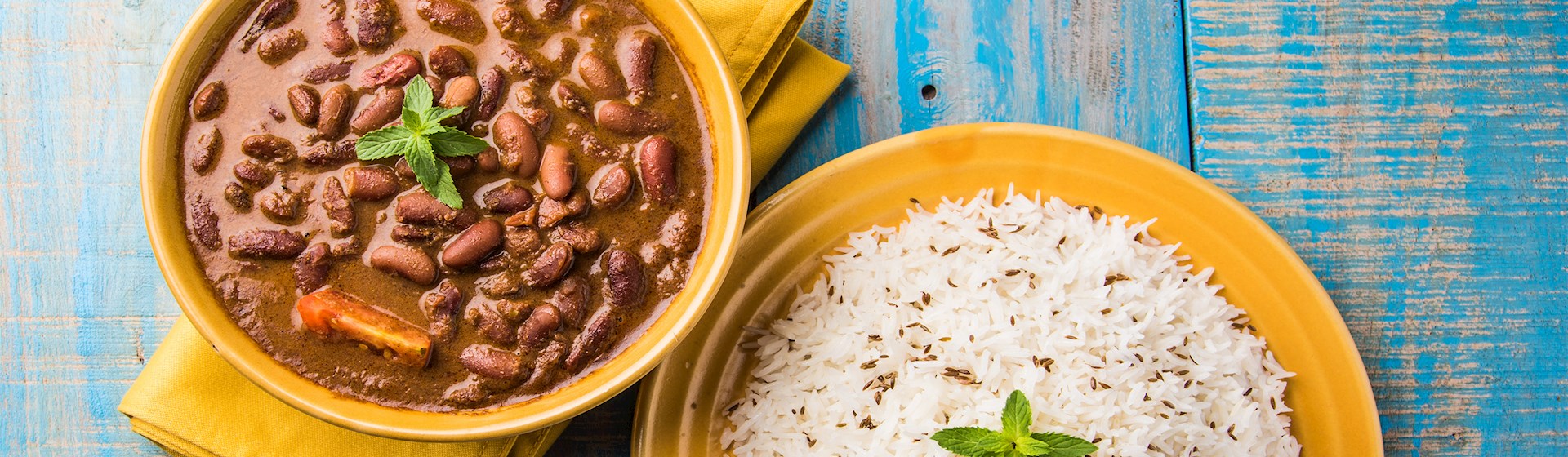
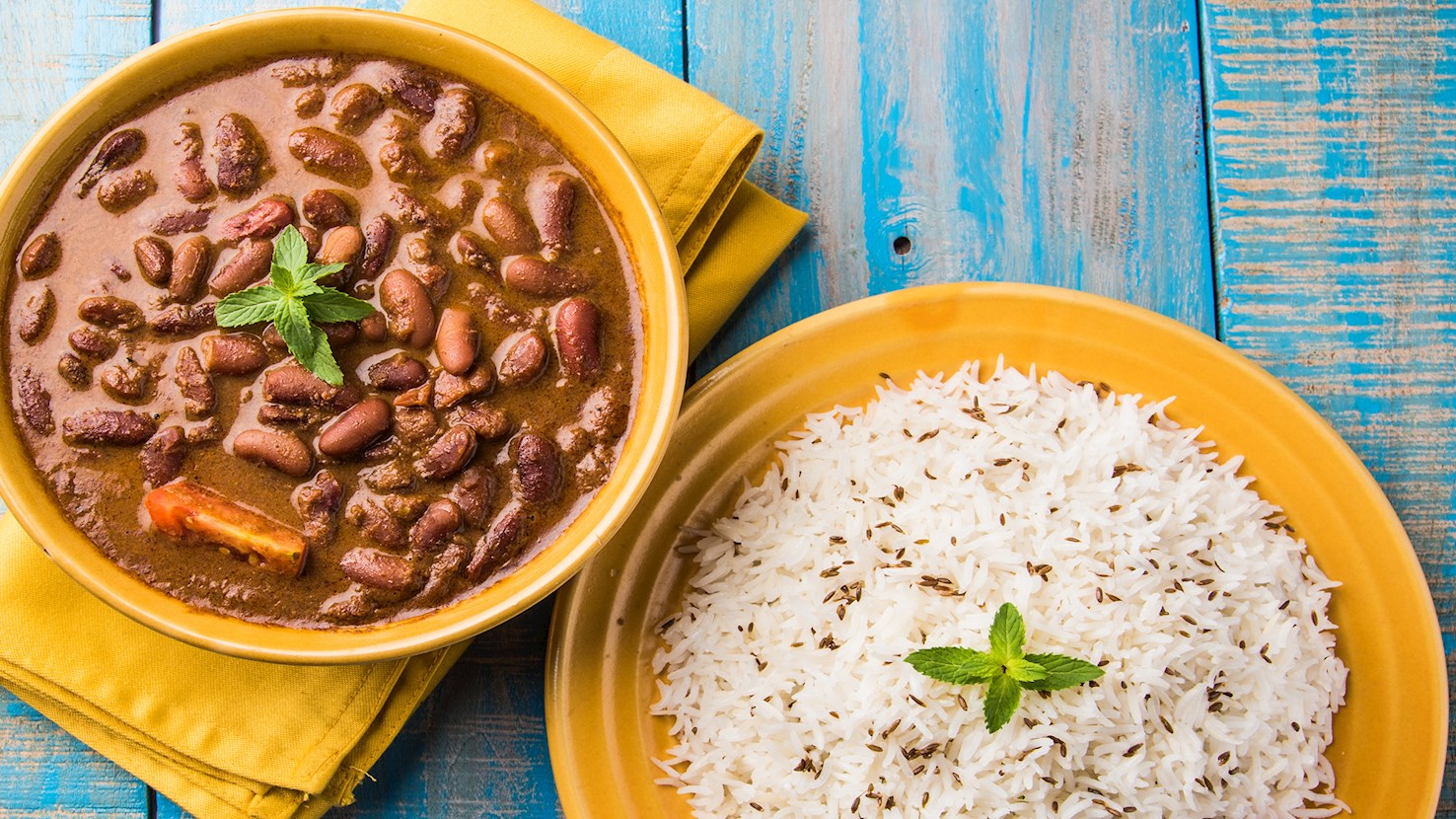
This simple Indian dish consists of red beans (rajma) and cooked rice (chawal). Rajma is traditionally made with onions and tomato purée which acts as a gravy for the red beans. This dish makes for a complete vegetarian meal that is suitable for lunch or dinner. If desired, rajma chawal can be flavored with a variety of spices such as chili peppers, cinnamon, bay leaves, ginger, garlic, coriander, and cumin. Although the dish is quite simple to prepare, it takes some time because the beans are typically soaked overnight before the preparation.
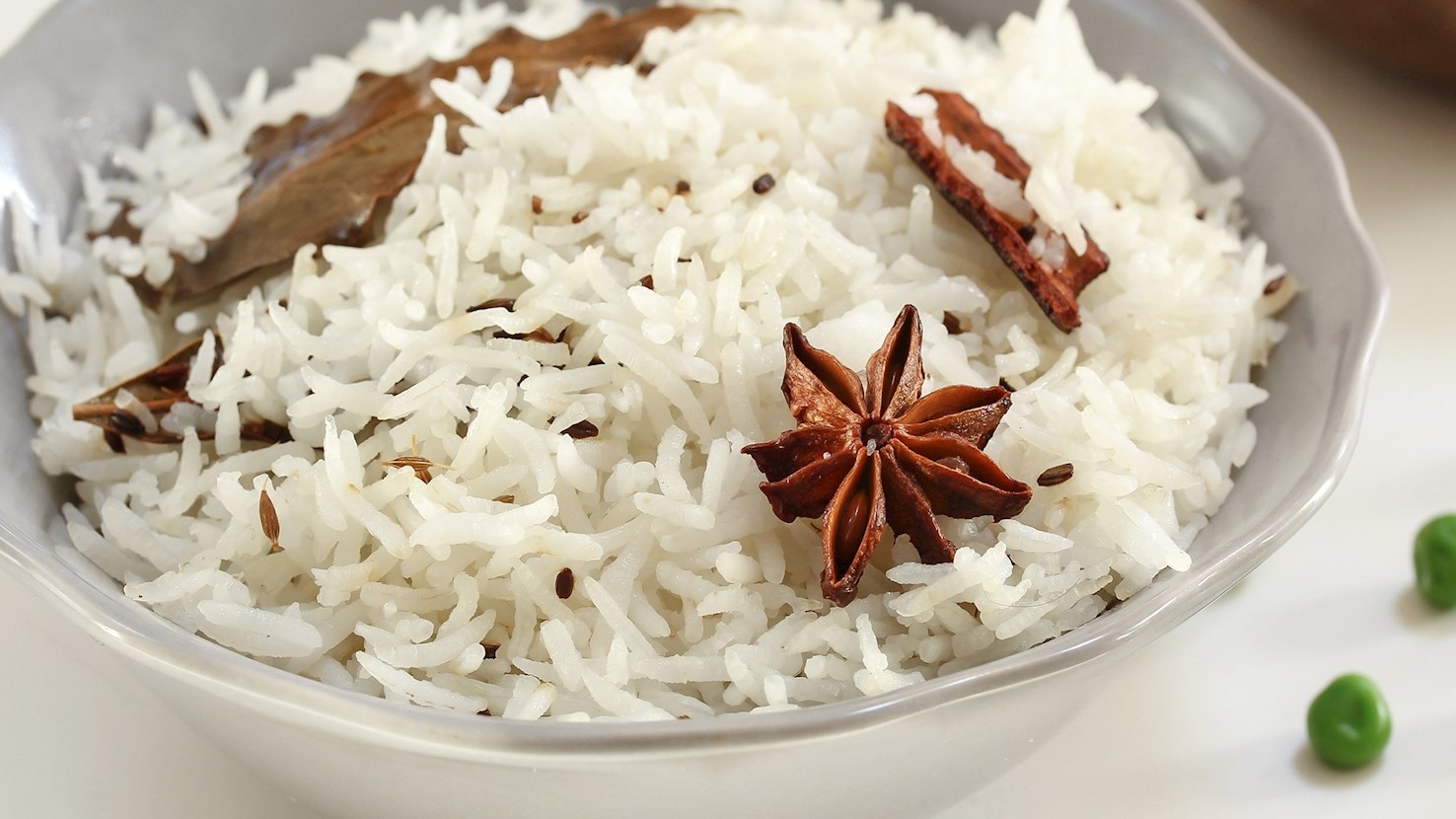
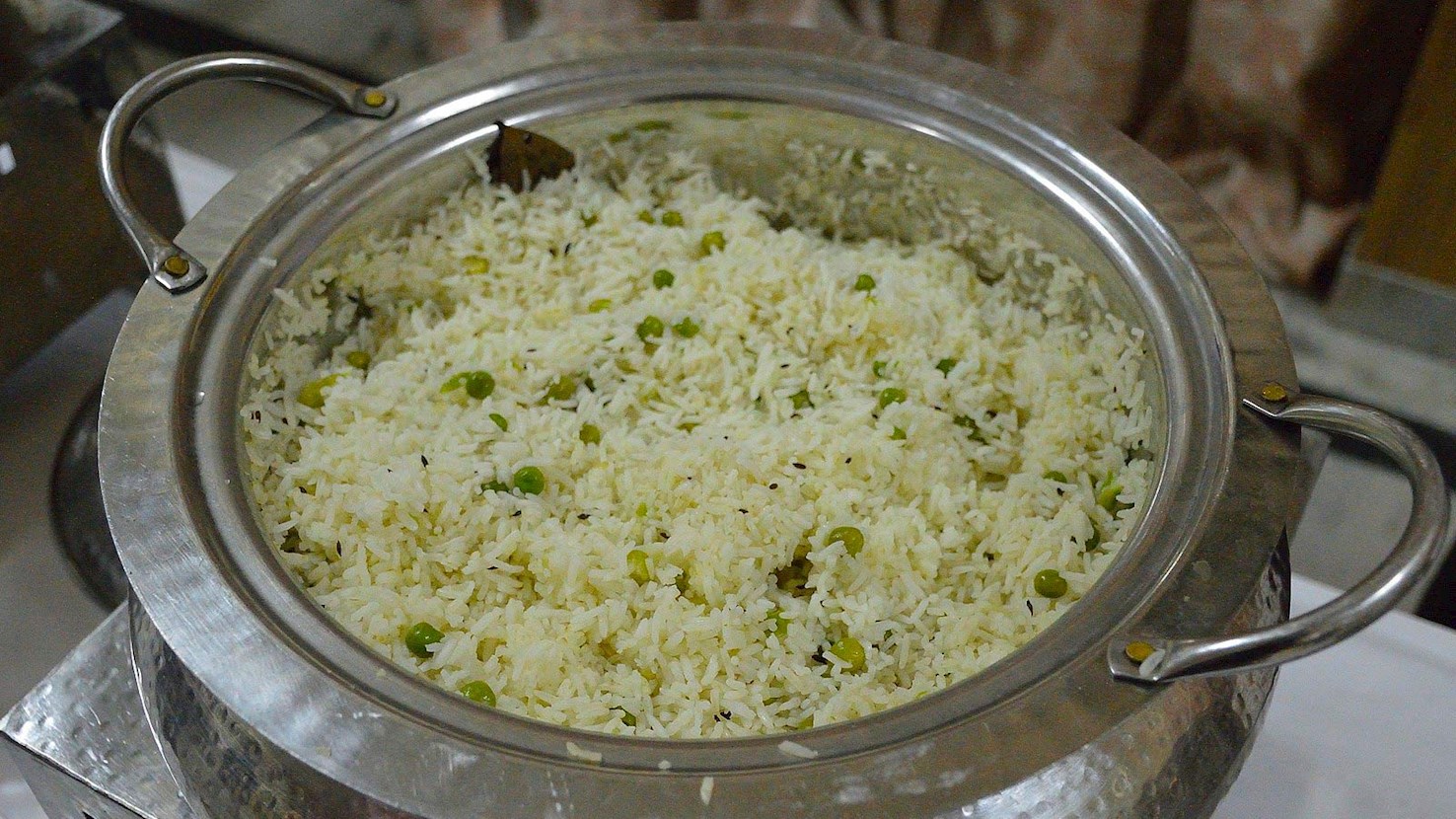
Jeera rice is a simple Indian dish made with rice and cumin seeds. Basmati rice is typically mixed with cumin seeds which have been fried in ghee, and the dish can be additionally enriched with cinnamon, cardamom, bay leaves, cloves, and coriander. Once prepared, jeera rice can be served on its own or as an accompaniment to a variety of Indian dishes. The word zeera is Hindi-Urdu for cumin seeds, hence the alternative spelling – zeera rice.
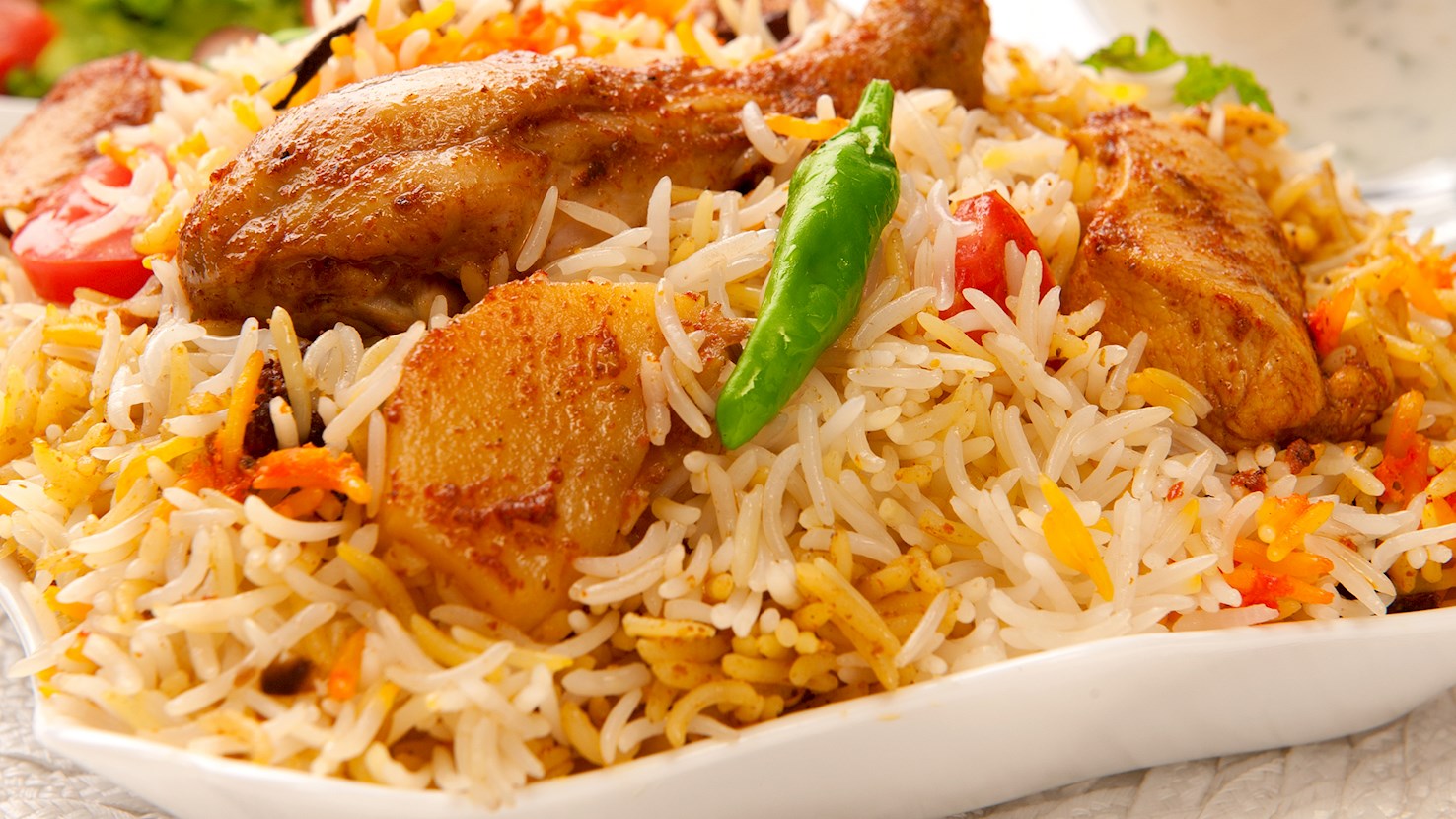
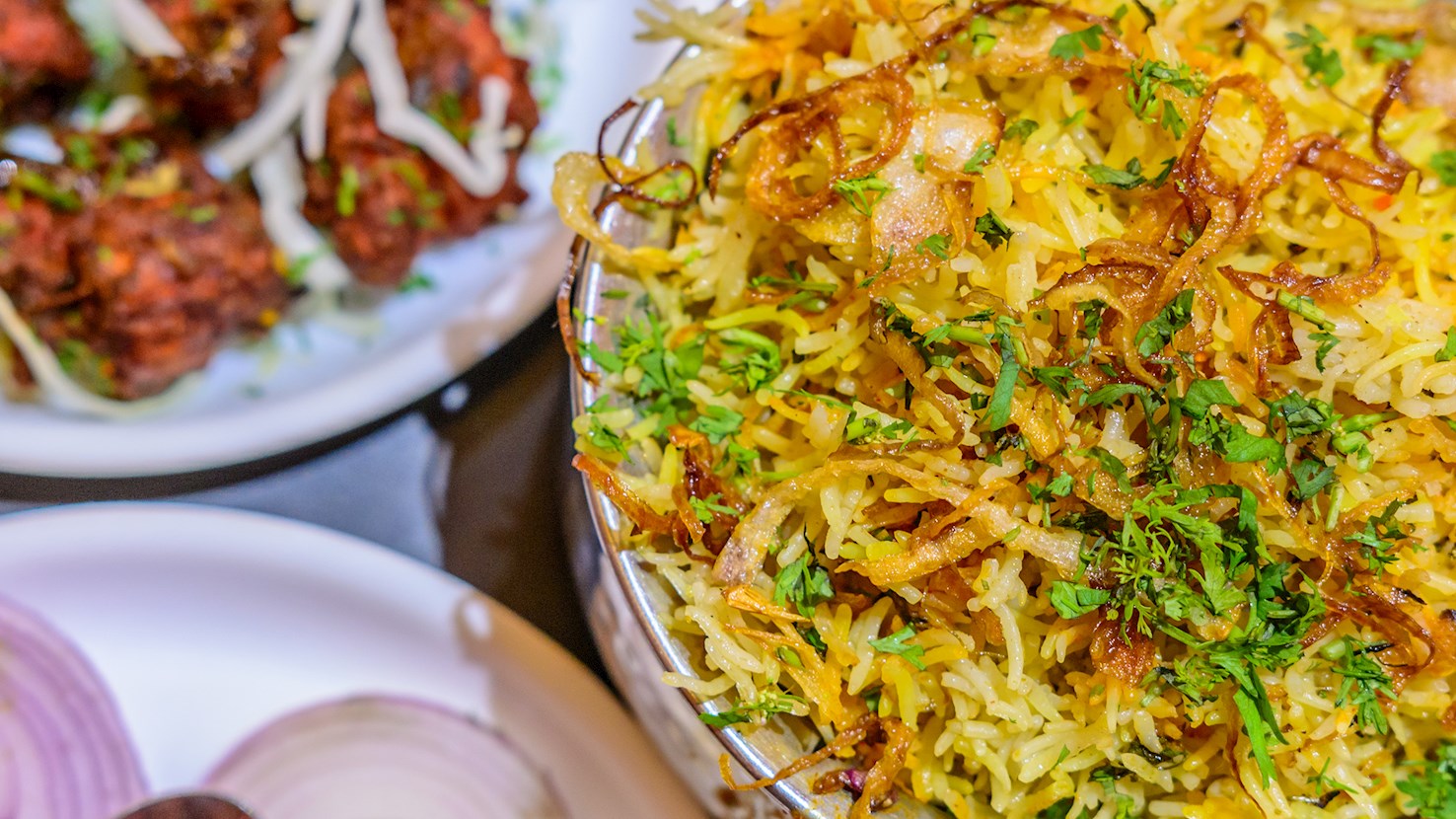
Mughlai biryani is a variety of Indian biryani that is believed to have been savored by the Mughal Emperors in the past. The dish is made with flavored rice, chunks of spiced and browned meat (usually lamb, mutton or chicken), fried onions, sultanas, and dry fruits such as almonds, which are layered in a pot, and then cooked together, yielding a highly-aromatic specialty said to be fit for a king. A large amount of aromatic spices such as saffron, nutmeg, cardamom, cumin, and cinnamon contributes to the rich and intense flavor of the biryani, making it perfect for festive occasions and religious events such as Eid. Mughlai biryani is typically consumed warm, either on its own or complemented by raita on the side.
Matar pulao is a traditional rice dish originating from Punjab. Although there are many variations, the dish is usually made with a combination of peas, basmati rice, ghee or oil, chili peppers, and spices such as cinnamon, cumin, coriander, cardamom, and bay leaves. The word matar refers to green peas, while pulao is a word for pilaf. The spices are tempered in ghee or oil, and the peas are then sautéed in the mixture. The rice is cooked, drained, added to the pot and stir-fried in order to take in all the other flavors. Water and salt are then added to the pot and the dish is cooked until everything is fully cooked and tender. If desired, matar pulao can be garnished with coriander leaves. It's recommended to serve the dish with curries, raita, dal dishes, or yogurt.
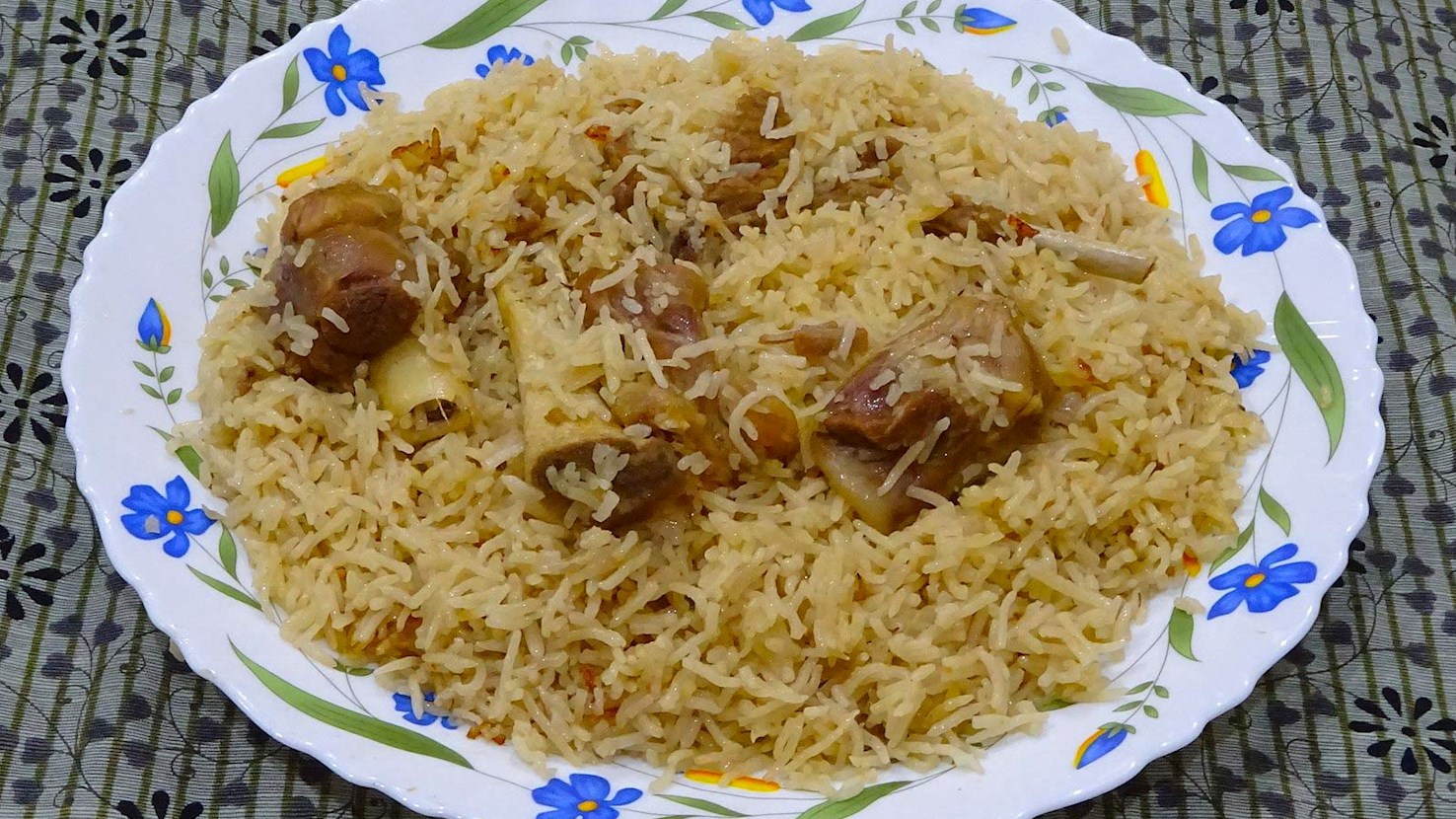
Yakhni pulao is a traditional rice-based dish with Persian origins, but over the years it's made its way from Moghul cuisine to India, where it's especially popular in regions such as Kashmir and Uttar Pradesh. The yakhni stock can be made with chicken or mutton. The list of ingredients for yakhni pulao is a long one as it contains basmati rice, chicken or mutton, onions, garlic, ginger, tomatoes, dahi, and spices such as fennel, cardamom, garam masala, red chili powder, cumin, coriander, nutmeg, mace, bay leaves, black peppercorns, cloves, and cinnamon. The stock is made with most of the spices, salt, and either chicken or mutton. The onions, cumin, ginger, garlic, tomatoes, red chili powder, and coriander are tempered in oil with the addition of yogurt and garam masala, and the combination is then mixed with pieces of meat, yakhni stock, and basmati rice, which is cooked until done. It's recommended to serve this pulao with raita on the side.
Makhani chawal is a traditional dish originating from Punjab. Also known as buttered rice, the dish is usually made with a combination of basmati rice, butter, cashews, cumin seeds, and salt. The cumin seeds are stir-fried in butter over medium heat, and the rice is then added to the pan and fried for a few more minutes. The mixture is covered with water, seasoned with salt, and simmered until done. The cashews are fried in butter until golden, and then mixed with the fluffy buttered rice.
TasteAtlas food rankings are based on the ratings of the TasteAtlas audience, with a series of mechanisms that recognize real users and that ignore bot,
nationalist or local patriotic ratings, and give additional value to the ratings of users that the system recognizes as knowledgeable.
For the “Top 7 Northern Indian Rice Dishes” list until September 15, 2026, 828 ratings were recorded, of which 631 were recognized by the system as legitimate.
TasteAtlas Rankings should not be seen as the final global conclusion about food. Their purpose is to promote excellent local foods,
instill pride in traditional dishes, and arouse curiosity about dishes you haven’t tried.




What People Say