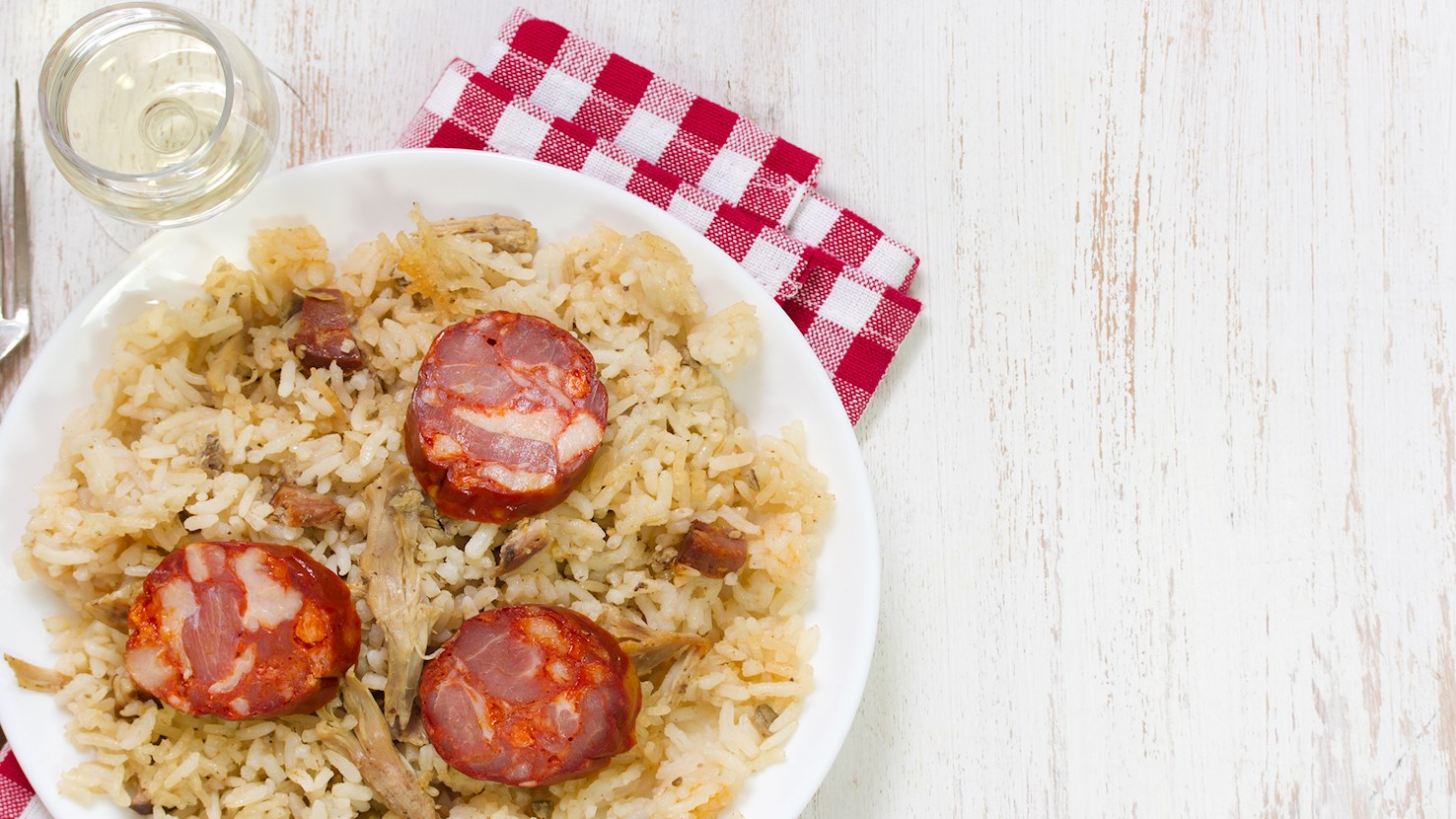
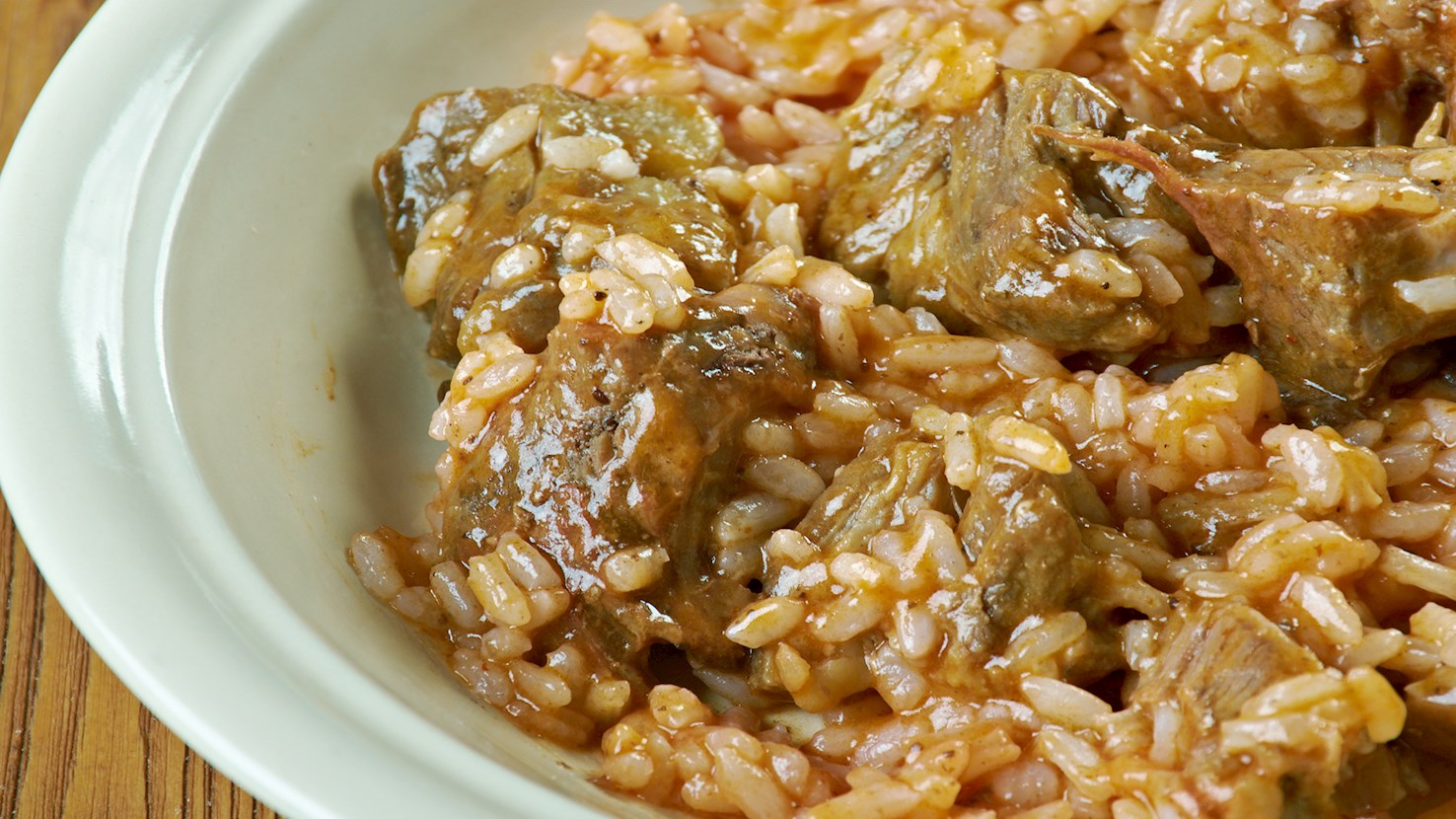
Arroz de pato is a traditional dish consisting of a combination of flavorful duck meat and rice. Primarily, the whole duck is cooked in a seasoned stock alongside smoked meat and sausages. Shredded meat is then placed in a clay pot and topped with rice which was cooked in the same broth. Before baking, the dish is usually topped with sliced sausages or pieces of smoked meat. Arroz de pato is a popular lunch option in many traditional restaurants, and a common main course that is reserved for special occasions.
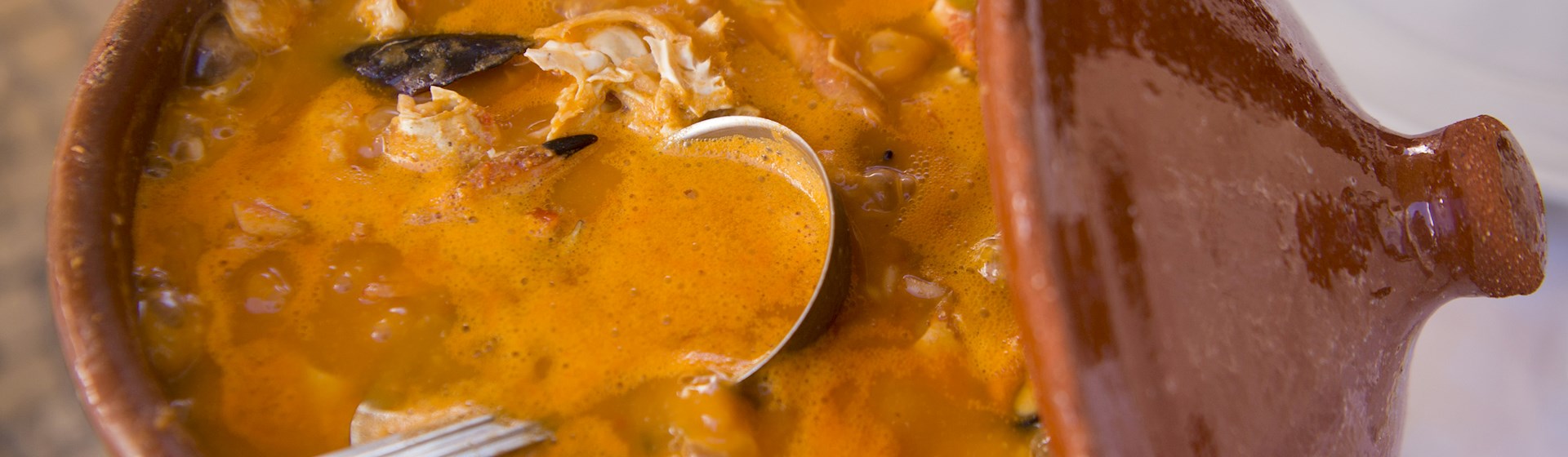
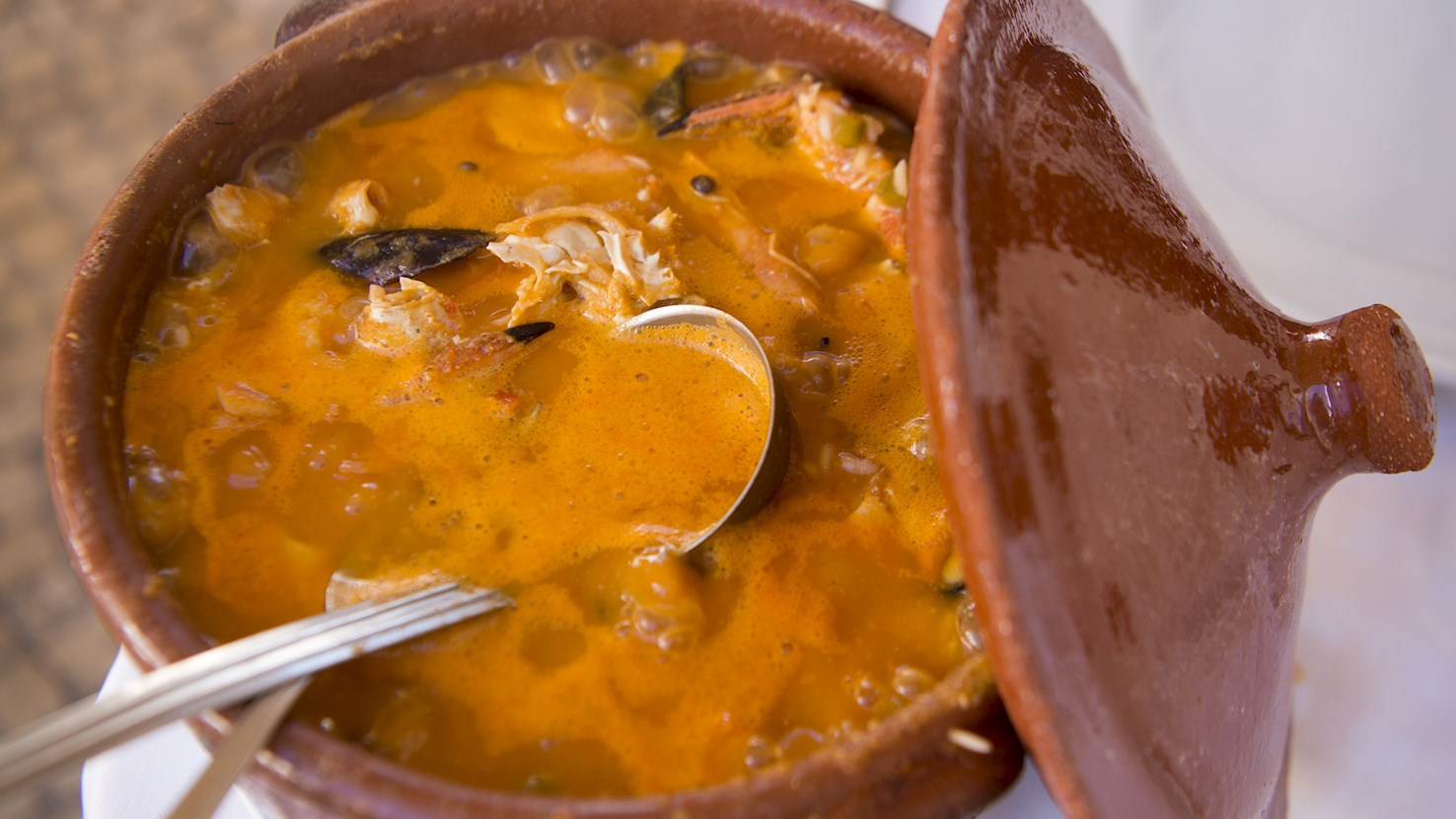
Arroz de marisco is a delicious Portuguese dish consisting of rice and various seafood ingredients. Unlike the popular Spanish paella, this Portuguese variety is not completely reduced and is often described as a thick rice stew. It can employ various seafood ingredients such as prawns, mussels, squid, or clams, and is usually seasoned with fresh herbs and white wine, then complemented with vegetables such as peas or tomatoes. With the possible origin in Leira, the dish is traditionally associated with coastal areas, and it is one of the most popular seafood dishes in the country.
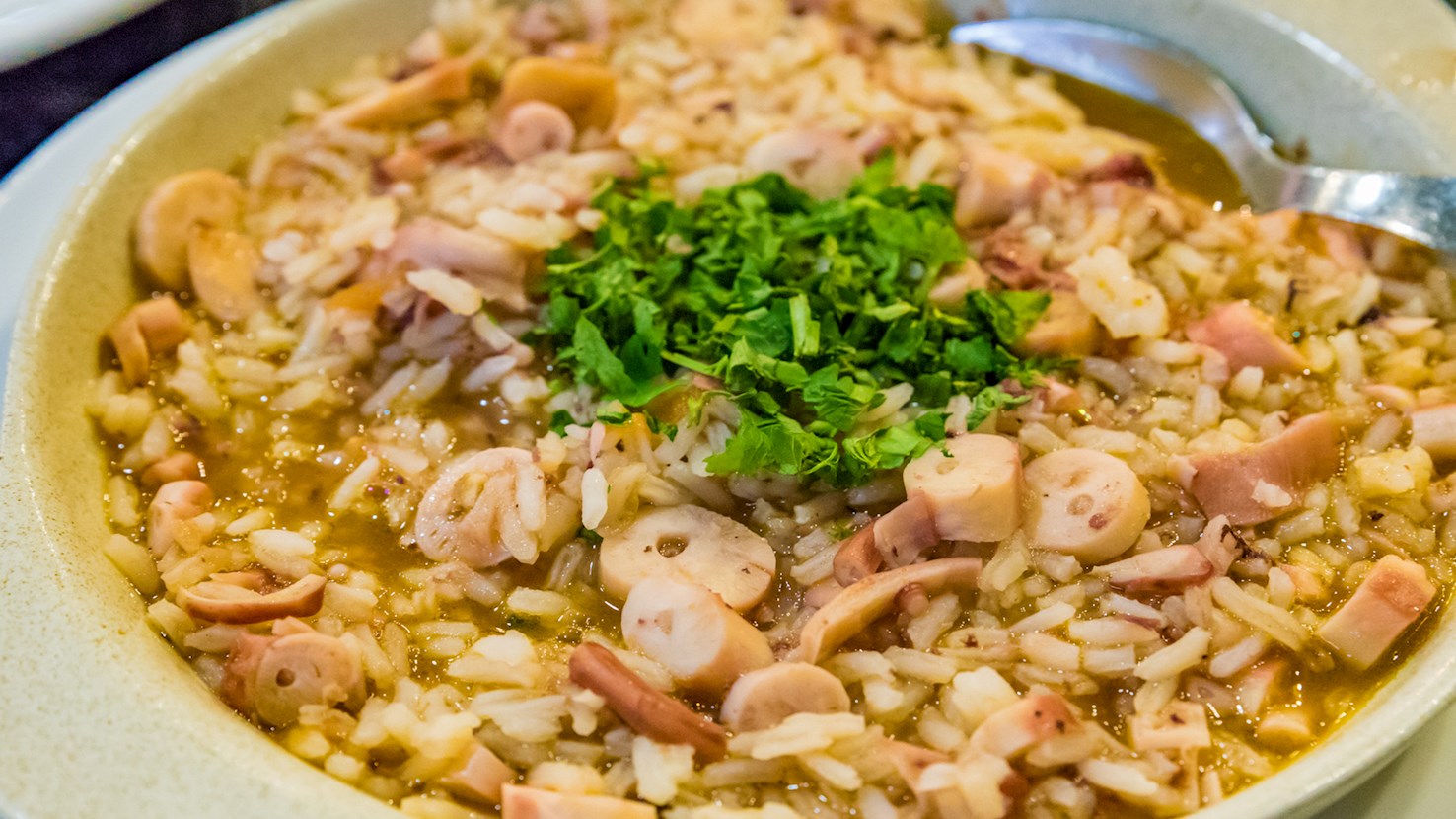
Arroz de polvo is a versatile Portuguese dish consisting of cooked diced octopus and rice, incorporated into a rich base of tomatoes, sautéed onions, garlic, and various spices. It is usually prepared in the traditional malandrinho style, in which the liquid is not completely reduced, and the dish resembles a thick rice stew. Arroz de polvo is a hearty meal that is traditionally associated with colder seasons. It is usually served garnished with fresh parsley or cilantro and enjoyed as a nourishing main course.
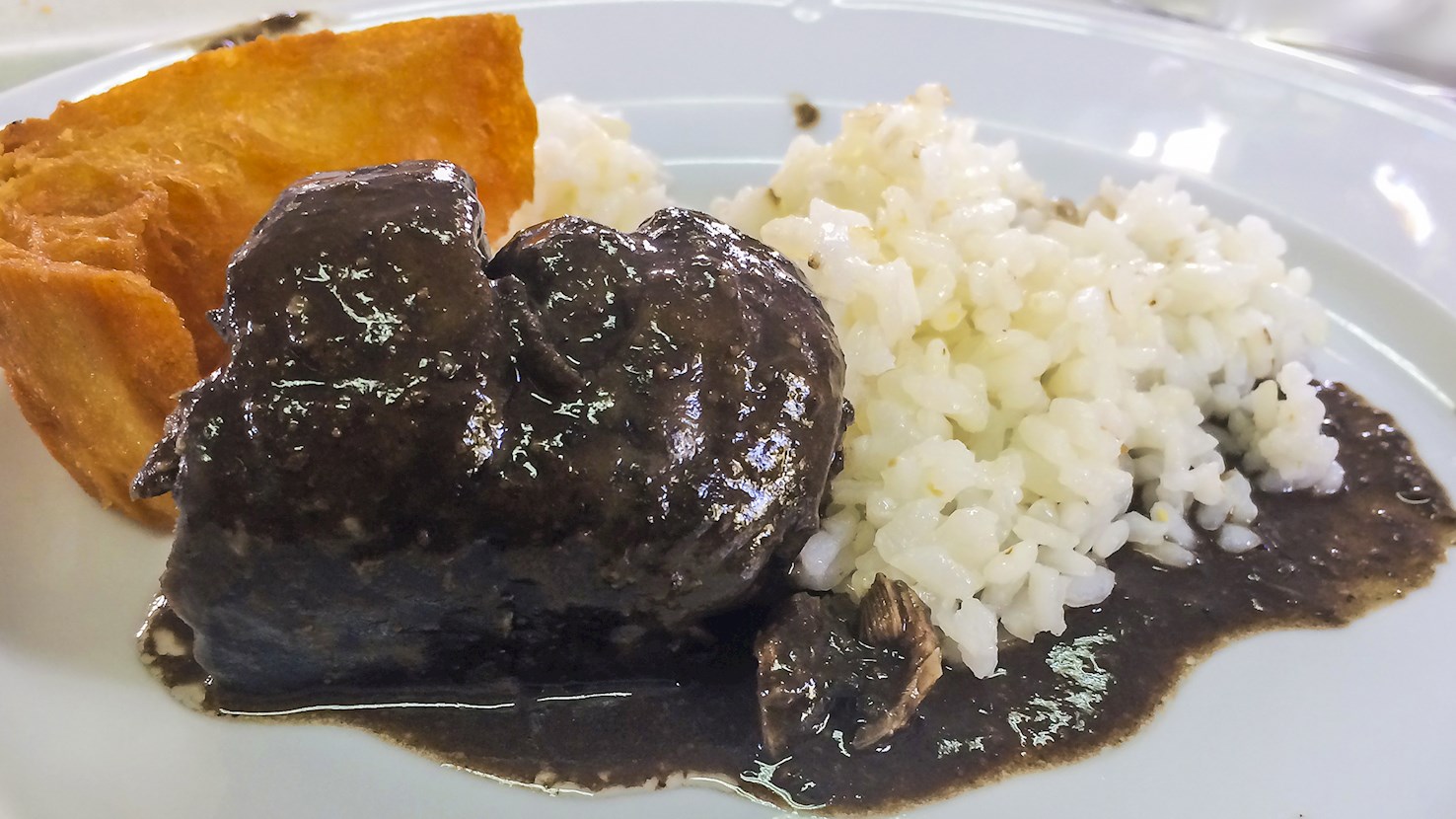
Cabidela is a dark, highly acidic meat-and-rice stew thickened with a sauce made from the freshly collected blood of the slaughtered animal, mixed with vinegar. The main ingredients are traditionally gathered by slaughtering a free-range chicken or rabbit and immediately catching the draining blood in a deep bowl. A generous splash of sharp red wine vinegar is stirred into the blood right away to prevent it from coagulating. The meat is then cut into small bone-in pieces and browned in a hot iron pot coated with olive oil. Chopped white onions, minced garlic, and dried bay leaves soften in the same pot alongside the searing meat. A clear broth is added to cover the ingredients, and the mixture simmers steadily until the meat becomes very tender. Raw short-grain rice, especially the starchy Carolino variety, is then poured directly into the boiling liquid. Just before the rice finishes absorbing the broth, the reserved vinegar-and-blood mixture is added to the pot. The whole mixture quickly turns a deep reddish-black color as the heat thickens the blood into a rich, velvety gravy. The rice remains very moist, suspended in the dark sauce. The origins of this cooking method trace to the 16th century in the northern Minho region of the Iberian Peninsula. Written records from 1573 mention the meal being served during the reign of King Sebastian. As maritime exploration expanded trade routes across the Atlantic and Indian Oceans during the 1500s and 1600s, sailors and merchants carried the recipe to places such as Brazil, Angola, and Goa. In hot tropical climates, the strong acidity helped preserve meat before modern refrigeration. A prominent adaptation from the state of Minas Gerais removes the rice from the pot entirely and serves the thick, dark stew over a dense bed of plain cornmeal mush known as angu. Other regional versions replace the standard poultry with wild game, such as wild boar, or with farm-raised pork, resulting in a gamier, fattier dish. In coastal Southeast Asian communities, the acidic base remains essential, but duck is used as the protein source, and sharp tamarind paste replaces vinegar to prevent the liquid from clotting. Cabidela is usually brought straight from the stove to the table in the original cast-iron cooking vessel. The thick, metallic sauce and moist rice require a sturdy spoon for serving onto individual plates. A raw leafy green salad dressed only with olive oil and lemon juice is almost always served beside it, adding a crisp, acidic contrast that cuts through the heavy iron flavor and rich animal fat.
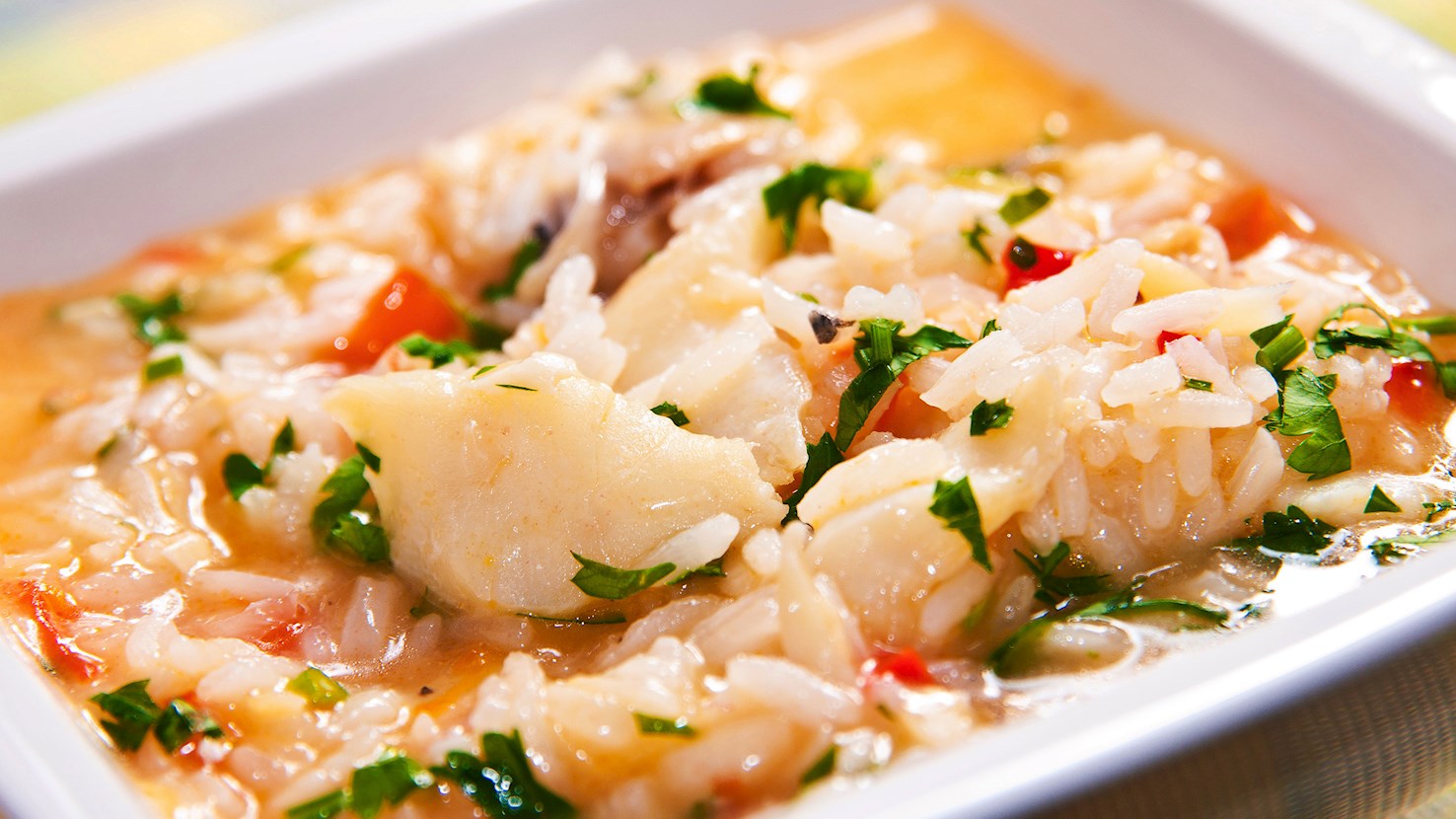
Arroz de tamboril is a traditional dish prepared with rice and monkfish as the main ingredients. This stew also contains bell peppers, onions, garlic, tomatoes, white wine, fish stock, olive oil. It's usually flavored with fresh herbs such as bay leaves and chopped parsley. Once done, arroz de tamboril is served while still hot. This dish is sometimes enriched with the addition of shrimps, if desired.
The star ingredient in this classic Portuguese stew is lamprey fish. The dish consists of sautéed onions, olive oil, wine, smoked sausage, rice, and lamprey, which is cut into smaller pieces and then marinated in a combination of vinegar, wine, various herbs, and its blood. All the ingredients are combined and cooked until the stew thickens and develops its typical dark brown color. The dish is mainly associated with the northern parts of the country, and it is traditionally prepared between January and April when lampreys are in season.
Arroz de lingueirão is a Portuguese dish prepared with rice and razor clams. The dish originated in the Algarve region, known for traditional seafood recipes. During the preparation, the razor clams are put into boiling water until the shells open. That same water is then combined with rice, onions, garlic, tomatoes, and peppers before it's cooked over low flames. The last step is to add the razor clams and fresh coriander to the mix. The popularity of arroz de lingueirão and other dishes with razor clams caused the decline of local clam populations. That is why fishing for razor clams is now permitted only at certain times of the year.
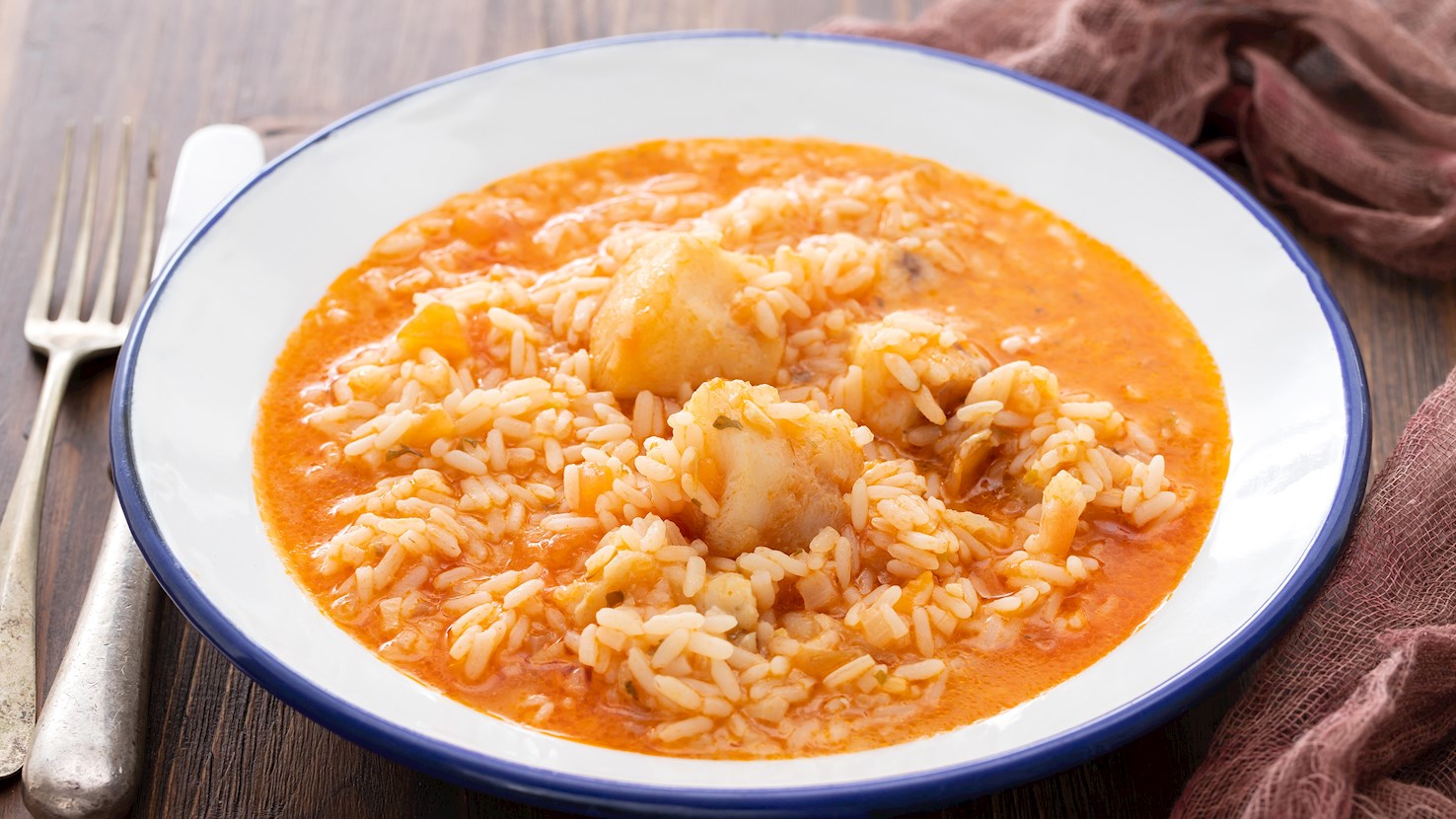
Arroz de bacalhau is a simple Portuguese dish consisting of salt cod, rice (often of the basmati or carolino variety), sautéed onions, garlic, olive oil, tomatoes, peppers, water or vegetable or fish stock, and white wine. Some variations also add cooked red beans to the combination, while others combine the salt cod-rice mixture with leeks, garlic, olive oil, and onions. The dish is usually garnished with chopped cilantro and black olives, and it is typically enjoyed either as a main course or as an accompaniment to Portuguese-style fish fillets. Arroz de bacalhau is commonly prepared in the coastal parts of the country.
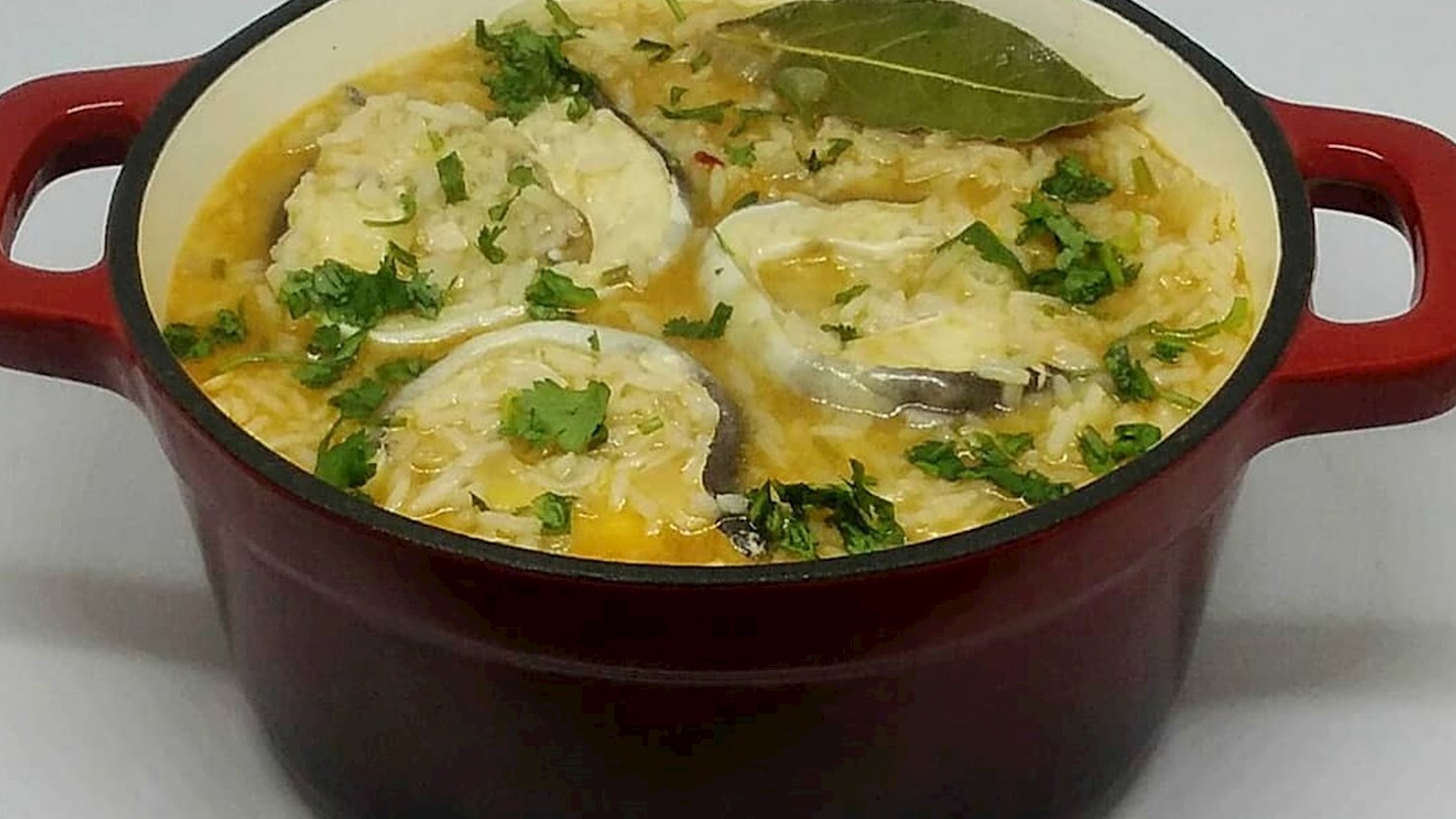
This traditional Portuguese dish consists of rice and sliced conger eel. It's mainly associated with the Algarve region. Other ingredients for the dish typically include onions, garlic, tomatoes, white wine, parsley, bay leaves, coriander, and olive oil. The combination of vegetables and seasonings is cooked in olive oil with the conger eel slices added to the pot in the end. When it’s done, the fish should be removed, and the rice added to the mix. Before serving, the slices of eel are mixed with the rice and sprinkled with fresh coriander or chopped parsley.
TasteAtlas food rankings are based on the ratings of the TasteAtlas audience, with a series of mechanisms that recognize real users and that ignore bot,
nationalist or local patriotic ratings, and give additional value to the ratings of users that the system recognizes as knowledgeable.
For the “Top 9 Portuguese Rice Dishes” list until July 15, 2026, 918 ratings were recorded, of which 654 were recognized by the system as legitimate.
TasteAtlas Rankings should not be seen as the final global conclusion about food. Their purpose is to promote excellent local foods,
instill pride in traditional dishes, and arouse curiosity about dishes you haven’t tried.