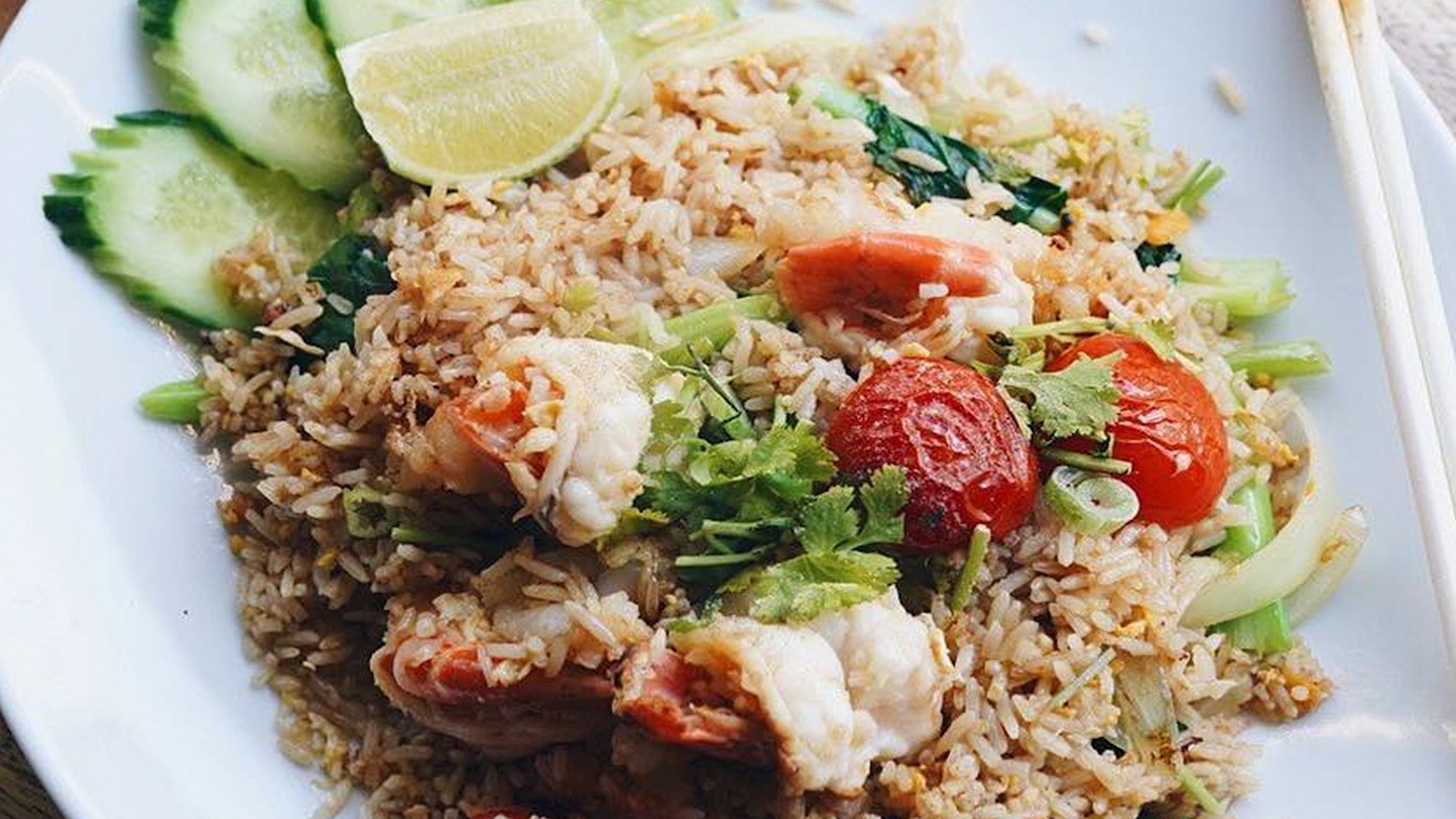
Khao phat is a simple Thai dish of stir-fried rice with vegetables that is traditionally prepared with jasmine rice, unlike the Chinese version which calls for plain white rice. Cooked jasmine rice is typically stir-fried with ingredients such as onions, garlic, and green onions, and it is then enhanced with fish sauce, thin soy sauce, a light dusting of white pepper, and a drizzle of fresh lime juice. Another essential component of the dish is the addition of scrambled eggs, which are fried alongside rice and vegetables before they are entirely blended into the mixture. In Thailand, the traditional way of eating this dish is with a crispy-fried egg on top, and khao phat is usually accompanied by a lime wedge and a spicy dipping sauce called nam pla prik (fish sauce mixed with Thai chilis) on the side. Thai fried rice is a typical street food item and a staple dish at stir-fry restaurants in the country, and it sometimes contains meat or seafood such as chicken or shrimps.
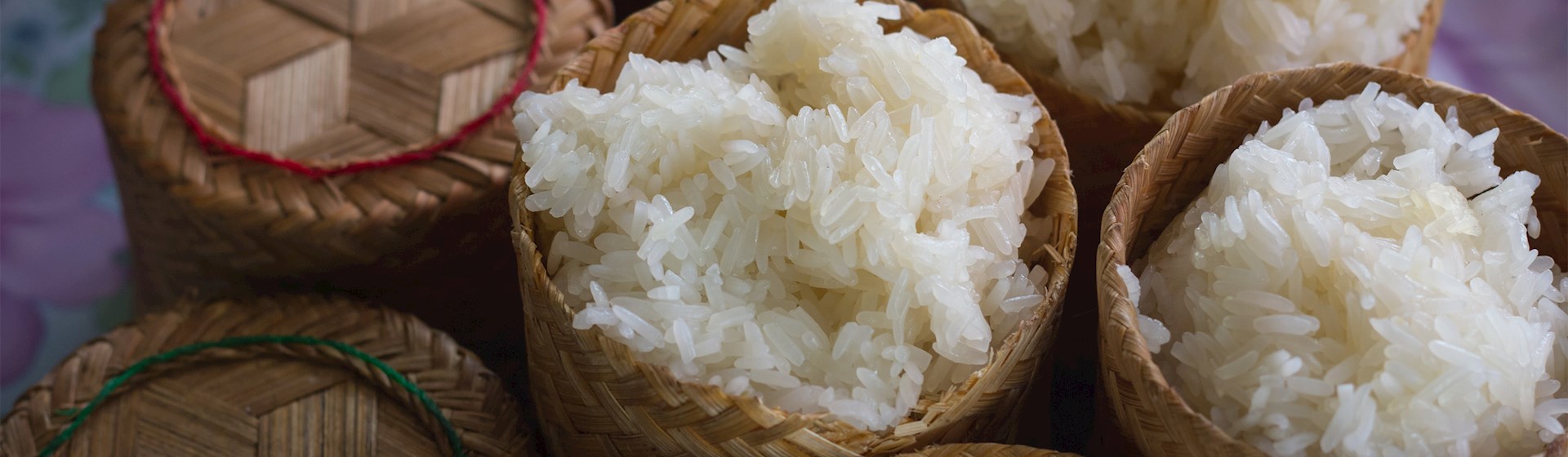
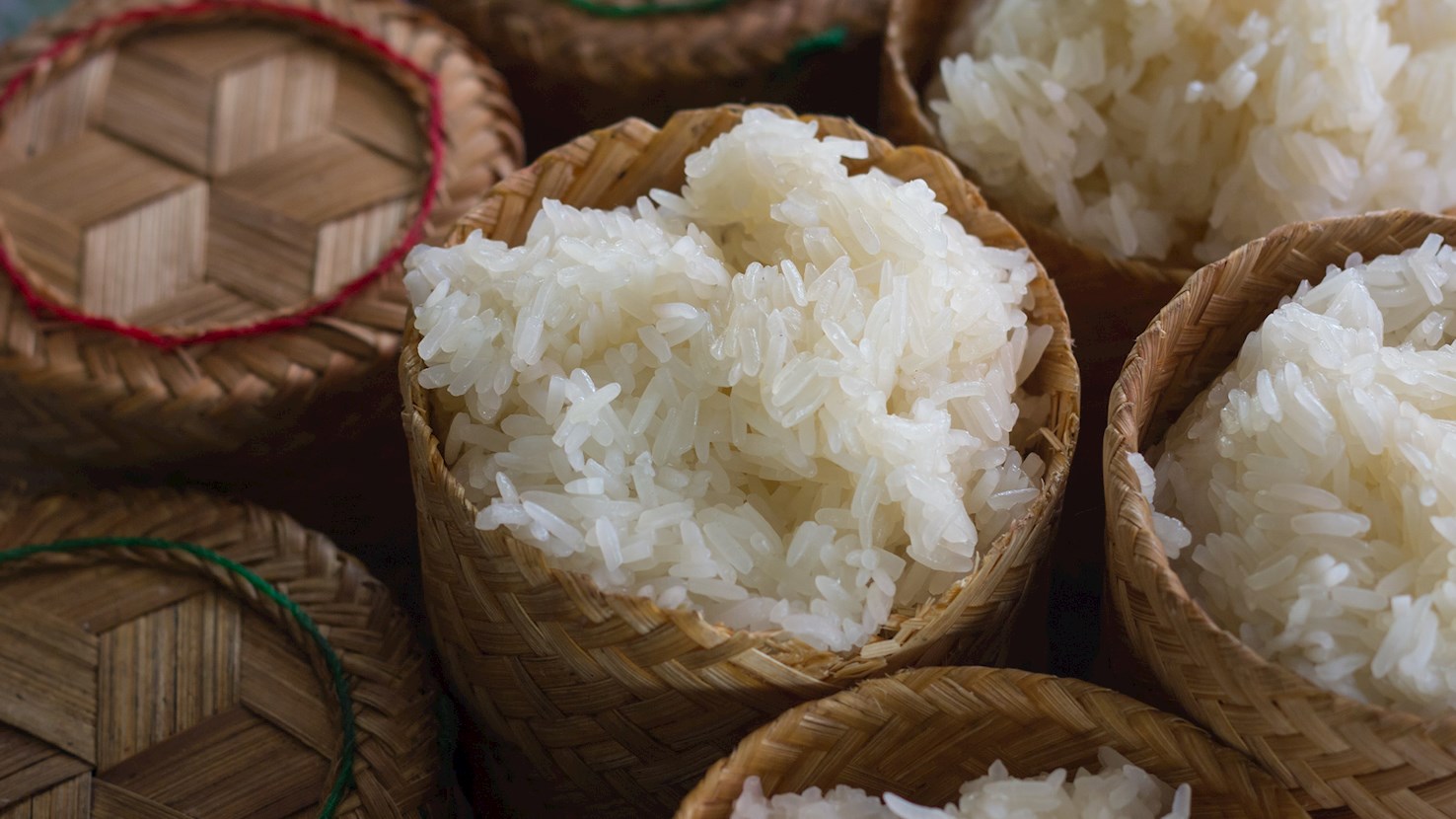
Khao niao, also known as glutinous rice or sticky rice, is a steamed, short-grain staple food originating from Laos and the Isan region of northeastern Thailand, where it serves as the primary dietary carbohydrate. Archaeological evidence indicates that agricultural societies in the Mekong River basin domesticates and cultivated glutinous rice varieties over four thousand years ago, favoring them due to their high caloric yield and adaptability to rain-fed upland terracing and riverbed farming. Preparation requires soaking the opaque, raw grains in cold water for four to eight hours to soften the outer endosperm, draining the water, and placing the soaked rice into a cone-shaped woven bamboo basket (huat) set over a pot of boiling water (maw neung) to cook purely by steam for twenty to thirty minutes without direct contact with liquid water. Following steaming, the hot rice is turned out onto a flat wooden tray or mat and kneaded briefly with a paddle to release excess steam, preventing condensation from making the grains soggy, before being transferred into small, tightly woven bamboo containers (kratip) that retain warmth and moisture. Khao niao is eaten at domestic meal tables, street vendor stalls, and communal agricultural field lunches across Laos and northern and northeastern Thailand. Diners eat the rice by reaching directly into the bamboo container with their right hand, pinching off a small portion, rolling it into a compact ball between the fingertips, and using it as an edible utensil to scoop up minced meat salads like larb, spicy papaya salad (som tam), grilled chicken (kai yang), or chili dipping pastes (nam phrik), pairing the meal with cold lagers, Thai iced tea, or fresh sugarcane juice.
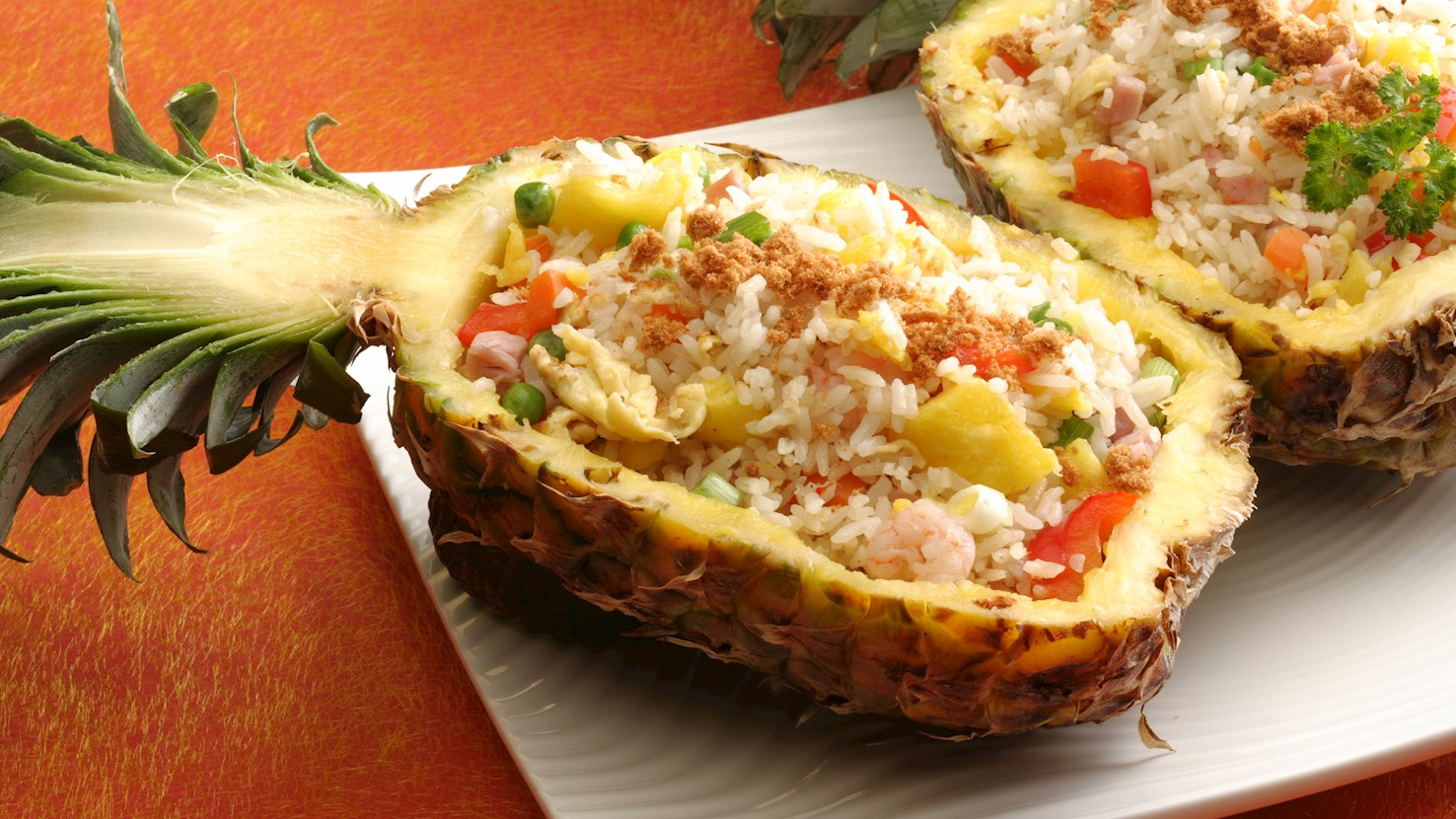
Khao op sapparot is a traditional rice dish. Although there is no set list of ingredients, the dish is made with a combination of rice that's at least a day old, garlic, ginger, onions, shallots, stir-fry sauce, and pineapple chunks. The garlic, ginger, and onions are fried in oil, followed by the rice and pineapple pieces. The ingredients are tossed together and the dish is seasoned with salt and pepper. Khao op sapparot is often served in a carved pineapple shell and it's typically garnished with chopped spring onions on top. The dish can also be enriched with pieces of chicken, raisins, crunchy cashews, or chopped chili peppers.
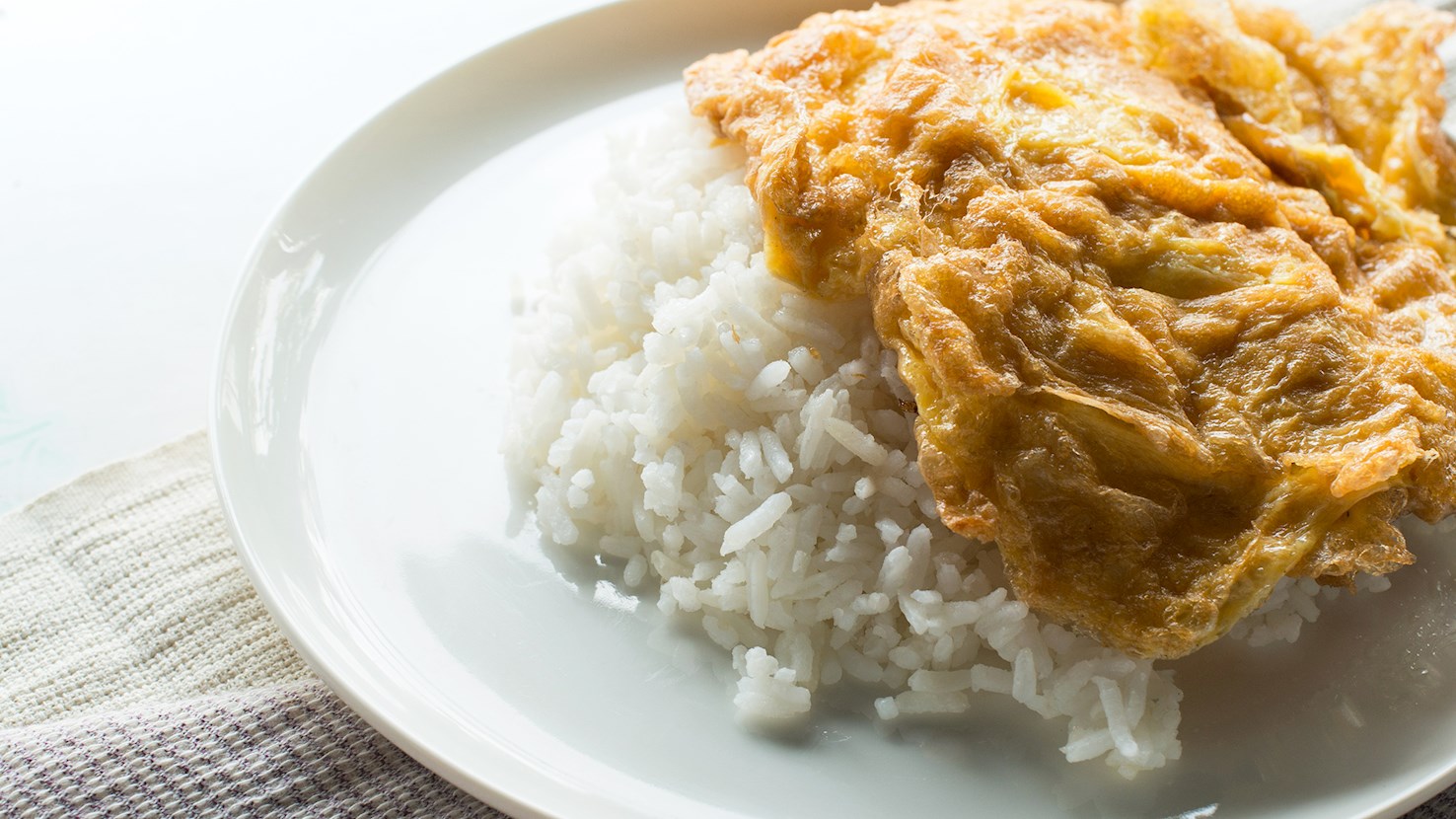
This Thai-style omelet is traditionally served over rice. It consists of eggs, fish sauce, a splash of lemon juice or vinegar, and optionally some soy sauce, cornstarch, or rice flour. This mixture is cooked in vegetable oil until slightly brown. Unlike regular omelets, this Thai version is not folded, but simply flipped. Khai chiao may be served with various toppings, while chili sauce and cucumbers are traditionally served on the side.
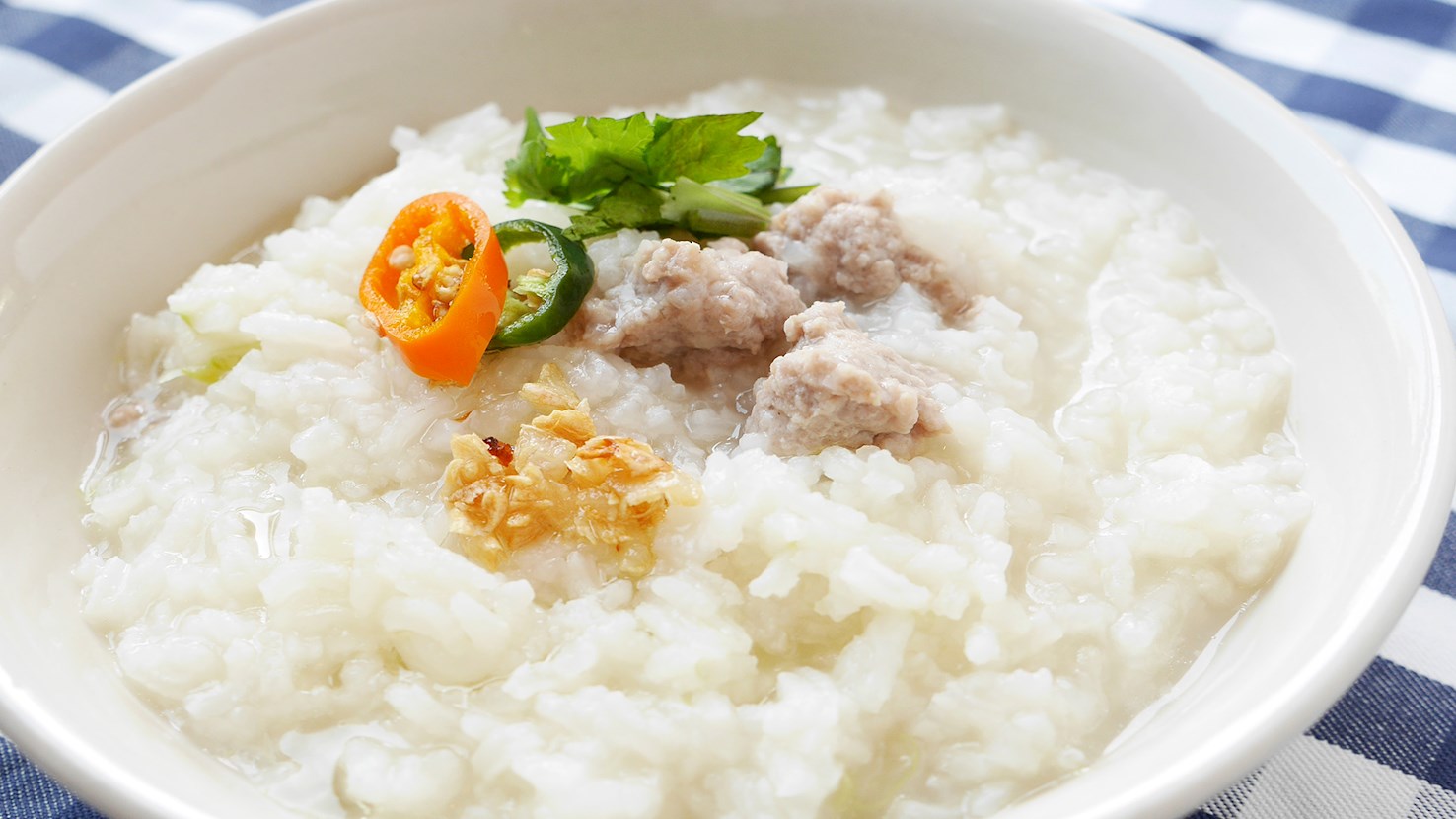
Khao tom is a variety of rice soup from Thailand that combines rice with a flavor-packed broth of herbs and vegetables. The rice is usually cooked, then added to the broth containing shallots, lemongrass, galangal or ginger, and garlic. The combination is then cooked until the consistency becomes thick. This rice soup is enjoyed hot, typically laced with fish sauce, soy sauce, and lime juice, and often accompanied by small pork balls, shredded chicken, shrimps, fish, or eggs for a more satisfying meal. Chopped coriander, scallions, tofu, chilis, and fried garlic include some of the typical seasonings. In Thailand, khao tom is a typical breakfast food as well as a common late-night snack.
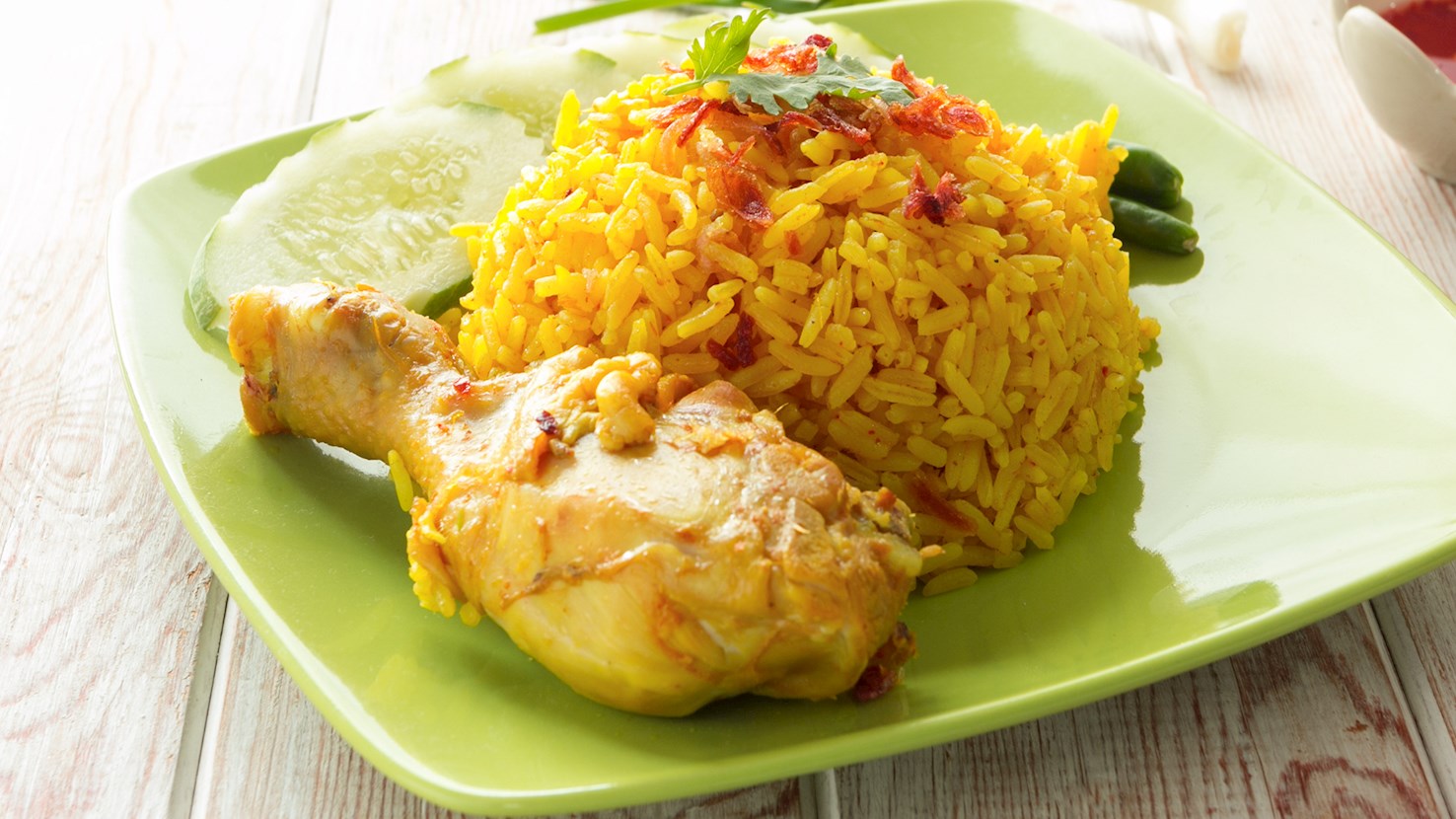
Traditionally prepared and eaten mostly by the Muslim-Thai, khao mok gai (chicken burried in rice) is a Halal dish that was introduced to Thailand by Persian merchants centuries ago. In fact, the dish is the Thai version of chicken biryani and was first mentioned in a Thai literature classic from the 18th century. Just like in the original recipe, both chicken and rice are heavily flavored with the traditional biryani spices like curry powder, coriander, cardamom, turmeric, cumin, and cinnamon. However, in Thailand, the dish is served sided with fresh tomatoes or cucumbers, and the obligatory nam jim dipping sauce consisting of fresh mint and ginger.
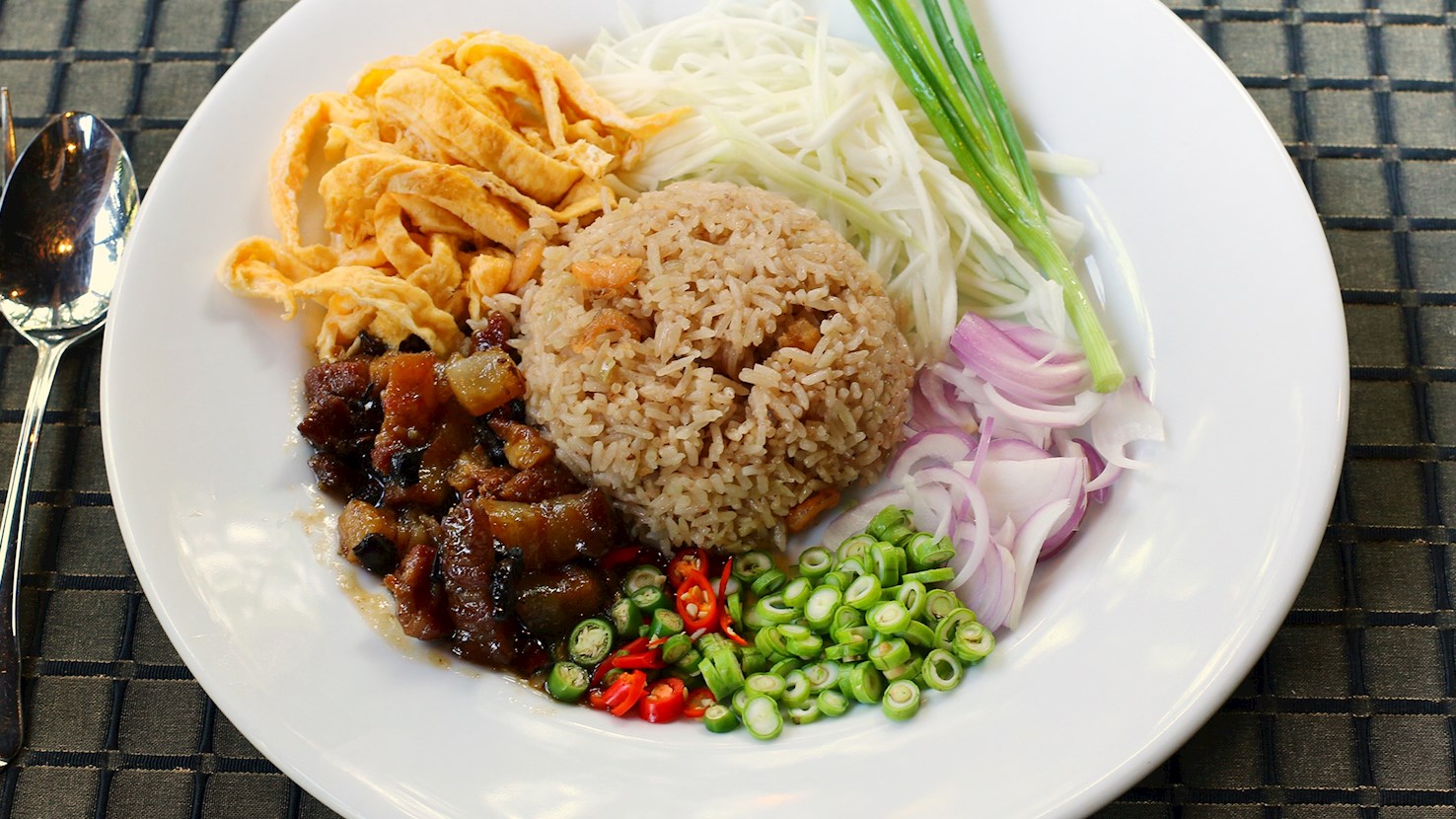
Khao khluk kapi is a Thai rice dish made with cooked rice that is fried with shrimp paste, and then topped with or served alongside a number of ingredients, including crispy dried shrimps, slices of sweet pork or chicken, chilis, raw mango gratings, red onions, omelet shavings, cucumbers, green onions, and cilantro. All these ingredients combined into one make for a colorful dish and create an explosion of flavors and textures in the mouth. This delicious rice and shrimp paste dish is usually sold as a takeaway food at many street stalls throughout Thailand.
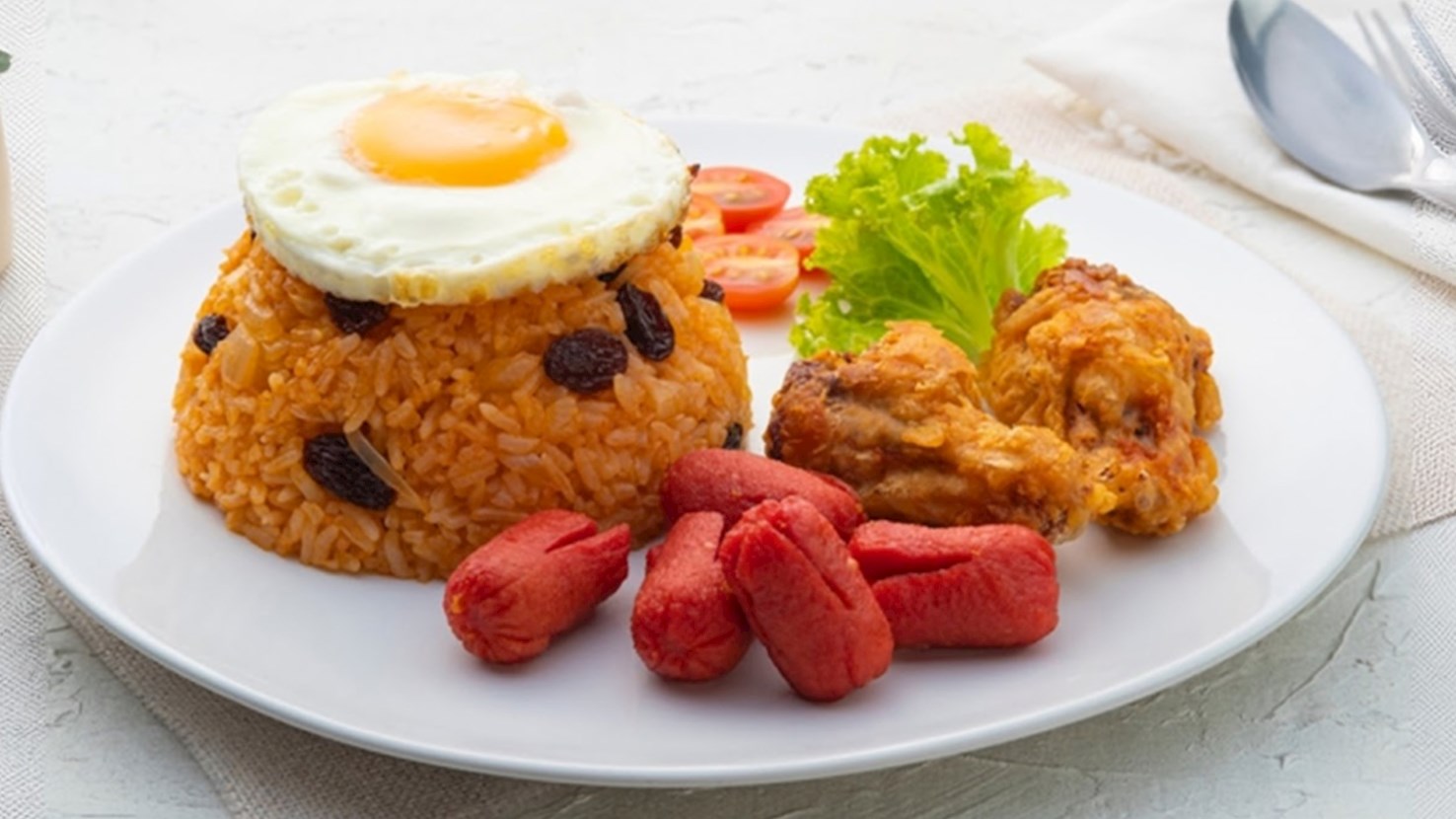
Khao phat amerikan is a traditional rice dish originating from Thailand. Also known as American fried rice, the dish consists of fried rice and typical American ingredients and sides such as hot dogs, raisins, ketchup, fried chicken, and ham. A fried egg is always served with the fried rice, along with the foods mentioned previously. It is believed that the dish was invented by Thai cooks during the Vietnam war era because they wanted to give the US soldiers something to remind them of home.
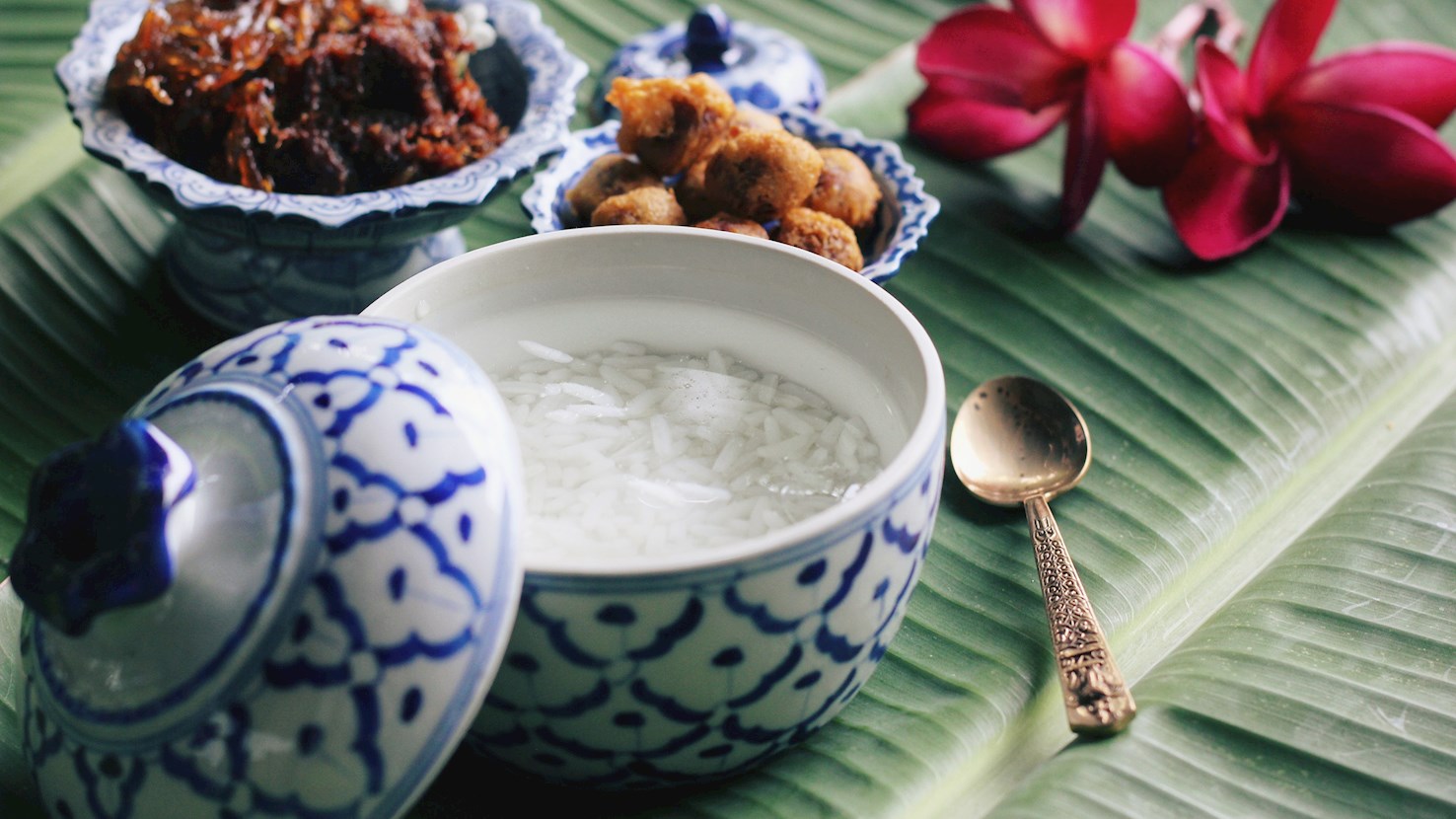
Khao chae is a traditional dish originating from the province of Phetchaburi. The name of the dish means rice soaked in cool water, and it consists of four parts – parboiled rice, ice cubes, jasmine-scented water, and side dishes that are served with the rice. In order to enjoy the dish, a bowl is filled with rice – just enough so that it can be covered with a few ice cubes and jasmine-scented water. Next, people take a bite of the side dish, followed by a spoonful of rice and scented water that washes it all down. Typical side dishes served with khao chae include shredded beef, fish, or pork; deep-fried balls consisting of grilled and mashed seer fish or snakehead with finger roots (grachai) and lemongrass; stuffed shallots and sweet peppers; a stir-fry of Chinese radish and eggs; and fresh vegetables such as scallions, cucumbers, hot peppers, and green mango. The fresh vegetables are usually eaten between bites as a palate cleanser because many side dishes might be too sweet. Khao chae is a summertime staple that’s enjoyed as a refreshing dish that helps diners cool off.
TasteAtlas food rankings are based on the ratings of the TasteAtlas audience, with a series of mechanisms that recognize real users and that ignore bot,
nationalist or local patriotic ratings, and give additional value to the ratings of users that the system recognizes as knowledgeable.
TasteAtlas Rankings should not be seen as the final global conclusion about food. Their purpose is to promote excellent local foods,
instill pride in traditional dishes, and arouse curiosity about dishes you haven’t tried.



What People Say