




shutterstock

Top 12 Rusks
in the World

Last updated on July 15, 2026
01

Paximadi

3.9 ·

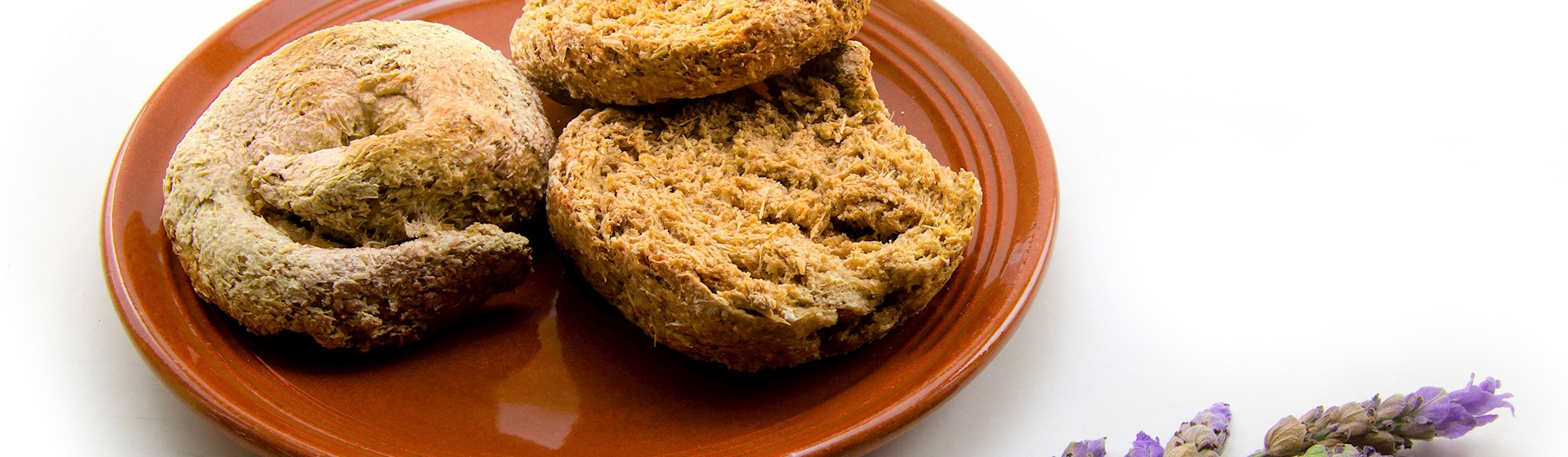
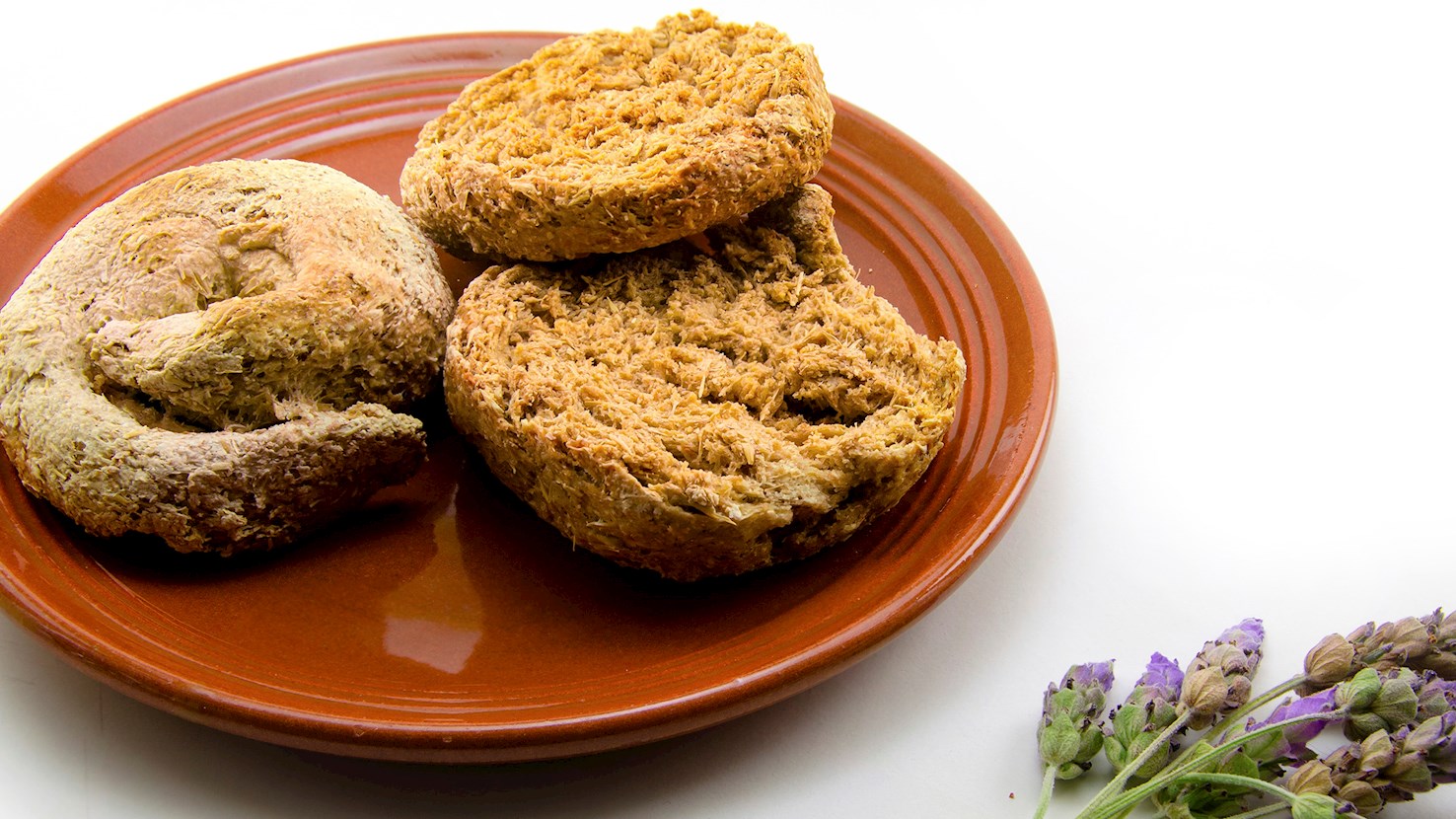
Greek paximadi is a twice-baked rusk that is traditionally made with barley, but modern-day versions may employ various flour types and significantly vary in form and size. Paximadi comes in both savory and sweet versions that are often flavored with citrus zest, anise, or chocolate. It can be enjoyed as a snack or an accompaniment to various dishes, and before serving it is often soaked in water, white wine, or olive oil. Though paximadi is eaten throughout the country, Kritiko paximadi is especially praised for its quality and can only be produced and made on Crete. It is prepared with varying amounts of barley flour and is typically slightly darker in color and round in shape. Kritiko has been a staple Cretan ingredient and is mainly used in the preparation of salads and appetizers.

Best restaurants
02

Kritiko paximadi

3.8 ·

Also known as the Cretan biscuit, Kritiko paximadi is a bread product made with either wholemeal barley flour or a combination of barley, wheat, and oat flour. The origins of paximadi can be traced to the ancient times when barley rusks were the staple of farmers, shepherds and Cretan sailors. Being twice-baked, these rusks could be preserved for long periods of time without losing their quality and for this reason paximadi became the daily bread of families that could not bake on a regular basis. Kritiko paximadi is still the base of Greek and Mediterranean diet, and it is usually softened with water, wine, or olive oil before consumption. This traditional barley rusk is typically used for preparing dakos, a popular Cretan meze made with crumbled feta or mizithra cheese and chopped tomatoes, but it is also ideal for other types of Greek salads, appetizers, and light, healthy meals.

03

Friselle

3.8 ·

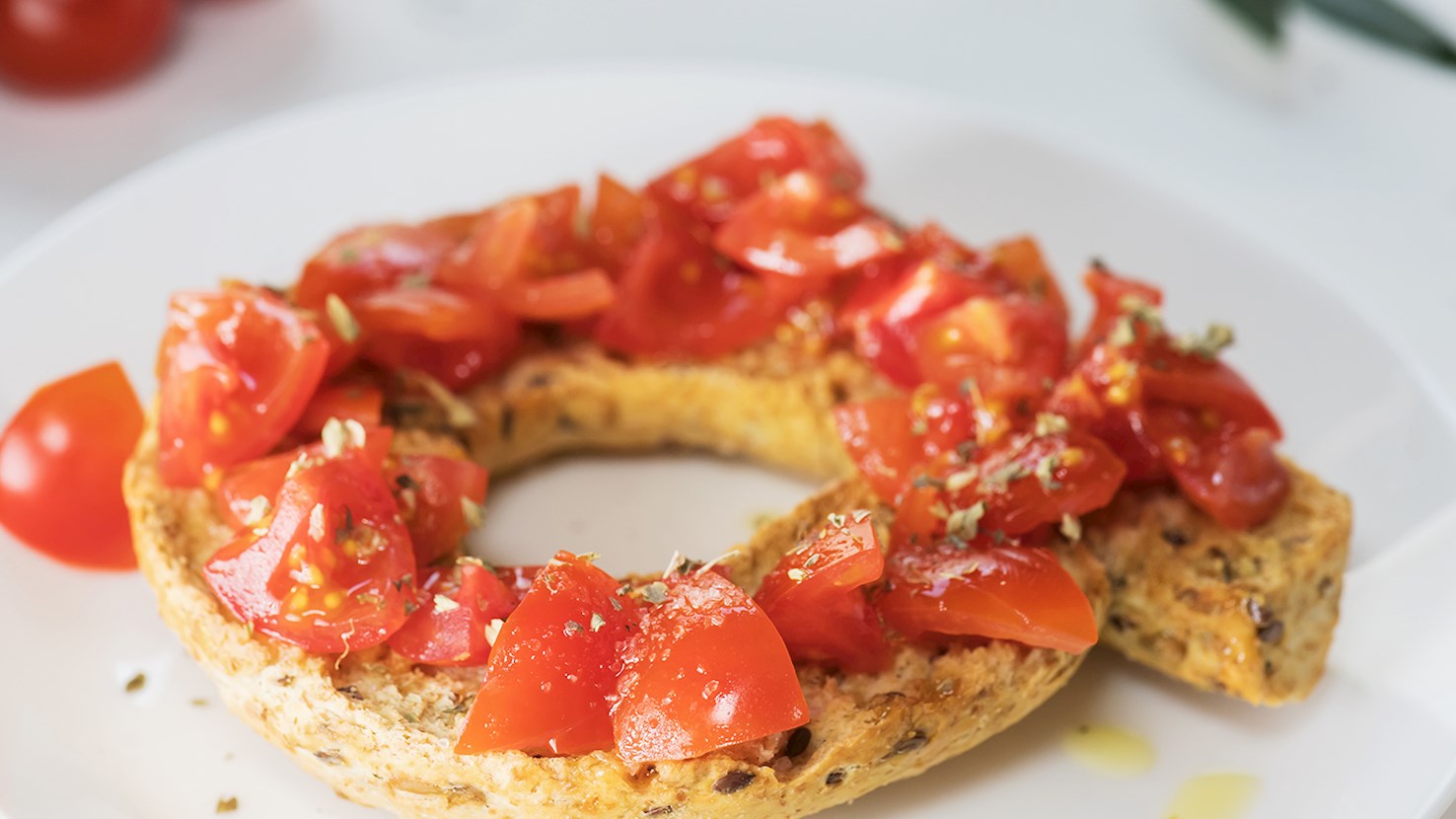
Frisele or frise is a traditional rusk originating from Puglia. It's made with a combination of plain flour, semolina flour, sea salt, yeast, and water. The rusks are double-baked, which greatly improves their shelf life. In the past, they were ideal for field workers or fishermen going out to sea. When served, friselle are usually soaked in seawater or springwater. If the rusks are topped with fresh tomatoes, they are then known as friselle Salentina, a specialty of Salento.

04

Korppu

3.1 ·

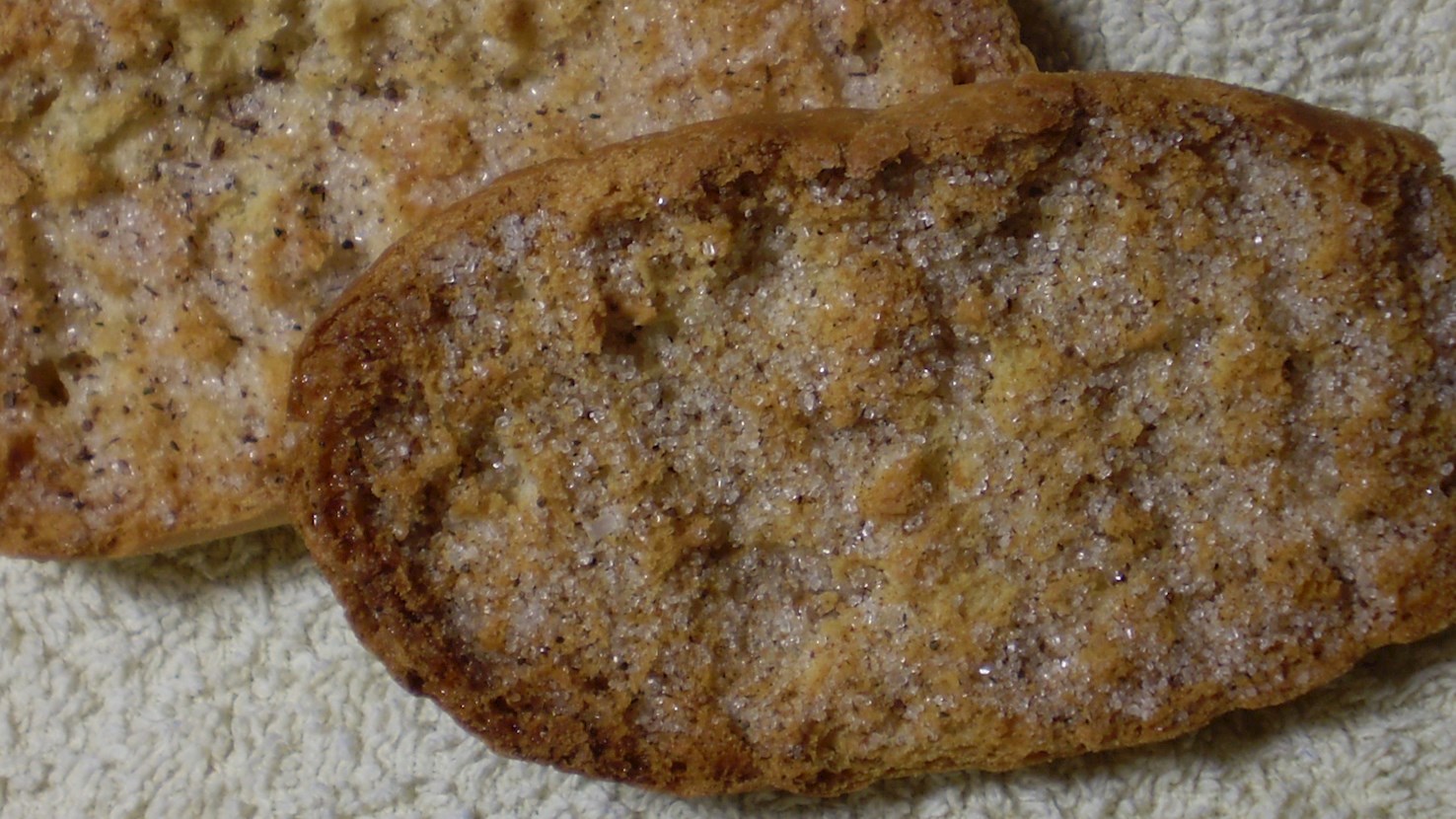
This traditional Finnish delicacy is best described as a rusk—the crispy, twice-baked bread. It is usually prepared with various types of bread rolls or the sweet, cardamom-spiced pulla bread. Korppu comes in numerous sweet or savory versions, but it is traditionally thinly sliced, dusted with cinnamon sugar, and baked until crispy. Sweet versions are often enjoyed as an accompaniment to coffee or tea.

05

Biscotti del Lagaccio

3.1 ·

Categorized somewhere between a cookie and a rusk, biscotti del Lagaccio are named after a Genovese quarter where they were allegedly invented around 1593. In the beginning, they were simple double-baked biscuits made only with flour, butter, yeast, and sugar, but over time, the basic recipe was changed with the addition of wild fennel seeds and a few drops of anise liqueur, giving them their typical flavor. Delicately sweet, biscotti del Lagaccio make a perfect breakfast or an afternoon snack, especially if paired with a cup of caffè latte or tea.

06

Karlovarsky suchar

2.4 ·

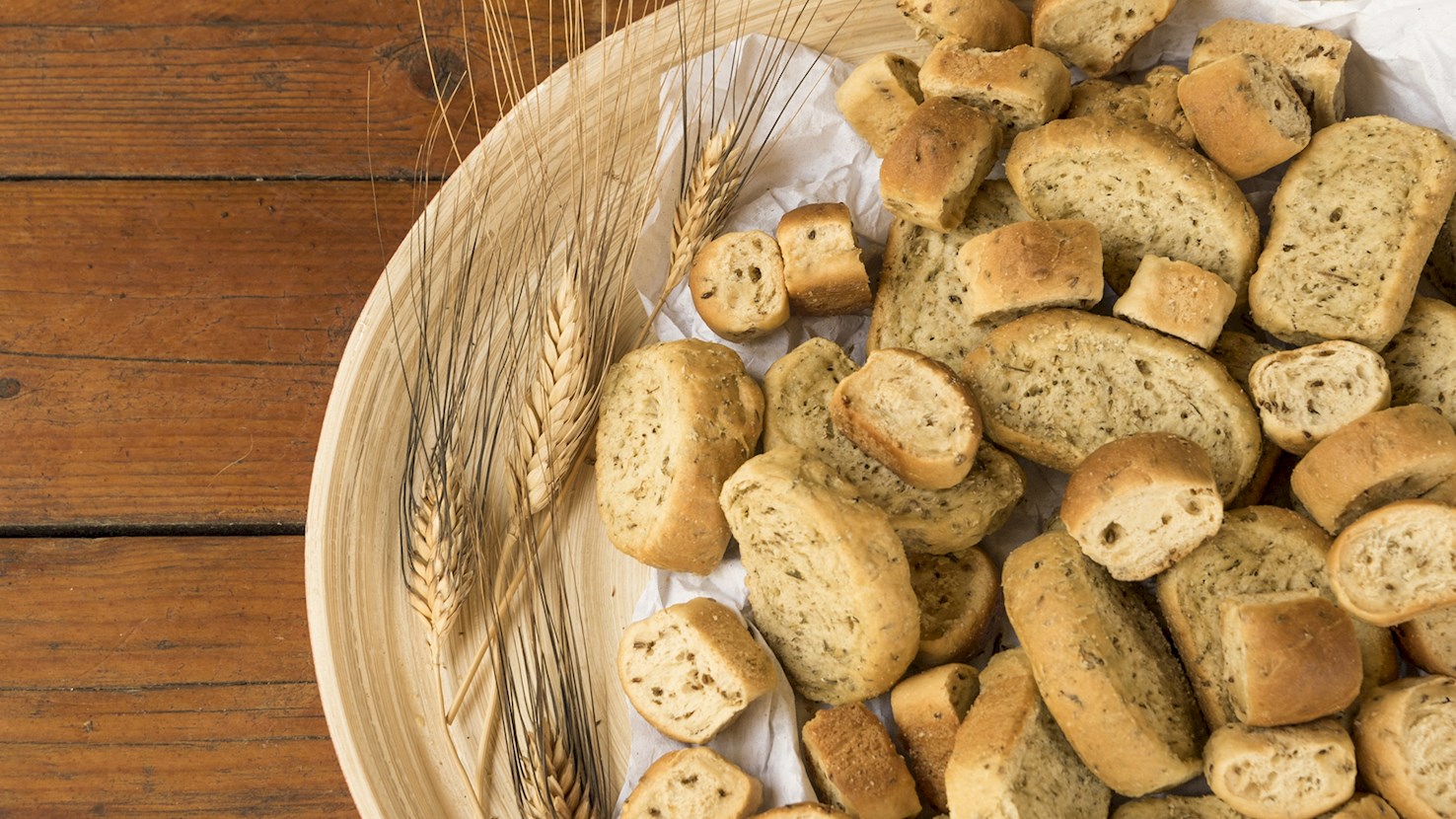
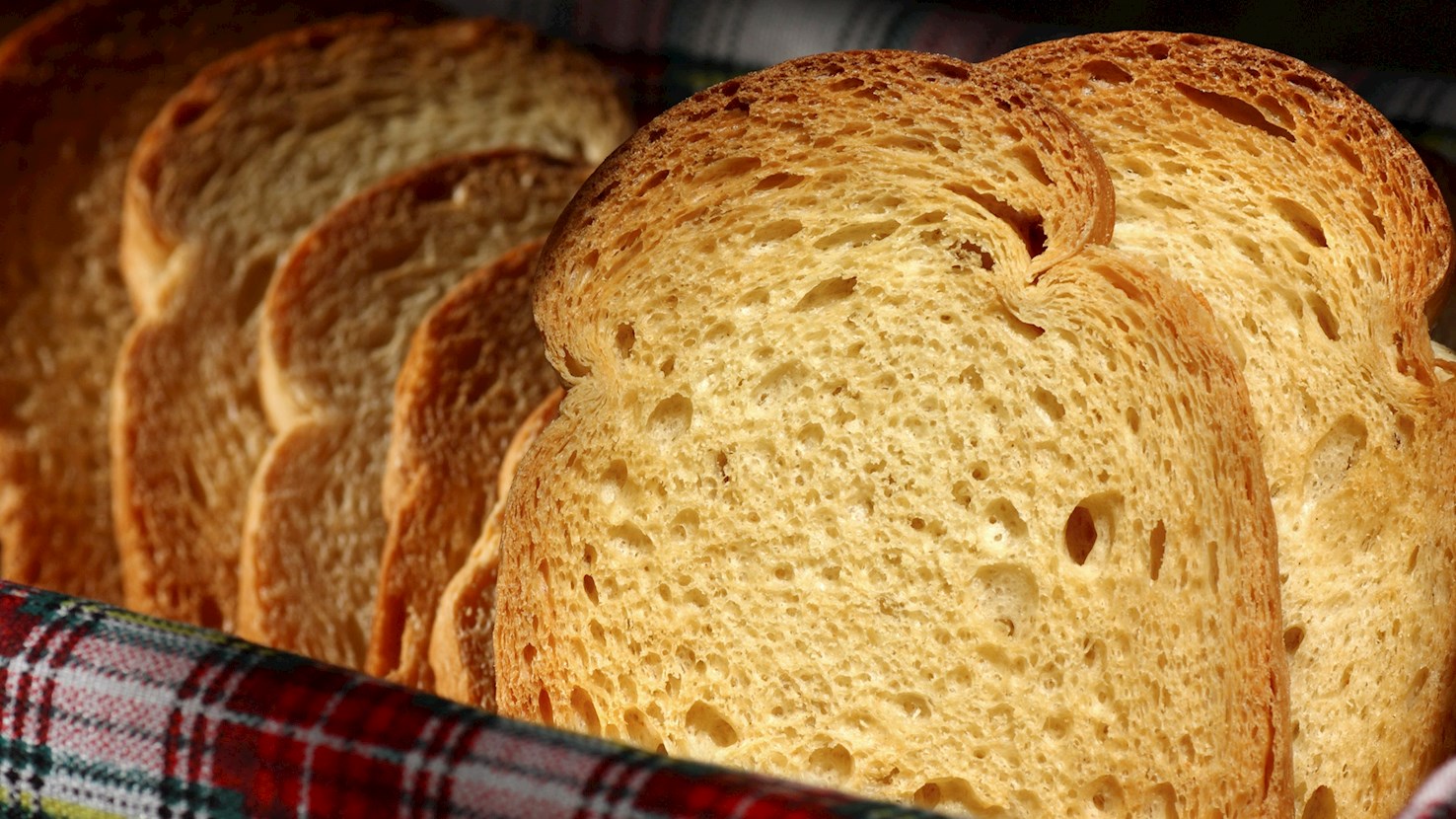
Karlovarský suchar is a rusk, a toasted bread cut in thin slices from a whole load, produced in the Karlovy Vary region in the Czech Republic. There are two varieties of the bread - special and diet versions. The bread is well baked and dried, clean, crisp and uniformly porous. It is golden brown in color, with a delicate scent of bakery goods. The taste is that of baked bread. Both versions of the bread must contain Karlovy Vary spring water. The special variety is made from wheat flour, spring water, sugar, yeast, salt, egg yolk, and flour improver. The diet version is made from the same ingredients, but sugar, egg yolks and salt are removed from the mix. When the bread is toasted, it is left to cool and sold in packs of 200 grams, ready to be enjoyed with fruit jams, butter, and tea.

07

Krithini kouloura

n/a ·

Krithini kouloura refers to a traditional Greek barley rusk, primarily associated with the island of Kalymnos. It is a hard, round bread made from barley, often softened with water and used as the base for various local dishes, particularly salads. The most common dish featuring krithini kouloura is the Kalymnian salad Mermizeli, where the softened rusk is combined with tomatoes, onions, cheese (typically feta or cream cheese), and plenty of olive oil. Originally, this bread was made for sailors, as it could last a long time without spoiling, making it ideal for long voyages. The bread is often flavored with anise and mastic, giving it a unique taste.

08

Bračke škanjate

n/a ·

Škanjate are a local specialty of the Croatian island of Brač. These hard biscuits consist of flour, oil, sugar, and yeast. When the dough has risen, it is baked until it develops a dark golden-brown color. After they have cooled down a bit, the biscuits are split in half and baked again for a short while at low temperatures. Škanjate are most often dipped in prošek, wine, or coffee as a tasty snack.

09

Paški baškotin

n/a ·

Paški baškotin is a Croatian sweet rusk produced by Benedictine nuns in the St. Margarita monastery on the island of Pag. They have been producing it for more than 300 years. The nuns got their first oven in 1540, and they have used it since then to bake various cakes, pastries, and baškotin. The recipe for baškotin is kept a secret. Nowadays, the nuns bake about 30 kilograms of baškotin daily, and they can’t make any more because the whole process is done by hand. Traditionally, baškotin was offered to guests with chicory coffee on the side because regular coffee was expensive and hard to come by. Baškotin was also often served with prošek, as it was believed that dunking it in prošek before consumption was beneficial for pregnant women.

10

Lomnicke suchary

n/a ·

Lomnické suchary is a rusk, twice-baked bread produced in a few varieties in the Semily district in the Czech Republic since the first half of the 19th century. The varieties include sugared rusks, hazelnut rusks, almond rusks, peanut rusks, and diabetic rusks. They are produced from wheat flour, sugar, fat, yeast, powdered milk, egg yolks, cinnamon, vanilla, orange, lemon peel, peach, and apricot kernels. Depending on the variety of the rusks produced, finely ground almonds, hazelnuts and peanuts are added to the mix. In the diabetic variety, sorbitol is used instead of sugar. They are sold as baked sliced of bread with a golden brown color. Their texture is quite hard, crisp and crunchy and the taste and aromas depend on the chosen variety. Pair this unique twice-baked bread with creamy butter, a cup of tea or hot cocoa.

About this ranking

TasteAtlas food rankings are based on the ratings of the TasteAtlas audience, with a series of mechanisms that recognize real users and that ignore bot, nationalist or local patriotic ratings, and give additional value to the ratings of users that the system recognizes as knowledgeable. For the “Top 12 Rusks in the World” list until July 15, 2026, 268 ratings were recorded, of which 168 were recognized by the system as legitimate. TasteAtlas Rankings should not be seen as the final global conclusion about food. Their purpose is to promote excellent local foods, instill pride in traditional dishes, and arouse curiosity about dishes you haven’t tried.

Similar lists