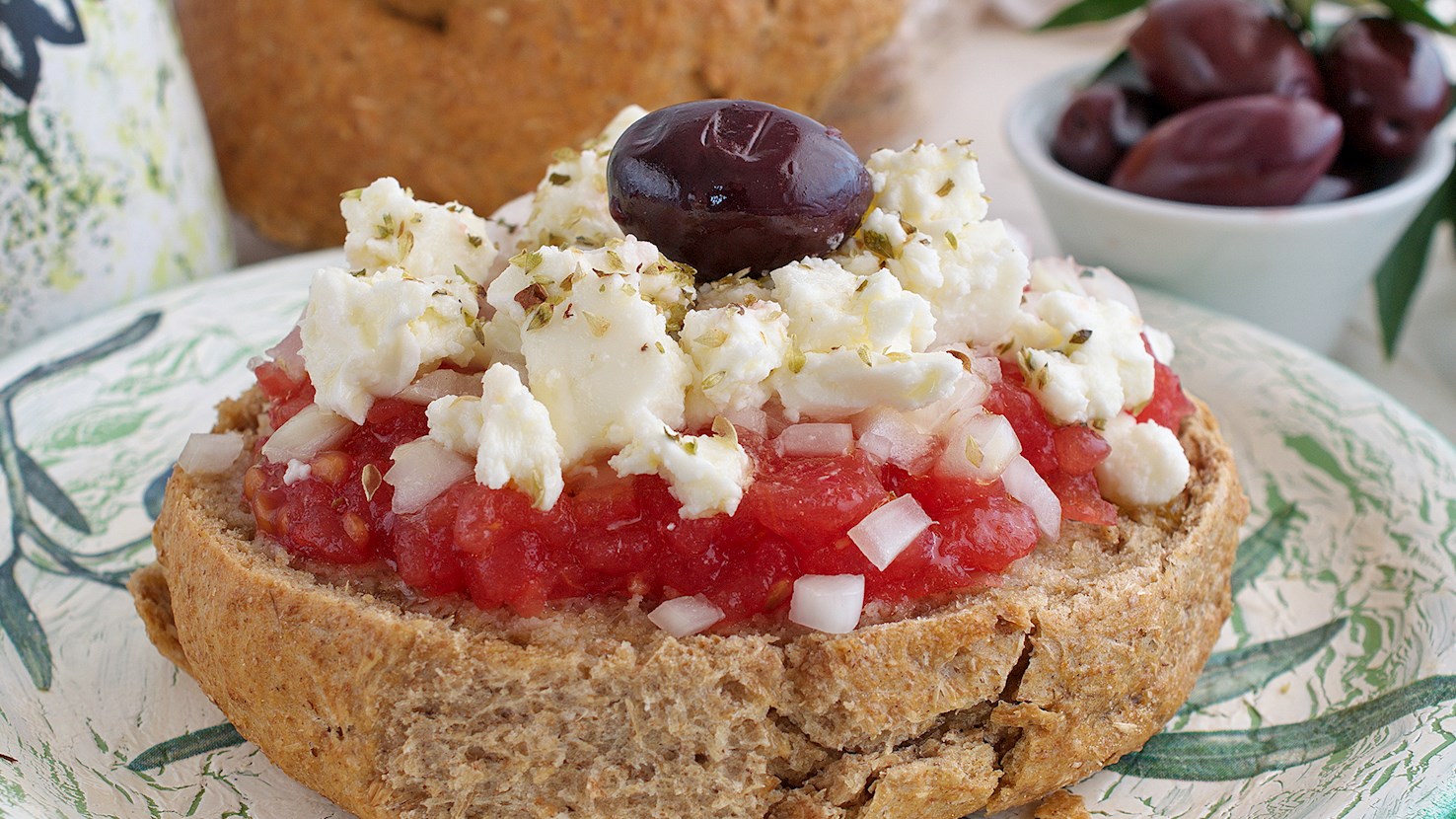
Dakos or ntakos is a traditional Cretan dish consisting of a dry barley rusk called paximadi that is topped with crumbled myzithra cheese, chopped ripe tomatoes, whole olives, capers, fresh oregano, and a few generous splashes of high-quality olive oil. It's recommended to use olive varieties such as Koroneiki, Lianes, or Tsounates. Myzithra cheese is traditionally used, and not feta, which is usually reserved for tourist restaurants. The rusk is often gently rubbed with a small piece of garlic and lightly sprinkled with sea salt. If available, kritamo (sea fennel) is also sometimes added to dakos. The dish is usually served as a meze or light dinner.
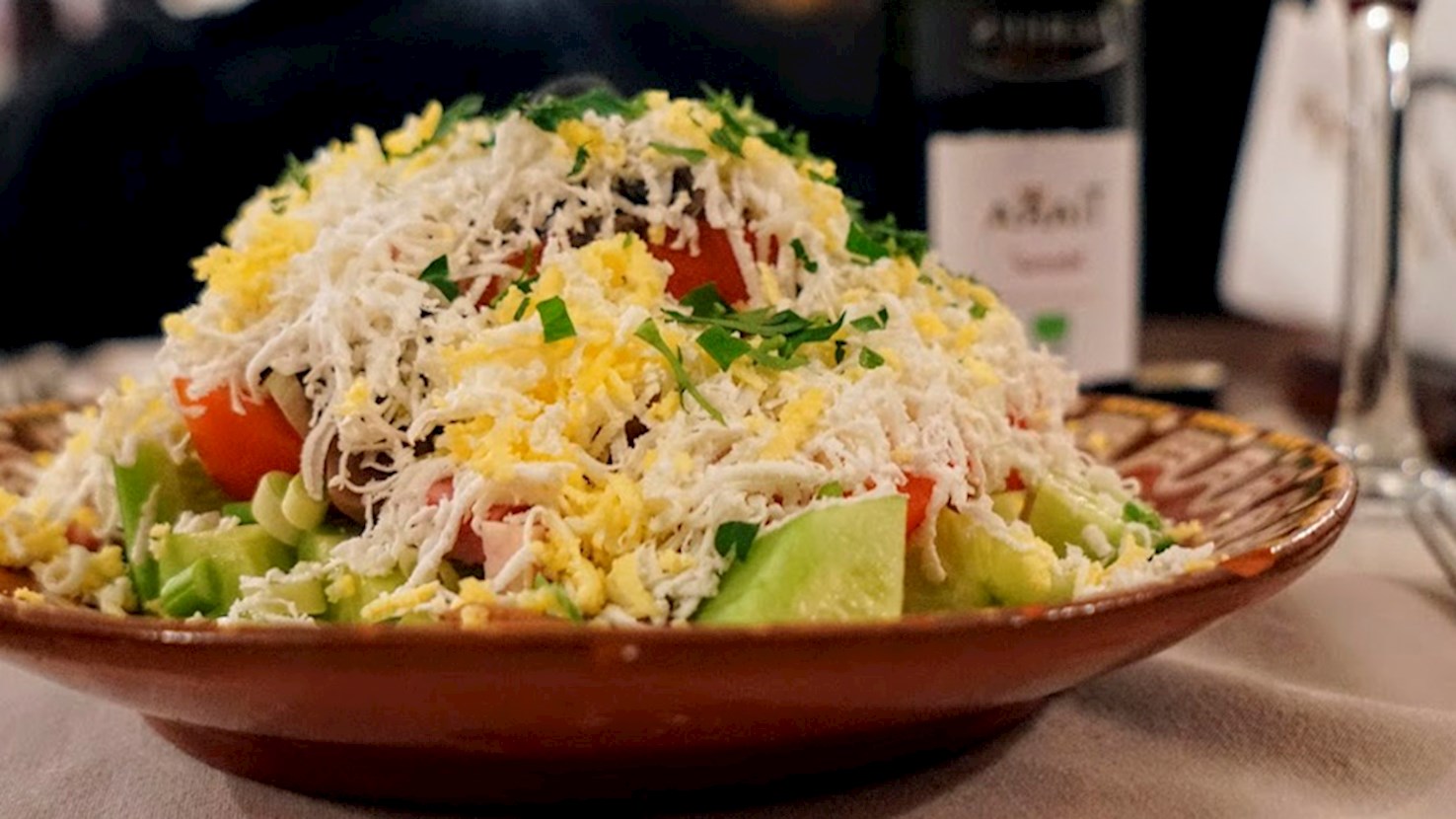
Ovcharska salata is a simple variation of the famous Shopska salata. Essentially, it is Shopska salata (cucumbers, tomatoes, onions, peppers, and cheese) with the addition of mushrooms, eggs, and ham. The salad is typically tossed with vegetable oil, left to rest for a few minutes, and it is then ready for consumption. It is especially popular in summer due to its refreshing flavors and the usage of seasonal vegetables.
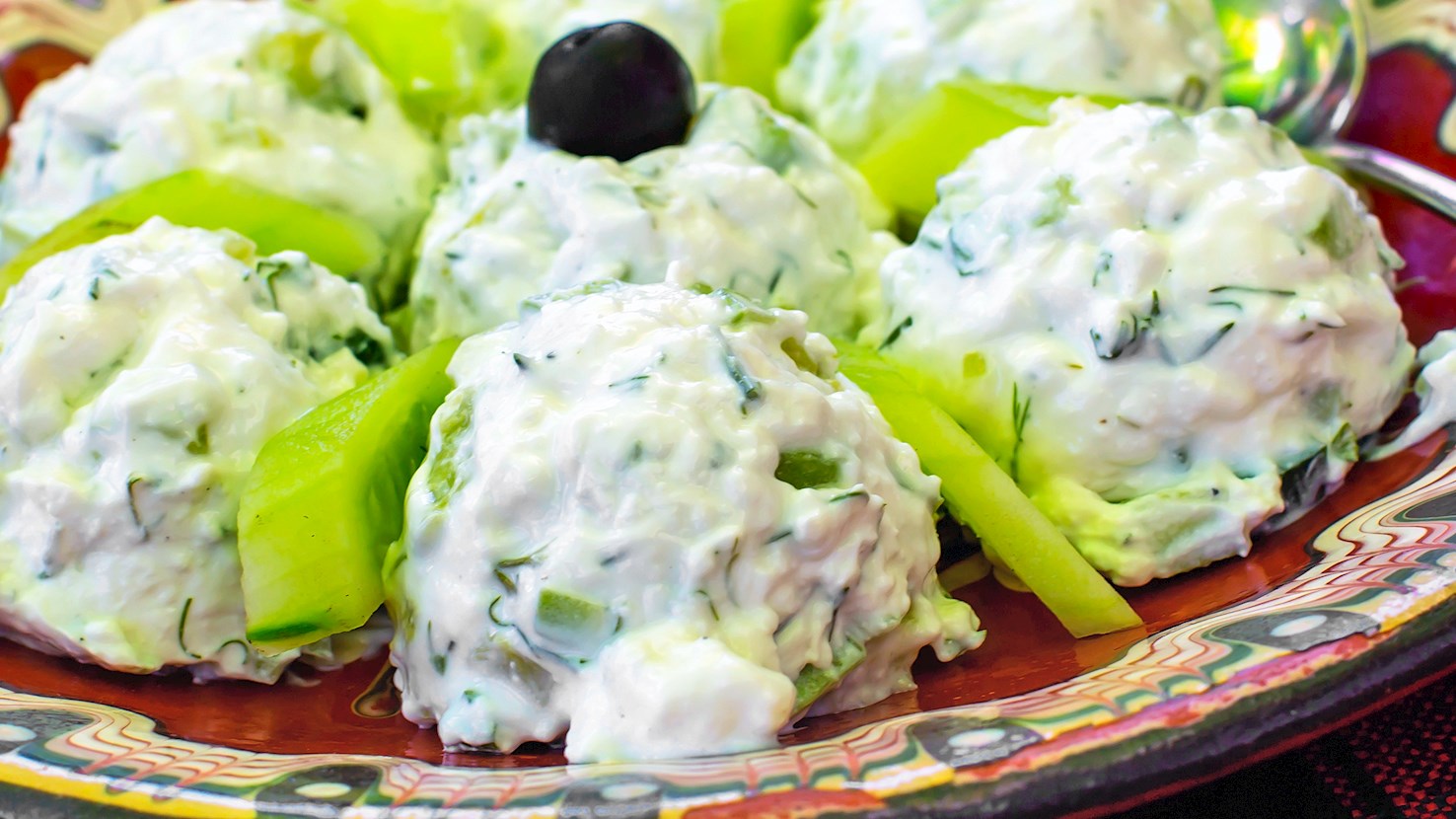
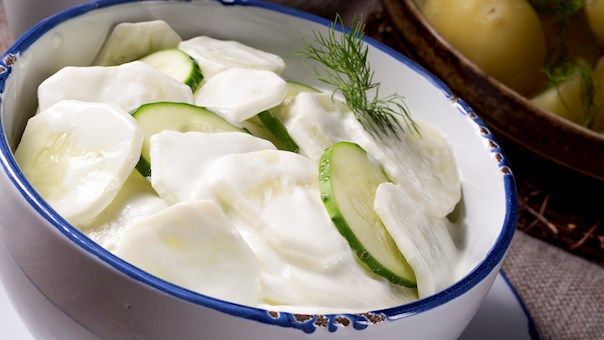
Named after its predominantly white color, Snezhanka or Snow White is a refreshing salad made with ingredients such as cucumbers, garlic, dill, oil, salt, and the Bulgarian staple – yogurt, in this case – strained to make it thicker. Walnuts, roasted peppers, and chopped parsley are sometimes added to the salad as a topping, according to personal preferences. Snezhanka is always served cold, either as an appetizer, meze, side dish, or a dip for pita bread. When served as part of a meze, it is traditionally accompanied by alcoholic beverages.
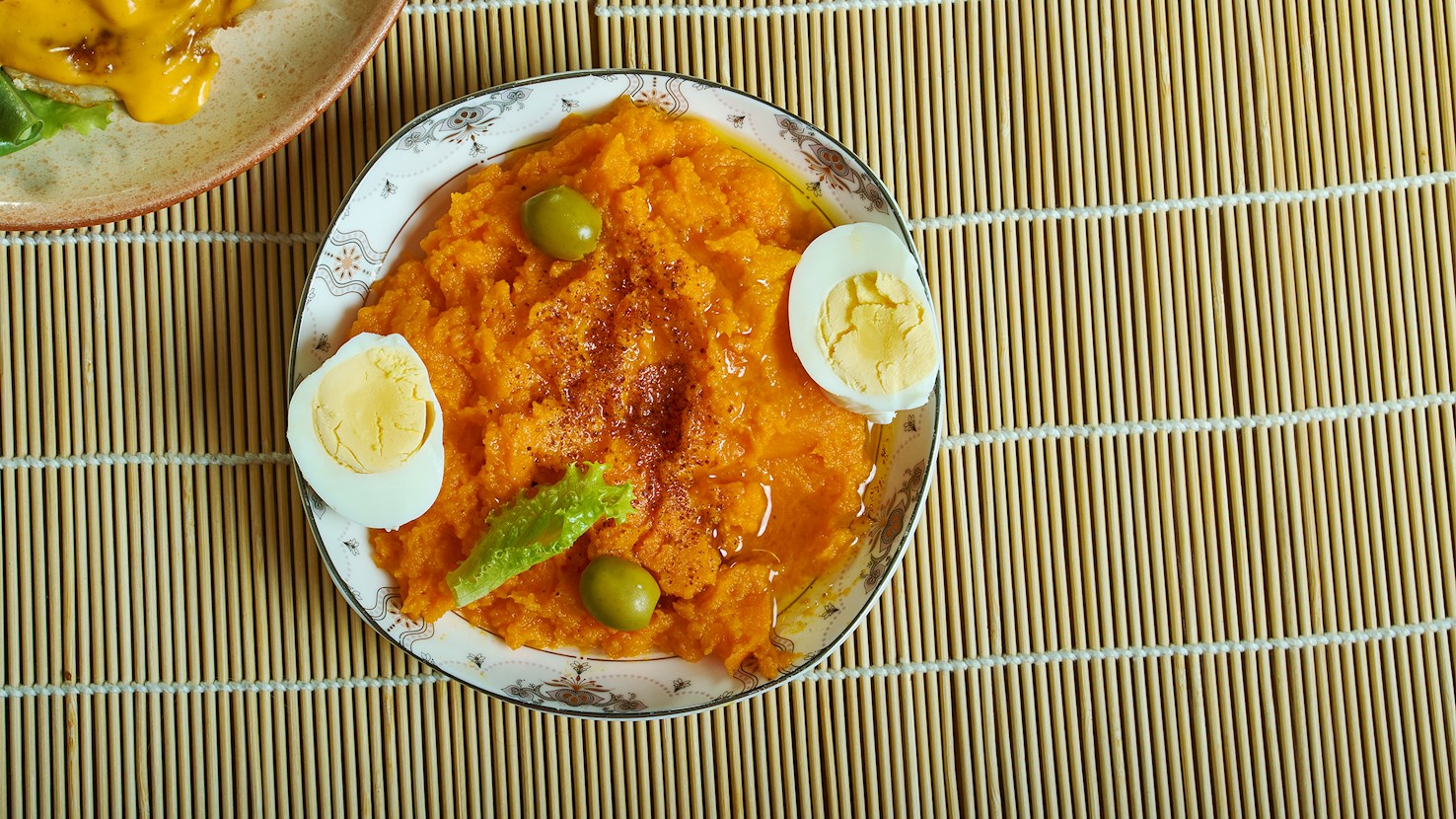
Omek houria, also known simply as houria, is a cooked carrot salad flavored with harissa, garlic, caraway, coriander, olive oil, and lemon juice or vinegar. It has a soft, slightly chunky texture and a characteristic balance of carrot sweetness, harissa heat, and dressing acidity. The dish's exact origin is not documented, though it has long been part of Tunisian home cooking. Preparation begins with carrots that are peeled, cut into pieces, and boiled in salted water until very tender. After draining, they are crushed with a fork or pestle. The texture is usually coarse rather than completely smooth, leaving small pieces of carrot throughout the salad. The warm mashed carrots are seasoned with garlic, harissa, ground or crushed caraway, coriander, and salt. Olive oil is mixed in generously, followed by lemon juice or vinegar, which balances the natural sweetness of the carrots and the richness of the oil. The salad is then left to cool so the flavors can come together. Omek houria is commonly spread onto a shallow serving plate and finished with a drizzle of olive oil. Hard-boiled egg, tuna, feta, olives, and chopped parsley are characteristic garnishes and can turn the relatively simple carrot salad into a more substantial starter. It is usually served cold or at room temperature as part of a Tunisian assortment of salads and small dishes, often with bread for scooping. Rather than being extremely fiery, a well-balanced omek houria combines the sweetness of cooked carrots with the warm heat of harissa, the earthy aroma of caraway and coriander, fresh garlic, and the sharpness of lemon or vinegar.
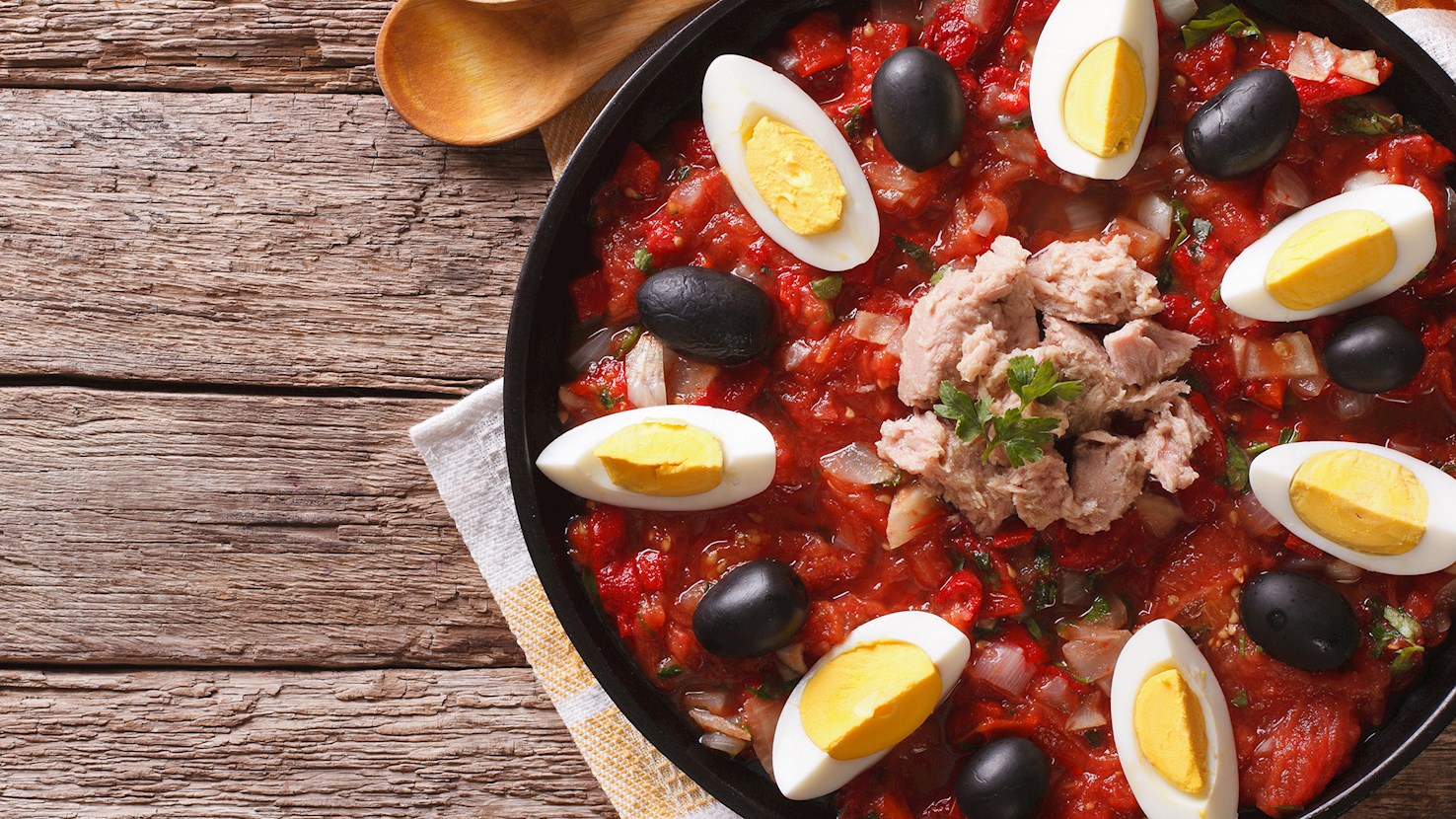
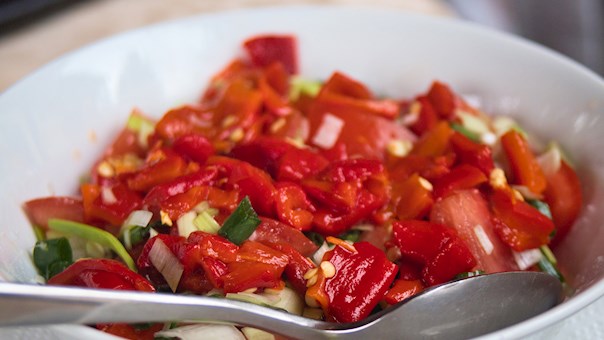
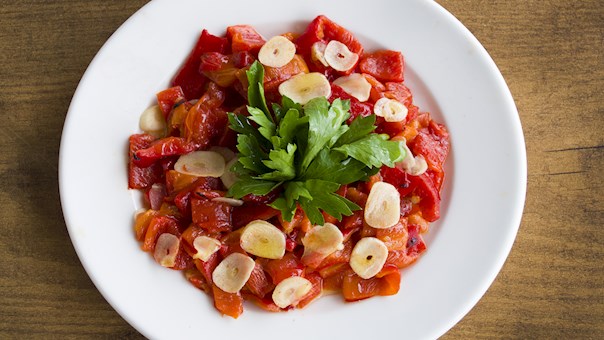
Mechouia, or slata mechouia, is a salad made from grilled peppers, tomatoes, onions, and garlic that are peeled, finely chopped, and seasoned with olive oil and spices. It has a coarse, soft texture and a pronounced smoky flavor from the charred vegetables. The name comes from the Arabic word mashwiyya, meaning grilled or roasted, which describes the essential cooking method. Mechouia is especially associated with summer, when peppers and tomatoes are abundant, though it is eaten year-round and remains one of the most familiar salads in Tunisian cooking. Traditionally, green peppers, hot peppers, tomatoes, onions, and garlic are grilled over charcoal or directly over a flame. A kanoun, a small charcoal brazier widely used in Tunisia, is especially well suited to the job. The vegetables are cooked until tender and their skins are heavily blistered and blackened. Once cool enough to handle, the charred skins are removed, and the peppers are usually seeded. The vegetables are then chopped together by hand or crushed in a mortar. They should remain slightly coarse rather than being turned into a completely smooth purée. The salad is seasoned simply with salt, ground coriander, caraway, and a generous amount of olive oil. Some preparations include a little lemon juice, but the smoky vegetables, olive oil, and spices provide most of the characteristic flavor. The combination of caraway and coriander is particularly typical of Tunisian mechouia. Mechouia can range from fairly mild to noticeably hot depending on the peppers used. Traditionally, sweet and hot green peppers are often combined so that the salad has some heat without overwhelming the flavor of the roasted vegetables. The finished salad is spread over a shallow plate and commonly garnished with pieces of tuna, wedges or slices of hard-boiled egg, and olives. Capers may also be scattered over the top. These additions provide a salty contrast to the sweet, smoky vegetables and turn the salad into a more substantial starter. Mechouia is usually served cool or at room temperature with bread, most commonly baguette or Tunisian bread, which is used to scoop up the vegetables and olive oil. It is typically eaten as a starter or as part of a selection of salads and small dishes rather than as a main course.
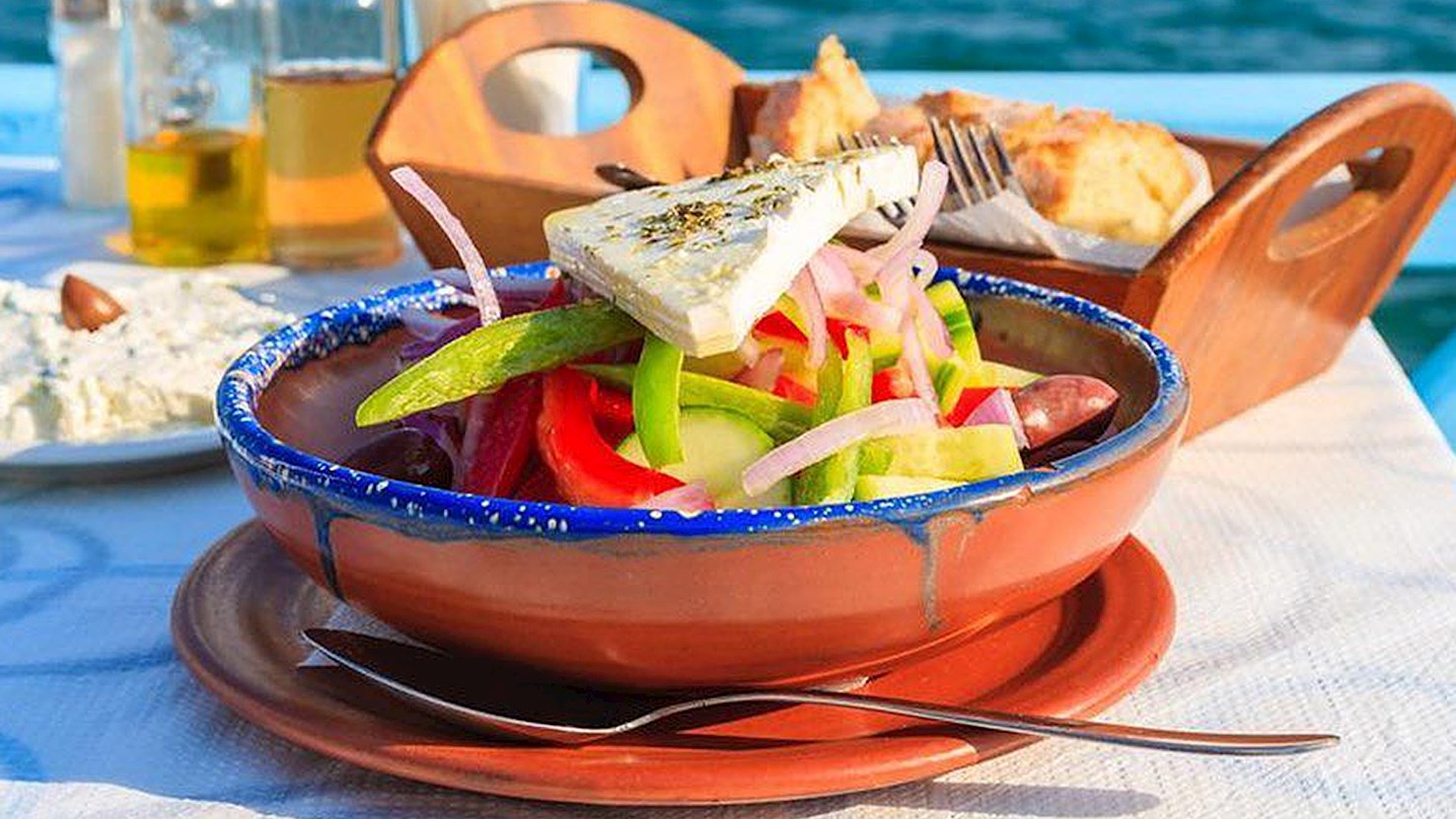
Greek salad, also known as village salad or horiatiki is the national dish of Greece, consisting of quartered tomatoes, sliced red onions, and chunky slices of cucumber. Depending on the region, there can also be olives, green peppers, feta cheese, oregano, salt, pepper, or a typical dressing made from olive oil and lemon or vinegar (optionally). When feta cheese is present in the salad, it is usually just sliced, but in some cases it's mixed in with a fork until slightly crumbled. Its name suggests that it was a rural dish, when farmers would take some essential ingredients to the field and mix them together. Greek salad is a true summer dish, full of refreshing, raw vegetables and herbs. It is best to prepare it with ripe tomatoes that are in season, while the olives should be of the Kalamata variety. Served in a shallow bowl, it is present on numerous Greek tables, either at home or in the taverns.
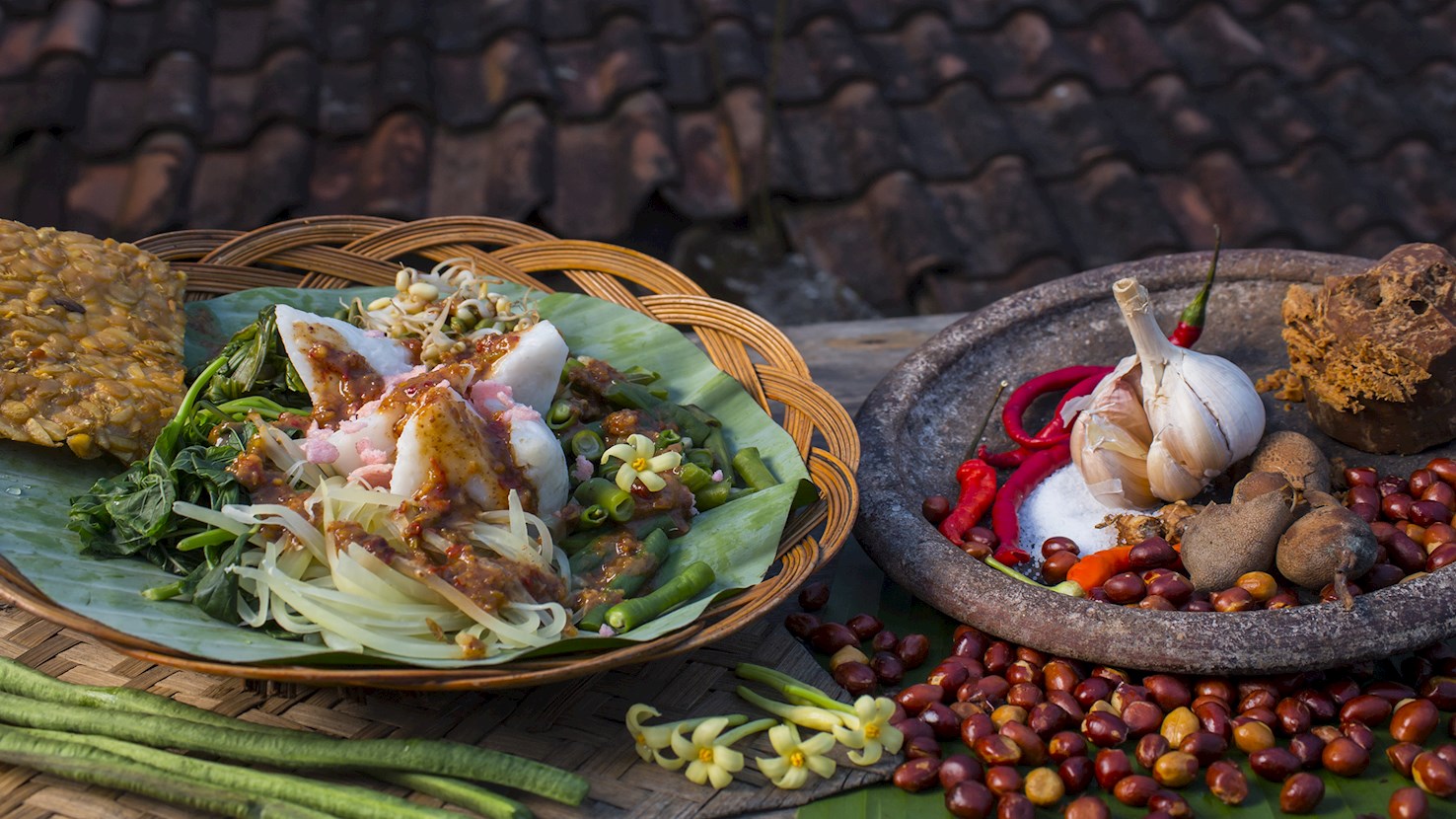
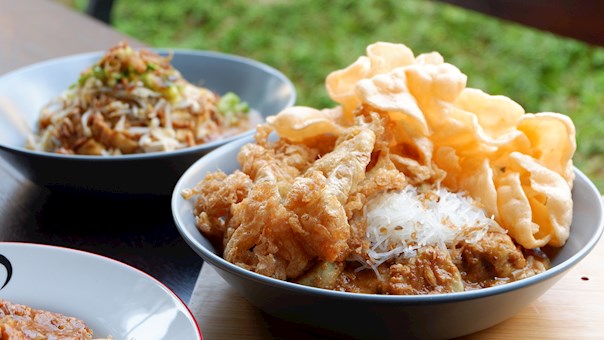
Indonesian pecel may refer to a fragrant peanut sauce or a combination of the sauce and various vegetables, when it is commonly referred to as a salad. The base of the sauce is prepared with roasted peanuts and spices that typically include chili peppers, palm sugar, garlic, tamarind juice, shrimp paste, kaffir lime leaves, salt, and kencur, an aromatic ginger variety. Usually associated with Java, the sauce is characterized by its distinctive combination of sweet and spicy flavors. When served with rice, the dish goes under the name nasi pecel.
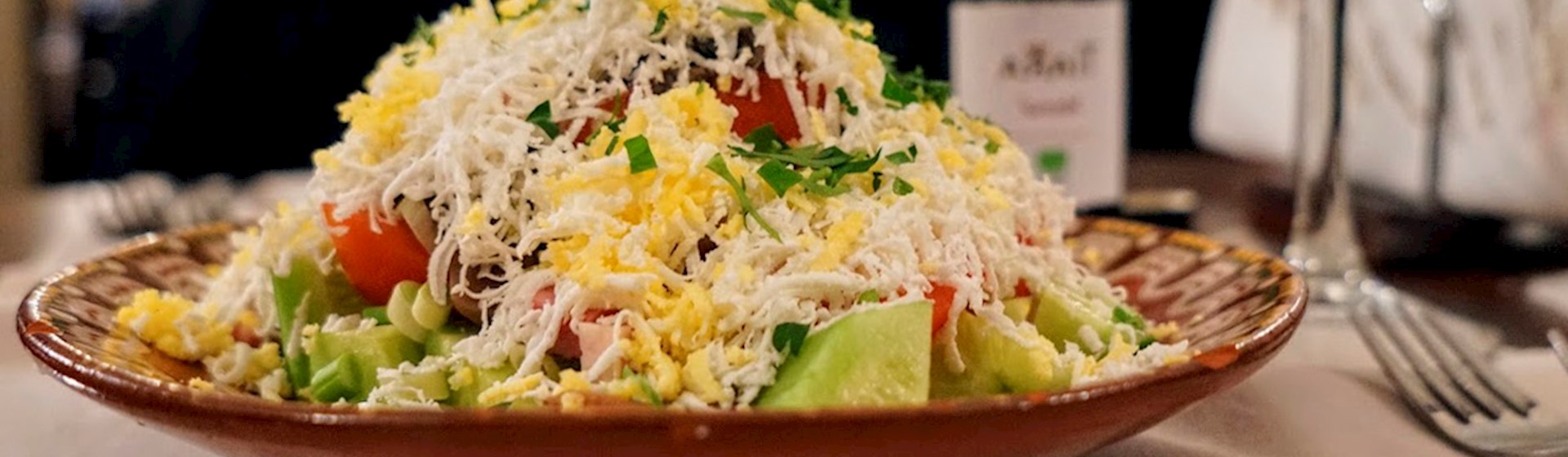
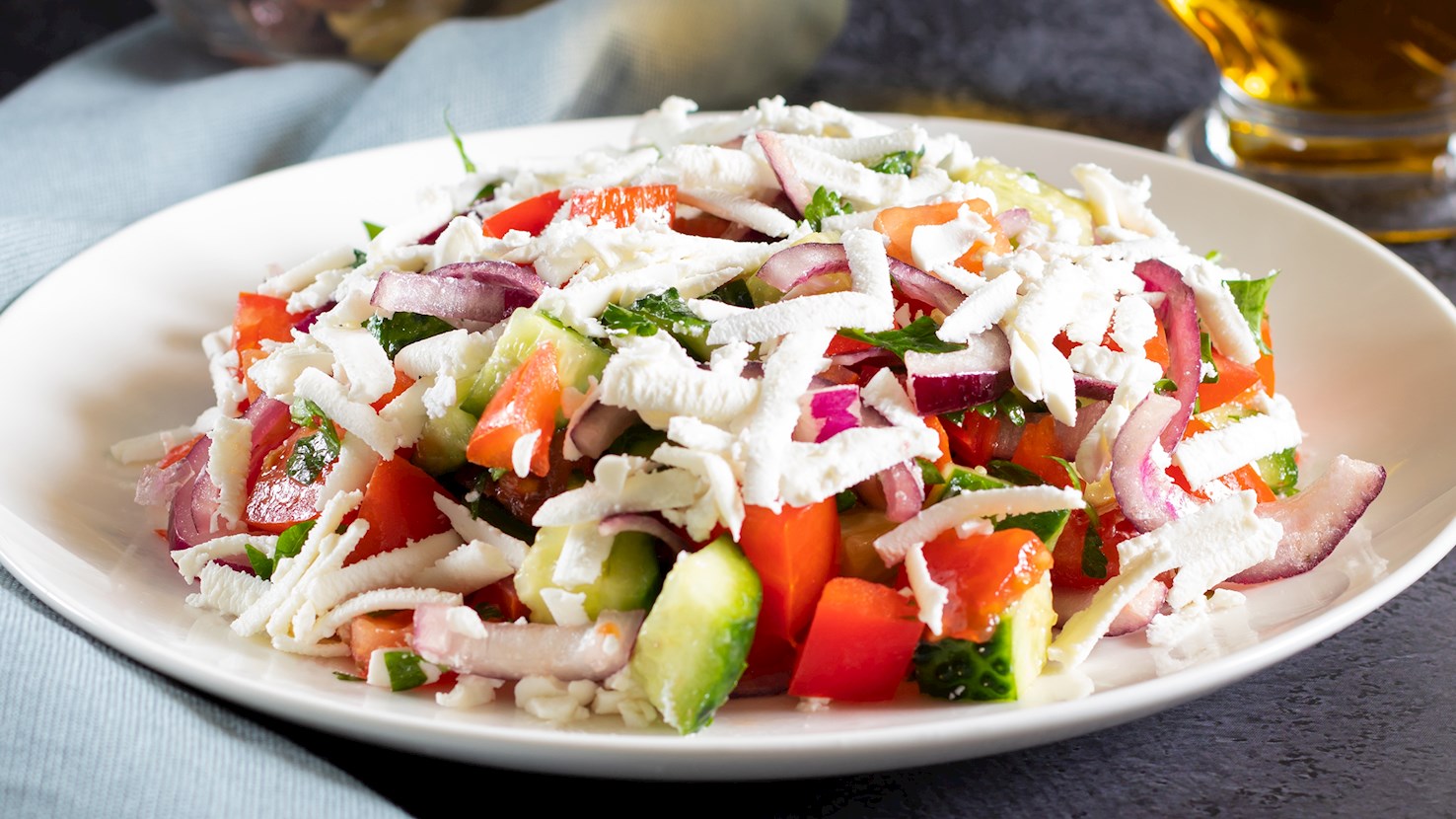
Šopska salata is a traditional cold salad that is also one of the national dishes of Bulgaria. Often served during summer, when one can find it in most Bulgarian restaurants, the salad consists of chopped tomatoes, cucumbers, onions, roasted or raw peppers, and Bulgarian cheese. It was originally created in the 1950s, when Bulgarian top chefs were asked to create dishes that would attract tourists to the country. The vegetables are typically salted, drizzled with sunflower oil, and sprinkled with grated Bulgarian sirene cheese on top. Some people substitute sunflower oil with olive oil in hopes to enhance the dish, but it is believed that it only spoils the authentic taste of the salad. A perfect, light and refreshing dish for hot summer days, shopska salad is a healthy bite of Bulgarian tradition. The word shopska in its name refers to the frugal Shopi people from the Shopluk region, where Bulgaria, Serbia and Macedonia meet.
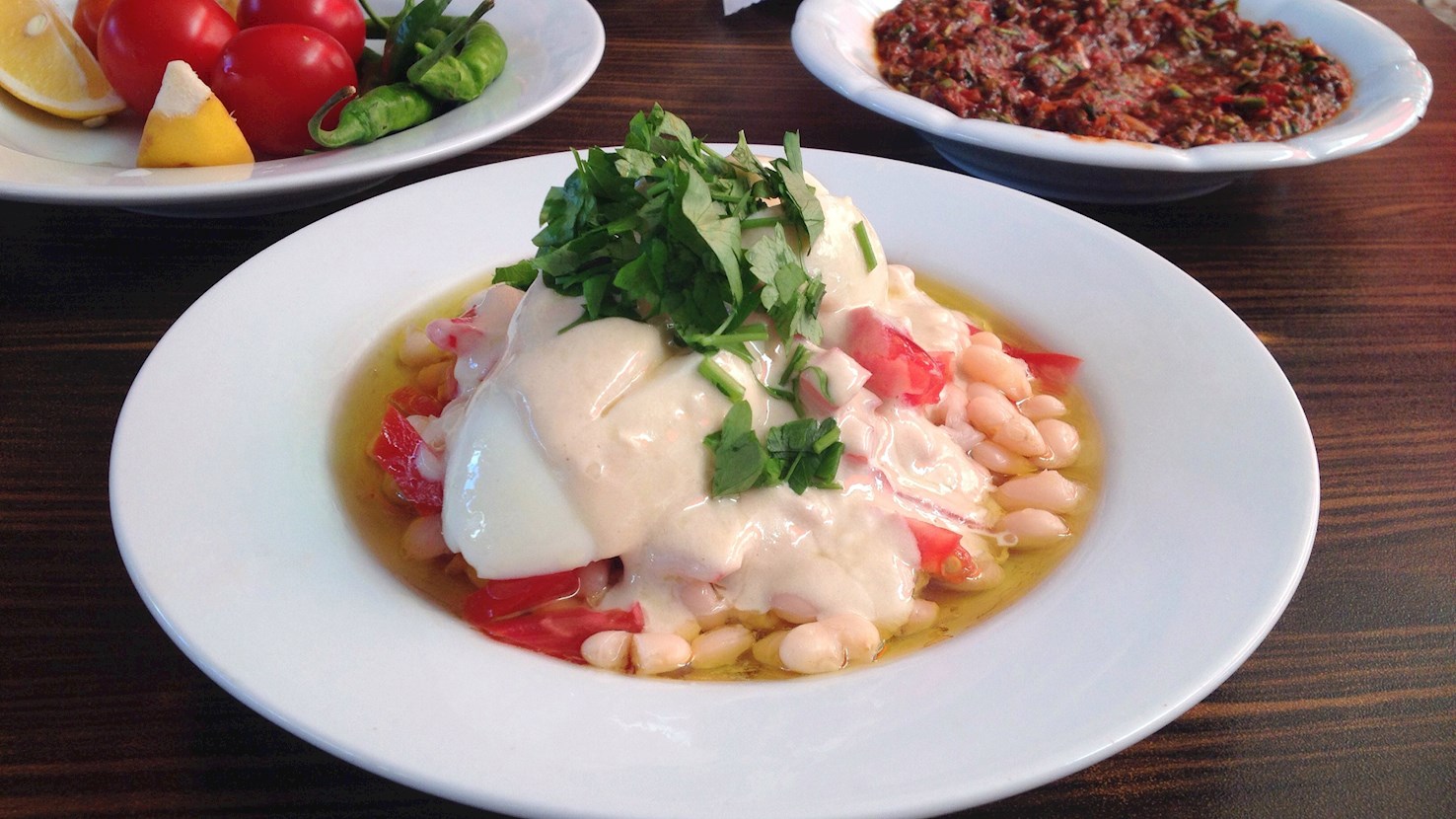
Piyaz is a traditional salad. In most of the country, it's a general term for a dish of dried beans, parsley, onions, and sumac. In Antalya, however, piyaz also contains a rich and smooth sauce consisting of tahini, lemon juice, and vinegar. The beans are topped with the sauce, and the dish is usually dressed with chopped tomatoes, sliced onions, hard-boiled eggs, olive oil, and parsley. Piyaz is often eaten as an accompaniment to köfte and similar grilled meats, but it can also be included in a meze selection.
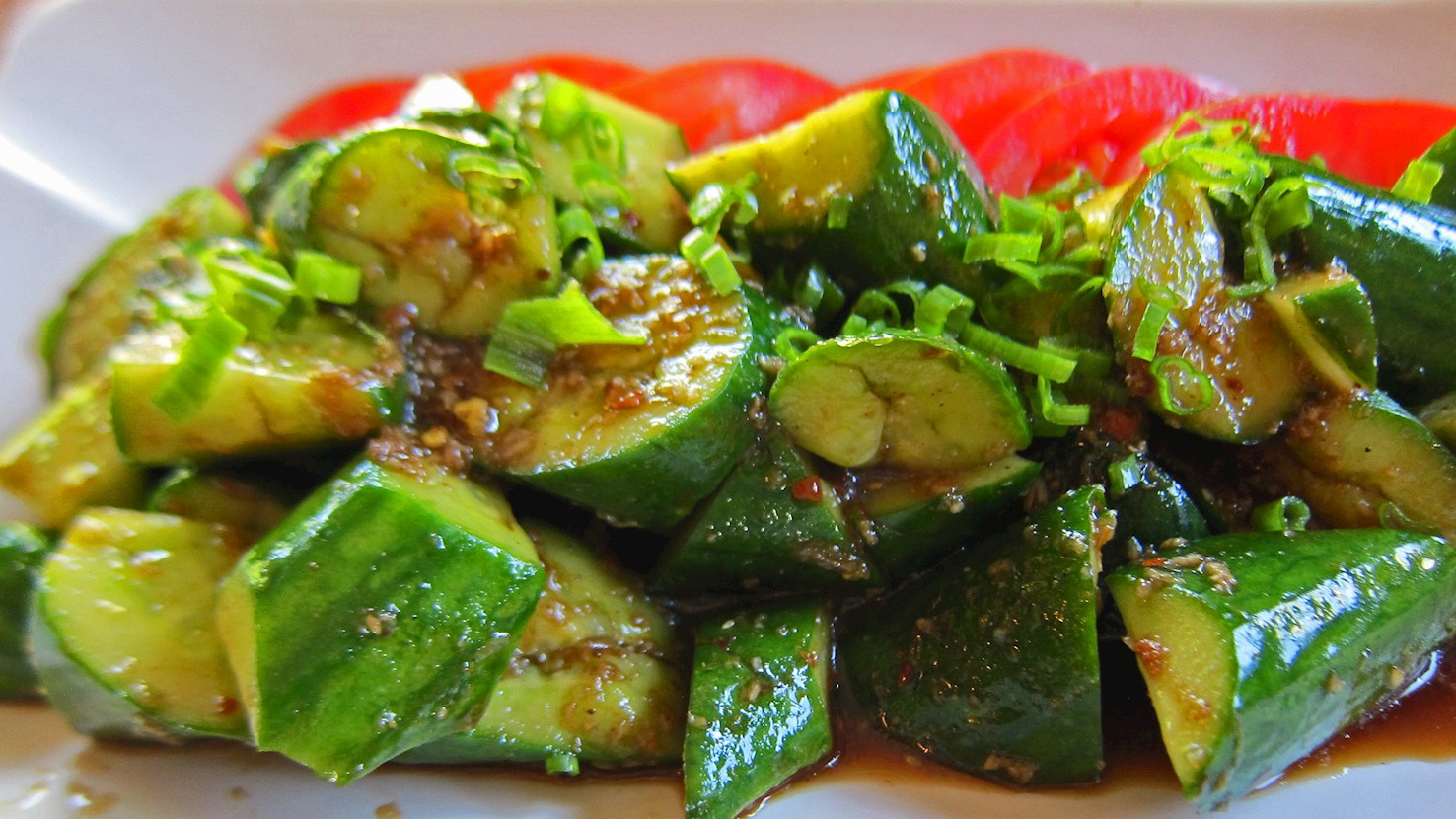
Smacked cucumber is a traditional Asian dish that’s especially popular in Tibet as a snack for picnicking. The dish is usually made with a combination of cucumbers, garlic, sesame oil, black vinegar, and soy sauce. The cucumber is peeled and smacked with a rolling pin so that it’s bruised and starting to break apart. It’s sliced into chunks and mixed with the rest of the ingredients. The ingredients are tossed well and then served on a large plate. The cucumber is smacked because it will absorb the flavors of garlic, oil, vinegar, and soy sauce even better and it will have a more intense flavor.
TasteAtlas food rankings are based on the ratings of the TasteAtlas audience, with a series of mechanisms that recognize real users and that ignore bot,
nationalist or local patriotic ratings, and give additional value to the ratings of users that the system recognizes as knowledgeable.
For the “Top 100 Salads in the World” list until September 15, 2026, 20,472 ratings were recorded, of which 11,763 were recognized by the system as legitimate.
TasteAtlas Rankings should not be seen as the final global conclusion about food. Their purpose is to promote excellent local foods,
instill pride in traditional dishes, and arouse curiosity about dishes you haven’t tried.









What People Say